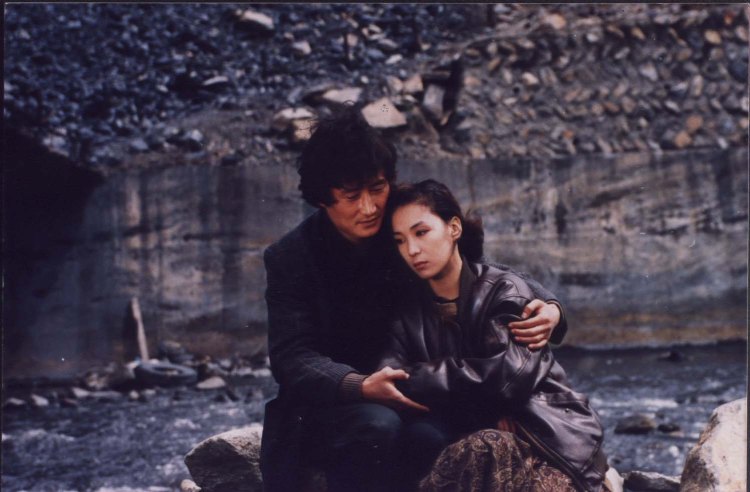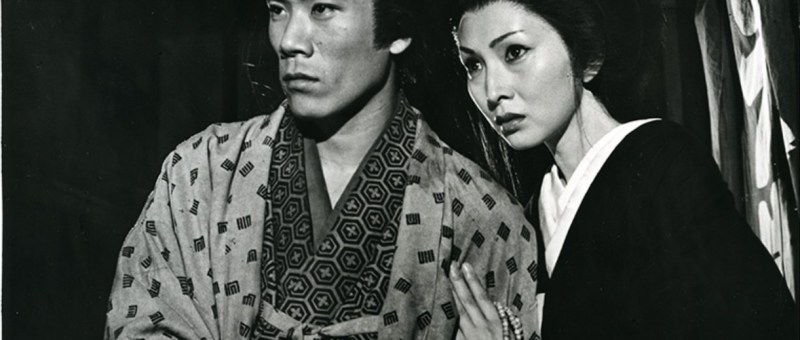
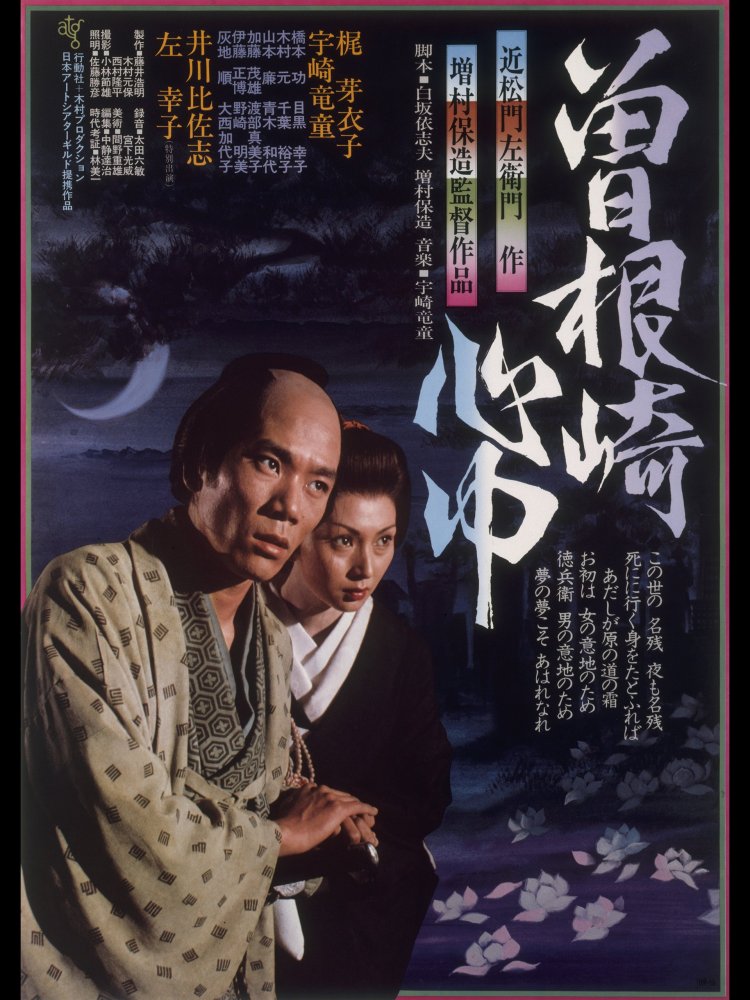
Double Suicide at Sonezaki (曽根崎心中, Yasuzo Masumura, 1978)

Love Suicides at Sonezaki posterAfter spending the vast majority of his career at Daiei, Yasuzo Masumura found himself at something of a loose end when the studio went bankrupt in the early ‘70s. Working as a freelance director for hire he made the best of what was available to him, even contributing an instalment in former Daiei star Shinataro Katsu’s series of period exploitation films, Hanzo the Razor: The Snare. There is, however, a particular shift in the famously fearless director’s point of view in these later films as his erotically charged grotesquery begins to soften into something more like an aching sadness in the crushing sense of defeat and impossibility which seems to consume each of his heroes. Maintaining the contemporary groove of Lullaby of the Earth – an uncharacteristically new age inflected tale of a naive orphan from the mountains tricked into the sex trade through a desire to see the sea, Double Suicide at Sonezaki (曽根崎心中, Sonezaki Shinju, AKA Love Suicides at Sonezaki / Double Suicides of Sonezaki, Double Suicide in Sonezaki) is a melancholy exploration of the limitations of love as a path to freedom in which the demands of a conformist, hierarchical society erode the will of those who refuse to compromise their personal integrity on its behalf until they finally accept that there is no way in which they can possibility continue to live inside it.

Ohatsu (Meiko Kaji), the geisha, has fallen in love with a client – Tokubei (Ryudo Uzaki), who is a humble man taken in by an uncle with the intention that he take over his soy-sauce shop. No longer the relationship between a prostitute and a customer, Ohatsu refuses to take Tokubei’s money which begins to cause friction with her “master” at the brothel to whom she still owes a significant debt. Tokubei does not possess the resources to redeem her, nor is he ever likely to. Matters are forced to a crisis point when each of them is offered what would usually be thought the best possible option for their respected social paths. Tokubei is offered the hand in marriage of his aunt’s niece and the chance to set up his own shop in Edo but it isn’t what he wants because he wants Ohatsu. Similarly, Ohatsu is sought by a wealthy client who wants to buy her and take her home as a mistress – she tries to refuse but has to play along given her relative lack of agency, longing to be with Tokubei or no one at all. Tokubei is thrown out by his uncle for refusing the marriage and finds himself the difficult position of having to reclaim dowry money from his greedy step-mother only to be conned out of it by an unscrupulous “friend”, Kuheiji (Isao Hashimoto), who later frames him to make it look like Tokubei cheated him. Beaten and ostracised, Tokubei sees no escape from his shame other than through an “honourable” death and Ohatsu sees no life for herself without her love.

Inspired by Chikamatsu’s world of double suicides, Masumura adopts a deliberately theatrical method of expression in which the cast perform in a heightened and rhythmic style intended to evoke the classical stage of Japan. Yet he also makes a point of scoring the film with contemporary folk and jazz as if this wasn’t such an old story after all. Times may be more permissive, but perhaps there’s no more freedom in love than there ever was and the pure dream of happiness in romantic fulfilment no more possible.

The forces that keep Tokubei and Ohatsu apart are only partly those unique to the feudal world – debt bondages and filial obligations being much weakened if not altogether absent in the post-war society, but are almost entirely due to their lack of individual agency and impossibility of freeing themselves from the various systems which oppress them. Tokubei is a poor boy from the country whose father has died. He has been taken in by an uncle and trained up as an heir – something he is grateful for and has worked hard to repay, but will not sacrifice his individual desire in order to accept the path laid down for him.

Ohatsu, in a more difficult position, is oppressed not only by her poverty but by her gender. Sold to a brothel she is subject to debt bondage and viewed only as a commodity, never as a person. When she intervenes to stop Tokubei being beaten by Kuheiji’s thugs, her patron panics but only because he will lose his money if she is “damaged”. Similarly, the brothel owner complains for the same reason after some ruckus at the inn. Neither of them are very much bothered about Ohatsu in herself but solely in her functionality as tool for making money or making merry respectively.

“Money is better, money means everything” claims Tokubei’s angry step-mother and she certainly seems to have a point as both of our lovers struggle through their lack of it. In the end it’s not so much money but “shame” which condemns them to a sad and lonely death as they realise they can no longer live with themselves in this cruel and unforgiving world which refuses them all hope or possibility for the future. An honourable man, Tokubei cannot live with such slander – men die for honour, and women for love, as Ohatsu puts it. Ironically enough there was a chance for them but it came too late as Kuheiji’s machinations begin to blow back on him and Tokubei’s uncle begins to regret his overhasty disowning of his nephew, but the world is still too impure for such pure souls and so they cannot stay.

Unlike some of Masumura’s earlier work, there’s a sadness and an innocence implicit in Double Suicide at Sonezaki that leaves defiance to one side only to pick it up again as the lovers decry their love too pure to survive in an impure world. The world does not deserve their love, and so they decide to leave it, freeing themselves from the “shame” of living through the purifying ritual of death. Softer and sadder, the message is not so far from the director’s earlier assertions save for being bleaker, leaving no space for love in an oppressive and conformist society which demands a negation of the soul as the price for acceptance into its world of cold austerity. 


Opening (no subtitles)

Orange (orange-オレンジ, Kojiro Hashimoto, 2015)

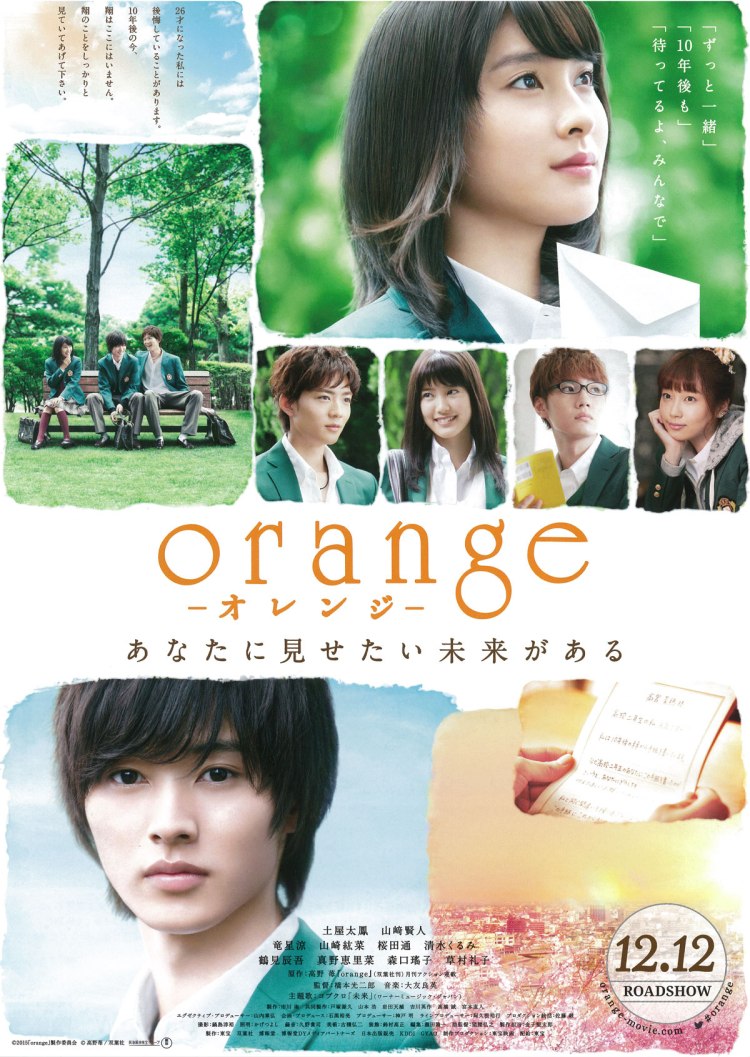
Orange posterPerhaps it isn’t possible (or even desirable) to live a life without regrets, but given the opportunity who wouldn’t want a second chance to tackle some of those thorny adolescent moments where you said something you shouldn’t have or didn’t say something that perhaps should have been said. The heroine of Kojiro Hashimoto’s Orange (orange-オレンジ) gets exactly this opportunity when she receives a letter from her future self asking for her help in “erasing” some of her teenage regrets by using the information in the letter to save a friend she hasn’t yet met. Though the letter contains little information about the life she is leading ten years from now, it is clear that something happened all those years ago which has profoundly affected the lives of a tight group of high school friends.

16-year-old Naho (Tao Tsuchiya) receives the letter at the beginning of her second year of high school, reading it under the vibrant pink cherry blossoms. A little creeped out, she doesn’t read it fully but is surprised when, just as the letter said, a new student, Kakeru (Kento Yamazaki), transfers into her class and occupies the previously empty desk next to hers. A shy and quiet girl Naho is nevertheless part of a group of five friends which includes sportsman Suwa (Ryo Ryusei), geek Hagita (Dori Sakurada), and two other girls Takako (Hirona Yamazaki) and Azusa (Kurumi Shimizu). For reasons unexplained, the group quickly takes Kakeru into their fold only for him to suddenly disappear for a couple of weeks. On closer inspection of the letter, Naho is disturbed by the news that Kakeru is “no longer around” at the time of her future self’s writing.

Orange fits neatly into the popular tragic high school romance genre in which an older version of the protagonist looks back on a traumatic event and tries to come to terms with their own action or inaction in order to move forward with their adult lives. 26-year-old Naho, as we quickly find out, has moved on – she is married to Suwa and has a young son she has named Kakeru but she and the others are still finding it difficult to come to terms with what happened to their friend and the possibility that they could have done something more to help him if they’d only known then what they know now.

So far so “junai”, but Orange tries to have things both ways by introducing a slightly clumsy time travel/parallel universe theory in which the protagonists realise that they won’t be able to change the past but are hoping that their friend is happy in an alternate timeline created by their efforts to influence their younger selves with more mature thinking coupled with the benefit of hindsight. Unlike other examples of the genre, Orange undercuts the usual need to deal with the past and find closure through a mild fantasy of denial in which the older protagonists can believe in an alternate future in which they were able to do things differently and save their friend from his unhappy destiny.

Saving their friend is, however, only a secondary goal – the first being to ease their own sense of guilt in not having seen that Kakeru was in trouble and needed their help. All this emphasis on personal “regret” cannot help but seem somewhat solipsistic – everyone is very sorry about what happened in the past and wishes that they could have acted differently but is also somewhat preoccupied with their own role in events rather than a true desire to have in someway eased their friend’s suffering. Though there is the true selflessness of real, grown up love such as that displayed by Suwa who has always loved Naho but supports her love of Kakeru despite his own feelings, the actions of the group remain childishly goal orientated as Kakeru’s survival becomes an end mission flag rather than an expression of love and care for a friend in trouble.

The teenagers are, despite advice from their older selves, still teenagers and so it is only to be expected that they respond to a very grown up problem with a degree of immaturity, but it is also true that Kakeru’s ongoing, mostly well hidden, depression plays second fiddle to the various romantic subplots currently in action. Though the friends rally round with fairly trite phrases about helping to carry Kakeru’s burden and always being there him, Orange almost tries to argue that kind words are enough to pull a strained mind back from the brink – not that kind words ever hurt, but some problems are bigger than superficial pledges of friendship can handle especially when you’ve half a mind on who loves who and who is trying to get in the way of someone else’s romantic destiny. In spending so much time worrying about their friend, they have, in a sense, left him to deal with all his problems on his own while revelling in their own “concern”.

Superficial and melodramatic, Orange’s insistence on the power of teenage friendship can’t help but ring a little false and the parallel universe solution an overly convenient narrative device which allows for two differing resolutions both of which essentially frustrate the attempts of the older protagonists to accept their own sense of guilt and responsibility for their friend’s death in order to move on with their lives. Kakeru, in a sense, gets forgotten in his friends’ need to absolve themselves of his fate – a particularly ironic development in a cautionary tale about the enduring legacy of regret and the necessity of communicating one’s true feelings fully in the knowledge that there may not always be another opportunity to do so.


Original trailer (no subtitles)

Camera Japan Announces Complete Programme for 2018

camera japan logo

Camera Japan, the premiere Dutch showcase for Japanese film, returns for its 13th edition this September with another fantastic selection of recent indie and mainstream cinema. This year’s classic section will also present four films from horror maestro Nobuo Nakagawa including his celebrated adaptation of Yotsuya Kaidan.

Contemporary cinema

tremble all you want still 1

  • Being Natural – a rural man’s peaceful existence is threatened by hipster hippies from Tokyo who insist on opening a cafe in his house. Review.
  • blank 13 – a young man gets to know his late father through guests at the funeral in the directorial debut from actor Takumi Saitoh.
  • The Blood of Wolves – Koji Shirashi pays homage to Battles Without Honour in a tale of dodgy cops and treacherous yakuza. Review.
  • Call Boy – a haunted young man becomes a gigalo in the latest from Daisuke Miura.
  • Cyclops – a man recently released after serving time for the death of his wife goes after the “real” killer in this twisty neo-noir. Review.
  • Dear Etranger – a divorced father has married again and has two step-daughters but is conflicted on hearing that his second wife is pregnant. Review.
  • Death Row Family – the son of a yakuza boss is falsely imprisoned and then forced to commit a crime when he gets out in the black comedy debut of Yuki Kobayashi.
  • Destiny, The Tale of Kamakura – An absent minded writer goes on a quest to the afterworld when his wife is taken there by mistake. Review.
  • Dynamite Graffiti – biopic following porn pioner Akira Suei through ’70s and ’80s Japan. Review.
  • Flower and Sword – historical comedy about a Buddhist monk obsessed with flower arranging.
  • Foreboding – prequel to Kiyoshi Kurosawa’s Before We Vanish in which a factory worker worried about her husband’s strange behaviour stumbles on the alien invasion. Review.
  • Ice Cream and the Sound of Raindrops– astonishing one take teen drama in which a group of youngsters rehearsing a production of Simon Stephens’ Morning react to having their play abruptly canceled. Review.
  • Inuyashiki – superhero action in which an old man and an angry teen get a cyborg upgrade on the same day. Review.
  • Kanazawa Shutter Girl – manga adaptation in which a disaffected teen tries to reconnect with the present through photography.
  • Liverleaf – a bullied transfer student fights back in this strangely pitched revenge drama. Review.
  • Moon and Thunder – a young woman from a disordered family background strives for a “normal” life but is forced to confront the past when a childhood friend resurfaces. Review.
  • Mori, the Artist’s Habitat – portrait of eccentric artist Mori Kumagai by master of the surreal Shuichi Okita. Review.
  • One Cut of the Dead – Real zombies mess up the shoot for a horror movie in Shinichiro Ueda’s hilarious comedy. Review.
  • Pumpkin and Mayonnaise – a young woman working as a hostess to support her musician boyfriend is tempted by the resurfacing of an ex. Review.
  • Rokuroku: The Promise of the Witch – yokai horror anthology from Yudai Yamaguchi.
  • Room Laundering – a young woman who house sits in apartments where bad things happened develops the ability to see ghosts. Review.
  • The Scythian Lamb – a depopulating town joins a scheme to rehome low risk ex-cons in Daihachi Yoshida’s thoughtful drama. Review.
  • Tokyo Vampire Hotel – feature cutdown of Sion Sono’s epic TV series about a war between rival vampire clans. Review.
  • Tremble All You Want – a shy young woman is forced to break out of her fantasy bubble when a co-worker shows an interest in her. Review.
  • The Trial – John Williams relocates Kafka’s The Trial to modern day Tokyo.

Documentary

Vibration yellow monkey

Nobuo Nakagawa

Yotsuya Kaidan

  • The Adventure of Tobisuke – a puppeteer suffers a head injury saving a woman’s life and can only count up to three but her mother knows of a golden fruit which can restore his memory…
  • Black Cat Mansion – a doctor takes his sickly wife to a nobleman’s house where she can recover in peace only she begins having strange visions…
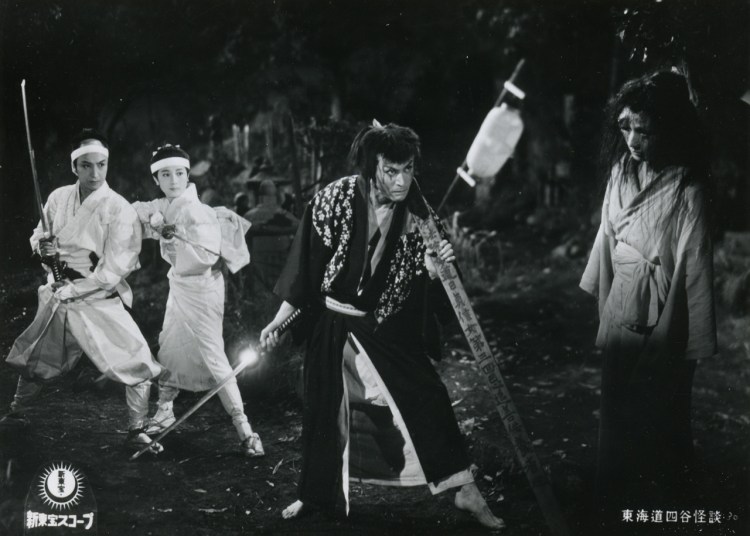
  • The Ghost of Yotsuya – an ambitious samurai falls in love but is refused marriage on the grounds of his lowly status. He kills his bride’s father and marries her anyway only to consider killing her too when he gets a better offer…
  • Jigoku – a theology student who blames himself for a deadly car crash makes his way to the gates of hell…

Animation

mary and the witch's flower still 1

  • Brave Storm – mecha adventure in which heroes from the future come back to the present to stop aliens taking over.
  • A Letter to Momo – a girl moves to a remote island following the death of her father and makes friends with a series of yokai.
  • Mary and the Witch’s Flower – a bored little girl embraces her magic destiny when she finds a flower that gives her witch’s powers for one night only. Review.
  • Pom Poko – Tanuki fight back in this charming Studio Ghibli anime from the late Isao Takahata.

Camera Japan 2018 takes place across two weekends in Rotterdam (26 – 30th September) and Amsterdam (4th – 7th October). Full information on all the films as well as ticketing links can be found on the official website. You can also keep up to date with all the latest news via Camera Japan’s official Facebook pageTwitter account, and Instagram channel.

Black Republic (그들도 우리처럼, Park Kwang-su, 1990)

Black Republic still 1In the Korea of 1990, a revolution had been fought, won, and then betrayed by its people. Successfully petitioning for democracy, the newly minted Korean electorate went ahead and voted for the chosen successor of the dictator they’d just spent so long trying to oust. Change comes slow, but it comes even if not quite the way you wanted it. Park Kwang-su’s first film Chilsu and Mansu, released in 1988 and set in the contemporary Seoul running to catch up to its Olympic aspirations, had made its own quiet protest about a hypocritical society’s rising social inequality. His follow up, Black Republic (그들도 우리처럼, Keduldo Urichurum), takes a journey back in time while keeping one foot in the present to show us a nation engulfed by a darkness that crushes love, dreams, and possibility all while dangling the shining hope of a better future that seems impossibly far away.

Tae-hun (Moon Sung-keun), a student protestor wanted by the police, heads into the mountains under an assumed name hoping to get a job in a mine. However, this is a period of intense economic volatility and the mining industry is collapsing. When his attempts to find work as a miner fail, Tae-hun (going under the name Gi-yeong) overhears a conversation in a cafe and manages to get a job in a local briquette factory.

Park opens in darkness as Tae-hun makes a phone call to his mother in which he never speaks and she reassures him that everything will be OK while the sound of a train gradually gathers in the background. When Tae-hun arrives at his destination, he finds himself in a barren, blackened land where everything is quite literally falling apart. The mines are closing and the landscape, desolate as it is, is peppered with derelict buildings and the modest, makeshift homes of the rural poor at the constant mercy of their greedy masters. As a newcomer, Tae-hun is not privy to the town’s secrets, but quickly comes to understand that though he may have escaped Seoul, the struggle is inescapable, because the struggle is Korea. The owner of the briquette factory is also some kind of loanshark involved in a suspiciously close arrangement with the local mine owner who is in the middle of a labour dispute with the miners who are petitioning for fair pay and better conditions. Haunted by the memories of his protest days, Tae-hun finds himself looking on at another candlelight procession calling for workers rights but rendered impotent, forced to remain silent or risk attracting the attention of the police.

Meanwhile, Tae-hun’s silence sees him unwittingly pulled into the orbit of those he would usually oppose. Seong-cheol (Park Joong-hoon), the illegitimate son of the factory boss, takes his own sense of crushing impossibility out on the entire town. Technically the “vice-president” of the factory, Seong-cheol is a sometime enforcer for his father’s greedy loan sharking business and thinks nothing of striding in and helping himself to the petty cash to spend on women and booze while gazing at the photo of his long absent mother. An invitation to dine with Seong-cheol and pals brings Tae-hun into contact with melancholy sex worker Yeong-sook (Shim Hye-Jin) who begins to fall for him when he skips out on her after Seong-cheol has pulled one of his usual tricks in giving her away in an attempt to buy friendship through influence.

Like Tae-hun, Yeong-sook is also trapped, running, and living under an assumed identity. Through her exposure to Tae-hun who is, after all, so different from the other men in the mountains, she begins to rediscover a sense of hope and possibility. Yeong-sook quits the illegal part of her job as a “coffee girl” and deepens her bond with Tae-hun through nursing him after he is arrested and beaten by the police who seem to harbour an innate suspicion towards him despite little evidence, but their love will require another act of faith and flight and the world in which they live may not let them to escape.

Everyone here is trapped, lying to themselves or others, wishing things were different than they are but has long since given up the hope they ever could be. While Tae-hun attempts to ride out the storm by burying his head in the coal dust, feeling it fill his lungs, struggling to breathe, Seong-cheol opposes his order with chaos, laying waste to half the town in a self destructive venting of his rage and resentment towards his selfish, unfeeling father, and a society he feels has already rejected him. Impossibility and hopelessness are the defining qualities of this world of corruption and exploitation in which there can be no escape or salvation, only crushing futility. Park closes with an ironic coda of swapped fates and tragic promise which places Tae-hun right where he was when we first met him, defeated by hope but still in motion, if for an uncertain direction.


Black Republic was screened as part of the Korean Cultural Centre’s Korean Film Nights 2018: Rebels With a Cause screening series. It is also available to stream online via the Korean Film Archive’s YouTube Channel.

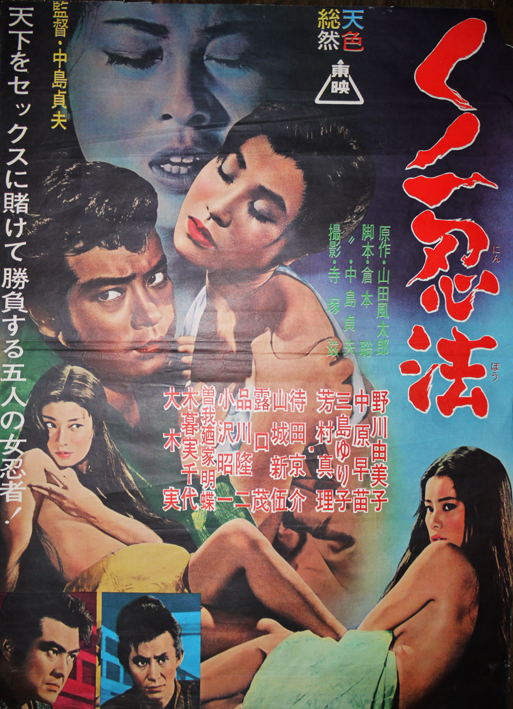
Female Ninja Magic (くノ一忍法, Sadao Nakajima, 1964)

female ninja magic posterSadao Nakajima, a veteran director and respected film scholar, is most often associated with his gritty gangster epics but he made his debut with a noticeably theatrical fantasy tale of female ninjas and their idiosyncratic witchcraft. Adapted from a novel by Futaro Yamada, Female Ninja Magic (くノ一忍法, Kunoichi Ninpo) is an atypically romantic take on the ninja genre, infused with ironic humour and making the most of its embedded eroticism as a collection of wronged women attempt to change the course of history and mostly pay with their lives.

The night before the fall of Osaka castle in 1615, Sanada Yukimura (Eizo Kitamura) comes up with a cunning plan to ensure the survival of the Toyotomi clan. Following the death of Hideyoshi, his son Hideyori had inherited the title but he was sickly and had no children of his own. His wife, Princess Sen (Yumiko Nogawa), was not able to bear an heir and so Sanada has hit on an idea. He wants to send five women of Iga to Hideyori’s bed chamber in the hope that one of them will become pregnant and ensure the survival of the Toyotomi line. Princess Sen is very much in on the plan and hopes to raise the child herself. However, she is by birth a member of the Tokugawa which is where she is eventually sent following fall of Osaka. Refusing to return to her birth clan, Sen rejects her father and insists on remaining true to the memory of her (now departed) husband and his unborn child. Tokugawa Ieyasu (Meicho Soganoya), however, has learned of the Toyotomi heir and is determined to see it killed…

Nakajima opens in grand fashion with a ghostly sequence in which Sanada outlines his plan. The ninjas sit silently before magically fading from the frame and being replaced by Sasuke, Sanada’s messenger. Soon enough, both Sanada and Sasuke are cut down by a rogue assassin but rather than going straight to heaven they decide to hang around and see how well the plan works out, becoming our narrators of sorts, hovering around in the background and occasionally offering the odd ironic comment from beyond the frame.

The ghostly effects don’t stop with the two undead commentators but comprise a key part of Nakajima’s deliberately theatrical aesthetic. Like many ninja films, Female Ninja Magic is filmed almost entirely on studio sets but never pretends otherwise. Its world is unrealistic and deliberately over the top, filled with with visual motifs both from traditional Japanese and classical European art. The female ninjas dance, topless, beckoning and seducing but they do it against a stark black background moving firmly into the film’s magical space in which all things are possible.

Meanwhile, Tokugawa Ieyasu has sent five male ninjas to take care of our five female witches, making use of their own, devious, ninja magic to combat that of our heroines. The first nefarious male ninja technique involves the murder and identity theft of a trusted maid, while another tries a similar trick by “projecting” himself into the consciousness of a handmaiden he has figured out is pregnant by listening for additional heartbeats, and convincing her to commit harakiri. His villainy is eventually turned back on him as the female ninjas make use of the most important of their spells – the “Changing Rooms” technique which effectively shifts the foetus from one womb to another.

Deliciously named – Rainbow Monsoon, Dancing Snow, Robe of Wings etc, the spells run from the sublime to the ridiculous with the self explanatory Eternal Gas which sends noxious purple smoke billowing from under the skirts of an elegant princess. Each has its own erotic component, even if it doesn’t necessitate a shift into the film’s elegantly designed dreamscape, but by and large the female ninja fight with supernatural rather than earthly powers. Facing such extreme threat, the women form a tight group of mutual support in order to ensure the survival of the child which Princess Sen will raise but not birth. Though her quest originated as a fierce declaration of her loyalty to the Toyotomi, she later recants on her tribal zealotry. Shocked by her father’s cruelty and sick of a persistent suitor, she admits that she has come to loathe the world of men and prefers to think of the baby as belonging to her band of women alone. Nevertheless, male violence eventually saves her as her aggressor, ironically enough, is moved by her devotion to the new life in her arms – he is “defeated by her strength as a woman”, and turns on his own kind. Female Ninja Magic eventually achieves the revenge it sought, allowing a princess to survive in triumph while the male order quakes in its boots.


Raindance Film Festival to Host Four East Asian World Premieres

Bad Poetry Tokyo 2London’s Raindance Film Festival returns from 26th September to 7th October with a handpicked selection of independent filmmaking from across the globe. This year is a fairly thin one for East Asian cinema, but there are a number of films from Japan, many of which are making their world premiere at the festival, as well as two from China.

A Crimson Star  (Japan, World Premiere)

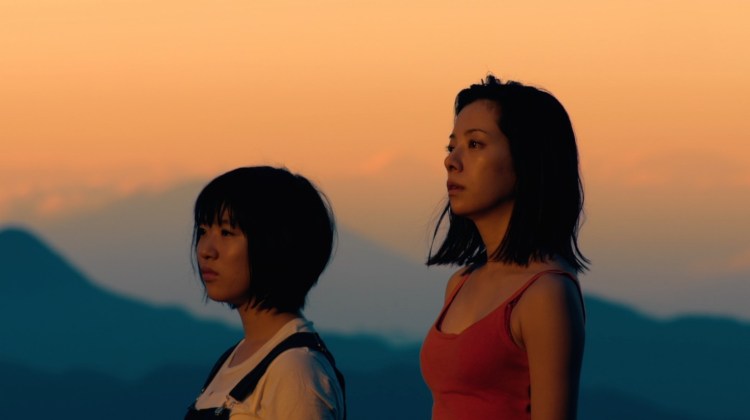
Crimson Star still 1Shy schoolgirl Yo bonds with nurse Yayoi during a hospital stay. When she runs into her again some time later it’s under very different circumstances – Yayoi has become a sex worker. Trapped in an abusive home, Yo eventually decamps to Yayoi’s and demands to stay the summer, but Yayoi’s burgeoning romance threatens to destroy their fragile bond…
Bad Poetry Tokyo  (Japan) 

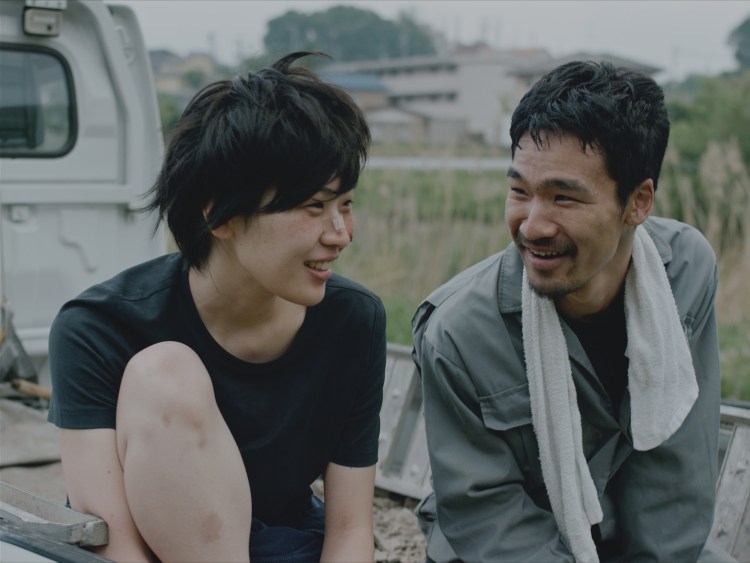
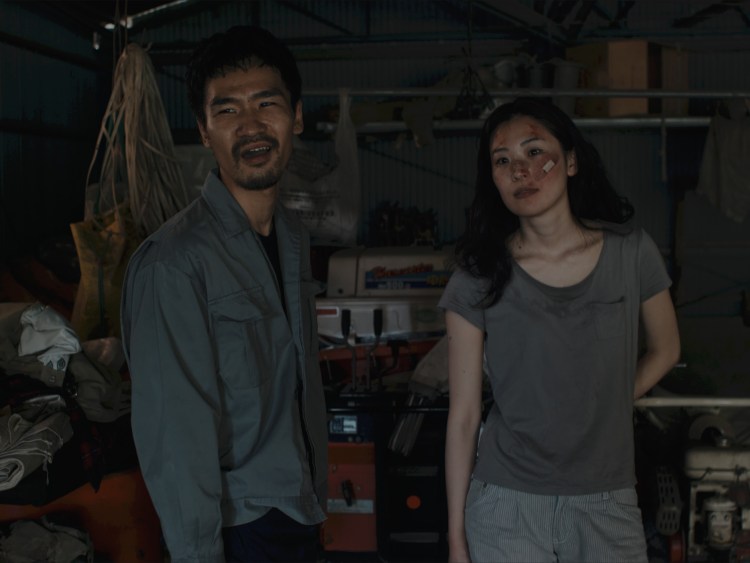
Bad Poetry Tokyo still 1Jun works in a hostess bar to save money to move to LA and pursue her dreams of becoming an actress, but having suffered violence from a customer and a romantic betrayal she decides to abandon the capital for her peaceful hometown. However, there are troubles to be found everywhere, not just in Tokyo….
Feelings to Tell  (China, World Premiere)

Screenshot 2018-08-22 16.48.10A painter journeys into the mountains and falls in love with a local girl destined to become a mountain goddess.
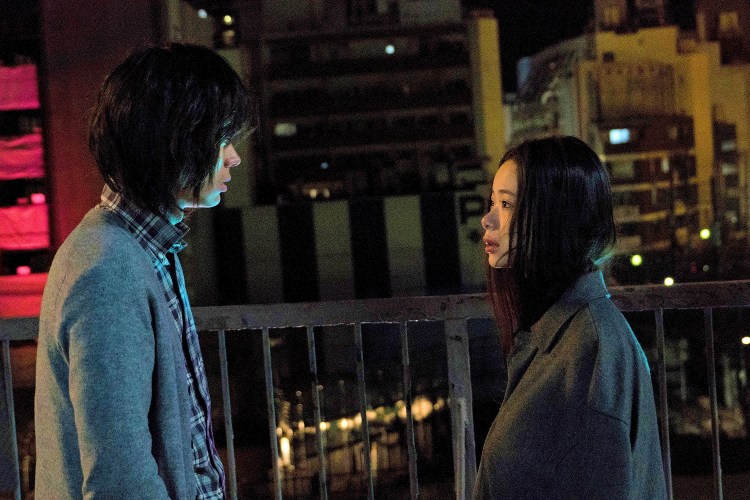
Love at Least (Japan, World Premiere) 

love at least still 1Yasuko suffers with a sleep disorder as well as manic depression and is looked after by her boyfriend Tsunaki (Masaki Suda) but their relationship is threatened by the resurfacing of Tsunaki’s ex.

Matsuchiyo – Life Of a Geisha (Japan, World Premiere)

Matsuchiyo - Life Of a Geisha still 1Ghostroads director Ken Nishikawa returns to Raindance with an extremely personal documentary as he examines the life of his mother – a geisha.

Room Laundering (Japan)

Room Laundering still 1A Japanese real estate law requires landlords to inform prospective tenants if something unpleasant has previously happened in the property, but it doesn’t specify how long you need to keep that up. Thus some unscrupulous types have come up with a “room laundering” scheme in which they get people who don’t mind a little unpleasantness to move in for a short period of time to “purify” the living space. Miko is just such a woman and the arrangement suits her well enough, until, that is, she develops the ability to see ghosts. Review.
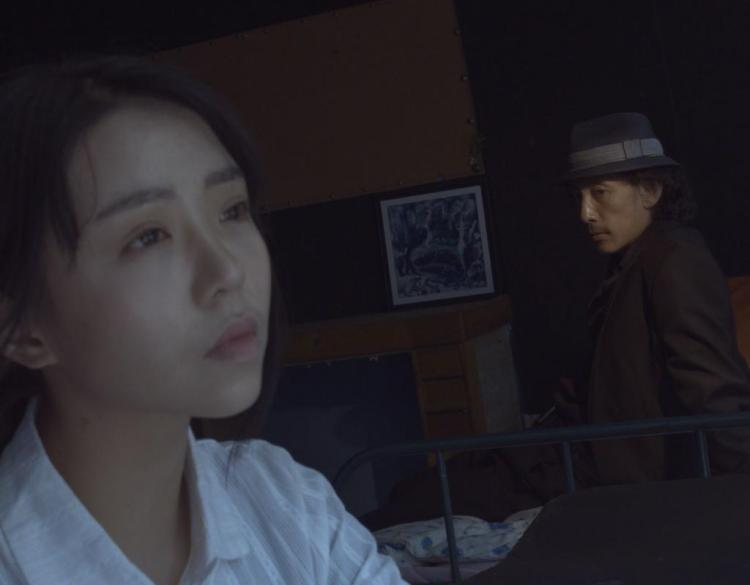
The End of Wind (China)

end of wind still 1A white collar worker in the middle of an existential crisis, an ex-con recently released from prison after being convicted of a crime he did not commit, and a refugee from North Korea seek release but find only more emptiness in the debut feature from Fog Forest.

Raindance Film Festival takes place at Vue Piccadilly, 26th September to 7th October. Tickets are already on sale via the official website. You can also keep up with all the latest details via the festival’s official Facebook page, Twitter account, Instagram, and YouTube channels.

A Woman Crying in Spring (泣き濡れた春の女よ, Hiroshi Shimizu, 1933)

woman crying in spring still 1The later legacy of Hiroshi Shimizu has largely been one of melancholy humanism shot through the unjaded eyes of children who have found themselves for one reason or another excluded from mainstream society. His first talkie, 1933’s A Woman Crying in Spring (泣き濡れた春の女よ, Nakinureta Haru no Onna yo, AKA The Lady Who Wept in Spring) is among his more pessimistic efforts, adopting the trappings of the classic melodrama but repurposing them as a coming of age tale for a woman who is already a mother herself set against the backdrop of the precarious contemporary economy among migrant workers and self-trafficking women. Though the overall tone is one of defeat and resignation in which the only possible salvation lies in learning to accept one’s fate, Shimizu does at least allow his heroines the possibility of a brighter future having actively decided on its course.

The film begins with a collection on men being counted onto a ship, onto which they are eventually followed by a collection of women. The men are going north to Hokkaido to work in the newly opened mines, while the women are following them to work in the newly opened bars. This is not a western, but it is a frontier town being made anew by the ongoing economic flux of ‘30s Japan.

The foreman reads out some rules for migrant workers arriving at the mines which boil down to – no women, no sake, no gambling, and the foreman’s word is law. The first two of these will turn out to have been good advice which was not followed, but it is the foreman himself who kicks off the drama by taking two of the miners, Kenji (Den Obinata) and Chuko (Shigeru Ogura), to the local bar run by one of the boat’s female passengers, Ohama (Yoshiko Okada). Ohama has a small daughter, Omitsu (Mitsuko Ichimura), whom she often neglects while she operates her slightly taboo business. Meanwhile, bar girl Ofuji (Akiko Chihaya) has taken a liking to the handsome and sensitive Kenji who tried to comfort her while she was crying on the boat. Ohama, however, has also taken a liking to him which has created an awkward situation among the women at the bar, though Kenji himself is a solitary sort and perhaps not really thinking of taking up with either woman.

The dilemmas are romantic, largely, but their implications wider. The first “issue” stems from the running of the mine itself which is shown to be inefficient and unsafe. The owners care only for money and not for the men who are all poor migrants unable to secure other, safer work in more palatable industries. The same is largely true of the women at the bar who have “fallen” into this line of work through poverty and lack of other options. Ofuji, possibly new to this world of casual prostitution, weeps on the boat despite having come to terms with her decision while a letter from home letting her know that her mother is seriously ill continues to weigh on her mind. She is touched by Kenji’s kindness and perhaps sees in him a possible escape from the increasingly oppressive nature of her life as a lowly bar girl.

Ohama, however, thinks something similar though her conflict is a slightly different one. Already a mother, Ohama is a middle-aged woman and the bar’s owner, which is to say she is in part the oppressor of these other women and in the business of marketing them to the local miners. Demonstrating his continuing sympathy for lonely children, Shimizu lets Ohama’s daughter Omitsu take centrestage through her mother’s continuing emotional distance. Ohama continually shuts Omitsu out of her bedroom (which is, technically, a place of work) as somewhere which is “unfit for children”, but ignores the inconvenient fact that this world is completely unfit for raising a child. Cast out, Omitsu wanders alone around the physically dangerous mine while she is surrounded by rough men who are often drunk and violent – all dangers her mother refuses to see in being entirely self-involved and overly conscious of the illicit nature of her business.

Ofuji and Ohama both see Kenji as a way out of their dead end lives, but Ohama is gradually made to realise that her opportunity for escape through romance has already passed. Like the later A Mother’s Love, Shimizu seems to suggest that a woman must cease to be a woman when she becomes a mother and that Ohama’s salvation is not a man but in accepting her role as Omitsu’s guardian and protector. Thus, chided by Kenji who has befriended the lonely little girl and noticed how keenly she feels her mother’s coldness towards her, Ohama begins to abandon her romantic fantasies and accept herself as a middle-aged woman with a child. Though this evidently means that she has both the right and the duty to continue on “alone” as a single woman raising a daughter, it is also a mild endorsement of the notion that single women with children must dedicate themselves entirely to childrearing and have lost all rights or hopes for future romantic fulfilment through the slightly taboo idea of “second” marriage.

The Japanese title is noticeably ambiguous and could as easily be a general statement on the unhappy state of 1930s women told through the melancholy tale of two trapped in the Hokkaido snows long after “spring” has supposedly sprung. Ohama, accepting her fate, sacrifices herself for Ofuji, enabling Ofuji’s flight in the knowledge that for her the ship has already sailed. His first talkie, Shimizu makes interesting use of sound in his frequent musical motifs but makes sure to leave space for the mournful sound of the boats departing as a woman watches sadly from an open window while the snow continues to fall silently before her.


Toronto International Film Festival 2018: Koreeda, Lee Chang-dong, Jia Zhangke in packed East Asian Programme

Aasako 1 & IIThe Toronto International Film Festival (TIFF) returns from 6th to 16th September and, as usual, brings with it an impressive selection of highly anticipated cinema from East Asia including Koreeda’s Shoplifters, the latest from Zhang Yimou and Jia Zhangke, and a long awaited return from Lee Chang-dong.

Cambodia

Graves without a name still 1

  • Graves Without a Name – Rithy Panh’s documentary followup to The Missing Picture explores the continuing effects of the Cambodian genocide.

China

ashes08020203-r-c

  • An Elephant Sitting Still – four troubled people make their way to Manzhouli where an elephant is said to be sitting still, free of worldly troubles in the first, and sadly last, film from Hu Bo who took his own life shortly after the film’s completion.
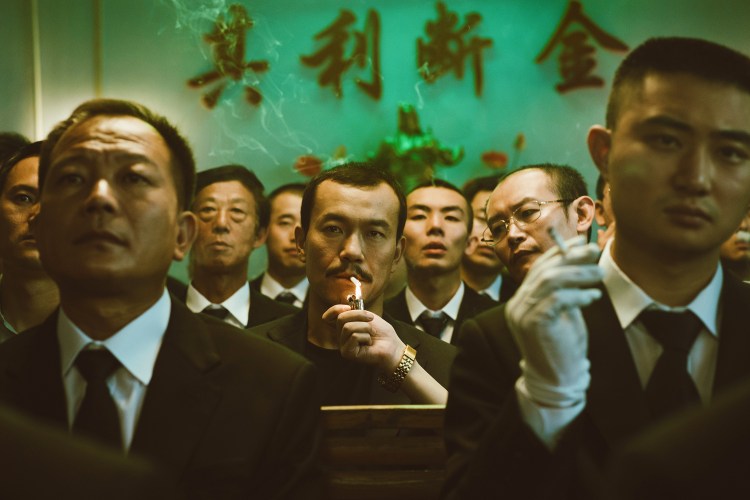
  • Ash Is Purest White – Zhao Tao stars in Jia Zhangke’s latest attempt to chart the course of modern China through crime thriller as a gangster’s moll takes the fall for her man only to be released and discover the world has changed and he has someone new.
  • Baby – Yang Mi stars as a woman who was abandoned at birth because of a genetic defect and tries to stop the same thing happening to another baby in Liu Jie’s latest social drama.
  • Hidden Man – Eddie Peng stars in Jiang Wen’s ’30s epic as a spy who comes back to China with revenge on his mind but finds himself in the middle of something much bigger.
  • Legend of the Demon Cat – Director’s Cut – Chen Kaige directs Shota Sometani as a monk who comes to China to study and ends up investigating a mysterious cat entity with the help of an eccentric poet (Huang Xuan)
  • Long Day’s Journey Into Night – a man returns to his home village after many years for his father’s funeral and to look for lost love in Bi Gan’s Kaili Blues followup.
  • Shadow – Zhang Yimou returns to the world of period epics with a tale of proxy war as a great general (Deng Chao) makes use of a double to combat palace intrigue.
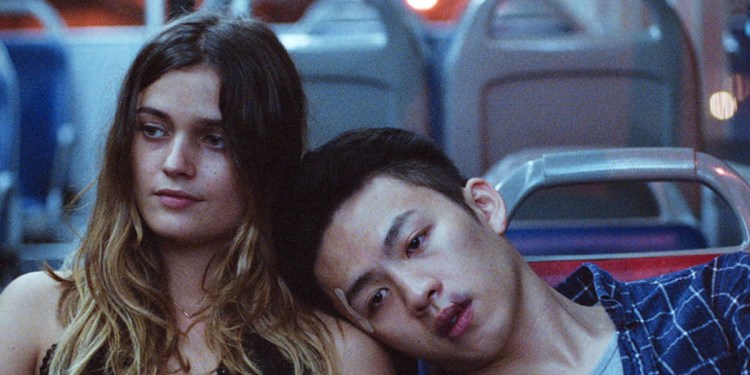
  • The Crossing – a schoolgirl turns smuggler to keep up with a wealthy friend in Bai Xue’s coming of age drama.

Japan

©© 2018 FUJI TELEVISION NETWORK/GAGA CORPORATION/AOI PRO. INC. ALL RIGHTS RESERVED.

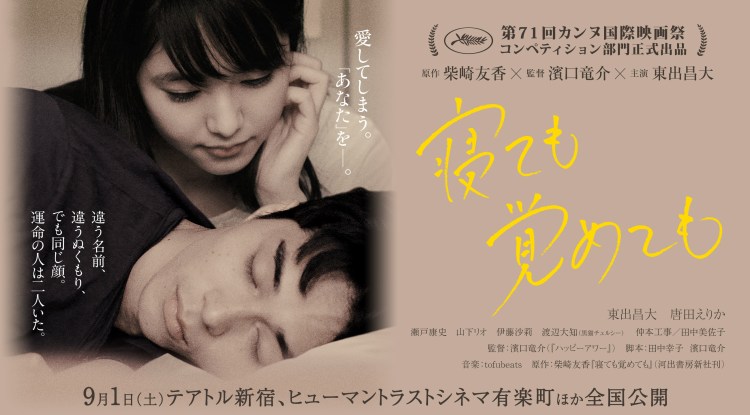
  • Asako I & II – Ryusuke Hamaguchi adapts Tomoka Shibasaki’s novel in which a young woman spots a man who looks exactly like her long absent lover in cafe, only he has a completely different personality.
  • Complicity – first time director Kei Chikaura charts a course of cross cultural interaction through the tale of an undocumented man from China trying to survive in Japan who is unexpectedly offered the chance to become an apprentice to a soba chef.
  • Killing – Shinya Tsukamoto takes on the samurai drama as a ronin (Sosuke Ikematsu) falls for a farmer’s daughter (Yu Aoi) while the winds of change blow all around them.
  • Shoplifters – Hirokazu Koreeda’s Palme d’Or winning drama follows a family of shoplifters who take in an abused little girl.
  • Vision – Juliette Binoche goes rare herb hunting in Japan in the latest from Naomi Kawase.

Korea

1272508_burning_924331

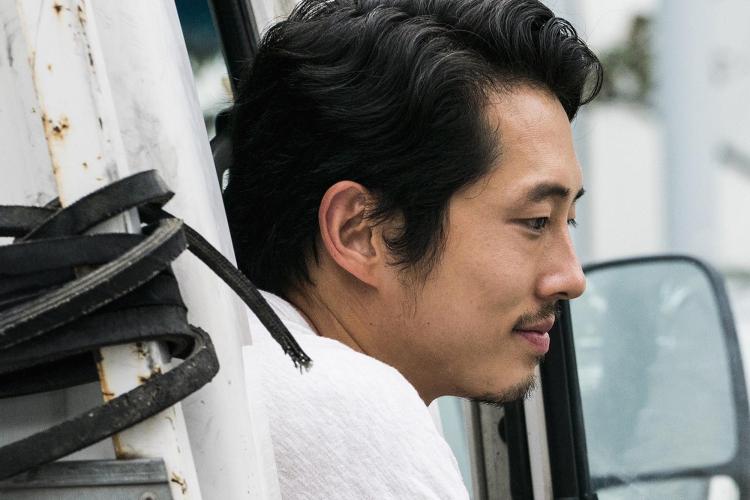
  • Burning – Lee Chang-dong makes a long awaited return with an adaptation of a Haruki Murakami short story in which a lonely author’s burgeoning crush on a childhood friend is threatened by a wealthy playboy.
  • Hotel by the River – Hong Sang-soo’s latest follows a poet, his sons, and two women to a gloomy hotel.
  • Our Body – a disaffected middle-aged woman becomes obsessed with a graceful female runner in Han Ka-ram’s pressing social drama.

Singapore

Folklore still 1

Taiwan

Cities of last things 1

  • Cities of Last Things – Ho Wi Ding works backwards from the suicide of a depressed policeman to find out what prompted him to take his own life.

Thailand

Manta Ray 1

  • Manta Ray – a fisherman takes in a Rohingya refugee in the debut film from Phuttiphong Aroonpheng.

Tibet

jinpa 1

  • Jinpa – delivery driver Jinpa knocks over a sheep and then finds himself picking up a hitchhiker also called Jinpa who is on a journey to avenge the death of his father.

Vietnam

third wife q

  • The Third Wife – a 14-year-old girl becomes the third wife of a wealthy landowner in 19th century Vietnam.

The Toronto International Film Festival runs from 6 – 16th September, 2018.

The complete festival programme as well as full information on all the films can be found on the festival’s official website, and you can keep up with all the latest details through the official Facebook pageTwitter account, Instagram and YouTube channels.

Poetry Angel (ポエトリーエンジェル, Toshimitsu Iizuka, 2017)

poetry angel posterLife is confusing. You think you know what you want, only to realise it wasn’t what you wanted at all. What you really wanted was the very thing you convinced yourself you didn’t want so that you could want something else. The characters at the centre of Toshimitsu Iizuka’s Poetry Angel (ポエトリーエンジェル) are all suffers of this particular delusion, lost and alone in a small town in rural Japan without hope or direction. That is, until they discover the strange sport of “poetry boxing”.

Our hero, Tsutomu (Amane Okayama), is a 21-year-old farm boy with dreams of becoming an author. His illusions are, however, shattered when he checks the board in the community centre and discovers he hasn’t even placed in a local history essay writing contest which appears to have been won by a child. In this delicate state, a pretty girl suddenly approaches him and begs for his help but then drags him into a seminar room where he is forced to listen to a lecture on “poetry boxing”. Almost everyone else leaves straight away but Tsutomu is intrigued – after all, semi-aggressive literary sport might be just the thing to get an aspiring author’s creative juices flowing.

Tsutomu’s problems are the same as many a young man’s in Japanese cinema – he resents having his future dictated to him by an accident of birth. His father owns a large orchard and is a well respected producer of salt pickled plums. As the only child, Tsutomu is expected to take over but he hates “boring” country life and the repetitive business of farming, his thinly veiled jealousy all too plain when an old friend returns from Tokyo on a visit home between university graduation and a new job in the capital. Tsutomu thinks of himself as special, as an artist, but no one seems to be recognising his genius.

This might partly be because his only “poem” is an alarming performance art piece in which he laments his tendency to destroy the things he loves with his “weed whacker”. The sport of poetry boxing has no physical requirements but it has no limits either. It’s more or less like performance poetry or a less directly confrontational kind of slam, but participants are encouraged to step into the boxing ring and express themselves in whichever way they see fit. Once both participants have concluded their “poems” a panel of judges votes on the winner. Like Tsutomu, the other members of the poetry boxing team are dreaming of other things or claiming to be something they’re not. Rappers who really work in cabaret bars, lonely girls who fear they’re plain and long to be “cute”, civil servants longing to kick back at inconsiderate citizens, and old men who really do just want to write poetry and appreciate the time they have left.

Yet through the endlessly wacky tasks set by Hayashi (Akihiro Kakuta), the leader of the group, each of the participants begins to gain a deeper understanding of who they are and what they really want. Not least among them An (Rena Takeda), a gloomy young girl who spends her life scowling at people and refusing to speak. She’d been into boxing for real and first met Tsutomu when she punched him in the face because his unexpectedly sexist friend from Tokyo was harassing her in the street. Poetry, however, begins to unlock even her deepest held desires which can finally be voiced from the ironically safe space of the poetry boxing ring.

There may be nothing particularly original about Iizuka’s delayed coming of age tale, but it has genuine warmth for its confused no hopers as they look for connection through formalised language and ritual play, discovering new depths to themselves as they do so. As it turns out mostly what you want was there all along, only you didn’t want to look. Annoyingly, other people may have figured it out before you but that can’t be helped and is, after all, only to be expected. Poetry is a doorway to the soul but it’s also one that might need a good kicking to get it open. Maybe the boxing ring is a better place to start than one might think.


Original trailer (no subtitles)

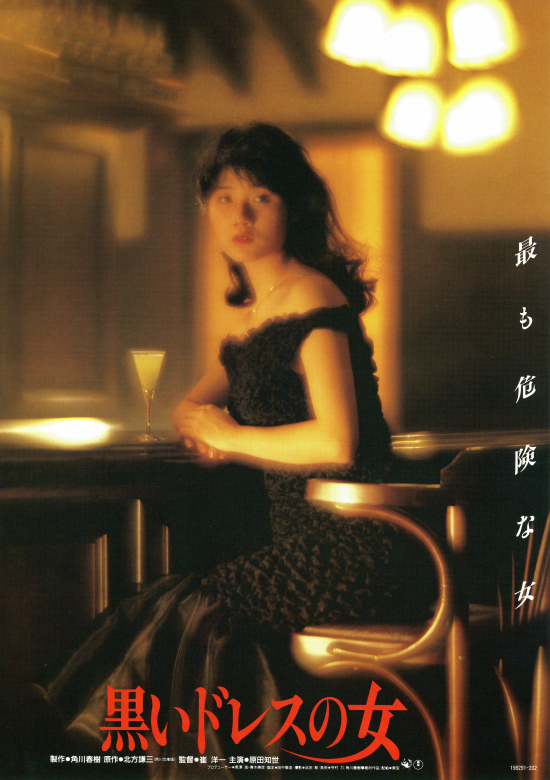
The Lady in a Black Dress (黒いドレスの女, Yoichi Sai, 1987)

Lady in a Black Dress posterHaruki Kadokawa had become almost synonymous with commercial filmmaking throughout the 1980s and his steady stream of idol-led teen movies was indeed in full swing by 1987, but his idols, as well as his audiences, were perhaps beginning to grow up. Yoichi Sai’s first outing for Kadokawa had been with the typically cheery Someday, Someone Will Be Killed which was inspired by the most genre’s representative author, Jiro Akagawa, and followed the adventures of an upperclass girl who is suddenly plunged into a world of intrigue when her reporter father disappears after dropping a floppy disk into her handbag. A year later he’d skewed darker with a hardboiled yakuza tale starring Tatsuya Fuji as part of Kadokawa’s gritty action line, but he neatly brings to two together in The Lady in a Black Dress (黒いドレスの女, Kuroi Dress no Onna) which features the then 20-year-old star of The Little Girl Who Conquered Time, Tomoyo Harada, in another noir-inflected crime thriller again adapted from a novel by Kenzo Kitakata.

We first meet the titular “lady in a black dress” walking alone alone along a busy motorway until she is kerb crawled by a yakuza in a fancy car. Declaring she intends to walk to Tokyo (a very long way), Reiko (Tomoyo Harada) nevertheless ends up getting into the mysterious man’s vehicle despite avowing that she “hates yakuza”. The yakuza goon does however drive her safely into the city and drop her off at her chosen destination – a race course, where she begins her quest to look for “someone”. By coincidence, the yakuza was also heading to the race course where he intended to stab a rival gangster – Shoji (Bunta Sugawara), who makes no attempt to get away and seemingly allows himself to be stabbed by the younger man. Shoji, as it happens, is the temporary responsibility of the man Reiko has been looking for – Tamura (Toshiyuki Nagashima), a former salaryman turned bar owner with fringe ties to the yakuza. Putting on her little black dress, Reiko finally finds herself at his upscale jazz bar where she petitions him for a job and a place to stay, dropping the name of Tamura’s sister-in-law who apparently advised her to try hiding out with him.

Reiko is, after a fashion, the dame who walked into Tamura’s gin joint with the (mild) intention to cause trouble, but, in keeping with the nature of the material, what she arouses in Tamura and later Shoji is a latent white knight paternalism. Curious enough to rifle through her luggage while she’s out, Tamura is concerned to find a pistol hidden among her belongings but when caught with it, Reiko offers the somewhat dark confession that the gun is less for her “protection” than her suicide. Not quite believing her, Tamura advises Reiko not to try anything like that in his place of business and to take it somewhere else. Nevertheless, Reiko stays in Tamura’s bar, eventually sharing a room with melancholy yakuza Shoji who is also hiding out there until the plan comes together to get him out of the country and away from the rival gangsters out for his blood.

As it turns out, Reiko had good reason to “hate yakuza” but she can’t seem to get away from them even in the city. Tamura’s life has also been ruined by organised crime as we later find out, and it’s these coincidental ties which eventually bring Reiko to him through his embittered sister-in-law who had been the mistress of Reiko’s lecherous step-father. The codes of honour and revenge create their own chaos as Shoji attempts to embrace and avoid his inevitable fate while his trusted underling (the yakuza who gave Reiko a lift) tries to help him – first by an act of symbolic though non-life threatening stabbing and then through a brotherly vow to face him himself to bring the situation to a close in the kindest way possible.

Meanwhile, a storm brews around a missing notebook which supposedly contains all the sordid details of the dodgy business deals brokered by a now corporatised yakuza who, while still engaging in general thuggery, are careful to mediate their world of organised crime through legitimate business enterprises. Reiko, like many a Kadokawa heroine, is an upperclass girl – somewhat sheltered and innocent, but trying to seem less so in order to win support and protection against the forces which are pursuing her. Though the film slots neatly into the “idol” subgenre, Harada takes much less of a leading role than in the studio’s regular idol output, retaining the mysterious air of the “lady in a black dress” while the men fight back against the yakuza only gradually exposing the truths behind the threat posed to Reiko.

Consequently, Reiko occupies a strangely liminal space as an adolescent girl, by turns femme fatale and damsel in distress. Wily and resourceful, Reiko formulates her own plan for getting the gangsters off her back, even if it’s one which may result in a partial compromise rather than victory. Though Kadokawa’s idol movies could be surprisingly dark, The Lady in a Black Dress pushes the genre into more adult territory as Reiko faces quite real dangers including sexual violence while wielding her femininity as a weapon (albeit inexpertly) – something quite unthinkable in the generally innocent idol movie world in which the heroine’s safety is always assured. Sai reframes the idol drama as a hardboiled B-movie noir scored by sophisticated jazz and peopled by melancholy barmen and worn-out yakuza weighed down by life’s regrets, while occasionally switching back to Reiko who attempts to bury her fear and anxiety by dancing furiously in a very hip 1987 nightclub. Darker than Kadokawa’s generally “cute” tales of plucky heroines and completely devoid of musical sequences (Harada does not sing nor provide the theme tune), The Lady in a Black dress is a surprisingly mature crime drama which nevertheless makes room for its heroine’s eventual triumph and subsequent exit from the murky Tokyo underground for the brighter skies of her more natural environment.


TV spot (no subtitles)

Theme song – Kuroi Dress no Onna -Ritual- by dip in the pool.