 Written by
The building of a solar panel farm proves unexpectedly divisive and damaging to the social fabric in Lu Po-shun’s gentle drama Will You Still Be My Friend (日光, rìguāng). Though some may argue that solar is the future and an environmental good, environmental concerns at the forefront for the collection of pool fishermen who worry, firstly, that the panels will be polluting and later complain that they’ve scared away all their fish which is destroying their livelihood.
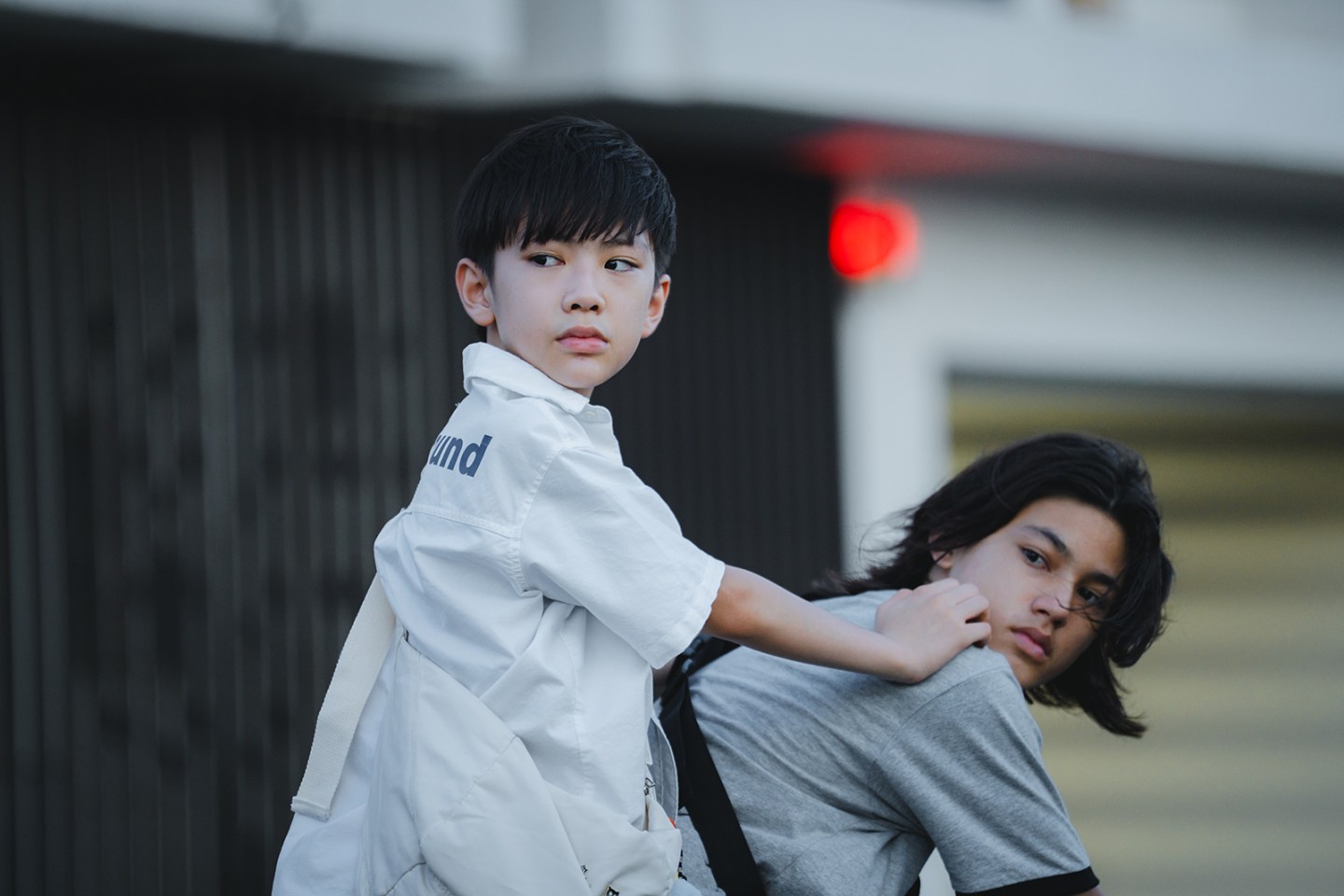
It also seems that some believe the developers have essentially stolen their land while they weren’t given much of a choice about letting them in, while others complain that the construction is too disruptive and has polluted their ponds with dust. A kind of division is arising between the local children most of whose parents oppose the solar farm. Jun, the grandson of the village chief and a kind of leader among the kids, has recently become friends with Jasper, the son of a Singaporean couple who are in charge of the solar farm project. Jasper’s parents have, in fact, put him up to befriending Jun with his mother telling him that he should influence Jun but not be influenced by him. It’s clear to that extent that Jasper knows his parents are using him as a tool and resents it, though Jun seems oblivious even when Jasper asks him odd questions such as whether his grandfather has been talking to any other solar panel companies besides theirs.
The other children, however, more or less shun Jasper, mainly because of the animosity towards the solar project, but also because he just doesn’t fit in in the village. Having come from Singapore, he has a different accent even if speaking the same language and comes from a background that is more upper-middle-class and educated. On their arrival in town, Jasper’s father buys a grand piano for his mother, who is actually not all that impressed because she thinks it’ll just be a hassle when they return to Singapore, though it’s clear that being able to play the piano well along with a general level of refinement is important to the family. Nevertheless, Jasper says that his father objects to what he sees as his unmanliness. Others have made fun of him for talking like a girl and he does have an aura that’s a little more feminine and sensitive than that of the rambunctious village boys.
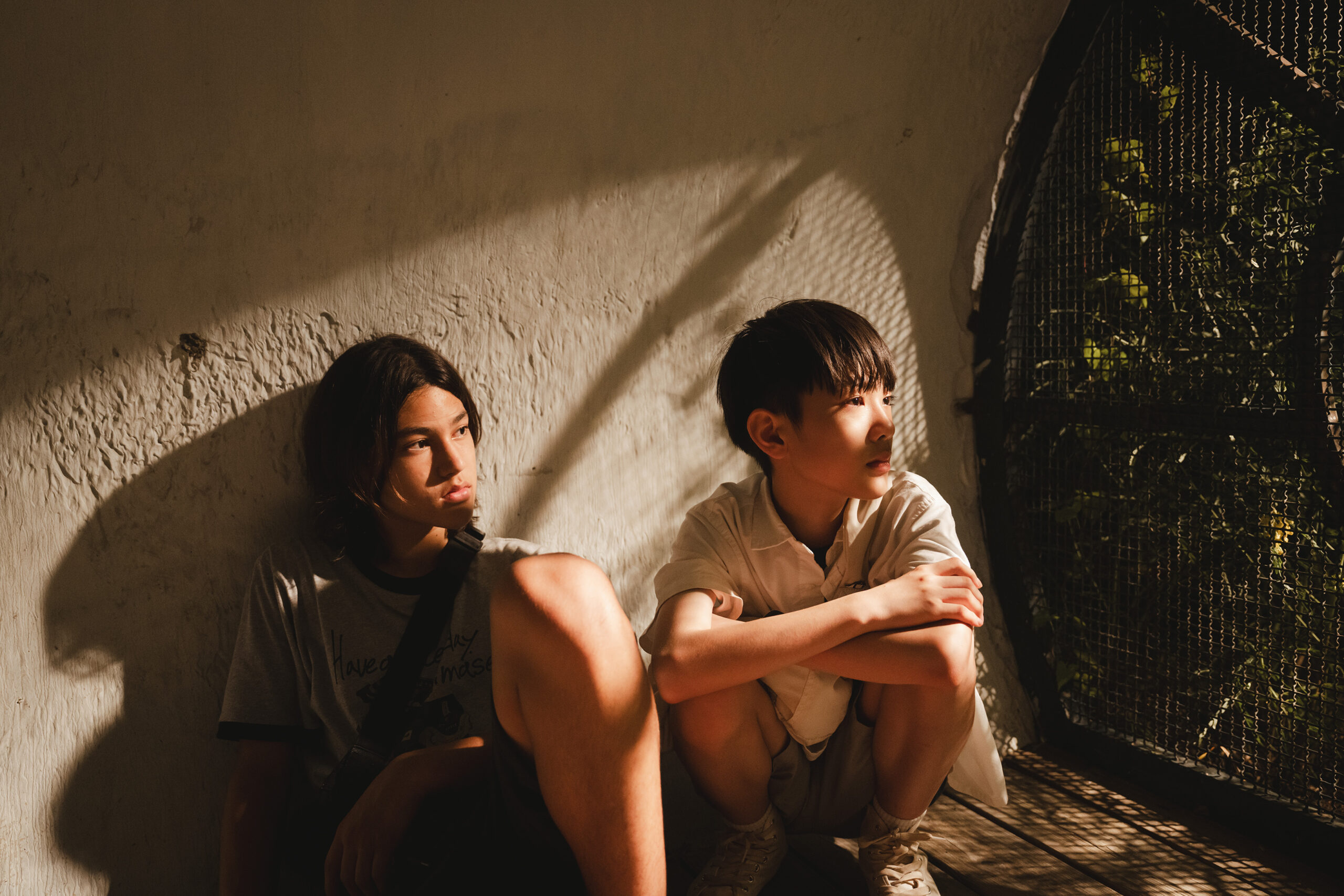
The genuine friendship or perhaps more that arrives between himself and Jun is then a little unexpected because of the class differences between them, though in other ways they are both outsiders. Jun’s parents have divorced and he’s living with his paternal grandparents. He hangs out with the local kids, but at the same time does not seem to particularly like or be fully accepted by them, while as Jasper later says, it’s not really clear that they would be friends with him or at any rate treat him with so much deference if he were not the village chief’s grandson. Like Jasper, they are, in a way, trying to ingratiate themselves with him rather than acting out of a simple and innocent desire for friendship. Jun, meanwhile, is drawn to Jasper’s refinement, practising the piano himself on a paper replica and deciding to apply for the private school that Jasper will be attending despite having an average academic record.
When his grandfather suggests pulling some strings so he won’t have to worry about the exam, Jun doesn’t see much wrong in it because it’s just the way things are done around here, though he’d rather prove himself by passing the exam. By the same token, he doesn’t see anything wrong with skimming the red packets at lion dance performances, because the older kids were doing it. Even without the influence of the solar farm, local politics appears to be pretty rotten with Jun’s grandfather eventually getting arrested after being accused of taking bribes to push the solar panel farm through despite the opposition of villagers. Perhaps ironically, Jasper seems to have a keener sense of morality, suggesting that it’s not right for Jun to get into the school without taking the exam, and that it’s wrong to be focusing on who dobbed the village chief in when the issue is that he did actually take the money.
When tensions in the village reach a head, the boys end up wondering whether it’s actually possible for them to remain friends with each completely isolated from the rest of the village and from each other when it transpires that it may have been Jasper’s parents, frustrated by the villagers’ protests, who tried to oust the village chief in a clear sign of a foreign corporation influencing local politics to facilitate their business. Nevertheless, the two boys are able to salvage something of their friendship even while remaining outsiders in a highly stratified and judgemental community in which even friendship is for sale.
Will You Still Be My Friend screened as part of this year’s San Diego Asian Film Festival.
Trailer

