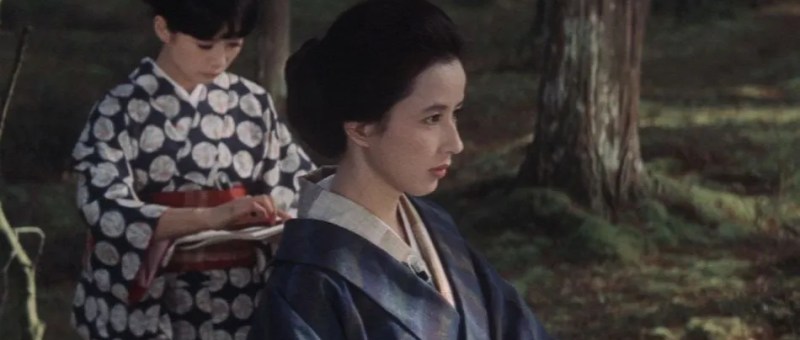

Masahiro Shinoda, a consumate stylist, allies himself to Japan’s premier literary impressionist Yasunari Kawabata in an adaptation that the author felt among the best of his works. With Beauty and Sorrow (美しさと哀しみと, Utsukushisa to Kanashimi to), as its title perhaps implies, examines painful stories of love as they become ever more complicated and intertwined throughout the course of a life. The sins of the father are eventually visited on his son, but the interest here is less the fatalism of retribution as the author protagonist might frame it than the power of jealousy and its fiery determination to destroy all in a quest for self possession.
Middle-aged author Oki (So Yamamura) is making a trip to Kyoto in order to hear the New Year bells but whilst there he wants to reconnect with someone very dear to him whom he has not seen for a long time. 15 years previously, Oki, already around 40 and married with a young son, had an ill advised affair with 16 year old Otoko (Kaoru Yachigusa). Oki’s indiscretion was discovered after Otoko fell pregnant and gave birth to an infant who sadly died after just a few months provoking Otoko’s own suicide attempt. Oki turned the traumatic events into a best selling novel which made his name and has not seen Otoko during the intervening years. Now a successful painter, Otoko has remained unmarried, still traumatised by her youthful experiences, and is currently in a relationship with a female student, Keiko (Mariko Kaga).
Keiko, a beautiful though strange young woman, will be the cause of much of the sorrow resulting from Oki’s decision to visit Otoko after all these years. Angry on her lover’s behalf, Keiko takes it upon herself to exact revenge for the wrong which was done to Otoko at such a young age, ignoring her lover’s pleas to leave the situation well alone.
Perhaps surprisingly, Shinoda avoids the temptation to retain Oki’s central viewpoint by attempting to survey the various threads which bind and constrain each of the protagonists, locked into a complex system of love, jealously, pain and obsession. Oki sows the seeds of his own downfall in his improper relationship with a teenager over twenty years younger than himself whom he has no intention of marrying seeing as he is already married and even has a child. Little is said about the original affair save for the effect it had both on Otoko and on Oki’s marriage which endures to the present time even though it appears Oki continues to pursue other women outside of the home. Not only does Oki turn his scandalous love life into a best selling novel, but he makes his wife, Fumiko (Misako Watanabe), type it up for him, forcing her to read each and every painful detail of his relations with another woman.
During the writing of the novel, Fumiko begins to become ill, depressed and listless, but not out of suffering or disgust – what she feels is jealousy but of a literary kind. Fumiko laments that Oki has written an entire book about Otoko, but never thought to write one for her. Even if depicted as some kind of harridan or vengeful, shrewish woman, Fumiko wanted to be Oki’s muse and was denied. Otoko, by contrast never wanted anything of the sort and has lived quietly and independently ever since her traumatic teenage love affair with a married, older, artist. Her feelings, complicated as they may be, are the motivation for the actions of her obsessive lover, Keiko, determined on taking “revenge” for pain Otoko is not entirely certain she feels. Keiko’s jealously has been roused by Oki’s return and the possibility that it may reawaken Otoko’s youthful romantic yearnings. Unwilling to surrender her beloved to another, she sets about destroying that which may come between them, perfectly willing to destroy both herself and the woman she claims to love in the process.
Oki is, after all, a novelist and therefore apt to ascribe a kind of narrative to his life which may ignore its more ordinary baseness. His equally sensitive son, Taichiro (Kei Yamamoto), brings up the subject of Princess Kazu and the glass panel and lock of hair which were discovered with her body and muses on whether these belonged to her husband, as is said, or her “true love” as seems to be suggested by the evidence at hand. Loves true and false are played off against each other but the forces at play are less grand romances than petty lusts and obsessions. Keiko wants to own her lover absolutely but her games of revenge cause Otoko only more pain and take her further away from that which she most loves towards the film’s dark and ambiguous conclusion in which the innocent are made to suffer for other people’s transgressions.
Otoko’s suffering is largely ignored by all concerned though it’s clear that the loss of her child is a deep wellspring of pain which has become the dominant force in her life. Misused and abandoned, Otoko has sought only quietness and solitude living independently and without the need for male contact. Keiko, whilst crying out that she hates men and is going to destroy the family of the man who has destroyed her lover, acts only out of selfishness, refusing to see how far her actions are wounding the woman she loves even as she sets out to make a weapon of her beauty and turn it on the male sex.
Shinoda films with his characteristic aesthetics adopting a position of slight distance as his protagonists gaze at reflections of themselves and talk through mirrors yet refuse the kind of introspection which a novelist like Oki would be expected to project. A final moment of high drama is offered in a series of freeze frames, as if the emotions are too big and complex to be understood as a whole but can only be grasped in painful fragments snatched from among the resultant chaos. With Beauty and Sorrow conjures the idea of nobility in romance, enhanced by the inevitability of its failure, but for all of its aesthetic pleasures and enduring sadness this is not the elegant coolness of romantic tragedy but the painful heat of love scorned as it festers and corrupts, spreading nothing other than pollution and decay.
Original trailer (no subtitles)
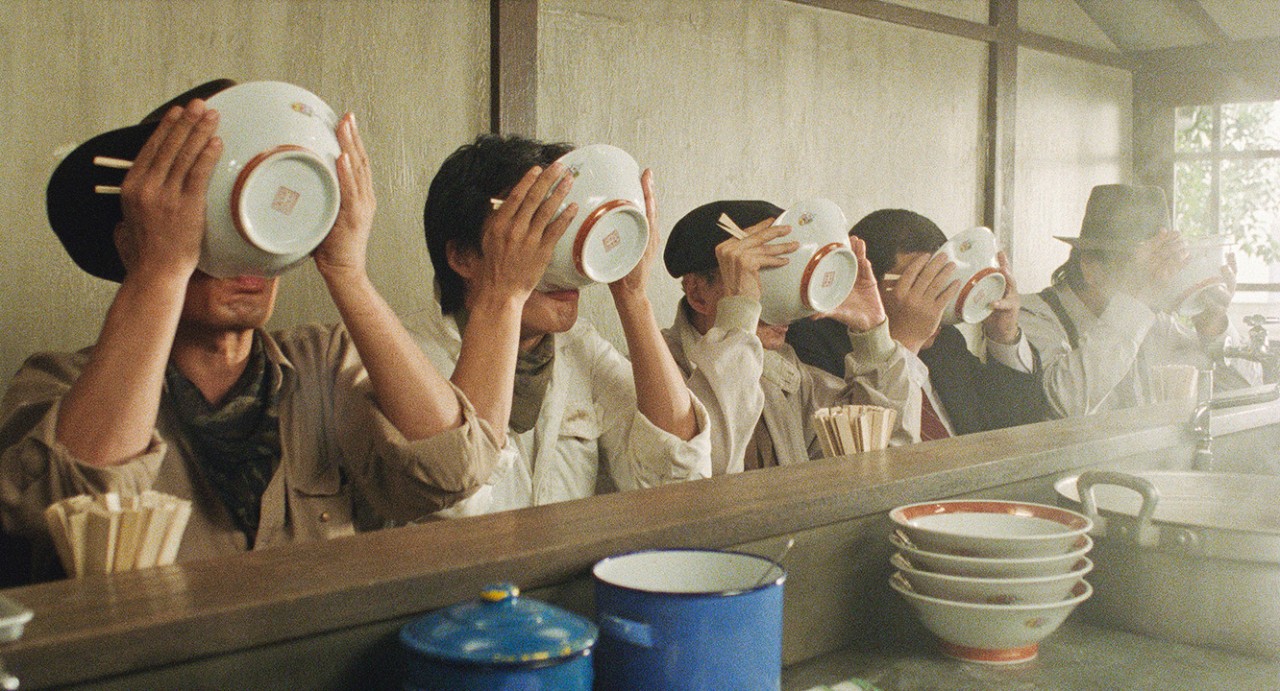 The 4K restoration of Juzo Itami’s classic ramen western Tampopo is released on blu-ray in the UK on 1st May 2017 courtesy of The Criterion Collection but there will also be a one off chance to see the movie on the big screen at Picturehouse Central.
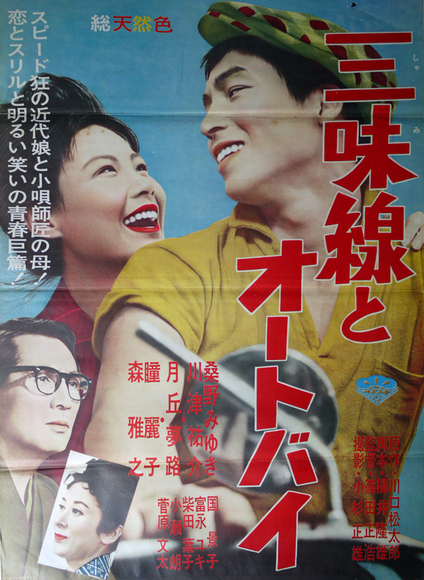 Masahiro Shinoda’s first film for Shochiku,
 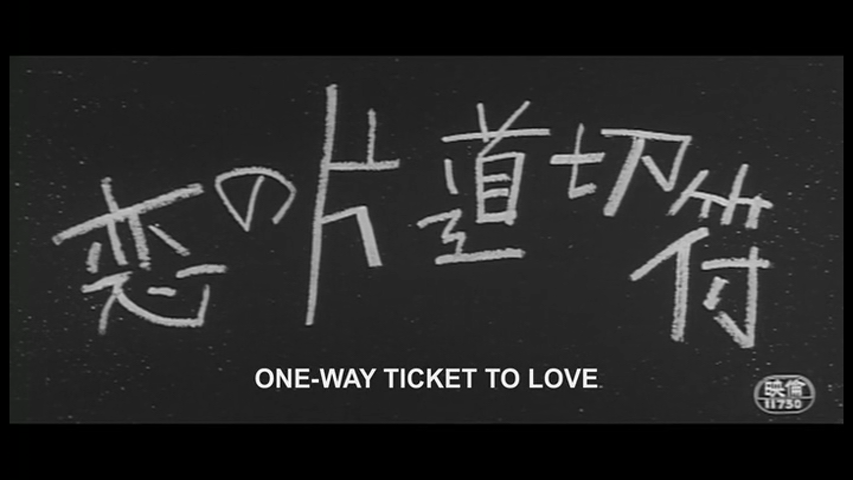 Although Masahiro Shinoda has long been admitted into the pantheon of Japanese New Wave masters, he is mostly remembered only for his 1969 adaptation of a Chikamatsu play, Double Suicide. Less overtly political than many of his contemporaries during the heady years of protest and rebellion, Shinoda was a consummate stylist whose films aimed to dazzle with visual flair or often to deliberately disorientate with their worlds of constant uncertainty. Like so many of the directors who would go on to form what would retrospectively become known as the Japanese New Wave, Shinoda also started out as a junior AD, in this case at Shochiku where he felt himself stifled by the studio’s famously safe, inoffensive approach to filmmaking.
 The premier European showcase for East Asian cinema,
 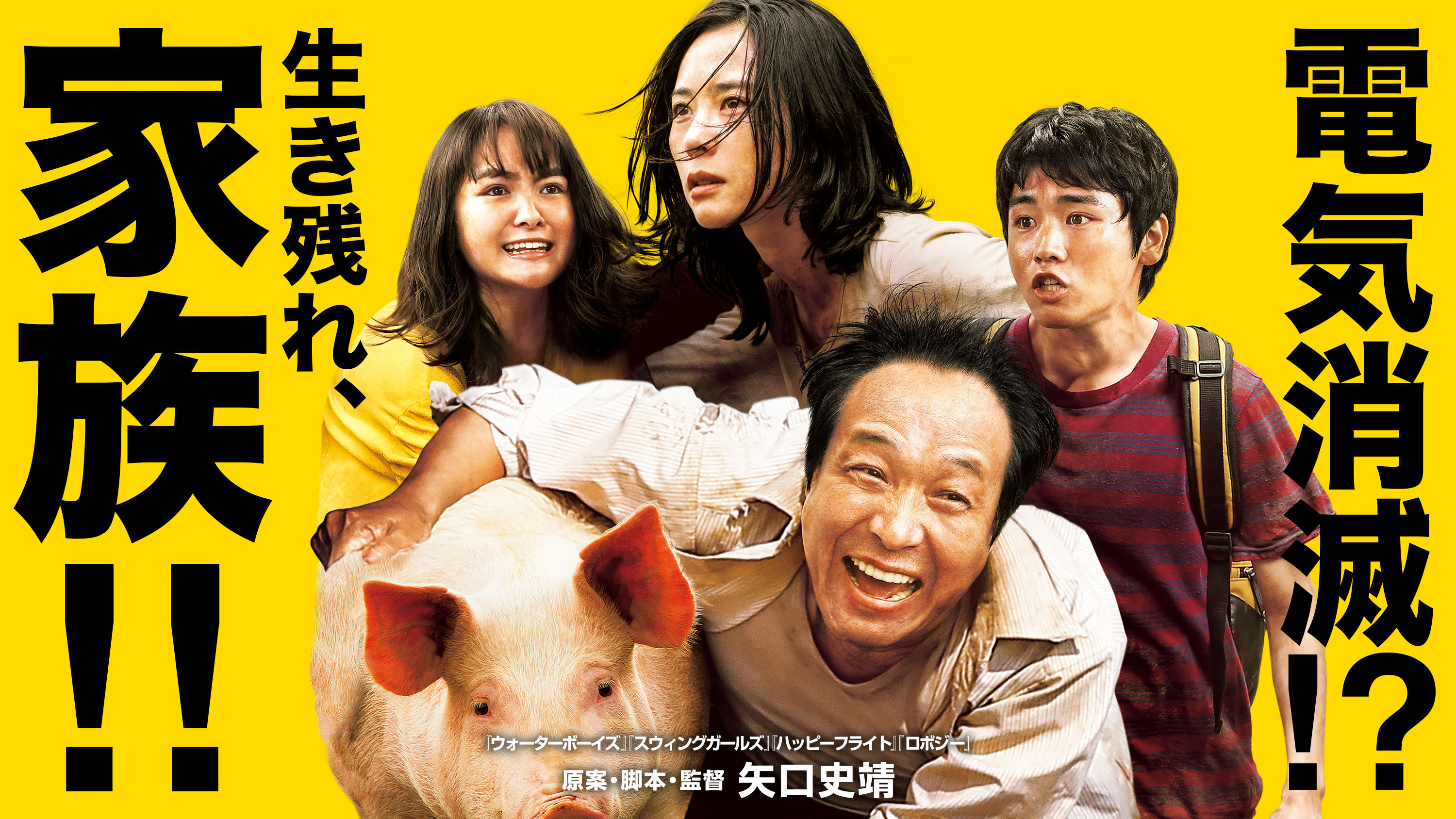 The festival will open with the latest film from Shinobu Yaguchi (
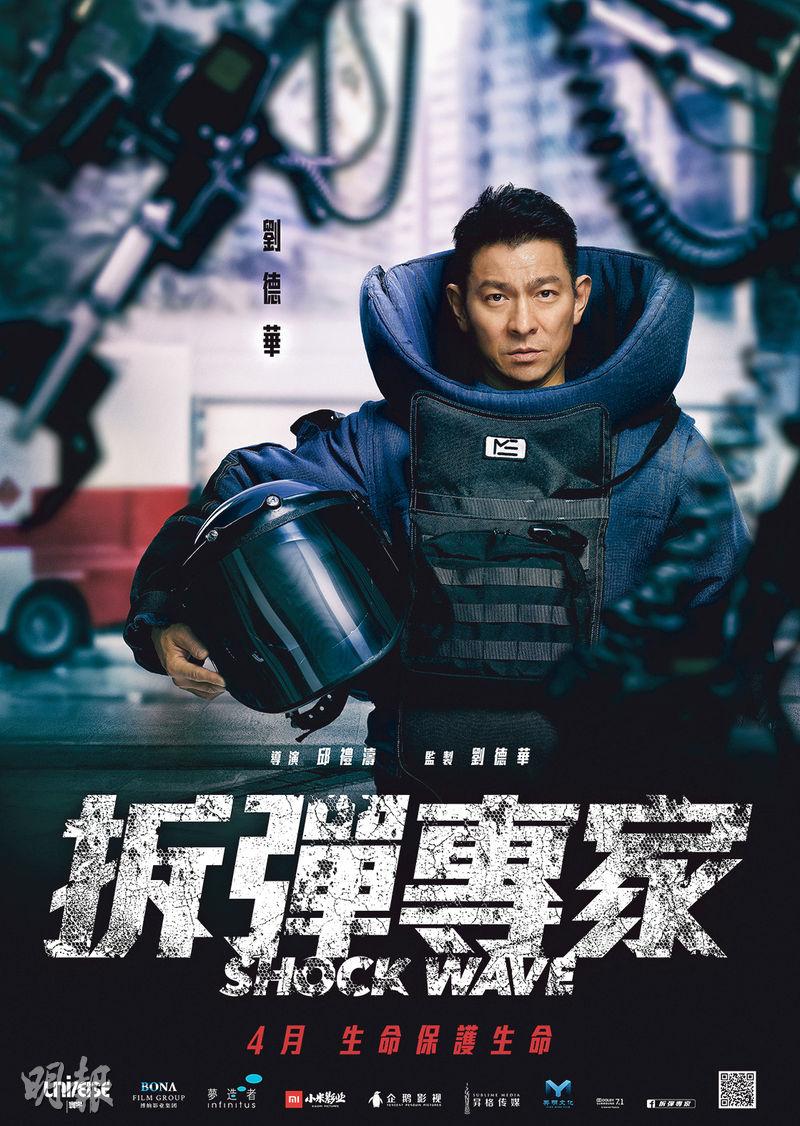 Take a look at Andy in action in the official trailer (English subtitles)
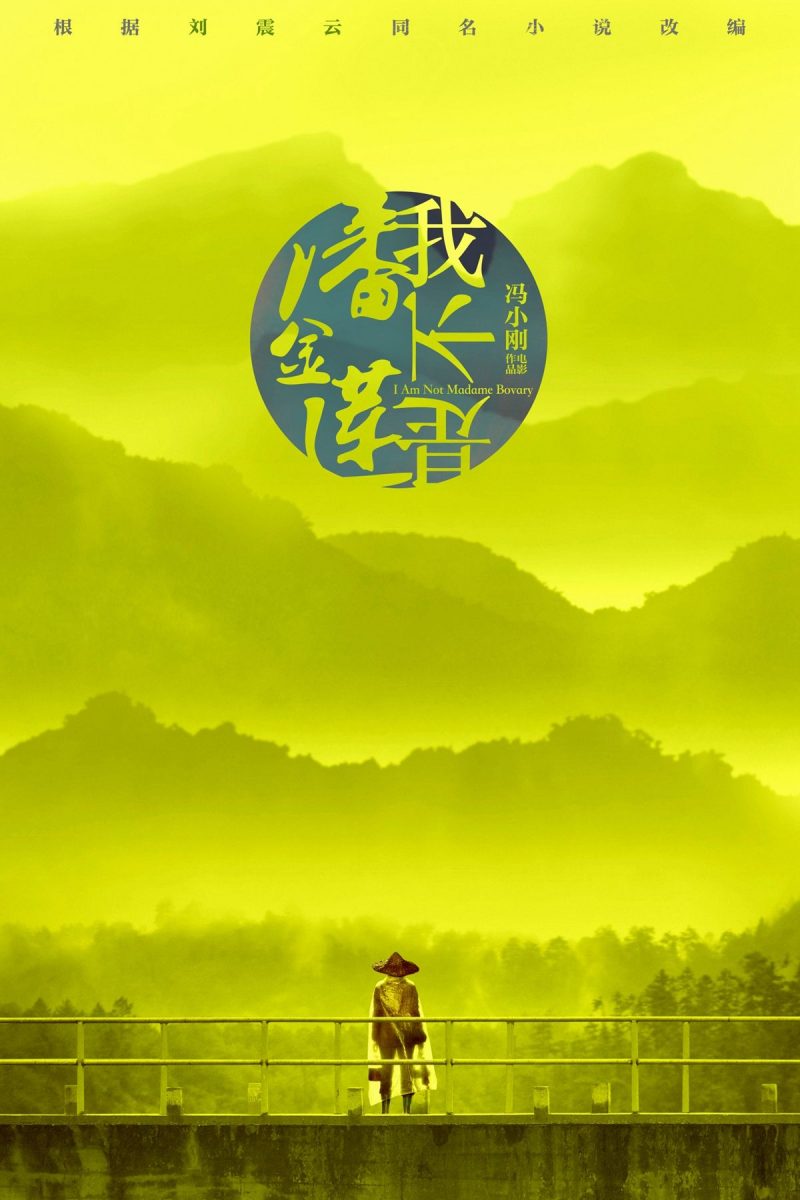 Starring Fang Bingbing, this story of a small town woman taking on the Chinese legal system after her husband falsely accuses her of having an affair has been picking up awards all along the international festival trail.
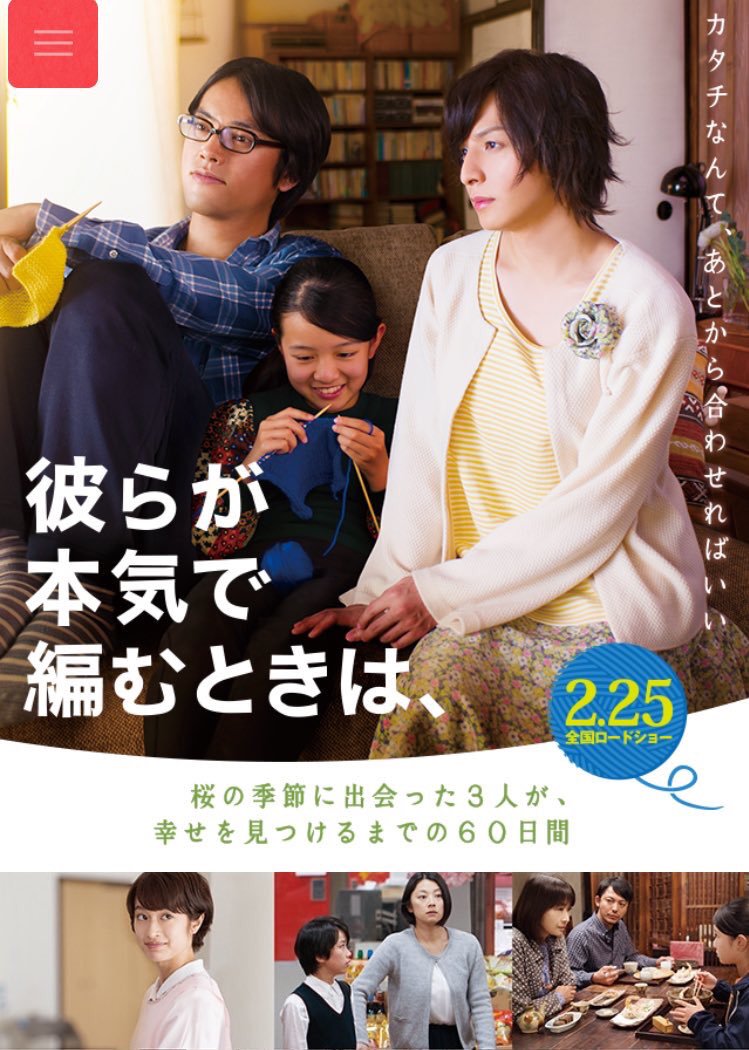 A heartwarming tale of a little girl who takes refuge at the home of her uncle and his transgender girlfriend, Close-Knit marks a welcome return to the warm and quirky Ogigami world.
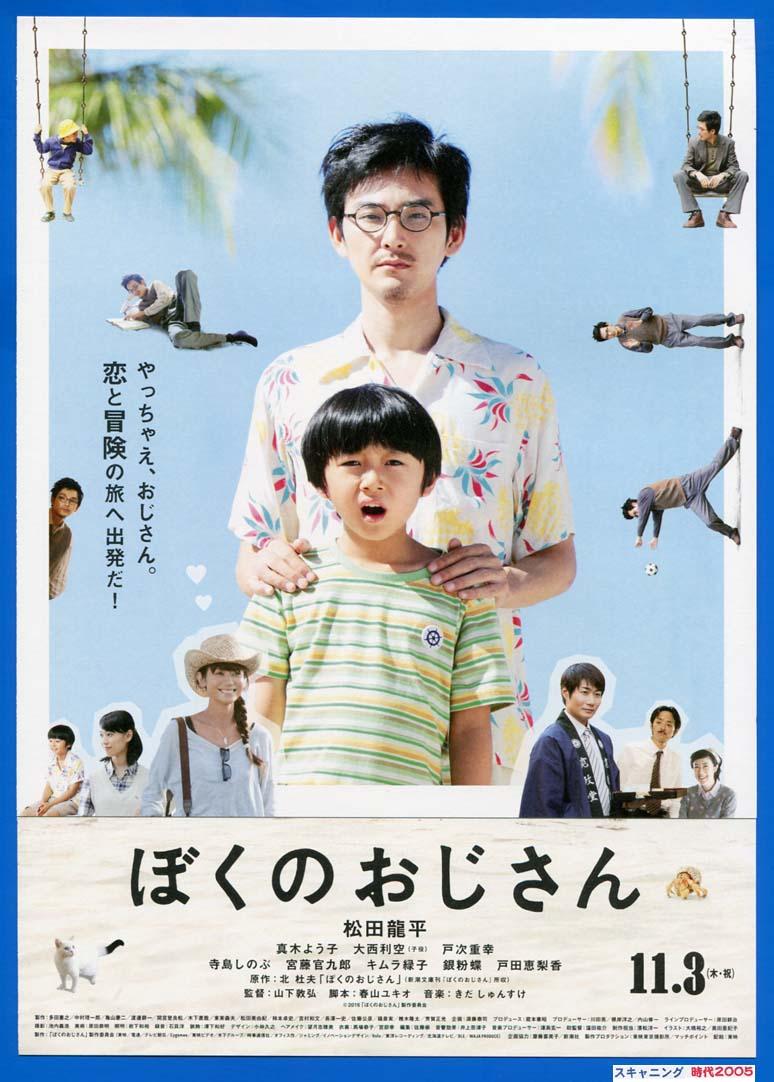 My Uncle (ぼくのおじさん, Boku no Ojisan) stars Ryuhei Matsuda as an eccentric philosophy lecturer who leeches off his nephew’s family until he unexpectedly meets a woman, falls in love, and follows her to Hawaii!
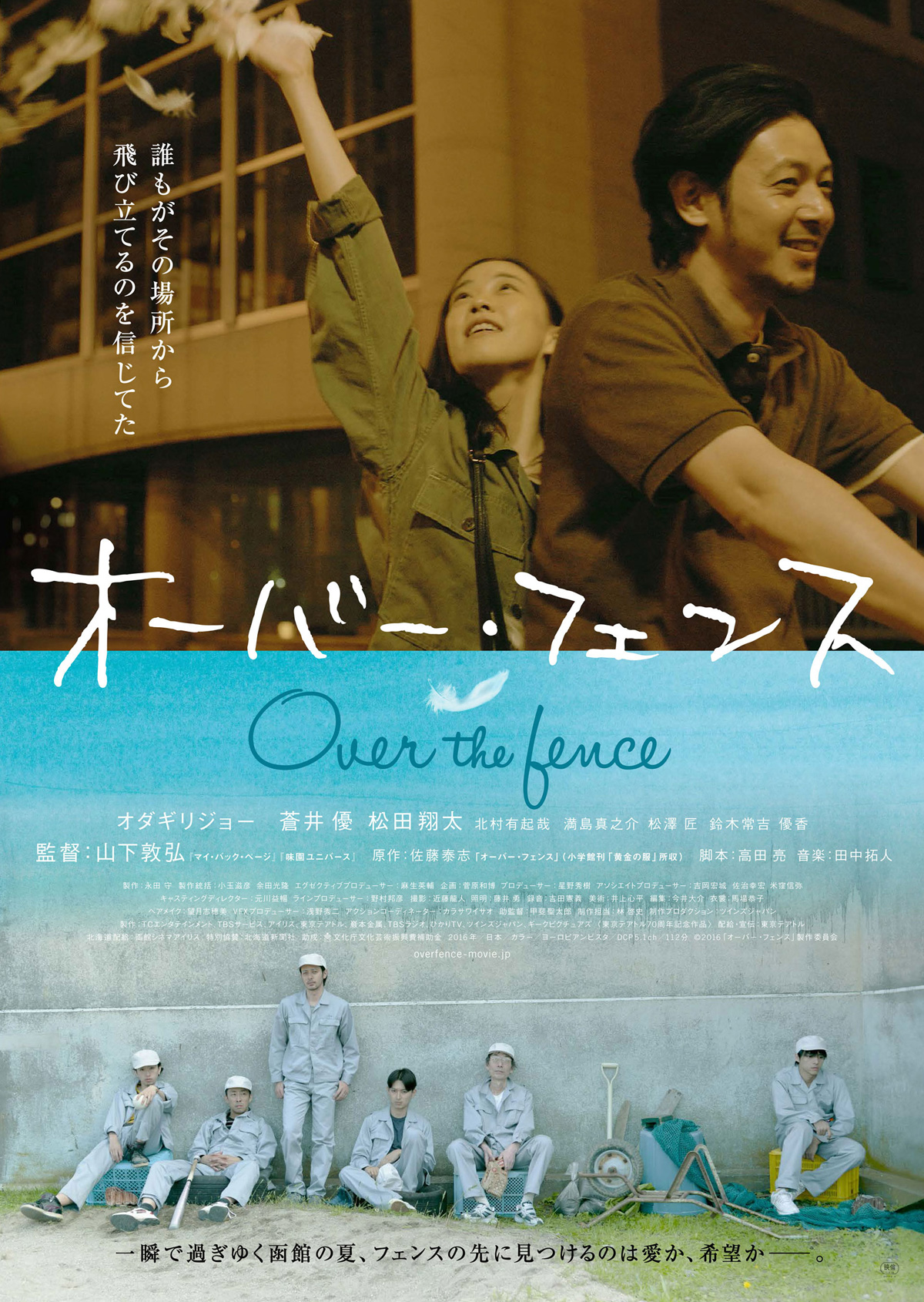 Among Yamashita’s more serious films, Over the Fence stars Joe Odagiri as a broken hearted young man who returns to his hometown after his wife leaves him.
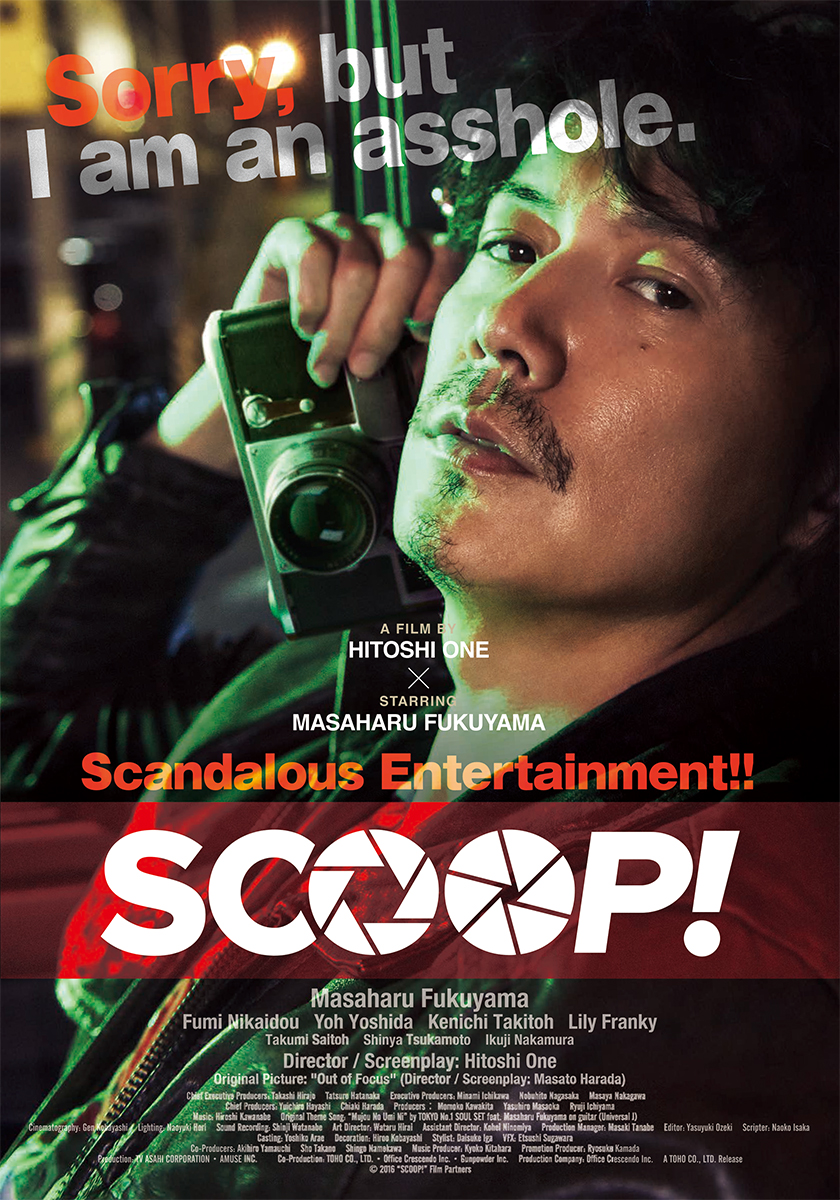 Loosely based on a 1985 film by Masato Harada, Scoop! Stars Masaharu Fukuyama as an amoral paparazzo.
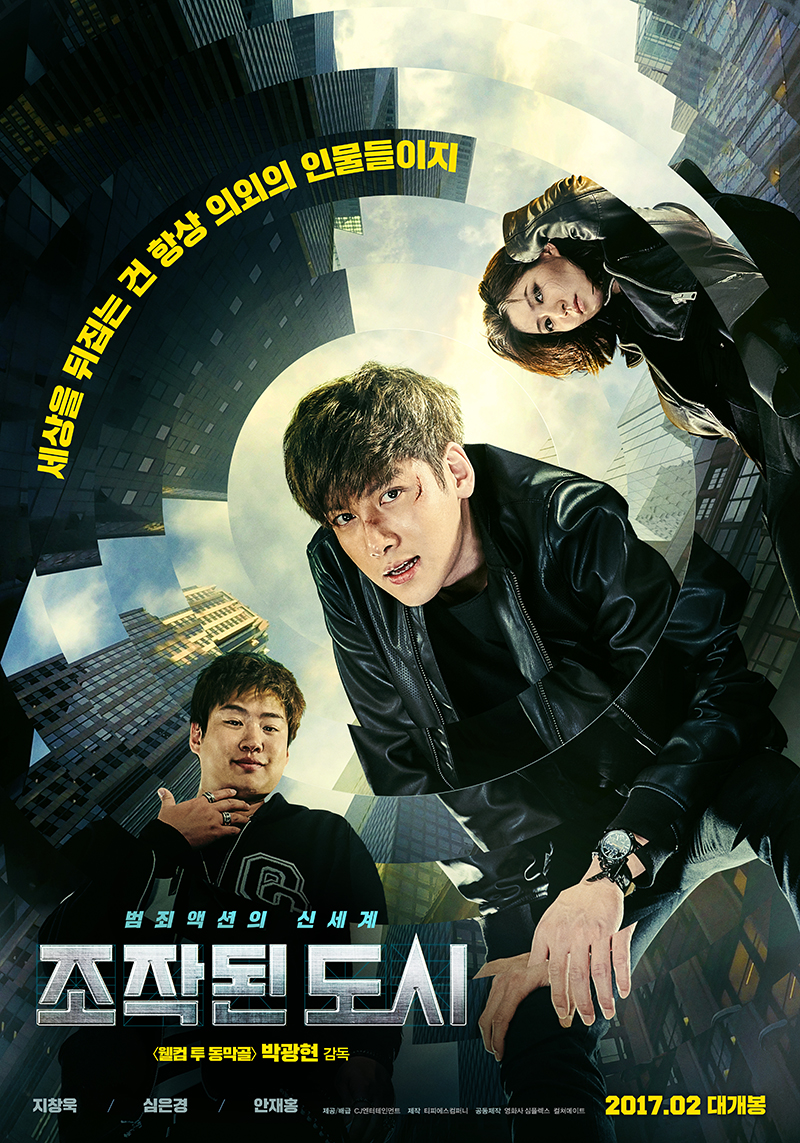 Ji Chang-wook plays a top gamer who suddenly finds himself trapped in a real world conspiracy when he is framed for a shocking crime.
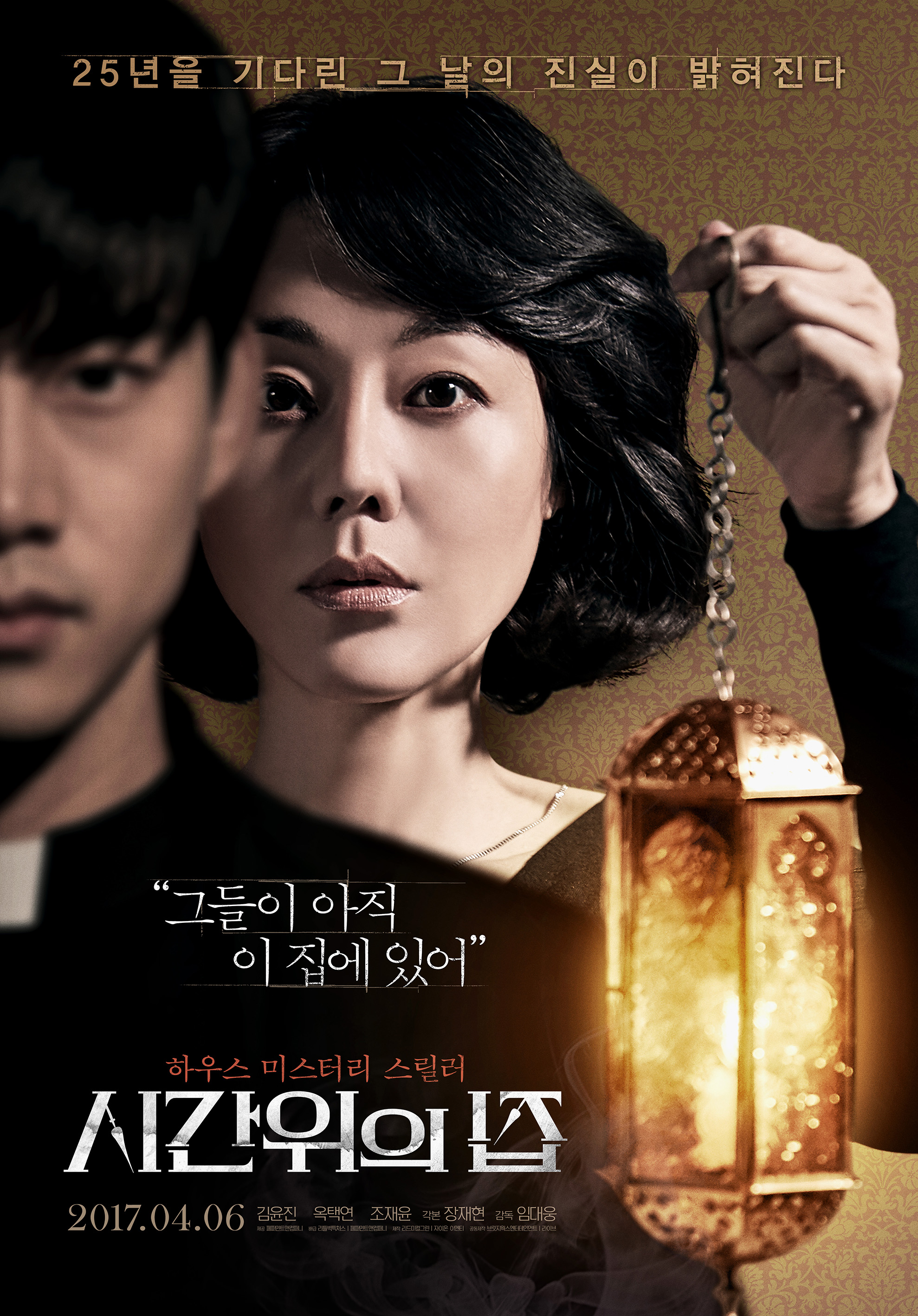 This mystery/thriller stars Kim Yunjin as a former housewife released from prison 25 years after her husband and son disappeared leaving her accused of a crime.
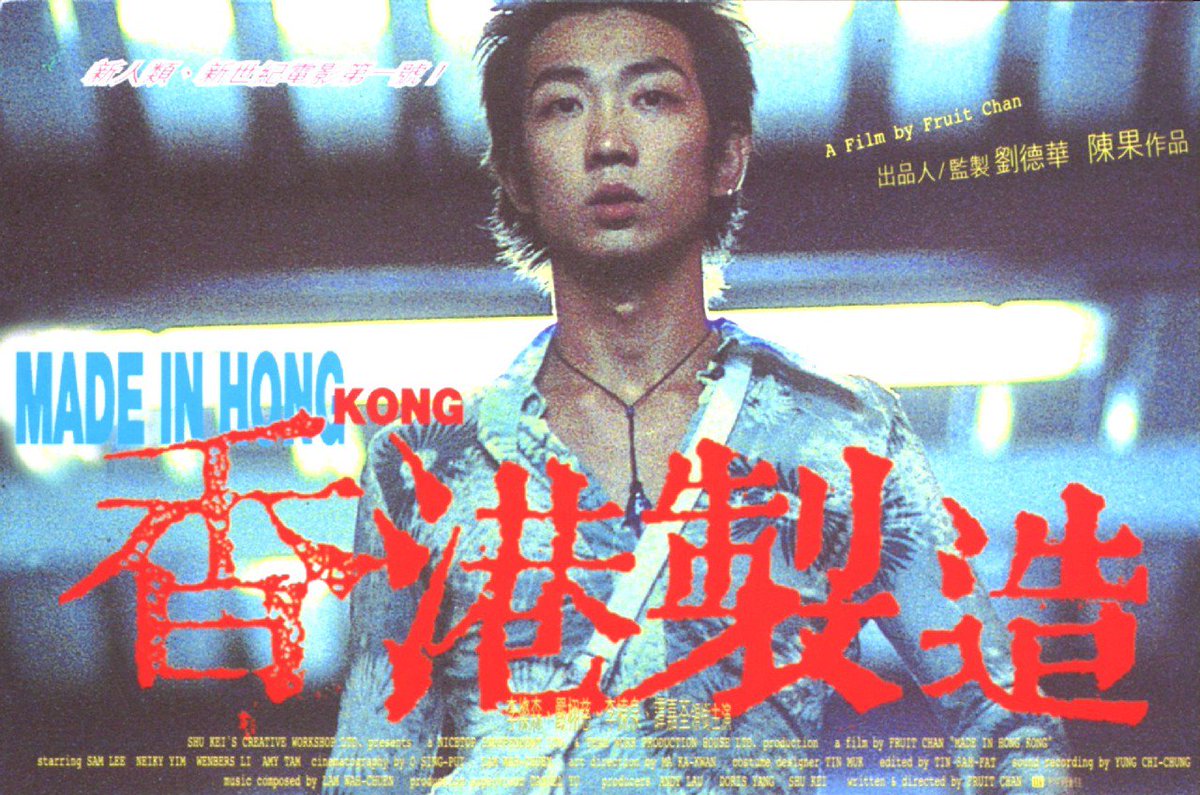 There will also be a small strand of recent Chinese indie including Knife in the Clear Water (清水里的刀子) which we
  Festival season is well and truly underway and in the first of two big announcements of today Cannes has confirmed its full lineup. China, HK, and Taiwan are notably absent this year but it’s otherwise a good one for Asian film with five features from Korea (inlcuding two from prolific director Hong Sang-soo) and three from Japan. Scroll down for a checklist by country:
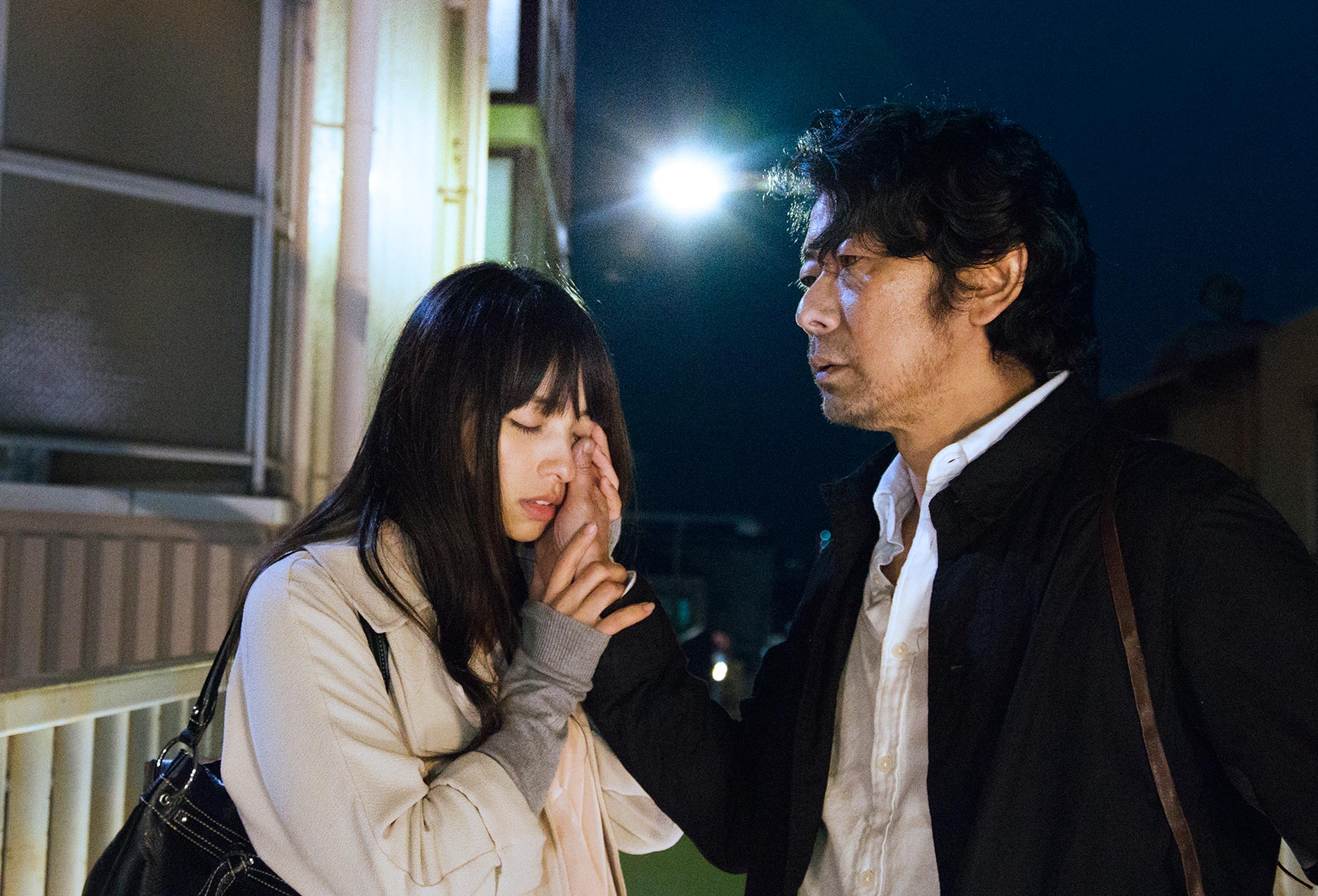 In the Competition section, Cannes favourite Naomi Kawase returns with her latest movie – Radiance (光, Hikari) which stars An’s Masatoshi Nagase as a photographer slowly losing his eyesight.
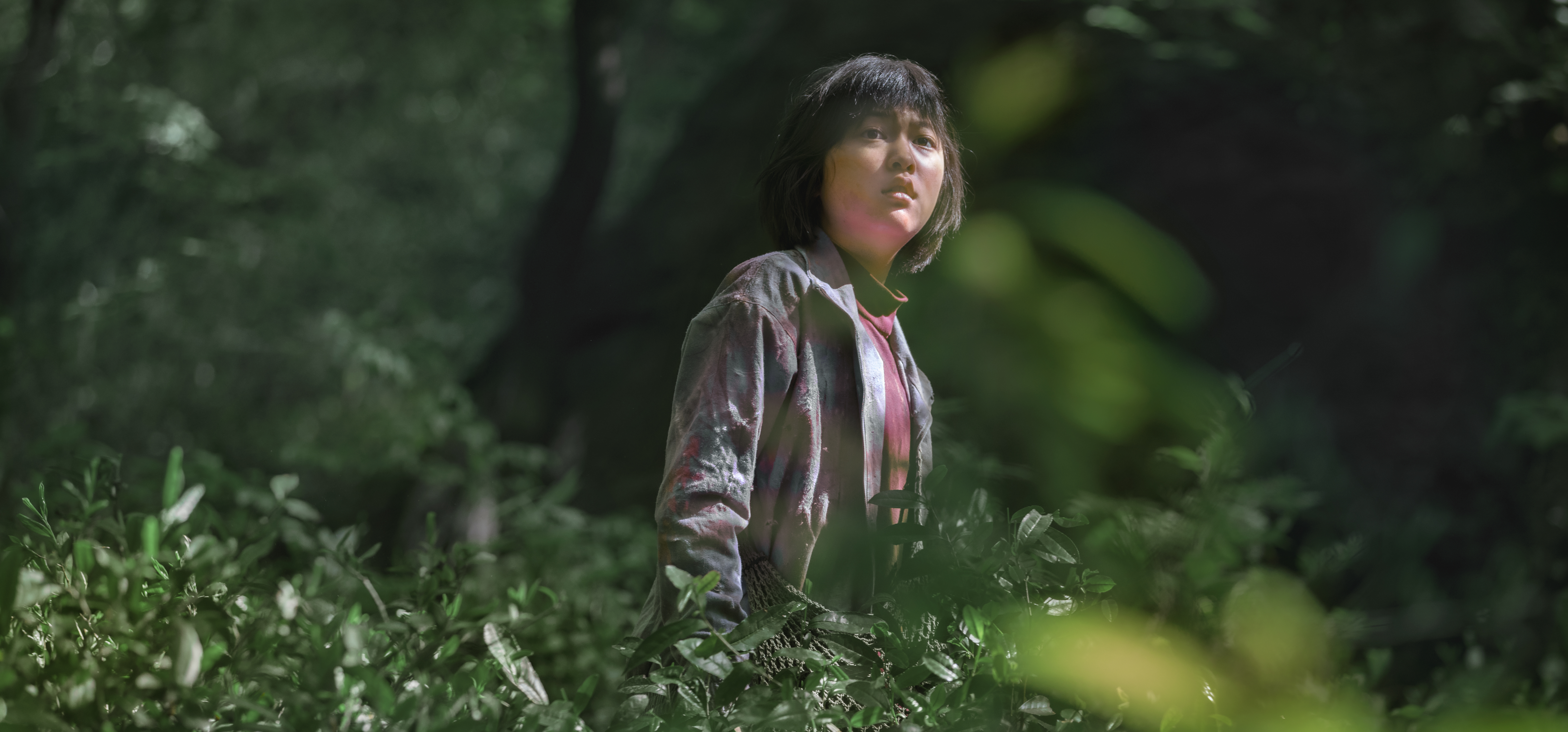 The story of a young girl’s struggle to save her mysterious animal friend from a giant multi-national company, Okja will be streamed worldwide on Netflix from June 28.

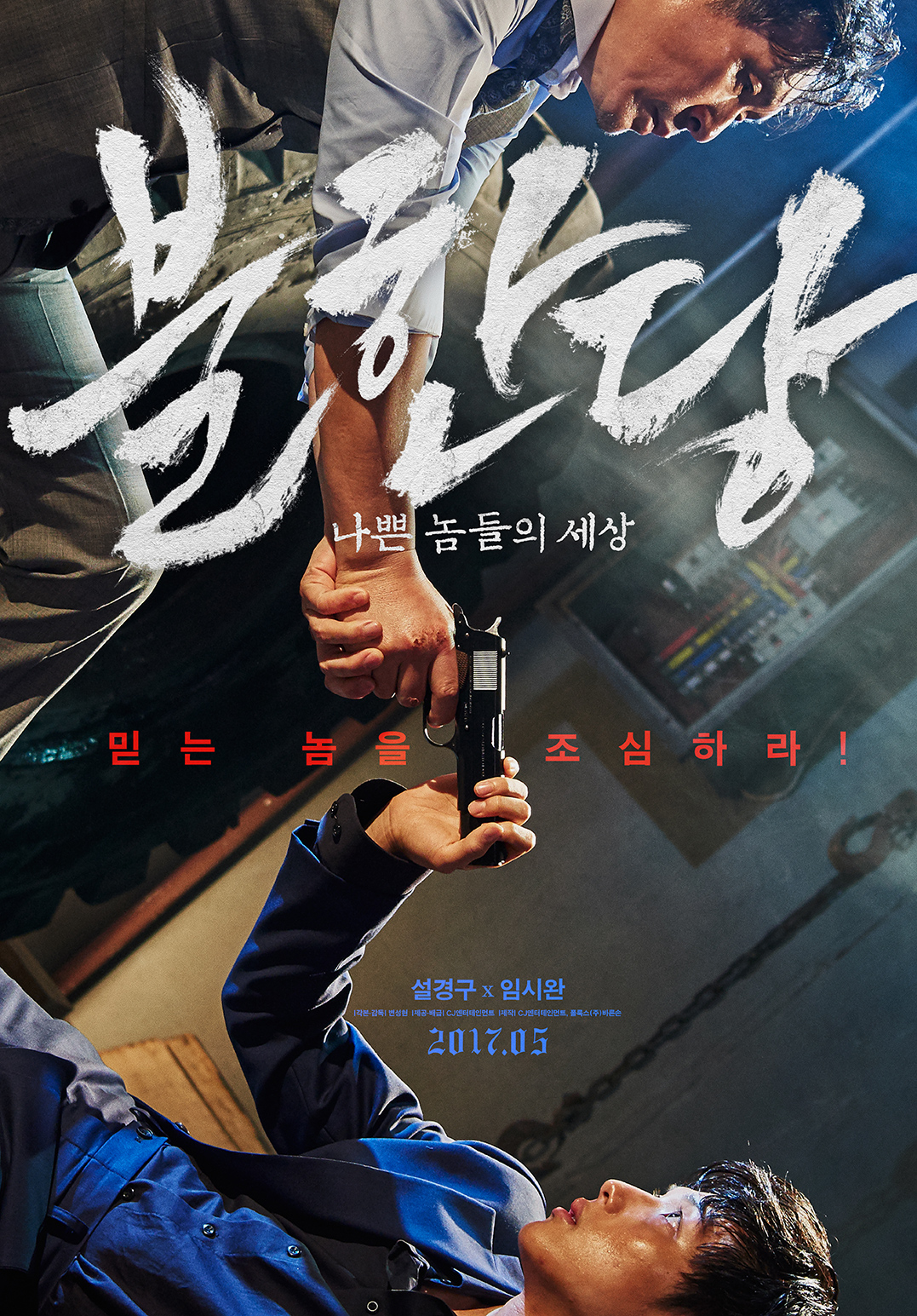

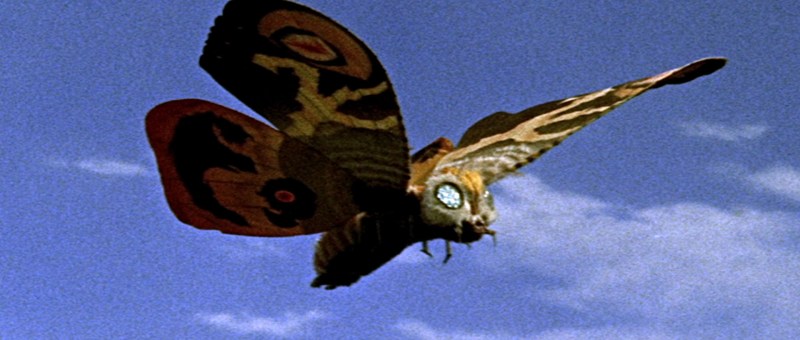
 Japan’s kaiju movies have an interesting relationship with their monstrous protagonists. Godzilla, while causing mass devastation and terror, can hardly be blamed for its actions. Humans polluted its world with all powerful nuclear weapons, woke it up, and then responded harshly to its attempts to complain. Godzilla is only ever Godzilla, acting naturally without malevolence, merely trying to live alongside destructive forces. No creature in the Toho canon embodies this theme better than Godzilla’s sometime foe, Mothra. Released in 1961, Mothra does not abandon the genre’s anti-nuclear stance, but steps away from it slightly to examine another great 20th century taboo – colonialism and the exploitation both of nature and of native peoples. Weighty themes aside, Mothra is also among the most family friendly of the Toho tokusatsu movies in its broadly comic approach starring well known comedian Frankie Sakai.
 Ishiro Honda returns to outer space after The Mysterians with another dose of alien paranoia in the SFX heavy Battle in Outer Space (宇宙大戦争, Uchu Daisenso). Where many other films of the period had a much more ambivalent attitude to scientific endeavour, Battle in Outer Space paints the science guys as the thin white line that stands between us and annihilation by invading forces wielding superior technology. Far from the force which destroys us, science is our salvation and the skill we must improve in order to defend ourselves from hitherto unknown threats.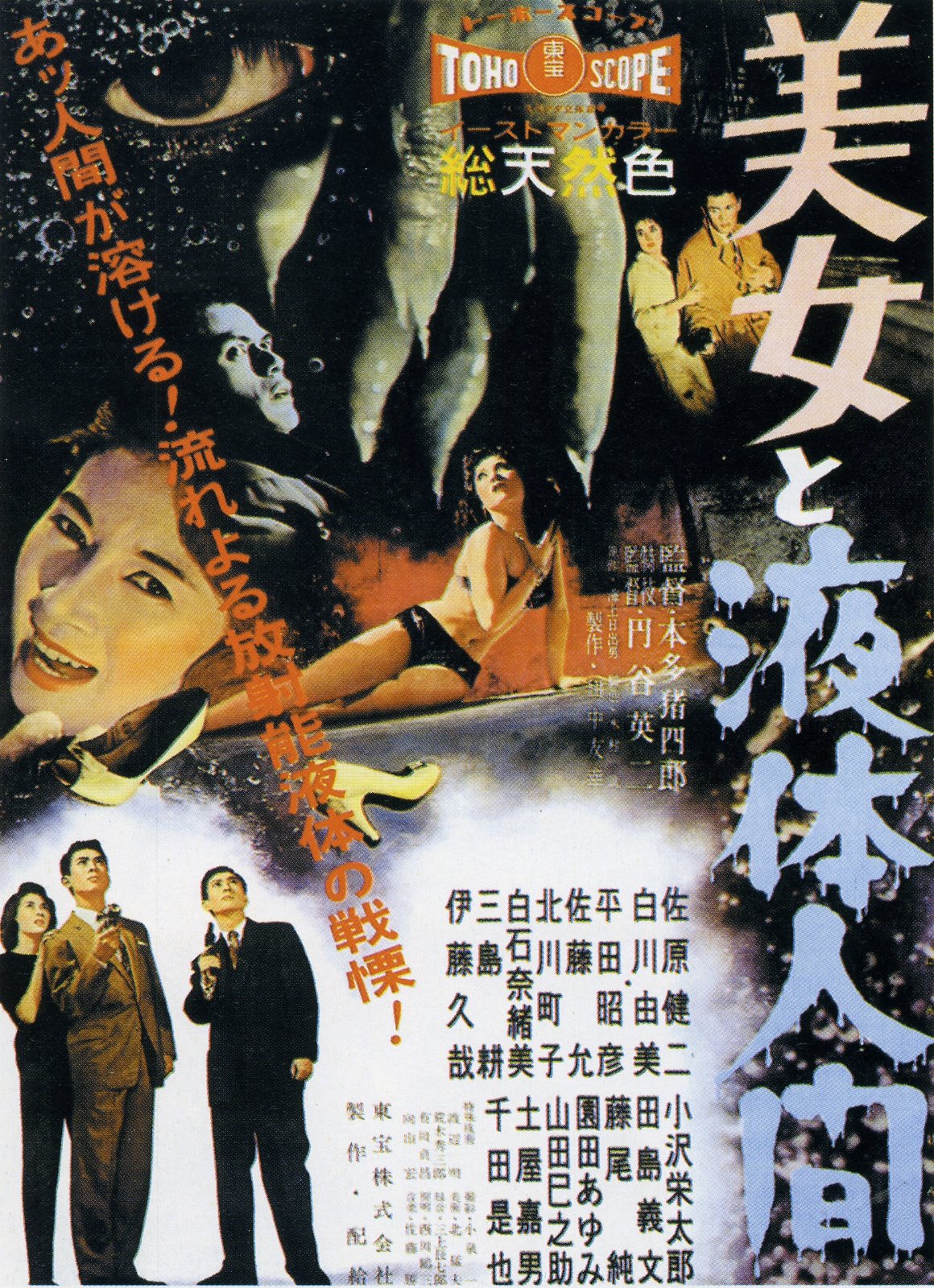
 Windows on Worlds