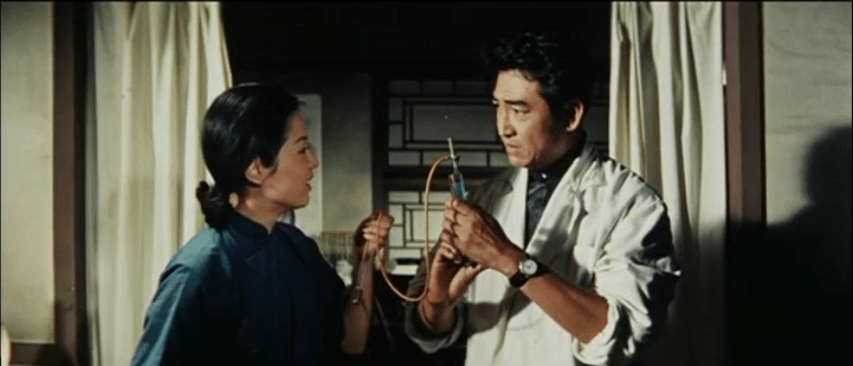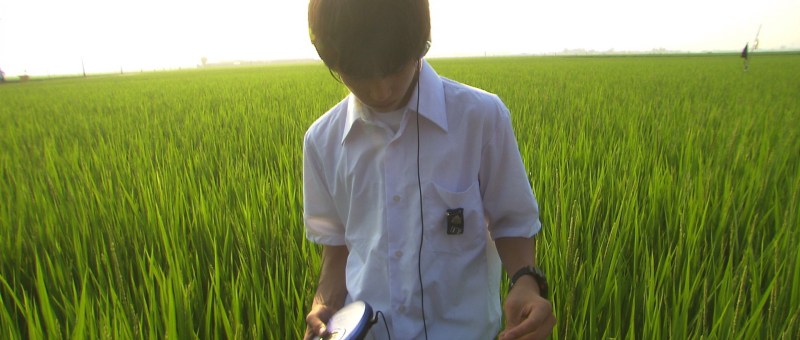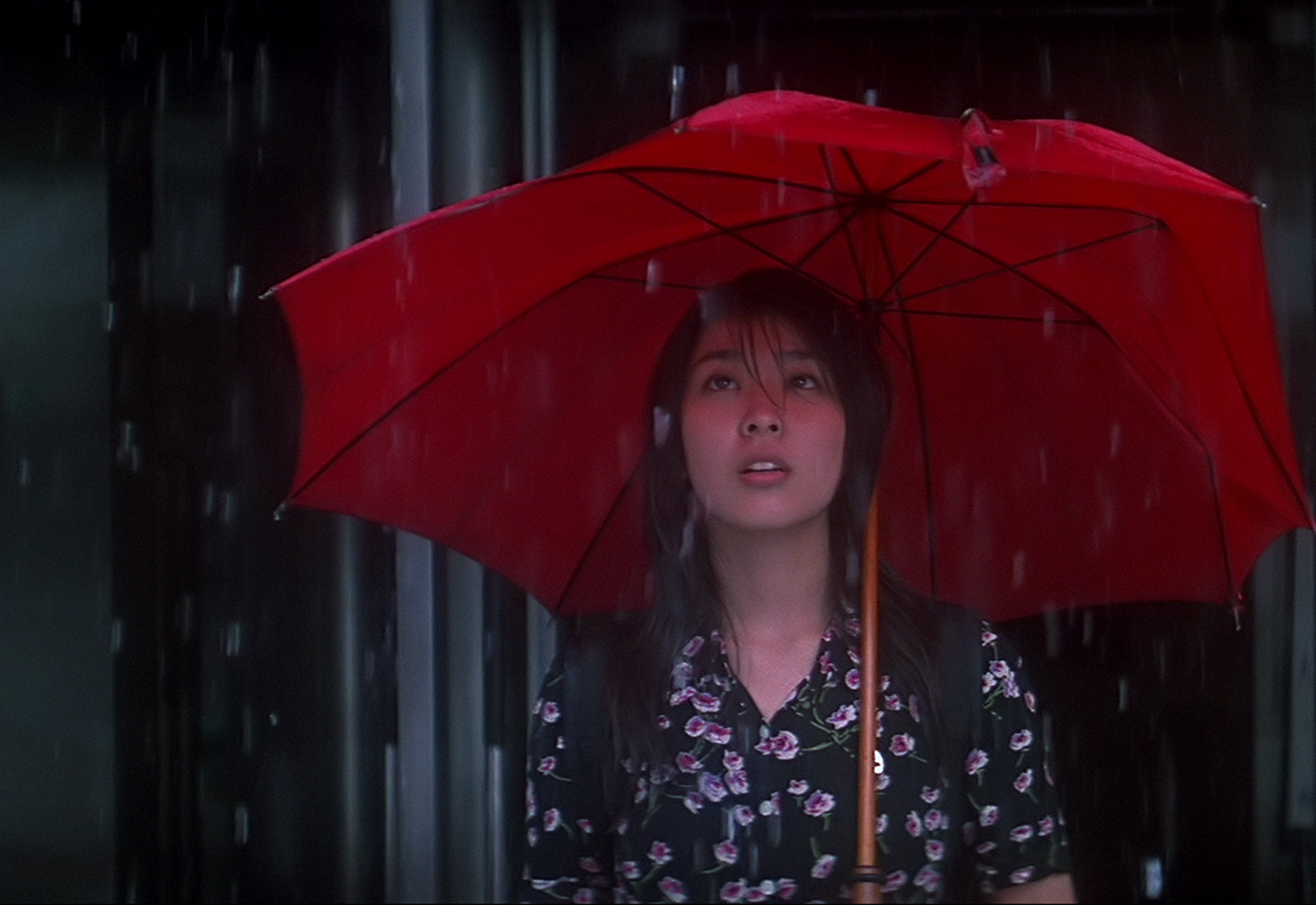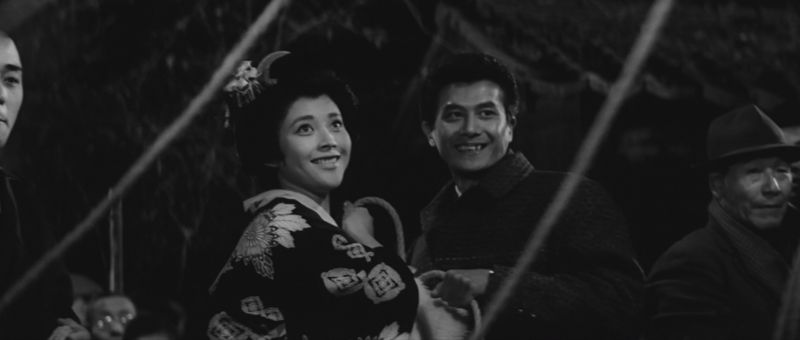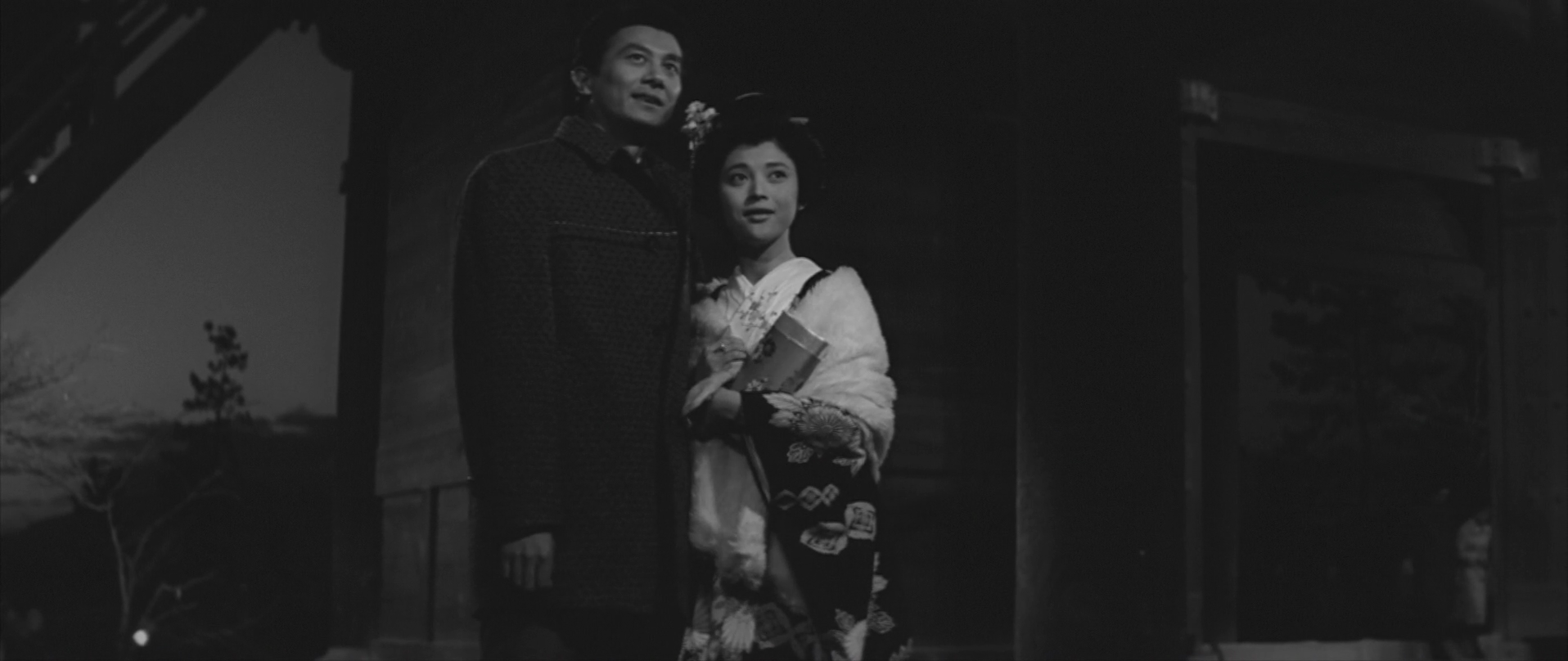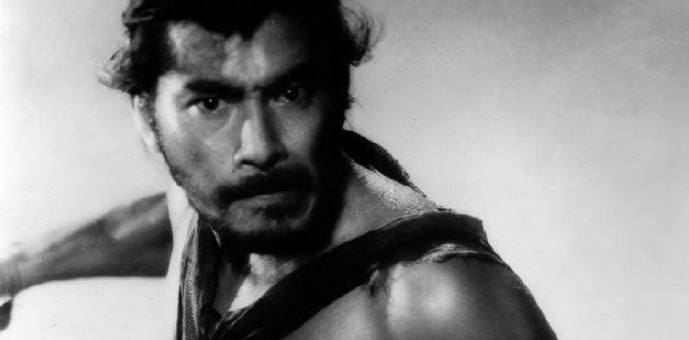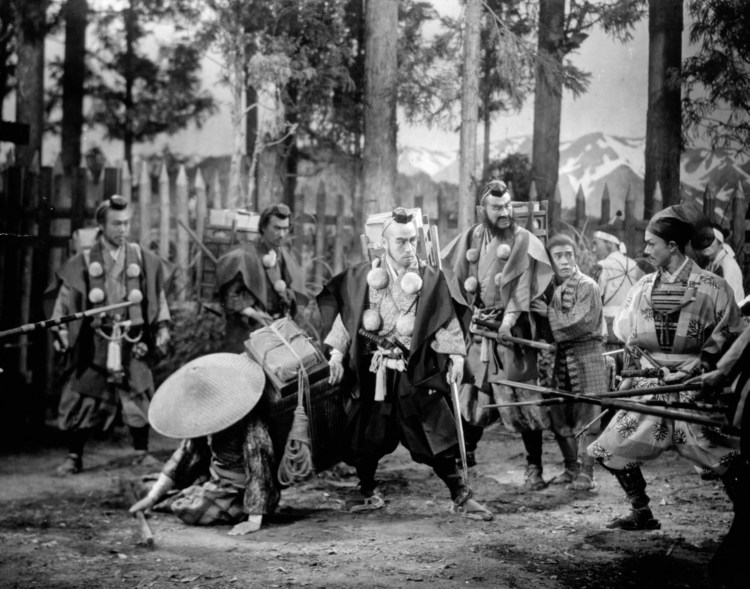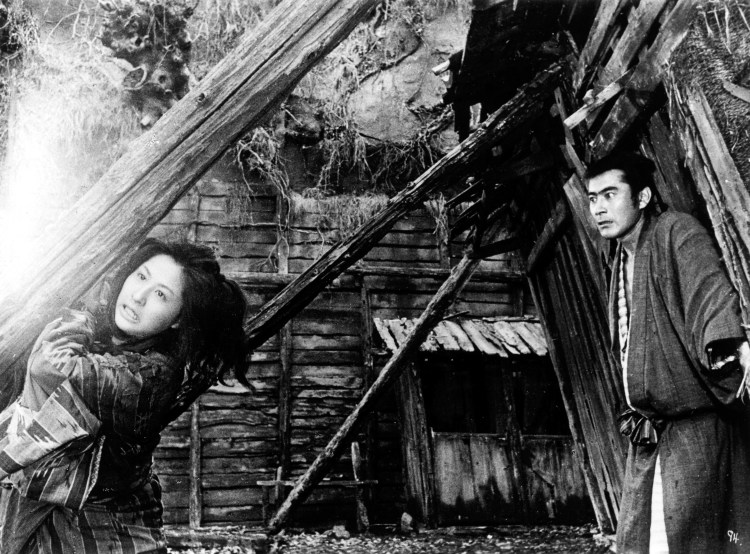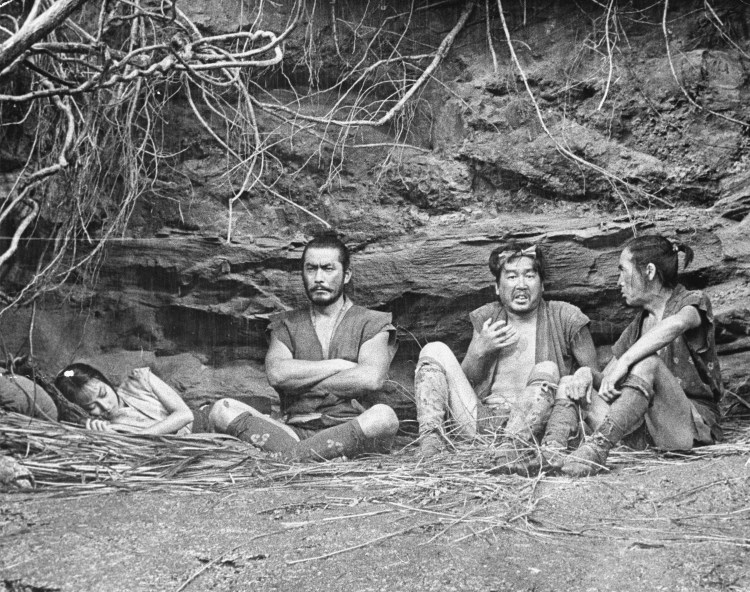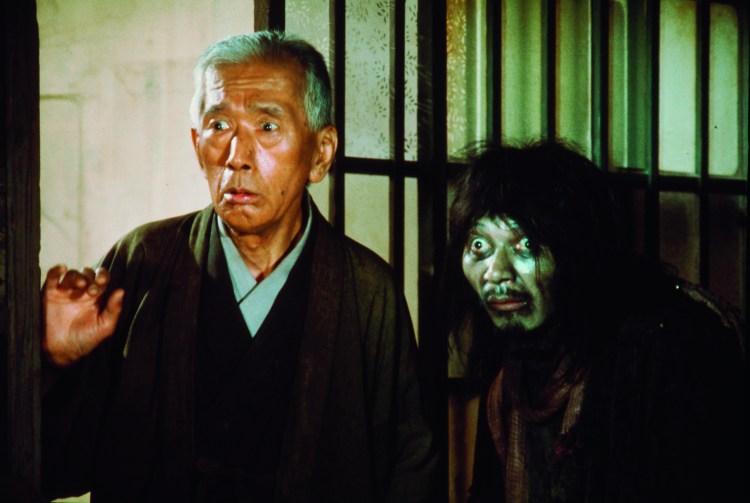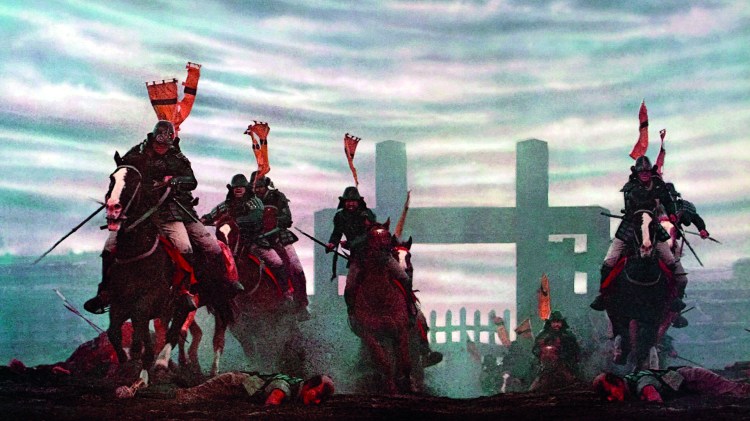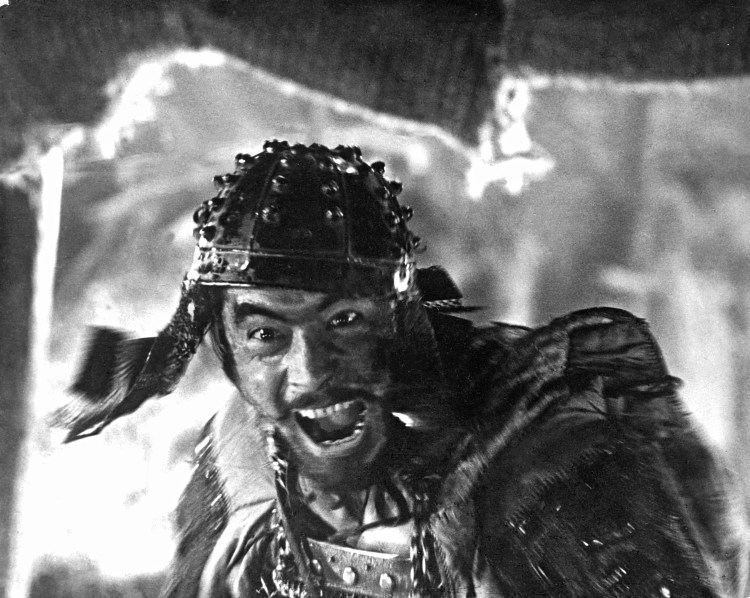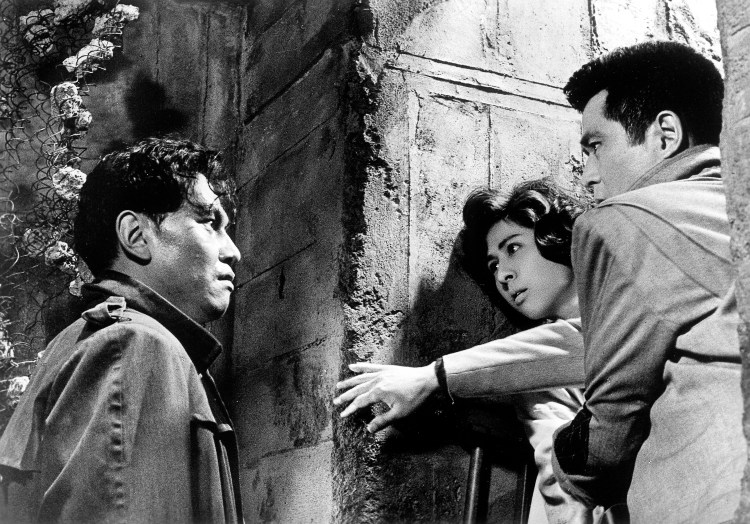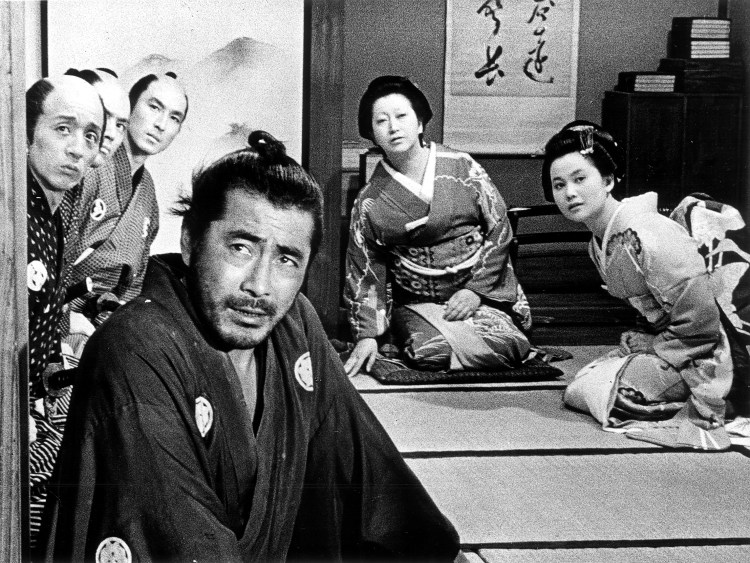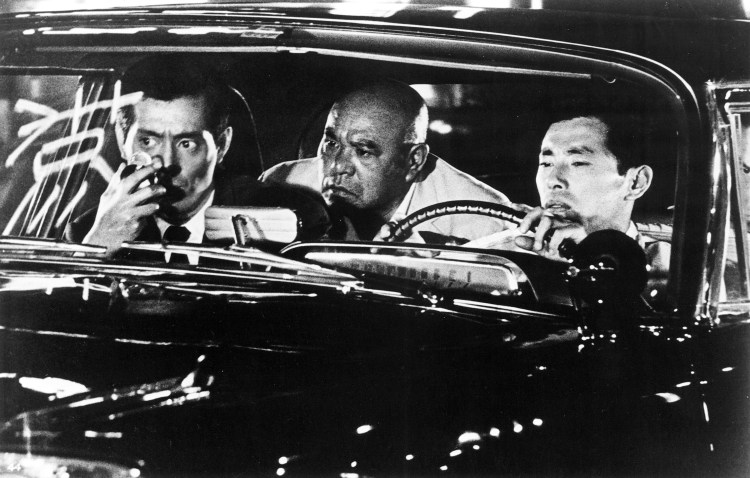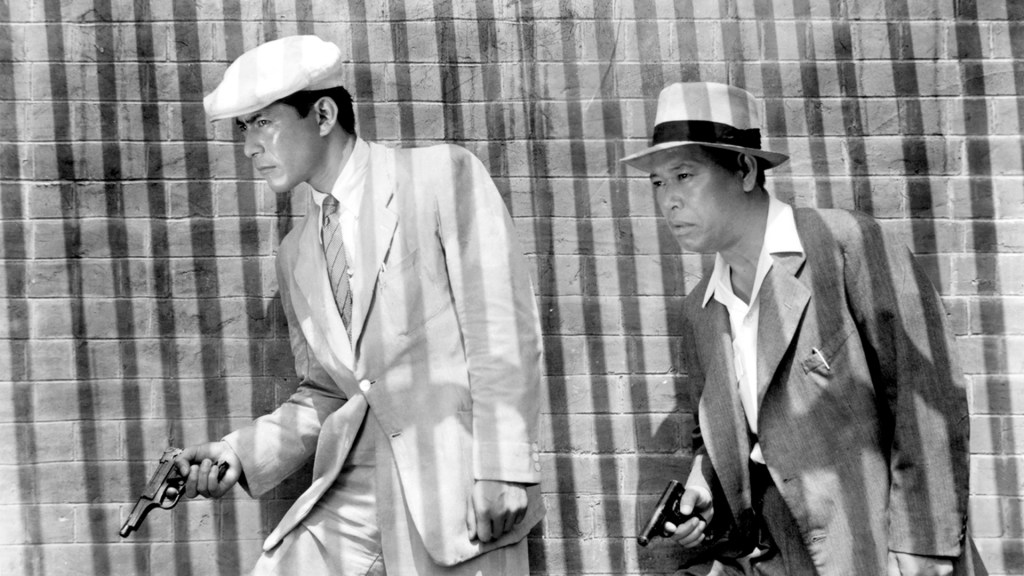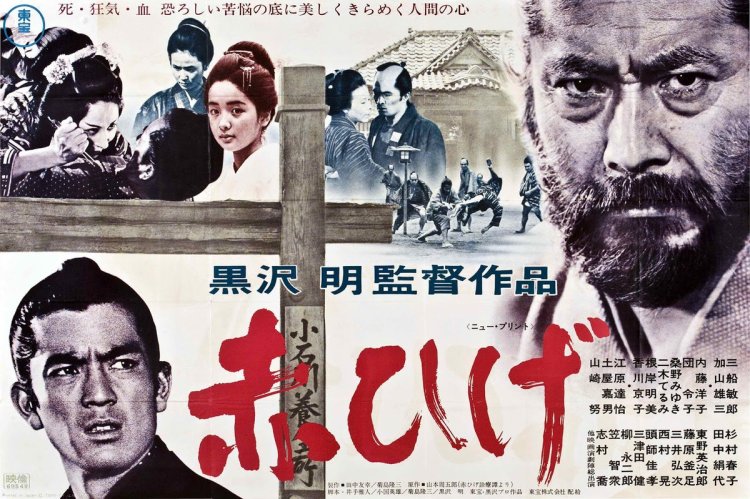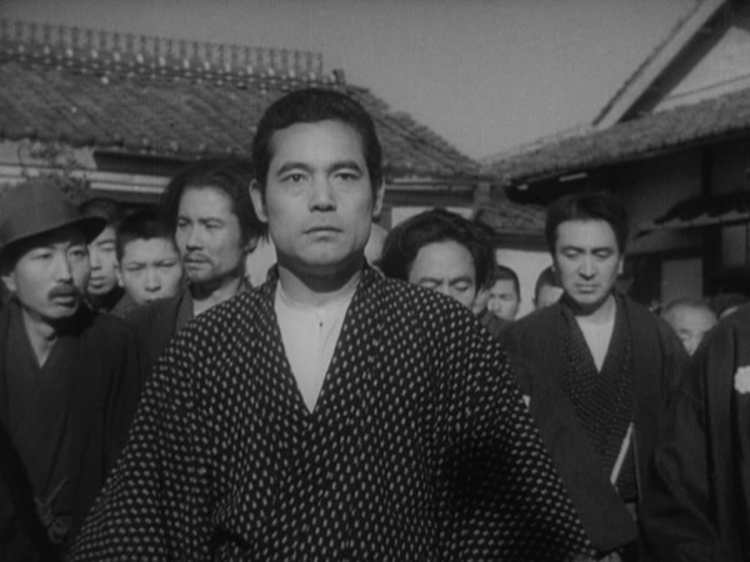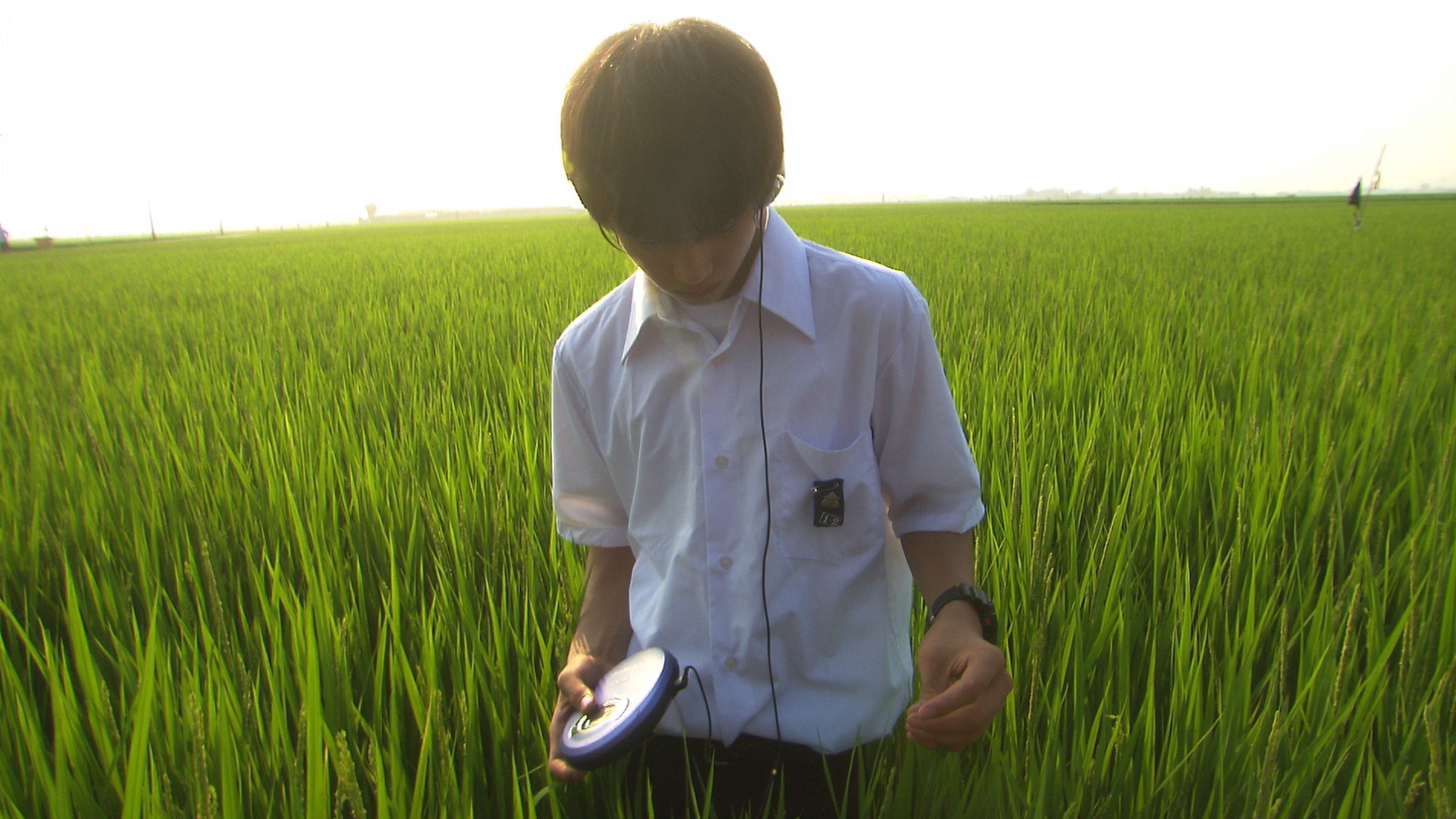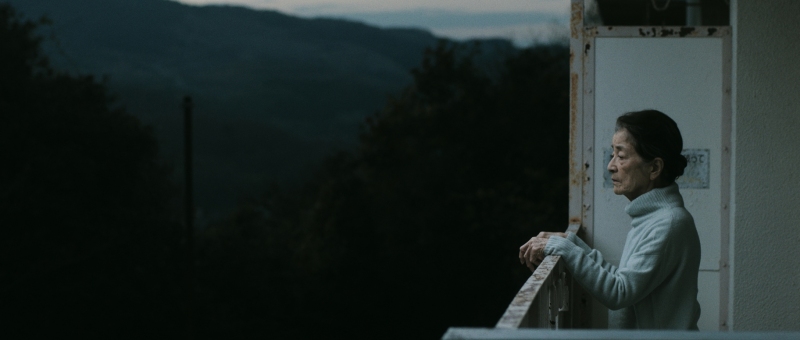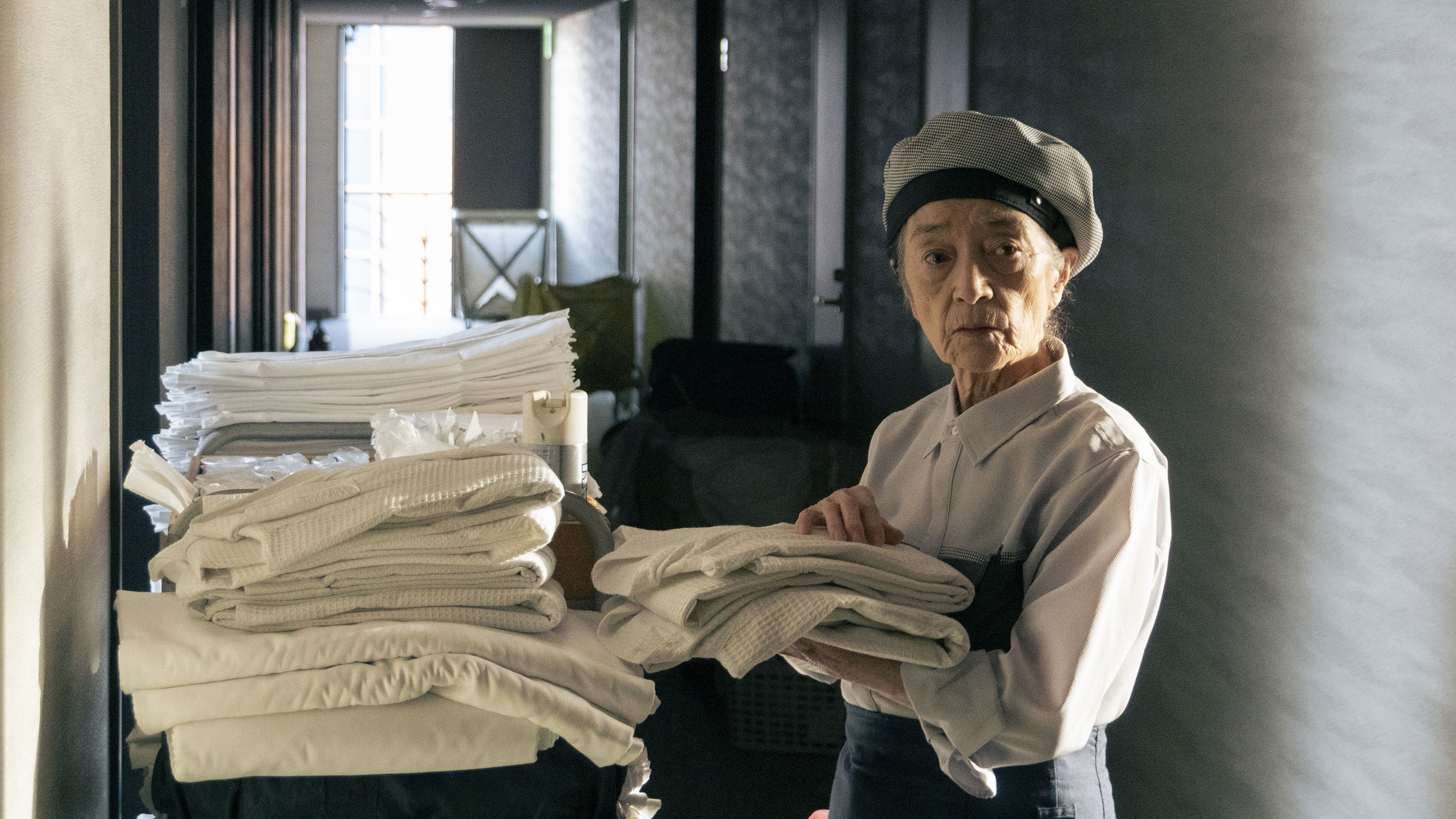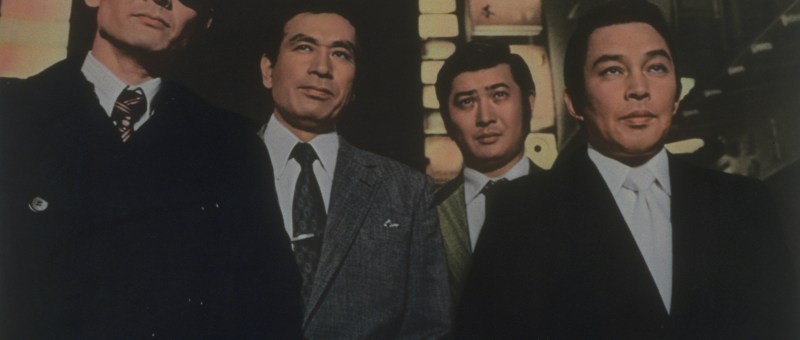
Terror of Yakuza (沖縄やくざ戦争, AKA Okinawa Yakuza War, Sadao Nakajima, 1976)

An old-school yakuza finds himself cornered on every side while caught in the confusion of Okinawa’s reversion to Japan in Sadao Nakajima’s jitsuroku gangster movie Terror of the Yakuza (沖縄やくざ戦争, Okinawa Yakuza Senso, AKA Okinawa Yakuza War). Where similarly themed Okinawa-set gangster pictures such as Sympathy for the Underdog had largely presented the islands as an appealing place for mainland gangsters because the conditions of the occupation which had allowed them to prosper were still in place, Sadao reframes the debate in terms colonisation and conquest as the hero finds himself increasingly marginalised as an island boy contending with amoral city elitists. 

Nakazato (Hiroki Matsukata) has just been released from prison after serving seven years for the murders of two rival gang bosses that allowed his boss, Kunigami (Shinichi Chiba), to rule the roost in Koza. But now that Okinawa has reverted to Japan, everything has changed. Kunigami has formed a loose alliance with another regional gang to oppose the incursion of mainland yakuza but behind the scenes the higher-ups are intent on a mutually beneficial alliance with the Japanese perhaps seeing the writing on the wall and assuming that it’s better to work with the new regime that against it. For his part, Nakazato is more loyal to the clan than he is opposed to Japan but he’s also resentful towards to Kunigami for failing to live up to his side of the bargain now that he’s been released while fearing the influence of his new sidekick Ishikawa (Takeo Chii) whom he suspects of murdering one of his former associates while he was inside. 

As such, much of the drama unfolds as in any other yakuza picture with Nakazato, regarded by some of the other bosses as a loose cannon and potential liability, reluctant to move against Kunigami for reasons of loyalty even while Kunigami becomes increasing unhinged and dangerous, deliberately running over an Osakan foot soldier who was apparently just on holiday with no particular business in town. Kunigami’s recklessness in his hatred of the Japanese threatens to start a turf war the Okinawan gangs fear they couldn’t win, sending snivelling yakuza middleman Onaga (Mikio Narita) along with Nakazato to negotiate in Osaka only to be told the price of peace is Kunigami’s head. Inspired by the Fourth Okinawa War which was still going on at the time of the film’s completion (in fact, the release was blocked in Okinawa in fear that it would prove simply too incendiary), the conflict takes on political overtones as the mainland gangsters assume their conquest of Okinawa is a fait accompli while those like Onaga are only too quick to capitulate leaving Kunigami and Nakazato as two very different examples of resistance. 

Yet Nakazato finds himself doubly marginalised because he is from one of the smaller islands with most of his men also hailing from smaller rural communities (one uncomfortably wearing extensive makeup to ram the point home that he is from the southern reaches) with the result that they are often pushed around by the city gangsters who view them as idiot country bumpkins. On his trip to Osaka, Nakazato even describes himself as such in an attempt to curry favour apologising in advance should he make a mistake with proper gangster etiquette. Like a good platoon leader, Nakazato’s primary responsibilities are to his men which is one reason why he takes so strongly against Ishikawa, one of the new breed of entirely amoral yakuza who care nothing at all for the code and think nothing of knocking off his guys for no reason. Consequently he finds himself caught between the invading mainlanders, the unhinged chaos of Kunigami, the coldhearted greed of Ishikawa, and the spineless venality of turncoats like Onaga. 

It’s no wonder that he eventually loses his cool, going all out war and like Kunigami dressing in vests and combats in an internecine quest for vengeance precipitated in part by Kunigami’s attempt to discipline one of his men for encroaching on his territory by removing his manhood with a pair of pliers. “Someone will get to you someday too” Nakazato is reminded though having lost everything including his loyal wife who insisted on selling herself to a brothel to get the money to fund his war of revenge he may no longer care so long as he cleans house in Okinawa to the extent that he is really able to do so. “Okinawa is such a scary place” one of the Japanese guys admits, though showing no signs of backing off in this maddeningly chaotic world which turns stoic veterans and hotheaded farm boys alike into enraged killers fighting on a point of principle in a world which no longer has any. 


Terror of Yakuza screens at Japan Society New York May 20 at 7pm as part of Visions of Okinawa: Cinematic Reflections

Original trailer (no subtitles)

Images: Terror of Yakuza © 1976 Toei

Dear Summer Sister (夏の妹, Nagisa Oshima, 1972)

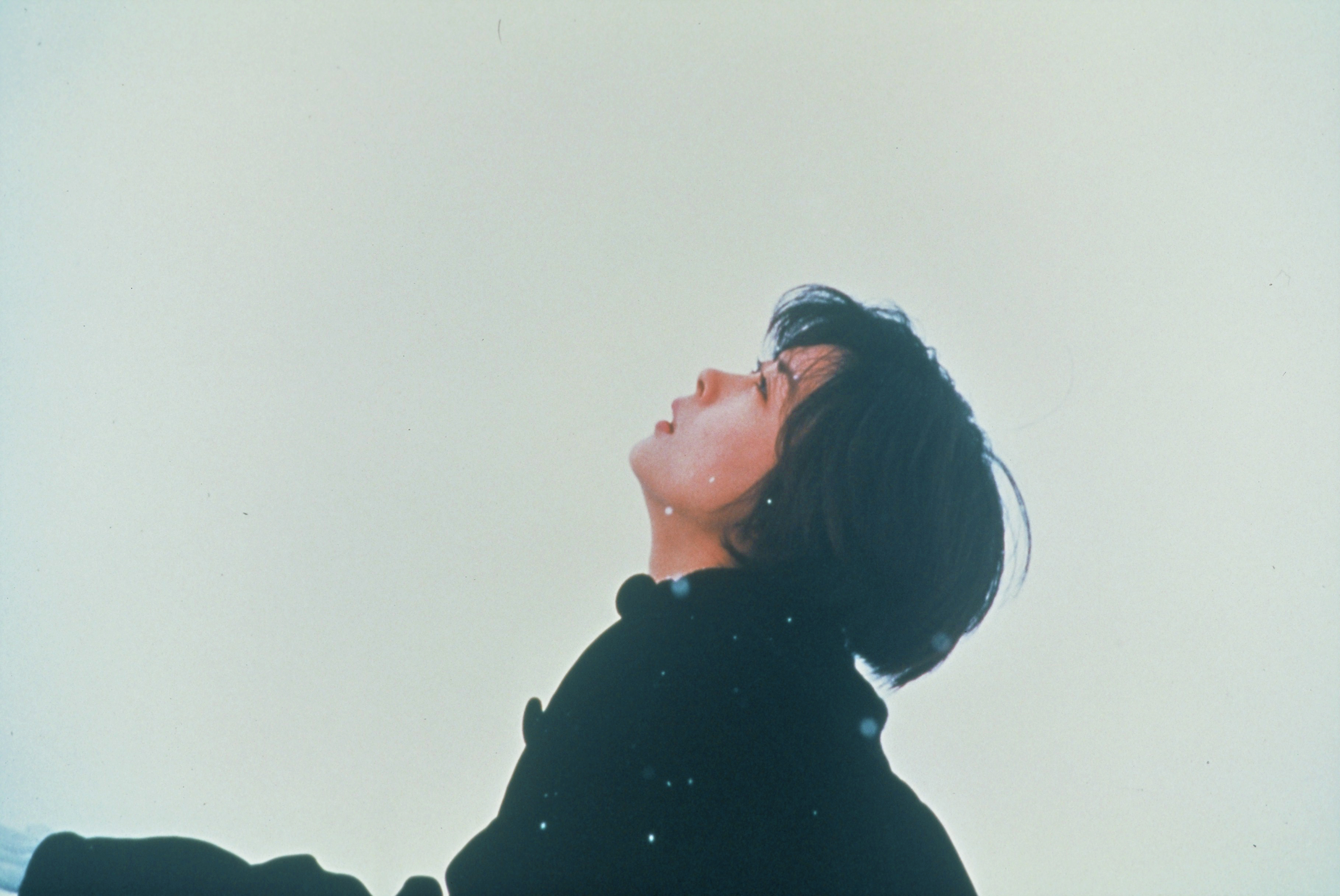
The complicated relationship between mainland Japan and the Okinawan islands is played out in the youthful identity crises of two adolescents struggling to understand the world their parents have left to them in an uncharacteristically breezy effort from Nagisa Oshima, Dear Summer Sister (Dear Summer Sister (夏の妹, Natsu no Imoto). Part Rohmerian travelogue, Oshima takes a tour around the island in the immediate aftermath of its reversion to Japan but rather than the busy tourist spots explores a legacy of colonialism and exploitation in the islands’ war memorials and red light districts. 

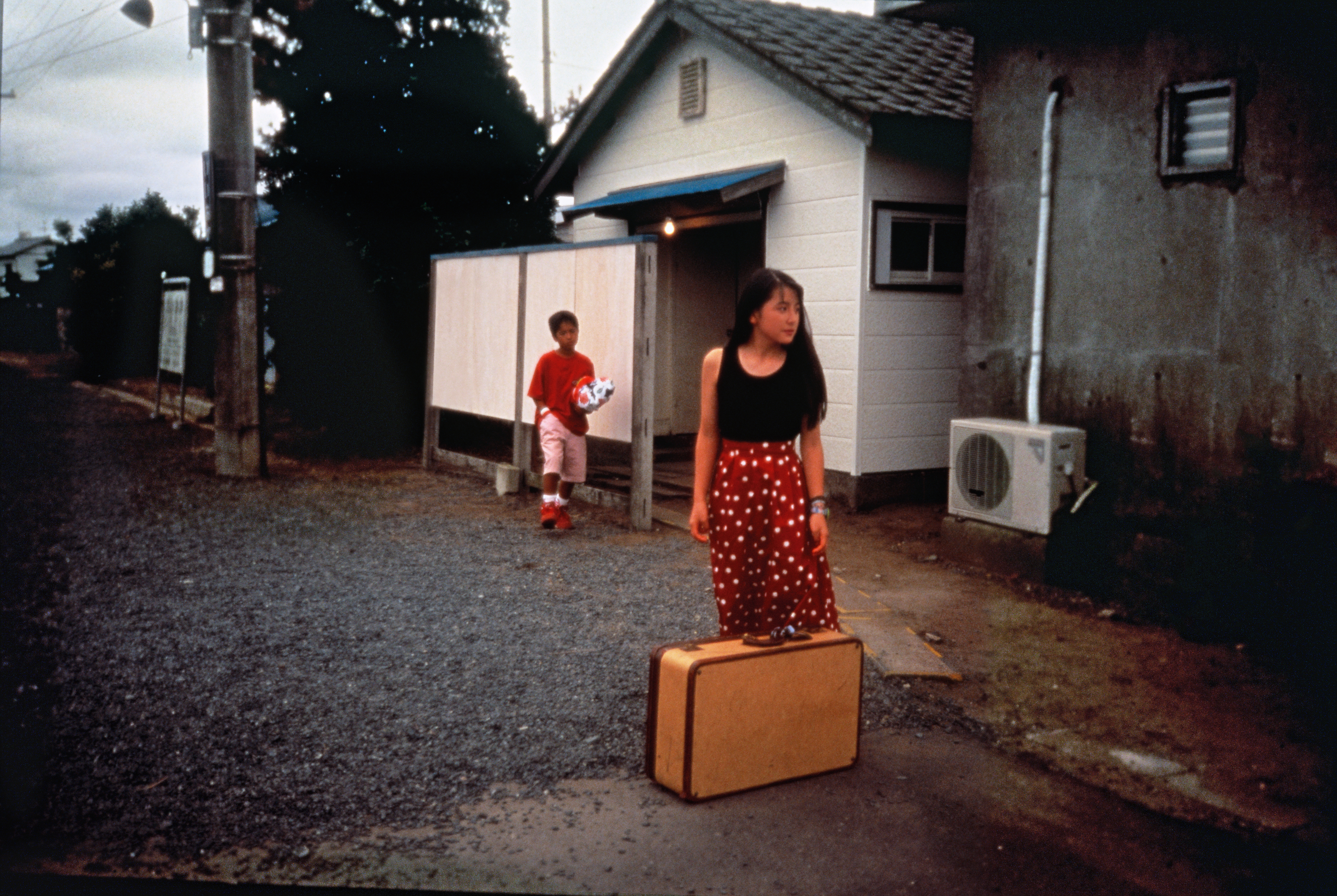
The irony is that Sunaoko (Hiromi Kurita) finds the person she’s looking for immediately after disembarking from the boat she’s taken from the mainland only she never realises it. Having received a letter from a boy, Tsuruo (Shoji Ishibashi), claiming that he may be her half-brother but isn’t entirely sure, Sunaoko has accepted his offer to come to Okinawa where he will show her his “brotherly affection”. Unbeknownst to her, however, he mistook the figure of her father’s much younger fiancée Momoko (Lily) for that of the teenage Sunaoko with the older woman half-heartedly trying to head off a potential crisis while understandably curious and seeking to know the truth behind her future husband’s hidden past. 

The figure of Tsuruo’s mother, Tsuru (Akiko Koyama), comes to stand in for that of Okinawa yet the central problem as we discover is that she was raped firstly by Sunaoko’s father Kikuchi (Hosei Komatsu) and subsequently by local Okinawan policeman Kuniyoshi (Kei Sato) who had previously passed her off as his younger sister. Even so the trio seem to interact with each other as if nothing had happened and they were simply old university friends reuniting after years of separation. Despite his present occupation in law enforcement, Kuniyoshi had been in prison at the time having been arrested as a student protestor and on his release raped Tsuru after she told him she had been raped by Kuniyoshi in an attempt to reclaim her body and send his sperm as a kind of advance division to prevent Kikuchi’s successfully colonising her womb with the consequence that Tsuru cannot of course be sure whose child Tsuruo is settling finally for “mine” in an answer which at least earns her Sunaoko’s respect. 

Obviously still somewhat naive and additionally provoked on discovering the attraction between Momoko and Tsuruo, Sunaoko had been unfairly judgmental in preemptively accusing Tsuru implying that she been immoral in maintaining relationships with two men at the same time. What occurs is a gradual sense of disillusionment in her father the judge when confronted, it has to be said with confusing frankness, with his own immorality in his misuse of Tsuru which is also of course a metaphor for Japan’s misuse of Okinawa, a thread picked up more directly by the old soldier Sakurada (Taiji Tonoyama) who has apparently come to Okinawa looking for a local willing to kill him in atonement for atrocities he half-heartedly claims not to have committed himself but feels responsible for simply as a Japanese person. Ironically enough he finds such a person in Rintoku (Rokko Toura), a teacher of traditional Okinawan folk music who is looking for “a Japanese who deserves my killing him”.

Nevertheless the relationship between the old men turns into one of playful animosity which does not seem to hint towards violence, a playful fight breaking out between the pair on a boat in the middle of the sea in the film’s concluding scenes in which Sunaoko offers an ironic commentary to the effect that the “killer” and his “victim” are still “singing and drinking” despite the earlier claim that there were only two kinds of people, Okinawans and Japanese, in counter to the claim that the only two kinds of people were men and women. Meanwhile, Kikuchi attempts to process the implications of his friendship and actions explaining that Kuniyoshi’s Okinawan roots were not an obstacle between them while admitting that he never thought about the position of Okinawa during their youth and wonders what he thought back then as to Okinawa’s future, whether it should revert to Japan or become independent. Kuniyoshi claims not to remember, while Tsuru explains how difficult it was to travel to the mainland under the occupation and implies that it’s better now that “we can go where we please”. 

The implication is, perhaps, that Tsuruo is his mother’s child but also a kind of orphan creating a new identity in a new Okinawa having symbolically rejected both of his potential fathers if seeking a brotherhood with his half-sister though even in this the waters are muddied with the undercurrents of incestuous desire which seem to run both ways. Even so Oshima hints at the secondary colonisation of America in conducting what doesn’t seem to be an entirely appropriate series of conversations with the young Sunaoko concerning the history of sex work on the island and the number of bars geared towards American servicemen returning from Vietnam with the suggestion that the islands remain economically dependent on the US despite the reversion while Sukurada makes similarly crass comments about his relationships with Okinawan sex workers during the war. They cast themselves as Urashima Taro travelling to the magical underwater palace of the Dragon King but wary of opening the box of truth they’ve been given lest their world crumble beneath their feet. Picturesque and strangely cheerful, Oshima’s Okinawan odyssey shot with breezy immediacy offers a characteristically thorny take on relations between the two island nations but reaches an unexpectedly hopeful conclusion in the young people’s rejection of their parents’ legacy and intention to move forward in mutual solidarity. 


Dear Summer Sister screens at Japan Society New York May 14 at 7pm as part of Visions of Okinawa: Cinematic Reflections

Images: © 1971 Oshima Productions

Paradise View (パラダイスビュー, Go Takamine, 1985)

“We’ll all be Japanese soon, so why don’t you marry one?” suggests the mother of a young woman on the eve of Okinawa’s reversion to Japan after three decades under American administration, having taken advice from a shamaness overly worried about her children’s “mixed blood” but assured that a union between her daughter and a Japanese man “would be fine”. Her daughter, however, is not so sure yet equally afraid to voice her concerns while lacking confidence in the local man she loves who has “lost his spirit”, become obsessed with black thorn ants, and begun eating soil. 

As Reishu (Kaoru Kobayashi) tells us, he’s been feeling listless lately and has come to the beach to gather sea salt in the hope that it will perk him up as it has before, Takamine’s camera catching him a lonely figure on the shore. Meanwhile, a funeral procession creeps into the frame and is eventually disrupted when one of the coffin bearers is bitten by a snake which had been hiding in the open casket that in any case contains only bones presumably about to undergo the bone washing ritual common on the islands. “The funeral’s ruined! Our ancestors will never forgive us!” the bitten man laments as the others try to get back on track. Casting the spectre of death over the proceedings, the funeral procession along with Reishu’s desire to find salt to cure his depression is also an early statement of intent from Takamine capturing the unique cultural character of a typical island village as distinct from that of the Japanese mainland to which it is to be “returned”. 

Reishu’s listlessness is itself perhaps also a reflection of the island’s liminal status caught between Japan and the US in a moment of transition. As he tells his grandmother, he’s quit his job at the American army base fearing that as the Vietnam War is drawing to a close and Okinawa is to be returned to Japan there won’t be much work on offer highlighting the extent to which the local area has been economically dependent on the Americans and their foreign policy in Asia. Later we see some of the village men handling weapons smuggled off the American base which they intend for the Okinawan independence movement but which later end up causing self-destructive tragedy. As for Reishu his new business plan involves buying an amphibious vehicle which is in one sense an attempt to hedge his bets, somewhere between being unable to make a choice and avoiding having to make one. 

Paradoxically, Mr. Ito (Haruomi Hosono) the Japanese language teacher to whom Nabee, who is love with Reishu and in fact pregnant with his child, is to be married is described as “more Okinawan than we are” by one of her brothers and both scandalises and confuses a local bar owner over his desire to perform an outdated wedding ritual she fears is unduly sexist and possibly for that reason no longer regularly performed by the local community. Ito speaks somewhat wistfully of the spiritual effect the Okinawan jungle has on him and says he fears being rejected by the vegetation if he does not make sure the ritual is done properly. Bearing all this in mind, there’s something a little uncomfortable in his desire to marry a simple Okinawan village girl which remains in its own way a small act of colonialism even as Nabee’s mother and brothers pressure her to accept the proposal as if a union with the new ruling power would help “purify” their family as the shamaness had suggested. 

What seems clear is that Nabee does not even really know Ito and is not in favour of marrying him, the proposal must have come by arrangement which does not otherwise seem to be the prevailing culture in the village. On discovering Nabee’s pregnancy, her mother encourages her to marry Ito anyway and discretely have an abortion after the ceremony but on the other hand the pregnancy itself is not a major issue as it might have been on the mainland though they worry what Ito might have thought about it. Both friends with Reishu, neither of the brothers quite has the courage to challenge him on his relationship with their sister the calmer of the pair later explaining that he can’t blame him because he was only messing around. As another villager tries to explain to a migrant from the mainland, the islands have a much looser idea of sexual propriety in which young people are free to be friendly with each other with no particular seriousness attached, while the mainlander is concerned and anxious on hearing one of the brothers repeatedly state he could kill Reishu for what he’s done only to be told he didn’t mean it literally and is probably just very annoyed with him to the point of mild physical violence. 

Meanwhile, Chiru (Jun Togawa), a rural girl working as a maid, has also taken a liking to Reishu and is deeply worried for his safety having had a dream in which she saw a dog eat his soul which in their culture suggests he may soon be “spirited away”. Later he finds himself literally on the run after having been arrested when the independence movement storm the police van on which he’s being transported to rescue their comrades, another prisoner who waited patiently rather make his escape shot for his pains. Having lost his spirit he becomes increasingly listless, eating soil while wandering the forest without direction and vulnerable to the rainbow pigs who are it seems the real masters of this space. At the last point we see him, he’s staggering towards a fork in the road, heading towards what Nabee’s mother had described as a historical turning point, but seemingly choosing neither direction. With a dream-like, magical realist quality aided by Hosono’s etherial score and frequent use of traditional Okinawan folksong while spoken largely in the disappearing Okinawan language, Takamine’s laidback epic is a defiant evocation of local culture at a point of transition caught between two states while attempting to take hold of itself. 


Paradise View screens at Japan Society New York May 13 at 7pm as part of Visions of Okinawa: Cinematic Reflections. It is also available to stream in the US May 14 to June 3.

Images: © Osamu Muranaka

The Wonder of a Summer Day (幻の蛍, Yuka Ibayashi, 2022)

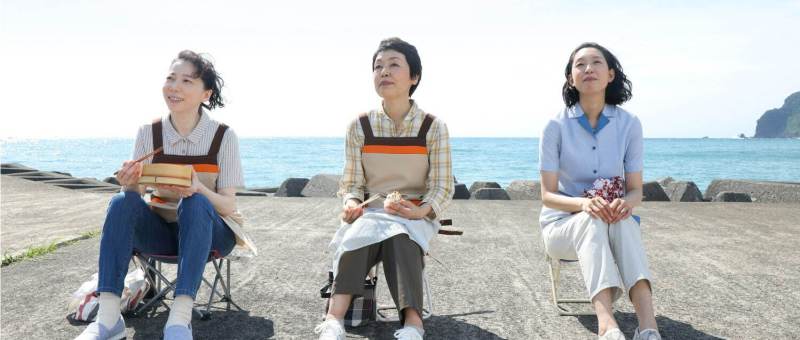
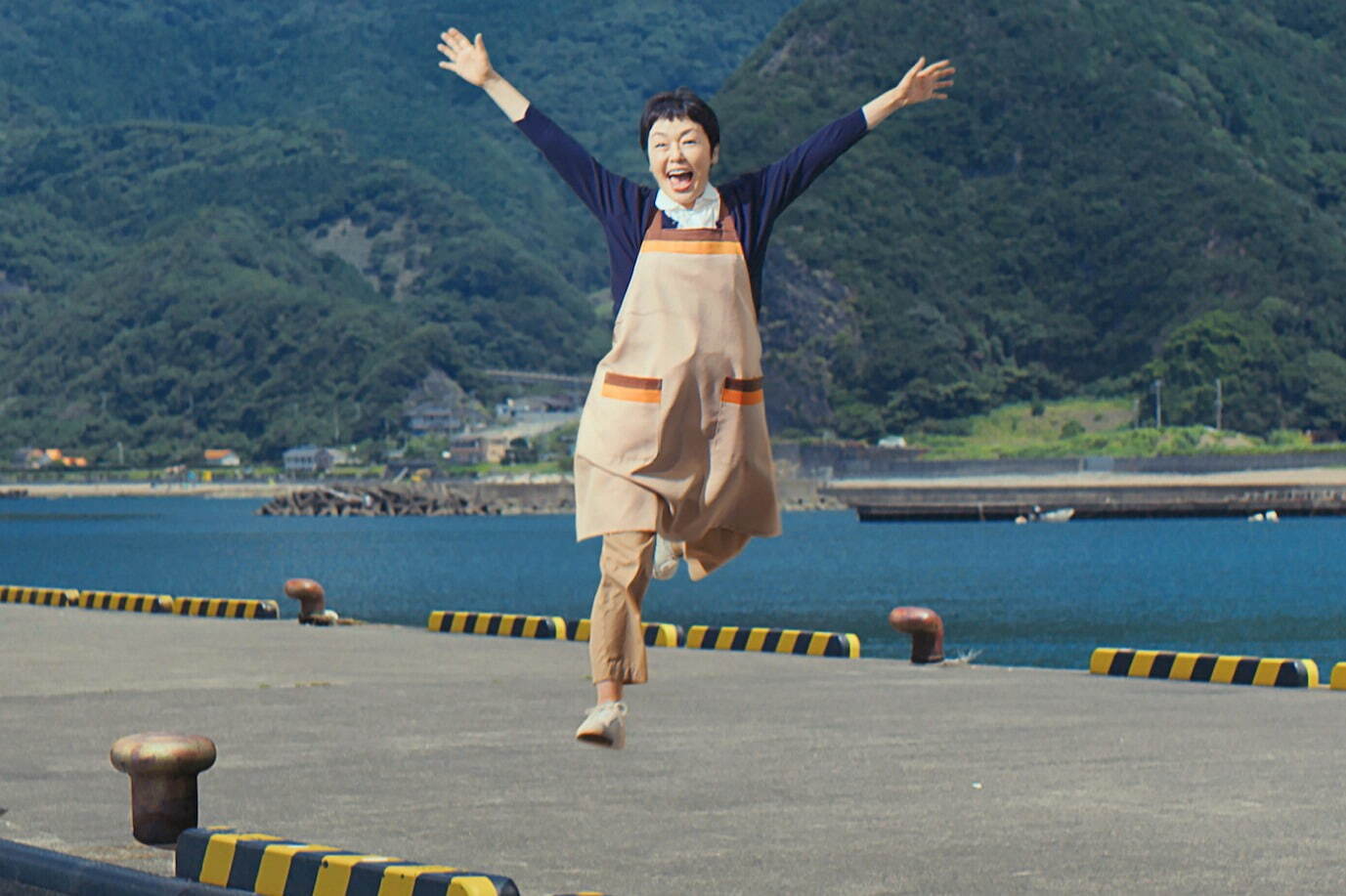
A solitary teenage girl struggling to come to terms with her parents’ divorce gains a new perspective through a trip to grandma’s in Yuka Ibayashi’s charming indie drama, The Wonder of a Summer Day (幻の蛍, Maboroshi no Hotaru). Somewhat numbed emotionally, Kanata (Konoha Nogishi) is consumed with a sense of emptiness and has no idea what she wants to do in the future or even what her favourite food is while spending almost all of her time alone even going into school during the summer holidays to keep up her cleaning routine or work in the library. 

Part of this as we discover is that she doesn’t have a smartphone because her mother’s (Akiko Kikuchi) business running a small bar is struggling so she can’t join the group chat on phone-based social network LINE, the other girls in any case walking away before she’s fully time to explain even if she were going to. Kanata is certainly a very responsible young woman, often needing to get herself up and out because her mother rises late given the nature of her work, and helping out behind the bar when she gets home from school where she seems to be taking care of all the cleaning needs single handedly simply explaining “we’re supposed to rotate” when questioned by her eccentric science teacher as to why she has to do all of this extensive labour on her own. 

The science teacher is also surprised to learn that Kanata has no plans for the summer vacation planning to continue coming into school to do her various jobs, Kanata sadly wiping the word “summer” off the blackboard and cleaning the eraser afterwards. Then again, the teacher’s idea of fun is sitting in a bowling alley watching people bowl, prompting Kanata to begin wondering what fun might be or if there’s something she might like to do after all. “Life tends to provide us something we enjoy” according to the man at the grocery store, but she struggles to find an answer even refusing an invitation from her father to go to a local festival with her younger sister Sumire (Nonoka Ikeda) when he calls to borrow her old yukata.  

Part of the reason for her loneliness is rooted in the disintegration of the family unit. Not only is she harbouring a degree of resentment towards her father but has also been separated from her sister and feels acutely divided by the traditional social codes which mean that she and her mother have reverted to her maternal family’s name while Sumire and her father have kept theirs the same marking them as no longer family to the extent that she isn’t quite sure why Sumire regrets not having been allowed to attend their grandfather’s funeral. The situation is compounded by the fact that she suspects her father has a new girlfriend, her shock and distress palpable after spotting the three of them driving around looking like a family a pair of sisters excitedly crossing the road ahead of her while she remains frozen on the spot. 

Invited to spend a few days with grandma in the country along with Sumire, Kanata remains sullen and uncommunicative in contrast to her upbeat and cheerful sister who displays an unusual degree of emotional maturity in trying to take the moody teen to task. “You’re not the only person in this world with problems” she eventually fires back fed up with Kanata’s moods and hurt by her most recent barb basically blaming her for their parents’ divorce while insisting that she only makes trouble for those around her. Even so, a trip to find out of season fireflies finally allows the sisters to re-establish their bond with Kanata coming to accept her situation realising that she doesn’t have to cut off contact completely just because they won’t be living together and even if there are many things they may never do again there are plenty more they could do for the first time, like looking for fireflies. “If we keep walking we’ll end up somewhere” Sumire offers encouragingly as they find themselves temporarily lost during their brief summer adventure neatly proposing a metaphor for life and relationships as the sullen heroine begins to repair her fracturing family bonds letting go of her pain and resentment now a little less lonely if only in having shared her loneliness. 


The Wonder of a Summer Day screened as part of Osaka Asian Film Festival 2022

Love Nonetheless (愛なのに, Hideo Jojo, 2022)

“Don’t deny love!” the fantastically awkward yet empathetic hero of Hideo Jojo’s Love Nonetheless (愛なのに, Ai Nanoni) eventually exclaims when confronted by the parents of a high school girl whose crush on him he’d tried to diffuse sensitively while growing to appreciate her friendship. Scripted by the ever prolific Rikiya Imaizumi who has made something of a name for himself examining the complicated romantic lives of young people in the contemporary society, Jojo’s prickly dramedy like his other film this year To Be Killed by a High School Girl deals with some quite uncomfortable ideas but does so with as much sensitivity as it can muster. 

The lovelorn hero, Koji (Koji Seto), for example is always trying to rationalise the circumstances around him considering his own actions and their implications carefully. When he catches a high school girl, Misaki (Yuumi Kawai), stealing a book from the secondhand bookshop where he works he chases her but she, surprisingly, stops running when she notices him struggling and buys him a bottle of water from a vending machine before eventually confessing that she stole the book because she saw him reading it. Not only does she announce she’s in love with him, she immediately proposes marriage. 30-year-old Koji is shocked and alarmed. He tries to turn her down but she doesn’t listen, continuing to frequent the store bringing him letters reiterating her marriage proposal which he never answers. 

Meanwhile, he’s hung up on an unrequited crush, Ikka (Honami Sato), who he’s just learned is about to be married. Even he describes himself as a “creep” looking back over of a cringeworthy series of tweets he’d sent her which she never replied to, while she explains to her fiancé Ryosuke (Ayumu Nakajima) why she’s not planning on inviting him to the wedding despite inviting everyone else from her old part-time job. Unbeknownst to her, Ryosuke has secretly been carrying on with their wedding planner, Miki (Yuka Kouri), who is content with the no strings nature of their relationship and ironically hates the “bizarre ritual” she has been hired to organise having developed a rather cynical view of marriage due to the nature of her work. The couple seem to be in a fairly liminal state, their apartment still full of boxes while they bicker about the financial strain of a ceremony which as Miki points out is not even about them but solely for their families and any children they may later have. 

All these people supposedly love each other, so why is it all so difficult and destructive? Always introspective, Koji realises he may have alienated Ikka with his inappropriate behaviour and has reflected on his actions but the fact remains that most of the other men are not so emotionally aware. Misaki is also courted by an awkward classmate who greets her with roses but thrashes them to the ground in frustration when she turns him down and later physically attacks Koji even when he points out that hitting his love rival won’t change the fact that Misaki’s not interested in him. Ikka meanwhile is approached by a sleazy salaryman when drinking alone in an izakaya whose response when she tells him she’s married is “so what, I am too”. Ryosuke appears to be having an affair for no other reason than he could while simultaneously confused by Miki’s lack of emotional investment in their relationship only for her to patiently explain to him that his problem is he’s bad in bed something which a lover would be unable to tell him directly. Ikka begins to realise this for herself while turning to Koji to get back at Ryosuke on learning of the affair as if believing that a level playing field of emotional betrayal would somehow allow them to start their married life on an equal footing. 

The secondary question arises of how important sex is in a romantic partnership, Ikka wondering if Ryosuke really is just a bad lover or if their unsatisfying sex life is a sign that they are simply incompatible and should separate given that she finds much more fulfilment with Koji whom she chose because of her lack of romantic interest in him. Koji meanwhile, fully aware of the realities of the situation, points out that it’s unfair and irresponsible of Ikka to exploit his feelings for her while cautioning her that her behaviour is heading towards the self-destructive and that she should reconsider marrying Ryosuke not because he thinks she should date him but simply because this complicated situation is obviously unhealthy for everyone. You could of course say the same about his awkward, perhaps uncomfortable relationship with the teenage Misaki which might in a sense be romantic, both slightly inappropriate and essentially innocent even if his eventual concession that he might love her one day is a step too far in failing to fully diffuse her one-sided crush in part because he’s become dependent on the attention he receives from her in the letters he doesn’t answer. 

Then again, the most troubling aspect of Ryosuke’s affair is not the extra-marital sex but the manipulative lie he constructed to excuse it designed to arouse Ikka’s sympathy in tying it back to her awkward experience with one-sided workplace crushes. Aware of the affair but not the lie, the choice she thinks she’s making is if her relationship with Ryosuke is strong enough to accept sacrificing sexual fulfilment or if perhaps this is as good as it gets when it comes to marital compromise. Koji’s solution seems to be that you should let love rest where it lands, denying it is pointless even if not reciprocated while sensitivity with other people’s feelings is essential for a happy, healthy society. Warmhearted and empathetic in its forgiveness of its messy protagonists’ many flaws, Jojo’s steamy drama never pretends love is easy but suggests it comes in many forms and in the end maybe follow your heart is as good advice as you’re ever going to get.


Love Nonetheless screened as part of this year’s Udine Far East Film Festival.

Original trailer (English subtitles)
The Light of Spring (ひかりのどけき, Fumito Fujikawa, 2022)

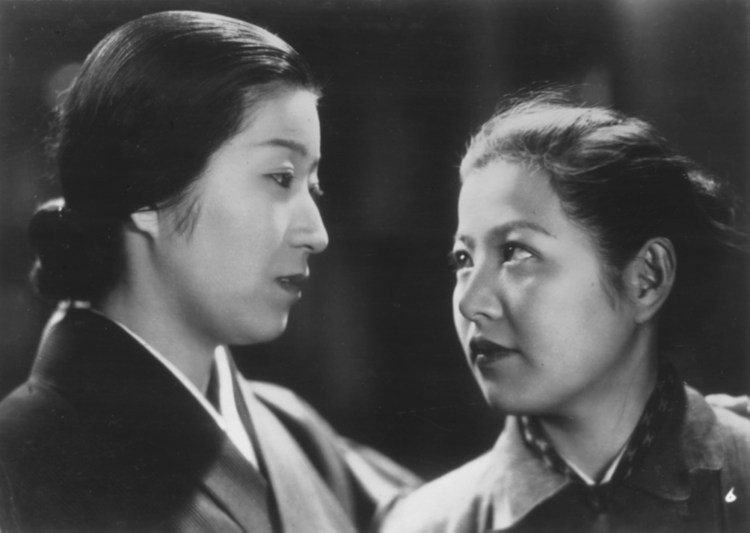
“The more we try to be a family the more we feel like strangers” a husband laments reflecting on the pressures of the contemporary society which seem to have stretched his marriage possibly to breaking point. Starring a cast of non-professional actors, actually a real family living in the suburbs of Tokyo, Fumito Fujikawa’s neorealist drama The Light of Spring (ひかりのどけき, Hikari Nodokeki) examines the effects of familial breakdown largely from the perspective of the couple’s young son Shui (Shui Hirabuki) as he struggles to process the changes in his life and the indefinite absence of one parent or another. 

As the film opens, the father (Masana Hirabuki) hugs his infant daughter, Chikasa (Chikasa Hirabuki), while the mother (Yuki Kimura) gets her son, Shui, ready for an outing repeatedly asking him if he is able to do things for himself such as zip up his jacket or put on his mask as if preparing him for an early independence. She puts a backpack on his shoulders and tells him dad is taking him somewhere nice, but when the pair get back she and Chikasa will be gone. Something has obviously gone wrong in the parents’ relationship and the mother is taking Chikasa with her to the grandparents as the couple embark on a trial separation. 

The majority of the rest of the film focusses on the boy and his father adjusting to life alone as little Shui attempts to process what’s happening thinking that perhaps his mother has just gone away somewhere temporarily and will return in a few days. Indeed, his father does not tell him concretely that she won’t be coming back, just that he doesn’t really know if or when meanwhile they leave the baby gate in place even though there’s no baby around each of them stepping over it to access the kitchen and the balcony. Dad tries to make it fun, spending additional time with his son, but also discovers the pressures of being a single parent having to rearrange his working life in order to accommodate picking him up from school. Even so as he later admits to him the trial separation is working out in his favour. Without apologising he explains in simple terms that he feels trapped by the responsibility of fatherhood and is coming to believe perhaps it’s better if he and his wife do not continue to live together. 

The mother meanwhile is beginning to feel the opposite, asking her own mother if she often fought with her father and getting a fairly typical answer wondering if perhaps they’re overreacting and should try and find a new way through together. Where dad shuts down Shui’s questions, he even wondering at one point if Chikasa is still alive, she is more mindful on the effect on the children returning home when Shui calls her from a public telephone and taking him back to the grandparents only for him to then miss his dad. Dad meanwhile thinks he needs more time to decide, uncomfortably admitting that he likes it better with fewer responsibilities but perhaps in the end also missing his family.  “I wonder what a family is supposed to be” mum sighs, “we’re becoming more and more like strangers” as the pressures of the contemporary society along with the pressing anxiety of the coronavirus pandemic distance them ever further from each other. She remains at the table, but the father tells her to go with increasing intensity as if making clear that he no longer wants to have this discussion and means to exile his family from his life continuing to live in the family home marked as it is by a sense of absence while they remain displaced temporarily housed with the grandparents. 

Shot in the classic 4:3 of retro home video, Fujikawa’s neorealist drama captures the everyday life of a contemporary family with its trips to the park, museums, and burger bars or just cooking together at home but also hints at the anxieties which come with it exacerbated by the existential anxiety of the coronavirus pandemic. “Nothing’s unbreakable” the father admits, “but I’m sad when they break” the boy complains. “Even if you take good care of things, some things still break” his father goes on to explain in what seems like more of a life lesson than might be expected in a discussion about a worn-out pillow. Even so perhaps they don’t break all the way, as the hopeful conclusion implies set amid the pretty cherry blossom not quite in full bloom in a quiet corner of an otherwise busy city. 


The Light of Spring screened as part of Osaka Asian Film Festival 2022

Nippon Connection Confirms Full Lineup for 2022!

Nippon Connection, the largest showcase for Japanese film anywhere in the world, returns for its 22nd edition with another packed programme of in-person screenings in Frankfurt 24th – 29th May with a selection also available to stream online 30th May to 6th June. This year’s Nippon Honor Award goes to Masatoshi Nagase who stars in several of the features included in this year’s lineup.

Nippon Cinema

  • Any Crybabies Around? – a young father gets caught drunk and disorderly at a festival and runs away to the city before trying to repair his familial bonds after returning some years later.
  • The Asadas – latest from Ryota Nakano starring Kazunari Ninomiya in a real life story of a photographer who begins taking photos of survivors of the Tohoko earthquake.
  • A Balance – an idealistic documentarian’s journalistic ethics are strained when she uncovers scandal close to home in Yujiro Harumoto’s probing social drama. Review.
  • The End Of The Pale Hour – an office worker falls in love but is devastated when his girlfriend suddenly breaks off contact.
  • Intolerance – latest from Keisuke Yoshida in which the father of a teenage girl killed by a car while running away after being accused of shoplifting takes revenge.
  • Just Remembering – bittersweet love story from Daigo Matsui inspired by Jim Jarmusch’s Night on Earth.
  • Last Of The Wolves – no longer an earnest rookie, a corrupted Hioka attempts to keep the peace in Heisei Hiroshima in Kazuya Shirashi’s Blood of Wolves followup. Review.
  • A Madder Red – latest from Yuya Ishii starring Machiko Ono as a widowed single mother struggling under a highly stratified society in the midst of the coronavirus pandemic.
  • The Mole Song: Final – final instalment in Takashi Miike’s Mole Song Trilogy scripted by Kankuro Kudo and starring Toma Ikuta as undercover cop Reiji.
  • My Brother, The Android And Me – a lonely researcher attempts to ease his existential anxiety by building a simulacrum of himself in Junji Sakamoto’s gothic sci-fi chiller. Review.
  • Mystery Train – 1989 Jim Jarmusch classic starring Masatoshi Nagase and Youki Kudoh as Elvis-obsessed tourists visiting Memphis. Screening with German subtitles only
  • Parasite In Love – romantic drama starring Kento Hayashi and Nana Komatsu in which a mysophobic man falls in love with a scopophobic girl.
  • Popran – outlandish comedy from Shinichiro Ueda in which an arrogant CEO’s genitals decide to leave him and he has to find them within six days or lose them forever.
  • Sensei, Would You Sit Beside Me? – a mangaka and her cheating husband become locked in a cat and mouse game of ambiguous revenge in Takahiro Horie’s deliciously cynical anti-rom-com. Review.
  • Small, Slow But Steady – drama from Sho Miyake starring Yukino Kishii as a young deaf woman dreaming of becoming a pro-boxer.
  • The Sunday Runoff – comedy drama starring Rie Miyazawa as a politician’s daughter who decides to run for her father’s seat when he passes away suddenly in office.
  • Talking The Pictures – an aspiring benshi finds himself dealing with issues of crime and authenticity in Masayuki Suo’s heartfelt tribute to the not so silent movies. Review.
  • They Say Nothing Stays The Same – an ageing boatman finds himself adrift on the great river of time in Joe Odagiri’s exquisitely shot, ethereal meditation on transience and goodness. Review.
  • Under The Stars – latest drama from Tatsushi Omori starring Masatoshi Nagase and Tomoyo Harada as parents who enrol in a mysterious cult when holy water cures their daughter’s eczema.
  • We Made A Beautiful Bouquet – romantic drama from Nobuhiro Doi (Flying Colors) starring Masaki Suda and Kasumi Arimura as a young couple who meet after missing the last train home.
  • What She Likes… – high school drama in which a young man who feels unable to be open about his sexuality bonds with a young woman who is heavily into BL literature.
  • Wheel Of Fortune And Fantasy – a series of chance meetings and a healthy dose of fantasy lead a collection of wounded souls towards a kind of liberation in Ryusuke Hamaguchi’s whimsical triptych. Review.

Nippon Animation

  • Belle – Mamoru Hosoda reinterprets Beauty and the Beast as a grieving young woman becomes an in-app idol star but is also threatened by the presence of a mysterious dragon. Screening in Japanese with German subtitles only.
  • Dozens Of Norths – feature animation by Koji Yamamura.
  • Inu-Oh – a blind Biwa player and a cursed young man exorcise the spirits of the Heike through musical expression in Masaaki Yuasa’s stunning prog rock anime. Review.
  • Millennium Actress – Satoshi Kon’s 2001 feature voyaging through Japanese cinema history through the eyes of a golden age actress.
  • My Neighbor Totoro – Hayao Mizayaki’s 1988 classic in which two sisters befriend a mystical forest creature after moving to the country. Screening in German..
  • Sing A Bit Of Harmony – a mysterious transfer student quickly becomes popular but has a hidden secret.

Nippon Visions

  • Angry Son – a resentful young man comes to a better understanding of his place in the world while searching for his estranged father in Kasho Iizuka’s sensitive coming-of-age drama. Review.
  • Backlight – LGBTQ+ drama set in Onomichi in the 1970s in which a student brings home a friend from university.
  • Just The Two Of Us – a man paralysed from the neck down and the blind woman who cares for him find themselves struggling against the prejudices of an ableist society in Keita Fujimoto’s empathetic social drama. Review.
  • Let Me Hear It Barefoot – LGBTQ+ drama in which two men bond while recording sound tapes for a blind woman who longs to travel the world.
  • Melting Sounds – displaced youngsters begin to find a new sense of place thanks to a warmhearted young woman and an old man’s ambient sound obsession in Kahori Higashi’s quirky drama. Review.
  • Mr. Suzuki -A Man In God’s Country- – near future tale in which an umarried 44-year-old woman attempts to find a partner in order to escape being drafted to solve the declining birth rate.
  • Ninja Girl – an ordinary young woman gains the courage to stand up to injustice after discovering her ninja heritage in Yu Irie’s absurdist political satire. Review.
  • One Day, You Will Reach The Sea – powerful drama from Ryutaro Nakagawa in which a young woman struggles to come to terms with the loss of a friend who went missing in the 2011 tsunami. 
  • Pure Japanese – action drama from Daishi Matsunaga in which an action star takes it upon himself to protect a young girl.
  • Ring Wandering – drama revolving around a manga artist planning a series about wolves.
  • Song of a Dying Summer – melancholy summer youth drama.
  • Unlock Your Heart – teen romantic drama in which a high school girl befriends her crush’s girlfriend.

Nippon Docs

  • Double Layered Town / Making A Song To Replace Our Positions – four young travellers relate the stories of the 2011 earthquake and tsunami in verbatim stage performances running concurrently with a fictional narrative set in 2031.
  • I Go Gaga, Welcome Home Mom – Naoko Nobutomo’s follow up to I Go Gaga.
  • Origami – documentary following artist Atsushi Suwa as he creates a portrait of a deceased young man.
  • Paper City – documentary following three survivors of the fire bombing of Tokyo as they attempt leave a record of the wartime tragedy.
  • Salaryman – documentary exploring the mythos behind the salaryman.
  • Satoshi Kon, The Illusionist – Pascal-Alex Vincent paints an enigmatic picture of the late Perfect Blue director.
  • Target – documentary focussing on the life of Takashi Uemura who wrote the article in the Asahi Shimbun about wartime sex slavery later branded a fabrication by conservative commentators.
  • Tokyo Kurds – documentary exploring the lives of young Kurdish refugees in Japan.


Nippon Retro


  • The Approach Of Autumn – 1960 Mikio Naruse drama in which a little boy moves to Tokyo with his mother after his father’s death.
  • Canary – post-Aum drama from Akihiko Shiota in which a young boy raised in a cult bonds with a girl seeking escape from an abusive home.
  • Children Hand in Hand – Susumi Hani’s remake of the 1948 film by Hiroshi Inagaki in which a group of schoolboys learn to mediate their friendship.
  • Muddy River – the innocent friendship between two boys is disrupted by the post-war reality in Kohei Oguri’s quietly devastating 1981 drama. Review.
  • Pastoral Hide And Seek – 1974 avant-garde autobiographical drama from Shuji Terayama.
  • A Town Of Love And Hope – a young man’s pigeon selling scam eventually ruins his cross-class friendship with a wealthy young woman in Nagisa Oshima’s biting sociopolitical drama. Review.
  • The Young And Wild – 1986 childhood drama from Nobuhiko Obayashi in which a young boy falls in love with an older woman soon to be sold into sex work.
  • Young Murderer – 1976 ATG drama in which a young man murders his father in a dispute over his girlfriend.

Nippon Connection takes place in Frankfurt, Germany from 24th – 29th May. Tickets are available from 7th May via the official website where you’ll shortly be able to find full details on all the films as well as timetabling information. A limited selection of films will also be available to stream online 30th May to 6th June (the full lineup will be revealed May 29). Unless otherwise stated, films screen in Japanese with English subtitles. You can keep up with all the latest information by following the festival on FacebookTwitterYouTubeFlickr, and Instagram.

Noise (ノイズ, Ryuichi Hiroki, 2022)

The dark heart of small-town Japan is fully exposed in Ryuichi Hiroki’s ironic tale of murder and mass deception, Noise (ノイズ). “It’s for the sake of the island” the heroes are fond of claiming, one morally dubious justification leading to another as they contemplate the greater good saving their town while eroding its soul assuming of course that it had one to begin with. Addressing everything from rural depopulation to a back to the land philosophy, Hiroki’s quietly escalating drama imbues its “idyllic” wholesome island with an unsettling sense of quasi-spiritual unease as its well-meaning hero begins to buy in to his own saviourhood deciding all things are permissible so long as they serve the town. 

Following a recent trend, Keita’s (Tatsuya Fujiwara) big plan for saving the island is through the cultivation of black figs which he hopes to turn into a local industry boosting the economy and encouraging young people from the mainland to repopulate the rapidly ageing village. Ironically enough, it’s this that brings him to the attention of recently released ex-offender Mutsuo (Daichi Watanabe) whose kindly probation officer has brought him to the island in the hope of finding him an honest job so he can restart his life in a wholesome and supportive environment. Unfortunately, however, Mutso suddenly kills the old man for no particular reason and then begins wandering the island generally acting suspiciously and alarming the islanders including Keita’s best friend Jun (Kenichi Matsuyama), a hunter. When Keita returns home and discovers the bottle he’d seen Mutso drinking from lying in his garden and his small daughter Erina missing, he assumes the worst. He, Jun, and their childhood friend Shin (Ryunosuke Kamiki) recently returned to the island to take over as its one and only policeman, finally track Mutsuo down to one of the greenhouses and challenge him only for Mutsuo to fall over and hit his head during the tussle. 

Obviously on a personal level it’s not an ideal situation for the three guys but their first thoughts are for the island. Keita was supposed to be its saviour and now he’s killed someone in right under the figs that were supposed to rescue the economy. If this gets out it’s game over for everyone. The first lesson new policeman Shin had been taught by his departing predecessor (Susumu Terajima) had been that a policeman’s job is about more than enforcing the law and sometimes what’s “right” might not be “best” for the town using the example of a middle-aged woman with a history of bad driving who’d hit a wild boar. If she lost her license the family’s life would become impossible, so seeing as it’s “only” an animal, perhaps it’s better not to bother logging it as a “crime”. Faced with this situation, Shin decides the greater good of the island is more important and that covering up the crime is best thing for everyone only to be caught out when mainland police arrive having been alerted by the probation officer’s daughter. 

The situation is complicated by the fact that the town had been in the running for a government development grant based on the potential of the figs which gives everyone a reason not to want the scandal of a murder taking place on the “idyllic” wholesome island where according to the mayor, Shoji (Kimiko Yo), there is “absolutely no crime”. That may largely be true especially given the attitude of local law enforcement but is also an ironic statement seeing as we later discover Shoji apparently cannot sleep without her trusty taser by her side, just in case. Having lied in trying to cover up the murder, Keita is later forced to get even more of the townspeople involved in the conspiracy while they are it seems surprisingly happy to help because they believe in him as the saviour of the town and are prepared to do pretty much anything to help save the island. 

Stoic yet omniscient police detective Hatakeyama (Masatoshi Nagase) sneers at the villagers’ tendency to see all outsiders as enemies. “Typical of a dying town” he adds, commenting on the way the combination of isolation and desperation has brought the townspeople together as they present a united front in the face of the things they think threaten their small-town wholesomeness, some objecting to the idea of new residents moving in a fear which is ironically borne out in the arrival of a man like Mutsuo. Yet their small town wasn’t all that wholesome to begin with. Shoji had told the three guys to eliminate the “noise” that disturbs the island though in the end it isn’t’ so much Mutsuo who created the disturbance as their own quasi-religious determination to save the island by whatever means necessary. Keita wants to save the island because the island once saved him, but in saving it like this he ironically destroys the very qualities he hoped to preserve in building their new future on blood and lies. 

Meanwhile the strain of trying to conceal a murder exposes the cracks in the foundations of the friendship between the men, earnest policeman Shin continually conflicted in betraying his own ideals, while hunter Jun’s personal insecurity in continually playing second fiddle to saviour Keita who is so obsessed with the idea of being the island’s chosen one that he never notices the pain in each of his friends, gives rise to a degree of instability in their otherwise carefully crafted plan. Maybe this island isn’t so idyllic after all, keeping a dark hold on the bewitched Keita as his increasingly worried wife Kana (Haru Kuroki) suggests concerned he’s “becoming someone else” in buying in to his own messianic hype. “What are you trying to protect?” Hatakeyama had asked him hinting at the dark side of the furusato spirit but also at his misplaced priorities as the forces of greed and anxiety threaten to consume the wholesome soul of moribund small-town Japan. 


Noise streams in Europe until 30th April as part of this year’s Udine Far East Film Festival.

international trailer (English subtitles)
Melting Sounds (ほとぼりメルトサウンズ, Kahori Higashi, 2021)

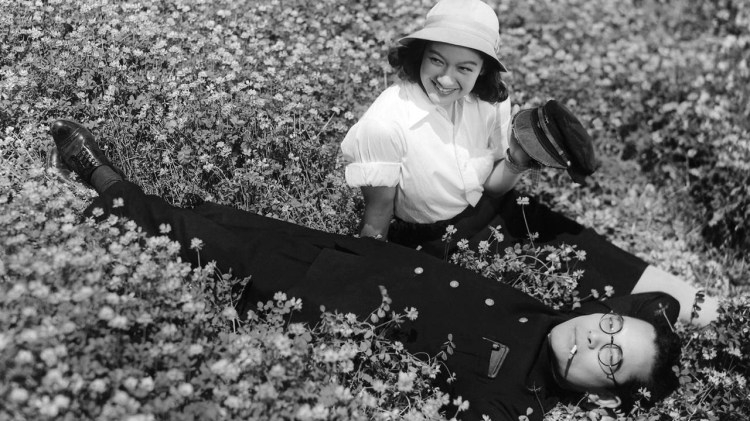
“They’re all dealing with something. They have nowhere to go back to” an old man sighs watching a cohort of similarly aged men doing callisthenics in a local park knowing that they’re about to lose this place too. A Moosic Lab production, Melting Sounds (ほとぼりメルトサウンズ, Hotobori Melt Sounds) is about what you keep and what you have to let go as the heroes try to preserve a disappearing soundscape while unable to resist the march of progress as even their little backwater finds itself at the mercy of modernising developers. 

Hoping for a solo getaway, Koto (xiangyu) arrives at the rural home of her late grandmother only to discover a strange man, Take (Keiichi Suzuki), camping in the garden. As she will repeatedly, rather than enlist the authorities Koto invites Take into the house where it’s warmer and discovers that he’s in the middle of an important project recording ambient noise from around the village attempting to capture the banal sounds of everyday life such as someone going to the dentist or a young couple having a pointless argument in the street. Meanwhile, the pair receive a visit from a young man, Yamada (Amon Hirai), bearing a tablet featuring the face of a woman, Hiroko (Umeno Uno), trying to explain to them that the house needs to be knocked down so they should hurry up and move out. Unfazed, Koto once again asks Yamada to come and sit under the kotatsu where it’s warm, the young man later taking a break from his job to stay with them under the pretext of convincing them to leave while they’re later joined by Hiroko who also becomes increasingly conflicted and decides to join their small family. 

Just as Take had said they’re all dealing with something, Koto having become estranged from her father whom she no longer talks to, Take as we discover recording the sounds on old-fashioned speaker walkmans for his late sister who was killed in a landslide, and Hiroko and Yamada each conflicted in their work for a greedy amoral developer who reveals that he too was responsible for evicting mostly elderly people from their homes in a town that has since become famous for bubble tea. The four of them are already displaced by the modern society, as are the men doing callisthenics in the park as they watch their town gradually dismantled around them, pushed out even from disappearing and depopulated rural Japan by an encroaching modernity. The developer claims he wants to rejuvenate the town to attract young people to return but is indifferent to what is being lost such as the recording of the nostalgic five o’clock chimes which so moves Hiroko, adding only that they no longer have them where they are only for Hiroko to suggest that you can only hear them if you’re pure of heart. 

Take claims he’s making a “grave of sounds” but he’s also capturing a moment in time and with it the essence of life. As he puts it everything has a sound from a flower blooming to air conditioners and church bells, each of them a part of something bigger immersed in the now. As he points out, everything comes to an end eventually, be it love or friendship or even family. The recordings are a kind of proof of life, but paradoxically also its passing the final implication being that all things have their season and it’s best to enjoy them while there’s time. Small-town Japan may be disappearing or at least changing even if the promised bubble tea might not be quite what you’d expect but that doesn’t necessarily mean it all has to go. 

Thanks to Koto’s warmheartedness, inviting each of them into the house despite having arrived for a “solo” getaway, the trio of youngsters find a new solution to their sense of lonely disconnection discovering a kindred spirit in their shared desire for something simpler and more wholesome as they play boardgames together by candlelight, making curry and gyoza sure to record the sound of them sizzling. A warm and quirky ode to the various ways life can be improved by the simple act of stopping to listen, Kahori Higashi’s laidback debut may be about learning to let things go but also appreciating what you have while you have it and taking what you can with you while being kind and openhearted even in the face of those attempting to run you out of town.


Melting Sounds screened as part of Osaka Asian Film Festival 2022

Original trailer (no subtitles)
Far Away, Further Away (遠くへ,もっと遠くへ, Shinji Imaoka, 2022)

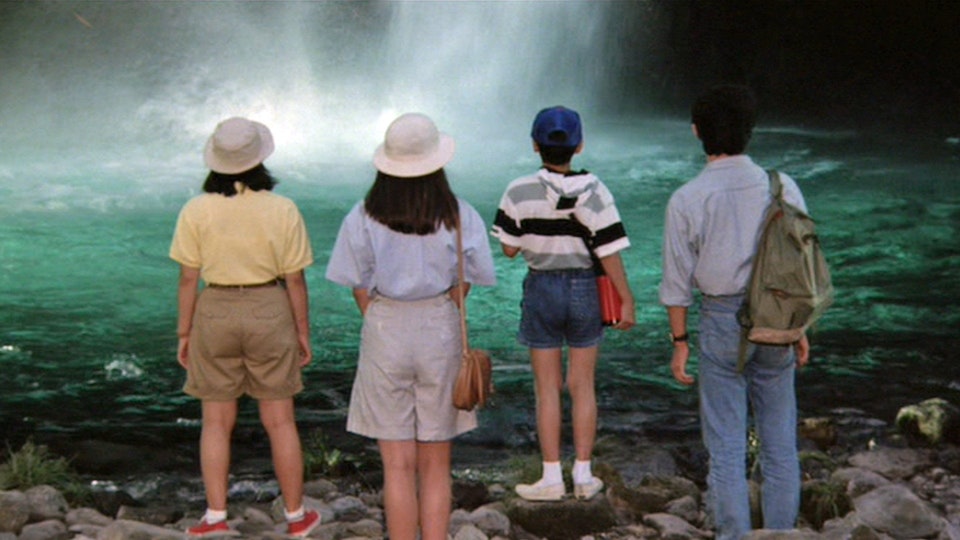
Is there an ideal way of coming to terms with the end of a marriage, or is better to take it as it comes? The heroine of Shinji Imaoka’s relationship drama Far Away, Further Away (遠くへ,もっと遠くへ, Tooku e, Motto Tooku e) thinks she has it all figured out and has started taking practical steps towards an efficient separation only to have the rug pulled from under her never having considered that her husband may also be unsatisfied and her attempts to mitigate his hurt feelings therefore less than relevant. Imaoka began his career in pink film and is probably best known outside of Japan for the erotic musical fantasy Underwater Love but has in recent years taken to more contemplative drama such as 2019 study in grief Reiko and the Dolphin, here continuing a key theme in the exploration of the difficulties in relationships between men and women. 

The main reason Sayoko (Manami Shindo) wants to leave her husband is that they’ve simply grown apart. Smiling gently at a sweet older couple looking at a two-seater sofa in the furniture store where she works, she reflects on their words that a marriage is weaker without common interests realising that she and Goro have none. A fishing obsessive, Goro usually retreats to his room after dinner to update his blog and fondle fishing equipment while her suggestion that she join him on his next trip is met with less than enthusiasm. Meanwhile, though she likes her job at the furniture store she’s beginning to feel as if she’s stuck in a rut and no closer to achieving her dreams of becoming an interior co-ordinator disappointed to discover a quote she’d written for younger couple who seemed happy enough in the shop screwed up in the park. One might assume they’ve obviously had an argument about it on the way home which probably isn’t anything to do with Sayoko but still she begins to wonder what the point is leading to Goro to advise her to quit her job laying bare the true source of his dissatisfaction in the marriage in that he was looking for a woman prepared to become a conventional housewife which in turn might explain why he’s not interested in the shared interests approach to marriage Sayoko suggests but prefers to maintain a separate lives model in which she takes care of the domestic while he has his work and individual hobbies to blow off steam. 

So distant from each other have they become that Sayoko hasn’t really realised she’s not the only one who wanted to end the marriage nor has he seemingly realised she’s in the process of leaving him. Her plan for a measured exit is nixed by her husband’s request for a divorce but through her quest to find a new apartment she gradually draws closer to lovelorn estate agent Yohei (Kaito Yoshimura) who is particularly interested in her story as his own wife, Mitsuko, left him seemingly out of the blue some years ago and he’s never really come to terms with it a part of him still assuming she’ll eventually come back. In a bid to find some closure Sayoko suggests they take off together to look for her so he can start to move on, heading north on a Hokkaido-bound road trip that takes her back to her own hometown where she reflects on her parents’ marriage after discovering her mother’s second life as a widow in which she has begun to fulfil herself as a singer no longer required to fulfil the role of the traditional housewife which Sayoko had rejected. 

Dealing with their respective baggage the pair grow closer and begin to move on together, further and further away until they reach the coast looking for a ferry to take them on to Sakhalin. The memories of old lovers retreat further and further away too, increasingly blurred and distant eclipsed by new ones even if a sense of loneliness remains. Contrasting the verdant natural vistas of rural Hokkaido with the greyness of Tokyo city life Imaoka adds a sense of childlike wonder as his heroine’s tendency to dance while repeating the same phrase with increasing intensity begins to rub off on her dejected love interest, making the case for striking out for a far off happiness rather than simply resigning oneself to an unsatisfying present. 


Far Away, Further Away screened as part of Osaka Asian Film Festival 2022

Original trailer (no subtitles)