Now in its 70th year, the Locarno Film Festival returns with another celebration of auteurist cinema from 2nd to 12th August, 2017. As usual there are a number of arthouse films from East Asia included in the programme hailing from China, Japan, Korea, and Myanmar.
Visual artist Xu Bing’s first debut feature Dragonfly Eyesis entirely composed of images taken from China’s many CCTV surveillance cameras as they capture the lives of two young people – Qu Ting, a young woman training to become a buddhist nun who returns to the secular world and takes a job at a dairy farm, and Ke Fan a young man who falls in love with her but finds himself sent to jail in the quest to win her heart. On his release he searches for her desperately only to discover she has reinvented herself as an online celebrity.
Wang Bing’s documentary Mrs. Fang tells the story of an elderly woman suffering with Alzheimer’s who is sent back to her rural village from the nursing home in which she had been living after it is decided they can offer no further treatment.
In Kim Dae-hwan’s The First Lap Su-hyeon and Ji-young have been living together for the last six years but the possibility of an unexpected pregnancy forces the pair to reassess their relationships with their old families before starting a new one.
Ryutaro Ninomiya directs himself in Sweating the Small Stuffas he plays a 27 year old mechanic who decides to pay a visit to the terminally ill mother of a friend he has been avoiding seeing despite knowing of her illness.
The first feature documentary from Lee Yong Chao, Blood Amber takes a look at a Burmese forest controlled by the Kachin Independence Army (KIA) in which the inhabitants eke out a living mining hoping to find a way out whilst also living in fear of military action.
There are also two short films from East Asia:
Han Yumeng’s Crossing River follows a group Chinese construction workers
Kei Chikaura’s Signature centres on a young Chinese man lost in the middle of Shibuya.
The 70th Locarno Film Festival runs from 2nd – 10th August, 2017. You can find full details for all films as well as the complete lineup on the official festival website, and you can keep up with all the latest developments via the Festival’s Facebook Page, Twitter account, YouTube, Instagram, and Snapchat.
Sadao Nakajima had made his name with Toei’s particular brand of violent action movie, but by the early seventies, the classic yakuza flick was going out of fashion. Datsugoku Hiroshima Satsujinshu (脱獄広島殺人囚, AKA The Rapacious Jailbreaker) follows in the wake of seminal genre buster, Battles Without Honour and Humanity, but also honours the classic Toei ganger movie past in its exploitation leaning, cynically humorous tale of a serial escapee and his ever more convoluted schemes to avoid the bumbling police force’s noose.
Kobe, 1947. Ueda (Hiroki Matsukata) and his buddy kill a drug dealer and his girlfriend in a robbery gone wrong. Landing himself a twenty year sentence, Ueda resigns himself to spending his prime years behind bars in a Hiroshima prison but then he starts getting a few ideas and his first escape attempt is a moderate success, until he’s recaptured after stupidly going home to his wife.
Nakajima spends quite a long time exploring the unusual environment of the prison in Hiroshima. The life is strictly ordered and run with precision but the prisoners are also forced to do a strange dance for the guards, waving their hands and shouting their ID numbers to prove there’s nothing interesting inside their mouths – a gesture which is hilariously turned back on the warden when a prisoner begins a mini riot after a sports game is turned off at crucial moment. The warden submits himself to the degrading dance but once the man surrenders, he does not honour any of the promises he made to convince him to come down from the tower he was occupying. The guards are corrupt, violent, and untrustworthy whereas the majority of prisoners are docile, resigned, and going mad through inactivity.
Ueda, like many “heroes” of yakuza films is a man who’s had a hard life, left to fend for himself after his father died and his mother left. He appears to love and care for his wife who pledges to wait for him, starting her own seamstressing business in the meantime, but his subsequent escape attempts take him further and further away from his home. Nevertheless, home is the first place he decides to go despite the danger even if his reunion with his wife is anything but romantic.
After being recaptured, Ueda’s desire for escape intensifies, requiring ever more complicated schemes to make it happen. These range from the traditional file hidden inside a lovingly prepared meal delivered by his wife, to simply running away when arraigned for a court date after committing another murder while inside. Seeing as Ueda intends to escape, he cares little for the prison rules and his 20 year sentence is soon doubled thanks to his ongoing crimes both inside and outside of the prison walls.
Other than his wife the other source of support Ueda turns to is his estranged sister with whom he’s had no contact since his mother left sixteen years previously. What he discovers is that the now widowed Kazuko (Naoko Otani) is involved in some dodgy business of her own concerning the local black market meat trade. Ueda decides Kazuko is not getting her fair share and more or less takes over, bending the local petty gangsters to his will, but once again he messes everything up for himself after getting into a fight at a brothel which lands him back at the police station.
Nakajima follows Fukasaku’s jitsuroku aesthetic using frequent onscreen text detailing names and conviction records for each of the major players though his approach owes far less to realism than b-movie action in its willingness to linger on blood and gore even if scenes of violence are generally few and executed quickly. Scenes of a cow being butchered in the woods, blood, skin, and bones dominating, introduce a note of sickening horror but are then echoed in Ueda’s animalistic murders committed with makeshift tools and an unforgiving heart. Despite this frightening coldness, Ueda’s humorous voiceover turns him into a roguish figure whose bumbling acts of self destruction and stubborn attempts to regain his freedom take on an oddly cartoonish quality. The situation may be hopeless, but Ueda does not give up. His story remains unfinished as he makes another (apparently) successful escape after being betrayed by a fellow criminal who is then himself betrayed by the police he mistakenly thought would help him, but as for how long he’ll manage to keep himself on this side of the bars, that remains to be seen…
Robbing a bank is harder than it looks but if it does all go very wrong, escaping by bus is not an ideal solution. Sadao Nakajima is best known for his gritty yakuza movies but Kurutta Yaju ( 狂った野獣, Crazed Beast/Savage Beast Goes Mad) takes him in a slightly different direction with its strangely comic tale of bus hijacking, counter hijacking, inept police, and fretting mothers. If it can go wrong it will go wrong, and for a busload of people in Kyoto one sunny morning, it’s going to be a very strange day indeed.
A young woman receives a phone call at a cafe – the person she’s waiting for is on his way, but the girl seems surprised and irritated to hear he will be arriving via public transport. Meanwhile, ordinary people are seen cheerfully going about their everyday business and boarding a bus headed for Kyoto station while a cool looking man in mac and sunshades clutches a violin case in the back. Suddenly, two shady guys jump on after their bank robbery goes belly up. Trying to escape the police, they threaten the driver with a gun and take the passengers hostage.
This sounds like a serious situation, and it is, but the two bumbling bank robbers haven’t thought any of this through and have no plans other than somehow driving the bus onwards to a land without policemen. Eventually the authorities are made aware of the hijacking but there is another hidden problem – the driver has a heart condition and is supposed to be avoiding “stressful situations”. Neither the bus company or the police has any more idea what to do now than the increasingly panicked criminals and the situation quickly makes its way into the press whereupon the mothers of two little boys presumed to be onboard are forced to dash straight down to the police station to find out exactly what the police are up to as regards rescuing their sons from dangerous criminals.
The atmosphere on the bus is tense but also ripe for comedy as each of these captive passengers gradually reveals an unexpected side of themselves. The “hero”, Shin (Tsunehiko Watase) – the cool looking dude on his way to meet the girl waiting in the cafe, keeps a low profile in the back, hoping this will all blow over. Meanwhile, a woman desperately tries to get off the bus because she’s more worried about missing an appointment than being killed by hijackers, and an adulterous couple on their way back from an illicit visit to a love hotel begin bickering about what will happen if any of this gets into the papers. The two little boys start crying and are comforted by an old lady who takes the time to remind the hijackers that they’re bringing shame on their families as well as exhorting the man next to her who is so engrossed in the racing news that he hasn’t really noticed the hijacking that he ought to be doing something about it. He does, but only gets himself into more trouble whilst further revealing the depths of the highjackers’ ineptitude.
Soon enough the woman from the cafe, Miyoko (Jun Hoshino), jumps on her bike to chase the bus and find out what Shin is playing at. As might be expected, there’s more to Shin than his ice cold exterior, and more to that violin case than a priceless musical instrument. The bus careers onward while the police come up with ever more bizarre attempts to stop it including, at one point, trying to drive right into the side to damage the engine. Bizarre hilarity ensues as a troupe of traditional musicians trolls the hijackers with an impromptu show, a kid pees out the window, and the bus plows straight through a chicken barn like some old time cartoon. Shin becomes the unlikely hero of the hour as he ends up counter hijacking the bus to try and cover up the circumstances which led him to get on in the first place.
Playing out in real time and only 78 minutes in length, Kurutta Yaju is a brilliant mix of absurd comedy and gritty action movie. Shin attempts to ride the situation out, hoping he’ll be able to turn it to his advantage, and, though he plays everything beautifully, eventually becomes disillusioned with what his strange bus odyssey might have cost him. Action packed, hilarious, and ultimately a little bit sad Kurutta Yaju is a lost gem in Toei’s B-movie backlog and another exciting addition to Japan’s long history of bus-centric cinema.
The Venice Film Festival has unveiled the full lineup for 2017. Sadly, it is a poor showing for East Asian cinema with only four films in total included in this year’s programme (bar the possibility of a few late additions announced as the festival gets closer) and only Japan and China represented.
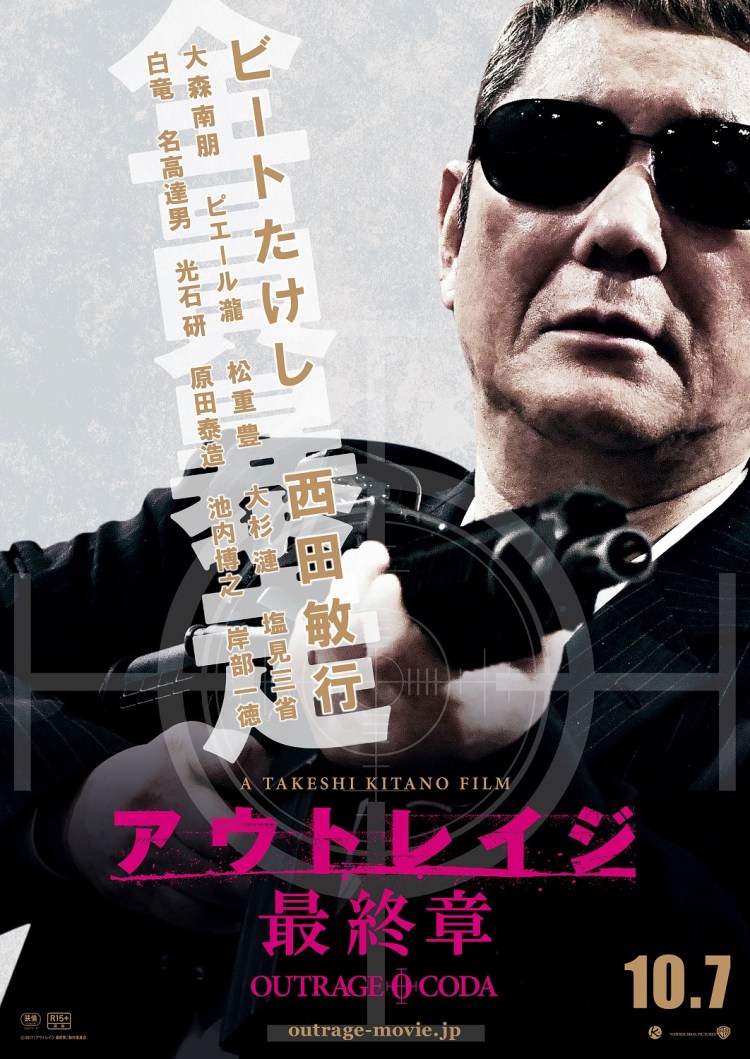
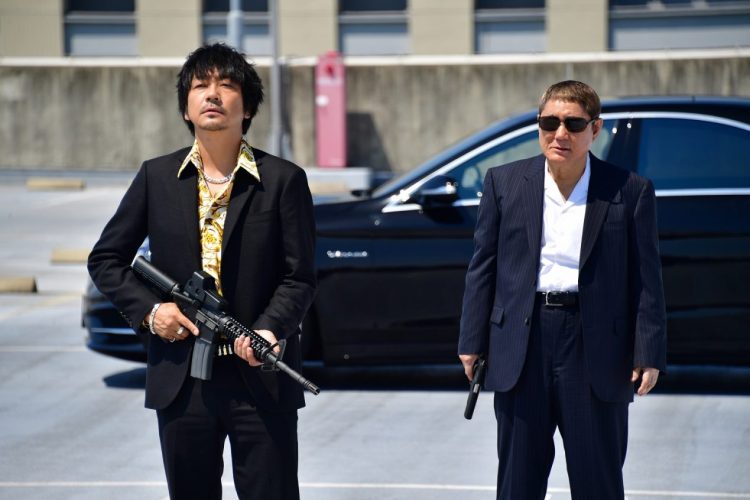
The biggest hitter in terms of the festival as a whole is Takeshi Kitano’s Outrage Coda. The third in Kitano’s Outrage saga, Coda follows Otomo (played by Kitano himself) as he returns to Japan following gang trouble in South Korea. Outrage Coda will screen as the closing night gala.
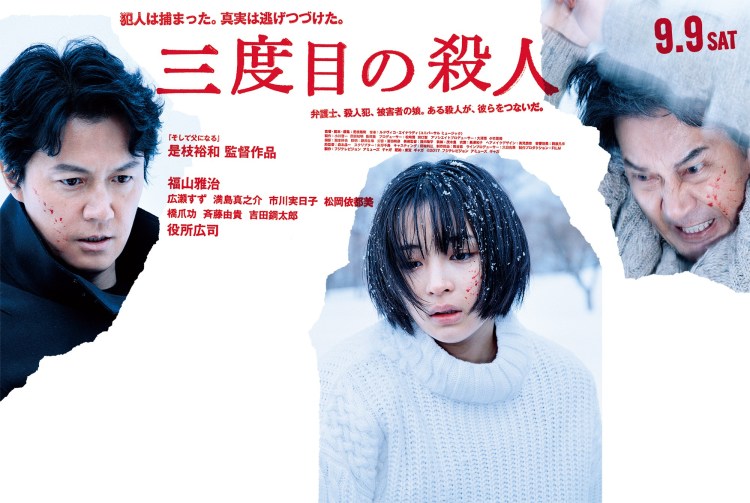
The only other Japanese film included in the programme this year is the latest from festival favourite Hirokazu Koreeda – The Third Murder. A departure from Koreeda’s usual focus on drama, The Third Murder is a crime thriller in which Masaharu Fukuyama (Like Father, Like Son) plays top lawyer Shigemori working on the defence of a murder/robbery suspect (Koji Yakusho) who previously served time for murder 30 years before. The defendant admits his crime and wants to plead guilty even if he will almost certainly get the death penalty but the more Shigemori looks into the case the more doubts he accrues.
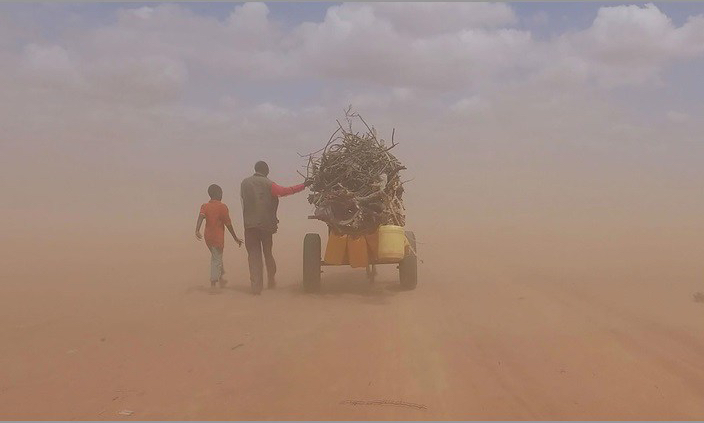
Moving on to China, Ai Weiwei’s documentary Human Flow charts the global scale of the ongoing refugee crisis. Playing in competition.
Finally Vivian Qu’s Angels Wear White is the story of two teenage girls assaulted in a hotel room by a middle aged man, and the receptionist who says nothing in fear of losing her job. Sadly, Vivian Qu is also the only female director with a film playing in competition.
The Venice Film Festival runs from 30th August to 9th September.
A relatively rare phenomenon, a lucid dream is one in which the dreamer is aware they are asleep and “awake” enough to influence the outcome. Rather than using the ability to probe some kind of existential question, Korean science fiction thriller Lucid Dream (루시드 드림) focusses on the evidence gathering possibilities, going one step further than hypnotic regression to revisit old memories and zoom in on previously missed details.
Dae-ho (Ko Soo) is an investigative reporter currently in hot water over a controversial story. He’s also a doting single father to a little boy, Min-woo (Kim Kang-Hoon), who resolves to put his work aside for a day to take his son to an amusement park. Tragedy strikes as Dae-ho is busy having words with a paparazzo and then notices Min-woo has disappeared from his horse on the carousel. Catching sight of Min-woo walking off with another man, Dae-ho collapses, a tranquilliser dart sticking out of his leg. Dae-ho searches for his son with no concrete leads until, three years later, he hears about the possibilities of lucid dreaming and attempts to figure out exactly what happened that day by reliving it in his sleep.
Lucid Dream begins in true conspiracy thriller mode by introducing Dae-ho’s past as a controversial journalist responsible for ruining prominent businessmen by exposing their corruptions and manipulations of the laws everyone else is expected to abide by, but this potentially rich seam of social commentary is cut off in full flow as paternal concerns take centrestage.
Dae-ho is a single dad raising Min-woo alone with the help of a friendly nanny. Although he tells Min-woo his mother is “in America” no concrete information is given regarding her whereabouts though the fact that she is never heard from after Min-woo’s disappearance suggests she may be somewhere further away. Apparently a devoted and good father from the very beginning, Dae-ho will stop at nothing to find out what’s happened to his son. Three years on he remains distraught and desperate, willing to try anything that might help him uncover the truth. He finds an ally in the policeman handling his case who is in a similar predicament as his own daughter lies in a hospital bed, born with serious medical abnormalities. The true paternal love, determination, and sacrifice of men who are already good and devoted fathers raising pleasant, uncomplicated children define the drama as others attempt to subvert that same love in choosing to sacrifice one child in favour of another.
Though Dae-ho originally assumes the plot is directed at him alone, possibly revenge for his exposés, the truth is darker and moves towards child trafficking and the trade in illicitly harvested organs though this too is mostly glossed over in favour of competing parental needs. The men who’ve taken Min-woo veer between amoral gangsters and those who can’t stomach the outcome of their actions ultimately deciding to rebel against their own side, and even if the real perpetrator turns out to be someone not so different from Dae-ho, there can be little justification in this dark flip side to Dae-ho’s all encompassing paternal love.
The central premise of dreams and memory is an interesting one, but largely squandered by the increasingly dull narrative progression in which Dae-ho moves from clue to clue in linear fashion and along predictable genre lines. Most viewers even remotely familiar with similarly themed films will have correctly identified the villain right away thanks to the heavily signposted script, and will necessarily be disappointed by the rather predictable yet action packed finale.
Dae-ho travels through dream states, eventually learning to invade the dreams of others thanks to the guidance of a mysterious shared dreamer but the application is inconsistent and relegated to plot device only. The finale takes place within a dream and with the stakes heightened as it becomes clear death inside someone else’s mind results in death outside it, but the imagery remains clichéd as Dae-ho battles the villain inside a rapidly disintegrating building before being forced into a literal leap of faith. Despite the surface level grimness of the story, Lucid Dream remains firmly in mainstream thriller territory with under developed characters, dead end sub plots, and a satisfying if not entirely earned moment of final closure. It is, however, also a rare example of a broadly happy ending in a Korean procedural, in which a father’s love can and does save the day, if not the film.
Yasushi Sato, a Hakodate native, has provided the source material for some of the best films of recent times including Mipo O’s The Light Shines Only There and Nobuhiro Yamashita’s Over the Fence but it has to be said that his world view is anything but positive. Kazuyoshi Kumakiri takes on Sketches of Kaitan City (海炭市叙景, Kaitanshi Jokei) inspired by a collection of short stories left unfinished on Sato’s death by suicide in 1990. Despite the late bubble era setting of the stories (now updated to the present day), his Kaitan (eerily close to the real life Hakodate) is a place of decline and hopelessness, populated by the disillusioned and despairing.
The first story concerns a brother and sister whose lives have been defined by the local shipbuilding industry. Since their father was killed in a dockside fire, older brother Futa (Pistol Takehara) has been taking care of his little sister Honami (Mitsuki Tanimura) and now works at the docks himself. Times being what they are, the company is planning to close three docks with mass layoffs inevitable. The workers strike but are unable to win more than minor concessions leaving Futa unable to continue providing for himself or his sister.
Similar tales of societal indifference follow as an old lady living alone with her beloved cat is hounded by a developer (Takashi Yamanaka) desperate to buy her home. Across town the owner of the planetarium (Kaoru Kobayashi) is living a life of quiet desperation, suspecting that his bar hostess wife (Kaho Minami) is having an affair. Meanwhile a gas canister salesman (Ryo Kase) is trying to branch out but having little success, and a tram driver dwells on his relationship with his estranged son.
Economic and social concerns become intertwined as increasing financial instability chips away at the foundations of otherwise sound family bonds. Futa’s situation is one of true desperation now that he’s lost the only job he’s ever had and is ill equipped to get a new one even if there were anything going in this town which revolves entirely around its port.
Yet other familial bonds are far from sound to begin with. The gas canister salesman, going against his father’s wishes in trying to diversify with a series of water purifiers he believes will be a guaranteed earner because of the need to replace filters, takes out his various frustrations through astonishing acts of violence against his wife who then passes on the legacy of abuse to his son, Akira (You Koyama). Resentful towards his father and embarrassed by his lack of success with the water filters, the gas canister salesman threatens to explode but unexpectedly finding himself on the receiving end of violence, he is forced into a reconsideration of his way of life – saving one family member, but perhaps betraying another.
The gas canister salesman is not the only one to have a difficult relationship with his child. The planetarium owner cannot seem to connect with his own sullen offspring and is treated like an exile within his own home while the tram driver no longer speaks to his son who is apparently still angry and embarrassed that his mother worked in a hostess bar.
Yet for all of this real world disillusionment, despair takes on a poetic quality as the planetarium owner spends his days literally staring at the stars – even if they are fake. The gas canister salesman’s son, Akira, becomes a frequent visitor, excited by the idea of the telescope and dreaming of a better, far away world only to have his hopes literally dashed by his parents, themselves already teetering on the brink of an abyss. Futa’s lifelong love has been with shipping – the company officials are keen to sell the line that it’s all about the boats and an early scene of jubilation following the launch of a recently completed vessel would seem to bear that out, but when it comes down to it the values are far less pure than a simple love of craftsmanship. Kaitan City is a place where dreams go to die and hope is a double edged sword.
There are, however, small shoots of positivity. The old lady welcomes her cat back into her arms, discovering that it is pregnant and stroking it gently, reassuring it that everything will be OK and she will take care of the new cat family. Signs of life appear, even if drowned out by the noise of ancient engines and the sound of the future marching quickly in the opposite direction. Bleak yet beautifully photographed, Sketches of Kaitan City perfectly captures the post-industrial malaise and growing despair of those excluded from economic prosperity, left with nothing other than false promises and misplaced hope to guide the way towards some kind of survival.
Teinosuke Kinugasa maybe best known for his avant-garde masterpiece The page of Madness even if his subsequent work leant towards a more commercial direction. His final film is just as unusual, though perhaps for different reason. In 1966, Kinugasa co-directed The Little Runaway (小さい逃亡者, Chiisai Tobosha) with Russian director Eduard Bocharov in the first of such collaborations ever created. Truth be told, aside from the geographical proximity, the Japan of 1966 could not be more different from its Soviet counterpart as the Eastern block remained mired in the “cold war” while Japan raced ahead towards its very own, capitalist, economic miracle. Perhaps looking at both sides with kind eyes, The Little Runaway has its heart in the right place with its messages of the universality of human goodness and endurance but broadly makes a success of them if failing to disguise the obvious propaganda gloss.
Little Ken (Chiharu Inayoshi) is ten years old and lives with his violinist uncle, Nobuyuki (Jukichi Uno). Ken has obvious talent at the violin and, like most kids in this rundown area, his drunken uncle has roped him into helping out for a few extra pennies. One fateful night, Nobuyuki has tied one on and lets slip that Ken’s dad might not be dead, but stuck in a hospital in Moscow. Soon enough a Russian circus comes to town and Ken strikes up a strange friendship with the kindly clown, eventually stowing away to the Soviet Union to look for his long lost father.
From one point of view, The Little Runaway conforms to a certain type of family drama which centres on the disconnect between a father and a son. Ken feels abandoned (no reference is ever made to his mother), though he loves and respects the uncle who takes care of him even if recognising his standard of care often leaves a lot to be desired. His desire to find his father is not so much motivated by unhappiness (his life is difficult but it’s the only one he’s ever known), but by the desire for answers as regards his own ancestry and the emotional need to reconnect with the biological father he no longer remembers clearly.
From another point of view, The Little Runaway conforms to the genre of children’s cinema in its close following of Ken’s quest. With no word of warning, Ken takes off for Russia as if he were simply going to check out a neighbouring town. Unaware of the political context and hoping to use his friendship with the circus troupe to his advantage Ken stows away on a boat headed for the USSR, but his clowning friends aren’t on it and he doesn’t speak any Russian.
The central tenet of the story is that there are kind people everywhere willing to help a determined little boy with melancholy eyes. Ken manages to get to Russia but then escapes his “escort”, hoping to travel to the capital faster. Wandering through the empty landscape, he chances into a house and makes friends with a peasant boy who introduces him to his wider family and a man with many daughters who could use a son just like Ken. Ken also tries to support himself by taking casual work as a labourer, having learnt the Russian word for such a job and repeatedly emphasising it, trying to assure them that he’s stronger than his appearance suggests.
Despite not speaking the language Ken manages to make himself understood through sand paintings, though the Russians he meets are all eager to share their food and shelter with him without much by way of explanation. As might be expected, the Russia depicted may not be particularly realistic, the officials are kind and jovial, the streets are clean, the people healthy and happy, and you can even buy Moscow cigarettes from woman running a stand in the square. The Japan Ken knows, by contrast, is one down at heels in which children are being pressed into shady forms of employment from Ken’s violin playing to little girls selling flowers on the street.
Depicting events from an innocent, child’s eye view, The Little Runaway finds only goodness rather than political anxiety but it is quick to emphasis the importance of helping those in need as the clown later avows. More or less straightforward in shooting style, Little Runaway is more intent on seeing the virtues of the cooperation between the Soviet block and the burgeoning Japanese economy than resolving its central mystery but nevertheless provides another welcome addition to the plucky child adventure genre while urging a kind of universal kindness probably not much in evidence in the real life Tokyo or Moscow of 1966.
Every love story is a ghost story, as the aphorism made popular (though not perhaps coined) by David Foster Wallace goes. For The Tale of Nishio (ニシノユキヒコの恋と冒険, Nishino Yukihiko no Koi to Boken), adapted from the novel by Hiromi Kawakami, this is a literal truth as the hero dies not long after the film begins and then returns to visit an old lover, only to find her gone, having ghosted her own family including a now teenage daughter. The Japanese title, which is identical to Kawakami’s novel, means something more like Yukihiko Nishino’s Adventures in Love which might give more of an indication into his repeated failures to find the “normal” family life he apparently sought, but then his life is a kind of cautionary tale offered up as a fable. What looks like kindness sometimes isn’t, and things done for others can in fact be for the most selfish of reasons.
Ten years prior to his death in a traffic accident, Yukihiko Nishino (Yutaka Takenouchi) has taken a (former?) lover and her little girl out for drinks and parfait at a lovely seaside cafe. The woman, Natsumi (Kumiko Aso), declines the offer of dessert but Nishino orders two anyway – one for himself and one for the little girl, Minami, though it seems neither of them really wanted one anyway. An odd flirtation exists between the adults but Nishino laments his ability to gain exactly what this situation might look like from the outside – a “normal” family. He wants to get married, have a daughter of his own, but his relationships always end in failure. Natsumi tells him why – he always gives women exactly what they want, which sounds good, but really isn’t.
Nishino’s problem is that he’s almost irresistible to women, but sooner or later they all leave him. He believes he has an almost telepathic ability to figure out what it is women want from him coupled with an intense need to satisfy their innermost desires. Ironically enough, it’s this strange kindness that eventually leads to his death when he runs into an old friend at a crowded marketplace. Excited to see him she calls and waves, dropping her shopping and losing one of her crutches in the process. Rushing to help, Nishino does not see an oncoming van and is run over. Quite literally the story of his life.
Reappearing as a ghost he attempts to pay a visit to Natsumi, having jokingly promised to do so while they were dating. Natsumi, however, is nowhere to be found and so Nishino is left to exorcise his demons with the now teenage Minami (Yurika Nakamura) who decides to attend his funeral in case her long absent mother decides to pay her respects. It’s here that she begins to learn a little of Nishino’s sad romantic history courtesy of an older woman who became a friend and confident rather than a lover (and consequently remained in his life a little longer).
The problem is, Nishino’s desire to be eternally helpful means that he’s always pulled in more than one direction. A slow burn affair with shy and retiring superior Manami (Machiko Ono) looks as if it could be the one, but she eventually points out to him that he’s not the sort of man who can have the life he craves because he never fully commits to any one person and never truly loves anyone. His irresistibility apparently even extends to one half of the lesbian couple from next door though, notably, not the half you’d expect.
Nishino first gets to know Tama (Fumino Kimura) and Subaru (Riko Narumi) when their cat, Nau, invites himself over, after which the feline Subaru decides to do the same, flirting away with her uptight girlfriend presumably going crazy in an adjacent room. Subaru is Nishino’s opposing number, the kind of girl that gets everything done for her, but there are obvious cracks in the strained relationship between the two women and it’s the neurotic Tama he finally bonds with after an unusually perceptive conversation over convenience store ice cream. Nishino, as he later puts it, is faithful in mind if not in body but satisfying immediate desires is not always the best idea. Trying to provide comfort, Nishino adds even more confusion to a messy situation and, even if it perhaps works out for the best, Nishino is left alone once again.
A botched proposal leads Nishino to let slip the real reason for his boundless desire to please – it’s because he’s lonely. Desiring to keep these women around him, he gives them whatever it is they want to stay. Just like Tama has effectively relegated Subaru to the same level as their cat – giving in to her every demand in the terror that she will leave, Nishino loses the women he loves by embracing his selfish desire to keep them rather than acting in their best interests and recognising the true depth of love which may not always work out in his favour. The interfering spectre of old girlfriend Kanoko (Tsubasa Honda) who can’t let go even though the relationship is over is a lingering hangover of this tendency as she too cannot seem to commit and wants to keep Nishino as a backup plan, resenting his interest in other women yet not willing to make a permanent decision to stay with him.
A whimsical fable of a man looking for love in all the wrong places, The Tale of Nishino is a long, melancholy journey through modern relationships in which not just romantic but platonic and familial love find themselves under the microscope. As Manami points out, you can’t share loneliness – Nishino’s need to be needed eventually drives a wedge between himself and everything he wanted. Natsumi’s words of wisdom for her injured daughter offer only that romantic love necessarily ends, whereas a mother’s love for her child is ever lasting even if it does not necessarily look that way. Iguchi’s style is typical of the “quirkier” end of Japanese indie, shooting with a deadpan abstraction, but the slight feeling of alienation works well with Nishino’s ultimate refusal to bare his heart in a more “straightforward” manner. A bittersweet story of love lost and found, Nishino may have given up the ghost but perhaps he did find that family after all, in a way, even if it was not his own.
Kenji Miyazawa is one of the giants of modern Japanese literature. Studied in schools and beloved by children everywhere, Night on the Galactic Railroad has become a cultural touchstone but Miyazawa died from pneumonia at 37 years of age long before his work was widely appreciated. Night Train to the Stars (わが心の銀河鉄道 宮沢賢治物語, Waga Kokoro no Ginga Tetsudo: Miyazawa Kenji no Monogatari), commissioned to mark the centenary of Miyazawa’s birth, attempts to tell his story, set as it is against the backdrop of rising militarism.
An aimless if idealistic young man, Miyazawa (Naoto Ogata) is at once fiercely religious and interested in mildly left-wing, agrarian politics. Together with a close friend, Kanai, he dreams of building a village utopia in which a community of farmers works the land enjoying peace and prosperity free of the oppression of landlords. The eldest son of a money lender, Miyazawa does not approve of his father’s profession and attempts to show him up by interfering in his business but only succeeds in showing his own naivety and though he has an especially close relationship with his older sister Toshi (Maki Mizuno), Miyazawa longs for pastures new but never manages to stick at anything for very long. After failing to join a religious sect in Tokyo, he returns home to start an agrarian school which will teach ordinary famers’ sons the joys of the arts.
Miyazawa had seemingly always been a strange, ethereal presence – a drunken guest at his family home mocks the way he used to wander around town robotically banging his toy drum as a child, and it’s clear he doesn’t fit within any of the environments he attempts to carve out for himself save the solitary cabin where he later begins his personal agrarian experiment. As the eldest son of the family it would be expected that Miyazawa take over the family business but there just isn’t any way he could. Second son Seiroku (Ryuji Harada) later adopts the familial responsibilities, even if remaining committed to his brother’s legacy by collating and publishing his work following Miyazawa’s death.
Miyazawa’s strangeness extends to his diet – he’s a strict vegetarian thanks to his attachment to Nichizen Buddhism. Intense religiosity remains a central part of Miyazawa’s life but it’s often one that’s hard to integrate with his other relationships. Not content with leading by example, Miyazawa is continually trying to convert his reluctant friends and family to his own beliefs, refusing to take their polite refusals seriously. Though his father simply ignores Miyazawa’s pleas and accepts them as a part of his strangeness, other friends are not so tolerant. One even eventually decides to sever the friendship entirely, giving the young Miyazawa a painful station platform lecture on the true nature of friendship. Berating him for the fact his letters are essentially all about himself and his religious claptrap, his friend reminds him that true friendship is accepting someone for what they are, implying that he’s not a trophy to be won for the cause of Nichizen Buddhism and has his own beliefs and causes which are just as valid as Miyazawa’s.
Yet even if sometimes misguided, Miyazawa’s intensions are altruistic. His is a love of the world, of dreams, and nature and people too though something in him has never quite felt at home in conventional society. Miyazawa’s writing is more an artistic pursuit than an attempt at a literary occupation – his first published volume sold so badly he felt guilty enough to get himself in debt buying all his own books so that the publishing company wouldn’t be out of pocket after supporting him. The son of wealthy family, Miyazawa could perhaps afford to indulge his eccentric ideas but the same is not true for all as he finds out when visiting the home of a pupil who is considering giving up his studies because of an alcoholic parent. Miyazawa offers to pay his tuition for him, but the boy turns him down, studying is a frivolous affectation that he can no longer afford.
Though he talks of romance, Miyazawa prefers the one of the mind to the one of the heart. A young woman falls in love with his writings and, she thinks, with him though Miyazawa explains that her feelings are too big for him to process – just as one cannot eat all the clouds in the sky, he cannot accept the weight of her emotion. Knowing that his health is failing, Miyazawa chooses a fantasy, idealised love over a physical one he fears he will abandon, cleaving to the beauty of the landscape rather than those who people it.
On his deathbed Miyazawa asks his family to throw his notebooks away – he only kept them to try and figure things out but he feels as if he knows all he needs to know by now. Miyazawa’s constant search, as it was for the characters of Night on the Galactic Railroad, was for “true happiness” – perhaps he found it, perhaps not, but thankfully his work lived on thanks to his brother who later took up his interest in agricultural reforms. A typical prestige picture of the time, Night Train to the Stars is a straightforward biopic but one which also bears out Miyazawa’s dreamlike world view with all of its strangeness and wonder.
The Midnight Diner is open for business once again. Yaro Abe’s eponymous manga was first adapted as a TV drama in 2009 which then ran for three seasons before heading to the big screen and then again to the smaller one with the Netflix original Midnight Diner: Tokyo Stories becoming the de facto season four. Midnight Diner 2 (続・深夜食堂, Zoku Shinya Shokudo) returns with more of the same as Master puts out his sign and opens the shop, welcoming the denizens of Tokyo after dark in search of a little place to call home amid all the chaos and alienation.
To re-cap, the Midnight Diner is a casual eating establishment run by Master which opens only between the hours of midnight and 7am. The restaurant has only a small formal menu but Master’s selling point is that he is prepared to make whatever the customer so desires (assuming the ingredients are available). Regulars and newcomers alike are given a warm welcome and a place to feel at home, free of whatever it was that was bothering them in the outside world.
Like the first film, Midnight Diner 2 is really three TV episodes stitched together. The first begins on an ominous note as each of the regulars arrives in mourning clothes only to be struck by the coincidence that they’ve each been to a different person’s funeral. A woman arrives dressed in black but reveals she hasn’t been bereaved, she simply enjoys dressing like this to destress from the difficult atmosphere at her publishing job. Noriko (Aoba Kawai) is a top editor but often finds herself sidelined – this time by a young author whose book she made a success but has now dumped her owing to all her notes on his second effort. Saddled with an elderly client who doesn’t like taking advice from a woman, Noriko’s fortunes fall still further when she finds him dead. A visit to a real funeral threatens to change her life completely.
Strand two follows the son of a nearby soba shop, Seita (Sosuke Ikematsu), who has fallen in love with a much older woman and wants to marry despite his mother’s reservations. The third segment continues along the familial theme with an old woman travelling all the way from Kyushu to Tokyo after falling victim to an “Ore Ore” scam.
Scams and parental bonds become the central themes tying the episodes together as each of the lovelorn protagonists finds themselves taking advantage of Master’s sturdy shoulders. Noriko and Mrs. Ogawa (Misako Watanabe) fall victim to an obvious conman but do so almost willingly out of their desperate loneliness. Noriko, dissatisfied with her working environment, takes to the streets dressed in black but becomes the target of “funeral fetishists” who are only interested in her “bereaved” state. A chance encounter at a real funeral makes her believe her life can change but she is deceived again when a man she came to care for is unmasked as a serial trickster. Mrs. Ogawa faces a similar problem when she races all the way to Tokyo to pay off a “colleague” of her son’s, so desperate to help that she never suspects that she’s fallen victim to a scam.
Mrs. Ogawa’s deep love for the son she has become estranged from is contrasted with that of the soba noodle seller for the son she can’t let go. Seita cares for nothing other than ping pong, much to his mother’s consternation and has little interest in taking over the family business. A young man, he’s tired of the constraints his lonely widowed mother continues to place on him though his determination to marry an older woman at such a young age bears out his relative maturity.
As usual Master has good advice and a kind word for everyone that helps them get where they need to go, softly nudging them in the right direction through the power of comfort food. By now the cast of familiars is well and truly entrenched but there will always be space at Master’s counter for those in need who will be greeted warmly by those already aware of its charms. True enough, Midnight Diner 2 offers little in the way of innovation (though we do get a little more information about the mysterious Master) but no one comes the Midnight Diner looking to try something new. In here, nostalgia rules and we wouldn’t have it any other way.
 Now in its 70th year, the Locarno Film Festival returns with another celebration of auteurist cinema from 2nd to 12th August, 2017. As usual there are a number of arthouse films from East Asia included in the programme hailing from China, Japan, Korea, and Myanmar.
 Visual artist Xu Bing’s first debut feature Dragonfly Eyes is entirely composed of images taken from China’s many CCTV surveillance cameras as they capture the lives of two young people – Qu Ting, a young woman training to become a buddhist nun who returns to the secular world and takes a job at a dairy farm, and Ke Fan a young man who falls in love with her but finds himself sent to jail in the quest to win her heart. On his release he searches for her desperately only to discover she has reinvented herself as an online celebrity.
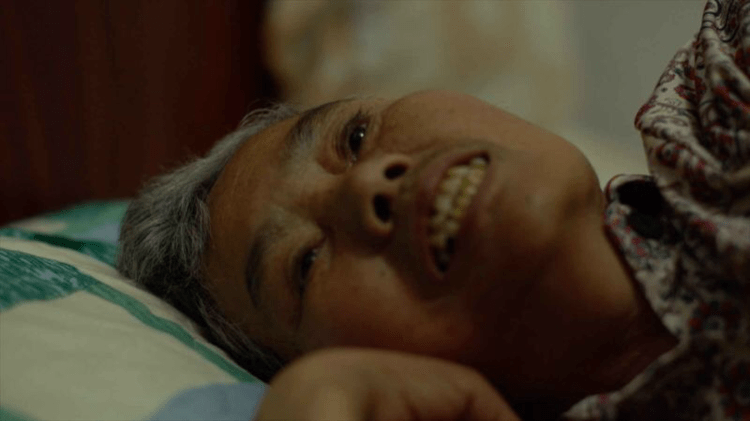 Wang Bing’s documentary Mrs. Fang tells the story of an elderly woman suffering with Alzheimer’s who is sent back to her rural village from the nursing home in which she had been living after it is decided they can offer no further treatment.
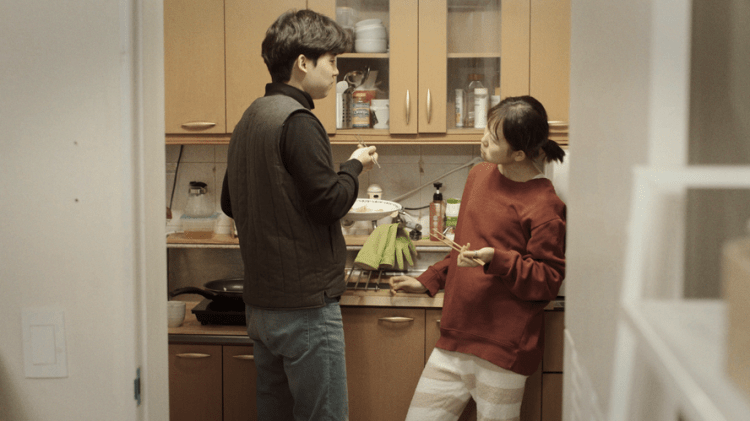 In Kim Dae-hwan’s The First Lap Su-hyeon and Ji-young have been living together for the last six years but the possibility of an unexpected pregnancy forces the pair to reassess their relationships with their old families before starting a new one.
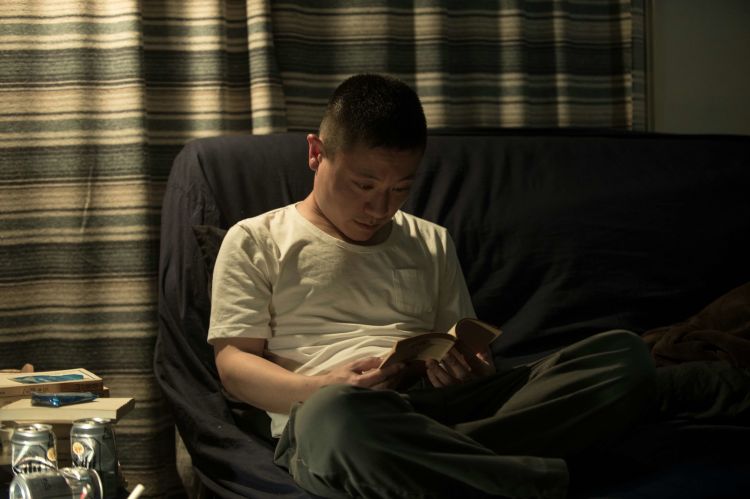 Ryutaro Ninomiya directs himself in Sweating the Small Stuff as he plays a 27 year old mechanic who decides to pay a visit to the terminally ill mother of a friend he has been avoiding seeing despite knowing of her illness.
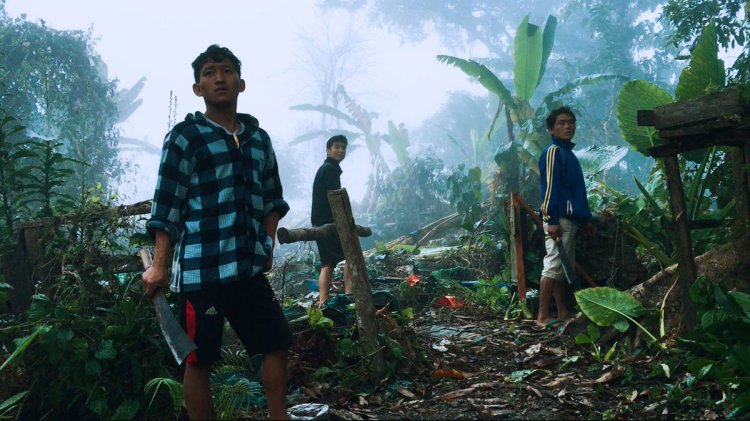 The first feature documentary from Lee Yong Chao, Blood Amber takes a look at a Burmese forest controlled by the Kachin Independence Army (KIA) in which the inhabitants eke out a living mining hoping to find a way out whilst also living in fear of military action.
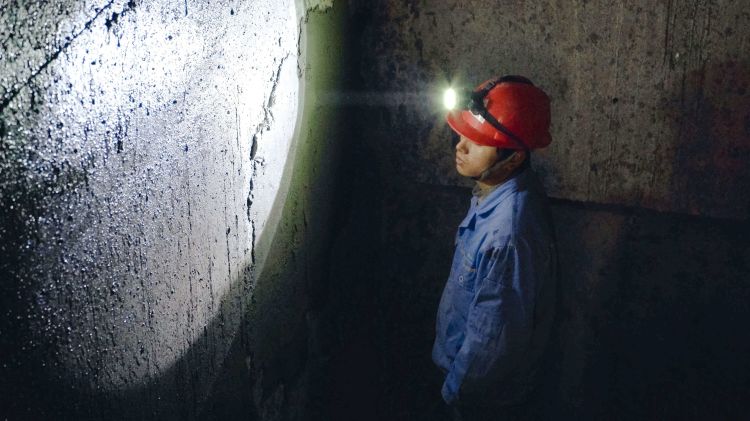 Han Yumeng’s Crossing River follows a group Chinese construction workers
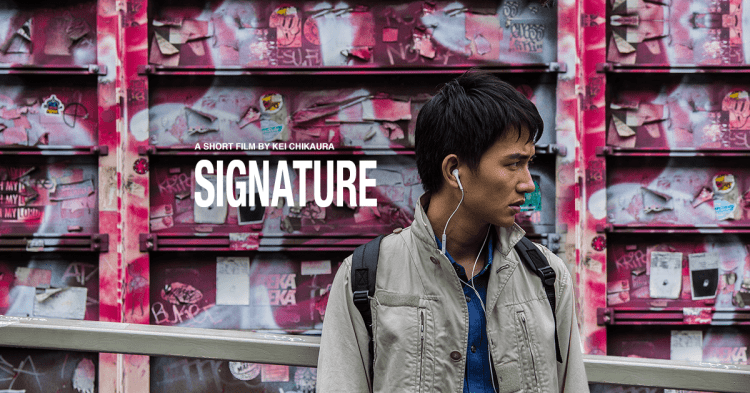 Kei Chikaura’s Signature centres on a young Chinese man lost in the middle of Shibuya.
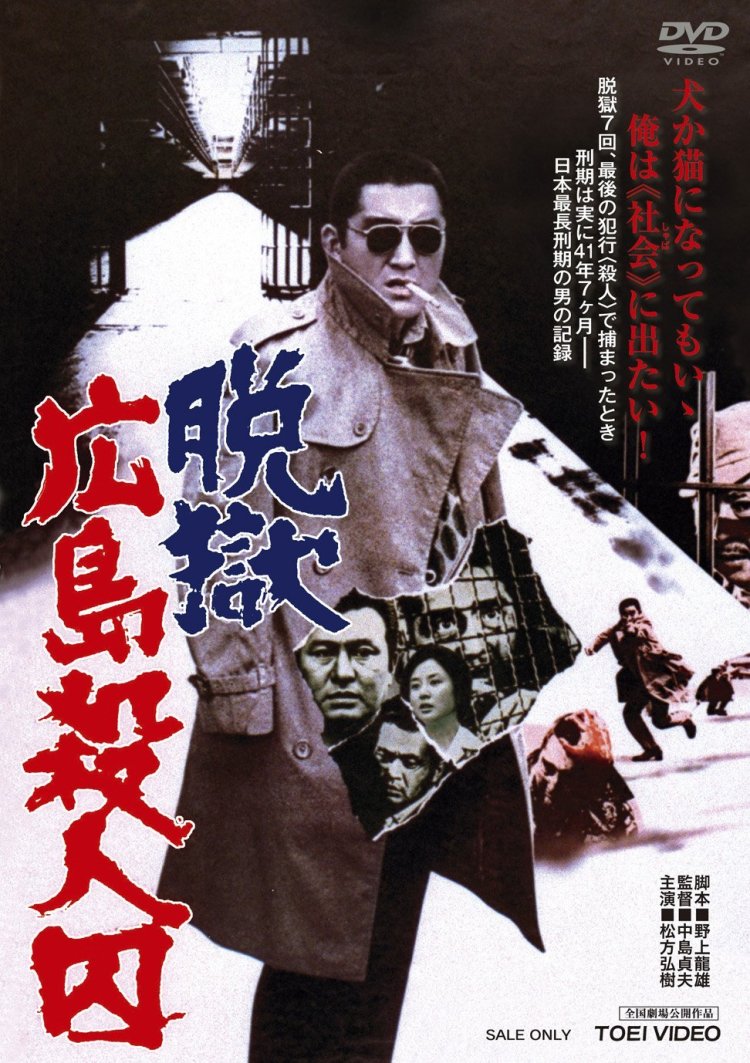 Sadao Nakajima had made his name with Toei’s particular brand of violent action movie, but by the early seventies, the classic yakuza flick was going out of fashion. Datsugoku Hiroshima Satsujinshu (脱獄広島殺人囚, AKA The Rapacious Jailbreaker) follows in the wake of seminal genre buster,
 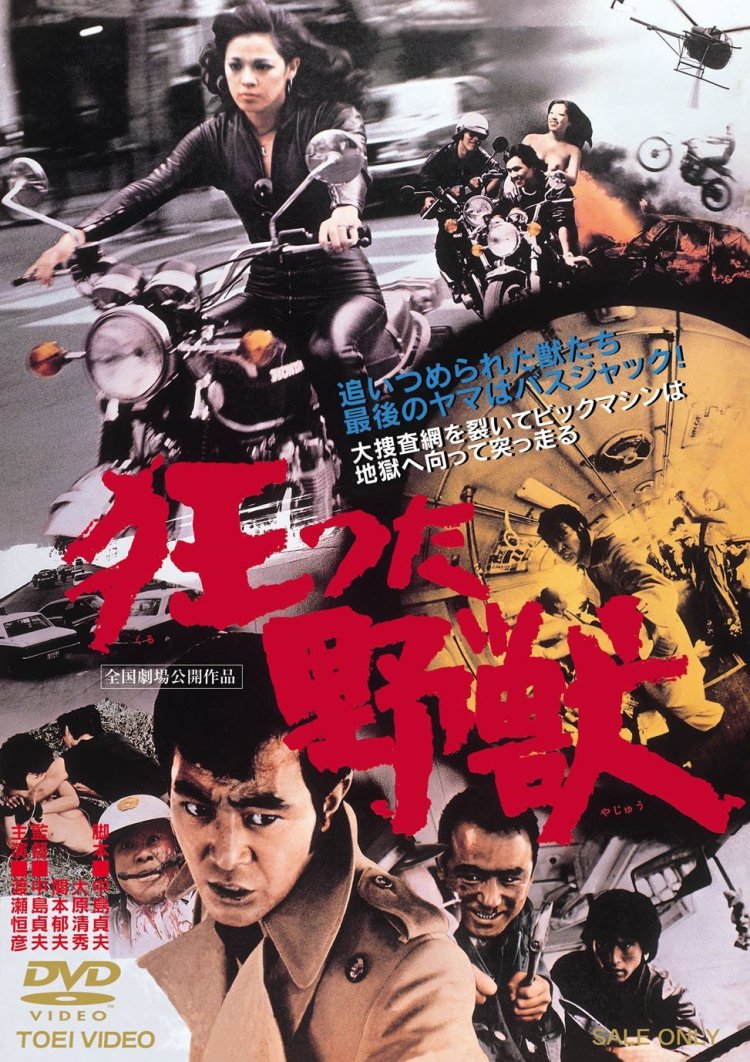 Robbing a bank is harder than it looks but if it does all go very wrong, escaping by bus is not an ideal solution. Sadao Nakajima is best known for his gritty yakuza movies but Kurutta Yaju ( 狂った野獣, Crazed Beast/Savage Beast Goes Mad) takes him in a slightly different direction with its strangely comic tale of bus hijacking, counter hijacking, inept police, and fretting mothers. If it can go wrong it will go wrong, and for a busload of people in Kyoto one sunny morning, it’s going to be a very strange day indeed.
 The Venice Film Festival has unveiled the full lineup for 2017. Sadly, it is a poor showing for East Asian cinema with only four films in total included in this year’s programme (bar the possibility of a few late additions announced as the festival gets closer) and only Japan and China represented.
 The biggest hitter in terms of the festival as a whole is Takeshi Kitano’s Outrage Coda. The third in Kitano’s Outrage saga, Coda follows Otomo (played by Kitano himself) as he returns to Japan following gang trouble in South Korea. Outrage Coda will screen as the closing night gala.
 The only other Japanese film included in the programme this year is the latest from festival favourite Hirokazu Koreeda – The Third Murder. A departure from Koreeda’s usual focus on drama, The Third Murder is a crime thriller in which Masaharu Fukuyama (Like Father, Like Son) plays top lawyer Shigemori working on the defence of a murder/robbery suspect (Koji Yakusho) who previously served time for murder 30 years before. The defendant admits his crime and wants to plead guilty even if he will almost certainly get the death penalty but the more Shigemori looks into the case the more doubts he accrues.
 Moving on to China, Ai Weiwei’s documentary Human Flow charts the global scale of the ongoing refugee crisis. Playing in competition.
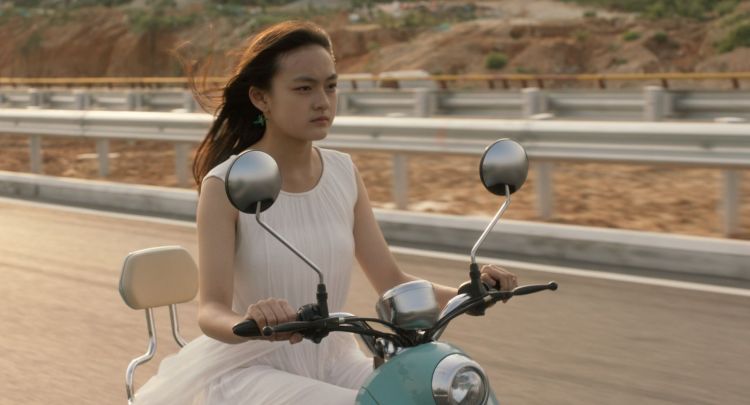 Finally Vivian Qu’s Angels Wear White is the story of two teenage girls assaulted in a hotel room by a middle aged man, and the receptionist who says nothing in fear of losing her job. Sadly, Vivian Qu is also the only female director with a film playing in competition.
 A relatively rare phenomenon, a lucid dream is one in which the dreamer is aware they are asleep and “awake” enough to influence the outcome. Rather than using the ability to probe some kind of existential question, Korean science fiction thriller Lucid Dream (루시드 드림) focusses on the evidence gathering possibilities, going one step further than hypnotic regression to revisit old memories and zoom in on previously missed details.
 Yasushi Sato, a Hakodate native, has provided the source material for some of the best films of recent times including Mipo O’s The Light Shines Only There and Nobuhiro Yamashita’s
 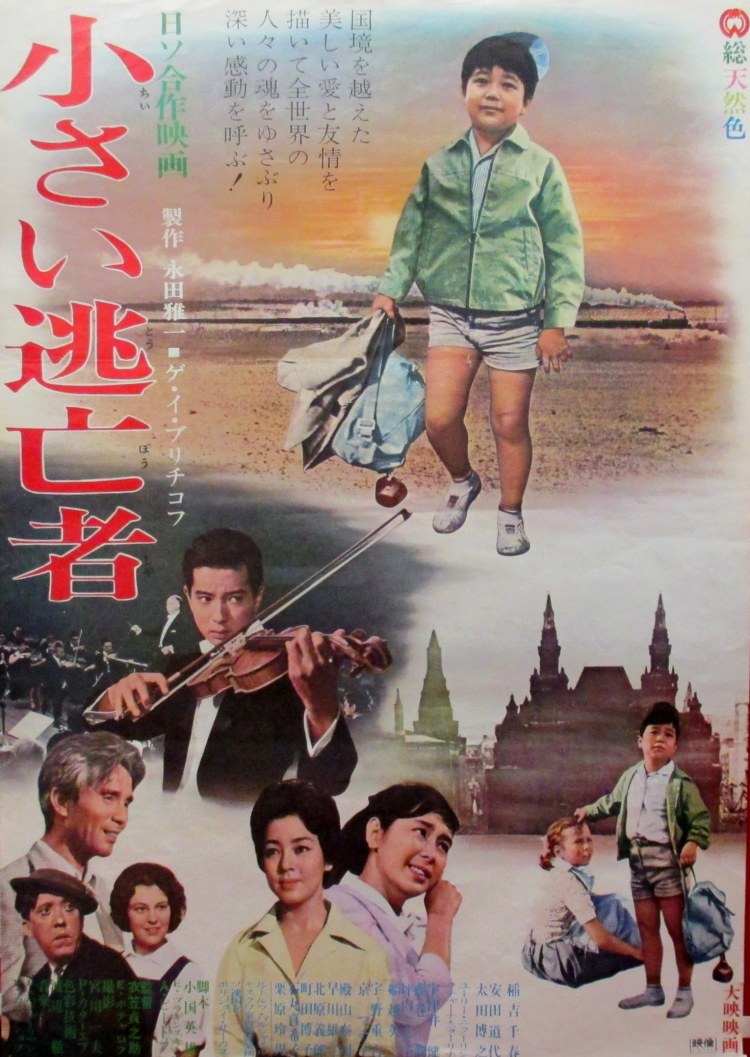 Teinosuke Kinugasa maybe best known for his avant-garde masterpiece The page of Madness even if his subsequent work leant towards a more commercial direction. His final film is just as unusual, though perhaps for different reason. In 1966, Kinugasa co-directed The Little Runaway (小さい逃亡者, Chiisai Tobosha) with Russian director Eduard Bocharov in the first of such collaborations ever created. Truth be told, aside from the geographical proximity, the Japan of 1966 could not be more different from its Soviet counterpart as the Eastern block remained mired in the “cold war” while Japan raced ahead towards its very own, capitalist, economic miracle. Perhaps looking at both sides with kind eyes, The Little Runaway has its heart in the right place with its messages of the universality of human goodness and endurance but broadly makes a success of them if failing to disguise the obvious propaganda gloss.
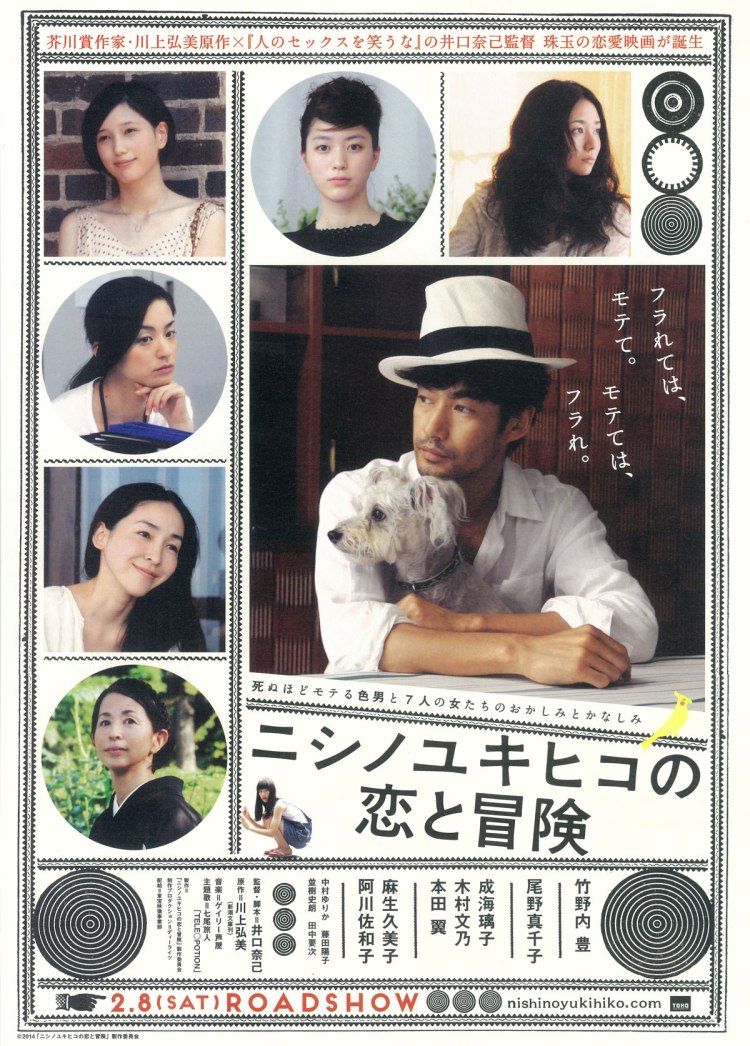 Every love story is a ghost story, as the aphorism made popular (though not perhaps coined) by David Foster Wallace goes. For The Tale of Nishio (ニシノユキヒコの恋と冒険, Nishino Yukihiko no Koi to Boken), adapted from the novel by Hiromi Kawakami, this is a literal truth as the hero dies not long after the film begins and then returns to visit an old lover, only to find her gone, having ghosted her own family including a now teenage daughter. The Japanese title, which is identical to Kawakami’s novel, means something more like Yukihiko Nishino’s Adventures in Love which might give more of an indication into his repeated failures to find the “normal” family life he apparently sought, but then his life is a kind of cautionary tale offered up as a fable. What looks like kindness sometimes isn’t, and things done for others can in fact be for the most selfish of reasons.
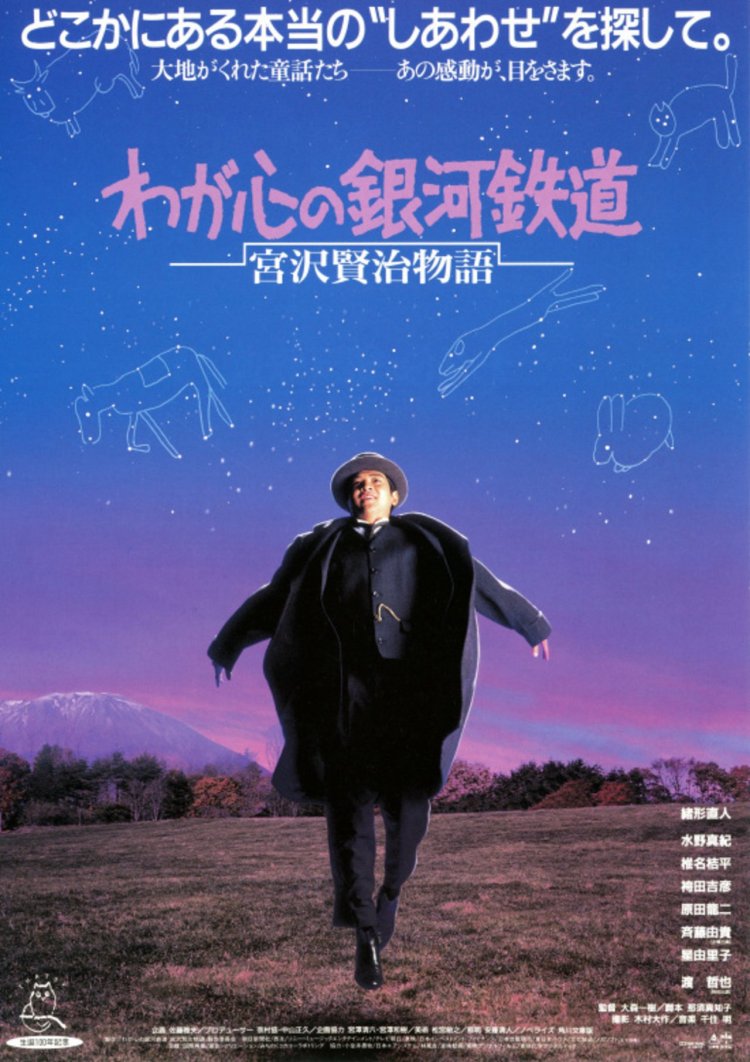 Kenji Miyazawa is one of the giants of modern Japanese literature. Studied in schools and beloved by children everywhere, Night on the Galactic Railroad has become a cultural touchstone but Miyazawa died from pneumonia at 37 years of age long before his work was widely appreciated. Night Train to the Stars (わが心の銀河鉄道 宮沢賢治物語, Waga Kokoro no Ginga Tetsudo: Miyazawa Kenji no Monogatari), commissioned to mark the centenary of Miyazawa’s birth, attempts to tell his story, set as it is against the backdrop of rising militarism.
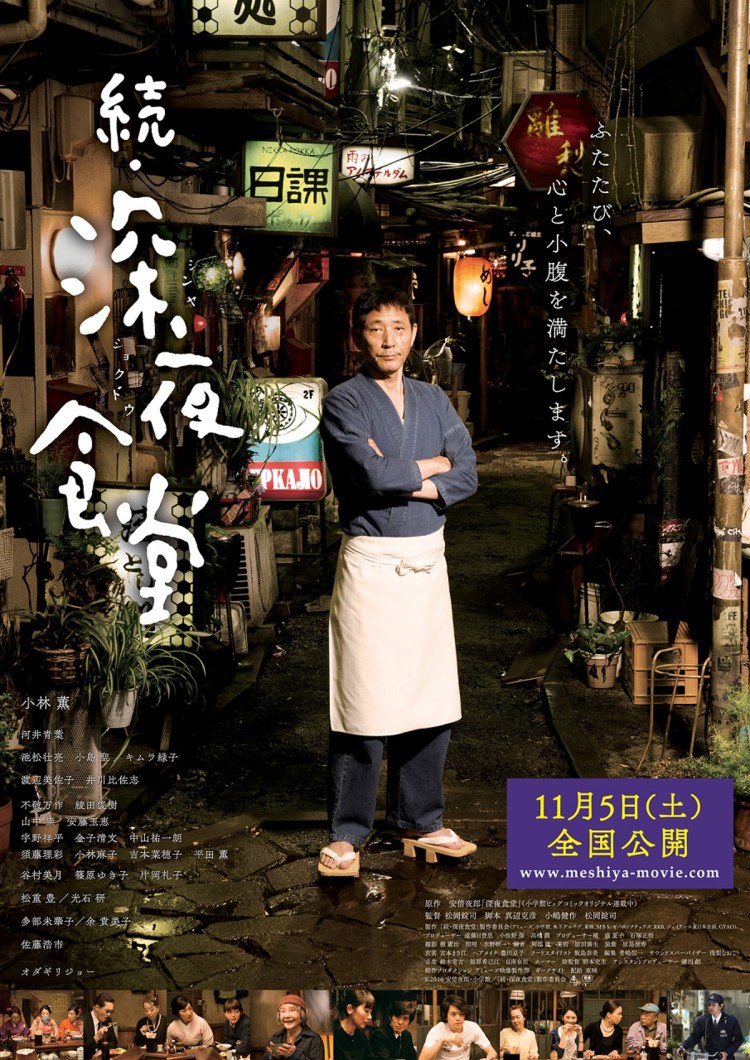 The Midnight Diner is open for business once again. Yaro Abe’s eponymous manga was first adapted as a TV drama in 2009 which then ran for three seasons before heading to the
  Windows on Worlds