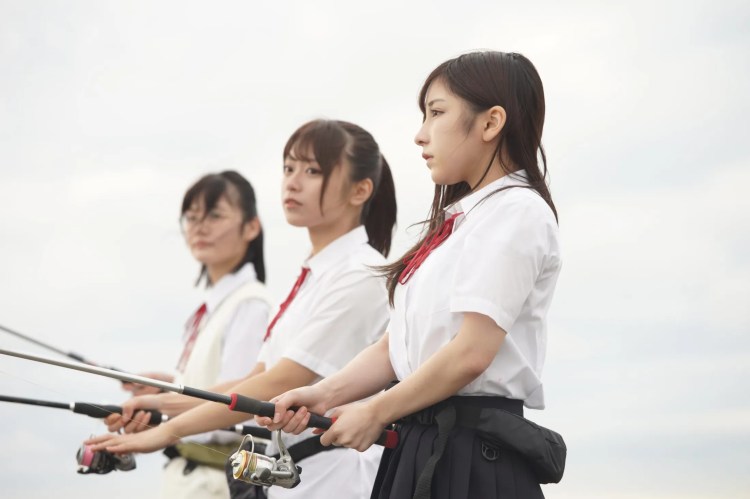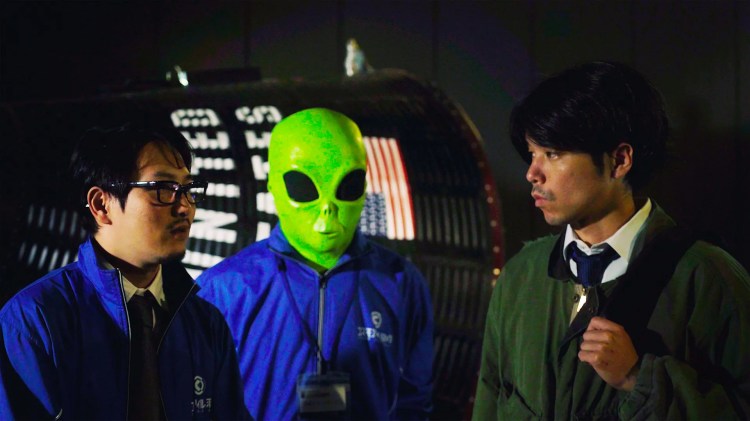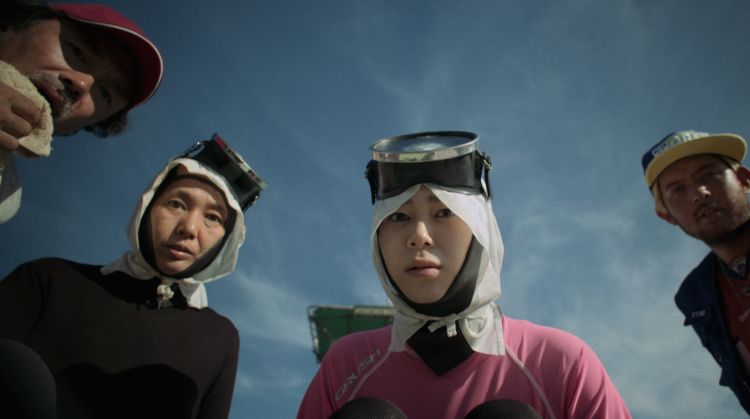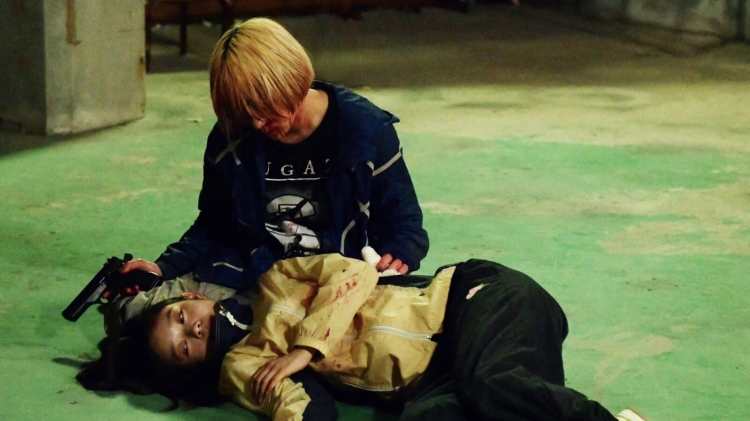

Bushido (碁盤斬り, Kazuya Shiraishi, 2024)

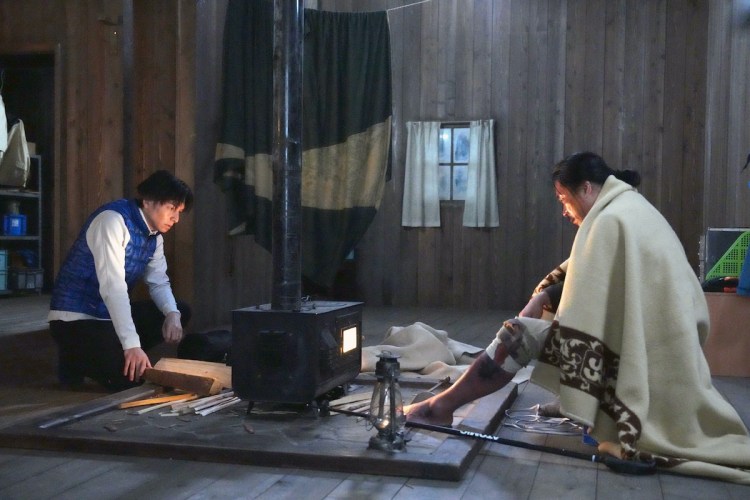
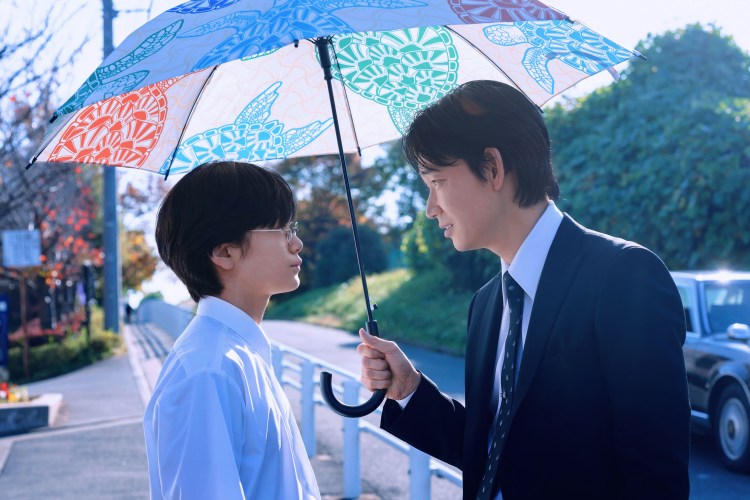
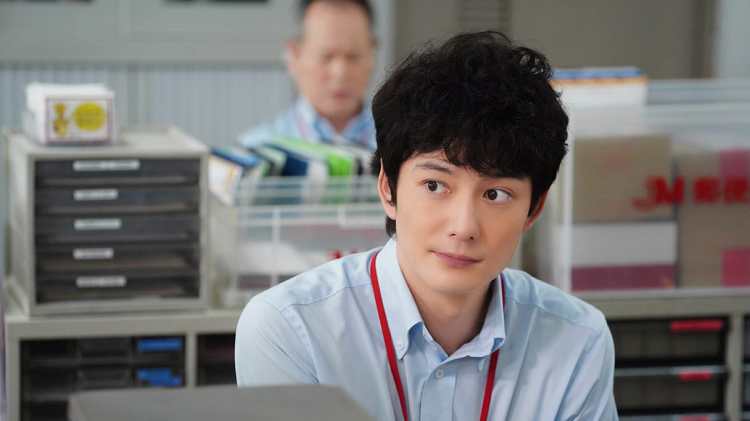
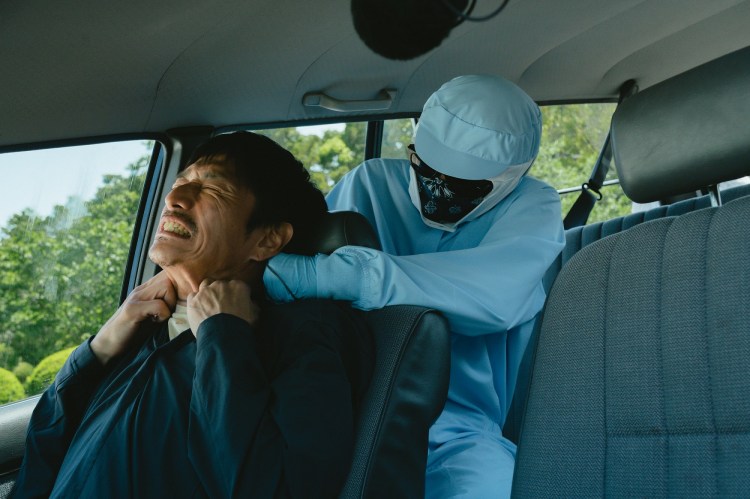
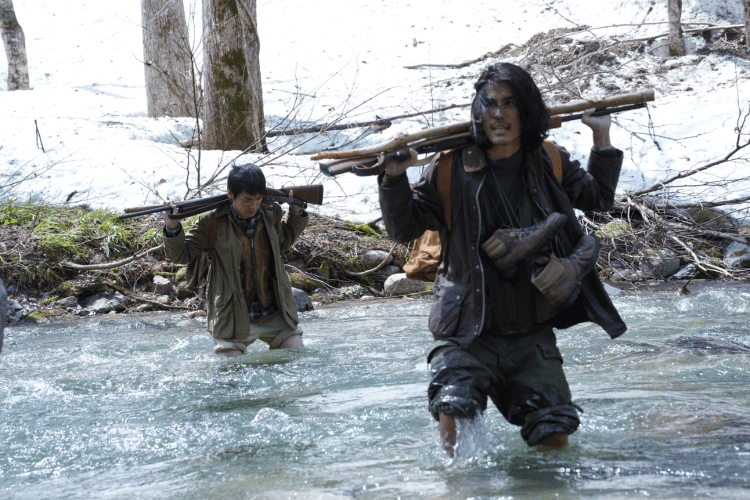
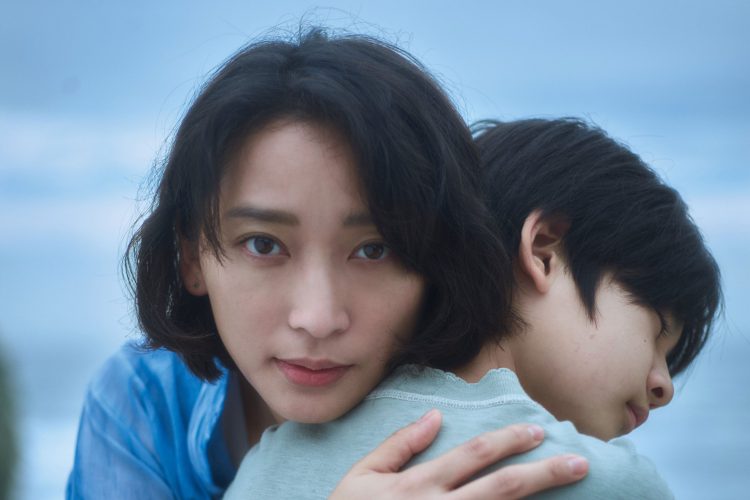
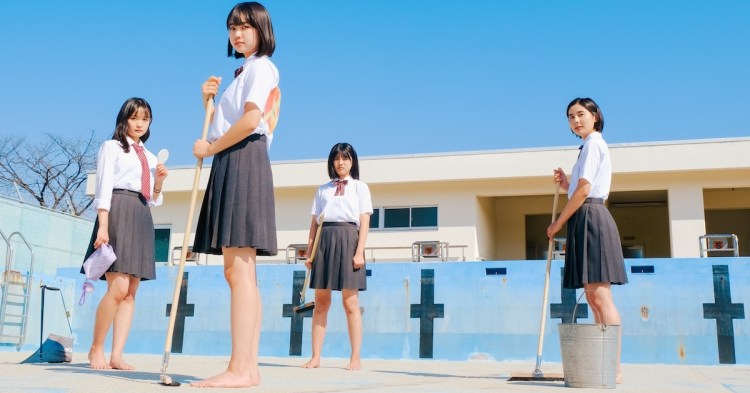
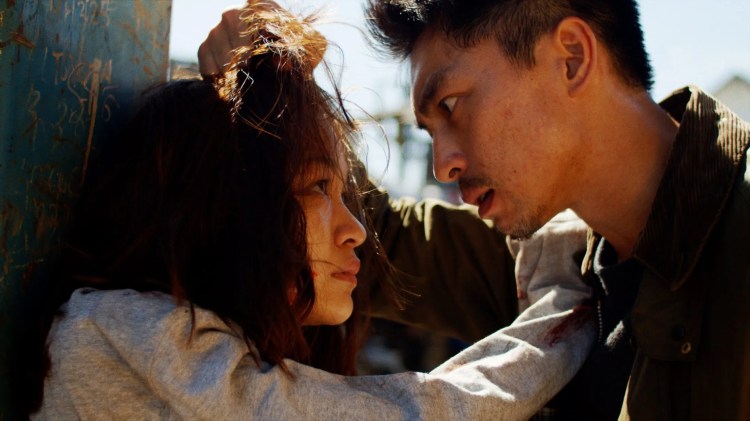
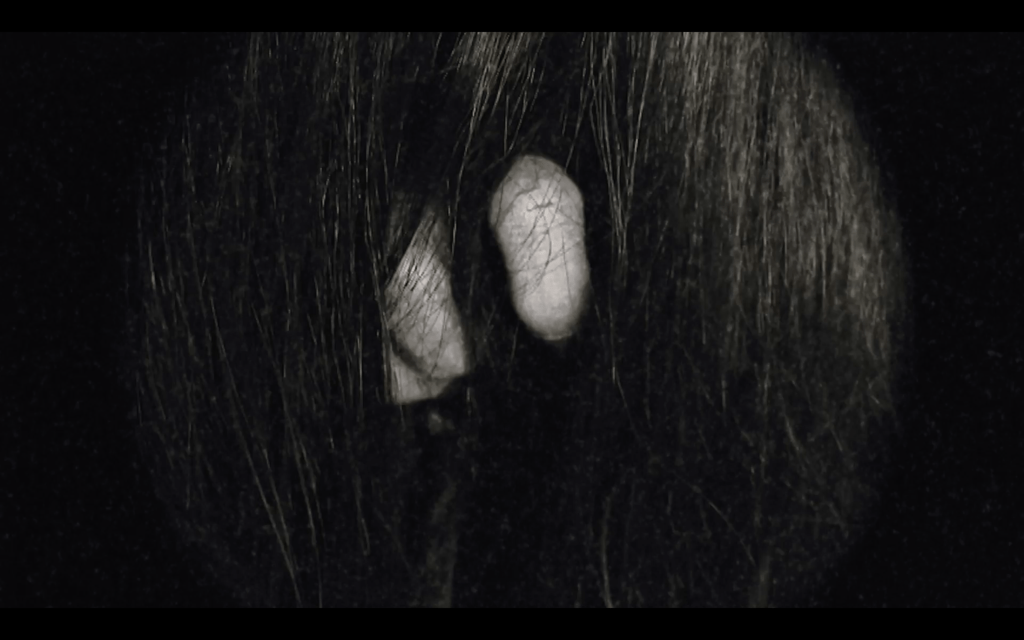
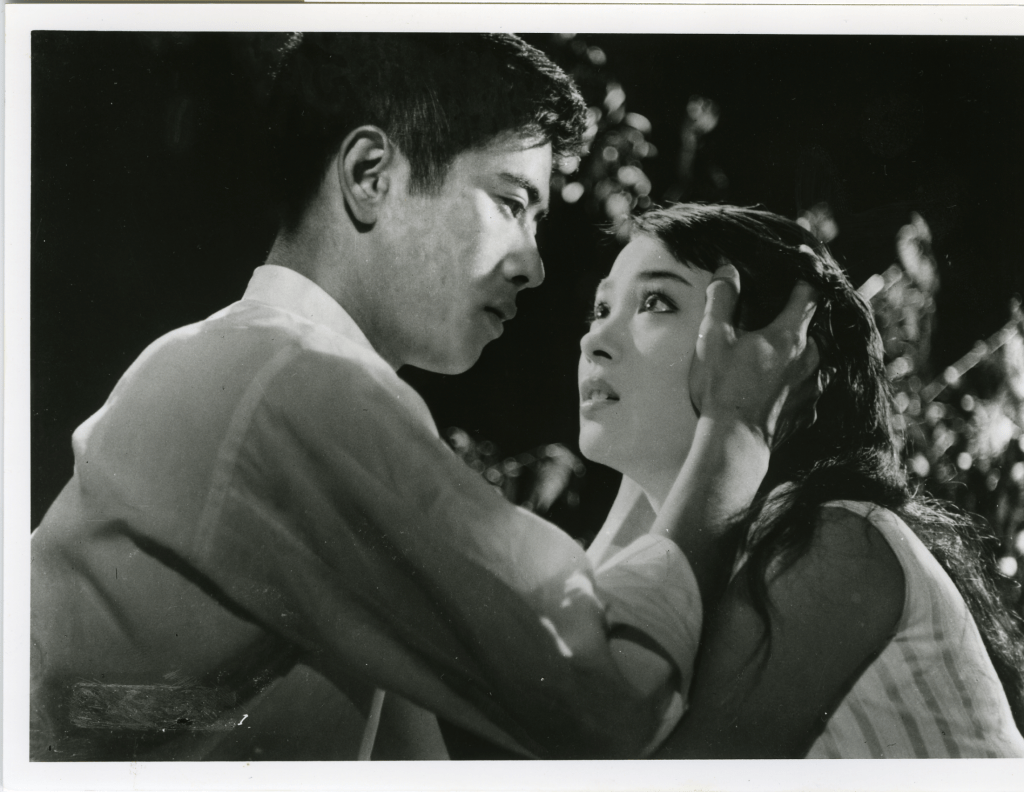
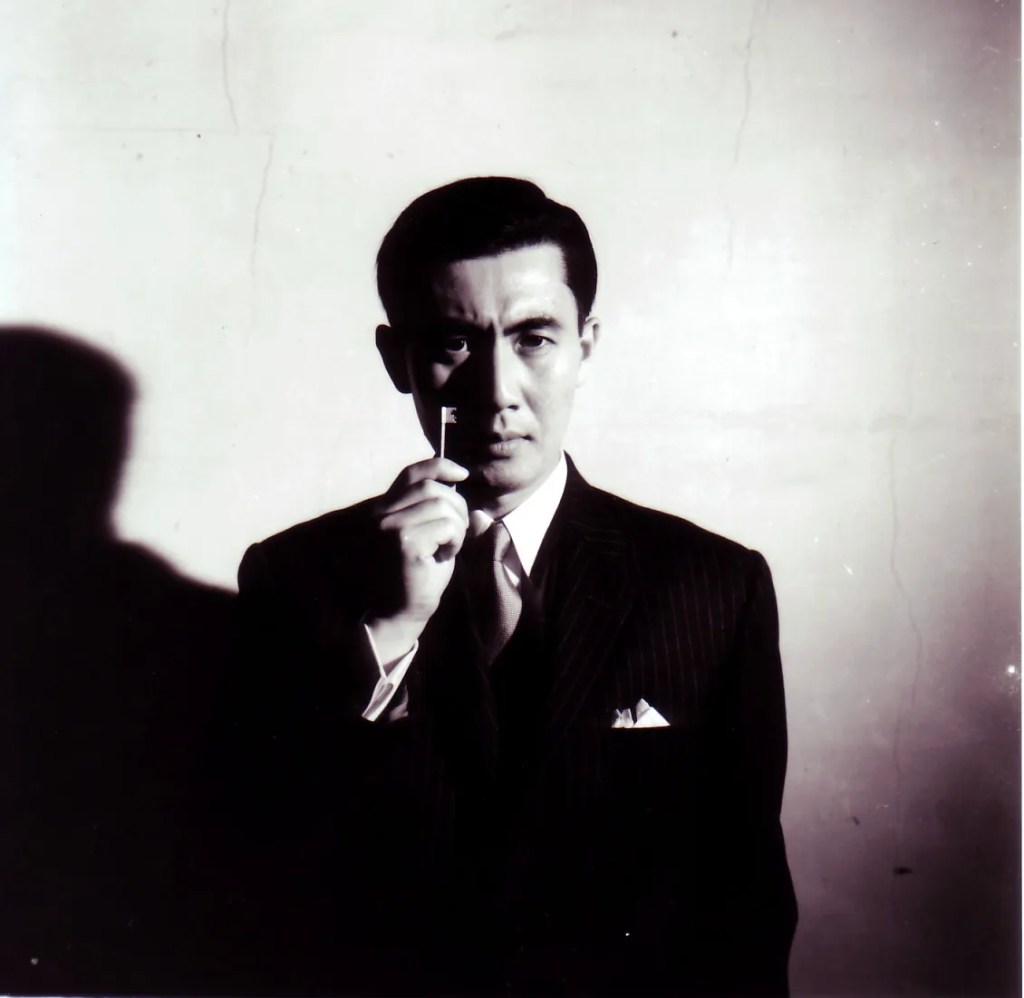
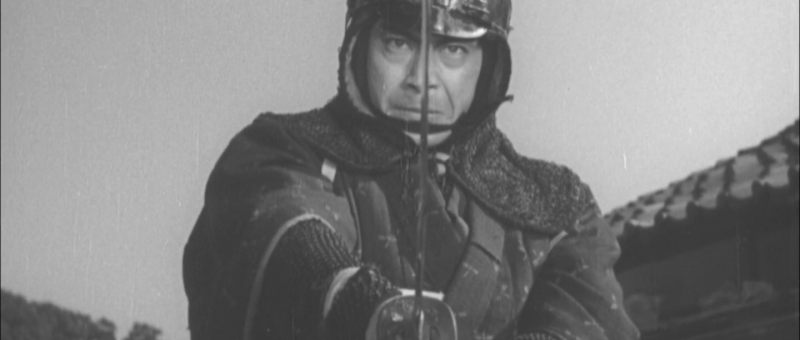
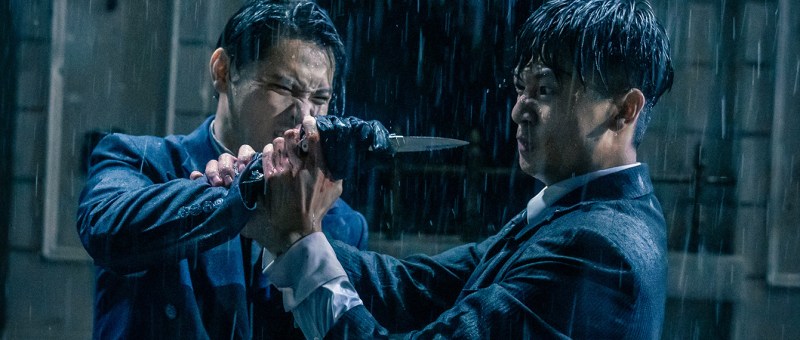
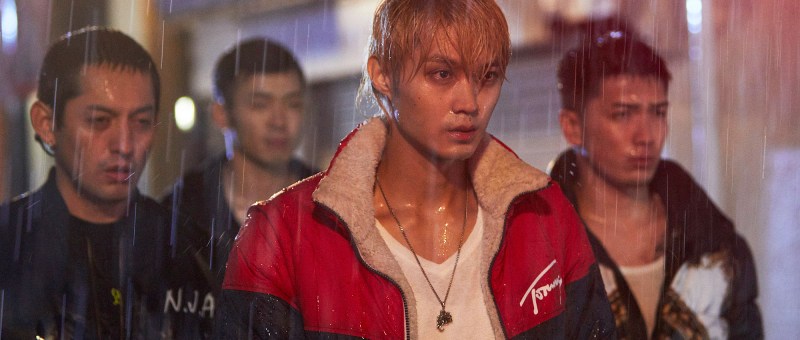
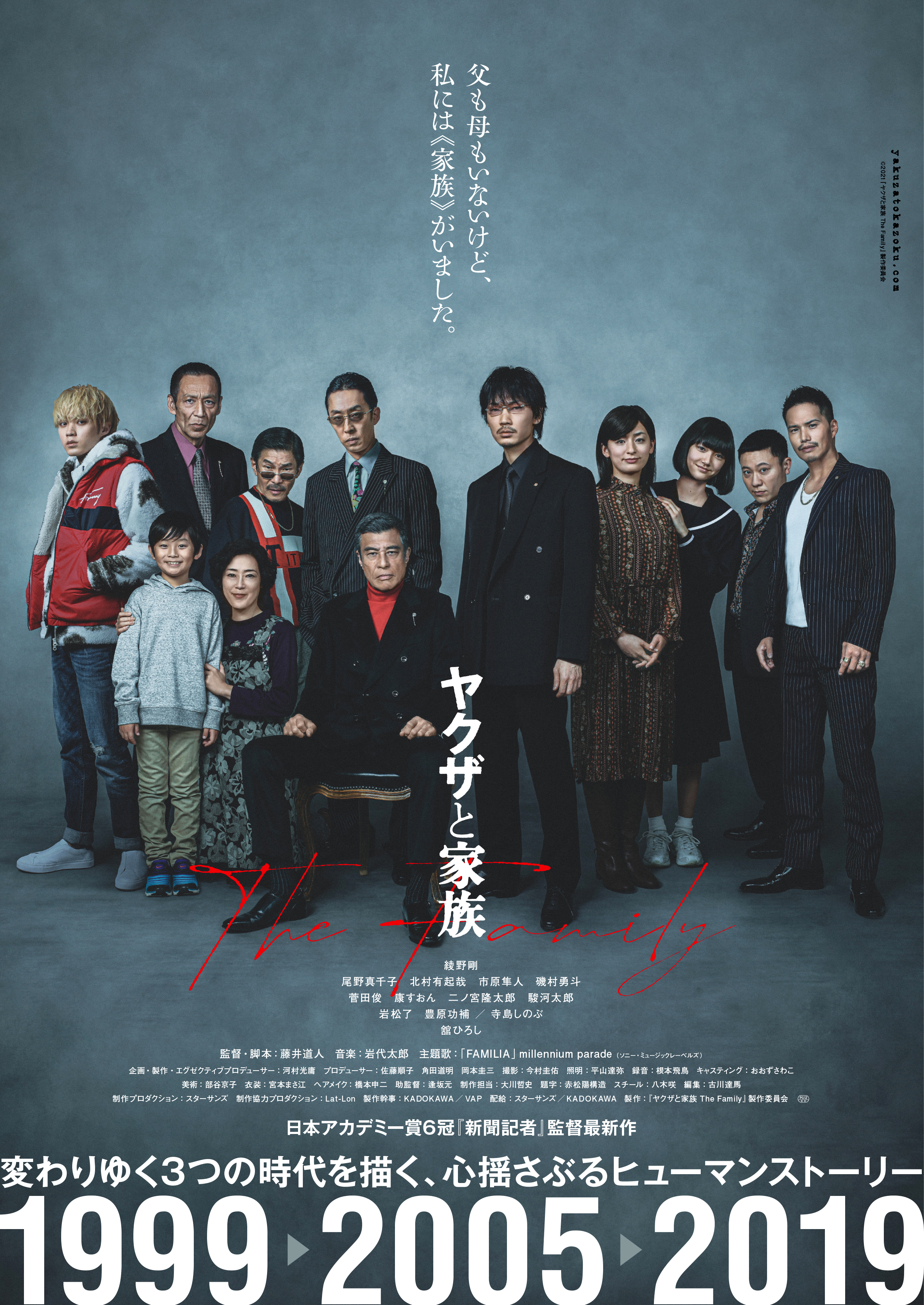
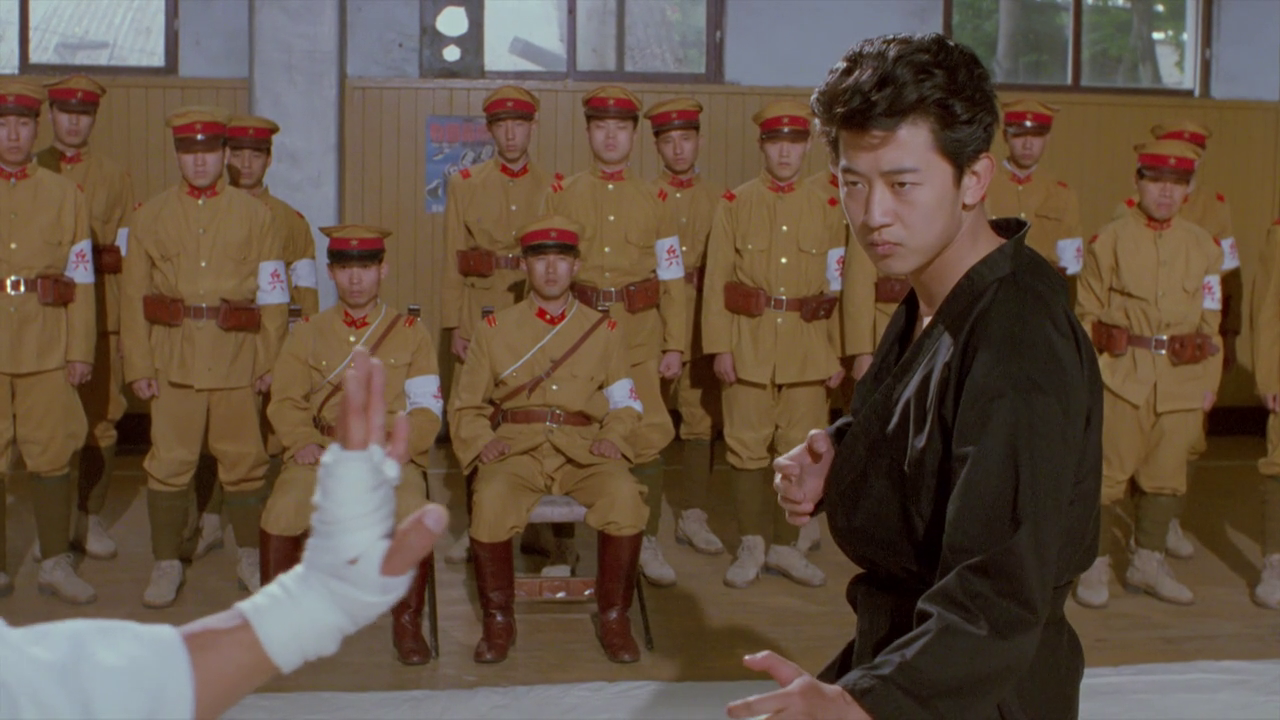
The hypocrisies of samurai society have led a dejected ronin into prideful penury but there is perhaps a fine line between properness and priggery that he struggles to accommodate. Like his earlier film Blood of Wolves, Kazuya Shiraishi’s Bushido (碁盤斬り, Gobankiri) is a loving homage to a classic genre, in this case jidaigeki, albeit one with a modern twist in which it’s the murkiness of the society and contradictions of its code that make it impossible to live in rather than the innate corruptions of the samurai class. 

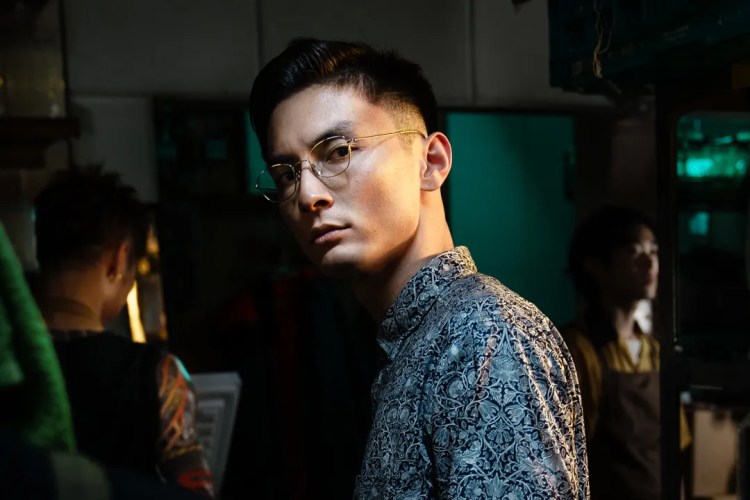
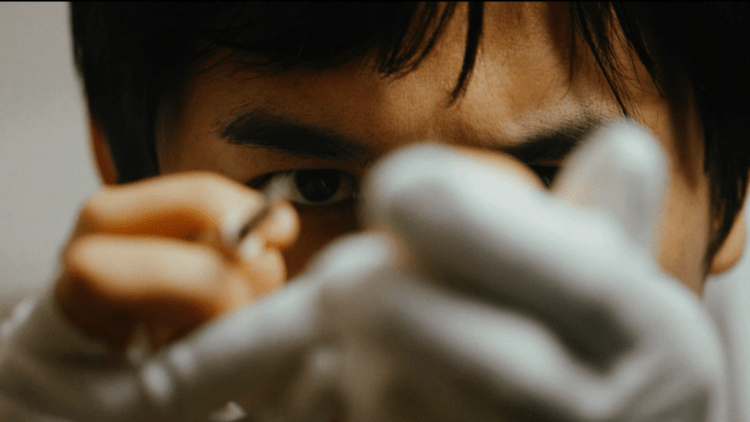
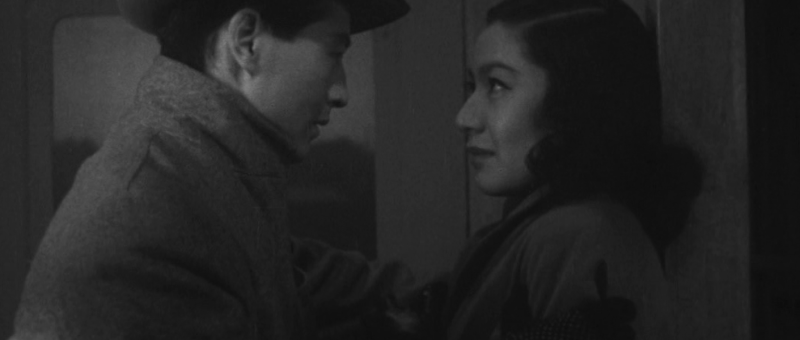
Even so, it’s samurai society which has betrayed Kakunoshin Yanagida (Tsuyoshi Kusanagi), now a seal-carving ronin living in a tenement house and months behind on his rent. Largely silent, Yanagida projects an air of calm but also a dangerous tension that hints at a deeply buried rage often echoed in the hellish glow of the candlelight that bathes his face in red. Not a natural gambler, he is nevertheless a Go enthusiast and talented player who gives the impression that he is always several steps ahead of any game in play. 

But that turns out not quite to be the case when he’s blindsided by a series of unexpected events that quickly destabilise his calmly ordered existence. Cast out of his clan after being accused of thievery, he is accused once again of taking 50 ryo from a pawn broker who had become a friend, Genbei (Jun Kunimura). Behind on his rent as he may be, Yanagida would not steal for stealing is beneath the dignity of a samurai and this stain on his honour is more than he can bear. But for all his righteousness we learn that he is also an ironic victim of his own priggishness and responsible for several other men meeting similar fates, cast out of the clan for something Yanagida turned them in for. In his reduced state, he seems to feel guilty and wavers momentarily on hearing the man who framed him for stealing a scroll from his former lord say he did so to gain money to support disenfranchised samurai but is caught between the spirit of samurai integrity and its letter. As his quarry told him, fish cannot live in water that is too clean and his oppressive enforcement of these arbitrary rules did no one any good. 

Yet his seeming righteousness does seem to improve the world around him, proving an epiphany in pawnbroker Genbei who develops a new determination for doing business fair and square after witnessing Yanagida’s conduct at the Go table. The irony is perhaps that everything on the Go board is black and white whereas Edo society is decidedly grey. Even the madam from the Yoshiwara Yanagida and his daughter are on good terms with (Kyoko Koizumi) can switch from wise mother to heartless gang boss in an instant. One moment, she’s giving maternal advice to Yanagida’s daughter Okinu (Kaya Kiyohara) and the next berating a runaway geisha who’s obviously been beaten while her lover has been killed for his transgression. The theft of 10 ryo will also it seems get you killed in this world of heartless rigidity and universal suspicion. 

Yanagida may not be much better in some respects. He is prideful and reckless, endangering himself and his daughter, whom he allows to pawn herself in the Yoshiwara knowing it’s very unlikely they will be able to repay the debt before the New Year deadline seeing nothing other than his obsession with vengeance against the man who wronged him in so many ways, Shibata (Takumi Saito). Shibata is his opposite number, cynical and amoral he subverted the samurai code for his own gain yet in its way perhaps it’s just a rebellion against the kind of austerity a man like Yanagida represented. In the end he can only escape his self-imposed prison by abandoning his rigour and accepting compromise, slashing the Go board with its black and white mentality in two though it leaves him further exiled. He cannot return to the world of samurai, but neither can he live among these ordinary people and like so many jidaigeki heroes seems to be condemned to wandering in this imperfect world. To that extent, the resolution seems much more cheerful than we might have been expecting. Everything works out, no harm done, but there’s a lingering tension even amidst apparent good fortune in a world of constant watchfulness. 


Bushido screened as part of this year’s New York Asian Film Festival.

Original trailer (no subtitles)

How to Make Millions Before Grandma Dies (หลานม่า, Pat Boonnitipat, 2024)

How is love quantified? Are all relationships essentially transactional, or is there also a love that is purer and transcends material reward? The hero of How to Make Millions Before Grandma Dies (หลานม่า) seems unable to look beyond literal acts of compensation when it comes to his familial relations, but is eventually awaked to a deeper, less selfish kind of love when looking after his grandmother after she is diagnosed with stage four cancer. 

M only really does this because he has a friend who inherited a fortune from her grandfather after becoming his carer when no one else would. The question of elder care is perhaps increasingly relevant and speaks to a break down in notions of familial responsibility with youngsters unwilling to care for their elderly relatives while simultaneously hinting at their own despair and frustration in feeling unable to acquire such wealth for themselves leaving them dependent on the generosity of the older generation. M originally asks for money in exchange for visiting his grandmother, Amah, and rarely attended family events though later becomes obsessed with familial hierarchy forever asking Amah who her number one family member is hoping that she will say him.

Later Amah says she doesn’t know who she loves the most, but it’s her daughter she most wants to be with. M’s mother is the most involved in Amah’s life of all the siblings but is never really in running for the inheritance, nor does she really think about it. As she tells Amah, “sons inherit assets, daughters inherit cancer,” both making a joke about the heredity nature of the disease and the fact that care is almost exclusively performed by women. Amah too has suffered all her life under oppressively patriarchal social codes. She pays a visit to an older brother who has become very wealthy thanks to property investments built on the back of his inheritance and asks for her fair share of her parents’ money but is told where to go. Her brother treats her with contempt and defends the practice of leaving money only to sons on the basis that Amah’s share would have gone to her husband, which is to say leaving the family, though as Amah points out her marriage was arranged so if her brother disapproves of him it their parents’ fault.

M’s oldest uncle Kiang makes a similar complaint, that he feels they think of his wife as a member the family while crassly asking about Amah’s house deeds while she’s still in hospital. Yet to M, her love seems obscure. Her can’t figure out wh she’s so forgiving of her younger Soei who seems to have made a mess of his life and actively steals from her. One Sunday, the day when the siblings would all come for lunch, grandma sits and waits but later concedes that she likes it better when Soei doesn’t visit because that must mean he’s doing okay. On a day trip to a temple that is really mini battle between M and Kiang who wants Amah to come live with him so he’ll get the inheritance, no one thinks to make a wish for her. M then writes that he hopes she wins the lottery which is ironically also selfish as he’s hoping to inherit her estate.

When Amah leaves the house to someone else, M is annoyed and abandons his position as a caretaker complaining that it doesn’t seem fair that the person who has done the most for her has not been rewarded. But later he perhaps comes to understand Amah’s reasoning and that that isn’t how it works. She tells him that all jobs are equal if you do them well and buys him a white shirt to help him get one, a shirt he eventually wears on a different occasion, hoping that he’ll make something of himself and find a sense purpose. Eventually, he forgets about the financial gain and realises that Amah was trying to give each of them what they most needed, displaying a more selfless kind of love in the way that she continued to care for those who seemingly gave her little thought or of what she most wanted which was simply time. Deeply moving, the film has a rare warmth along an essential melancholy for things only understood long after they have passed. 


How to Make Millions Before Grandma Dies screened as part of this year’s New York Asian Film Festival.

International trailer (English subtitles)

Taiwan Film Festival in Australia Returns for 2024

The Taiwan Film Festival in Australia returns for its 7th edition 25th July to 14th September 2024 travelling to six cities across the country. The festival will also host a pitching competition on 13th September which aims to promote Taiwanese literature in translation by adapting books into screenplays, in addition to its Taiwanese Bookshelves event which welcomes Hsiao Ya-Chuan in conversation at Kinokuniya Sydney on 26th July.

Old Fox

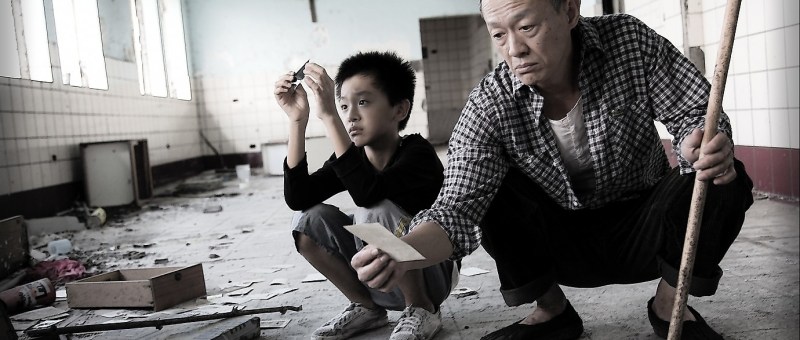
A young boy begins to absorb all the wrong lessons while drawn to his enigmatic landlord in Hsiao Ya-chuan’s 80-set coming-of-age drama. Review.

And Miles to Go Before I Sleep

Documentary reconstructed from police body camera footage, media reports, and first-hand interviews exploring the death of a migrant worker killed by police.

Love is a Gun

Noirish directorial debut from actor Lee Hong-Chi as a man recently released from prison tries to make an honest living renting out umbrellas by the sea but is soon pulled back towards a life of crime.

Tales of Taipei

10 tales of love in Taipei directed Yin Chen-Hao (Man in Love, 2021), Joseph Hsu (Little Big Women, 2020), Chong Keat-Aun (Snow in Midsummer, 2023), Wong Yee-Lam (My Prince Edward, 2019), Pawo Choyning Dorji (The Monk and The Gun, 2023), Rachid Hami (For My Country, 2021), and Remii Huang (Let’s Talk About Chu, 2023), Lee Sin-Je (Abang Adik, 2023) and Liu Chuan-Hui (Jump Ashin!, 2011).

Snow in Midsummer

Emotional drama revolving around the 13 May Incident which took place in Malaysia in 1969.

18×2 Beyond Youthful Days

Poignant romantic drama in which a lost 36-year-old man travels to Japan chasing the trail of a young woman he once knew from a heady summer working in a karaoke bar in rural Taiwan. Review.

Free beats: The Musical Journey of Chen Ming Chang

Documentary focussing on renowned folk musician Chen Ming Chang who is well known for playing the yueqin and has contributed film scores to such masterpieces as Hou Hsiao-Hsien’s Dust in the Wind and The Puppet Master as well as Hirokazu Koreeda’s Maborosi.

Braving the Peak

Documentary following a pair of extreme sports enthusiasts as they attempt to break the record for traversing the Central Mountain Range in under 10 days.

Salli

Romance and tradition collide when a middle-aged chicken farmer is unwittingly duped by an online dating scam in Lien Chien-Hung’s gentle dramedy. Review.

Breaking and Re-entering

Crime-themed comedy in which a gang of thieves find themselves in the awkward position of having to return all the money they stole in one of the largest heists in history.

Fish Memories

Poetic drama in which a middle-aged businessman dissatisfied with his financially successful yet empty life is drawn to young man he meets in a convenience store.

The Woman Carrying the Prey

Documentary following Heydi Mijung, an indigenous Truku woman and the only female hunter in her community as she maintains Gaya traditions and uses traditional hunting skills.

The Taiwan Film Festival in Australia runs 25th July to 14th September in Sydney, Canberra, Brisbane, Hobart, Melbourne, and Adelaide. Full details for all the films as well as ticketing links can be found on the official website while you can also follow the festival on Facebook, X, Instagram, and YouTube for all the latest news.

Rei (莉の対, Toshihiko Tanaka, 2024)

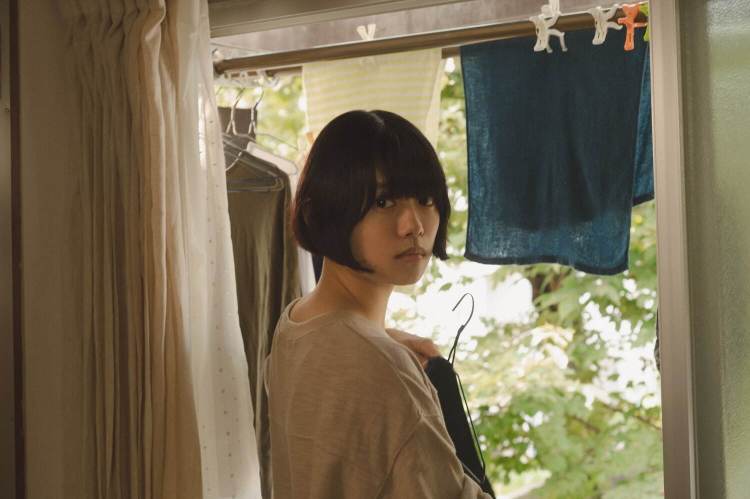
As the opening title cards of Toshihiko Tanaka’s Rei (莉の対, Rei no Tsui) somewhat paradoxically explain, Rei is a kanji character that has no real meaning on its own but can gain it by joining with another kanji as it has in the name of the heroine, Hikari, who does indeed feel herself to be “colourless” to the extent of being transparent. The implication seems to be that human connection is essential to fulfilment, but there’s precious little empathy on show between the disparate and isolated protagonists. 

A mild stigmatisation of singledom is displayed in the opening sequence in which Hikari attends a play alone and seems embarrassed by her unattached status while catching up with old university friend Asami who has since married and had a daughter. Yet it quickly becomes apparent that Asami is struggling as a young mother to a disabled child left largely without support while unbeknownst to her, her husband Ko has been having an affair with a young nurse. The implication seems to be partly that Ko resents his daughter Hina for not living up to his ideals or those of his rather snooty mother who seems to think Hina is an embarrassment to their family. We’re not exactly told what Hina’s disability is save that it involves some degree of learning difficulties and the doctor advises it would be better to put her down for a special school, but are instead uncomfortably focussed on the burden of her care which falls entirely on Asami.

The film then equates Hina’s condition with that of Masato, a photographer who happens to be deaf who had a troubled relationship with his mother while his brother hints that he may also have had some kind of mental disturbance that has left him fragile, too delicate for city life and instead living amid the peaceful mountain vistas of Hokkaido. In an effort to communicate with him, Hikari begins learning sign language only to discover he doesn’t know it but prefers to communicate through written language. Hikari finds herself caught between these different kinds of communication, at once walking with a dejected stage actor who insists words are essential and liberated by the their absence in her tentative relationship with Masato. Nevertheless, there is perhaps a degree of projection going on given that Masato cannot hear what she’s saying and directly respond to it allowing Hikari to interpret her own responses.

Masato’s estranged brother later suggests that Masato may be able to hear at least a little but pretends not to because it’s easier that way. In any case, he given little right of reply while others seem to make decisions on his behalf denying him any kind of agency. His friend, Shinya, tells Hikari to back off, that Masato is too fragile for relationships and she’s just making things hard for him though it seems clear to us that Shinya is in love with him himself and carrying a degree of shame for his repressed sexuality. Shame and a sense of inferiority also seem to be at the heart of Ko’s infidelity revealing to his lover that he feels he has to work twice as hard as anyone else just to get average results and be scolded by his boss. It’s clear that he has already begun to pull away from his family, resenting his wife and daughter for deepening his sense of personal failure while the lover, Rie, ironically presents a more progressive counter to Asami’s dilemma in telephoning her mother to say she plans to have a child and raise it alone in a society in which births outside of marriage are still rare.

No one really connects with anyone else nor are they fulfilled by their connections. Hikari’s relationship with Masato is frustrated by those who either infantilise him or act out of self interest but given the dark path he eventually takes they might have has a point in saying that love was too much complication though Hikari’s determination to reconnect may seem odd given the circumstances. Over long and meandering, the narrative progression cannot help but seem contrived in a manner out of keeping with the otherwise naturalistic treatment even before it rockets into the melodrama of its second half or the meta subplot with the dejected actor. Even so there is something poignant in the beauty of the Hokkaido landscapes and their endless vistas of snowbound isolation tempered by the gently bending trees.


Rei screened as part of this year’s JAPAN CUTS.

International trailer (English subtitles)

The Escaping Man (绑架毛乎乎, Wang Yichun, 2023)

“Life isn’t much better on the outside,” according to Sia (Zeng Meihuizi), the heroine of Wang Yichun’s deliciously ironic dramedy, The Escaping Man (绑架毛乎乎). Escaping men is in part what she’s tried but otherwise failed to do while constrained by the socio-economic conditions and entrenched patriarchy of the modern China. All of the men in the film are, as many call them, “idiots”, but all things considered it might not necessarily be such a bad thing to be even if their guilelessness makes them vulnerable to the world around them albeit in much different ways to Sia.

At least its this boundless cheerfulness and inability to see the world’s darkness that caused Fluffy (Eric Zhang) to be rejected by his status-obsessed mother (Yan Ni) who seems to have got rich by becoming what in charitable terms might be called a motivational life coach though others might describe her as a cult leader. She’s determined to get Fluffy into an elite primary school so he can “win at the starting line,” a buzzword in the contemporary society which basically means engineering privilege for your child so they can elbow other kids out of the way before the race even starts. The irony is rammed home by the fact that Sia, who works as the family’s live-in nanny/housekeeper also has a daughter named “Fluffy” who is one of China’s left behind children living with her seemingly bedridden grandmother in the provinces while Sia is in the city earning money to support the family having apparently divorced her daughter’s father. 

20 years previously, Sia’s mother had accused her lover of rape and had him sent to prison where he’s remained ever since having apparently gone along with the legal process in the mistaken belief Sia would eventually clear up this misunderstanding. She later later says the police wouldn’t let her and that she was never actually interviewed, but also continues to insist that they live in a “law-based society,” and nothing can be done without evidence. On his release, Shengli (Jiang Wu) comes straight to find his former lover in order to confirm that he did not in fact rape her and their relationship was consensual which she agrees it was. This determination is symbolic of his romanticism in continuing to believe in his dream of love despite all he’s been through, convincing himself he can start again with Sia while she continues to manipulate him with the almost certainly false promise of a happy joint future.

But then you can’t really blame her. A little way into the film, Sia is dressed in a white outfit very similar to the one worn by her boss when she goes to see Fluffy in a school play in which, at his own request, he played a tree. Sia is every bit as a accomplished and she has a warm and loving relationship with Fluffy which seems to elude his haughty mother. Later in the film she reveals that she came third in the national university exams but was prevented from going because she was born in a small rural province rather than the big city like her employer Mrs Mao. The fates of the two women are easily interchangeable depending on the circumstances of their birth while Mrs Mao continues to wield her privilege to ensure Fluffy can win at the starting line despite her resentment towards him for his lack of academic acumen or the things that denote conventional success in the modern China. Though he is cheerful and kind, she sees these qualities as actively harmful to his future success rather than embracing the little ray of sunshine he actively is.

Then again, Fluffy’s guilelessness also leaves him vulnerable which is why he cheerfully walks off with Shengli when he agrees to Sia’s kidnap plot and even rejoices in the grave-like pit they’ve dug to keep him in rechristening it as his underground fortress. He’s so nice that he doesn’t even realise the other kids are bullying him for being “stupid” and thinks they’re his friends, just happy to be included in the game. In this way, he and Shengli are alike, a pair of hapless fools living in a world that’s nowhere near as good as they think it is. The irony is that though Shengli perhaps begins to wake up to the realities of his relationship with Sia, his last wish for Fluffy is that he get into the fancy primary school and win at the starting line so he won’t end up like him. Suddenly it seems ironic that Shengli was a breakdancer because in the end he cannot break free of the prison that is the modern China. Filled with a darkly comic humour, the film is a fierce critique of the inequalities of the contemporary society and gentle advocation for the right to just be nice in world in which kindness has become a character flaw.


The Escaping Man screens July 26 as part of this year’s New York Asian Film Festival.

Frankenstein Father (프랑켄슈타인 아버지, Choi Jea-young, 2024)

A teenage boy confronts his paternal legacy but finds it largely hollow in Choi Jae-young’s pointed familial drama, Frankenstein Father (프랑켄슈타인 아버지). Frustrated by his circumstances, the boy begins asking questions about his genetic history in search of an explanation of all his “faults”  but begins to realise that perhaps the faults were not his own in any case and what he really wants is freedom, the right and opportunity to be his own man rather than a reflection of her father’s desires.

Left largely alone after his mother’s death amid the absence of his truck driver father, Young-jae decamps at the home of doctor Chi-sung who illicitly sold his sperm as a medical student 17 years previously. Af first Chi-sung wants nothing to do with the boy but is worried by his attempt to blackmail him, insisting he’ll expose the illegal sperm donation and ruin Chi-sung’s medical career. He sets about trying to disprove hie’s the father, but is finally forced to accept it and there after determines to prove to Young-jae that his “faults” are not his fault and he doesn’t owe him anything as per the contracts he signed with his parents. 

Of course, Chi-sung is also keen to prove himself “faultless”, that his austere life is the correct path because it’s order, rules, and discipline that have allowed him to become what he is today. To that extent, it niggles at him that he could have had a son like Young-jae who is sullen and rebellious. Young-jae describes himself as “dumb,” and has a host of other qualities that dissatisfy him such as shellfish allergy but is perhaps looking for some kind answers about himself and his relationship with Dong-suk, the man who raised him but is also a disappointment in Young-jae’s eyes. A long distance truck driver, Dong-suk is unsophisticated and fond of a drink. He is also controlling, insisting that Young-jae continually check in with him via text and send photos to prove he’s where he should be, and crucially preventing him from doing what he most wants to do which is run.

Running is a symbol of Young-jae’s desire for freedom, but he remains constrained by each father figure. After warming to him, Chi-sung offers him what he wants in promising to get him experimental treatment for his heart condition so he can run again, but soon turns out to be much like Dong-suk insisting he follow his rules and stick rigidly to the plan that he has designed for his sophistication which is also an effort to turn him into a mini Chi-sung. Young-jae is to him an echo of himself for he also grew up with a father who drank and disappointed him. Like Young-jae he too learns for escape as symbolised by his dream of buying a yacht and going to sea that he seems to be continually putting off. 

Yet as Young-jae points out, it wasn’t him who broke when he found out Dong-suk wasn’t his biological father but Dong-suk himself. Chi-sung hints that his decision to use sperm from a A+ donor was informed by insecurity, that he wanted to raise a son who was better than himself though as Dong-suk told his patient human’s can go back to what they once were but can never exceed it. The battle of over paternity of Young-jae isn’t so much a contest of nature vs nurture but a vicarious tussle of masculinity between each of the men who each want to prove themselves through asserting paternal authority over Young-jae and determining the course of his further life.

But Young-jae is almost a man himself and is no longer content to be bound by such corrupted authority. As he later says, he’s no desire to become another of his fathers’ “faults”. Conversely Chi-sung is clearly still trapped by his own father’s legacy and and afraid of the freedom Young-jae chases realising that the fault also did lie with him. In attempting to father Young-jae, he’s also attempting to father himself, insisting Dong-suk raised the boy “wrong” and he must correct him, but perhaps realising he learned a few wrong lessons himself and must make peace with his own past to set himself free while allowing Young-jae to run in a direction of his of choosing no matter the risks to his heart.


Frankenstein Father screens July 25 as part of this year’s New York Asian Film Festival.

Cha-Cha (チャチャ, Mai Sakai, 2024)

Love can make you do funny things. It can also blind you to the world’s realities and colour the way you interpret the actions of others. At least, that’s how it is for the protagonists of Mai Sakai’s Cha-cha (チャチャ) who are all suffering with unrequited love and unbeknownst to them quite mistaken in their assumptions about the loves of others while otherwise solipsistically trapped in a bubble of frustrated romance.

Sometime narrator Rin (Sawako Fujima) is resentful of colleague Cha-Cha (Marika Ito) who is, ironically, the the total opposite of herself in that she’s free spirited and eccentric each qualities she assumes attract the opposite sex which Rin fears she herself does not. Chiefly she resents her because she has an unrequited crush on the boss, Kato, who is married with children though the interoffice gossip incorrectly suggests Cha-cha only got her job because she’s sleeping with him. According to Cha-cha, she is quite popular with men though describes herself as not being conventionally attractive and thinks men’s interest in her is usually more to do with conquest than romance. She develops a small crush on a handsome chef, Raku (Taishi Nakagawa), who smokes on their rooftop but though she ends up moving into his ramshackle home he does not appear to be interested in her and may in fact be suffering unrequited love for someone else. 

Because of all of these emotions can be awkward or embarrassing, no one really talks about them openly which obviously gives rise to a series of misunderstandings about the feelings and actions of others. Jealous of Cha-Cha, Rin ends up stalking her to find out if she really is sleeping with the boss though as she herself is not willing to be an adulteress it seems like something of a moot point. Cha-Cha likes the chef precisely because they have nothing in common and are in fact total opposites, much as she’s also the total opposite of Rin. She likes the idea that they could lead complementary existences because while she hates melon but likes cucumber, he likes cucumber and hates melon. 

She is also possibly drawn to him because they share a certain kind of darkness, admitting that she has a desire to lick the blood of the person she’s dating while he has a secret stash of lenses saved from the animal heads they sometimes get at the restaurant. Ironically, this shared quality may signal doom for their romance or ultimately force them together in a mutual act of settling for second best when their ideal romantic plans are disrupted by an unexpectedly extreme series of events. The most ironic thing is that the only genuine romance where feelings seem to be mutually returned, if imperfectly and with hints of exploitation, is doubted by others and motivates its own series of misapprehensions and petty jealousies. 

The strange events are at times narrated by a utility pole and telephone box who alone stand sturdy amid the changing and emotionally confusing environment of the present society. They are amused by the bizarre goings on among humans who seem incapable of being clear or honest in their romantic desires and often entirely misread the body language and behaviour of those around them to suit their own narrative. Rin thinks Cha-Cha probably is sleeping with the boss because they ignore each other, while a co-worker who admires her thinks she dislikes the boss because she avoids looking at him and assumes she likes another colleague, Aoki, ironically because she looks at him without bashfulness. 

It’s all par for the course in cha cha cha of love, and despite the dark turn the narrative may eventually take Sakai maintains an air of absurdist normality aided by quirky production design and a sense of wonder for a world that remains remains strange and difficult to understand, the protagonists individually blinkered views not withstanding. In any case, Rin’s eventual acceptance of Cha-Cha leads her to a desire to live “a more impulsive life” that will probably never be fulfilled but in some ways perhaps love is better as an unrequited fantasy than compromised reality if only it did not become an all encompassing obsession. As an imperfect man cheerfully in love tells her, perhaps Cha-Cha should focus on how to make herself happy rather than chasing an illusionary dream of love though in the end perhaps it’s all the same anyway. 


Cha-Cha screened as part of this year’s JAPAN CUTS.

Trailer (English subtitles)

The Guest (301호 모텔 살인사건, Yeon Je-gwang, 2023)

We’re under surveillance all the time, so when we really need someone why is that no one seems to be watching? Yeon Je-gwang’s slasher drama The Guest (301호 모텔 살인사건) takes place in a world of high anxiety fuelled by the very real life plague of illicit photography predominantly targeting young women with hidden cameras in places such as public bathrooms and hotels. We’re told the CCTV networks are there for our safety, but they necessarily impinge on our privacy and cannot be relied upon when we most need them.

A case in point, two young men working in a love hotel and running a sideline in illicit photography at the behest of a gangster to pay off their debts are conflicted when they spot what looks like a violent attack and attempted murder going on in one of the rooms. One of them, Min-cheol, wants to intervene but the other is against it. If they call the police, their spy cam scam may get exposed and they need money to pay off their debts to the gangster and restart their lives. Min-cheol in particular has been resentful of their line of work and wanted to quit but also has an ageing mother and needs the money to pay for an operation for her.

The backstory goes someway to giving Min-cheol justification for his complicity while it’s clear he disapproves and is not directly violating these women for his own gratification or direct financial gain. He does not, however, do all that much to resist beyond telling gangster Deuk-cheol that he won’t participate any further. It’s clear that environment around him is extremely misogynistic, and the anxiety enveloping Eun-soo all too real as a previous spy cam victim now left paranoid, checking all around her for anything that looks out of place. A sign outside a bathroom at a petrol station states that it’s a “safe” space because they regularly sweep for cams which somehow doesn’t seem very reassuring. In any case, the attendant is busy watching videos of girls dancing on Tiktok while another guest at the love hotel badgers Min-cheol to call him a “coffee girl”. The killer himself is also an embodiment of this pervasive misogyny, silently stalking his prey and slashing anyone who gets in his way.

Yet masculinity is consistently weak. Neither of the boys is willing to help nor can they fight back effectively against the killer who is himself an ineffectual coward slashing around at random while failing to achieve his own goals of destroying the spy cam footage which of course also exposes his crime and and perversity. When the police eventually arrive, they can’t help much either and quickly fall victim to the killer’s plot somehow not suspecting him and taking his excuses at face value. 

Min-cheol tries to wield the technology for his own advantage, trying to blind the killer with camera flashes all of which hints at the double-edged nature of the technology itself. We’re told it exists for our safety but it also invades out privacy and is open to abuse. A later news report suggests there has been a spate of incidents in which hackers take over the intercom in various apartment buildings suggesting that not even the domestic space is safe. To Eun-soo, Min-cheol is therefore another disappointing nice guy otherwise complicit in spy photography and exploitation of women. Both the boys pay heavy prices for their moral failings, but you can’t really blame Eun-soo for being unwilling to help them given her victimisation at the hands of a misogynistic society. These men will not protect her, and so she has only the option of protecting herself. 

Remaining largely within the grim confines of the rundown love hotel, Yeon conjures an atmosphere of malice and anxiety in which a crazed killer wanders the corridors with an axe while relentlessly stalking his prey but it’s really just a manifestation of the fear and anxiety Eun-soo faces every day of her life as a young woman constantly threatened by oppressive patriarchy and fragile masculinity while eternally watched by those less concerned with her safety than their own gratification. 


The Guest screens July 22 as part of this year’s New York Asian Film Festival.

Original trailer (no subtitles)

The Cursed Land (แดนสาป, Panu Aree & Kong Rithdee, 2024)

The architecture professor teaching a young woman in Panu Aree and Kong Rithdee’s The Cursed Land (แดนสาป) says that a house is like a machine with a person inside, but what’s inside the house at the film’s centre is not quite human at all but a supernatural creature who like the house itself seems straddle a divide both cultural and spiritual while standing itself at the nexus of the many layered historical curses which have given it its dark legacy.

It’s in part a rejection of this difference and lack of respect for culture that creates a series of problems for Mit (Ananda Everingham), a middle-aged engineer moving into this rural backwater on the outskirts of Bangkok. Despite receiving a very serious warning to get rid of anything that’s in the house, he tears off a series of talismans thereby releasing some very dark energy and destabilising his new environment. Mit is also suspicious of those around him and does not really make much of an attempt to make friends with the local community who are largely Muslim. Though he may not think so, it is Mit who is the intruder here, an outsider walking into a traditional environment and finding himself isolated despite the ostensible friendliness of some of the locals to whom Mit takes offence after being told not to leave his dog outside because some of the Muslim community dislike them. 

But then again, Mit also seems to be a compromised figure apparently still suffering from shock and confusion some time after a car accident that killed his wife. He complains that his medication has been misplaced due to the move while seemingly increasingly paranoid and unreasonable. We also get hints that Mit’s previous life may not have been plain sailing either and part of his stress is down to a need to prove himself in his new job. He is in his way haunted by the car accident and struggling to overcome his guilt and regret. A shamaness later describes him as “weak-minded” and therefore a prime target for an evil spirit. 

This also seems to be implicitly reflected of an internal absence of the spiritual as Mit has renounced Buddhism and seems suspicious of Islam. His daughter May (Jennis Oprasert) eventually calls in a Brahmin to exorcise the house, installing Buddhist shrines and other talismans as if overwriting the those of the local muslim community though this only causes more problems. Later, May consults a Buddhist priest but is told that he can’t help because the problem is on a different system though she’s also told something similar by other members of the community. Running underneath the conflict between Buddhist and Muslim culture is echo of a much older spirituality in the references to “black magic” and shamans. 

What May learns is that this land has been cursed and counter cursed many times over, though they do perhaps manage to exorcise one particularly problematic spirit in literally digging up the past to learn the history of the house and that of the entities who seem to inhabit it but there are many other curses yet to be undone on this patch of scorched land that exists in a nexus between cultures, part of both and neither. What emerges is a kind of co-existence and a crossing of the streams as they must in the end marshal all of the spiritual powers to counter the  danger presented by this extremely disgruntled spirit. 

Panu Aree and Kong Rithdee conjure an atmosphere of intense eeriness rooted in a classic haunted house movie aided by the gothic environment of the Western-style home itself standing alone and isolated, not really part of a community yet not totally independent. What emerges is a kind of integration, the house as a machine with people inside it creating a home through diverse community and entrenched support systems that allow even the “weak-minded” Wit to shakes off some of his demons and begin to move forward with his life. Perhaps the key really is not to throw anything away, because everything belongs in the house and the house belongs to everything. Attempts at exclusion only invite fear and acrimony that cannot but eat away the foundations of a home built on cursed land.


The Cursed Land screened as part of this year’s New York Asian Film Festival.

Original trailer (English subtitles)

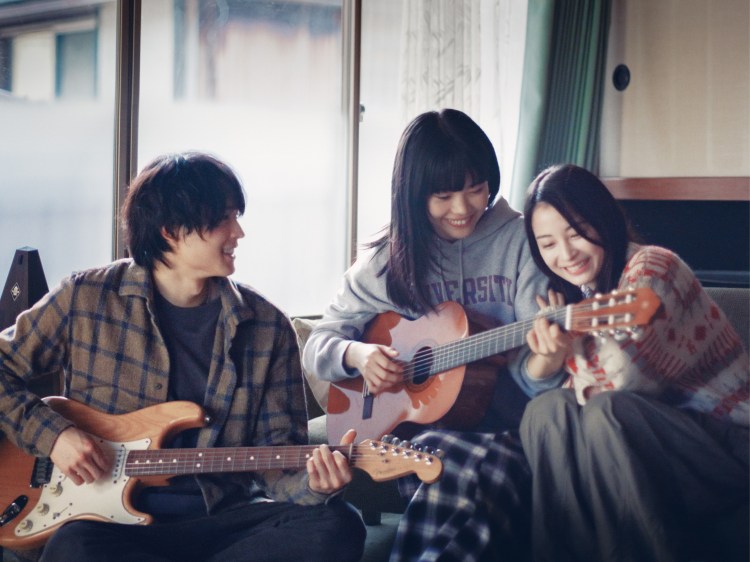
Ice Cream Fever (アイスクリームフィーバー, Tetsuya Chihara, 2023)

“Cold and sweet” is the way a customer to Million Ice Cream describes their produce, but it might also be an odd way to describe its comforts echoing the melancholy of the series of women who pass through its doors in Tetsuya Chihara’s adaptation of a short story by Mieko Kawakami, Ice Cream Fever (アイスクリームフィーバー). For each of the heroines it represents a kind of purgatorial space as they find themselves torn between past and future while seeking new directions.

For Natsumi (Riho Yoshioka), who took the job working part-time at the ice cream shop after experiencing burn out in her career as a designer, that new direction appears in the form of Saho (Serena Motola), an alluring yet sullen woman dressed all in black who turns out to be a formerly successful novelist plagued by writer’s block. A series of flirtatious encounters seem to rejuvenate the creative impulses of both women with Natsumi returning to doodling new signs for the shop and Saho beginning to write again, though there remains something distant and elusive between them. Saho later describes herself as like a summer storm destined to pass by in an instant and soon forgotten though in an ironic way her aloofness and enduring mystery may in fact be a way to ensure she is not forgotten while she at least seems unable to embrace her romantic desires instead sublimating them into her literature.

This inability to forget has also marred the life of Yu (Marika Matsumoto), a similarly lost woman approaching middle age who is suddenly approached by a niece she’s never met because she cut ties with her sister after she stole her boyfriend. Her mother having now passed away, Miwa (Kotona Minami) has come to Tokyo in search of her father and though seemingly aware of the circumstances of her familial estrangement enlists her aunt to help find him thereby forcing Yu to confront the past and reassess her life. Like Natsumi she is also becoming disillusioned with contemporary working culture and contemplating making a change. While she is a devotee of ice cream, it’s the local bathhouse, “an oasis for working women” as she describes it, that her been her refuge. When it suddenly closes due to the elderly owner’s (Hairi Katagiri) own decision to pursue a different kind of life, Yu wonders if she might be happier giving up her high powered corporate job to take it over. 

The dilemma both women face is reflective of a generational shift away from a desire for conventional success achieved by hitting each of life’s landmark events to that for immediate individual happiness derived from small comforts such as an ice cream cone or a soak in a large bath. The irony is that Miwa comes to Tokyo in search of an absent father and finds her aunt, while Yu is able to make peace with her past and accept the new gift life has given her in accepting a maternal role in her niece’s life. What both women choose are pleasant lives rooted in community and giving pleasure to others rather ones of consumerist desire or external validation.

Still, that doesn’t necessarily mean romantic resolution. While one woman’s decision may reflect a desire to move on, the other’s may not but rather an intention to wait if also to do so in a happier and more fulfilling environment that unlike the Mexican salamanders in Saho’s tank she has chosen for herself. Gradually we come to understand these events are unfolding at differing time intervals though weaving through around each other, pursuing a logic of memory rather a more literal reality while driven by the natural rhythms of a life which continues onward around them in continual oscillation. Gradually spinning outward it ropes in the unfulfilled romantic desires of Natsumi’s punkish co-worker choosing to move on in the realisation that her feelings have not been acknowledged and are unlikely to be returned, along with the cruel irony of the happy life seemingly being lived by Miwa’s long absent father. With its gentle framing and pastel colours, the film has an atmosphere of calm and serenity that belies its underlying melancholy in the frosty sweetness of a dormant love kept in the deep chill waiting for summer’s return.


Ice Cream Fever screens in New York July 20 as part of this year’s JAPAN CUTS.

Original trailer (English subtitles)