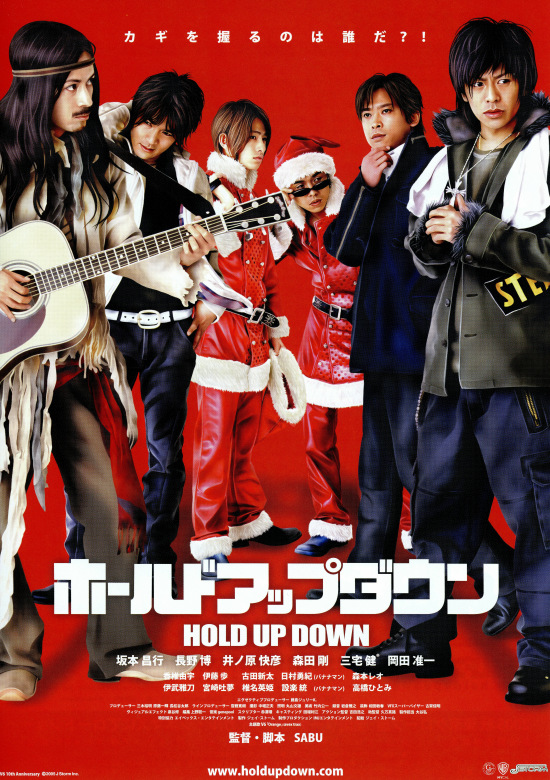
 Reteaming with popular boy band V6, SABU returns with another madcap caper in the form of surreal farce Hold Up Down (ホールドアップダウン). Holding up is, as usual, not on SABU’s roadmap as he proceeds at a necessarily brisk pace, weaving these disparate plot strands into their inevitable climax. Perhaps a little shallower than the director’s other similarly themed offerings, Hold Up Down mixes everything from reverse Father Christmasing gone wrong, to gun obsessed policemen, train obsessed policewomen, clumsy defrocked priests carrying the cross of frozen Jesus, and a Shining-esque hotel filled with creepy ghosts. Quite a lot to be going on with but if SABU has proved anything it’s that he’s very adept at juggling.
Christmas Eve – two guys hold up a bank whilst cunningly disguised as Santas, but emerging with the money they find their getaway car getting away from them on the back of a tow truck. Still dressed as Father Christmases, the guys head for the subway and decide to stash the cash in a coin locker only neither of them has any change. After robbing a busker at gunpoint for 800 yen, the duo get rid of the loot but the guy chases after them at which point they lose the key which the busker swallows after being hit by a speeding police car. Trying to cover up the crime the two policeman bundle him into the car but crash a short time later at which time the busker gets thrown in a lake and then retrieved by a defrocked priest under the misapprehension that he is Japanese Jesus!
Following SABU’s usual spiralling chase formula, events quickly escalate as one random incident eventually leads to another. Christmas is a time of romance in Japan, though encountering the love of your life during a bank robbery is less than ideal. After a love at first sight moment heralded by a musical cue, the thieves head back on the run with the girl in tow but the course of true love never did run smooth. If romance is one motivator – death is another. On this holiest of days, our defrocked priest is caught in a moment of despair, contemplating the ultimate religious taboo in taking his own life and ending the torment he feels in having failed God so badly. Therefore, when our scruffy hippy busker washes up right nearby he draws the obvious conclusion – Jesus has returned to save him! Attempting to make up for his numerous mistakes, the priest is determined to save and preserve his Lord, but, again, his clumsiness results in more catastrophes.
The situation resolves itself as each of the players winds up at the same abandoned hot springs resort which turns out to be not quite so closed down as everyone thought. Filled with ghostly charm, the gloomy haunted house atmosphere sends everyone over the edge as they thrash out their various issues as if possessed by madness. Culminating in a sequence of extreme slapstick in which everyone fights with everyone else and frozen Jesus plays an unexpectedly active part, Hold Up Down brings all of its surreal goings on to a suitably absurd conclusion in which it seems perfectly reasonable that those wishing to leave limbo land could take a 2.5hr bus trip back to the afterlife.
Pure farce and lacking the heavier themes of other SABU outings, Hold Up Down, can’t help but feel something of a lightweight exercise but that’s not to belittle the extreme intricacy of the plotting or elegance of its resolution. An innovativeIy integrated early fantasy sequence begins the voyage into the surreal which is completed in the strangely spiritual haunted house set piece as the disillusioned priest spends some time with congenial demons before attempting to make his peace with God only for it all to go wrong again. If there is a god here, it’s the Lord of Misrule but thankfully they prove a benevolent one as somehow everything seems to shake itself out with each of our troubled protagonists discovering some kind of inner calm as a result of their strange adventure, as improbable as it seems (in one way or another). Christmas is a time for ghost stories, after all, but you’ll rarely find one as joyful as Hold Up Down.
Scene from the end of the film:
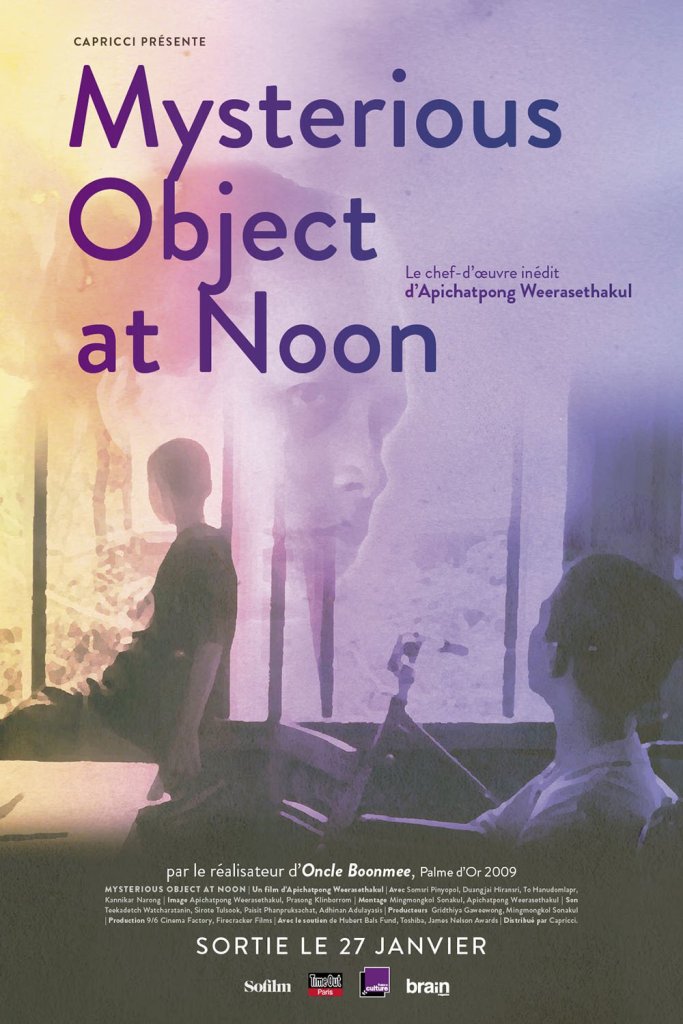 Apichatpong Weerasethakul started as he meant to go on with his debut feature, straddling the borders between art film and surrealist exercise. A cinematic riff on the classic “exquisite corpse” game, Mysterious Object at Noon (ดอกฟ้าในมือมาร, Dokfa Nai Meuman) is equal parts neorealist odyssey and commentary on the human need for constructed narrative (something which the film itself consistently rejects). Shot in a grainy black and white, Apitchatpong’s first effort was filmed over three years travelling the length of the country from North to South inviting everyone from all walks of life to contribute something to the ongoing and increasingly strange brand new oral history.
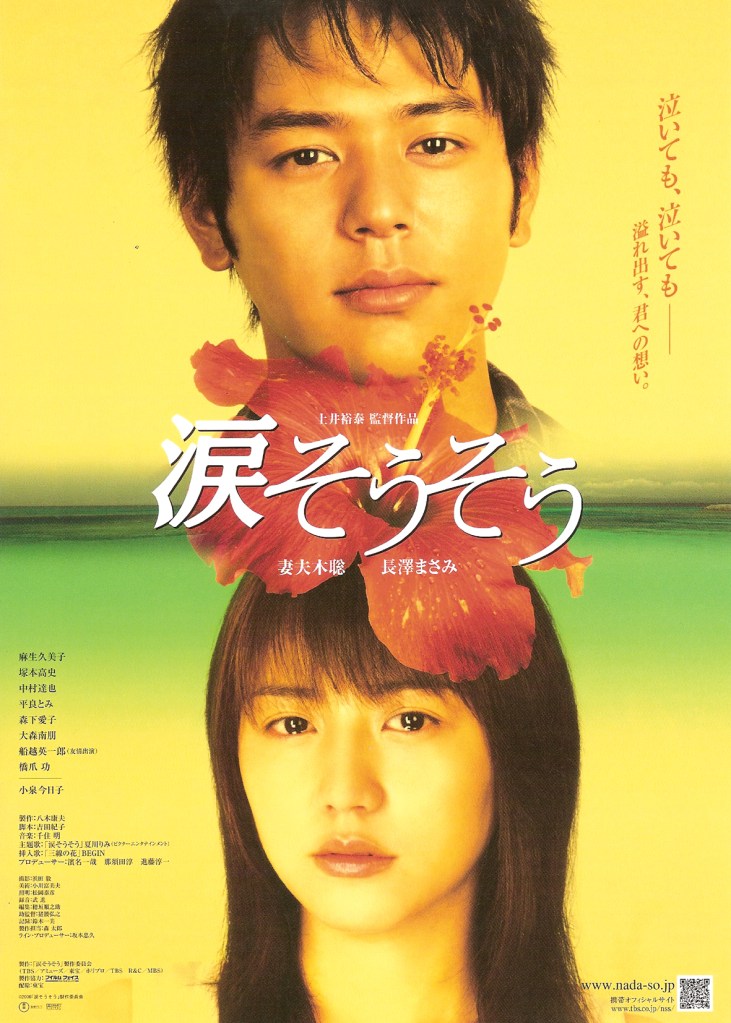 Coming in at the end of the “pure love” boom, Nobuhiro Doi’s second feature, Tears for You (涙そうそう, Nada So So) is presumably named to tie in with his smash hit debut
  Tony Leung Chiu-wai may have just won a best actor prize in Cannes, but that didn’t stop him getting right back on the HK treadmill with the run of the mill rom-com, Fighting for Love (同居蜜友). Reuniting director Jack Ma with Feel 100% star Sammi Cheng, Fighting for Love is the kind of wacky, thrown together romantic comedy that no one really makes any more (not that that’s altogether a bad thing). Still, even if the film is over reliant on its two leads to overcome the overabundance of subplots, it also makes use of their sparky chemistry to keep things moving along.
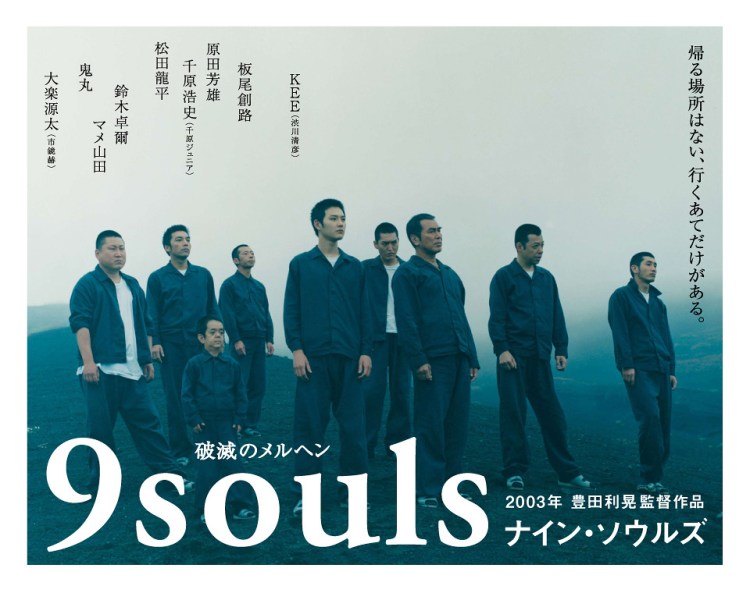 Toshiaki Toyoda has never been one for doing things in a straightforward way and so his third narrative feature sees him turning to the prison escape genre but giving it a characteristically existential twist as each of the title’s 9 Souls (ナイン・ソウルズ) search for release even outside of the literal walls of their communal cell. What begins as a quirky buddy movie about nine mismatched misfits hunting buried treasure whilst avoiding the police, ends as a melancholy character study about the fate of society’s rejected outcasts. Continuing his journey into the surreal, Toyoda’s third film is an oneiric exercise in visual poetry committed to the liberation of the form itself but also of its unlucky collection of reluctant criminals in this world or another.
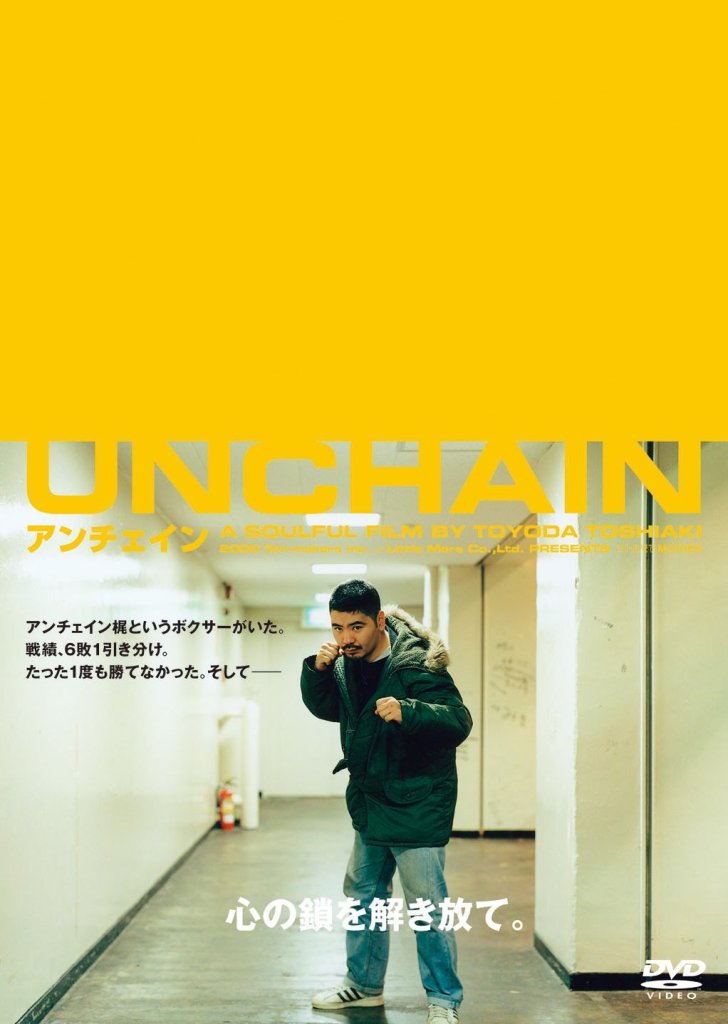 To date, Toshiaki Toyoda has released only one feature length documentary. Unchain (アンチェイン), the story of four boxers from Toyoda’s own home town of Osaka, was released between his debut feature,
 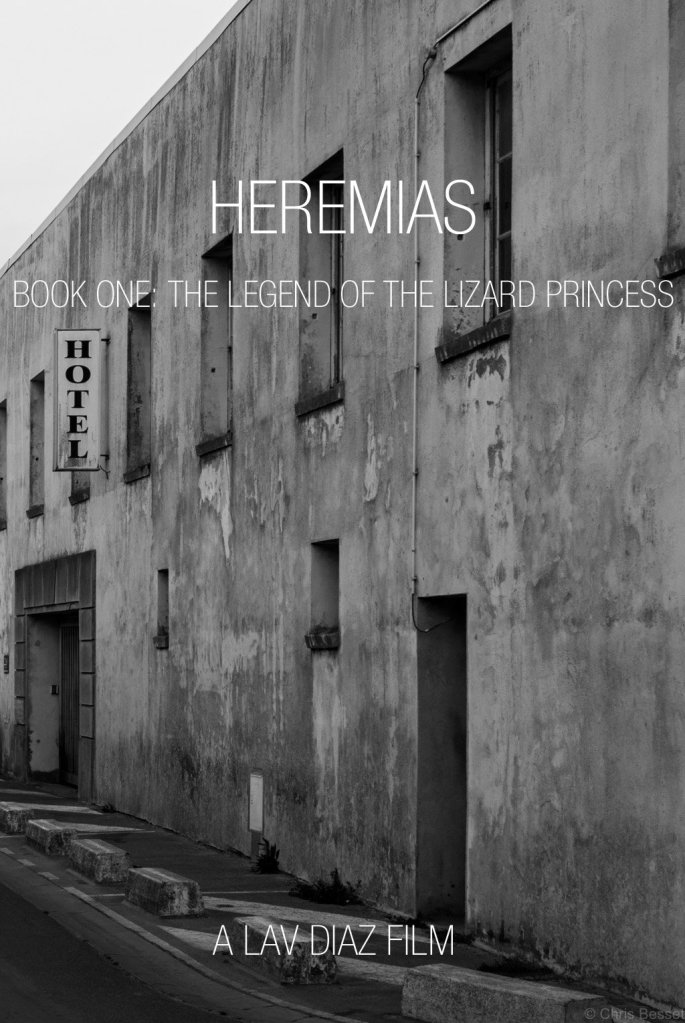 Lav Diaz has never been accused of directness, but even so his 8.5hr epic, Heremias (Book 1: The Legend of the Lizard Princess) (Unang aklat: Ang alamat ng prinsesang bayawak) is a curiously symbolic piece, casting its titular hero in the role of the prophet Jeremiah, adrift in an odyssey of faith. With long sections playing out in near real time, extreme long distance shots often static in nature, and black and white photography captured on low res digital video which makes it almost impossible to detect emotional subtlety in the performances of its cast, Heremias is a challenging prospect yet an oddly hypnotic, ultimately moving one.
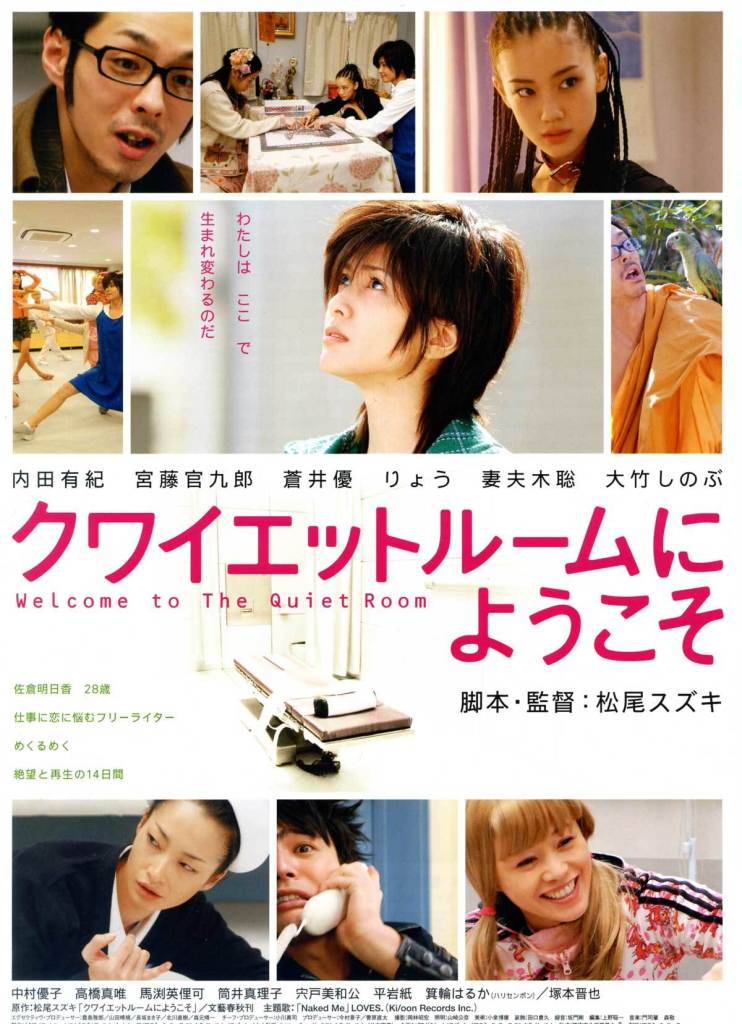 Everyone has those little moments in life where you think “how did I get here?”, but thankfully most of them do not occur strapped to a table in an entirely white, windowless room. This is, indeed, where the heroine of Suzuki Matsuo’s adaptation of his own novel Welcome to the Quiet Room (クワイエットルームにようこそ, Quiet Room ni Yokoso) finds herself after a series of events she can’t remember but which seem to have involved pills and booze. A much needed wake up call, Asuka’s spell in the Quiet Room provides a long overdue opportunity to slow down and take a long hard look at herself but self knowledge can be a heavy burden.
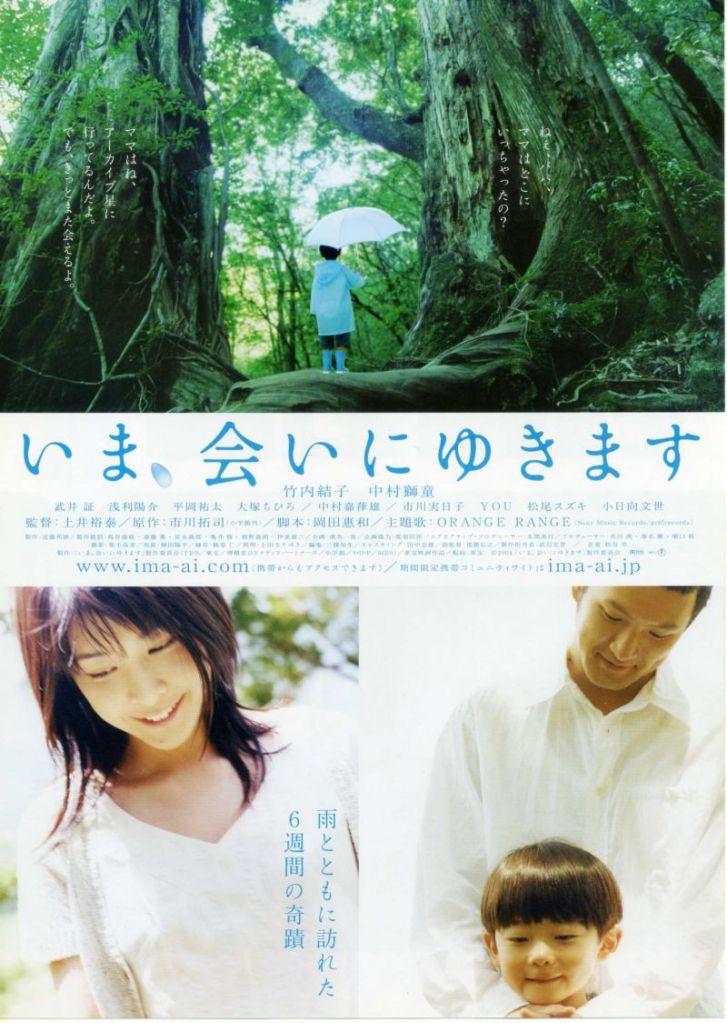 When it comes to tragic romances, no one does them better than Japan. Adapted from a best selling novel by Takuji Ichikawa, Be With You (いま、会いにゆきます, Ima, ai ni Yukimasu) is very much part of the “Jun-ai” or “pure love” boom kickstarted by
