 Following the surreal horror film The Greatful Dead and cynical industry exposé Lowlife Love, Eiji Uchida is not generally known for straightforward naturalism but his 2008 movie Topless (トップレス) maybe among the most refreshingly straightforward, naturalistic depictions of lesbian life in modern Japan. Inspired by the writings of Pudding Watanabe, Topless, despite the title and suggestive poster, immediately jettisons preconceptions and sets about exploring the lives of young men and women in the city, just trying to make it in an often hostile society.
Forthright Natsuko (Mina Shimizu) splits up with her high school sweetheart Tomomi (Erika Okuda) but continues to pine after her even once Tomomi reveals that she’s got herself a boyfriend and plans to try the conventional life for a while. This heavy emotional blow provokes a kind of crisis in the otherwise certain Natsuko who finds herself musing on the fate on older lesbians and expressing sympathy for those who decide it’s just easier to enter a marriage of convenience than try to live alone. For the moment, Natusko lives with her understanding flatmate, Koji (So Sakamoto), who’s been nursing a long time crush on her even if he knows she’s gay and it’s impossible. A chance meeting with a high school girl, Kana (Aya Omasa), who’s come to Tokyo to find the mother who abandoned her to run off with a lesbian lover ten years ago only deepens Natsuko’s contemplative mood as she starts to wonder about where her life will take her if she chooses not to follow the accepted path.
Topless is less about romance than it is about acceptance and identity. Natsuko maybe a member of her university’s lesbian society but she’s about as far from a flag waver as it’s possible to be and just wants to live her life without thinking too much about the big stuff. Bar one woman (a new addition and not a student) the other girls are also just hanging round to have fun, aren’t particularly interested in activism and don’t feel themselves to be part of a movement defined by their sexuality. Natsuko certainly refuses to be defined by hers though her recent falling out with Tomomi has shaken her to the core and forced her into a consideration of her own hopes and desires for the future.
Tomomi claims to still love Natsuko but also that it “can’t be helped” because they’re both women and it’s just not possible. Natsuko tries to come to terms with her friend’s decision whilst nursing a broken heart but struggles to overcome her feelings of jealously towards Tomomi’s new boyfriend. Koji, Natsuko’s roommate, can’t understand why a lesbian would marry a man but being a man himself he can’t appreciate the societal necessities which make trying to live a life outside the mainstream particularly hard for women. As Natsuko points out, women earn less and living is expensive, it’s difficult to live out and proud in a hostile society, and then there’s the fear of growing old without children or an extended family network to fallback on. Though she sympathises with all of these factors on an intellectual level and then eventually even contemplates trying out life with a man herself, it’s not something Natsuko could ever do and a part of her can never forgive Tomomi for doing it even if she does understand why someone might.
Kana’s quest for her long lost mother gets lost between the meatier subplots but proves enlightening in the unexpected bond between the troubled schoolgirl and the shaken if confident Natsuko. Still nursing deep scars from her abandonment, Kana claims to hate lesbians but grows to like Natsuko, the only person willing to help her track down her mother in a totally unfamiliar world. Despite Koji’s protestations that Natsuko will be angry if she hears any of Kana’s anti-gay sentiments, she listens patiently to Kana’s complaints stopping only to tell her she understands why she feels that way but that she also thinks she’s wrong. Trying to help Kana understand why her mother made the decisions that she did and see that there’s nothing wrong with two women loving each other, Natsuko changes hearts and minds just by being patient and kind.
In the conventional sense Topless offers no happy endings but it does advocate first and foremost for a kind of self acceptance and finally allowing old wounds to scar over, closed but not forgotten. Normalising lesbian life with ease, Uchida proceeds with a straightforward approach which sidesteps the obvious in order to provide a more nuanced portrait of life and love among the young people of Tokyo each trying to navigate the difficult process of learning to live as an independent person constrained by social conventions. Admittedly low budget but tastefully done and anchored by a standout performance from Mina Shimizu, Topless is a refreshingly down to earth look at gay life in the big city which refuses to give in preconceptions and expectations.
Short clip from the film (English subtitles)
 In the closing voice over of Banmei Takahashi’s Rain of Light (光の雨, Hikari no Ame), the elderly narrator thanks us, the younger generation, for listening to this long, sad story. The death of the leftist movement in Japan has never been a subject far from Japanese screens whether from contemporary laments for a perceived failure as the still young protestors swapped revolution for the rat race or a more recent and rigorous desire to examine why it all ended in such a dark place. Rain of Light is an attempt to look at the Asama-Sanso Incident through the eyes of the youth of today and by implication ask a few hard questions about the nature of revolution and social change and if either of those two things have any place in the Japan these young people now live in. Takahashi reframes the tale as docudrama in which his young actors and actresses, along with their increasingly conflicted director, attempt to solve these problems through recreation and role play, bridging the gap between the generations with a warning from those who dreamed of a better world that was never to be.
 Koji Wakamtasu had a long and somewhat strange career, untimely ended by his death in a road traffic accident at the age of 76 with projects still in the pipeline destined never to be finished. 2008’s United Red Army (実録・連合赤軍 あさま山荘への道程, Jitsuroku Rengosekigun Asama-Sanso e no Michi) was far from his final film either in conception or actuality, but it does serve as a fitting epitaph for his oeuvre in its unflinching determination to tell the sad story of Japan’s leftist protest movement. Having been a member of the movement himself (though the extent to which he participated directly is unclear), Wakamatsu was perfectly placed to offer a subjective view of the scene, why and how it developed as it did and took the route it went on to take. This is not a story of revolution frustrated by the inevitability of defeat, there is no romance here – only the tragedy of young lives cut short by a war every bit as pointless as the one which they claimed to be in protest of. Young men and women who only wanted to create a better, fairer world found themselves indoctrinated into a fundamentalist political cult, misused by power hungry ideologues whose sole aims amounted to a war on their own souls, and finally martyred in an ongoing campaign of senseless death and violence.
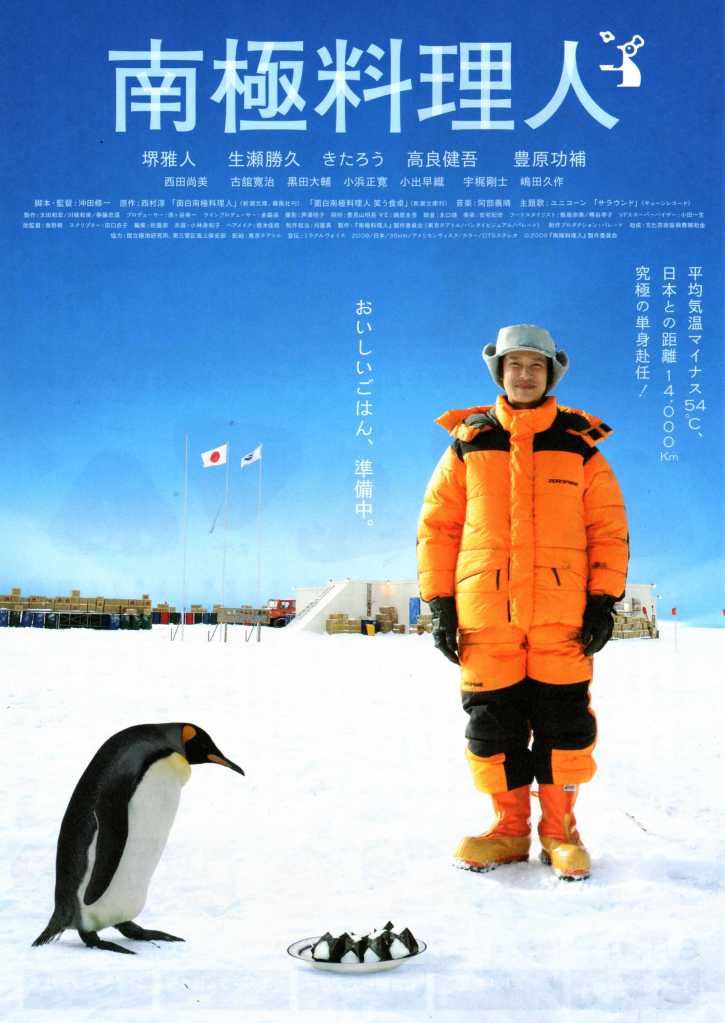
 There are two kinds of people in the world, those who swing and those who…don’t – a metaphor which works just as well for baseball and, by implication, facing life’s challenges as it does for music. Shinobu Yaguchi returns after 2001’s
 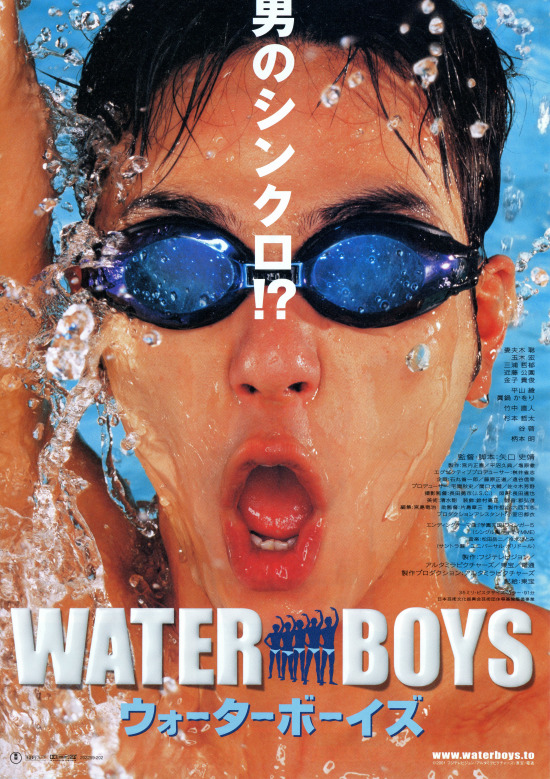 Japan has really taken the underdog triumphs genre of sports comedy to its heart but there can be few better examples than Shinobu Yaguchi’s 2001 teenage boys x synchronised swimming drama Waterboys (ウォーターボーイズ). Where the conventional sports movie may rely on the idea of individual triumph(s), Waterboys, like many similarly themed Japanese movies, has group unity at its core as our group of disparate and previously downtrodden high school boys must find their common rhythm in order to truly be themselves. Setting high school antics to one side and attempting to subvert the normal formula as much as possible, Yaguchi presents a celebration of acceptance and assimilation as difference is never elided but allowed to add to a growing harmony as the boys discover all new sides of themselves in their quest for water borne success.
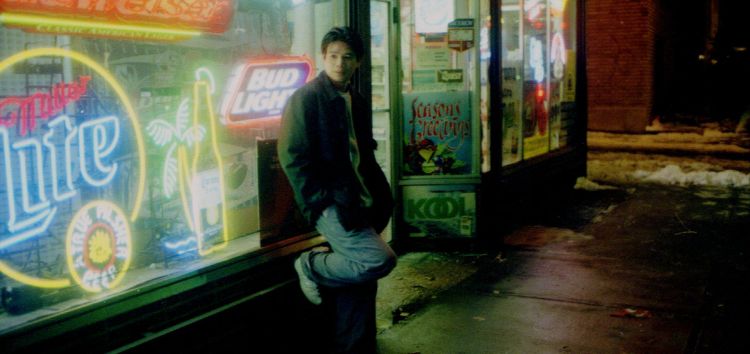 Lav Diaz’s auteurist break through, Batang West Side is among his more accessible efforts despite its daunting (if “concise” by later standards) five hour running time. Ostensibly moving away from the director’s beloved Philippines, this noir inflected tale apes a police procedural as New Jersey based Filipino cop Mijares (Joel Torre) investigates the murder of a young countryman but is forced to face his own darkness in the process. Diaspora, homeland and nationhood fight it out among those who’ve sought brighter futures overseas but for this collection of young Filipinos abroad all they’ve found is more of home, pursued by ghosts which can never be outrun. These young people muse on ways to save the Philippines even as they’ve seemingly abandoned it but for the central pair of lost souls at its centre, a young one and an old one, abandonment is the wound which can never be healed.
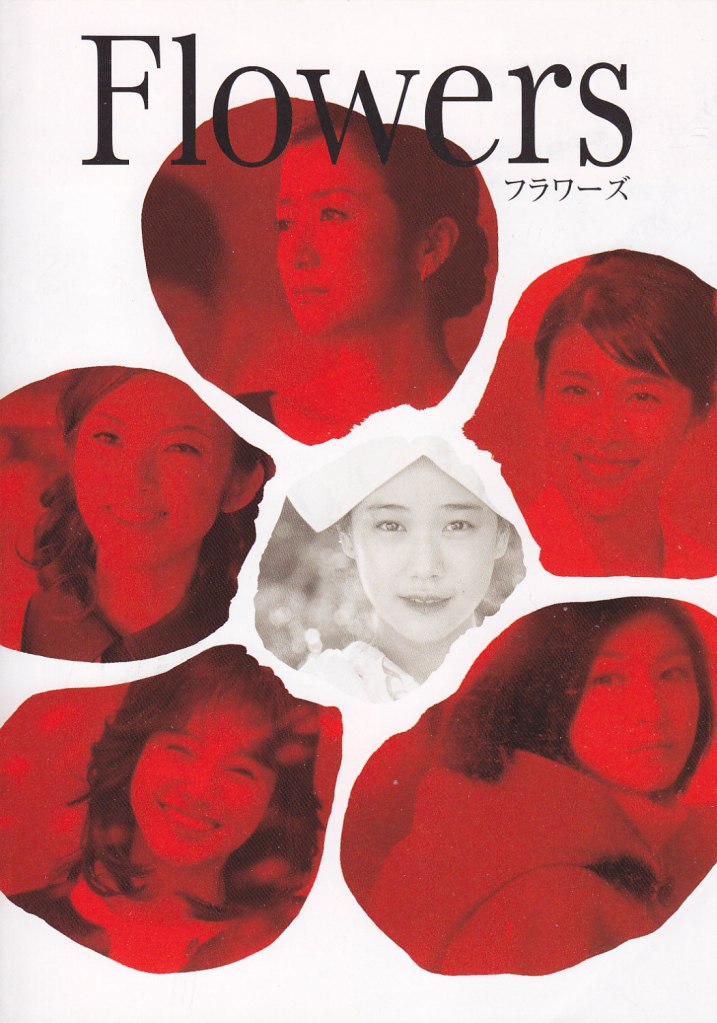 The rate of social change in the second half of the twentieth century was extreme throughout much of the world, but given that Japan had only emerged from centuries of isolation a hundred years before it’s almost as if they were riding their own bullet train into the future. Norihiro Koizumi’s Flowers (フラワーズ) attempts to chart these momentous times through examining the lives of three generations of women, from 1936 to 2009, or through Showa to Heisei, as the choices and responsibilities open to each of them grow and change with new freedoms offered in the post-war world. Or, at least, up to a point.
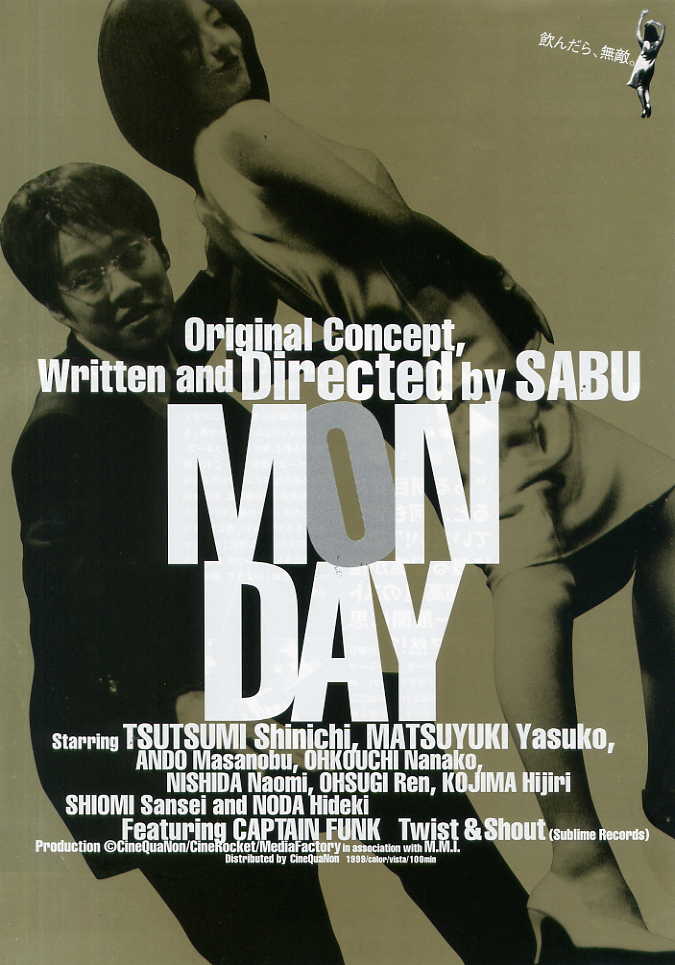 Waking up in an unfamiliar hotel room can be a traumatic and confusing experience. The hero of SABU’s madcap amnesia sit in odyssey finds himself in just this position though he is, at least, fully clothed even if trying to think through the fog of a particularly opaque booze cloud. Monday (マンデイ) is film about Saturday night, not just literally but mentally – about a man meeting his internal Saturday night in which he suddenly lets loose with all that built up tension in an unexpected, and very unwelcome, way.
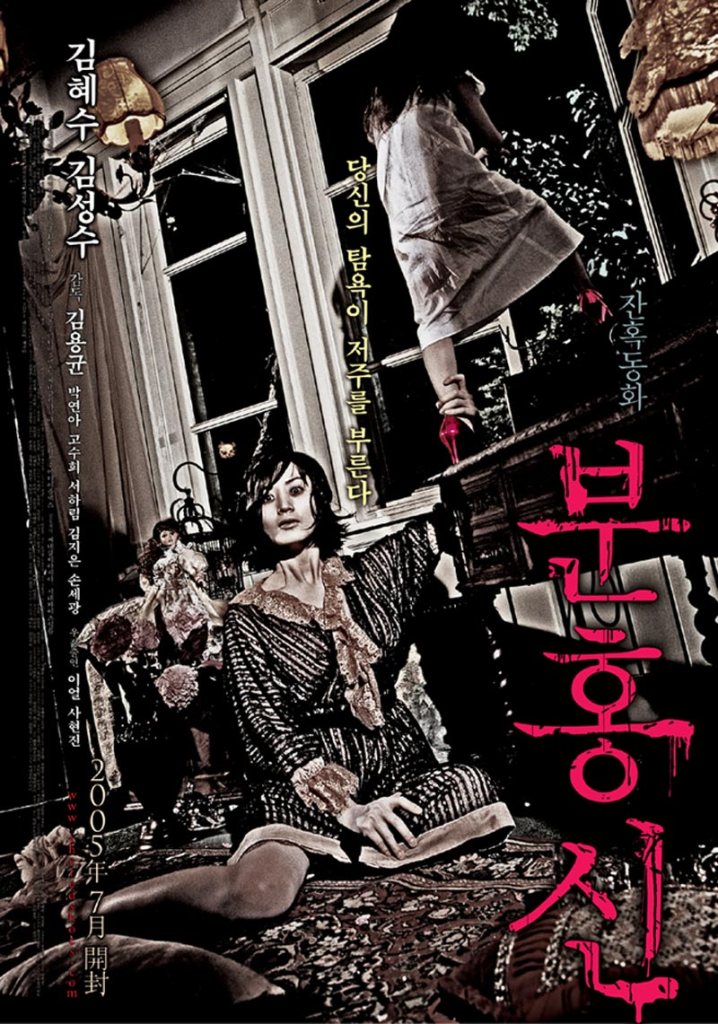 Walk a mile in a man’s shoes, they say, if you really want to understand him. If Kim Yong-gyun’s The Red Shoes (분홍신, Bunhongsin, 2005) is anything to go by, you’d better make sure you ask first and return them to their rightful owner afterwards without fear or covetousness. Loosely based on the classic Hans Christian Andersen tale this Korean take replaces dancing with murder and also mixes in elements from other popular Asian horror movies of the day, most notably
