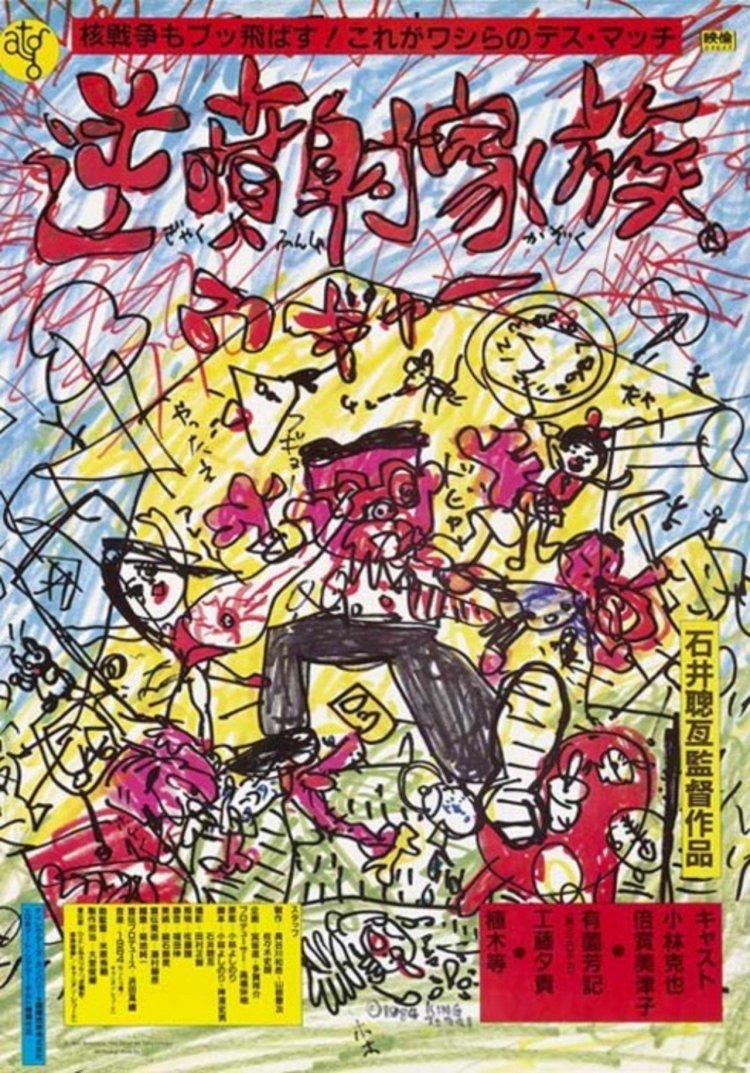
 The family drama went through something of a transformation at the beginning of the 1980s. Gone are the picturesque, sometimes melancholy evocations of the transience of family life, these families are fake, dysfunctional, or unreliable even if trying their best. Morita’s The Family Game, released in 1983, kick started this re-examination of the primary social unit through attacking it Teorema-style as the family’s tutor rips through their generic middle-class existence by adopting each of their pre-defined social roles in turn. One year later Sogo Ishii’s The Crazy Family (逆噴射家族, Gyakufunsha Kazoku) turns the director’s punk aesthetic to a similar theme but this time the family destroys itself in its earnestness to live the Japanese dream in the increasing economic possibility of the pre-bubble era. The Kobayashis are the perfect example of the “typical” aspiring family, but what is the “sickness” that the family patriarch is so afraid of, who (or what) is it that is sick, and if it is possible to be “cured” what would such a cure look like?
Mr and Mrs Kobayashi have achieved their dream – getting out of the danchi and into a suburban house that they own (or will own, once the mortgage is paid off) outright. Mr. Kobayashi, Katsukuni (Katsuya Kobayashi), is a typical salaryman while his wife Saeko (Mitsuko Baisho) stays at home to look after their two children – middle schooler Erika (Yuki Kudo) and her older brother Masaki (Yoshiki Arizono), currently a “ronin” studying to retake his university entrance exams determined to get into the prestigious Tokyo University.
Blissfully happy, the family are adapting well enough to their new home but there’s always that lingering feeling of impending doom, as if all this is too good to be true. Sure enough, Masaki’s adoption of a stray dog alerts the family to a more serious problem – termites. Suddenly terrified that something is literally trying to eat his house out from under him, Katsukuni goes on a fumigating rampage but the termites are not the only source of tension. Turning up right on time, grandpa arrives for a visit after falling out with Katsukuni’s older brother with whom he’d been living. The Kobayashis moved so that the kids could finally have their own rooms (and mum and dad some privacy) but grandpa shows no signs of leaving meaning Katsukuni is sharing with his dad and Saeko has been relegated to Erika’s room.
The house is what the family has always dreamed of – owning one’s own home is no mean feat for those raised in the post-war era, but it’s still a small environment for five people even if much nicer than their tiny city flat. More than just a structure it represents everything the ordinary family dreams of – peace, prosperity, harmony and a life lived in tune with the social order. Katsukuni’s fears that a mysterious “sickness” is plaguing his loved ones is a sign of his discomfort with this ordered way of living. Despite their stereotypical qualities, there is something not exactly right about each of his “ordinary” family members – mum stripteases for grandad’s friends, precocious teenage daughter Erika is not sure if she wants to be a pro-wrestler or an idol and spends all of her time “idolising” her favourite stars, and son Masaki has become a proto-hikikomori so obsessed with studying that he’s taken to stabbing himself in the leg every time he starts to nod off so that he can keep hitting the books rather than the hay.
Yet for all that it’s Katsukuni himself who is the most “sick” in his inability to reconcile himself to social conformity. Despite being apparently successful, he has deep seated feelings of inadequacy which convince him that something is going to go wrong with the family he feels a duty to protect. Wanting to be a good husband and father, Katsukuni thinks he has to “cure” his family of their strange behaviours and make them the sort of people who live in nice houses in the suburbs, but only succeeds in driving himself out of his mind.
Grandpa’s antics have the other family members well and truly fed up but Katsukuni feels just as much filial piety as he does responsibility towards his own children and cannot bring himself to tell his father to go and so he hits on an extreme solution – he’s going to dig a basement, by hacking up the living room floor and pushing downwards, towards hell. Surprise, surprise, his dream home is atop a nest of termites, the bugs are literally working their way in but, ironically enough, Katsukuni is the biggest termite of them all as his very own “hill” begins to appear just in front of the sofa while he tries to find a space for the older generation in a modern home.
Grandpa is an unwelcome manifestation of the inescapable past. When everything goes to hell and the house becomes a battlefield, grandpa manages to dig out his wartime uniform complete with a sword and attempts to assume command by dividing the house into sectors before capturing and trussing his own granddaughter whom he then threatens to rape and torture, apparently eager to revisit his Manchurian military service and all of its implied cruelties. When Katsukuni believes that all is lost and his family can’t be saved he opts for the most culturally appropriate solution – group suicide, but his family won’t play along. Paranoid and delusional, they turn on each other, defending themselves with icons of their respective roles, venting their frustrations and long held grudges in one prolonged battle of violent madness.
When the air finally clears there is only one solution – the house has to go. The desire for a “conventional life” or the feeling of not achieving it is, in that sense, “the sickness” which has infected the Kobayashi family. The finale sees them finally living happily once again but literally “outside” of the mainstream, in a totally open world where there is space for everyone – all quirks embraced, all extremes born. Everyone has their place but the family remains whole, freed from the burden of chasing an unrealisable dream.
A short musical clip from the film
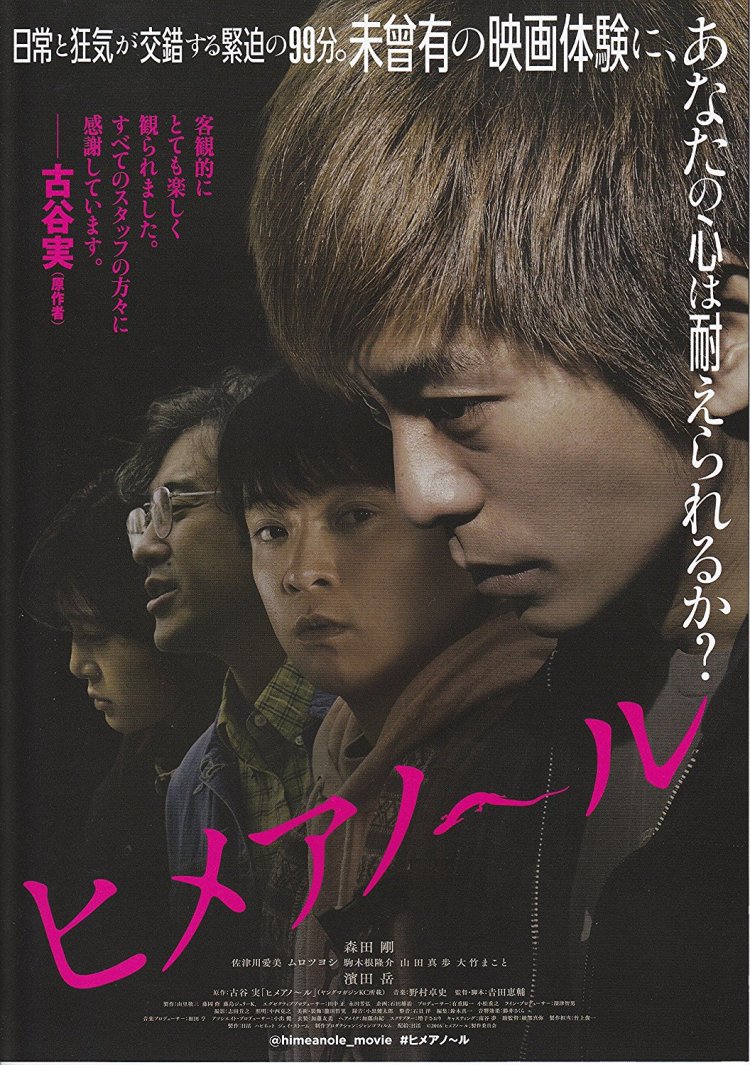 Some people are odd, and that’s OK. Then there are the people who are odd, but definitely not OK. Hime-anole (ヒメアノ~ル) introduces us to both of these kinds of outsiders, attempting to draw a line between the merely awkward and the actively dangerous but ultimately finding that there is no line and perhaps simple acts of kindness offered at the right time could have prevented a mind snapping or a person descending into spiralling homicidal delusion. To go any further is to say too much, but Hime-anole revels in its reversals, switching rapidly between quirky romantic comedy, gritty Japanese indie, and finally grim social horror. Yet it plants its seeds early with two young men struggling to express their true emotions, trapped and lonely, leading unfulfilling lives. Their dissatisfaction is ordinary, but these same repressed emotions taken to an extreme can produce much more harmful results than two guys eating stale donuts everyday just to ask a pretty girl for the bill.
 It’s tough when parents don’t approve of their children’s romantic partners, but fortunately most realise there’s nothing they can do about it so the best thing is to feign civility (and avoid saying I told you so when it all goes wrong). Unfortunately the older generation of Kim Jin-young’s Enemies In-Law (위험한 상견례 2,
 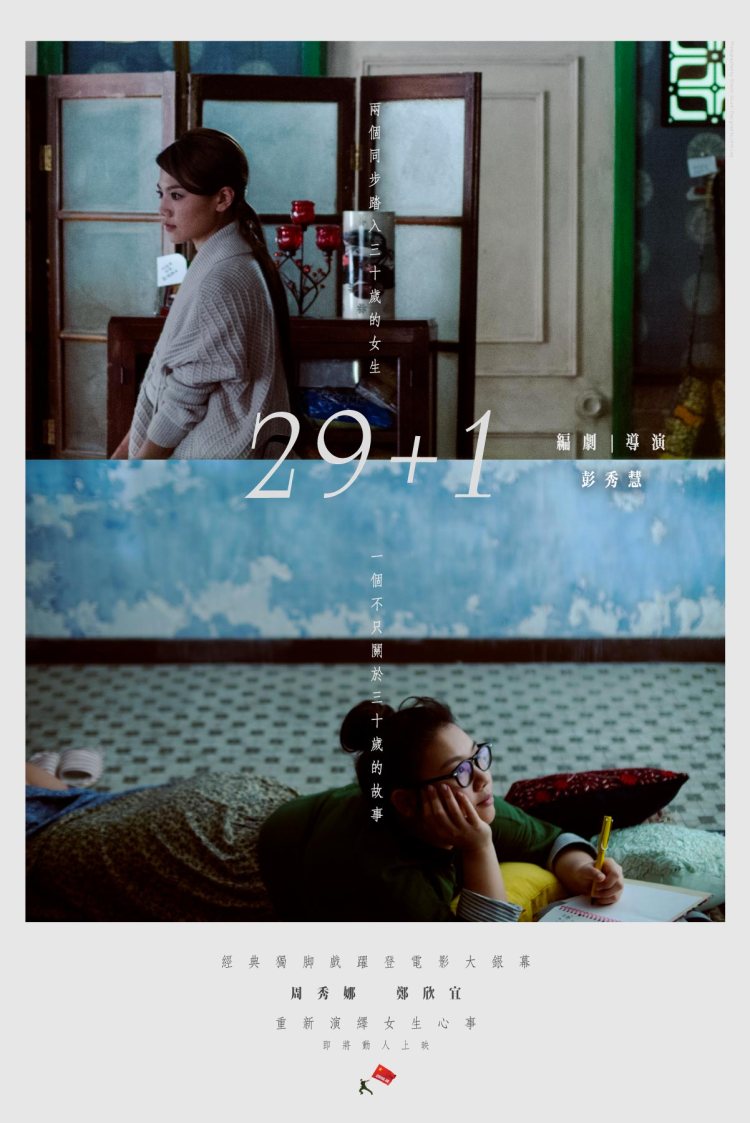 You know what they call women over 25 in China? “Christmas cake” – no one wants you after the 25th, so you’re condemned to sit on the shelf for all eternity like a piece of overproduced seasonal confectionary (a silly analogy because Christmas cakes, at least English ones, may outlive us all). Christy Lam lives in Hong Kong, not mainland China, and so her worries are a little less intense but still the dreaded 30 is causing its own share of panic and confusion in her otherwise orderly, tightly controlled life. In 29+1 Kearen Pang adapts her own enormously successful 2005 stage play about the intertwined lives of two very different women who happen to share a birthday and are each approaching the end of their 20s in very different ways. By turns melancholy and hopeful, 29+1 finds both women at a natural crossroads but rather than casting them into a bottomless pit of despair, allows each of them to rediscover themselves through a kind of second adolescence in which they finally figure out what it is they want out of life.
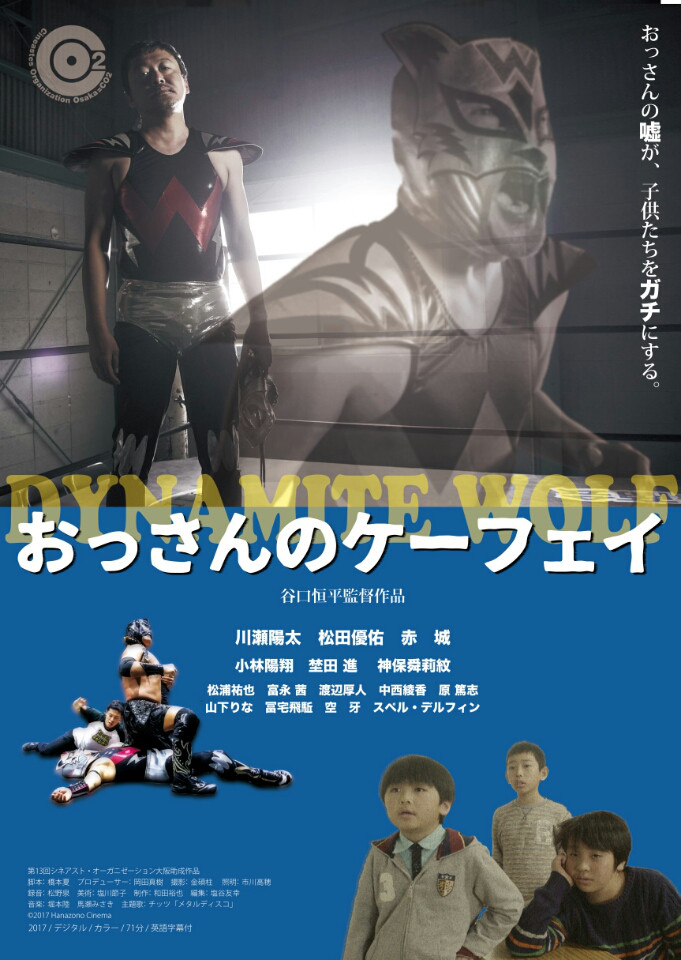 Back in the day, lucha libre-style wrestling was hugely popular in Japan. Tiger Mask, a manga set in the world of Japanese pro-wrestling remains a firm favourite and its eponymous hero has also become a byword for altruistic philanthropy as well-meaning anonymous donors donate expensive gifts such as Japanese school backpacks to orphanages in Tiger Mask’s name. Sadly, pro-wrestling is no longer as high-profile as it once was and has left mainstream television screens far behind even if it still maintains a small but dedicated fanbase. Kohei Taniguchi’s Dynamite Wolf (おっさんのケーフェイ, Ossan no Kefei) is out to change all that by shining a spotlight on this almost forgotten phenomenon of crazy outfits, killer moves, and camp showmanship.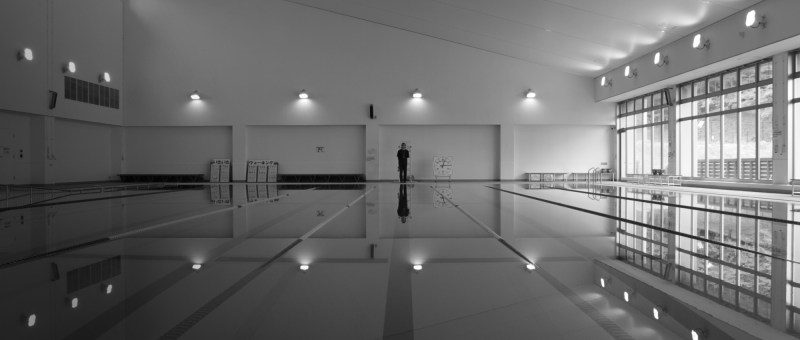
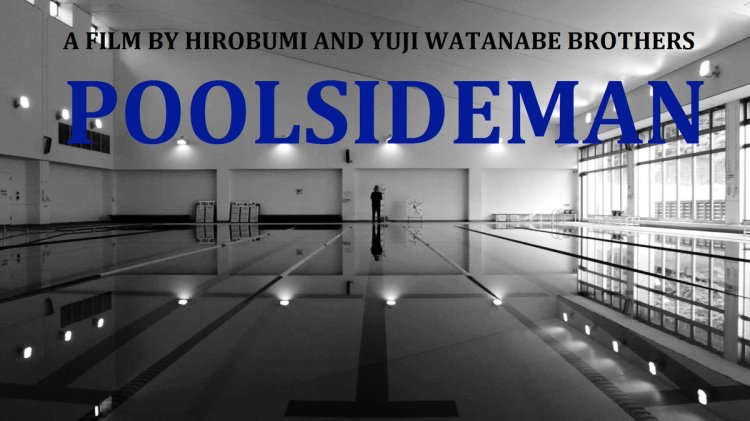 Around halfway through Poolsideman (プールサイドマン), the director himself playing an overly chatty colleague of the film’s protagonist, embarks on a lengthy rant about encroaching middle-age which is instantly relatable to those who find themselves at a similar juncture. He’s sure the world seemed better when he was a child, there wasn’t all of this distress and anxiety – everything just seemed like it would go on forever but time has inexplicably sped up with a series of rapid changes packed into recent years. The life of a poolsideman is improbably intense, or at least it is for Mizuhara (Gaku Imamura) whose days are all the same but filled with tension and the low simmer of something waiting to explode. Loosely inspired by the real life case of a man who left Japan for the Middle East with the idea of joining Isis, Poolsideman wants to explore why such a surreal thing might happen but finds it all too plausible.
 Times change so quickly. The “danchi” was a symbol of post-war aspiration and rising economic prosperity as it sought to give young professionals an affordable yet modern, convenient way of life. The term itself is a little hard to translate though loosely enough just means a housing estate but unlike “The Projects” (団地, Danchi) of the title, these are generally not areas of social housing or lower class neighbourhoods but a kind of vertical village which one should never need to leave (except to go to work) as they also include all the necessary amenities for everyday life from shops and supermarkets to bars and restaurants. Nevertheless, aspirations change across generations and what was once considered a dreamlike promise of futuristic convenience now seems run down and squalid. Cramped apartments with tiny rooms, washing machines on the balconies, no lifts – young people do not see these things as convenient and so the danchi is mostly home to the older generation, downsizers, or the down on their luck.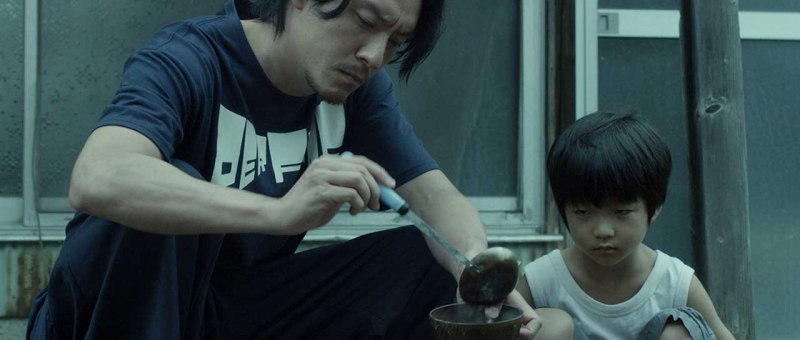
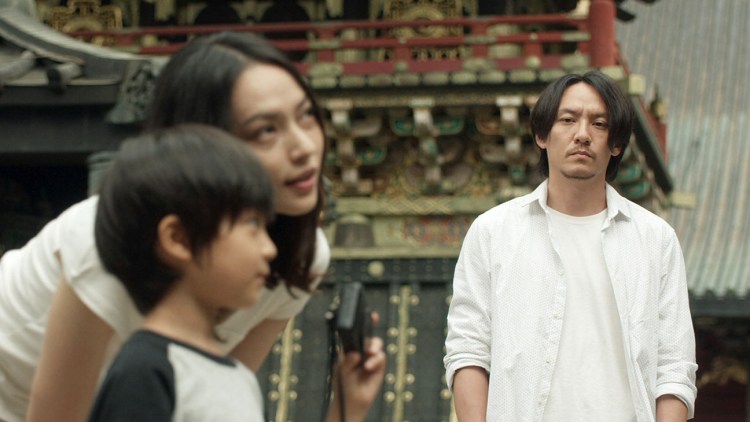 Taiwan and Japan have a complicated history, but in SABU’s latest slice of cross-cultural interplay each place becomes a kind of refuge from the other. Working largely in Mandarin and with Taiwanese star Chang Chen, SABU returns to a familiar story – the lonely hitman tempted by a normal family life filled with peace and simplicity only to have his dreams taken from him by the spectre of his past. Only this time it isn’t just his past but that of others too. Despite the melancholy air, Mr. Long (ミスター・ロン) is a testament to the power of simple human kindness but also a condemnation of underworld cruelty and its vicelike grip on all who enter its grasp.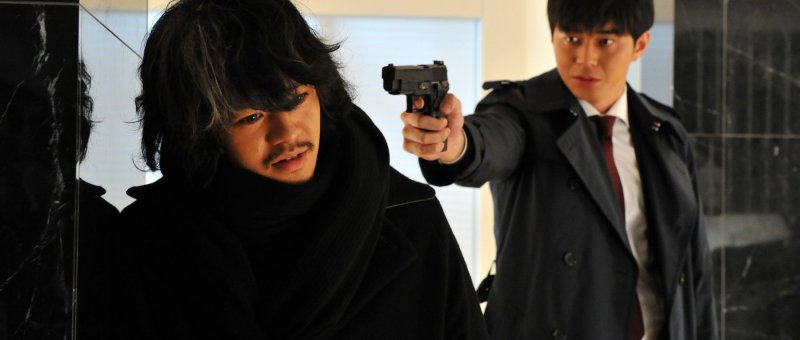
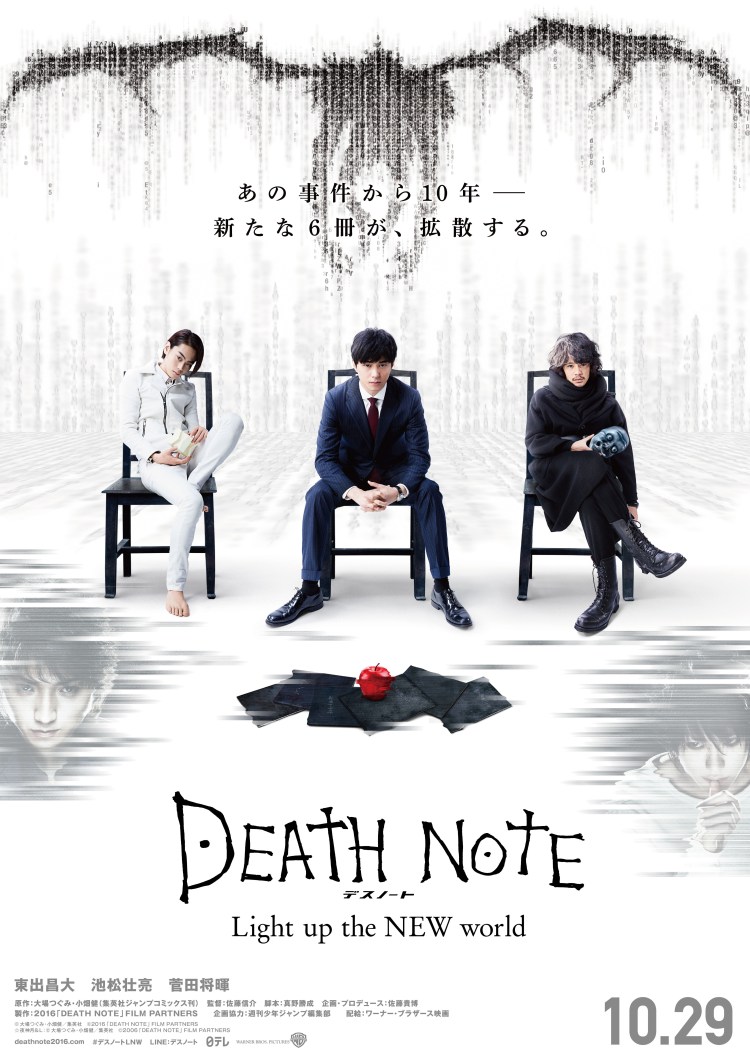 Tsugumi Ohba and Takashi Obata’s Death Note manga has already spawned three live action films, an acclaimed TV anime, live action TV drama, musical, and various other forms of media becoming a worldwide phenomenon in the process. A return to cinema screens was therefore inevitable – Death Note: Light up the NEW World (デスノート Light up the NEW World) positions itself as the first in a possible new strand of the ongoing franchise, casting its net wider to embrace a new, global world. Directed by Shinsuke Sato – one of the foremost blockbuster directors in Japan responsible for Gantz,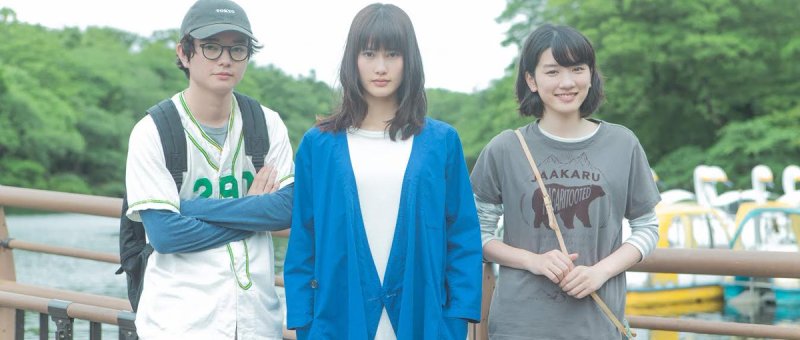
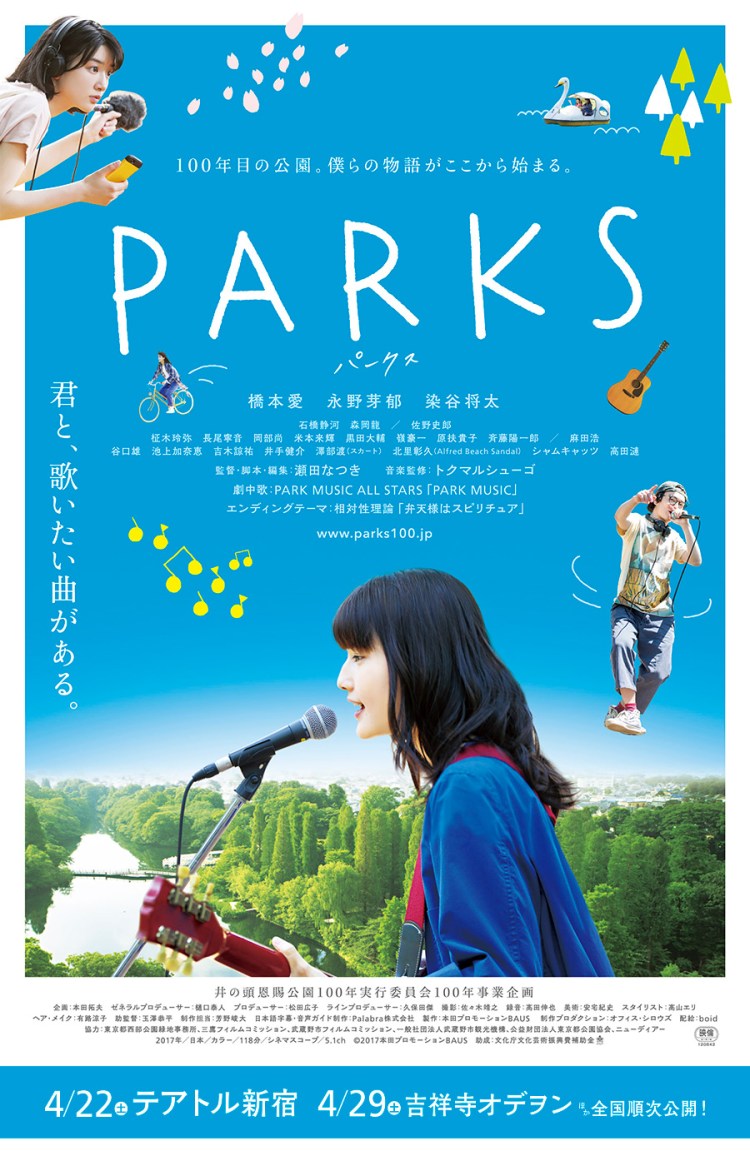 Parks are a common feature of modern city life – a stretch of green among the grey, but it’s important to remember that there has not always been such beautiful shared space set aside for public use. Natsuki Seta’s light and breezy youth comedy, Parks (PARKS パークス), was commissioned in celebration of the centenary of the Tokyo park where the majority of the action takes place, Inokashira. Mixing early Godardian whimsy with new wave voice over and the kind of innocent adventure not seen since the Kadokawa idol days, Parks is a sometimes melancholy, wistful tribute to a place where chance meetings can define lifetimes as well as to brief yet memorable summers spent with gone but not forgotten friends doing something which seems important but which in retrospect may be trivial.
 Windows on Worlds