All You Need Is Kill (Kenichiro Akimoto, 2025)

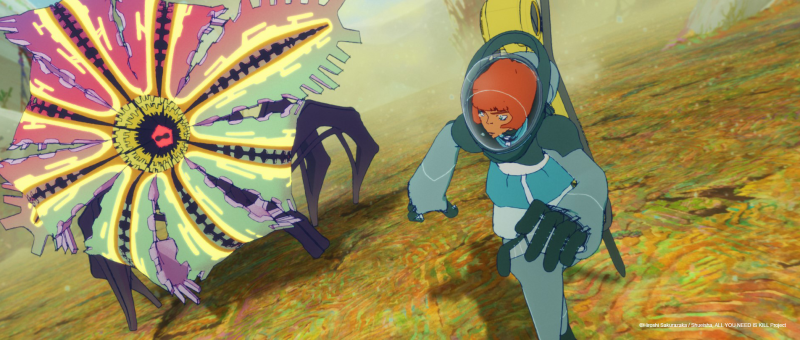
Ever get the feeling that every day is the same and nothing you do makes any difference? Rita’s (Ai Mikami) been feeling like that most of her life. Just going through the motions waiting for something to happen that would give her an excuse to change. And now she has her opportunity, because the world’s been invaded by a plant-like structure and no one yet knows quite why. All she and a team of other youngish people can do is poke around at the roots, but nothing really changes and no progress is made, which might be one reason Rita’s not really bothering. She’s sullen with her teammates and barely knows how to use her exosuit to the extent that even walking around in it is physically difficult. 

When Darol suddenly turns evil and sends out plant-like soldiers to massacre humanity, Rita is powerless but unexpectedly wakes up the next morning to discover the day is repeating. Every day, she must go fight Darol again, get killed, and then wake up to do the same thing. Perhaps it’s not so different from the way things were before in which each day was filled only with labour to the extent that one was indistinguishable from another, but it’s also a maddening loop from which Rita fears she cannot escape. Though taking liberties with its source material, Kenichiro Akimoto’s anime adaptation of Hiroshi Sakurazaka’s light novel is another in a series of films expressing a sense of emptiness felt among the younger generation hamstrung by a stagnant economy and conservative society where self-fulfilment and satisfaction feel at odds with a commonly held notion of success. Rika goes to battle every day, but achieves nothing before everything resets and she has to start again.

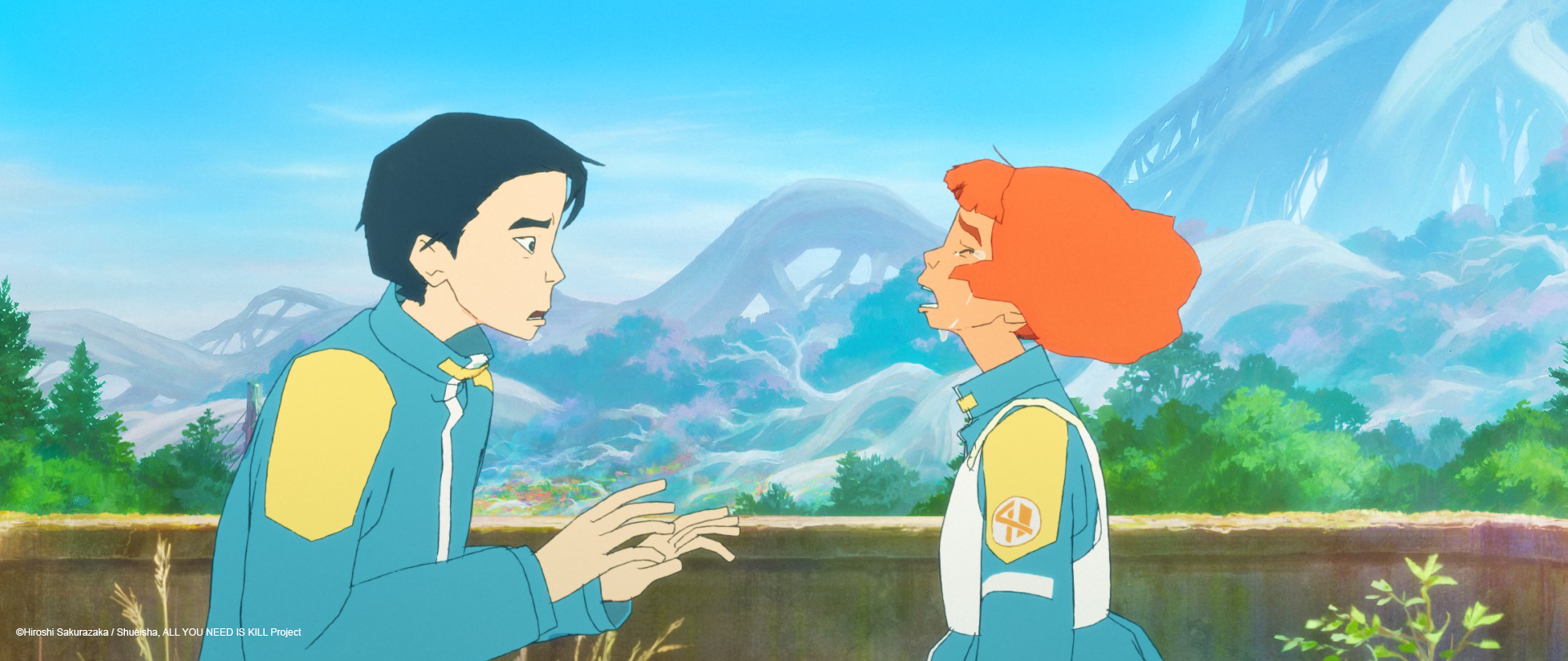
Just as she’s beginning to lose hope, she discovers another looper who has been secretly watching her exploits and supporting from the sidelines yet essentially hiding. Like her carrying childhood trauma and a sense of powerless inferiority, tech whiz Keiji (Natsuki Hanae) spent most of his first few loops trying to run away, which is understandable, only to be ironically inspired by Rita’s determination. She figures out not only that she needs a plan rather than just battling away on instinct alone, but also that she needs help. Her attempts to warn the others of Darol’s impending transformation fail, but looping with Keiji shows her the value of solidarity and the relief of sharing her burdens with someone else. As she says, she’d been selfish and self-involved, unable to see the meaning in anything until she finally realised that there was no point waiting around for the world to change. If she changed herself, the world would change around her if only that she would start to look at it differently.

These are the kinds of rebirth the pair are headed towards through their infinite karmic cycle of trying to figure out how to stop Darol and save the world. Nevertheless, the fact that Keiji is manipulating Rita’s suit and is able to programme his own to act in certain ways undercuts the notion of Rita being the arbiter of her own destiny, given that certain things are already being decided for her by an outside force other than the cosmic accident of the loop by which they are both connected. Then there’s also the implication that each of them are chosen ones that Darol particularly wants to absorb because they’re already strong, they just didn’t know it. But what really matters is that the pair begin to believe in the possibility of tomorrow enough to stop actively holding it back. Rita used to wish tomorrow would never come, and then it did stop coming, and that wasn’t any better. In fact, it was worse. At least now they each have the desire to proceed in the direction of tomorrow, together. Akimoto’s somewhat retro-inspired designs add to the sense of stopped time while the kinetic action sequences lean in to the feeling that Rita’s life is an inescapable slog against overwhelming odds and enemies that constantly respawn validating the nihilistic futility in which she is mired until finally realising that only she, with Keiji’s help, can break herself out of this cycle and finally find the way to a new tomorrow.


All You Need Is Kill is in UK cinemas from 27th February courtesy of Anime Limited.

Trailer (English subtitles)
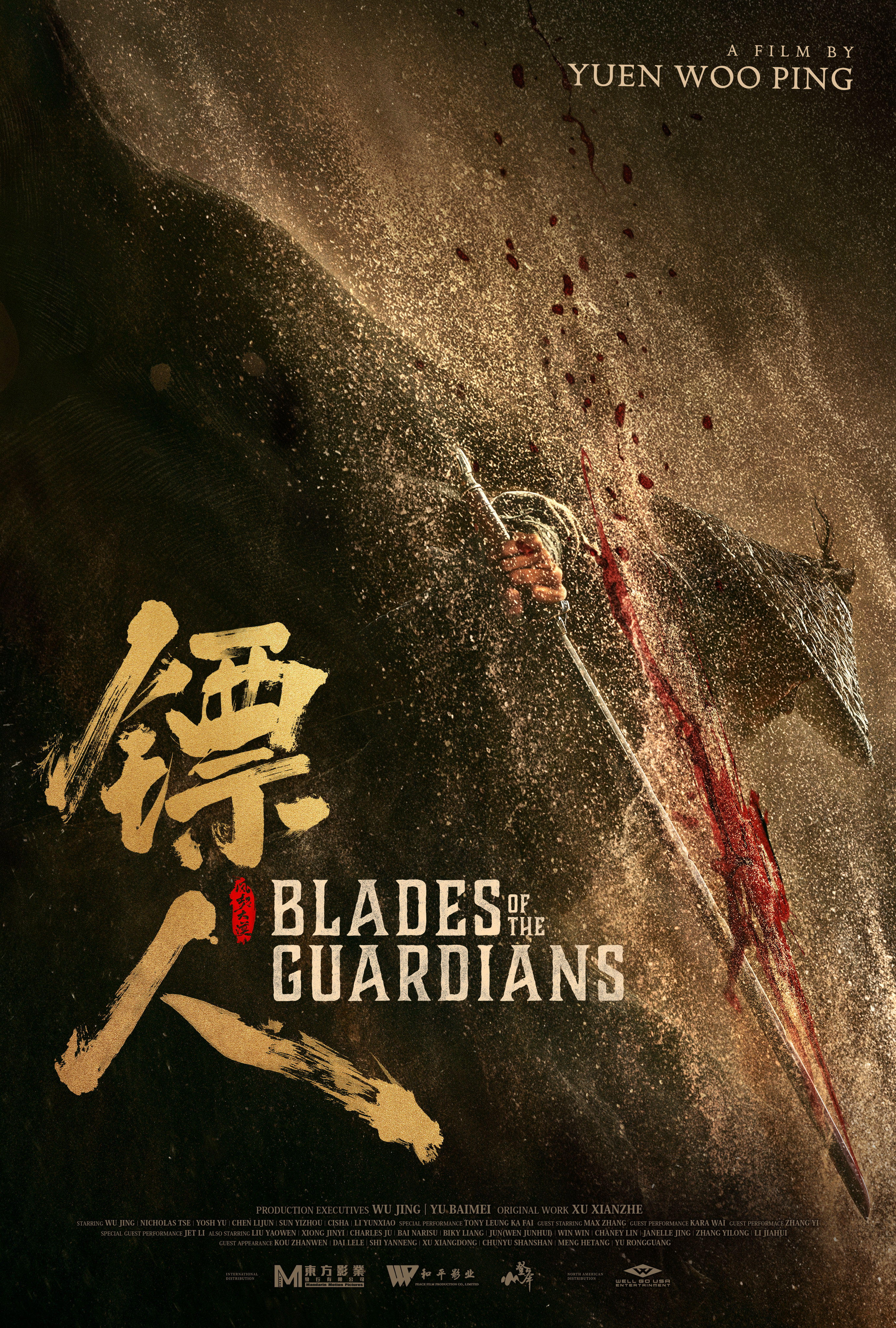
Blades of the Guardians (镖人:风起大漠, Yuen Woo-Ping, 2026)

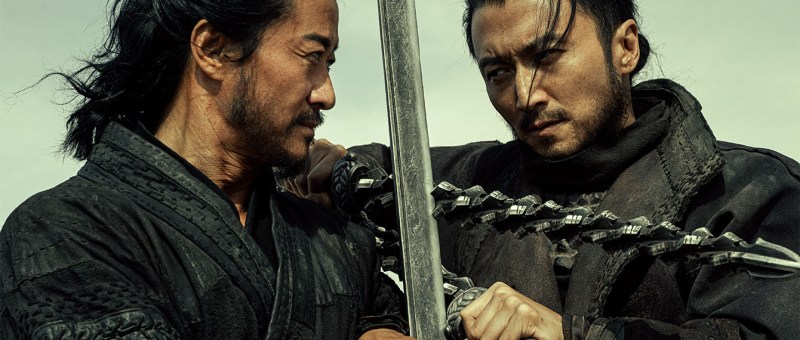
“I haven’t seen moves like that in the martial world in forty years,” quips a bystander in a post-credits sequence, and this adaptation of the manhua by the legendary Yuen Woo-Ping certainly does its best to bring back some of the charm of classic wuxia. Produced by star Wu Jing, Blades of the Guardians (镖人:风起大漠, biāo rén fēng qǐ dàmò) also features a cameo appearance by Jet Li as well Nicholas Tse, Tony Leung Ka-fai, and Kara Wai, as a cynical bounty hunter rediscovers his duty towards the common people while escorting a would be revolutionary to the ancient capital of Chang’an.

A former soldier, Dao Ma (Wu Jing) now wanders the land with a child in tow in search of wanted criminals, but when he finds them, makes an offer instead. Pay him triple the bounty, and he’ll forget he ever saw them. As we’re told, this is a world of constant corruption under the oppressive rule of the Sui dynasty. Zhi Shilang (Sun Yizhou) is the famed leader of the Flower Rebellion that hopes to clear the air, which makes him the number one fugitive of the current moment. This is slightly annoying to Dao Ma in that it necessarily means he’s number two when forced on the run after killing a corrupt local governor (Jet Li) in defence of an innkeeper with a hidden martial arts background whose family the official was going to seize for the non-payment of taxes. Taking refuge in the small township of Mojia, Dao Ma is given a mission by the sympathetic Chief Mo (Tony Leung Ka-fai) who agrees to cancel all his debts if he escorts Zhi Shilang to Chang’an safely before they’re both killed by hoards of marauding bounty hunters, regular bandits, government troops including two of Dao Ma’s old friends, or the former fiancée of ally Ayuya (Chen Lijun), the self-proclaimed Khan, He Yixuan (Ci Sha).

When given the mission, Dao Ma asked why he should care about the common people or Zhi Shilang’s revolution only to be swept along as they make their way towards the capital and witness both the esteem with which Zhi Shilang seems to be held by those who believe in his cause and the venality of the bounty hunters along with the mindless cruelty of He Yexian’s minions. As is usual in these kinds of stories, Mojia is a idyllic haven of cherry trees in bloom where the people dance and sing and are kind to each other, which is to say, the seat of the real China. Though Ayuya longs to see Chang’an and harbours mild resentment towards her father for his “control” over her, Chief Mo is the moral centre of the film and not least because he cares for nothing more than his daughter’s happiness. When she decides not to marry He Yixian on account of his bloodthirsty lust for power, Mo walks barefoot through the scorched land of the desert to free her from the obligation and, after all, has trained her to become a fearsome archer rather than just someone’s wife or a pawn to be played as he sees fit. 

But as someone else says, who is not a pawn in this world? There are other shadow forces lurking behind the scenes playing a game of their own while taking advantage of the corrupt chaos of the Sui Dynasty court. Dao Ma, however, revels in his outsider status. “Not even the gods control me now,” he jokes in advocating for his freelance lifestyle loafing around as a cynical bounty hunter who can choose when to work and where to go, in contrast to his life as a soldier of the Sui forced to carry out their inhuman demands. When the innkeeper’s son tells him he wants to be a swordsman too, Dao Ma gives him a sword as a symbol of freedom and instructs him to take a horse and go wherever he wants when he’s old enough. His fate is his own, whatever his father might have said. 

If that might sound like a surprising and somewhat subversive advocation for individualism, the final message is one of solidarity, as Dao Ma rediscovers his duty to the people and various others also fall in behind Zhi Shilang, who is hilariously inept at things like riding a horse and remaining calm under fire, to take the revolution all the way to Chang’an. With stunning action sequences including an epic sandstorm battle, the film successfully marries old-school wuxia charm with a contemporary sensibility and an unexpectedly revolutionary spirit as Dao Ma and friends ride off to tackle corruption at the heart of government.


Blades of the Guardians is in US cinemas now courtesy of Well Go USA.

Trailer (English subtitles)
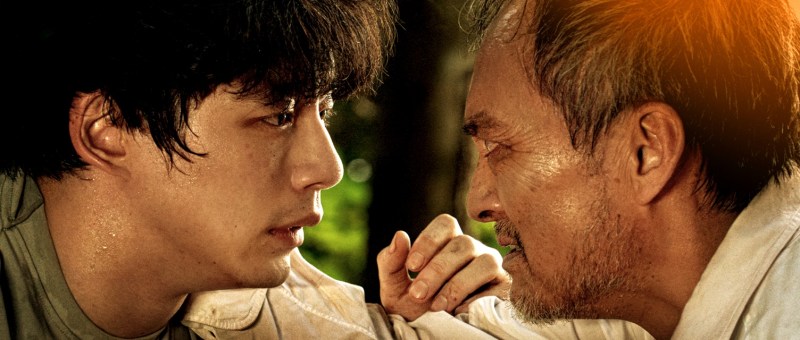
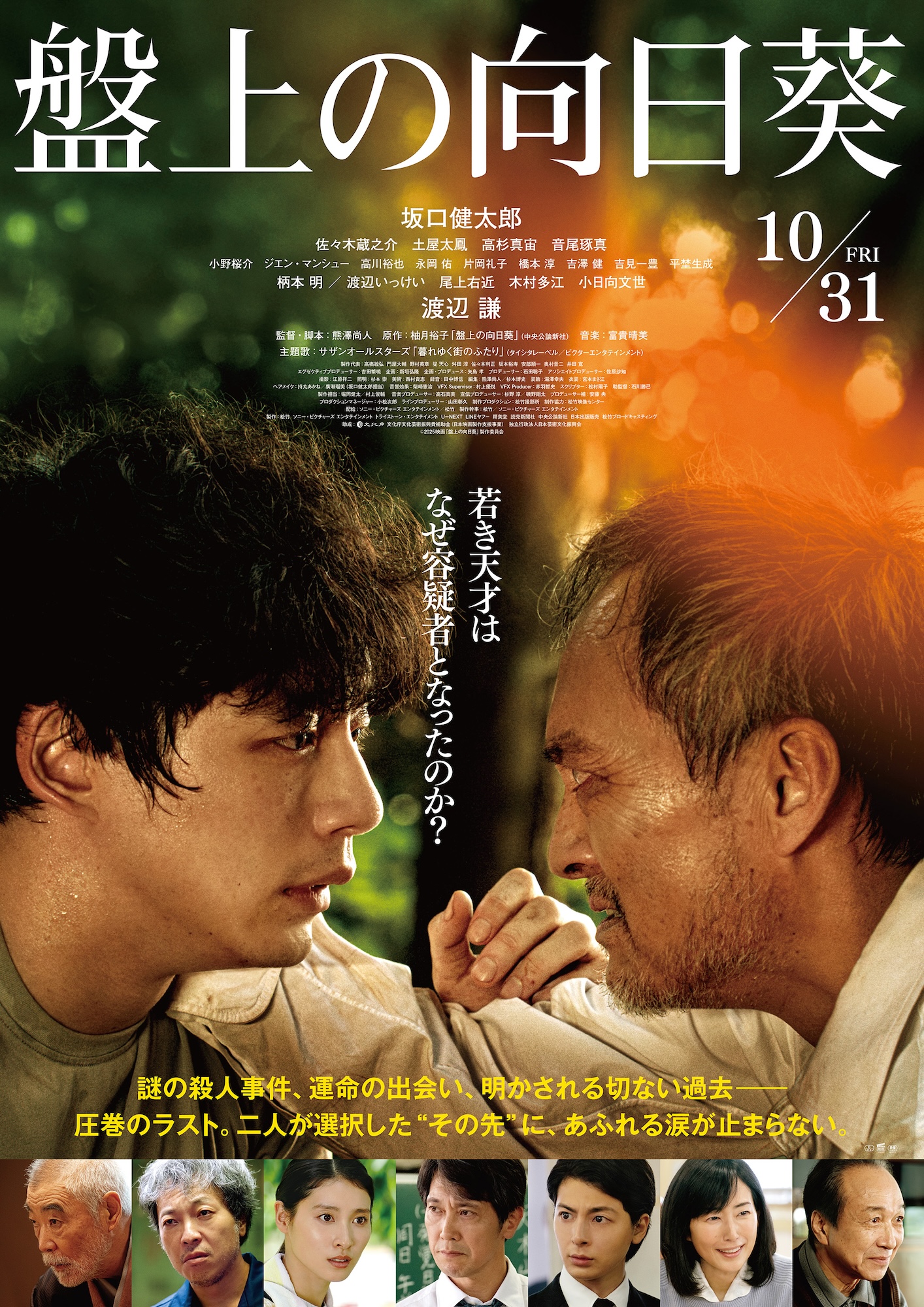
The Final Piece (盤上の向日葵, Naoto Kumazawa, 2025)

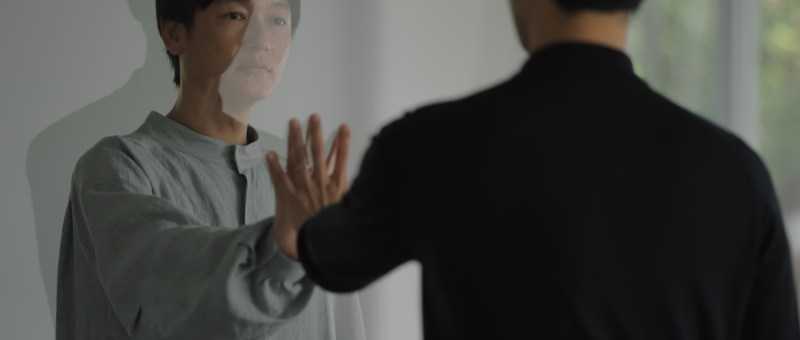
When a body is discovered buried with a priceless set of shogi tiles, it unearths old truths in life of an aspiring player in Naoto Kumazawa’s sprawling mystery, The Final Piece (盤上の向日葵, Banjo no Himawari). In Japanese films about shogi, the game is often a maddening obsession that is forever out of reach. Hopefuls begin learning as children, sometimes to the exclusion of everything else, but there’s age cut off to turn pro and if you don’t make the grade by 26, you’re permanently relegated to the ranks of the amateur. 

Junior policeman Sano (Mahiro Takasugi) was one such child and in some ways solving the crime is his final match. The thing is, he loves the game and admires Kamijo’s (Kentaro Sakaguchi) playing style along with the aspirational quality of his rise from nowhere not having trained at the shogi school and turning pro at the last minute to win a prestigious newcomer tournament. He’s hoping Kamijo will win his game against prodigious player Mibu (Ukon Onoe) with whom Kamijo’s fortunes are forever compared. Which is all to say, Sano really doesn’t want Kamijo to be the killer and is wary of accusing him prematurely knowing that to do so means he’ll be kicked out of professional shogi circles whether he turns out to be guilty or not.

Nevertheless, the more they dig into Kamijo’s past, a sad story begins to emerge that strongly contrasts with his present persona, a slightly cocky young man with a silly beard and smarmy manner. While Mibu seems to have been indulged and given every opportunity to hone his skills, Kamijo was a poor boy whose father had drink and gambling problems and was physically abusive towards him. His mother took her own life, leaving Kamijo to fend for himself with a paper round while his father occasionally threw coins at him and railed against anyone who questioned his parenting style. Good intentions can have negative consequences, the landlady at his father’s favourite bar remarks recalling how he went out and beat Kamijo for embarrassing him after another man told him he should be nicer to his son.

Toxic parental influence is the wall Kamijo’s trying to break in shogi. Aside from the man raising him, Kamijo finds another, more positive, paternal figure in a retired school teacher (Fumiyo Kohinata) who notices his interest in shogi and trains him in the game while he and his wife also give him clean clothes and a place to find refuge. But Kamijo can’t quite break free of his father’s hold much as he tries to force himself to be more like the school teacher. As an impoverished student he meets another man, the cool as ice yakuza-adjacent shogi gambler Tomyo (Ken Watanabe), who insists he’s going to show him the “real” shogi, but in reality is little different from his father if more supportive of his talent.

Kamijo finds himself torn between these three men in looking for his true self. Though he may tell himself he wants to be like the schoolteacher being good and helping people in need, he’s pulled towards the dark side by Tomyo and a desperate need for shogi which tries to suppress by living a nice, quiet life on a sunflower farm that reminds him of the happier parts of his childhood. There’s a cruel irony in the fact that the police case threatens to ruin to his shogi success at the moment of its fruition, even if it accompanies Kamijo’s own acceptance of his internal darkness and the way it interacts with his addiction to the game. 

Tomyo’s own obsession may have ruined his life as he looks back over the town where he spent his happiest months with a woman he presumably lost because of his gambling and need for shogi glory even though he never turned professional and remained a forever marginalised presence as a gambler in shogi society. Unlocking the secrets of his past seems to give Kamijo permission to accept Tomyo’s paternal influence and along with it the darker side of shogi, but there’s something a little uncomfortable in the implication that he was always doomed on account of his “bad blood” aside from the toxic influences of his some of his father figures from the man who raised him and exploits him for money well into adulthood, and the ice cool gangster who taught him all the best moves the devil has to play along with a newfound desire for life that may soon be snuffed out.


The Final Piece screens as part of this year’s Japan Foundation Touring Film Programme.

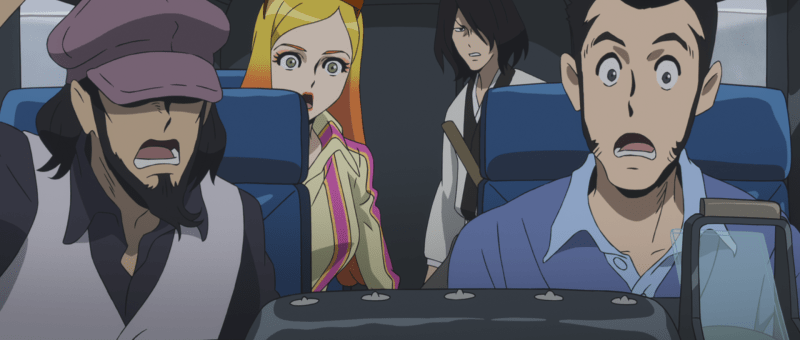
LUPIN THE IIIRD: The Movie – The Immortal Bloodline (LUPIN THE IIIRD THE MOVIE 不死身の血族, Takeshi Koike, 2025)

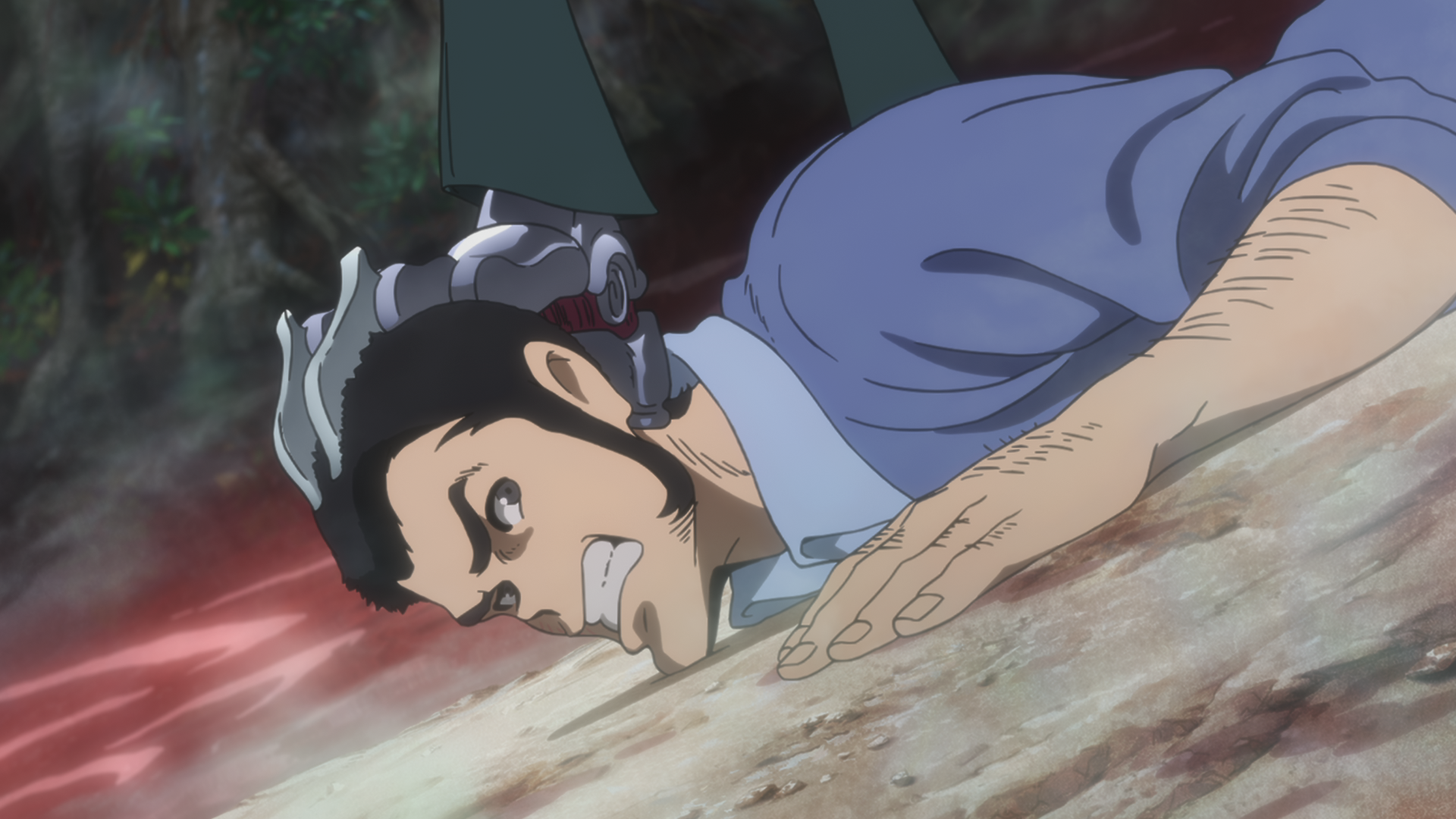
Lupin and the gang find themselves in a race against time after being lured to a mysterious private island in Takeshi Koike’s latest instalment in the classic franchise, LUPIN THE IIIRD: The Movie – The Immortal Bloodline (LUPIN THE IIIRD THE MOVIE 不死身の血族, Fujimi no Ketsuzoku). A sequel to a series of specials, the film opens with a lengthy recap explaining that each member of Lupin’s team has been targeted for assassination and seen off their adversaries using their own particular skills. Now Lupin’s home has been destroyed taking most of his loot with it, so he too is in hot pursuit looking for answers about who might be trying to kill them and why, along with some treasure, of course.

What he discovers, however, is that the island is a kind of graveyard for the unwanted. The place is full of mindless men in masks, the hitmen who didn’t make it reduced to animalistic predation. Disused military equipment scatters the landscape as if in reminder of mankind’s folly. But Lupin (voiced by Kanichi Kurita) is here because according to apparent mastermind Muom (Kataoka Ainosuke VI), he’s trash too and doesn’t belong in the new world Muom is trying to create by making the earth immortal. The air on the island is toxic to people like Lupin and unless he and his friends find a way off it within the next 24 hours, they’re destined to become zombie-like masked men too or else fade away into oblivion leaving not even a legacy behind them. 

The war is then against a notion of obsolescence or the idea that a person can become somehow unnecessary. The gang were followed to the island by Zenigata (Koichi Yamadera) who is still trying to catch Lupin but ends up becoming trapped too. Lupin is obviously very necessary to Zenigata as without him he doesn’t really have a reason to exist. That’s one reason he ends up ironically teaming up with him, protecting Fujiko Mine (Miyuki Sawashiro) and breaking his own code to shoot some bad guys in an attempt to keep Lupin alive to face justice. 

But as it turns out, Interpol might not be the best place to turn for back up as there’s some sort of blackout code on all things related to the island which is marked on no maps. Zenigata’s contact describes it as “sacred” and rather than sending the helicopter he asked for, explains everyone who sets foot on it will have to die because they know too much. As weird as Muom’s plans to make the earth immortal sound, it appears it’s locked into something bigger. All of which is quite good for Lupin who starts to realise there might not be much treasure here after all, but he’s found something more precious in a lead on even greater riches just waiting to be plundered.

This might be his way out of the purgatorial space of the island, the “hell for those burdened by karma” as Goemon (Daisuke Namikawa) describes it, in kicking back against Muom’s plans by identifying his nature and, quite literally, heading straight to the heart of the matter while reclaiming his identity as the gentleman thief from those who think he’s an unwelcome presence. Returning to the lair, he burns the history of himself and declares that life is a fiction to be enjoyed while immortality is a worthless gift that robs existence of its meaning. Separated on the island, the team must face their personal traumas alone before reuniting to try and figure out how to defeat their seemingly immortal captor and fight their way off the island before being consumed by its toxic gases.

The last in Koike’s Lupin cycle, the film is, in some ways, intended as a prequel to Mystery of Mamo, the very first Lupin anime released in 1978. As such it continues the style Koike has established in the series so far complete with kinetic action sequences and retro jazz score. Though this may seem like the end of the line for the gentleman thief, it is really just another beginning in returning the franchise to its point of origin. Lupin is, in a sense, reborn to steal back everything that was taken from him, with Zenigata hot on his heels and the world set to rights again, saved by his very particular brand of chaos.


LUPIN THE IIIRD: The Movie – The Immortal Bloodline opens in UK cinemas 21st February courtesy of Anime Limited.

International trailer (English subtitles)

Images: © MP / T

Ura Aka: L’Aventure (裏アカ, Takuya Kato, 2021)

Frustrated by career setbacks and loneliness in her personal life, 34-year-old boutique store manager Machiko (Kumi Takiuchi) decides to open a secret Twitter account to rival a younger colleague’s Instagram success. To boost her follower count, she starts posting photos of her breasts which become increasingly explicit as if she were stripping herself bare as pathway towards liberation. When a random man contacts her, she eventually agrees to meet and has a torrid night of steamy sex she had not intended as a one night stand though her much younger date, Yuto (Fuju Kamio), had other ideas.

In her voiceover, Machiko recounts that there was a kind of excitement she felt on her first night in Tokyo that she evidently no longer feels. We see her pick out clothing from a dumpster we later infer to be from stock she bought as a buyer for the store that didn’t sell and intuit that it stands in for Machiko herself who also feels as if she’s been thrown away and abandoned by her workplace. After making a loss on the clothes, they demoted her to manager and now ignore her warnings that the new designs they’re going for are too safe. Her colleague agrees with her and calls them boring but soon changes her tune when the new buyer shows up, telling him she thinks they’re great and wants to buy some herself.

Walking through the store in a daze, Machiko becomes increasingly obsessed with her secret account and is dependent on the sense of validation she gets from skeevy men liking her posts and expressing a desire to sleep with her. She later confesses that she started the account out of a sense of loneliness and a desire to be wanted, but also because she realised that her life was empty and she had nothing at all to show for her work. Though she’d devoted herself to her career, she’s not been rewarded and her bosses are sidelining her because of her age and gender while she’s forgone personal relationships and is perhaps romantically naive and lonely.

Sex with random men which they video and she posts on her channel provokes a kind of liberation but also deepens her sense of loneliness. Yuto, the man she met who originally reignited a spark she thought had gone out, makes a habit of approaching women on social media and having sex with them which he videos as a kind of trophy. When he crassly shows her the tapes believing her to be a kind of ally after an unexpected reunion, she remarks that all the women are her as if seeing herself for the first time. Yuto, meanwhile, suggests that he did out of a sense of nihilism that his life had been too easy and its lack of imperfection was too difficult to bear.

The new clothing line Machiko suggests to save the failing store is ironically to be called “The Real You,” though that’s something she’s perhaps lost sight of after splitting her persona in two with the secret account making it impossible to see who the “real” Machiko might be. Nevertheless, newfound confidence does seem to improve her working life even as she’s sucked into the potential danger of Yuto’s nihilistic existence. He takes her to a working-class eatery, spinning a tale of small town upbringings and factory closures that may or may not be true but in any case expresses his own loneliness in his potentially self-destructive tale of big city success. 

Yuto’s motto, which turns out to be not entirely his own, is to have fun in world which isn’t bearing out his dissatisfaction with the contemporary society even if it turns out his issue is ennui rather than a genuine reaction to the kind of issues that colour Machiko’s existence like ageism, sexism, and the vagaries of the fashion industry. Seemingly informed by Roman Porno, Kato shoots the city with moody melancholy but finally allows Machiko to begin reintegrating herself though throwing away her phone and everything that comes with it. Detaching from the urban environment, she begins to run as if reclaiming her physicality and desire for forward motion before finally arriving at the dawn suggesting that her long night of the soul is finally over and a new life awaits.


Ura Aka: L’Aventure screens as part of this year’s Japan Foundation Touring Film Programme.

Trailer (no subtitles)

Images: © 2020 Ura-Aka L’Aventure Production Committee

Nemurubaka: Hypnic Jerks (ネムルバカ, Yugo Sakamoto, 2025)

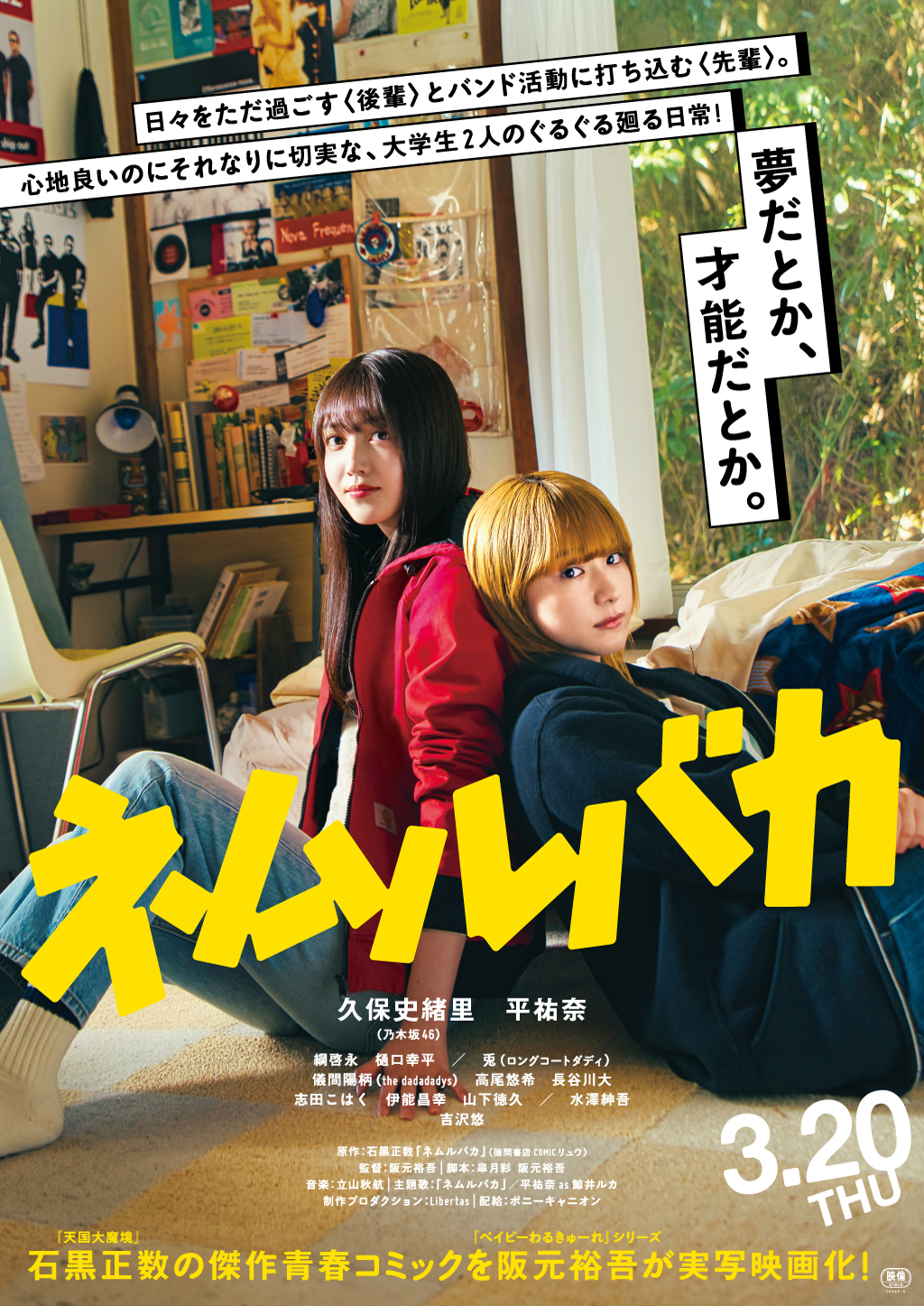
Is it better to have a goal and know what you want, or is it easier to be just kind of muddling along? The heroines of Yugo Sakamoto’s oddly titled slacker comedy Nemurabaka: Hypnic Jerks (ネムルバカ) are coming at this from opposite sides. Ruka (Yuna Taira) is a rock band and her dream is to make it as a musician, though she isn’t really sure she has what it takes, while Yumi (Shiori Kubo), though in some ways the more sensible of the pair, has no idea what she’s doing with her life.

The fact that Yumi addresses Ruka only as “sempai” bears out the ways in which she feels slightly inferior to her, and, in fact, to everyone. As she says to Ruka, it’s like everyone else has a foot on the ladder, but she can’t even see where the ladder is let alone climb it. Ruka offers to split her pay for polishing up some ornaments for a friend who works as a maid at a posh person’s house as long as she does half of it, adding that now at least Yumi’s on the bottom rung while simultaneously trying to make her an equal. While Yumi idolises Ruka, Ruka seems to be jealous of Yumi’s carefree nature and relative lack of impetus. 

Then again, the way she seems to quickly shut down anyone making romantic overtures towards Yumi along with her habit of gazing at her while she’s asleep may suggest another kind of desire. The gazing turns out to have a practical dimension, at least, that somewhat dissolves the disparity as it’s Yumi who has facilitated Ruka’s art and, to an extent, all her songs appear to be about her. This may be what she means when she tells Yumi that she’s very important to her to try and quell her feelings of low self-worth and inferiority. Nevertheless, this notion of being somehow lesser is only reinforced by the intrusion of a guy, Taguchi (Keito Tsuna), who pretends to have romantic interest in Yumi but is in reality after Ruka who exploits him for free food and the use of his car. 

Exposed, Taguchi calls Yumi “low-tier” and “a simpleton”, but inexplicably still expects Ruka to date him despite having just confessed to using her friend and then insulting her as part of a botched apology. Part of the problem is that Taguchi is a spoiled rich kid who doesn’t understand how the world works. He has a useless GPS device installed in his car featuring a maid-style character who deliberately gives rubbish directions because men like him generally prefer women to be stupid and cute even though he’s set his sights on Ruka who is moody and rebellious. While the girls are humming and hawing over a new rice cooker and going hungry at the end of the day, he’s obsessing over getting a new outfit for his GPS mascot. His comparatively more sensible friend who sort of mirrors Yumi indulges in superhero fantasy and is jealous of Ruka because of her certainty about her path in life even if Ruka is anything but certain in her ability to follow it.

It’s that sense of uncertainty that, in a way, convinces her to accept an offer of a record contract despite the fact they only want her and not her bandmates while she’ll also have to move out of the flat she shares with Yumi to go to Tokyo. She admits that she’d like to live this aimless life with her for longer, but is frightened of becoming stuck and never able to progress to anything else. But the price of that is she ends up making soulless idol pop for the commercialised music industry despite having been signed for a punk anthem about youthful despair. Yumi may be the “sleeping idiot” of the title in a more literal sense, but perhaps Ruka isn’t really fully awake either but allowing others to lead her towards what she should want but perhaps really doesn’t. In any case, unlike similarly themed films, this one doesn’t really lean into the idea that an aimless life is fine itself but encourages Yumi and the others to try and find a sense of purpose as she becomes a “sempai” herself, if also maintaining the courage to walk away from a compromised vision of success that isn’t at all what they wanted.


Nemurubaka: Hypnic Jerks screens as part of this year’s Japan Foundation Touring Film Programme.

Images: © Masakazu Ishiguro, Tokuma Shoten_Nemurubaka Film Production Committee

Adabana (徒花 –ADABANA–, Sayaka Kai, 2024)

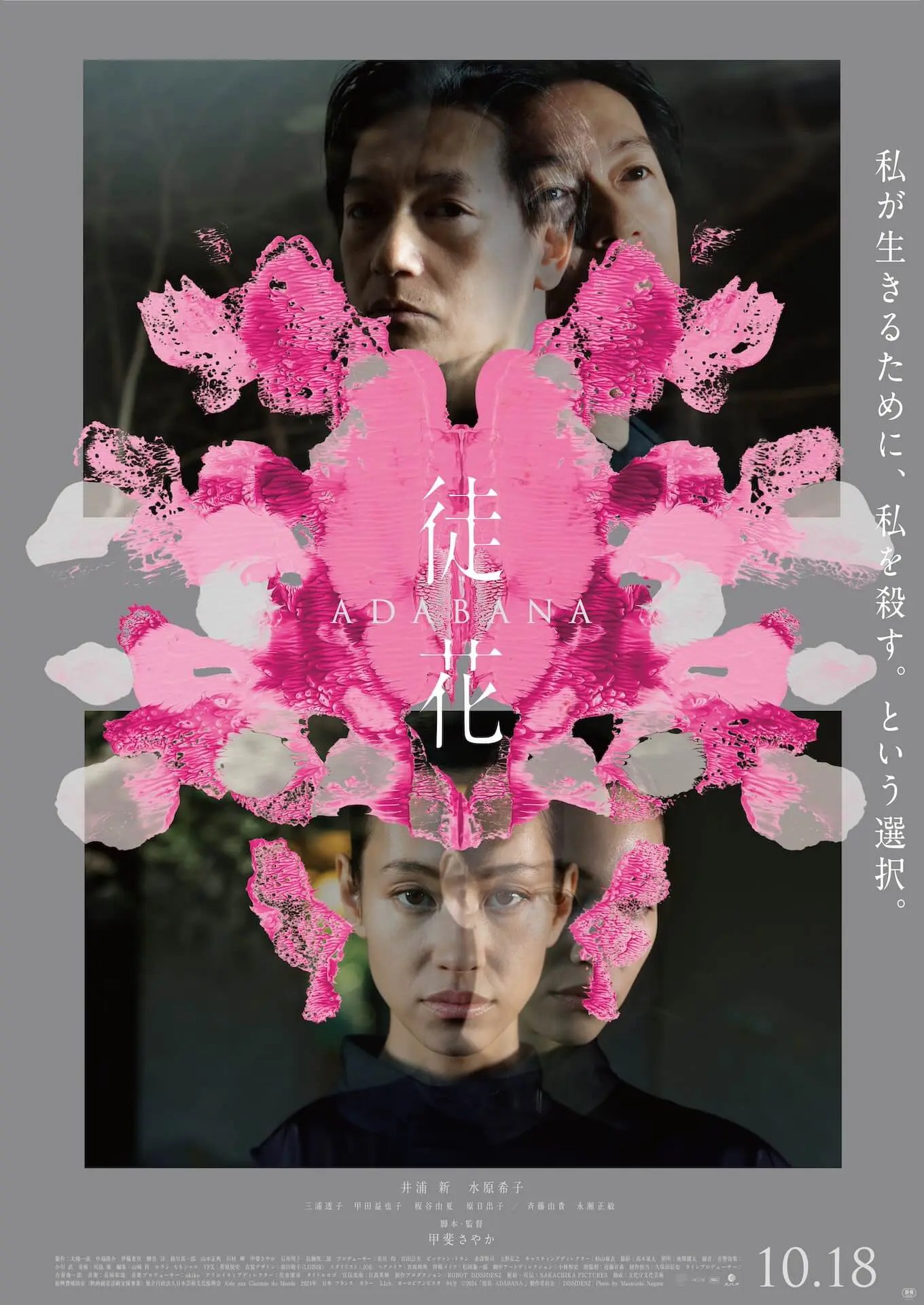
What constitutes a good life? Is it what you leave behind, or the experience of comfort and contentment? The Adabana of Sayaka Kai’s existential drama refers to a barren flower that will never bear fruit and is intended to survive for only one generation, yet its life is not without meaning and for the time that is alive, it is beautiful. Accepting the burden of death can be liberating, while the burden of life provokes only suffering born or constraint.

Or at least, the conflicted Shinji (Arata Iura) has begun to contemplate after becoming terminally ill pressured to undergo surgery that will save his life at the cost of his “unit”, a kind of clone intended for the provision of spare parts should their individual encounter some kind of medical issue. In this world, a virus has inhibited human reproduction and led to a desire to prolong life in order to provide a workforce. This is done largely through the use of clones, though it’s clear to us right away that this is a technology only accessible to the wealthy elite.

In the Japanese, the units are referred to euphemistically as “sore” or “that”, as if their presence was slightly taboo and Shinji is encouraged to view his not as a person but as a thing to be used when needed, like a replacement battery or parts for an engine. Nevertheless, it nags at him that another being will die for him to live. The hospital director instructs him that he cannot die because he is important as the heir to this company which suggests both that his existence is more valuable than others and that he is actually worth nothing at all outside of his role as the incarnation of a corporation. Kai often presents Shinji and his clone on opposite sides of the glass as if they were mere reflections of each other or two parts of one whole. Their existences could easily have been switched and either one of them could have been designated the “unit” or “original”. 

On Shinji’s side of the glass, the world is cold and clinical. He feels constrained by his upper class upbringing and feels as if he is ill-suited to this kind of life. He has flashbacks to a failed romance with a free-spirited bar owner (Toko Miura) whom he evidently abandoned to fulfil parental expectations through an arranged marriage deemed beneficial to the family’s corporate interests. He has one daughter, but has no feelings for his wife and resents his circumstances. Beyond the glass, meanwhile, is a kind of pastoral paradise where his unit fulfils himself with art, though Shinji never had any artistic aptitude of his own. The unit says that there was a female unit he can’t forget who was taken seven years ago hinting at his own sad romance, yet he’s completely at peace with the idea that his purpose in life was only to give it up so that Shinji might live. In the surgery, he will achieve his life’s purpose, though Shinji is beginning to see it only as a prolongation of his suffering. 

The unit’s speech is soft and slightly effeminate in contrast with the suppressed rage and nervousness that characterise Shinji’s way of speaking, and what becomes clear to Shinji is the ways in which they’re different rather than the same. He wonders if his unit would be kinder to his family and more able to adapt to this way of life from which he desires to be liberated. His psychiatrist, Mahoro (Kiko Mizuhara), too finds herself conflicted by his interactions with his unit beginning to wonder what her own nature and purpose might be. The units are shown videos featuring the memories of their originals, though apparently only the good parts, which suggests that in some cases the original actually dies and is replaced as if they and the unit were otherwise interchangeable with the unit learning to perform a new role despite having had completely different life experiences that are only partially overwritten by a memory transfer. What is it then that makes us “us”, if not for our memories both good and bad? On watching her own tape, Mahoro feels as if it’s somehow changed her, resulting in a nagging uncertainty about things unremembered coupled with the pressures of being under constant surveillance. For Shinji at least, it may be that he too sees liberation in death and envies a life of fruitless simplicity over his own of suffering and constraint.


Adabana screens as part of this year’s Japan Foundation Touring Film Programme.

Trailer (no subtitles)

Images: © 2024 ADABANA FILM PARTNERS _ DISSIDENZ

Ghost Train (괴기열차, Tak Se-woong, 2024)

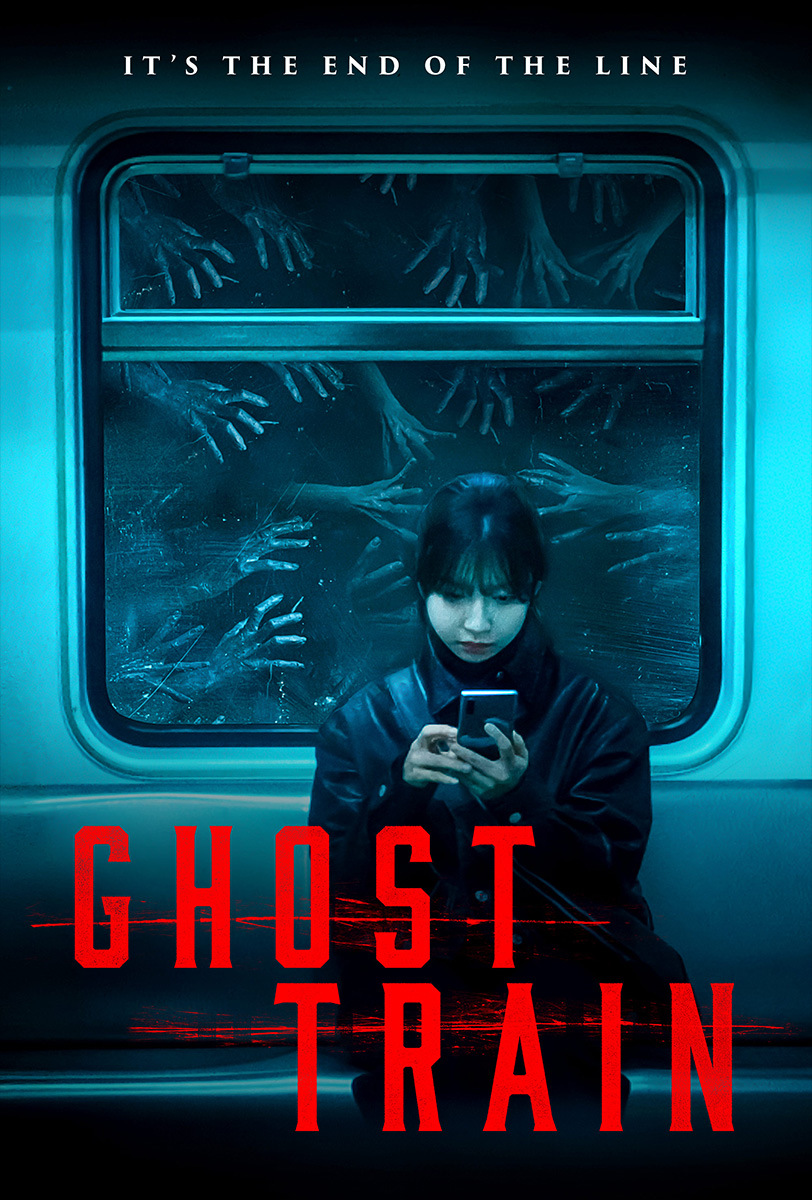
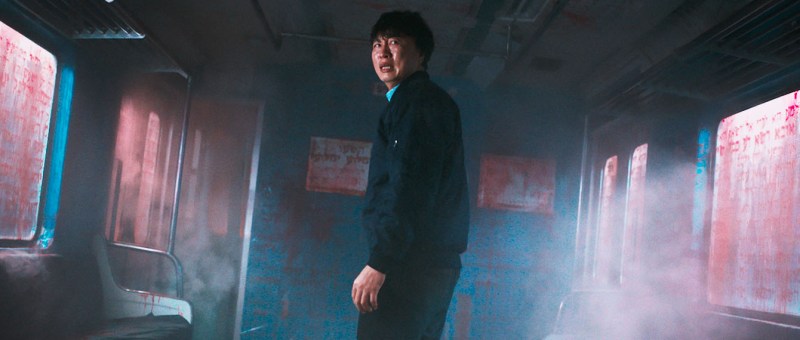
Why are there so many stories about haunted stations? Perhaps it’s their liminal status that gives them an eerie quality. By definition, you’re not supposed to stay here. To that extent, they’re a kind of purgatorial space between one destination or another. We leave so quickly it’s like a part of us is left behind, hovering, and never able to find the exit. In any case, Gwanglim seems to have its fair share of ghost stories as investigated by “horror queen” Da-kyung (Joo Hyun-young) in an attempt to boost the fortunes of her failing YouTube channel.

She herself admits that her problem is she’s run out of content, which is why she’s badgering the stationmaster (Jeon Bae-soo) for information on this supposedly haunted spot. The funny thing is that the stationmaster seems to know a lot more than you’d expect about these cases, including their full backstories, which have nothing to do with the station or his job. You’d think that would give Da-kyung pause for thought, but she’s already drunk on the promise of a scoop and has ironically convinced the stationmaster to talk with the gift of alcohol. As she continues to listen to his stories and the ratings of her channel improve, she takes on an increasingly vampiric appearance while the stationmaster seems to become ever sicker. Nevertheless, Da-kyung only becomes thirstier for gruesome tales even as the stationmaster tries to warn her off by asking what the real reason behind her animosity to rival beauty influencer Lina (Jung Han-bit) might be.

In this, her story parallels that of a young girl on the train who is insecure in her appearance and contemplating plastic surgery only to be haunted by a woman in bandages seemingly jealous of the beauty the young girl doesn’t know she already has. Da-kyung has a crush on her boss, Woo-jin (Choi Bo-min), but thinks he prefers Lina and not just because her channel pulls in millions of viewers. Lina is a classic mean girl who endlessly puts Da-kyung down as a means of asserting her own superiority while Da-kyung secretly looks down on her for her vacuity. As her channel improves and she grows in confidence, Da-kyung sheds her dowdy outfits for something a little more stylish but is still consumed by resentment towards Woo-jin in her, it seems possibly mistaken, belief that he prefers Lina because she aligns more closely with socially defined ideas of typical femininity in her tendency to behave like a silly girl who can’t do anything for herself except look pretty around men. 

It is, as the stationmaster says, foolish to chase after what you think you’re missing and end up losing what you already had instead of learning to happy just with that. The other stories too are about overreaching greed, such as that of a homeless man who discovers a magic vending machine that disappears people and allows him to pick up their clothes and wallets to enrich himself though he never escapes the station despite his increasing desire to disappear random people until the point he realises he has consumed himself. Da-kyung is urged to delete her videos by someone who encountered something dangerous at the station, explaining that it’s built on the former site of a chapel that belonged to a cult where a mass suicide took place, further suggesting that the location itself is greedy for the souls of those who were, in a way, trying to turn away from this hyper-capitalistic vision of the world only to fall victim to it.

The stationmaster too dislikes those who profit from the misery or misfortune of others, which is what he assumes Da-kyung to be doing in her voracious appetite for ghost stories. In the very first tale, a young woman repeatedly bangs her head into a glass door, but no one attempts to help her. Everyone just moves to another carriage or generally away from her. These stories are only interesting for their gore and strangeness, no one really cares about the victims or learning from the past, which is to say we’re stuck in the station reliving the same trauma and unable to progress to a better a place. Da-kyung is stuck here most of all, and in her way, also hungry for souls lured in by lurid tales of untold horrors.


Ghost Train is released on Digital in the US on February 17 courtesy of Well Go USA.

Trailer (English subtitles)
Petals and Memories (花まんま, Tetsu Maeda, 2025)

In many Japanese family dramas, there is an inherent sense of impending tragedy born of the notion that one family must necessarily be broken for another to be formed. Cultural sensibilities might insist that someone can only be part of one family at any time and any attempt to play a part in another is an act of betrayal. But reality is not so clean-cut and just because a woman gets married, it doesn’t really mean that she becomes a stranger to the people who raised her nor that they must completely sever ties with her even as they wish her well as she transitions to a new stage of life.

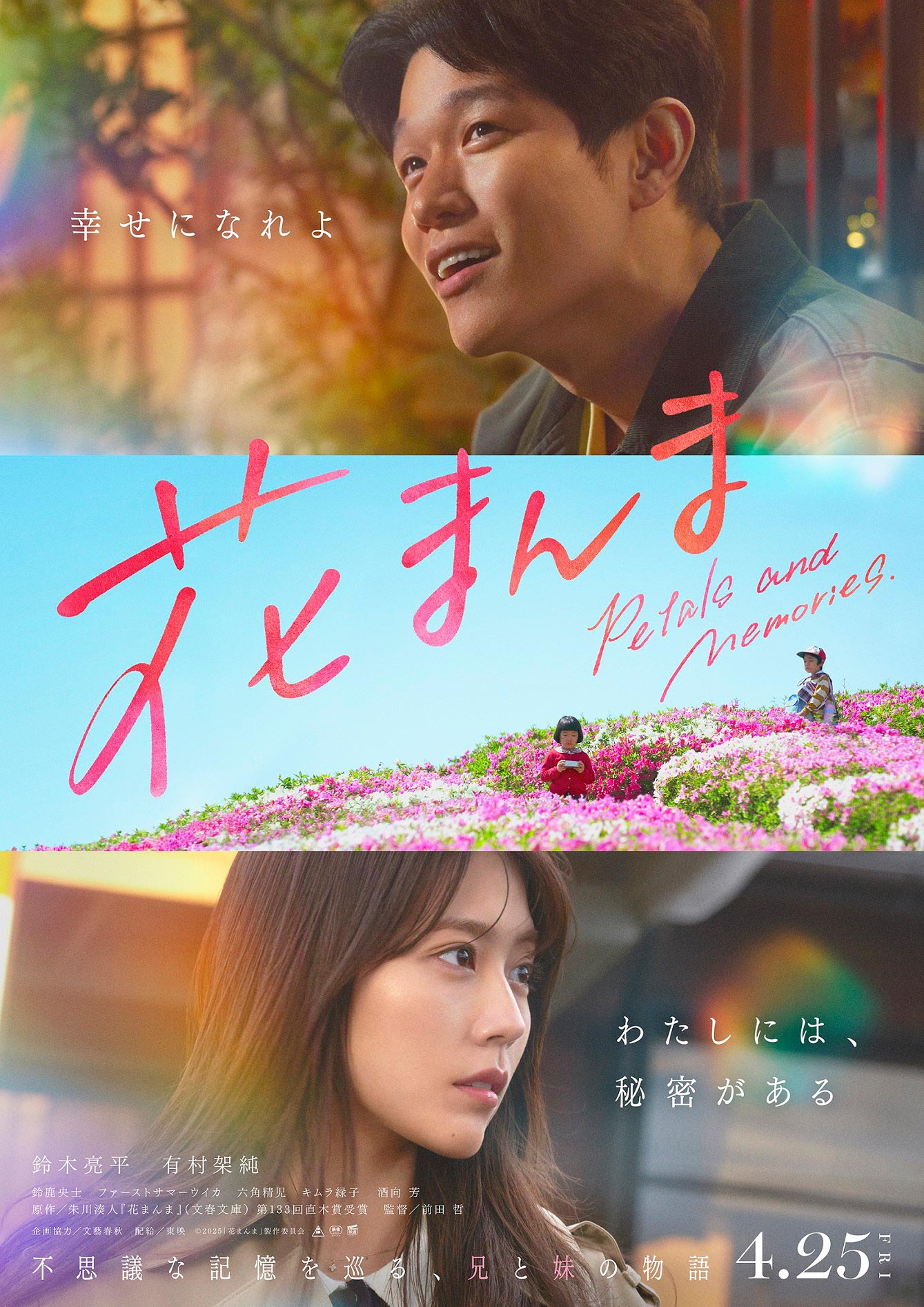
This is though what older brother Toshiki (Ryohei Suzuki) fears in Tetsu Maeda’s supernaturally tinged familial drama Petals and Memories (花まんま, Hanamanma). Adapted from a short story by Minato Shukawa, the story has an old-fashioned quality in which it could easily have been set back in the Showa era were it not for the fact that Kiyomi, the spirit that his sister Fumiko (Kasumi Arimura) claims to carry, was killed in the climatic year of 1995 which saw both the Kobe earthquake and sarin gas attack on the Tokyo subway. In any case, Toshiki has a distinctly Showa-era vision of masculinity and remains incredibly protective of his sister even if Fumiko has moved up in the world with her job in a university and engagement to a young professor who has the ability to converse with crows.

After their truck driver father was killed in an accident and their mother passed away in Toshiki’s teens, he’s essentially been forced into a parental position. Toshiki left school early and got a job in the factory where he still works in order to fulfil his father’s dreams of sending Fumiko to university. As such, he occasionally paints himself as a martyr and is keen to remind people how difficult it was for his mother to raise them on her own and that he’s sacrificed his future to provide for Fumiko. Her upcoming marriage is then to him a minor betrayal even if it’s also, culturally speaking, the fulfilment of his parents’ hopes for their daughter and thereby the end of his obligation.

The problem with that is Toshiki himself doesn’t have much of an identity outside of “big brother,” and is unable to see Fumiko as anything other than his little sister. When she tells him that she has memories of a previous life, he rejects them and says that he can’t bear to see his sister as “someone else”, repeatedly reasserting that she’s the daughter of his parents rather than those of Kiyomi. But Fumiko is also fiancée to Taro (Oji Suzuka) and friend to Komako (First Summer Uika). As she tries to counter him, more than anything she is simply herself which is something else Toshiki rejects in his categorisation of her only as his sister. Nevertheless, when she tells him that interacting with Kiyomi’s grieving father Mr Shigeto taught her what it was like to have a father seeing that she has no memory of her own is insensitive given that Toshiki has essentially been a father to her for most of her life. 

In clinging to his identity as a big brother, Toshiki may really be attempting to stave off his own fear of orphanhood as a man with no other family, but what he’s forced to reckon with is that his sister is “someone else” after all and not merely an extension of himself. In coming to terms with Kiyomi’s presence and extending compassion to her bereaved family rather than reacting in fear that they were trying to take his sister away from him, Toshiki begins to realise both that he didn’t actually raise Fumiko all alone but benefitted from the extended family of a community and that in her marriage his world is actually expanding rather than contracting. As the old adage goes, he’s not losing a sister so much as gaining a brother. In the “hanamanma” flower bento of the Japanese title, it becomes clear that Kiyomi’s love for her family transcended death and that she is not really lost to them even this most final parting but remains with them in spirit and memory. 


Petals and Memories screens as part of this year’s Japan Foundation Touring Film Programme.

Trailer (English subtitles)
One Win (1승, Shin Yeon-shick, 2023)

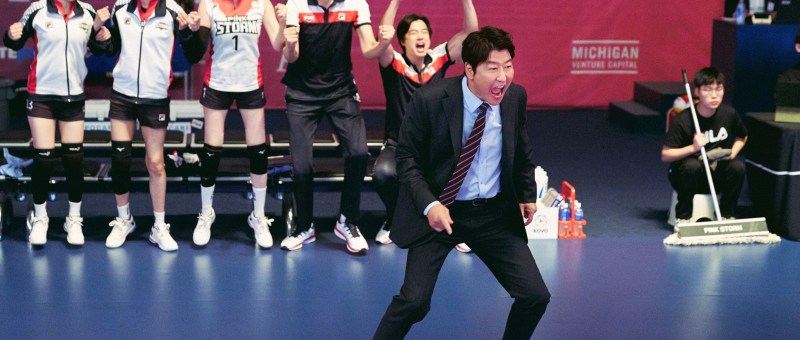
Wouldn’t it be nice to win just once? Eccentric chaebol son Jung-won (Park Jeong-min) waves the opportunity of victory under unsuccessful coach Woo-jin’s nose full knowing his unfortunate life of personal failures. In fact, this is why he’s hired him. Jung-won’s end goal is to engineer an underdog narrative in which the failing women’s professional volleyball team he’s just bought for a song can become a sensation led by a coach equally in need of redemption.

In Shin Yeon-shick’s One Win (1승, 1seung), the battle is against more against defeatism than anything else as Woo-jin (Song Kang-ho) and the team members first have to believe in the possibility of victory. Woo-jin is struggling to get over a sense of betrayal after his high school volleyball coach whom he idolised, Moon, who abandoned him during the quarter-finals having been offered a better job. Now he’s contemplating doing the same thing. Despite never having made much of himself either as a volleyball player, Woo-jin wasn’t keen to take this job and is convinced only by his friend’s assurances that he’ll set him up with a gig coaching the university team and this experience with a professional outfit will look good on his CV.

Then again, no one expects much of this team and even Jung-won’s ultimate goal is only for them to score one win by the end of the season. Famously faddy, a former communist rejecting his wealth and privileged scion turned spendthrift influencer, Jung-won is running the team like reality a show by constructing a narrative around them. If they get the one win, he’ll split two million dollars between the season ticket holders. This allows him to charge extortionate fees by dangling the possibility of a big payout and leveraging the drama of the team’s unlikely win. 

The problem is that the previous manager traded off most of their top players, assuming the team wouldn’t find a buyer and would have to be closed down. This has understandably created some resentment with those left behind feeling both betrayed and undervalued. There is discord among the players struggling to deal with the fallout. Intent on reclaiming past glories, the team had revolved around star player Yu-ra who had been, it seems, a mean girl bully. The other players don’t miss her even if they acknowledge they don’t otherwise have a team and now reject fellow team member Min-hee for having gone along with her abuse of them. Many of them haven’t had a real opportunity to play in years and are struggling to pick up the pace.

Woo-jin too doesn’t quite know how to use them and only later realises that he needs to change things up to make use of their true strengths and weaknesses. The first thing he does is to tell off the fan contingent who make everything worse by shouting at the team after every match to complain about their poor performance, further denting their confidence. In learning how to use new technology, Woo-jin knows that he shouldn’t just study the other teams but his own too so he can make use not only of their strengths and weaknesses , but of how their rivals will attempt to use them too. 

Nevertheless, their eventual victory can’t help but feel a little hollow given the lack of emotional investment in the players while even Woo-jin’s relationship with his sportswriter ex wife and earnest daughter is given fairly short shrift. Most of the women have some reason they’ve ended up on this “losing” team from the scary gangster player another team was only too glad to get rid of, to another recently returned from suspension, and the captain who is already 40 years old never having made the starting lineup. Their problem was, it seems, a lack of belief in themselves which Woo-jin begins to return to them while they begin to figure out how to work as a team by putting their disagreements behind them. They just need this one win to show them that they can in order to light the way to a more fulfilling future no longer defined by defeatism but a new hope for the future in which they can not only achieve their sporting goals but their purse their lives with hope and positivity.


Trailer (English subtitles)