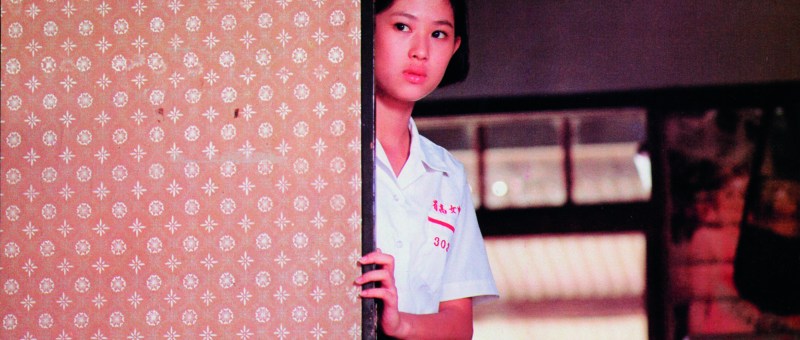
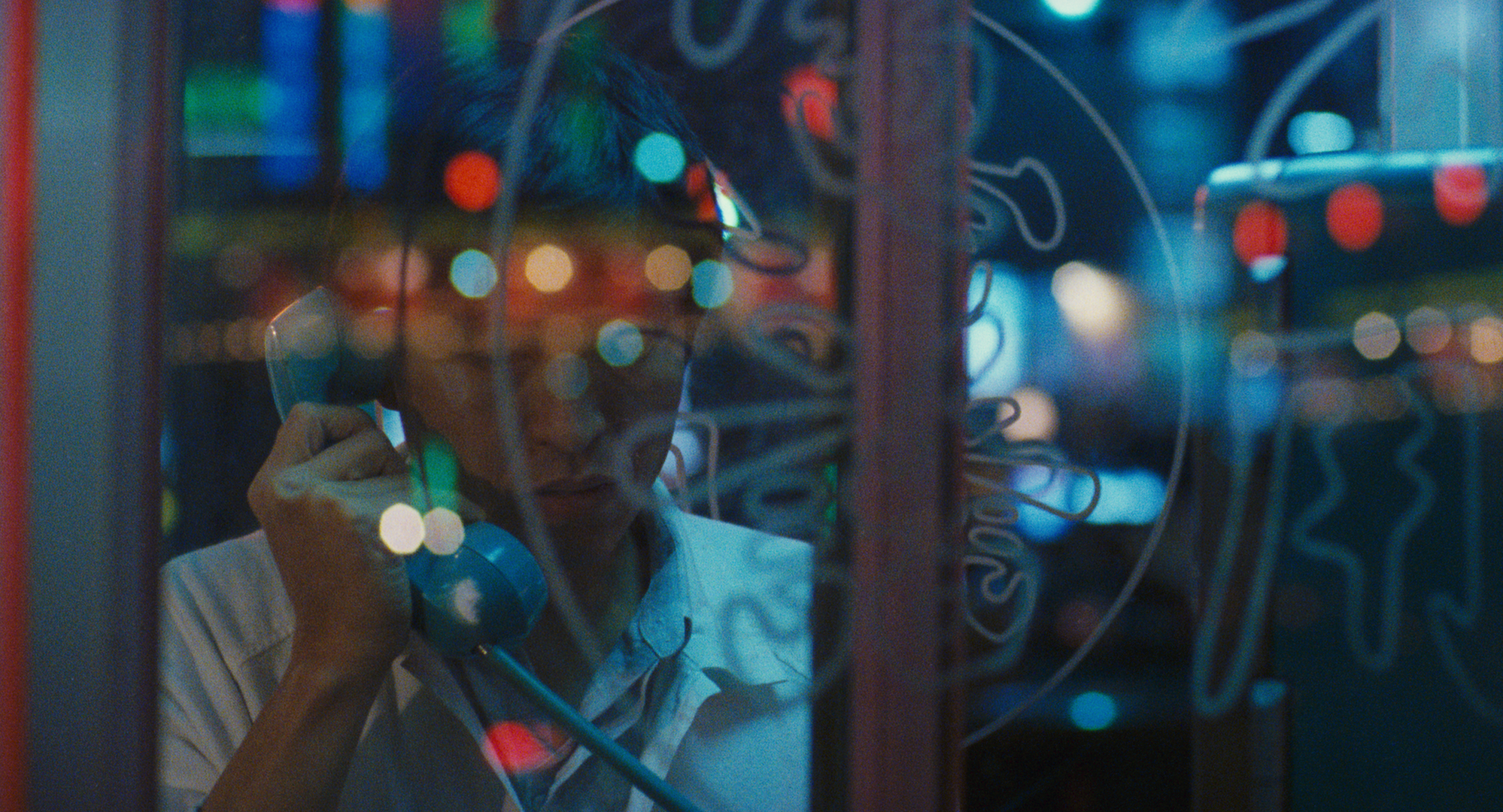
Throughout April 2025, the BFI will be hosting a season of films exploring Taiwanese New Cinema from new perspectives including a selection of films from lesser known filmmakers alongside those of heavy hitters such as Edward Yang and Hou Hsiao-hsien.
Duckweed (aka Floating Weeds)
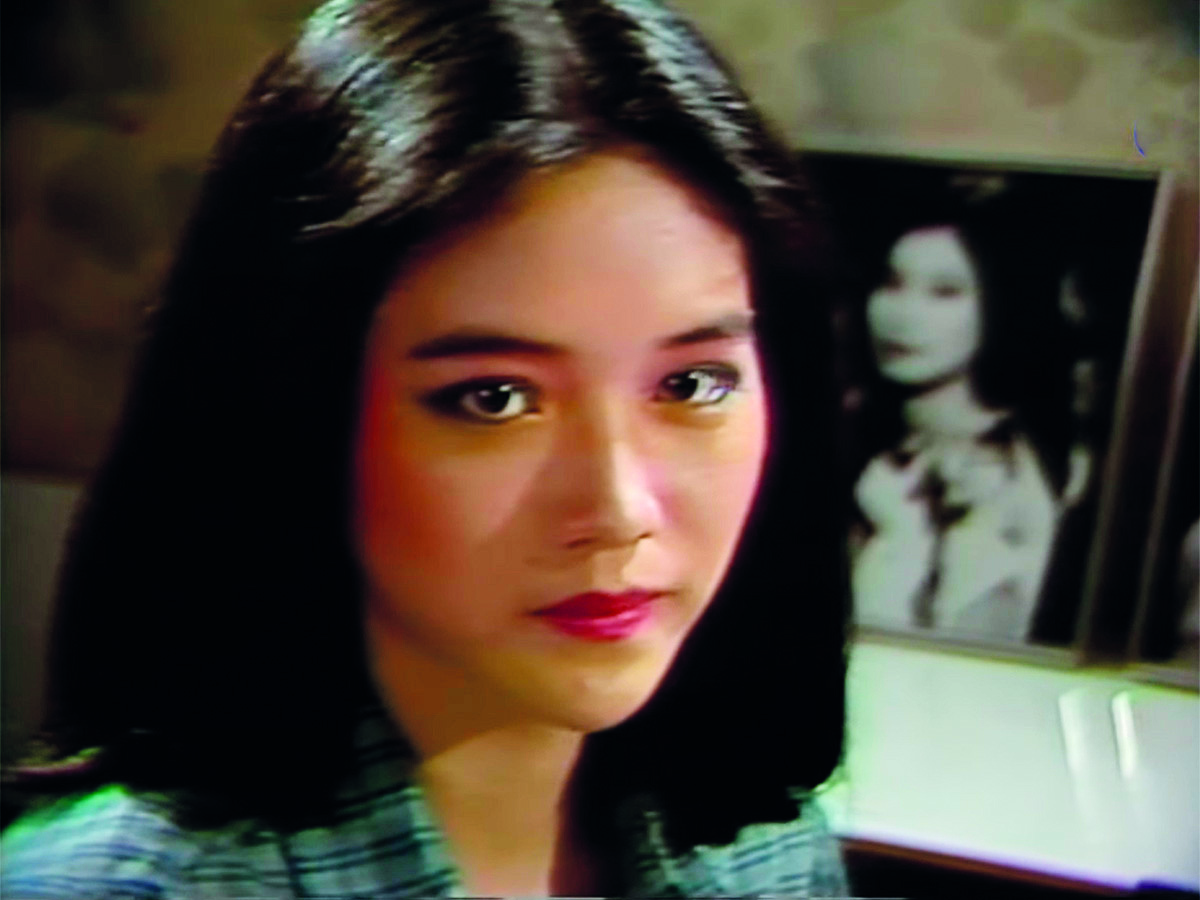
Edward Yang’s television debut after returning to Taiwan, Duckweed was part of the Eleven Women TV series produced by Sylvia Chang and Chen Chun-tian, and follows a young woman who moves to Taipei from the countryside to become a model.
In Our Time
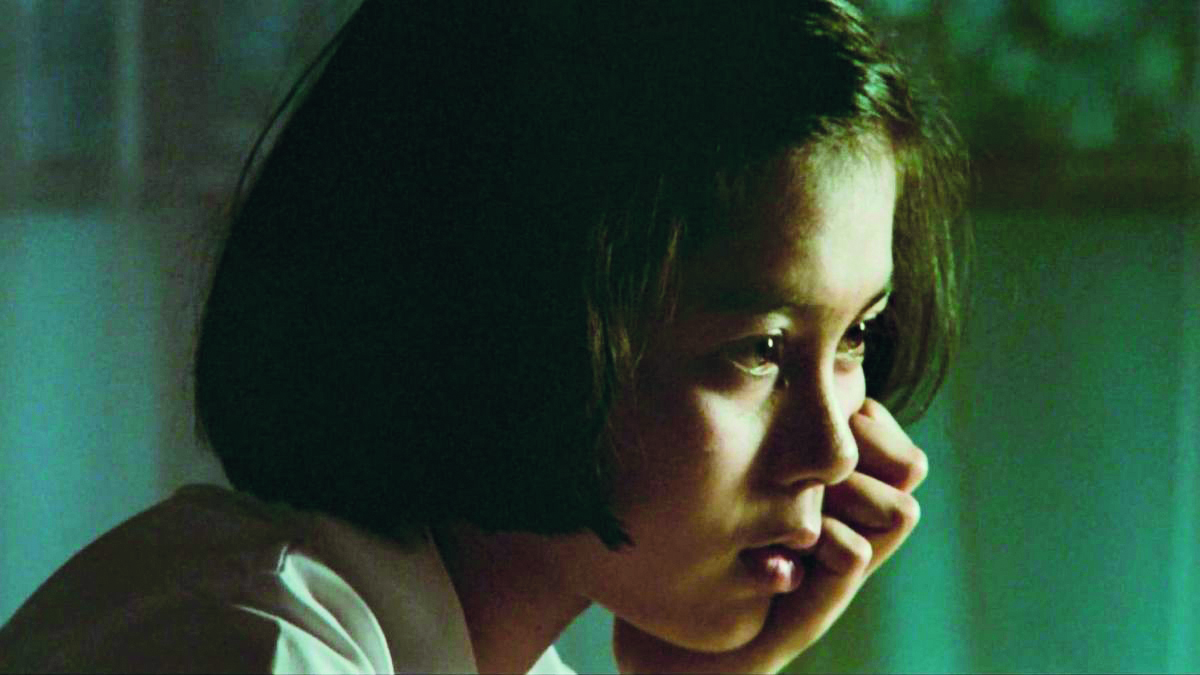
1982 anthology film featuring instalments directed by Tao Te-chen, Edward Yang, Ko I-chen, Chang Yi.
The Boys from Fengkuei
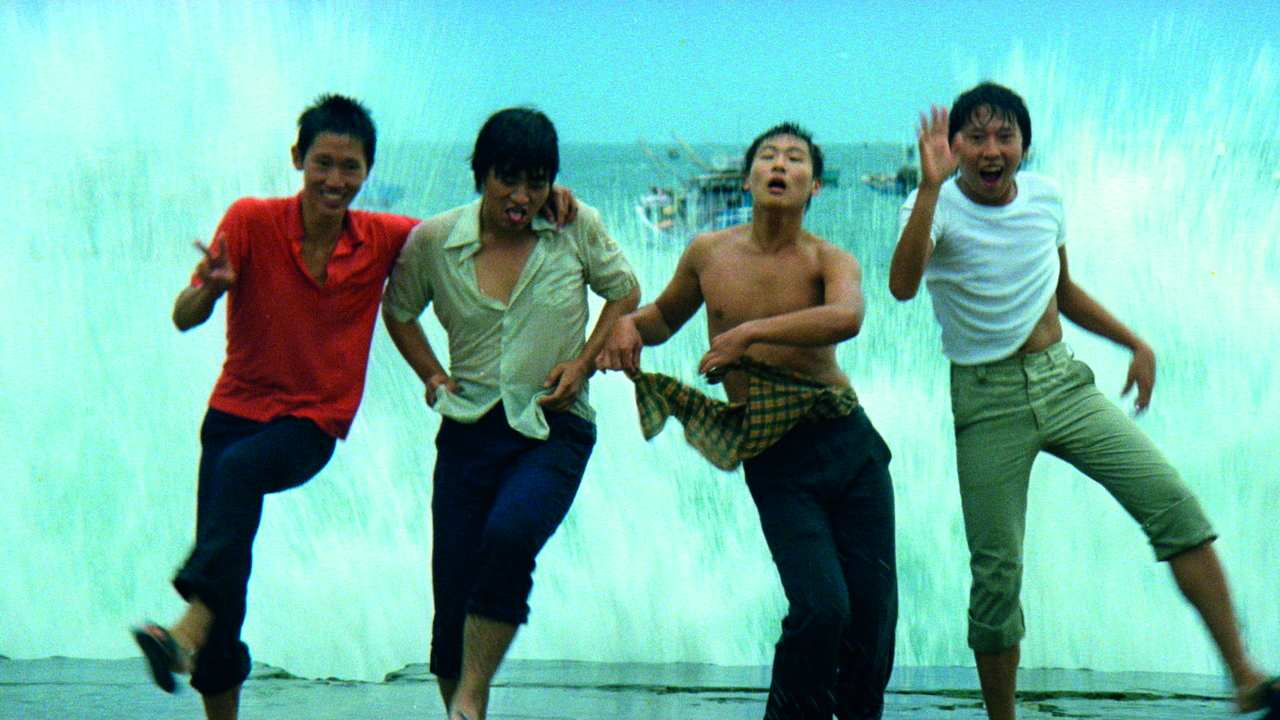
1983 drama from Hou Hsiao-hsien following a group of young men who leave their fishing village after getting into trouble with gangsters and try to make new lives for themselves in Kaohsiung.
Chen Kun-hou, who was the film’s cinematographer, will introduce the screening on 11th April.
The Sandwich Man
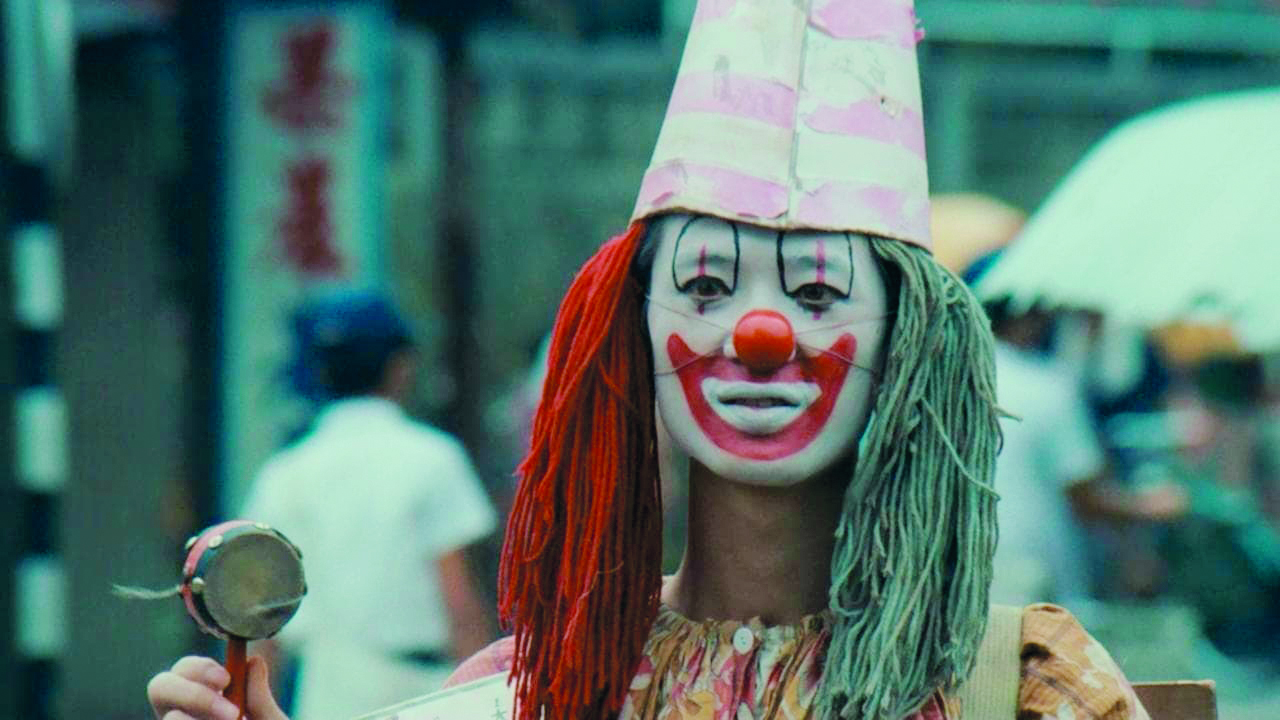
Tripartite anthology film featuring instalments by Hou Hsiao-hsien, Tseng Chuang-hsiang, and Wan Jen adapting short stories by Huang Chun-ming.
Out of the Blue

1984 drama from Chen Kun-hou in which teenagers Jielong and Tangmi spend a single night together before she disappears and Jielong must return to university.
Director Chen Kun-hou will be present for a Q&A following the screening on 10th April.
Ah Fei
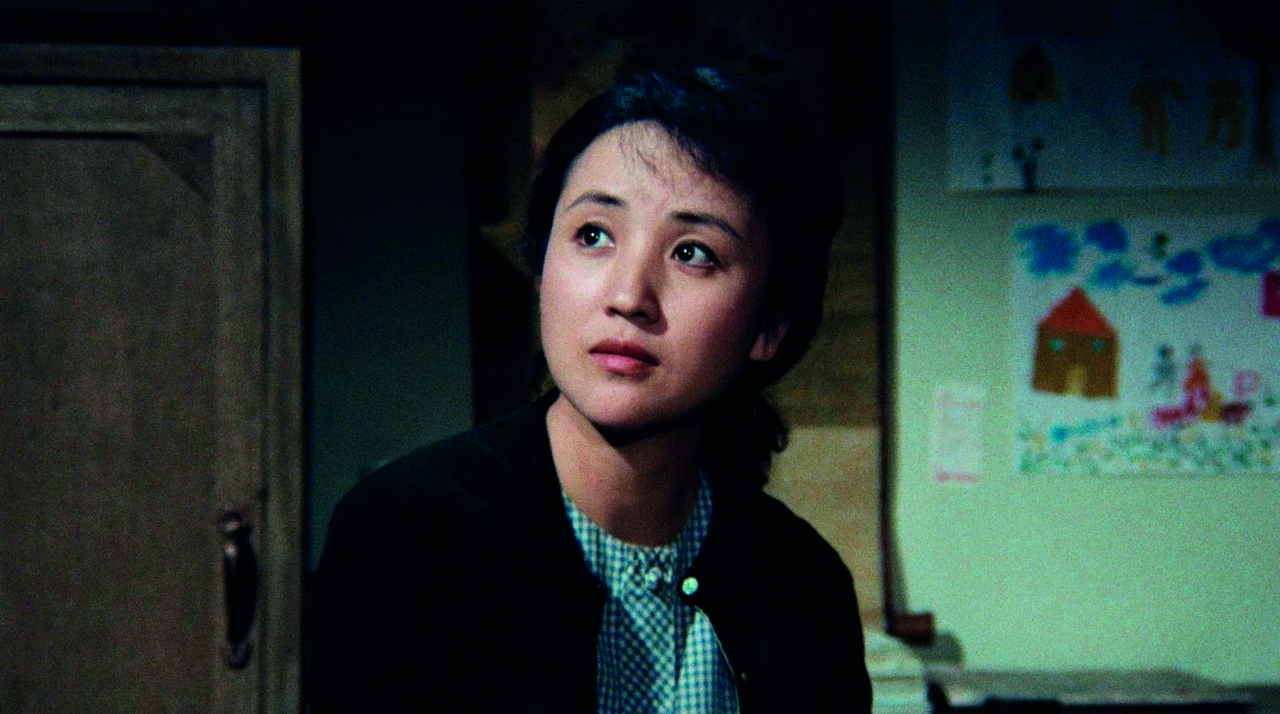
Drama adapted from a short story by Liao Hui-ying and following a woman over several decades after the Chinese Civil War.
Kuei-mei, a Woman
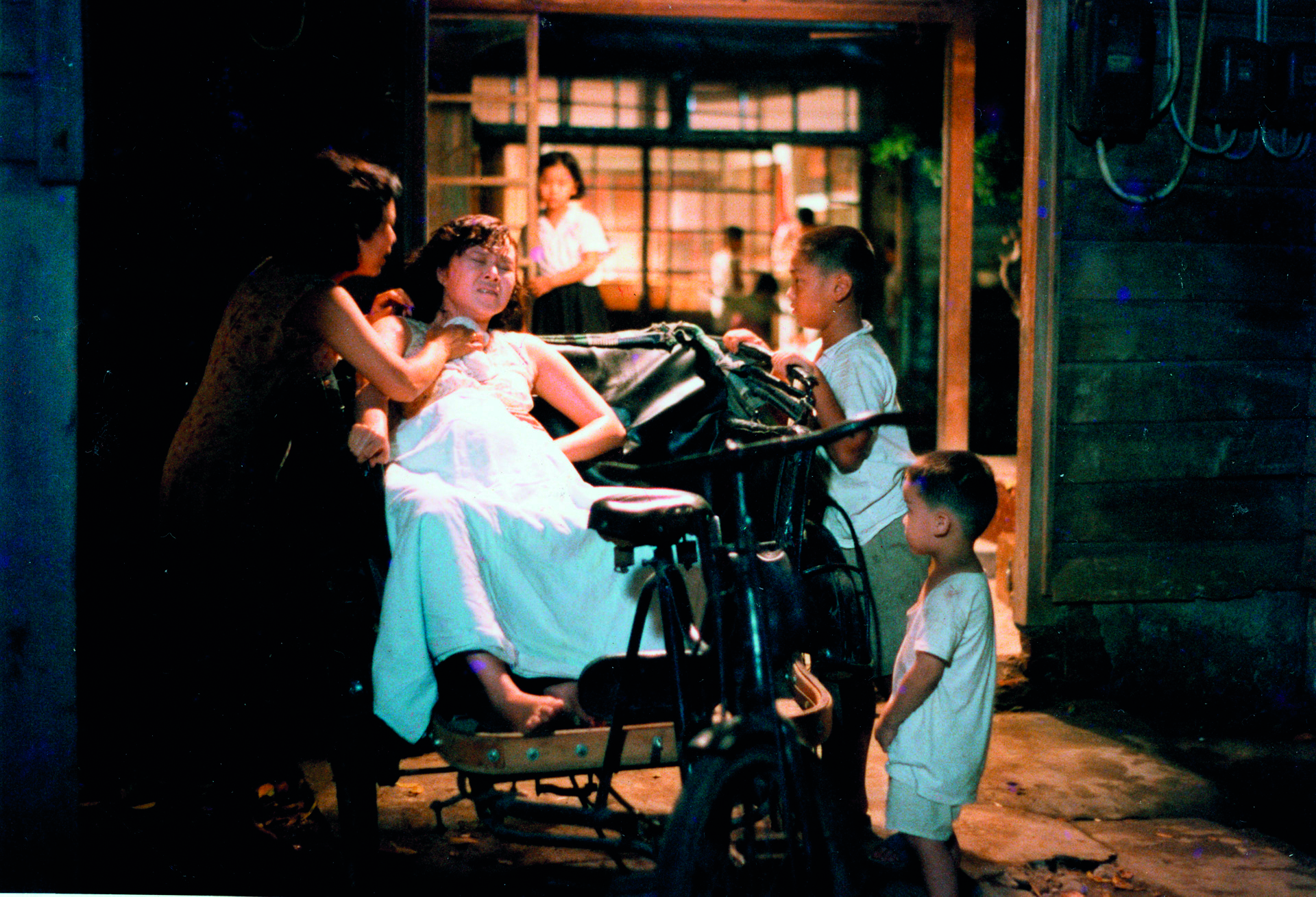
A woman’s stoical endurance of hardship as she travels towards hard-won prosperity mirrors that of her nation in Chang Yi’s allegorical maternal melodrama. Review.
My Favorite Season

1985 Chen Kun-hou drama starring Sylvia Chang as a woman who conceives a child with her married boss but wants to break up with him and raise the baby on her own.
Director Chen Kun-hou will be present for a Q&A following the screening on 11th April.
Taipei Story
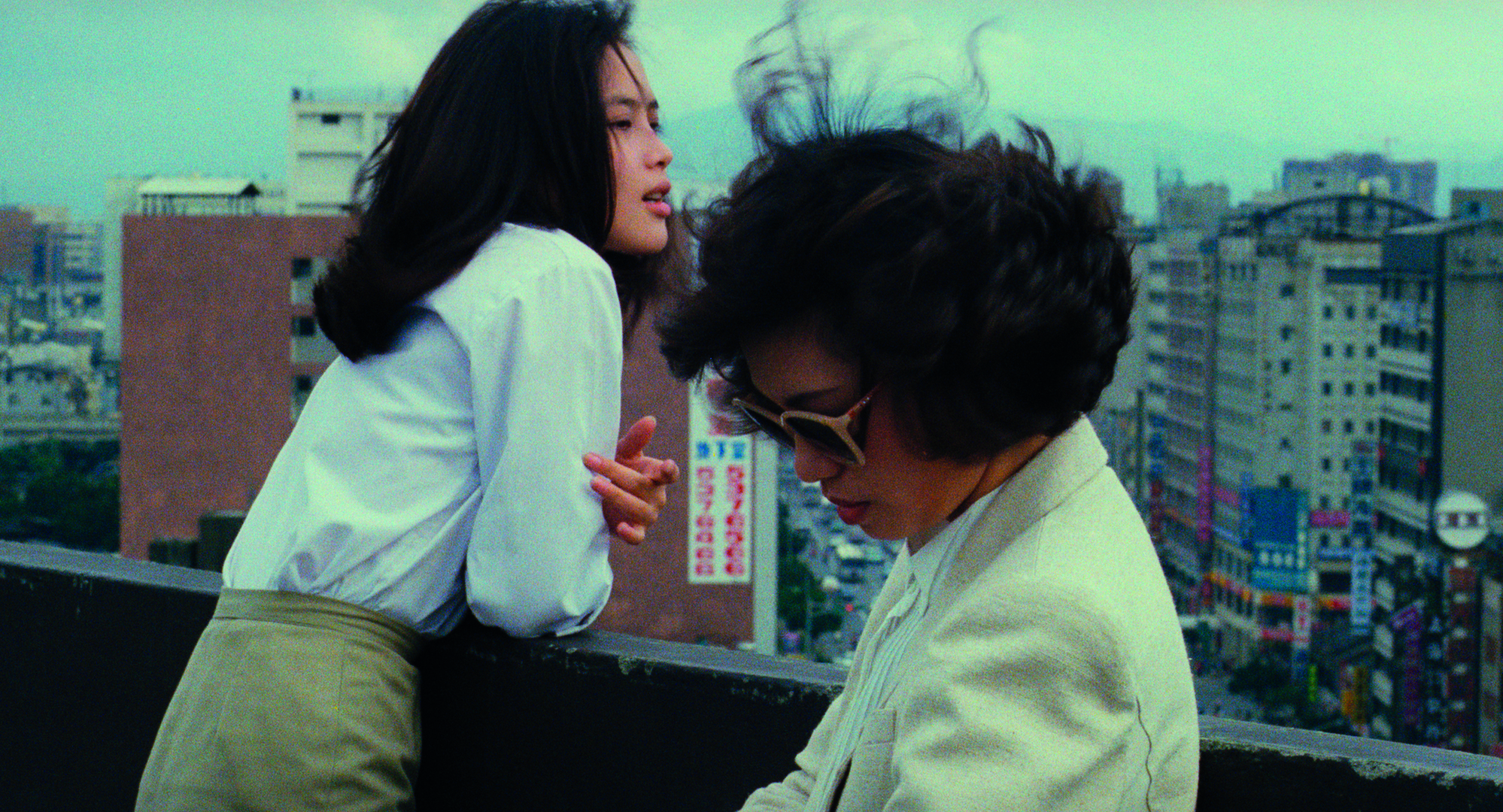
An ambitious young woman is determined to keep pushing forward while her more traditional boyfriend remains trapped in the past in Yang’s melancholy urban drama. Review.
A Time to Live and a Time to Die
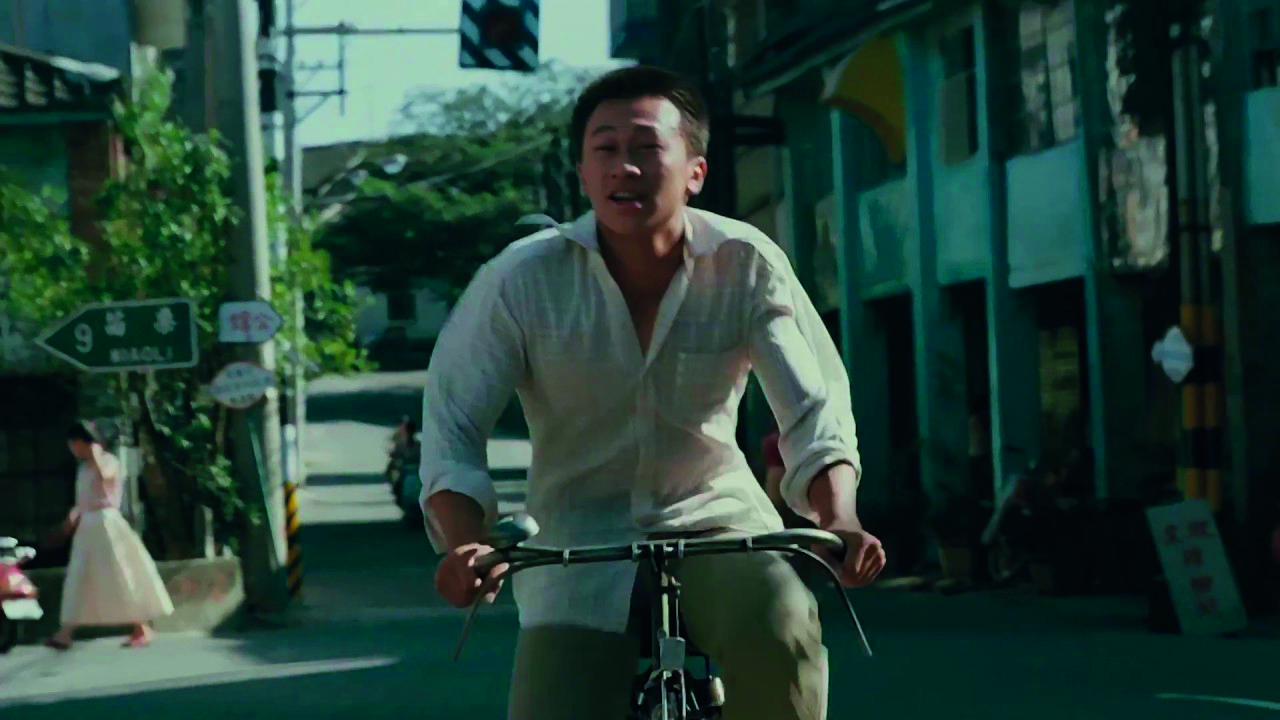
Semi-autobiographical drama from Hou Hsiao-hsien following a young man in Fengshan from 1947 to 1965.
This Love of Mine

Psychological drama from Chang Yi adapted from the novel by Hsiao Sa in which a woman must re-evaluate her life after learning of her husband’s affair.
The Terrorisers
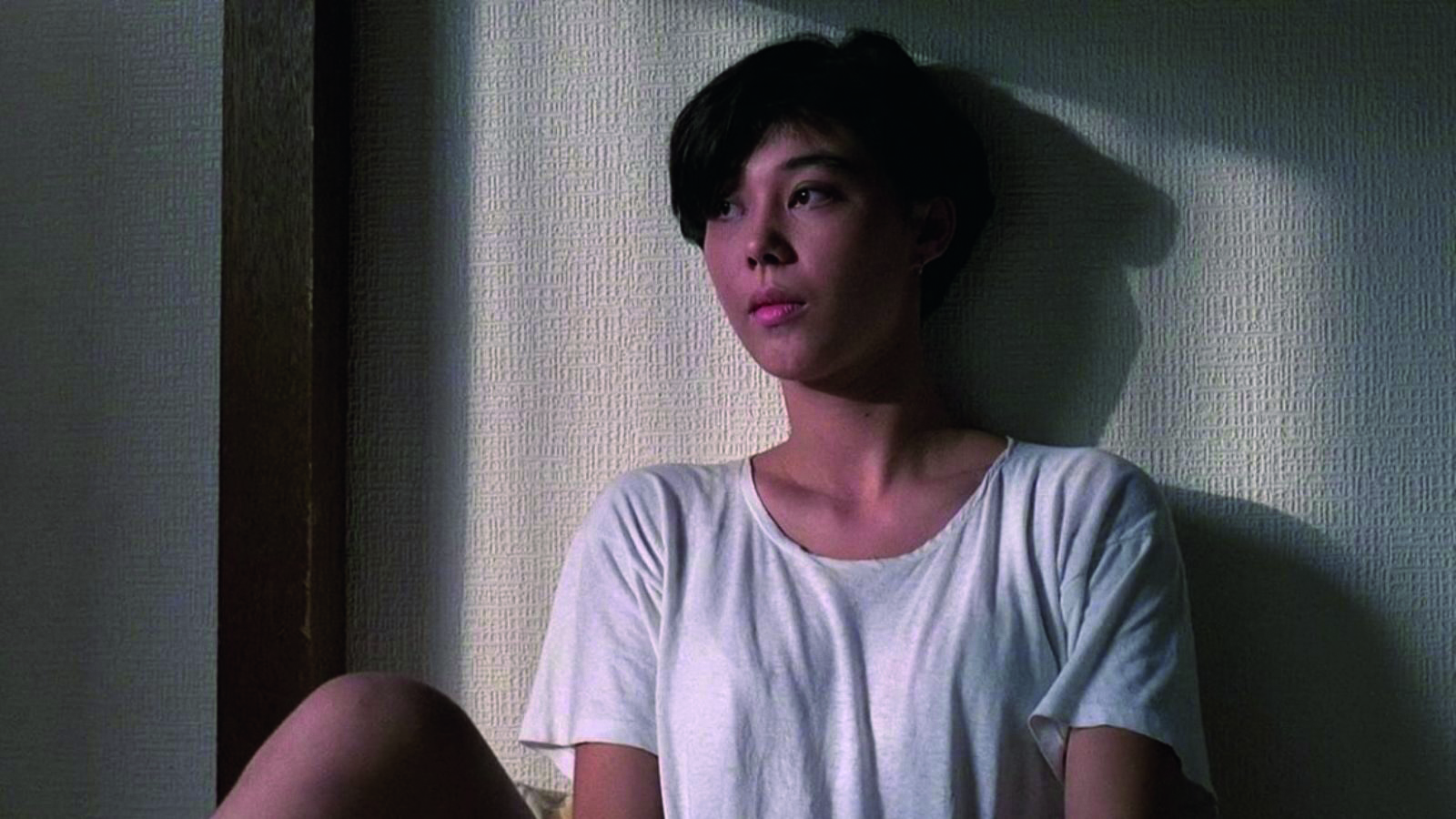
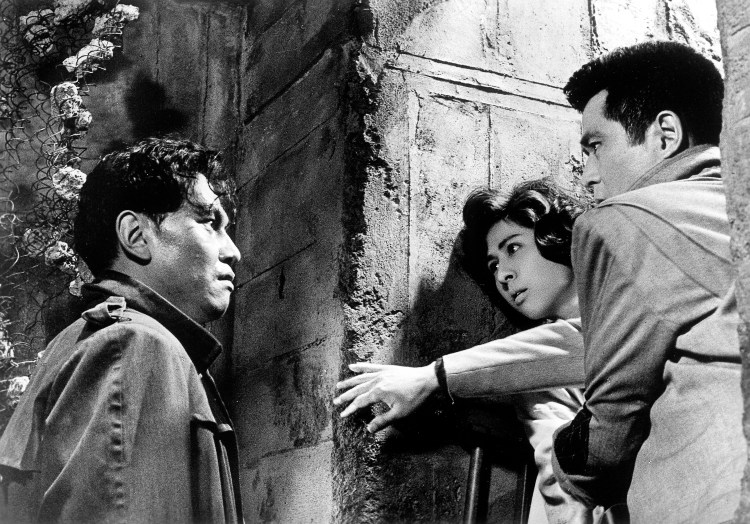
Landmark drama from Edward Yang in which a doctor and his novelist wife teetering on the brink of divorce, a voyeuristic photographer, and a rebellious teen are connected by a single event.
Strawman

Satirical comedy set at the end of the war in which two farmers find an unexploded bomb in their field and decide to carry it to the Japanese police in the hope of a reward.
Autumn Tempest

Huang Yu-shan’s 1988 narrative film debut in which a young man retreats to a mountain temple to study but enters an affair with a young woman who subsequently becomes pregnant.
Director Huang Yu-shan will be present for a Q&A following the screening on 12th April.
A City of Sadness
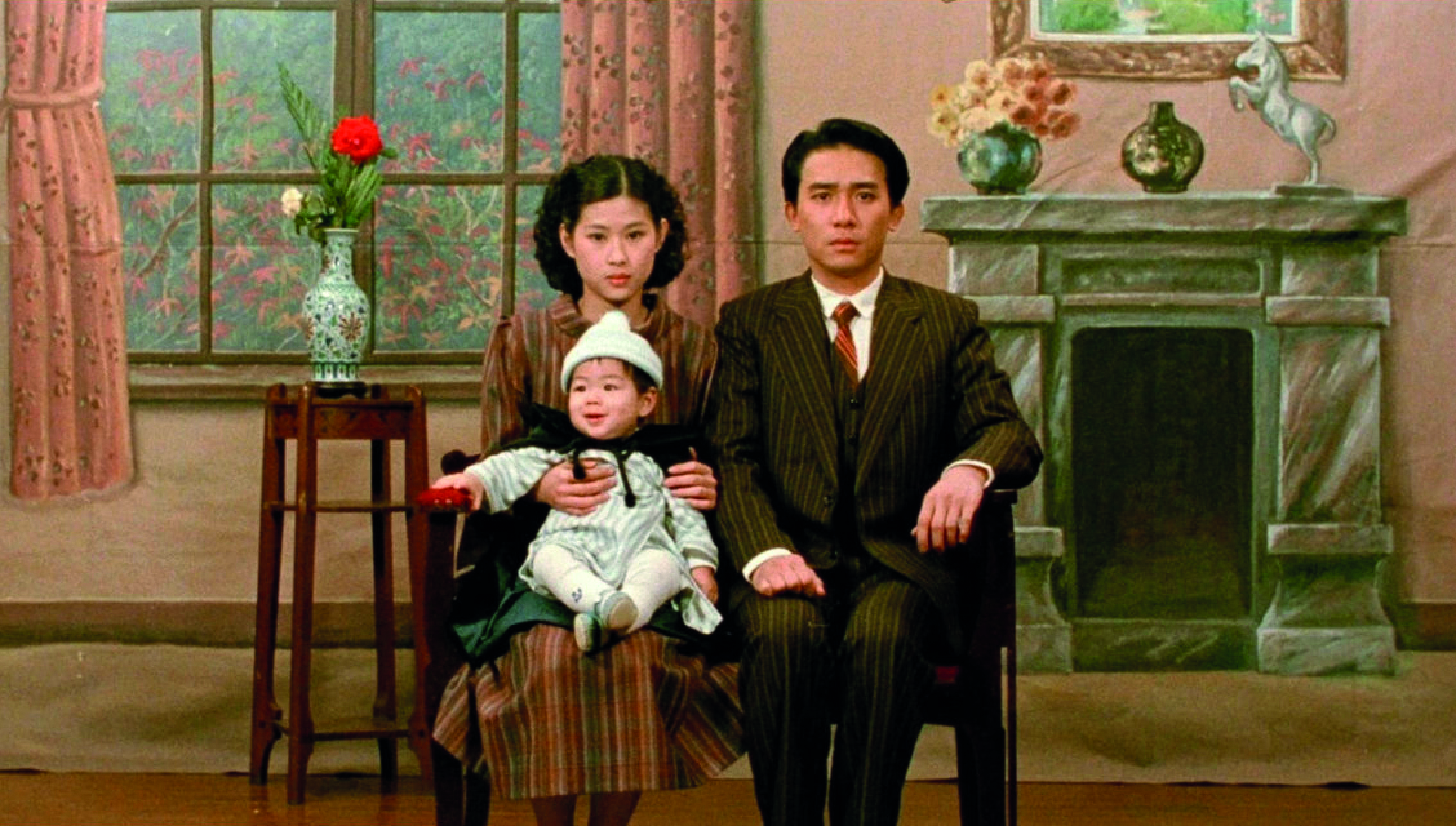
Historical drama from Hou Hsiao-hsien set immediately after the liberation from Japanese colonial rule following a family who become embroiled in the White Terror following the February 28 incident.
Myriad Voices: Reframing Taiwan New Cinema runs at the BFI Southbank throughout April.








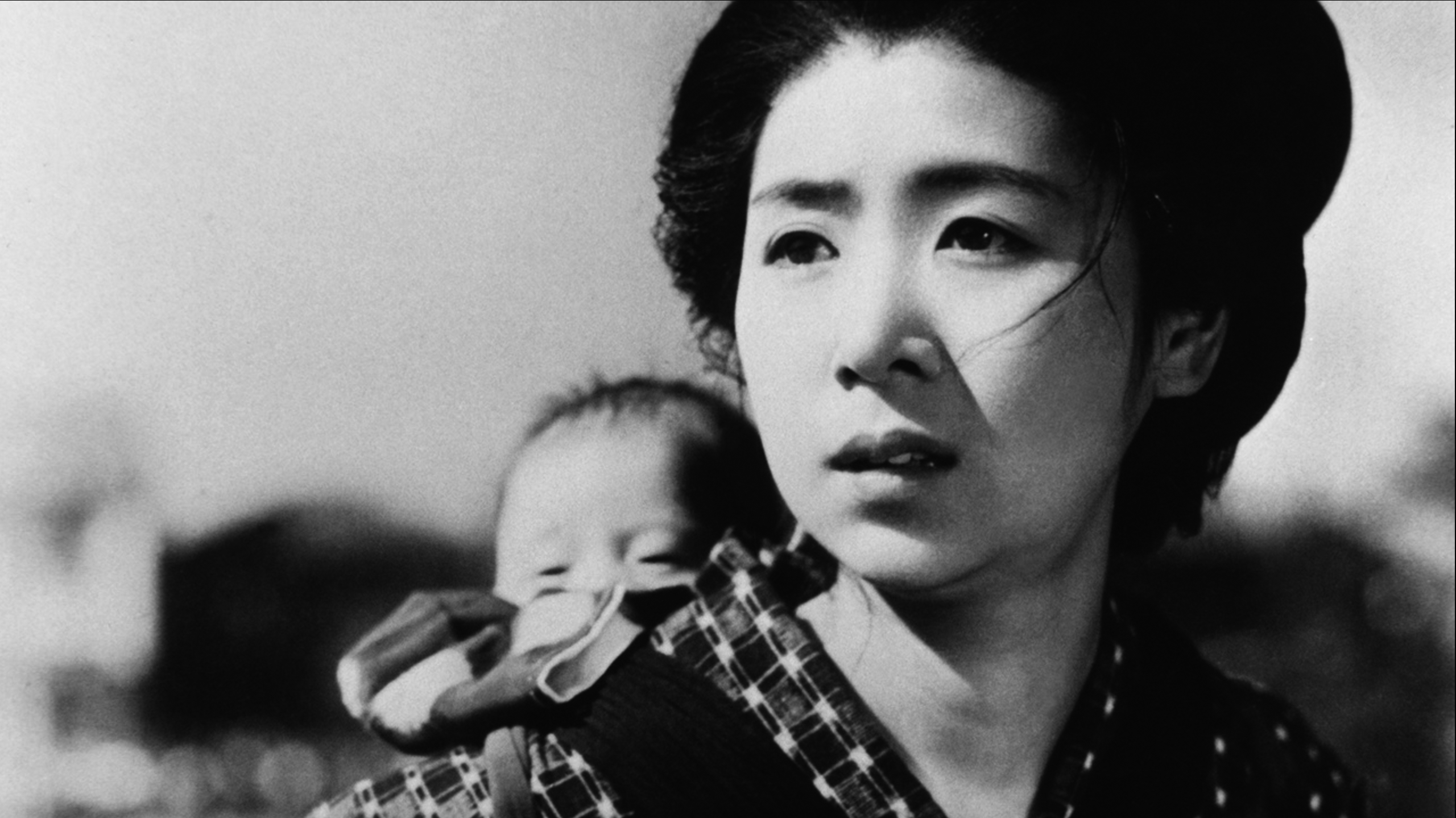
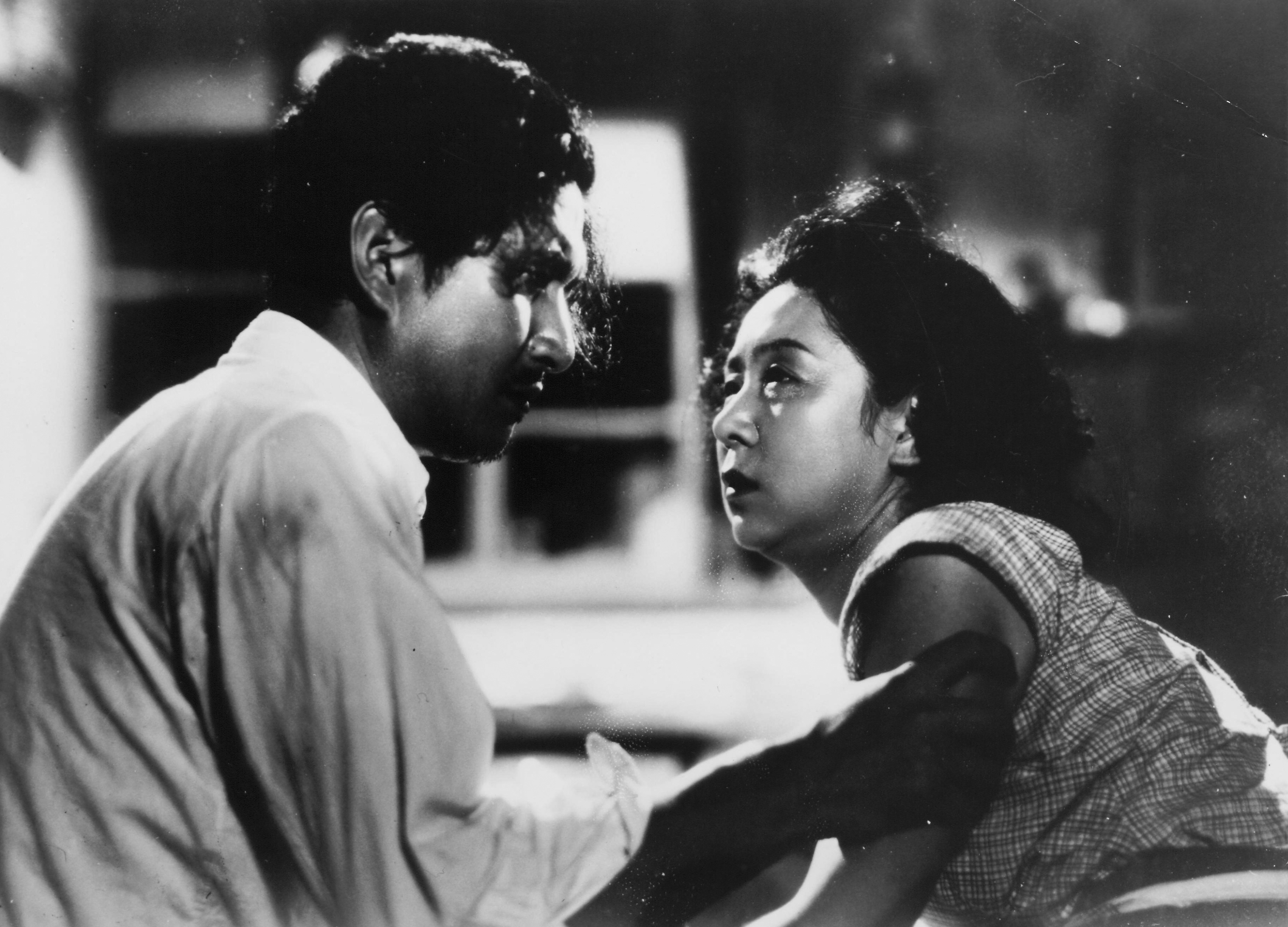
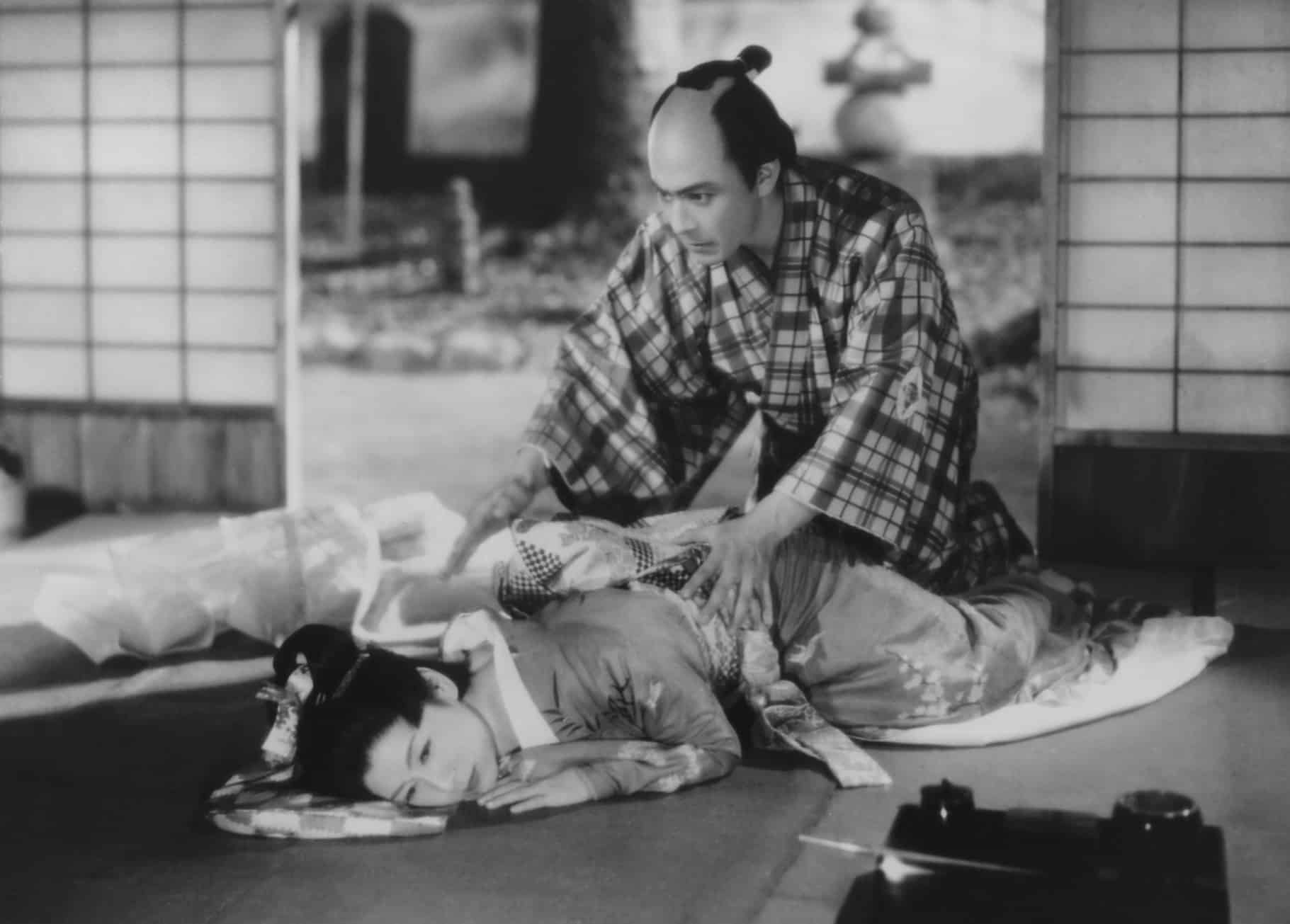
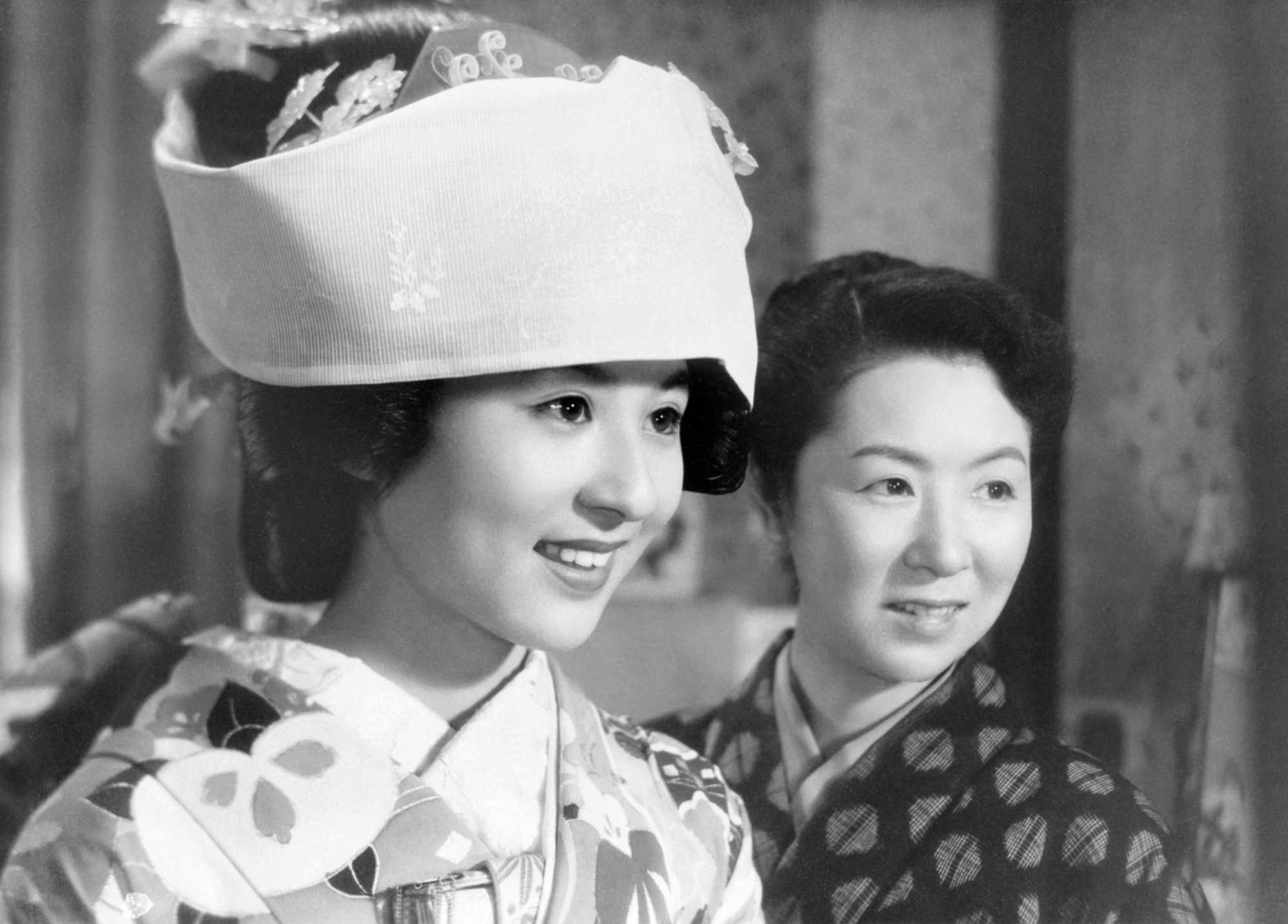







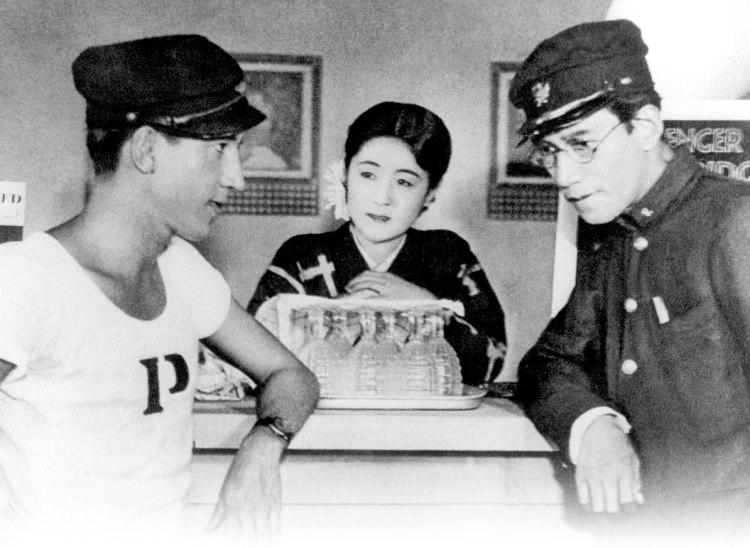





 Classic Korean cinema is making a long awaited return to the BFI this
 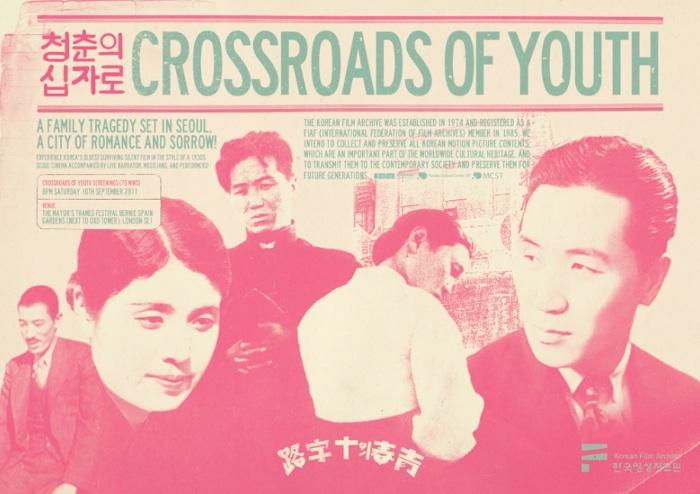 The oldest extant Korean film, Crossroads of Youth follows the adventures of a young man who travels to the city to find work after his arranged marriage falls through only to fall for a girl who is about to be sold to a money lender in payment for a debt.
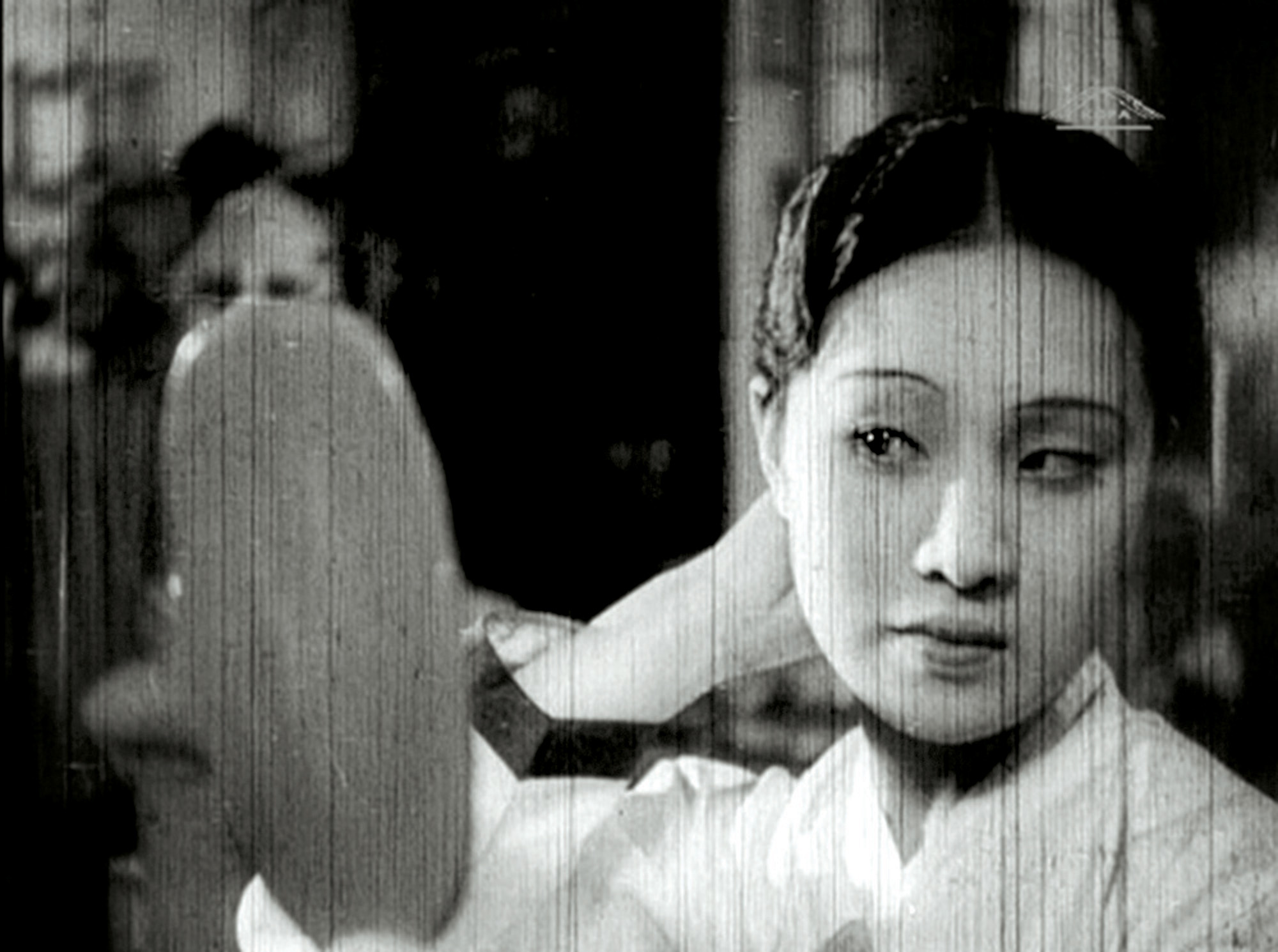 Acclaimed film editor Yang Ju-nam made his directorial debut with 1936’s Sweet Dream – a melodrama revolving around a vain housewife who abandons her daughter and moves in with a lover at a hotel after her husband throws her out.
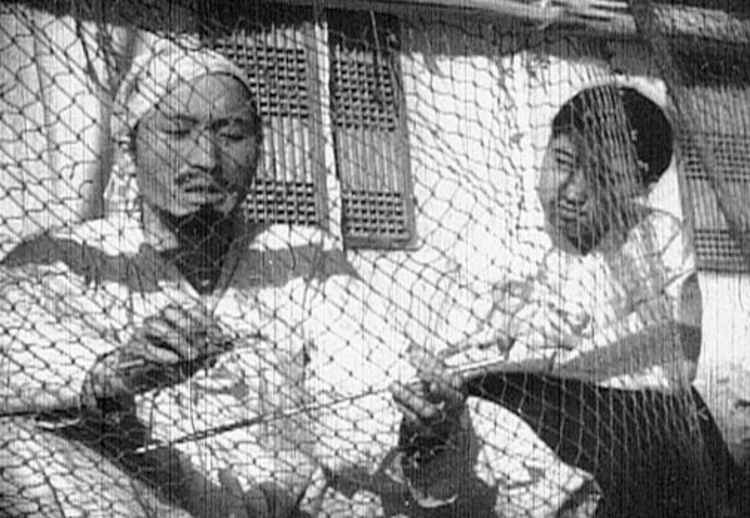 Co-produced by Shochiku and supervised by Yasujiro Shimazu, Ahn Cheol-young’s Fisherman’s Fire follows the melancholy fate of fisherman’s daughter In-soon who is faced with being sold in payment of a debt but escapes to Seoul only to wind up being forced to become bar girl.
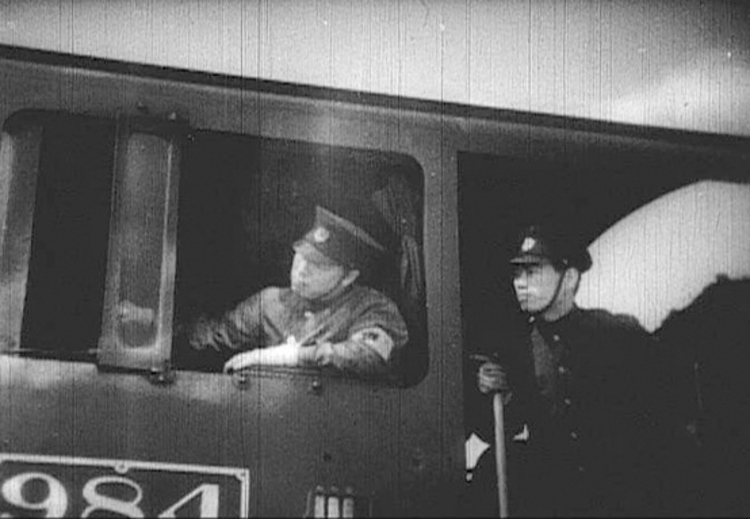 The only film directed by Suh Kwang-je, Military Train is also accounted as the first pro-Japanese government film, which is a fairly unfortunate legacy whichever way you look at it. Intended to boost recruitment, the film follows two best friends and roommates whose lives are disrupted when one is approached by resistance agents seeking info about the military train.
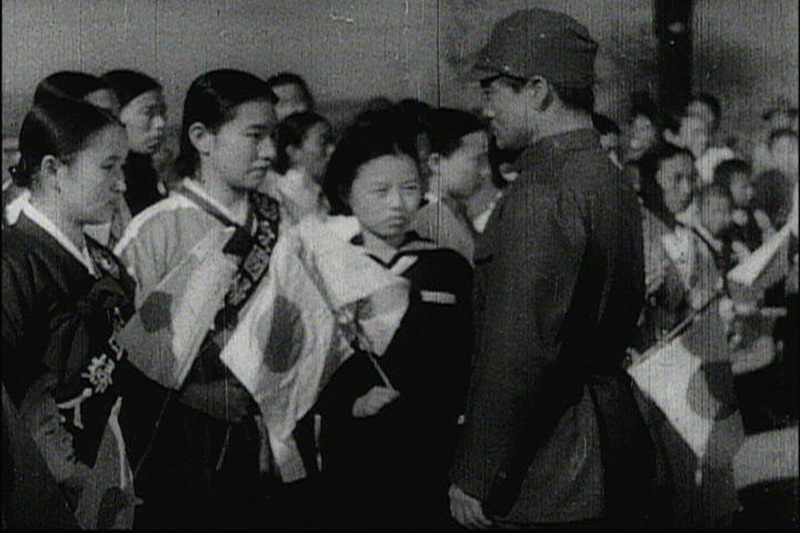 Another recruiting film, Anh Seok-young’s Volunteer follows a poor farm boy who is thrown off his land and resents his meagre prospects. He sees entry to the Japanese army, which has recently relaxed regulations to allow Korean men to join, as a path to making something of himself…
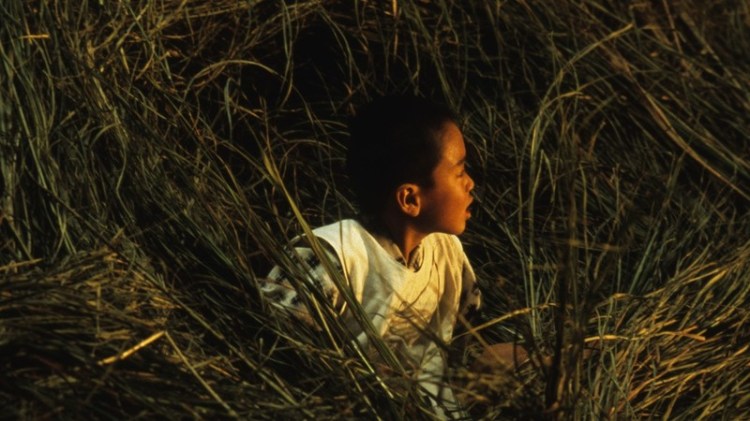
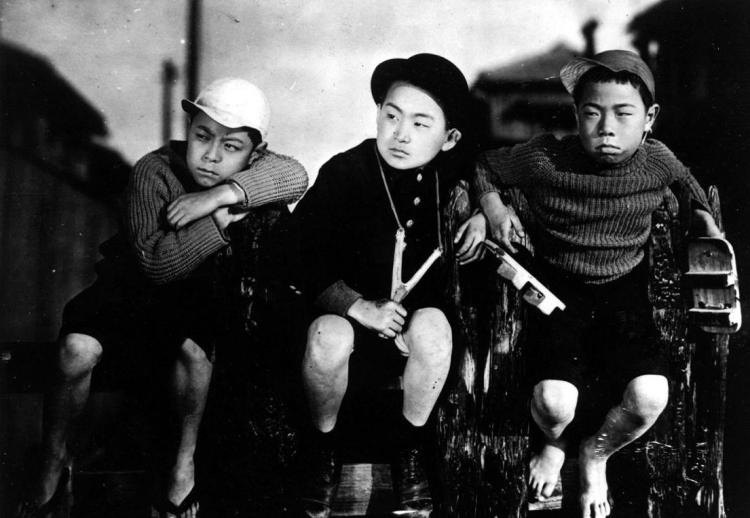
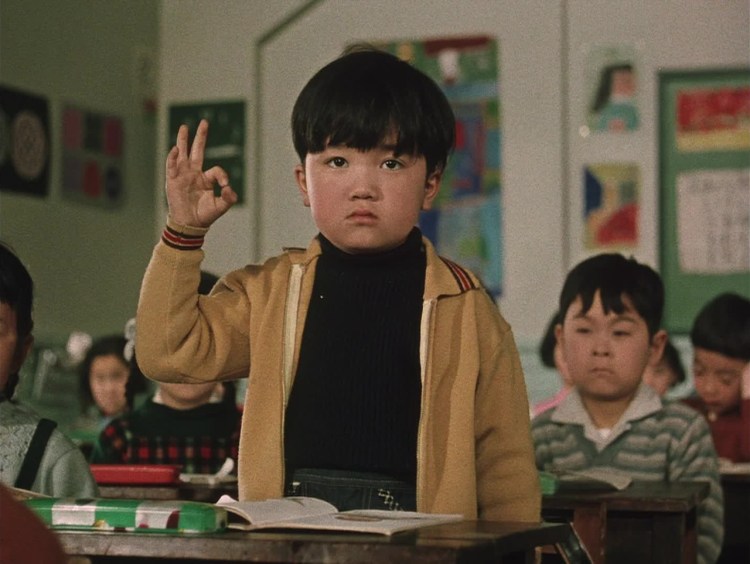
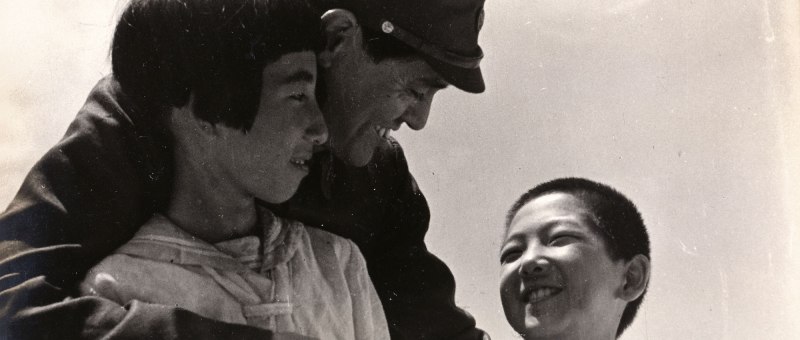
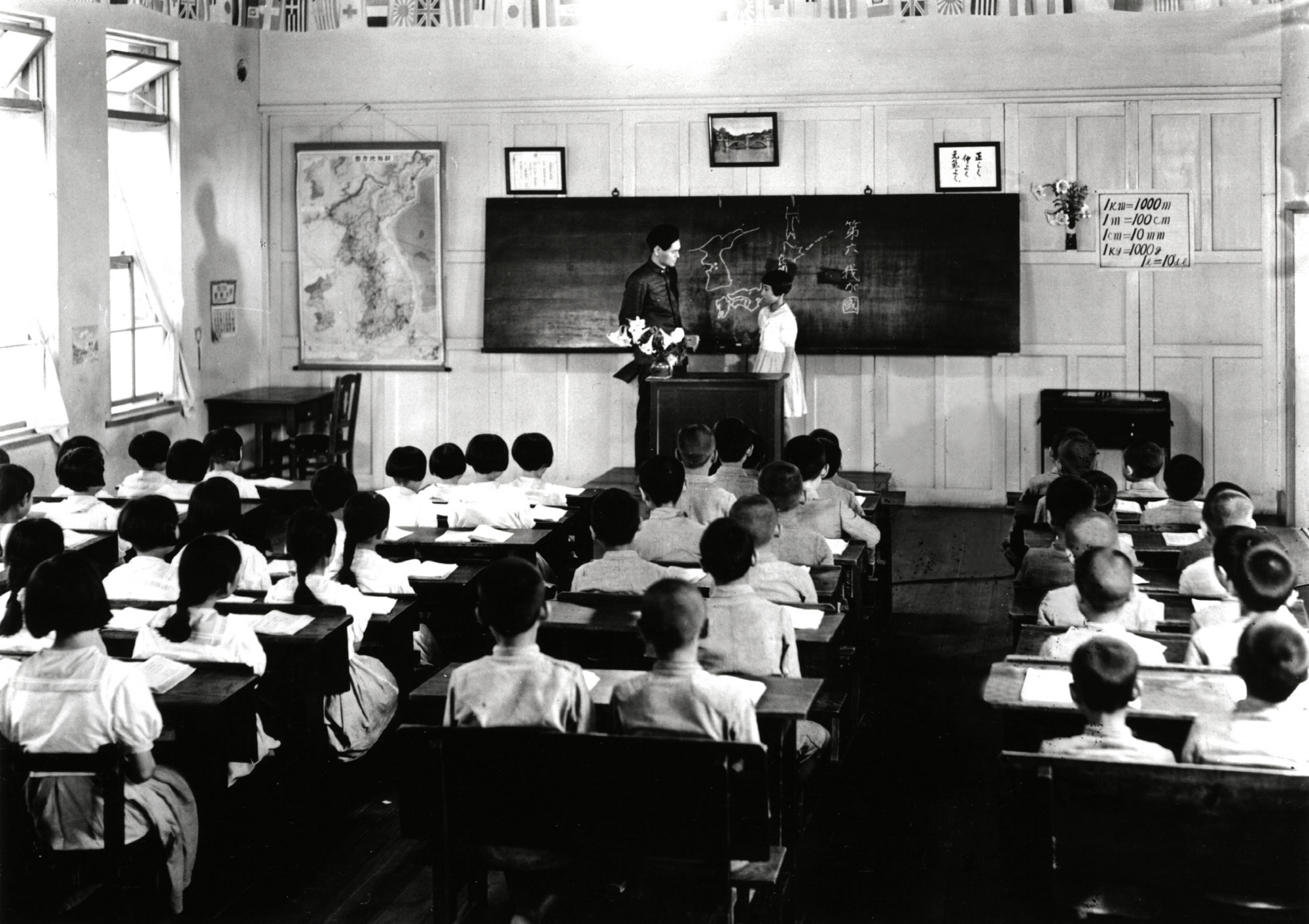 One of the many films inspired by a child’s essay Tuition is a mildly subversive propaganda melodrama about a little boy struggling to pay his school fees who goes on a perilous adventure when his grandma is taken ill.
 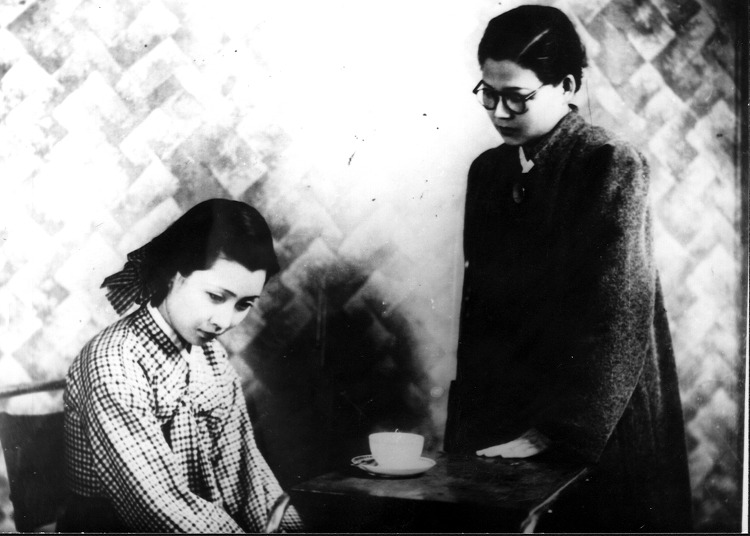 The directorial debut of Lee Byung-il (
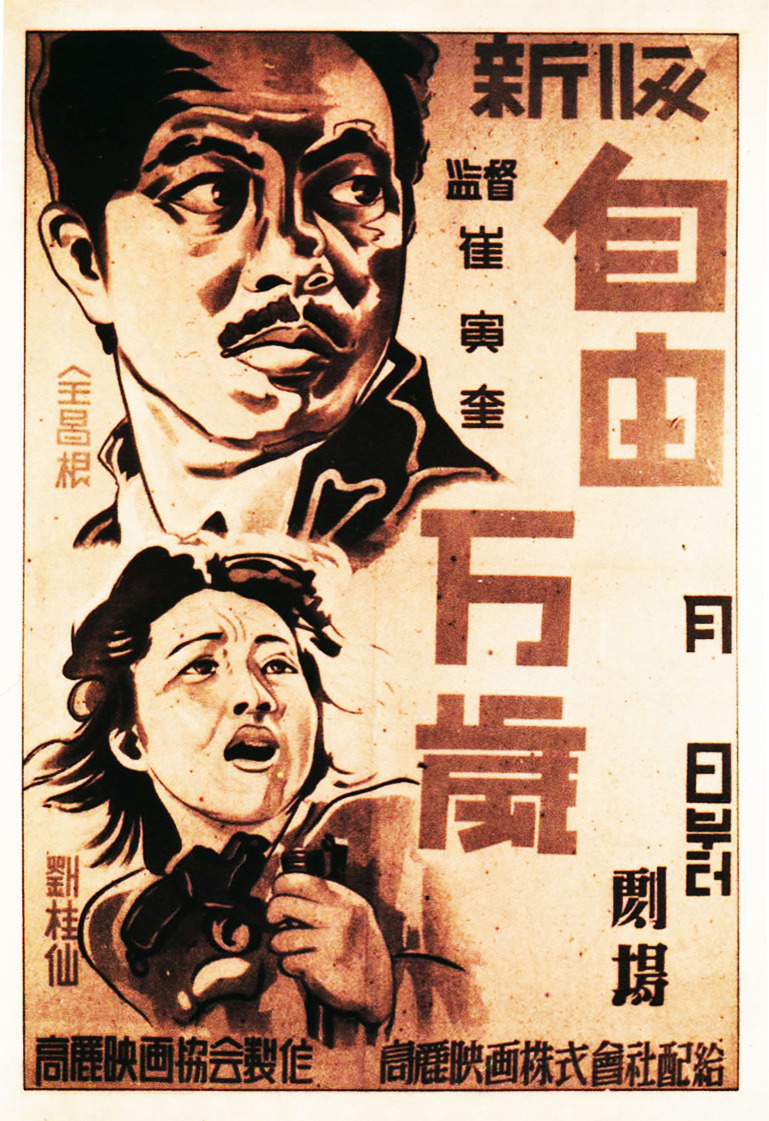
 Sadly incomplete and, ironically enough, a victim of censorship in the Park Chung-hee era, Hurrah! for Freedom (also known as Viva Freedom!) is the appropriately titled first film to have been released after the liberation and follows a betrayed resistance fighter who escapes from Japanese capture and hides out in a nurse’s apartment while covertly continuing his resistance activities.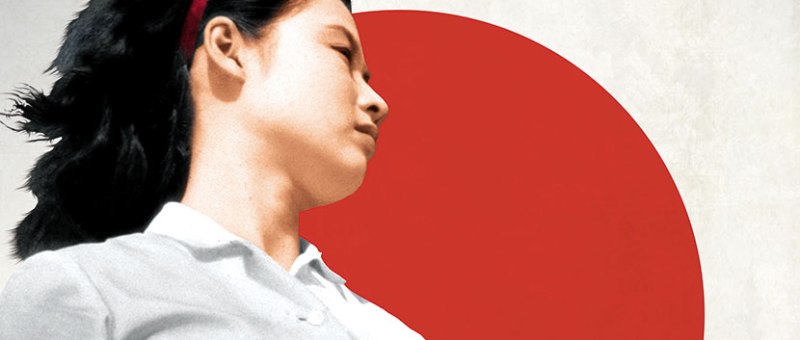
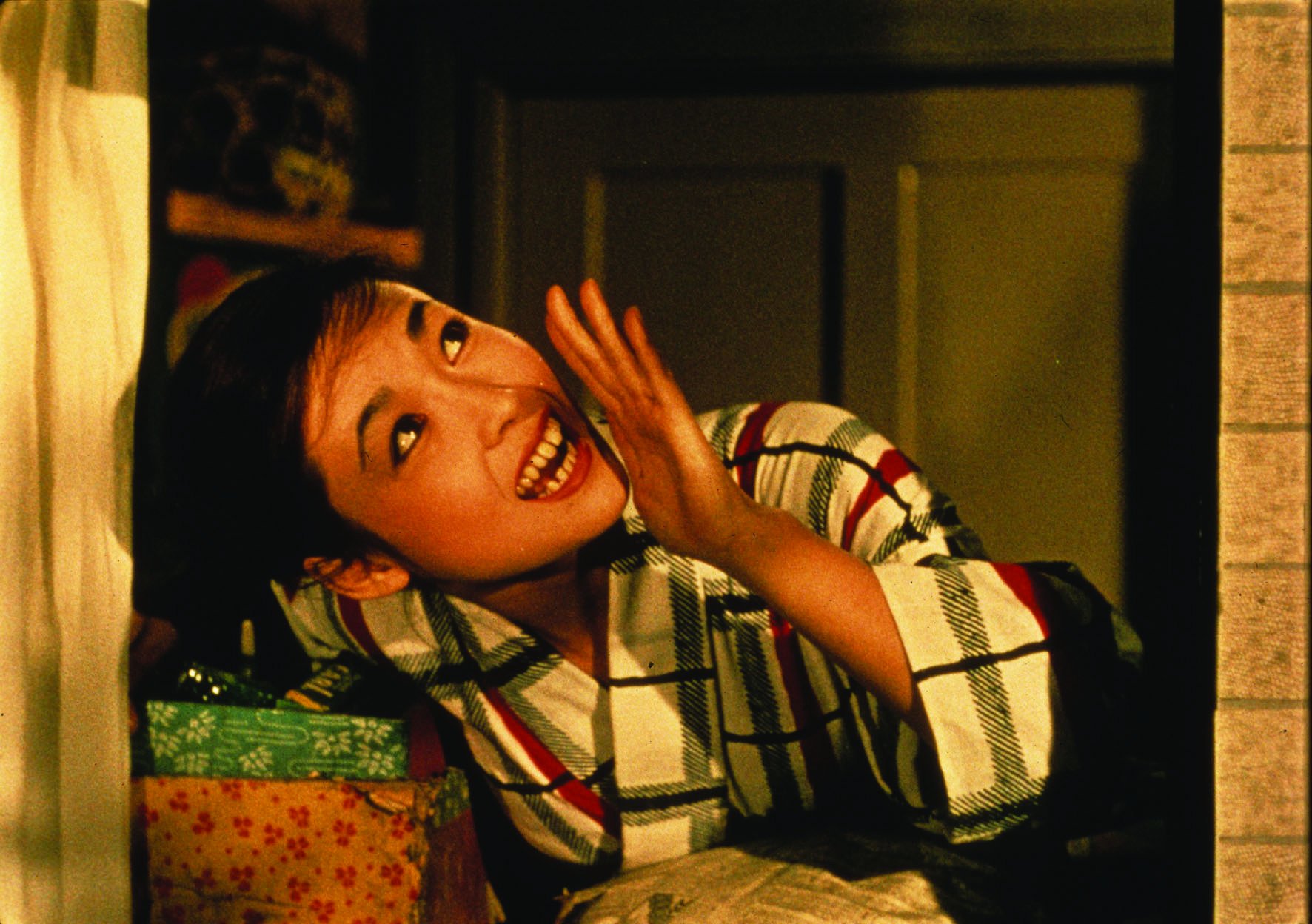 Running at BFI Southbank through October and November,
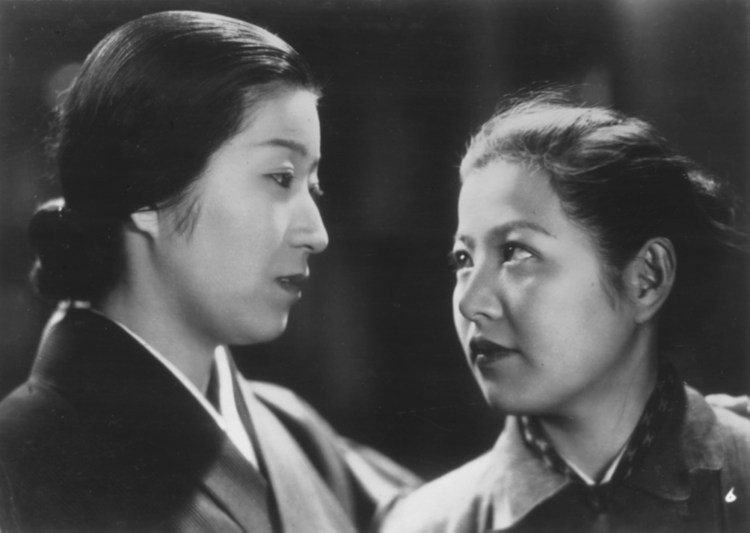
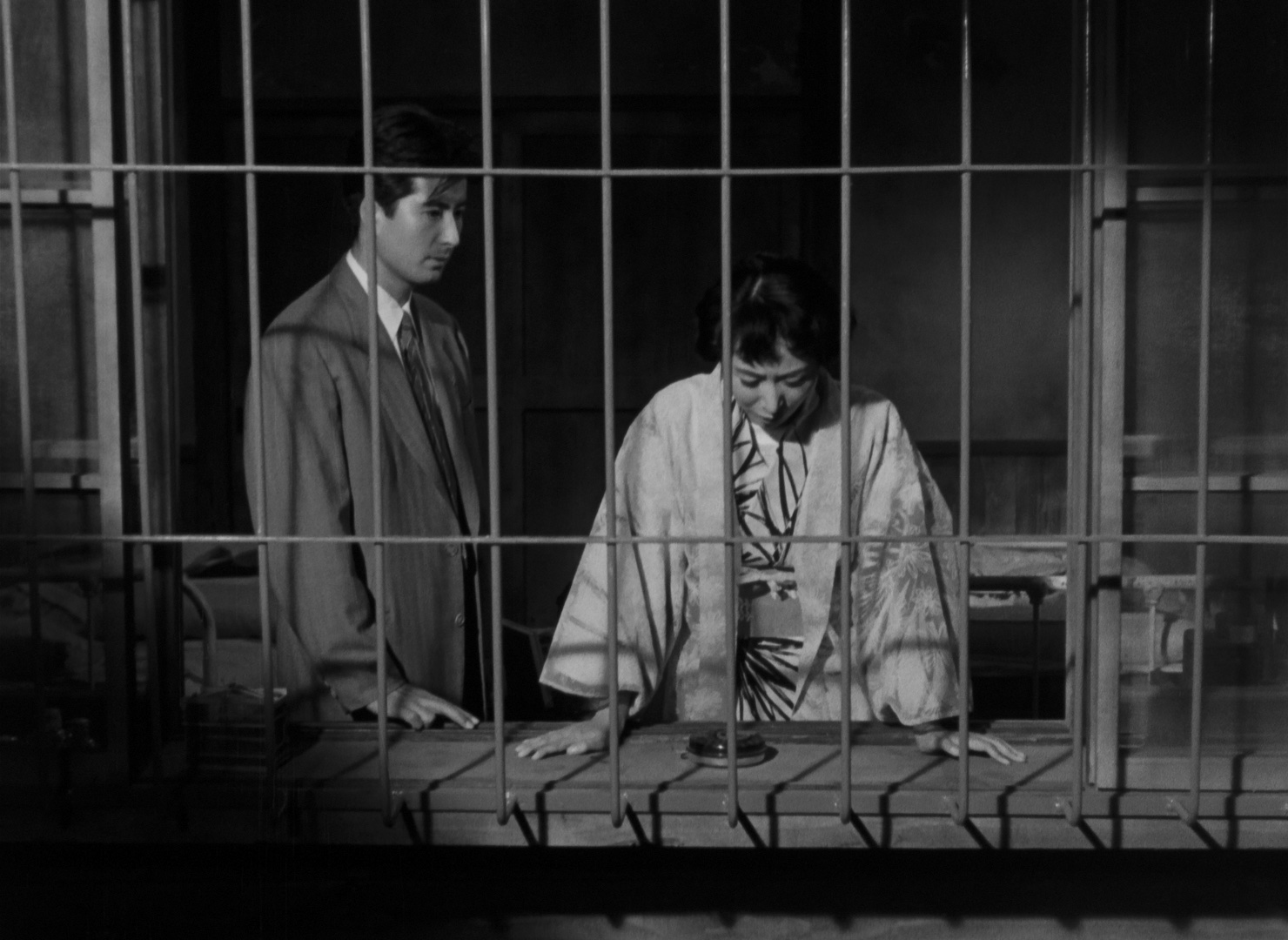
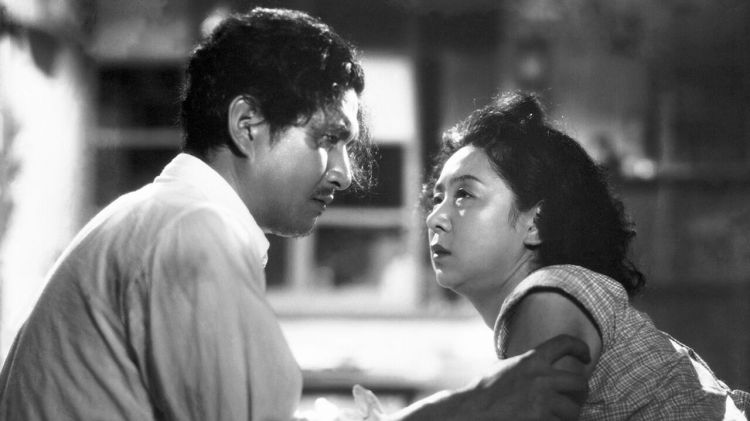
  Starring Mizoguchi’s frequent leading lady Isuzu Yamada, Osaka Elegy centres on a switchboard operator who finds herself trapped in a ruinous relationship with her boss in an effort to save her father who has ruined himself through gambling debts.
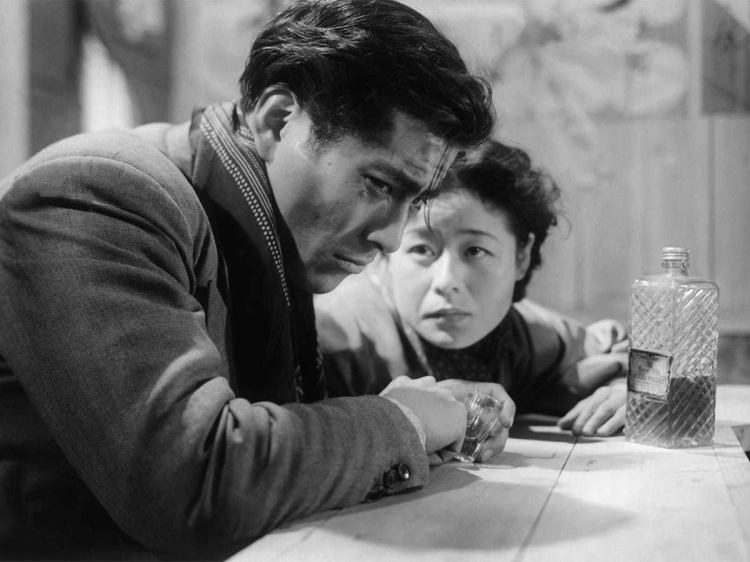
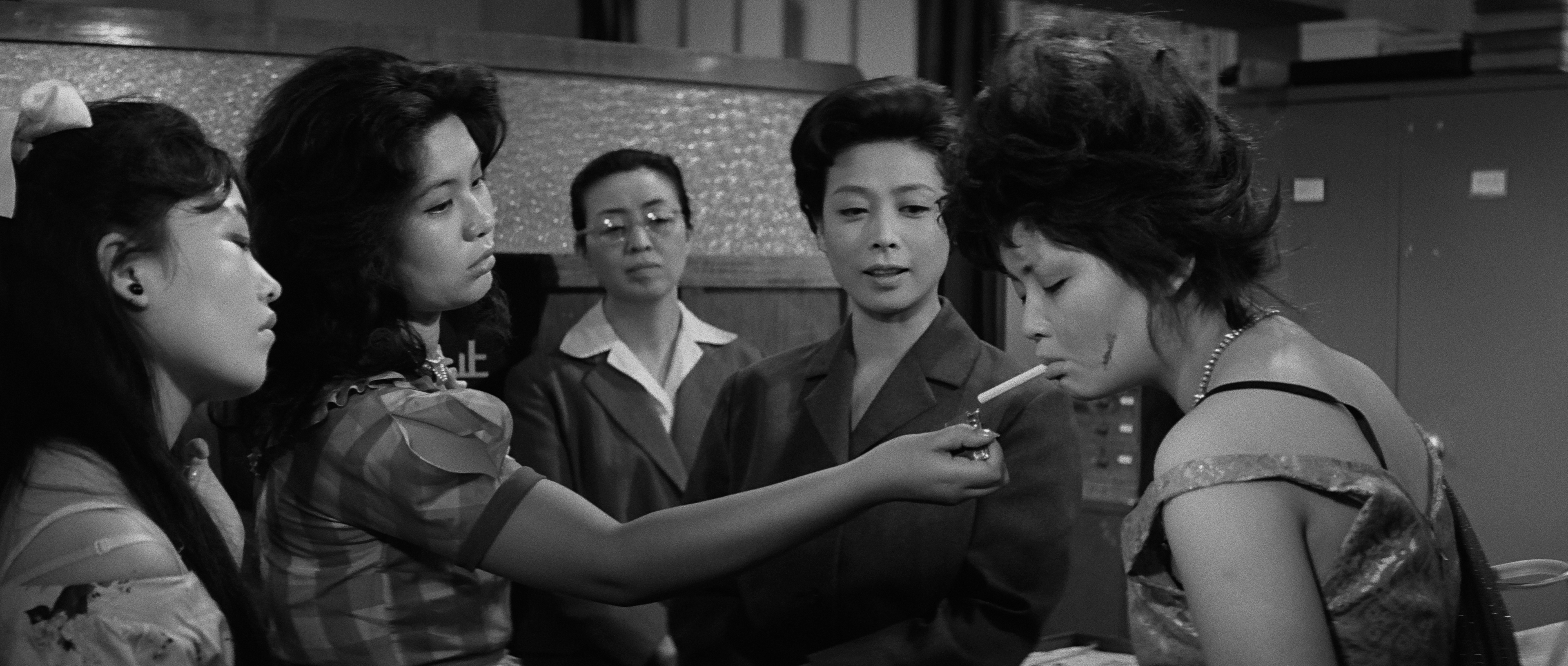
  Women of the Night, completed in 1948, will screen along side Osaka Elegy (1936) and stars Kinuyo Tanaka in a tale of two sisters trying to survive in the ruined Osaka one of whom is a war widow and the other dangerously involved with a drugs smuggler. 35mm.
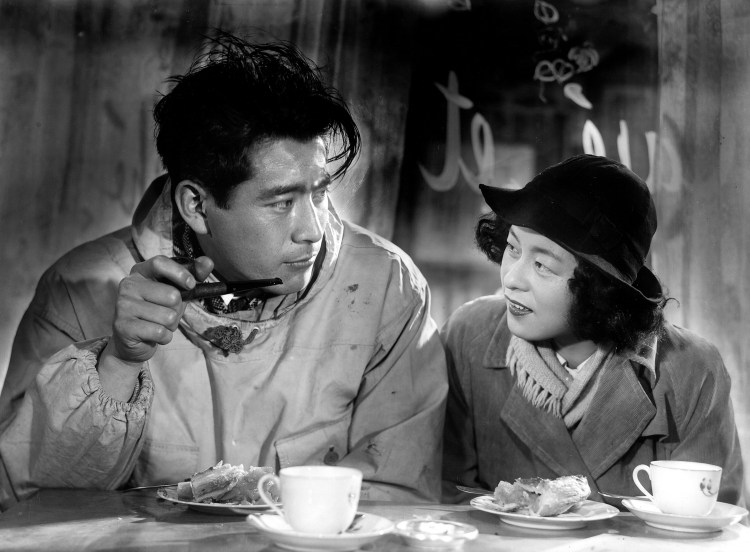
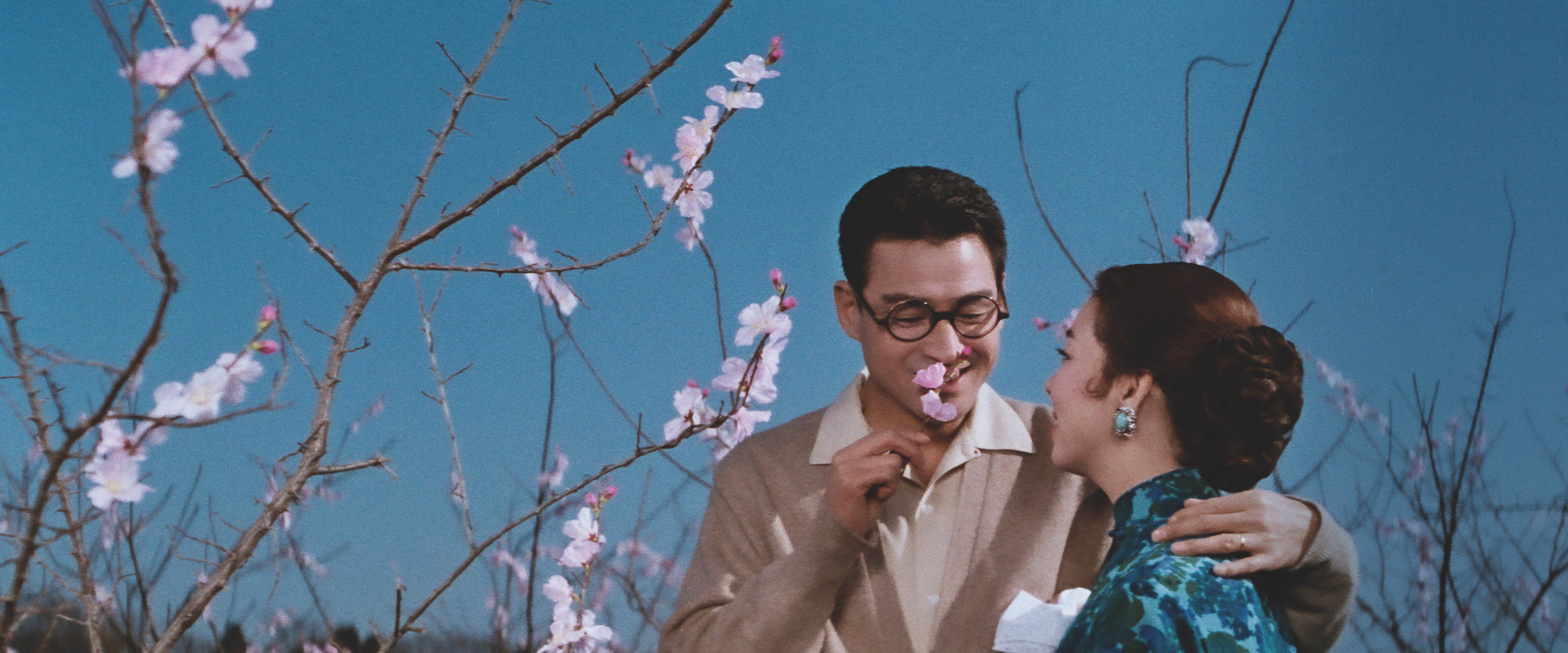
 Kinuyo Tanaka also stars in Keisuke Kinoshita’s 1950 melodrama Wedding Ring. Starring opposite Toshiro Mifune, Tanaka plays a housewife who travels back and fore from the seaside, where her sickly husband convalesces, to Tokyo where she runs her family’s jewellery store. A chance encounter with a strapping doctor (Mifune) on a train has unforeseen consequences as the pair grow closer and the husband begins to realise that he cannot provide the happiness his wife is seeking. 35mm.
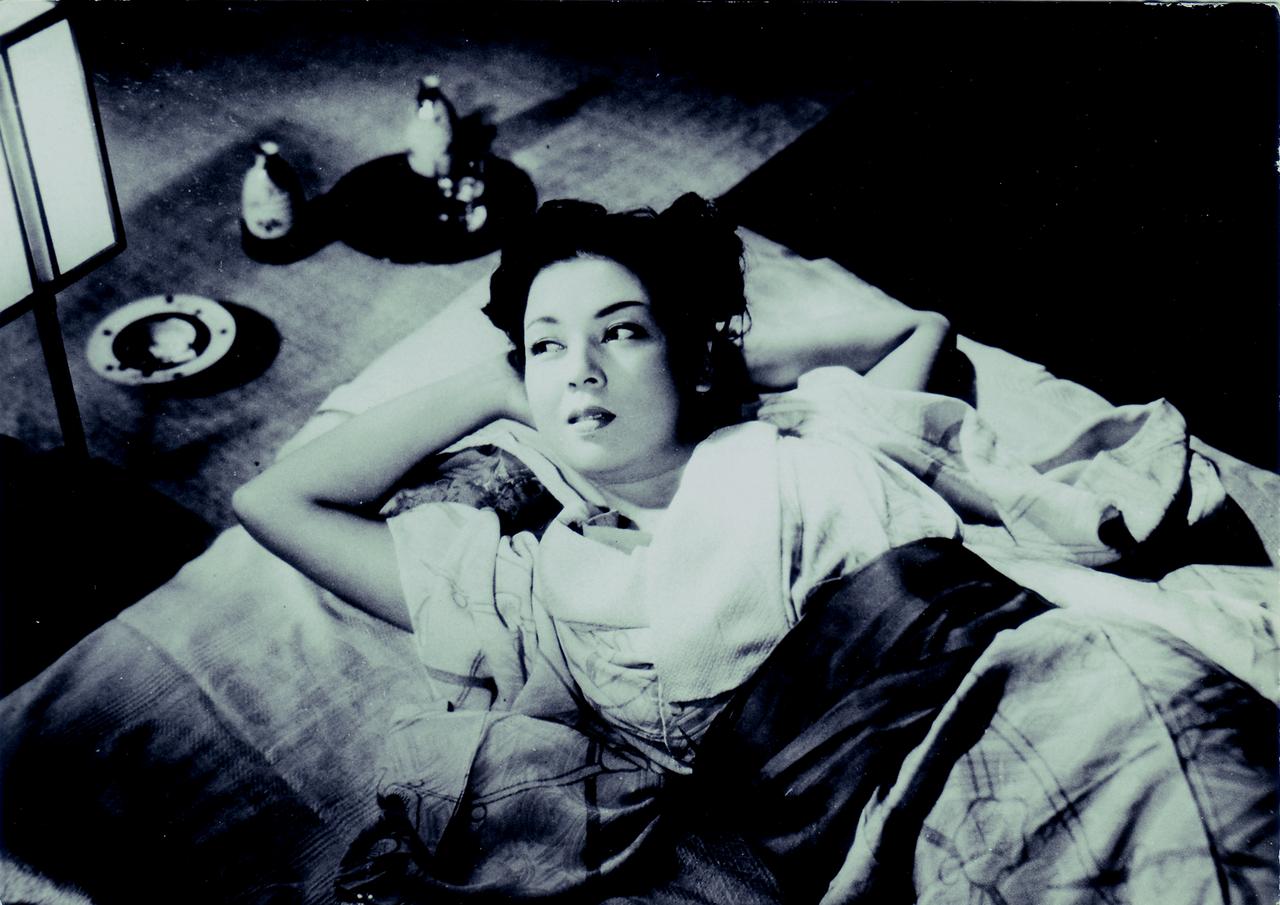 Clothes of Deception is directed by Kozaburo Yoshimura who was the subject (along with Kaneto Shindo) of the BFI’s previous
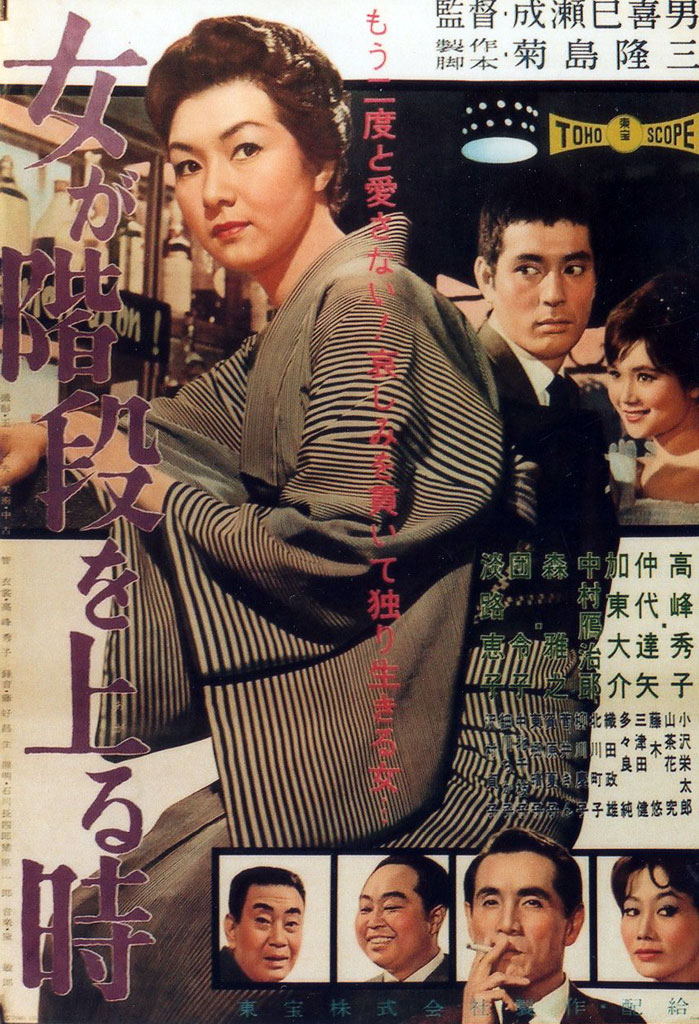
 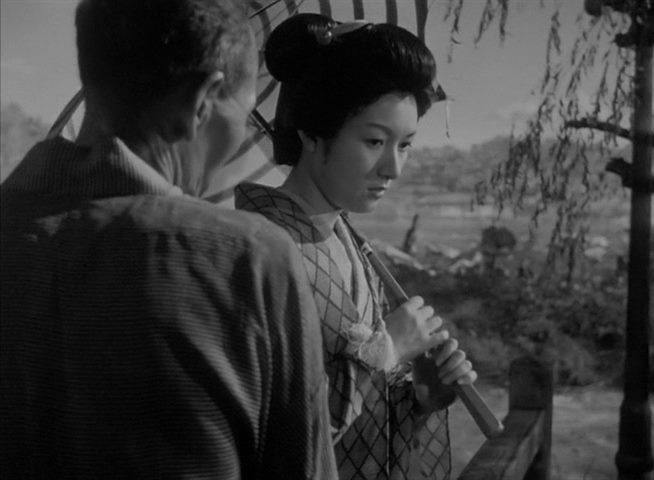 Shiro Toyoda’s melodrama stars Hideko Takamine as a divorced woman who becomes the mistress of an elderly money lender to support her father but dares to dream of a happier future after falling for a young student. 35mm.
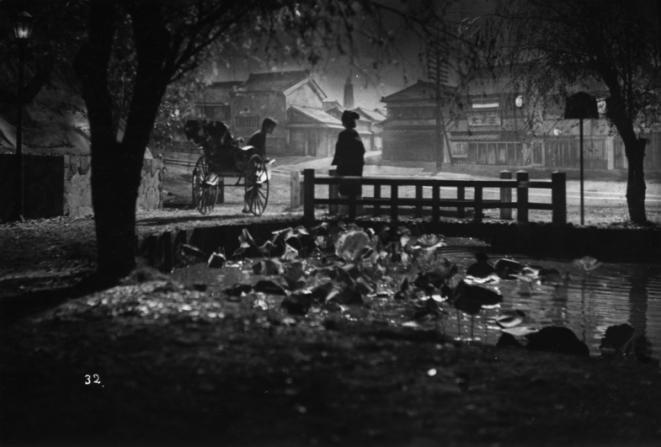 Tadashi Imai’s adaptation of a number of stories by 19th century writer Ichiyo Higuchi came top in Kinema Junpo’s best of list for 1953 and features three stories of women suffering at the hands of men. 35mm.
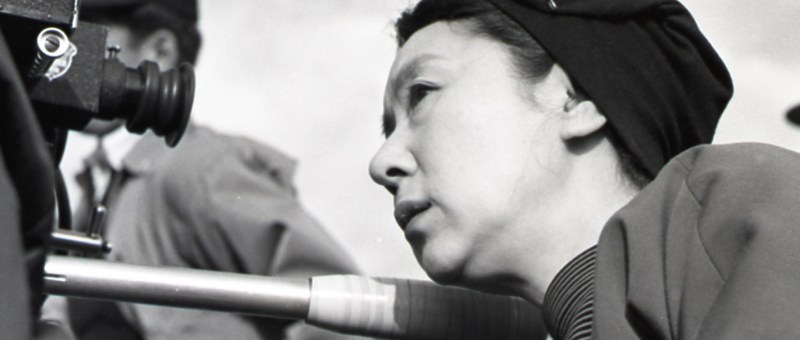
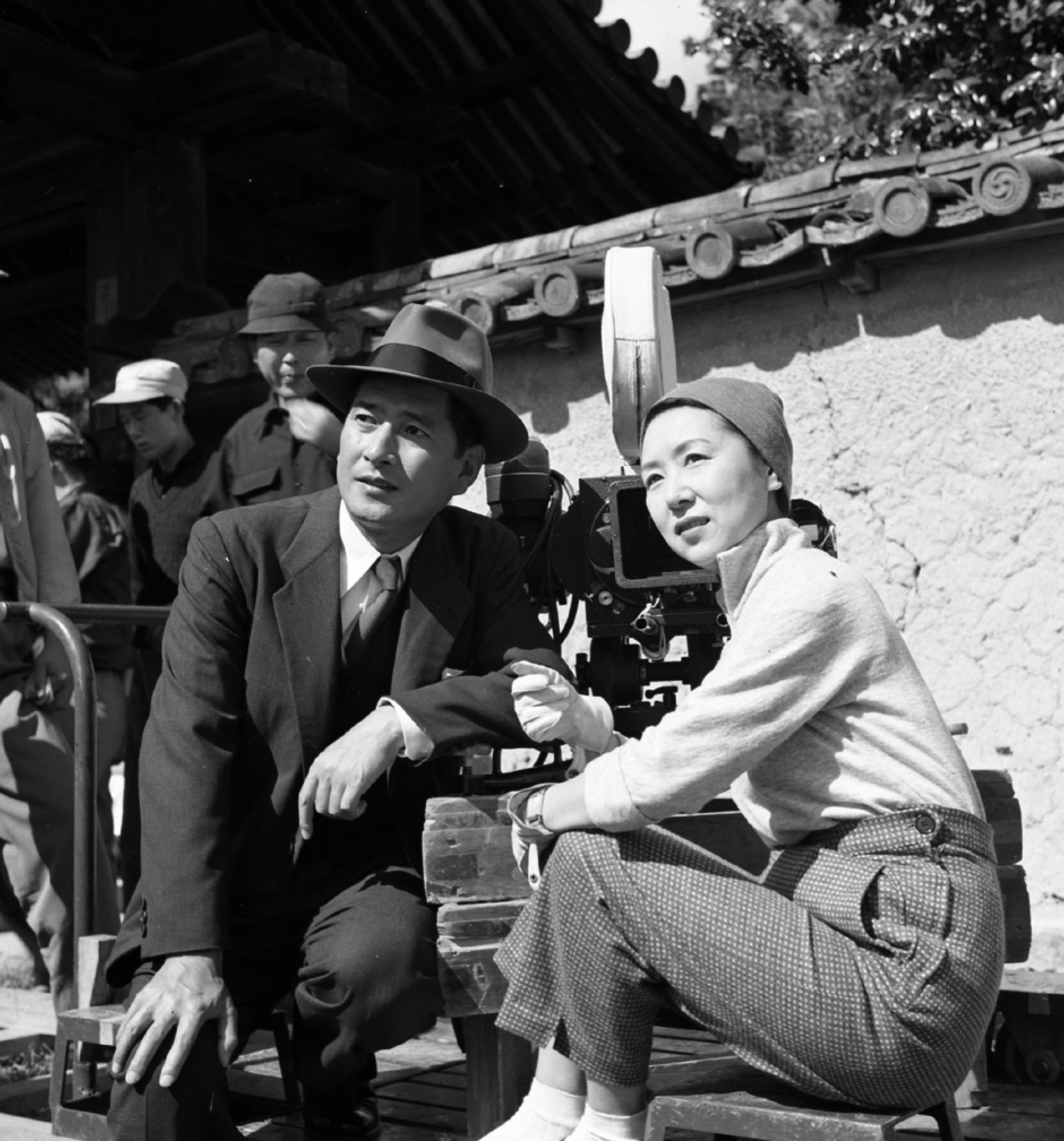
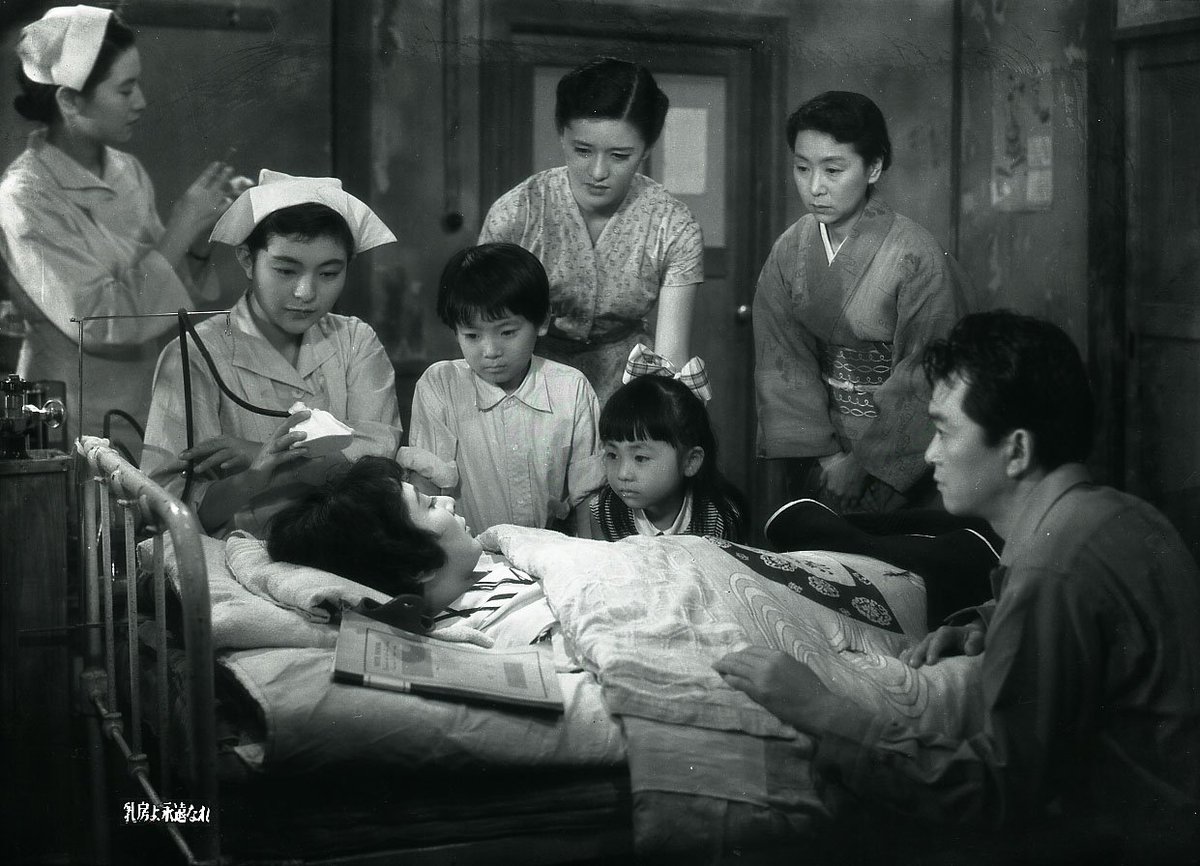 Kinuyo Tanaka, one of Japan’s great actresses, was not the nation’s first female director as she is sometimes described, but she was the first to have a career as a film director. The Eternal Breasts is Tanaka’s third directorial effort (following
 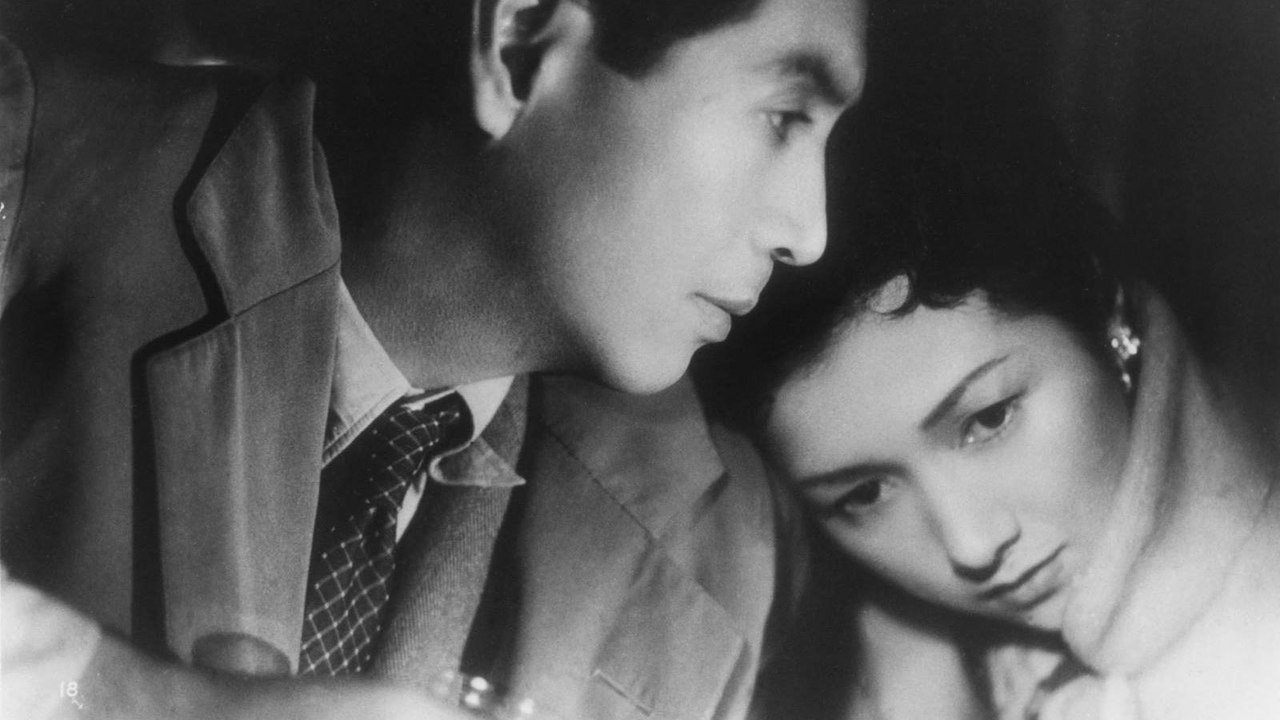 Hideko Takamine and Masayuki Mori play two former lovers cast adrift in the new post-war world world where their love is both impossible and impossible to escape. Naruse’s melancholy melodrama is the story of a woman who strives for self-determination while chasing a man who craves only respectability, as trapped and confused as her still divided nation. 35mm.
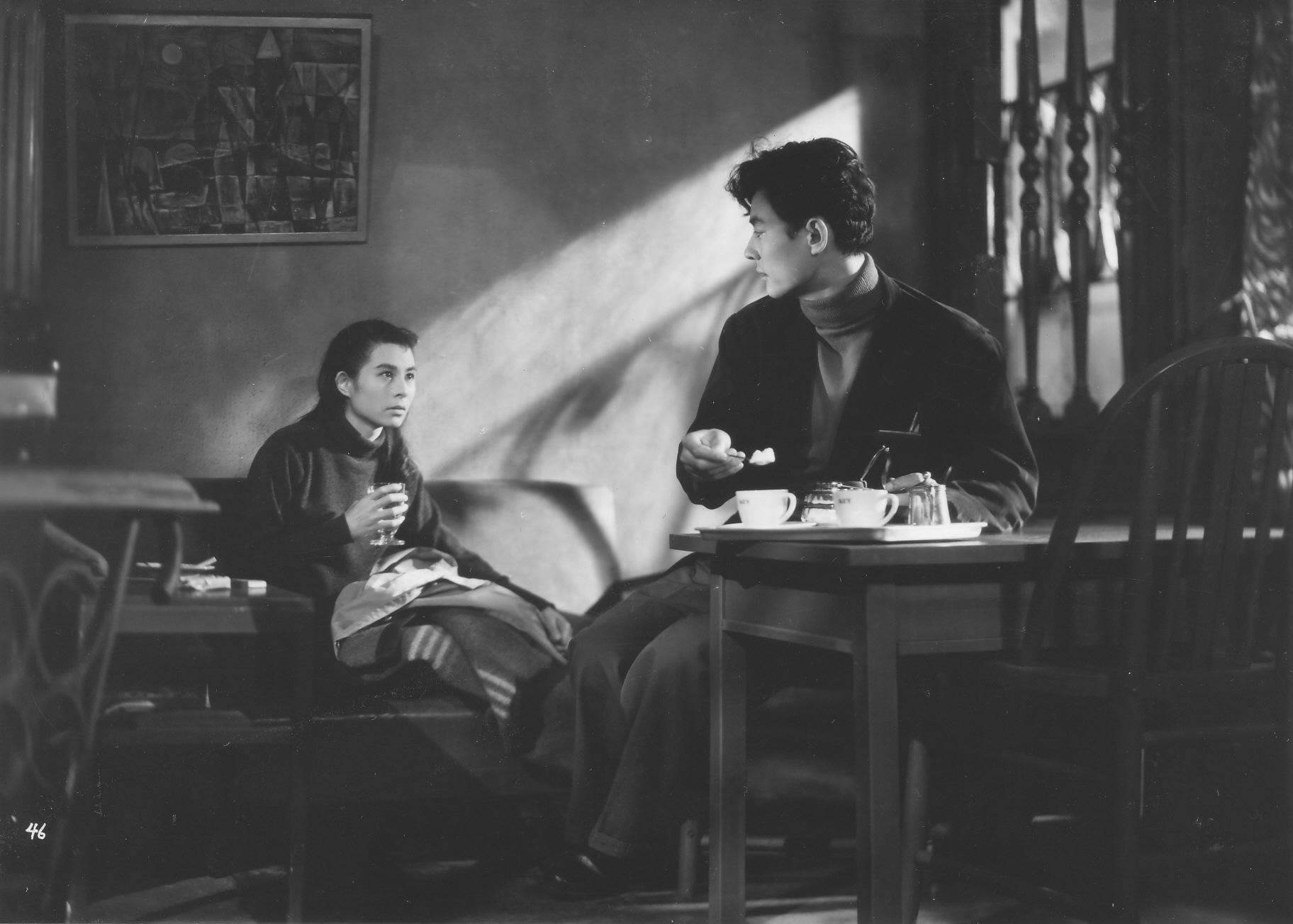 Masayuki Mori stars again in another romantic melodrama this time for Heinosuke Gosho (
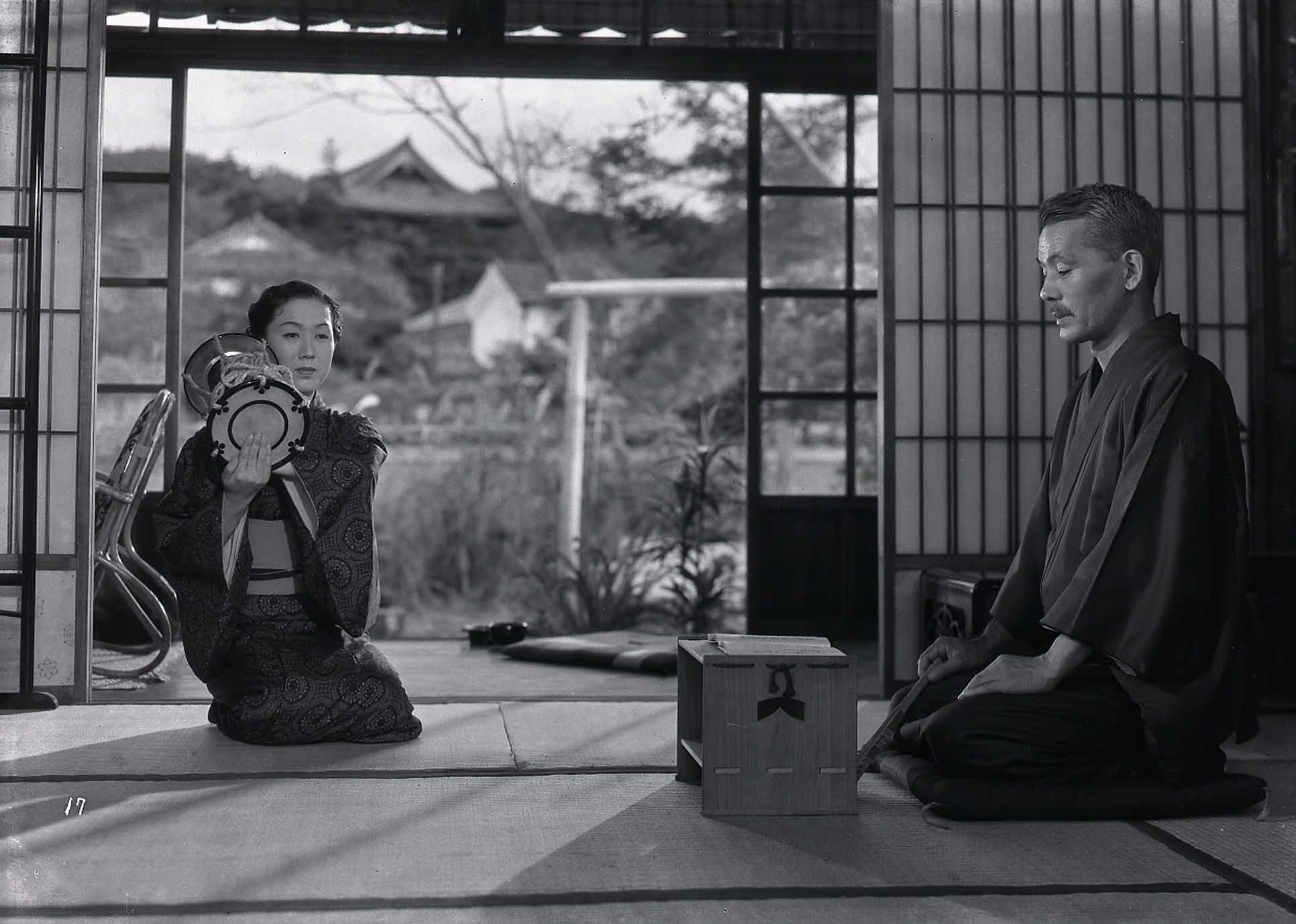
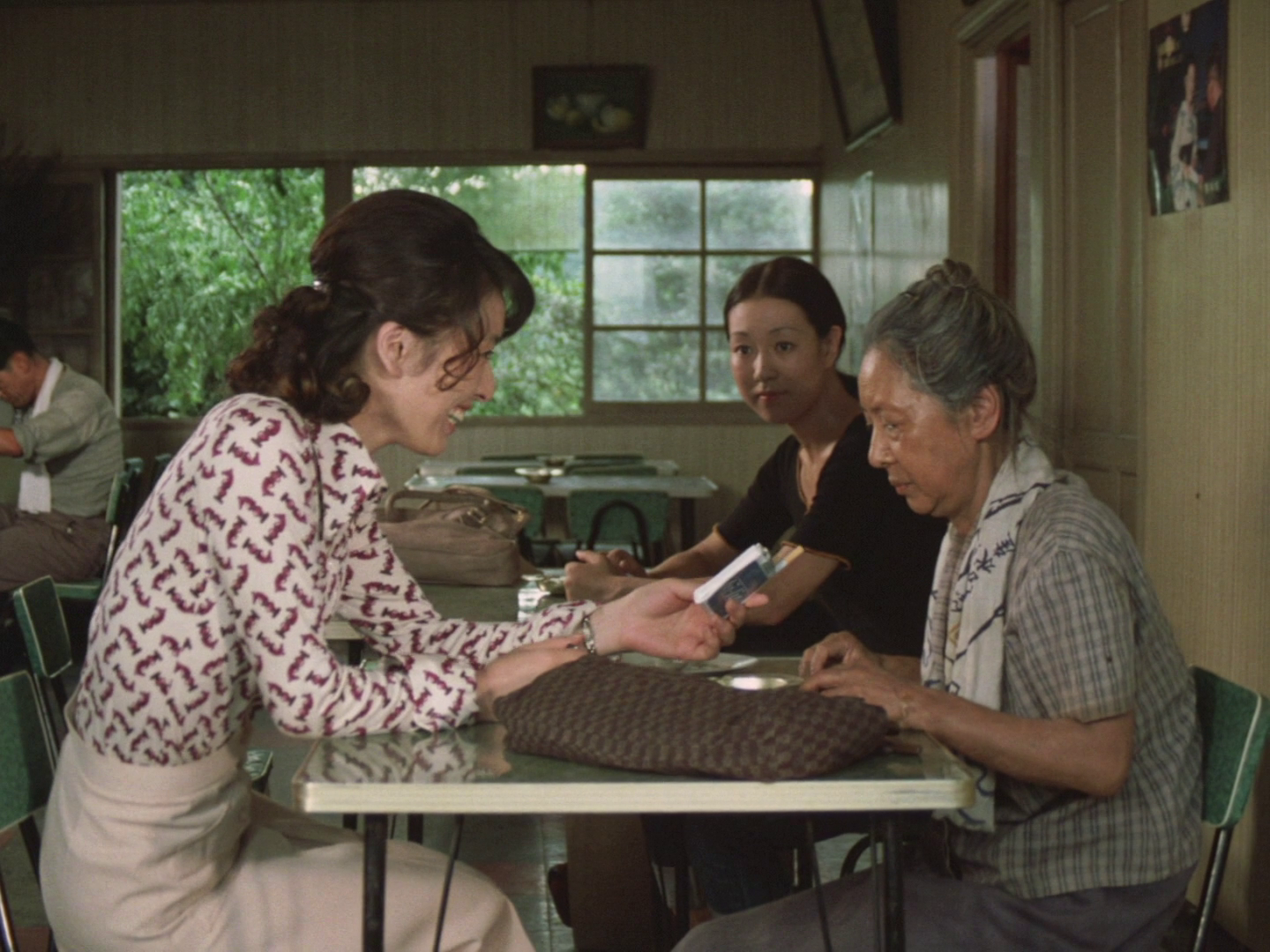
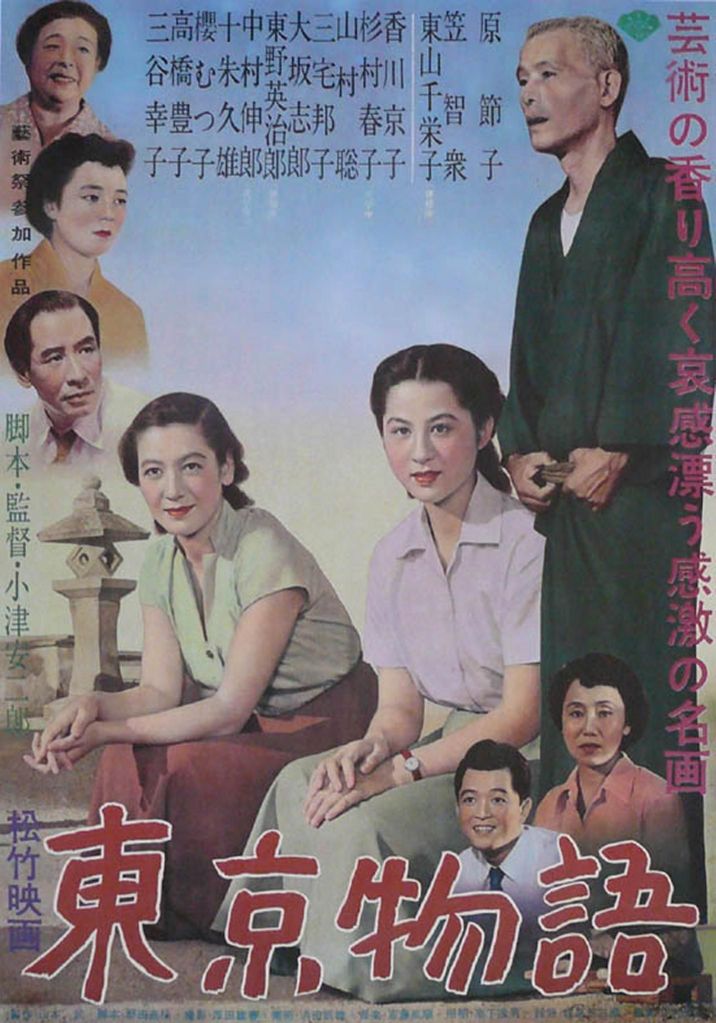
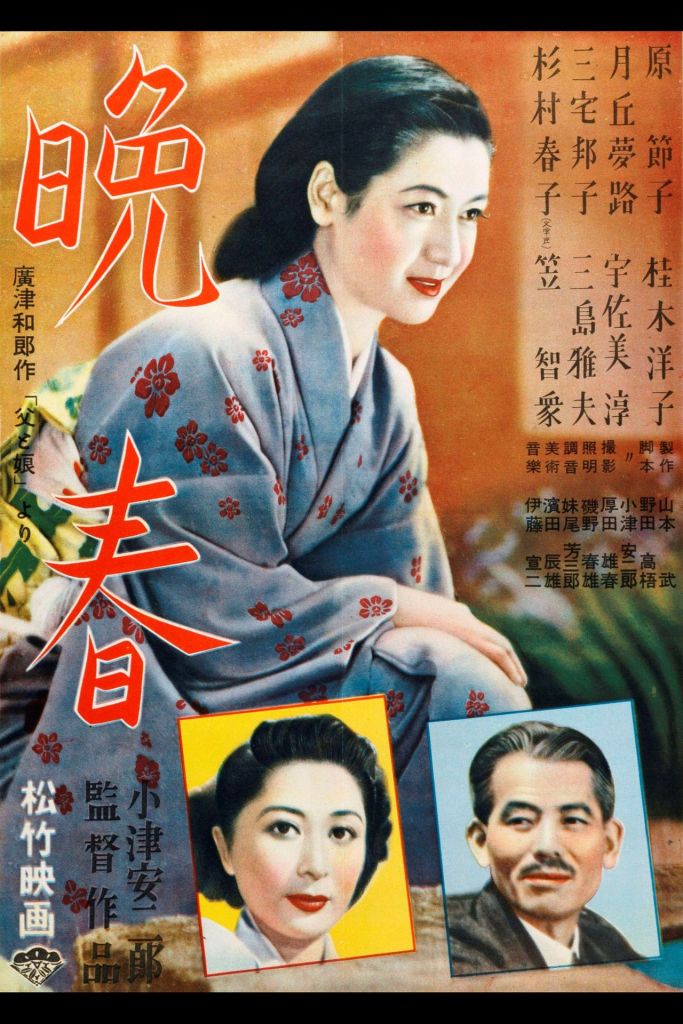
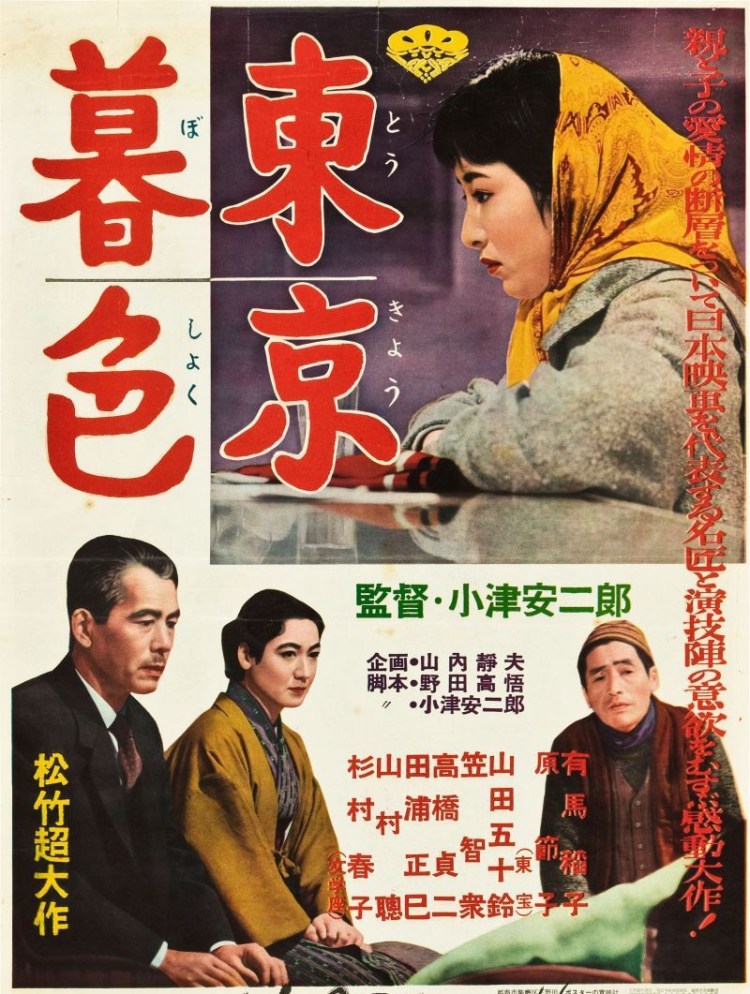
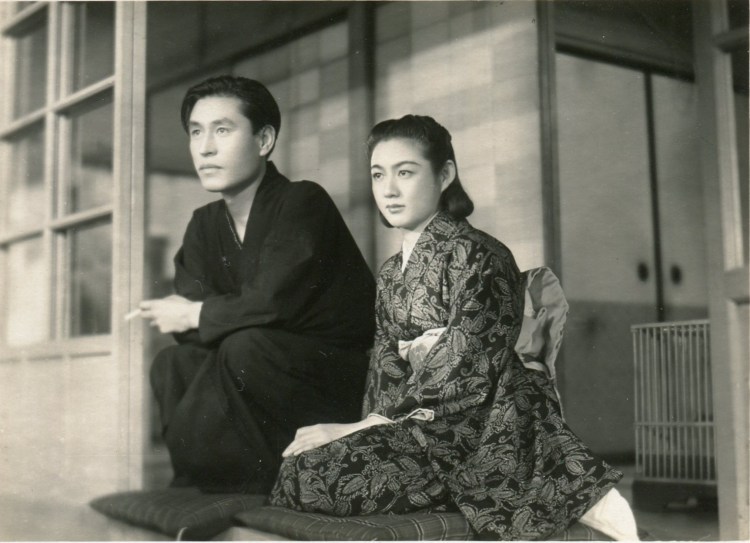
 Among the darkest of Ozu’s post-war movies, Tokyo Twilight is a less forgiving family drama in which Setsuko Hara plays the older of two sisters who has returned home from a failing marriage with her little girl in tow only to find out that her unmarried student younger sister is facing an unwanted pregnancy.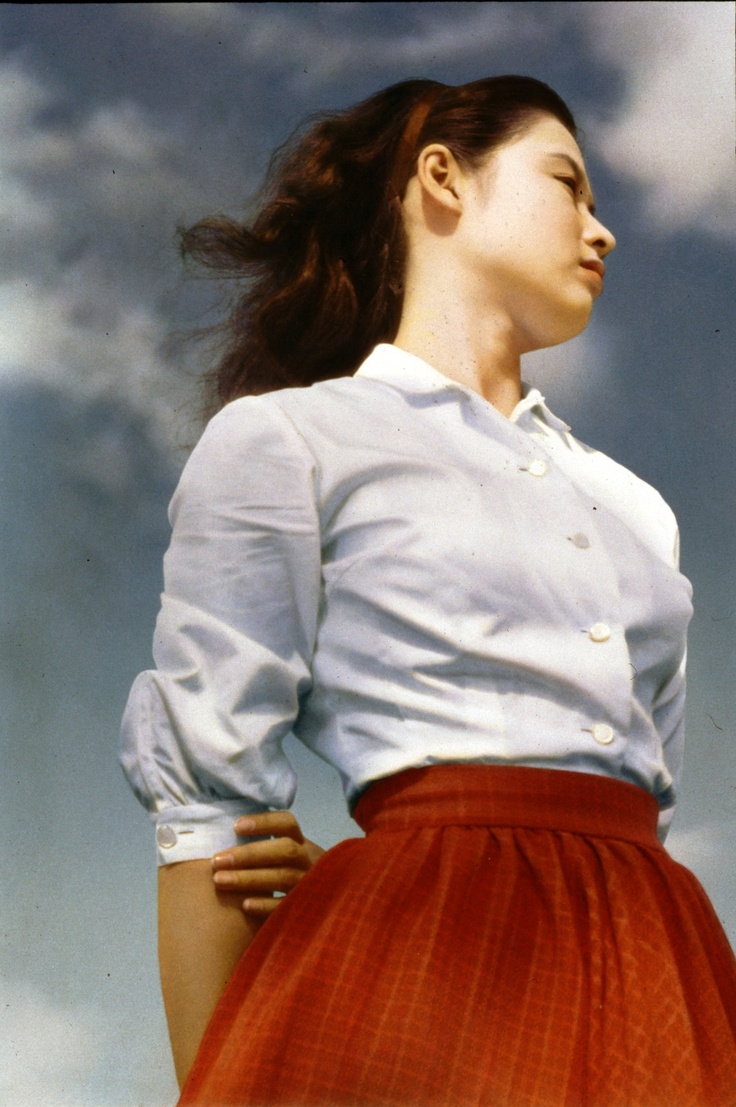
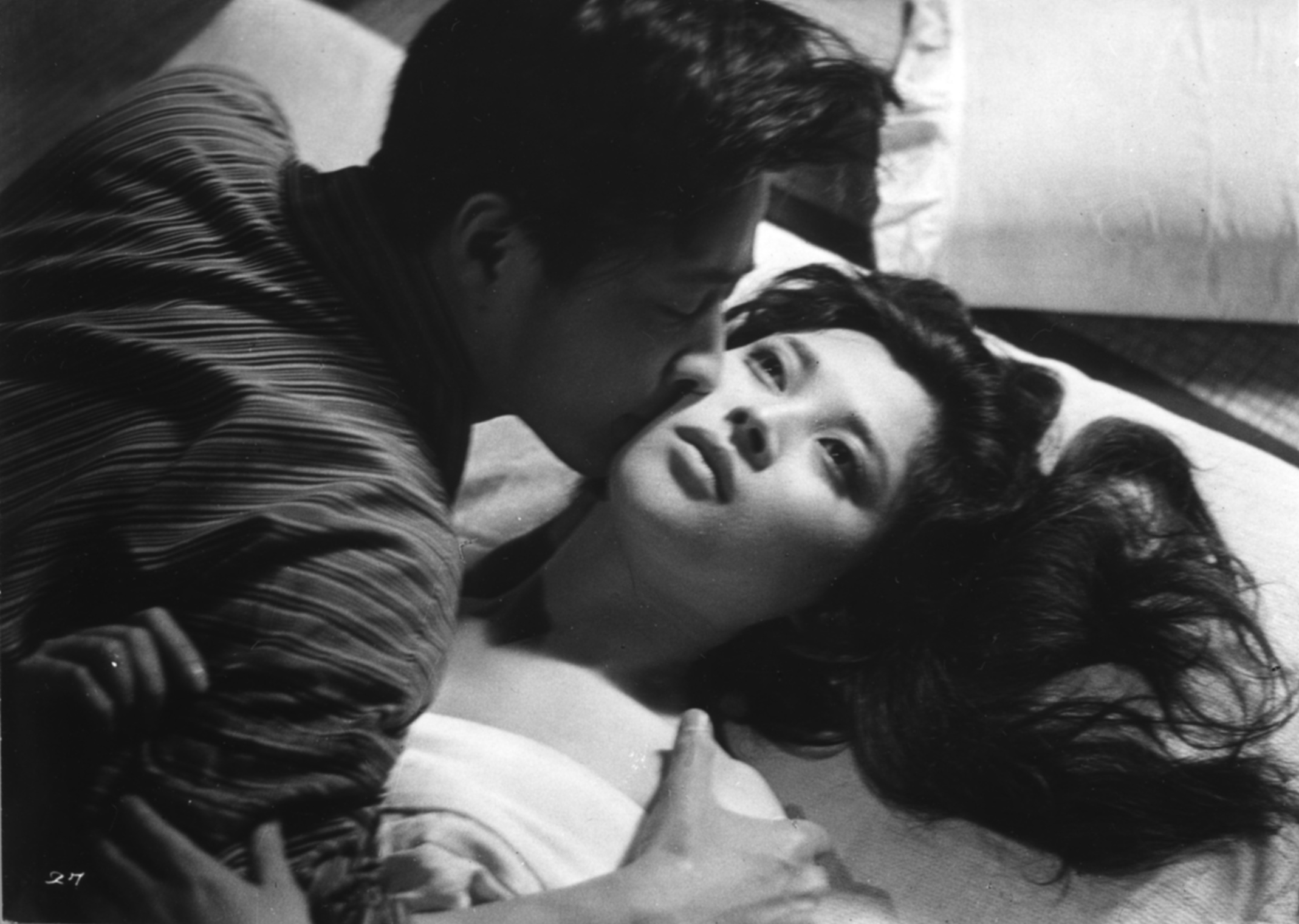 Soon after An Affair at Akitsu, also known as
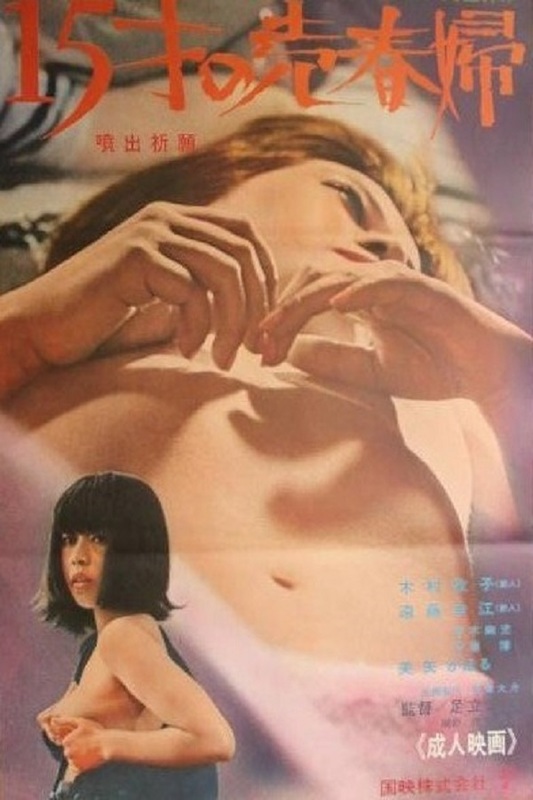
 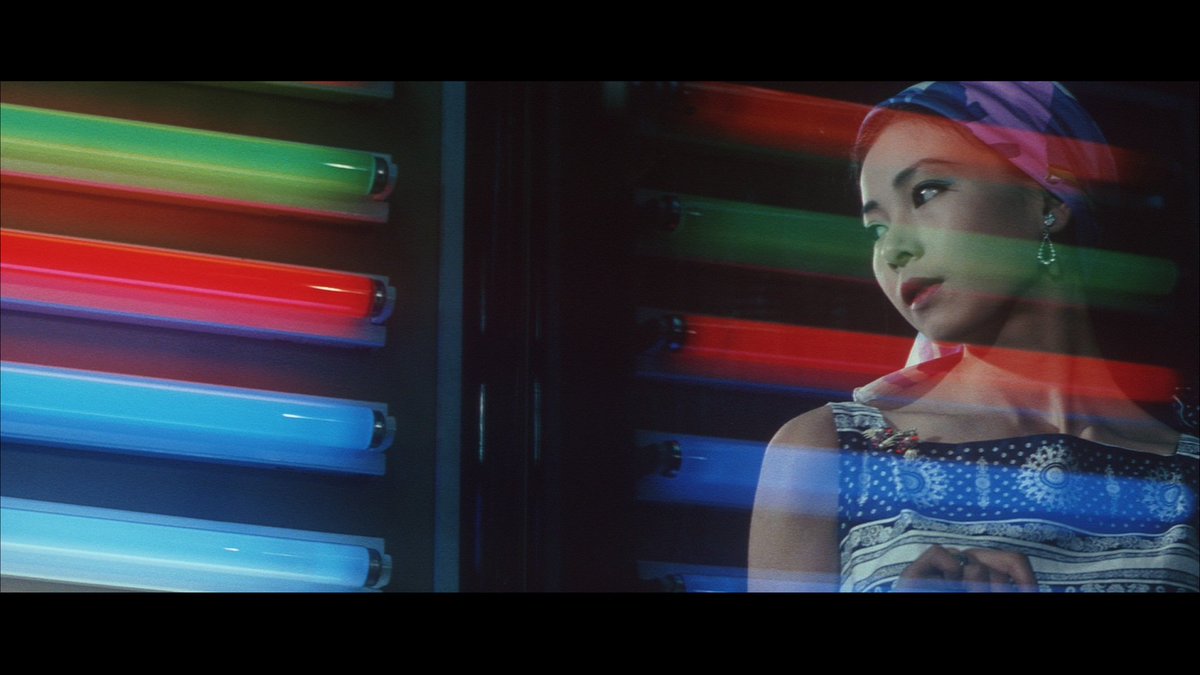 Recently restored, Noburu Nakamura’s The Shape of Night stars Miyuki Kuwano as a young woman forced into prostitution by a no good boyfriend. 35mm.
 Windows on Worlds