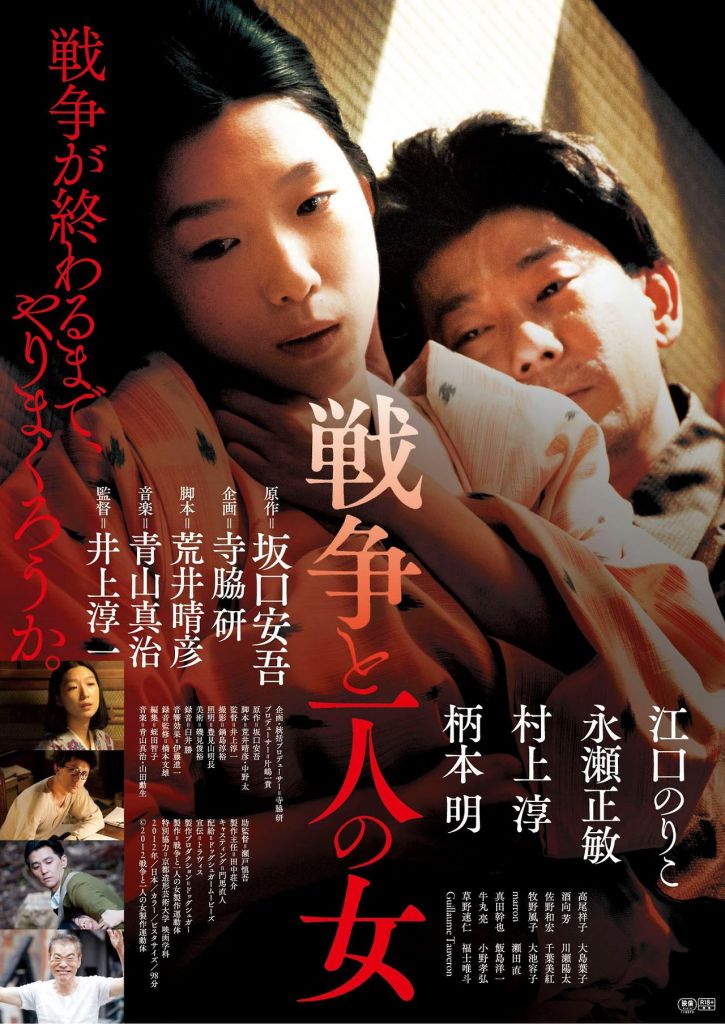
 Junichi Inoue is better known as a screenwriter and frequent collaborator of avant-garde/pink film provocateur Koji Wakamatsu. A Woman and a War (戦争と一人の女, Senso to Hitori no Onna) marks his first time in the director’s chair and finds him working with someone else’s script but staying firmly within the pink genre. Adapted from a contemporary novel by Ango Sakaguchi published in 1946, A Woman and a War is an intense look at domestic female suffering during a time generalised chaos.
The unnamed “Woman” (Noriko Eguchi) is a former prostitute, sold to a brothel by her father as a child, now working as a bar hostess. Times being what they are, she decides there’s no future in bar work and wants to get married. Accordingly, she finds herself moving in with a moody novelist who frequents the bar, Nomura (Masatoshi Nagase). The woman becomes Nomura’s “wife”, but the relationship is strained as she finds it difficult to derive pleasure from sex and he is of a nihilistic mindset, convinced that Japan is about to lose the war. Nomura promises to live with her until the war’s end, at which time he assumes the country will cease to exist taking him with it.
Running parallel to this is the story of recently demobbed soldier and drinker at Woman’s bar, Ohira (Jun Murakami). Having lost an arm in the war, Ohira has been “lucky”, in a sense, and been sent home early. However, he has a wife and young son he’s been away from so long that they’re virtual strangers from each other. Ohira is not the man who went away to fight, he’s embittered and angry. Unable to enjoy normal relations with his wife, he finds himself aroused after failing to rescue a woman being gang raped by thugs which he then watches after being tied up while the men finish their business. After this, he despatches his family to the comparative safety of his wife’s parents and embarks on a career of violence, rape and murder.
Despite nominally being the story of the Woman, A Woman and a War has an unbalanced tripartite structure split between the three central characters. Of the three, Nomura’s story is the least explored but then is also the most clichéd in its familiar over sensitive novelist takes hack jobs and abuses all available substances to block out his crushing depression trope. Though the story ought to belong to Woman, she is often eclipsed by Ohira’s extreme descent into violent misogyny though in actuality these two strands dovetail into each other as Woman’s story is also one of continued exploitation.
This stems back well before the war as she was, in a sense, betrayed by her father when he sold her supposedly in desperation but apparently drank the money he got for her rather than using it to feed the rest of the family. Having spent so long in the brothel her body has become nothing more than a tool to her – something to be well maintained and then traded as a commodity. After her relationship with Nomura ends, Woman finds herself once again working as a prostitute – first at a facility set up for the American military, and then as a streetwalker targeting foreign servicemen. Eventually her path crosses with that of Ohira which results in the uncomfortable realisation that she too can only reach climax through violence.
Ohira is so deeply scarred by his wartime experiences that he has a compulsion to reenact them through random acts of sexual violence on unsuspecting women. The events he recounts from Manchuria are truly horrifying but he has an uncomfortable point when he repeats that the difference between what he did in the war and what he’s doing now is that between a medal and a death sentence. The people he killed in China weren’t soldiers or those who threatened his life, they were innocent civilians no different from the women he lured into the forests of Japan, so how was it right then and wrong now? The other uncomfortable fact is that Ohira is both perpetrator and victim of the wider war, a symbol of its cannibalistic whirlwind of destruction, the effects of which continue in perpetuity.
Coming as he does from the pink film world, Inoue adopts a detached frankness when it comes to sex. However, in keeping with the film’s themes there is an abundance of sexualised violence against women which, though every bit as unpleasant as it’s intended to be, does at times feel gratuitous. It’s also an unfortunate fact that there is a lot of gratuitous female nudity in the film but absolutely no male – at one point Woman bares her genitals to the open air and urges Nomura to do the same but the camera cuts to a rear shot as though embarrassed. In an interview with Diva Review Inoue admits he regrets the way this was handled and states it’s largely down to having bigger name actors in the two central roles, but in addition to deviating from the otherwise naturalistic intentions of the film, it also presents him with a set of thematic problems which undercut his central intentions.
However, A Woman and a War is one of the few (recent) films to seriously look at the traumatic afterlife of the war both on those who served and those who stayed at home using sexuality as a curiously reflective prism. A Woman and a War is a super low budget film and, in truth, looks it, though does make an attempt to do the best it can with what it has. The performances of the three leads are also each strong though something of the film’s tone never quite coalesces beyond the persistent unpleasantness into something more deeply probing. Troubling, concerning, and disturbing, A Woman and a War is a much needed look at this murky and often avoided area but one that finds it impossible to escape its own exploitative nature.
Original trailer (English subtitles):

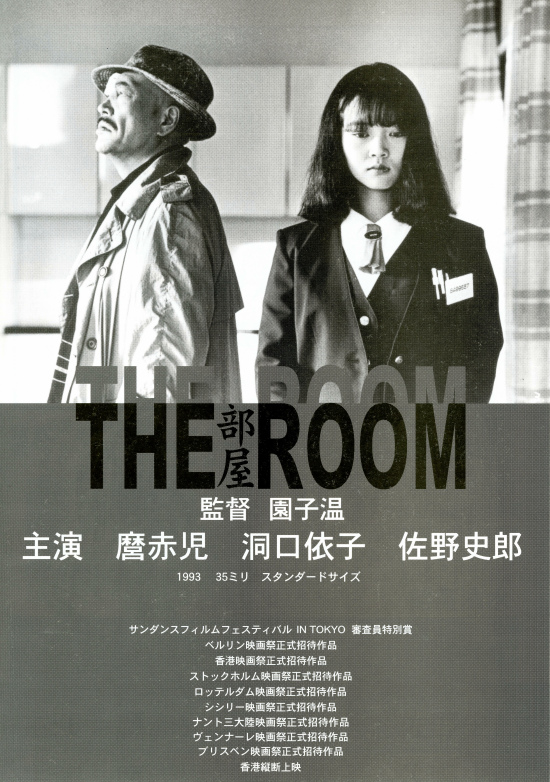 Though the later work of Sion Sono is often noted for its cinematic excess, his earlier career saw him embracing the art of minimalism. The Room (部屋, Heya) finds him in the realms of existentialist noir as a grumpy hitman whiles away his remaining time in the search for the perfect apartment guided only by a detached estate agent.
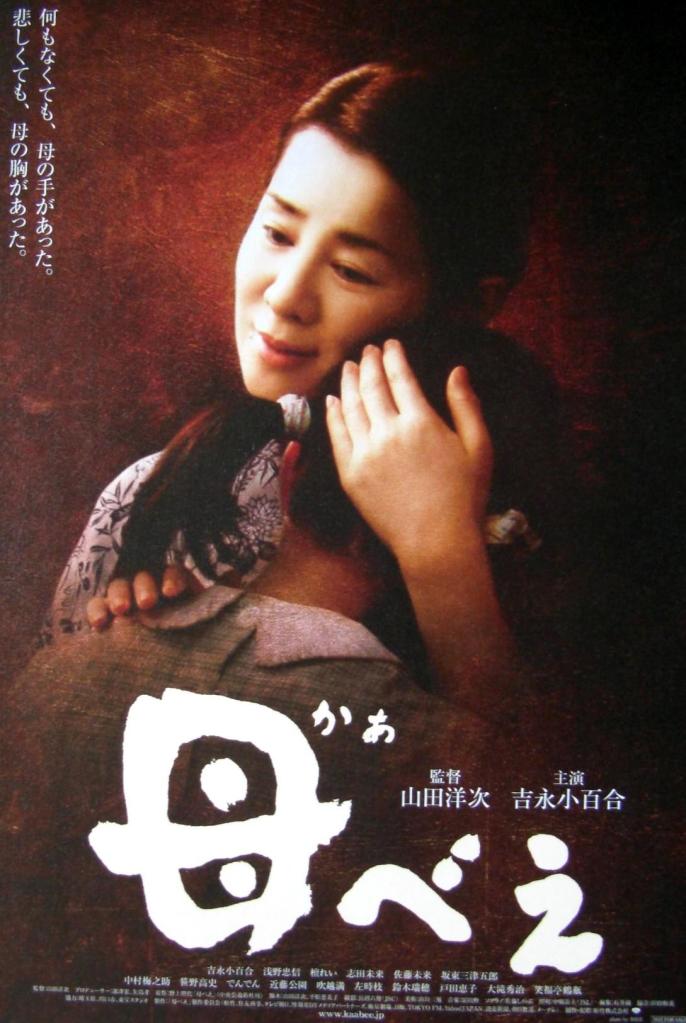 Yoji Yamada’s films have an almost Pavlovian effect in that they send even the most hard hearted of viewers out for tissues even before the title screen has landed. Kabei (母べえ), based on the real life memoirs of script supervisor and frequent Kurosawa collaborator Teruyo Nogami, is a scathing indictment of war, militarism and the madness of nationalist fervour masquerading as a “hahamono”. As such it is engineered to break the hearts of the world, both in its tale of a self sacrificing mother slowly losing everything through no fault of her own but still doing her best for her daughters, and in the crushing inevitably of its ever increasing tragedy.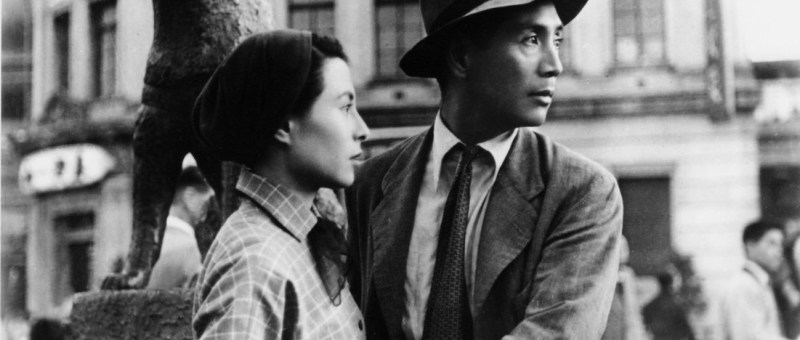
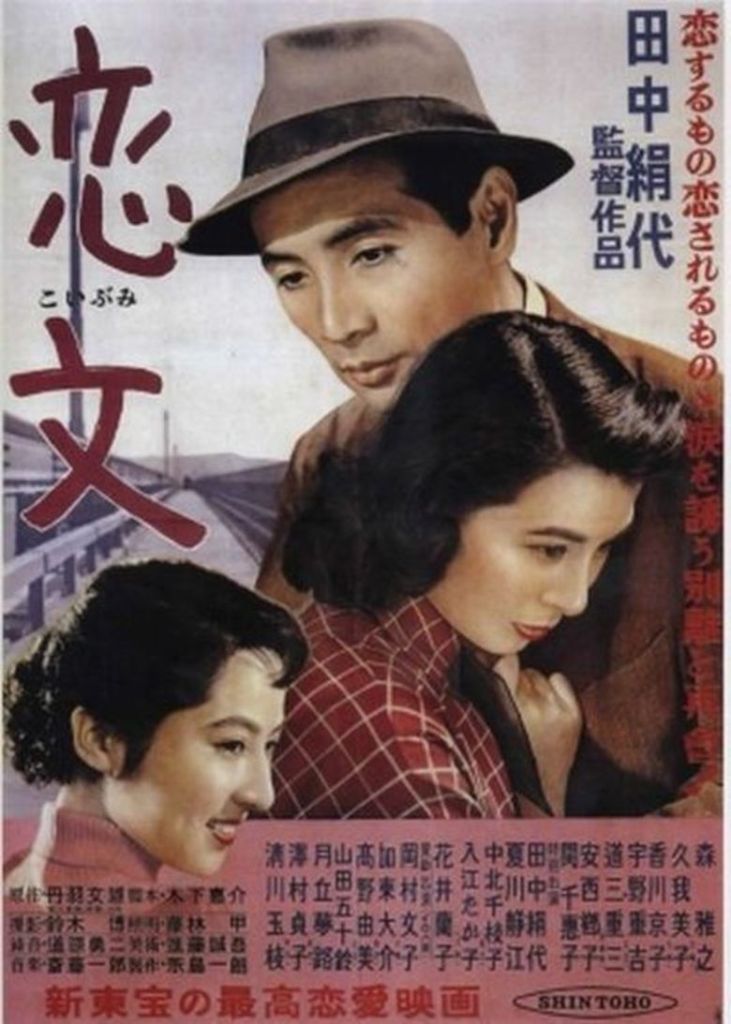 Kinuyo Tanaka was one of the most successful actresses of the pre-war years well known for her work with celebrated director Kenji Mizoguchi including several of his most critically acclaimed works such as Sansho the Bailiff, Ugetsu, and The Life of Oharu. However, post-war Japan was a very different place and Tanaka had a different kind of ambition. With 1953’s Love Letter (恋文, Koibumi) she became Japan’s second ever female feature film director, though her working and personal relationship with Mizoguchi ended when he attempted to block her access to the Director’s Guild of Japan. No one quite knows why he did this and he tried to go back on it later but the damage was done, Tanaka never forgave him for this very public betrayal. Whatever Mizoguchi may have been thinking, he was very wrong indeed – Tanaka’s first venture behind the camera is an extraordinarily interesting one which is not only a technically solid production but actively seeks a new kind of Japanese cinema.
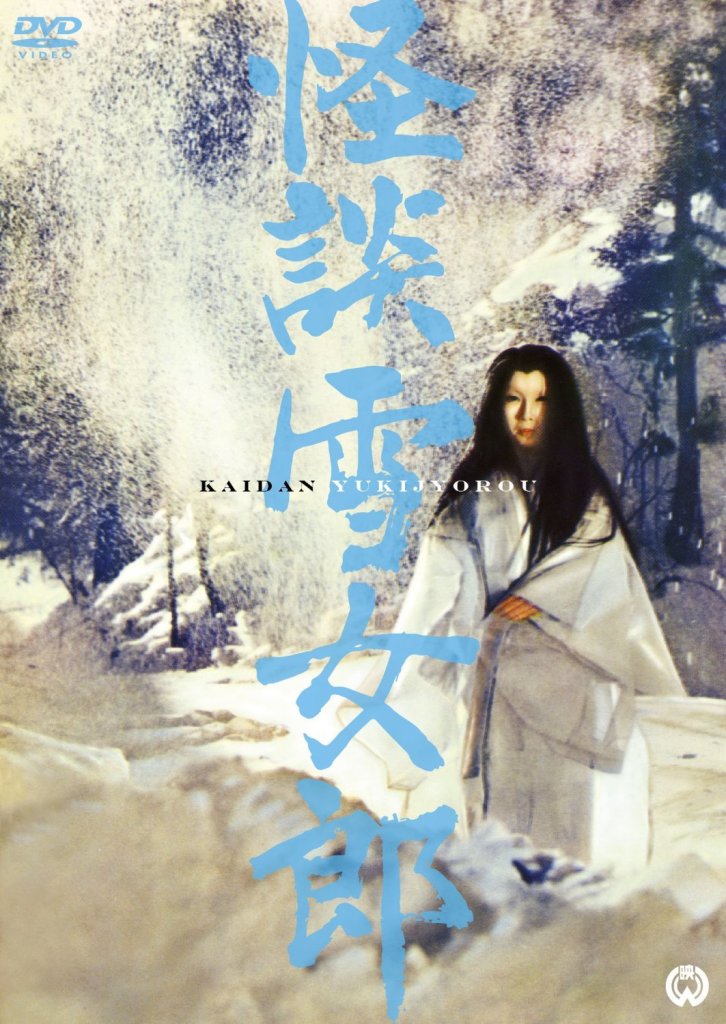 The Snow Woman is one of the most popular figures of Japanese folklore. Though the legend begins as a terrifying tale of an evil spirit casting dominion over the snow lands and freezing to death any men she happens to find intruding on her territory, the tale suddenly changes track and far from celebrating human victory over supernatural malevolence, ultimately forces us to reconsider everything we know and see the Snow Woman as the final victim in her own story. Previously brought the screen by Masaki Kobayashi as part of his
  Every once in a while an artist emerges whose work is so far ahead of its time that the audience of the day is unwilling to accept but generations to come will finally recognise for the achievement it represents. So it is for Sharaku – a young man whose abilities and ambitions are ruthlessly manipulated by those around him for their own gain. Brought to the screen by veteran new wave director Masahiro Shinoda, Sharaku (写楽) is an attempt to throw some light on the life of this mysterious historical figure who comes to symbolise, in many ways, the turbulence of his era.
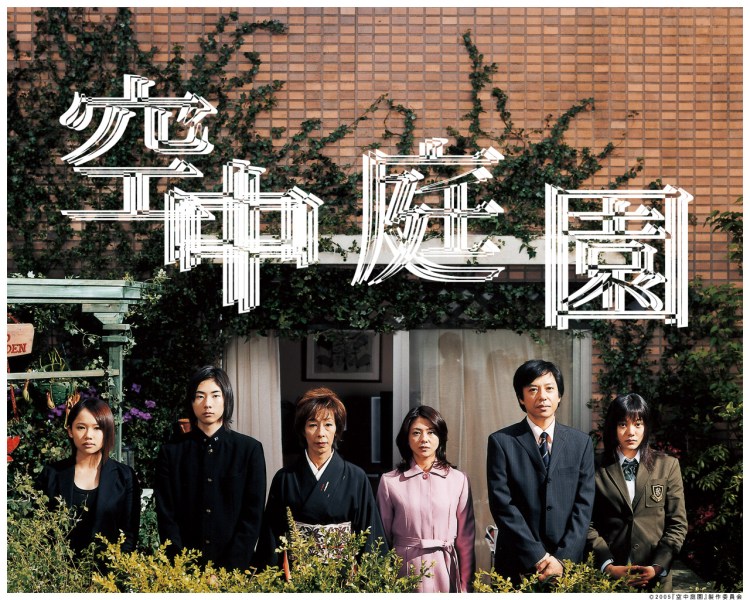 If you wake up one morning and decide you don’t like the world you’re living in, can you simply remake it by imagining it differently? The world of Hanging Garden (空中庭園, Kuchu Teien), based on the novel by Mitsuyo Kakuta, is a carefully constructed simulacrum – a place that is founded on total honesty yet is sustained by the willingness of its citizens to support and propagate the lies at its foundation. This is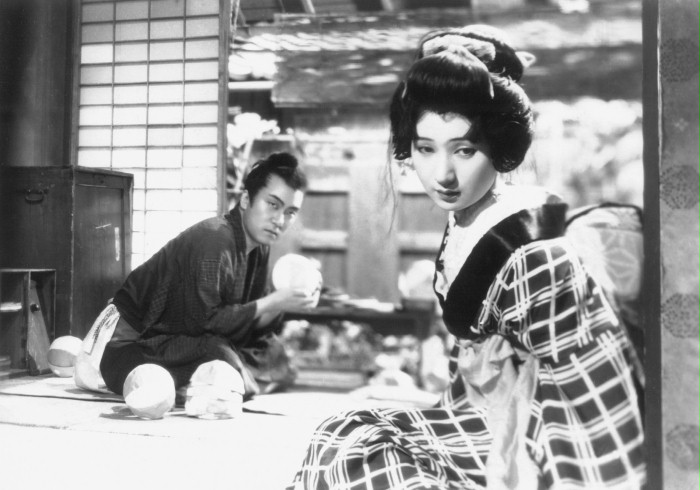
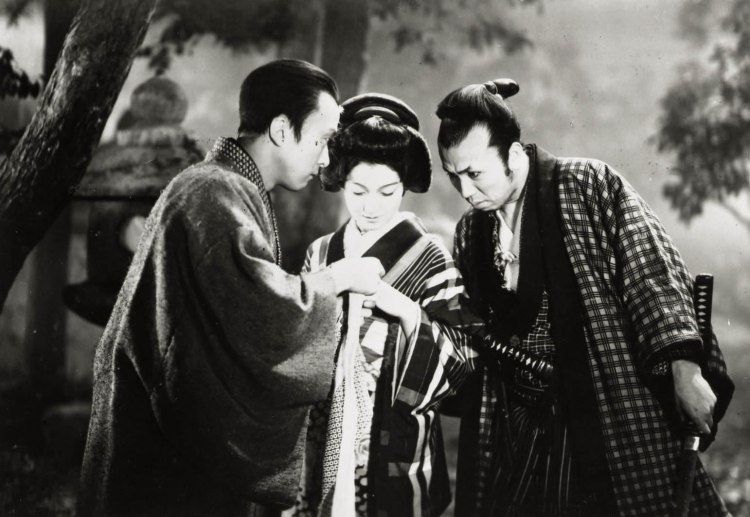 The second of the only three extant films directed by Sadao Yamanaka in his intense yet brief career, Kochiyama Soshun (河内山宗俊, oddly retitled “Preist of Darkness” in its English language release) is not as obviously comic or as desperately bleak as the other two but falls somewhere in between with its meandering tale of a stolen (ceremonial) knife which precedes to carve a deep wound into the lives of everyone connected with it. Once again taking place within the realm of the jidaigeki, Kochiyama Soshun focuses more tightly on the lives of the dispossessed, downtrodden, and criminal who invoke their own downfall by attempting to repurpose and misuse the samurai’s symbol of his power, only to find it hollow and void of protection.
 Windows on Worlds