 When you spent your youth screaming phrases like “no future” and “fumigate the human race”, how are you supposed to go about being 50-something? A&R girl Kanna is about to find out in Kankuro Kudo’s generation gap comedy The Shonen Merikensack (少年メリケンサック) as she accidentally finds herself needing to sign a gang of ageing never were rockers. A nostalgia trip in more ways than one, Kudo is on a journey to find the true spirit of punk in a still conservative world.
25 year old Kanna (Aoi Miyazaki) is an unsuccessful scout at a major Japanese label which mainly deals with commercial bands and folk guitar outfits. As she’s about to quit any way, Kanna makes a last minute pitch for a punk band she’s found on YouTube, fully expecting to be shown the door for the last time. However, what she didn’t know is that her boss, Tokita (Yusuke Santamaria), is a former punk rocker still dreaming of his glory days of youthful rebellion. With her leaving do mere hours away, Kanna’s contract is extended so that she can bring in these new internet stars whose retro punk style looks set to capture the charts.
Unfortunately, the reason Tokita was so impressed with the band’s authentically ‘80s style is because the video was shot in 1983. The Brass Knuckle Boys hit their heyday 25 years ago and are now middle aged men who’ve done different kinds of inconsequential things with their lives since their musical careers ended. Kanna needs to get the band back together, but she may end up wishing she’d never bothered.
Mixing documentary-style talking heads footage with the contemporary narrative, Kudo points towards an examination of tempestuous youth and rueful middle age as he slips back and fore between the early days of the Brass Knuckle Boys and their attempts to patch up old differences and make an improbable comeback. Kanna, only 25, can’t quite understand all of this shared history but becomes responsible for trying to help them all put it behind them. Her job is complicated by the fact that estranged brothers Akio (Koichi Sato) and Haruo (Yuichi Kimura) made their on stage fighting a part of the act until a stupid accident left the band’s vocalist, Jimmy (Tomorowo Taguchi), in wheelchair.
The spirit of punk burns within them, even if their contemporaries are apt to point and laugh. The Brass Knuckle Boys, when it comes down to it, were successful bandwagon jumpers on the punk gravy train. Craving fame, the guys started out marketing themselves as a very early kind of boy band complete with silly outfits and cute personal branding full of jumpsuits, rainbows, and coordinated dance routines. Yet if the punk movement attracted them merely as the next cool thing, it also caught on to some of their youthful anger and teenage resentment. In the end unrestrained passion destroyed what they had as the ongoing war between the brothers escalated from petty sibling bickering to something less kind.
Twenty-five years later the wounds have not yet healed. Akio is a lousy drunk with a bad attitude, Haruo is an angry cow farmer, drummer Young has a range of health problems, and Jimmy’s barely present. Tokita has become a corporate suit, a symbol of everything he once fought against and his former bandmate is his biggest selling artist – eccentric, glam, and very high concept.
The men are looking back (even those of them who aren’t even really that old), whereas Kanna can only look forwards. Before the Brass Knuckle Boys, she was about to be kicked out of her A&R job and planned to go home with her tail between her legs to help her confused father with his very unsuccessful conveyor belt sushi restaurant. Apparently in a solid relationship with a coffee shop guitarist who keeps urging her to put in a good word for him at the record label with his sappy demo tapes, Kanna’s life is the definition of middle of the road. Neither she not her boyfriend could be any less “punk” if they tried but if they truly want to follow their dreams they will have to find it somewhere within themselves.
At over two hours The Shonen Merikensack is pushing the limit for a comedy and does not quite manage to maintain momentum even as its ending is, appropriately enough, an unexpected anticlimax. Kudo’s generally absurd sense of humour occasionally takes a backseat to a more juvenile kind which is much less satisfying than the madcap action of his previous films but still provides enough off beat laughs to compensate for an otherwise inconsequential narrative.
Original trailer (English subtitles)
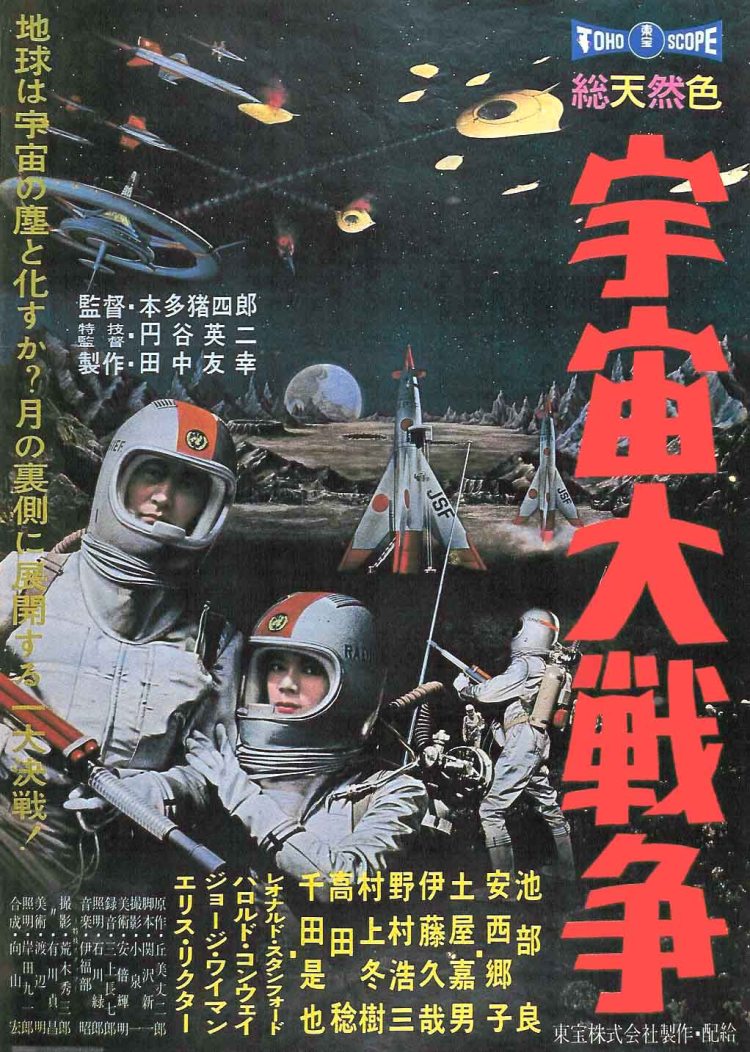 Ishiro Honda returns to outer space after The Mysterians with another dose of alien paranoia in the SFX heavy Battle in Outer Space (宇宙大戦争, Uchu Daisenso). Where many other films of the period had a much more ambivalent attitude to scientific endeavour, Battle in Outer Space paints the science guys as the thin white line that stands between us and annihilation by invading forces wielding superior technology. Far from the force which destroys us, science is our salvation and the skill we must improve in order to defend ourselves from hitherto unknown threats.

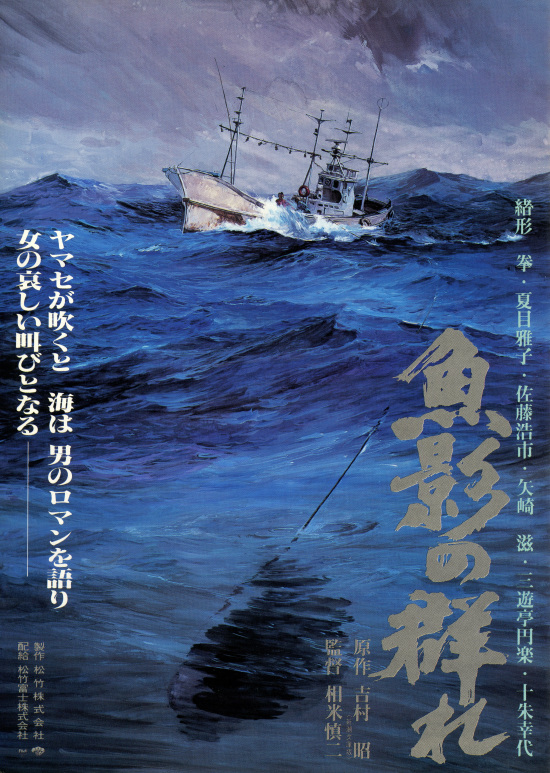
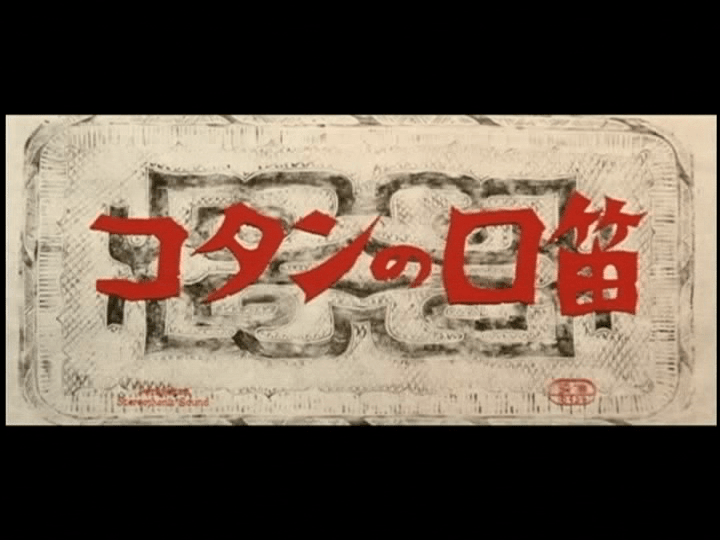 The Ainu have not been a frequent feature of Japanese filmmaking though they have made sporadic appearances. Adapted from a novel by Nobuo Ishimori, Whistling in Kotan (コタンの口笛, Kotan no Kuchibue, AKA Whistle in My Heart) provides ample material for the generally bleak Naruse who manages to mine its melodramatic set up for all of its heartrending tragedy. Rather than his usual female focus, Naruse tells the story of two resilient Ainu siblings facing not only social discrimination and mistreatment but also a series of personal misfortunes.
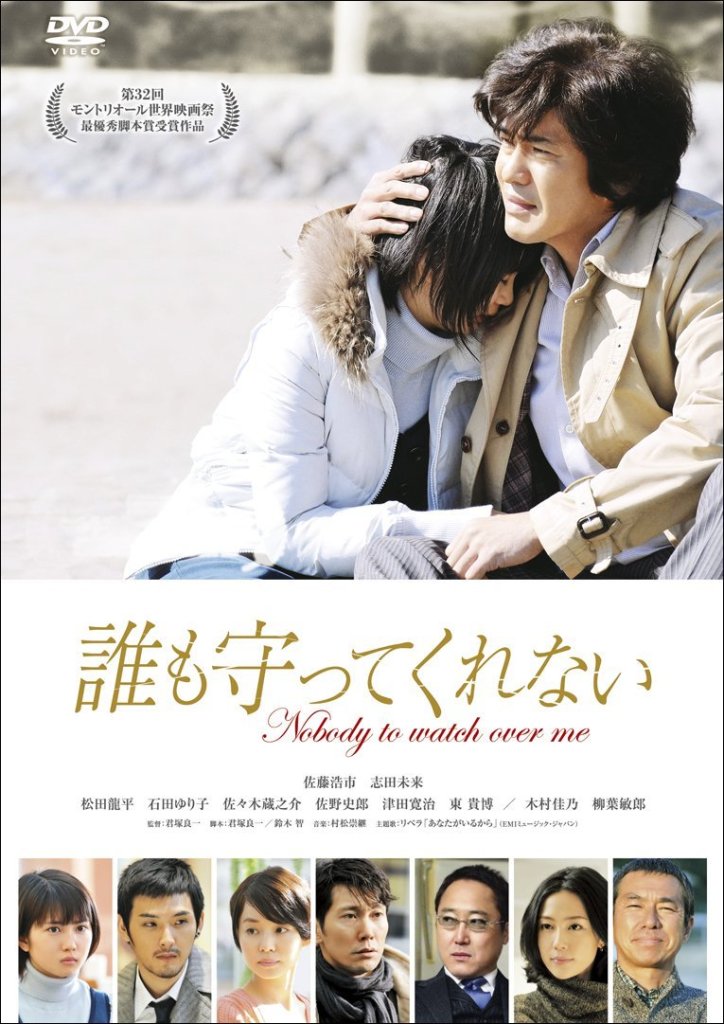 When a crime has been committed, it’s important to remember that there may be secondary victims whose lives will be destroyed even if they themselves had no direct involvement in the case itself. This is even more true in the tragic case that person who is responsible is themselves a child with parents and siblings still intent on looking forward to a life that their son or daughter will now never lead. This isn’t to place them on the same level as bereaved relatives, but simply to point out the killer’s family have also lost a child who they have every right to grieve for, though their grief will also be tinged with guilt and shame.
 Cyberpunk, for many people, is a movement which came to define the 1980s and continues to enjoy various kinds of resurgences and rebirths even into the new century. Beginning the the ‘60s and ’70s in dystopian science fiction afraid of the impact of advancing technologies in society, it’s not surprising that the genre began to actively embrace influences from the East and especially that of the more technologically advanced and economically superior Japan. However, when Japan made its own cyberunk cinema, the “punk” element is the one that’s important. These movies sprang from the punk music scene and often star punk bands and musicians as well as featuring high energy punk rock inspired scores.
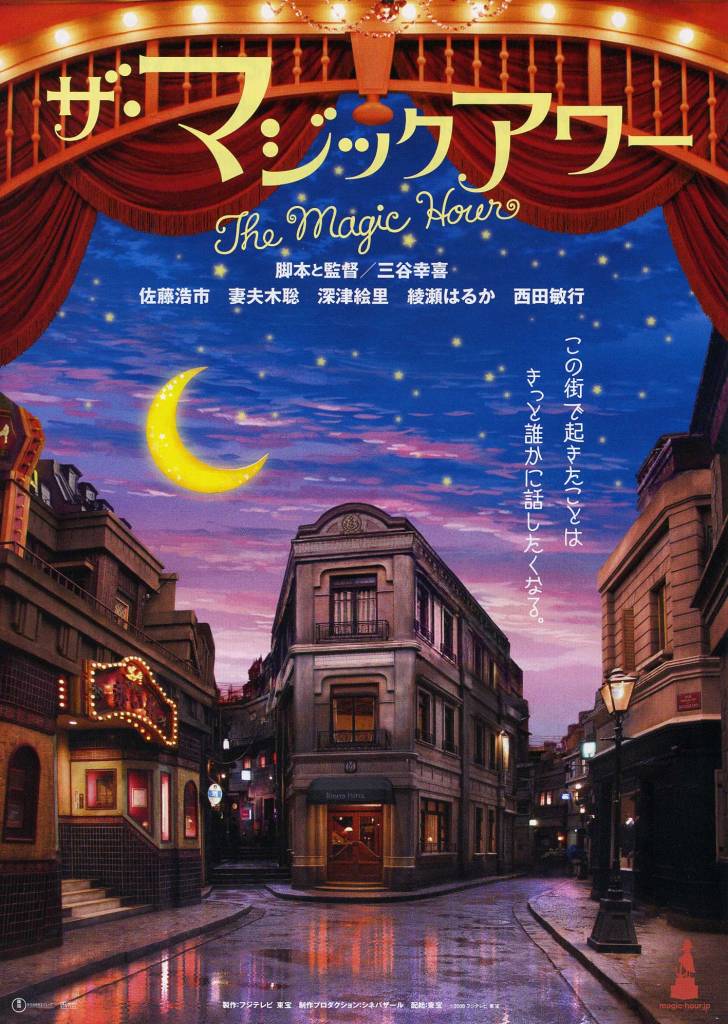 If there’s one thing you can say about the work of Japan’s great comedy master Koki Mitani, it’s that he knows his cinema. Nowhere is the abundant love of classic cinema tropes more apparent than in 2008’s The Magic Hour (ザ・マジックアワー) which takes the form of an absurdist meta comedy mixing everything from American ‘20s gangster flicks to film noir and screwball comedy to create the ultimate homage to the golden age of the silver screen.
 Windows on Worlds