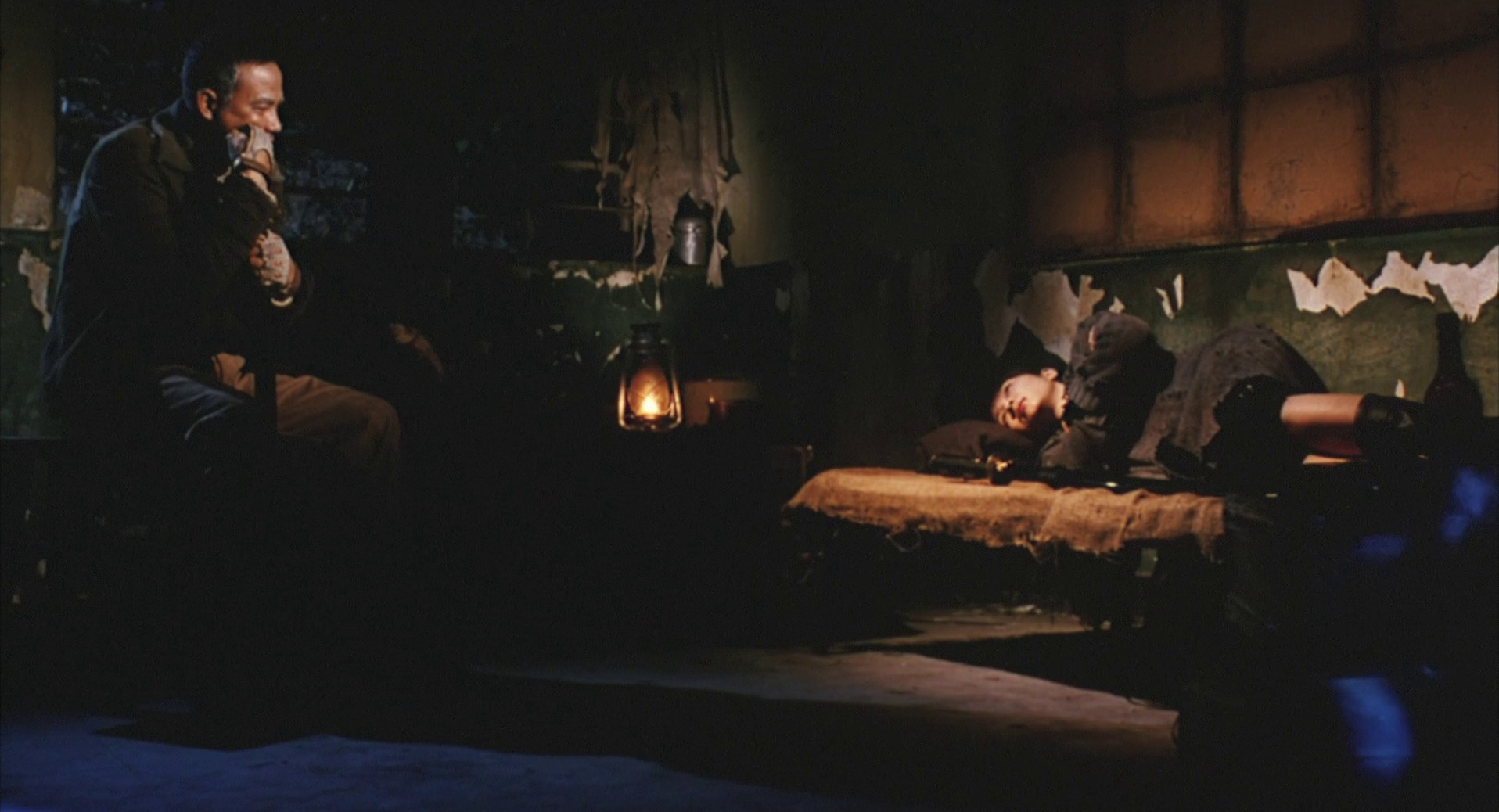
Sasori (さそり, Joe Ma Wai-Ho, 2008)

Sasori had been dormant for a decade before being resurrected in this Hong Kong co-production directed by Joe Ma. She is, however, a very different Nami Matsushima (Mizuno Miki) who becomes less a feminist avenger than a sociopathic killer, albeit one fixated on revenge and with ambivalent feelings towards her former lover, Hei Tai (Dylan Kuo Pin-Chao), who evidently did not have enough faith in her to realise that she didn’t murder his entire family just because she felt like it.

Nevertheless, in contrast to other Namis, she did make the decision to do it and went through with stabbing Hei Tai’s sister in the heart right in front of him even if she did it to protect him from the crooks who’d invaded their home. Motives are never explicitly explained, but it’s later suggested that Hei Tai’s professor father may have been knocked off by a rival scholar/gangster researching “inhuman organ treatment”. In any case, the goons that break into her home sexually assault Nami and tell her the only way to save Hei Tai is to help them kill his father and sister. Unfortunately, Hei Tai does not seem to recognise the position she was in nor her transgressive love for him, so is filled with boiling rage and resentment. Curiously, Nami never actually explains either, but is by that point mired in a women’s prison where she contends with the sleazy warden (Lam Suet) and the cellblock’s toughest lady, Dieyou (Natsume Nana), through the medium of cage-based mud wrestling.

This Nami’s transformation is obvious when she rips the loose skull fragment from a woman with learning difficulties she’s befriended and uses it to kill Dieyou. The moment at which she kills Dieyou’s sister, a woman she has no quarrel with, solely to unbalance her rival is presented as a kind of climax in which Nami herself appears to get off on the act of killing. During this earlier stretch of the film, Nami’s victims are largely female and killed for petty reasons. Seemingly cowed and beaten down, she does what the warden says rather than opposing him or like other Nami’s stabbing him in an eye. 

This does, however, eventually allow her to escape if as a corpse rescued by a mysterious “corpse collector” (Simon Yam Tat-Wah) who gifts her a Japanese sword and teaches her kung fu so she can achieve her revenge. It’s at this moment that she becomes a kind of supernaturally powered embodiment of vengeance, but it’s immediately made clear that the only revenge she seeks is personal. Spotting a pimp kicking a sex worker in the street, she strikes him down but only tells the sex worker that she doesn’t plan to kill her too otherwise making no further attempt to help her. Ma then takes the action back to its manga roots, relying on obvious wirework to lend a kind of unreality to the fight scenes even if the hand-to-hand combat is generally more realistic. 

But at the same time, Nami steps into a more arthouse space in a meditation on time and memory that seems to be borrowing a little from Old Boy or perhaps 2046 as she walks into a bar where the barman tells her that he can hypnotise people to erase their memories though he doesn’t they should. Re-encountering Hei Tai who no longer remembers her or his past life as a policeman, she finds herself ambivalent about her revenge, on one level resenting him and on another wondering if she has the right to start over without the problematic fact of her having been responsible for the deaths of Hei Tai’s whole family. 

There are many things that don’t really make all that much sense, from the inhuman organ research to Hei Tai’s possibly selective amnesia. Nevertheless, Ma piles on the style with a particularly 2000s Hong Kong aesthetic with its neon lighting and woozy camera work but also adopts a retro sensibility brought out by the use of mainly post-sync sound in which the Japanese actors are dubbed into Cantonese. By the film’s conclusion, Nami has once again become a legend but this time a much less palatable one not so much avenger for an oppressed minority as a cold-blooded and sadistic vigilante interested in little more than personal revenge.


International trailer
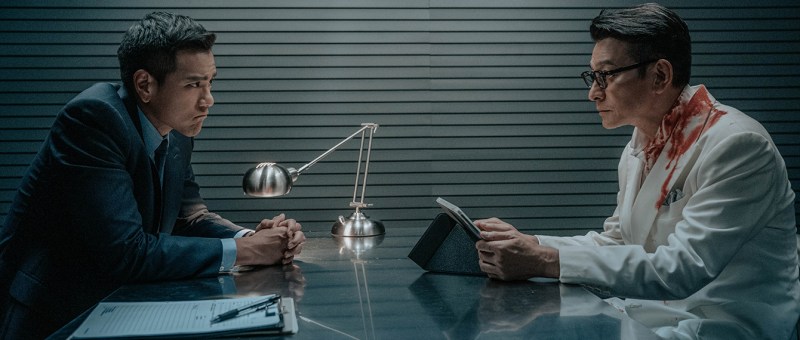
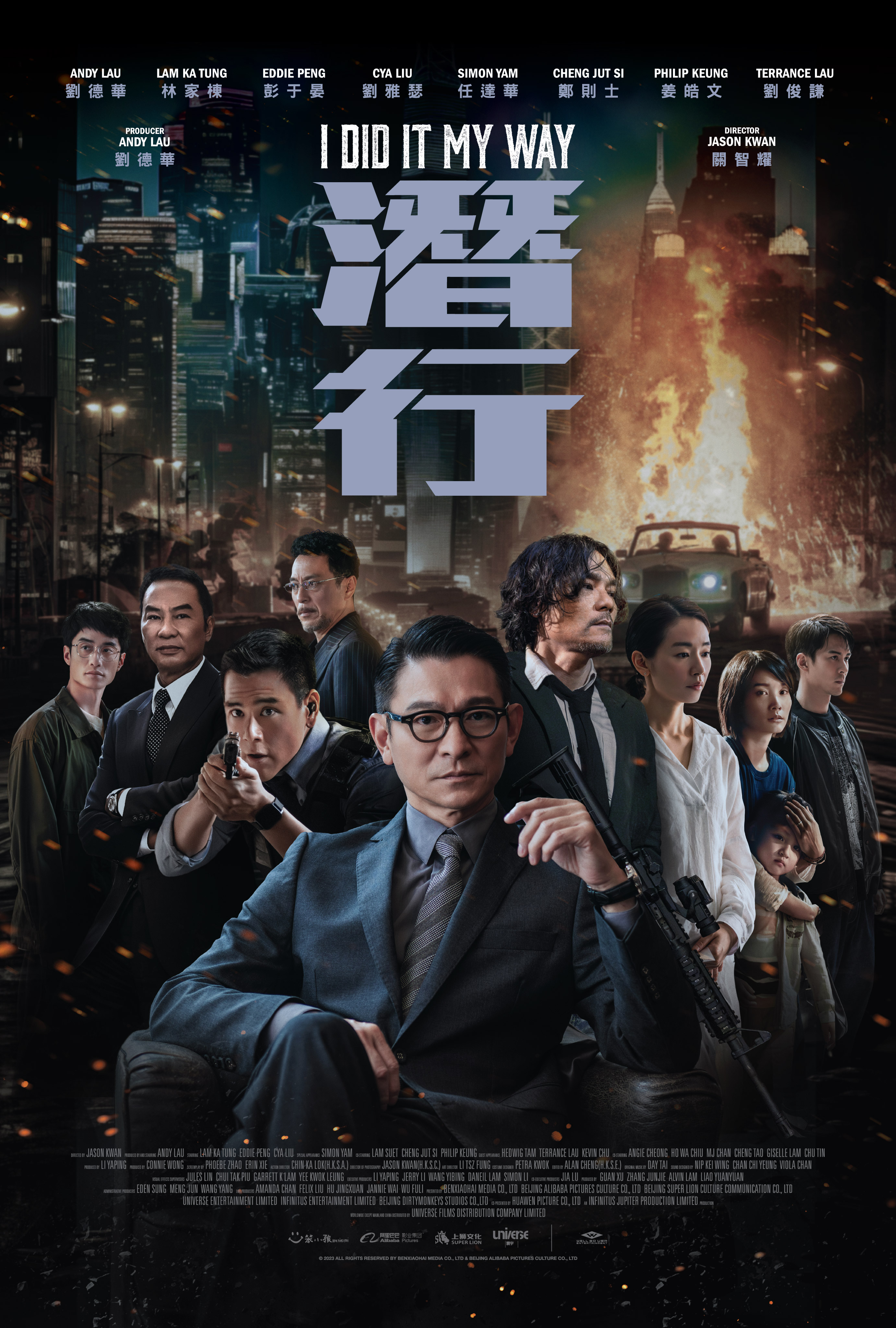
I Did It My Way (潛行, Jason Kwan, 2023)

“Oldies are still the best,” one bad guy tells another while listening to a retro pop song about the inability to distinguish good from evil, “life was simpler back then.” Jason Kwon’s I Did it My Way (潛行) is in many ways an attempt to recapture the action classics of the 90s starring many of the same A-listers though they are all 30 years older and in some cases really ageing out of the kinds of roles they’re accustomed to playing in these kinds of films. Nevertheless, the action is updated for the contemporary era in its unsubtle messaging that drugs and cyber crime are bad, while the police are definitely good and will always win.

Indeed, barrister George Lam (Andy Lau Tak-wah) is not a particularly sympathetic villain and is given little justification for his crimes save doing things his way. Cybercrime specialist Eddie Fong (Edward Peng Yu-Yan) isn’t terribly sympathetic either, but mostly because of his bullheaded earnestness. Chung Kam-ming (Simon Yam Tat-wah) asks him to work with regular narcotics cop Yuen (Lam Suet), but Eddie originally refuses, insisting that they formed their new cybercrimes squad because the “old ways” weren’t working, so it’s better that they keep their investigations separate, which is of course quite rude to Yuen especially as he goes on to add that Chung’s only asked him out of politeness and professional deference. Chung, however, reminds them that they’re all part of one big family and should learn to work together. 

One might think that a criminal enterprise is also a kind of family, but it’s shown to be illegitimate in comparison to that of the police. Yuen’s undercover agent, Sau Ho (Gordon Lam Ka-tung), has a family he’s trying to protect, as does Lam who is about to marry his much younger pregnant girlfriend. For them, family is also a weakness because it gives them a reason to be afraid not to mention something to lose. Beginning to suspect him, Lam uses Sau Ho’s wife and son as leverage, symbolically taking them hostage along with Sau Ho’s promised future that would allow him to emigrate for a life of freedom under a new identity. 

Like the song says, Sau Ho is also struggling to define his identity as an undercover cop caught between his original desire to fight crime and the criminal lifestyle he’s been forced to live which leaves him never quite sure what side he’s actually on. Lam claims he only started dealing drugs after his girlfriend was raped and subsequently developed depression but that’s too late for him to turn back and so he’s gone all in. There is a kind of brotherhood that arises between them that’s permanently strained by their positioning on either side of this line and the inevitability of confrontation. Fong promises to save Sau Ho, but he failed to save most of their other undercover officers, while Sau Ho and Lam pledge to save each other, though the act of salvation could mean different things to each of them while both torn between their respective codes and the natural connection that’s been fostered by their long years working together as part of the gang. 

The severing of this connection is again part of the price for their involvement with crime, with Lam led to believe that his choices have ironically robbed him of the pleasant familial future he dreamed of, while Sau Ho is returned to the familial embrace of the police force. Chung is repositioned as a benevolent father who can save his men, while Eddie too is forced to reintegrate by working with the other officers to fight cybercrimes which often intersect with those of other divisions. While the film includes several action sequences, it also insists that the major battle takes place online between hackers and police computer specialists, dramatising these online fights with CGI to slightly better effect than 2023’s Cyber Heist but still struggling to move on from an outdated iconography of the web. Even so, it’s clear that crime never pays even if a policewoman asks herself if it’s really worth it on a trip to the police cemetery. The sun has come out once again, making the dividing line between good and evil clear if also reinforcing the paternalistic authority of law enforcement under which living life “my way” will never be tolerated.


I Did It My Way is available digitally in the US courtesy of Well Go USA.

Trailer (English subtitles)

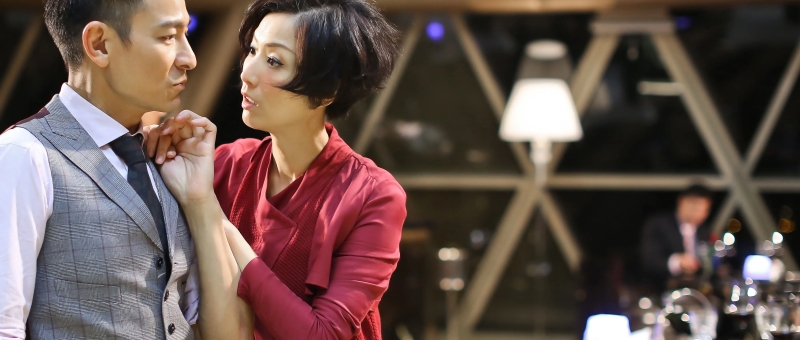
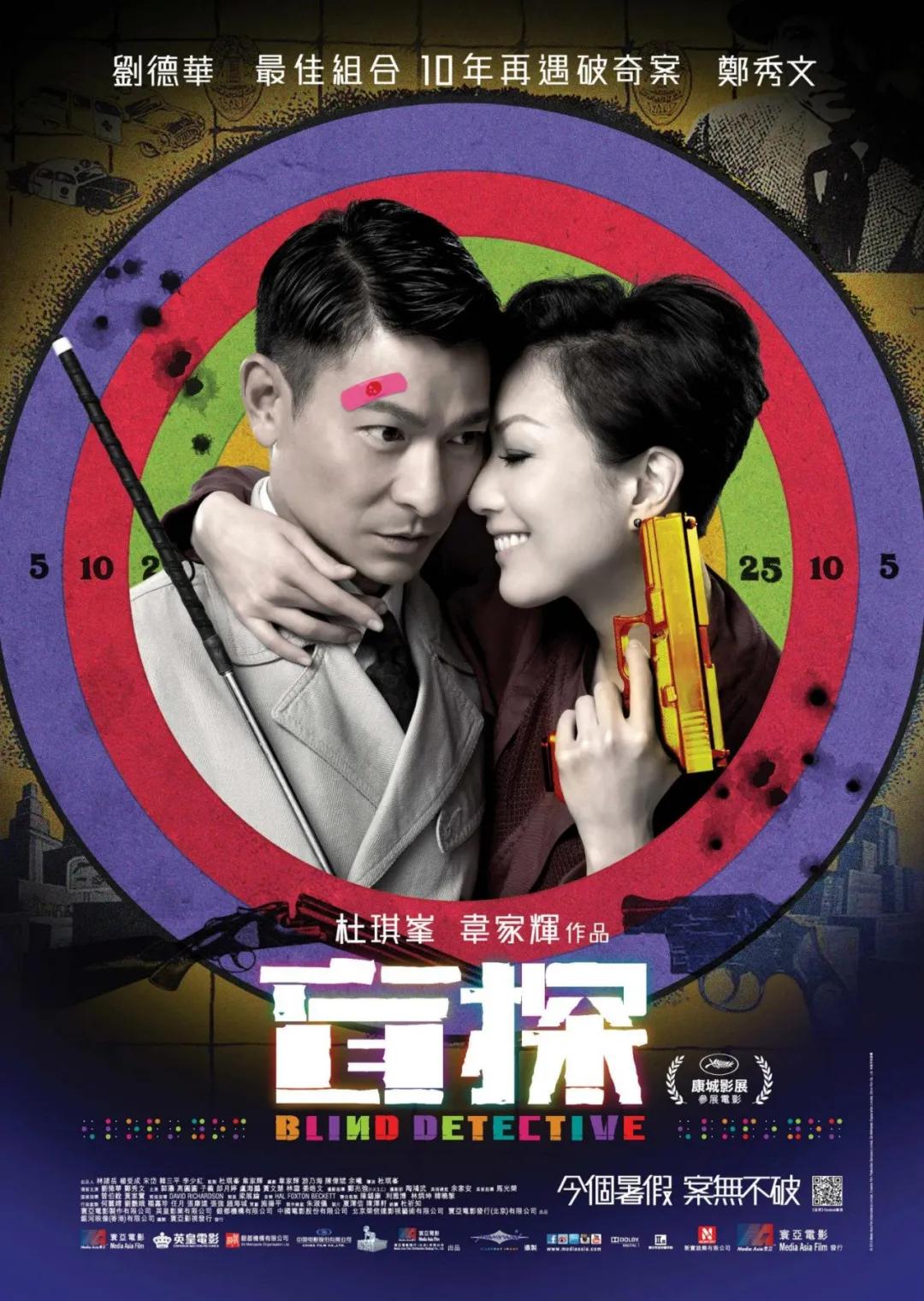
Blind Detective (盲探, Johnnie To, 2013)

Ever get that feeling someone is looking at you, but actually they were looking at someone else? The mismatched cops at the centre of Jonnie To’s black comedy love farce Blind Detective (盲探) seem to encounter this phenomenon more often than most as To and screenwriter Wong Ka-Fai delight in waltzing the audience towards an unexpected conclusion filled with ironic symmetries and persistent doubling as the detectives role-play their way towards truths literal and emotional. 

Former policeman Johnston (Andrew Lau Tak-wah) lost his sight after ignoring an eye problem in order to solve his case and has been working as a kind of private detective ever since, looking into cold cases with reward money attached. His old buddies, however, have a habit of exploiting him as they do while trying to stop a series of sulphuric acid attacks unfairly denying him his payout by following him and then technically arresting the criminal “first” so his work doesn’t count. That is however how he first meets agile yet clueless heiress/struggling investigator Ho (Sammi Cheng Sau-man) who lives in a palatial flat left to her by her parents. Regarding him as the god of solving crime, Ho asks Johnston to help her solve a mystery which has plagued her since childhood in the disappearance of Minnie (Lang Yueting), an “unsociable” young girl with no friends who confessed to her that she was worried about becoming the kind of person who could kill for love as her mother and grandmother had done. Little Ho was frightened and stopped hanging out with Minnie even though she stood outside her apartment block just staring up at her in loneliness. Adult Ho feels guilty and ashamed, hoping she can make amends by finding out what happened to her friend. 

Like the earlier Mad Detective, Johnston has a special gift and unconventional investigational style which involves a lot of method acting and physical role-play even going to far as to force Ho into getting the same tattoo as one of the victims in a case he’s pursuing. His sightlessness at times allows him to see what others do not, but even his gaze is occasionally misdirected. Ironically enough he’d put off asking out his crush until after he finished his case only to then go blind, while she in turn had put off seeking out hers until after her competition only to lose sight of him, Johnston never realising that when he thought she was looking at him she was actually looking at someone else. The same thing happens with Ho and Minnie, Ho unaware of all the facts never realising there might have been another reason for Minnie’s behaviour. Frequently they look for one thing and find something else, accidentally uncovering a prolific cross-dressing cannibal caveman serial killer living alone in the woods surrounded by skeletons which turns out to have little relationship to their original case save for its tangential link in the killer’s preference for brokenhearted women. 

Everything is disguised as something else, the killer of the first case setting up the crime scene to look like his victims killed each other with no one else present while two brokenhearted souls stowaway in wardrobes hoping to reunite with lovers who have rejected them, the second later changing their appearance in order to get a second chance. Love does indeed make you do strange things, the sulphuric acid thrower apparently taking some kind of indirect revenge for his wife’s infidelity as he reveals through a manic phone call first berating and then forgiving her while randomly buying a big bottle helpfully marked “sulphuric acid” from a local supermarket. Yet in this screwball comedy throwback it takes a little while for the oblivious Johnston to realise that he’s fallen for his infatuated new partner who can’t quite be sure he hasn’t fallen for her bank balance instead. 

Despite the persistent darkness of serial killings and crimes of passions, Blind Detective is at heart a romantic comedy filled with absurdist, slapstick humour in which the heroes literally tango their way to emotional authenticity, a dance which in part at least requires each partner to look away from the other. To’s delightfully arch comical mystery romance is a tale of misdirected glances and buried truths but eventually allows its equally burdened detectives to step away from their personal baggage and embrace a happier future. 


Original trailer (English subtitles)

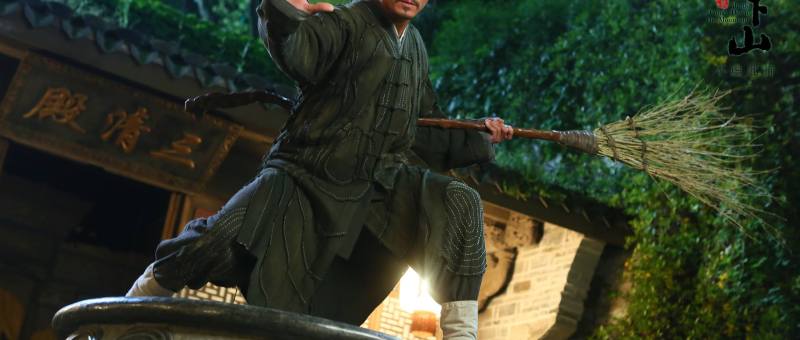
Monk Comes Down the Mountain (道士下山, Chen Kaige, 2015)

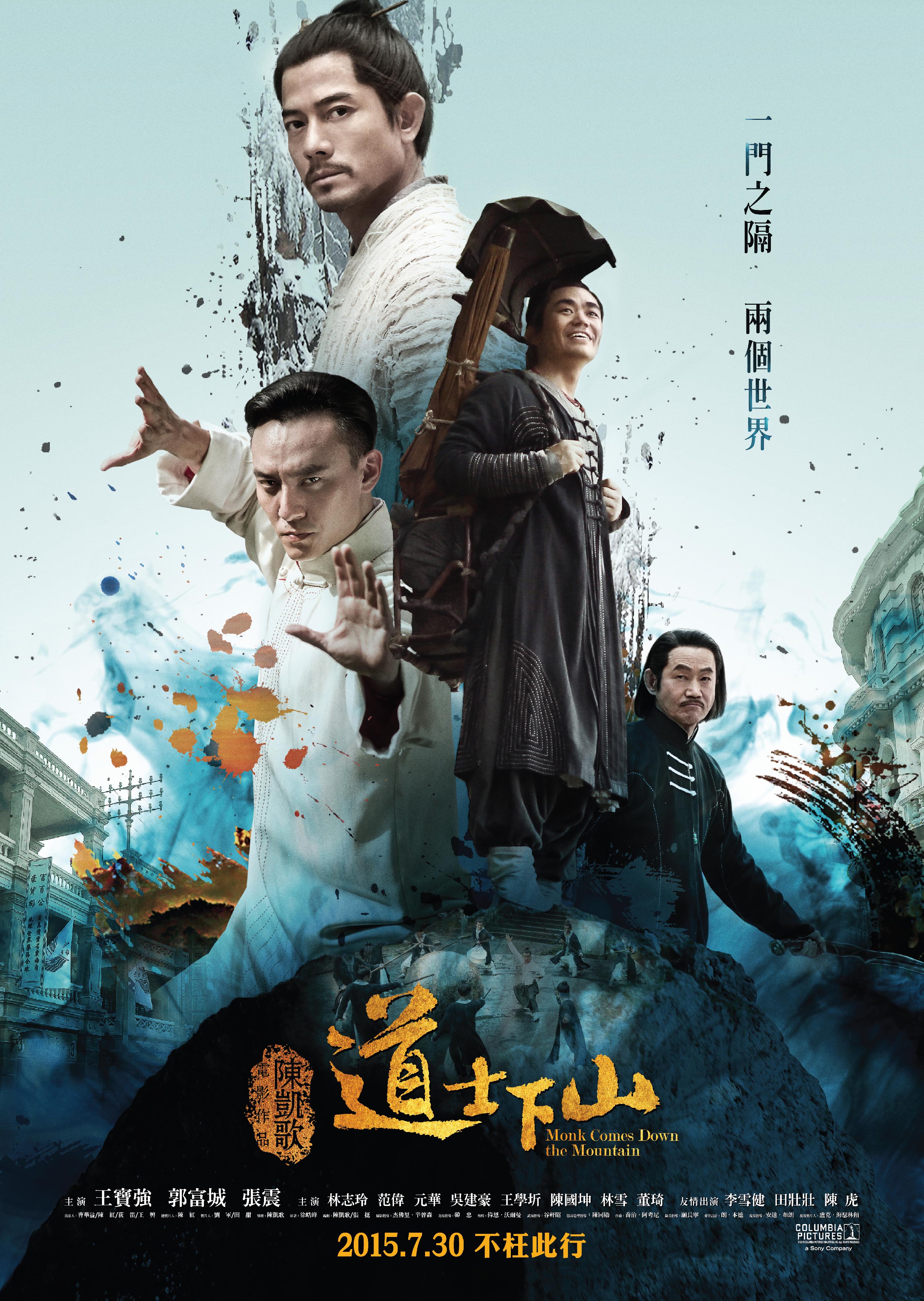
A wandering monk is forced to consider a series of dualities presented by his traditional upbringing and burgeoning modernity in Chen Kaige’s ‘30s wuxia Monk Comes Down the Mountain (道士下山, dàoshì xiàshān), inspired by the work of novelist Xu Haofeng. Essentially a picaresque, Chen sets orphan He Anxia (Wang Baoqiang) adrift in the secular world where he learns to see good and bad and perhaps the murky overlap between the two while simultaneously telling a rather subversive tale of frustrated same sex love and corrupt authorities. 

When the temple at which he was abandoned as a baby falls into financial difficulty, He Anxia enters a kung fu fighting competition he believes will put him first in line for food only in cryptic monk fashion the “prize” turns out to be exile as the winner is obviously the most capable of looking after themselves alone in the world. He Anxia is however something of an innocent and despite the monk’s warning to stay true to himself soon falls into difficultly yet ends up discovering a new father figure in monk turned pharmacist Tsui while trying to steal his fish. For all of Tsui’s goodness, however, there is discord in his house as his pretty young wife Yuzhen (Lin Chi-ling) prefers his dandyish brother, Daorong (Vanness Wu), who has abandoned the filial piety of the past to chase modern consumerist pleasures in selling the shop he inherited for a fancy ring. When the situation escalates, Anxia finds himself taking drastic action only to wonder if he did the right thing. 

Head of a local temple Rusong (Wang Xueqi) encourages him to think beyond dualities, wondering if he did the right thing for the wrong reasons or the wrong for right. This temple is famous for helping women have male children through praying to goddess of mercy Guan Yin, yet under Rusong’s predecessor they adopted a much less spiritual solution to the problem in simply providing a place where other men could father their sons. Rusong again asks him if the men who took part were sinners or saints while laying bare the paradoxes of the monastic life in the contemporary society. A petitioner goes so far as to ask Anxia if he might be her saviour, pointing out that if she cannot provide a male heir even though the problem may lie with her husband she may be cast out of her family, thereby disgraced not to mention financially ruined. Having lived all his life in the temple surrounded by men, gender inequality is not something Anxia had been very aware of. He tells her that though he had no family he was able to find one only to lose it, little understanding why she might not be able to do the same. 

On the other hand, he appears to show surprising perspicacity in the touching moments in which he must say goodbye to his second father figure, reclusive kung fu master Xiyu (Aaron Kwok), in realising the depth of his feelings for army buddy Boss Zha (Chang Chen) who then becomes his final master. Ironically, the obviously homoerotic relationship between Xiyu and Boss Zha was perhaps less controversial in 2015 than it might be in the present day but its inclusion is nevertheless surprising if also poignant as Xiyu tells Boss Zha that he should resume his stage career, marry and have children, while he will live a quiet and lonely life perfecting his kung fu though he will always keep him in his heart. Fiercely loyal to his mentors, Anxia accepts this relationship totally and appears to fully understand its import to Boss Zha to whom he subsequently transfers his allegiance as they band together to face off against big bad Peng. 

Playing into the good fathers and bad motif, Peng’s problem is his sense of paternal rejection in being passed over by his biological father in favour of Xiyu whose skills are stronger. After having ousted his rival, Peng fears the same thing will happen to his own son who is not only lacking in aptitude for martial arts but also appears to have a drug problem. To win they resort to cheating in picking up a pistol signalling both their own lack of jianghu honour and the nature of the changing times in which the very nature of kung fu has perhaps become obsolete. Meanwhile, Anxin and Zha are targeted by the police commissioner, Chao, who happens to be a former triad and also points his gun at them if less successfully while in cahoots with the amoral Peng and son.

Only through each of these subsequent encounters does Anxia begin to realise why he was cast down from mountain, understanding that he had to witness the good and bad of the secular world in order to understand his Buddhist teachings and finally find his place. With sumptuous production values perfectly recreating the 1930s setting, Chen’s quietly subversive 20th century wuxia takes aim at the ills of the contemporary society in its tales of corrupt authorities and amoral greed, but eventually finds solace in simple human goodness and genuine relationships as Anxin continues on his long strange journey to find his way home. 


International trailer (English subtitles)
The White Storm 3: Heaven or Hell (掃毒3︰人在天涯, Herman Yau, 2023)

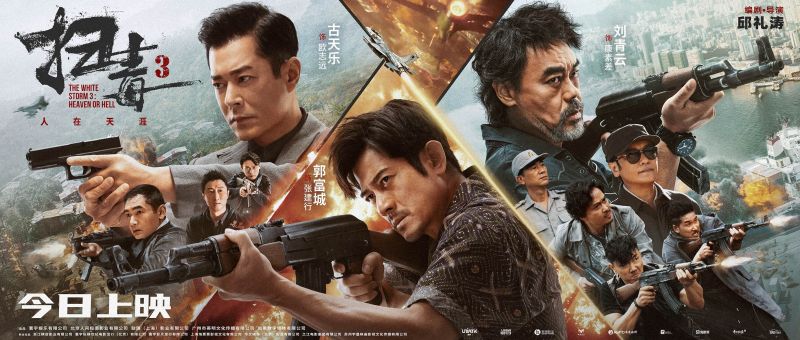
Who is the most foolish, the arch criminal who didn’t realise his two best buddies were undercover cops, or the cops that killed or took bullets for him? The latest in the White Storm series of standalone action thrillers with starry casts thematically dealing with drugs and organised crime, White Storm 3: Heaven or Hell (掃毒3︰人在天涯) like its immediate predecessor casts the net a little wider than just Hong Kong and is keen to stress the real victims of the international drug trade are the economically disadvantaged farmers who are left with no other option than to turn their fields to poppies. 

Back in Hong Kong, meanwhile, the film opens with local drug lord Suchat (Sean Lau Ching-Wan) retrieving a huge haul of drugs dropped in the ocean by helicopter only to be interrupted by the police who were watching all along. Suchat’s righthand man Yuen (Louis Koo Tin-Lok) blows his cover by pulling a gun to convince him to surrender, but Suchat chooses not to and in the firefight that ensues his other buddy, Hang (Aaron Kwok Fu-Sing), who is also an undercover cop and in fact very good friends with Yuen, is seriously wounded. In a show of loyalty, Suchat rescues Hang and manages to flee to Thailand where he sets up in his home village soon coming to the attention of the warlord who controls the local drug trade.

Describing the gang as the “rising stars of the Golden Triangle”, Suchat eventually cuts a deal with the general to provide security for his logistical operation in which drugs, mostly ice but also heroin, are transported inside fruit and other foodstuffs to be moved through the local market. Suchat had originally tried to set up his own operation only to fall foul of the general but also concedes that the margins in this game are fairly thin, no one in this area has any money to spend on drugs and there’s no point trying to produce them with the general in town so his only option is to provide a different service at another point in the chain. Hang becomes fond of the young woman who nurses him back to health, Noon, who explains that the only crop anyone is interested in is opium so aside from the food they grow for themselves it’s all they can produce to support themselves. There may a particular implication in her reply when Hang asks her if she’s ever considered moving that this even if this place is not a “home” because she has no remaining family members (her grandfather in fact seems to die of opium poisoning) it is still her hometown and why should she have to leave it. 

Before being taken to Thailand, Hang’s boss had worried that he might have spent too long undercover to successfully come back and it’s true enough that he seems to have become conflicted not only in his feelings for Noon but reflecting on the genuine brotherhood that exists between himself and Suchat whom he will eventually have to betray. Hang almost died for him, and Suchat repaid the favour by refusing to leave him behind. But on the other hand, there’s also a degree of homoerotic tension between himself and Yuen who rushes straight over to Thailand to rescue him once he’s able to make contact only to be frustrated when Hang tells him he has to go back to the village to save Noon who, as she’s already told him, does not actually want to leave despite the danger of constant violence from drug gangs and army raids. 

The film ends with the razing of the village of the Thai authorities who evidently decide the loss of life is justified in the necessity of stopping the general though it’s the ordinary farmers who lose their lives, families, homes and livelihoods because of their proximity to the trade in drugs. “I miss Hong Kong” Hang finally exclaims as if longing to shake off his undercover persona and recommitting himself to his role as a policeman but also perhaps hinting at a more subversive meaning as Yau ends on the clouds parting to reveal the famous city skyline amid picturesque terrain. Filled with a series of incredibly elaborate action sequences culminating in the all out warfare of the village raid, Yau’s heroic bloodshed subversion has its share of absurdity in the complicated relationships between its central trio and the ambivalent justice of its final resolution.


Original trailer (Traditional Chinese / English subtitles)

Septet: The Story of Hong Kong (七人樂隊, Sammo Hung, Ann Hui, Patrick Tam, Yuen Wo Ping, Johnnie To, the late Ringo Lam, Tsui Hark, 2022)

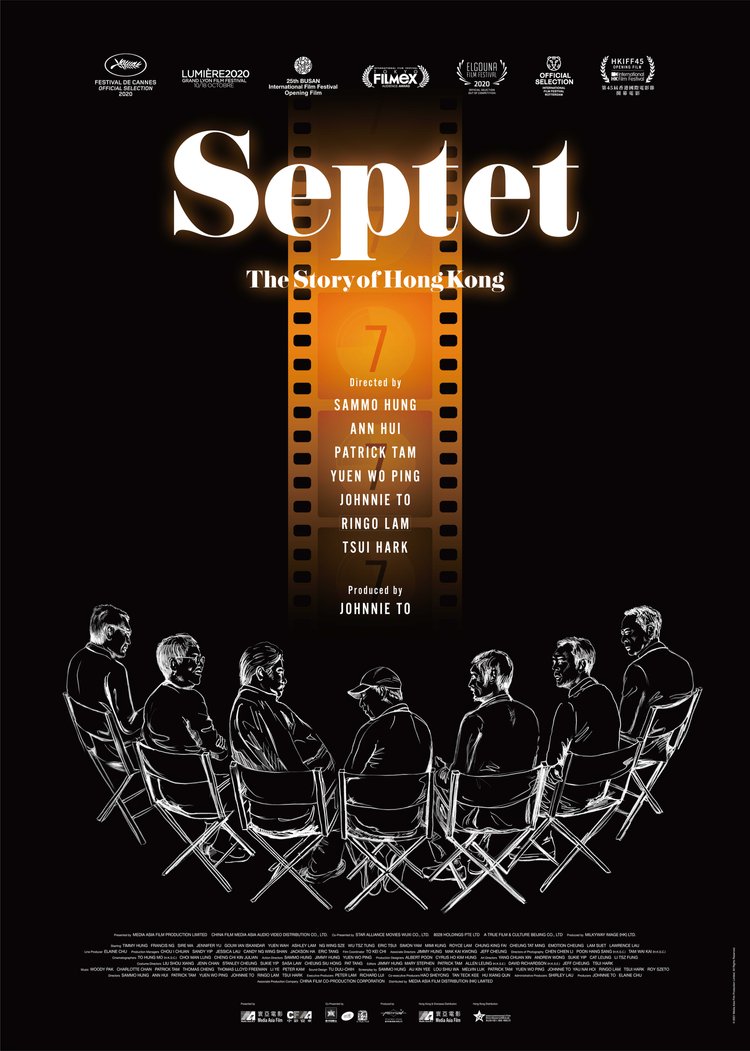
Seven of Hong Kong’s most prominent directors come together for a collection of personal tales of Hong Kong past and present in the seven-part anthology film, Septet: The Story of Hong Kong (七人樂隊). Produced by Johnnie To’s Milky Way, the film was first announced several years ago and originally titled Eight & a Half though director John Woo sadly had to leave the project due to his wife’s ill health which explains why there is no short set in the 1970s.

Each of the segments reflects the director’s personal nostalgia for a particular moment in time and there is certainly a divide between the 1950s and 60s sequences directed by Sammo Hung and Ann Hui respectively and those of the 80s and 90s which are imbued with a sense of Handover anxiety along with the closing meditation on the various ways the city has or has not changed. In any case, Sammo Hung’s opener Exercise is a slice of personal nostalgia which looks back to the heyday of Hong Kong kung fu as the young Sammo learns to buckle down and train with discipline under the guidance of his authoritarian teacher played by his own son, Timmy Hung. Similarly education-themed, Hui’s Headmaster echoes the documentary aesthetic seen in the later stages of Our Time Will Come in her naturalistic capture of a primary school reunion taking place in 2001 before flashing back to the early ‘60s as the headmaster and the children reminisce about a kind and idealistic young teacher who sadly passed away at 39 from a longterm illness exacerbated by misapplied traditional medicine. Essentially a tale of old-fashioned reserve in the unrealised desires of the headmaster and the teacher who elected not to marry because of her illness in the knowledge she would die young, Hui’s gentle melodrama harks back to a subtler age. 

Patrick Tam’s 80s segment, Tender is the Night, perhaps does the opposite in its incredibly theatrical tale of love thwarted by political realities as a lovelorn middle-aged man looks back on the failure of his first, and last, love for the teenage girlfriend who like so many of that time emigrated with her parents to escape Handover anxiety. Rich in period detail and imbued with the overwhelming quality of adolescent emotion, Tam’s maximalist romance is a tale of love in the age of excess but also of middle-aged nostalgia and personal myth making which nevertheless positions the looming Handover as a point of youthful transition. 

The 1997 sequence itself, Homecoming directed by Yuen Wo-ping, is in someways subversive in again presenting a young woman who firmly believes her future lies abroad rather than in post-Handover Hong Kong and placing her at playful odds with her traditionalist grandfather, a former martial arts champion who spends his days watching old Wong Fei-Hung movies. The eventual resolution that the girl, who insists on going by her Western name Samantha, returns to Hong Kong a few years later to care for the grandfather who has aged quite rapidly undercuts the sense of anxiety, yet there is something in the cultural and generational conflict that exists between them eased by mutual exchange as she teaches him basic English and he teaches her kungfu that hints less that the traditional is better than the modern than that there’s room for both hamburgers and rice rolls. 

Moving into the 2000s, Johnnie To’s Bonanza then takes aim at the increasingly consumerist mindset of the contemporary society in picking up a theme from Life Without Principle as three young Hong Konger’s become obsessed with getting rich quick through financial investment beginning with the dot-com bubble and shifting into property profiteering during the SARS epidemic. The trio fail every time before hitting the jackpot with some shares they bought by mistake during the 2008 financial crisis suggesting that it all just luck after all. One of the guys comically switches business opportunities in line with each of the crises/opportunities, firstly getting into mobile phones, then peddling healthcare products, and finally investing in self-storage in an echo of his society’s scrappy entrepreneurial spirit. 

The final film from Ringo Lam who completed his segment Astray shortly before passing away 2018 continues the theme in meditating on the modern city as its hero is literally killed by a sense of cultural dislocation after getting lost in a very changed Hong Kong having emigrated to the UK and returned with his family for a New Year holiday. While ironically remembering his own father complaining that times had changed, he finds himself bewildered by the absence of familiar landmarks and adrift in his home city. He dreams another life for himself in the countryside in which his son decides to emigrate to America while his wife would prefer he find a job in Hong Kong but his final message to him that it’s not difficult to live happily perhaps frees him of the sense of nostalgia which has led to his father’s death.

The best and final episode, however, Tsui Hark’s Conversation is set at no particular time and my in fact take place in the future as a mental patient, who might actually be a doctor pretending to be a mental patient, suddenly gives his name as Ann Hui followed by Maggie Cheung and a string of Hong Kong directors from Ringo Lan to Jonnie To and John Woo and challenges the doctor, who might be a mental patient, as he struggles to keep up with him. Tsui and Hui make reflective cameo’s at the segment’s conclusion perhaps hinting that this has been a deep conversation with the history not only of Hong Kong but its cinema through the eyes of those who helped to make it what it is.


Septet: The Story of Hong Kong screens in Chicago on Nov.6 as part of the 15th season of Asian Pop-Up Cinema.

Original trailer (English subtitles)

Time (殺出個黃昏, Ricky Ko, 2021)

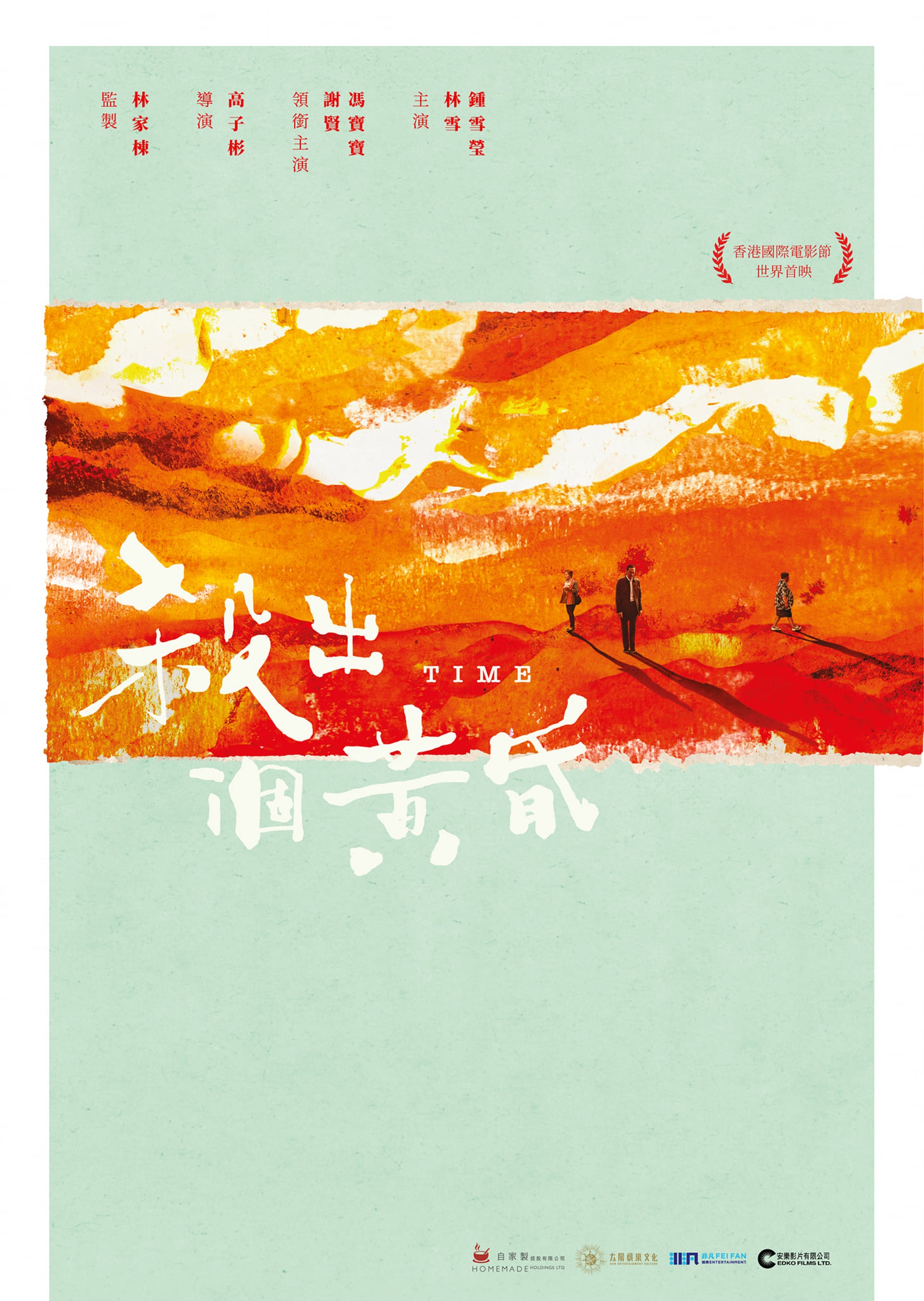
Youth is wasted on the young in Ricky Ko’s wistfully nostalgic ode to a bygone Hong Kong, Time (殺出個黃昏). Highlighting a series of very real social problems from the government’s failure to properly care for its old, to incurable loneliness, and the changing family dynamics of the modern society, Ko’s sometimes melancholy drama begins as a story about death but then finally becomes one about life granting its defeated heroes a second chance at a forgotten love in the formation of a new family. 

Ko opens, however, with a kitsch retro sequence filmed in the manner of ‘70s action movies in which a trio of assassins cooly eliminate their targets. Flashing forward to the present day, hitman Chau (Patrick Tse Yin) is unceremoniously let go from his job as a noodle chef. Unable to keep up with the breakneck pace of contemporary Hong Kong, he’s being replaced by a machine. A message on a radio show brings him back into contact with his old gang, fixer Fung (Petrina Fung Bo-Bo) now a nightclub singer and owner of at the Golden Phoenix cabaret bar catering for elderly romantics, and getaway driver Chung (Lam Suet) who has formed an unwise emotional attachment to a sex worker he dreams of marrying. Fung has found them a new job, but Chau immediately senses something different on his arrival. His target is a bedridden old lady who’s called the hit on herself because she can’t afford the bills for her medical treatment and has no real quality of life. 

Chau is so shocked he can’t go through with it, later seeing in a news report that the woman’s husband has been arrested in connection with her death. Her plight seems to have provoked a minor debate concerning lack of appropriate care for Hong Kong’s elderly. “Death is better than debt” is the way the woman’s husband characterised her choice, essentially affirming that there was no way for her to go on living in a society which has abandoned its elderly and infirm. Nevertheless, after that first case Chau takes on more requests for “euthanasia” from similarly afflicted people yet one of his most poignant is for a very wealthy man in good physical health who is simply lonely following the death of his wife. Though he had a large family, his children are far away with lives of their own and rarely visit. He chooses death in the hope of reuniting with his wife and escaping from the crushing loneliness of his existence. 

One particular assignment, however, brings Chau into contact with vulnerable teenager Tsz-Ying (Chung Suet-Ying) who has been abandoned by her parents following their divorce and is currently living alone. Despite himself, Chau ends up taking the girl in and acting as her “grandpa” while she insists on learning his knife technique and how to make noodles the old fashioned way. For his part, Chau finds himself at odds with the modern world, confused beyond belief about how to pay for a bus ticket and embarrassed when a younger woman does it for him by waving her phone at a box by the driver. He stands rather than sit in one of the priority seats reserved for elderly passengers unwilling to accept that he has become old. Yet living with Tsz-Ying he begins to emerge into the modern society, learning how to use a smartphone and regaining something of his youth even as he bests a few young whippersnappers who made the mistake of underestimating an old guy. 

While Chung, plagued by medical issues, quips that prison is “all inclusive” and you can get an appointment with your doctor any time you want, Fung has family issues of her own including a tense relationship with her snobbish daughter-in-law who’s determined to force her to sell her apartment and give up the club to get her grandson into an elite school. Despite their dark history as killers for hire, the trio are subject to the same problems faced by ordinary elderly people, witnessing lonely deaths and incurable pain coupled with a sense of futility which encourages them to think their lives are already over. Yet thanks to their involvement with Tsz-Ying they get a kind of second chance, building a new kind of family in intergenerational solidarity. Quirky and nostalgic, Ko’s aptly belated directorial debut feature may begin as a story about death and the inexorable march of time but finally makes the case for sidestepping the alienation of the modern society for a more wholesome sense of community and the eternal ability to start again no matter how old you are.


Time streams in the US Aug. 10 to 15 as part of this year’s New York Asian Film Festival.

Original trailer (English subtitles)

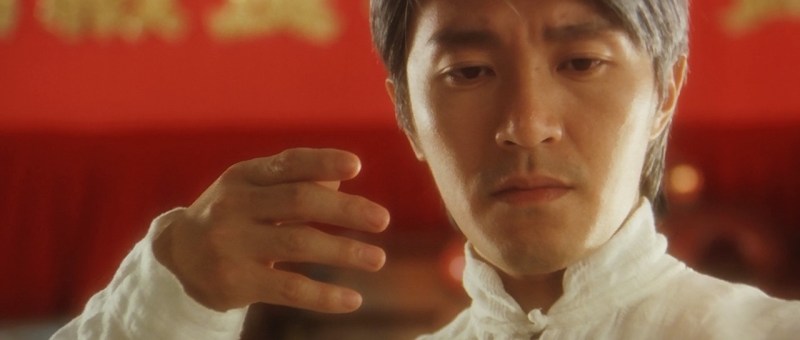
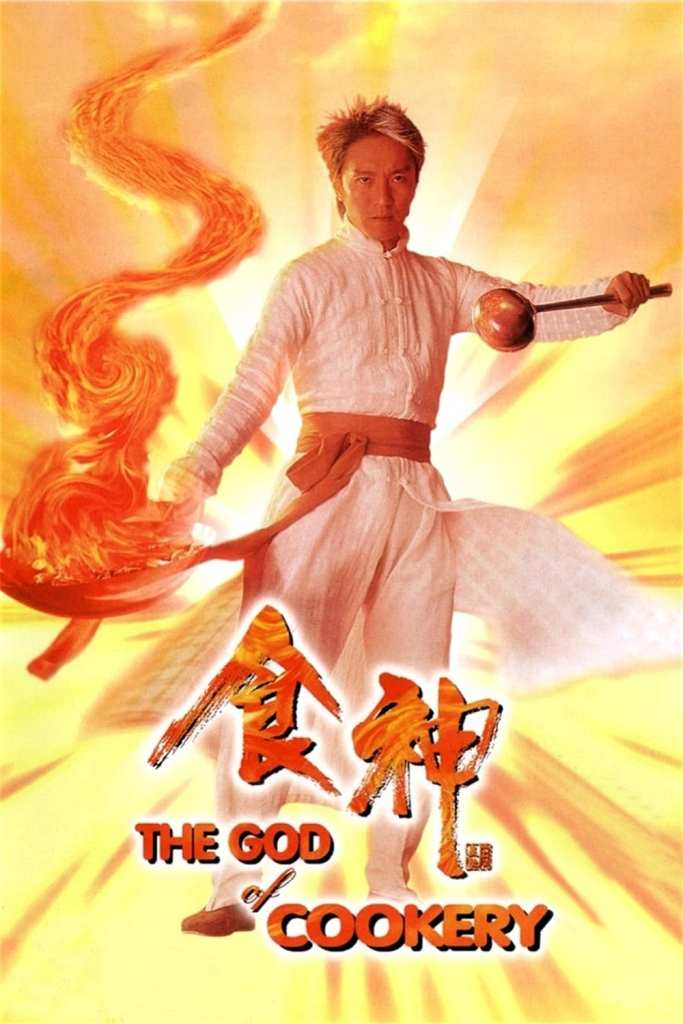
The God of Cookery (食神, Stephen Chow, 1996)

Thing about cooking is, you gotta have heart. At least, that’s the main takeaway from Stephen Chow’s 1996 culinary comedy God of Cookery (食神) in which he once again stars as a man who’s become rich and successful exploiting the talents of others but gets a major humbling when his duplicity is exposed by an even more duplicitous, though apparently talented, rival. Only by living among the people and rediscovering the simple joy of ordinary food cooked with love can he regain his true identity as the “God of Cooking”. 

Stephen Chow (Stephen Chow playing a character of the same name but written with different characters) has built up a successful food empire built around himself as a celebrity chef known as the “God of Cooking”. As a popular TV judge on a cooking competition, he makes a point of giving each of the contestants zero points, starting off with words of praise but eventually finding fault with “basic” techniques and even at one point complaining that it doesn’t matter how tasty the dish is because the chef is so ugly it’s made him lose his appetite. Chow treats his employees with total disdain, going so far as making a prospective hire defecate in public in front of a lift in return for a job, while schmoozing with Triads to expand his empire. The Triads, however, are getting fed up with him and have installed a mole in his organisation. Bull Tong (Vincent Kok Tak-chiu) is a talented chef who claims to have trained at the Chinese Culinary School on the mainland. He makes a point of causing public embarrassment to Chow by tearing apart one of his signature dishes at the press launch for the 50th branch of his branded restaurant chain. Chow is exposed as a talentless fraud and thanks to his haughty attitude, his friends abandon him. 

Penniless and destitute, he rocks up at a noodle stall run by Sister “Twin Daggers” Turkey (Karen Mok), critiquing her noodles in the same way Bull had torn apart his. Turkey takes pity on him after he’s beaten up by thugs and accepts him into her mini street gang. It’s Chow who finds an innovate solution to to her turf war with a rival stall holder in inventing the not entirely appetising “Pissing Beef Balls” which prove an instant hit with all who try them, even helping to cure those suffering with anorexia (apparently a widespread problem of the time, at least according to onscreen newspapers). Chow has not, however, lost his cynical streak and wants to get back to the top by opening a nationwide chain of Pissing Beef Ball restaurants, while Bull and the Triads begin to panic about his seemingly unstoppable success. 

Parodying both Tsui Hark’s Chinese Feast from the previous year, and Wong Jing hit God of Gamblers, Chow brings even more of his now familiar slapstick style, turning cookery into a kind of martial art, and even including a brief sequence in which he gets trapped inside the Shaolin Temple and ends up learning some of their patented culinary techniques. As the cynical top chef, Chow stands in for the evils of the age, puffed up on empty capitalism, openly telling his staff to pull dirty restaurant tricks like making the seats small and uncomfortable to increase turnover and filling the drinks with giant ice cubes to keep costs down and encourage guests to order more. Bull Tong, however, goes even further, beating the staff and suggesting they serve greasy, salt-laden dishes like French fries so kids order more soda, ignoring complaints from the chefs that it’s unethical to serve such obviously unhealthy food to children. 

Sister Turkey’s cuisine, by contrast, might not exactly be top table stuff but it makes no pretence of being anything other than it is. Her rival prides himself on using high quality ingredients, even making sure his oil is changed daily, making it plain that your average market hawker (whether he’s telling the truth or not) at least appears to have more concern for his customers than giant restaurant chains do. Turkey’s ordinary barbecue pork and rice dish with a side of egg is the best Chow’s ever tasted because it was made with kindness. He may have been fond of saying that you have to have heart to cook, but it was just one of his soulless catchphrases until he realised it was true. Good food, companionship, love, and a Christmas miracle slowly work their magic until the “God of Cookery” is finally restored thanks to a little celestial intervention, showing the Bull Tongs of the world exactly what they’re missing.


The God of Cookery screens in New York on Feb. 15 as part of this year’s New York Asian Film Festival Winter Showcase.

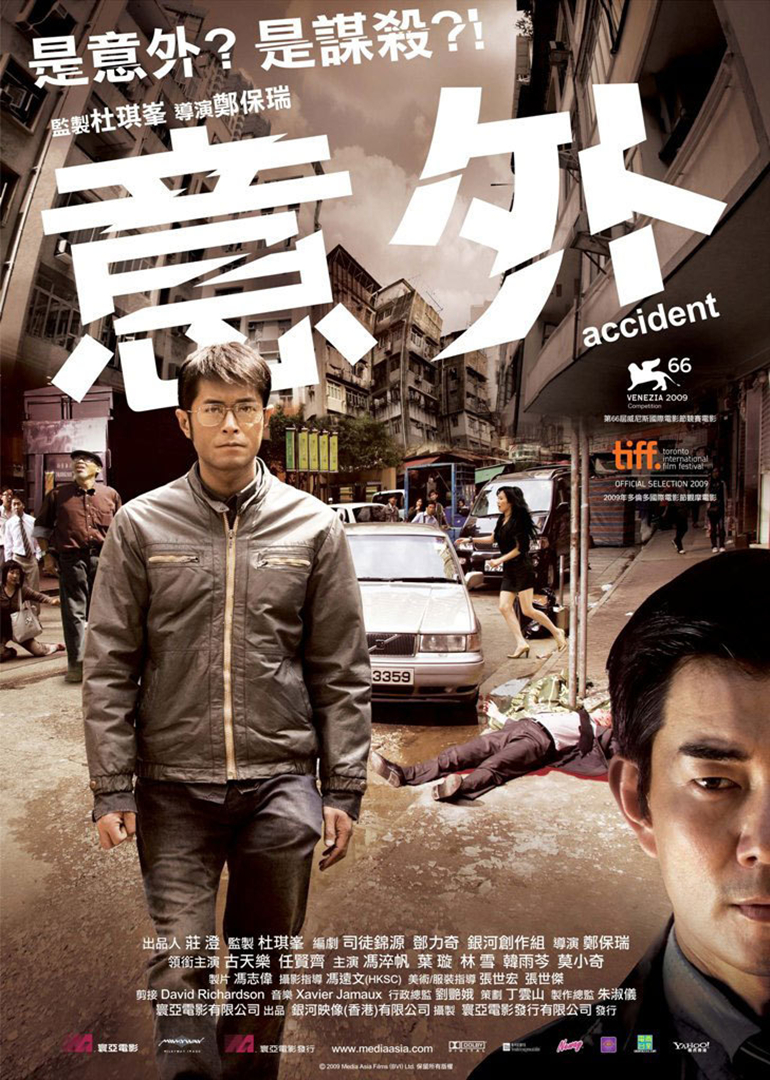
Accident (意外, Cheang Pou-Soi, 2009)

Accident poster 1Is an accident ever really just an accident? The cosmos may be conspiring against us, but one can’t rule out a man-made conspiracy in a world as venal and corrupt as ours has become. Riffing off The Conversation, Cheang Pou-Soi’s The Accident (意外) stops to ask if you really do reap what you sow or if you merely think you do as its increasingly paranoid hero attempts to manipulate fate for his own ends only to find himself encircled by a net of his own making.

The Brain (Louis Koo Tin-lok) is the head of a very particular gang. A hitman of sorts, he specialises in untraceable crimes, choreographing elaborate pathways to death that appear indistinguishable from accidents. He knows that he is not the only such orchestrator of endings and that he has likely made enemies and rivals as a result of his activities and so is extraordinarily careful when it comes to the execution of his work.

It is, therefore, a concern when a bug appears in a routine job. Uncle (Stanley Fung Shui-fan), the oldest member of the team, drops a cigarette butt. It might seem like a small thing, but it makes a mark and leaves a little piece of Uncle at the crime scene – a tiny fragment that could become a part of a larger whole exposing the entire enterprise. The Brain is so careful that he even uses a hankie to funnel change into the bus driver’s ticket box, but he’s known Uncle a long time and is loath to cut him loose for a “minor” infraction even if the buzzing in the back of his head reminds him that maybe Uncle’s lapse of judgement wasn’t mere sloppiness.

A man attempting to live with tragedy by imposing order on a chaotic world, The Brain’s sense of cosmic coherence begins to unravel after the next job goes horribly wrong. Someone is plotting against him and one (or more) of the team must be in on it. He tracks his mark to an insurance broker (Richie Jen Hsien-chi) who is his mirror image in every respect as another gambler against the random, spies on him, and almost becomes him in installing himself in the apartment beneath his and literally tracking his every move thanks to a madman’s map on the ceiling and some carefully placed bugs.

Yet, is his assumption right? This could all just be a series of coincidences ranging from an old man’s dementia, to inauspicious weather, and unforeseen tragedy. The Brain, however, needs to believe in his own primacy of agency, that there are no “coincidences” and everything that befalls him is a product of his own actions. He wants revenge – against the man he believes has deliberately punctured his carefully controlled world, but also against the universe itself and the various ways it has misused him.

Fate, however, has other ideas and history later repeats itself with relentless and horrifying cruelty. The Brain, perhaps himself wandering into an “accident” of his own making, chases death in his double who finds himself touched by The Brain’s curse – uncertain yet convinced that he has been the victim of more than circumstance and vowing revenge on the (presumed) orchestrator of his fate, becoming just as strung out and paranoid as The Brain himself.

Produced by Milky Way, Accident does indeed share something with To’s whimsical worldview in which it is the random, inexplicable acts of chance which govern our lives. Fate cannot be outrun or out-thought, there is an accident waiting for all of us (who are each products of the accident of birth). Free will is an illusion, and The Brain will pay a heavy price for the depth of his faith its efficacy and rebellion against a chaotic universe through his attempt to use its propensity for random chance against it and for his own ends. A heady mood piece filled with the intense anxiety of existential unease, Cheang Pou-Soi’s perfectly crafted chronicle of a fragmenting consciousness spinning ever deeper into an entropic well of self-destruction is as melancholy an encapsulation of the human condition as one may hope to see as its hero battles valiantly against the inevitable while secretly perhaps longing to lose, like a degenerate gambler betting against fate.


Currently streaming via Netflix in the UK (and possibly other territories).

Original trailer (Cantonese with Traditional Chinese & English subtitles)

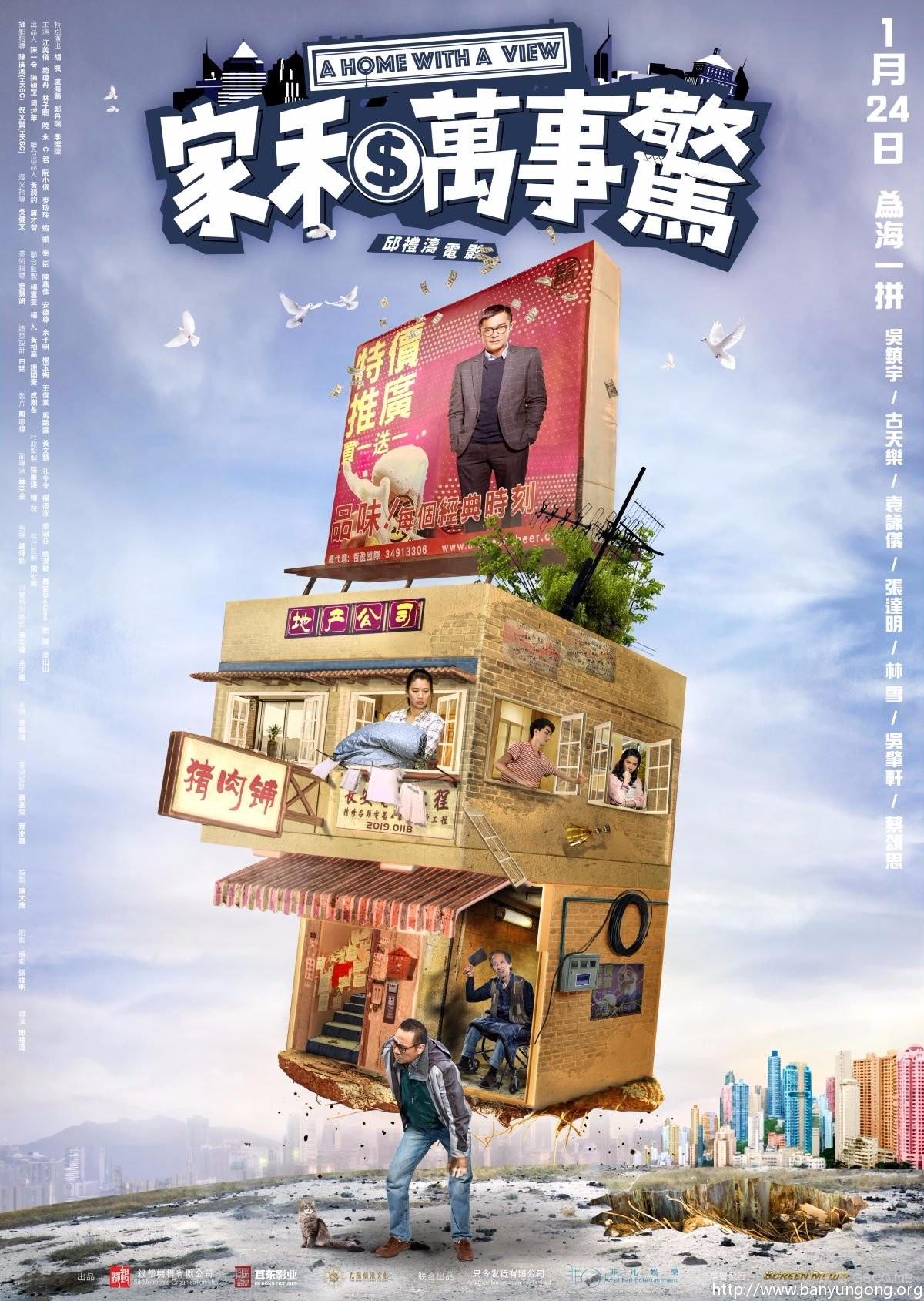
A Home with a View (家和萬事驚, Herman Yau, 2019)

Home with a view poster 2Everyone needs an oasis. It might be a mirage, but still you need to believe in it anyway or with the world the way it is you might just go crazy. For the Lo family, that oasis was their tiny harbour view for which they paid handsomely even though their home could be described as modest at best. Relying on the calming vision of the sea to preserve their peace of mind, the family are constantly preoccupied by the rapid increase in high rise apartment buildings which threaten it, but did not bank on a cynical businessman setting up home on the rooftop opposite and putting up a giant advertising billboard to make a few extra pennies.

Adapting the stage play by Cheung Tat-ming, Herman Yau uses the woes of the Lo family to satirise the effects of Hong Kong’s ongoing housing crisis as they find themselves living in a cramped apartment block where everyone seems to have problems but no inclination to mind their own business. Mrs. Lo, Suk-yin (Anita Yuen Wing-yi), is fed up with the butcher (Lam Suet) who lives directly above them and his habit of loudly mincing pork while she’s trying to eat her dinner in peace, while the kids – son Bun-hong (Ng Siu-hin) and daughter Yu-sze (Jocelyn Choi), resent the intrusion of cigarette smoke wafting up from the flat below belonging to an elderly resident whose oasis is presumably tobacco. Meanwhile, Grandpa (Cheung Tat-ming) is in poor health and in the process of losing his marbles all of which makes for a very exciting home environment where chaos rules and there is always something new to bicker about.

Family patriarch, Wai-man (Francis Ng Chun-yu), sunk considerable expense into buying this apartment because of its sea view. In fact he’s still paying off a hefty mortgage which is why the family is engaged in a money saving competition where they challenge each other to come up with the best schemes and bargains, but he is at heart a kindhearted man which is perhaps why he finds himself handing over a huge wad of cash to pay off the overdue rent of the lady next-door who was threatening to commit suicide rather than risk eviction with her husband seemingly having disappeared off somewhere leaving her alone with her young son. He is not, however, above jamming with the system and is himself an estate agent peddling “low cost” subdivided flats with no widows or kitchens and only access to communal bathrooms in disused but not quite redeveloped former industrial buildings.

Desperate to reclaim their access to serenity, the family set about trying to get the cynical businessman opposite, Wong (Louis Koo Tin-lok), to take the billboard down but he proves smug and indifferent to their plight. In fact, his resentment towards those who can afford swanky sea view apartments is one of the reasons he put the billboard up in the first place so he’s not about to take it down just because he’s realised its presence is inconsiderate. Trying to get the authorities, including an old friend with a longstanding crush on Suk-yin, involved proves largely fruitless with the family locked into a bureaucratic nightmare which saps all their energy and only drives them all crazier even as they begin to unite in pooling their efforts to outsmart Wong who insists the billboard is “art” which he made himself and enriches the city.

The intersection between art and advertising, as well as mild motion towards both things as acts of protest, is only one of the film’s meta touches, but its main theme is indeed family and the various ways the modern society both frustrates and cements it. The Los who were always at each other’s throats, became calm sitting together gazing out at the peaceful harbour but later returned to their individual spheres before reuniting in conflict. Meanwhile, we discover that Wong has a sad story of his own which paints him as a lonely man without a family who likes the attention the billboard has brought him because it’s finally forced people to acknowledge his existence. Rather than managing to make friends with him, the Los descend further into their psychotic fury as they try to defeat Wong, ironically rediscovering their family solidarity in the process. “In this terrible world only family can protect us”, Grandpa says, and in this crazy cutthroat society he may be right. Perhaps the best course of action is to all go mad together rather than try to resist the craziness.


A Home with a View was screened as part of the 2019 Udine Far East Film Festival. It is also currently available to stream via Netflix in the UK (and possibly other territories).

Original trailer (English subtitles)