An adulterous bulldozer operator in north east China finds himself in conflict with a failed construction magnate when his wife insists he find a new home for their Alsatian before their baby arrives in Geng Jun’s dark comedy Manchurian Tiger (东北虎, dōngběihǔ). A Manchurian tiger does indeed appear at certain points of the film, a child at the zoo asking their grandfather why the rather morose beast does not roar only to receive the explanation that the tiger is all alone with no one to talk to. The child sadly reflects that it’s like the tiger is in prison, but the grandfather corrects them that it’s in there for its own good so that it can be protected, loved, and admired, but its plight still calls out to an emotionally wounded poet (Xu Gang) who is also no longer young and feels isolated and constrained by the world around him.
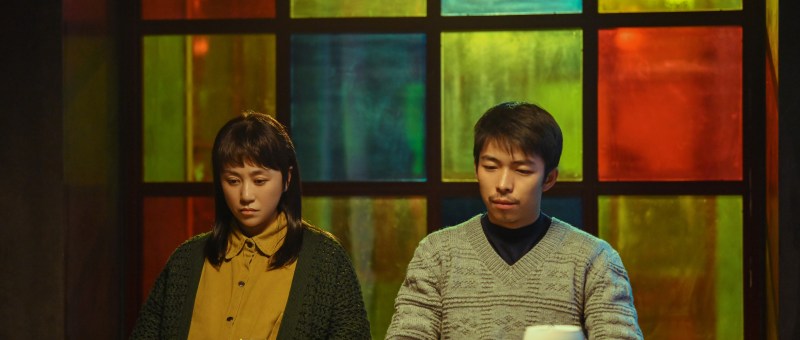
As for bulldozer operator Xu (Zhang Yu) who it seems may once have been a teacher, his problems seem to lie more in the inability to reconcile his conflicting emotions towards his family. His wife Meiling (Ma Li) tells him to get rid of the dog because it’ll be too much for them when the new baby arrives and he complies but is also sickened when he’s met with only prices by the pound on trying to find it a new home. He unwisely decides to leave the dog with a local businessman, Ma (Zhang Zhiyong), but Ma slaughters it to curry favour with a pair of “collection agents” he hires to help him get back money he invested into a construction project that’s clearly gone south and in truth sounds like it may have been a scam to begin with. When the heartbroken Xu discovers the truth he vows revenge only for a strange sort of solidarity to arise between them in shared victimhood both bested by the problems of the modern society in the formerly industrial north east.
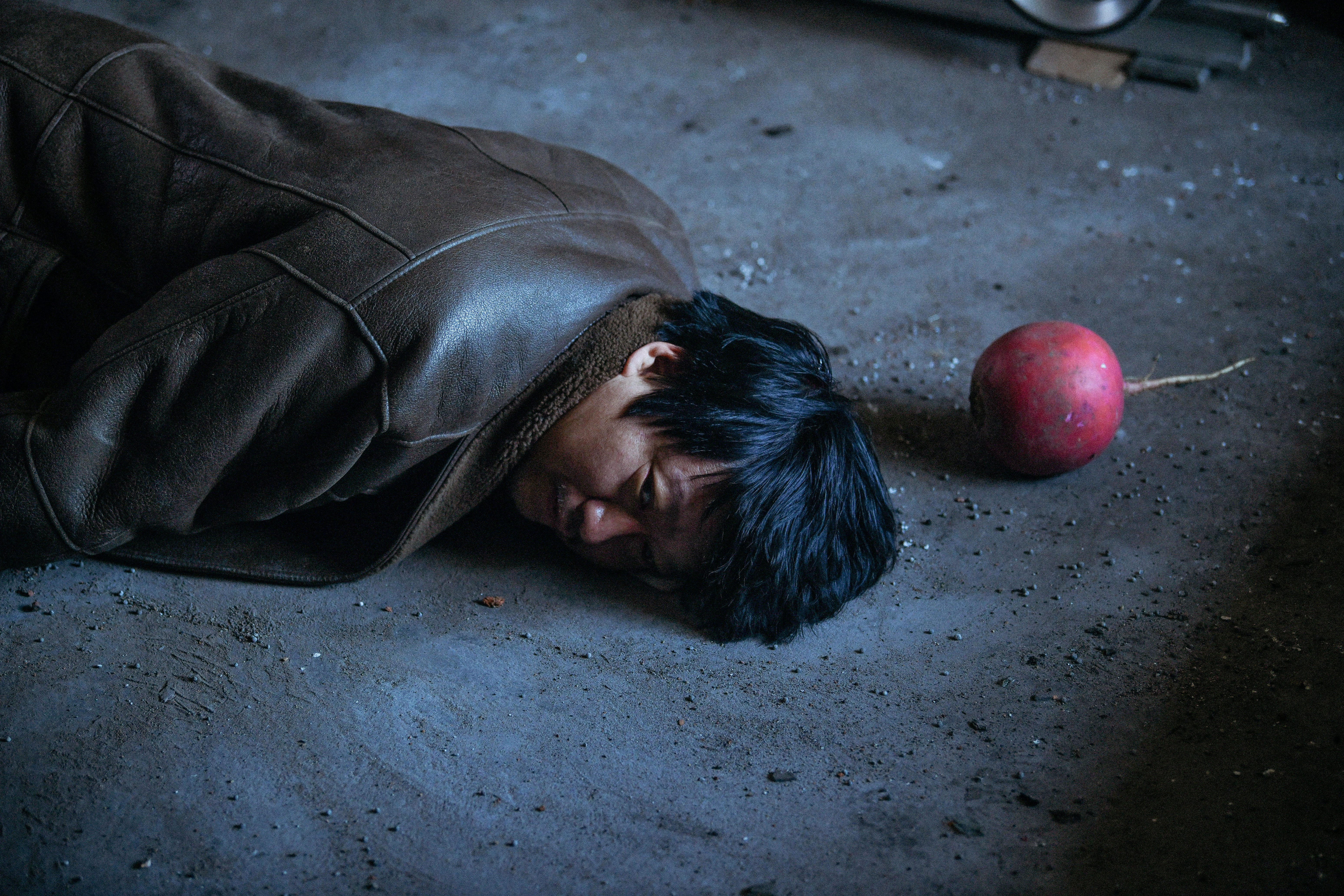
Ma could try to make the case that he’s a victim too and he is in a sense but he’s also a conman as Xu later brands him. Even so he does seem to feel some remorse if not for eating Xu’s dog then at least for plunging his friends and family into financial ruin after they sunk their lifesavings into his project because they believed in him. As he puts it they all, he included, fell for the fantasy of the modern China believing they could all get rich quick only to be undercut by the ironic flip side when cost cutting and subpar materials prevent the apartment block from being finished leaving Ma high and dry unable to recoup his costs until the apartments can be sold. The debt collection agents he unwisely hires are just thuggish loansharks who then ask him for a hefty deposit, smashing up his car to make a point when he tries to use it as collateral.
In essence it seems as if all Xu wants is to Ma to apologise to the spirit of his dog but Ma apparently values his pride above money and complains the price is too high while Xu resents the attempt to place a monetary value on his friend or imply that perhaps his own flesh also has a price. He’s clearly in a space of mental despair, reminding his mistress that like the tiger he’s no longer young and has exhausted all other opportunities to improve his life so the only thing he has left is his marriage. As his wife Meiling starts starts visiting several women around the local area after noticing the scent of perfume along with stray hairs on Xu’s clothes, it becomes clear he has had several affairs already and is seemingly being punished for his sexual transgressions which are perhaps an attempt to escape his own sense of imprisonment, as caged as the tiger by his familial responsibilities and humiliated by the inability to meet them.
Yet none of these men, not Xu, nor Ma, nor the dejected poet are going to roar because they’ve long since accepted their captivity and believe themselves already too old to risk escape. A fight eventually breaks out among Ma’s creditors when one suggests that the money should first be given to the young because they will spend it, keeping the money moving through an uncertain economy, while the old will save having learned to be cautious amid the vicissitudes of life in a rapidly changing society. Darkly comic and tinged with the fatalism of Sino-noir along with its jazzy score, Manchurian Tiger seems to suggest that the cage is infinite and the only escape lies in accepting its myriad disappointments.
Manchurian Tiger screened as part of this year’s New York Asian Film Festival where it was presented in partnership with CineCina.
Festival trailer (English subtitles)
Images: © Blackfin Production