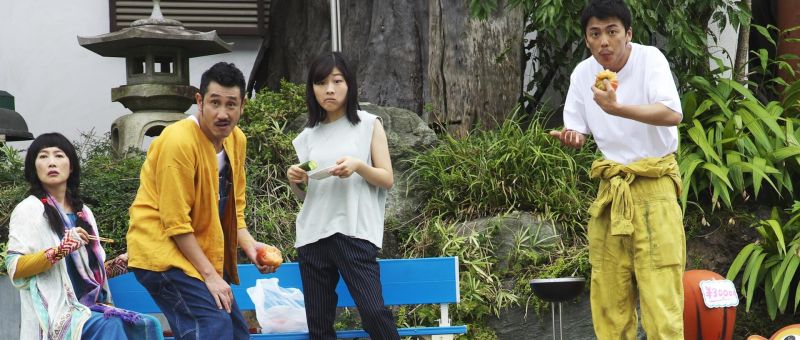
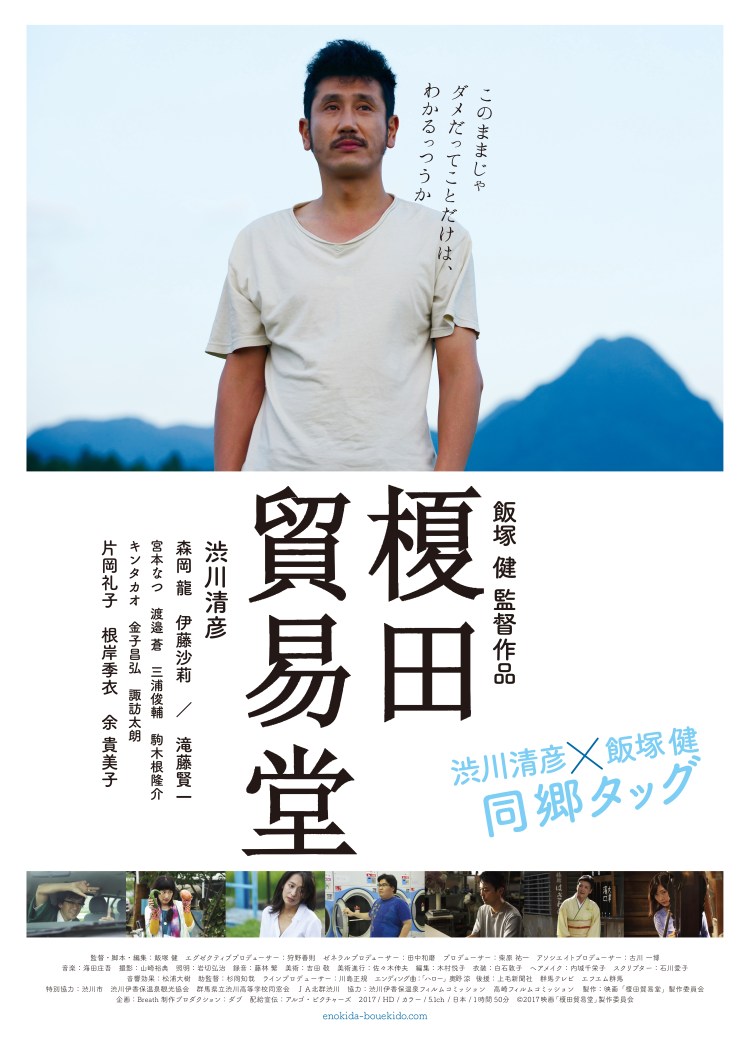
 Japanese cinema is filled with tales of those who become disillusioned with city life and decide to go home to the country to start all over again. Almost always they start with failure and build to success as the hero or heroine gradually figures out what they want out of life and then how to make it happen. Enokida Trading Post (榎田貿易堂, Enokida Boekido), however, does things a little differently. Mr. Enokida (Kiyohiko Shibukawa) has been back in his home town for four years and has already built up a successful, if scrappy, business selling second hand goods. When the right hand side of the first character in Mr. Enokida’s name suddenly falls off the store’s sign one day without warning, Mr. Enokida knows something big, good or bad, is definitely on its way.
Both director Ken Iizuka and star Kiyohiko Shibukawa hail from the small country town, not coincidentally also called Shibukawa, in which the film is set. A tribute to rural life, Enokida Trading Post adopts the calming, laidback feel of many a Japanese tale of life in the village but that’s not to say it’s the sort of place where nothing much happens – quite the reverse in fact. When we first meet Mr. Enokida, he’s wandering into the local hair salon but he’s got more than just a quick trim on his mind. Aside from indulging in a little how’s your father with the middle-aged proprietress (Reiko Kataoka), he’s also picking up a few extra pennies from the curious little boy he’s allowed to watch from outside. The affair with hairdresser will eventually get him into a lot more trouble, but Mr. Enokida is the sort that finds trouble worth the prize so it’s mostly the people around him who will end up paying the price.
Enokida Trading Post has two other employees – Chiaki (Sairi Ito), a married woman experiencing some kind of problems at home, and Kiyohiko (Ryu Morioka) who seems to have an extreme aversion to answering the telephone. The gang are also joined by a hippyish older lady, Yoko (Kimiko Yo), who stops by to chat every now and then, and an old friend, Hagiwara (Kenichi Takito), also recently returned from Tokyo but apparently only for a few weeks while he finishes a screenplay.
Sex and gossip become the two main pastimes for the Enokida gang as Kiyohiko catches sight of Yoko in a compromising position with the old man who runs the local laundrette while Mr. Enokida has begun to worry that Chiaki may have become a victim of domestic violence. As it turns out Chiaki’s worries are of a quite different order which might explain why she keeps renting “racy” mainstream movies like Betty Blue and Eyes Wide Shut from the local DVD store and apparently watching them all alone.
In an attempt to solve some of their problems, the gang find themselves making a visit to “Chinpokan” which effectively means “willy museum” and is indeed filled with pieces of erotic art from classic shunga to a room full of wooden penises in various sizes. A visit to Chinpokan can it seems work wonders, but as soon as you solve one problem another arises and a surprising discovery is made regarding another local love story before a third suddenly spirals into violence, revenge, and murder! Even in peaceful Gunma, such things do indeed still happen – something which prompts Mr. Enokida into a another reassessment of his life choices as he ponders his role in events so far and tries to decide what his next move ought to be.
Mr. Enokida’s motto had always been that anything except for actual rubbish he could handle. Sadly, quite a lot of rubbish has just happened to him and he doesn’t know what to do about it. The revelations do however prompt each of his friends into opening up about their individual worries and finally finding the strength to face them head on to make some decisions of their own. Making the best use of the beautiful scenery and filled with the charms of small town life, Enokida Trading Post is another in the long line of relaxed rural adventures, effortlessly finding the strangeness of the everyday in the country while grounding its sense of absurd fun in the unique philosophy of Mr. Enokida and his variously troubled friends.
Screened at Nippon Connection 2018.
Original trailer (no subtitles)
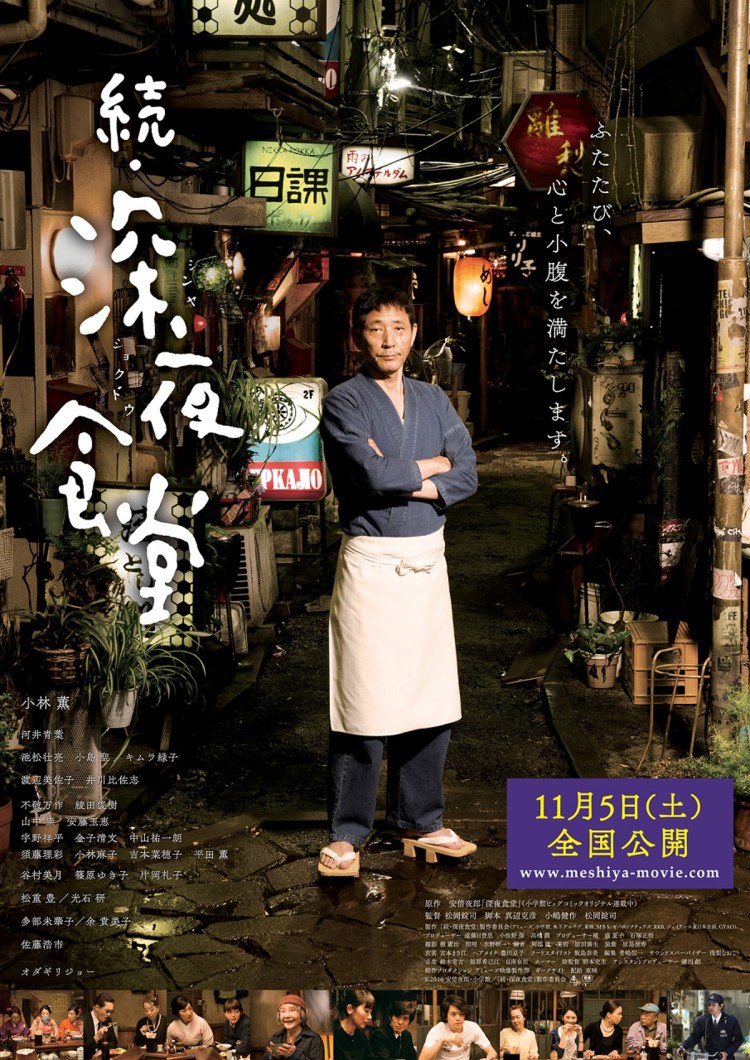 The Midnight Diner is open for business once again. Yaro Abe’s eponymous manga was first adapted as a TV drama in 2009 which then ran for three seasons before heading to the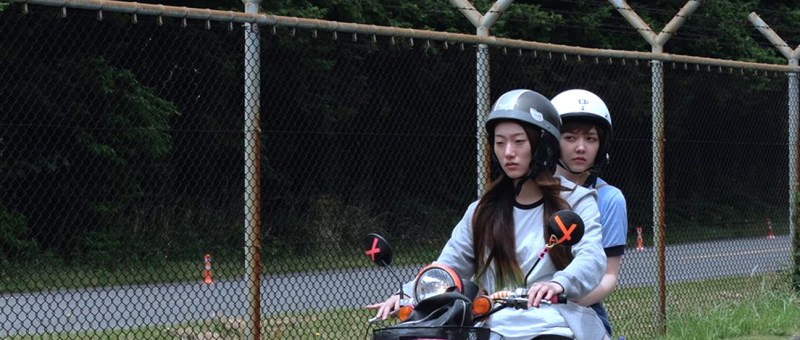
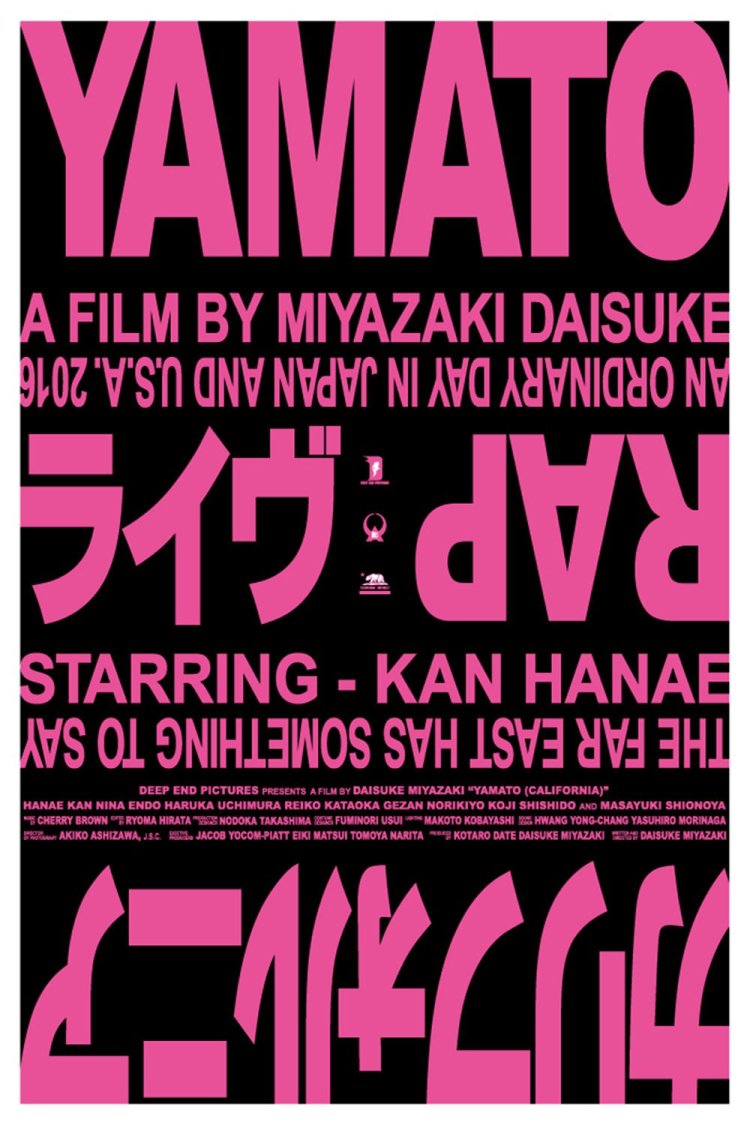 When you think of the American military presence in Japan, your mind naturally turns to Okinawa but the largest mainland US base is actually located not so far from Tokyo in a small Japanese town called Yamato which is also the ancient name for the modern-day country. The US has been a constant presence since the end of the second world war prompting resistance of varying degrees from both left and right either in resentment at perceived complicity in American foreign policy, or the desire to reform the pacifist constitution and rebuild an independent army capable of defending Japan alone. Daisuke Miyazaki’s second feature, Yamato (California) (大和(カリフォルニア) dramatises this long-standing issue through exploring the life of hip-hop enthusiast and Yamato resident Sakura (Hanae Kan) who idolises an art form born of political oppression in a country which she also feels oppresses her as a Japanese citizen living on the other side of the fence from land which technically still belongs to the US government.
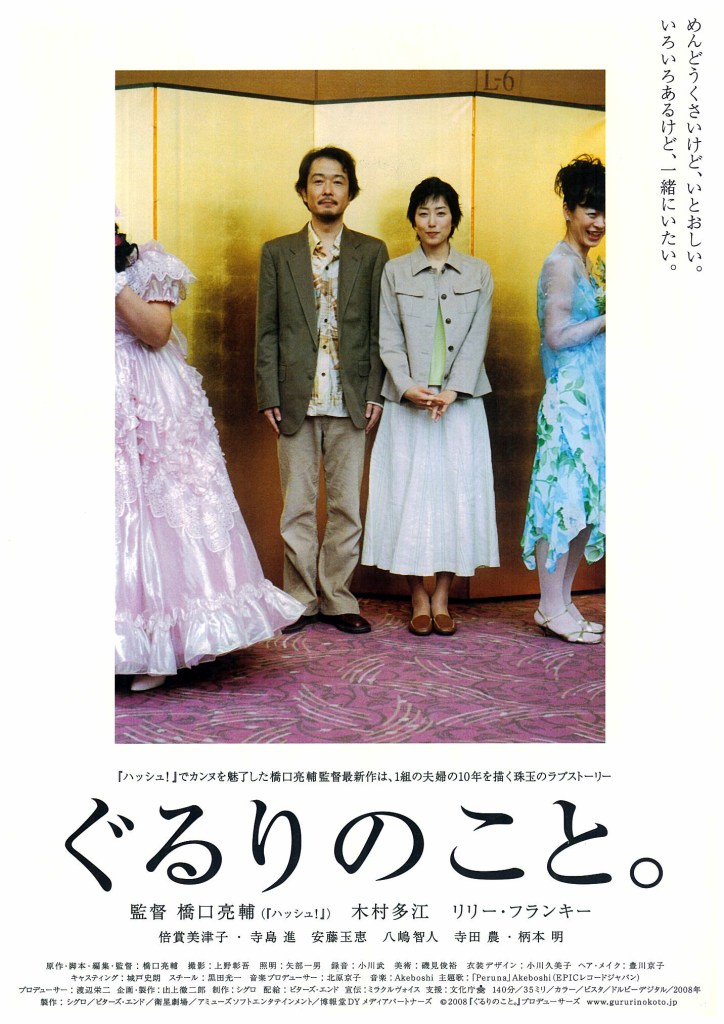 Ryosuke Hashiguchi returns after an eight year absence with All Around Us (ぐるりのこと。Gururi no Koto) and eschews most of his pressing themes up this by point by opting to depict a few “scenes from a marriage” in post-bubble era Japan. Set against the backdrop of an extremely turbulent decade which was plagued by natural disasters, terrorism, and shocking criminal activity Hashiguchi shows us the enduring love of one ordinary couple who, finding themselves pulled apart by tragedy, gradually grow closer through their shared grief and disappointment.
 The family drama is a mainstay of Japanese cinema, true, but, it’s a far wider genre than might be assumed. The rays fracture out from Ozu through to
 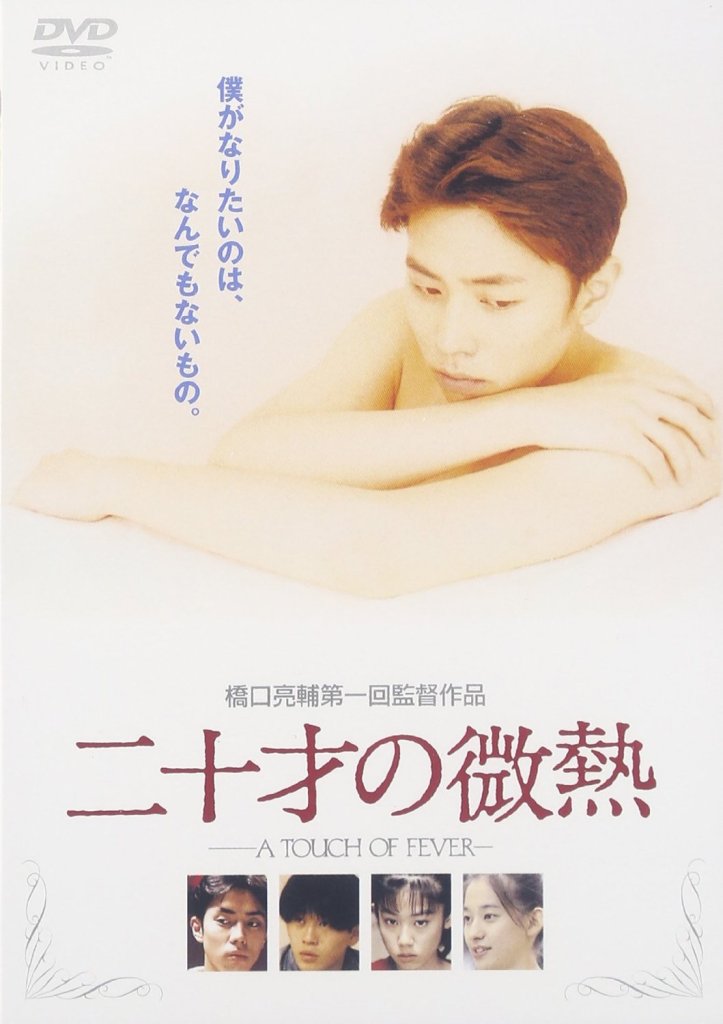 Ryosuke Hashiguchi’s debut feature A Touch of Fever (二十才の微熱, Hatachi no Binetsu) proved a surprise box office hit in Japan and is also credited for helping to bring male homosexuality into the mainstream. A no-budget movie shot on 16mm, A Touch of Fever is the story of two ordinary boys each going about their everyday lives whilst also beginning to understand themselves in terms of their sexualities, mirroring each other perfectly in their inner confusion.
