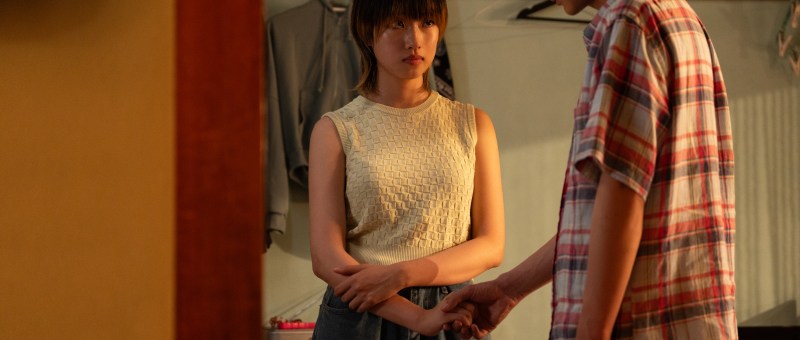
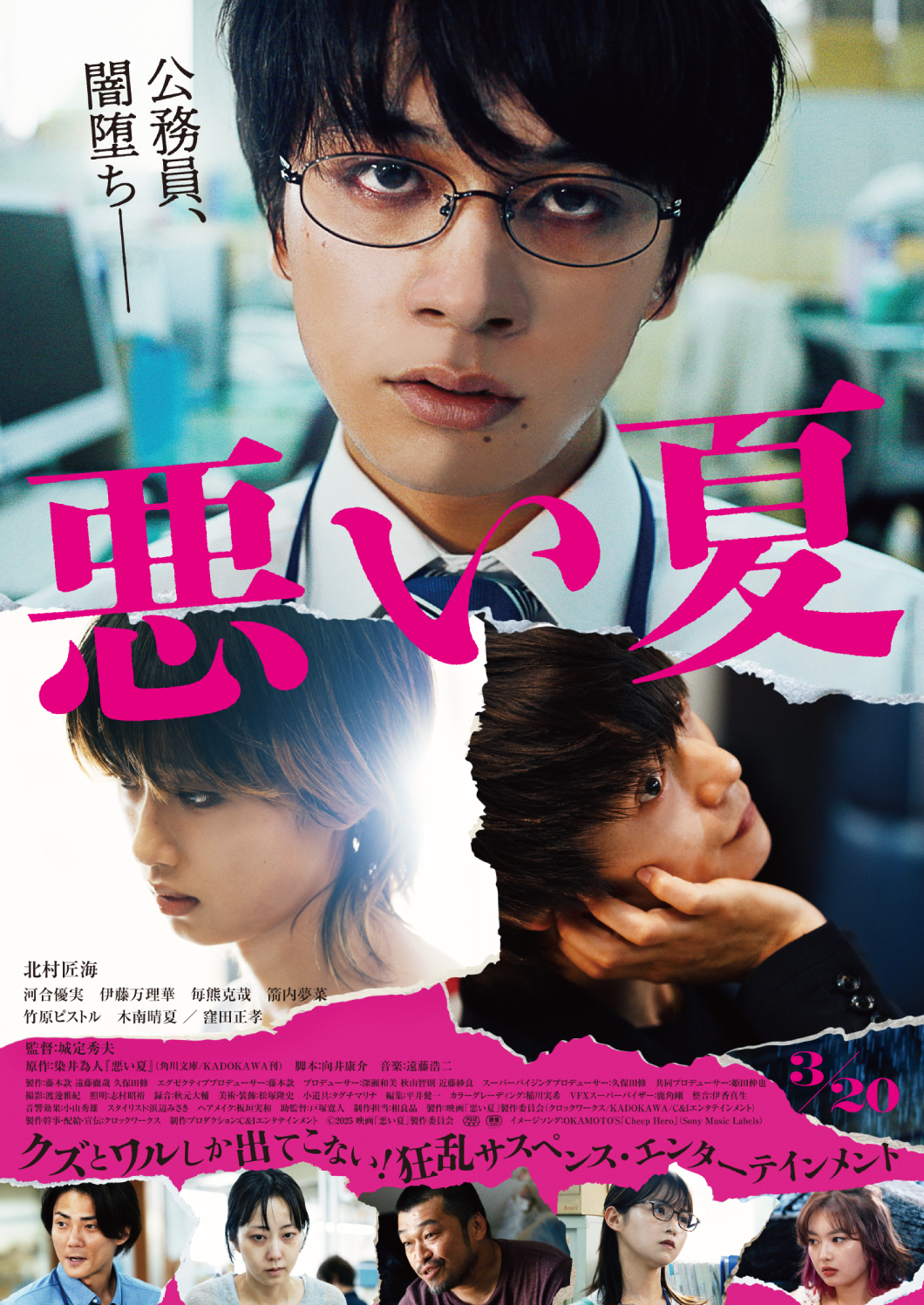
Hakkenden (八犬伝, Fumihiko Sori, 2024)

Kyokutei Bakin thinks he’s a hack who writes inconsequential pulp that will be forgotten faster than yesterday’s headlines. He’d never believe that people hundreds of years later would still be talking about his work. Yet he may have a point in his conviction that people crave simple stories where good triumphs over evil specifically because the real world is not really like that and a lot of the time the bad guys end up winning. But does that mean then that all his stories are “lies” and he’s irresponsible for depicting the world not the way that it is but the way he wants it to be? 

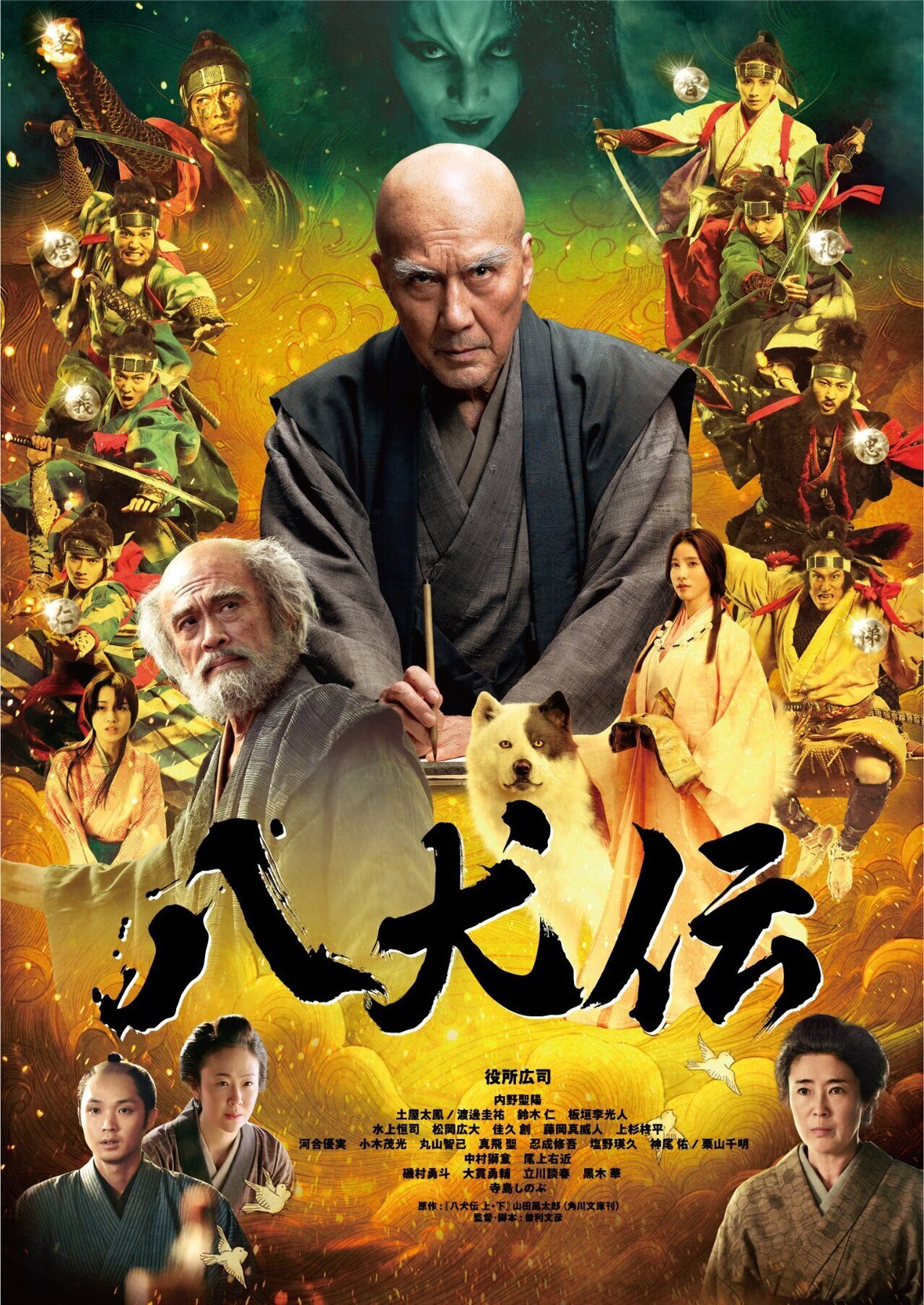
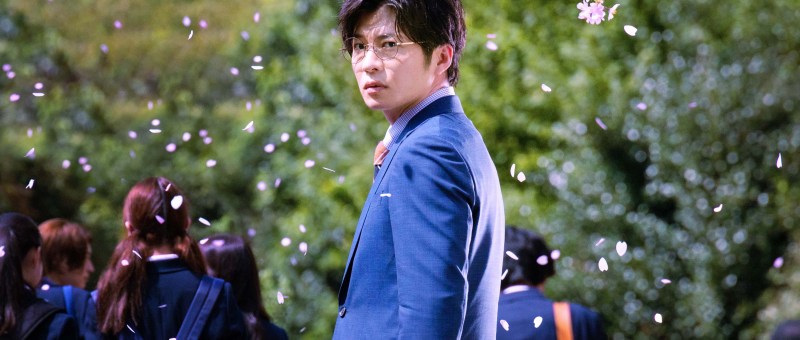
Fumihiko Sori’s Hakkenden (八犬伝) is on one level an adaptation of the famous tale probably most familiar to international audiences as The Legend of the Eight Samurai, and also a story of its writing and the private doubts and fears of its author. In dramatising the tale, Sori plays fantasy to the max and revels in Bakin’s outlandishness. An unusually picky Hokusai (Seiyo Uchino), Bakin’s best and he claims only friend and unwilling collaborator, points out that his use of guns is anachronistic because they didn’t come to Japan until 60 or 70 years after the story takes place but Bakin doesn’t care. He says people don’t notice things like that and all they really care about is that good triumphs in the end, so he’ll throw in whatever he feels like to make a better story. In any case, the tale revolves around magical orbs, evil witches, dog gods and good fairies, so if you’re worrying about there being guns before there should be, this isn’t the story for you. 

Hokusai is also shocked that Bakin has never been to the place where the story is set, but as he tells him it all happened long ago and far away so going there now would be pointless. Even so, Hokusai needs to see what he draws which is why he spends half his life on the road costing him relationships with his family. Whatever else anyone might say about him, and he admits himself to being a “difficult” person, Bakin is very close to his family even if his wife yells at him all the time for being rude to influential people and not making any money when he could have just taken over her family’s clog-making business rather than carry on with this writing malarkey. His biggest ambition is that his son become a doctor to a feudal lord and thereby restore their samurai status which on one level points to a kind of conservatism that doesn’t matter to Hokusai and singles Bakin out as a tragic figure because the age of the samurai is nearing its end anyway. 

In his fantasy, however, he hints at and undoes, up to a point, injustices inflicted on women in the romance between Shino (Keisuke Watanabe) and Hamaji (Yuumi Kawai) who is almost forced into a marriage with a wealthy man because of her adoptive parents’ greed but is finally revealed to be a displaced princess and returned to her father who is thereby redeemed for having accidentally killing his other daughter in a mistaken attempt to control her after accidentally promising her in marriage to a dog god without really thinking about what he was saying. A neat parallel is drawn in a brief mention of Hokusai’s artist daughter Oi and Bakin’s daughter-in-law Omichi (Haru Kuroki) who did not receive an education and is almost illiterate but finally helps him to complete the story by transcribing it in Chinese characters he teaches her as they go after he loses his sight.

As his literary success increases, Bakin’s own fortunes both improve and decline. He becomes wealthier and moves to nicer houses in samurai neighbourhoods, but his son Shizugoro’s (Hayato Isomura) health declines and he never opens his own clinic like he planned while remaining committed to the idea that his father is actually a great, unappreciated artist. In a way, completing the story gives Bakin a way to say the world could be kind and just even if it has not always been so to him. He needs to maintain the belief in a better world in order to go living even if he feels it to be inauthentic while his life itself is a kind of fiction. On a trip to the theatre, he ends up seeing Yotsuya Kaidan and is at once hugely impressed and incredibly angry. The world that Nanboku sees is the opposite of his own. People are selfish and greedy. The bad are rewarded and the innocent are punished. Yet perhaps this is the “reality” of the way the world really is, where as his work is a wishful fantasy. All he’s doing is running away from the truth. But then, as his son’s friend tells him, if a man devotes himself to the ideal of justice and believes in it all his life, then it becomes a reality and ceases to be fiction. There is something quite poignant about the dog soldiers coming to take Bakin to the better world he dreamed of where bad things happen but good always triumphs in the end, which has now indeed become a reality if only for him.


Hakkenden screens 13th June as part of this year’s Toronto Japanese Film Festival.

Original trailer (no subtitles)

Teki Cometh (敵, Daihachi Yoshida, 2024)

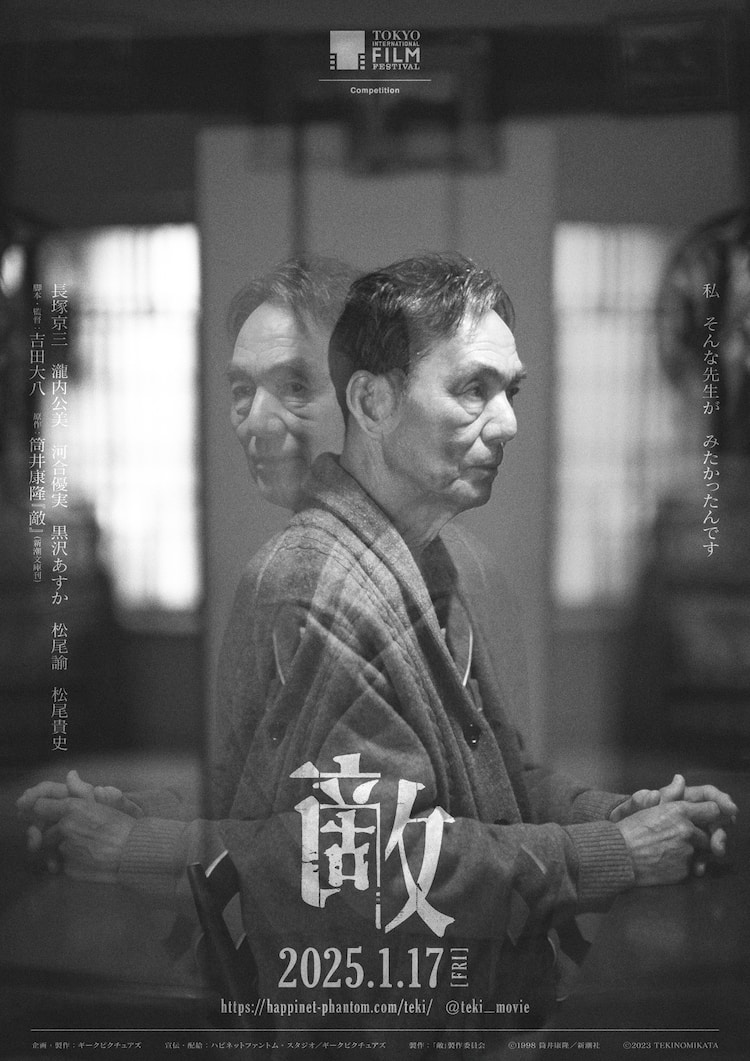
“So, reality or literature, which is more important?” an unexpected guest asks a retired professor in Daihachi Yoshida’s Teki Cometh (敵, Teki). Adapted from the novel by Yasutaka Tsutsui, the film is not exactly about encroaching dementia but rather the gradual embrace of fantasy as the hero finds himself inhabiting the shifting realities of age in which his carefully curated persona of the refined professor begins to crack under the weight of its impending end.

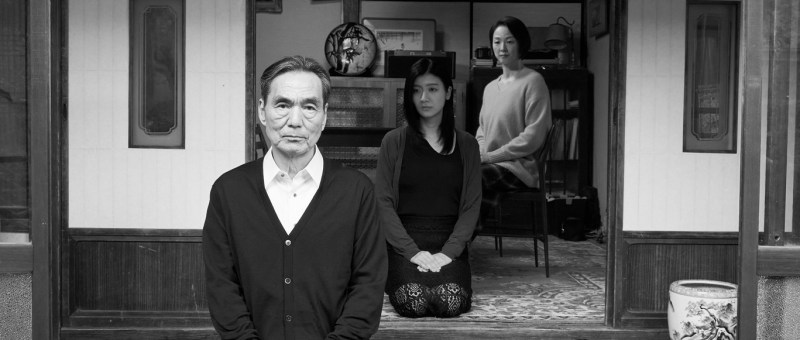
Then again, objective “reality” is clearly a strain for Gisuke Watanabe (Kyozo Nagatsuka). It’s probably not a coincidence that Gisuke shares his surname with the hero of Kurosawa’s Ikiru as he too begins to ponder the meaning of his life along with the apparently meaninglessness of his twilight years. He reveals to his friend that he’s well aware his pension won’t cover his expenses for the rest of his projected lifespan and that he’s already calculated what he calls “X-Day” which will be the day the money (and implicitly his life) will simply run out. This day is continually postponed as Gisuke acquires extra money through giving lectures on French literature or writing articles for magazines, but the early part of the film at least is all about money and its relative values. Gisuke says that he does not really contemplate the price of the newspaper because the newspaper is something he wants so he simply buys it while taking out half the amount he’d usually charge for a lecture from an ATM machine. His friend advises him to drop his fees and get more work, but Gisuke explains that his 100,000 yen boundary is carefully maintained as a kind of bulwark against a sense of obsolescence as in he thinks they’ll keep haggling him down until he’s grateful just to get anything at all.

But obsolescence is clearly something he already feels given that interest in his chosen field has already declined and perhaps there no longer is much of an audience for his views on Racine and the development of the French language. Like the professor at the centre of Kurosawa’s Madadayo, Gisuke is surrounded by former students most of whom do not work in fields related to their studies but continue to hold him up as great scholar and influential figure in their lives. Yet as the film goes on and realities begin to blur, we might begin to wonder if any of these visitors are actually real or merely spectres leaking out from Gisuke’s fracturing memory to express his own anxieties about past and present. Former student Yasuko (Kumi Takiuchi) appears to be flirting with him, but on the other perhaps she’s merely reflecting the buried desires for which he continues to feel guilt and shame. He recalls times in which they attended the theatre together and then went for meals and drinks as if they were quasi-paternal or at least platonic, but Yasuko asks him if it wasn’t sexual harassment while at the same time directly stating that the desire is mutual (and there’s 15 minutes left before her train leaves). 

From this point on, Gisuke begins having strange dreams perhaps inspired by weird messages he’s receiving about an “enemy” that’s “coming from the north”. The “north” in a Japanese context would most likely be Russia and the messages reflecting a fear of invasion but also perhaps implying that in Gisuke’s case, the enemy lies within and it’s his own brain that is attacking itself. The illicit desires that he hints at to another former student while discussing his brief foray into and eventual boredom with voyeurism begin to come to the fore in his surreal dreams including one where he is subjected to a colonoscopy that is heavily influenced by BDSM imagery. His surprise visitor asks him if he remembers the war and Gisuke says that he’s told he experienced it in the womb, implying that he carries a degree of trauma from a time before he was even born. The ghost of the grandfather he never met haunts his well-appointed Japanese-style home that speaks of his traditionalism, while Gisuke himself tenderly takes out his late wife’s old coat and deeply breathes in her scent before hanging the coat up in his office so that it too floats like a ghost.

Yoshida structures the film through a series of vignettes ordered by season, yet there’s nothing necessarily to say that the seasons are consecutive or occur within the same year. Time is becoming abstract to Gisuke, even as he’s pursued by his invisible “enemy” that attacks his respectable facade and the very image of himself as he too embraces fantasy as a means of liberation from an otherwise monotonous if also serene life of awaiting the inevitable. The monochrome photography and static composition add to the air of deadpan humour in Gisuke’s increasingly surreal world. Teki cometh for us all, but in the end teki is us and we are teki. Our own fears, regrets, and insecurities will indeed return to torment us and show us who we are. Likely as not will not like what we see.


Teki Cometh screens in Chicago 11th April as part of the 19th edition of Asian Pop-Up Cinema.

Original trailer (English subtitles)

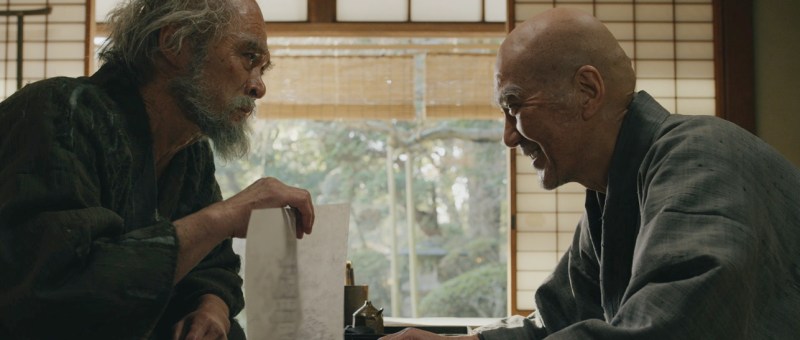
A Girl Named Ann (あんのこと, Yu Irie, 2024)

In the wake of tragedy, it’s easy to think that if only you had made a different choice then everything would be alright, but in reality it’s never as easy as that and blaming oneself is merely an act of vanity. There’s a peculiar kind of tradeoff that occurs to journalist Kirino (Goro Inagaki), that if he hadn’t written an article exposing a policeman who founded a support group for former drug users trying to integrate into mainstream society as a sex pest, then he might have gone on to help more people. Of course, he would have gone on abusing some of them too and his behaviour would probably have escalated into something much worse. The journalist begins to ask himself if it’s worth it for the net good, without necessarily examining the ramifications of the policeman’s actions.

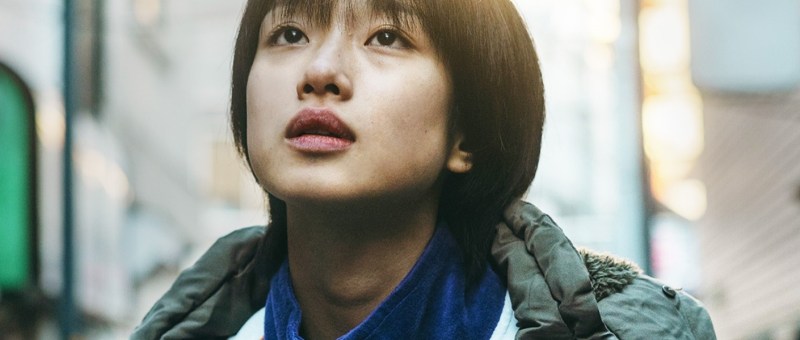
Yu Irie’s bleak social drama A Girl Named Ann (あんのこと, An no Koto) draws inspiration from a real life case in which a young woman began to turn her life around only to reach a crisis point during the pandemic. The film’s title almost makes an everywoman of its heroine who is resolutely failed by the society in which she lives and in the end discovers only a sense of futility in realising that she will never fully be able to escape the clutches of her abusive mother (Aoba Kawai) who forced her into sex work at age 12. Ann never even finished primary school even though middle school is compulsory and is functionally illiterate. Her reading level is that of a small child which of course makes it near impossible for her to be employed in any kind of salaried job while when she does secure employment her mother steals all her money. 

Being arrested by Tatara (Jiro Sato), a policeman who at first seems well-meaning even if positing “yoga” as a means of turning Ann’s life around, finally gives Ann the encouragement to come off drugs and try to integrate into mainstream society. To his credit, Tatara does everything he can for her from providing a paternal presence to finally helping her escape her mother by getting her a place in an apartment complex set up for women who are being stalked or have experienced domestic violence. Living alone gives Ann a sense of confidence and positivity that allows her to imagine a better future for herself while confronting her past. But on the other hand, it remains true that Tatara may have been better to help her move to another city where her mother would be less likely to find her and derail her life at every conceivable opportunity rather than keeping her close at his own support group which is perhaps an act of vanity if not something worse. No one helps for free and Ann encounters only differing kinds of exploitation from the employers who take her on at poverty wages because they know how desperate she is and don’t think she deserves any better, to the conflicted journalist Kirino who is only really invested in his investigation of Tatara. Ann seems to resent him for exposing Tatara and taking him away from her, but neither of the men make much of an attempt to continue supporting her once the story breaks. 

Ann’s plight exposes how the weakest in society were disproportionately affected by the coronavirus pandemic. The care home she was working at, poignantly because she wanted to learn how to take care of her grandmother (Yuriko Hirooka) who had shielded her from her mother’s abuse, is forced to restrict the number of employees on site meaning Ann is let go while the classes she’d been taking to improve her literacy are also cancelled. Though the apartment requires no rent, she no longer has a means of feeding herself not to mention being stuck inside all the time with nothing to do but study, and not even that when all her pens run out of ink. People are often judgemental and there is no further social support available to her. Even Tatara had been overly fixated on her drug use and while it’s true that she would otherwise be unable to rejoin society without recovering, he otherwise fails to consider other factors such as Ann’s toxic home life or trauma from the long years of abuse she suffered that all contribute to the problems she is facing. 

Even so, unlike her mother Ann is a warm and caring person who is well liked at the care home and clearly has a lot of love to give but the universe won’t seem to give her a break. Perhaps it would be easiest to simply blame her mother, but something must have made her like that too and there’s no one there for her either. She sometimes calls Ann “Mama”, as if the roles were reversed and she were the child being parented by Ann rather than the other way round. In any case, she comes to embody the selfishness of an indifferent society which could have saved a girl like Ann if really wanted to but in the end did not.


A Girl Named Ann screens as part of this year’s Japan Foundation Touring Film Programme.
Trailer (English subtitles)

Images: ©2024 “A Girl Named Ann” Film Partners

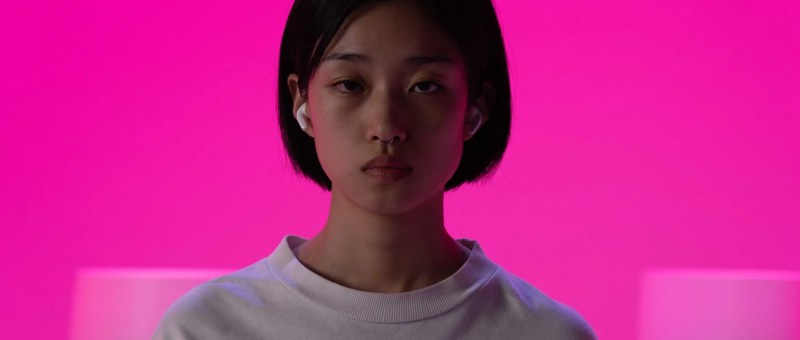
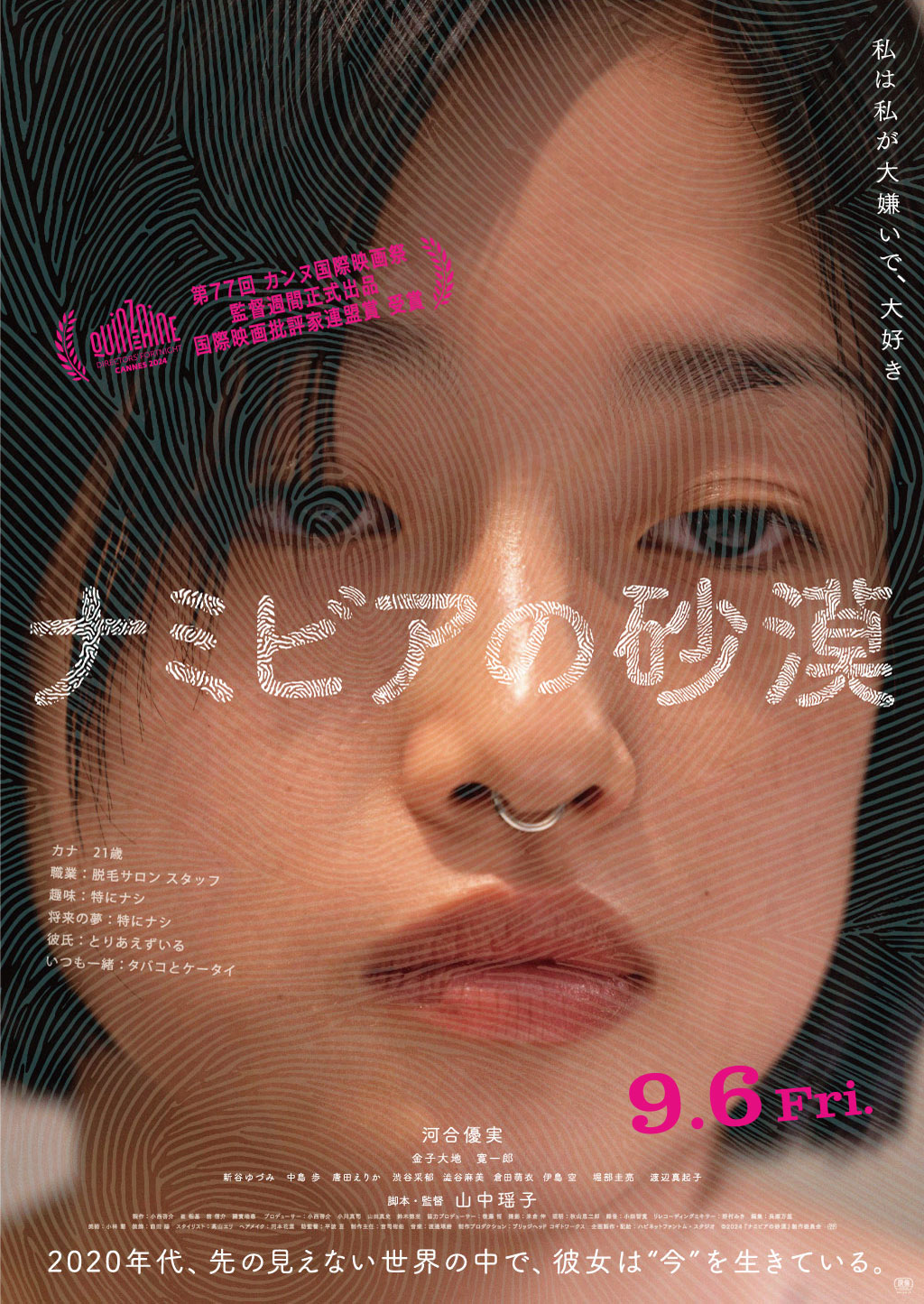
Desert of Namibia (ナミビアの砂漠, Yoko Yamanaka, 2024)

There’s a moment in Yoko Yamanaka’s quietly enraged character study Desert of Namibia (ナミビアの砂漠, Namibia no Sabaku) in which the heroine, Kana (Yuumi Kawai), finds herself stood at a crossroads. It might be tempting to read it as a symbol of her indecision, knowing she has to nix one of her two boyfriends but vacillating over which, but it’s more that she exists permanently between two states and as she later says may not really understand herself or the world around her.

We can see this in the opening sequence in which Kana fails to respond to her friend’s emotional distress when she tells her that a mutual acquaintance has taken their own life. She seems bored, indifferent, not really listening until suggesting that the pair hit a host club together in an attempt to cheer her friend up. But Kana soon leaves her friend behind, making excuses about an early start to meet a man we first think is her boyfriend but is actually the bit on the side. She cuddles up to him in a taxi and tells him that she wants to go visit his parents (right now, in the middle of the night) to see photo albums of his childhood but later returns home to the man she lives with who patiently holds her hair as she throws up into the toilet while asking politely how her friend is.

Perhaps the problem is that Honda (Kanichiro) is too nice, too respectable for the flighty Kana. He’s an estate agent with a cosy and well kept flat where he likes to make hamburgers from scratch and is otherwise very considerate of Kana’s needs little suspecting she’s seeing another man on the side. In Hayashi (Daichi Kaneko) she may see someone a little more exciting but is equally terrified when he asks her to break up with Honda and date him exclusively. She cheerfully bickers with Honda about his upcoming business trip, urging him to stand up to his boss if he tries to make him go to a sex club. Honda says he’ll just refuse, but of course doesn’t making a heartfelt confession on his return. The problem isn’t really that he slept with a sex worker or was unfaithful, but that he couldn’t stand up to his boss and allowed himself to be controlled by Japan’s overarching, hierarchal social structure, did something he thought was wrong and did not want to do to keep his boss happy and maintain his career prospects. 

Kana doesn’t actually care about the sex, but it gives her an excuse to jump ship to Hayashi taking Honda’s fridge, and its frozen hamburgers, with her as she disappears completely from his life. But it’s at this point that her mental state begins to decline. She meets Hayashi’s well to do, upper middle class family who are actually very nice to her (even if randomly bringing up the fact her mother’s Chinese hints at latent prejudice) but feels out of place and inadequate especially on discovering that Hayashi had a previous girlfriend by the same name who may have aborted his child. Abortion seems to be a red button issue for Kana, possibly bringing up some long buried trauma of her own. She seems disconnected from her family and wanders restlessly around suburban areas while later hinting at resentment towards her father who may have in some way abused her. Her rage seems to escalate, culminating in physical abuse of Hayashi who resists but doesn’t really fight back. She craves his attention, but he wants to be left alone. 

In her spare time, she watches videos of animals in the Namibian desert, suggesting that what she might actually crave is an unstimulating environment or a more peaceful solitude but at the same time yearns for male attention. Only 21, she seems somehow older but is also unbalanced by a new colleague at work who is like her spiky and rebellious and two years younger. An unsympathetic online psychiatrist tells her she may be bipolar or have borderline personality or something else completely but is dismissive assuming she can’t afford his fees so tells her her problems are too big to solve. She sees a more sympathetic female psychiatrist in person who helps her begin to understand something of herself, but exposes her loneliness when she tries to invite her out to dinner as if she were a friend. Abstracted from herself, she disassociates and has an out of body vision of watching herself and Hayashi wrestling as if she were watching animals in the Namibian desert, staring blankly as she often does unable to comprehend herself or the world around her. 

Filming in a boxy 4:3, Yamanaka lends an air of constant tension and constraint to Kana’s world. The psychiatrist tells her that she imprisons herself in believing there’s a way she ought to feel but doesn’t when everyone is free within their minds redefining her Namibian dreamscape as the only place she is really free to be herself yet can only watch rather than directly access. “I don’t understand” she tells Hayashi when he asks her what “ting bu dong” means in a conversation with her family where her mother is apparently still somehow absent as if illuminating the entirety of her life and with it an ironic new understanding of herself. 


Desert of Namibia screened as part of this year’s Camera Japan.

Trailer

In Her Room (ひとりぼっちじゃない, Chihiro Ito, 2022)

The hero of Chihiro Ito’s debut feature In Her Room ( ひとりぼっちじゃない, Hitori Bocchi ja nai) is so pathologically shy that he has become almost invisible, a ghost-like presence not fully of this world. Colleagues ignore him, taxis never stop, and restaurant staff continue their conversations as if he wasn’t even there. At one point he’s run over by a car and tells the police that the person probably didn’t see him or realise they’d hit someone. Only a mysterious woman he later describes as showing him a side of himself that even to him was unfamiliar pays him any attention but then there’s something a little bit sinister in her otherworldliness that causes us to wonder what it is she wants from him. 

Dr. Susume (Satoru Iguchi) is so awkward that he’s taken to practicing small talk with the skull he uses as a training tool at the dentist surgery where he works. He seems almost abstracted from himself, unable to relate to others because his emotions are distant from him. His mother keeps calling and asking him to come visit her because there’s something she wants to talk to him about but he brushes her off, telling her she should do whatever she likes as if disinterested in whatever it might be that she wants to say. In fact, she is the only person who seems to be able to see him, calling out to him from a car to offer him some homemade bread, but he still doesn’t really engage with her. We start to wonder if he has a problem with the other person in the car, Tomoko, a middle-aged woman who may be his mother’s partner though she too greets him warmly and is understanding of his reluctance to spend time with them.

Miyako (Fumika Baba), the mysterious woman who lives in a fantastic flat entirely covered in indoor greenery, asks Susume if he loves his mother but he deflects her question and simply says that he wants her to be happy for the rest of her life. For a time, we can’t be sure if Miyako and her wonderful apartment actually exist or are simply the manifestation of Susume’s headspace as he tries to talk through his loneliness and lack of self, only it later seems that other people see her too and in fact frequent her home much in the same way Susume does which causes him a degree of obsessive jealousy. He is particularly bothered by the presence of Yuko (Yuumi Kawai), a woman who works in a nearby grocery store and is also friendly with Miyako and similarly possessive. He later tells her that Miyako is guiding him towards the person he’s supposed to be, though Yuko isn’t so sure and suggests her existence is a little more sinister. Apparently she keeps a giant ball of hair taken from everyone she’s ever known in a hidden drawer, and then a man apparently took his own life in her apartment though Yuko refuses to share the contents of his note with him. 

Yuko’s words contribute to a growing sense of unease exacerbated by a video Susume watches from a man who sounds like a cult leader who suggests that misfortune may be caused by magic or sorcery, leading credence to the idea that Miyako is some kind of forest-dwelling witch gently luring Susume into her trap. Soon after their relationship becomes physical, a praying mantis is seen climbing on her plants. Susume’s uncertainty is reflected in the carving he is making of Miyako’s face which gradually starts to take shape though is also in its way a self-reflection in much the same way he said that Miyako was showing him a side of himself that only she could see. When he finally delivers it to her, it’s just as blank as her expression, a smooth sphere with a vague outline of personality. She places it quietly in a shed where her various friends sometimes hide to spy on each other. 

The trio attend a weird play together in which a giraffe-man allows his community to eat him because he is a terminal people pleaser of the kind we might assume Susume to be only the play seems to arouse a flash of resentment. He tells Miyako that he thought the giraffe-man’s actions were duplicitous, that he must have been secretly confident that he would taste good and was in a sense showing off. He isn’t sure who he’s most angry with, the people that decided to satiate not their hunger but their curiosity by eating him or the giraffe-man himself for letting them do it. But Miyako replies that to her it’s quite the opposite. The giraffe-man simply wanted to be of use to those around him. A grim image of the dismembered giraffe is later echoed in that of a squashed bug, suggesting that this is what Miyako is doing to her various callers, feeding on their insecurities and leaving nothing more than a bloody carcass behind. 

Even so, Susume begins to realise that he’s being presented with a choice and decides on change, finally facing his mother and embracing her happiness along with Tomoko while expressing a desire to uproot himself to see if he’s capable of change in a different place. Adapting her own novel, Ito allows an eerie sense of mystery to remain never quite explaining the true nature of Miyako or the surreal nightmare sequence in which Susume is chased by a glowing orange entity, but instead ends on an ambivalent note at once hopeful and maybe not as Miyako carefully stores her effigy perhaps just one more trophy in a treasure trove of lost souls. 


In Her Room screened as part of this year’s New York Asian Film Festival.

Original trailer (no subtitles)

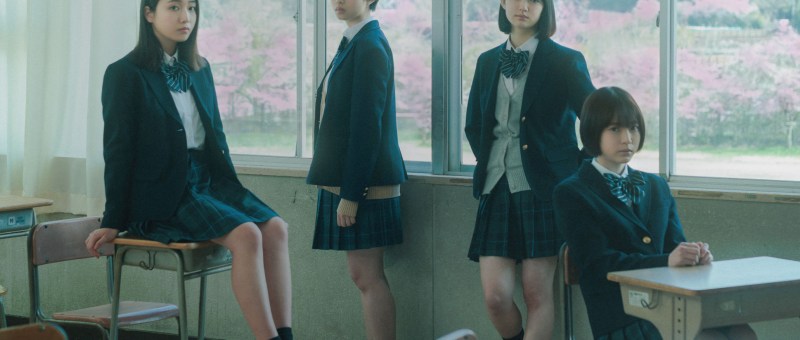
Sayonara, Girls (少女は卒業しない, Shun Nakagawa, 2022)

The end of high school takes on an additional poignancy for a collection of teens who realise they will be the last class to graduate before their school is demolished in Shun Nakagawa’s touching coming-of-age drama, Sayonara, Girls (少女は卒業しない, Shojo wa Sotsugyo Shinai). Adapted from a series of short stories by Ryo Asai, the film’s Japanese title is the more cryptic “girls don’t graduate” hinting at the ghost of adolescence that endures long after a literal graduation ceremony even as the teens find themselves attempting to move on into the “new world” of adulthood which necessarily means leaving youth behind. 

Set mainly over the graduation day itself and the day before, the film focusses on four girls who aren’t particularly connected to each other but are each experiencing differing kinds of adolescent anxiety as they approach the end of high school. Kyoko (Rina Komiyama) is perhaps the most typical in that her dilemma relates to the physical distance that will be placed between herself and her past when she leaves her provincial hometown to study in Tokyo. However, it isn’t the thought of leaving a familiar place for an unknown city that bothers her nor uncertainty in her choices, only that her relationship with her high school boyfriend Terada (Takuma Usa) seems as if it will end on a sour note because of the emotional distance between them as they prepare to take different paths in life. She envisages her future in Tokyo working as a psychologist while he plans to stay local and get a job as a primary school teacher. 

There doesn’t seem to be any suggestion that Kyoko would give up her ambitions to stay behind for Terada, and she herself fails to realise that he resents her for choosing Tokyo over him all of which has clouded their final days together despite the inevitability that they will have to end their relationship because the futures they each want for themselves do not align. There is also a slight dividing line between the kids who will not be going on to university at all but plan to look for work, those who plan to attend a local college and remain in their hometown, and those who have won prestigious university places to study in the capital. This is also of course the “graduation ceremony” for the school building itself, which has left Kyoko feeling wistful in realising that she will never be able to revisit this place that in a sense represents her youth. She would rather the building remain and be repurposed while Terada reminds that her romanticism is all very well but as he’ll be staying in the town for the rest of his life he’d rather it be replaced with something more practical like a shopping mall which is really the nexus of the problems in their relationships. 

But on the other hand, for the socially awkward Shiori (Tomo Nakai) the last three years have been nothing but torture, the school building, excluding the library, an unending hell. Yet her regret is that she has been unable to overcome her shyness and with graduation approaching fears that she will never be able to talk to people properly. With the help of her kindly librarian (Kisetsu Fujiwara) even she begins to forge new connections and realise she’s not quite so alone as she thought. Music club president Yuki (Rina Ono), meanwhile, is focussed on making someone else come out of their shell while dealing with discord as other members object to the results of free vote which has elected thrash metal lip synchers Heaven’s Door as the headline act for the graduation concert with the band members, except for one, refusing to play assuming that people only voted for them as a joke. 

Charged with giving the farewell speech at the graduation ceremony Manami (Yuumi Kawai) struggles with a more a literal kind of loss and the stolen futures of those who won’t ever be graduating high school but will be left behind in a kind of eternal youth. As part of her speech she reflects on the “new worlds” each of them will be stepping into and also on the series of encounters and farewells that will occur throughout their lives, but is also well aware of the poignant sense of guilt that comes with moving forward in a way that others never can. As the school will be demolished, in a way so will their youth but only in a less symbolic sense than it is for everyone who must make the difficult transition to adulthood with all the concurrent anxieties that may bring. In a sense the girls do not “graduate” so much as evolve, taking the ghosts of their younger selves with them as they go and leaving behind only a vague shade of their youth that will inevitably fade in time.


Sayonara, Girls screened as part of this year’s Nippon Connection.

International trailer (English subtitles)

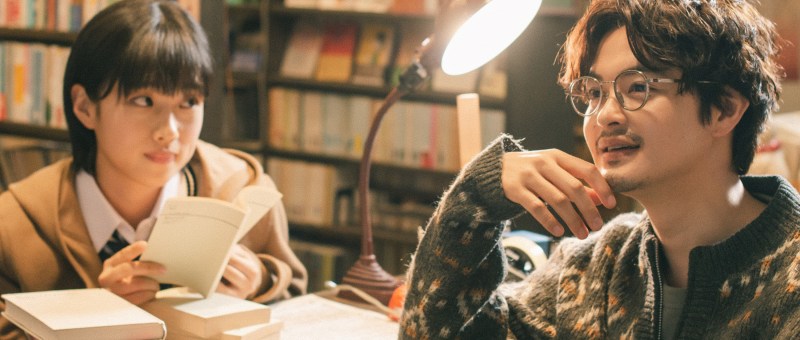
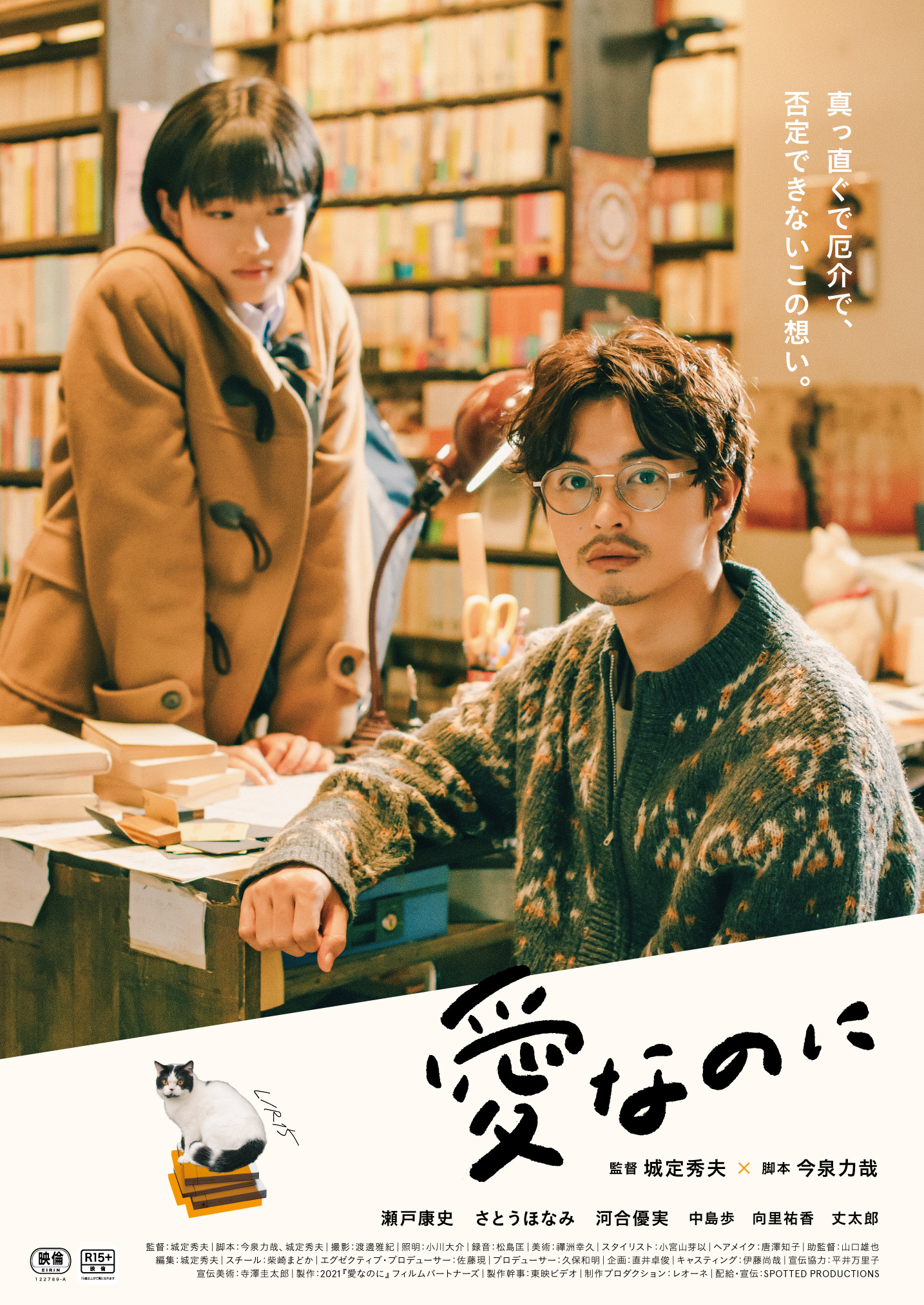
Love Nonetheless (愛なのに, Hideo Jojo, 2022)

“Don’t deny love!” the fantastically awkward yet empathetic hero of Hideo Jojo’s Love Nonetheless (愛なのに, Ai Nanoni) eventually exclaims when confronted by the parents of a high school girl whose crush on him he’d tried to diffuse sensitively while growing to appreciate her friendship. Scripted by the ever prolific Rikiya Imaizumi who has made something of a name for himself examining the complicated romantic lives of young people in the contemporary society, Jojo’s prickly dramedy like his other film this year To Be Killed by a High School Girl deals with some quite uncomfortable ideas but does so with as much sensitivity as it can muster. 

The lovelorn hero, Koji (Koji Seto), for example is always trying to rationalise the circumstances around him considering his own actions and their implications carefully. When he catches a high school girl, Misaki (Yuumi Kawai), stealing a book from the secondhand bookshop where he works he chases her but she, surprisingly, stops running when she notices him struggling and buys him a bottle of water from a vending machine before eventually confessing that she stole the book because she saw him reading it. Not only does she announce she’s in love with him, she immediately proposes marriage. 30-year-old Koji is shocked and alarmed. He tries to turn her down but she doesn’t listen, continuing to frequent the store bringing him letters reiterating her marriage proposal which he never answers. 

Meanwhile, he’s hung up on an unrequited crush, Ikka (Honami Sato), who he’s just learned is about to be married. Even he describes himself as a “creep” looking back over of a cringeworthy series of tweets he’d sent her which she never replied to, while she explains to her fiancé Ryosuke (Ayumu Nakajima) why she’s not planning on inviting him to the wedding despite inviting everyone else from her old part-time job. Unbeknownst to her, Ryosuke has secretly been carrying on with their wedding planner, Miki (Yuka Kouri), who is content with the no strings nature of their relationship and ironically hates the “bizarre ritual” she has been hired to organise having developed a rather cynical view of marriage due to the nature of her work. The couple seem to be in a fairly liminal state, their apartment still full of boxes while they bicker about the financial strain of a ceremony which as Miki points out is not even about them but solely for their families and any children they may later have. 

All these people supposedly love each other, so why is it all so difficult and destructive? Always introspective, Koji realises he may have alienated Ikka with his inappropriate behaviour and has reflected on his actions but the fact remains that most of the other men are not so emotionally aware. Misaki is also courted by an awkward classmate who greets her with roses but thrashes them to the ground in frustration when she turns him down and later physically attacks Koji even when he points out that hitting his love rival won’t change the fact that Misaki’s not interested in him. Ikka meanwhile is approached by a sleazy salaryman when drinking alone in an izakaya whose response when she tells him she’s married is “so what, I am too”. Ryosuke appears to be having an affair for no other reason than he could while simultaneously confused by Miki’s lack of emotional investment in their relationship only for her to patiently explain to him that his problem is he’s bad in bed something which a lover would be unable to tell him directly. Ikka begins to realise this for herself while turning to Koji to get back at Ryosuke on learning of the affair as if believing that a level playing field of emotional betrayal would somehow allow them to start their married life on an equal footing. 

The secondary question arises of how important sex is in a romantic partnership, Ikka wondering if Ryosuke really is just a bad lover or if their unsatisfying sex life is a sign that they are simply incompatible and should separate given that she finds much more fulfilment with Koji whom she chose because of her lack of romantic interest in him. Koji meanwhile, fully aware of the realities of the situation, points out that it’s unfair and irresponsible of Ikka to exploit his feelings for her while cautioning her that her behaviour is heading towards the self-destructive and that she should reconsider marrying Ryosuke not because he thinks she should date him but simply because this complicated situation is obviously unhealthy for everyone. You could of course say the same about his awkward, perhaps uncomfortable relationship with the teenage Misaki which might in a sense be romantic, both slightly inappropriate and essentially innocent even if his eventual concession that he might love her one day is a step too far in failing to fully diffuse her one-sided crush in part because he’s become dependent on the attention he receives from her in the letters he doesn’t answer. 

Then again, the most troubling aspect of Ryosuke’s affair is not the extra-marital sex but the manipulative lie he constructed to excuse it designed to arouse Ikka’s sympathy in tying it back to her awkward experience with one-sided workplace crushes. Aware of the affair but not the lie, the choice she thinks she’s making is if her relationship with Ryosuke is strong enough to accept sacrificing sexual fulfilment or if perhaps this is as good as it gets when it comes to marital compromise. Koji’s solution seems to be that you should let love rest where it lands, denying it is pointless even if not reciprocated while sensitivity with other people’s feelings is essential for a happy, healthy society. Warmhearted and empathetic in its forgiveness of its messy protagonists’ many flaws, Jojo’s steamy drama never pretends love is easy but suggests it comes in many forms and in the end maybe follow your heart is as good advice as you’re ever going to get.


Love Nonetheless screened as part of this year’s Udine Far East Film Festival.

Original trailer (English subtitles)

To Be Killed by a High School Girl (女子高生に殺されたい, Hideo Jojo, 2022)

Are there some desires so taboo that they can never be spoken of even if they cause no harm to others? Adapted from the manga by Usamaru Furuya, Hideo Jojo’s To Be Killed by a High School Girl (女子高生に殺されたい, Joshikosei ni Korosaretai) is indeed about a man fixated with the idea of being strangled by a teenage girl but one who also embodies the inspirational teacher stereotype planning to leave behind him a kind of manifesto instructing his pupils to live their lives to the full while remaining true to their authentic selves in the knowledge that their lives will be defined by the manner of their deaths. 

Subverting a trope from shojo manga, Higashiyama (Kei Tanaka) is the hot new teacher at school proving an instant hit with most of the girls in his class but he’s come with an ulterior motive in that his ultimate fetish is being murdered by a high school girl. Even so, he claims to feel no attraction to his teenage pupils and is sickened by teachers who abuse their position later revealing he orchestrated his predecessor’s downfall by accelerating a complaint that had already been registered against him for inappropriate contact with students. His fetish lies solely in being overpowered by someone he would ordinarily perceive as being weaker than himself after fighting for his life with all his strength. 

Then again, as Satsuki (Yuko Oshima), a councillor brought into the school following a traumatic incident who also happens to be Higashiyama’s uni ex, points out his techniques for manipulating the girls are little different than those of a predatory sex offender grooming their prey. He figures out their weaknesses and goes out of his way to make each of them feel special while simultaneously provoking a sense of jealousy so he can bend them to his will in enacting a plan that will eventually lead to his murder in the middle of the school cultural festival. On the other hand, he crafts his plan in such a way as to protect his killer, his fetish won’t be fulfilled unless it’s a perfect crime, and because of the nature of the girl he’s selected he’s confident she won’t even remember having killed him and therefore will remain largely unaffected. 

Higashiyama doesn’t give much an explanation for his fetish save an allusion to having been born with the cord around his neck, a sensation he claims to remember only later admitting that he “recovered” a memory of it after his mother described the event to him. He later says something similar to Satsuki after suffering with amnesia, claiming to remember how he ended up in the hospital but then confessing that Satsuki had explained it to him on a previous occasion. He claims that he’s not suicidal but continues to fixate on death as force which gives life meaning, paradoxically insisting on living with all his might while otherwise drawn towards mortal extremity and fearing a “bad” ending such as being pushed off a cliff or poisoned with carbon monoxide neither of which would satisfy his fetish in their distinct lack of romance.  

Even so as another pupil suggests is he just a regular “pervert” after all despite his rather high minded-view of his proclivities? Despite all his manipulations, the various girls which he targets all seem to begin making progress in their lives, an angry judo enthusiast kicking back against a boy who’d long been bullying her, a shy theatre kid turning popular girl, and a young woman beginning to overcome her trauma thanks to the power of unconditional friendship. His replacement, a middle-aged man with a bad wig, is completely ignored by his pupils hinting perhaps that Higashiyama’s teaching practice was effective no matter now uncomfortable if not quite inappropriate some of his conduct may have turned out to be. After all he argues, he’s not a “pervert” just someone who wanted to be murdered by a teenage girl insisting that his fetish is essentially harmless because he has no sexual interest in the girl herself yet as we later see it does indeed involve inflicting violence on her. 

Playing with a series of B-movie tropes aside from Higashiyama’s taboo fetish from multiple personality disorder to premonition, traumatic memory, and fatalistic obsession, Jojo’s approach is arch in the extreme fully embracing the outlandishness of the material while both lending the troubled Higashiyama a degree of sympathy and hinting at the buried darkness beneath his handsome facade even as that darkness is essentially directed within, his death dictated by the circumstances of his birth as he “remembers” them. Occasionally shifting into the realms of giallo with creepy spiders and ominous red lighting, To Be Killed by a High School Girl never takes itself too seriously but revels in the inherent absurdity of its premise while remaining strangely respectful not only of the hero’s unique dilemma but of the ordinary problems among the otherwise besotted teens. 


To Be Killed by a High School Girl screened as part of Osaka Asian Film Festival 2022

Original trailer (no subtitles)

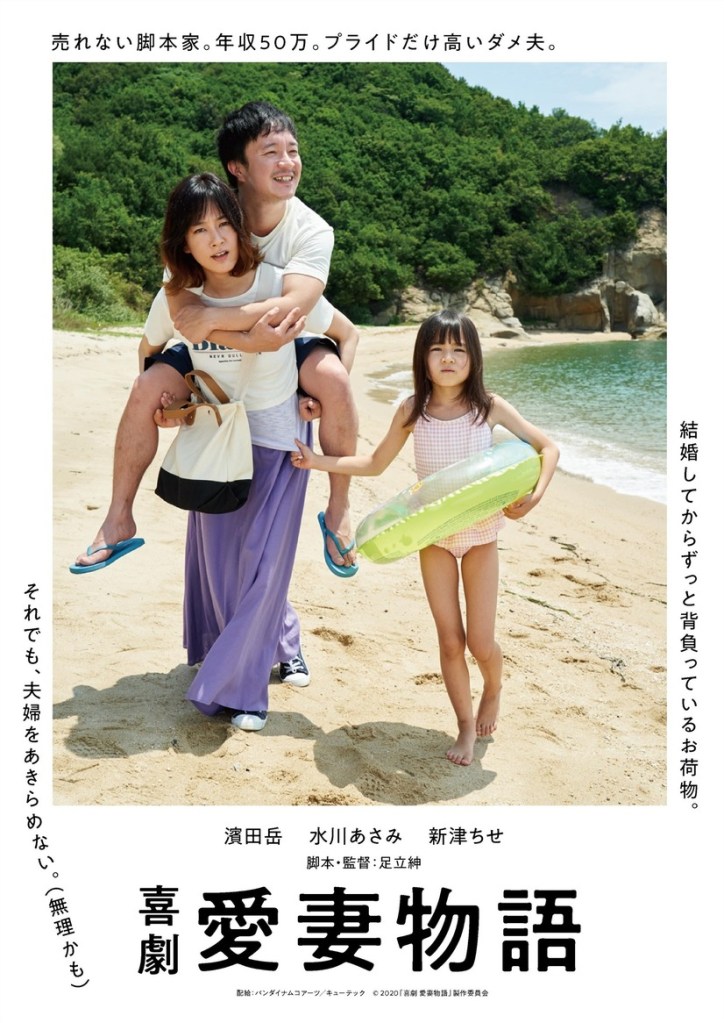
A Beloved Wife (喜劇 愛妻物語, Shin Adachi, 2019)

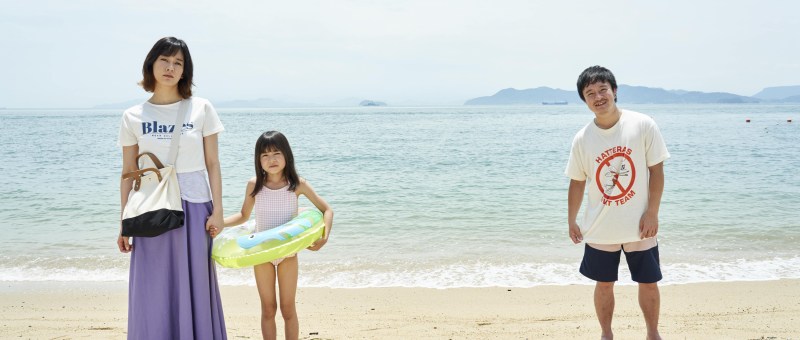
Adapting his own autobiographical novel, screenwriter and director Shin Adachi claims that the events and characters of A Beloved Wife (喜劇 愛妻物語, Kigeki Aisai Monogatari) are exactly as they are in real life, only the film makes it all look better. Even if true, Adachi can’t be faulted for his honesty. His protagonist stand-in, Gota (Gaku Hamada), has almost no redeeming qualities, while his long-suffering wife receives little sympathy even while giving as good as she gets as a sake-guzzling harridan apparently ready to run her husband down at every opportunity, of which there are many, but Gota is quite simply useless. The Japanese title is careful to include the word “comedy” as a prefix, but this is humour of an extremely cruel variety. 

Married for 10 years with a small daughter, Gota’s chief preoccupation in his life seems to be that his wife, Chika (Asami Mizukawa), no longer finds him sexually desirable and they are rarely intimate. Rather than lament the distance in their marriage, all Gota does is go on a long, misogynistic rant about how he’d get a mistress or visit a sex worker only he has no money while complaining that he has to humiliate himself by helping out with the housework and childcare which he only does to curry favour in the hope that he will eventually be able to have sex with his wife. After some minor success as a screenwriter, his career is on the slide and he’s had no work in months, something which seems to damage his sense of masculinity and in his mind contributes to his wife’s animosity towards him.

He is right in one regard in that Chika is thoroughly fed up being forced to pick up the slack while he sits around watching VR porn, not writing or looking for a job but insisting that the next movie is always just round the corner. She’s tired and overworked, sick of penny pinching and resentful that she has to do everything herself, but it’s not so much the money that bothers her as Gota’s fecklessness while all he seems to care about is sex, meeting his own needs and no one else’s. Even when he takes his daughter, Aki (Chise Niitsu), to the park he ignores her to ogle other women, becoming embarrassed on running into a neighbour we later learn he slept with and then ghosted. He does the same thing again later on a beach, so busy sexting that he doesn’t see her wander off and is roundly chewed out by the lifeguard (an amusing cameo from director Hirobumi Watanabe, giving him the hard stare) who eventually finds her and brings her back. Not content with that, he rounds out the bad dad card by frequently bribing Aki with treats so she won’t spill the beans to her mum about his many questionable parental decisions. 

Really, we have to ask ourselves, why does Chika not leave him? The perspective we’re given is Gota’s and he appears not to understand that any of his behaviour is problematic, which might be why he seems genuinely shocked when Chika reaches the end of her tether and once again suggests divorce. He seems to think some of this at least is performative, part of the act of “marriage”, and she does indeed make a show of her frugality – insisting on sharing a 200 yen bowl of udon with her daughter to save money and climbing up a utility pole to sneak into a hotel after booking only a single occupancy room for the three of them, but is there more in her decision not to leave than habit? Gota seems to think so, especially on noticing her wearing the lucky red pants she bought back when they were young and in love and she believed in his potential. But then perhaps she really is just being economical.  

Nevertheless, she appears to keep supporting him, once again typing up his latest screenplay because he claims not to be able to use a word processor, and laughing off the rather more serious incident in which he is arrested after being discovered by a policeman molesting a drunk woman in the street. Adachi doesn’t appear to have very much to say in favour of the modern marriage, as if this one is no worse than any other (even a friend who married well (Kaho) badmouths her husband and giggles about a young lover), but Gota seems to have learned absolutely nothing even while declaring his love to his sleeping family and vowing to make a success of himself at last. It would be funny, if it weren’t so sad. 


A Beloved Wife is available to stream worldwide until July 4 as part of this year’s Udine Far East Film Festival.

Festival trailer (English subtitles)