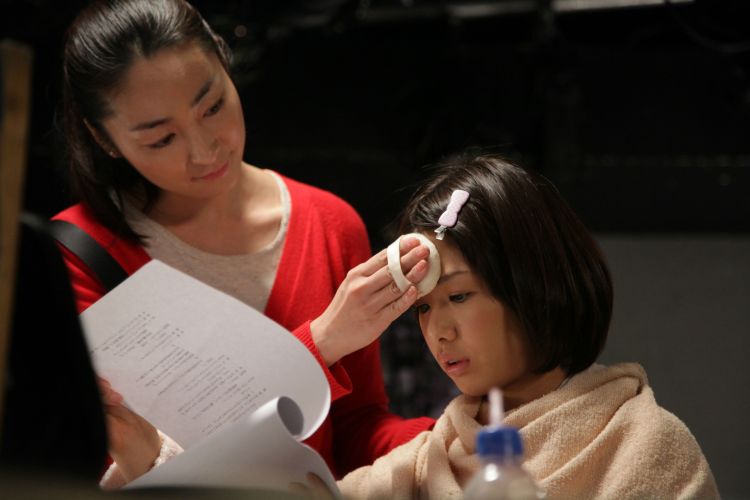
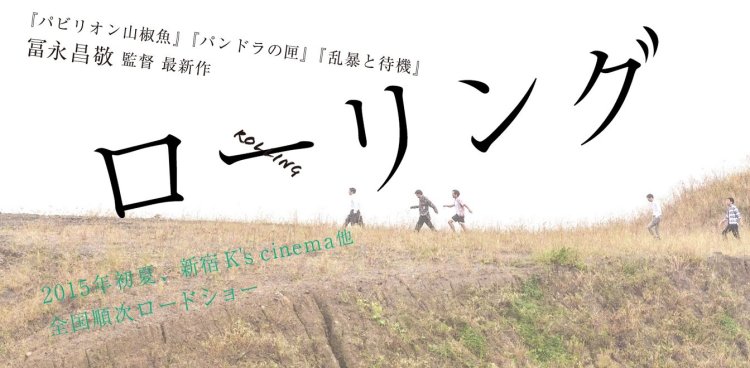
 “Weird teacher” is almost becoming a genre now. Even so, the teacher at the center of Masanori Tominaga’s Rolling may give them all a run for their money (well, for about five yards before having somekind of bizarre accident, anyway). Gondo is a feckless middle aged man who was fired from his teaching position ten years previously after having been caught secretly filming the girls’ changing rooms. Now he’s back in his old stalking ground after having pulled off an improbable white knight routine by rescuing the young and pretty Mihara from a bad boyfriend in Tokyo. However, his former students have not forgotten him or his pervy ways! It’s not long before the entire town of twenty somethings are on Gondo’s case hoping for a little vengeance for their teenage betrayal.
However, Gondo’s fortunes improve slightly when it’s discovered that some of his secret recordings feature some rather salacious goings on starring a former classmate whose TV career is just about to kick off. Smelling money in the air, Gondo is suddenly everyone’s best friend again. Gondo is…still Gondo though so as you may expect this state of affairs will not last. He’s even lost Mihara to a former student of his, one he even quite likes too…
Despite his failings and protestations to the contrary, what Gondo ultimately remains is a teacher. Yes he’s made some mistakes (understatement of the century), and he’s actually quite unpleasant in a lot of ways but somehow he still wants to protect this ragtag bag of not quite young people that he previously harmed. Coming to the realisation that his actions not only resulted in revulsion and violation of trust but also had a disruptive effect on the educational progress of his students simply resulting from his abrupt dismissal, Gondo does at least want to make amends (in his own way).
However, Gondo’s just the kind of guy things never work out for. “All my students are idiots” he proclaims at one point and he’s not altogether wrong. Attempting to hatch a blackmail plot with a very strange group of a idol managers-cum-gangsters and an ex-policeman, the gang get themselves into a whole world of trouble which is only exacerbated when the almost famous subject of the video comes forward and makes a very surprising request of her old flame and Gondo’s kindly love rival Kanichi.
Darkly comic, Rolling has the air of a film noir B movie with its ever present voice over and thriller trappings including secret video taping, a blackmail plot and trio of business-like gangsters. It is though, also firmly grounded in the now despite its often surreal humour. Also branded an “erotic comedy” Rolling is fairly high on sexual content adding to its generally sleazy feeling. It may well go down as a cult hit simply for the phrase “I’m going to make a milkshake out of your filthy boob juice” which gives you some indication as to the tone.
Far from perfect but oddly touching if sometimes baffling too, Rolling is another strange and surreal adventure from Tominaga. Its slightly vulgar tone may put off some but by and large it gets away with it through sheer cheekiness and absurd humour. Gondo is a dreadful person almost all of the time, selfish and needy yet he also seems to have this yearning for redemption which makes him seem not so bad really, as does the fact that most of his former students have not turned out all that well – even the “hero” Kanichi has his problems. For those that can accept its oddly surreal tone and decidedly old fashioned gender politics, Rolling is a rewarding and delightfully absurd film that does also manage to pack in a decent (if subtle) amount of social commentary.
Reviewed at Raindance 2015.
Review of Masanori Tominaga’s Rolling (ローリング) – first published by UK Anime Network.

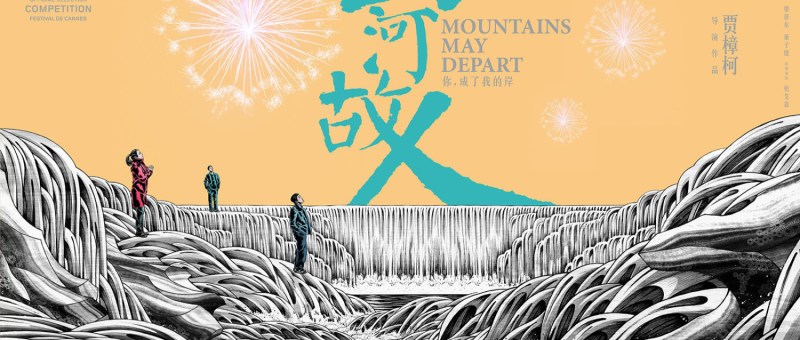
 Jia Zhangke has made something of a career out of charting his nation’s history through the lives of ordinary people caught up in the business of living when everything about them is changing. Mountains May Depart (山河故人, Shānhé gùrén) isn’t the first of his films to span a comparatively wide period of time, though it is the first to venture into the “future” if only by a decade or so. Through a story of dislocation and isolation both cultural and personal, Jia has traversed the melancholy odyssey of those who grow up to discover that all the wrong choices have already been made.


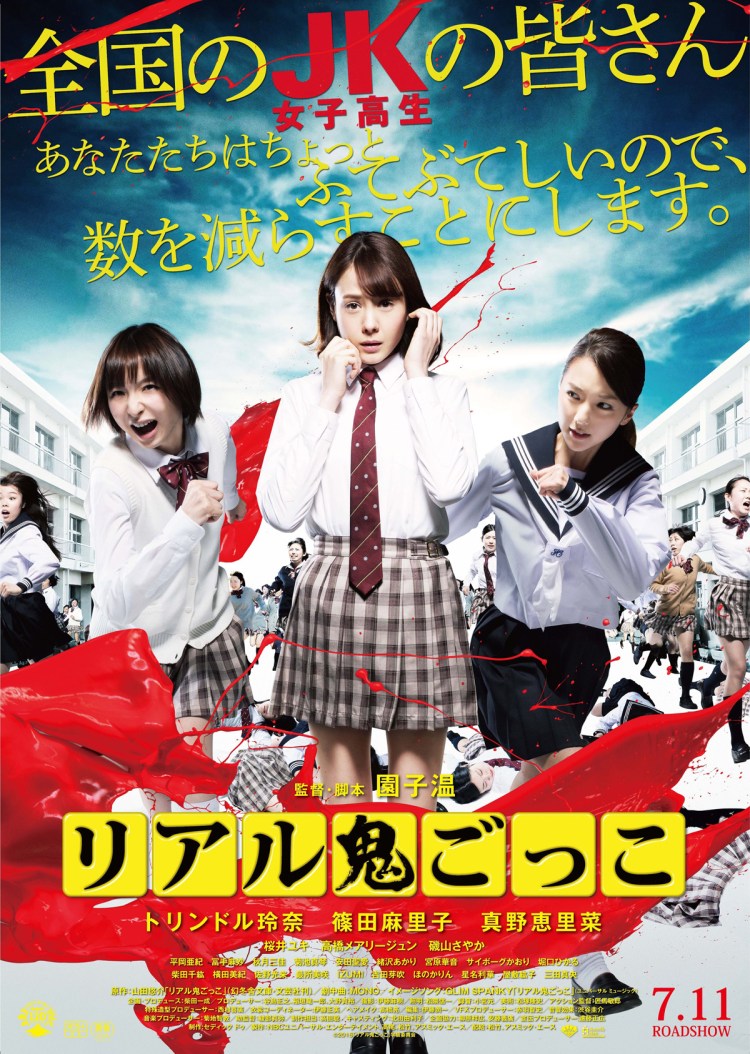 You could say Sion Sono is back, though with six films released within a year it’s almost as if he just nipped out to make a cup of tea. At first look Tag (リアル鬼ごっこ, Riaru Onigokko) seems as if it might be towards the bottom of the pile – school girls running away from things for 90 minutes whilst contending with awkward gusts of wind, but this is Sion Sono after all and so there’s a whole world of craziness going on below the surface.


 Based on the third of three short stories in Banana Yoshimoto’s novel of the same name, Asleep (白河夜船, Shirakawayofune) is an apt name for this tale of grief and listlessness. Starring actress of the moment Sakura Ando, the film proves that little has changed since the release of the book in 1989 when it comes to young lives disrupted by a traumatic event. Slow and meandering, Asleep’s gentle pace may frustrate some but its melancholic poetry is sure to leave its mark.