Three Women of the North (北の三人, Kiyoshi Saeki, 1945)

Film was the primary medium for propaganda and Japan had been pumping out increasingly patriotic fare under the National Policy programme since the late 1930s but what’s interesting about those which appeared towards the war’s end is that they do not try to sugarcoat the situation or pretend that the conflict is going well, rather they use the encroaching sense of desperation as an additional motivator to get all hands on deck. Released on Aug. 5, 1945, Three Women of the North (北の三人, Kita no Sannin) was the last propaganda film to be produced and the only film currently screening when the war ended on Aug. 15. Of course, after that it was swiftly withdrawn by the Occupation forces never to be seen again except perhaps as a historical document. 

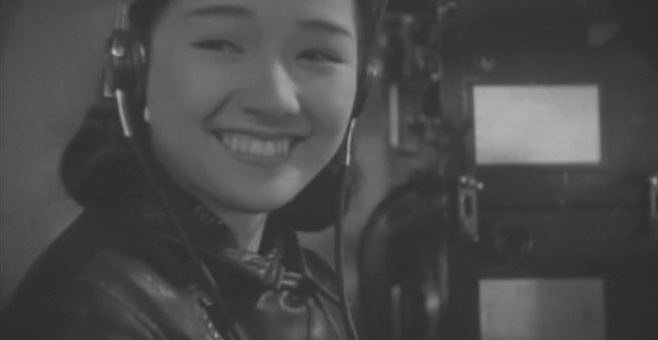
Like The Most Beautiful, the film skews accidentally feminist in its focus on three female radio operators who seem to be regarded as something of pioneers in the field. After encountering technical issues, a plane with a top secret mission is guided into an airfield in Aomori by nothing more than the voice of radio operator Sumiko (Setsuko Hara) yet on landing the pilot expresses surprise apparently stunned that a young woman would be able to perform such a stellar job. The sexist attitudes seem almost set up so they can be shot down, the pilot is quickly corrected by the ground control chief (Takashi Shimura) who explains “nowadays women can become excellent radio operators.”

Of course, this is born of necessity seeing as at this late stage there is a huge untapped resource of young and widowed middle-aged women previously discouraged from getting directly involved with the war effort. In earlier propaganda films, the most important thing a woman could do was get married and particularly to a young man who was going to the war, but this time a conflict develops between two of the women, Yoshie (Hideko Takamine) and Sumiko, because Sumiko declined to marry Yoshie’s brother Kazuo before he left because she too wanted to do her bit for the war effort and would not have been able to do so as a married woman. On learning from Yoshie that Kazuo has been killed after volunteering to lead a suicide mission, she breaks down in tears and cries that she should have married him but Yoshie, who has forgiven her on learning of her patriotic reasoning, tells her that she has done the right thing and her brother would be proud of her for serving her country. 

Meanwhile, at another airfield even deeper into the frozen north their friend Akiko (Hisako Yamane) has a developed a fondness for a research scientist but their romance is of course frustrated by the war. In a moment of fraught emotion, he tells her that he will be returning after delivering his findings and she should wait for him there which is almost to say that they will be granted their romantic resolution once the war is over. The curious thing is that Hara (Shin Saburi) is a weather scientist whose cloud forecasts have apparently been very useful to the pilots. A slightly strange diversion sees the film try to argue that at this point the greatest threat to the Japanese war effort is the weather, which aside from sounding like a very British excuse makes very little sense even if it is obviously a factor in mission success. 

The radio operators obviously can’t do much about the weather, but they can pull together with plucky spirit dedicating themselves to the national good and giving all to the war effort. While Sumiko and Yoshie are having their emotional confrontation they’re interrupted by a trio of young women who were supposed to be getting a radio demonstration from Sumiko but they’ve come to say they can’t make it because one of the other girl’s mothers has been taken ill so they’re walking up the snowy mountain to the observatory in the middle of the night to send her back and take over her shift. When the radio operator on the special flight is taken down by pneumonia (the weather, again), Yoshie volunteers insisting that she’s prepared if the worst should happen but on landing remarks that she couldn’t have got through it without Sumiko and Akiko on the other end of the line resting their success on female solidarity. Though it’s clear the film was made on a shoe string it does feature special effects by none other than Eiji Tsuburaya along with some well conceived action sequences that lend an uncomfortably thrilling note to this extremely late entry into the realms of propaganda filmmaking. 

The Clinic (ဆေးခန်း, Midi Z, 2023)

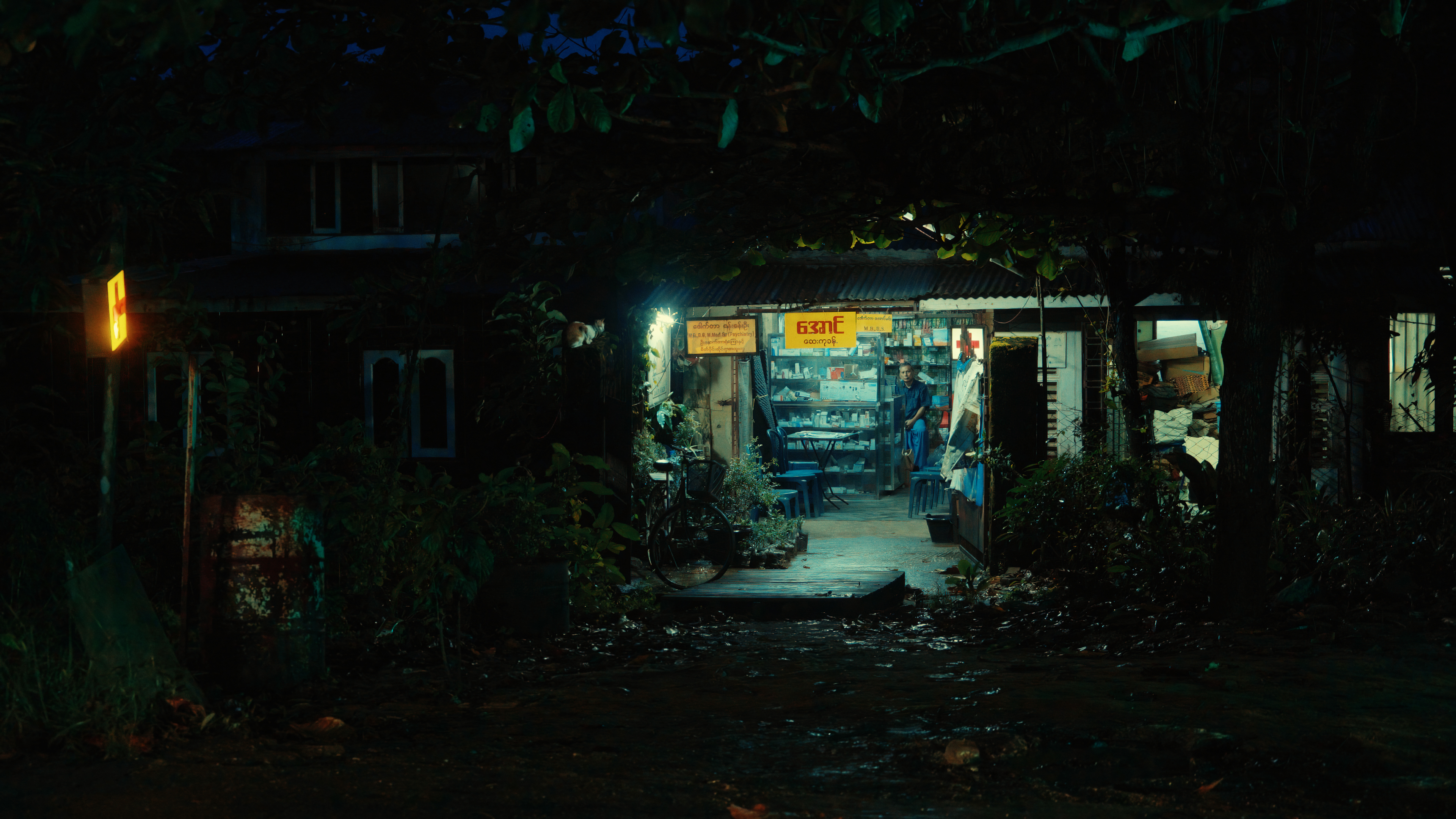
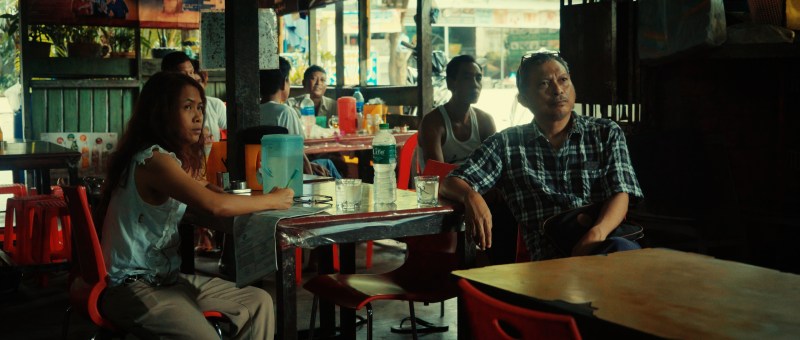
The title of Midi Z’s documentary The Clinic (ဆေးခန်) most obviously refers to that run by the two doctors at its centre providing a safe haven in the midst of chaos, but the director apparently envisaged secondary meaning in which the entire nation is a clinic filled with those in desperate need for treatment. It does seem that there is a lot of sickness and despair in this small corner of Yangon, the husband and wife doctors largely treating conditions related to alcohol and mental illness while otherwise powerless to do much more than treat their symptoms. 

It’s clear that there is little medical provision otherwise available in the local area. One woman has brought her sister from several towns over, explaining that there aren’t many doctors as kind as these ones are. They even invite their patients to return for dinner. The woman’s sister, however, has picked up head lice after a stay in hospital and seems to be under what they assume is a delusion of having been tried by the army for joining the Rohingya and rebelling against the Burmese state despite living in completely the wrong part of the country to have any contact with the conflict. Later the doctors sit in a cafe and listen to a speech by Aung San Suu Kyi about the Rohingya crisis which ends with an announcement for the delegates to head to a post-conference party. Doctor Aung Min quips that apparently they are not invited.

Aung Min is not invited to the party in many ways as he discovers when a film he’s made is screened at a human rights film festival but he’s harangued by a pro-military audience member who found his work offensive. A filmmaker as well as a doctor, he’s planning a film about an actor with fractured cultural identity as a Buddhist Rakhine taken to Bangladesh by the Rohingya. The actor is conflicted while considering whether to accept a film role that requires him to have a beard knowing that he may be mistaken for a Rohingya and will face social censure. In a meta touch, Aung Min’s film is like this one somewhere between documentary and narrative, incorporating photographs of the felling Rohingya in anguish and agony.

Meanwhile, Aung Min and his wife San San Oo treat similar ailments in their clinic, notably one middle-aged man with an infected leg wound originally caused by a drunken accident. Aung Min tells the man he might have to cut his leg off, but struggles to convince him when he says he’ll have to avoid alcohol for a few months to try to save it. San San Oo also answers the phone to reports of people in severe mental distress threatening to harm themselves or others. In quieter moments they offer art therapy to some of their patients and otherwise attempt provide a safe and comforting space. Both artists themselves, San San Oo is a keen painter while Aung Min has his film career. 

The film follows them in the midst of the military coup, the famous video of the woman filming a yoga session as the soldiers head towards the seat of government, during which the doctors and the clinic seem to stand firm while overseas radio reports reflect on the dire situation in the nation. Yet they are largely powerless to treat the wider sicknesses around them, the fear, the anxiety, guilt or indifference in a divided society. Instead, they take solace in their art but also in its capacity to heal while keeping the clinic open as a beacon of hope for wounded locals and those from further afield. 

Midi Z films with a detached naturalism that sometimes adds to a sense of absurdity echoing the outside chaos of the society mired in anxiety and confusion. “What’s in a film isn’t real,” Aung Min and a potential actor reflect, but even if this were not a documentary that is never quite true. Midi Z hints at the wider sicknesses in the society but in the end finds only powerlessness to treat it if tempered by the resilience of the doctors who keep their clinic open even in the darkest hours allowing the illumination of their signage to stand as a small beacon of hope amid so much despair.


The Clinic (ဆေးခန်း, Midi Z, 2003) screens in New York 17th March as part of this year’s First Look.

Trouble Girl (小曉, Chin Chia-hua, 2023)

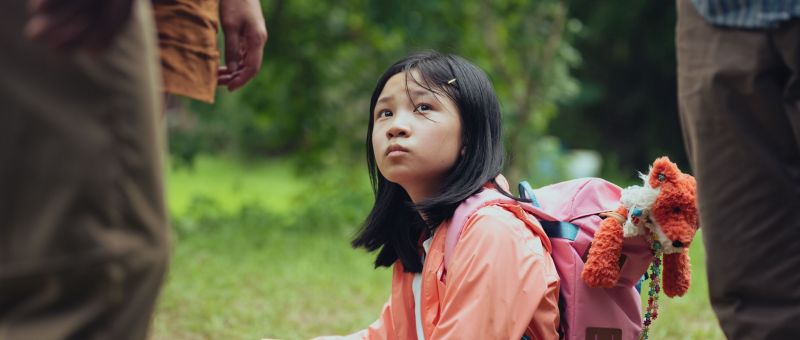
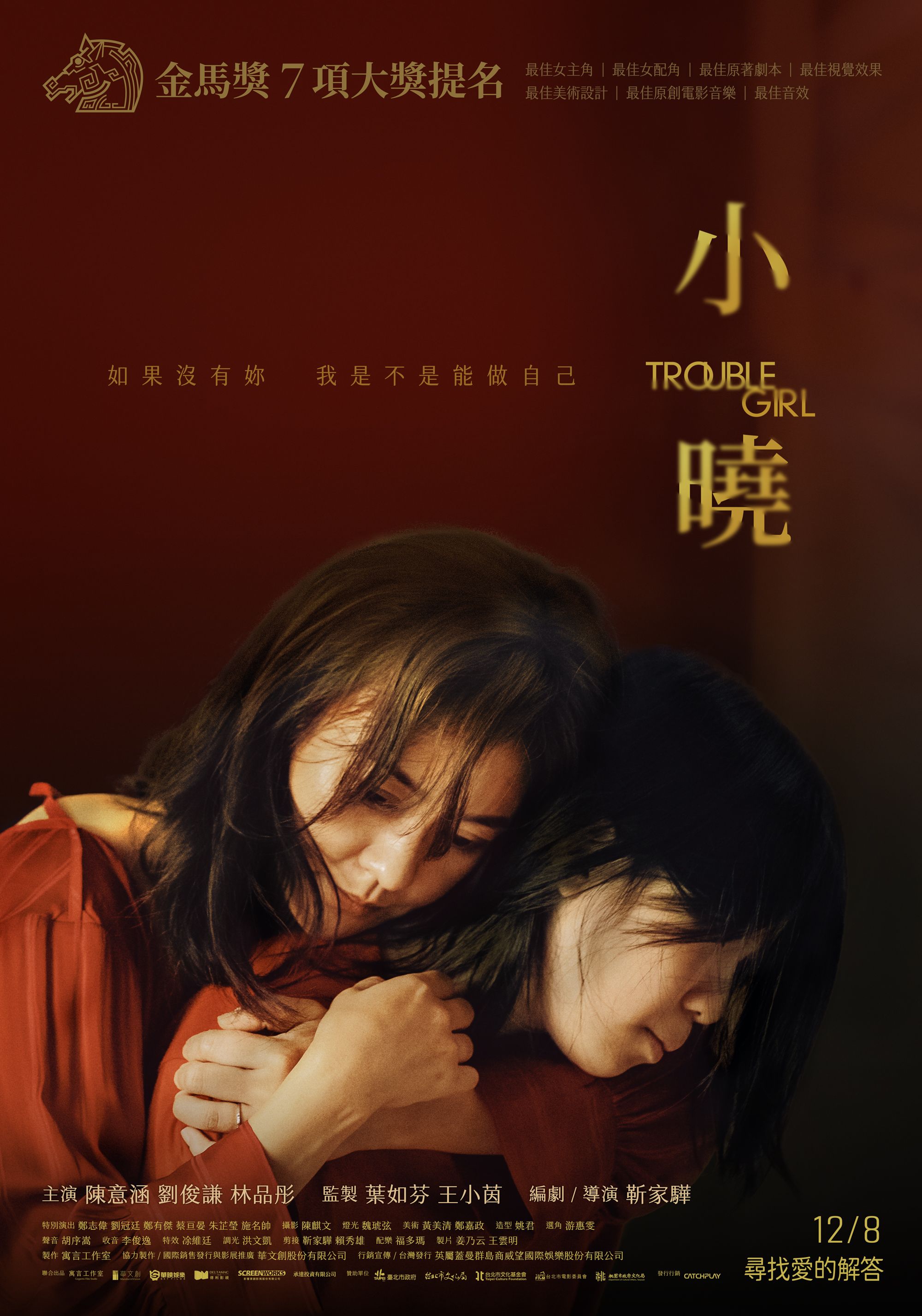
The sad thing about Xiaoxiao’s life is that everyone is so intent on making her just like everyone else rather than trying to find ways to allow her to be more of herself. The film’s English title, Trouble Girl (the Chinese being simply her name, 小曉, xiǎo xiǎo), might hint at the external attitudes towards her in which she is seen only as a disruptive troublemaker while largely friendless and bullied by the other kids in her class.

The irony is that it’s only her teacher, Mr Chen (Terrance Lau Chun-him), who is actively trying to help her but he does so from a place of corrupted paternity in that he’s been having an affair with her mother, Wei-fang (Ivy Chen Yi-han), which began as a consequence of their meetings to discuss Xiaoxiao’s ADHD diagnosis and how to manage it at school. Seemingly under stimulated, Xiaoxiao ignores her classes and plays video games instead while Mr Chen doesn’t really say anything before gently taking her aside to suggest it’s not a good idea. He’s a proponent of positive reinforcement but is also a regarded as a soft touch by some of the other parents who increasingly turn against Xiaoxiao, regarding her as a disruptive presence damaging their kids’ education. 

Then again, it’s mostly these kids who are bullying Xiaoxiao for being not quite like them. Mr Chen has started some kind of secret program in which kids can get stickers for being nice to her, but it’s largely backfired as they alternately provoke Xiaoxaio because they think it’s funny when she loses her temper and act friendly when the teachers are around. Rather than attempting to make some accommodations for her, the school is only capable of trying to force her to behave in exactly the same way as everyone else. On an awkward camping trip with her mother and Mr Chen, he suggests capturing a frog but despite her fascination with them Xiaoxiao rejects the idea. She wouldn’t want the frog to be trapped in a bottle, and later attempts to free an owl from a cage symbolising her own desire to be free to be herself. After being suspended from school, she heartbreakingly tells her mother that she just wants to stay home and learn not to take pills anymore.

But then Wei-fang has problems of her own. She’s trapped too. Her husband has been living abroad for some time and it’s clear the marriage is all but over while she struggles to bond with Xiaoxiao and is ill-equipped to deal with her needs, perhaps on some level ashamed that she isn’t living up to the middle class ideals professed by the other mothers. She even may even resent her for trapping her in a dissatisfying domestic arrangement but is alternately frustrated that Xiaoxiao does not really want to play with her and prefers her father or Mr Chen. We see her struggle with her emotions too, sometimes slapping Xiaoxiao and shouting at her for doing something wrong or getting into trouble. 

Her affair with Chen may be a kind of escapist fantasy, but he seems to take it seriously and provides a positive, paternal presence in the absence of Xiaoxiao’s father who though he seemed caring later offers quite a harsh critique of his daughter that suggests he regards her as a disappointment. Nevertheless, it’s quite troubling that her sort of friend Xiaoshan calls Mr Chen “Paul” and is friendlier with him than seems appropriate but then her parents are involved with running the school so perhaps she simply knows him on a more personal level. Even so, the connection seems to arouse an odd kind of jealously that interacts with her disapproval of her mother’s betrayal of her father in having the affair. 

When Xiaoxiao tries to free the owl, she is surprised to discover that it simply flies back to its porch as trapped as both she and her mother though no longer with any desire for escape. Sympathetic towards the film’s twin heroines, Chin shoots with a down to earth naturalism though through the eyes of Xiaoxiao who is really just looking to be accepted for who she is while observing that her mother is much the same but even approaching middle-age seems no closer to finding accommodation or fulfilment.


Trouble Girl screened as part of this year’s Osaka Asian Film Festival.

Original trailer (English subtitles)

All the Songs We Never Sang (Chris Rudz, 2023)

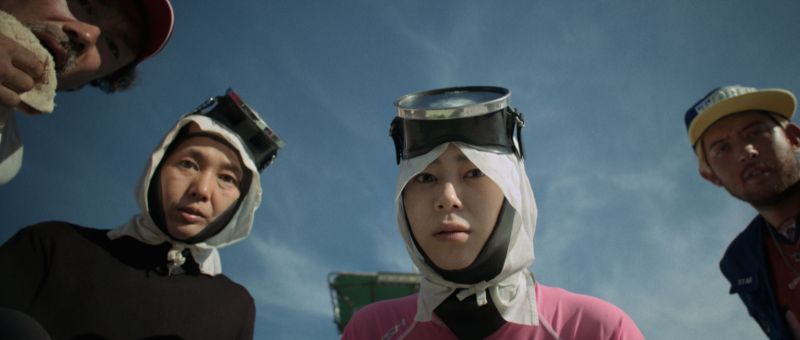
A young woman finds herself diving into the past after receiving a less than enthusiastic welcome on visiting her mother’s island home in Chris Rudz’s gentle indie drama, All the Songs We Never Sang. As the title implies, the film is as much about time wasted in bitterness as it is about the surreality of life on a small island where pearl diving is still a dominant force in the local economy.

17-year-old Natsumi (Miru Nagase) has travelled to Kojima in search of her estranged aunt, Reiko (Junko Kano), her mother’s twin sister, only as it turns out Reiko is a strange and embittered woman who is only ever comfortable in the water. She grudgingly allows Natsumi to stay but only to avoid further island gossip and is unconvinced by her desire to become a pearl diver like her ancestors. As far as we can see, Reiko is one of a handful of divers left on the island and the other two are approaching old age. In fact, there don’t seem to be a lot of other young people around except for Shijo (Kai Hoshino Sandy), an eccentric boat operator and aspiring rapper with a nascent crush on Natsumi. Nevertheless, people on the island mainly remember her mother Akiko as the one who ran off with a fisherman and was never seen again.

Though the older pearl divers are kind to her, not everyone is happy to see an outsider visit and most especially rookie policewoman Yuka (Aoi Shono) who according to some has been given grandiose ideas thanks to going to university on the mainland. She is suspicious of everyone and hungry to uncover some kind of major crime, quickly coming up with an unlikely yakuza invasion as a possible explanation for a missing boat despite the fact that its owner is known to be fond of a drink or two and may simply have neglected to tie it up properly. A patient superior, Sarge (Pierre Taki), tries to explain the nature of small community policing to her that she should integrate more with the people of the island so she can tell when something’s not right and know best how to help. But her zeal for preventing crime eventually leads to accidental cruelty in bluntly divulging upsetting news, smugly proud of her successful bust without reflecting on its implications or the necessary hurt caused by an improper application of her authority as a police officer.

In a way it’s this kind of insensitivity that lies at the centre of the film as it becomes clear that Rieko has wasted the last 18 years of her life in bitterness unable to get over an act of emotional betrayal. She’s sworn off music, which she once loved, and often retreats to her bathroom to plunge herself into the water only really at peace when she’s diving. Looking for a treasure her mother supposedly left for her, Natsumi is diving too, reaching into the past while trying to figure out why her mother and Rieko became estranged and looking for a sense of home and family she feels she’s lost.

That might be the real treasure that her mother left for her even if she has to go diving for it and will need some help to bring it to the surface. In some ways a typical “island movie” about a slightly strange place more or less cut off from time, Rudz hints at a sense of despair in living somewhere there is not much else to do than drink and sing but otherwise captures the warmth of the community most of whom are very welcoming of eccentrics and outsiders even if somewhat prone to gossip for a lack of other entertainment. Through the process of their reconnection, old wounds begin to heal and a kind of peace is found with the past which is in many ways filled with “mermaid’s tears” more than pearls of joy. Still there’s a kind of lament for the songs unsung because of hurt and bitterness, and for the lost love and opportunities that went with them that has its own sense of poignancy tempered by the infinite possibilities of making up for lost time amid the gentle island atmosphere.


All the Songs We Never Sang screened as part of this year’s Osaka Asian Film Festival 

Original trailer (English subtitles)

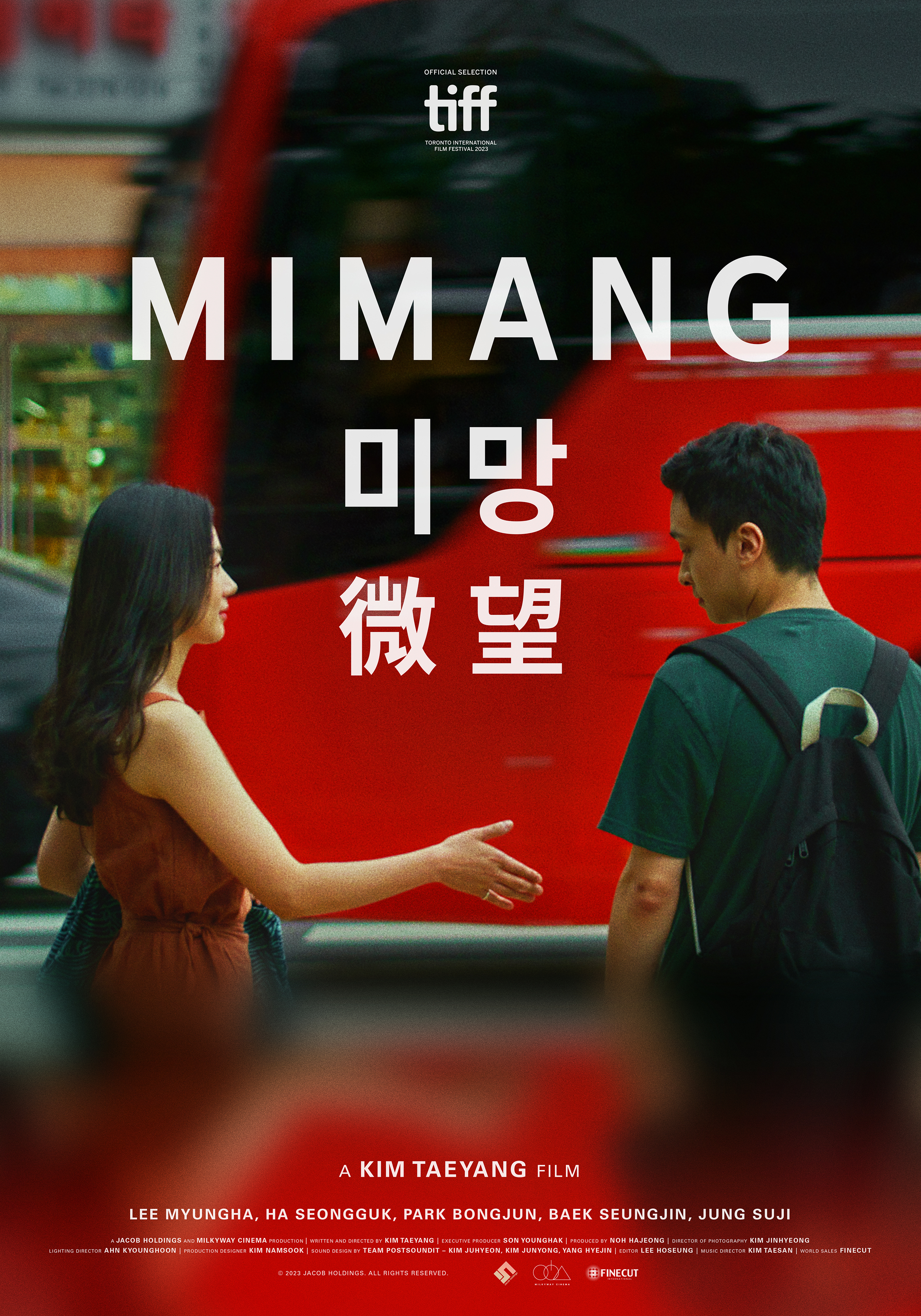
Mimang (미망, Kim Tae-yang, 2023)

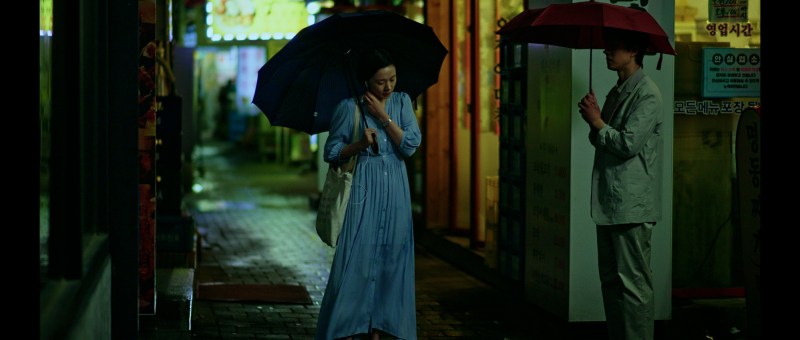
Part way through Kim Tae-yang’s Mimang (미망, Mimang), a woman giving a talk about a classic Korean film the ending of which is lost to time remarks that the audience will walk out onto the same Seoul streets the protagonists of the film once trod in 1955. They are literally the same streets, but of course they aren’t. On her way there, she’d talked to an old friend she’d bumped into along the way about the imminent redevelopment of the area which will lead to the cinema she’s on her way to being torn down. A statue of Admiral Yi they frequently refer to as a meeting point and landmark will be moved to accommodate the new road structure leaving them even less certain of direction than they were before.

In fact, the statue itself is compromised in that it depicts Yi holding his scabbard in his right hand which implies he was left handed in contrast to all the other statues of him that suggest otherwise. The woman claims her friend, the man, told her this before a long time ago and insisted that this sculptor did his homework and got it right though another woman he later meets, his current girlfriend, claims the reverse is true. A man the woman later meets, the organiser of the event she was appearing at, offers another interpretation which insists the only answer is uncertainty. There’s no historical record as to whether Yi was right or left handed, and in any case given the stigma towards left-handed people he may have been forced to behave as if he were right-handed even if he were not.

The conversations themselves are meandering and circular, offering no real conclusions and like the classic film missing an ending. The word “Mimang” can have many connotations some of which are outlined by title cards appearing throughout the film though all echoing a sense of being lost, wandering in a literal but also intellectual sense unable to reconcile oneself to an ever changing world that in other ways never changes. The man complains that everything repeats itself and that life is just a cycle that revolves from noon to midnight which is indeed what happens in the parallel conversations of the man and woman as they travel through the city in the company of their respective partners each revolving around the shortly to be (re)moved statue of Admiral Yi. 

In any case, we can feel a sense of loss between them that perhaps they were once together and then parted or almost but never were. In the third arc of the film which occurs some years later they re-encounter each other at the funeral of a university friend, someone their age who has passed away though as another friend points out they’re all still too young to see each other only at funerals. They make an arrangement to visit a bar they used to go to, near the statue of Admiral Yi, though something comes up, someone leaves, and they part again without really having said anything much at all. Moments pass without noticing, and as the song the man sings in memory of his friend suggests, were really “nothing special” after all. 

The organiser of the event the woman takes part in has a habit of saying “that happens” as if nothing really surprises him amid the mundanity of an ordinary life. As the film opened, the man had got off the bus at the wrong stop which is how he meets the woman to whom he explains that often finds his way by getting lost, a sentiment echoed in what he tells her learned in drawing class that things which seem like mistakes can actually be interesting diversions which take you somewhere new. A less comfortable motif sees both men confidently give the woman directions, assuming they know where she wants to go and somewhat unwilling to let her walk her own way though she in turn seems lost for direction and unsure which way to turn. We too can see the passage of time in the differing quality of the photography, the ADR’d dialogue and gentle ageing even the various ways the man and women dress though obviously more formally in the final sequence. Like the classic film this one has no ending either, just a gentle fade in which we can’t be sure if the man the woman will ever meet again or what might pass between them if they do only that they will continue to wander these ever-changing yet familiar streets in search of something they know not what.


Mimang screens in New York 17th March as part of this year’s First Look.

Trailer (English subtitles)

Monster (怪物, Hirokazu Koreeda, 2023)

Part-way through Hirokazu Koreeda’s probing drama Monster (怪物, Kaibutsu), a distant headmistress tells one of her teachers that “What actually happened doesn’t matter.” As in The Third Murder, the truth, so far as it can be said to exist at all, is an irrelevance. We need narrative to serve a purpose. Confronted by a worried mother, a teacher accused of using violence against a student claims there’s been a “misunderstanding,” but in many ways there has. We’re so often prevented from speaking our truth by the social conventions that govern us, because of shame, or fear, or simply because when all is said and done is it often easier not to speak.

In may ways this is the internal battle Minato (Soya Kurokawa) finds himself fighting. He sees another boy being bullied, mostly just for being different, and he wants to do something about it but he’s different too and so he’s afraid. He befriends the boy, Yori (Hinata Hiiragi), but also tells him to not speak to him in front of their classmates because he doesn’t want to end up being a target. In the midst of futility all he can do is flail randomly, trashing the schoolroom not to mention his bedroom at home solely because he is unable to voice himself clearly or communicate in any other way.

Because of these lapses in communication, a series of misunderstandings arise. The language we use is often thoughtless and arbitrary. Well-meaning words can still wound. Minato’s mother, Saori (Sakura Ando), tells him that she promised his late father she’d take care of him until he had a wife and family of his own but perhaps that not something Minato will want. Similarly their teacher, Hori (Eita Nagayama), described by one of his colleagues as “shifty-eyed and creepy”, makes a series of throwaway remarks that the boys should act let men, filling their heads with an idea of toxic masculinity echoed in Saori’s insistence that girls prefer boys who don’t know the names of flowers. 

Minato is reminded that the bottom layer of the pyramid holds everything else in place, but it’s a responsibility he doesn’t think he can bear. He knows he can’t be the kind of man his father apparently was, a rugby player who may have been with another woman when he died, and feels an acute sense if failure and inferiority in being unable to live up to the expectations of others. He later tells the headmistress (Yuko Tanaka) who is carrying a burden of her own that he knows he can never be happy and believes himself unworthy of it only to find an unexpected source strength in her advocation that happiness is something anyone can have, otherwise it wouldn’t be happiness at all.

Yet for all that Yori seems to be happy, or at least to affect cheerfulness in all things despite his dismal circumstances living with a troubled father who drinks and refers to him as monstrous and diseased. One of the teachers also brands the parents of his pupils as monsters feeling they unjustly “torture” them while shifting the blame for their own bad parenting. Minato too feels himself to be a monster because he senses that he’s different from those around him and is afraid of them and of himself. Throw away remarks hint at buried prejudice, such as in Hori’s dig at single mothers stating that his own mother was one and exposing a degree of insecurity masked by an outward conservatism.

We judge him for this remark, but it’s also true he’s merely parroting something that was said to him. We can never know all of the truth, and Hori suffers in part because of his “shifty-eyed and creepy” appearance that contributes to our conviction the accusations against him are likely to be true in the same way he misunderstands Minato because of his confusing behaviour and inability to communicate. Gossip weaves itself into a kind of folk truth that becomes difficult to unravel no matter the degree of veracity within it, while we discover we can never know the whole of something only the facets of it that are presented to us and might well result in “misunderstandings.”

Koreeda shifts our perspective and exposes the flaws in our assumptions, illuminating with empathy a sense of a more objective truth that was hidden from us but equally the various reasons we cannot always be truthful even with ourselves nor can we see what others see of us. Obsessed with the idea of rebirth, the boys discover their own kind of paradise in private world in the midst of nature free of social conventions or expectation and free to be exactly as they are. The ambiguity of the ending may subtly undercut its seeming utopianism but nevertheless suggests that the only objective truth may be that happiness is something anyone can have if only they can free themselves from the prejudices and petty social conventions which govern our world.


MONSTER is out in UK and Irish cinemas on March 15th. For more information, go to https://monsteruk.film/ 

Uk trailer (English subtitles)

BFI Flare Confirms Complete Programme for 2024

The BFI’s LGBTQ+ film festival, BFI Flare, has announced the full programme for this year’s edition which runs at the BFI Southbank 13th to 24th March. This year there are a trio of features from East Asia included in the lineup from South Korea, Taiwan, and Thailand.

South Korea

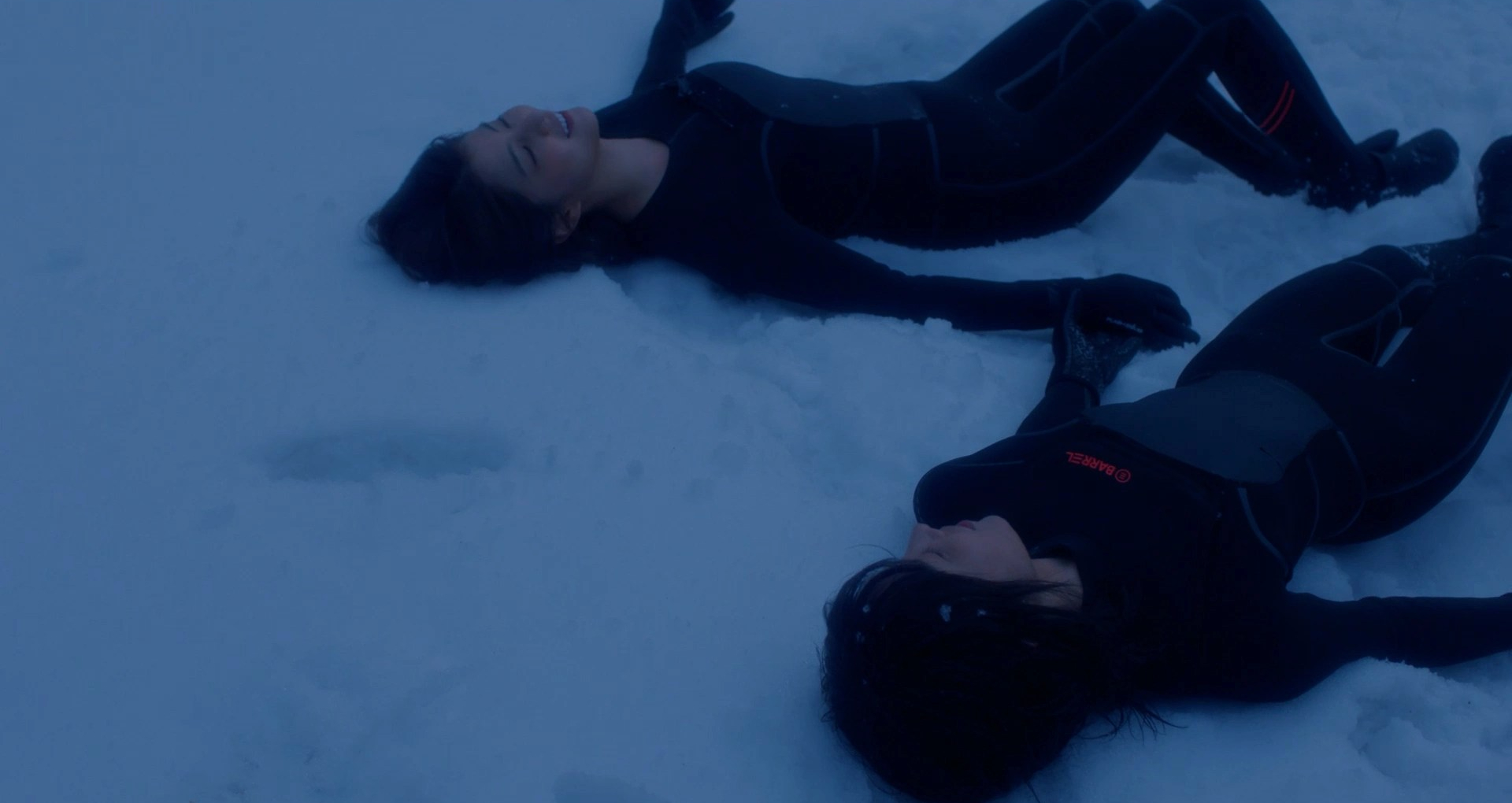
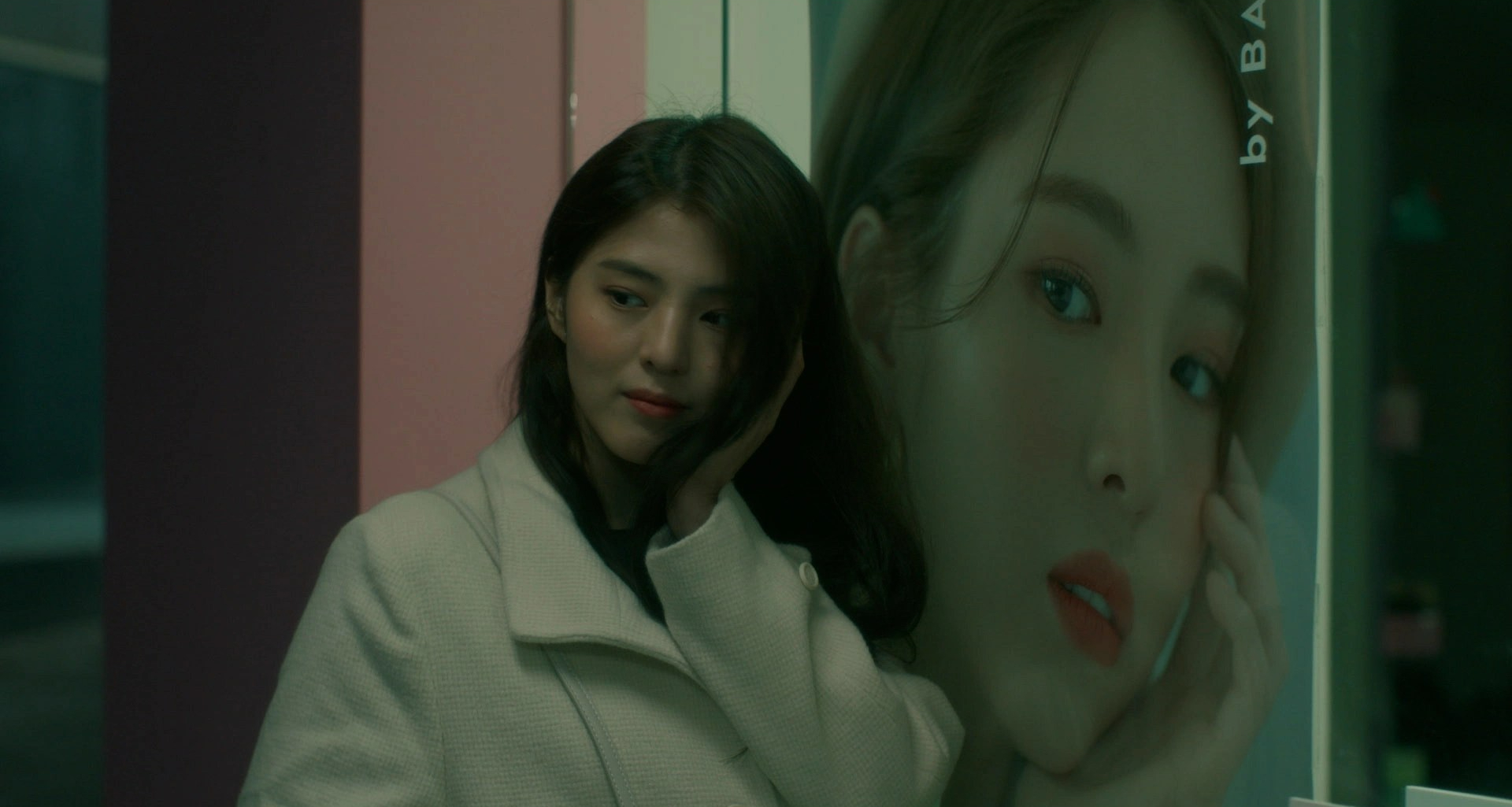
  • Heavy Snow – drama in which a girl at a performing arts high school draws closer to a famous teen actress.

Taiwan

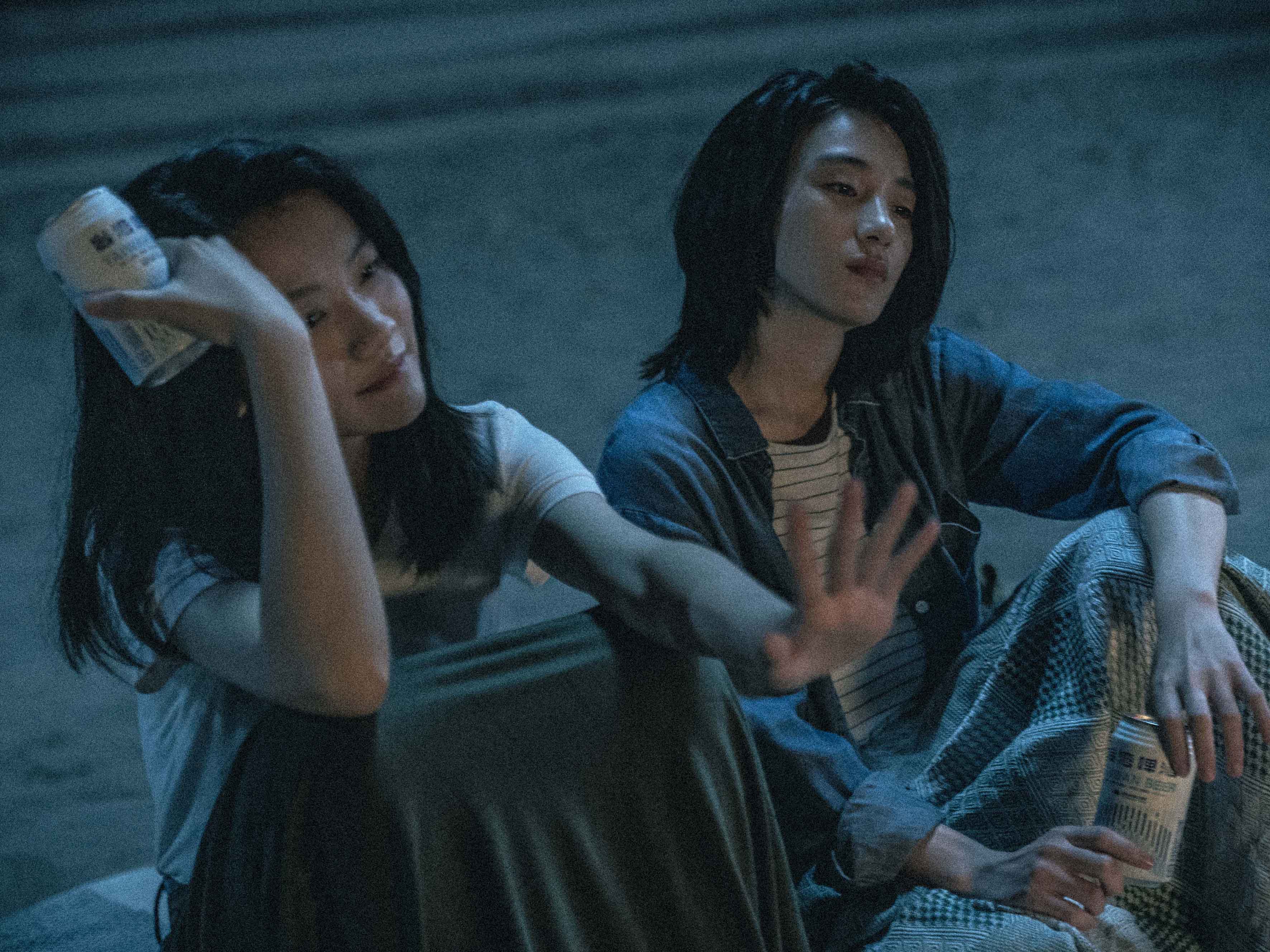
  • Who’ll Stop The Rain – drama set in post-martial law Taiwan in which an art student experiences first love after joining a protest group.

Thailand

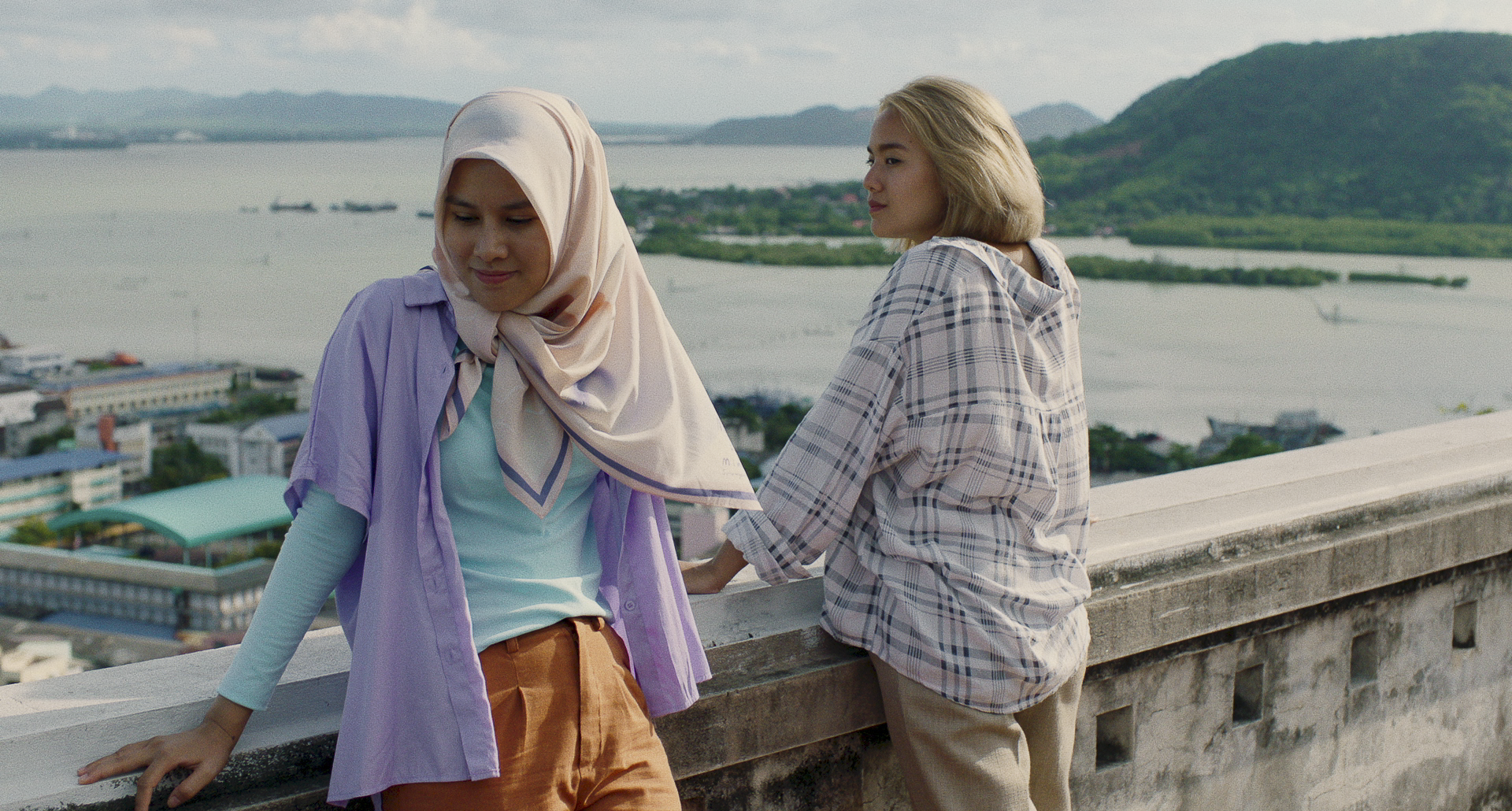
  • Solids By the Seashore – etherial Thai drama in which a woman from a small town falls for a visiting artist.

BFI Flare runs at BFI Southbank 13th to 24th March, 2024. A small number of short films are also available to stream via BFI Player. The full programme can be found on the official website where tickets are already on sale. You can also keep up to date with all the latest news via the festival’s Facebook page,  X (formerly Twitter) account, Instagram, and YouTube channels.

A Weather Report (胴鳴り, Yu Kajino, 2024)

A successful television writer is confronted with the mistakes of his past when the teenage daughter he abandoned before birth suddenly tracks him down in Yu Kajino’s indie drama, A Weather Report (胴鳴り, Donari). The film does indeed feature several storms of the more literal kind, but dances around the fallout of the writer’s unexpected reconnection along with his ongoing inability understand himself or the nature of his relationships.

This is in a sense ironic, as Omori’s (Ryuta Furuya) big hit show Cliffs of Love is a poignant romantic drama about two people who are too shy to reveal their feelings openly and consequently can only behave in ways which seem bizarre. Omori later has a similar moment to the lovers from the show when he attempts to take his relationship with casual girlfriend Satsuki further only to find her on a completely different page and explaining to him that they are both people who don’t know how to love or be loved so they were never really destined to be together for the long term. 

Even so, the man we see now, if perhaps a bit of a sleaze, does not really seem like the “human shit” his former partner Mayumi describes him to be. It’s difficult to know what brought the relationship to an end with such apparent recrimination, though the reappearance of his daughter Hikari confronts him with the possibly questionable decision he made to stay out of her life having been told by Mayumi that she intended to raise the child alone and didn’t need his input. He abandoned her with a sense of relief born of parental anxiety, yet now begins to act like a father protecting and nurturing her after she comes all the way from Niigata on the train to find him having fallen out with her mother who has taken up with a smarmy business man, Numata. 

Hikari later ironically remarks that she was never really interested in her mother until they were separated and is getting to know other sides of her thanks to talking to others that knew her. In another way, it might have been the reverse with her father who was otherwise absent from her life leading her to create her own image of him which meeting threatens to shatter. Omori dreams of attending a theme park with his now teenage daughter who is clearly too old for such things, only to suddenly realise she wasn’t with him any more and feel unexpectedly anxious for her. 

It seems that Hikari was hoping he’d be able to do something to oppose her mother’s relationship with Numata though for obvious reasons he is reluctant to do so, politely listening to Numata’s conservative political ranting without saying a word. She sees them float up like ghosts in a hotel corridor and is somehow haunted by their presence though she says she doesn’t mind her mother dating only taking a personal dislike to Numata who was a frequent customer at the bar her mother ran. As for Mayumi herself she too seems to struggle with loving and being loved, still incredibly angry with Omori all these years later while otherwise drinking heavily and playing Momoe Yamaguchi’s Last Song For You on repeat.

In any case, though the unexpected reconnection with her father may strain the relationship she has with her mother it eventually seems to give her a new kind of strength and maturity even as she contends with a self-centred boyfriend who simply rides off on his bike when she challenges him about sleeping with her friend and tries to adjust to the ironic role reversal of her mum moving on by getting a boyfriend leaving her largely home alone. Omori continues to narrate his life while researching his next drama and getting suckered by the bizarre claims of a potential subject just as he begins to interrogate himself and the regret and failures of his life. Set in picturesque Niigata with the fabulous home in which Hikari and her mother live surrounded by the nature, the film has an elemental quality in which a change in the weather can signal calamity or liberation but also a sense of peace amid the serenity of unexpected reconnections.


A Weather Report screened as part of this year’s Osaka Asian Film Festival.

Original trailer (English subtitles)

Momoe Yamaguchi – Sayonara no Mukougawa (Last Song for You)

Swimming in a Sand Pool (水深ゼロメートルから, Nobuhiro Yamashita, 2024)

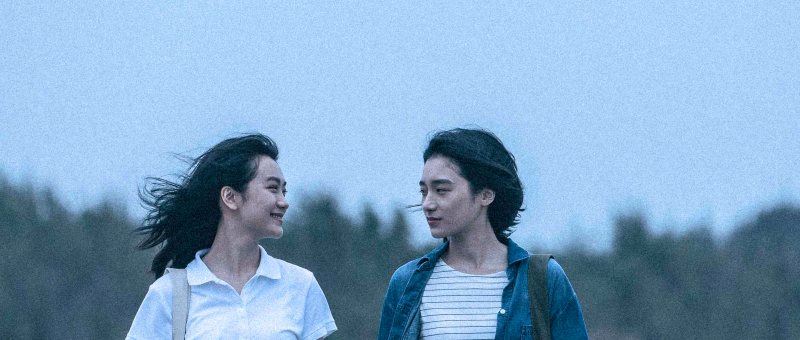
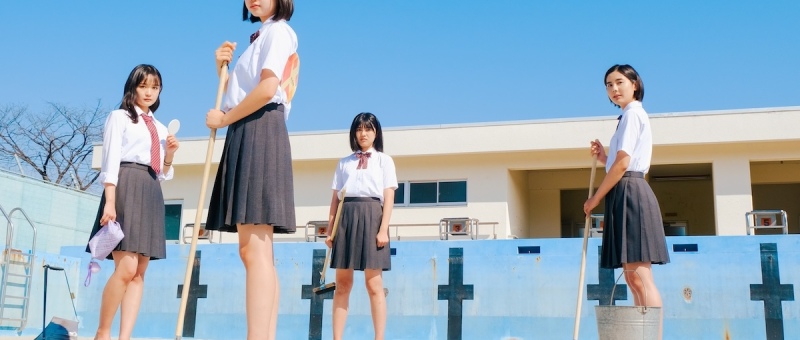
As the film’s title implies, the teenage girls at the centre of Swimming in a Sand Pool (水深ゼロメートルから, Suishin Zero Meter Kara) each find themselves pushing forward but meeting with resistance in Nobuhiro Yamashita’s deadpan teen comedy. Inspired by a high school play, the drama has a timely quality as each of the girls reconsiders what it means to be a woman while simultaneously insisting that gender doesn’t matter. In this case, however, it seems to matter a great deal as they’re forced into the “meaningless” and Sisyphean task of sweeping their swimming pool free of the sand that drifts over from the boys’ baseball game.  

As one of the girls, Chizuru (Mikuri Kiyota), suggests, the boys probably don’t realise (or care) how their actions are inconveniencing them. It’s the middle of summer and the pool is supposed to be undergoing maintenance in August which makes this pointless task seem even more absurd yet after trying to complain to their equally frustrated teacher Yamamoto they’re told they’ve got an attitude problem and it’s only “meaningless” because they’ve decided so in heir heads. As an adult woman, you’d think Yamamoto would have more sympathy or at least some kind of advice for the girls but only seems to want to drum mindless obedience into them, insistent that if she’s told them to do something then it must in fact have meaning. At the end of her tether she snaps that perhaps she doesn’t really like having to conform to the idea of what a teacher should be either, but seems clear that one must do it anyway. Still when a friend from home expresses surprise she’s staying in town over the summer to supervise students, Yamamoto bristles when she remarks that she now seems very like a teacher and is later seen having a covert smoke round the back of the school. 

Obsessed with rules and conformity, one of the chief reasons she’s disliked by the girls is a sense of treachery in having made one, Kokoro (Saki Hamao), humiliate herself by forcing her to participate in a swimming lesson while menstruating. Yamamoto complains that she didn’t ask for an exemption via the appropriate protocols, adding that some girls use it as an “excuse” for getting out of things. Repeatedly the girls accuse each other of using their gender to make excuses for themselves in backing down in front of the boys or allowing themselves to be constrained by social ideas of femininity. Gender is indeed something they seem to think about and dwell on, Kokoro constantly insecure in her appearance while insisting that a girl must be cute in order to count and this is the way she strives for equality with men while simultaneously insisting that gender equality is a myth.

For Miku (Reina Nakayoshi), meanwhile, the opposite maybe true in that she dances the male version of the local folk dance and has done since she was little though now wears a chest binder while she does. Miku seems hurt by Kokoro’s picking at her, eventually walking off and bumping into another girls, Rika, whom it appears she may have a crush on and is a sort of rival of Kokoro’s having beaten her to become manager of the boys’ baseball team. Another girl, Yui, seems to have a similar admiration for swimmer Chizuru but is frustrated by her having experienced a moment of existential crisis being beaten in a race by baseball team star Kusonoki with whom most of the other girls are in love.

What’s true, however, is that none of the girls can do much of anything while desperately trying to sweep up all the dust the boys chucked at them so they can get their pool back and finally swim again. “Don’t take high school girls lightly,” one insists, while another decides to make a “declaration of war” but only seems to elicit snickers from the boys. Nevertheless, through their time shovelling the sand, the girls seem to have come to their own conclusions about the role of gender in their lives and generally discovered a new kind of liberation both from their own self-imposed ideas and the sometimes repressive nature of education that reinforces them. A charming teenage summer comedy, Yamashita nevertheless captures an inspiring sense of rebellion from the students who will no longer be bound by outdated notions of what everyone else tells them they should be.


Swimming in a Sand Pool screened as part of this year’s Osaka Asian Film Festival.

Original trailer (no subtitles)

Wash Away (うぉっしゅ, Ikunosuke Okazaki, 2024)

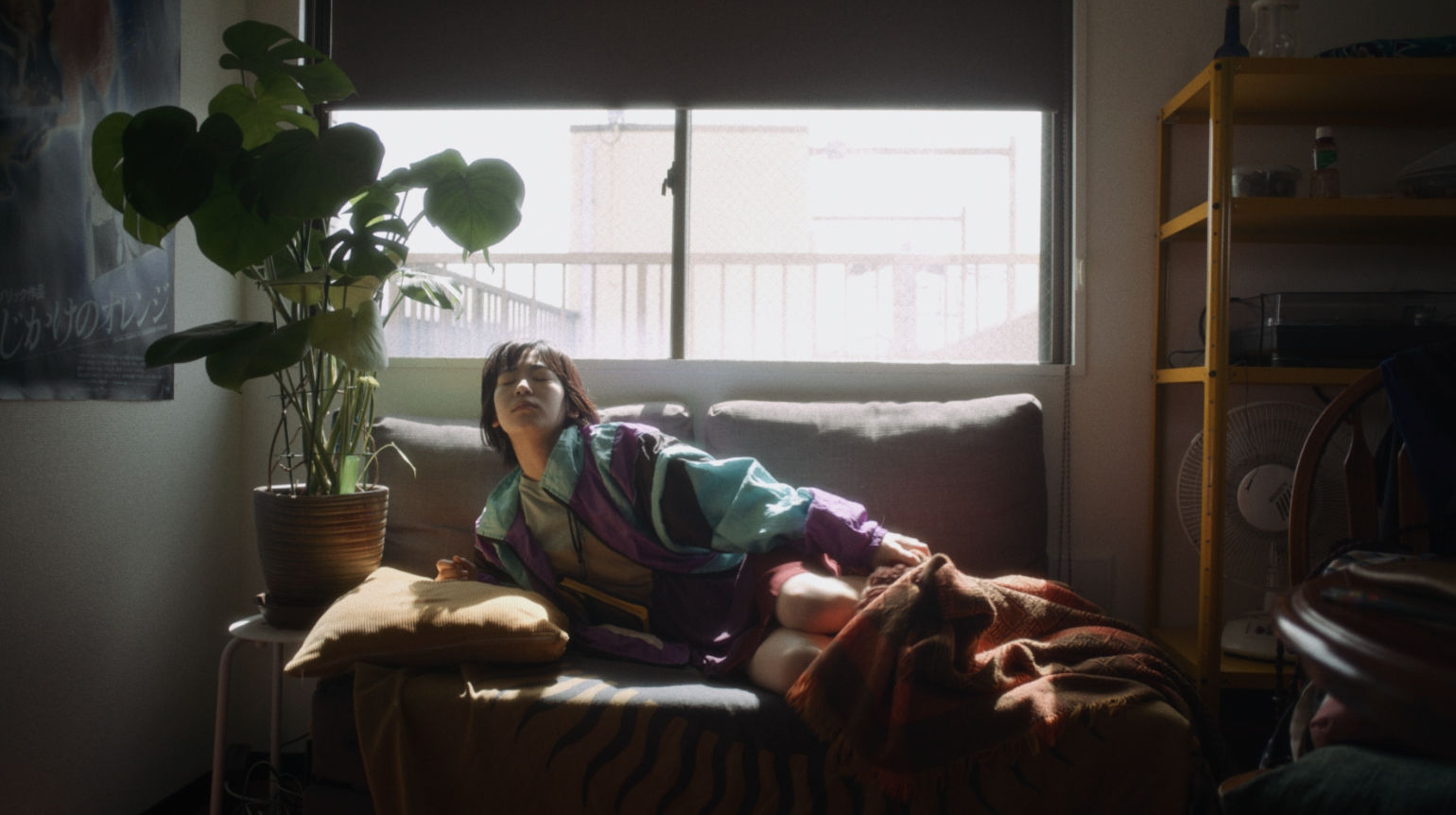
A disconnected young woman begins to rediscover herself while caring for her ageing grandmother who is largely bedridden and has advanced dementia in Ikunosuke Okazaki’s lighthearted indie drama, Wash Away (うぉっしゅ, Wash). In a sense, the heroine is attempting to wash away loneliness but is ironically unable to scrub away her own while filled with a sense of shame and aimlessness in the city working at a soapland and dreaming of a career in real estate.

Soaplands are are legalised form of sex work in which generally male customers can pay pretty young women to give them a wash. Kana has been working at one for some time under the shop name Koyuki and has made a nice life for herself with a swanky apartment but has avoided returning to visit her family and has led them to believe she’s an estate agent. Despite having a maid visit three times a week, her flat is strewn with rubbish and empty fast food containers which hint at her inability to look after herself along with a sense of internalised shame. She looks to her housekeeper, Mrs Natori, as a kind of surrogate mother and is forever giving her expensive gifts and inviting her to stay for dinner in an attempt to circumvent the loneliness she feels in the false connections of her work in which the customers either become over invested in her Koyuki persona or completely forget her once the appointment is over.

As Mrs Natori later points out, it was Kana herself who had largely forgotten about her grandmother Kie whom she had not seen in at least eight years. When her mother, Sanae, has to be hospitalised for a hip operation she asks Kana to watch Kie during the day to which she reluctantly agrees. Despite not having had any recent contact with her, Kana is still disappointed when Kie cheerfully introduces herself on her arrival as if they were complete strangers meeting for the first time, something she continues to do each day that Kana arrives at the house. The irony is that part of Kana’s job is to wash her grandmother in the same way as she washes customers at the soapload though she encounters the same kind of frustrated connection unable to get through to Kie who is lost in time and often incredibly anxious that she’s late for some kind of event where everyone is waiting for her. 

Though she approaches the responsibility seriously, the truth is that Kana is fed up after the first few setbacks and decides to subcontract her care responsibilities by outsourcing to a professional carer telling herself that her grandmother would probably prefer that anyway. Her friend Sumire seems disappointed in her, remarking that perhaps Kie is in a way lucky to get to experience so many things for the first time again and meet the world with a sense of childish wonder such as in her fascination with colourful plastic balls. In an odd way, caring for her grandmother encourages to Kana to start caring for herself, gaining the confidence to speak honestly with someone she assumes won’t remember anything she says but reassured by Kie’s surprising outburst that work is work and she’s no need to feel ashamed of herself if she approaches it with pride whatever her occupation might be. 

This simple act of interest begins to reawaken something in both of them, Kie’s memory and energy seeming to improve in the light of Kana’s determination that she won’t be forgotten much as she hopes she won’t be either in a constant search for connection. Though she may have thought her grandmother had forgotten her, that she was in a sense invisible and faceless to the customers who bought her services, Kana washes away her misconceptions and learns to see herself again in repurposing her work as an act of care. Okazaki lends the world around her an off kilter quirkiness that is at odds with the despair Kana feels and while never shying away from the difficulties of caring for someone with advanced dementia allows the two women to recover both something of themselves and each other through the simple act of reconnection.


Wash Away screened as part of this year’s Osaka Asian Film Festival.

Original trailer (no subtitles)