River of Salvation (一江春水, Gao Qisheng, 2020)

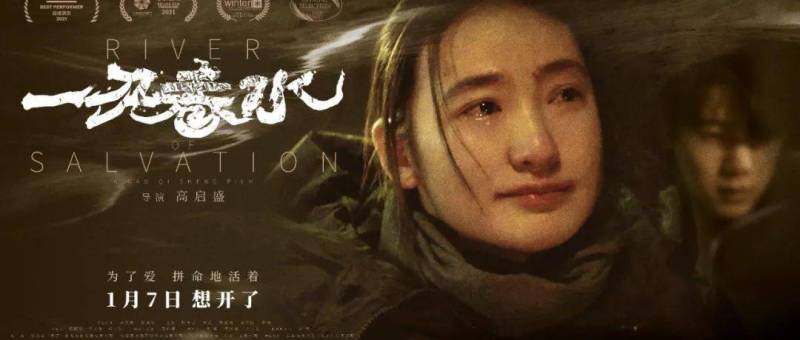
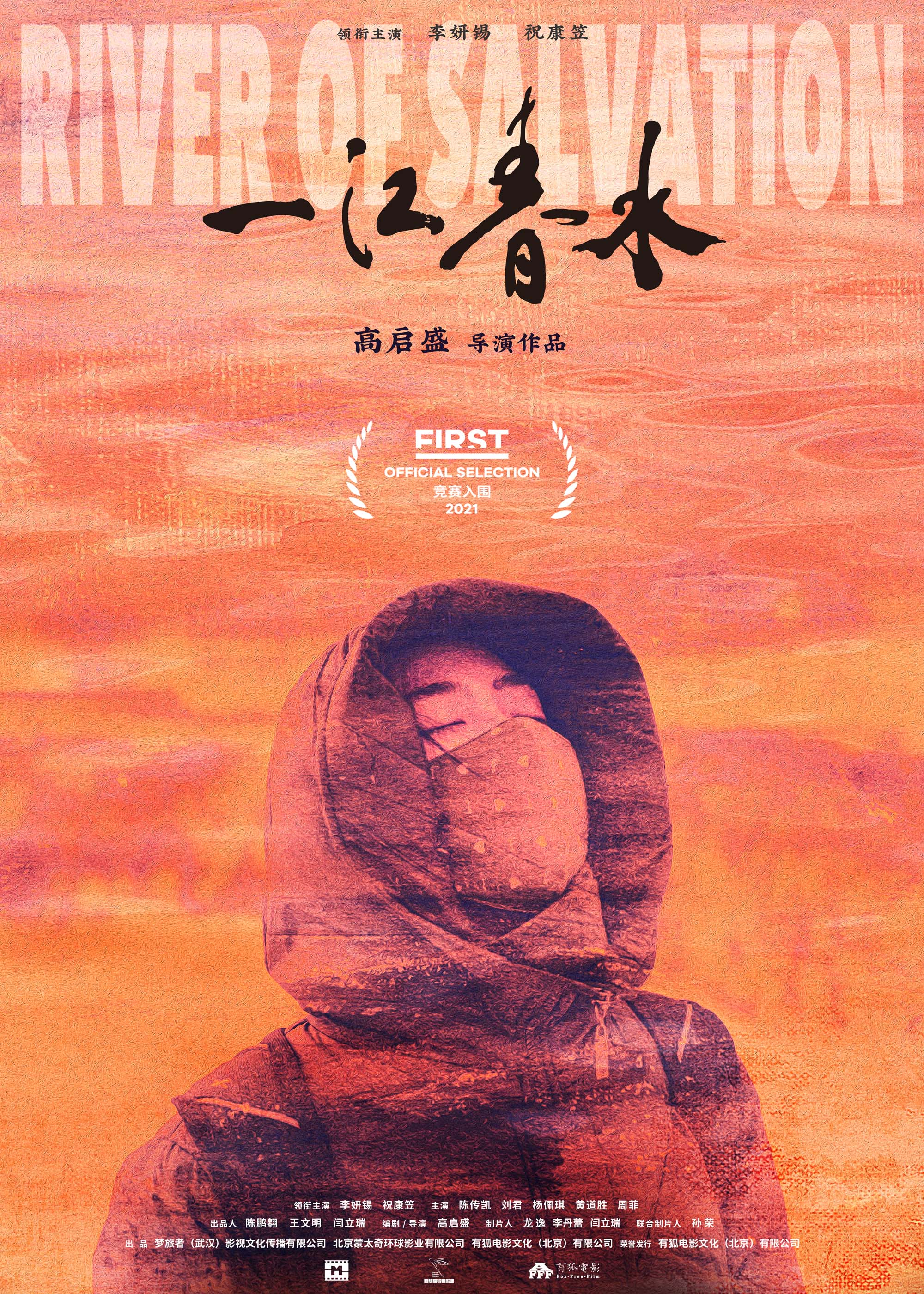
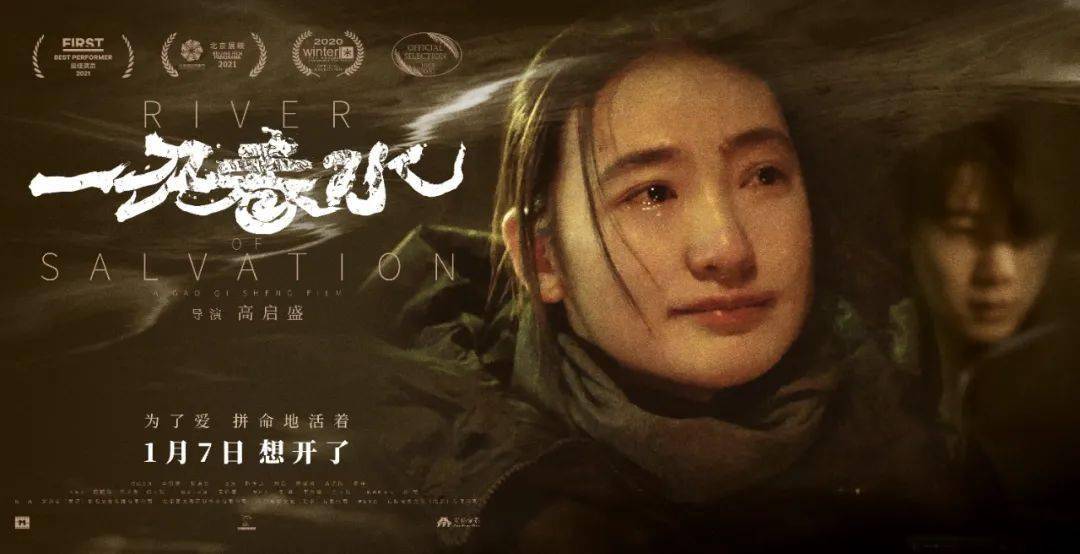
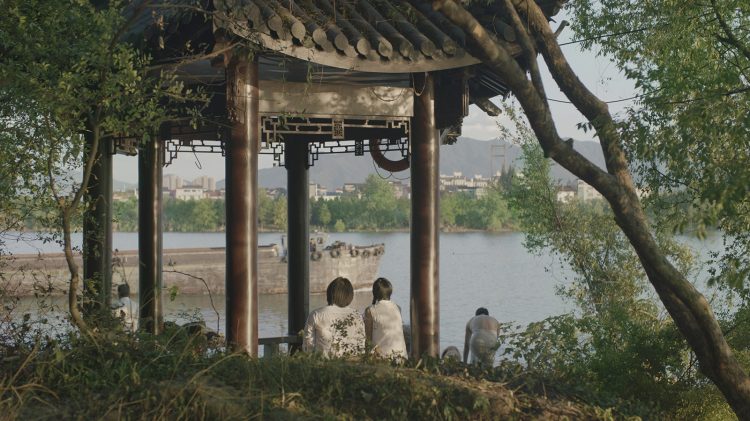
“But life’s supposed to be good, isn’t it?” the heroine of Gao Qisheng’s indie drama River of Salvation (一江春水, yī jiāng chūn shuǐ) asks an old lady who has just explained that she’s considered taking her own life because of its inescapable misery. The film’s title may in its way be ironic in that there’s no real sign of salvation for anyone in this quiet backwater of rural China where as we discover no one is quite who they say they are. 

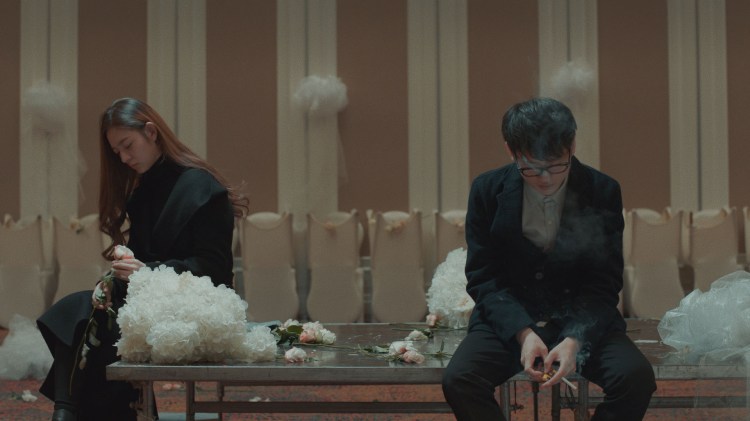
The hopelessness of 32-year-old Rong’s (Li Yanxi) existence is emphasised in the opening scenes in which she gets dressed up and heads to the port to pick up her fiancé’s mother only to be told that she won’t consent to the marriage partly because her intended’s first wife was a refined, elegant woman of much higher status while her son, Sanqiang (Chen Chuankai), is rough and boorish. Rong walks home feeling humiliated but also as if a last shot at happiness has been taken away from her. Sanqiang is also her boss at the moribund massage parlour (seemingly legitimate and offering only foot massages) where she works which is itself in the midst of financial difficulty. Meanwhile, she’s also the sole carer for her 18-year-old younger brother, Dong (Zhu Kangli), who spends most of his time playing video games and hanging out with his delinquent girlfriend, Jing (Yang Peiqi). 

As dull as her life seems, we can also see that Rong has a degree of anxiety and may be attempting to hide something about her past. She seems unusually cagey when her friend and workplace colleague Jinhua (Liu Jun) tries to invite her to a recently opened dumpling shop while almost always wearing a face mask claiming to be allergic to UV light. When the police are called due to a workplace altercation, she finds herself hiding in the basement obviously not wishing to encounter them. Yet as she discovers pretty much everyone in this small backwater town is hiding something or as Jinhua puts it is different on the inside. The guy on the front desk (Xi Kang) has been embezzling money to cover a gambling problem while even the lovely old lady (Huang Daosheng) with whom Rong bonds has not been entirely honest with her even while selling dreams of a better life. 

The central crisis is itself motivated by dishonesty in Jing’s claim that she is pregnant, later (perhaps falsely) stating that she made the whole thing up in order to test Dong shortly after reciting her own tearful monologue about the kind of life she wants but fears she can never have. The relationship between Jing and Dong encourages Rong to reflect on her own adolescence which contains more than a few troubling elements the film never sufficiently explores even while it becomes clear that she is haunted by guilt over something which is later revealed to be a triviality. People ask her if she hasn’t thought of moving on, but she tells them that she doesn’t know how to do anything else essentially trapped in dead end small-town China where the only hope of escape seemingly lies in marrying a man with means. 

Making up her mind, Rong begins teaching Dong how to be independent in the light of her impending absence while he too steps into adulthood in finding his own direction and striking out in search of it. Having faced her past, Rong quite literally burns her mask perhaps hinting at a return to a more authentic self yet pushed into a strategic retreat released from the purgatorial limbo of her small-town life but left with no place to go. Shot in 4:3, Gao’s static camera lends an additional air of stagnation to Rong’s otherwise stultifying existence which is not itself unhappy except in its concurrent anxiety and pervasive sense of hopelessness. There may be no river of salvation, but Rong does at least begin to unpick the duplicities of the world around her in unmasking the various personas she encounters while digging out their hidden truths until finally deciding to face her own and gaining with it a kind of liberation if not perhaps one which engenders a great deal of hope for the future. 


River of Salvation screens in London at Picturehouse Finsbury Park, 17th May as part of Odyssey: a Chinese Cinema Season.

Original trailer (Simplified Chinese / English subtitles)

Lan Yu (蓝宇, Stanley Kwan, 2001)

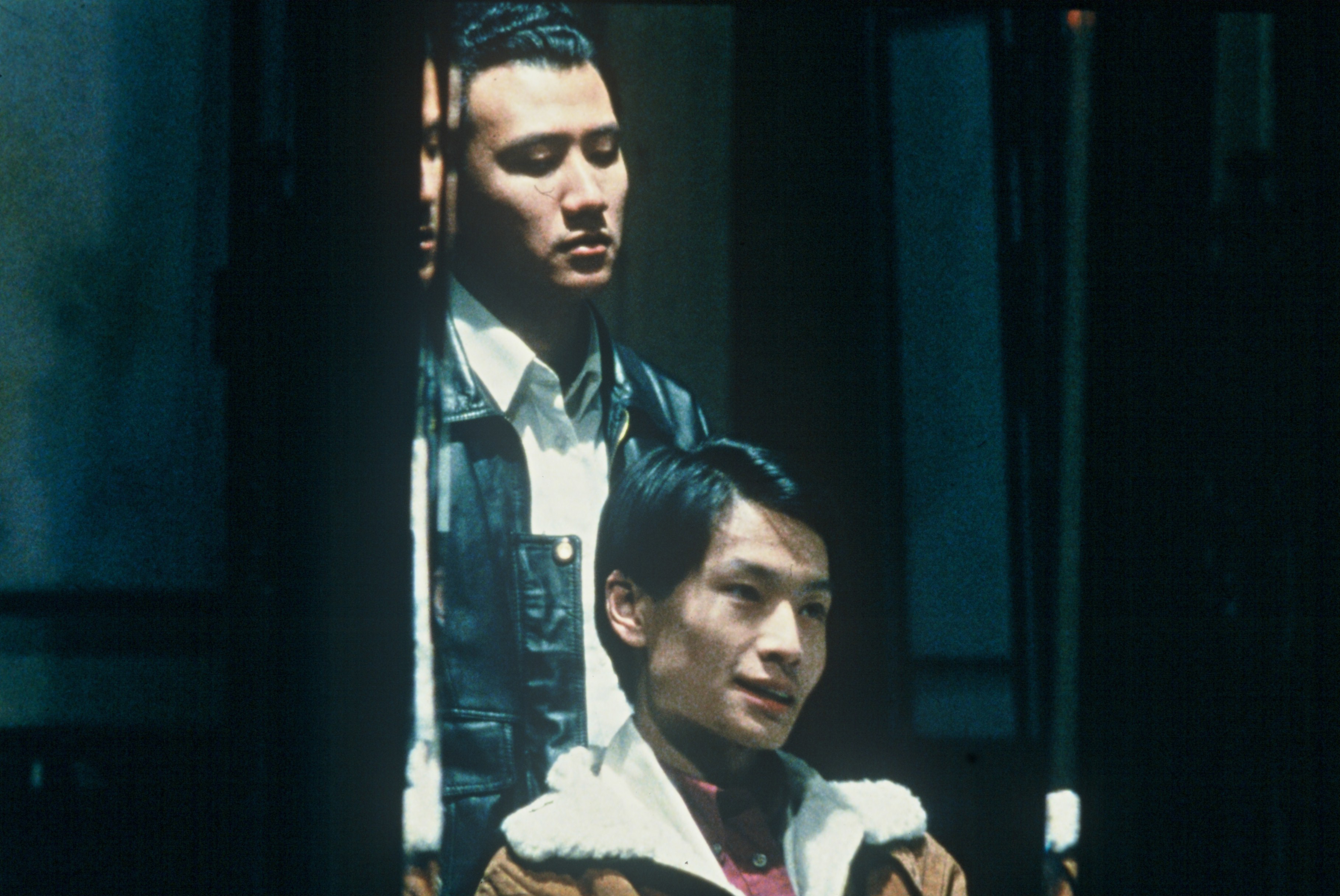
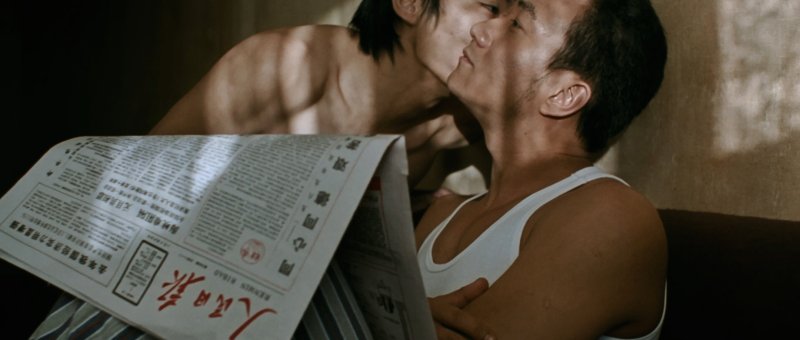
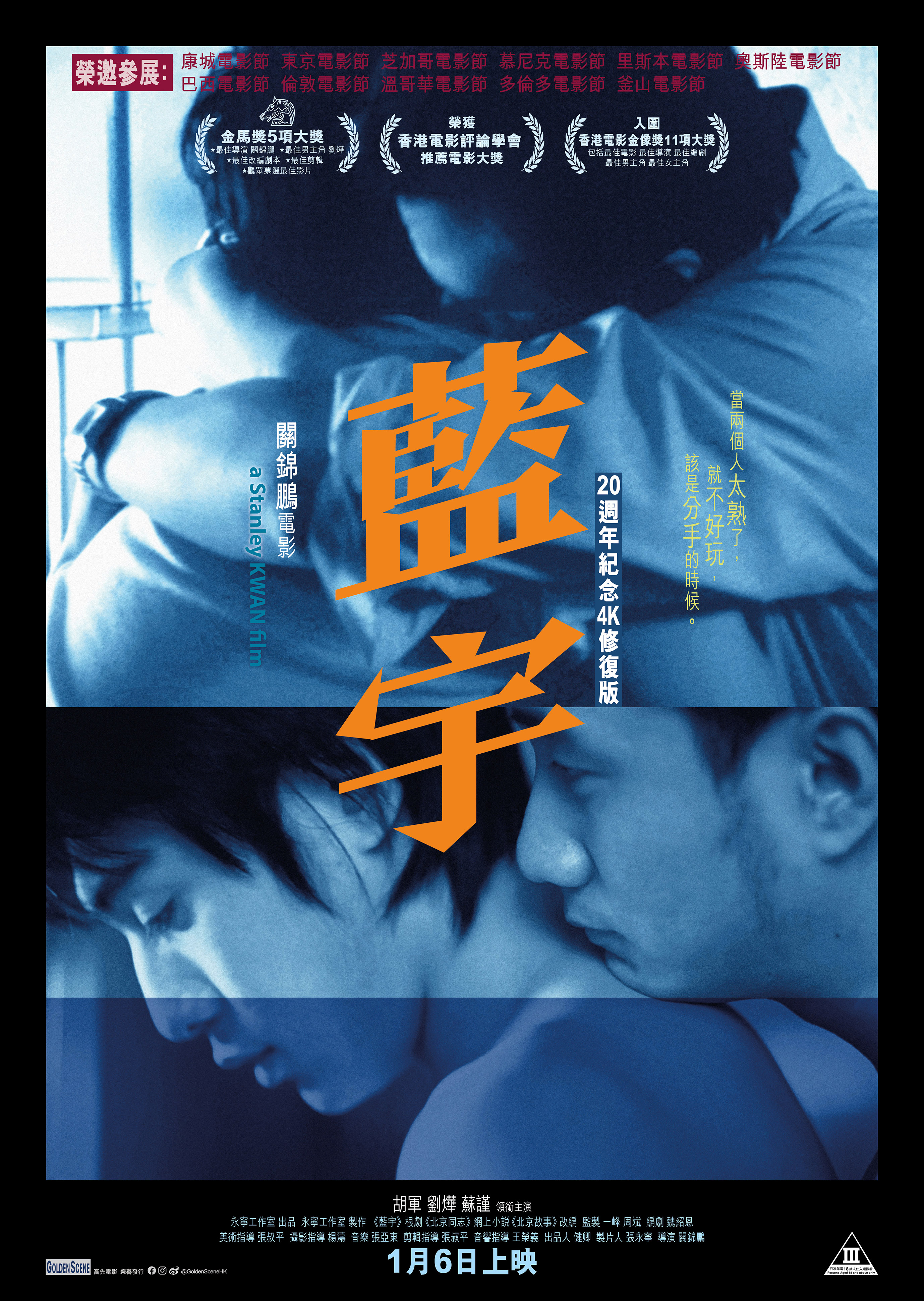
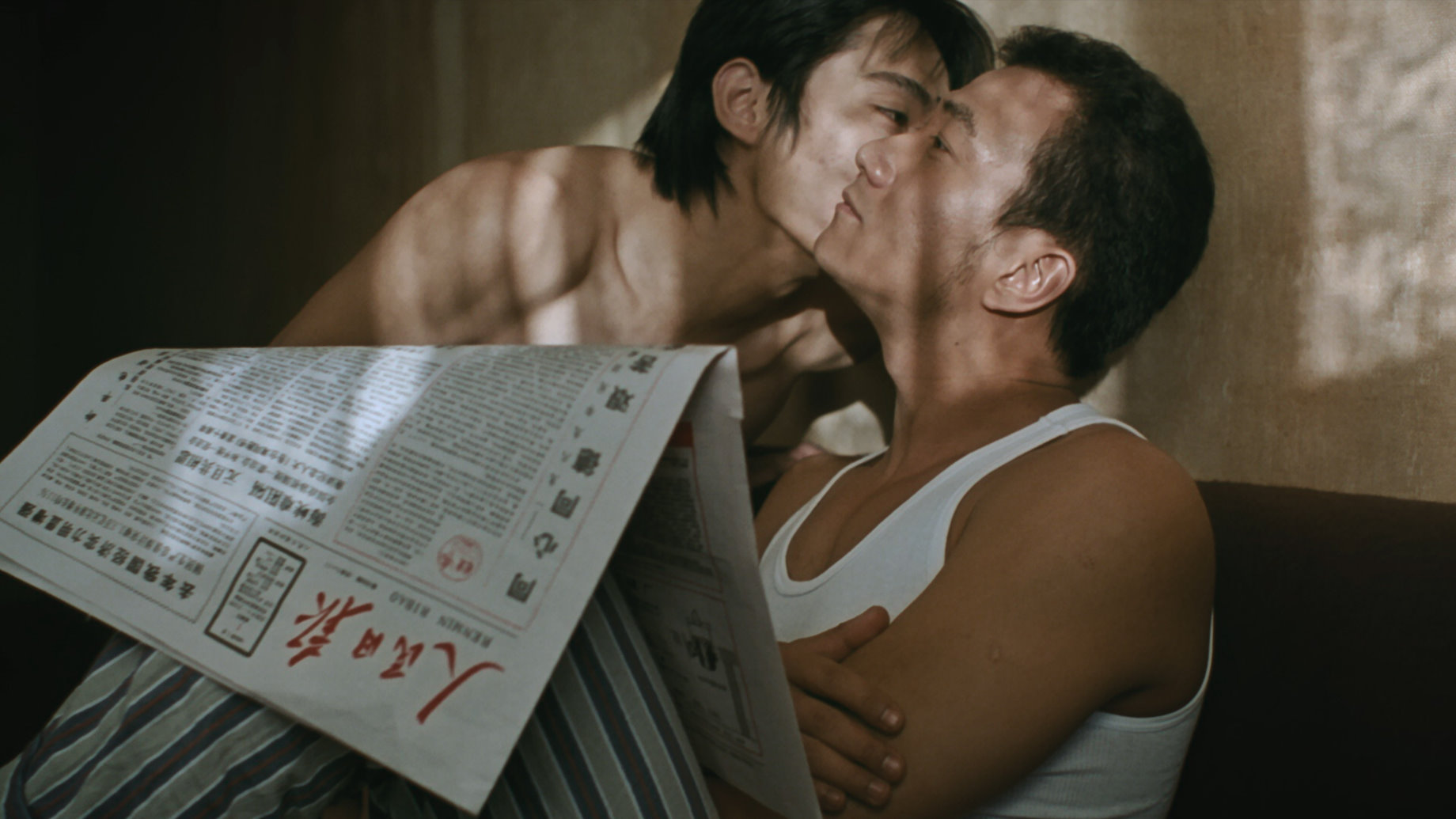
“It’s not really over as long as there are memories” the cynical hero of Stanley Kwan’s haunting romantic tragedy, Lan Yu (蓝宇, Lán Yǔ), is reminded by his earnest lover only to find himself both immersed in and comforted by nostalgia, “because I feel you never really left”. Inspired by a subversive yet hugely popular erotic LGBTQ+ web novel thought to have been written by a Chinese woman in exile in the US Kwan’s aching melodrama is one of very few Mainland films to deal directly with the subject of homosexuality but is also a melancholy meditation of the frustrated liberations of post-Tiananmen China. 

In 1988, hero Handong (Hu Jun) is perhaps the personification of an age of excess. In a sharp suit and sunshades, he plays the ladies man while repressing his homosexuality in an act of superficial conformity. His money can buy him anything, and to begin with it buys him Lan Yu (Liu Ye) a cash-strapped architecture student turning to sex work to make ends meet, only to discover himself drawn to this “weird” young man who doesn’t really care about his consumerist success save asking with a melancholy air if he’s ever been to America. As we later discover, Lan Yu had wanted to study abroad but travel was not such an easy matter in late ‘80s China while even some years later he has trouble organising a passport and visa. Handong as a wealthy businessman may have no such trouble, perhaps his money really can buy him anything after all even a superficial sense of liberty in what is still an oppressive and authoritarian society. 

For Handong, sex with men may be a way of expressing a freedom he does not really believe he has endangering his relationship with Lan Yu by picking up another random student in a park while reminding him that “this kind of stuff isn’t serious”. “So what is serious for you?” Lan Yu not unreasonably asks, but it may be a difficult question for Handong to answer. What’s serious for Lan Yu is the authenticity of his feelings. He is uninterested in Handong’s wealth, saving the money that he gives him rather than spending it, ironically making good on Handong’s joking suggestion “maybe you’ll bail me out if I’m broke one day”. 

In the pivotal sequence set against the backdrop of the Tiananmen Square protest, it is nevertheless Handong who finds a kind of liberty in accepting the reality of his feelings for Lan Yu overcoming his internal conditioning which convinces him that love is a weakness. Meanwhile, Lan Yu’s revolution evidently fails in the chaos of the protests, Handong cradling him as he weeps for all he’s seen. It’s this liberation that allows them to engage in a conventional romance, Handong buying a suburban villa he puts in Lan Yu’s name where they can live together as a couple albeit discreetly. But in the end Handong cannot let go of a sense of conventionality, eventually sacrificing his love for Lan Yu for a traditional marriage which later fails presumably because of its essential inauthenticity or at least Handong’s inability to accommodate himself with it. 

Torn in two, he makes his money through dodgy deals with Russian businessmen themselves perhaps also experiencing a degree of political confusion. They turn down Handong’s invitation for champagne hinting they’d rather go shopping for their wives. Yet Handong also aspires towards Japan, then at the height of its economic success, buying fancy clothes for country boy Lan Yu which lend him the air of a sophisticated Tokyoite. But Japan like China and Russia is also about to experience a moment of instability quite literally bursting Handong’s bubble while he is left to carry the can for his company’s not entirely above board business practices after his influential father dies. Saved by Lan Yu’s unwavering love for him, he abandons his consumerist conceits and immerses himself a world of simple comforts living in his small flat which is, ironically enough, rented at a preferential rate from Lan Yu’s Japanese boss. 

Through his various experiences, Handong rediscovers a sense of pure joy and contentment in his newly simple life of domesticity in which his relationship with Lan Yu appears to be accepted by his sister, brother-in-law, and best friend, but Kwan hints at sense of uncertainty in the anxious canted angles and frequent mirror shots that return us to the opening sequence. The men have in a sense exchanged roles, Lan Yu now guiding Handong in this changing society. Yet the bleakness of the ending suggests that these changes will never come to fruition, a literal construction accident resulting in a romantic tragedy that leaves Handong both trapped and comforted by the nostalgic past in the memory of Lan Yu and the idea of the better society he came to embody. 


Lan Yu screens in London at Prince Charles Cinema 12th May as part of Odyssey: a Chinese Cinema Season.

Trailer (English subtitles)

Hard Love (“炼”爱, Tracy Dong, 2021)

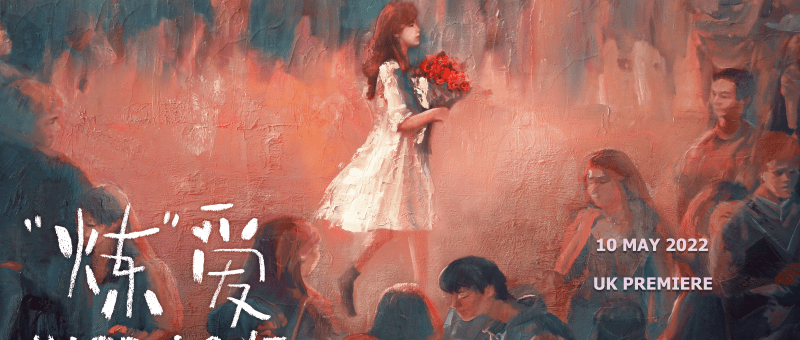
China’s rapid transformations throughout the 20th century have created perhaps not one but many generational divides. Even so the largest fracture point between the older generation and their offspring may be in their contradictory views of the institution of marriage. In a society where women are notoriously “Christmas caked” at 25, Tracy Dong’s Hard Love (“炼”爱, liàn ài) follows a series of women mainly in their 30s who are for various reasons currently attached. Though none of the women have entirely rejected the idea of marriage and or the traditional family it’s also true that they have different motivations, desires, and requirements than their mothers or grandmothers may have had. 

Indeed, in contrast with other nations where women are often invited to mixers and speed dating evenings for free because fewer attend, the organiser of an event at the film’s beginning laments that he can never find enough men. Some voices in the older generation wonder if men have simply lost interest in dating because there are of course so many other things to do in the contemporary society besides of course from the pressures of work. Others suggest that some women put too much pressure on their men to provide comfortable lives, though many of them also cite the changing nature of gender roles as a possible explanation suggesting that men feel emasculated and unnecessary in a world of independent women. 

Each of the women we see has achieved a degree of success and is in no need of a man to be able to support themselves in the modern society. In the film’s opening sequence, the camera pans over a series of banners at a marriage market in a park advertising older women looking for love many of whom already own property and have impressive careers. Meanwhile, their criteria for potential matches has also risen, many listing a minimum height requirement, educational background, or degree of professional attainment. They don’t call it a marriage market for nothing, many modern women seem to be approaching looking for a husband in the same way one would look for a house or job working off a checklist with a series of red lines on which they are unwilling to compromise. Perhaps you could see this as a kind of commodification and evidence of the victory of consumerism in the modern China, yet on the other hand perhaps it’s more that these women know what they want and that they deserve more whereas their mothers have been convinced that they should be grateful for whatever they can get. 

Meanwhile, as a man points out, the men around their age are mostly looking for younger women in part for practical reasons because they intend to start a family soon after marrying. Few are willing to consider a woman who has been married before or already has children, many still possessing a chauvinistic mindset threatened by a successful woman’s independence. One woman, Yue, recounts that her boyfriend’s mother took against her thinking that the apartment she shared with her son was too big and therefore an unfair burden on him even though Yue herself was shouldering the majority of the rent a factor which also seems to have eaten away at their relationship. Later she begins to date a sympathetic man who seems nice and says all the right things but still flirts with another woman while they’re out together. 

The implicit conclusion that each of the women seems to come to, though mostly by accident, is that they have other things in their lives more important to them than finding a husband. Career woman Maggie is taken to task by a friend who implies she’s unfeminine in being too “rational”, but reveals that the only experience she’s had that conforms to his description of love is when she was working for Uber. On a recent date on a yacht she thought she was falling in love but soon realised that what she liked wasn’t the guy but sailing. Another woman meanwhile describes Hello Kitty as the love of her life, while former actress Tao dedicates herself to caring for her daughter but contradictorily considers hiring an actor to play the father so she won’t feel left out. While the men especially in the older generation may have become a little romantic and sentimental, retreating from a consumerist trend in appealing to emotion, the women have begun to realise that marriage isn’t the be all and end all. Open to the possibility, they see no need to wait or settle for less but will continue living their lives whether Mr. Right decides to make an appearance or not. 


Hard Love screens in London at Picturehouse Fulham and in Edinburgh at Picturehouse Cameo on 10th May as part of Odyssey: a Chinese Cinema Season.

Odyssey: a Chinese Cinema Season Announces 2022 Programme

Odyssey: a Chinese Cinema Season launches in the UK on 10th May in a hybrid format with the majority of films available to stream online via the festival’s streaming platform while three films will also screen in cinemas including the opening night which takes place simultaneously in London and Edinburgh. A series of short films will be available to stream throughout the festival, while feature strands will rotate weekly until the festival closes on June 10. Features included in this year’s programme:

In-person screenings

Hard Love (2021)

10th May 7.30pm

London Venue: Picturehouse Fulham, 142 Fulham Rd., London SW10 9QR

Edinburgh Venue: Picturehouse Cameo, 38 Home St, Edinburgh EH3 9LZ

Tracy Dong’s observational documentary follows a series of single women in their 30s each of whom continue to chase a conventional marriage exploring what it is marriage means to them in the contemporary society and if in the end it’s something they want or need.

Lan Yu

12th May, 6.30pm

The Prince Charles Cinema, ​​7 Leicester Pl, London WC2H 7BY

Recent restoration of Stanley Kwan’s Mainland drama in which a businessman, Han-dong, falls in love with college student Lan Yu against the backdrop of the Tiananmen Square protests.

River of Salvation

17th May, 7.30pm

Picturehouse Finsbury Park, Unit 1 Cinema LS, 17 City N Pl, London N4 3FU

When the younger brother she had been taking caring of comes of age, a young woman returns to her hometown and confesses to a murder in Gao Qisheng’s crime drama.

Online

12 – 19th May: The Emerging Waves

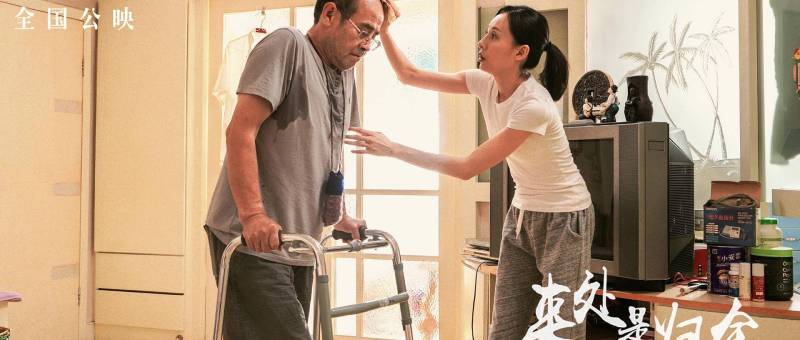
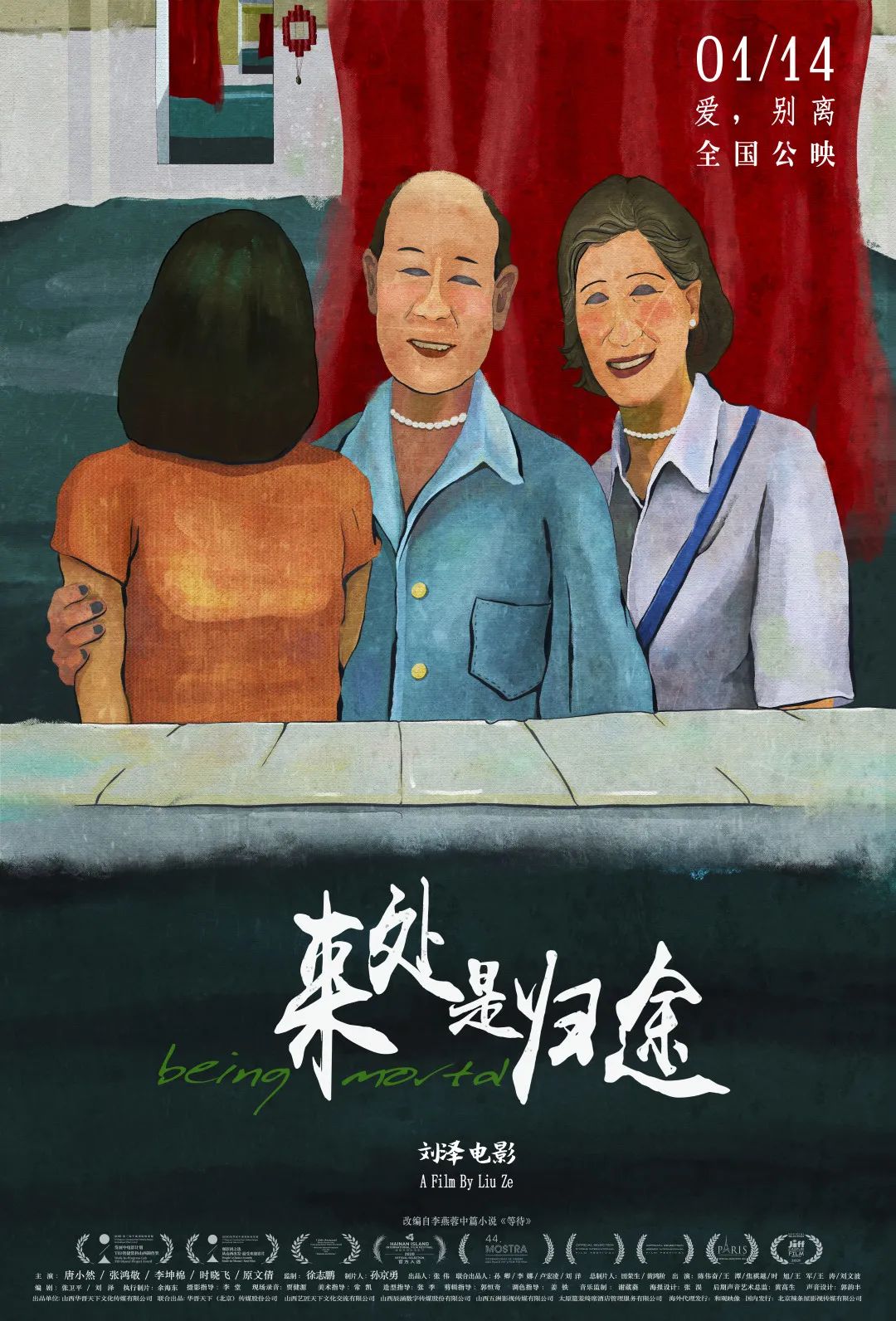
  • Being Mortal – drama in which a young woman gets a job transfer to her hometown in order to look after her father who has been living with Alzheimer’s for the last 10 years.
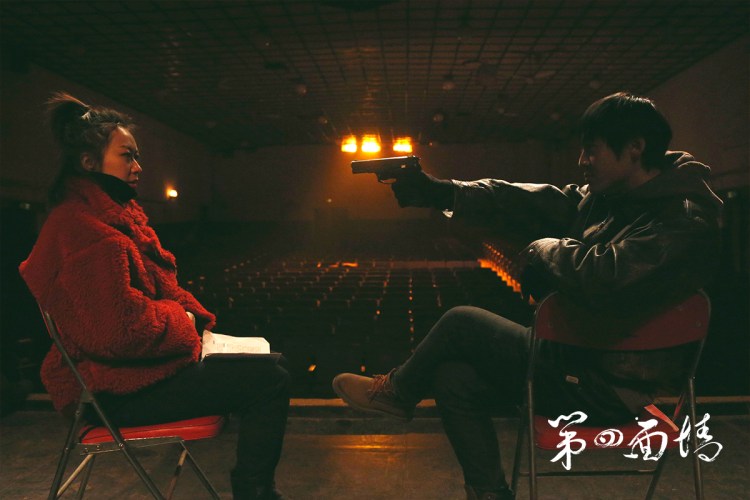
  • The Fourth Wall – a wounded young woman finds herself falling through a hole in her consciousness in pursuit of a lost deer and childhood friend in Zhang Chong and Zhang Bo’s twisty psychological drama. Review.
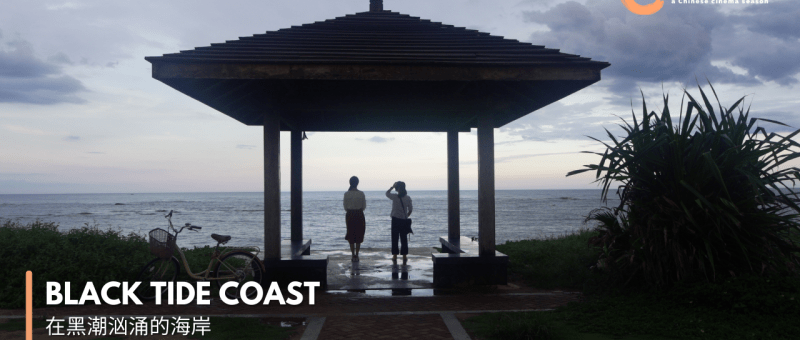
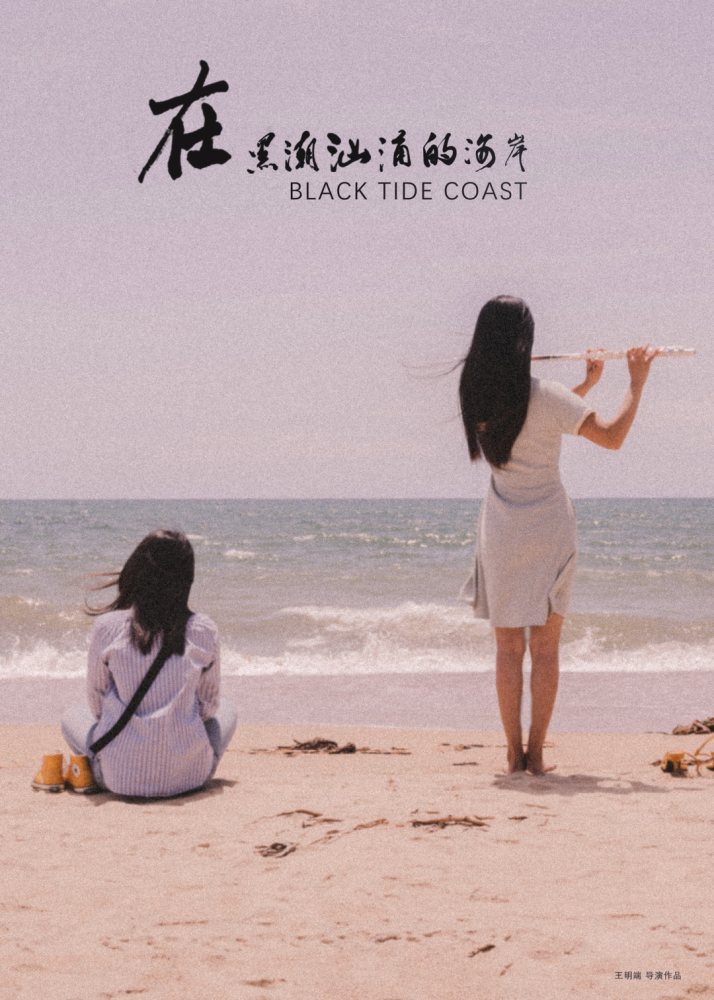
  • Black Tide Coast – poetic drama in which a woman continues to pine for a missing friend.
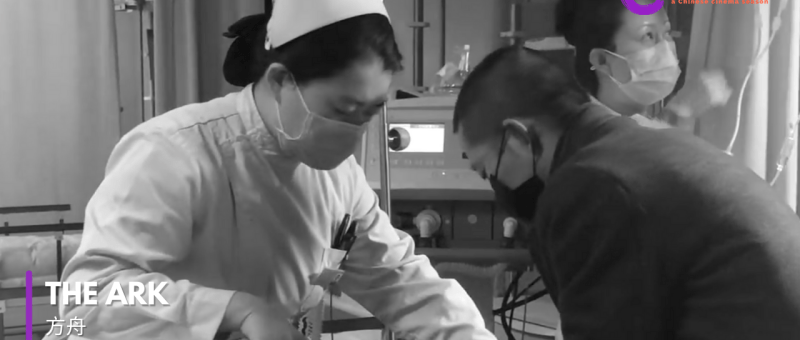
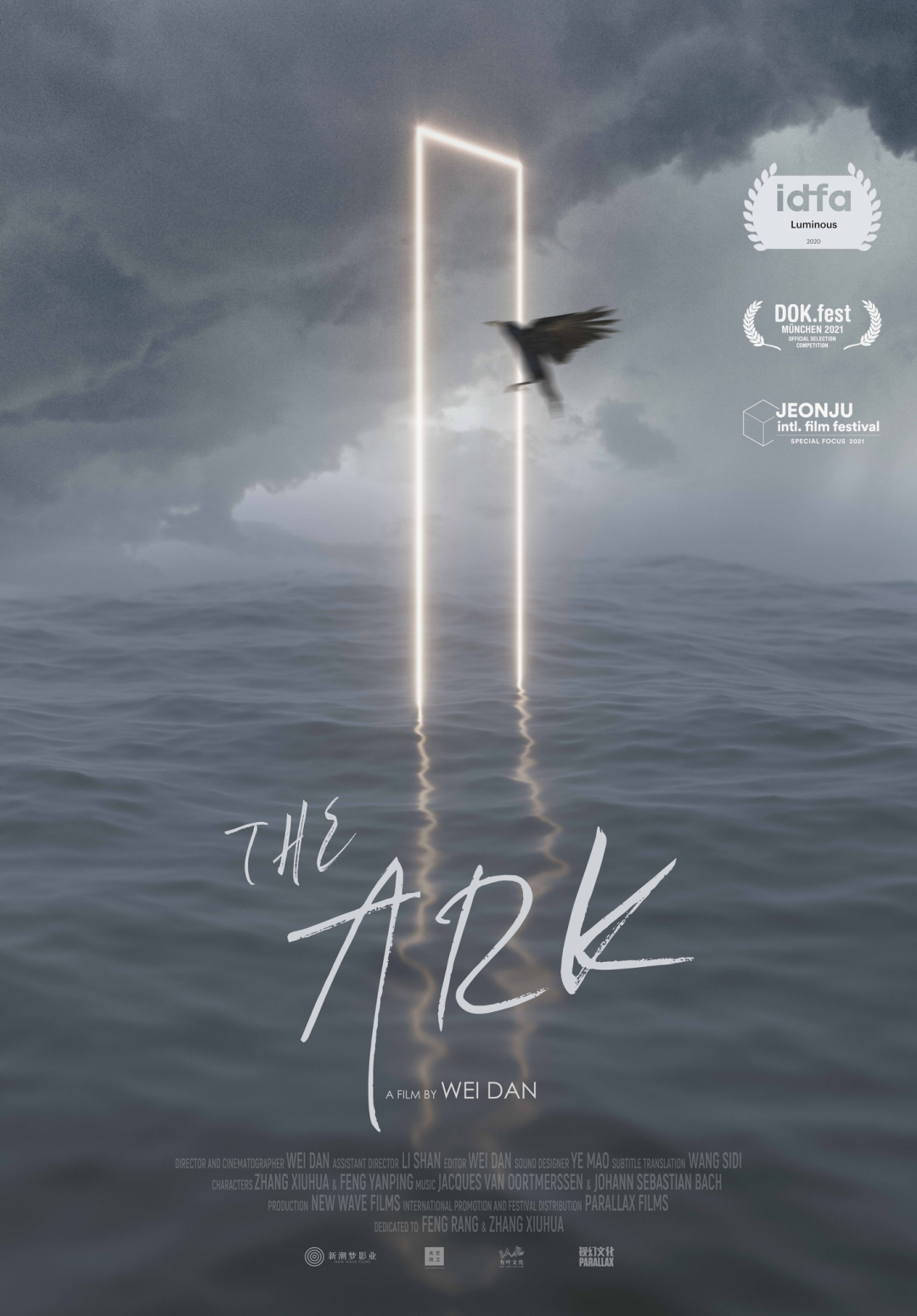
  • The Ark – documentary following a woman who becomes seriously ill with a non-COVID medical problem during the coronavirus pandemic.

27th May – 2nd June: Women Through the Lens

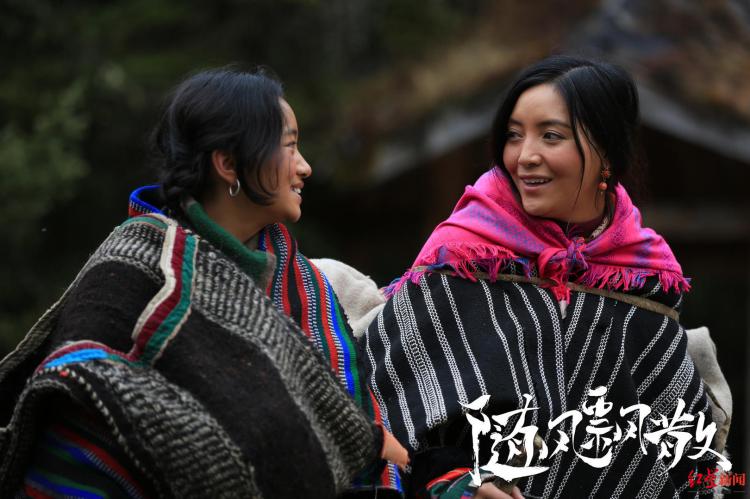
  • Wind – Tibetan drama in which a young woman is shunned for her illegitimate birth but decides to challenge tradition.
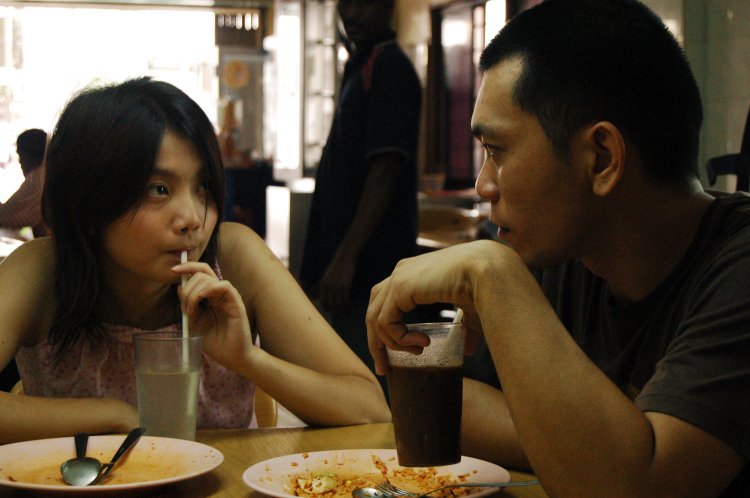
  • Love Conquers All – Malaysian drama from Tan Chui Mui in which a young woman from Penang embarks on a dangerous relationship after travelling to Kuala Lumpur.
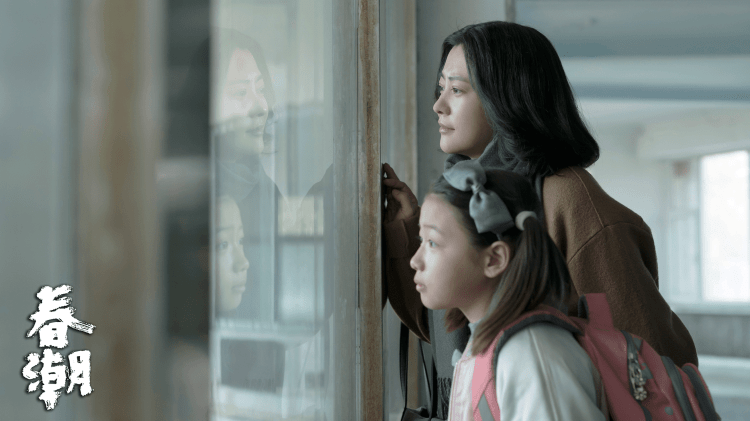
  • Spring Tide – an alienated investigative journalist struggles to free herself and her 9-year old daughter from the legacy of toxic parenting both personal and national in Yang Lina’s powerful family drama. Review.
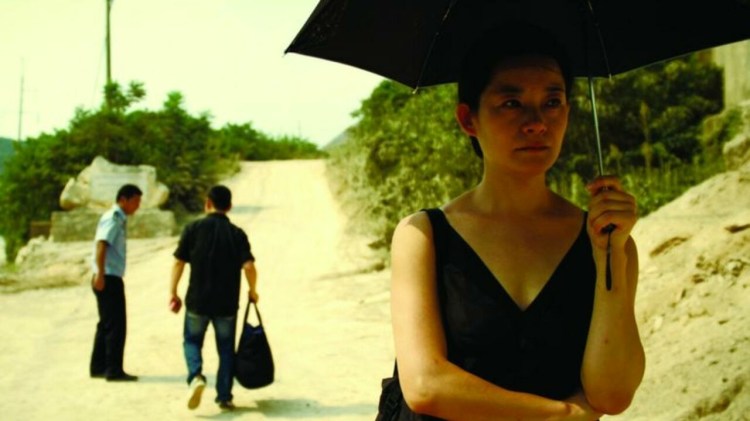
  • One Summer – a wife investigates after her her husband is suddenly arrested.
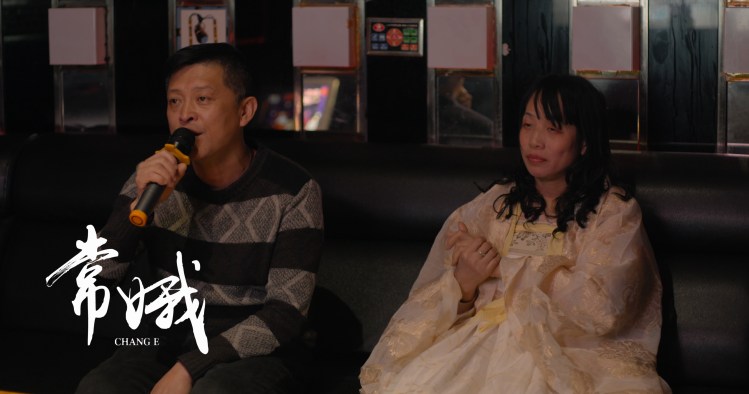
  • Chang’E – romantic drama in which a 55-year-old machine operator falls for a man who arranges “Zaku” death ceremonies.
  • Only You Alone – a young woman with epilepsy strives to achive her dreams of becoming a dancer.
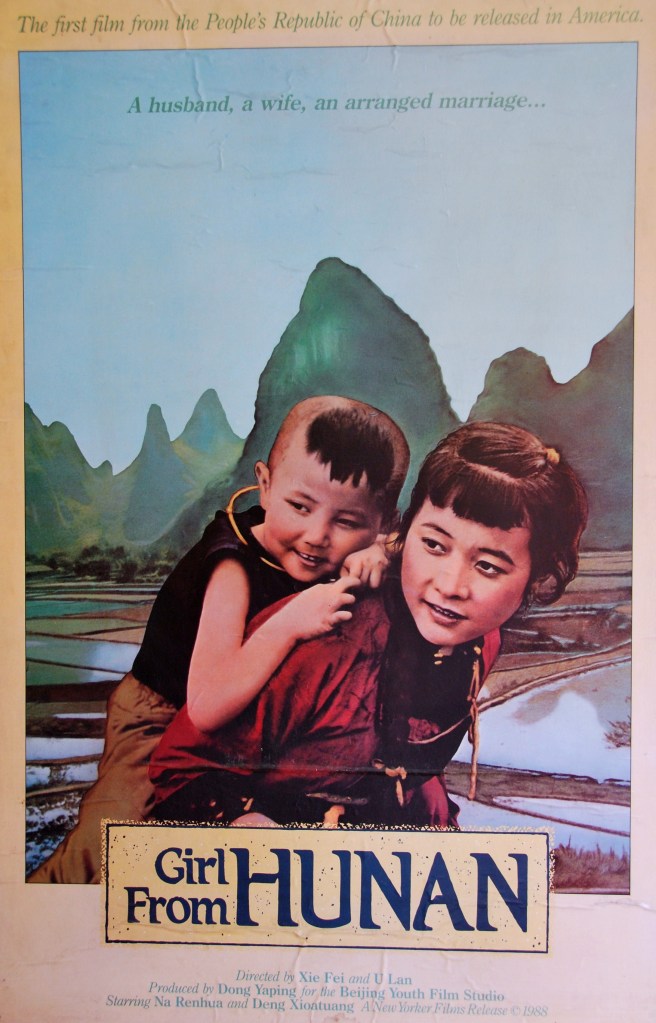
  • Girl from Hunan – Co-directed by U Lan and Xie Fei, A Girl From Hunan follows the fortunes of Xiao Xiao as she is married off at 12 years old to a boy who is only an infant and finds herself more mother than wife only to later fall for a handsome farm hand.

3rd to 19th June: Chinese Regional Cinema

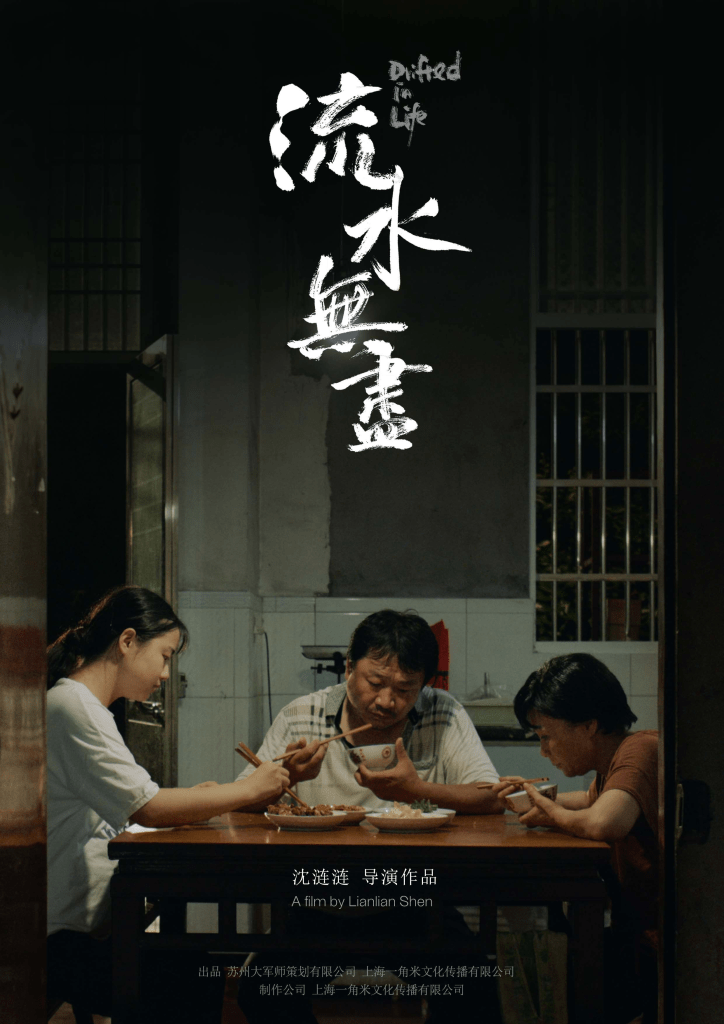
  • Drifted in Life – family members are forced to confront themselves after grandpa has an accident.
  • Dwelling in the Fuchun Mountains – slow cinema drama following four brothers living in the tranquil Fuyang countryside.
  • Wisdom Tooth – A young woman’s pain and confusion with the world around her is manifested as a dull ache in her jaw in Liang Ming’s icy coming-of-age drama. Review.
  • Great Happiness – ensemble drama following three childhood friends who grew up under the One Child Policy.

Odyssey: a Chinese Cinema runs 10th May to 10th June online in the UK via Shift 72 with three in-person screenings taking place in London and Edinburgh. Tickets for the in-person screenings are already available via their respective venues. Passes for the online festival will be available shortly while rentals individual films are already available for purchase. Full details for all the films are available via the streaming platform, and you can keep up with all the latest news by following the festival on Instagram and Twitter.

ON STAGE (登場, Zhang Yaoyuan, 2021)

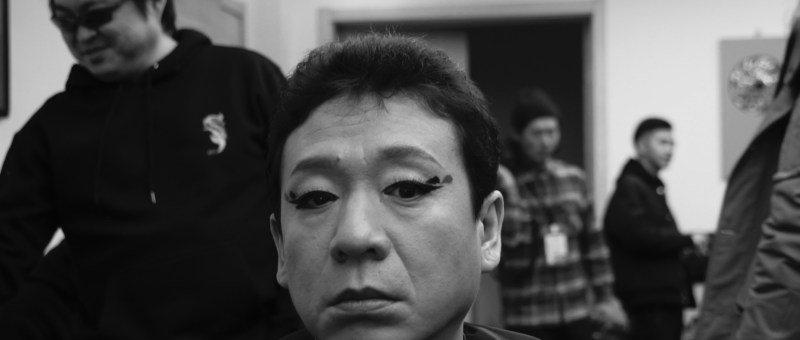
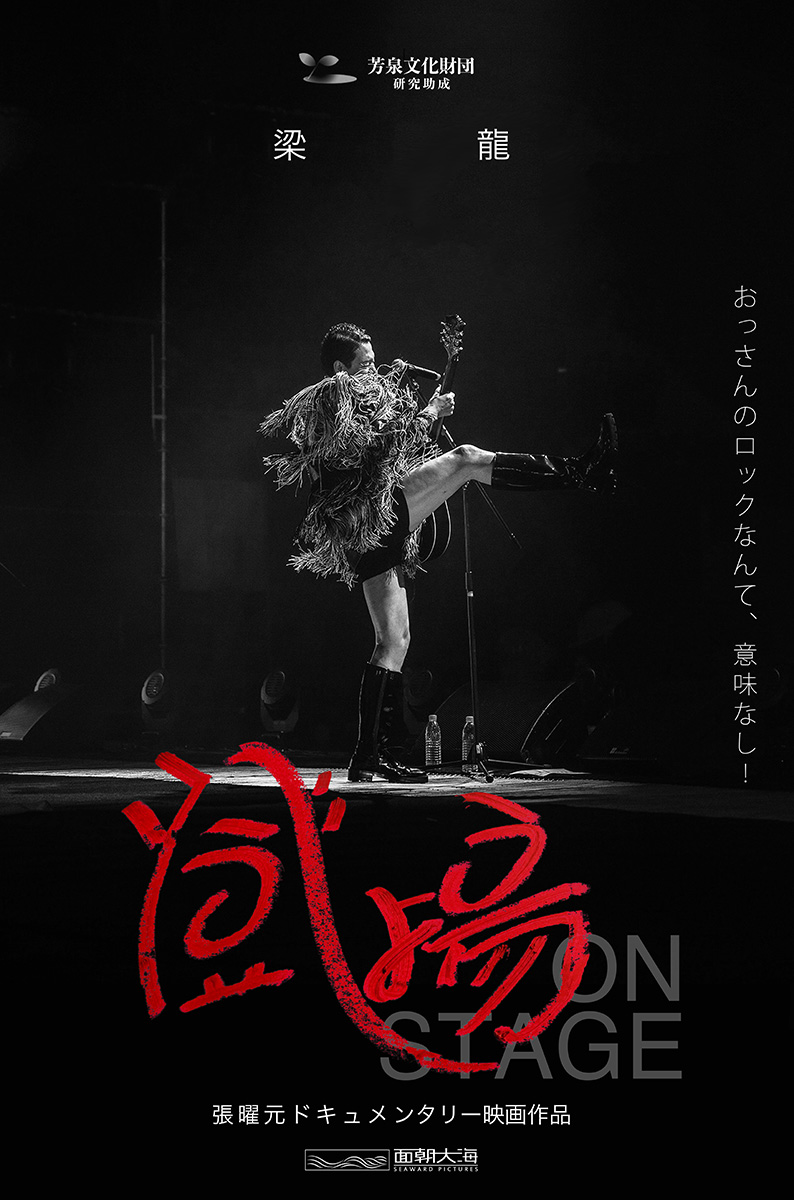
Lead singer of alternative rock band Second Hand Roses, Liang Long has been a sometimes controversial figure previously known for his shaved head and androgynous appearance often appearing onstage in female clothing and heavy makeup. Ironically enough Zhang Yaoyuan’s documentary ON STAGE (登場, Dēngchǎng) captures him mostly off, now with a full head of hair as he prepares for a New Year concert in his home area of Shenyang in the North East while simultaneously shooting a movie later released as No Problem directed by Looking For Lucky’s Jiang Jiachen.  

Zhang also hails from the North East and the area does seem to be important to the film, a banner above the stage at one point bearing the message “Develop the North East” with the film crew also wondering if their film can help do the same only for Liang to correct them that “revive” might be better than “develop” seeing as the area had been prosperous in the past but is now struggling without the oil industry. Meanwhile, he’s joined in the discussion by Wang Hongwei, star of Jia Zhangke’s Xiao Wu which the pair later reference while lamenting the decline of the North East before going on to describe the modern day Hegang as a kind of film city but not in an altogether good way each scandalised that apartments are so cheap it’s more cost effective for film crews to buy rather than rent even if they make a loss when they sell at the end of the shoot. Meanwhile, the gang later go on tour paying a visit to the China–North Korea Friendship Bridge in Dandong with two crew members engaging in separate mini rants about North Korea tricking China into paying more than their fare share by pulling out early. 

In any case, Liang is certainly cineliterate, shooting a Wong Kar-Wai-esque intro video for his upcoming concert set to Quizás, Quizás, Quizás and featuring a woman walking sadly through the streets. Another crew member decides to have another pop at Japanese directors, mystified by their admiration for natural light having sworn off ever working with Shunji Iwai again because he wanted to do things his own way. Doing things his own way is however something that’s very important to Liang as he explains to a caller on a radio show “I must keep my style from inside to outside”. The caller had somewhat impolitely explained that she originally thought his eccentric appearance seemed “nutty” but later came to understand it wondering if it’s something that Liang was doing deliberately only for him to answer that he’s fine with people describing him as crazy because he knows he’s “normal”. “When I’m in an artistic state, everything goes natural. Nothing weird” he adds, implying that his appearance is merely the purest expression of his artistic intent though it’s true enough that others may not always approve of his use of makeup or androgynous dress. Nevertheless, the concerts seem to attract a coterie of diehard fans copying his style often dressing in rose-patterned shirts and dresses with wigs and makeup, Liang later asking a photographer to go out and film them because he says they enjoy being appreciated. 

Liang does indeed seem to be a savvy operator, also interacting with his fans through live streaming which he describes as more difficult than performing onstage though he does seem pretty nervous hanging around in the wings waiting for the intro to finish ahead of his big New Year concert. Meanwhile, he’s frequently seen taking photo ops with fans and family members of the crew, in general pleasant to be around if occasionally impatient never grandstanding or pushing his fame but hanging out with his crew drinking and swapping stories. Even so he’s scathing when asked for recommendations of contemporary bands complaining that there’s “no one worth respecting” because most are artistically stagnant trading on past glory rather than coming up with new ideas. Stagnancy is not perhaps something of which you could accuse him given how incredibly busy he seems to be in just this short period of his life, never really stopping between rehearsing for the New Year show, shooting the movie, and live streaming for his fans. Shot in a crisp black and white, Zhang’s observational documentary frames him a garrulous yet contemplative man perhaps most at home onstage in the most natural state of his pure artistic vision. 


ON STAGE screened as part of Osaka Asian Film Festival 2022

Original trailer (Japanese subtitles only)

After the Rain (两个星球, Fan Jian, 2021)

When the Great Sichuan Earthquake struck in 2008, 69,000 people lost their lives while a catastrophic blow was dealt to local infrastructure. With the One Child Policy then still strictly enforced, parents who had lost children in the disaster were offered government assistance in order to conceive a second child. It might be crass to describe these children as “replacements”, yet in one sense that is what they were intended to be. Jian Fan’s observational documentary After the Rain (两个星球, liǎng gè xīngqiú) follows two such children and their traumatised parents as they try to move on as a family in the wake of tragedy. 

Sheng is still haunted by his inability to rescue his daughter, Rain, from beneath the rubble of her school house. He and his wife Mei have decided to take part in the IVF programme and are hoping for a girl, believing in a sense that they’d be getting their daughter back. IVF doesn’t work out for them, but Mei conceives naturally a few months later and gives birth to a baby boy, Chuan. On what should be an unambiguously happy occasion, the sense of disappointment is palpable, Sheng in particular feeling cheated and resentful to have been denied a reunion with his daughter. Ying and her husband, meanwhile, are also unsuccessful with IVF but are simultaneously struggling to rebuild a relationship with their second daughter, Ranran, for whom they had to pay the second child fine subsequently sending her to stay with relatives in the countryside before bringing her back when their eldest girl, also called Rain, was killed in the earthquake. 

Both children are over burdened with the knowledge that they owe their existence to their sibling’s death, Mei bluntly telling Chuan that Rain’s life was sacrificed for his while later revealing that she sometimes dressed him as a girl as an infant while Ranran is forced to reckon with her parents’ decision to send her away only to be recalled when her sister died. At a memorial event other mothers discuss what they’ve told the children they conceived after the earthquake about their older siblings with most disapproving of Mei’s blunt approach fearing that such knowledge will burden their children or leave them feeling guilty and unloved but Mei is unrepentant. After all it is in a sense the truth. Because of the One Child Policy, the existence of these children would not have been possible had their elder sibling not have died in a such a horrifying way. 

Even so, Sheng in particular struggles to bond with his son catching himself letting it slip out that he wasn’t allowed to spend time with his daughter so he’s little interest in doing so with Chuan refusing to take him out to an amusement park harping on about how wasteful Chuan is and how much money he’s costing him. He constantly runs the boy down, criticising his performance at a school sports day and snapping at him at home with the obvious consequence that Chuan mainly ignores him and stays close to his mother though she is also at times unsympathetic, angry with him for crying while in pain after a medical procedure. 

A heartbreaking sequence sees little Chuan all alone and looking lost amid the graves at a memorial event for the earthquake while his parents talk with others in the same position, as if for a minute they’d forgotten he existed. Trapped in grief, Sheng still lovingly washes one of his daughter’s dolls on the rooftop and seems at times torn and remorseful complaining that it made him feel sad inside to notice there was no light in Chuan’s eyes but still harbouring resentment towards him as if blaming his son for “replacing” his daughter. Ying meanwhile recounts all the ways Ranran is different from Rain as if the differences sometimes upset her even if she is in a sense closer to her than she had been to her older daughter leaving her with an additional sense of guilt. 

“Losing a kid leaves your heart empty” Ranran’s grandma remarks each of the parents still struggling to come to terms with their loss while the children equally struggle to accept the absence of an older sibling they never knew of whose loss they are constantly reminded and expected to mourn. Nevertheless they are all doing their best trying to move past their grief and rebuild their lives but ultimately unable to let go of the traumatic past while their children grow away from them left with only loneliness and resentment. 


After the Rain screens at UltraStar Cinemas Mission Valley, San Diego April 25 as part of this year’s SDAFF Spring Showcase.

Original trailer (English subtitles)
Journey to the West (宇宙探索编辑部, Kong Dashan, 2021)

An eccentric middle-aged man’s search for alien contact sends him on a quest for enlightenment in Kong Dashan’s deadpan epic Journey to the West (宇宙探索编辑部, Yǔzhòu Tànsuǒ Biānjí Bù). Inspired by the classic Chinese tale of the monk Tang Sanzang who journeyed west in order to bring true Buddhism to China in the company of the anarchic monkey king Sun Wukong, Kong’s comical adventure finds its awkward hero longing for connection in contemporary China his search for the extraterrestrial a means of provoking the next great human evolution in the belief that on the discovery of alien life humanity would immediately abandon its petty disagreements and live in perpetual harmony. 

Kong opens however with some VHS footage from 1990 in which UFO-obsessive Tang (Yang Haoyu) is interviewed for a documentary before flashing forward 30 years to the present day in which Tang has made little progress. The magazine which he edits, Universe Exploration, is on the brink of bankruptcy with his exasperated boss Mrs Qin (Ai Liya) already holding tours for prospective sponsors none of which go particularly well. As we later discover, Tang’s obsession has dominated his life resulting in the breakdown of his marriage while his daughter later died by her own hand it seems in part because of the same despair he too feels in his inability to understand the purpose of human existence. His quest is partly one for answers, though his theories often sound unhinged as he patiently explains about messages in the white snow of a detuned analogue television or pays visits to psychiatric institutions believing that psychopaths whose brains are wired differently may be better able to receive extraterrestrial signals. 

On the other hand, his way of life is not perhaps that different to that of his namesake Tang Sanzang in his wilful aestheticism insisting that the desire for better food along with sex for reasons other than procreation is merely a consumerist trap actively blocking the path towards human evolution which he believes he will discover in contacting extraterrestrial life. In his theory, if the Earth is like a grain of sand in the desert of the universe then it’s illogical to assume there are not other beings out there whom he assumes will be far advanced not only in technological terms but also in morality. But then, as a poet he later meets on his journey west into the mountains eventually asks him what if the aliens don’t have any answers either and have in fact come to Earth in order to ask the exact same question for which Tang seeks the solution?   

Inevitably, the conclusion that he comes to is that the answer lies within, that humanity is the universe and each person a single word in a great poem centuries in the making that might in its conclusion allow us to understand why we live if only we can go on connecting with each other to form new sentences in the great unfinished journey towards enlightenment. Then again, Mrs Qin hints at the mean spiritedness of the contemporary society in her conviction that if there are aliens out there who want to come to Earth it’s probably to rob it, while out on the road Tang is taken in by a bizarre scam involving the body of an alien in a freezer you can only see if you are the chosen one which requires the willingness to pay $99.99 to man running the alien embassy on Earth though it does at least result in Tang receiving a mysterious bone which does seem to be crucial to his quest once he runs into monkey king stand in Sun Tiyong (Wang Yitong) who wears a saucepan on his head and claims to have received a mission to retrieve a stone ball stolen from a lion statue’s mouth from a mysterious alien entity. 

Ever mindful of the contemporary realities, Kong throws in several ironic nods to the censors board Tang repeatedly reminded that he must always find a “scientific” explanation for bizarre phenomena rather than succumbing to “superstition”. Travelling west with Sun and a small team including his drunken friend and a young woman the same age as his daughter would have been if she’d lived, Tang does indeed undergo a kind of vision quest culminating in the apotheosis of Sun into Wukong while a strange man in a red hat riding a tiny UFO-like cart always seems to be one step ahead of them. Shot in a faux documentary style complete with direct to camera interviews and occasional breaking of the fourth wall, Kong’s hilariously deadpan, absurdist epic sees Tang journeying west in search of the meaning of life only to be confronted by the vastness of the universe and discover himself, and the answer he seeks, already in its embrace. 


Journey to the West screened as part of Osaka Asian Film Festival 2022

Clip (English subtitles)

A New Old Play (椒麻堂会, Qiu Jiongjiong, 2021)

“A new play always tells an ancient tale” according to an intertitle a little more than half way into Qiu Jiongjiong’s three-hour Brechtian epic of mid-20th century Chinese history as witnessed by a Sichuan Opera performer, A New Old Play (椒麻堂会, Jiāo Má Táng Huì). Inspired by the life of his grandfather, Qiu’s absurdist drama is a cradle to grave journey through turbulent times but also a questioning of the nature of art at the intersection of politics and commerce, its uses and misuses in a constantly evolving society. 

As the film opens a pair of grim reapers kick start a pedal bike rickshaw and deliver a summons from the King of Hell to Qiu Fu (Yi Sicheng), now in his 70s one of the finest clowns of the Sichuan Opera. Qiu Fu does not want to accept that he is dead and tries to run away but running away from death will always be a futile endeavour. Oxey and Horsey will escort him to the Ghost City and the afterlife where he will be relieved of all his pain and suffering after drinking Mother Meng’s Soup of Oblivion. But if it all just disappears in the end, what was the point of it all? Two young lovers discuss between them their immediate fate and decide to stay on in limbo where they still remember their love. Qiu Fu wonders how he’s supposed to perform Sichuan Opera for the King of Hell if all his memories and long years of perfecting his craft have been taken away, but is told that each of us has a “secret code” that can never be erased his presumably being clowning. When everything else is gone, Sichuan Opera will survive. 

Then again Qiu Fu has found himself playing many different roles in the course of his life beginning with plucky orphan, convincing former nationalist soldier turned stage performer Pocky (Qiu Zhimin) to train him up as an apprentice. Pocky meanwhile will turn out to be on the wrong side of history, a Nationalist loyalist quickly outmanoeuvred by the times in which he lives. One moment, the troupe is performing pro-Nationalist patriotic fare with titles such as “The Patriot Beggar” and “Behead Ma Miao” crying “down with traitors” in front of signs which say “save the nation fight communism” only to find them replaced by those which read “save the nation down with Chiang Kai-shek”. A fearful Pocky sends the troupe to Taiwan but discovers Sichuan Opera doesn’t travel as well as he’d assumed, the actors quickly reduced to begging and finding even that somewhat competitive. 

Qiu Fu’s greatest performance may even have been when dragged onstage by the communists as an example during a lecture on opium addiction having been forced to endure going cold turkey, claiming that his Lenin suit is far superior to the fine robes he once wore as an opium addict. The “theatre of joy” is now “the people’s theatre” but the promised new era almost immediately disappoints. Red brick buildings sit incongruously amid the traditional houses with their ornate tiled roofs while Oxey and Horsey lurk forever in the shadows waiting to escort those succumbing to the famines provoked by the Great Leap Forward though even they are afraid to use their rickshaw in this age of austerity. No longer the representatives of a new world, the troupe finds itself on the wrong side of the Cultural Revolution, Pocky branded a reactionary warlord while others are forced to wear signs reading “theatre tyrant” or “gangster” only for Qiu Fu to turn his humiliation into a show clowning for the local children who giggle at them in their funny hats as they stand in the courtyard in front of the theatre displaying their sins for all to see. Before too long Qiu Fu is forced to brick himself up inside a pig sty while his wife (Guan Nan) is encouraged to divorce him testifying to his faults before a judgemental panel of ideological purists. Once rehabilitated he must once again play the beggar, cast as a villain forevermore. 

Qiu Fu’s memories seems to end soon after the Cultural Revolution though he must have lived on a little longer, the story of his life told to a series of ghosts caught up in a kind of bureaucratic hell apparently undocumented in the land between life and death. Now you see him, now you don’t, Qiu Fu’s life both eternal and gone an instant. Using a series of deliberately theatrical stage sets, Qiu’s beautifully ethereal production design is somewhere between Roy Andersson and Arthur Rackham’s Brothers Grimm in its oneiric mists and pale-faced ghosts, Qiu Fu always sporting a bright red nose and gnome-like little red beanie accompanied by a pair of oversize glasses to remind us of his age. Imbued with an ironic sense of humour, the tale is sometimes broken by a series of Brechtian intertitles written in the rhythms of Sichuan Opera the techniques of which Qiu repurposes to fantastic effect, boats travelling on seas of silk, or small boys floating away on clouds above model cities and armies at war. Is it life or death that’s a dream? Both or neither perhaps it’s all the same a cyclical opera to be performed in perpetuity telling an old story in a new way from here until eternity. 


A New Old Play screens in New York March 18 as part of Museum of the Moving Image’s First Look 2022

Original trailer (English subtitles)
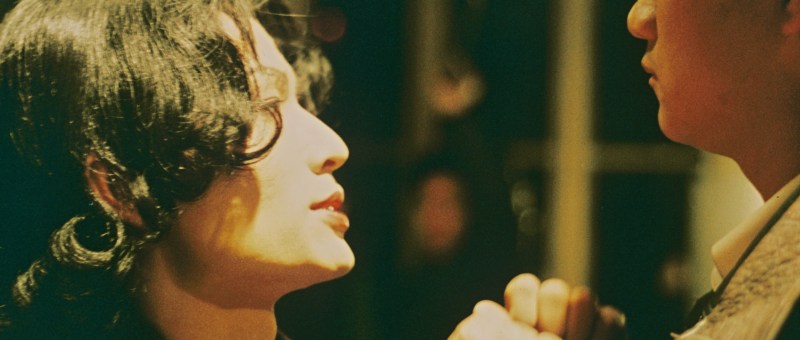
Detective Chinatown 3 (唐人街探案3, Chen Sicheng, 2021)

Cerebral sleuth Qin Feng (Liu Haoran) and his larger than life uncle Tang Ren (Wang Baoqiang) are back on the case in the third instalment in the Detective Chinatown franchise (唐人街探案3, Tángrénjiē tàn àn 3) picking up as promised in Tokyo as the duo take on another locked room mystery on the invitation of dandyish local investigator Hiroshi Noda (Satoshi Tsumabuki). This time around, the mystery is only tangentially connected to a Chinatown though the solution in itself does indeed lead back towards the Mainland and the complicated relations between China and Japan, while Qin in particular finds himself confronting the idea that oligarchy is in fact the “perfect crime”. 

Hired by a yakuza boss, Watanabe (Tomokazu Miura), accused of offing a Thai rival, Su Chaiwit, following a dispute over development rights in the local Chinatown, Qin and Tang Ren quickly find themselves hamstrung by their own discovery of evidence which further implicates their client and brings them to the attention of top cop Tanaka (Tadanobu Asano) who wastes no time telling them to mind their own business. Meanwhile they are also being pursued by muscly Thai detective Jaa (Tony Jaa) working for the other side. In a new high tech motif, the guys are each handed a simultaneous translation earbud which allows the Japanese and Chinese guys to converse with each other in their own languages though Hiroshi often chooses to speak directly in Mandarin instead while the Thai contingent exclusively use English. Unlike previous instalments the duo do not venture into the local Chinese community and Chinatown itself is merely territory contested by Japanese yakuza and South East Asian gangsters. 

Even so Qin and Tang Ren find themselves at a nexus of cross-cultural conflict caught between the cops, yakuza, and Thai gangsters each looking not so much for the truth but some kind of advantage for their side all of which culminates in a hilarious series of mixups at a morgue. Once again, Tang Ren falls in love with a local woman, in this case Su Chaiwit’s secretary Anna Kobayashi (Masami Nagasawa) who is certain Watanabe is guilty and later apparently kidnapped by a crazed serial killer (Shota Sometani) just by coincidence. Of course, all this cycles back towards the franchise’s growing mythology, Qin pursued and manipulated by the mysterious entity known only as “Q” which, as we learn, is as obsessed with the idea of the perfect crime as Qin largely in that they think they’ve perfected it in the stranglehold placed over civilisation by a shady elite. 

In this, the film may be taking aim at hidden oligarchy and the immorality of growing social inequality, but in its Japanese setting Chen is also freer to take potshots at contemporary Chinese society such as in Tang Ren’s confusion that they can’t simply bribe the police to get Qin out of jail when he is wrongfully arrested. “Justice and equality require sacrifices” Qin explains after solving a grim riddle only to be asked some difficult questions about the nature of justice and his own role within it by a manipulative villain, but in a classically censor-friendly move ends the movie with a brief monologue declaring that “justice always prevails and light overcomes darkness”, he and his team recommitting themselves to fighting “vices”, and presumably the shady elitism fostered by Q, wherever they arise. 

Like Detective Chinatown 2’s New York setting, the vision of Japan on display is deliberately stereotypical from an Akihabara cosplay carnival to tasks involving masked kendo fighters and a sumo wrestler, not to mention bumbling comedy yakuza forever threatening to cut off their fingers, the Shibuya Scramble set piece, or a playful homage to Phoenix Wright: Ace Attorney. Meanwhile, Chen continues his taste for huge ensemble action such as the complex slapstick routine that opens the film and now traditional end credits sequence featuring the cast dancing to theme tune “Welcome to Tokyo” dressed in the classic green detective mac worn by Qin. Truth be told, the solution to the central mystery is heavily signposted and slightly unsatisfying though Chen’s visualisations of Qin’s deductions are expertly rendered even as the hero’s growing confidence as a crimefighter unbalances his relationship with the increasingly silly if goodhearted Tang Ren. Boasting a host of A-list Japanese acting talent, the film also makes space for an unexpected cameo from one of the most recognisable faces in Sinophone cinema before teasing a further instalment to take place in London, home to the greatest consulting detective of them all. 


Detective Chinatown 3 is available to stream in the UK via iTunes, Google Play, Amazon Prime, Microsoft, Sky, and Virgin Media courtesy of Cine Asia.

Original trailer (English / Simplified Chinese subtitles)
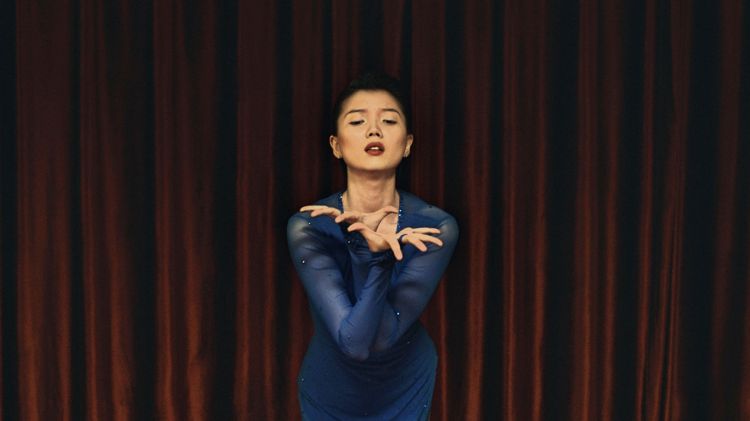
Asian Pop-Up Cinema Announces 2022 Happy Chinese New Year Free Streaming Series

Asian Pop-Up Cinema returns with another series of movies streaming for free in the US and Canada Feb. 1 – 15 via Smart Cinema USA in celebration of lunar New Year.

The Road of China

Documentary short anthology shot in early 2020 by a series of young directors from around the world as part of the “Looking China Youth Film Project” .

Striding into the Wind

A slacker film student yearns for freedom and independence but cannot break free of the forces which constrain him in Wei Shujun’s indie debut. Review

Being Mortal

Drama in which a young woman gets a job transfer to her hometown in order to look after her father who has been living with Alzheimer’s for the last 10 years.

My People, My Country

Patriotic anthology film first released for National Day and featuring segments from top tier directors Chen Kaige (Farewell My Concubine), Zhang Yibai (I Belonged to You), Guan Hu (The Eight Hundred), Xue Xiaolu (The Whistleblower), Xu Zheng (Lost in Thailand), Ning Hao (Crazy Stone), and Wen Muye (Dying to Survive) each set in a different era of China’s history since 1949. Review.

Life of Buda

Biopic of Tibetan hero Buda spanning the nation’s history from before the peaceful liberation to the establishment of the Tibet Autonomous Region.

Spring City

Documentary focusing on the city of Kunming, known as the “spring city” and the capital of Yunnan province.

Each of the films streams for free in the US and Canada Feb. 1 – 15 via Smart Cinema USA. Further details can be found on the official website and you can also keep up with all the latest news by following Asian Pop-up Cinema on  FacebookTwitter,  Instagram, and Vimeo.