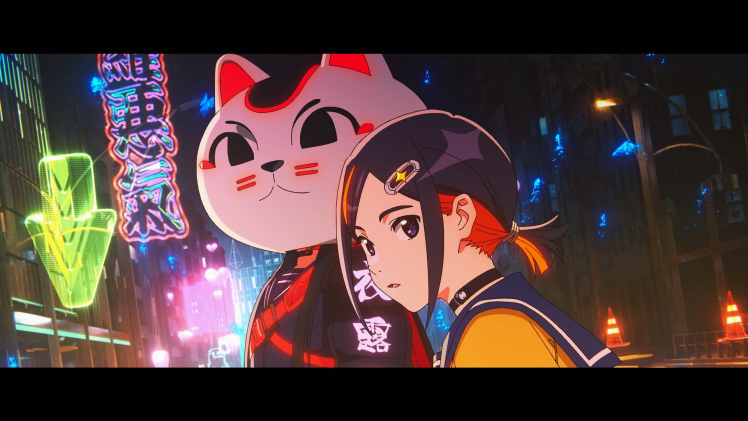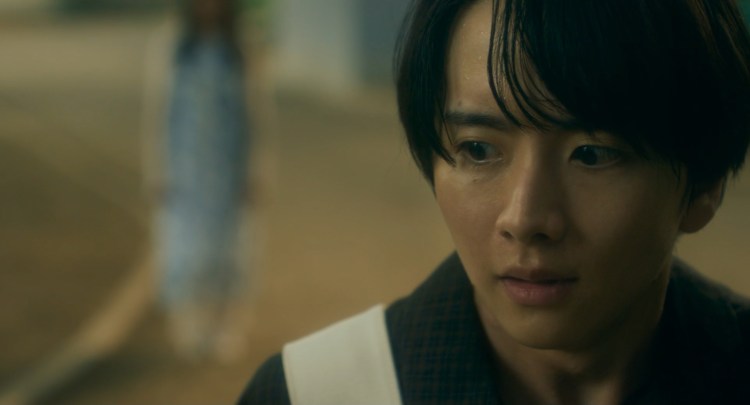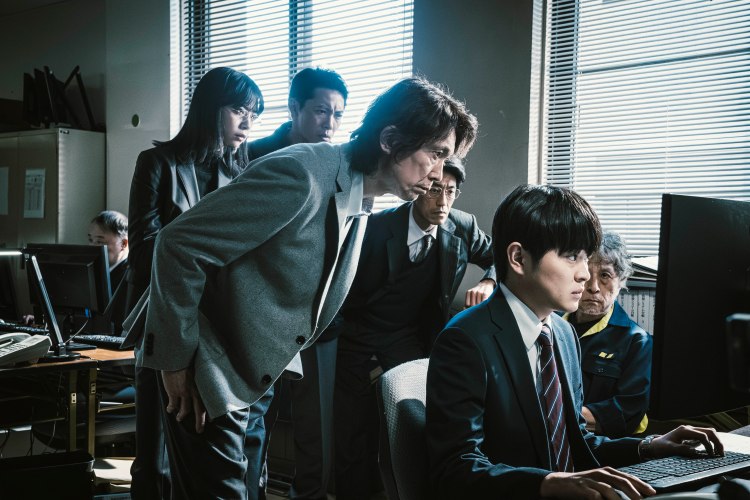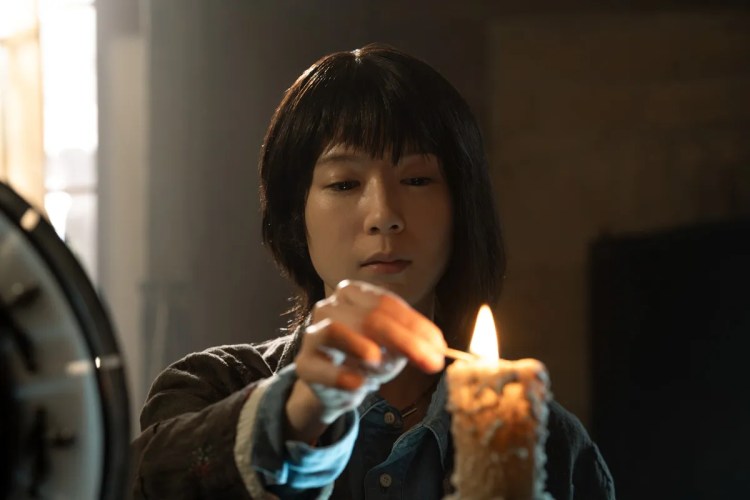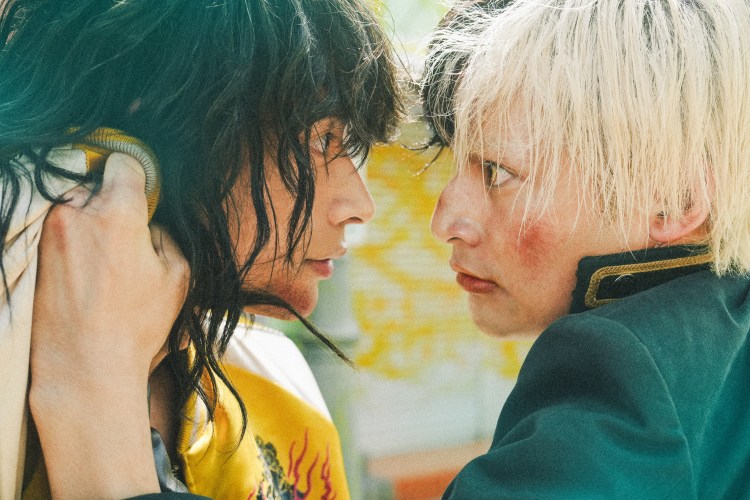
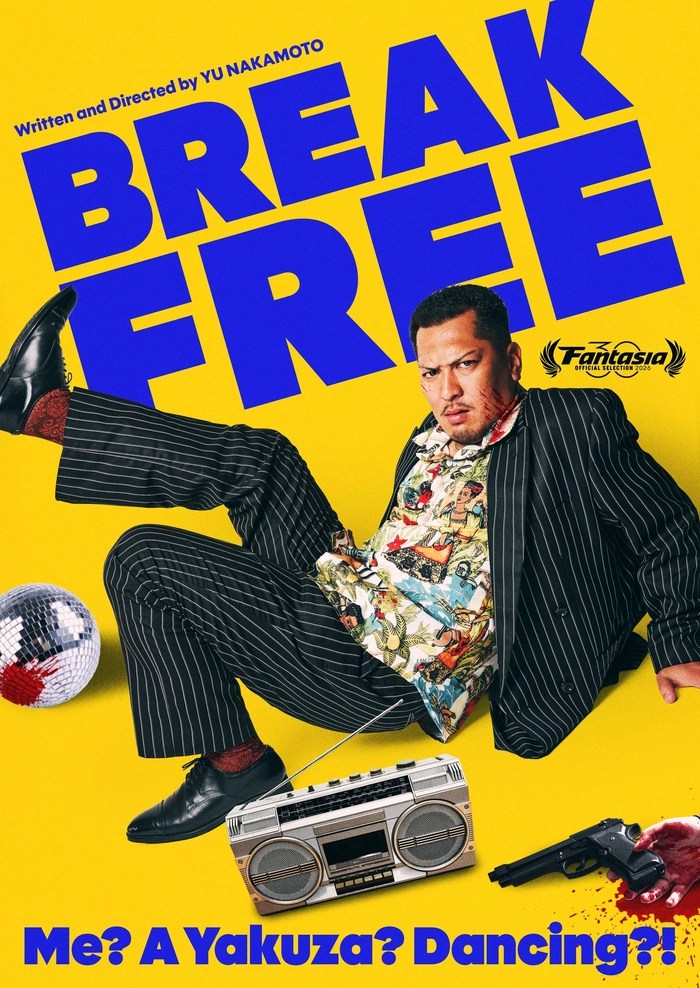
Break Free (オドレ!ヤクザ, Yu Nakamoto, 2026) [Fantasia 2026]

The yakuza as an institution has long been on the decline in Japan, if not on the brink of extinction, thanks to the various anti-organised crime laws that have come into play over the last few decades. The laws are so stringent that members of the yakuza are unable to open bank accounts, rent property, or even take out a mobile phone contract, making their daily lives almost impossible. Meanwhile, dwindling manpower and changing times have meant that the yakuza cannot make a living from its traditional lines of business and has to look for other ways to earn its keep.

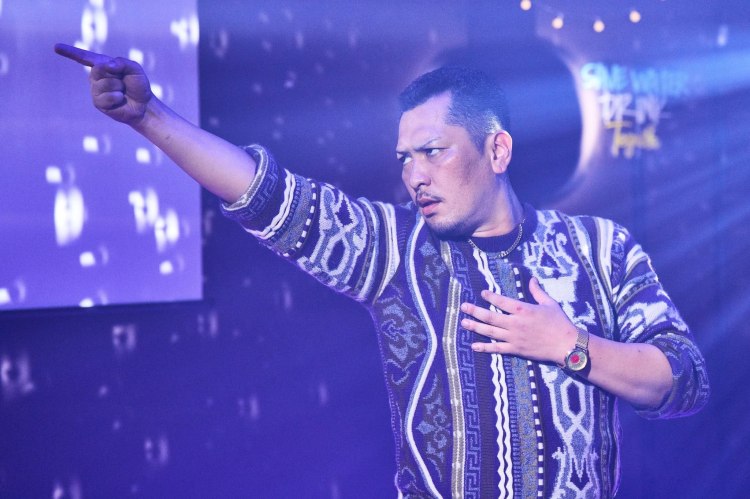
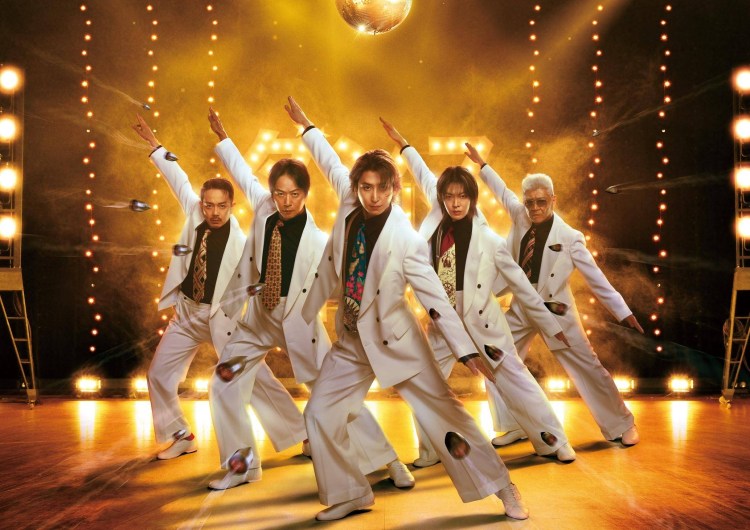
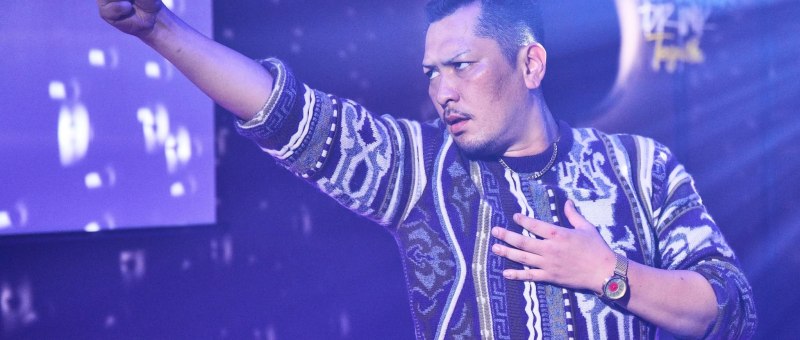
It’s this very problem that’s plaguing the heroes of Yu Nakamoto’s warmhearted comedy Break Free (オドレ!ヤクザ, Odore! Yakuza!) who are all doing various other unsatisfying jobs such as working as takeaway delivery drivers, shopping mall mascots, or running low level romance scams online which seems like a more innocent nod to the reality that the actual yakuza’s main new line of business is scamming the elderly and vulnerable. Then again, most of them are really a little young to have joined the yakuza in its heyday and the film really takes place within the context of more recent straight-to-video yakuza movies. Though it makes frequent nods to the darker side of yakuza life, often for comic effect such as the silhouette of Kunio’s (Akio Fujii) colleague Yama (Shigeo Osako) beating a guy with a baseball bat appearing behind him as he shoots a dance video, our heroes are mainly good guys and hapless fools whose problem is that they can’t let go of their old lives nor can they adapt to the modern society.

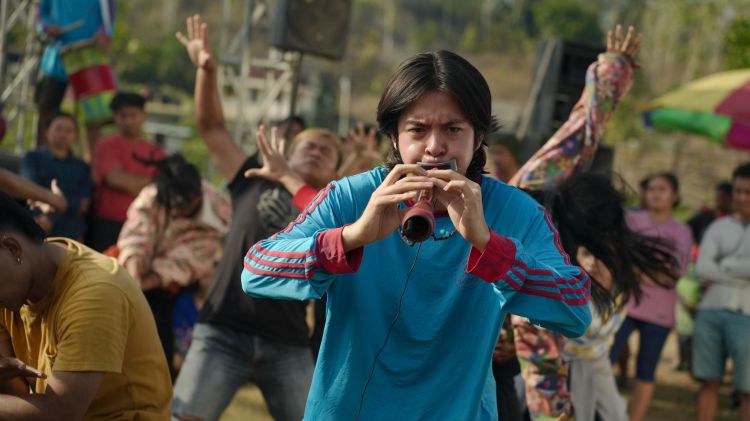
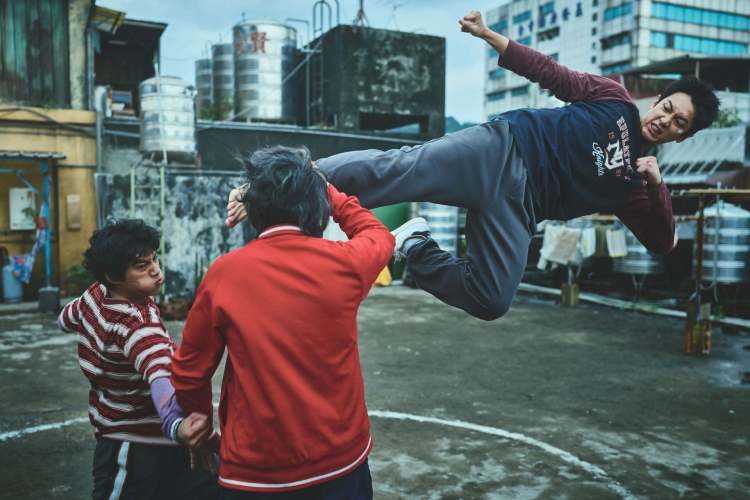
The inability to get a legitimate phone is perhaps one reason why 38-year-old Kunio is completely unaware of social media and apps like “TikTak” that are dominated by dance videos. Another thing that yakuza really can’t do any more is harm a member of the public, which is why one slimy guy in a suit thinks it’s a good idea to try and show off to his girlfriend by taunting a yakuza knowing he can’t do anything to him. But Kunio unexpectedly fights back through the medium of improvisational street dance and goes viral for his pains. The clan begin to spot a new, less problematic line of business, but the plan is once again complicated by the fact that yakuza are technically banned from having accounts on those kinds of services as well appearing on television. Kunio, while still a yakuza, has to cosplay as one by pretending that the yakuza thing is just a gimmick to give his dance videos more of an edge. 

Deciding to hone his skills, he ends up in a dance class surrounded by little kids and run by a woman who used to be a backup dancer, but decided she liked teaching more and opened a school. In a way, this echoes Kunio’s journey. Marie’s decision to quit being a backup dancer wasn’t a moment of defeat but its opposite as she actively chose the kind of life she thought would suit her better. Kunio’s friend has already left the yakuza because he wanted to get married but didn’t want his girlfriend to become a gangster’s wife. He is still subject to some of the restrictions placed on yakuza so his life isn’t easy, but he makes a good living with his yakiniku restaurant and is very happy in his marriage. 

The pun of the English-language title refers to Kunio’s efforts to “break free” of the moribund yakuza world through the power of break dancing which not only reconnects him with the unfulfilled desires of his late brother but offers him a path to discovering his true self as he realises that in dance he’s finally found something he actually wants to do. Thanks to an unexpectedly supportive new community around him from Marie at the dance school to a pint-sized aspiring idol and veteran influencer Ririko, Kunio begins to see new possibilities for the future, but the yakuza proves harder to escape than one might first expect. Whether he can ever really “break free” remains to be seen, but even while otherwise imprisoned, dance can be liberating. Trading heavily on the incongruities of its concept, the film is nevertheless warmhearted and sympathetic of its gangster heroes who find themselves cast adrift in a world that no longer has much place for them.


Break Free screened as part of this year’s Fantasia International Film Festival.

Trailer (no subtitles)
Fantasia International Film Festival Confirms Complete 2026 Programme

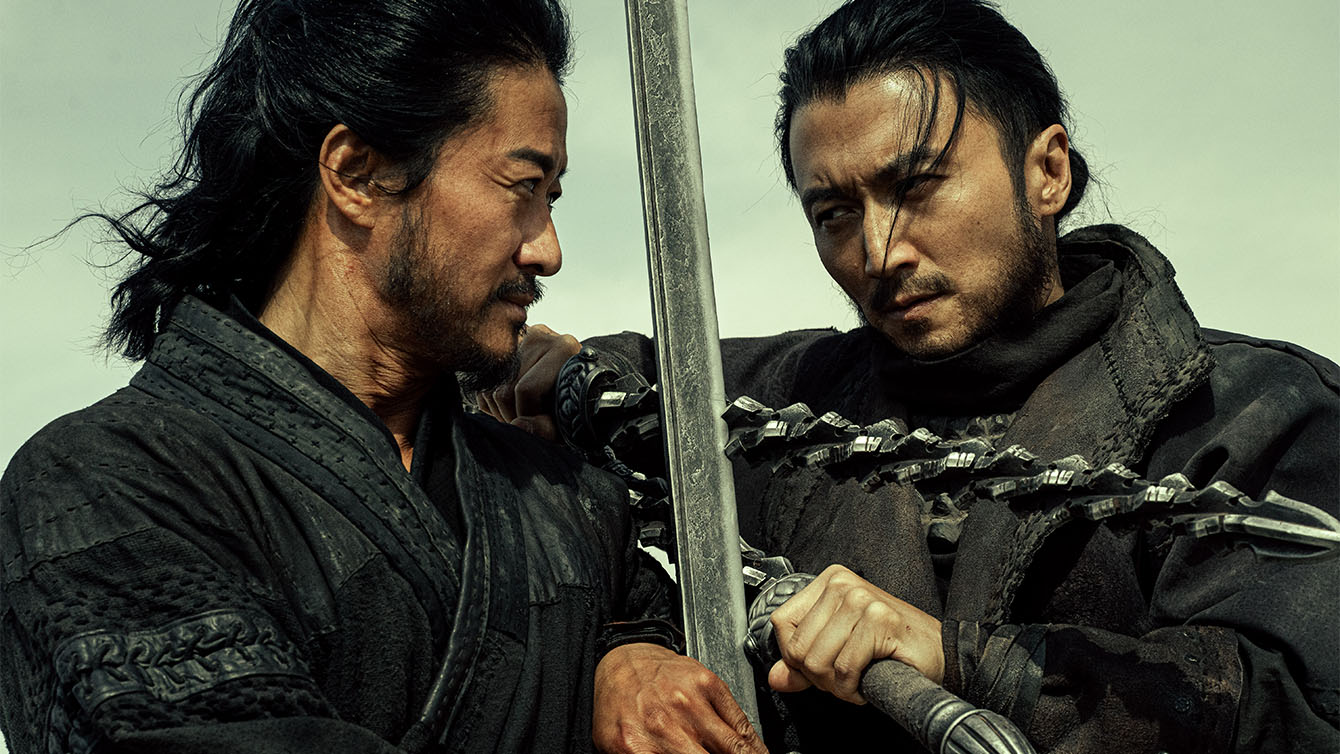
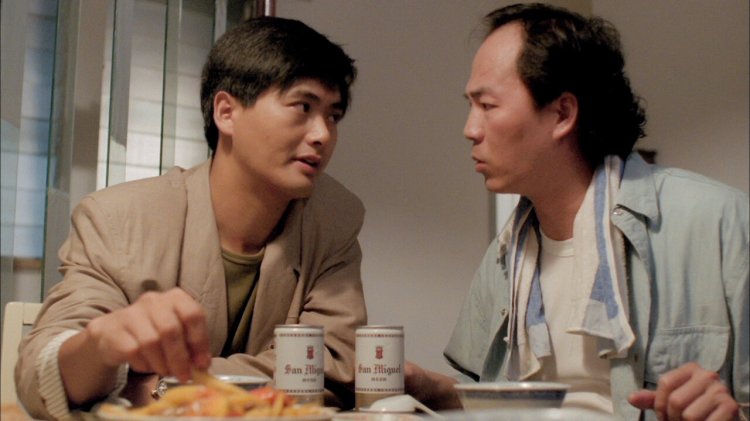
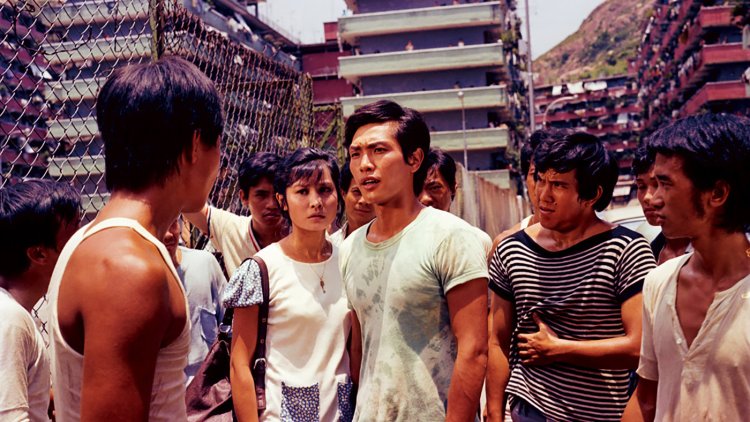
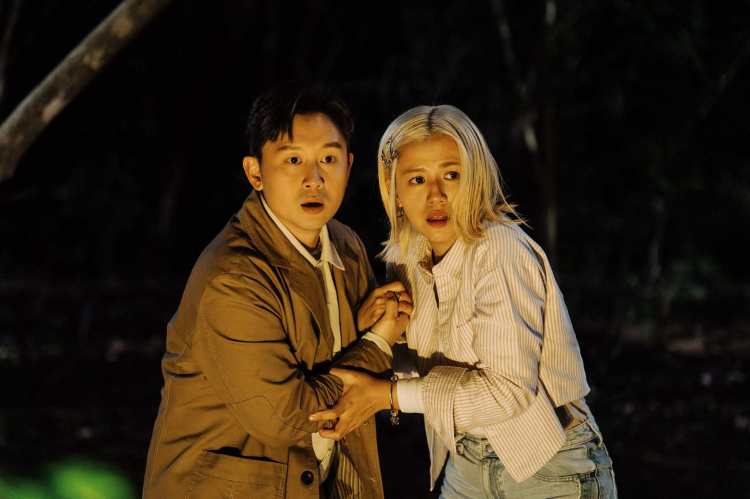
The Fantasia International Film Festival returns for its 30th edition taking place once again in Montreal from July 16 to Aug. 2. As usual this year’s programme includes a host of new and classic features from East Asia:

China

Hong Kong

Indonesia

  • Levitating – Supernatural drama in which a young man dreams of becoming a shaman.
  • Sleep No More – Darky comic supernatural thriller from Edwin.

Japan

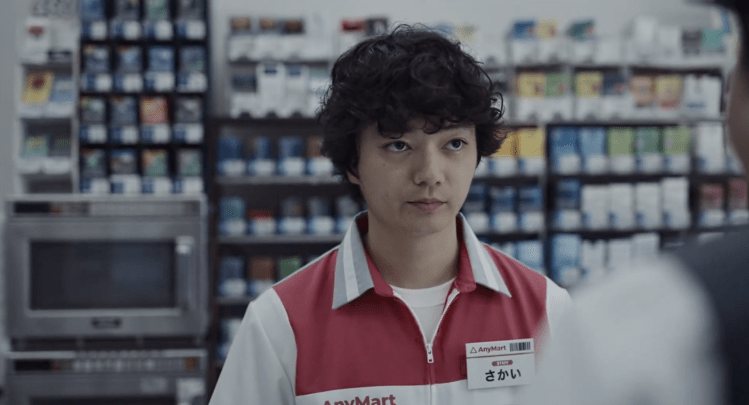
  • AnyMart – Bloody combini life satire starring Shota Sometani.
  • Beasts Clutching at Straws – Crime thriller directed by Hideo Jojo and adapted from the novel by Keisuke Sone previously adapted in Korea as Beasts Clawing at Straws.
  • Break Free – Zany comedy in which a yakuza’s tiktok dance goes viral.
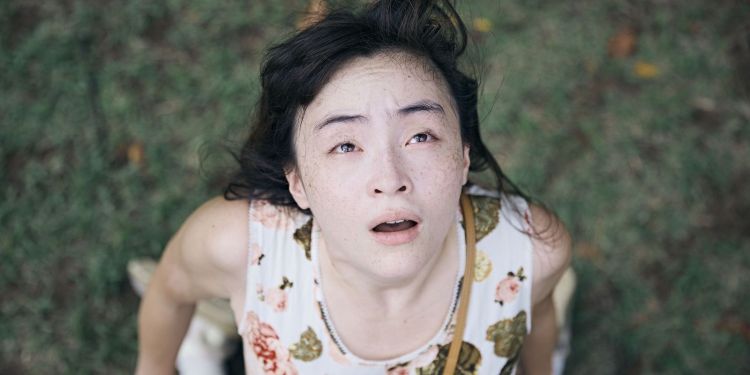
  • Captured! – Quirky horror in which a young woman starts a horror blog only to find herself haunted for real.
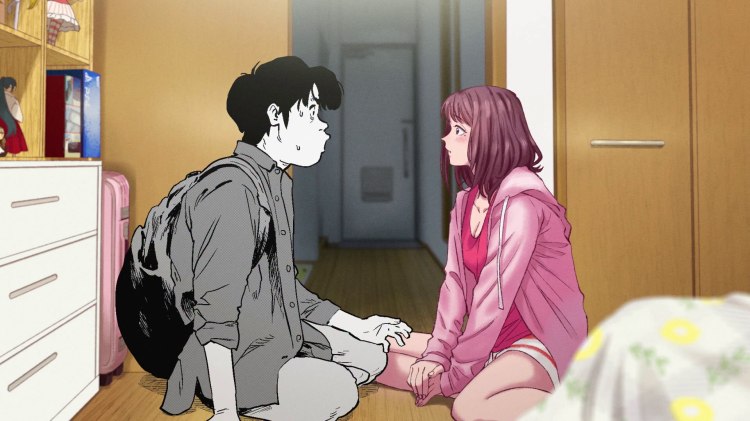
  • Cherry and Virgin  – Animation exploring the relationship between a commercial illustrator and an erotic manga artist.
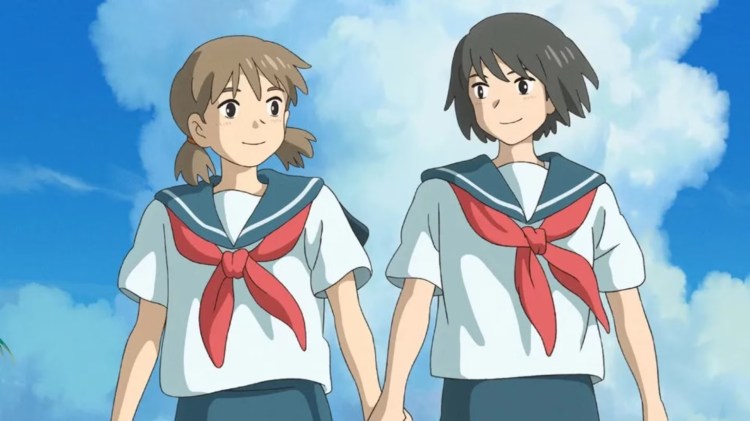
  • Cocoon – One Summer of Girlhood  – Animated adaptation of the manga by Machiko Kyo recounting the story of the Lily Corps during the Battle of Okinawa.
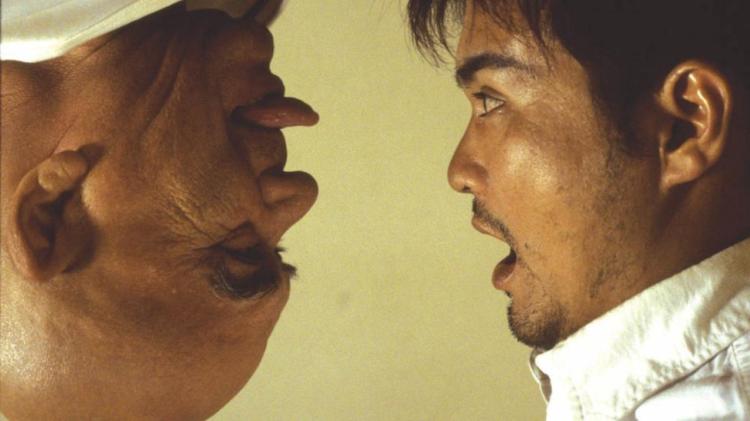
  • Gozu – Surreal gangster drama from Takashi Miike.
  • GROTESQQQUE – Three part anime anthology from Atsushi Nishigori. World Premiere.
  • The Mouths – Horror from Takashi Shimizu in which university friends investigate a haunted tree.
  • Nameless – A man who can kill with a seemingly invisible weapon goes on the rampage after being harangued by a religious woman in a cafe, leaving police and witnesses baffled in Hideo Jojo’s adaptation of the manga by actor and comedian Jiro Sato. Review.
  • Never After Dark – Horror from Dave Boyle following a spirit medium who guides wandering souls to the afterlife.
  • A New Dawn – Anime in which childhood friends reunite and two brothers face the closure of their family fireworks factory.
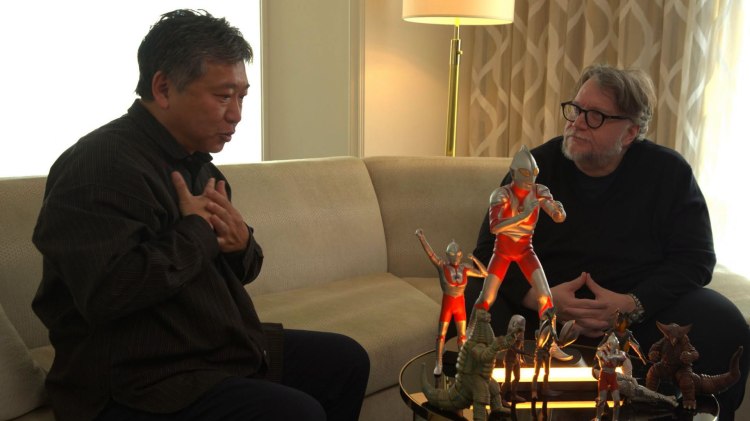
  • The Origin of Ultraman – Documentary exploring the origins of the classic tokusatsu series overseen by Hirokazu Koreeda.
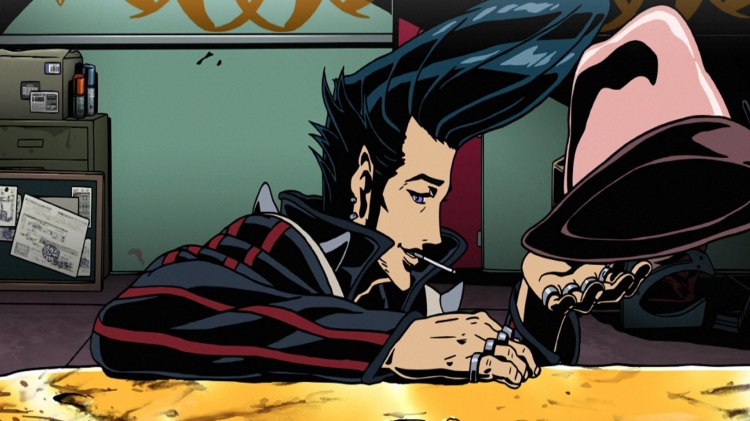
  • Redline – Takeshi Koike’s classic 2009 racing-themed anime.
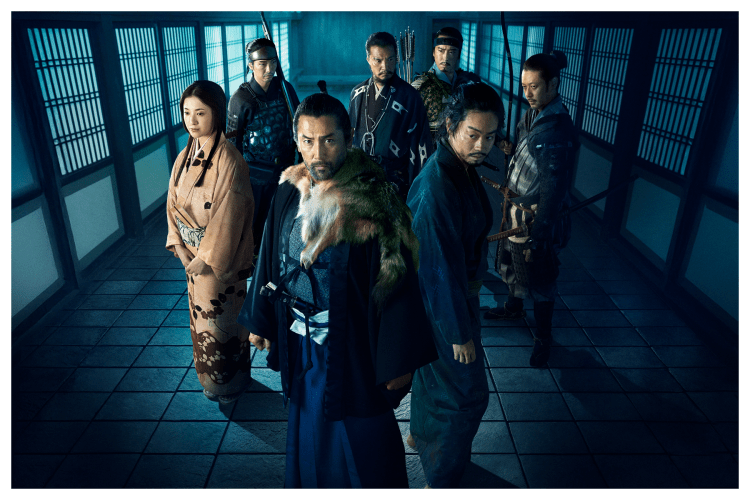
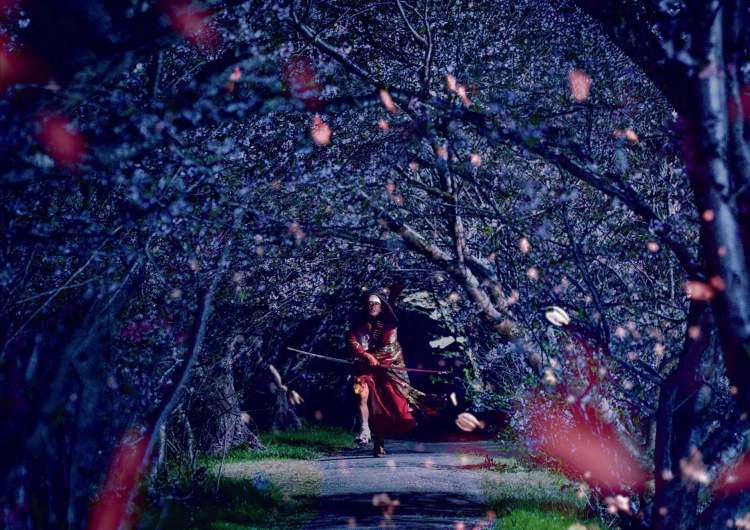
  • The Samurai and the Prisoner – Mystery period drama from Kiyoshi Kurosawa.
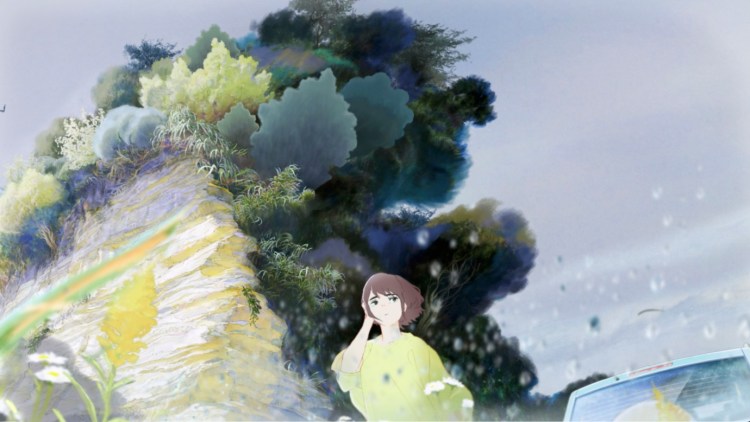
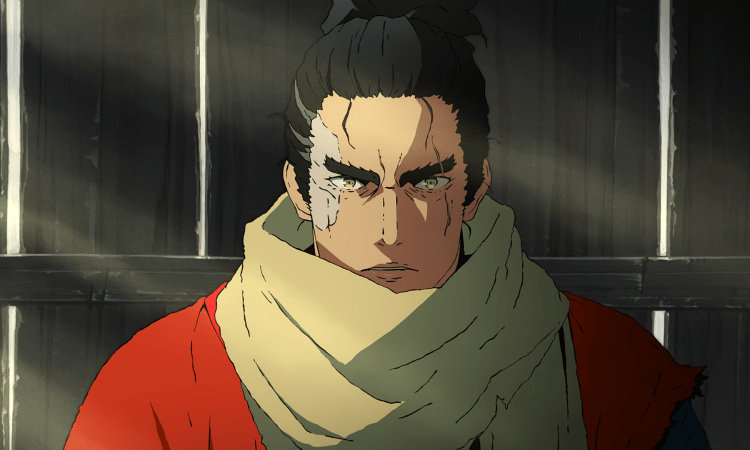
  • Sekiro: No Defeat – Anime set in the Sengoku era in which a ninja must rescue a kidnapped child.
  • The Specials – Comedy from Eiji Uchida in which yakuza must post as a dance troupe to assassinate a rival.
  • Suzuki=Bakudan – Cat and mouse game between a mass bomber and a brainy policeman. Review.
  • TOKYO BURST: Crime City – Japanese spin-off of Ma Dong-seok’s Roundup series directed by Eiji Uchida.
  • Village of Eight Gravestones – Adaptation of the classic novel by Seishi Yokomizo directed by Takashi Shimizu.
  • When You Open the Door – Horror starring Serena Motola as a young woman drawn to a woodland shrine.
  • Wind Breaker – High school fighting drama from Kentaro Hagiwara.
  • You Are the Film – Directorial debut from screenwriter Makoto Ueda in which a screenwriter and musician somehow end up watching each other’s experience on the big screen.

Philippines

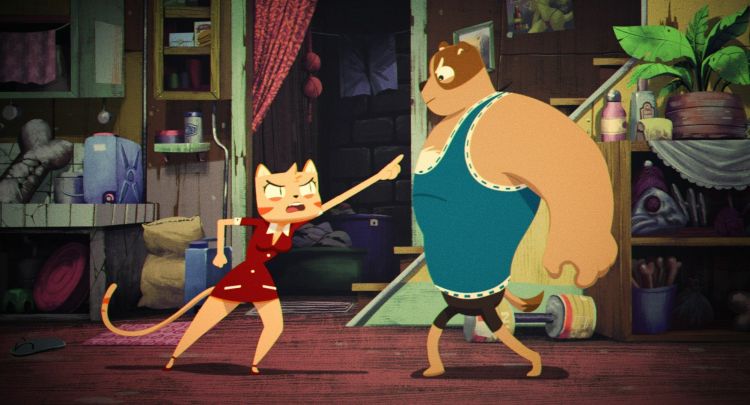
  • Hayop Ka! – Steamy grown-up animation following the romantic adventures of a shopworker.
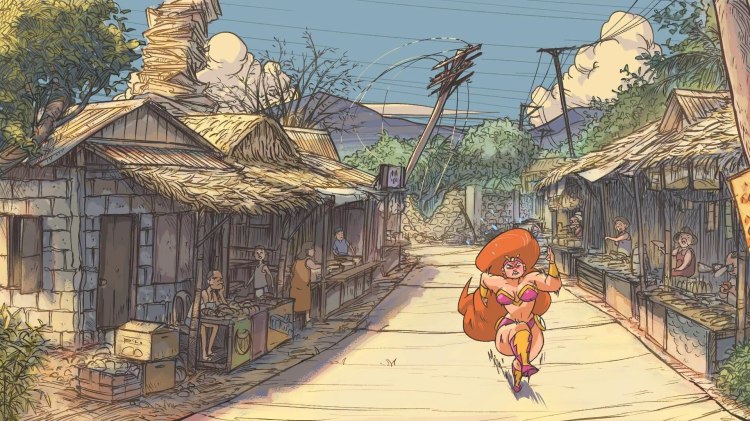
  • Zsazsa Zaturnnah – LGBTQ+ themed superhero animation.

South Korea

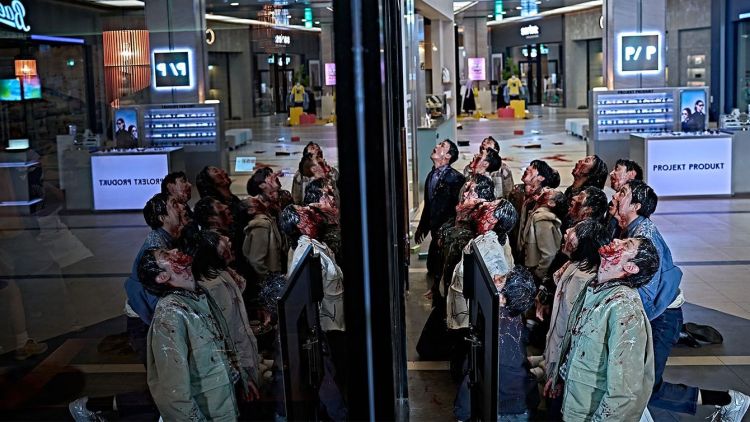
  • Colony – Latest from Yeon Sang-ho in which a professor is trapped in a building with a mysterious virus.
  • The Eyes – Korean take on Julia’s Eyes.
  • The Journey to Gyeong-Ju – A mother sets out to get revenge against the man who killed her youngest child.
  • The Mutation – A man discriminated against because of his skin colour and a gay woman whose partner took her own life after being forced into a heterosexual marriage embark on a road trip.
  • Niko – A broke screenwriter suddenly disappears in Seoul.
  • The Seoul Guardians – Documentary focusing on Yoon Suk-yeol’s declaration of martial law.
  • Tristes Tropiques – Children trained to be assassins turn against each other in this action thriller from Park Hoon-jung.

Taiwan

Thailand

  • God Skin – A desperate young man agrees to fight in a tournament in which rich people can send booster shots to their favourite players through VR tattooes.

Vietnam

The Fantasia International Film Festival runs in Montreal, Canada, July 16 to Aug 2. Full details for all the films along with scheduling and ticketing information are available via the official website, and you can also keep up with all the latest news via the festival’s Facebook pageBlueskyInstagram, and Vimeo channels.