Zu: Warriors from the Magic Mountain (新蜀山劍俠, Tsui Hark, 1983)

“I never imagined that the righteous would not only refuse to unite, but also be incapable of action” laments a reluctant soldier realising there are no heroes coming to the rescue in Tsui Hark’s SFX-laden fantasy wuxia, Zu: Warriors from the Magic Mountain (新蜀山劍俠). Inspired by the work of Huanzhulouzhu (Li Shoumin), Tsui’s feudal fable marked a departure from the more “realistic” swordplay movies which were popular at the time harking back to an earlier era of fantastic adventures which drew inspiration from traditional Chinese folklore. It was also, however, an attempt to prove that Hong Kong could rival Hollywood in the post-Star Wars world, blending what might now be viewed as fairly camp but then cutting-edge special effects with classic wuxia action. 

Accordingly, after a brief voice over, Tsui opens with a world in chaos in which several factions are currently vying for hegemony over the hotly contested, mystical and mountainous terrain of Shu. Lowly retainer Ti Ming-Chi (Yuen Biao) has been tasked with delivering a message regarding troop movements to his superiors, but there is a difference of opinion in the chain of command as to whether to attack by land or sea. Placed in an impossible position, Ming-Chi eventually sees himself pledge to obey both captains, only for infighting to emerge within the group forcing him to flee for his life which is how he encounters “Fatty” (Sammo Hung Kam-Bo), a soldier from a rival faction and discovers, quite ironically, that they are from neighbouring villages which makes their rivalry all the more ridiculous. In the course of his attempt to escape, Ming-Chi falls into a mountain crevasse and finds himself entering a mysterious cave which takes him to another world in which he becomes similarly embroiled in a war against the evil Demon Cult which apparently practices child sacrifice and then uses the bones as a kind of magical armour. 

A reluctant soldier, Ming-Chi finds himself captivated by the “Great Hero” Ting Yin (Adam Cheng Siu-Chow) and determines to become his disciple while the pair form an uneasy alliance with a pair of similarly matched Buddhist monks, master Hsiao Yu (Damian Lau Chung-Yan) and his assistant I-Chen (Mang Hoi), also hot on the trail of the Demon Cult. Finding this world also confusing, he is nevertheless reassured by I-Chen’s simple explanation “they’re bad, we’re good” as the two masters face off against the Demon Lord, but comes to discover it’s not quite all as black and white as it seems and this world too is torn apart by chaos and disorder because “the hearts of men are so corrupt.” Ming-Chi begs Ting Yin to use his “peerless martial arts skills” to “save mankind”, but Ting Yin cynically tells him his best course of action is to retreat into the mountains and avoid human society because “neither you nor I have the ability to bring about change”. 

Yet Ming-Chi remains pure of heart, certain that “as long as everyone puts in the effort, peace can be restored under heaven”. “Teach me martial arts and once I’ve mastered it, I can fight oppression, help the weak, and save the masses” he pleads, but Ting Yin once again refuses him. In fact, in one of the later SFX sequences, Ting Yin will “transfer” his martial arts knowledge near instantly via a laying on of hands assisted by some elaborate prosthetics which see Ming-Chi’s body warp and bubble to accept it. Nevertheless, the lesson that Ming-Chi begins to learn, bonding with fellow assistant I-Chen who ignored his master’s petty parting words to bid him goodbye to hope they meet again along the way, is that the masters care only for themselves and are no better than the warring nobles from his own lands, obsessed with their rival sects and ideologies. If they want to save the world they’ll have to save themselves through mutual solidarity in pursuit of their goal, tracking down a pair of mystical swords which are the only way to end the demonic threat for good. 

There might of course be an added dimension to this allegory in the Hong Kong of 1983 which is perhaps also beginning to feel like disputed territory coveted by duplicitous elites who fight amongst themselves while ordinary people suffer, but Tsui is in any case more interested in zany action and excuses to employ zeitgeisty special effects making full use of the technology of the day from lasers to animation along with in-camera stunts to recreate his epic fantasy world in which old men can keep evil at bay for as long as 49 days using nothing but their powerfully hairy eyebrows and a fancy mirror. With small roles for Brigitte Lin and Moon Lee as an ice queen with a warm heart presiding over an all female palace and her spiky guard respectively, Tsui’s bonkers fairytale moves on at a glorious, confusing pace but is nevertheless filled with warmth and humanity as the goodhearted heroes attempt to head off the folly of war with human solidarity. 


Zu: Warriors from the Magic Mountain streams in the UK 9th to 15th February as part of Focus Hong Kong

Eureka release trailer (english subtitles)
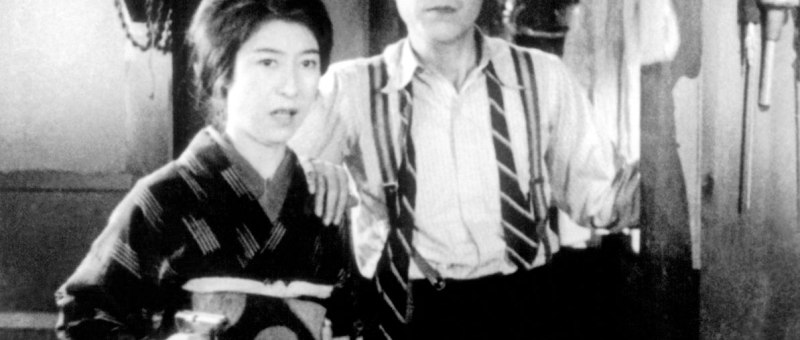
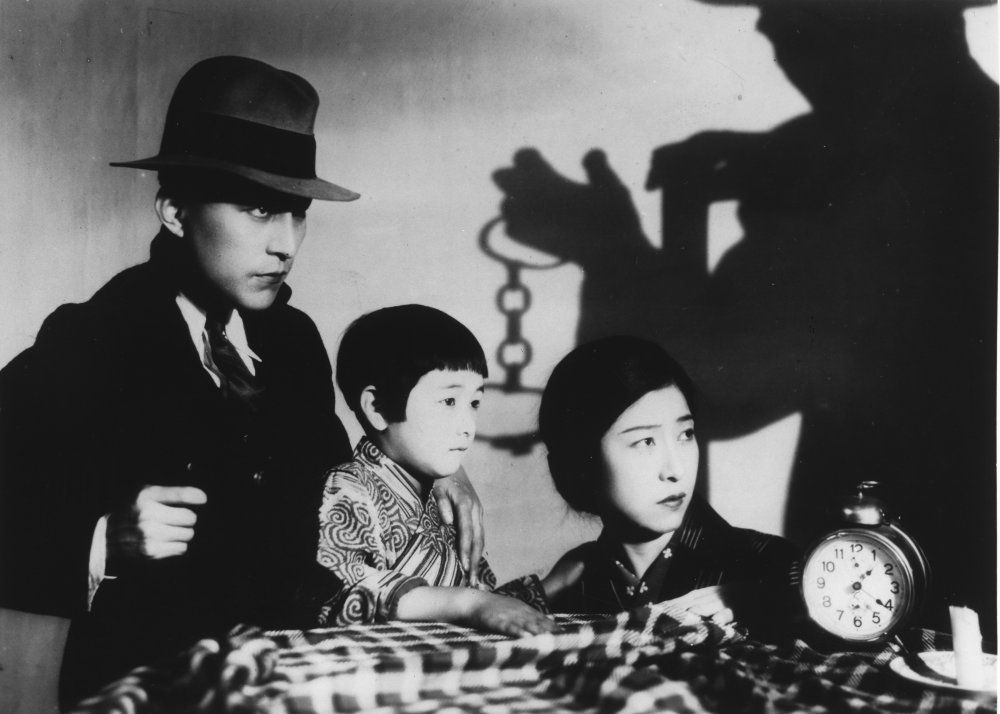
That Night’s Wife (その夜の妻, Yasujiro Ozu, 1930)

Most closely associated with his late career family dramas, Yasujiro Ozu has acquired a reputation for geniality which may in a sense be slightly unfair. He was always an astute chronicler of his times, often choosing to view them through the frame of family, and was never as blind to the issues of the day as some would have it. Ozu’s ‘30s work, that which survives at least, is in a sense fiercely political in its critique of the inequalities of the depression-era society. One of his early crime movies, the silent That Night’s Wife (その夜の妻, Sono yo no Tsuma) insists that justice must be done but does so with compassion in its full and total empathy for a man driven to extremes by the depth of his paternal love. 

Indeed, the early part of the film is tense noir chase as the hero, desperate father Shuji (Tokihiko Okada), attempts to evade a police dragnet to make his way home after robbing a bank to get money to pay for his sick daughter Michiko’s (Mitsuko Ichimura) medical care. Meanwhile, loyal wife Mayumi (Emiko Yagumo) has been patiently waiting at home tending to the child who refuses to sleep because she only wants her father and constantly asks where he is. Shuji eventually makes it back and tells his horrified wife what he has done, agreeing that he will turn himself in to the police once Michiko is well, but he’s already out of luck. The taxi he darted into was being driven by an undercover cop (Chishu Ryu) who installs himself in the apartment but agrees to wait until the doctor comes in the morning before taking Shuji in. 

Out of keeping with the rest of Ozu’s career but very much in the vein of his depression-era silents, That Night’s Wife concerns a poor but happy family mustering what little resources they have in the face of despair. Filled with tension as the policeman waits impatiently, the camera pans around the one room apartment where the family live and finds it to be a homely, bohemian space, apparently an artist’s studio with foreign film posters and travel souvenirs hanging from the walls. By all indications a starving painter, Shuji is a poor man brought to ruin by accidental tragedy. His daughter is deathly ill and doctors cost money. We can see that, by the standards of the time, he is a very hands on father beloved by his little girl and is obviously willing to sacrifice himself and his future to ensure her survival

It’s Mayumi, however, to whom the film’s title refers and in her role as wife rather than mother. The doctor (Tatsuo Saito) worries that she has not slept in the last few days, how could she when her child is so ill, but it’s she who eventually picks up the gun to protect the family by disarming the policeman and, essentially, keeping him hostage until the morning when, she claims, Shuji will willingly go with him after confirming Michiko’s survival. The world is turned upside down, no one quite plays the role they’ve been assigned. The loving father, an effete artist, turns unconvincing master criminal, the loyal wife gangster’s moll, and the policeman a calm and compassionate guardian deeply moved by the family’s predicament but also knowing that the law must be served. 

In a typically Ozu touch, the policeman pretends to be asleep with the intention of letting Shuji escape, but he once again makes an atypical choice. He refuses to run, swearing off “crazy ideas” but unrepentant in his crime. Shuji determines to pay his debt to society so that he can return home as a redeemed father and hold his daughter as a man unburned by his transgression. The message isn’t so much that crime doesn’t pay as that crime must be paid for. Shuji is acquitted in the moral courts of the audience’s hearts and not even the policeman blames him for what he has done which is all he could do as a father in an oppressive and indifferent society. A strange complicity develops between the two men who are restored to their original roles, both acknowledging that of the other and sorry for what they each know must happen next but already resigned. The father saves his family only through accepting his exile from it, but unlike Ozu’s wandering fathers of the 1930s, seems destined to return after redeeming himself in the eyes of a society which had long since abandoned him. 


Currently streaming in the UK via BFI Player as part of Japan 2020. Also available to stream in the US via Criterion Channel.

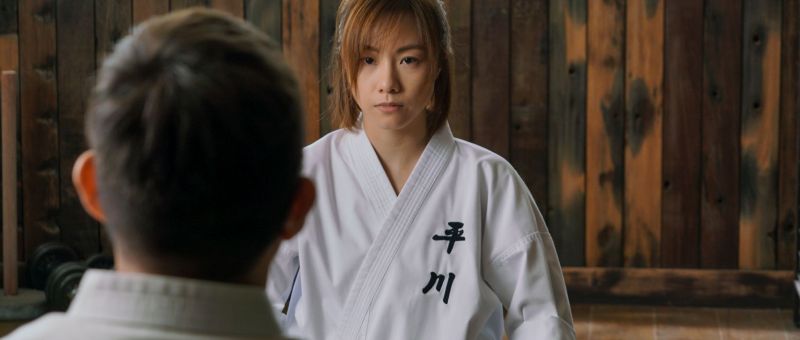
The Empty Hands (空手道, Chapman To, 2017)

“You have to remember. You’ll always meet someone stronger than you. They might beat you down, but no matter what you need to have the courage to face it.” the defeated heroine of Chapman To’s second feature The Empty Hands (空手道) is reminded by her rediscovered mentor pushing her towards a literal reclaiming of her space in accepting her father’s legacy. The title, a literal translation of the characters which form the word “karate”, is perhaps also an allusion to the heroine’s sense of powerlessness and displacement even as she learns to rediscover a source of strength in that which she had previously dismissed as a worthless burden. 

30-something Mari Hirakawa (Stephy Tang Lai-Yan) is the daughter of a Japanese émigré, Akira (Yasuaki Kurata), who came to Hong Kong in 1972 on a work transfer and later married a local woman. Teaching karate as a hobby in his spare time, he eventually discovered that in the Hong Kong of the late 70s and 80s, martial arts was a valuable commodity and so he sunk all his savings into buying a sizeable flat in Causeway Bay, converting the living area into a Dojo with the family relegated to neighbouring rooms. The business did well but the family floundered and when Mari’s mother asked Akira to mortgage the dojo to help out her brother who ran into financial trouble during the 89 crisis his refusal and the uncle’s subsequent suicide led her to leave the family. A lonely child, Mari complains that her overly strict father forced her to practice karate against her will, something which she gave up as a brown belt after an unexpected tournament defeat swearing off the practice ever since.

When Akira dies suddenly, however, Mari is forced into a reconsideration of her life choices on discovering that he has left only 49% of the apartment/dojo to her with the controlling share entrusted to a former pupil, Chan Keung (Chapman To Man-Chat). Prior to this discovery, she had been cynically planning to subdivide the apartment into seven units, renting out six and living in the seventh solely on her proceeds from exploiting Hong Kong’s notoriously difficult housing market. Mari is, it has to be said, often difficult to like, defiantly aloof and with a healthy contempt for other people even throwing back a racial slur, albeit with a pinch of irony, at a little boy who’s been frequenting the dojo expressly in order to fight back against the discrimination he faces in everyday life as a member of the Indian community. This might be something you’d expect Mari to show a little more empathy for but she seems ambivalent in her sense of identity immediately introducing herself as Japanese on giving her name to man who works at the radio station where she gets a job as a security guard and with whom she drifts into a doomed affair. 

Mari’s affair with a married man is another thing of which she believes her father disapproved, but it’s also a reflection of her low self-esteem and awkward relationship with paternal authority in that she continues to seek but is afraid to ask for approval from emotionally distant men. She claims to have only one friend, Peggy (Dada Chan Ching), whom she somewhat cruelly dismisses as “all boobs and no brain”, explaining to her that what she likes about Ka Chun (Ryan Lau Chun-Kong) is his “loyalty” ironically admiring his refusal to leave his childhood sweetheart wife but also confident that he will one day choose her. Beaten down by life, Mari has perhaps backed away from the fight passively retreating while refusing to deal with her conflicted sense of identity and desire. She resents the implication that she petulantly jacked in karate after a single defeat destroyed her sense of confidence, but as we discover it is indeed her fear of failure which has been holding her back. Chan Keung’s bet that he will sign over his share of the apartment if she can remain standing, even if she loses, after three rounds in an upcoming competition is then a subtle way of getting her stand up again and rediscover a sense of confidence to fight for herself in the arena of life. 

Ironically enough, Chan Keung had been kicked out of the dojo for doing just that, told off for using karate to prove himself when its true purpose should be in the defence of others in need of help. He rediscovers the true spirit of karate after rescuing a little girl from a predatory triad, but Akira’s mission is also one of redemption for Chan Keung as he patiently mentors the originally reluctant Mari back towards an acceptance both of her father and of her relationship with karate along with the confidence that counters defeat. A meditative mood piece from the hitherto comedian To anchored by a stand out performance from Tang (who apparently spent six months training for the role) pushing back against glossy rom-com typecasting, The Empty Hands is less martial arts movie than gentle life lesson as its beaten-down heroine learns to fight her way out of existential malaise towards a more forgiving future. 


The Empty Hands streams in the UK 9th to 15th February as part of Focus Hong Kong

Original trailer (English subtitles)

Asian Pop-Up Cinema Announces “Happy Lunar New Year!” Free Streaming Series

Asian Pop-Up Cinema is back with another fantastic free streaming series to keep you entertained over Chinese New Year bringing an auspicious seven recent hits from the Mainland to homes across the US Feb. 12 – 18.

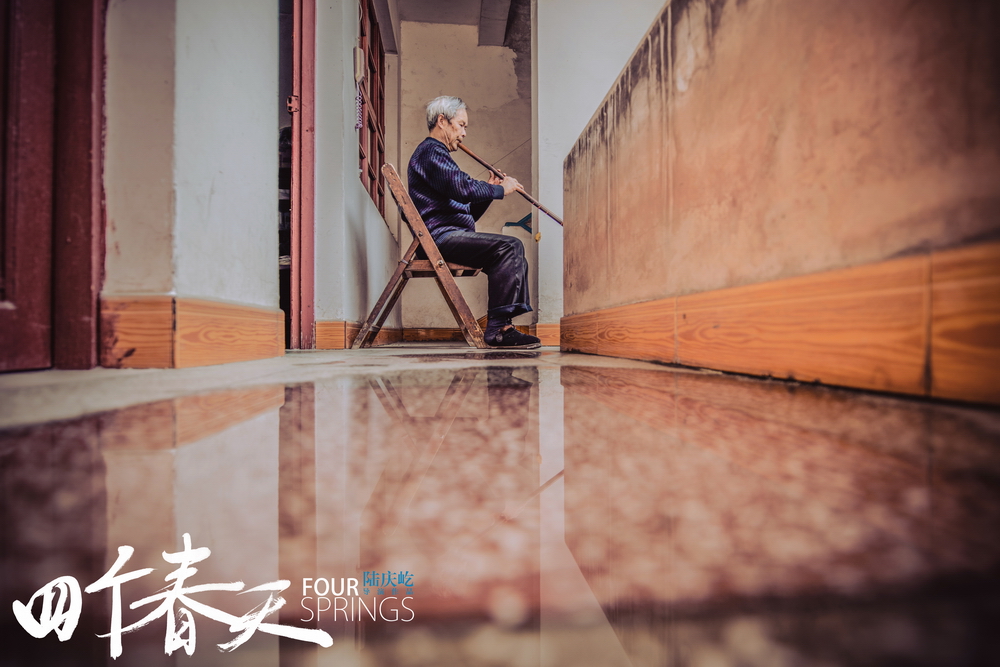
Four Springs

Director Lu Qingyi’s beautiful documentary follows his own family through four celebrations of New Year bringing with them both joy and sorrow. Review.

Ne Zha [Birth of the Demon Child, Nezha]

This beautifully animated family film draws inspiration from the classic Chinese legend and follows the titular Ne Zha, a naughty little boy misunderstood by the world around him as he struggles against his “demonic” destiny. Review.

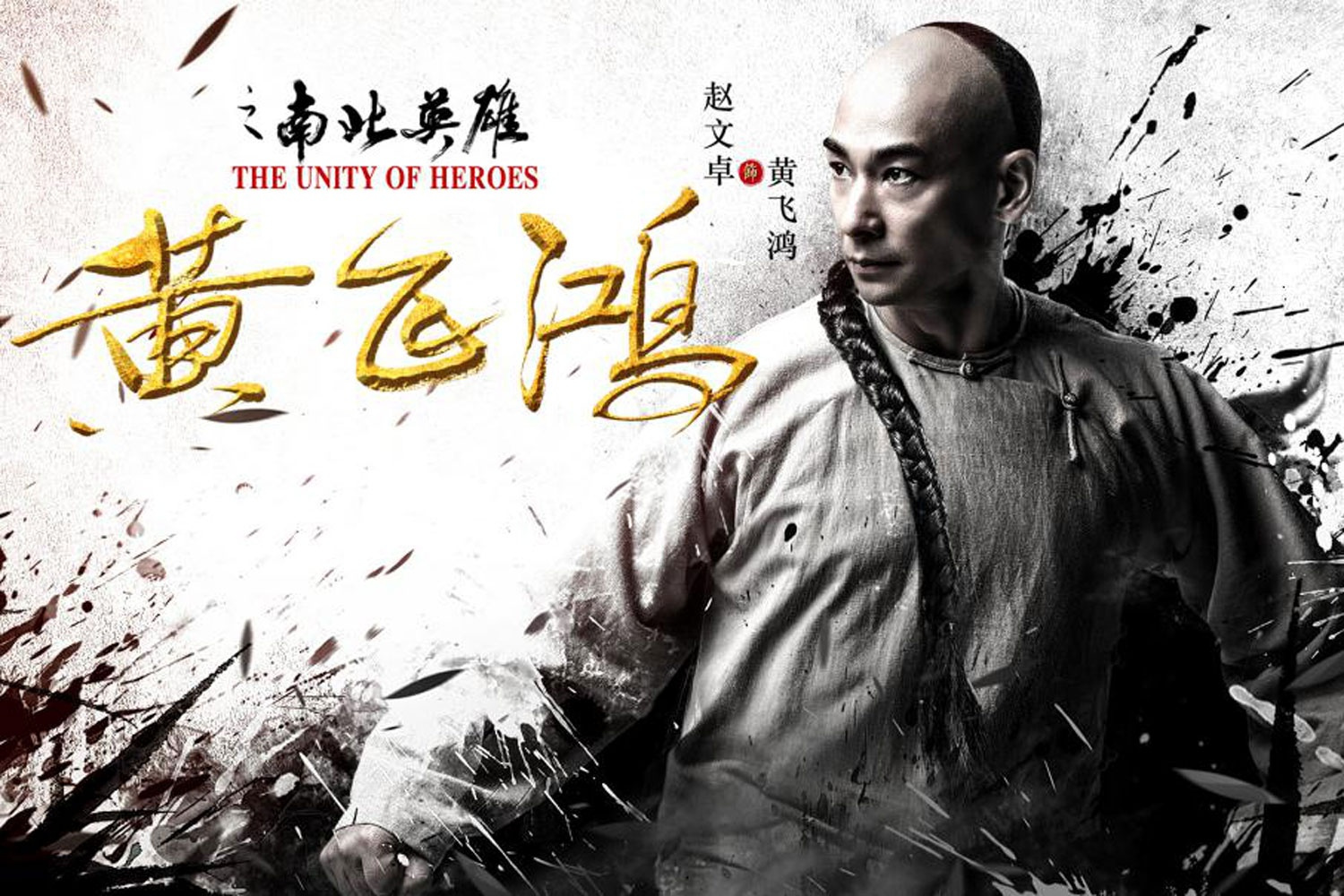
The Unity of Heroes

Vincent Zhao stars as Wong Fei Hung as he finds himself battling a corrupt pharmaceuticals company intent on distributing a dangerous drug across the nation!

The Island

Apocalyptic satire starring Huang Bo as a dejected office worker with a crush on a pretty colleague (Shu Qi) who suddenly finds himself in his element when the amphibious bus they are travelling on is whisked away to an uninhabited island mere seconds after he realises that he has finally won the lottery. Review.

Last Letter

Romantic drama from Shunji Iwai subsequently remade in Japan in which a middle-aged woman (Zhou Xun) finds herself impersonating her late sister at a school reunion on running into a man who once loved her.

I Belonged To You

Ensemble love story inspired by the work of Zhang Jiajia and starring Deng Chao as late night DJ Chen whose girlfriend Xiao (Du Juan) abruptly breaks up with him after which they make a bet that if Chen can top the ratings Xiao must marry him but if he fails he must parade around the city with a sign letting everyone know he’s an idiot.

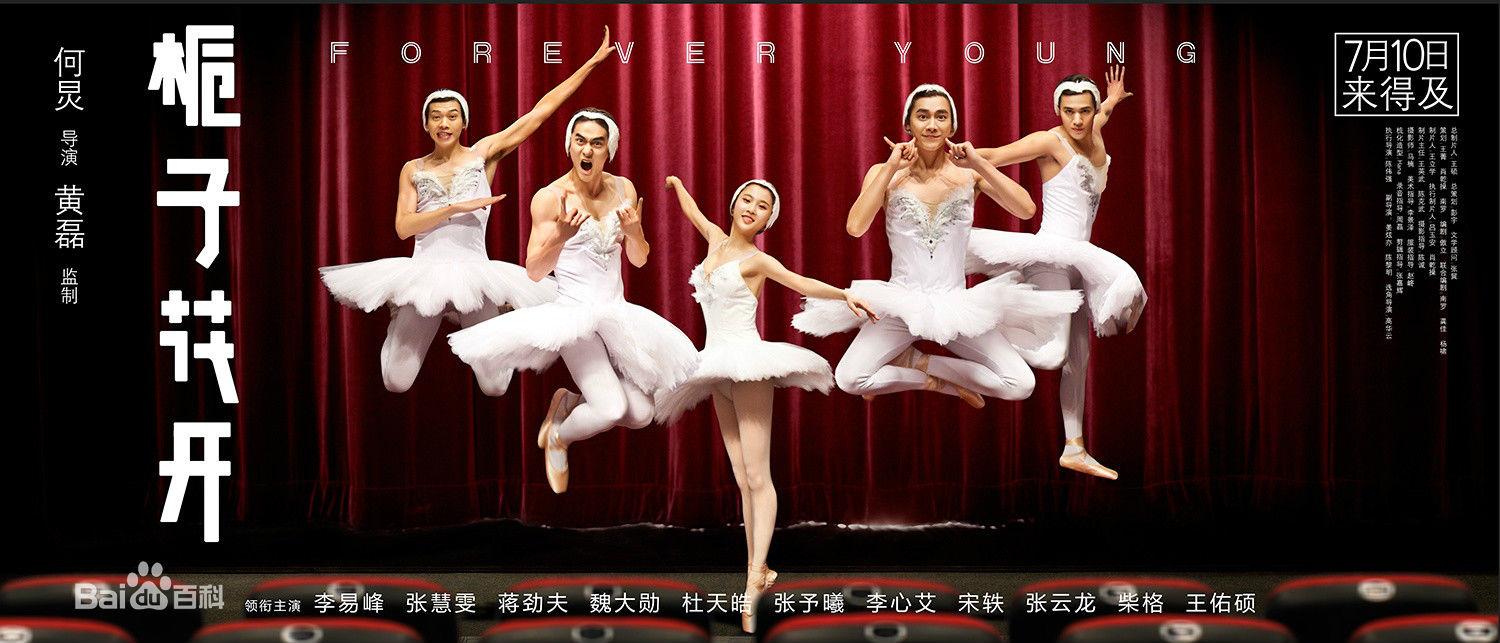
Forever Young

Youthful drama set at a performing arts college revolving around a young couple, Yan Xi (Zhang Huiwen) and Xu Nuo (Li Yifeng), who are working hard to achieve their dreams of becoming a ballet dancer and rock star respectively but find a series of obstacles in their way.

Each of the seven films is available to stream for free across the US Feb. 12 – 18 and registration is currently open via Eventive. You can find further information for all the films on Asian Pop-Up Cinema’s official website and you can also keep up with all the latest news by following the festival on FacebookTwitter, and Instagram.

Focus Hong Kong Film Festival to Launch in UK in February 2021

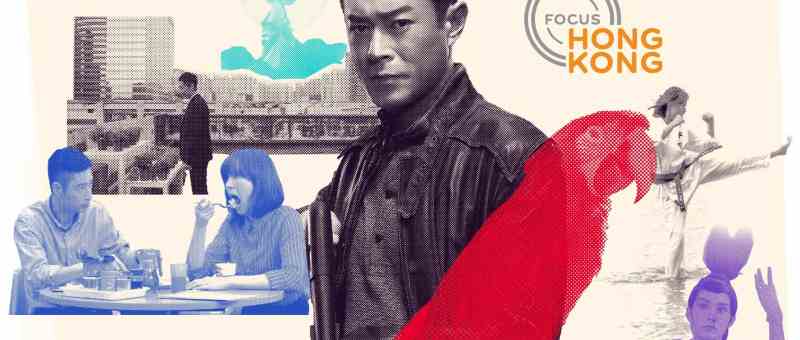
With cinemas closed for the foreseeable future, the team behind Chinese Visual Festival is the latest to head online with a brand new mini film festival dedicated to Hong Kong cinema arriving just in time for Chinese New Year. Focus Hong Kong will stream five features, one classic and four contemporary, as well as a series of Fresh Wave Shorts to homes around the UK from 9th to 15th February.

Zu Warriors from the Magic Mountain

Anarchic wuxia action from Tsui Hark in which a reluctant Tang Dynasty soldier ventures through a crevice and into a supernatural conflict. Released in the wake of Star Wars this zeitgeisty 1983 SFX fest has lost none of its charm.

Memories to Choke On, Drinks to Wash them Down

Leung Ming Kai & Kate Reilly’s omnibus film explores the unique culture of Hong Kong at a moment of crisis through four very different stories. Review.

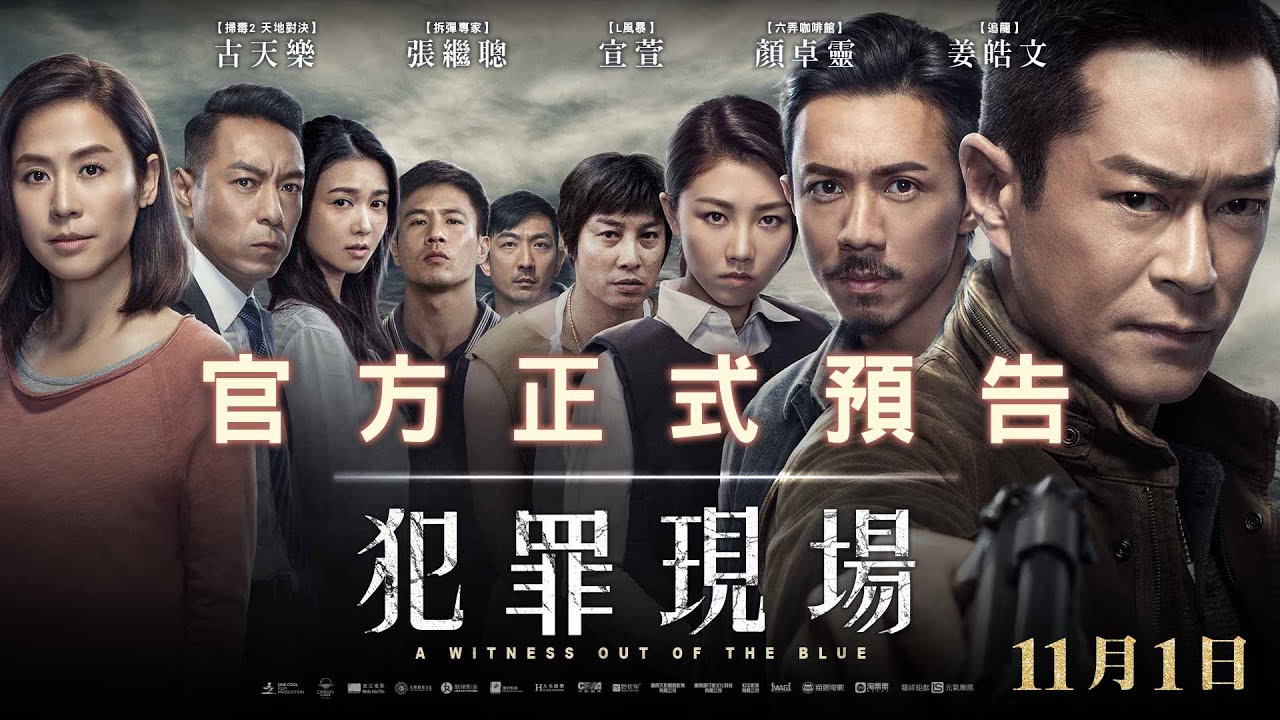
A Witness out of the Blue

An eccentric policeman investigates a murder based on the testimony of the only eyewitness, a parrot, in Andrew Fung Chih-chiang’s absurdist noir thriller. Review.

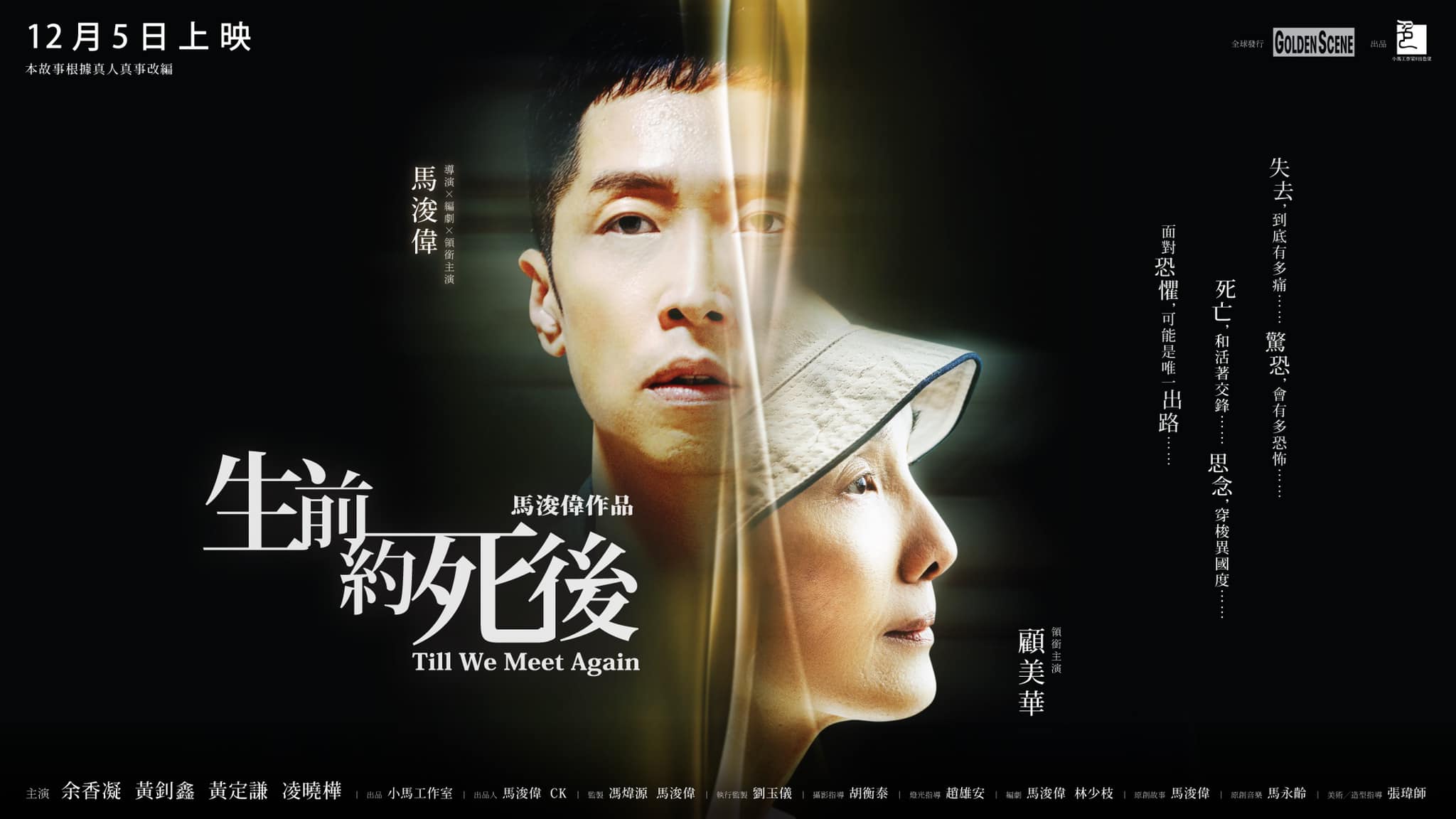
Till We Meet Again

Struggling to come to terms with the death of his mother a decade earlier, a fragile man undergoes a psychological crisis in Steven Ma’s sensitive, semi-autobiographical drama.

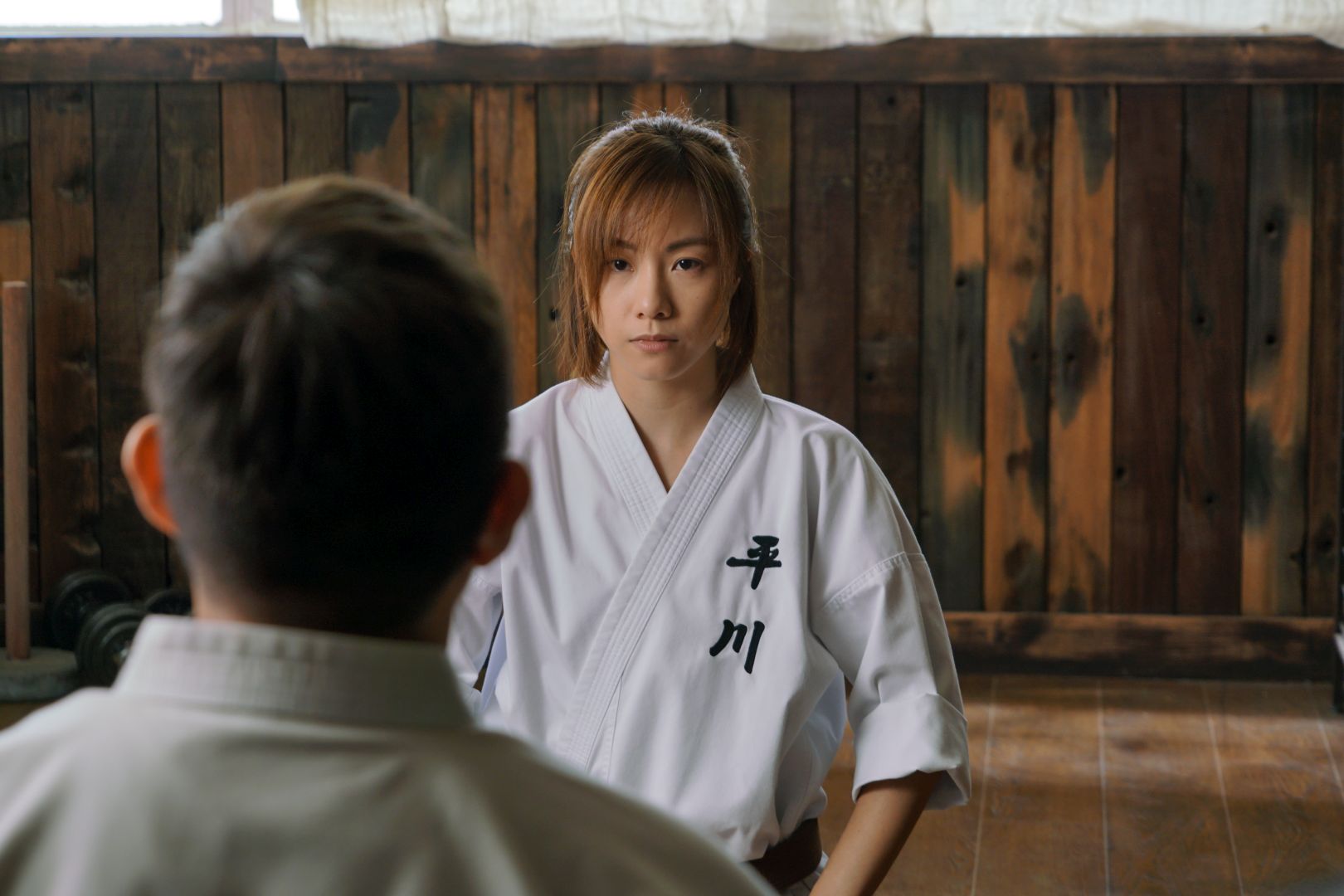
The Empty Hands

A young woman reaches a crisis point when her Japanese father suddenly dies and she discovers he’s left half the dojo (which was also their home) to a former pupil who pledges to sign his share over to her if she can last three rounds in a fight in this unusual character drama directed by and starring Chapman To with a stand out leading performance from Stephy Tang.

“Tickets” are on sale now via the official website for the reasonable price of £2.99 for features while shorts stream for free and you can also pick up an all access pass for £8.99. The festival will be back for another mini fest in March before returning later in the year for its first full edition and you can keep up to date with all the latest news via the official website, Facebook Page, Twitter account, and Instagram channel.

The Men Who Tread on the Tiger’s Tail (虎の尾を踏む男達, Akira Kurosawa, 1952)

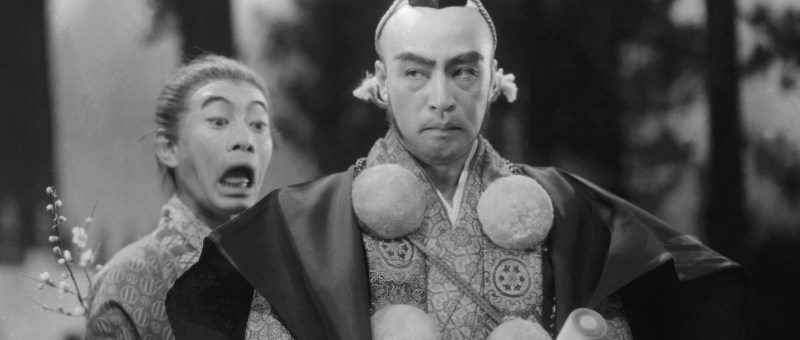
Like many directors of his age, Akira Kurosawa began his career during the war sometimes working on what were effectively propaganda films yet perhaps attempting to skirt around the least palatable implications of the task at hand. The Men Who Tread on the Tiger’s Tail (虎の尾を踏む男達, Tora no O wo Fumu Otokotachi) is an example of just that, repurposing a well known historical incident from its noh and kabuki roots and subtly undercutting it with a dose of irreverent humour unwelcome to those who liked historical tales because of their nationalistic connotations. This was not, however, the reason the film found itself out of favour so much as an ironically personal issue in which Kurosawa had apparently irritated one of the censors by pointing out his ignorance of cultural tradition leading him to conveniently leave Tiger’s Tail off the list of titles in production resulting in the American Censors rejecting it for being an unknown, illegal film which is why it languished on the shelf for seven years after filming was completed in 1945. The Americans may not have liked it much either given their aversion to period drama which they feared encouraged the kind of thinking incompatible with the democratic era, but like many of Kurosawa’s samurai dramas it has a rather ambivalent attitude to feudal loyalty both admiring of nobility and despairing of its austerity. 

Set in the late 12th century, the action takes place during a period of warfare in which warrior Yoshitsune (Iwai Hanshiro X) has returned a victory for his brother, the ruler. His brother Yoritomo, however, feels as if his victory has perhaps been too good and he is therefore a threat to him. Yoritomo accuses his brother of sedition and puts a purge in motion, leaving Yoshitsune with no option other than to flee. With six of his best retainers, he escapes dressed as an itinerant Buddhist monk and tries to make his way to neutral territory in the North. To get there, however, they need to pass through a series of checkpoints which is why they’re currently accompanied by a cheerful fool in the form of a lowly porter (Kenichi Enomoto) supposedly guiding them along a secret path through mountain forests. 

The porter is a new addition to the story added by Kurosawa for reasons of expediency and comic relief, yet his intrusion is also one which deeply angered the more nationalistic of the censors who resented the director’s irreverence towards a key historical event. Like many other of Kurosawa’s bumbling peasants, he’s both contemptuous and in awe of the world of the samurai, offering down to earth common sense takes on the politics of the day. He has already heard all about the Yoritomo/Yoshitsune drama and recounts it in the manner of a soap opera, quite reasonably asking if a quarrel between brothers could not have been sorted out with a good old-fashioned private fist fight rather than a state mandated manhunt which is also quite inconvenient for ordinary people in addition to being somewhat heartless. 

The samurai, not wanting to break cover, can only look sad and lament the cruelty of their codes, yet it’s precisely in the subversion of their ideology that they are able to escape. They have already transgressed, some with shaved heads and all already in the clothes of a monk. The porter looks at Yoshitsune, apparently a successful warrior, and remarks on his delicate physique and seeming femininity. Eventually he says too much, realises that the men are the fugitives everyone’s looking for and is suddenly afraid, forgetting for the moment that they need him to get out of the woods and knowing that samurai think nothing of killing “insignificant nobodies” like him. Nevertheless they do not kill him, but on hearing that there are lookouts on the horizon aware of Yoshitsune’s presence, they ask their lord to change places with a peasant, wearing his worn out clothes and carrying his heavy pack though the weight of it perhaps betrays him. As the porter points out, he does not have the look of a man used to trekking through the mountains and his delicate legs are already shaking under the unfamiliar strain. 

When the band is intercepted by loyal retainer Togashi (Susumu Fujita) who has been instructed to stop all priests in case Yoshitsune comes his way, Benkei (Denjiro Okochi), a real monk if also a warrior with a talent for bluff, manages to talk his way out of Togashi’s questioning, improvising an entire prospectus on the spot to convince him that they really are collecting money to repair a temple, quickly explaining that his robes are ornate because even ascetics have fashion sense. It’s not entirely clear if Togashi simply believes him, or if he too is wilfully subverting the code having recognised Yoshitsune and decided to help him escape. Might that not, in a certain sense, be the better way of serving a lord, preventing him from making a huge and painful mistake in killing his own brother out of a misplaced sense of paranoia? 

In any case, Benkei talks his way out of trouble only for a minor retainer to intervene, insisting that the porter is too pretty and bears a striking resemblance to Yoshitsune. Reacting quickly again, Benkei does the unthinkable. He strikes his lord and loudly berates him as if he really were a lazy porter failing in the duties for which he has been paid. The real porter becomes upset, placing himself in between Benkei’s staff and Yoshitsune’s body, either out of empathetic identification or horror in the betrayal of feudal loyalty. Benkei knows he must now be believed, no one would ever do what he has done because it is a complete and total negation of the samurai code. Yet in breaking it he saves his lord, which is all that really matters. Yoshitsune later forgives him, because he is a good lord after all and how could he not. But as Benkei was keen to keep pointing out, this isn’t the only checkpoint they must pass and their journey is without end, all they can do is “continue without rest”, taking this brief moment of unexpected levity provided by apology wine from Togashi and the hilarious antics from the porter before setting off once again. As for the porter, he is soon abandoned, left on one side of the samurai divide as the curtain closes on this brief strange tale. 


Currently streaming in the UK via BFI Player as part of Japan 2020. Also available to stream in the US via Criterion Channel.

Tokyo Twilight (東京暮色, Yasujiro Ozu, 1957)

Closely associated with the family drama, Yasujiro Ozu is perhaps the most socially conservative of golden age directors. Unlike Naruse or Mizoguchi, he cheerfully reinforces patriarchal social norms and foregrounds the paternal experience while upholding the primacy of the traditional family in a rapidly modernising society. In his later career he’d come to sympathise more strongly with the young, but 1957’s Tokyo Twilight (東京暮色, Tokyo Boshoku), perhaps his bleakest take on familial failure, is essentially a treatise on the legacy of corrupted motherhood and rebuke to growing post-war freedom in which a young woman is made to feel that her future is impossible because of maternal betrayal while her sister is forced back into an unhappy marriage to an abusive husband in order to avoid the same fate befalling her own daughter. 

Unlike most Ozu families, the Sugiyamas do not seem to be particularly happy in each other’s company, living in superficial politeness rather than true intimacy. This may partly be because the sisters had a brother who passed away young in a mountain climbing accident, but it also seems that Mr. Sugiyama (Chishu Ryu), though kind and polite, is a typically authoritarian, distant father. Oldest daughter Takako (Setsuko Hara) has returned home declaring herself unable to go on living with her professor husband Numata (Kinzo Shin) who, she says, has become increasingly erratic, taking out his petty professional disappointment on their small daughter Michiko whom he seems to resent. Younger sister Akiko (Ineko Arima) meanwhile is sullen and introverted. Unmarried, she lives at home and is studying to become a stenographer. 

As we later discover, the girls’ mother Kikuko (Isuzu Yamada) left the family during the war after falling in love with the junior officer Mr. Sugiyama enlisted to look in on the family while he was away in Seoul. Akiko was only three when their mother left and barely remembers her. Takako attributes her wayward behaviour to “loneliness”, that she has been forever corrupted through never knowing a mother’s love. Mr. Sugiyama admits he tried his best, but both agree that children need two parents and no matter how much he wants to a father cannot make up a mother’s share. 

This atmosphere of alienation is perhaps why Akiko feels as if she has no one to turn to in her own moment of maternal crisis. She has become pregnant by her college student boyfriend who has been avoiding her and even has the audacity to ask if the baby’s his when Akiko finally manages to pin him down. Trying to borrow money for an abortion, Akiko visits her aunt who declines to give it to her without knowing why, eventually turning to a family friend who apparently provides no questions asked. The woman at the clinic assumes she is a bar girl, as does a policeman who eventually “arrests” her for loitering in a sleazy cafe where her boyfriend has obviously stood her up which is quite openly being used as a place for men to pick up call girls. All of this contributes to Akiko’s increasing sense of shame and worthlessness. She sees herself as a fallen woman, convinced that she is all her mother’s child contaminated by her “bad blood” which makes a conventionally successful life as an ordinary wife and mother an impossibility. 

Akiko’s aunt wants to set her up with arranged marriage matches, but Akiko declares she has no intention of marrying or having children. Without knowing anything of Akiko’s circumstances, Takako assumes this is because of her obviously unhappy marriage, trying to convince her sister that there are plenty of happy couples she is merely unlucky. Mr. Sugiyama attempts to talk to his son-in-law but finds him strange and indifferent, offering treatises on familial love while implying that he has little of it. He regrets pressuring Takako to marry him when he knew that she preferred someone else while Takako is once again haunted by the spectre of corrupted maternity in her mother’s decision to leave the family for emotional fulfilment and is fearful of making the same mistake creating another troubled daughter just like Akiko in denying her a father’s love (which seems a moot point given that Numata does not care for the child). 

Neither woman is able to escape paying for their mother’s transgression. Akiko is punished firstly for embracing her sexuality and secondly for the rejection of motherhood in choosing to have an abortion. Alone and humiliated by her unreliable boyfriend, she is denied the opportunity to start over, while Takako meditates on female failure and believes that her only option is to live in misery with a cruel and narcissistic husband because that is the “proper” thing to do and the only way to bring her daughter up “right”. The absent mother, meanwhile, is denied reconciliation and left only with the painful separation from her daughter who finally rejects her in order to reclaim the image of the good wife and mother by returning to her unhappy home. Bleak as it is, all of this is presented as a kind of happy ending in that it restores the idea of the traditional family, increasingly threatened by post-war modernity, to its original primacy. We leave with Mr. Sugiyama rehiring his maid and heading cheerfully back to the male world of work, making the fresh start that his daughters have been so cruelly denied.  


Currently streaming in the UK via BFI Player as part of Japan 2020. Also available to stream in the US via Criterion Channel.

This is My Place – The Japan Foundation Touring Film Programme 2021

The Japan Foundation Touring Film Programme is back for 2021 in a brand new online edition with another handpicked selection of recent Japanese cinema hits for you to enjoy safely in the comfort of your own home, streaming across the UK 19th February to 10th March.

Shape of Red

An unfulfilled housewife’s (Kaho) personal desire is reawakened when she runs into an old lover (Satoshi Tsumabuki) in Yukiko Mishima’s steamy adaptation of the Rio Shimamoto novel. Review.

A Girl Missing

Mariko Tsutsui stars as a veteran home care nurse whose life falls apart she after is implicated in the kidnapping of her employer’s youngest daughter in Koji Fukada’s emotional drama. Review.

Extro

In a sometimes surreal mockmentary, Naoki Murahashi lampoons the Japanese film industry but has nothing but warmth and admiration for its unsung heroes, the extras. Review.

His

Shun has been living quietly in the country keeping his sexuality a secret but is surprised one day to discover his old over from his university days who had broken up with him in the belief that there could be no future for their relationship standing on his doorstep with his six-year-old daughter.

Farewell: Comedy of Life Begins with a Lie

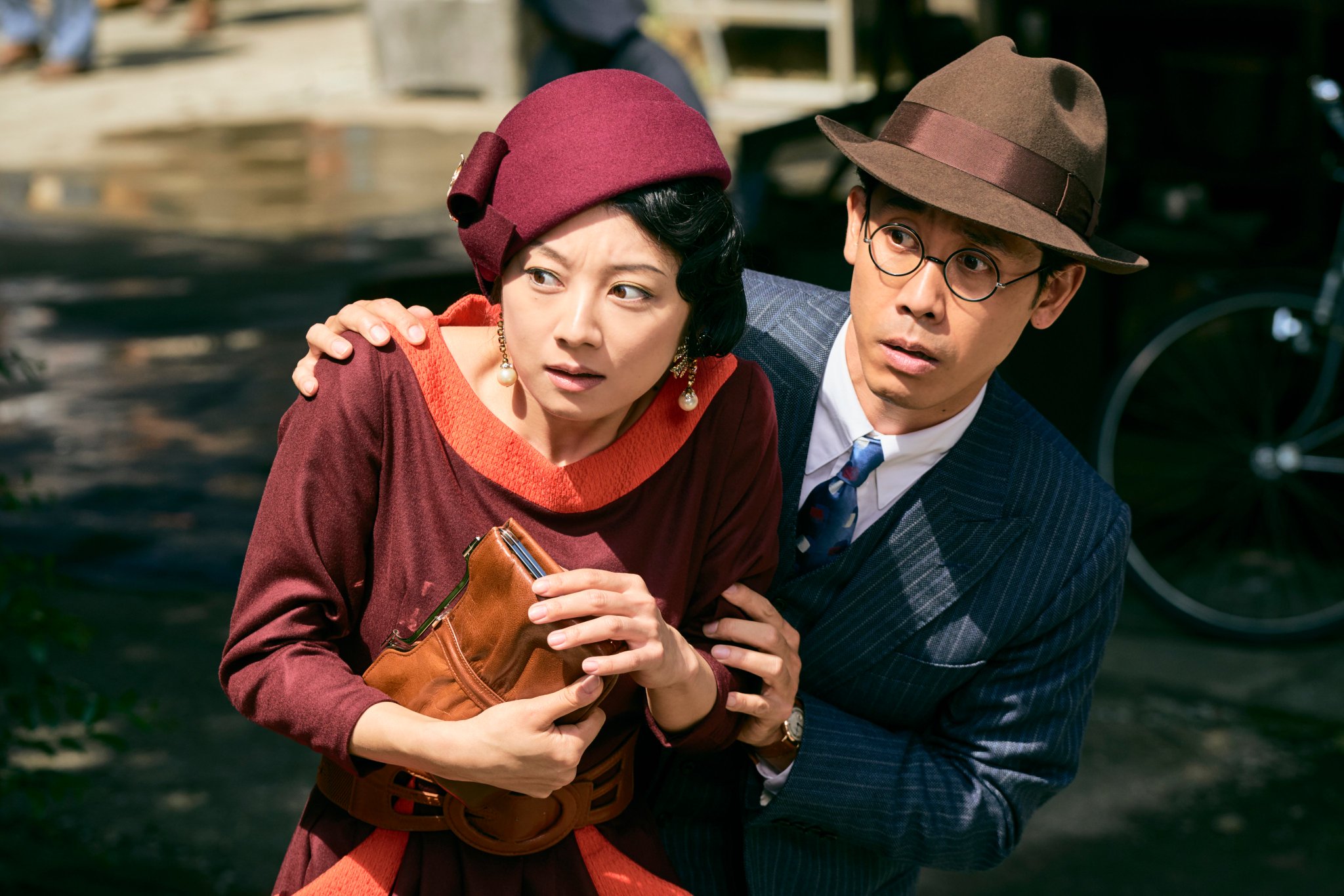
In a loose adaptation of an unfinished novel by Osamu Dazai, Yo Oizumi stars as a lecherous magazine editor who has realised that having so many girlfriends is a definite drain on his resources but being too cowardly to break up with them himself has enlisted the help of the brassy Kinuko (Eiko Koike) to pose as his wife.

Haruka’s Pottery

(c)2019 "Haruka's Pottery" Film Partners

An aimless young woman finds a purpose in pottery in Naruhito Suetsugu’s loving ode to the traditional craft of Bizen ware. Review.

Little Miss Period

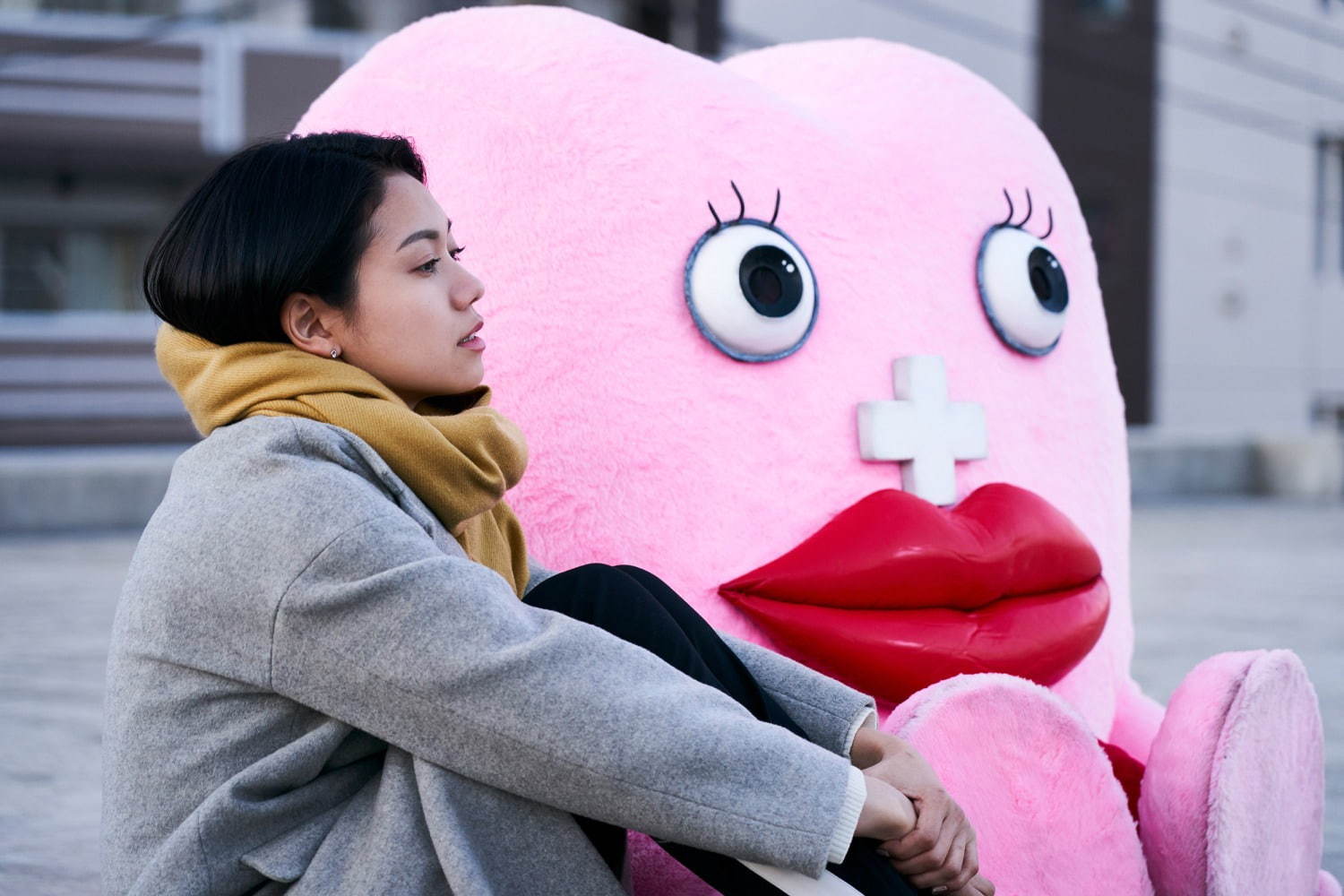
An anthropomorphised period in the form of a giant fuzzy pink monster arrives monthly to wreak havoc on women’s lives but is also a source of warmth and solidarity in Shunsuke Shinada’s delightfully whimsical comedy. Review.

Miyamoto

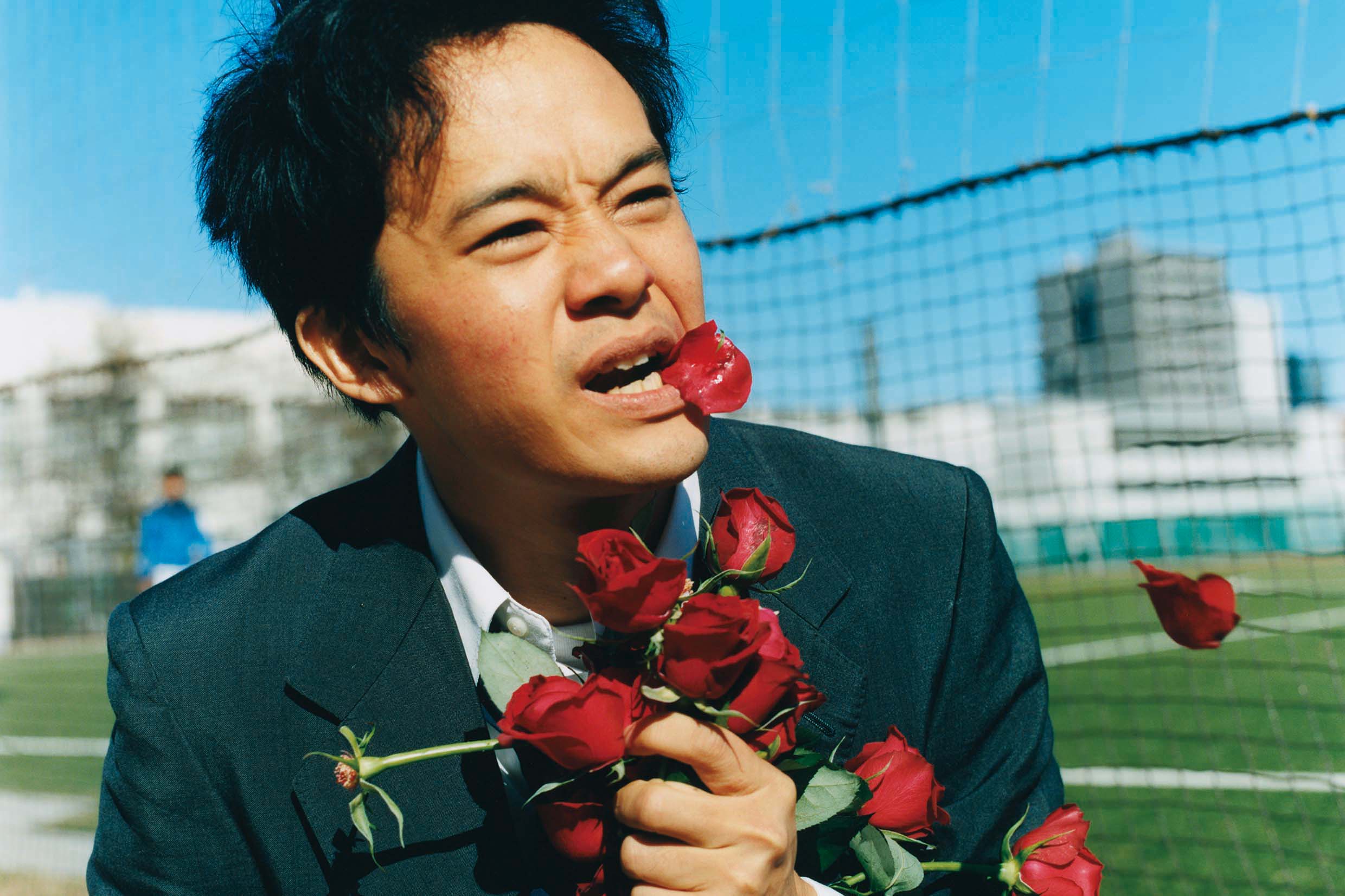
A mild-mannered salaryman embarks on a pugilistic quest to assert his manhood in a discomfortingly cheerful romantic drama from Tetsuya Mariko (Destruction Babies). Review.

One Night

Adult children are forced to face the legacy of trauma and abuse when their mother returns after 15 years of exile in Kazuya Shiraishi’s raw family drama. Review.

Our 30-Minute Sessions

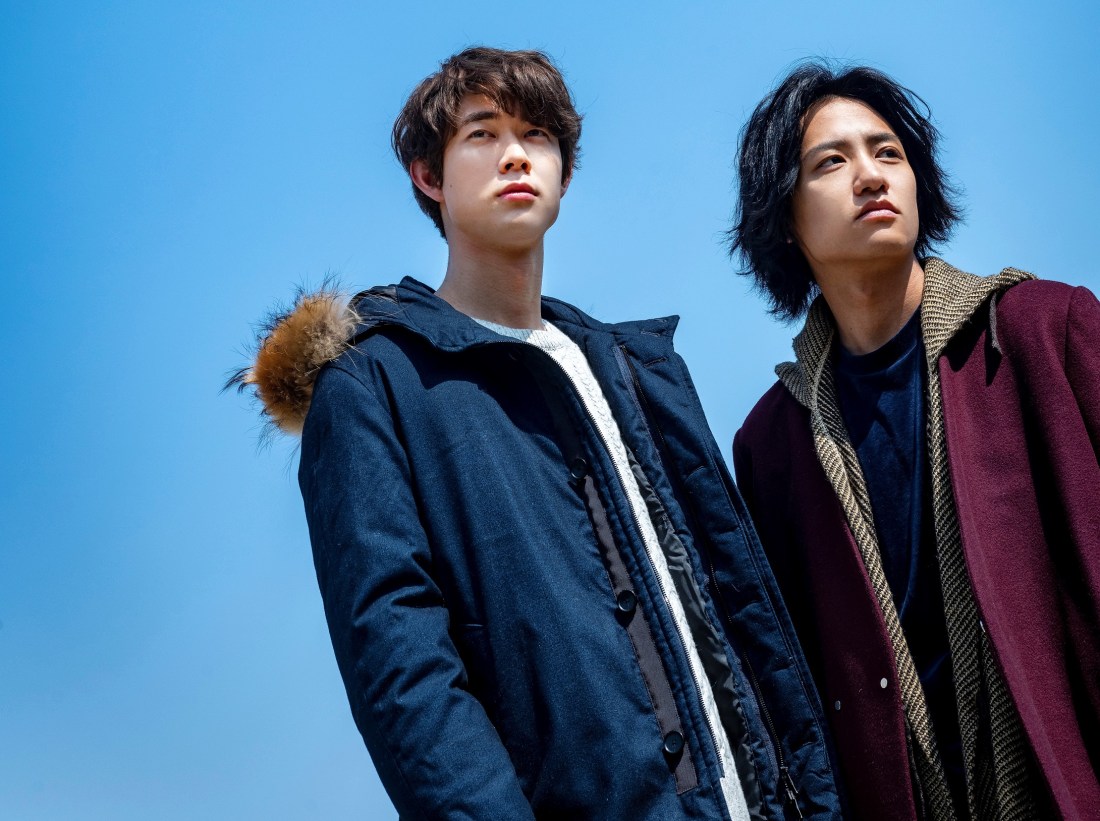
A mild-mannered student discovers a mysterious cassette tape which enables a recently deceased musician to possess his body for 30 minutes at a time in this college drama from Tokyo Ghoul’s Kentaro Hagiwara.

Hello World

A young man living in the Kyoto of 2027 is visited by his future self who enlists him to save the life of his soon-to-be girlfriend who will otherwise be struck by lightning at an upcoming fireworks festival in this sci-fi romance anime from Tomohiko Ito (Erased, Sword Art Online, Silver Spoon). 

Labyrinth of Cinema

A poetic advocation of the transformative power of art, Obayashi’s final film takes a surrealist odyssey through the history of warfare as three youngsters chase the image of Japan in the labyrinths of cinema. Review.

Mrs Noisy

A self-involved writer learns the error of her ways when a vendetta with a noisy neighbour becomes an online viral phenomenon in Chihiro Amano’s empathetic plea for a little more peace and understanding. Review.

Soiree

An aspiring actor/con man bonds with a traumatised young woman working at a care home and ends up on the run with her after they commit an accidental crime in Bunji Sotoyama’s sensitive drama.

A Beloved Wife

An unsuccessful screenwriter is henpecked by his understandably irate sake-guzzling wife in this autobiographical take on a toxic marriage from 100 Yen Love screenwriter Shin Adachi. Review.

Me & My Brother’s Mistress

Filled with adolescent confusion a teenage girl begins to figure out what she wants out of life while conspiring with her brother’s mistress to wreck his impending wedding in Sho Suzuki & Takashi Haga’s coming-of-age comedy. Review.

Samurai Shifters

A nerdy librarian (Gen Hoshino) is forced to take on the poison chalice of taking charge when his clan is unfairly ordered to move domains in Isshin Inudo’s egalitarian samurai dramedy. Review.

Not Quite Dead Yet

A resentful young woman comes to understand her awkward scientist dad only after he becomes temporarily deceased in Shinji Hamasaki’s delightfully zany comedy. Review.


This year’s Touring Film Programme will take place online streaming for free in the UK from 19th February to 10th March. Full details for all the films are available on the official Touring Film Programme website with streaming dates and ticketing information to be announced 22nd January. You can also keep up to date with all the year round events organised by Japan Foundation London via their main siteFacebook page, and Twitter account.

Letter to an Angel (Surat untuk Bidadari, Garin Nugroho, 1994)

A lonely, motherless child’s infinite “curiosity” threatens to destabilise the intensely traditional world in which he lives in Garin Nugroho’s melancholy Sumba fairytale, Letter to an Angel (Surat untuk Bidadari). Taking ownership of a borrowed camera, the boy seeks instant images in order to make sense of his existence and thereafter to explain the way sees the world to those around him, but often finds that his messages go unheard while his society finds itself pulled towards a fractured modernity anchored by corrupted male authority. 

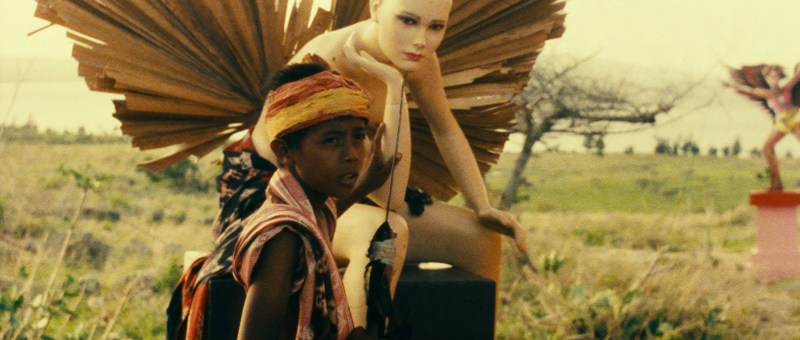
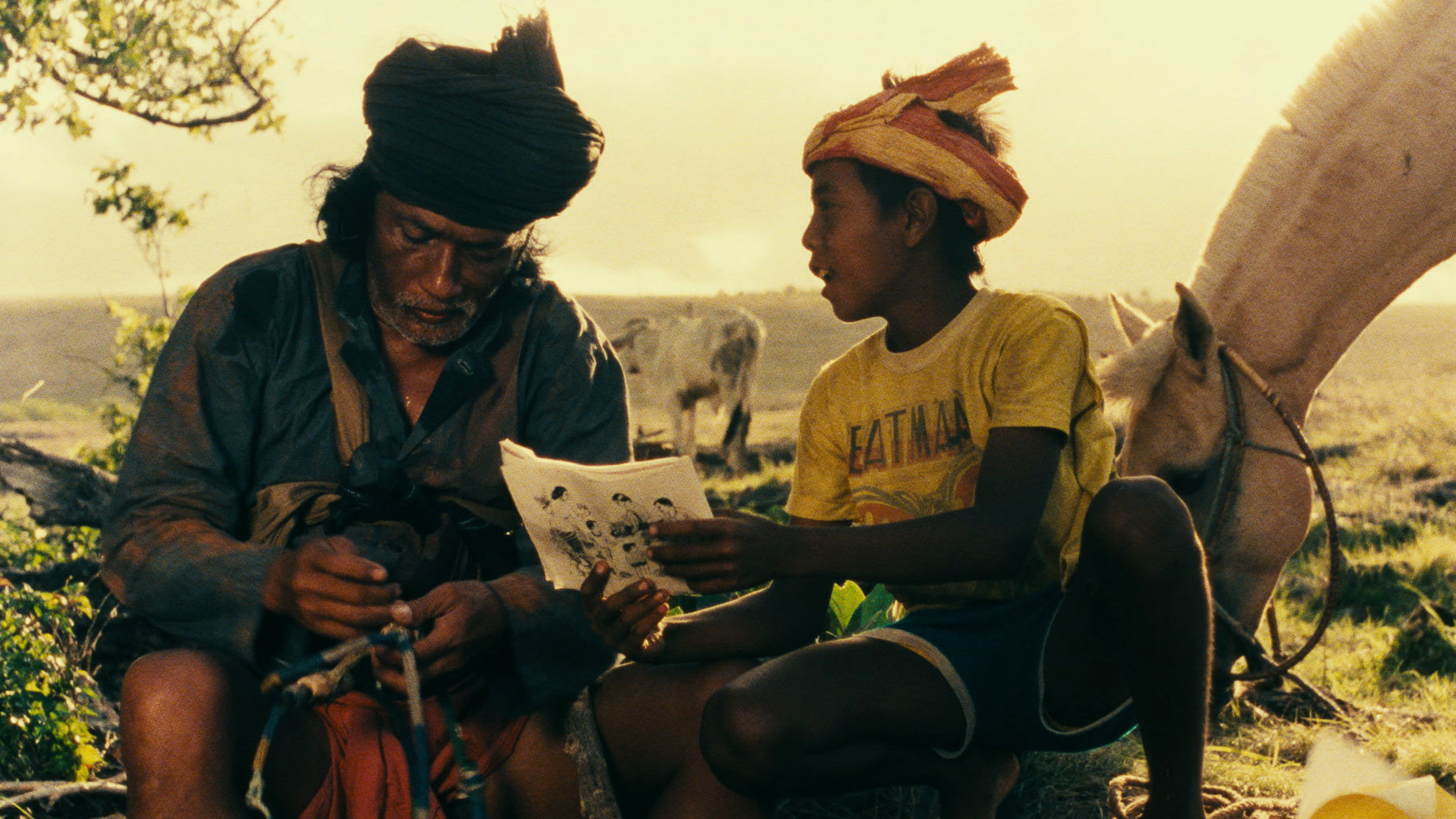
At nine years old, Lewa (Windy) is in a way no one’s child and everyone’s. While his father works his land, Lewa rides his horse or spends time with the local women in search of echoes of the mother he lost in infancy. Somewhat literal, he finds it difficult to follow his Indonesian textbook, stumbling over the simple phrase “this is my mother” which might under the circumstances be an insensitive sentence at the best of times, but in this case because the illustration is of a typical Indonesian woman rather than a woman from his community and does not resemble him or the image he had in his mind of his mother. Asking his father about her elicits only partial history as he shows him the wreckage of the bus accident in which she died, Lewa becoming mistakenly fixated on the poster of Madonna (in name at least literally “the mother”) pasted on the side, snapping it with a polaroid camera gifted to him by a sympathetic travelling performer. 

“Pictures show reality” he muses, talking to another of his maternal figures, Berlian Merah (Nurul Arifin), the village’s most beautiful woman. Beauty can, however, be a curse though she perhaps won’t quite know that. Evil local big wig land grabber and Elvis obsessive Kuda Liar (Adi Kurdi) desires her and so manoeuvres to have her husband killed. Not content, he later goes after Lewa’s other mother figure, the school teacher who told him of an angel who could heal the sick and bring the dead back to life. Muddling images in his mind, Lewa skips school and writes letters to the angel as if she were his mother, looking for comfort and guidance but finding little more than frustrating silence. Kuda Liar hassles his father for his land, and his mothers for their bodies, thinking nothing of throwing little Lewa himself off a cliff simply for the crime of existing. 

Yet Lewa is repeatedly saved by his village chief who insists that Lewa is a good kid and being “curious” is no bad thing. It’s that curiosity, however, that repeatedly gets him into trouble, especially when he takes a photo of something he shouldn’t and offends a neighbouring village, triggering a long dormant feud into a moment of mass violence. “I don’t understand why I’m told I’m a bad person when all I wanted was to show my father’s real face” he writes in a letter on another occasion, unable to understand why others are not curious in the same way as he is, unwilling to see his version of the truth as mediated by the “reality” of his photographs. 

Garin Nugroho too is determined to capture a certain kind of “reality” of the lives of the islanders as they practice their traditional culture, including footage of a series of rituals as they are performed complete with bloody acts of animal cruelty while Kuda Liar is at least forced into performative contrition in a “ceremony of forgiveness” for throwing Lewa off the cliff (into water, he is unharmed), demonstrating the way such ceremonies are used to mediate disputes within the community unlike the more “civilised” trial which occurs at the film’s conclusion, charged with discerning a more concrete notion of “reality” but in actuality setting out to prove a preconceived narrative, unwilling to hear the truths of others. It’s this contradictory authority that Lewa struggles to parse, looking desperately for his mother while inheriting only problematic visions of masculinity from his distant, angry father, to the “mad” uncle Malaria (Fuad Idris), and the cruel eccentricity of Kuda Liar. Eventually it imprisons him with the notion that he must be “rehabilitated”, presumably to become less “curious”, taking away from him the means to define his own reality for himself but allowing him perhaps to find that which he had been looking for.   


Letter to an Angel streamed as part of this year’s San Diego Asian Film Festival.

Trailer (English subtitles)

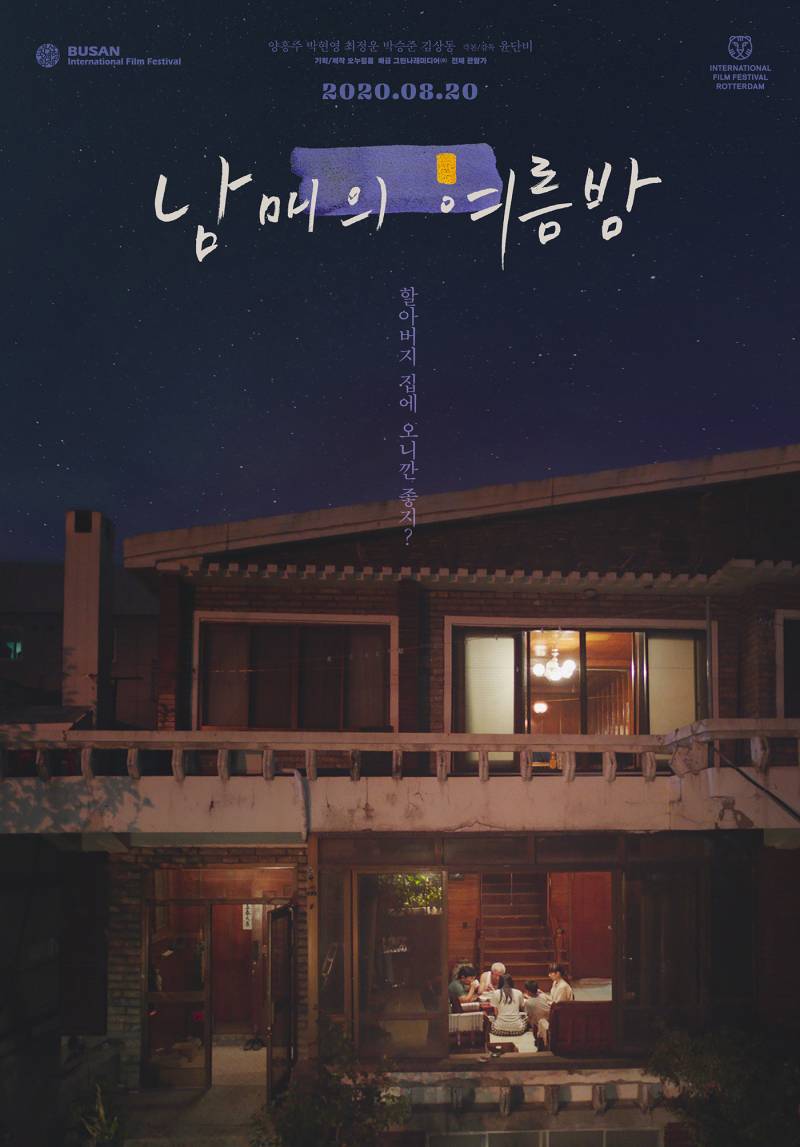
Moving On (남매의 여름밤, Yoon Dan-bi, 2019)
Life is a series of partings, but somehow they never seem to get any easier. The heroine of Yoon Dan-bi’s award-winning debut feature Moving On (남매의 여름밤, Nammaewui Yeoreumbam) seems to have already developed a healthy sense of nostalgia for an irretrievable past despite her young age, acutely aware of her silent grandfather’s aching loneliness though somehow unable to ease it. Yet it’s the complicated business of family that she finds herself sorting out one difficult summer while temporarily displaced, living in a sense in the past as her equally lost father attempts to rediscover some kind of foothold in the modern society by moving back into his childhood home.

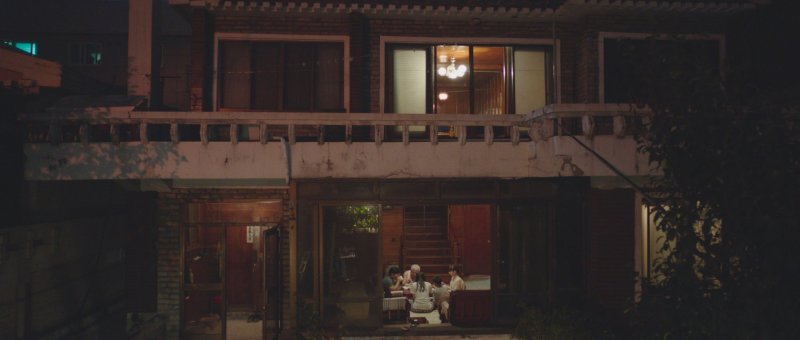
Teenage Ok-ju (Choi Jung-un) takes one last look around her old apartment before her dad Byunggi (Yang Heung-joo) drives them to grandpa’s, a place and indeed man she doesn’t know particularly well. In fact, she’s worried he might not even know they’re coming. When they arrive, it turns out grandpa isn’t there, he’s in hospital after being struck down by heatstroke. As they will every other time we see them bar the last, Ok-ju and her younger brother Dong-ju (Park Seung-joon) enter the house alone, waiting patiently for their father to come back while still not really quite at home, fearful of causing a disturbance in an unfamiliar environment. When they finally return it seems as if Ok-ju’s hunch might have been right, her father asks grandpa for permission to stay to which he merely gives a few words of assent. 

Byunggi paints their stay as something like a summer holiday, which it is in a way, a brief moment of pause while they figure out what to do next. What he hasn’t told the kids is that he’s broke, selling factory second sneakers on the street in an unsuccessful attempt to make ends meet while he studies to pass an exam to get a better job. They’re piling into grandpa’s two-bed, two-storey home because they don’t have money for rent. Yet like any teenage girl Ok-ju has the usual worries. She wants $700 from her father for cosmetic surgery, partly as she later explains to her aunt Mijung (Park Hyun-young) because the boy she’s been seeing only texts her when she texts him leaving her feeling insecure in her looks and mistakenly believing he’d be more proactive if her eyes were more generic. Later she swipes a pair of her dad’s trainers to give to him as a birthday present, trying to buy his attention, and then another trying to sell them to get the money her dad wouldn’t give her not realising the trainers are fake. The awakening she gets is then two-fold, firstly that she made a huge mistake turning to crime and secondly realising that her dad’s a fraud, a failed businessman who’s resorted to peddling knock offs and moving back in with his father because he can’t support his family. 

Meanwhile, she’s still harbouring a great deal of resentment towards her absent mother who has for unknown reasons left the family. She argues with her cheerful brother Dong-ju who still wants to maintain contact with her, angrily accusing him of having no pride when quite the reverse is true. It’s she who is too proud to admit she misses her mother and too hurt to forgive her for her abandonment. She rejects Dong-ju’s right to choose for himself, insisting that he shouldn’t see their mother because she doesn’t want to, trying to enforce sibling solidarity but only further driving a wedge between herself and her brother as she reduces him to tears in the absurdity of her misplaced rage. With father and mother both discredited, only the arrival of aunt Mijung provides an alternative source of adult reliability but aunt Mijung has problems too, sneaking out at night to drink and smoke while contemplating a middle-aged divorce from her possibly abusive husband. 

There’s an odd kind of symmetry in the secondary family that is thrown together at grandpa’s, Ok-ju and Dong-ju younger versions of Byunggi and Mijung living in their childhood home now cast in the parental roles if somewhat awkwardly. They have each in a sense failed, Byunggi unemployed and separated from his wife and Mijung heading for a divorce. They’ve come “home” to be children again, get a reset on middle-aged disappointment while contemplating future loneliness as they consider the problem of grandpa, asking themselves if he might not be better off in a home as his health declines especially after the kids go back to school and they’ll need to hire a carer. Mijung wants to sell, but it’s impossible to sort the desire to do right by dad from the material lure of turfing him out his own house to unlock its hidden equity. Figuring out what’s going on, Ok-ju is further disappointed in her father. After all, it’s just not right. But he fires back at her that stealing his dad’s house out from under him isn’t so different from what she did when she took the shoes, which is a point but maybe not the one he thinks he’s making. 

Still, sometimes events can overtake you. Walking downstairs late one evening Ok-ju is struck by the sight of her grandfather sitting sadly alone listening to a melancholy song from his youth about lost love, overcome with nostalgia and a deep sense of loneliness, a longing for something or someone perhaps the family of bygone days. The Korean title, “a brother and sister’s summer night”, has its sense of poignancy too as the pair are forced to contemplate summer’s end, processing loss as they adjust to the new normal of their unusual family circumstances Ok-ju finding an adult accommodation with disappointment as she prepares to “move on” from this summer interlude into a much less certain world. Shot with warmth and naturalism, Yoon’s debut captures a family on the brink of disintegration but does perhaps find a kind of solidarity in the siblings’ self-reliance as they face the summer night alone but also together. 


Moving On streamed as part of this year’s New York Asian Film Festival.

Festival trailer (English subtitles)