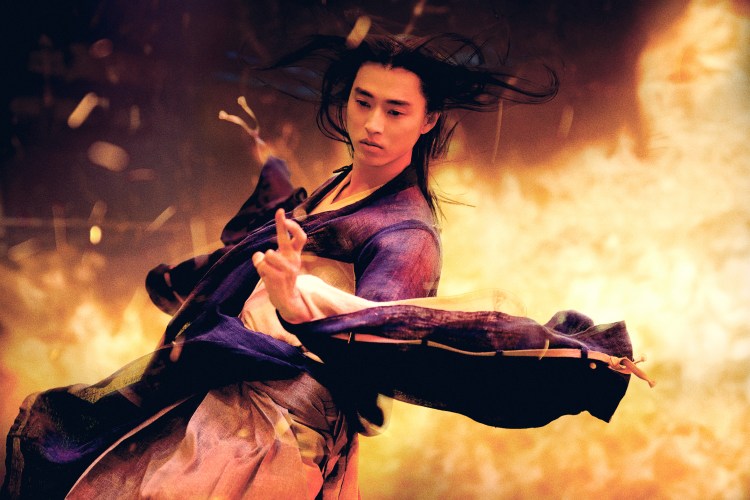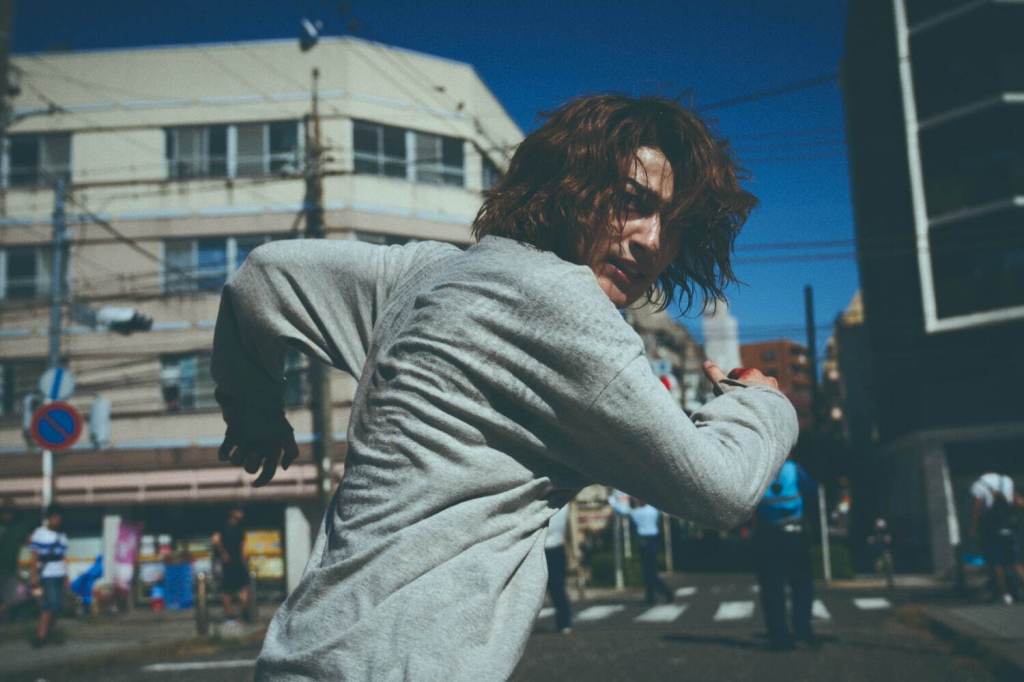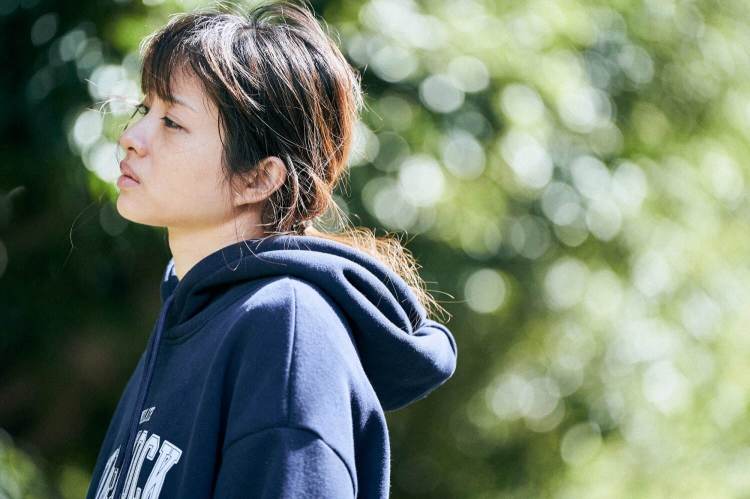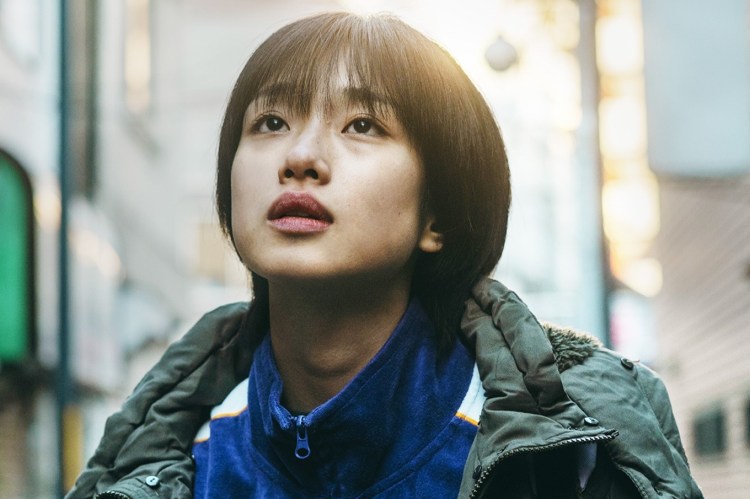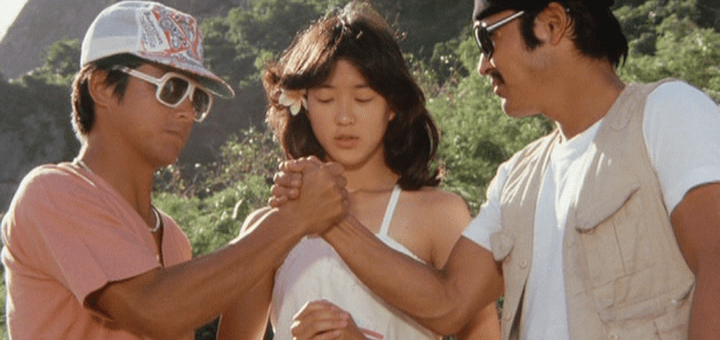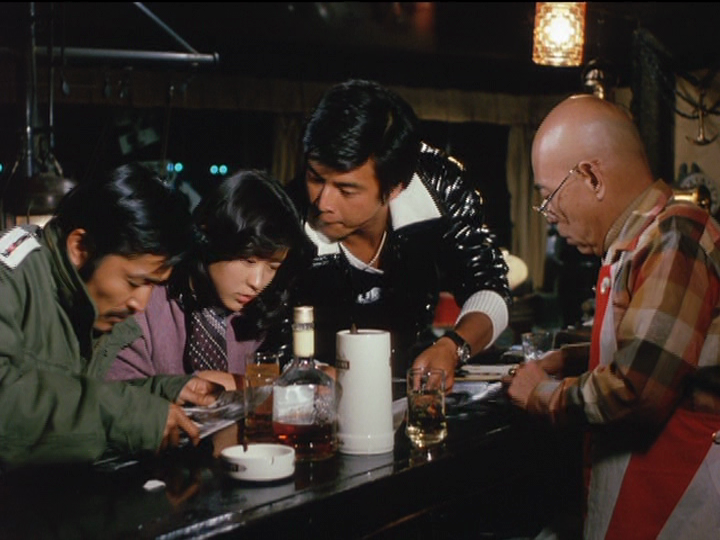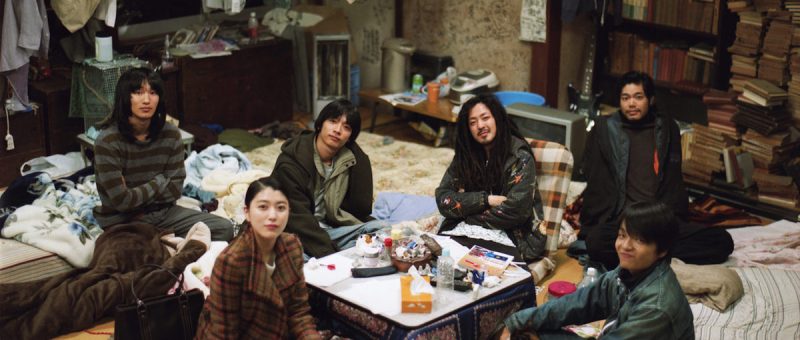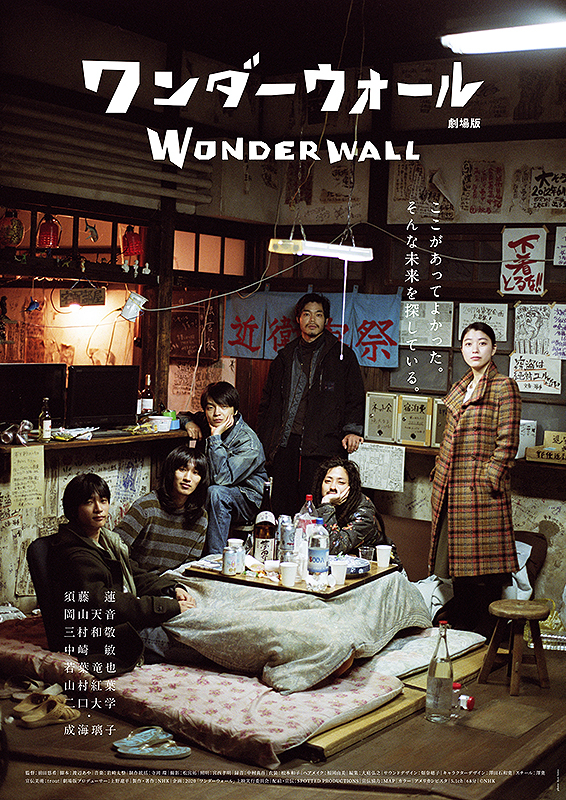
Girl with the Fire Banner (唄祭りかんざし纏, Kinnosuke Fukada, 1958)

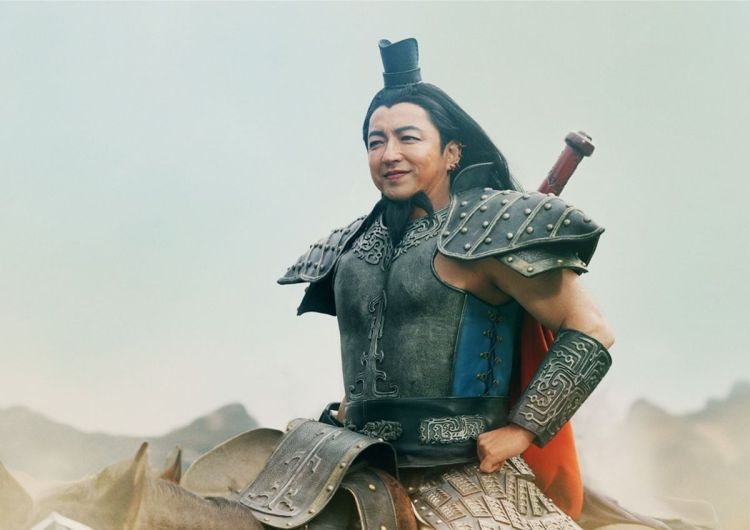
Hibari Misora puts out the fires of the Bakumatsu in another musical jidaigeki adventure, Girl with the Fire Banner (唄祭りかんざし纏, Utamatsuri Kanzashi Matoi). Once again co-starring with Chiyonosuke Azuma, Misora plays another feisty young woman taking over the family business from a sickly father only this time the business is the fire brigade and while she calmly points out to those of a differing opinion that firefighting is an equal opportunities, apolitical occupation, she also finds herself at the centre of a coming revolution caught between corrupt Shogunate loyalists and the imperialist advance. 

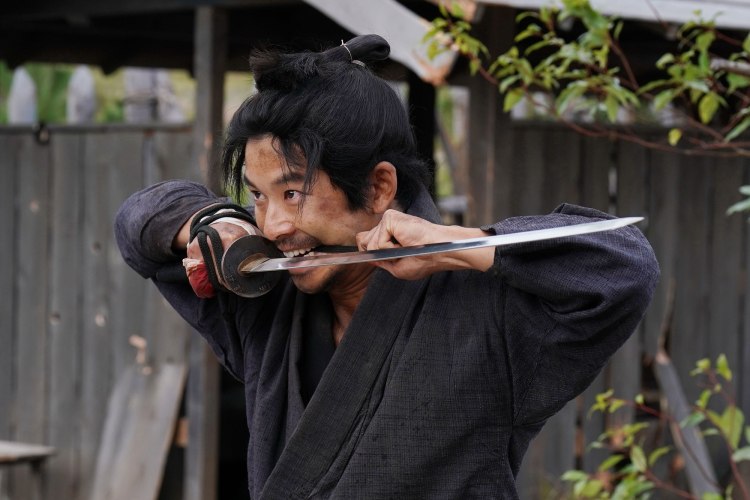
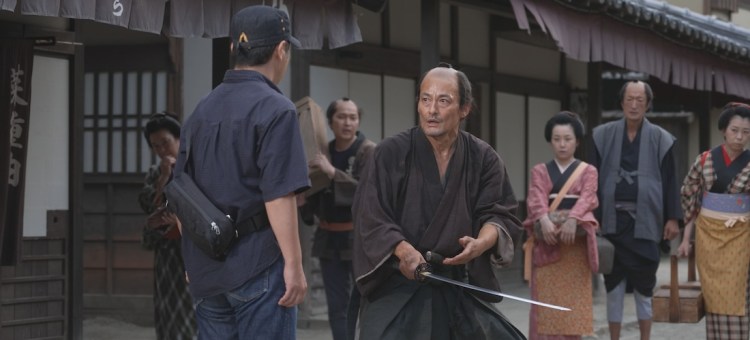
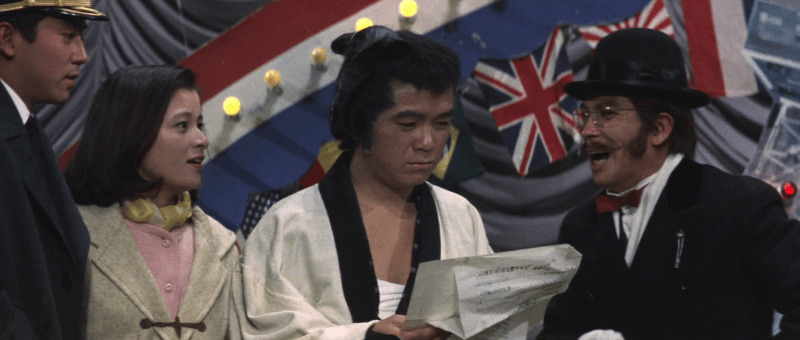
Set in Edo in the climactic year of 1868 in which the Shogunate ultimately falls, the action opens with a fire at a townhouse owned by a member of the Satsuma clan, the leaders of the imperialists aiming to topple the Tokugawa and restore power to the emperor. While Haru (Hibari Misora) and her top team of firefighters rush to the scene, others actively refuse to fight the fire even going so far as to try to stop her. While she reminds them that it doesn’t matter who the house belongs to they have a duty to fight fire if only to prevent it engulfing the rest of the town, a dashing young samurai turns up and fights off the loyalists before daringly retrieving their firefighter’s banner from a burning roof asking only five ryo in return. The mysterious man soon disappears only to turn up a few days later having attempted to charge them for a new kimono and a shave in order to ask for a job as a fireman. Haru tries to dissuade him, not least because of his samurai arrogance as he explains he’s not come to join at the bottom and serve out the three year probationary period but to lead, but eventually relents only to find him continuing to behave like an entitled twit flouting all of their rules. 

Nevertheless, as someone later puts it, Japan will shortly be a “classless society” or at least samurai privilege is about to dissolve. This appears to be the central preoccupation of the villainous lords who describe themselves as Shogunate loyalists but in reality care only for their own cause. Not content with running an obvious protection racket with local vendors, threatening to burn down their stores if they don’t agree to contribute to their fund for restoring the Shogunate, they’ve also been buying up rifles to sell at inflated prices to “young hotheads” eager to die for the Shogun, and stockpiling rice hoping to profit when the city burns as they assume it will when imperialist troops arrive. Realising that their gambles may not pay off as the Shogunate may be planning to cut a deal and surrender in order to protect the people of Edo, the lords, who are technically in charge of the fire brigades, consider burning the city to the ground themselves under the cover of avenging the Shogunate’s honour. 

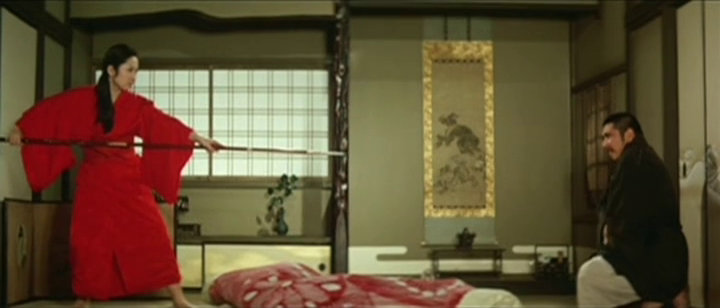
Of course, Haru, a firefighter through and through, could never support such duplicity though it’s clear many of the others would have gone along with it if no one had resisted. In contrast to some of Misora’s other Bakumatsu-era movies, the Shogunate and more particularly the loyalists are definitely the bad guys though in a rather strange turn of events we also see real life sumo wrestlers Asashio Taro III and Wakamaeda Eiichiro arrive to stand up for justice by knocking some of the loyalists heads together, returning later armed with giant poles and dressed only in their mawashi loincloths while throwing hay bales followed by the actual cart (!) at the arsonist loyalists before physically holding them back with the firefighters’ ladders. 

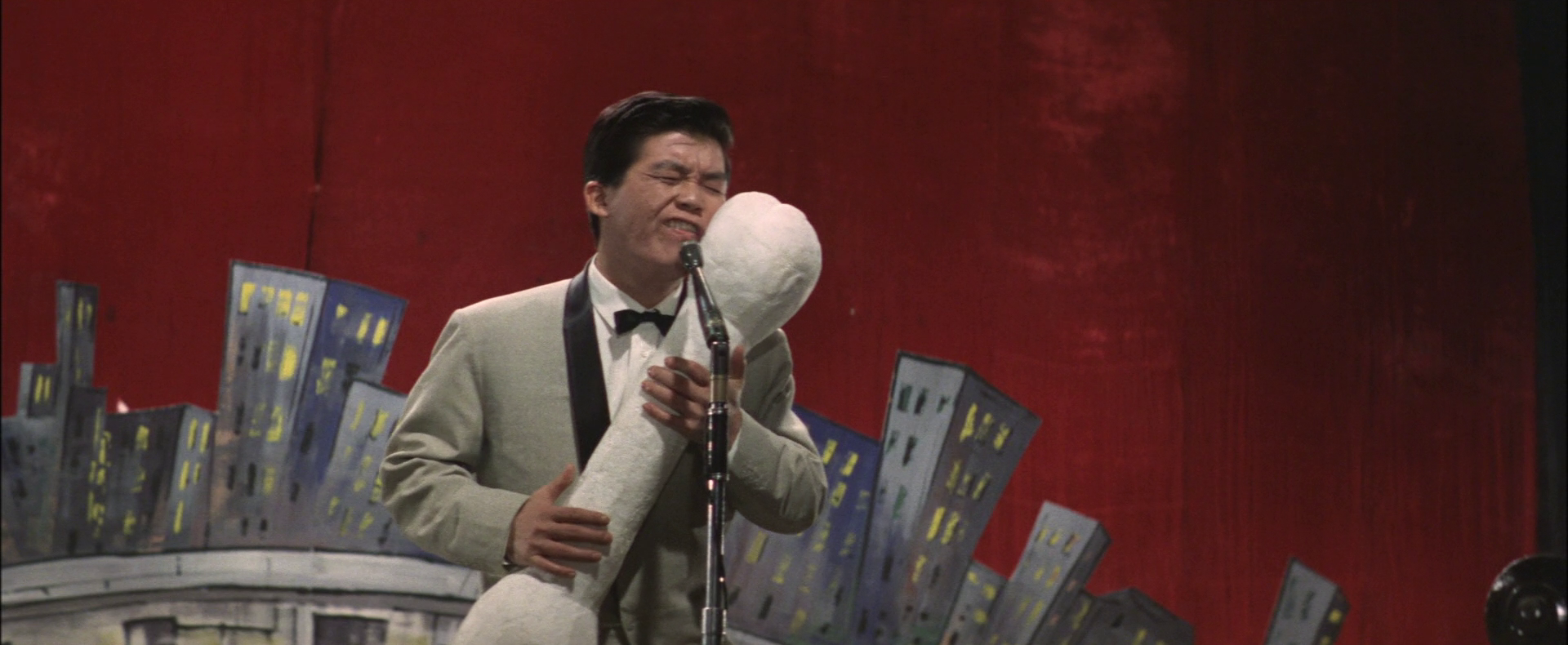
Misora, meanwhile, remains largely on the sidelines uncharacteristically elbowed out of the fight by the guys while lowkey falling for Shintaro despite his samurai arrogance. Musical numbers are fewer than might be expected, the title Edo Firefighter song reprised at the end while Misora gets a second love song wistfully sewing a kimono for Shintaro in the company of a cat wearing a fancy ruff. Shintaro gets his own number before handing back to Misora for another reprise of the title song. Nevertheless, the pair manage to salvage Edo from the flames of the revolution purifying the corruption while furthering progress towards a more equal society even if the closing scenes leave us clearly still on the march. 


Moonlight Whispers (月光の囁き, Akihiko Shiota, 1999)

Well established in Japanese cinema, the teenage romance comes with its own series of genre tropes, the barriers standing between the young lovers usually leaning towards the constraints of a conformist society, class differences, or familial disapproval if not introducing a note of inevitable tragedy in serious illness or physical threat. What the youngsters typically do not do or are actively at times prevented from doing is to begin to accept themselves for all they know that to do so may in a sense result in their exile from mainstream society. Yet this is exactly the conclusion with which Akihito Shiota’s debut feature Moonlight Whispers (月光の囁き, Gekko no Sasayaki), adapted from the manga by Masahiko Kikuni, eventually presents us as the teens come to embrace their unconventional relationship while accepting that others may never truly understand. 

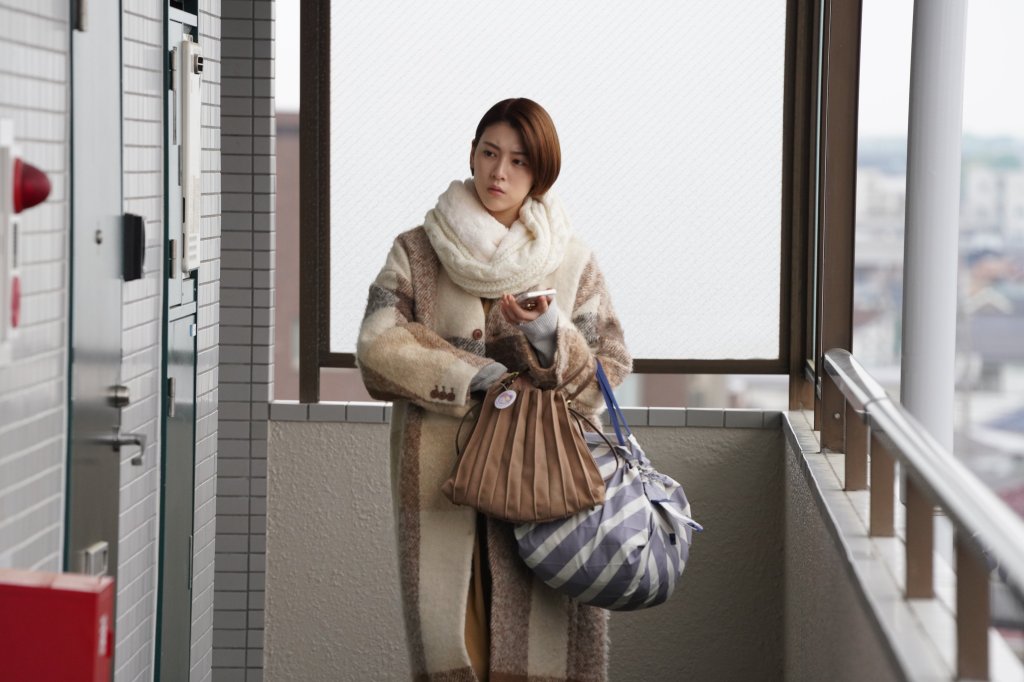
Beginning in conventionality, Shiota opens with the sweet and innocent friendship between kendo enthusiasts Takuya (Kenji Mizuhashi) and Satsuki (Tsugumi). Many seem to think they are a couple, but Takuya is quick to correct his friend telling him that they are merely “sparring partners” even going so far as to hand over a love letter, which he knows to be exactly the same as the letter his friend writes to all the other girls, on his behalf. As expected, Satsuki finds his behaviour insensitive, suspecting that Takuya himself has a crush on her but finally confessing her own feelings while he wheedles that he never said anything because of his sense of inadequacy explaining that just to be near her was always enough for him. Following this brief moment of connection, the couple embark on a “normal” teen romance, Satsuki taking the initiative with Takuya in bed with a cold to consummate their relationship. It does not go particularly well, in part because Takuya has a secret. He’s been secretly stalking Satsuki for ages, likes to break into her locker to smell her gym kit, and has a collection of keepsakes he’s stolen from her in addition to a series of illicit photographs and a tape of her using his family bathroom. The tape proves the last straw for Satsuki who then storms out calling him a freak and starts dating her handsome kendo club senior Uematsu (Kota Kusano) instead. 

What Satsuki hasn’t figured out is that Takuya quite likes it when she’s mean to him, which is why he continues stalking her even after she starts dating the very “normal” Uematsu. Unexpectedly, she begins to discover that she quite likes, if not quite the process of hurting him, then watching him suffer which is why she makes him sit silently in a tiny cupboard while she has “normal” sex with Uematsu on a sofa directly opposite. The relationship between them is one of push and pull, Takuya initially embarrassed and ashamed of his masochistic desires explaining that “god made me wrong” while ironically driving Satsuki towards an awareness of her sadism. On the other hand, the relationship had always been unconventional in its reversal of gender roles, Satsuki quite literally leading while Takuya trails behind. She is the first to openly state her feelings and the first to initiate sex, while Takuya is somewhat feminised in his deference and timidity.

Nevertheless, Satsuki struggles to accept her capacity for sadism refusing to tell Uematsu why she broke up with Takuya but explaining that she wants a “normal” relationship in with someone with whom she would be able to discuss anything and everything honestly the irony being that she might have had that with Takuya but cannot with Uematsu because she is filled with internalised shame about the “perverted” pleasure she gains on witnessing Takuya wilfully degrade himself on her behalf. They are already in an accidental sado-masochistic relationship though they of course do not quite have the words to describe how they feel or what it is that exists between them. Their love inevitably heads to quite a dark place but even so leads to a kind of rebirth in which each fully accepts themselves for who they are along with their designated role within the relationship even if also knowing that others may not be quite so understanding. 

For all of its provocative qualities, there is an underlying sweetness in Shiota’s unconventional romance even as he carefully inverts accepted genre norms the conventional indie background score perhaps ironically undercutting any sense that the relationship is actually as “perverse” as the teens sometimes feel it is even as they each struggle with their respective feelings and desires. Nevertheless he ends on a note of anxious ambivalence as the physically and emotionally wounded lovers remove themselves from mainstream society in order to embrace their authentic selves.


Original trailer (English subtitles)

The Pit of Death (怪談おとし穴, Koji Shima, 1968)

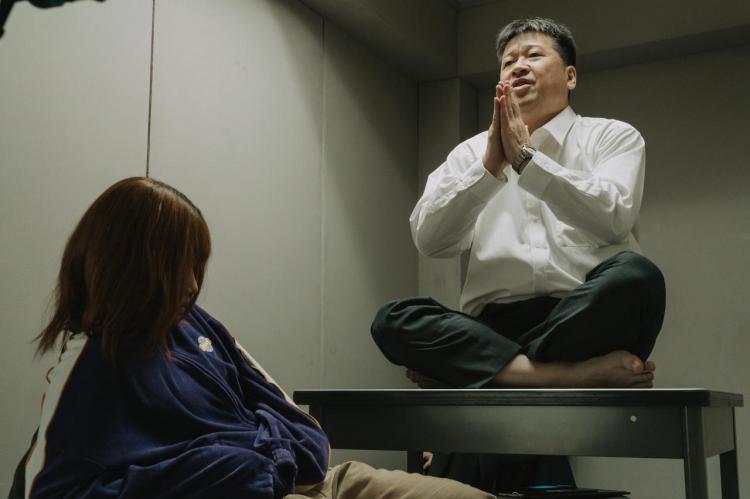
The building at the centre of Koji Shima’s dread-fuelled horror noir Pit of Death (怪談おとし穴, Kaidan Otoshi Ana) is said to be haunted by the spirits of the many people who died during its construction. In his opening voiceover, anti-hero Kuramoto (Mikio Narita) likens the city to a hornet’s nest, the salaryman drones mindlessly buzzing around the business district as if driven by some supernatural force. In that sense, the office building itself becomes an eerie place, the nexus of the salaryman dream which in the end drags all to hell. 

Largely a retelling of Yotsuya Kaidan for the mid-20th century with a little A Place in the Sun thrown in, the film finds Kuramoto an ambitious man deluded by consumerism and resentful of the classism and snobbishness which limit his prospects as a man who has otherwise been able to pull himself out of poverty. His boss pointedly speaks of his talents which include the ability to speak several languages despite only having attended night school rather than university while it’s unusual for a man of his background to hold this kind of position even if he’s only a secretary and not yet an executive. Nevertheless, his boss clearly sees him as a potential successor and plans to marry him to his daughter (Mako Sanjo) who has in some ways inexplicably developed a crush on him.

But Kuramoto is already in a relationship with typist Etsuko (Mayumi Nagisa). In fact, the reason the boss is so pleased with him is largely down to her in that he asked Etsuko to sleep with their foreign client, Mr Hancock, to seal the deal which she duly did. Kuramoto plans to throw her over in order to pursue his dream of taking over the company so he can look down on those who once looked down on him. He tells Etsuko that the marriage will be in name only, that he isn’t attracted to the boss’ daughter Midori, and their relationship will continue as before only to be confused when Etsuko is not totally on board with the plan. She tells him she’s pregnant with his child though he callously points out it could be Hancock’s and insists on an abortion thereafter determining he must kill her so that he can fulfil his destiny by joining the executive class. 

His desires are obvious when he steps into Midori’s home and gazes at a painting crassly asking how much it’s worth, admitting that he’s the kind of poor person who has a fascination with luxury. His forward propulsion is driven by a fear of poverty, the trauma of the hard life he’s had and the futility he felt in his inability to escape it. Yet it’s also a kind of class rebellion motivated by resentment for the prejudice held against him as a man without means in a highly stratified society. Paradoxically, he will do anything and everything to be accepted as a member of the elite class including murdering Etsuko, the symbol of the working class past he fears will drag him down.
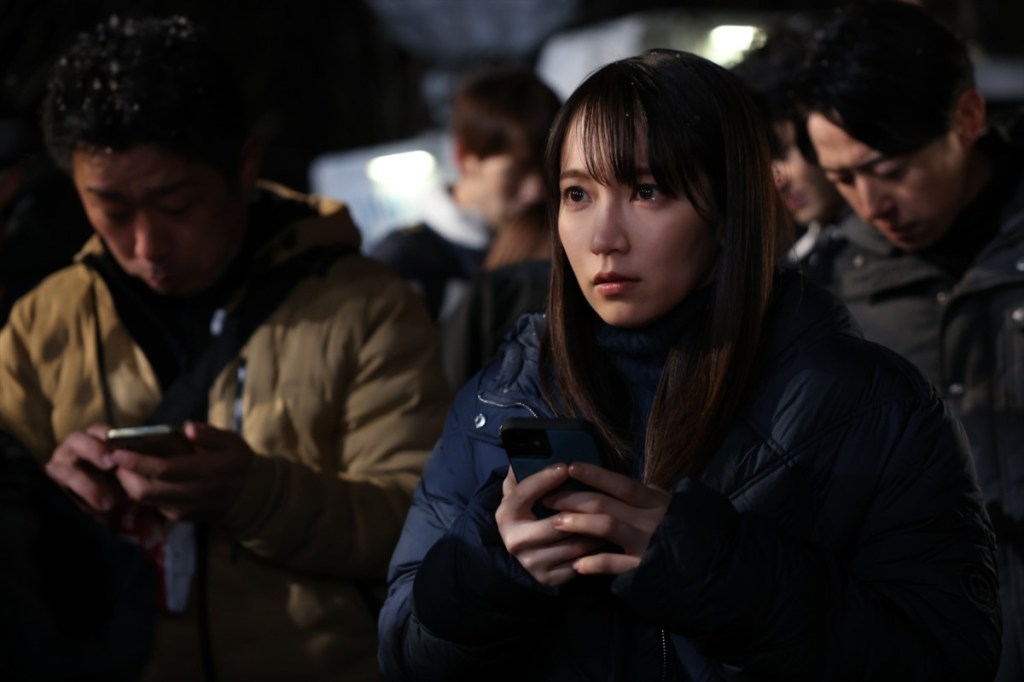
Etsuko does indeed drag him down eventually in her own revenge against his callousness and the double standards of a patriarchal society. Her relationship with Kuramoto seems to be a secret in the office while he uses and discards her when no longer useful to him. She too is trapped within this building of a newly corporatised society but can rise no further alone and is in a fairly bleak position without Kuramoto for she has already thrown away her only bargaining chip by entering a sexual relationship with him. Should she attempt to raise his child alone as a never married single mother, her life would be very difficult indeed if not actually impossible. Nevertheless, she does have real power over Kuramoto in her ability to expose the affair and ruin his chances of career advancement through dynastic marriage destroying any possibility of his future success. 

In Kuramoto’s mind, Etsuko cackles like a witch or evil spirit. Her hair billows out into the wind like a vengeful ghost, though the first few times Kuramoto only imagines her death. He sees himself push her off a roof, only to be surprised to see her still standing over him. Etsuko haunts Kuramoto while alive as an image of his destruction all while he silently plots hers. He plans to use the building against her, hiding her body inside it where he assumes no one will see. In the end, it’s as if this building, an edifice of soulless corporatising capitalism, consumes them both, drawing them in with their unfulfilled desires until they fall into the bottomless pit of post-war ambition. Shima makes frequent use of solarisation and film noir lighting to destabilise Kuramoto’s world as his mental state starts to fracture along with innovative use of split screens to lend the space a sense of eerie continuity but ultimately posits the salaryman society as a kind of death trap beckoning greedy souls towards their demise with an inexorable fatalism.

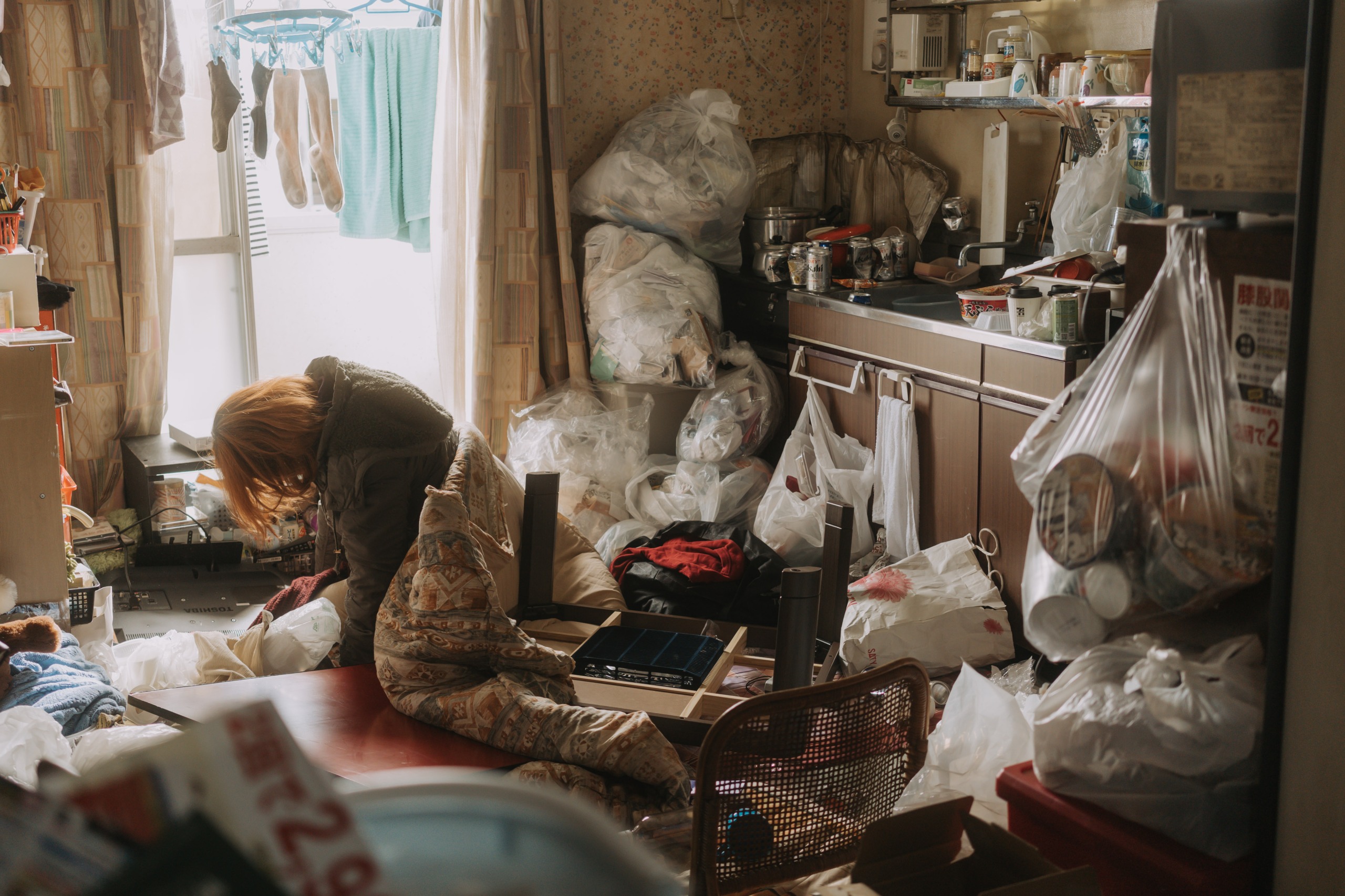
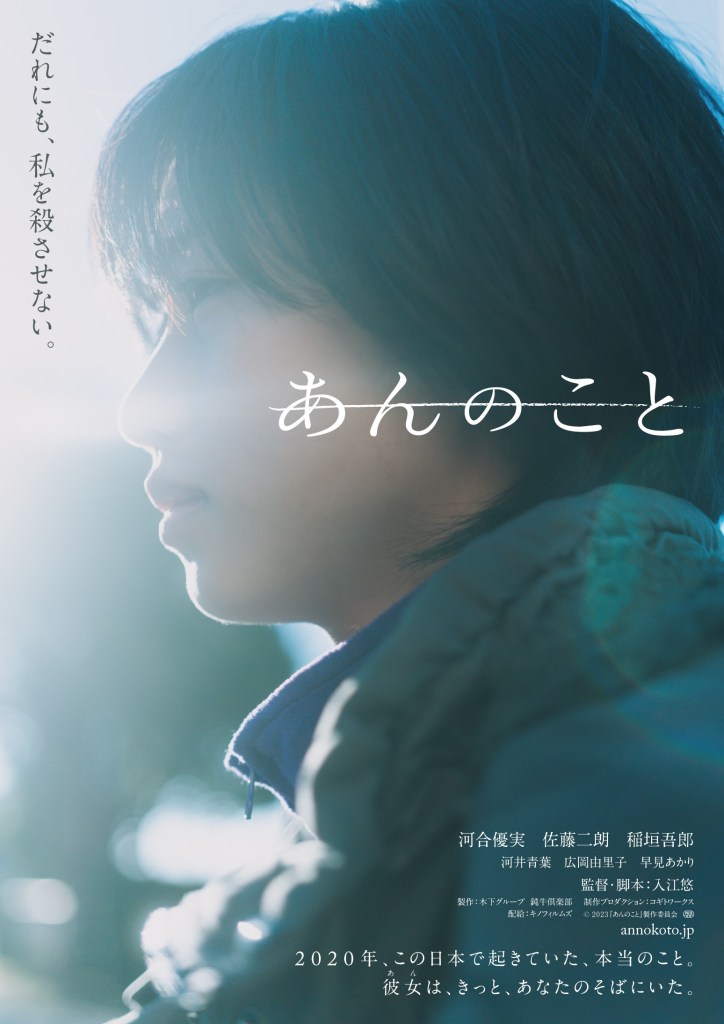
Lonely Glory (わたしの見ている世界が全て, Keitaro Sakon, 2023)

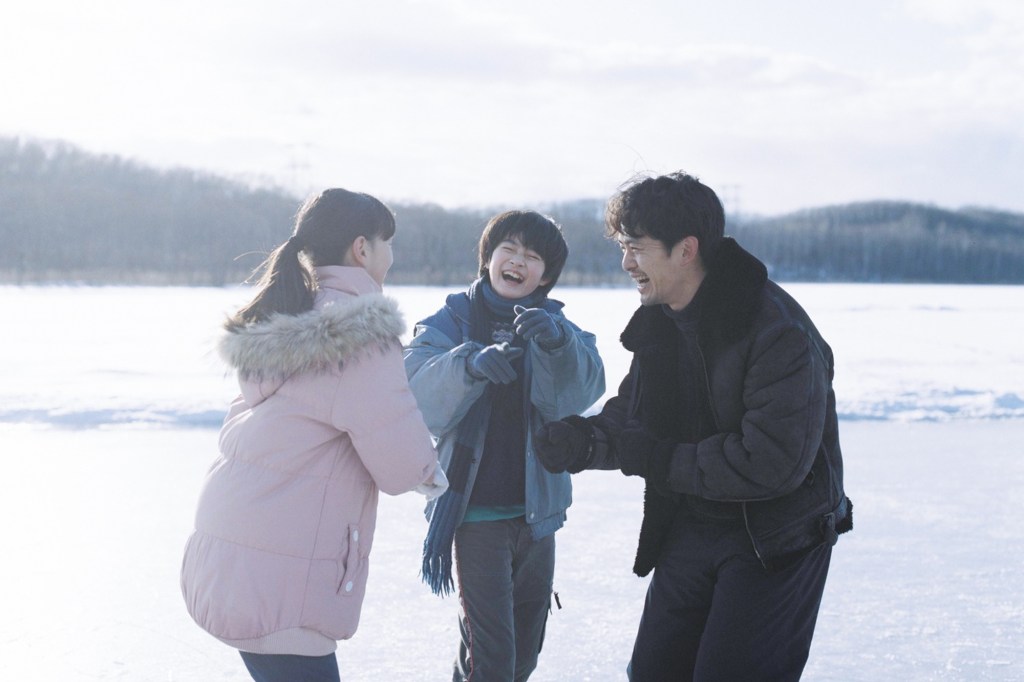
A thoroughly unpleasant young woman gradually begins to realise that other people have feelings too and she has no idea what she’s doing with her life in Keitaro Sakon’s indie drama Lonely Glory (わたしの見ている世界が全て, Watashi no Mite Iru Sekai ga Subete). Haruka currently runs a startup geared towards helping people maintain good mental health which is ironic in the extreme because she has no understanding of or regard for the feelings of others. Yet as she says during a role play with an employee, the basic principle of their business is helping people identify their problems which she ironically does on returning home to her estranged family if not entirely for altruistic reasons. 

Before that, however, we see her be unnecessarily harsh during a staff evaluation later justifying herself to the boss that they needed to clear out those who are of no use. To her, the staff member’s feelings were irrelevant, she just informed them of their subpar performance. Her boss isn’t buying it. He tells her that her management techniques are counterproductive and that with multiple accusations of bullying behaviour she herself says she is unwilling to work on (because she doesn’t understand she’s done anything wrong) he has no option other than to ask for her resignation. Unfazed, Haruka decides to start her own startup, but is soon confronted with another crisis on learning that her mother has passed away. 

On arrival at the hospital and despite being the youngest sibling Haruka immediately takes over, seemingly unmoved, and opts for the cheapest funeral plan available. She didn’t come to her father’s funeral and her siblings didn’t expect to see her for this one either, but now she has an ulterior motive in that she wants to sell the family home and business to finance her new business venture despite the fact all three siblings still live there and two of them are financially dependent on the cafe/greengrocers for their living. Haruka is incredibly judgemental about her small-town siblings’ life choices branding them as delusional and generally carrying on with an air of superiority but it’s also true enough that they are all to a degree trapped, unable to move on with their lives while afraid to leave the safety of their childhood home. 

As she says, sometimes people just need a little push which is something that she can give them but it’s never quite clear if she genuinely cares or is motivated solely by the desire to manipulate her siblings into agreeing to sell the house. Divorced sister Miwako is fairly unfussed either way but oldest son Keisuke is consumed with shame in the idea of giving up the family business while Takuji has self-esteem issues and thinks everyone looks down on him for never managing to get a job since he finished university four years previously. Challenged by Keisuke’s much younger farm girl girlfriend Asuka on the nature of success, Haruka replies that it’s having everyone around you admit you were right which lays bare her own insecurity and need to dominate every situation that she’s in. But then ironically enough she does help each of her siblings identify their problems and then gain the courage to begin moving forward. 

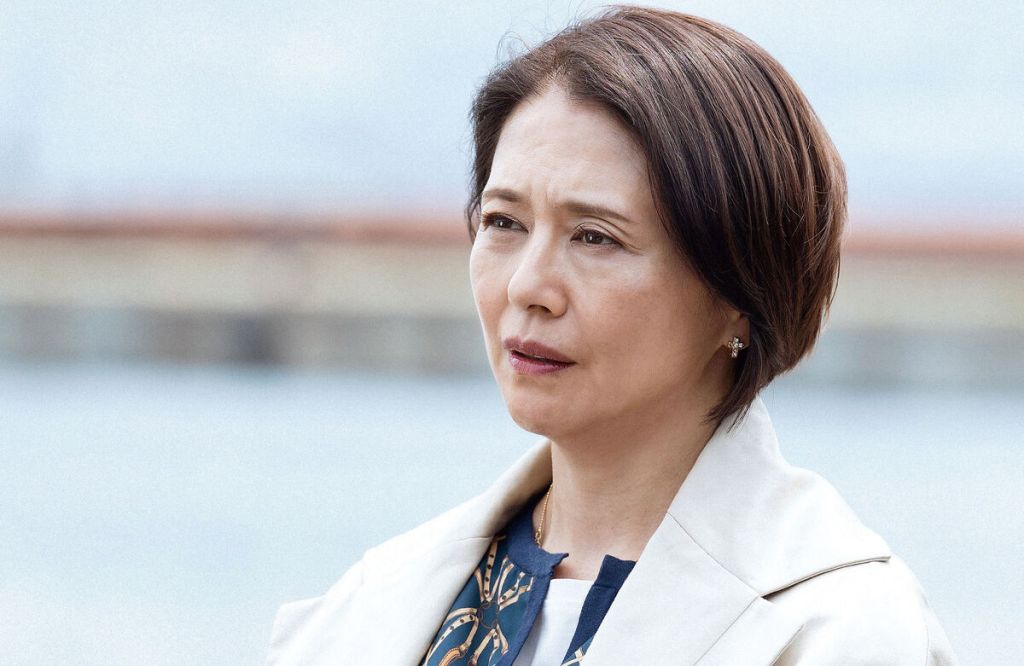
The dissolution of the family business and the erasure of the family home becomes in its way liberating, less the glue that bound them together than that trapped them in a perpetual adolescence. Haruka begins to realise she’s not much better than the life coach scammer who sold her vulnerable brother false promises of easy success, and that the way she treats others can have unintended consequences but in the end she’s the one left rootless and bereft of direction after closing the shop. Perhaps that’s her lonely glory, the knowledge that she helped each of her siblings do what she now can’t (or maybe just that she got what she wanted and doesn’t know what to do with it). Told with a down to earth naturalism, Sakon’s indie drama is also a lament for the changing nature of small-town life and a loss of community as the closure of the store robs the locals of another neighbourhood hub ironically leaving Haruka all alone in the now empty space of her family home with a newfound sense of loneliness still searching for the right words and a new direction. 


Original trailer (English subtitles)

Asakusa Kid (浅草キッド, Gekidan Hitori, 2021)

To international audiences, Takeshi Kitano has a very specific profile associated most closely with arthouse drama and violent gangster movies yet in Japan he’s best known as a comedian and TV personality. Inspired by Kitano’s memoir, Asakusa Kid (浅草キッド) charts his earliest days from entertainment district elevator boy to manzai star while lionising his earnest mentor Sozaburo Fukami (Yo Oizumi). Yet it’s also a nostalgic look back to a late Showa pre-bubble Japan as Kitano’s idol finds himself falling foul of a changing entertainment industry. 

As the film opens in 1974, “Take” (Yuya Yagira) is one half of a struggling manzai comedy double act touring the country in various variety and cabaret establishments fearing his career may die out on the road before beginning to edge towards success and a high profile TV gig. Two years earlier, however, he’s an awkward college dropout working as an elevator boy at France-za comedy bar burlesque theatre. A local boy, Take has chosen France-za because of his admiration for “Fukami of Asakusa”, longing to make his way into the entertainment world while captivated by Fukami’s cool style, even copying his trademark tap dancing. Fukami soon sees talent in Take and tries to nurture it, but as the pair of them are repeatedly reminded, this kind of comedy is already old-fashioned. Audience numbers at France-za continue to decline while as one of the other girls later reminds him the men who come to these shows are there to see women take their clothes off, not random skits or singing. 

This is brought home to Take when he tries to encourage one of the strippers, Chiharu (Mugi Kadowaki ), to chase her dreams of becoming a singer by convincing Fukami to allow her to fill a 15-minute spot. As Fukami had attempted to warn him, the men appear to enjoy her song and offer rapturous applause but think it’s part of her act and soon resort to catcalls expecting her to take her clothes off. Take’s well-meaning gesture backfires, convincing Chiharu her dreams of singing are over, while Take is also poked into action by the other stripper’s retort that the comedy is only really “filler” between the burlesque acts which is what the customers have come to see. 

Even so, there’s less drama than one might expect in Take’s eventual decision to betray his mentor by choosing manzai and its opportunities for TV success over his by then old-fashioned sketch comedy. The father/son relationship somewhat falls by the wayside as even as a triumphant Take later returns “home” to present Fukami with the prize money for a TV award like a child with a report card full of As, while he gracefully accepts it but is privately filled both with a sense of pride and personal disappointment in being forced to accept that the heyday of Asakusa is over and there is no future in his vaudeville-style comedy acts. Nevertheless, Take appears to attribute much of his success to things he learnt from Fukami from his tap-dancing to his uncompromising attitude. “Don’t be laughed at, make them laugh,” he recalls Fukami telling him, “don’t suck up to the audience, tell them what’s funny,” later refusing to soften his inappropriate jokes about ugly girls and suicide for a more conservative TV audience and finding his edgy comedy an irreverent hit. 

Then again, not everyone is able to achieve their dreams from Fukami who lost the fingers on one hand in the war and finds himself forced off the stage, to Chiharu apparently a regular housewife with showbiz regrets, and Fukami’s wife Mari (Honami Suzuki) exhausting herself trying to help him save his dream of Asakusa. As much as Take might have admired Fukami, others too describing him as a father of contemporary entertainment, he can’t get away from the fact the press is only interested in his funeral if Take attends it. Filled with the nostalgia, the ethereal one shot closing sequence in which the older Take returns to Asakusa and to the past surrounded by the friends of his youth is genuinely poignant in the sudden juxtaposition of a lost world with the contemporary present but perhaps elegises nothing so much as nostalgia in its lament for late Showa breeziness. 


Original trailer (English subtitles)

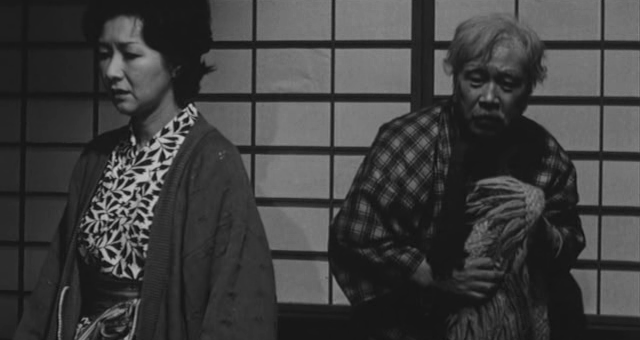
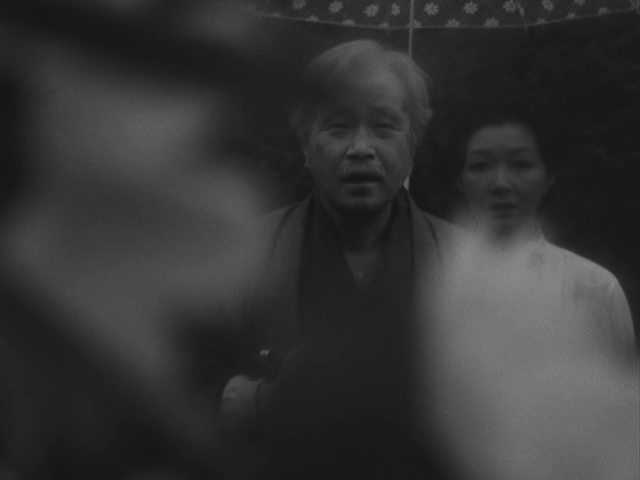
Flowing (流れる, Mikio Naruse, 1956)

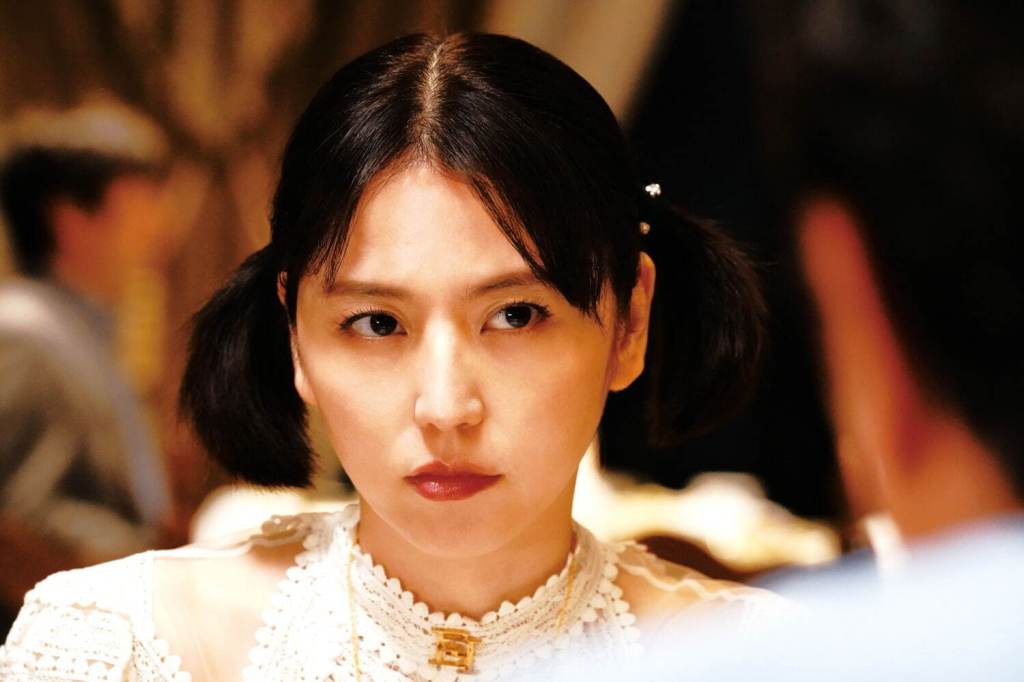
The denizens of a moribund geisha house contemplate visions of independence in post-war Japan Mikio Naruse’s thriving ensemble drama, Flowing (流れる, Nagareru). There is indeed a flowing through the geisha house, a tumble of comings and goings though mostly connected to money which is itself constantly flowing though the for geisha mainly in the wrong direction. Released in the year of Prostitution Prevention Law, the film casts a shadow over the lives of these women who are unwittingly living in their industry’s twilight but asks if it’s really possible for a woman to survive without a man while each of them is in one way or another badly let down by an inconstant lover. 

We’re constantly told that Tsutanoya is the most respectable geisha house in town yet despite its well appointed interiors, it’s clear that business is not good. As the film opens, a young geisha, Namie, is accusing the owner’s daughter Katsuyo (Hideko Takamine) of diddling her on her pay. Katsuyo acts indignant and tries to shift the blame back onto Namie but later admits that the house has indeed been skimming a little more off their wages than was agreed claiming all the geisha houses do it which is probably true but doesn’t make it right. In any case Namie will eventually quit and end up working at “some third rate place” while her uncle (Seiji Miyaguchi) causes problems for proprietress Tsuta (Isuzu Yamada) complaining that Namie was exploited and wanting both the backpay he feels she’s owed and compensation though it seems unlikely any of that money is finding its way back to Namie. Meanwhile the house is a geisha down with only former office worker Nanako (Mariko Okada) and 50-year-old veteran Someka (Haruko Sugimura) on the books.

Despite their financial situation, Tsuta hires a new maid, Rika (Kinuyo Tanaka) who is immediately renamed “Oharu” on her arrival. Oharu is a salt of the Earth type, infinitely capable, maternal, kind and loyal bringing a much needed sense of stability to the ever flowing geisha house while also fascinated by this exotic and arcane world. But then as Tsuta cautions her geisha houses may look glamorous from the outside but the life inside them isn’t always fun. Oharu runs into trouble on her first trip to the grocers when they inform her Tsuta hasn’t paid her tab and they can’t let her add to it until she does. A 45-year-old widow whose only child died a year previously, Oharu is also trying to live an independent life, a conflicted Tsuta struck with wonder at her ability to survive without a man, but may also have struggled, grateful to have been offered the job which others might have declined because of the stigma towards the sex trade as finding employment as a middle-aged woman is near impossible. 

At the film’s conclusion even she may imply it isn’t really possible to live as a woman without some kind of support or losing one’s humanity suggesting that she may return to her husband’s hometown and the family she claims not have gotten along with after learning of Tsuta’s betrayal at the hands of an old friend and former geisha, Ohama (Sumiko Kurishima), who at any rate seems to be living quite well as the proprietress of a restaurant. Traditionally, the profession of geisha was seen as a kind of independence in itself but it’s also one that by its nature is reliant on men. Tsuta is often described as someone who is not able to do anything else yet is highly skilled at music and dance having spent a lifetime in training. Without a patron she is stuck and as we learn she threw hers over to pursue a man she loved but he left her in the lurch having mortgaged the geisha house to invest in his business by taking a loan from her older sister who seems to have a nice sideline as a polite loan shark also having loaned money to Someka. 

The most outwardly cheerful, Someka is in other ways a dark vision of a geisha’s future surviving on nothing but nihilistic hedonism while apparently living with a much younger man who eventually leaves her to marry into another woman’s family. Katsuyo has rejected the geisha life explaining that she is unable to, as Nanaka puts it, say silly things to men in order to earn her keep and is essentially incapable of ingratiating herself with men she doesn’t like. She claims she has no desire to marry, unconvinced that any man would be interested in a geisha’s daughter while certain that for a man marrying into a woman’s family is humiliating while suggesting the same would be true for her. Putting her faith in industry, she buys a sewing machine and sets about figuring out how to use it less because she envisages being able to support herself and her mother through taking in needlework than she just wants to feel as if she’s doing something. 

Meanwhile, Tsuta’s niece Fujiko observes all the comings and goings of the geisha house learning the traditional arts in preparation for a future which will soon be obsolete. In a typically Narusean touch, Tsuta comes to a resolution about her future and envisages a new beginning for herself but is unaware the rug is soon to be pulled from under her by the underhanded capitalist Ohama who plans to turf her out to turn the geisha house into another restaurant. “My days of seeking favours from men are over,” Tsuta admits, not of her own volition but simply understanding that she no longer has access to that kind of independence though in essence surrendering her autonomy in leaving herself to the mercy of Ohama in order to escape her older sister’s control. Someka had laughed raucously at Katsuyo’s insistence that she need not be dependent on a man (and after everything she’s seen why would she want to be?) but the younger woman is undeterred even as we see her struggling, doubting that her efforts will in the end be enough to win her her freedom. Ever the optimist, Tsuta is perhaps doing something similar but even Oharu is considering giving up and going home, too good to survive in the dog eat dog world of the contemporary capital where the flow of currency is the lifeblood of the city implying that perhaps the answer to her question is no, a woman can’t survive alone, nor can she rely on female solidarity, but she’ll have to try anyway because there is no other choice. 


Mechanical Telepathy (メカニカル・テレパシー, Akiko Igarashi, 2018)

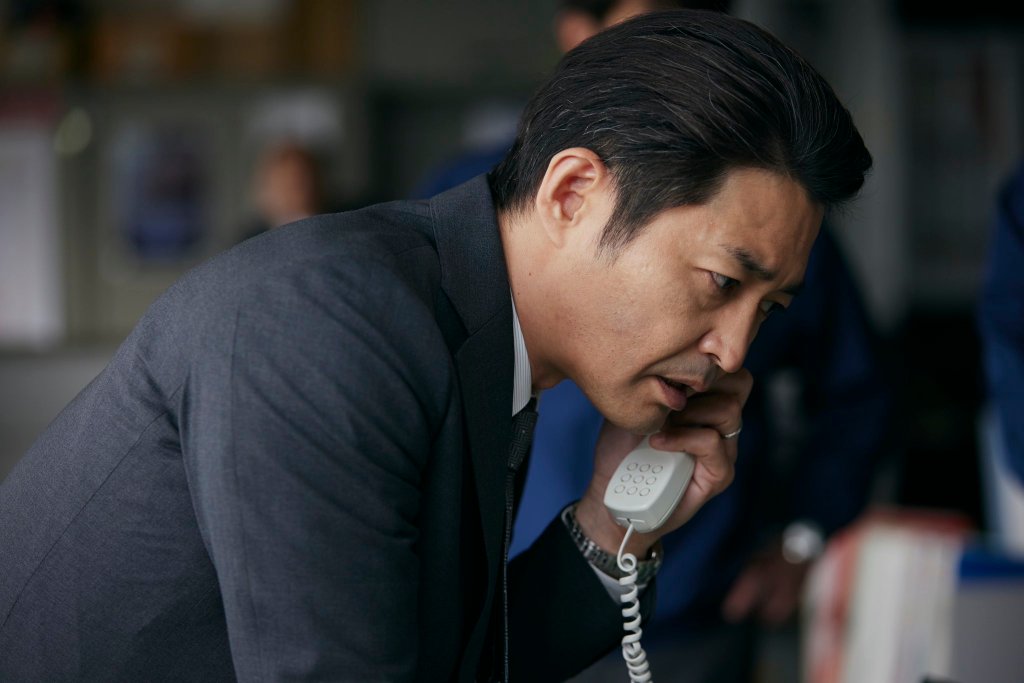
Many, though not all, people have an interior monologue but what if you could converse directly with an image of yourself, a mental avatar who could talk and move around and might have opinions you would not expect to hear yourself say out loud? The scientists at the centre of Akiko Igarashi’s Mechanical Telepathy (メカニカル・テレパシー), a re-edited version of her 2017 feature Visualized Hearts, are working on a machine that can create a physical simulacrum of a mental image. No concrete reason is given for their research save that of one assistant who suggests its capacity to help those who can no longer communicate physically have a voice, but what quickly becomes apparent is that a self-created image may not be entirely reliable while the images of it held in other minds may differ in interesting ways. 

Each of these philosophical questions begin to occur to scientist Mazaki (Ryuichi Yoshida) when he’s seconded to a research project as a kind of corporate spy on behalf of the business-minded boss who wants to put the product on the market as soon as possible despite the reservations of lead researcher Dr. Midori Mishima (Nanami Shirakawa) whose husband Soichi was injured in a previous experiment and is currently in a coma. Midori’s interest in the machine is then in its capacity to save her husband either by retrieving his bodily consciousness or preserving the image of him captured inside, improving and enhancing it until the point of communication. 

But then as Mazaki comes to realise, perhaps the image of Soichi (Yoshio Shin) in the machine isn’t coming from his mind at all but from Midori’s in which case he doesn’t know anything she doesn’t know already and is in a sense inaccurate, composed only of her memories of him and necessarily limited in possessing the information she does not have even of this man whom she obviously knew intimately. Meanwhile, Mazaki also begins seeing an avatar of Midori, but is unsure if it originates from her mind, that of the comatose Soichi, or indeed his own as a means of confronting him with the desire he may feel for her. His image of himself meanwhile is scathing and self-loathing, challenging him over his various acts of moral cowardice in his essential inability to communicate his true feelings. Only assistant Asumi (Ibuki Aoi), harbouring a decidedly obvious crush on him, is brave enough to take him to task looking her own avatar in the eye and explaining that she has nothing to fear from herself. “If you don’t say it out loud no one will hear you” she explains though it’s a lesson that Mazaki in particular finds difficult to learn. 

As for the avatars themselves, are they representations of particular people or indeed something new and different subject to influence and interference? The mind is supposedly free of time and space but that may not be an entirely good thing. What the machine posits is the separation between mind and body as if a soul could be sheared while it becomes difficult to say if the loss of corporality is liberation or imprisonment while Mazaki wonders if it’s right for a mind to exist without a body. If we can’t trust these images we have of others can we really trust those we have of ourselves which may be largely created through the way that others see us and we them? Complaining he can no longer distinguish whose mind he’s looking at, Mazaki finds himself caught in a moment of existential confusion amid several differing realities his own mind can no longer order. 

This sense of dissociation is perhaps replicated in Igarashi’s detached camerawork set amid the clinical glass and steal environments of the Kobe research institute where the experiments take place, the muted colour palette reflecting a sense of emptiness in the hearts and minds of the scientists who ironically remain incapable of direct communication. The near future production design similarly lends an air of sleek modernity to the otherwise vacant space while perhaps creating a sense of the supernatural in the lightning crackle inside the machine, its tangling wires a digital recreation of an analogue nerve system. A philosophical examination of the representation of the self, its projections literal and metaphorical, and the impossibility of knowing oneself or others Igarashi’s sci-fi drama eventually suggests that perhaps we are all in an empty room talking to ourselves incapable of understanding let alone expressing our true feelings. 


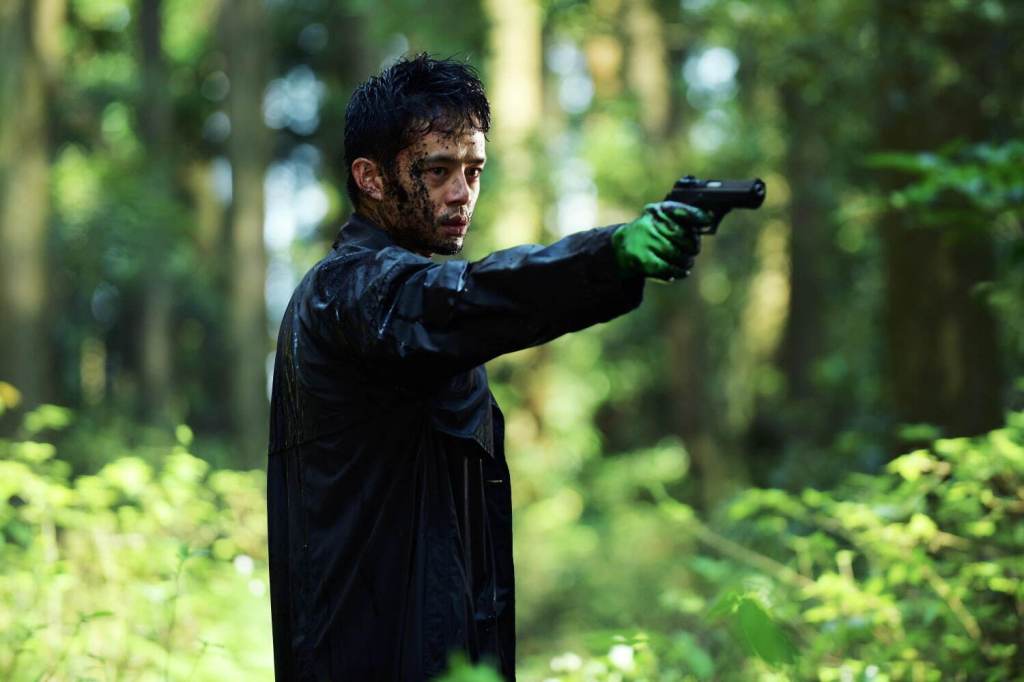
Dissolution Rites (解散式, Kinji Fukasaku, 1967)

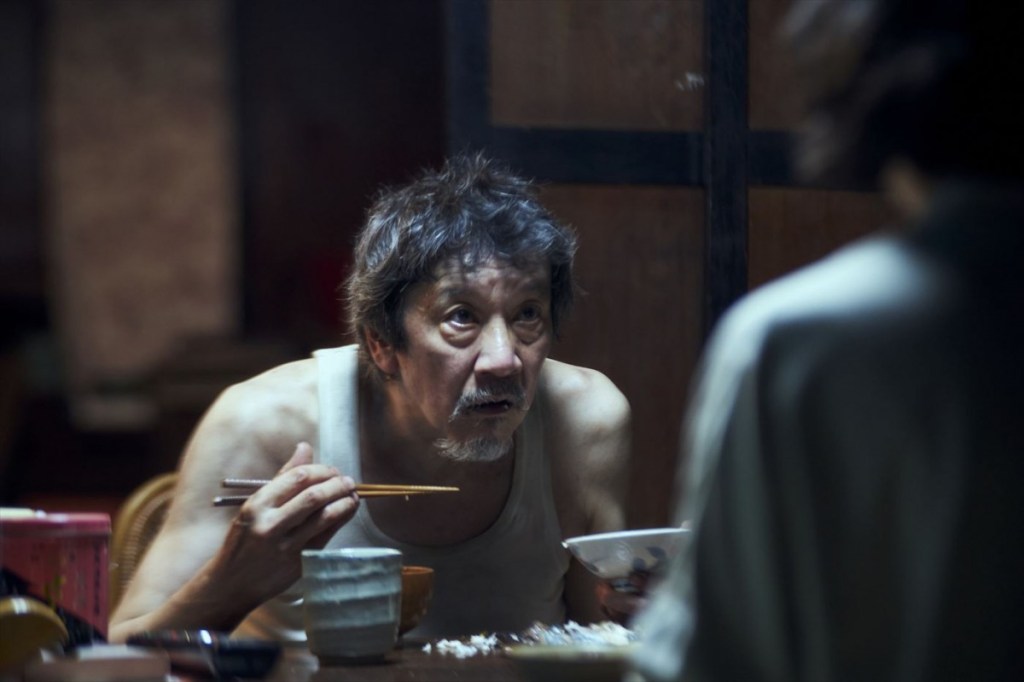
“We’re all legitimate businessmen now” as a former yakuza explains to a recently released foot soldier stepping out into a very different Japan in Kinji Fukasaku’s Dissolution Rites (解散式, Kaisan Shiki, AKA Ceremony of Disbanding). The funereal opening scenes feature the first in a series of dissolution rites as a man dressed in black reads from a scroll and explains that all the local yakuza clans will be disbanding because despite “working day and night for the benefit of the world and humanity in the spirit of democracy” times have changed and they find themselves unnecessary.

There at the beginning of that change, Sawaki (Koji Tsuruta) served eight years in prison for the murder of a rival gang boss to ensure his gang got hold of a local landfill site where they later built an oil complex. While he was inside, his boss died and his clan disbanded leaving him with nowhere to go but thankfully looked out for by an old friend, Shimamura, who has since become a construction magnate. On his arrival at Shimamura’s office, however, he’s ambushed in a suspected case of mistaken identity while the man driving him is killed. 

Shimamura (Fumio Watanabe) tells him he’s gone straight, but it soon becomes clear that even as yakuza forsake the streets for more organised crime they still behave like thugs using the same old tactics to get what they want. Shimamura is in cahoots with a corrupt local politician, Kawashima (Asao Uchida), and is determined to get access to another stretch of bombed out wasteland owned by an egalitarian doctor, Omachi, who refuses to sell because he’s set up a community there of marginalised people, including Sawaki’s former girlfriend Mie (Misako Watanabe), who work on his chicken farm. Meanwhile, Shimamura is targeted by rival “legitimate businessman”, Sakurada (Hosei Komatsu), who pulls a few dirty tricks of his own in an effort to cut Shimamura out of the picture.

Once again Tsuruta plays a man who is out of step with his times, partly because he’s been in prison but also in his fierce commitment to a now outdated code of gangsterdom. “The chivalry that we were taught was just a way for bosses to use their soldiers” Shimumura insists, “you’ll look foolish if you don’t get rid of it”, disingenuously casting his transformation into a legitimate businessman as a way of freeing himself from yakuza oppression. Sawaki turns down his offer to join the business because it seems a bit dodgy while intensely disappointed to discover another former colleague, Kubo (Kyosuke Machida), running a trafficking ring masquerading as a management studio for cabaret singers and strippers by tricking women with the offer of good jobs then getting the hooked on drugs and shipping to them to Okinawa to do sex work near the US bases.  

On his return, Sawaki is also stalked by the man whose arm he severed in killing the rival boss who turn out to be, like him, an old school gangster which is why he insists on his revenge only to find an unexpected kindred spirit as the two men find themselves each adrift in a world in which no one really cares about humanity and honour. Sakai (Tetsuro Tanba) chooses to walk a different path, conducting his disbandment ceremony in protest of yakuza corruption. Like many Tsuruta heroes, Sawaki also has the possibility of walking away and living a conventional family life as a husband and father having been forgiven by Mei but inevitably is pulled in a darker direction by the necessities of his code. The oil complex he helped to create is only a symbol of the duplicities of the post-war society allowing men like Shimamura to get rich while literally choking the life out of those like Mei whom they now want to kick out of her home to add insult to injury. 

There’s no one more tragic than a yakuza Sawaki admits, knowing there is no longer any place for him in an amoral gangster society while unable to simply leave it and enjoy a quiet life with the woman he loves. An indictment both of corporatised yakuza and the equally duplicitous practices of “legitimate” businesses and corrupt authorities, the film ends in another righteous assault filmed handheld with Fukasaku’s characteristically canted angles amid the chaos and confusion of a rapidly changing society. 

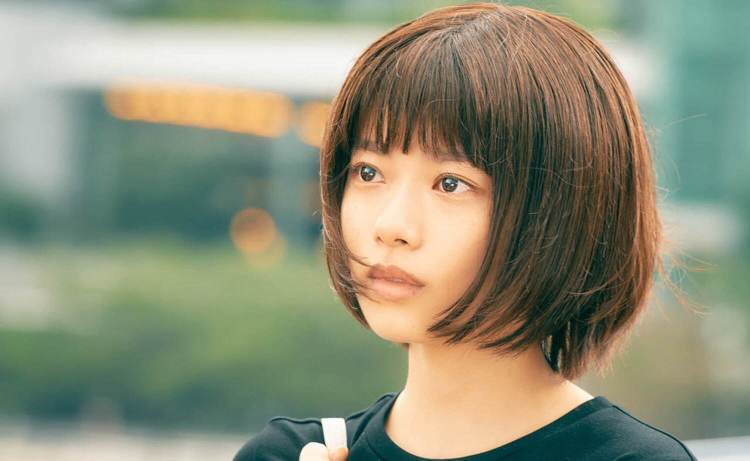
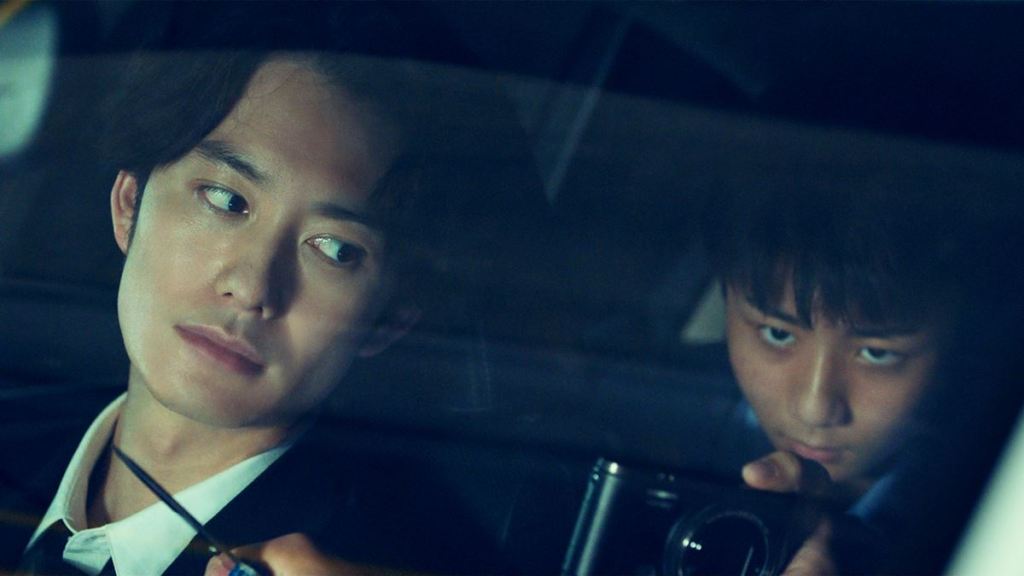
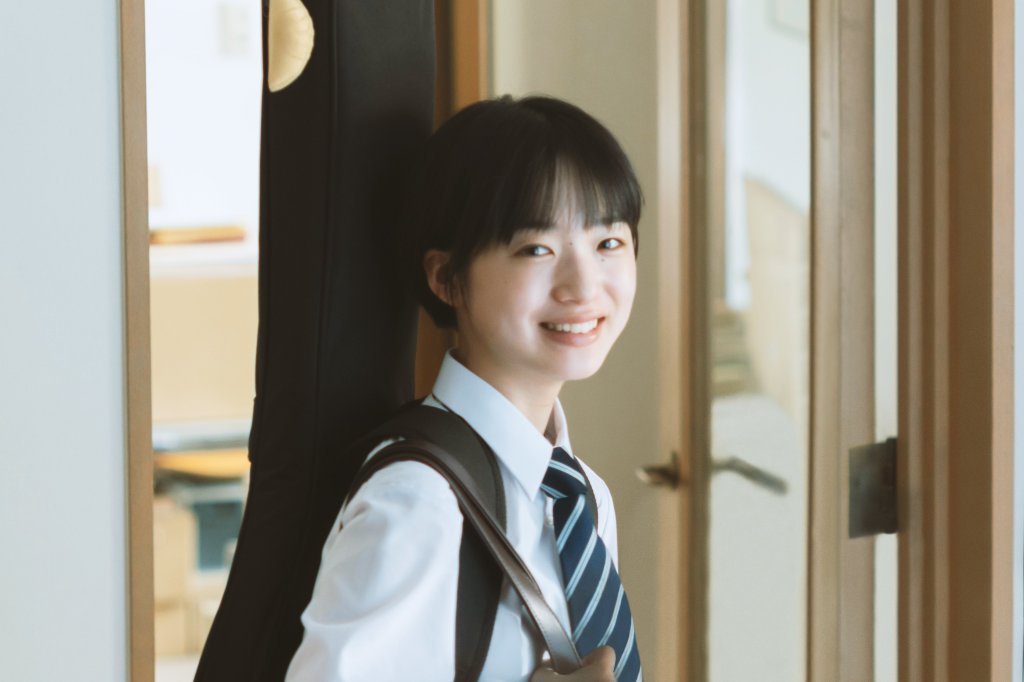
A Girl in My Room (左様なら今晩は, Natsuki Takahashi, 2022)

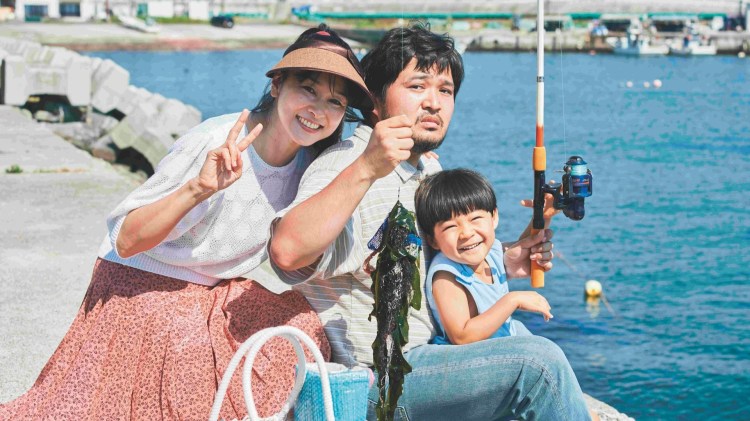
A young man reeling from a breakup is suddenly confronted by the literal ghost of lost love in Natsuki Takahashi’s supernaturally-inflected romantic drama A Girl in My Room (左様なら今晩は, Sayonara Konbanwa). Set in the peaceful town of Onomichi, the film finds its hero wasting away pining while wondering if falling in love with a ghost is all that bad only to later ask himself if any of it was real or just a fantasy of his lovelorn mind. 

As the film opens, Yohei’s (Riku Hagiwara) girlfriend of two years, Rena (Riko Nagase), moves out of their apartment apparently sick of his superficiality and inconsiderate nature. Soon after, Yohei becomes aware that a ghost has been living in their apartment with them the whole time only should she couldn’t manifest because Rena apparently had unusually strong spiritual energy. Though originally frightened by the new presence, Yohei soon warms to the woman he names “Aisuke” (Shiori Kubo) and becomes determined to find out who she was and how she died only no one will tell him. 

Of course, Aisuke could just be the symbolic ghost of Rena, a spectre of lost love confronting him with his romantic failure, but also seems to have an inner life of her own even if she can’t remember much about who she was when she was alive and how it was she came to die in the apartment. Fleeting memories seem to hint at a life of loneliness marked by romantic longing in which she wanted nothing more than a regular grown-up relationship though sadly it never happened for her. If she has unfinished business, then falling in love may be part of it but then it’s clear that any potential relationship between herself and Yohei is doomed to failure seeing as she is already dead. 

Aisuke chose Yohei because she thought he was a good boyfriend after seeing him with Rena, but even so agrees that though he seems nice on the surface he never really thinks about anything and responds to criticism by smoothing it over with an apology rather than reflecting on his actions or trying to better himself. Work colleague Kanan (Rina Ono), who also has a crush on him, conversely claims that Yohei shows his kindness too easily though also remarking that kindness in itself can also be problematic. In any case, as he bonds with Aisuke, Yohei does seem to engage more with his flaws and reflect on the mistakes he may have made in his relationship with Rena in order to become not just a better boyfriend but a better person. 

In these respects, Aisuke becomes a romantic mirror confronting him with the problematic aspects of his own personality but somehow gaining in corporeality as the relationship progresses as if love were bringing her back to life. But then Kanan also claims that that’s because Aisuke is unwittingly sucking the life out of him which is why he looks tired and gaunt. A picture she took of him on her phone has a dark aura over his face hinting at something malevolent at work that’s taking a toll on his health. But as much as he’s warned, Yohei determines to stay with Aisuke, slowly falling in love with her in the wake of his failed relationship.

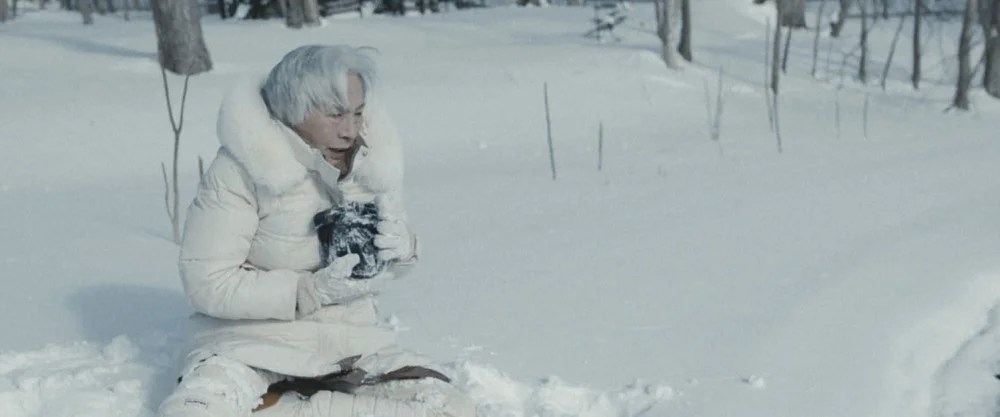
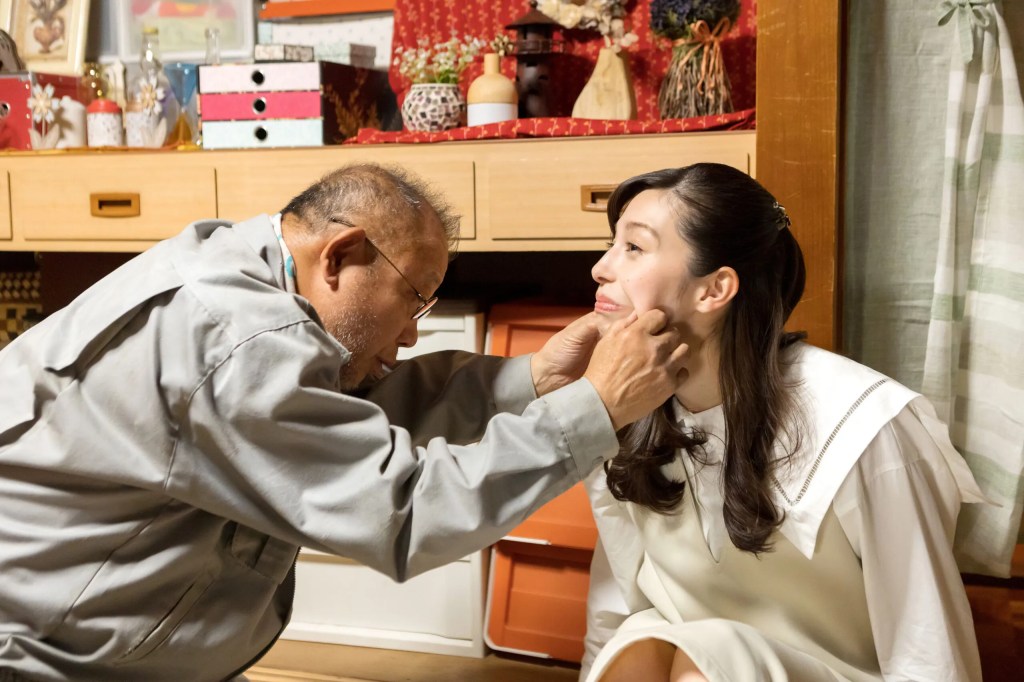
Partly a fable about the dangers of remaining trapped by the ghost of lost love rather than resolving to move on, the film is also a poignant love story in which the pair must help each other overcome their mutual unfinished business while becoming aware that their liminal romance cannot continue forever. A side plot involving an estate agent and his endless calls from a confused older gentleman randomly asking him for legal and life advice hints at other kinds of living ghosts and urban loneliness but also at those willing to take care of them as perhaps the estate agent did with Yohei and Aisuke in a bit of supernatural matchmaking helping each of them to begin moving on with their lives on either side of the mortal divide. Charmingly quirky and comforting in its tranquil setting, Takahashi ends on a poignant, bittersweet note but also one of warmth in which the ghost of lost love doesn’t so much haunt as abide, a constant source of comfort in a lonely existence.


Original trailer (English subtitles)

Hiroshima (ひろしま, Hideo Sekigawa, 1953)

During the post-war occupation of Japan which lasted until 1952, the censorship regulations which replaced those of the militarist era perhaps ironically made it more or less impossible to criticise the US presence or depict the extent of wartime devastation lest it raise hostility towards American forces or reinforce a feeling of victimisation. For this reason, images of the atomic bombings were tightly controlled and the events rarely referenced in mainstream media, Hiroshi Shimizu’s Children of the Beehive being a notable if brief exception. Once the occupation was over, however, many assumed it would become easier to broach such taboo subjects. 

Hiroshima native Kaneto Shindo’s comparatively better known Children of Hiroshima, inspired by the book Children of the A Bomb: Testament of the Boys and Girls of Hiroshima, was released in 1952 shortly after the censorship regulations were lifted and stars his later wife Nobuko Otowa as a teacher who returns to Hiroshima to visit the graves of her parents killed in the atomic bombing and thereafter several of the children from a nursery school she once taught at who have survived but continue to suffer in various ways due to their experiences. Despite Shindo’s well known leftist credentials, many including the Japan Teachers’ Union who apparently owned the rights to the book though there is some dispute as to their involvement in the production, were disappointed with the film which they felt to be an overly sentimental studio melodrama that was ultimately unhelpful in supporting the anti-war political movement or accurately representing the hibakusha community. 

In response, the JTU commissioned a second version in order to better reflect their aims and ideals. Long unseen in either Japan or internationally prior to its recent restoration, Hideo Sekigawa’s Hiroshima (ひろしま) adopts a much more strident docudrama approach while, like Children of Hiroshima, maintaining a focus on the plight of children during the bombing and beyond though it seems somehow unlikely that teachers and parents would be wholeheartedly enthusiastic about showing such a deliberately harrowing piece to a sensitive younger audience. One criticism of Shindo’s film had been that he’d dodged dealing with the bombing itself by concerning himself only with the present-day aftermath. Sekigawa meanwhile focuses directly on the traumatic instant of the attack, utilising expressionistic techniques to recreate the living hell to which the city was reduced literally in flash. 

It’s clear however that the normal of that day was already far from normal. Rather than go about their studies, school children are working hard for the war effort helping to clear extensive bomb damage. A teacher and a class of school girls salvaging roof tiles from a ruined building pause to look at the sky. They can hear bombers but no sirens and it’s in that moment of stillness that everything changes. The world as it was implodes and is left in total collapse. Survivors search desperately for loved ones while stumbling through an unfamiliar landscape filled with crying children, charred bodies, rubble and fire. “This is hell” an injured man groans after managing to make his way to the field hospital, “hell”. 

Sekigawa bookends his tale with a contemporary framing sequence in which an idealistic teacher tries to instil compassionate values in his students some of whom are survivors of the bomb and still living with its effects including one suffering with radiation-related leukaemia who becomes very upset on listening to a radio lesson recounting the morning of the bombing from the point of view of the pilot flying the plane. Another of the students later comes to her defence, taking some of the others to task and lamenting that the suffering of those affected by the A Bomb is not taken seriously while victims still undergo a degree of social stigma even if they have no visible wounds. He is also very worried about his friend, Endo (Yoshi Kato), who later appears in the flashback to the aftermath of the bombing and has apparently gone off the rails, working in a cabaret bar and addicted to pachinko after losing his entire family. 

It’s through Endo that Sekigawa dramatises many of the secondary effects of the bombing in that he was not physically injured but is consumed by a sense of hopeless anxiety, intensely concerned about the prospect of another war and unable to envisage a successful future for himself in a world in which such horror can occur seemingly at random. It’s he who first introduces us to the parasitical disaster tourism that generates a grim trade in A-Bomb “souvenirs” as he passes a stall selling fake skulls as a child and then later attempts to sell actual human remains with inspirational stickers plastered on the top. The “better” future they have imagined for him is however in itself problematic, harking back to the traditional post-war solution of a factory job which directs aligns him with the nation’s push towards a capitalistic society, but is then undercut when he quits not because he is bored or lazy but because he discovered the factory was being used to produce artillery shells and he felt he could have nothing to do with it. 

Endo is also among a group of post-war street kids who learn to say the word “hungry” without knowing what it means to get bread and chocolate from passing Americans. A later more direct speech has them make a formal accusation that the Americans are responsible for the deaths of their parents and therefore bear a responsibility towards them which they should immediately repay with food. Some, including Shochiku who were originally set to distribute but later declined, described the film as overly anti-American, but Hiroshima largely refrains from mentioning the Americans other than a suggestion that the dropping of the bomb was itself a racist act in which they used the Japanese people as guinea pigs to test their new weapon, and focuses on the failure of the militarist authorities to respond in an appropriate fashion. We see a soldier read out a proclamation telling a ragged queue of survivors queuing up for food that the situation is “not unusual” in time of war and they should all return to their jobs despite the fact that there are no longer any buildings in which to work. Meanwhile, militarists talk of using the disaster to foment the war effort by marshalling hate and resentment towards the enemy while commanders refuse to take scientific advice that tells them Hiroshima may be uninhabitable for the next 70 years, obsessed only with continuing the war at all costs ironically insisting that their “fervent will” which “burns as brightly as a million stars” will bring them an assured victory.  

In the face of a second bombing, however, they are forced to accept that the war cannot continue, many of the victims left perplexed and defeated that despite their suffering the government has unconditionally surrendered and seemingly abandoned them. An abnegation of responsibility is also suggested by the presence of the street kids abandoned by their society and left to fend for themselves though Endo is eventually taken into a progressive care home from which he and other boys make numerous attempts to escape, in his case in the hope that he can find the sister from whom he became separated. Sekigawa does not make suggestions for the future, merely depict the difficult post-war reality while arguing for greater compassion in the contemporary era, one bomb survivor describing her despair in the knowledge that her disability is a barrier to marriage while finding work that can be done with her physical limitations is also difficult as is accessing government support. Sekigawa too may give in to a particular kind of sentimentality in the closing moments but it is indeed undoubtedly effective as a reminder of the human cost of war and our collective responsibility to ensure that it never happens again.