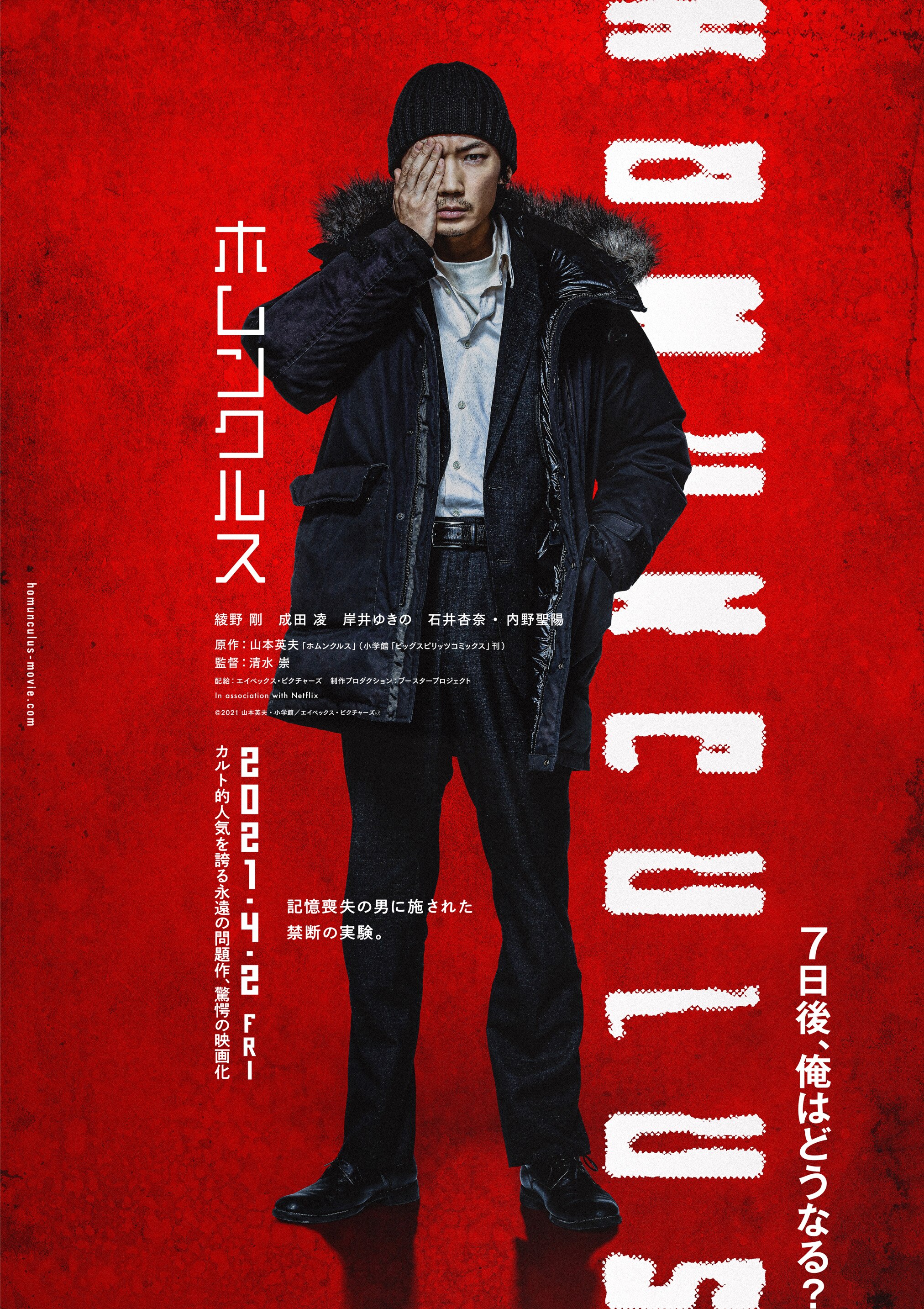
DitO (Takashi Yuki, 2024)

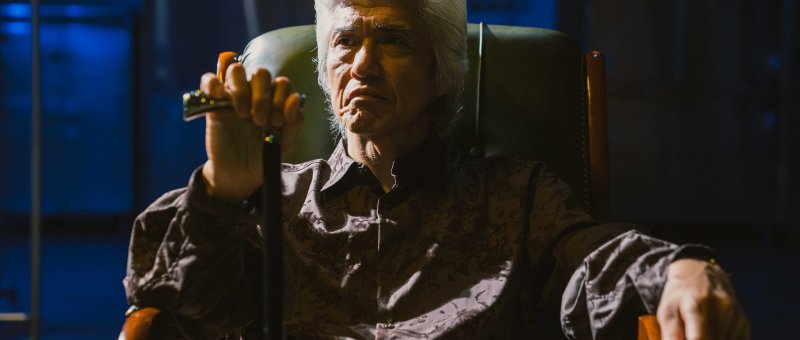
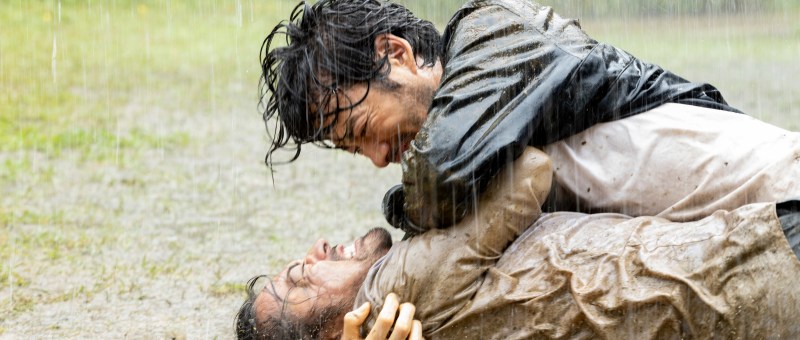
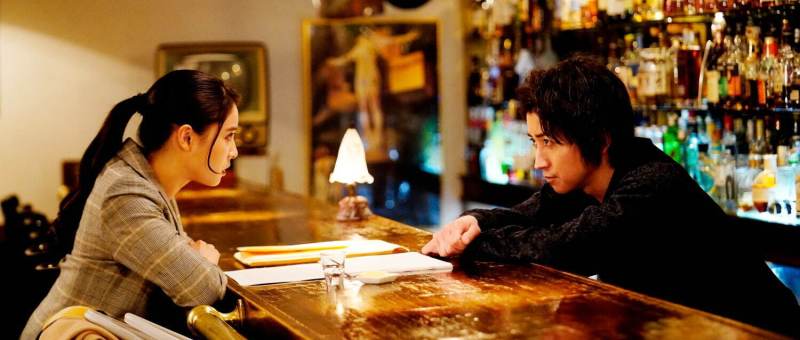
A defeated boxer and absent father rediscovers the will to fight after an unexpected reunion with the daughter he abandoned to chase his dreams in Takashi Yuki’s Philippines-set sporting drama DitO. The title translates simply as “here” which is what Eiji (Takashi Yuki) and those around him eventually accept themselves as being, striving to create a place for themselves to belong rather than fruitlessly searching for one and finding themselves denied.

A contrast is eventually drawn between Eiji, an ageing boxer who remained in the Philippines when his wife (Machiko Ono) and child returned to Japan, and Joshua, a 17-year-old aspiring boxer and surrogate son figure whose boxing dreams are suddenly dashed by unexpected defeat and the death of his father from a long illness. Faced with these two blows, Joshua declares that he’s going to choose his family in giving up boxing to look after his younger siblings in direct contrast to the choice Eiji made to let his family leave him so that he could continue chasing a boxing glory he never achieved. 

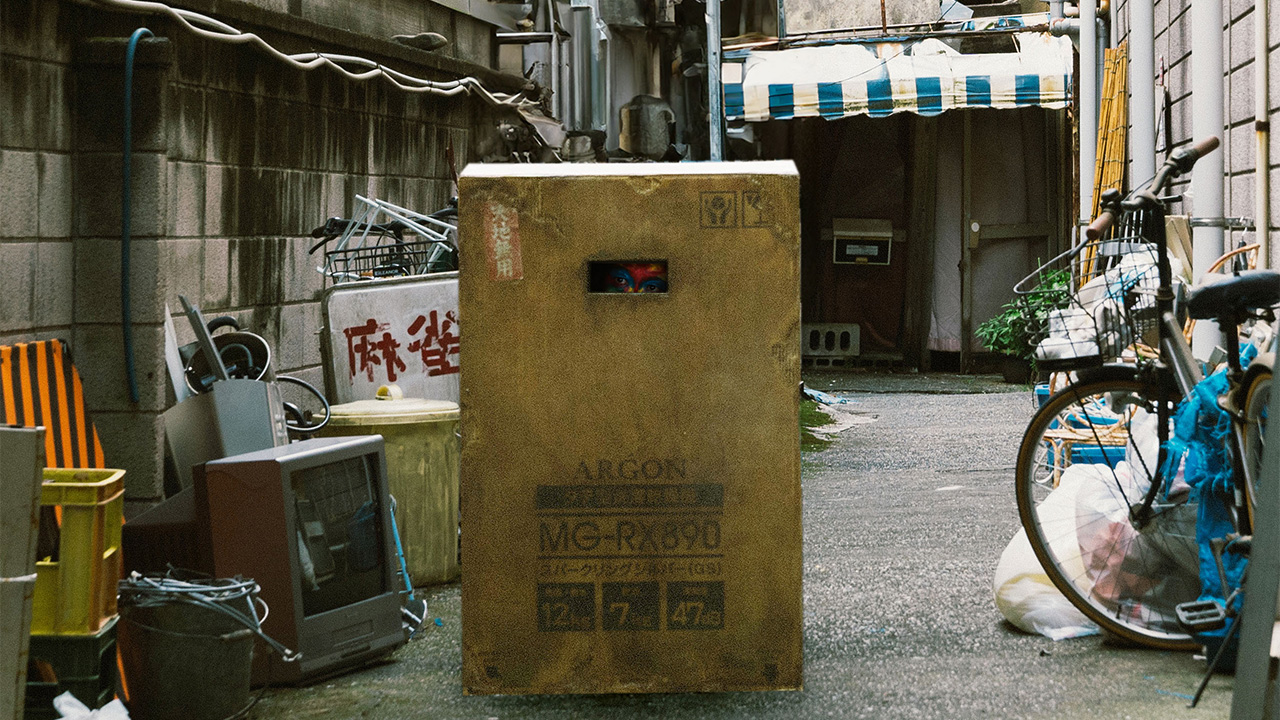
When his now 17-year-old daughter Momoko (Momoko Tanabe) shows up out of the blue and tells him her mother has passed away, he’s a defeated figure still nagging his kindly boss Tamagon to set him up with a fight though having apparently fallen out with his coach some years previously. Her father’s living conditions evidently come as a shock to Momoko as she winds her way through the narrow alleyways of a local slum towards a small courtyard where Eiji lives in a home stewn with cardboard boxes that has no functional gas supply or other cooking facilities. In her youth, she’d seen him as a hero who keeps fighting no matter what, but here he’s clearly given up and is far from the saviour she hoped he’d be after travelling all the way from Japan where she believes she has nothing and no one to go back to. 

Meanwhile, as he reminds her the Philippines is not Japan and she finds it difficult to adjust to an environment that much less safe at least for women as her father cautions her not to go walking around alone and especially at night. Tamagon and coach Sese also paradoxically remind them that they shouldn’t trust Japanese people after the pair are scammed by an offer of an apartment which in truth seemed far too good to be true by a pair of Japanese expats apparently expressly targeting their fellow countrymen. Yet as she said, everything she has left in the world is “here” and so Momoko too decides to forge her own future in the Philippines rather than go looking for one if while also recapturing the past of her happy childhood memories from when they all lived together as a family. 

As Sese says, Eiji’s internal battle has narrowed his vision of the world and cost him the will to fight must as Joshua says that in understanding his fear he has lost the desire to fight it in the anxiety that he may lose. What they learn is that they must stand and fight for what they want, never giving in win or lose, though they will always have the familial solidarity of the boxing gym whatever else may happen to them. Essentially a family drama, the film is in part a tale of father and daughter learning to reconnect but also of the importance of making an active choice to “here” rather than passively existing in a place not of your own choosing. 

Momoko’s decision to clean her father’s long neglected house is not only a symbol of her desire to lighten his life and jolt him out of his inertia, but of a determination to make a home for herself and maybe even get the gas turned back on so she can use the kitchen. Nevertheless, it’s also clear that “here” is wherever you are and the thing is to embrace the now or change it and fight for your place to belong rather than let it beat the spirit out of you. In the end being a hero really just means staying in the fight with no fear of losing because you know you won’t stop fighting.


It’s All Right, My Friend (だいじょうぶマイフレンド, Ryu Murakami, 1983)

Ryu Murakami was already a prize-winning author who had successfully adapted his own novel for the screen when he began work on 1983’s It’s All Right, My Friend (だいじょうぶマイフレンド, Daijobu My Friend) yet he was perhaps an odd choice for the material. A big budget blockbuster produced by Toho, the film may have been intended to echo the kind of films Kadokawa was making with its teenage starlets and media mix strategy and like them is largely built around the title song performed by star Leona Hirota. But what might have worked as a countercultural piece of punk cinema if made on a shoestring by starving artists could not help but fail when blessed with the production values of a mainstream picture. 

A case in point, the film stars Hollywood actor Peter Fonda as an alien, Gonzy, who has lost the ability to fly causing him to plummet into an outdoor swimming pool where the three heroes are hanging out. Fonda delivers all his lines in English, while everyone else replies in Japanese. Gonzy explains that he was raised in the US by a kindhearted scientist who taught him to speak (his first words were “Merry Christmas”) but longs to visit his home planet. Meanwhile, he’s being hunted by a mysterious fascistic group of misogynistic eugenicists who want his genes for their cloning programme which hopes to eliminate the need for human women to exist at all. 

Doors have apparently already taken over factories, family restaurants, and psychiatric institutions such as the Tachibana Mental Hospital where they take heroes Monica (Yoshiyuki Noo) and Mimimi (Leona Hirota) and try to brainwash them to recognise a pigeon as an apple and aeroplane as a banana. They also drill into the brain of a young man they describe as a poor delinquent in order to turn him into an obedient drone, the implication being that they wish to turn mankind into a race of automatons and possibly resent women because they pose a threat to their plan. Then again, there is a distantly homoerotic quality to the relationships between the Doors, two of them later dying with clasped hands aside from all their strange musical numbers about how women are inferior and produce only substandard offspring.  

Ryuichi Sakamoto is credited as a composer on the film and the Doors’ henchman appear to be closely styled to resemble Yellow Magic Orchestra, often mimicking their dance moves while otherwise faceless and anonymous behind their identical sunglasses and slicked back hair. Murakami signals his intentions in the opening scene in which Mimimi has a dream sequence in the manner of classic Hollywood musical. She dances with an American sailor against a backdrop that strongly recalls the noir cinema of the late 40s until a car full of gangsters turns up and shoots him with a machine gun leaving her kicking around on her own. Music becomes the device that can break through the Doors’ programming, the drones beginning to twitch to Monica’s Harmonica provoking a vision of dancers in gold lamé that finally ends in a mass disco of liberation from the authoritarian thought police that restores Gonzy’s ability to fly. 

Even so, the reason he couldn’t was apparently his aversion to his personal kryptonite, tomatoes, whose voices he can hear whispering that they hate him and thereby suppressing his powers in reawakening memories of his childhood trauma along with his low self-esteem. To help him fly again, the gang engage in a series of crazy episodes including hang gliding in Saipan while Gonzy continues as an innocent with an incredibly vulgar sensibility eventually turning his “bazooka-like” ejaculate into a key weapon. There might be something in the echoing of an early ’80s anxiety about dangerous technology and weird techno-cults with shady motivations for their scientific endeavours though the irony is often buried under the swanky blockbuster production values and destabilising presence of Fonda who is quite literally in a different film from the rest of the cast by virtue of speaking his own language and being unable to understand what is going on. Even so, the film like the title song is essentially a kind of tribute to intercultural friendship in the bond that arises between the trio of aimless youths and the middle-aged space alien who’s trying to find his way home. Decidedly strange and defiantly surreal, Murakami’s weird countercultural blockbuster is a forgotten piece of 80s pulp but perhaps exposes something of the anxieties of a Japan heading towards the height of its prosperity and developing a fear of flying if not quite of tomatoes.


The Lost World of Sinbad: Samurai Pirate (大盗賊, Senkichi Taniguchi, 1963)

Seemingly drawing influence from the series of Arabian fantasy films from Hollywood, Senkichi Taniguchi’s Lost World of Sinbad: Samurai Pirate (大盗賊, Dai Tozoku), sees the director reunite with Toshiro Mifune who had made his debut in the director’s Snow Trail which could not be more different from this crowd-pleasing adventure movie. The film is loosely based on the life of 16th century merchant Luzon Sukezaemon who eventually fled to Cambodia after all his possessions were seized by Hideyoshi Toyotomi and he was condemned on some trumped up charges.

The film’s opening scenes perhaps reflect this incident as Luzon (Toshiro Mifune) is branded a pirate and set to be burned at the stake, narrowly escaping after bribing an official with drugs. Resentful, Luzon decides he might as well become a pirate after all as he’s pretty sick of Japan and fancies seeking his fortune on the open seas only his ship is quickly destroyed in a storm and all his crew killed while the treasure he was carrying is seized by the fearsome Black Pirate (Makoto Sato). Washing up in a mysterious place aesthetically a mashup between South East Asia and the Middle East, Luzon is cared for by a hermit and then becomes embroiled in intrigue on finding out that the tyrannical king has been seizing local women in exchange for unpaid taxes and imprisoning them within his harem.

Luzon’s dreams are for riches and status so his sudden discovery of a love of justice is a bit of a surprise, but then he’s also most interested in the princess Yaya (Mie Hama) because he spotted one the necklaces from his treasure chest around her neck which suggests she might have a lead on the Black Pirate. Princess Yaya is engaged to a prince from the Ming kingdom which threatens a wider kind of geopolitical destabilisation should anything go wrong with this marriage which is a distinct possibility seeing as the corrupt Chancellor (Tadao Nakamaru) has been colluding with an evil witch to kill the king and seize the kingdom.

Rather than a pure pirate movie the film contains fantasy elements such as the presence of a Western-style castle which is clearly modelled on the one from Disney’s Snow White along with a weird hermit whose powers are weakened every time he sees an attractive woman. It is not, however, the kind of tokusatsu the English title bestowed by the US release implies as it contains no real monsters instead focussing its special effects on the magic used by the witch, who can turn people to stone with her eyes, and the hermit who can turn himself into a fly or disappear in a puff of blue smoke. Despite the prominent inclusion of SFX master Eiji Tsuburaya these effects are repeated several times are really the only ones featured in the film. 

In any case, what’s in play is famous merchant Luzon’s redemption arc in which he recovers the treasure but gives it back to the people, symbolically abandoning his dreams of wealth and status for something a little more community minded in vowing to sail the seven seas pursuing justice throughout the world. Having been a victim of authoritarianism in Japan, he rises up against tyranny abroad while teaming up with a group of local bandits and several times proudly proclaiming himself as Japanese though in a movie conceit everyone speaks his language including the Black Pirate who is later exposed as a snivelling fool tricked by the Chancellor on the promise of a chance to marry the Princess Yaya. Most of the derring do is reserved for the final sequence in which Luzon and the bandits storm the castle to defeat the evil chancellor but the screenplay also packs in genre elements such as trap doors and secret dungeons which keep Luzon busy as he does his best to overthrow an oppressive regime if only to put the rightful king back on the throne in the hope that might be better. Taniguchi certainly makes the most of his elaborate sets and costumes, creating a sense of tempered opulence along Middle-Eastern themes while adding a touch of the mythic in the attempt to weave a legend around the real life figure of Luzon Sukezaemon as a bandit revolutionary selling dreams of freedom on the sea as a pirate more interested in justice than money in otherwise corrupt society.


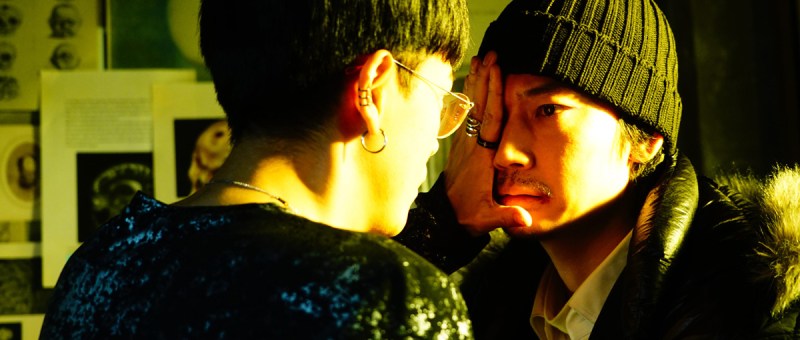
OUT (Hiroshi Shinagawa, 2023)

Delinquent dramas have been having a bit of a moment over the last few years and like many Hiroshi Shinagawa’s manga adaptation OUT is a comic retro throwback to the genre’s ‘80s heyday. Some of the action may seem a little a outdated, but macho posturing will never really go out of style and there is genuine heart in the newfound brotherhood between local punk Kaname (Koshi Mizukami) and the recently released Tatsuya (Yuki Kura) who is torn between trying to go straight and rejoining the ultra manly society of the biker gangs.

Then again it quickly becomes clear that part of the problem is too many people have already given up on Tatsuya and are eagerly relishing the prospect of his failure. Having spent a few months in juvenile detention for fighting, he’s no desire to go back but is also resentful about the lack of control he now has over his life if grateful to have been taken in by an uncle and aunt who run a Korean barbecue restaurant in Chiba. Their faith in him makes him want to live up to it, but equally he can’t bring himself not to respond to challenges of masculinity rather comically insisting that he square off with new rival Kaname through a game of sumo so he won’t break the terms of his parole by hitting someone. As might be expected, the two men become friends through fighting but Kaname turns out to be the deputy leader of a local biker gang bringing Tatsuya once more into contact with random and pointless violence. 

This is the double meaning of “out”, not only that Tatsuya is “out” of juvie and and outsider to the gangs in Chiba but also and outlaw by nature who can’t be tamed by the demands of the civil society. Yet what he’s confronted by is a new sense of masculinity that’s not founded solely on dominance through violence, status or macho posturing but love and brotherhood. A young woman he takes a liking to, Chihiro (Yuki Yoda), wastes no time telling him she thinks he’s pathetic in his ongoing obsession with his male pride while trying to make him realise that there are people who care for him and would be upset if he went and got himself killed which makes his whole way of life completely irresponsible.

But at the same time, the rival gang that’s after his new friends has shifted into violence and murder, making money through trafficking drugs and blackmailing women into sex work after incapacitating them and threatening them with sex tapes. Obviously, even his newfound code of manliness means he must stand up to this new kind of injustice even if it sends him back to prison. What he learns from Chihiro is that kindness is more attractive than coolness while his uncle gives him a similar lesson, econouraing him to channel his rebellious energy in a more positive direction just as he now dedicates his whole life to protecting his wife and the restaurant. 

Shinagawa approaches the material with a sense of humour undercutting the ridiculousness of the male posturing with gently mocking affection. He maintains some of the key elements of the genre such as the surreal manga-style hairdos while embracing its essential outlandishness. The fight scenes themselves are also surprisingly violent if also a little ironic as he cuts between gang leader Atchan (Kotaro Daigo) jumping on a guy’s face to Tatsuya’s aunt remarking that he seems like a nice kid. Some degree of CGI has evidently been employed to aid the visceral of the violence as we think we see faces coming in for a pummelling along with impressive drop kicks, though the mass brawls are in themselves well choreographed and dynamic while remaining within the realms of what a petty street punk could do reasonably do. Shinagawa also leans into the manga origins with frequent use of line drawings in scene transitions and character introductions. In essence Tatsuya is attempting to reclaim his self-esteem, finally embracing the of repeated phrase “Im stupid, but I’m not trash” to claim the right to live a less chaotic life while recommitting himself to knuckling down in the barbecue restaurant in defiance of those who thought him to be worthless, finally out of his self-imposed prison and into a happier future.


 OUT screened as part of the 18th Season of Asian Pop-Up Cinema.

Original trailer (English subtitles)

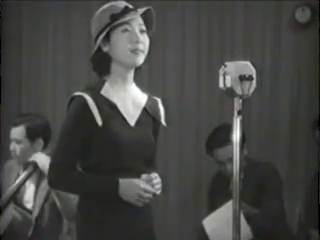
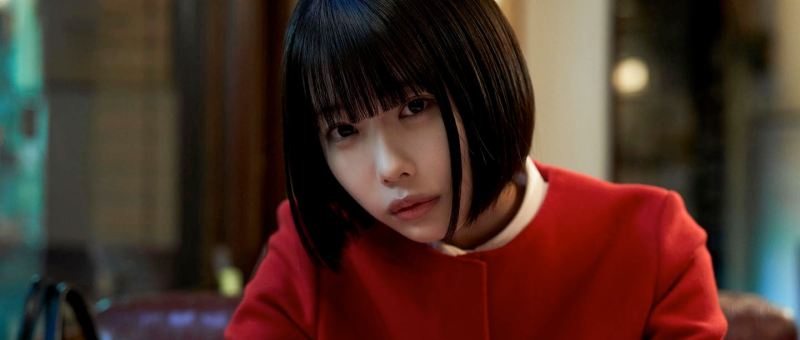
Legend of the Cat Monster (麗猫伝説, Nobuhiko Obayashi, 1983)

Produced as a special marking the 100th episode of the Tuesday Night Suspense Theatre TV drama series, Nobuhiko Obayashi’s Legend of the Cat Monster (麗猫伝説, Reibyo densetsu) is preceded by a title card reading “Elegy for a Faraway Film”. Scripted by Chiho Katsura, the film is indeed in its way a lament for dying world albeit one which owes a heavy debt to Billy Wilder’s Sunset Boulevard with a little Fedora thrown in. Repurposing the classic ghost cat film it casts cinema itself as dangerous illusion, a vampiric compulsion that drowns all who encounter it in irresolvable longing. 

This sense of irrecoverable nostalgia is palpable from the opening sequence which, aside from the melancholy voiceover, introduces us to the world of Setouchi Cinema apparently a moribund studio complex once dubbed the Hollywood of Japan. The new arrival, Ryohei (Akira Emoto), is dressed in noticeably anachronistic fashion as if he were a 1930s newsboy rather than a young man living in the Japan of the early 1980s. His girlfriend, Ryoko (Jun Fubuki), who works as a stage hand dresses in a similarly old-fashioned style and in fact carries an oversize watch that was a heirloom from her late father, an unsuccessful film director. Ryoko remarks that she’s been hoping someone would come and rescue her from this half-dead island but she doubts Ryohei will be the one to do it because he has also come here in search of a dream. 

That dream is, however, already dead at least according to some. The film director working at the studio is berated by a woman of around the same age working as a manager for an idol star for still getting an allowance from his mother at 60 because he has failed to make it as a film director at least in financial terms. There is a poignant, largely unexplored subplot between that suggests the inability to reconcile the dream of cinema with the economic “reality” has kept them apart all these years and that their dream of love may now be over too. 

It seems that the reclusive actress at the film’s centre, Akiko (Wakaba Irie), is also living on a frustrated dream of love withdrawing from the world around her believing that her lover will someday return from “Hollywood” which seems to be another word for paradise or perhaps the world beyond on the other side of the silver screen. To her, film is but a dream with in a dream. A window or screen is a portal to the burdens of the heart, memories of days gone by, and the illusions we once saw that cannot be seen again.  She herself is trapped within her own dream of love, but it is not so much a dream of her that bewitches Ryohei but the impossibility of cinema.

When passing photographer, Tachihara (Toru Minegishi), who lost his own wife to the unobtainable magic of the movies, snaps a picture of Akiko at her window holding a cat and looking exactly as she did the day she abruptly walked out on an incomplete film, it spurs a cynical producer to get the idea of convincing her to make a comeback and in a ghost cat movie, no less. Obayashi’s casting coup is getting mother and daughter Takako and Wakaba Irie to play aged and youthful versions of the famous actress, Takako herself having been a huge star of the 1930s performing most notably for Kenji Mizoguchi in the The Water Magician. There is an undeniable poignancy in her reflection that is only her aging body which is dying, as if she were merely becoming an embodiment of her image migrating to silver screen which exists between this world and next. It’s this screen that is later ruptured by Ryoko as she makes her escape after failing to save Ryohei from the curse of cinema. 

As Akiko laments, he’s writing his script more for himself than for her and it’s the quest for art which has begun to drain and make him mad. When he, pale and zombie-like, attempts to proffer his scripts it appears to be nothing more than his own name written over and over again. Like the Max-esque butler Mizumori (Akira Oizumi) says, film is an eternal dream which by its definition can never realised and exists only a state of longing somewhere beyond the veil. Drawing inspiration from Nobuo Nakagawa in particular and harnessing the sense of gothic dread found in Sunset Boulevard, Obayashi captures the eternal nightmares of artistic creation with the maddening obsessions of unrequited love and the image of the ideal which exists eternally out of reach somewhere on the other side of the screen.


Takano Tofu (高野豆腐店の春, Mitsuhiro Mihara, 2023)

There’s an untranslated title card at the beginning of Mitushiro Mihara’s poignant dramedy Takano Tofu (高野豆腐店の春, Takano Tofu-ten no Haru) that describes the film as a story about the end of Heisei and it is in many ways about the end of an era, or perhaps of eras, but equally new beginnings and the eternal wellspring of life. With subtle hints of Ozu playing out as a kind of mashup of Late Autumn and Late Spring, it suggests that it’s never really too late to find happiness or to start something new even while preserving the best of the old. 

Harbingers of change are, however, lingering on the horizon as a customer to Takano Tofu remarks agreeing with daughter Haru (Kumiko Aso) that they need to innovate to stay in the game when the big new supermarket opens a few streets away. But change is not something father Tatsuo (Tatsuya Fuji) is keen on and especially when it comes to his tofu which is why he’s cancelled Haru’s popular new product of fried tofu and cheese despite its popularity and is also dead against her idea of expanding their network to sell in Tokyo.

There is something inherently comforting about the peacefulness of this quiet corner of Onomichi as Mihara captures it even if it also seems like a place out of time more Showa even than Heisei with its family businesses and old-fashioned shopping arcade. But equally there’s an underlying loneliness and answered longing along with a sense of lives disrupted by historical circumstance. Ironically enough, Tatsuo receives news from the hospital that one of the arteries to his heart is blocked requiring an operation to get everything working again and then immediately bumps into an old woman about his own age with whom he eventually bonds over the shared traumas of living in post-war Japan along with the lingering social stigma towards those affected by the dropping of the atomic bomb. We later learn that the failure of Haru’s marriage was in part caused by her father-in-law’s prejudice fearing her irradiated genes would contaminate his bloodline.

Then again, perhaps the pity expressed towards Fumie (Kumi Nakamura) as a woman who never married plays into outdated and sexist social attitudes that also lead Tatsuo and his friends to decide to find a mate for Haru given his sudden mortality crisis and fear that like Fumie she will be left alone when he eventually passes away. Of course, what it amounts to is a bunch of old men trying to decide who a middle-aged woman should marry while deliberately avoiding asking her if that’s even something she’s interested in. Having experienced marriage already perhaps she’s no desire to do so again and is perfectly happy the way things are. In any case she’s infinitely capable of finding a husband for herself if she wanted one. The prospective match they come up with for her is perfect on paper, youngish, handsome, wealthy and cultured, yet as it turns out what Haru might prefer is someone more ordinary, down to earth, and straightforward ironically enough just like tofu. 

As she later says, Tatsuo’s tofu has the flavour he gives it. Nicely textured, surprisingly soft on the inside, with a slight hint of astringency. There may be a minor pun involved in the Japanese title in that it can be read either as “Haru of Takano Tofu”, or as the meaning of her name implies “Spring at Takano Tofu” hinting both at a sense of transience and resurgence as Tatsuo takes in the cherry blossoms with Fumie and reflects on all they’ve experienced throughout the long years, the hardship and heartbreak of the post-war era. Yet as he says life is for living and it’s as much as you can hope for to look back and laugh at a life well lived. Maybe some things don’t need to change all that much, like carefully produced artisanal tofu as rich in soul as those who make it, but there’s always room for a little innovation and tiny chances for new happiness that could easily pass you by if you aren’t willing to take a risk or two and place a bet on change.


Takano Tofu screened as part of the 18th Season of Asian Pop-Up Cinema.

Original trailer (no subtitles)

Drifting Flowers, Flowing Days (この日々が凪いだら, Yutaka Tsunemachi, 2023)

Life goes on as usual, until it doesn’t. The couple at the centre of Yutaka Tsunemachi’s debut feature Drifting Flowers, Flowing Days (この日々が凪いだら, Kono Hibi Ga Naidara), are about to hit the crisis of youth in which they begin to think seriously about their futures and fear that their lives can no longer continue simply as they were but also struggle to find direction while torn between what society views as a successful life and their own desires.

The crunch point comes when Hiroto (Hiroki Sato), a construction worker, and Futaba (Kaho Seto), who works in a florist’s, learn that their rundown apartment block is going to be demolished and they have six months to find somewhere else to live. While Futaba idly looks at wedding rings, she isn’t really sure how Hiroto views their relationship or if he’s even assuming they’ll finding somewhere new together. The financial strain of an unexpected move also has her wondering if she should give up her job in the florist’s, which she enjoys due to her love of flowers, and start looking for a regular company job but an attempt to talk about it with Hiroto only results in petulance born of male pride as he takes it as her complaining he doesn’t earn enough with his job as a casual labourer. 

Another source of friction is that Hiroto seems reluctant to meet Futaba’s family while refusing to introduce her to his hinting at longstanding childhood trauma stemming from a legacy of domestic abuse and a father who lost himself in drink. Even so, he’s drawn to an older man at work, Haruo, who soldiers on despite his decreasing physical capability. When he is unceremoniously fired, the Haruo takes his own life having lost his both his means of supporting himself and his sense of purpose. Haruo might remind him of father though Hiroto feels somewhat guilty that he didn’t do very much to help while he was alive and resentful towards his heartless boss and colleagues who did nothing more than make fun of him. 

This idea of people being disposable tools of corporate entities is further born out by the experiences of his hometown friend, Daigo (Masashi Yamada), who is feeling burned out by his dream job in the city largely thanks to a bullying boss and overbearing work culture. A friend who experienced something similar tells him she just quit her job and feels much better so if he doesn’t feel appreciated he should leave, but it’s not really that simple. Not only does he need a steady income to survive but there’s a degree of shame and trepidation in not following the conventional path, the same shame and trepidation that has Futaba worrying she’s being irresponsible in following her dream of opening a florist’s of her own rather than using her degree to get a better paid job and start saving for the next phase of adulthood while still uncertain if Hiroto is going to want to get married and settle down. 

Experiencing another crisis that forces him to confront his childhood trauma, Hiroto sighs that his future is shrouded in darkness and he wishes that it was all set out for him an ironic inversion of the crisis experienced by others his age that they resent being railroaded into a life of conventional success that in fact does not make them happy. In any case, he emerges with a little more clarity about the kind of future he might want no longer so frightened of commitment or suspicious of familial bonds. What the youngsters experience is a perhaps premature end to their youth symbolised by the literal tearing down of their world in the soon to be demolished apartment block that forces them out of their inertia and onto a path towards a more settled adulthood. But equally that doesn’t necessarily mean that they have to abandon their dreams or live up to an ideal of conventional success if it’s not what they want but can begin to find other futures for themselves outside of the mainstream that are valid and satisfying. Tsunemachi follows them with a hazy detachment but captures something of the anxieties of contemporary youth still struggling to find accommodation with demands of living in a judgmental and uncertain society. 


Drifting Flowers, Flowing Days screened as part of the 18th Season of Asian Pop-Up Cinema.

Original trailer (English subtitles)

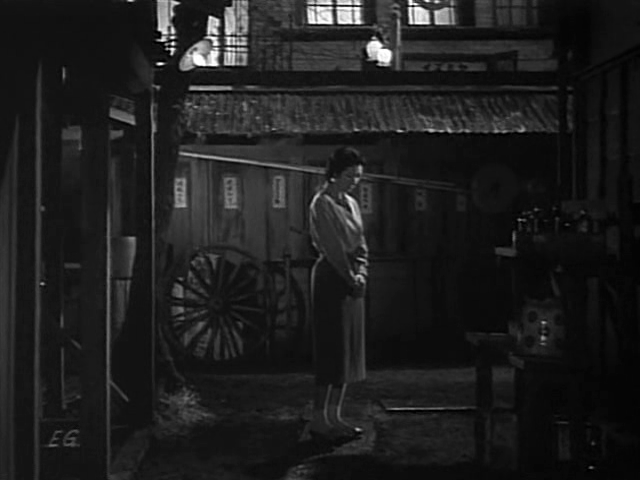
365 Nights (三百六十五夜, Kon Ichikawa, 1948)

For his second film at Shintoho, Kon Ichikawa had wanted to adapt a story by Ryunosuke Akutagawa that later inspired Rashomon, but was handed a standard melodrama to direct first. Ichikawa apparently did not think much of the novel the film was to be based on nor the script by Kennosuke Tateoka which he subsequently brushed up with the help of his new wife Natto Wada, and it’s not difficult to see why he might have felt he had an uphill battle. Melodrama is after all a genre that is founded on coincidence, though 365 Nights (三百六十五夜, Sambyaku-rokujugo ya) quickly strains credulity with the sheer number of unlikely events and surprise reappearances along with its rather strange take on the contemporary post-war society which is undoubtedly influenced by the demands of the Occupation censorship regime. 

Indeed, the setting itself seems reminiscent of 1930s cinema following the dashing hero Koroku, played by the equally dashing Ken Uehara, an architect who has walked away from his privileged upbringing as the son of a successful construction magnate. His problem is that he’s being aggressively courted by the haughty Ranko (Hideko Takamine), also the daughter of a successful but shady businessman, who to modern eyes is basically stalking him. Grinning with an evil glint in her eye, she tells her minion Tsugawa (Yuji Hori) that she’ll have seduced Koroku within 365 days which by melodrama standards seems to give her quite a lot of leeway.

Clueing us up to her villainy, Ranko is always seen wearing incredibly stylish Western outfits but otherwise behaves in a transgressively masculine fashion ordering her male employees about while set on the sexual conquest of Koroku who despises her for everything she is. It’s difficult not to see an inherent criticism of the new post-war woman and an anxiety regarding the power that comes with wealth being wielded by someone who is not a man. The contrast between Ranko and traditional femininity is rammed home by the fact that Teruko (Hisako Yamane), the daughter of the landlady in the house where Koroku finds new lodging after moving home to escape Ranko, is always dressed in kimono and otherwise naive and innocent. 

This positions Ranko, and her minion Tsugawa who is also in love with her, as the villains who are rebelling against the kind of earnestness expressed by Koroku and Teruko. From more humble origins, Tsugawa is deeply resentful of Kokoku’s class privilege and feels that he looks down on him which is one reason he seeks revenge by destroying his life along with his sexual jealously that Ranko pays him no attention yet is fixated on Kokoku perhaps precisely because he is entirely uninterested in her though it remains mystery why you’d want to be married to someone who strongly dislikes you. 

Yet for all his own earnestness, Koroku is almost betrayed by the capitalist father of whom he also seems to disapprove when he asks him to consent to an arranged marriage with Ranko to save his business. Meanwhile, it also transpires that Teruko’s father has been absent from her life because he two has a criminal past further tainting the legacy each of them bear. Ichikawa stages each evolution of their relationship at the same, noirish street corner that seems to exist as a kind of border between the illicit underworld that seeps out from Tsugawa’s bar into the post-war society, and the geniality represented by Teruko’s otherwise nice, middle-class home. 

It’s the this transgressive quality, of being caught between these two worlds, that starts to eat away at Koroku leaving him a broken and shabby man little better than a tramp. In a break with melodrama norms, though he is aware that he has led Teruko into Tsugawa’s trap he comes to believe that she has betrayed him while she clings fiercely to her love and in the end attempts to sacrifice it basically giving Koroku to Ranko whom she believes can better care for him in his now corrupted state. Though events become grim with a wedding that is staged like a funeral and takes place at a death bed, there is also the sense that something must come right that seems a little incongruous and perhaps a concession to the censors board as may be the coda implying that Ranko, despite having undergone a kind of redemption, will also have to pay for all her dodgy dealings. Though clearly hampered by the material, Ichikawa crafts some stunning images such as the final scene at Tsugawa’s bar along with a surprisingly energetic action sequence during which Koroku fights off burglars at Teruko’s home and wins her heart with his manliness. In any case despite the hints at redemption the implication remains that this is a world dark at its core in which not even the earnest can escape its creeping corruption. 


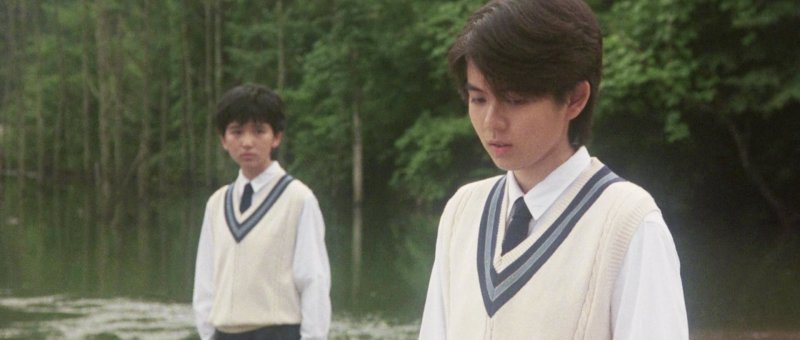
Faraway Family (彼方の家族, Taro Kawasaki & Eisuke Sakauchi, 2023)

It may be a truism to say that you never really know what’s going on in other people’s lives, but even if a family looks superficially happy and gives the impression everything is going just perfectly for them that might not actually be the case. The title of Taro Kawasaki & Eisuke Sakauchi’s Faraway Family (彼方の家族, Kanata no Kazoku) has a double meaning in that in the Japanese title can be also read as “Kanata’s Family” which is the name of the hero and also a word meaning “somewhere in the distance” which is in fact how both of the boys feel their fathers to exist. 

Kanata may feel it more closely in that he lost his father in the 2011 tsunami and has never really dealt with the grief having moved to Yamagata with his mother. Kanata’s father also had quite a difficult relationship with his fisherman grandfather who was intent on railroading him to take over the boat and seemingly never had a good word for anyone yet his father lost his life after heading to the harbour to look for him explaining only that he was family. Now the only breadwinner in the family, his mother has to work to support them and is therefore often absent, leaving him money to buy dinner from a convenience store which he usually eats alone. 

Having become withdrawn and fearful of making new relationships that may end suddenly, Kanata also has the added stigma of being someone from Fukushima in the wake of the nuclear disaster. His new teacher, Yoshikazu, makes a well-meaning faux pas in telling Kanata to consider him a father figure yet as it turns out Yoshikazu is a fairly compromised one. On being introduced to his classmate Riku who is also Yoshikazu’s son he thinks he’s had his face rubbed in it with this picture of the perfect family.

But what he discovers is that Riku has many of the same problems as himself seeing as he also fears he does not really fit in his family and wonders if they’d be happier and better off if he weren’t in it. Unlike Riku, Kanata doesn’t seem to be overly burdened by parental expectation and despite the problems between his father and grandfather his early childhood seems to have been happy and filled with love and cheerfulness. His problem is more to do with what he’s lost and the resulting sense of absence it’s left behind as he finds himself eternally missing his father. 

For Riku meanwhile, it’s the connection itself which is painfully absent. The more he tries to connect with Yoshikazu the more it seems to backfire while Yoshikazu seems obsessed with the idea of his getting into Japan’s most prestigious university mostly for his own gratification as double proof of what a great teacher and father he is. Or else, to mask his own sense of inadequacy in that he would feel embarrassed professionally if his own son turned out not to be academically inclined. Riku’s family don’t celebrate birthdays and he can’t ever remember getting a present but when he decides to try and buy one for Yoshikazu it’s a reminder of a happier memory when he simply played with him as a loving father rather than a hard taskmaster driving him on to a vicarious goal as evidence of his controlling nature. 

Kanata seems to have had more than his share of tragedy in life and is painfully aware of the things just our of reach but also increasingly that not all of them are and if you’re not careful you can in fact be the one to push them away. Shooting in the icy snow of a Yamagata winter, Kawasaki and Sakauchi capture the frostiness of the boys’ emotional isolation but also the quickening warmth of their friendship as they bond over their shared loneliness in pining for an absent father. What Kanata learns is to embrace the things that seem somewhere far away for they do at least exist there, even if no longer present in a physical sense, and that the memory of them can be warm and comforting rather than painful or lonely. 


Faraway Family screened as part of this year’s Osaka Asian Film Festival.

Original trailer (no subtitles)

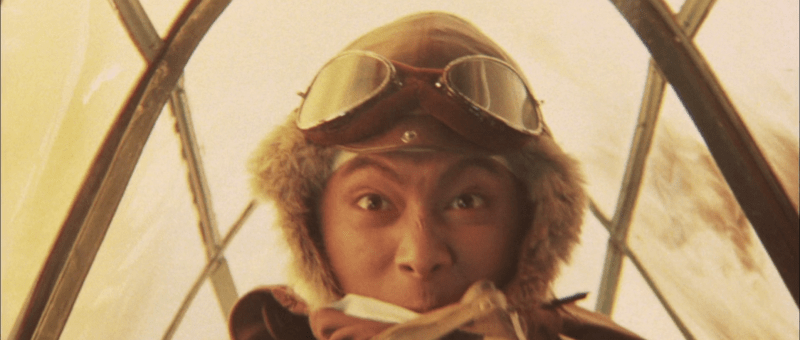
The Kamikaze Guy (カミカゼ野郎 真昼の決斗, Kinji Fukasaku, 1966)

The hero of Kinji Fukasaku’s Kamikaze Guy (カミカゼ野郎 真昼の決斗, Kamikaze Yaro: Mahiru no Ketto) is described as cheerful and with a spirited personality though unfortunately not very bright. A vehicle for rising star Chiba, the film was intended as the first in a series starring its bumbling hero, Ken Mitarai, though no other instalments were ever produced. In any case, it seems to echo the lighter side of Nikkatsu’s borderless action line along with Toho’s spy spoofs in its wrong man tale of wartime legacy and corporate duplicity. 

Often called “Mr. Toilet” because of the way his name is pronounced, Ken (Sonny Chiba) is a slightly sleazy private plane pilot who has pinups on the roof of the cockpit. According to the voiceover, there is no bottom to the depths of his crassness which is a sentiment later borne out by his attempt to pick up a woman on a ski slope by uttering the immortal lines “please don’t think I’m a creep, just hear me out.” However, events take a turn for the strange when the pair of them are witness to a murder. Ken valiantly tries to help, but is later brought in as a suspect himself, partly as the police are annoyed by his smugness. The woman, Koran (Bai Lan), turns out to be from Taiwan which is where Ken ends up flying only to discover that his cargo is the body of an old man he also encountered at the slopes. 

In keeping wth the growing internationalism of mid-1960s Japanese cinema, the film travels to Taiwan but does so in a rather complicated way as Ken is drawn into a plot concerning three men responsible for the death of a Japanese official shortly after the war killed because he wanted to return 200 billion yen’s worth of diamonds stolen from the local population. While on his travels, Ken runs into a woman who was trafficked to the island at the age of 15 and later cheated out of the money she’s saved to return. The film almost flirts with the awkward relationship between the two nations and Japan’s imperialist past but in the end does not quite engage with it save for the brief appearance of the indigenous community which seems to stand in for layers of historical and contemporary colonialism.

In any case, the murdered man was Japanese as were the two of the three currently being targeted in the assassination plot Ken is being framed for. Ken’s defining characteristic is his bumbling earnestness in which his determination to get to the bottom of the mystery only lands him in further trouble. At one point he even tries to stop the villain escaping by standing in front of the plane with his arms wide open as if it hadn’t really occurred to him that a man who has already killed a number of people is unlikely to be deterred by the thought of killing one more. Nevertheless, it provides the film with one of its more memorable and quite incredible sequences as Ken grabs on to the wing support as the plane is taking off and eventually climbs his way inside.

Chiba reportedly designed the action sequences himself and his martial arts skills are very definitely on display in the unusually well accomplished fight scenes while the film also contains a lengthy and expertly choreographed car chase albeit one occasionally interrupted by random bison and an indigenous parade. Perhaps because of this manly tone, there is an unfortunate strain of semi-ironic misogyny that runs through the film with frequent exclamations that women are too quick to jump to conclusions while Ken later seems slightly put out that Koran is “using her feminine wiles” to combat the bad guys. 

By the same token, there is something a little ironic and subversive in the film’s use of the term kamikaze, self-adopted by Ken to emblematise his devil may care nature while otherwise setting the action in a nation once colonised by Japan that holds a celebratory gala in Ken’s honour for his assistance in retrieving the gold and returning it to the Taiwanese people. Perhaps in another sense, it echoes a new willingness to make restitution with the past even if Ken bumbles his way into it and does so by accident taking on both the new and destructive capitalism of the post-war society and the toxic wartime legacy and freeing himself from them, literally a body flying in midair with no direction but his own.

Original trailer (no subtitles)