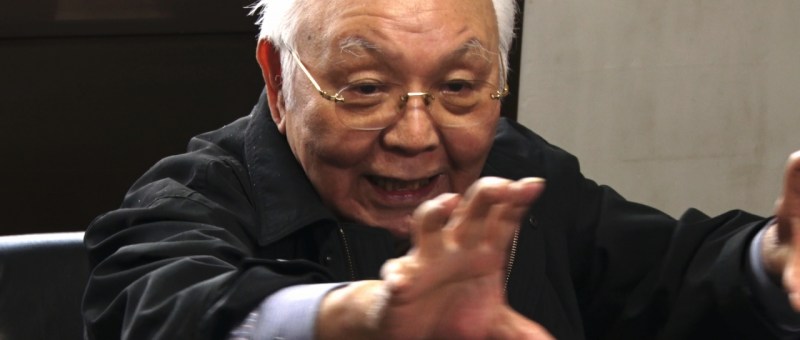
Samurai Kids (水の旅人-侍KIDS-, Nobuhiko Obayashi, 1993)

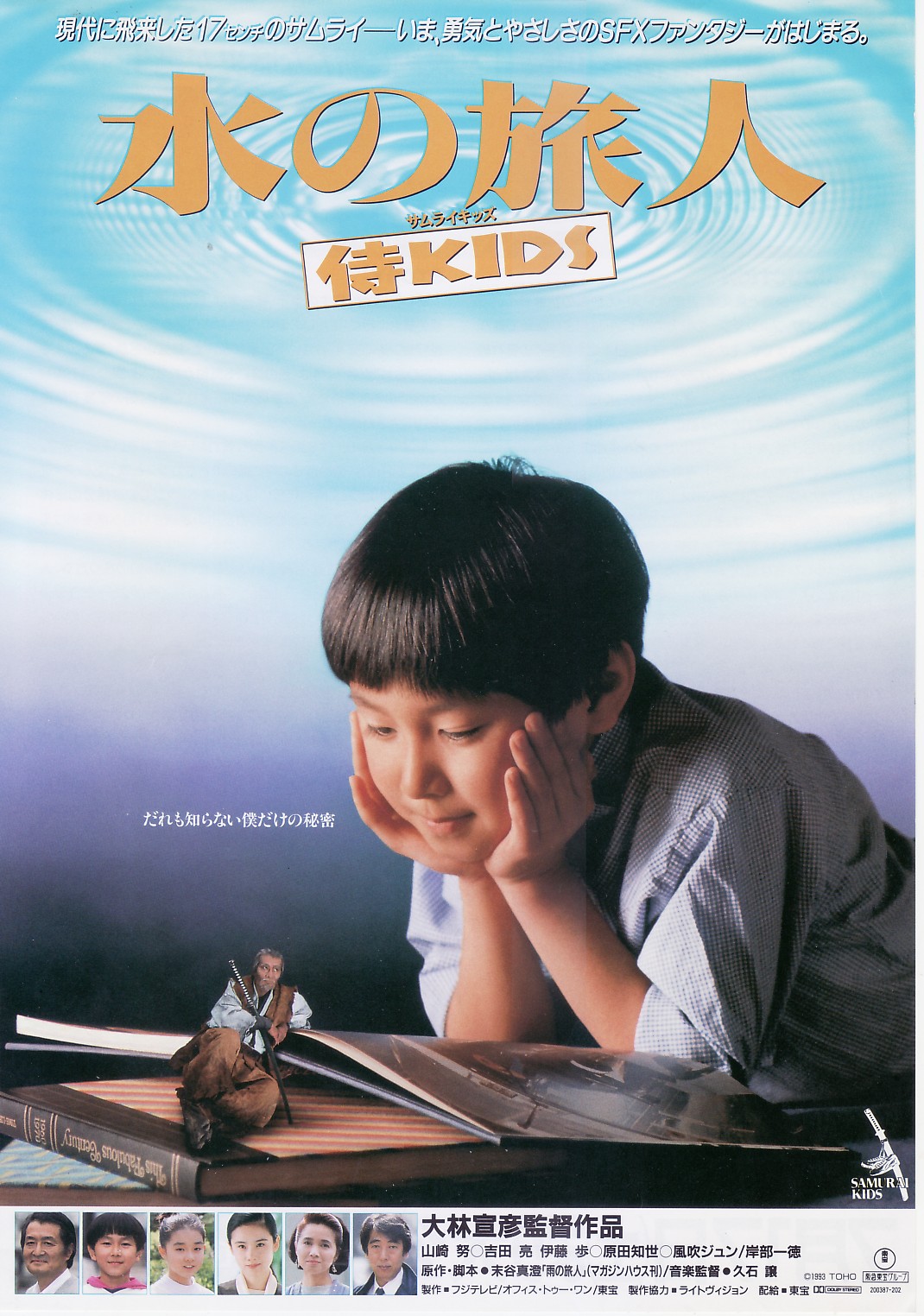
“I’ve always believed that dreams and fantasies have infinite power” an eccentric teacher explains though it might as well be a mission statement for the films of Nobuhiko Obayashi. 1993’s family adventure movie Samurai Kids (水の旅人-侍KIDS-, Mizu no Tabibito: Samurai Kids) draws inspiration from the classic Japanese folktale Issun Boshi about a pint sized warrior who floats off to the city in a bowl, but is at heart a gentle coming-of-age tale as little boy grows in self-confidence and vows to protect Japan’s beautiful natural environment from human mismanagement. 

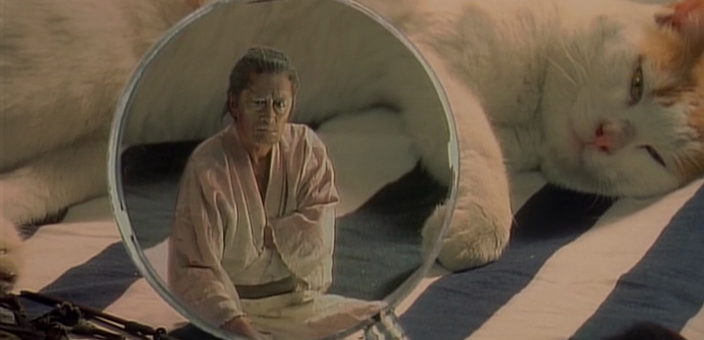
As his mother (Jun Fubuki) describes him, Satoru (Ryou Yoshida) is a little different and slow to make friends. The confusion he feels is reflected in the persistent fast cutting that adds a note of tension to the otherwise pleasant family home. Like many small boys he is obsessed with collecting mini treasures for his collection along with frogs and insects which is how he comes across a mysterious creature knocked off a log floating in the river by a flying baseball from the game his sister Chizuko (Ayumi Ito) is playing across the way. To his surprise, the bundle of rags Satoru picks up turns out to be a tiny old man in samurai clothes complete with sword who gives his name as Suminoe no Sukunahiko. Sukunahiko (Tsutomu Yamazaki) as he explains had been on his way to the sea where he plans to “evaporate”. The river only flows in one direction after all and you can’t turn back time, everyone dies eventually. 

Having lost his grandfather a couple of years previously (a photo cameo from Ishiro Honda of Godzilla fame), loss is something Satoru hasn’t quite processed though he understands that Sukunahiko has his own path to follow even if he’ll miss him when he’s gone. Nevertheless, he feels a responsibility to look after him so he can recover sufficiently to make his journey to the sea. Through his strange friendship with the tiny old man, Satoru begins to learn more of and draw closer to the natural world. When Sukunahiko’s kimono is pinched by a cheeky crow for some reason continually hanging round Satoru’s home, Sukunahiko is forced to fight him and ends up cutting off his beak but later carves the bird a new prosthetic replacement because no to do so would have been “impolite”. 

Meanwhile a visit to his father’s hometown brings home the realities of contemporary Japan in learning that the area is soon to be sunk as a giant reservoir to prevent the flooding of other nearby villages. On a school trip, Satoru is quick to take issue with some of his classmates who throw their rubbish out of the bus windows as they pass a dam, reminding them they’re being disrespectful to the town that once existed beneath the water. The climax occurs when the children are camping further up the mountain near what Satoru assumes must be Sukunahiko’s “hometown” at the source of the river. It just so happens that the trip coincides with a fading local festival dedicated to the river god which might account for why it’s raining so much. “It’s celebratory rain” an old man explains, “but when people try to control the water it causes problems like this” implying that the water is “rebelling” against humanity’s attempts to channel it. When he and his sister’s frenemy Miyuki are trapped by rockfall, Satoru has to learn to trust the healing properties of water so that he can repay her kindness in protecting him before eventually helping Sukunahiko return to source in the company of his eccentric yokai-obsessed teacher (Tomoyo Harada) and newly sympathetic sister. 

Adapted from a story by Masumi Suetani who also penned the screenplay, Samurai Kids is perfectly suited to Obayashi’s key concerns lamenting that the adults often forget the promises to nature they made while young, Satoru calling out that he’ll protect the rivers and waters of Japan with a warrior spirit like Sukunahiko’s while the Jo Hisaishi score is also reminiscent of the similarly themed movies of Studio Ghibli. Chizuko’s parallel dilemma may be less well explored leaving it unclear whether her tomboyishness is born of discontent over her looks or a part of her essential personality struggling for acceptance in a conformist and heavily gendered society but does at least allow her to find common ground with friend/rival Miyuki who is struggling with something similar stressing the importance of friendship and mutual understanding among the children. It may be the case that the special effects have entered the realms of being classic rather than merely dated but hold up surprisingly well almost 30 years later possessed of their own strange charm yet syncing perfectly with the world around them. A quietly magical tale of loyal yet laidback family cats, parental nostalgia for simpler times, and unexpected friendships between solitary boys and ancient water gods, Samurai Kids is a surprisingly poignant children’s adventure with an important message in its fierce love of a disappearing natural beauty. 


Short clip (no dialogue)
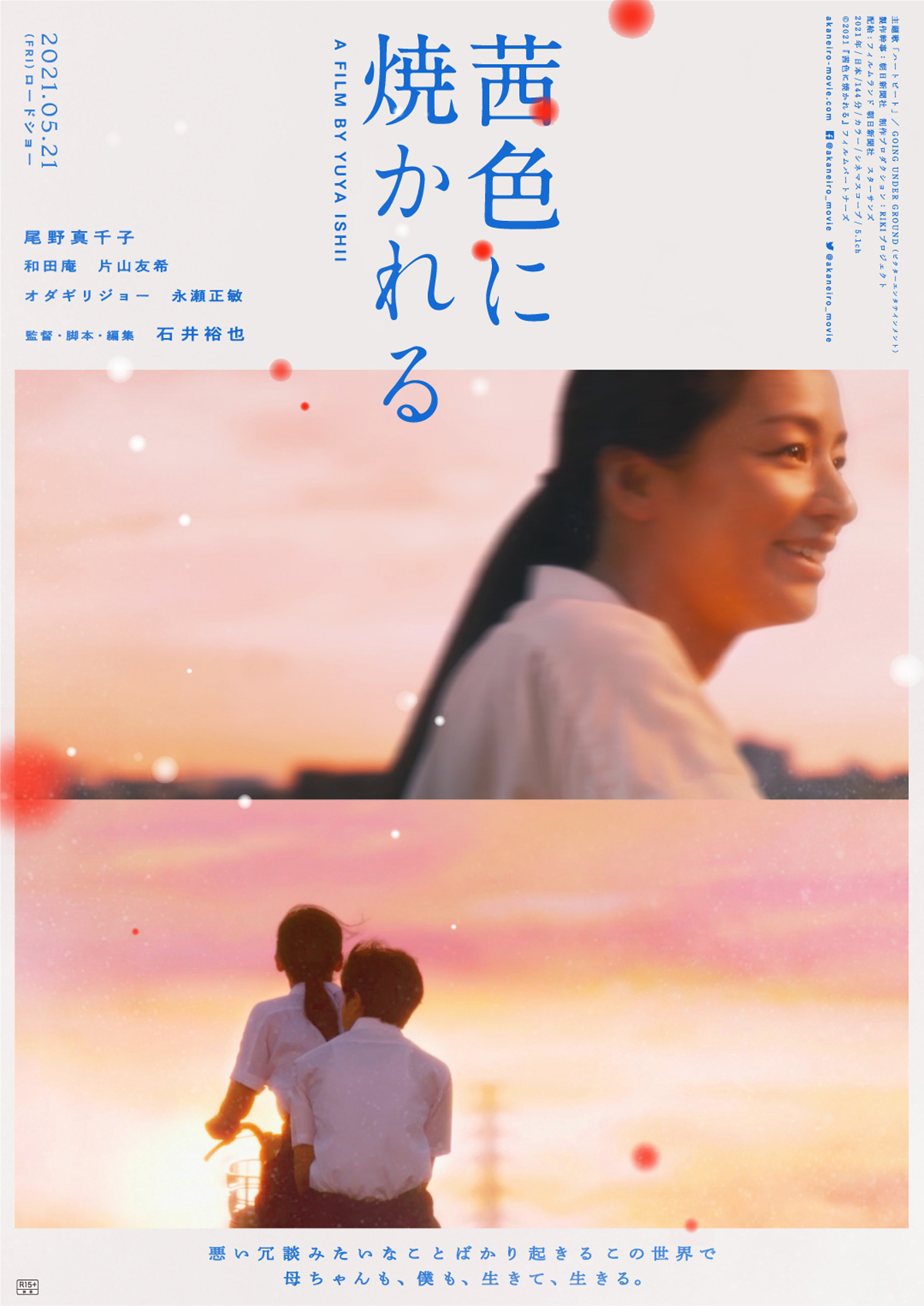
A Madder Red (茜色に焼かれる, Yuya Ishii, 2021)

©︎2021 "A Madder Red" Film Partners

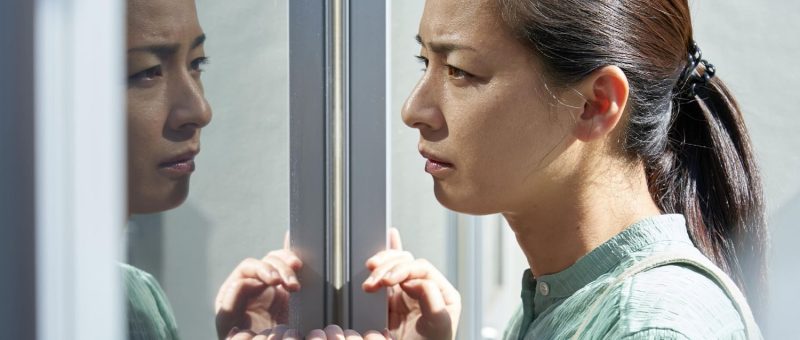
A single mother and her son face the myriad injustices of the modern society with dignity and grace in Yuya Ishii’s quietly seething pandemic-era social drama, A Madder Red (茜色に焼かれる, Akaneiro ni Yakareru). The heroine is constantly asked why she isn’t angrier, those around her confused by her stoical attitude and tendency to simply sigh and say “let’s get through this” rather than railing against the persistent unfairness that defines her life but then she doesn’t have a lot of time for being angry nor would it particularly help her situation or bring about change. All she can do is persevere in the hope that it won’t always be this way, her run of bad luck will end, and she will eventually be permitted to rest. 

Ishii opens the film with a 3D model simulation of a traffic accident in which a cyclist is killed by an out of control car on a zebra crossing in an otherwise tranquil residential area. Ryoko’s (Machiko Ono) husband Yoichi (Joe Odagiri) is sent flying and ends up squished like a bug on the windscreen of a vehicle travelling in the other direction. The driver, an elderly man later revealed to have been living with Alzheimer’s, mistook the accelerator for the brake but as he had been a prominent local official the matter was swept under the carpet and he faced no consequences. What people can’t seem to understand is why Ryoko chose to attend the old man’s funeral when he eventually died. It seems attend was all she did, but the man’s son had security throw her out and his lawyer accuse her of “harassment” while expressing anger and resentment that her presence tarnished his father’s lavish ceremony when he had been such a good a man. Her presence perhaps annoys him because he knows on some level he’s in the wrong, while her strength and dignity shame him knowing that they should have just apologised. The lawyer implies she’s being unfair targeting the family who were not themselves responsible for the accident, except that in a sense they were because they failed to protect the old man by continuing to allow him to drive by himself. 

Ryoko refused the compensation money for this reason, that they tried to settle it with cash as if her husband’s life had no meaning. She lives in subsidised government housing, but doesn’t claim any benefits supporting herself after she was forced to close her cafe through a part-time job in a supermarket floristry department and after hours sex work. “Break a rule, break your life” she teaches her 13-year-old son Junpei (Iori Wada) yet constantly falls foul of rules written or otherwise while doing nothing wrong in the eyes of those who rant about benefit scroungers and routinely belittle those without means. She’s taken to task by her manager for taking home flowers that were due to be thrown out and for taking a phone call outside the store after clocking off, but when they fire her on a pretext to hire the daughter of a prominent client who can’t find a part-time job because of the pandemic, they refuse to honour the two month notice clause in her contract. Similarly when bullies from Junpei’s school set fire to some books left outside their apartment, they are the ones who have to move for violating the rule about causing a disturbance to the other residents. 

Given all of this no one can understand why Ryoko isn’t seething mad. She still pays for her father-in-law’s nursing home and even child support for a girl she’s never met fathered by Yoichi with another woman. Struggling herself, the child’s mother later turns to a sleazy friend of Yoichi’s, Ryu (Tateto Serizawa), to petition Ryoko to increase the child support but like her also worries that it “doesn’t seem right” to further burden a woman who is also struggling to raise a child alone just like herself while Ryu, as he had unsuccessfully with Ryoko, attempts to extort sexual favours in return for his assistance. Ryoko does these things when she doesn’t strictly have to and many people wouldn’t less out of pride or stubbornness than because it’s the right thing to do and if she can satisfy herself that she’s done right by others even if they’ve not done right by her then she maintains her dignity and their scorn can’t harm her. 

Even so, sick of being treated like a bug Ryoko’s rage eventually begins to boil over her subdued outfits giving way to a fiery red as her hopes of escape are once again dashed on realising a potential romantic suitor only ever viewed as a plaything. Everyone is always telling Ryoko’s that she’s “strange”, “weird”, “crazy”, in her passive resistance living by her own rules while constantly betrayed by those of others which they only enforce when it suits them. Ishii flags up all of her various expenses on the screen making it clear just how much it costs for Ryoko to be this poor while she seemingly grins and bears it. Then again as the film’s only title card tells us Ryoko is a good actress, and perhaps she has to be to get by in this indifferent society filled hidden suffering and an almost sadistic lust for self-preservation. “Mom, it’s all too much” Junpei sighs as he comes to an appreciation of his mother’s fortitude and her desire to simply “get through this” as they ride a mamachari towards a glowing technicolour sunset which ironically enough refuses to end trapping in them in this space of grief and unfairness but carrying with it a far off hope perhaps cruel in its elusiveness.


A Madder Red streamed as part of this year’s Nippon Connection.

International trailer (English subtitles)

Images: ©︎2021 “A Madder Red” Film Partners

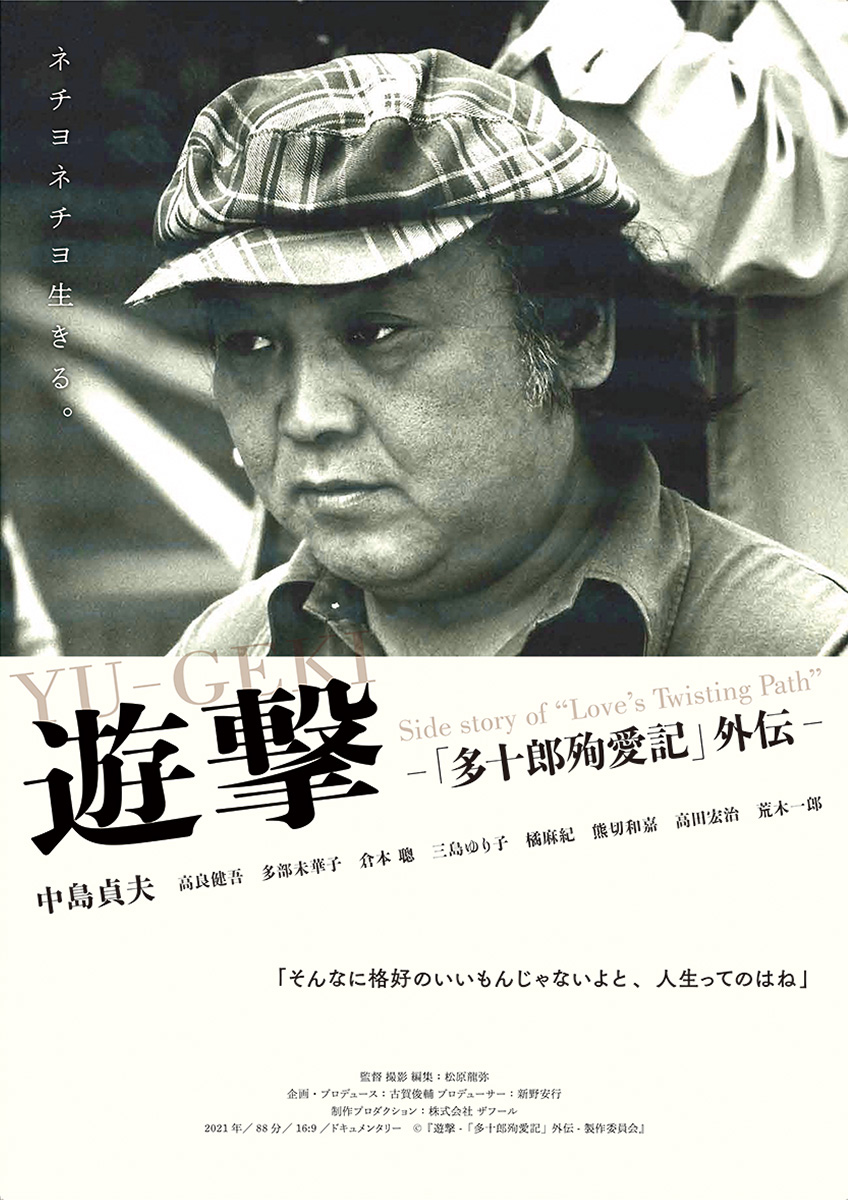
YU-GEKI~side story of “Love’s Twisting Path”~ (遊撃 -「多十郎殉愛記」外伝-,Tatsuya Matsubara, 2021)

At the age of 83 and not having made a narrative film in over 20 years, Sadao Nakajima decided to step back into the director’s chair in 2019 with a classic chambara in Love’s Twisting Path, an old-fashioned samurai drama taking place in the turbulent years of the Bakumatsu at the end of the Edo era. More than just a behind the scenes documentary, Tatsuya Matsubara’s YU-GEKI~side story of “Love’s Twisting Path”~ (遊撃 -「多十郎殉愛記」外伝-, Yu-Geki -Tajuro Junai-ki Gaiden-) explores the film’s production but also reflects on the director’s long career and the changing trends of the Japanese film industry. 

Changing times do seem to be Nakajima’s primary motivation, wanting to pay tribute to Toei’s Kyoto studios once home to its mainline of period pieces produced for the big and small screens. These days, however, such productions are few and far between. Of course, Japan continues to produce historical dramas in large numbers but they tend to be just that with swordplay a secondary concern. Nakajima had wanted to resurrect this dying sector of the industry in part because he felt sorry for the specialist performers who can no longer support themselves with samurai movies alone.

Paradoxically this becomes a secondary problem for the production team as the pool of actors with training in stage combat becomes ever smaller, Nakajima forced to hire early career trainees while star Kengo Kora puts in overtime vigorously training to master the sword skills needed to seem convincing as a jidaigeki lead. Along with the decline of classic chambara, itself perhaps an expression of studio system as it existed before the 1970s, goes all the skills that accompany it from swordsmen to costumiers and makeup artists who know how to work on period features giving rise to the worry that the expert techniques honed over lifetimes will eventually be lost. 

Aside from the problems securing their creative team, Nakajima also runs into funding difficulties with backers unwilling to invest given the director’s age and poor health worrying that he may not be able to complete the project. Ironically this places further pressure on the production as Nakajima is forced to shorten the script and shooting time packing in as much as humanly possible per day. A young production assistant is beginning to feel bad about having to explain to him that so many things just aren’t possible while he too grows frustrated wandering around the mountains looking for a particular temple he remembers from his time at the studio but unable to remember exactly where it was or how to find it. Meanwhile he’s ably assisted by his former pupils including Kazuyoshi Kumakiri (Mukoku, Antenna, Sketches of Kaitan City) who acts as his AD along with Nobuhiro Yamashita (Linda Linda Linda, Over the Fence, Hard Core) who also visits the set

It’s the presence of these pupils that Nakajima eventually hints makes his life worth living others suggesting that so many people wanting to learn from him gives him a sense of purpose and validation. Love’s Twisting Path was intended to be his final film, but asked if he’d have an idea for any more he likens himself to an elderly Musashi Miyamoto, the legendary swordsman, who became withered with age but faced a constant stream of young challengers each excited to fight him while he too saw it as a way to prove to the world that he still existed. 

Despite the tremendous effort put into its production, Love’s Twisting Path did not do as well as Nakajima had hoped at the box office leading him to blame himself wondering if he was too focussed on his own interests and understandably deflated having invested so much into the project hoping to kickstart a revival of classic jidaigeki that would revitalise the old Toei lot. Then again this feeling of not quite having lived up to his aspirations might contribute to a sense of wanting to try again with another film if only it had not been for the advent of the global pandemic. Journeying through his career history, Matsubara finds Nakajima a contrary figure, rebellious and frustrated even then in the barriers erected between himself and his art ,the films he wanted to make shot down by studio execs while he tries his best to inject a characteristic sense of reality into a series of programme pictures, contemporary yakuza films, action dramas, and finally chambara which he claims never to have liked in the first place. In the end it’s all about love, Nakajima’s son insists seeing something of his father’s romanticism in his films but also his deep love of cinema and of the riches to be found in the artistic legacy of the Kyoto studios. 


YU-GEKI~side story of “Love’s Twisting Path”~ screened as part of Osaka Asian Film Festival 2022.

Original trailer (no subtitles)

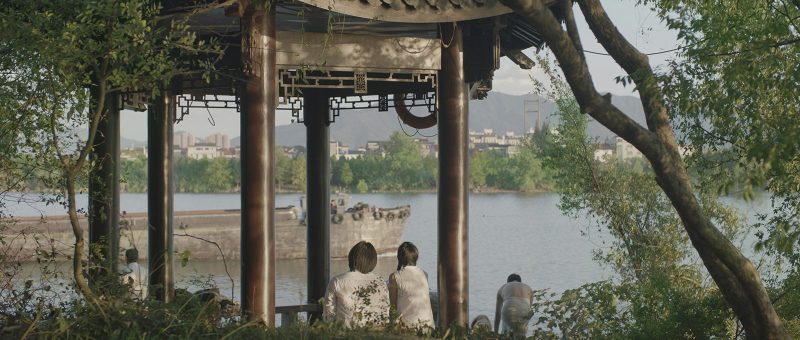
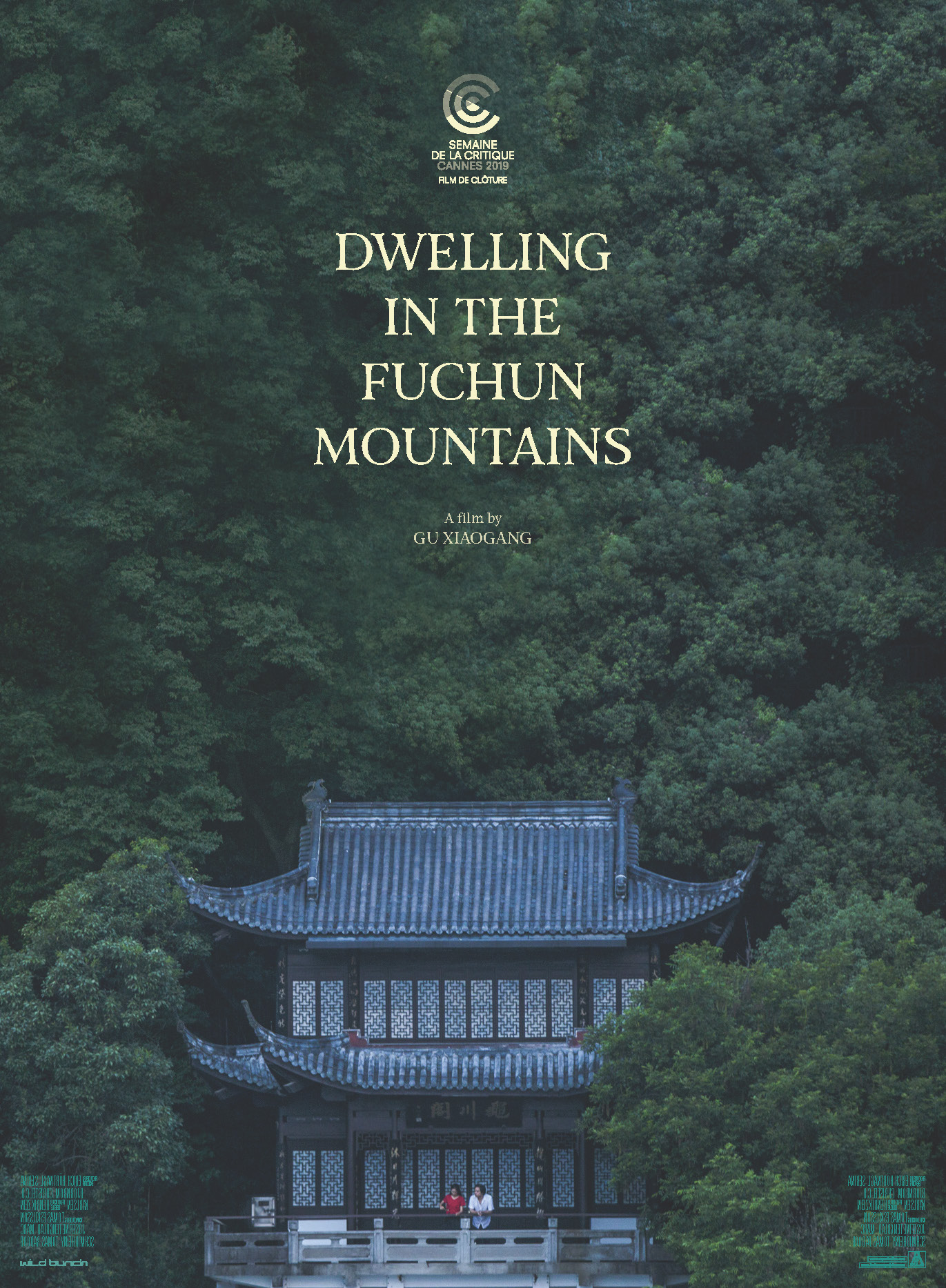
Dwelling in the Fuchun Mountains (春江水暖, Gu Xiaogang, 2019)

“The family should be peaceful and united” according to an exasperated aunt but then again “family is a pain”. Gu Xiaogang’s stunning debut feature Dwelling in the Fuchun Mountains (春江水暖, chūn jiāngshuǐ nuǎn) takes it name from a famous classical painting and unfurls a tale of familial strife born of intergenerational tension which is also a tension in the earth between new and old as this “traditional Chinese landscape” as someone describes it pointing at another painting is gradually eroded by a destructive modernity. 

This ambivalence is clear in the opening scene which takes place in the family restaurant where they are currently celebrating the 70th birthday of the family’s matriarch. What first seems atmospheric, even romantic as someone describes it, in the candlelit space is revealed to be simply a power cut and a symptom of the imperfect modernity visiting itself on the town. In any case, grandma later collapses in the process of handing a red envelope to her grandson and is taken to hospital where it is revealed that she has suffered a stroke which has accelerated the course of her dementia. The question then becomes who will accept the responsibility of caring for her with each of her four sons secretly hoping that someone else will volunteer. 

Grandma is in many ways the film’s moral authority, at one point quite literally adrift in the modern society. She no longer recognises her daughter-in-law Fengjuan (Wang Fengjuan) and avoids taking her medication believing that she’s being poisoned but pines for her youngest son whom she says spends the most time with her and is the most obedient but in fact appears the least interested of all the brothers. When he finally visits her to show off the fiancée everyone told him he had to get to put her mind at ease before it’s too late all she can do is stare at the moon. On the other hand, she is the one firmly on the side of the young, telling her granddaughter Guxi (Peng Luqi) to marry a man she chooses for herself rather than be swayed by the wishes of her parents and wind up miserable as she herself seems to have been. 

Guxi is in a relationship with local teacher Jiang (Zhuang Yi) who might otherwise be thought a catch in that he has a good job and stable income as well as access to a preferential mortgage programme for those in his profession, but Fengjuan envisions more insisting Guxi marry the son of an influential businessman in part to ease her own financial worries. As Guxi suggests, her mother’s idea of happiness is different from her own. Having suffered privation in their youth the older generation prioritise material comfort but in their old age may become lonely or resentful in the emptiness of their familial relationships. Yet to defy her parents’ wishes is emotionally difficult, her eventual decision to choose Jiang over them a minor revolution.

Meanwhile the lives of each of the brothers is overshadowed by debt both financial and moral in the continual horse trading of family life. Third brother Youjin (Sun Zhangjian) is a petty gambler in trouble with loansharks who eventually trash oldest brother Youfu’s (Qian Youfa) restaurant trying to get him to pay up, while second brother Youhong (Sun Zhangwei) and his wife are owed money from various parties but eventually come into some by making themselves homeless agreeing to sell their home to developers intending to cash buy a fancy apartment for their factory worker son and the bride which has been picked out for him. “We lived here for 30 years. It was demolished in three days” Youhong’s wife laments as the city is demolished and rebuilt all around them in preparation for the 2022 Asian Games. The promised new transport connections ironically emphasise how much they will add to the town by making it quicker and easier to go somewhere else but there is a genuine sense of poignancy in Gu’s slow panning motion through a derelict apartment across to the shiny new one about to be completed behind it. 

In one of the soon-to-be dismantled buildings, the youngest brother recovers a suitcase with a love letter inside it dated April 1989, a relic from another China though telling the same old story of young love thwarted by parental authority. Closest to her grandmother and third uncle Youjin who eventually reclaims her from the old person’s home where the other brothers had decided to send her while caring for his 19-year-old son with Down’s Syndrome, Guxi brands her family selfish and laments that they can’t get past all of these arcane rules and petty power games to love and support each other as a family should ironically taking grandma’s advice in refusing to perpetuate the cycle of resentment by marrying a man she doesn’t love just to please them. Gu films this unfolding tale with a series of breathtaking tracking shots along the river as if running one’s eyes over a scroll painting while giving in to the oneiric quality of the rolling mists that hang over this changing landscape. Apparently the first volume of a trilogy of films set along the Fuchun river, Gu’s minimalist epic is a poignant evocation of a hometown memory both transient and eternal.


Dwelling in the Fuchun Mountains streamed as part of Odyssey: a Chinese Cinema Season.

Original trailer (English subtitles)

Ring Wandering (リング・ワンダリング, Masakazu Kaneko, 2021)

“Don’t forget me” pleads a mysterious young woman guiding the hero of Masakazu Kaneko’s Ring Wandering (リング・ワンダリング) towards the buried legacy he is unwittingly seeking. In this metaphorical drama, the aspiring manga artist hero is on a quest to discover the true appearance of the long extinct Japanese wolf, but is confronted by a more immediate source of unresolved history while working on a construction site for the upcoming Tokyo Olympic Games. 

The manga Sosuke (Show Kasamatsu) is working on is about a wolf and a hunter, Ginzo (Hatsunori Hasegawa), whose daughter Kozue was killed by one of his own traps. Though praising the general concept, his workplace friend points out that his manga lacks human feeling but Sosuke claims it’s unnecessary in a story that’s about a duel to the death between man and nature while matter of factly admitting that Kozue is merely a plot device designed to demonstrate Ginzo’s manly solitude. Yet Soskue complains that he can’t make progress because the Japanese wolf is extinct and he can’t figure out how to draw it. 

His quest is in one sense for the soul of Japan taking the wolf as a symbol of a prehistoric age of innocence though as it turns out he knows precious little about more recent history. The workers at the construction site have heard rumours about a stoppage at another build and joke amongst themselves that if they should find any kind of cultural artefact they’ll just ignore it rather than risk the project being shut down or any one losing their job. The site itself symbolises a tendency to simply build over the buried past erasing traces of anything unpleasant or inconvenient. When Sosuke comes across an animal’s skull buried in a pit he has recently dug, he is convinced it’s that of a Japanese wolf only later realising it is more likely to be that of a dog killed in the fire bombing of Tokyo during the war along with thousands of others on whose bodies the modern city is said to lie. 

Then again, impassive in expression Sosuke is particularly clueless when it comes to recent history. While searching for more wolf cues he comes across a young woman (Junko Abe) looking for her missing dog but completely fails to spot her unusual dress aside from assuming the old-fashioned sandals she is wearing are for the fireworks show set to take place that day incongruously in the winter. Similarly in accompanying her to her home he is confused by all her references to things like the metal contribution and her brother having been sent to the country. He wonders if she might be a ghost, and she wonders the same of him, but still doesn’t seem to grasp that he’s slipped into another era fraught with danger and anxiety only realising the truth on exiting the dream and doing some present day research. 

The fallacy of violence works its way into his manga in the fact that Ginzo’s traps eventually lead to the death of his daughter while he becomes on fixated on besting the wild wolf as a point of male pride though others in the village are mindful to let it live. A pedlar meanwhile explains that the wolf has been forced down towards the village because of the declining economic situation as more people hunt in the mountains for food and fur depriving him of his dinner. He tells Ginzo that the country has been “brainwashed in militarism” and the gunpowder that killed Kozue and will one day be repurposed to create joy and awe is now his most wanted commodity. In the end Ginzo too is saved by a kind of visitation, a ghost from the past offering a hand of both salvation and forgiveness along with an admonishment forcing him to take responsibility for his role in his daughter’s death.

In forging a familial relationship with a lost generation Sosuke comes to a new understanding of more recent history and in a sense discovers the connection he was seeking with his culture, weaving the anxieties of 1940s into an otherwise pre-modern fable about the battle between man and nature in which wolf becomes not aggressor but casualty in a great national folly. Like Kaneko’s previous film Albino’s Trees deeply spiritual in its forest imagery and oneiric atmosphere, Ring Wandering finds its hero transported into the past while unwittingly discovering what it is he’s looking for without ever realising that it has always been right beneath his feet. 


Ring Wandering streamed as part of this year’s Nippon Connection.

Original trailer (English subtitles)

Images: ©RWProductionCommittee

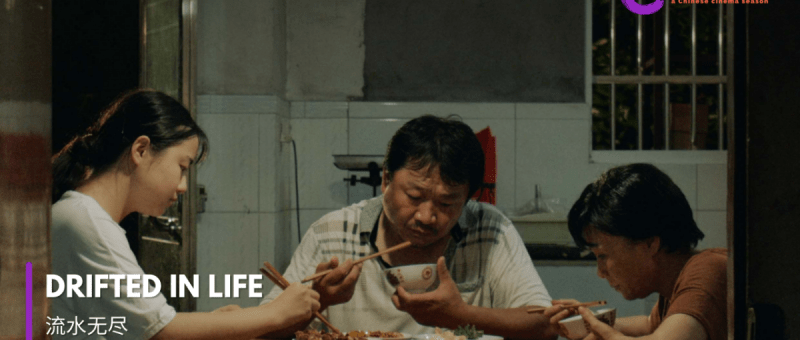
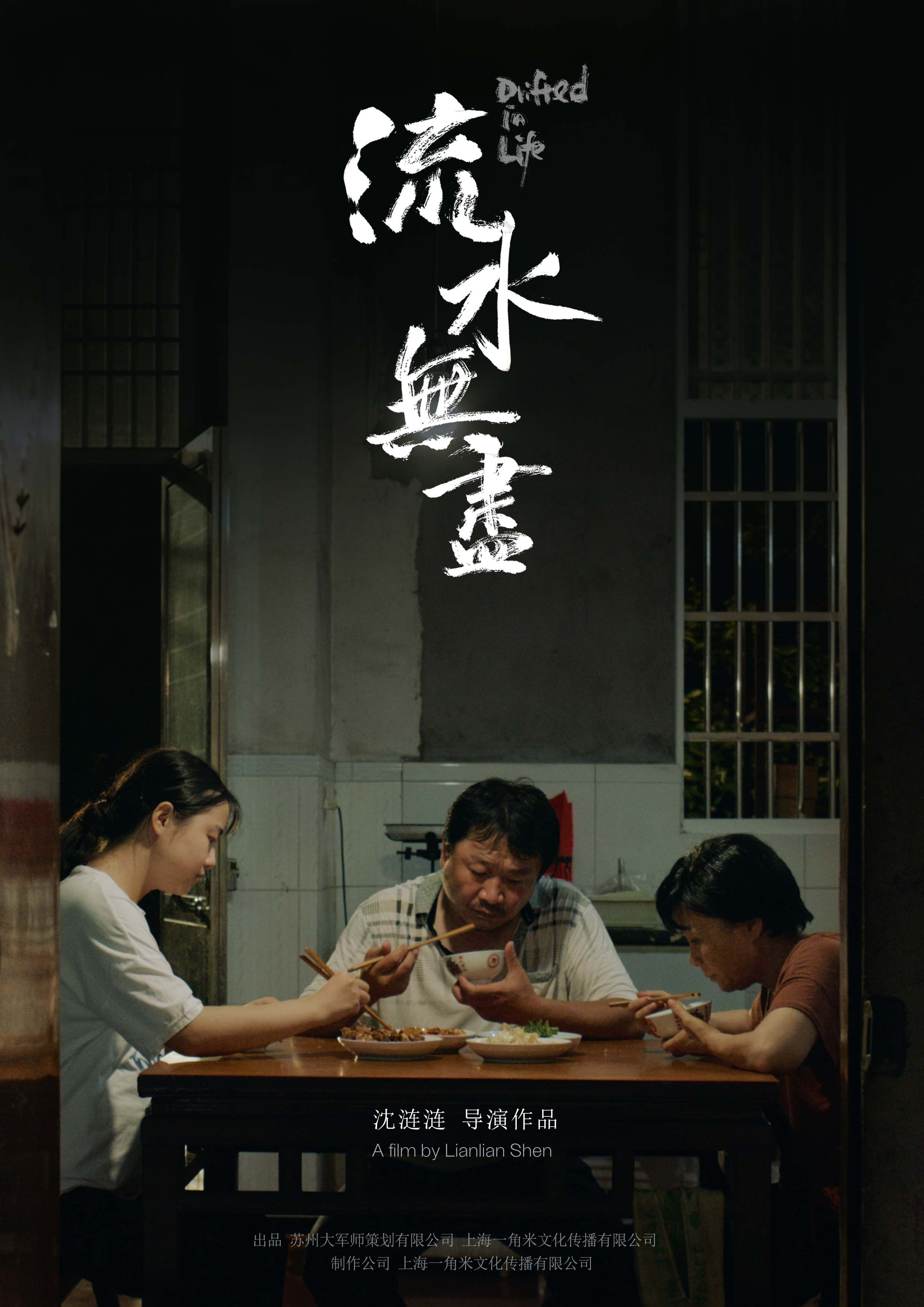
Drifted in Life (流水无尽, Shen Lianlian, 2021)

“People leave eventually. We’ve spent enough on him” the wife of a man drifting between life and death eventually concedes in Shen Lianlian’s indie drama Drifted in Life (流水无尽, liúshuǐ wújìn). In the modern China it seems everything has a price, not least a human life, but more than that it has a debt which must be satisfied at all costs. This is something with which the disparate members of a small family beset by lingering tragedy are each faced as they try to negotiate new paths forward while bound by ancient loyalties and traditions. 

This is certainly true for Keyu whose parents weren’t even going to call him when his grandfather is left in critical condition after a bathhouse accident lest they disrupt his working life. According to the incredibly offhand and somewhat insensitive doctors Renkai’s case is hopeless, his spine is severed at such a point that he has lost connection with his lower body and almost certainly will not be able to breathe without a ventilator. The family start planning the funeral on the car ride home, but the grandmother finds it impossible to let her husband go insisting that they leave him in the hospital just in case a miracle may happen while the rest of the family do what they can to sort out the bills, the originally unsympathetic doctor eventually warming to them in their devotion and agreeing to use an expensive drug to alleviate Renkai’s symptoms while reminding the grandmother that he will not recover.  

Kebo, Keyu’s bother, becomes indignant and enraged taking it out on the owner of the bathhouse for his apparently lax safety standards only for him to justify himself that he’s only a “small business” an excuse that becomes a refrain justifying commercial entities’ exploitation of employees and avoidance of complying with regulations. Keyu too is worried about “restructuring” at his company, while his wife’s is constantly laying people off and she fears for her own job while dealing with a temperamental diva artist who accuses her of being a sellout only interested in making money out of him. Meanwhile he ends up crushed between two conflicting loyalties seeking to make use of his relationship with an important client tasked by both the company that he works for and a desperate childhood friend with a “small business” of his own. Both Keyu and his wife opt for a kind of escape, he by betraying his company to put his friend forward for the contract and she starting a side hustle with the artist that seems like it will end up being more trouble than it’s worth but each of them wind up betrayed by their own choices. 

And then there’s the bad example their working culture seems to have been setting for their small daughter Weiwei who takes her new managerial responsibilities too seriously when made a monitor at kindergarten apparently hitting another child while collecting homework. Kebo meanwhile is also filled with resentment plunging his family, including his pregnant girlfriend to whom he is not yet technically married it seems for financial reasons, into even more debt after getting arrested for attacking the bathhouse owner and facing a lengthy sentence while his father ironically does something similar by getting into an altercation with a neighbouring stall owner after deciding to resume his butchery business to help pay grandpa’s medical bills. The matter is only resolved thanks to a neighbour who has a connection in the local police pressuring the bath house owner to back down and agree to a settlement out of court. 

Grandpa’s life becomes accidentally commodified as the family tot up how much it’s costing them to keep him in the hospital, even grandma eventually conceding that he has very little quality of life while coming to terms with her grief almost as if she were satisfying herself that they’d done “enough” to fulfil their obligation to him at least in monetary terms. “What’s the point of living like that?” Weiwei had tried to ask her dad, wondering why they’re keeping her grandfather alive while he drifts between life and death unable to communicate though she might as well be taking about herself or anyone else caught between the contradictions of the modern China and looking for release from its purgatorial grip. 


Drifted in Life streamed as part of Odyssey: a Chinese Cinema Season.

Original trailer (Simplified Chinese / English subtitles)

House on Fire (火宅の人, Kinji Fukasaku, 1986)

In the closing scene of Kinji Fukasaku’s 1986 literary drama House on Fire (火宅の人, Kataku no hito), the hero plays a game he’s designed with his children titled “too heavy to bear” in which they each climb on his back waiting to see which if any of them can prove too much for the paternal shoulders. In recent years Fukasaku has become most closely associated with his late career international hit Battle Royale but prior to that his name had been almost synonymous with the genre he helped to consolidate, the jitsuroku gangster picture. Like the later A Chaos of Flowers, however, House on Fire is a subdued literary drama though one set largely in a more recent past revolving around conflicted author’s paternal anxiety and inspired by the autobiographical fiction of Kazuo Dan who might be best known outside of Japan for having penned the novel which inspired Nobuhiko Obayashi’s Hanagatami

Like many similar literary endeavours of the time, House on Fire revolves around a conflicted writer’s affair with a much younger woman. Though set mainly in the 1950s, the film opens with a prologue set 40 years earlier in which the young Kazuo witnesses the breakdown of his parents’ marriage as his father abruptly leaves the family while his mother (played by Dan’s real life daughter Fumi Dan) later leaves him too after falling in love with a young student. As an older man (Ken Ogata) he feels he understands, though as a young boy all he felt was resentment. It’s this central conflict that consumes him as he contemplates embarking on an affair, knowing that he’s betraying his own wife and children in the same way that his father had him and his mother. He explains that this is partly because of a distance that has arisen in his relationship with his second wife Yoriko (Ayumi Ishida) following a family tragedy in which his second son Jiro was left with brain damage after contracting meningitis, Yoriko retreating grief-stricken into obsessive religious practice praying for a miracle he does not believe will come. 

Typical of the “I Novel” Kazuo funnels all of this inner conflict into a serialised novel including all the salacious details of his subsequent affairs. The first of these is with a young actress, Keiko (Mieko Harada), who came to him with a letter of recommendation hoping to get his support and advice on embarking on a career in Tokyo. It seems clear that what Kazuo is attracted to is youth while what he fears is an ending, an anxiety which overshadows his romance while he continues to neglect his responsibilities as a husband and father leaving Yoriko to cope alone looking after the other children while caring for their disabled son. Learning of the affair she temporally leaves the family in much the same way his mother had, yet rather than accept his responsibility for the children Kazuo promptly abandons them too retreating to a hotel to write while leaving Jiro’s nurse and the housekeeper in sole charge of the family home. 

It may be true in a sense that if he lived as a regular family man he’d have nothing to write about, but as much as Kazuo agonises over the possibilities of making Keiko mother to his children he knows he cannot marry these two desires as simply as swapping one woman for another. Just as he had, his eldest son Ichiro born to his first wife comes to resent him, breaking in to the flat he shares with Keiko and smashing the place up to make plain his sense of hurt and betrayal. Yet Kazuo seemingly cannot reconcile his passionate desires with his familial responsibilities while consumed by guilt in his failure to live up to an inner ideal. The only conclusion he comes to is that he is illequipt to understand the complicated relationships between men and women, looking back on his parents’ romance and reflecting that they run from love so great it makes you want to die to hate so strong it makes you want to kill. 

Meanwhile, he circles around three women from the capable if strangely mysterious Yoriko who insists that she knows everything he does, to the petulant Keiko and carefree Yoko (Keiko Matsuzaka), a melancholy bar hostess who accompanies him on a trip around Japan while trying to decide whether to accept an offer of marriage from a wealthy old man. In contrast with the maternal Yoriko, both Keiko and Yoko present a less complicated vision of typical femininity each lively and childlike but both ultimately wanting something Kazuo can’t give them because to him the relationships are transitory. Yoko understands this the best even if Kazuo’s assertion that he enjoys being with her because she never asks him difficult questions speaks volumes about his own insecurity, enjoying the journey while coming to her own realisations in ultimately opting for a kind of stability in a loveless marriage. An essentially passive figure, Kazuo is abandoned by all three women as they exercise a romantic freedom he didn’t really consider they had with Yoriko finally deciding to return but defiantly redefining the terms of their relationship as she does so. 

With this the family is in a sense repaired, Yoriko reminding him that she knows everything he does while he is forced to acknowledge that he is lucky his family will have him back even as he plays the “too heavy to bear” game with his children as pregnant as it is with his internal failures as a husband and father. A minor meditation on the changing social mores of the post-war society and the inner turmoil of a man caught between them, Fukasaku’s distanced approach undercuts the sense of melancholy in the otherwise conservative conclusion as Kazuo both resists his self-characterisation as a feckless and weak willed man and embraces it in his imperfect determination to reintegrate himself into a quietly smouldering home. 


Original trailer (no subtitles)

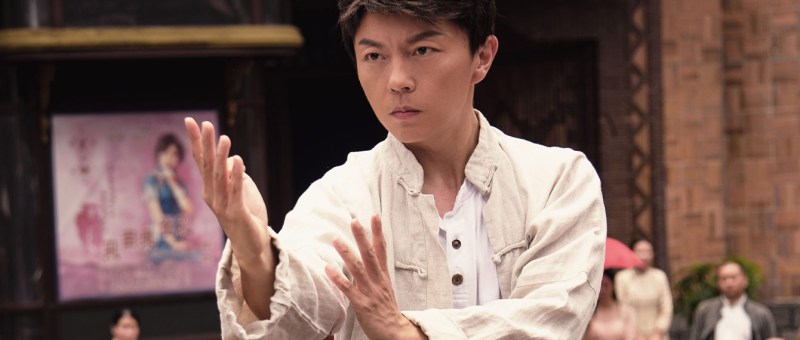
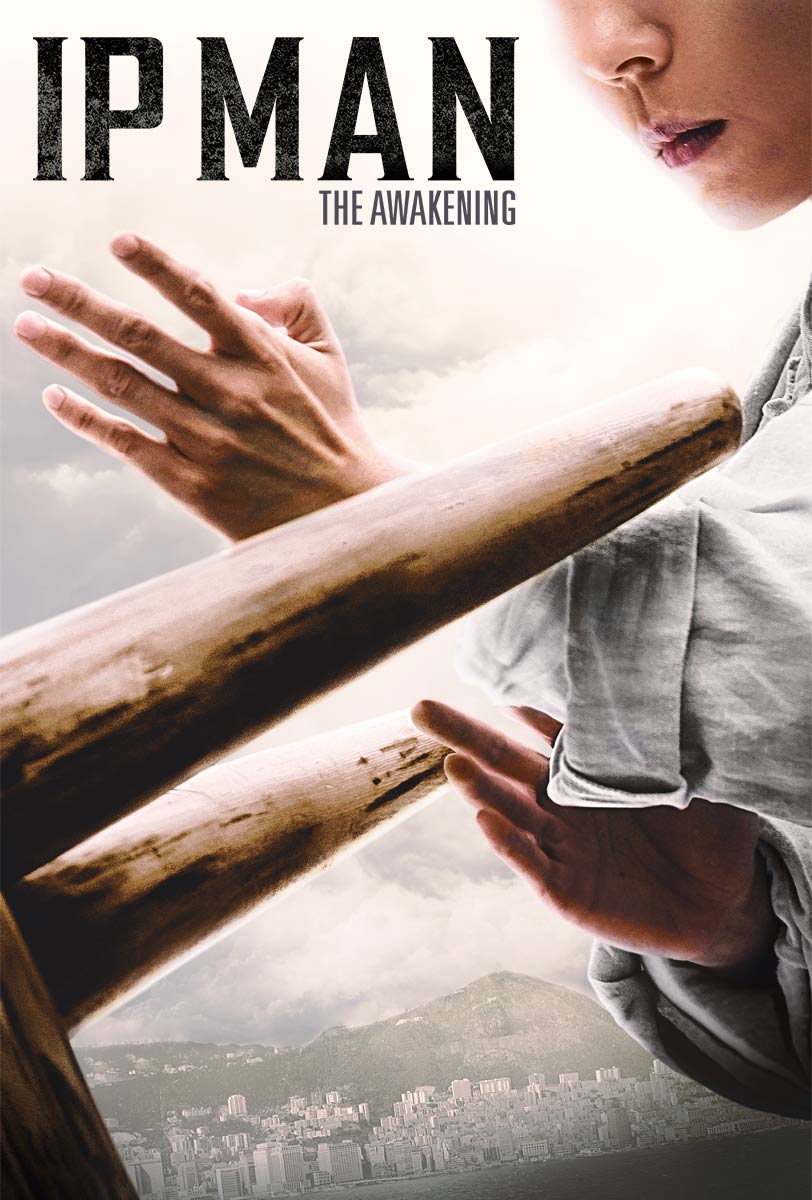
Ip Man: The Awakening (叶问宗师觉醒, Zhang Zhulin & Li Xijie, 2022)

“Someone must stand up to injustice!” according to the young Ip Man (Miu Tse) newly arrived in Hong Kong and witnessing the abuses of colonialism first hand. A kind of origin story, the latest outing for the legendary hero, Ip Man: Awakening (叶问宗师觉醒, Yè Wèn zōngshī juéxǐng), has its degree of political awkwardness but essentially finds the young master coming to an understanding of the purpose of martial arts while realising that sometimes you have to play the long game and not every problem can be solved with Wing Chun alone. 

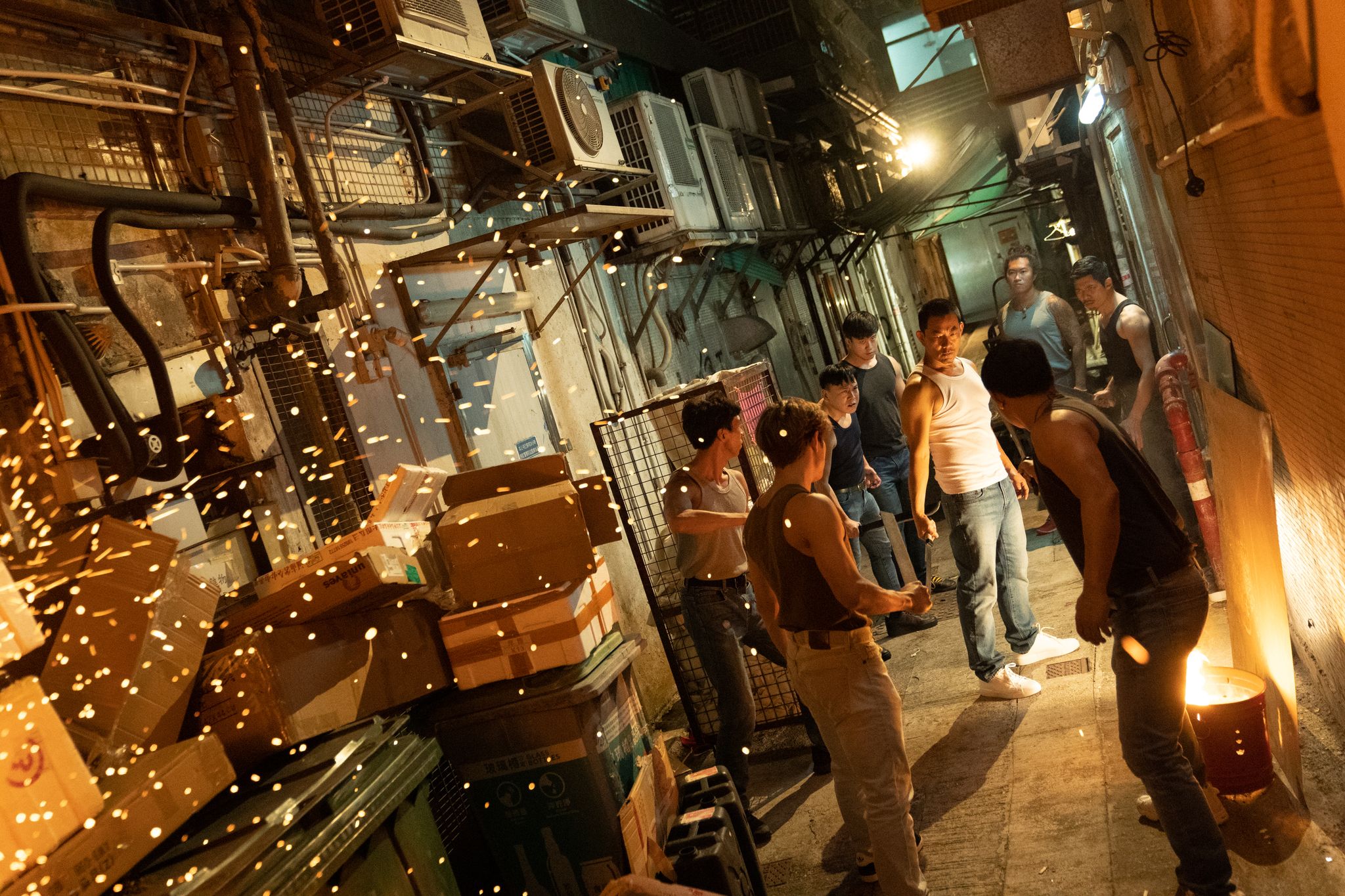
This is something he discovers after stepping in to protect a young woman and her mother who are being hassled by muggers on a street car. Evidently, the thieves seem to have been emboldened and assume themselves to be under no threat from the passengers, driver, or indeed law enforcement and were not expecting to be challenged. Unfortunately, however, Ip Man’s gallant defence of the two women only brings him a whole mess of trouble in a new city in irritating a local gang who are it seems linked to arch villain Stark. A corrupt British official, Stark has been colluding with local police to run a lucrative people trafficking operation though even they are becoming worried by Stark’s increasing arrogance brazenly snatching young women off the street to sell abroad.  

According to Stark, there are only two kinds of people, cheap and expensive, which bears out his imperialist worldview. Yet, Ip Man himself is perhaps awkwardly positioned as a Mainlander fighting colonial oppression in Hong Kong. According to his apathetic friend Feng perhaps it doesn’t matter who’s in charge because it’s all pretty much the same, but to Ip Man it does seem to matter though given the current situation between the two territories his words cannot help but seem ironic if not directly subversive. He seems to suggest that men like Feng, who later tries to appease Stark who has kidnapped his younger sister Chan, have enabled their own oppression and only by rising up against it can they be free which is it has to be said a series of mixed messages only finally resolved by Ip Man’s reminder that “We are all Chinese” during his final fight battling his way towards Stark.

Nevertheless, the battleground that develops is located firmly within the realms of marital arts with a stand-off between the Chinese Wing Chun and the almost forgotten British fighting style Bartitsu. Not content with subjugating Hong Kong, the British apparently have to prove their superiority even over this sacred territory only they’re as duplicitous and immoral about it as they are over everything else. Even so, Ip Man is able to overcome their blatant attempts to cheat through manipulating Feng and proves that Wing Chun is the best after all while Feng pays a heavy price for his complicity but is later forgiven having learned his lesson. 

What Ip Man learns is that as his teacher points out righteousness requires both wisdom and resources. He can’t expect to solve all the world’s problems by wading in his with his fists and sometimes doing the right thing is going to land him in a world of trouble and complication but even so he has to do it because a “world in which asking for justice is wrong would be truly hopeless”. Perhaps more mixed messages, but leaning in to the Ip Man mythos as a man who stands firm in the face of oppression and fights for the rights of those who cannot fight for themselves. 

Then again, this is a Mainland film and if was surprising that the spectre of police corruption was raised (it’s the British colonial police after all) the conclusion ensures that the authorities will finally get on the case and put a stop to the human trafficking ring once and for all while clearing out the corrupt imperialists. Ip’s sense of righteousness is well and truly awakened in the knowledge that he and his fists can make a real difference even if lasting change requires a little more finesse. With some nifty if occasionally unpolished action sequences Zhang Zhulin and Li Xijie’s take on the classic Ip Man story makes the most of its meagre budget while positioning Hong Kong veteran Tse Miu as the latest incarnation of the ever popular hero.


Ip Man: The Awakening is released in the US on DVD & blu-ray courtesy of Well Go USA on June 21.

Trailer (English subtitles)

Making Waves – Navigators of Hong Kong Cinema Comes to London 8th to 10th July

Focus Hong Kong is back this July with Making Waves – Navigators of Hong Kong Cinema, a touring film programme marking the 25th anniversary of the Handover presented in partnership with Create Hong Kong. Opening with the highly anticipated Anita Mui biopic Anita, the festival will close with the legendary actress’ final screen appearance in the landmark 2004 Ann Hui drama, July Rhapsody.

Friday 8 July, 7pm: Opening Gala Anita (Soho Hotel)

Longman Leung’s highly anticipated biopic of iconic Cantopop superstar and revered Hong Kong actress Anita Mui who sadly passed away after battling cervical cancer at the young age 40 in 2003.

Saturday 9 July

12:00: Comrades, Almost a Love Story + Peter Chan holo-presence (Soho Hotel)

Maggie Cheung and Leon Lai star as a pair of star-crossed Mainlanders seeking new futures in Hong Kong. While he, naive and earnest, hopes to make enough money to marry his hometown girlfriend, she, more cynical, seeks security in consumerism but the pair are finally brought together by the music of Teresa Teng.

16:30: The First Girl I Loved (Garden Cinema)

A young woman begins to re-evaluate her teenage romance when her first love asks her to be maid of honour at her wedding in Yeung Chiu-hoi & Candy Ng Wing-shan’s youth nostalgia romance. Review.


19:00: Tales From the Occult (Garden Cinema)

Three-part horror anthology featuring contributions from Fruit Chan, Fung Chih Chiang, and Wesley Hoi Ip Sang exploring the hidden horrors of the contemporary Hong Kong society.

Sunday 10 July

12:30: Hand Rolled Cigarette (Garden Cinema)

Gordon Lam stars as a former British soldier unable to adjust to the post-handover society and trapped in a triad-adjacent existence while bonding with a South Asian migrant on the run from gangsters from whom his cousin stole a large amount of drugs. Review.

15:30 : Breakout Brothers (Garden Cinema)

A cheerful triad who wants to give his mother a kidney transplant, a falsely convicted architect, and a veteran inmate who wants to see his daughter get married decide to break out of prison but discover that it’s friendship that sets them free in Mak Ho-Pong’s cartoonish crime caper. Review.


18:00: Closing Gala July Rhapsody (Garden Cinema)

Landmark 2004 drama from Ann Hui featuring Anita Mui in her final screen role as the wife of a schoolteacher (Jackie Cheung) whose marriage is destabilised when an old lover returns from abroad and her husband is tempted by the attentions of a precocious student.

Making Waves – Navigators of Hong Kong Cinema runs in London 8 to 10 July at Soho Hotel and the Garden Cinema. The programme will also be touring to cities around the world including: Udine, Shanghai, Bali, Bangkok, Singapore, Sydney, Copenhagen, Stockholm, Tokyo, Warsaw, Prague, Dubai, and Hong Kong later in the year with full details to be available via the Making Waves website in due course. Tickets are already on sale via Focus Hong Kong and you can keep up to date with all the latest news via Focus Hong Kong’s official websiteFacebook PageTwitter account, and Instagram channel.

The Heroic Mission: Johnnie To Retrospective Comes to PCC July 7 – 14

UK-China Film Collab and Trinity CineAsia will present a three film Johnnie To Retrospective at London’s Prince Charles Cinema from 7th to 14th July.

7th July, 6pm: Life Without Principle

Spiralling financial crisis drama in which the lives of a conflicted bank employee (Denise Ho) forced to sell high risk loans or lose her job, a petty thug (Sean Lau Ching-Wan) trying his luck on the futures market, and a policeman (Richie Jen) who needs money right away to put a deposit on a flat in Hong Kong’s ultra-competitive housing market, are intertwined by a cosmic twist of fate.

12th July, 6.30pm: Running on Karma

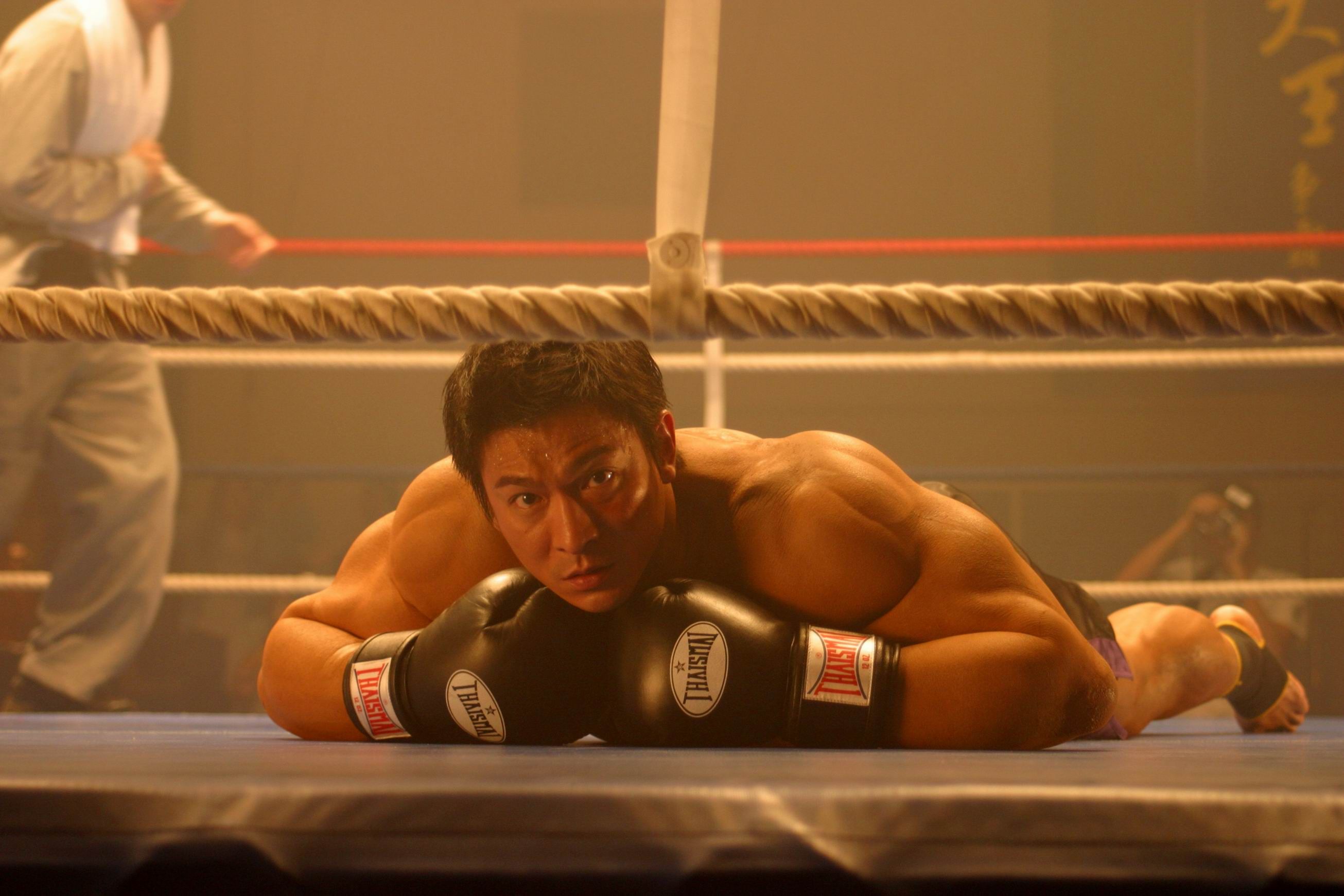
Andy Lau stars as a former monk turned bodybuilder and exotic dancer who is gifted with the ability to see other people’s karma. Encountering a policewoman (Cecilia Cheung) whose karma is particularly bad, he decides to help her.

14th July, 8.30pm: Breaking News

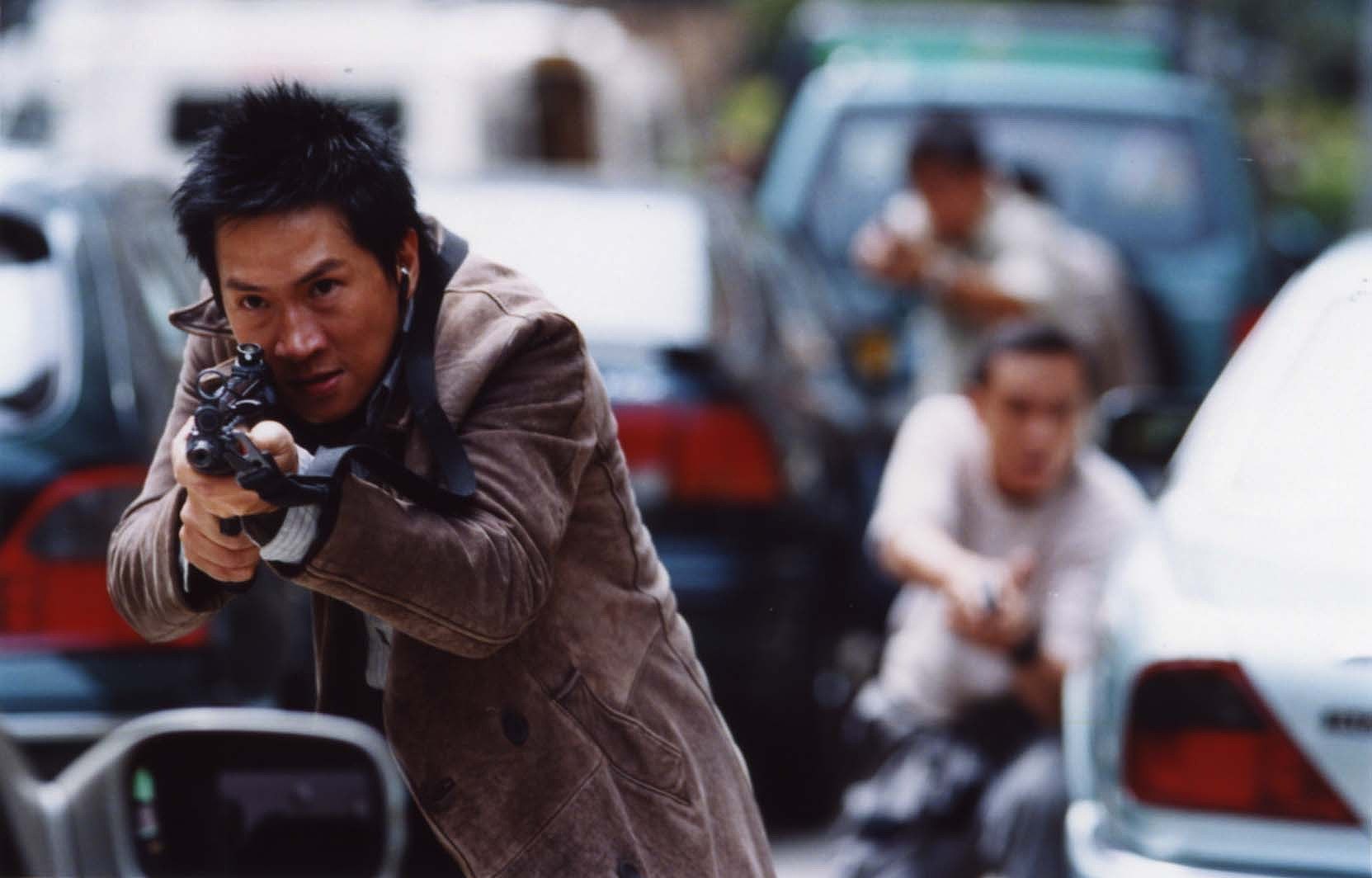
Prophetic examination of creeping authoritarianism and media manipulation in which a mainland gang goes to war with a cynical police chief after a street cop’s desperate act of surrender is accidentally captured by a roving news crew on the scene to cover a traffic accident.

Tickets on sale now via the Prince Charles Cinema.