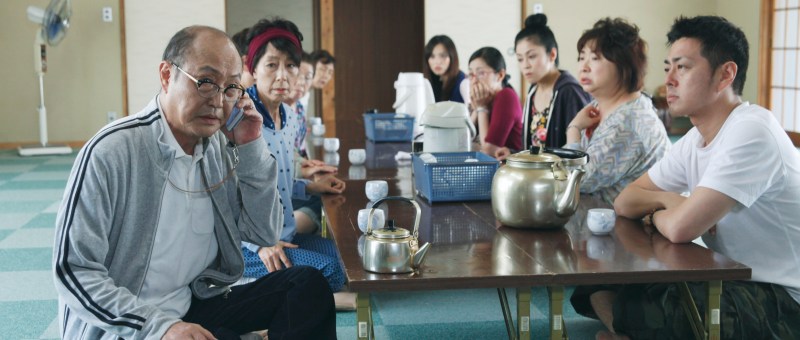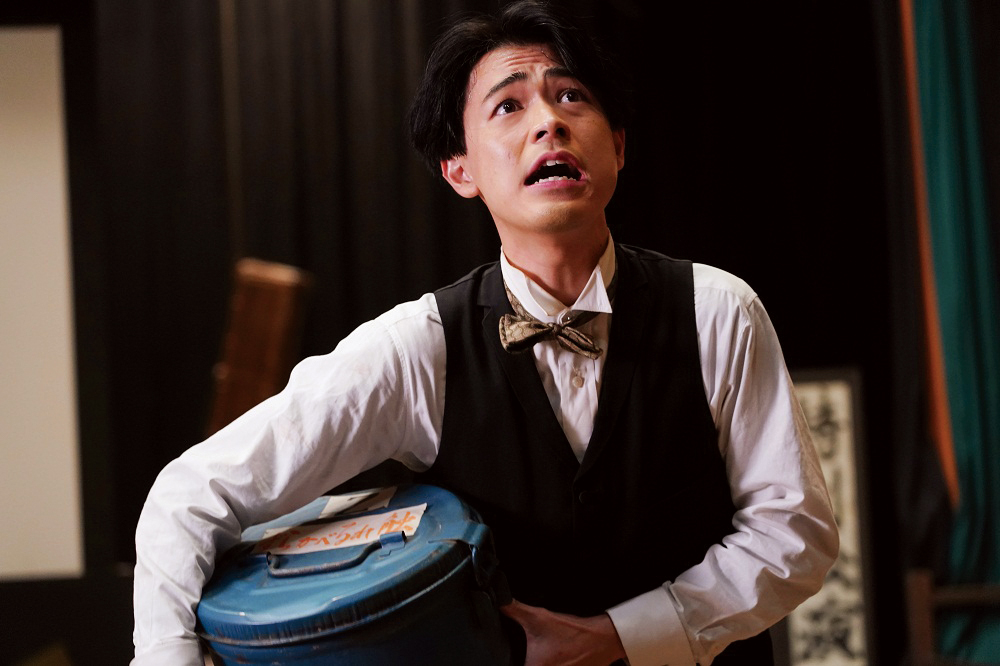
The Rose on His Arm (太陽とバラ, Keisuke Kinoshita, 1956)

In the mid-1950s, a minor moral panic took hold over the so-called “Sun Tribe” movies which, inspired by the novels of Shintaro Ishihara, depicted a world of crazed abandon in which a collection of bored rich kids lost themselves in the hedonistic pursuits of sex and drugs rejecting the stability the wartime generation had striven so hard to create for their children. Shochiku, at that time the home of polite melodrama, nevertheless attempted to get in on the youth movie boom mostly through commissioning a series of young directors such as Kiju Yoshida and Nagisa Oshima in the hope that they could speak directly to their generation. Meanwhile, the by that point well-established Keisuke Kinoshita also made his own, perhaps surprising, take on the genre with The Rose on His Arm (太陽とバラ, Taiyo to Bara), a youth movie melodrama which nevertheless anticipated the questions others were beginning to ask about the Sun Tribe movies in their very particular view of contemporary class dynamics. 

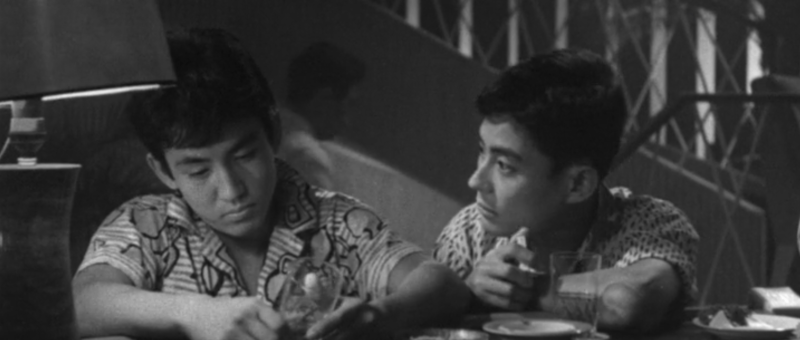
Our hero, Kiyoshi (Katsuo Nakamura), is like the (anti-)heroes of the post-Sun Tribe youth movies, a poor boy turned delinquent out of a sense of frustrated hopelessness. Quitting one job after another solely because the work is boring, he spends most of his days hanging out at the beach with other no good kids robbing unsuspecting bathers. Kiyoshi’s sense of inferiority is compounded by the fact that his mother (Sadako Sawamura) works as a maid for a wealthy family while making ends meet by crafting paper flowers by night. The young master of the house where his mother works, Masahiro (Akira Ishihama), never misses a chance to lord his wealth over him but later co-opts Kiyoshi into his group of wealthy friends as a source of entertainment (and because his delinquent friend, Yamanaka (Tamotsu Tamura), begins supplying them with drugs).

“I screwed up my life because I was poor, what’s your excuse?” Kiyoshi eventually asks an indifferent Masahiro after beginning to see him for what he is. Like the hero of Punishment Room, Kiyoshi’s internalised resentment is partly down to a paternal failure in that he is deeply ashamed of his late father who died, his mother claimed, saving him but also in the course of his activities as a black marketeer in which he’d forced his son to be complicit. The family had apparently tried to make a life for themselves in the new colonies, in this case Palau, but of course had to return to Japan and were then penniless. People did what they had to do, but no one trusts a black marketeer and it seems to be a stain Kiyoshi (whose name means “pure”) cannot wash off. As a poor boy with no education or prospects, he knows all that awaits him is drudgery, so why not make a fast buck stealing purses at the beach rather than slave away at the factory for a week making less than Masahiro gets in pocket money from his factory owner father? 

Convincing himself he’s no good, Kiyoshi consistently sabotages opportunities but resents himself for doing so. He begins to buckle down at the factory but quickly becomes “bored” and starts taking advantage of his supportive floor manager while sucked into Masahiro’s hedonistic lifestyle even after it becomes obvious that he’s keeping him around to be some kind of hired goon, good for punching other pasty rich boys and hooking him up with underworld thrills. Masahiro is a delinquent because his life is too easy, he has no economic imperative to be responsible and will most likely go to college and then either take over the factory or walk into a lucrative salaryman job. Kiyoshi is a delinquent because he’s desperate and has no other means of living. 

Meanwhile he resents his mother’s love, shamed, in more than one sense, by her continuing industry. She often tells him the story of how he fell ill on Palau only to make a miraculous recovery after which she collapsed into a rose a garden. To spite her, Kiyoshi gets the titular rose tattooed on his arm, something which forever marks him out as a ne’er do well in conservative Japanese society, all but guaranteeing he’ll never get an honest job (he even has to cover the tattoo with bandages in public places to avoid causing offence). Eventually he takes drastic action to end his sense of hopelessness, pursuing what is strangely a darker yet more romantic destiny than that of his post-Sun Tribe compatriots in taking a poetic stand, paper rose in hand, defying his despair only through embracing it. 


The Rose on His Arm is currently available to stream in the US via Criterion Channel.
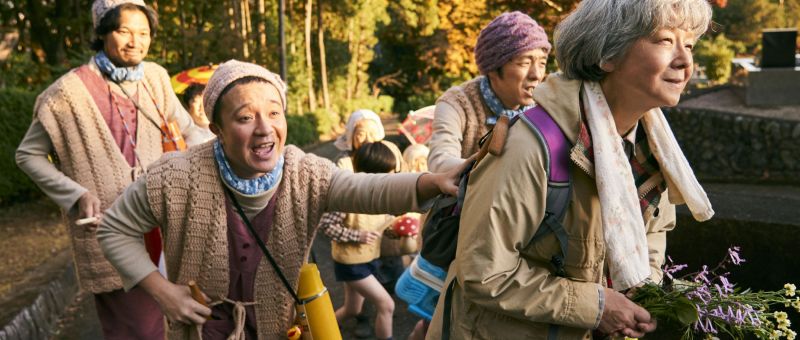
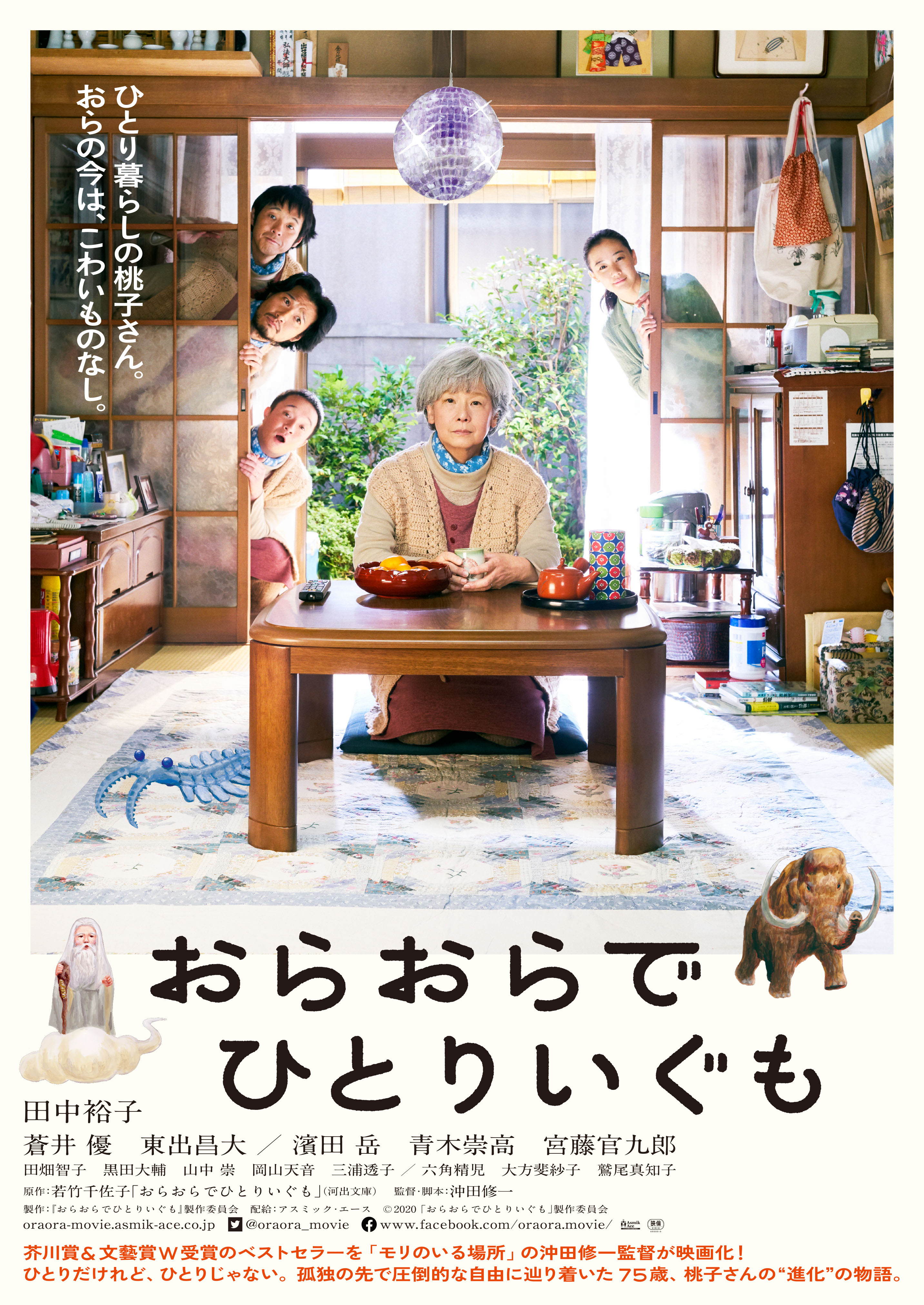
Ora, Ora Be Goin’ Alone (おらおらでひとりいぐも, Shuichi Okita, 2020)

“I never thought my life would come to such a lonely autumn” an old woman laments in Shuichi Okita’s touching adaptation of the novel by Chisako Wakatake Ora, Ora, Be Goin’ Alone (おらおらでひとりいぐも, Ora Ora de Hitori Igumo), her husband now gone, a son so estranged he may as well be too, and a daughter (Tomoko Tabata) who only stops by to ask for money. What’s it all for? In an increasingly ageing Japan, later life loneliness has become a pressing issue, but for Momoko (at 75: Yuko Tanaka, at 20 – 34: Yu Aoi) the problem may be that she’s beginning to find her own company oppressive mainly because she’s become plagued by a trio of mental sprites dressed in regular old lady clothes who speak to her in her native Tohoko dialect and force her to think about the realities of her life. 

And then there’s the other guy who looks really like the guy she was briefly engaged to before running out on an arranged marriage only dressed in her pyjamas and telling her there’s no point getting out of bed because every day is the same and she doesn’t have anything to do anyway. Meanwhile, she finds herself pulled back towards memories of happier times when her children were small. All of this has Momoko wondering if she’s sliding into dementia, or if perhaps she’s merely beginning to go out of her mind with grief, loneliness, and existential futility. 

It’s also clear that like everyone else her age despite having led a happy life, Momoko has doubts and regrets. When she ran out on her arranged marriage inspired by the Olympic buzz of Tokyo in 1964, she thought she was striking out for freedom and independence, that she was a “new woman” of the post-war era and she was going to live her own life the way she wanted it. Yet in Tokyo the first friend she makes is someone from the same area who’s managed to completely shed their regional accent, and then she met a man who refused to lose his (Masahiro Higashide) and fell in love with him. She doesn’t regret her life, but feels in a sense disappointed that she ended up falling into the same patriarchal patterns she tried so hard to escape as a conventional housewife and mother dedicating herself to supporting the man she loved. Her friend, Toko (Toko Miura), points out that she always hesitates when she refers to herself as “watashi” rather than the familiar “ora” in the Tohoku dialect as if shamed by the inauthenticity and resentful that her accent, her essential identity, is something she has to lose in order to blend in to Tokyo society. 

Heartbreakingly, we witness her bamboozled into leasing a new car, a symbol of freedom and independence, from a young man who seems nice but is obviously intent on leveraging her loneliness, addressing her as “mother” (not an unusual way to refer to the woman of a house but definitely a deliberate avoidance of “granny”) and encouraging her to think of him as a son. Ironically, while he’s there the phone rings but it’s an “ore ore” scam claiming that her son’s in trouble and needs money. She laughs it off and tells the salesman she’s not silly enough to fall for something like that just as she signs on the dotted line, but later we discover that she did indeed fall prey to it sometime earlier in desperation for the son who, as she had, left home young and never looked back. Her daughter meanwhile, stops by after hearing about the car but mostly so she can ask for money to pay for art lessons for her son. 

Thinking back on their days as a family, Momoko can’t reconcile herself to this sense of parental rejection but meditates on her relationship with her own grandmother realising she too must have been desperately lonely but she was “young and stupid” and didn’t understand. Her interior monologue with her trio of sprites is recited entirely in the voice of her younger self, and at one point she even tries throwing beans at them like demons during Setsubun, but eventually accepts them enough to talk out loud which is either a sign that she’s really losing it or a kind of liberation. “How will I carry on by myself?” she asks, meditating on this new kind of “independence” which might itself soon be taken from her whether she wants it or not. Nevertheless, what she discovers is that she might not be as alone as she thought she was and more has been passed on than she assumed but if you have to go alone then that’s alright too.


Ora, Ora Be Goin’ Alone streams in the US Dec. 3 to 23 series alongside Shuichi Okita’s debut Chef of South Polar as part of Japan Society New York’s Flash Forward series.

Original trailer (no subtitles)

The Albino’s Trees (アルビノの木, Masakazu Kaneko, 2016)

A young man is forced to face up to the nature of existential struggle when tasked with killing a god in Masakazu Kaneko’s meditation on land, modernity, and the taking of a life, The Albino’s Trees (アルビノの木, Albino no Ki). Filled with a sense of unease, Kaneko’s parabolic drama asks if it’s right to force others to live in the way you think is best, if it’s right to take the life of an animal simply because it’s inconvenient to you, and if it’s right to assume ownership over the natural landscape as if it’s yours to do with as you wish. To the young man at the film’s centre, these questions are ones he thinks he can’t afford to ask but is eventually confronted with in committing what to some may be an unforgivable transgression. 

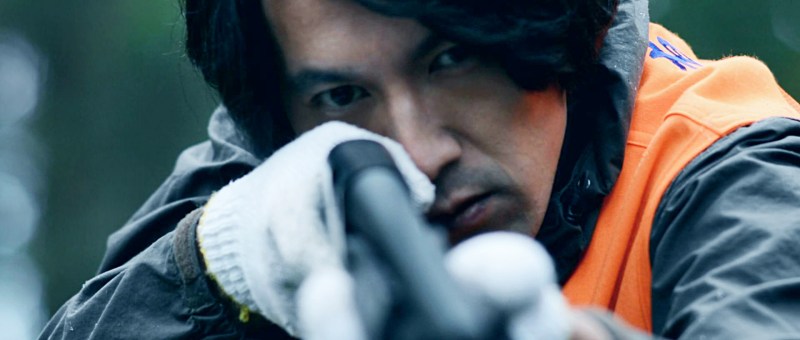
Yuku (Ryohei Matsuoka) used to work in removals but times being what they are, his boss has taken a left turn accepting lucrative contracts working as animal control agents on behalf of local councils carrying out culls of wildlife deemed out of control. His colleague Imamori (Shuichiro Masuda) remains conflicted. He isn’t completely happy with this kind of work but has been persuaded that it’s necessary though it still seems cruel to him if not morally wrong to hunt and kill healthy animals solely for existing. Nemoto (Hiroyuki Matsukage), their boss, is keen for them to take on a well paid “confidential” job but with so little information the guys are reluctant, something about it seems shady. Nevertheless, with his mother seriously ill and needing money for medical treatment Yuku agrees as does Imamori only to discover that not even the local councillor who hired them wants to explain what the job is. 

The councillor does, however, begin to outline the economic history of the town once dependent on coal mining now pivoting towards innovative farming. With barely concealed disdain, he replies to Yuku’s inquiry as to whether the mountain in question is inhabited by briefly remarking on a traditional village on the other side the existence of which seems to fill him with such disgust one half wonders if Yuku’s contract job is even darker than it seems. He laments that they have “no desire to develop”, continuing to live a traditional rural existence rather than succumbing to the dubious conveniences of modernity. On meeting up with their contact (Hatsunori Hasegawa), another hunter living on the ridge, the pair discover that their assignment is to eliminate an albino deer because, according to the hunter, the council is nervous that some may assume its mutation hints at corruption in the soil endangering the stability of their eco farming project. The problem is that the villagers believe the albino deer to be an embodiment of the White Deer God that protects the mountain as part of their Shinto animist beliefs and have been protecting it by dismantling all his traps. Imamori declines to go through with the job, feeling that it’s wrong to kill the deer just because it was born different but thinking only of his mother Yuku is determined to do whatever it takes.  

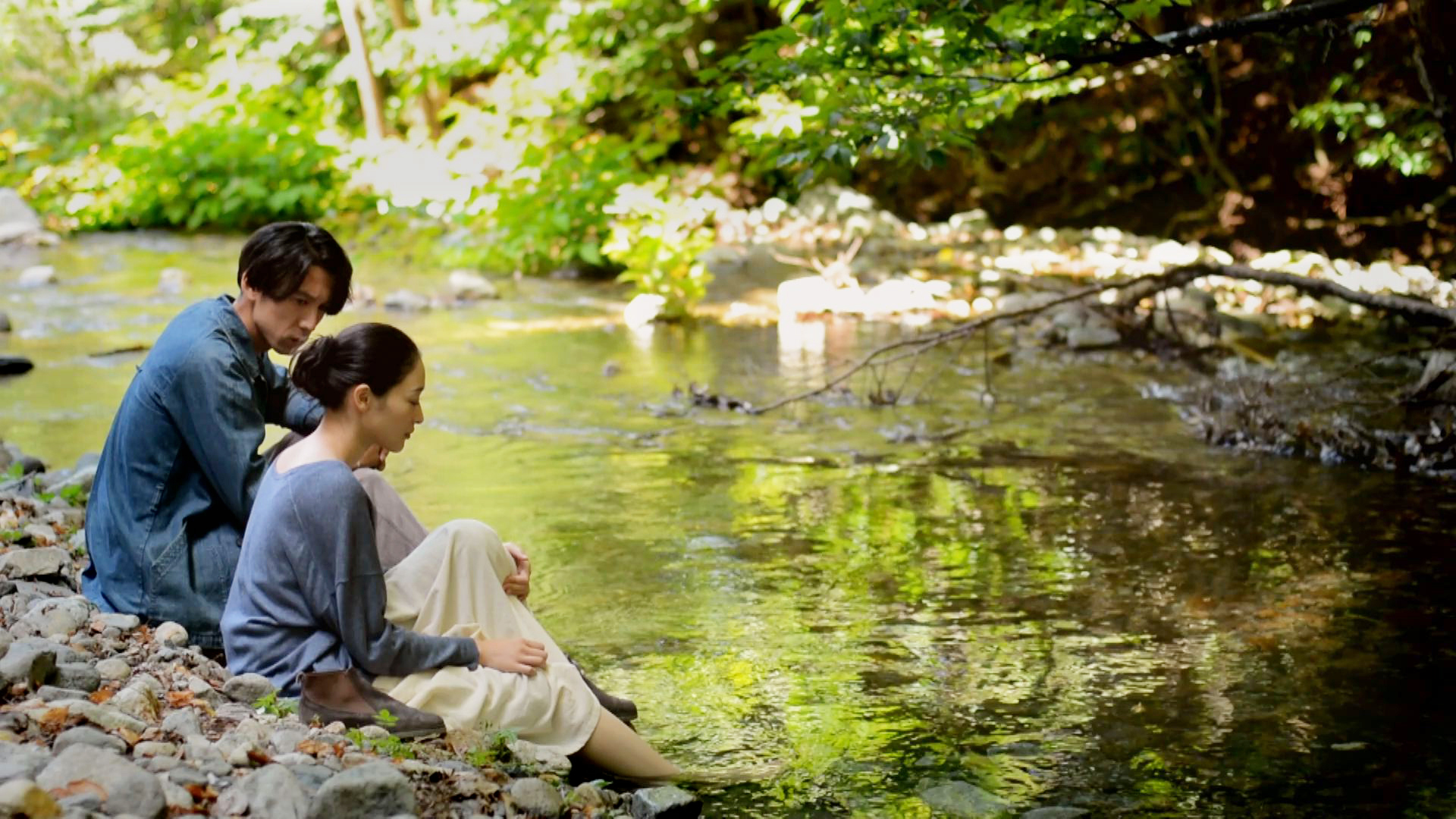
His dilemma is in a sense mirrored by that of Nagi (Kanako Higashi), a young woman from the village he rescues from an animal trap who tells him that she remains torn between the allure of modernity and a traditional rural existence. Yoichi (Yusuke Fukuchi), a young man making a living carving traditional wooden bowls, is determined to preserve ancient beliefs Yuku regards as backwards and superstitious convincing himself that killing the deer is also an act of liberation that will bring enlightenment to the villagers so that they won’t “need” to live in such an archaic and primitive way. But as Yoichi tries to explain to him, you can’t force people to conform to your own way of thinking, it’s not as if anyone is a prisoner here if they didn’t like it they’d leave as all of the other young people have already done. He asks him if a world in which you simply eliminate things which are “inconvenient” to you is one you really want to live in but Yuku isn’t here for such philosophical questions only baffled by what he sees as primitive superstition that stands in the way of progress. 

Yet, the village is largely untouched by the corruptions of the modern society. The water in its rivers is clean and sweet, the wood in its trees strong and beautiful. As Nagi explains to him, the White Deer God has given them permission to drink from these springs, and permission to harvest the trees. By contrast, there’s an unpleasant look of triumph in Yuku’s eyes as he shoots deer from a distance killing for no reason at all, man overcoming nature. He thinks only of his own survival, taking the lives of other living things in order to preserve his own, determined to save his mother but indifferent to the fates of others. When it comes to killing the white deer his hands shake, struck for the first time by the enormity of what he’s doing while literally preparing to kill a god. While Yoichi venerates and protects the natural environment in a process of symbiotic living, Yuku sides with those willing to exploit it for economic gain brainwashed into believing that living with the land is “backward” and that it’s only “natural” to eliminate “inconveniences” such as “vermin” which impede “modern life” in a capitalistic society. Capturing the natural beauty of the Japanese countryside Kaneko’s existential fable is filled with a quiet unease in the ambivalent relationship between man and landscape but also in the solipsistic struggle for survival that all too often defines human relationships. 


The Albino’s Trees streams in the US Dec. 3 to 23 as part of Japan Society New York’s Flash Forward series.

Original trailer (English subtitles)

The Monkey King: Reborn (西游记之再世妖王, Wang Yun Fei, 2021)

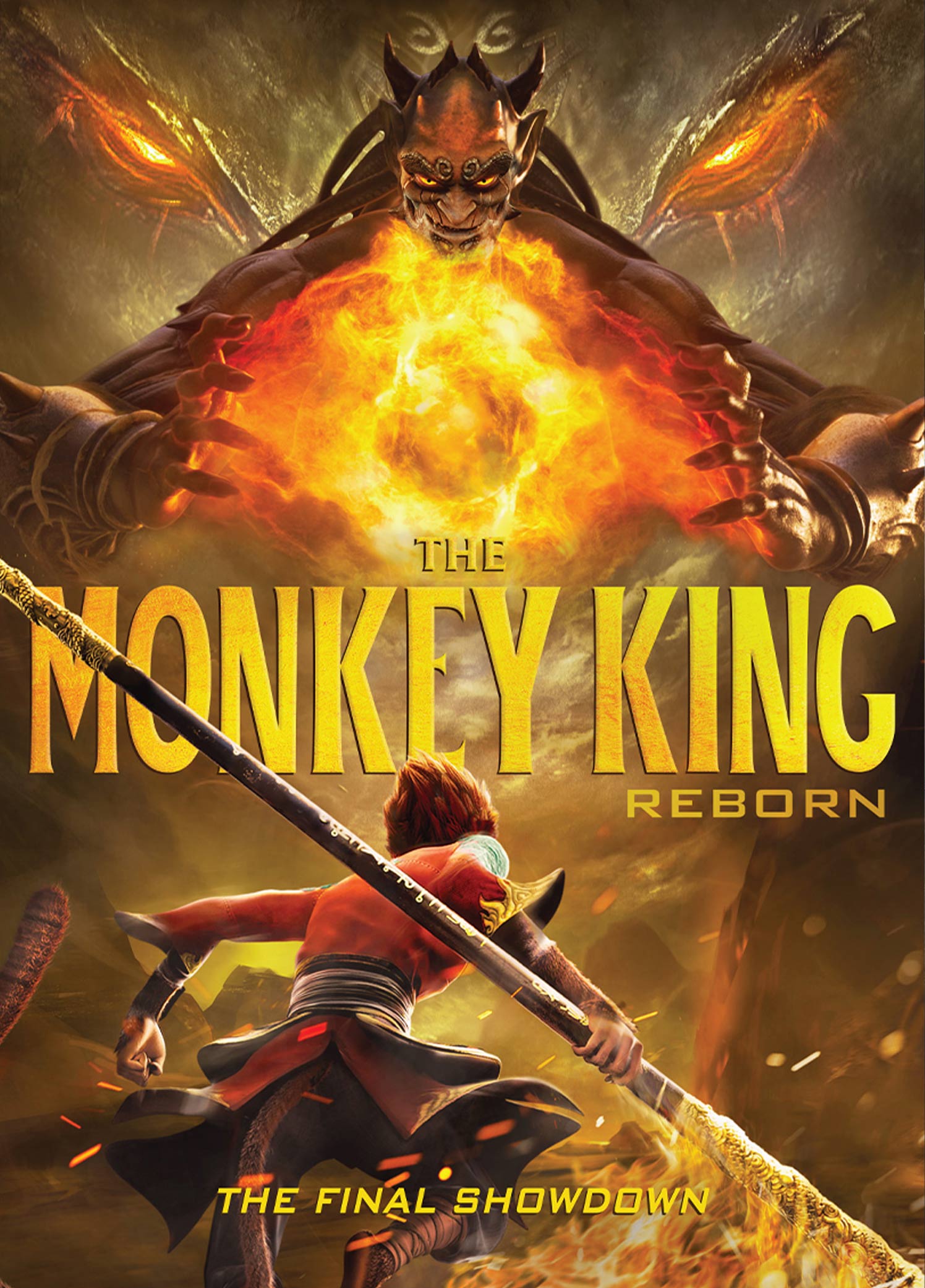
Sun Wukong comes to believe in his own soul while standing up to a cruel and oppressive reincarnated demon king intent on destroying the world in Wang Yun Fei’s anarchic family animation The Monkey King: Reborn (西游记之再世妖王, Xīyóujì zhī zài shì yāo Wáng). Reborn is in a sense also what Sun Wukong becomes in Wang’s defiantly egalitarian adventure which sees the regular crew from Journey to the West becoming temporary guardians to an adorable ball of anthropomorphised qi while The Great Sage Equal to Heaven contemplates what it is to be a “demon” and if he’s necessarily as “bad” or “evil” as some seem to believe him to be. 

As usual, Wukong (Bian Jiang) is travelling with the monk Tang Sanzang (Su Shangqing) and fellow demons Bajie (Zhang He) and Wujing (Lin Qiang) heading to India to retrieve Buddhist scriptures to bring back to China. On the way, they stop off at a temple where Wukong and his friends end up causing a ruckus by eating some of the temple’s treasured manfruit from a tree which only produces 30 every 1000 years. 1000 years doesn’t seem so long to Wukong so he thinks little of it but is later caught out by two snooty monks, grows indignant, and gets into a fight with an immortal eventually destroying the tree in temper only to realise that he’s accidentally released Yuandi (Zhang Lei), the ancestor of all the demons sealed within the tree thousands of years previously by a Buddhist monk who sacrificed all of his qi to do so. Threatened with being re-imprisoned himself and determined to rescue Tang who has been kidnapped, Wukong has no choice but to stop Yuandi before he reassumes his full strength in around three days time. 

Meanwhile, the trio is joined by a tiny manfruit-like ball of qi Wukong nicknames “Fruity” (Cai Haiting), originally reluctant to take him with them but advised that his qi is the best weapon against Yuandi. As the film opened, Wujing had been contemplating what it means to have a soul, Tang reassuring him that when he feels he has one it will be there. Following through on the egalitarian message, he later says something similar to Yuandi, certain that all sentient creatures are equal, but the moody Wukong remains sullen and resentful constantly insulted as an “evil” demon while internally convinced he can’t be anything else. Yet despite himself he takes on a paternal role while looking after Fruity who later explains to him that there are good demons and bad and that he has a kind soul. 

Yuandi by contrast merely rolls his eyes when most of his demon minions are cut down, lamenting that they had become weak and the weak do not deserve to live. In the process of searching for his own soul, it’s this cruel and oppressive worldview that Wukong and the others must finally resist, protecting Fruity while battling the darkness with the confidence of self knowledge as their best weapon. Meanwhile, it’s clear that the Buddhist world is not exactly free of corruption either, the two snooty monks instantly looking down on Tang ironically because of his unostentatious attire uncertain why they’re expected to share their treasure with someone so seemingly undeserving. Then again, when they’re sent off to petition the Jade Emperor quite the reverse is true as they’re kept waiting outside while heaven’s border guard painstakingly fills out paperwork in only the best calligraphy while insisting each petition should be treated impartially no matter who it comes from even though the monks had quite clearly expected to jump the queue. 

Selling a positive message of self-acceptance and universal equality The Monkey King: Reborn also boasts a series of thrilling and elegantly drawn action sequences as the trio face off against the forces of darkness, along with some zany humour and Wukong’s characteristically anarchic energy not to mention the unbelievably cute yet somehow profound Fruity who can’t bear all the senseless carnage and depletes himself to cure the innocent townspeople of their demonic corruption. In the end it’s not only Wukong who is reborn as he realises that nothing’s ever really gone forever, just altered in form, while it is possible to repair damage done with humility leveraging the power of self-acceptance against a dark and selfish desire for destruction. 


The Monkey King: Reborn is released in the US on DVD & blu-ray Dec. 7 courtesy of Well Go USA in an edition which includes both the original Mandarin-language voice track with English subtitles and an English dub.

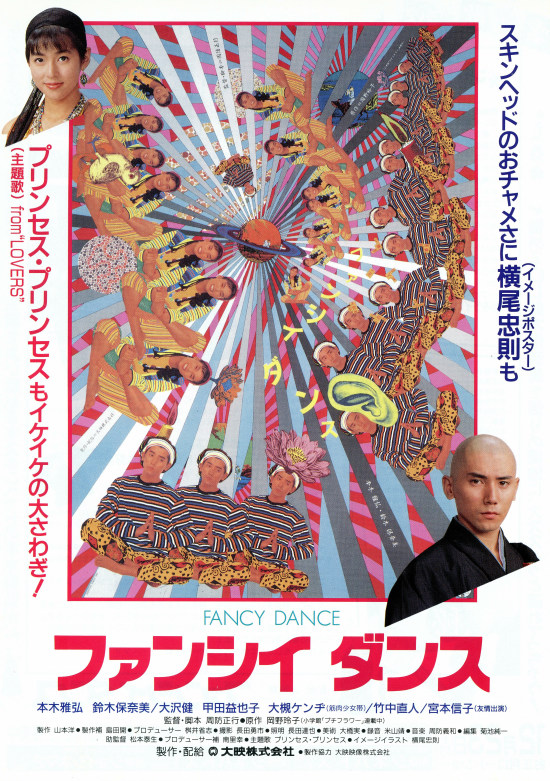
Fancy Dance (ファンシイダンス, Masayuki Suo, 1989)

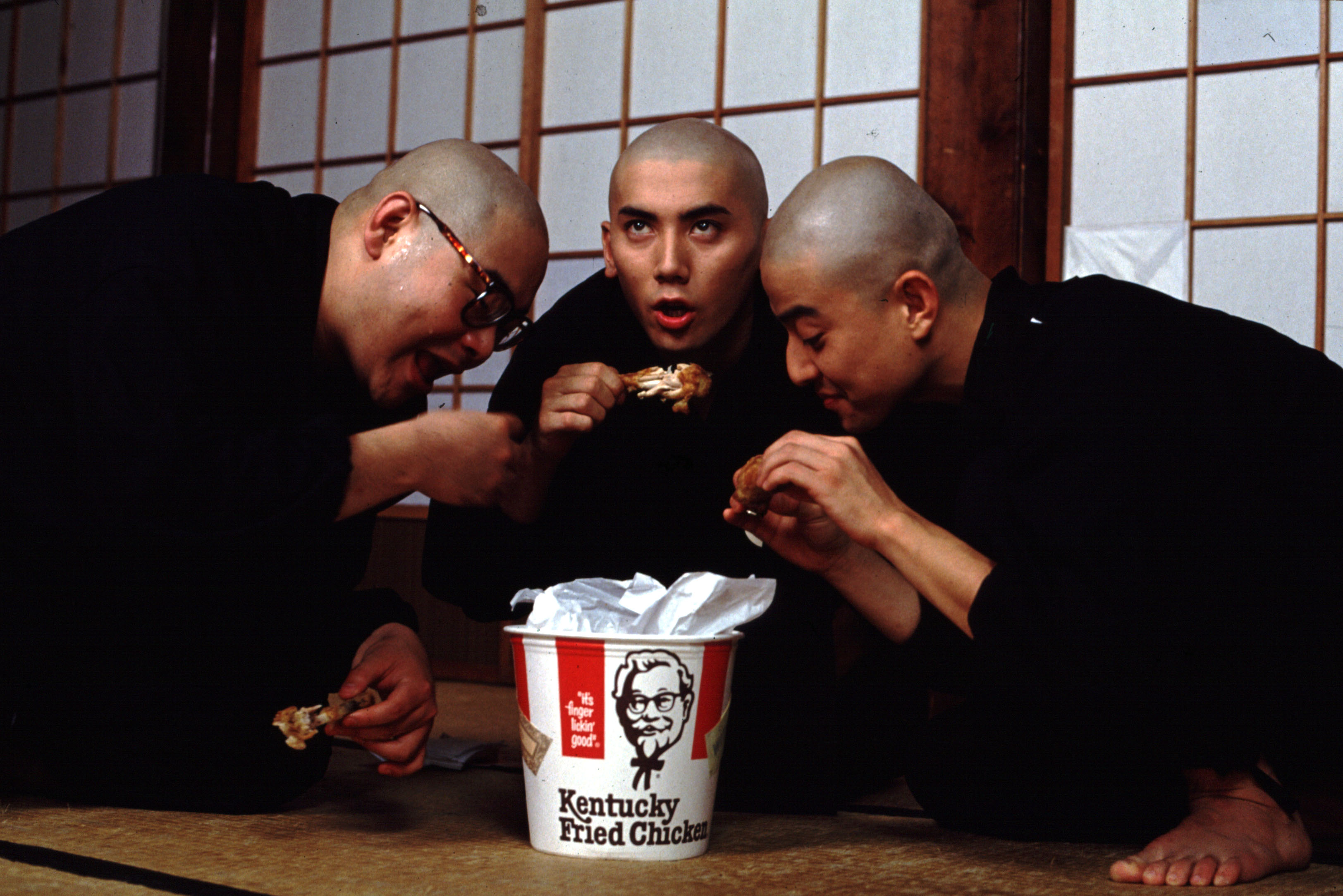
Thematically speaking, the films of Masayuki Suo have two main focuses either dealing with esoteric ways of life in contemporary Japan such as sumo wrestling in Sumo Do Sumo Don’t, ballroom dancing in Shall We Dance?, and geisha in Lady Maiko, or pressing social issues such the operation of the justice system in I Just Didn’t Do It or euthanasia in A Terminal Trust. After making his debut with pink film Abnormal Family: Older Brother’s Bride, Suo’s first mainstream feature Fancy Dance (ファンシイダンス) belongs to the former category as a Bubble-era punk rocker finds himself entering a temple to honour a familial legacy. 

As the film opens, Yohei (Masahiro Motoki) is onstage singing a very polite and respectable version of a classic song, Wakamonotachi (lit. the young), made popular as the theme to a television drama in the mid-1960s, before suddenly turning around, the other half of his head already shaved continuing with the same song but now in an anarchic punk rock arrangement. The son of Buddhist temple, he is expected to become a monk and take over the family business but he’s also a young man coming of age in the ultra-materialist Bubble era raised in the city and with little inclination towards the ideals of Zen. In fact, we learn he’d long resisted the idea of entering a monastery and has only recently given in intending to stick it out for a year in order to please his parents and then return to to his Tokyo life. 

His hair reflects an inner duality, torn between his duty to take up Zen and his desire for personal freedom. Yet as he’s repeatedly told by his razor-wielding office lady girlfriend Masoho (Honami Suzuki), in the end he’s going to have to choose which from her point of view means choosing between her and the temple. Though there is obviously no prohibition on monks getting married, Yohei is the son of a monk after all, girlfriends are one of many things not really allowed during his initiatory period though as we’ll see the monastic life is often more about knowing how to game the system than it is about actually sticking to the rules. It’s a minor irony that temples, Buddhist or Shinto, are actually one of the most lucrative businesses in Japanese society and despite apparently rejecting material desire many monks are fantastically wealthy. Yohei’s fellow noviciate Eishun (Hikomaro) is dropped off by a young woman in a bright red sports car who turns out to be the daughter of a monk, Eishun only entering the temple to please her family so that he can marry her, committing himself out of love but also admitting it’s nice work if you can get it. 

Yohei’s brother Ikuo (Ken Ohsawa) is also fine with the idea of becoming a monk, describing it perhaps surprisingly as an “easy life”. Ikuo’s presence is initially a little irritating to Yohei, he only agreed because he was under the impression Ikuo had also declined to enter the temple and feels that he’s been tricked when he could have just let him train to take over the family “business”. The treatment they receive is often surprisingly harsh with a high level of physical violence administered by their superiors, in particular the more experienced Koki (Naoto Takenaka) who has it seems figured out how to break the rules in an acceptable fashion carrying on a secret romance with a young woman who often attends the temple while visiting hostess bars in the town in disguise, wearing a wig to cover his distinctive monastic hairstyle. Meanwhile, even the supposedly austere master of asceticism Shoei (Miyako Koda) has a secret stash of sweets in their room. The message seems to be that once you “graduate” from the junior ranks you too are free to interpret the tenets of a Zen life however you see fit. 

Yet despite himself, Yohei comes to appreciate the trappings of monasticism most particularly in its graceful movements and the aesthetic quality of the outfits. The temple may not be free of the consumerist corruptions of the Bubble era, but perhaps there is something it for a man like Yohei, a different kind of “freedom” than he’d envisioned but freedom all the same even within the constraints of a superficial asceticism. Masoho meanwhile rejects her own fancy dance in refusing to play the part of the conventional office lady no longer smiling sweetly cute and invisible but dressing in her own individual style and defiantly taking command of the room. The strains of Wakamonotachi recur throughout hinting at Yohei’s youthful confusion as he tries to decide on his path in or out of the temple while finding himself “swimming in a sea of desire between Masoho and Zen”, perhaps concluding that his own endless journey has only just begun.


Fancy Dance streams in the US Dec. 3 to 23 alongside Suo’s 2019 Taisho-era drama Talking the Pictures as part of Japan Society New York’s Flash Forward series.

Wakamonotachi TV drama theme by The Broadside Four (1966)

Music video for the updated theme from the 2014 TV drama remake (known as All About My Siblings) performed by Naotaro Moriyama

The New Morning of Billy the Kid (ビリィ★ザ★キッドの新しい夜明け, Naoto Yamakawa, 1986)

“Isn’t this style called surrealism?” a little girl asks, watching a WWII GI giving John Ford’s Monument Valley a post-modern makeover depicting John Lennon and a Martian in preparation for a live concert by hip girlband ZELDA. Arriving at the beginning of the Bubble era, Naoto Yamakawa’s 35mm commercial feature debut The New Morning of Billy the Kid (ビリィ★ザ★キッドの新しい夜明け, Billy the Kid no Atarashii Yoake) was the first film to be produced by the entertainment arm of department store chain Parco (along with record label Vap) which also distributed and draws inspiration from several stories by genre pioneer Genichiro Takahashi who at one point appears on screen proclaiming singer-songwriter Miyuki Nakajima, a version of whom appears as a character, as one of the three greatest Japanese poets of the age. What transpires is largely surreal, but also a kind of post-modern allegory in which the world is beset by the “anxiety and destruction” of salaryman society. 

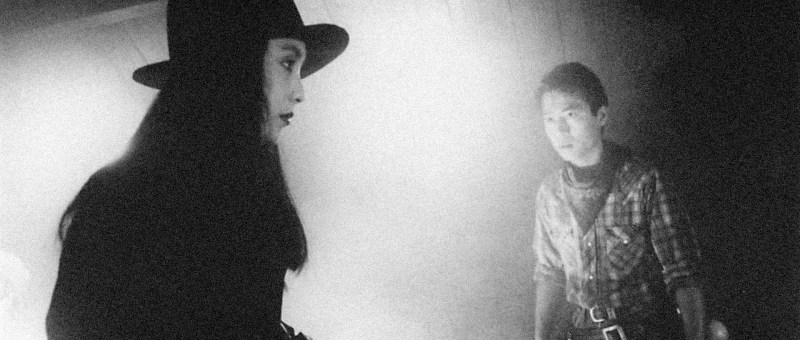
Yamakawa opens in black and white and in Monument Valley in which only the figure of a young man in a cowboy outfit is in vivid colour while a voiceover from the American President warns that a savage band of gangsters is currently holding the world to ransom. Yet “Monument Valley” turns out to be only an image filling the wall of Bar Slaughterhouse, the cowboy, Billy the Kid (Hiroshi Mikami) stepping out of the painting having lost his horse and apparently in search of a job. The barman (Renji Ishibashi) is reluctant to give him one, after all he has six bodyguards already ranging from the legendary samurai Miyamoto Musashi to an anthropomorphism of Directory Enquiries, 104 (LaSalle Ishii). Nevertheless, after threatening to leave (through the front door) Billy asks for a job as a waiter instead in return for food and board while collecting the bounty for any gangsters he kills in the course of his duties. 

The bar is in some senses an imaginary place, or at least a space of the imagination, the sanctuary of “construction and creation” where half-remembered pop culture references mingle freely. In that sense it stands in direct opposition to the salaryman reality of Bubble-era Japan where everyone works all the time and the only interests which matter are corporate. Billy takes a liking to a young office lady, “Charlotte Rampling” (Kimie Shingyoji), who complains that she’s overcome with a sense of anxiety in the crushing sameness of her life, often woken by the sound of herself grinding her teeth that is when she’s not too tired to fall asleep. The “gangsters” which eventually crash in (literally) are businessmen and authority figures, one revealing as he raids the till that he’s a dissatisfied civil servant who determined that in order to become the best of the salarymen you need an “interesting” hobby so his is being in a gang. Another later gives a speech remarking again on this sense of inner anxiety that in their soulless desk jobs they’re moving further and further away from this world of “creation and construction”, and that the sacrifice of their individuality has provoked the kind of violent madness which enables this nihilistic “terrorist” enforcement of the corporatist society against which Miyuki (Shigeru Muroi), another of the bodyguards dressed as a retro 50s-style roller diner waitress, rebels through her poetry. 

Envisioned as a single set drama (save the bookending Monument Valley scenes apparently filmed on location in Arizona) Yamanaka’s drama is infinitely meta, in part a minor parody of Seven Samurai featuring a Miyamoto Musashi inspired by Kurosawa’s Kyuzo who was himself inspired by Miyamoto Musashi as the seven pop culture bodyguards stand guard over a saloon-style cafe bar beset by the forces of “order” turned modern-day bandits intent on crushing the artistic spirit in order to facilitate the rise of a boring salaryman corporate drone society. Yet for all of its absurdist humour, Harry Callahan (Yoshio Harada) telling a strange story about being a race horse, there is something quietly moving in Yamakawa’s ethereal transitions, the camera gently pulling back as a little girl who wanted to travel is suddenly surrounded by snow or the face of anxious young office lady fading into that of a prairie woman telling a bizarre tale of her life with a venomous snake. Equally a vehicle for girlband ZELDA whose music recurs throughout, the first stage number a hippyish affair set in a summer garden and the second an emo goth aesthetic more suited to what’s about to happen, Yamakawa’s zeitgeisty, post-modern drama is an advocation for the importance of the creative spirit if in another meta touch itself a rebellion against the corporate and consumerist emptiness of Bubble-era Japan. 


The New Morning of Billy the Kid streams worldwide 3rd to 5th December with newly prepared English subtitles alongside two of Yamakawa’s earlier shorts courtesy of Matchbox Cine.

Original trailer (English subtitles available via CC button)

Miyuki Nakajima’s debut single, Azami-jo no Lullaby (1975)

ZELDA’s Ogon no Jikan

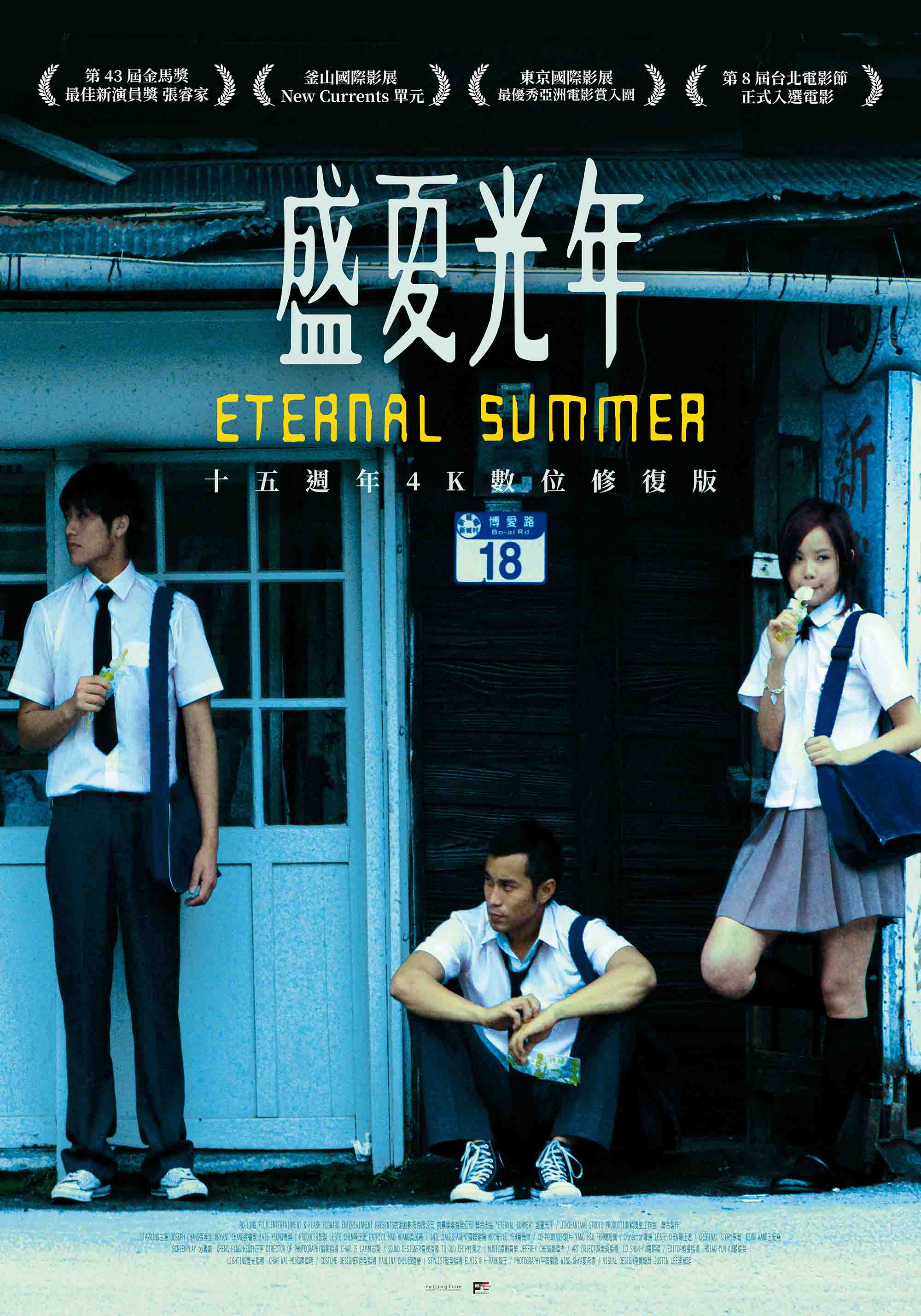
Eternal Summer (盛夏光年, Leste Chen, 2006)

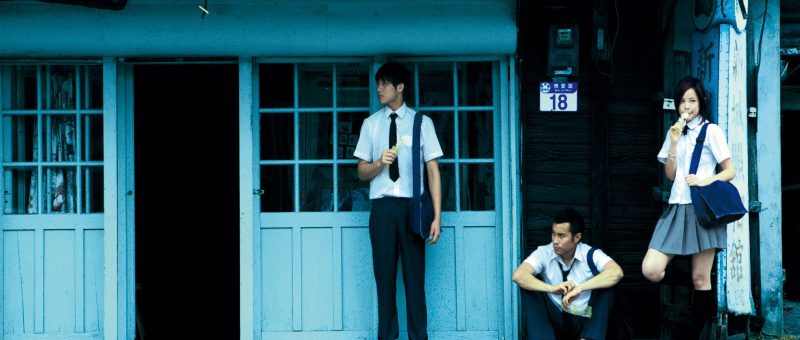
A trio of emotionally displaced teens find themselves swept into an awkward love triangle while longing to escape their loneliness in Leste Chen’s melancholy youth drama Eternal Summer (盛夏光年, Shèngxià Guāngnián). Each in someway marginalised and searching for acceptance, the teens struggle to define themselves as the world changes itself around them while bound by the paradoxical qualities of their circular relationships, their unspoken secrets continually driving them apart even as they continue to long for the intimacy born only of sharing their authentic selves. 

A quiet, studious boy, Joseph Kang (Ray Chang) is asked to befriend his deskmate Shane (Jopseph Hsiao-chuan) who has ADHD and has been labeled disruptive in the hope that creating social relationships with other children will help calm him down. The arrangement in a sense backfires, Joseph’s academic achievement falling while his friendship with Shane only grows in strength and intensity. By the time they are teenagers, the pair are inseparable but Joseph has also fallen in deep, unrequited love with his best friend, a secret he is afraid to share with anyone and ironically cannot share with the one person to whom he is supposed to be able to tell anything. The friendship is further disrupted by the sudden introduction of transfer student Carrie (Kate Yeung Mei-ling) who has returned to Taipei to live with her mother after years of living with her father in Hong Kong. Carrie first develops a fondness for Joseph while working with him on the school paper, but later figures out that he’s secretly in love with Shane and decides to support him as a friend while in another irony Joseph’s ongoing internal crisis eventually forces his friends together, Carrie secretly dating Shane while each of them knows on differing levels how their relationship may hurt Joseph when he eventually finds out. 

In 2006 Taiwanese society was perhaps not quite as accepting as it would become, yet Joseph’s anxiety in his sexuality in compounded by the desire not to lose his friendship with Shane fearing not just that his feelings are not returned but that he may reject him altogether just for being gay. While Shane, a high school sports star with terrible grades, eventually blossoms academically after Carrie makes the ironic promise to go out with him in the unlikely event he gets into uni, it’s heavily implied that Joseph’s previously high level of achievement is damaged because of his preoccupation with his sexuality shockingly failing his uni entrance exams and thereafter further separated from his friends as they move on and he remains in cram school limbo hoping for better luck next year. Meanwhile he finds himself in potentially dangerous situations cruising in parks trying to verify his homosexuality while privately consumed by shame. 

For Shane, meanwhile, his problem is that he feels rejected by the world around him because of the way his ADHD was treated as a child. Regarded as a disruptive troublemaker none of the other kids would play with him save Joseph, meaning that he too is desperate to maintain the friendship in fear of his inescapable loneliness even while finding a similar connection with Carrie who is herself longing for love seemingly having strained relationships with each of her divorced parents while geographically and culturally displaced in having spent much of her life in Hong Kong. Carrie is, however, the only one to know the whole truth frustrated with the two men in her life that they can’t simply clear the air by voicing the secrets that continue to erode their relationship. 

Then again perhaps what they really fear is “change”, afraid of an uncertain adulthood in which their childhood connection will necessarily weaken. “We will lose each other in the future?” a conflicted Shane wonders, uncertain if his co-dependency is entirely healthy or fair on his friends but fearing becoming alone or having to make a choice unable to lose one or both of his essential connections. At heart a mood piece, Chen’s melancholy drama is filled with the strange canted angles of a world out of kilter and poignant reflections of the past in the midst of present torment, both elegiac and nostalgic for a particular moment in time which must in some way pass even if his parting words are painfully ironic in their cutting intensity.


Eternal Summer streams in Poland until Nov. 29 as part of the 15th Five Flavours Film Festival.

4K restoration trailer (Traditional Chinese subtitles only)

Japan Society Film Announces Flash Forward: Debut Works and Recent Films by Notable Japanese Directors

Japan Society Film is back with another fantastic season streaming in the US Dec. 3 – 23 featuring the debut works of some of today’s most prominent Japanese directors alongside one of their more recent efforts. Meanwhile, they’ll also be hosting in-person screenings of two recently restored features from Sadao Yamanaka who passed away in 1938 aged only 28 after his military exemption was revoked and he was drafted to fight in Manchuria.

Focus on Sadao Yamanaka

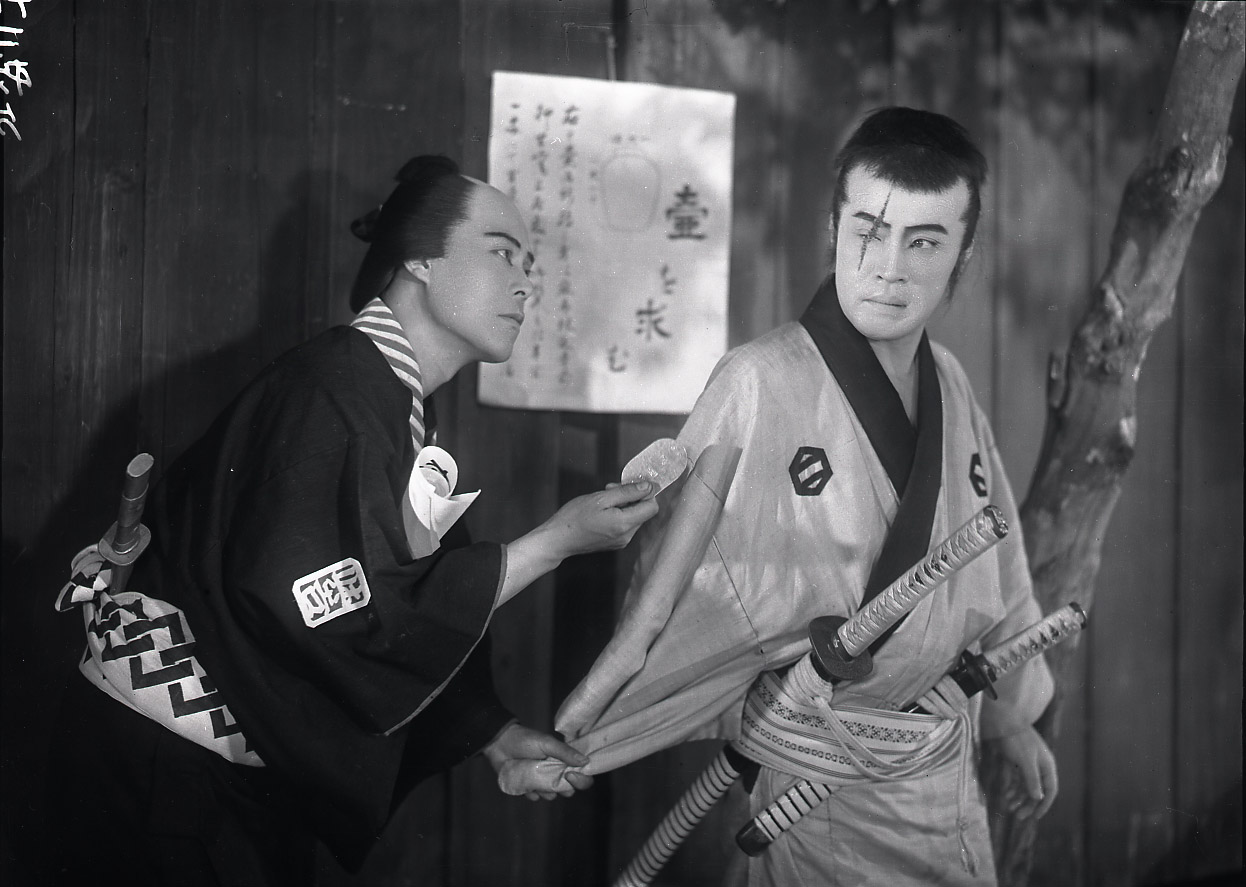
Tange Sazen and the Pot Worth a Million Ryo (Longest Version) (丹下左膳余話 百萬両の壺, Sadao Yamanaka, 1935)

A priceless pot containing a treasure map is accidentally given away and later used as a goldfish bowl by a child who is taken in by a tavern frequented by one-eyed, one-armed swordsman Tange Sazen while seemingly everyone else is desperately trying to find it.

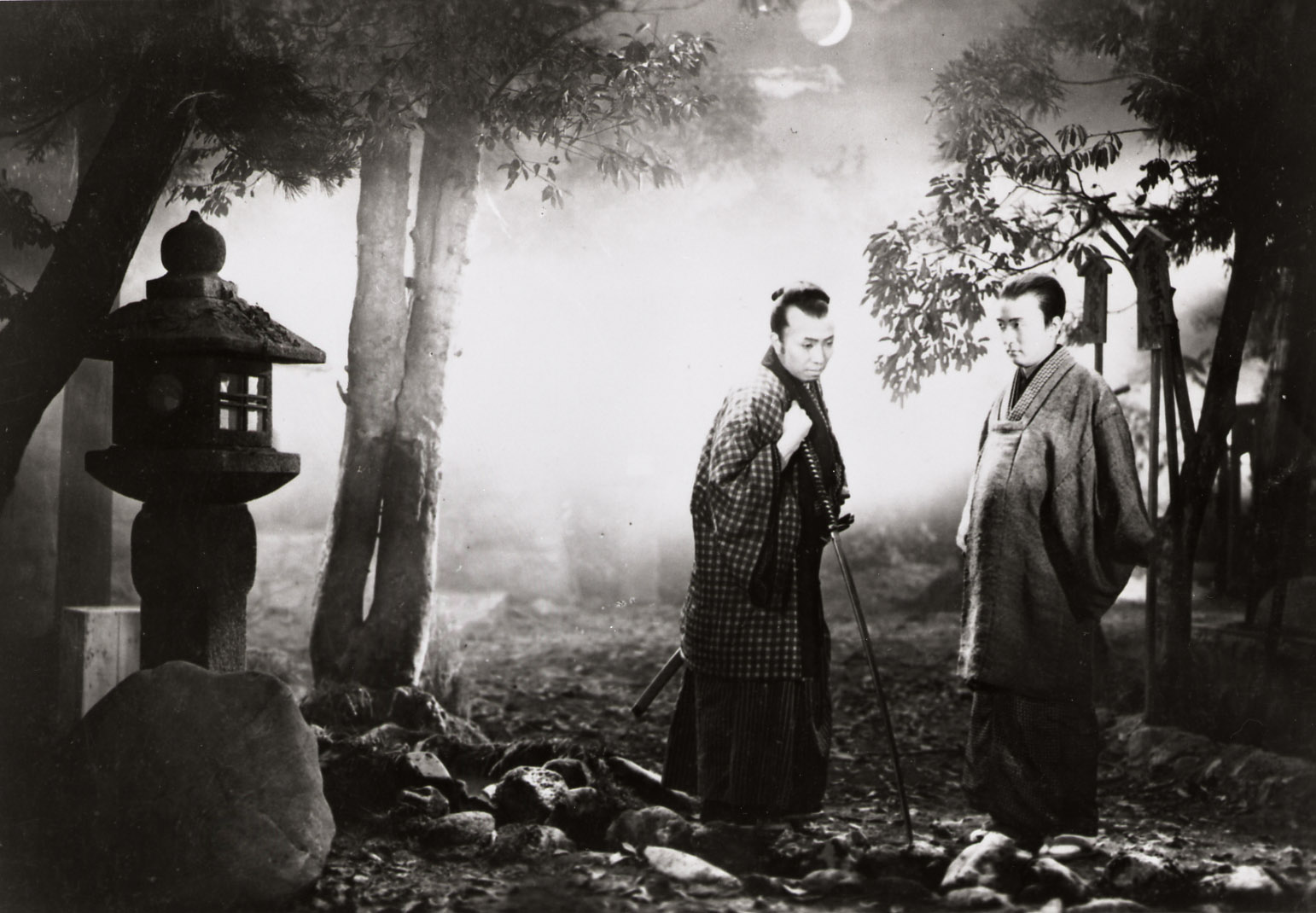
Priest of Darkness (河内山宗俊, Sadao Yamanaka, 1936)

A feckless gambler brings trouble on himself by accidentally stealing a samurai’s knife and hides out in a tavern run by a “priest” while his sister (a young Setsuko Hara) desperately searches for him.

Online Screenings

Films listed below stream online December 3-23 at film.japansociety.org.

Debut Works and Recent Films (Online)

The Chef of South Polar (南極料理人, Shuichi Okita, 2009)

A family man chef is suddenly transferred to a remote Antarctic research station for a year-long project and finds himself going slowly mad alongside a team of eccentric scientists in the characteristically quirky debut from Shuichi Okita

Ora, Ora Be Goin’ Alone (おらおらでひとりいぐも, Shuichi Okita, 2020)

An older woman living alone (Yuko Tanaka) is visited by three strange sprites who talk to her in her native Tohoko dialect while she is called back into the past to meditate on former happiness and present regret in Shuichi Okita’s touching drama.

Fancy Dance (ファンシイダンス, Masayuki Suo, 1989)

A young man of the bubble era (Masahiro Motoki) is forced to undergo rigorous training to become a buddhist monk in order to take over his family temple but unexpectedly discovers both the joy of zen and that the monastic life isn’t quite as austere as it seems in the debut from Masayuki Suo.

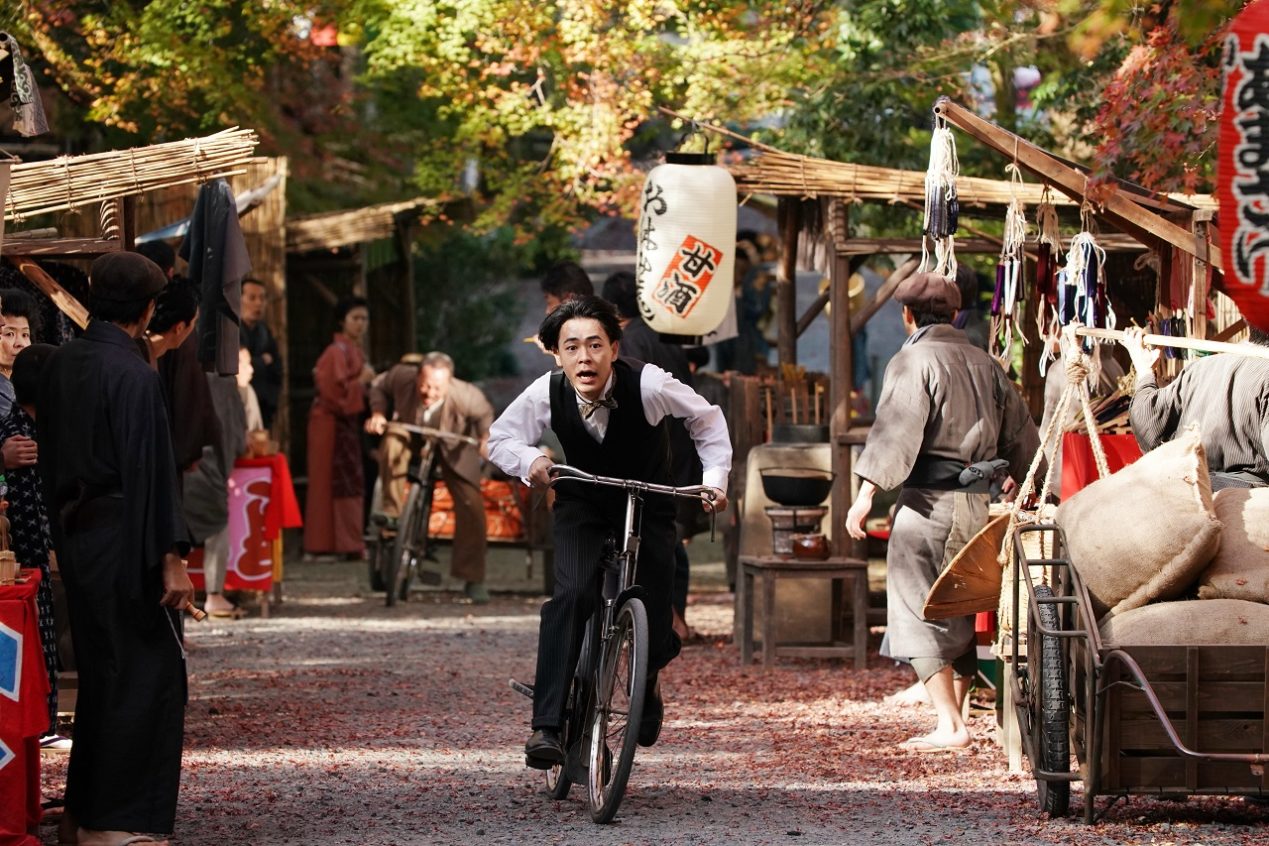
Talking the Pictures (カツベン!, Masayuki Suo, 2019)

Masayuki Suo takes a look back to the classic days of silent pictures as a young man fleeing a life of crime tries to realise a lifelong ambition of becoming a legitimate benshi in this period comedy drama. Review.

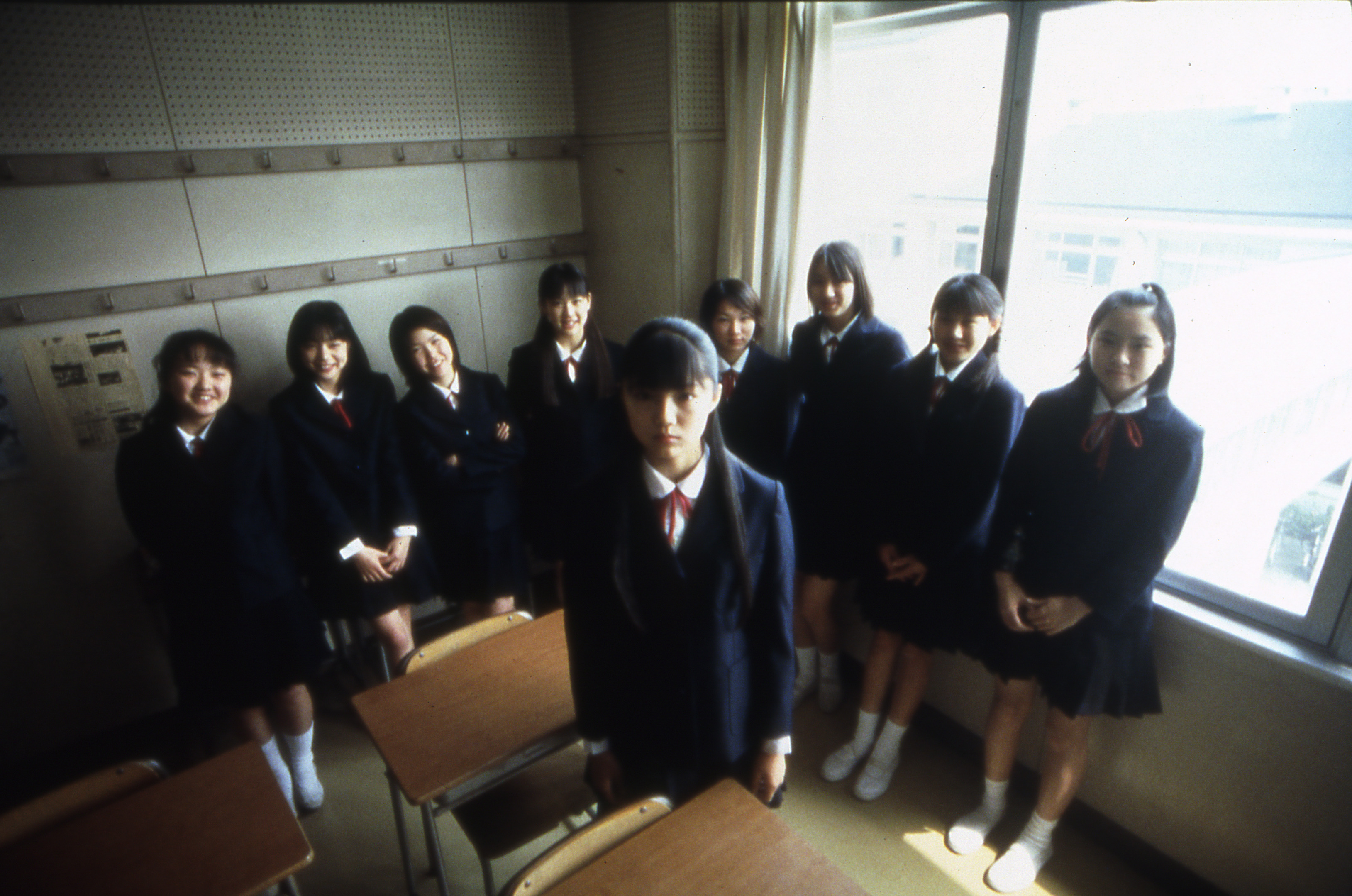
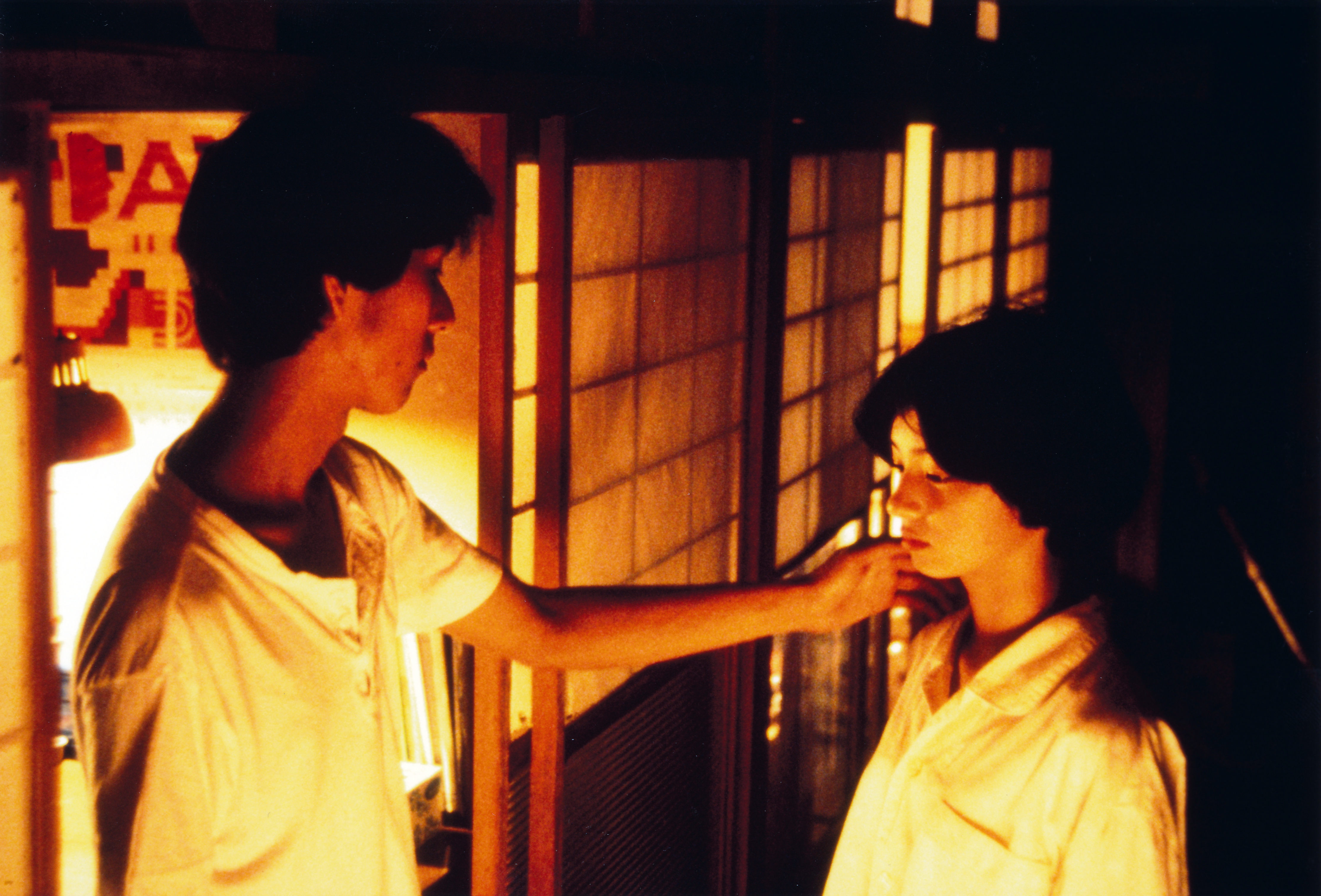
Harmful Insect (害虫, Akihiko Shiota, 2002)

A 13-year-old girl finds herself adrift after her father leaves and her mother attempts to take her own life, ostracised by the other girls at school who gossip about her relationship with a former teacher. She takes refuge in an awkward friendship with two other outcasts but discovers she is never really safe anywhere in this early indie drama from Akihiko Shiota starring a young Aoi Miyazaki.

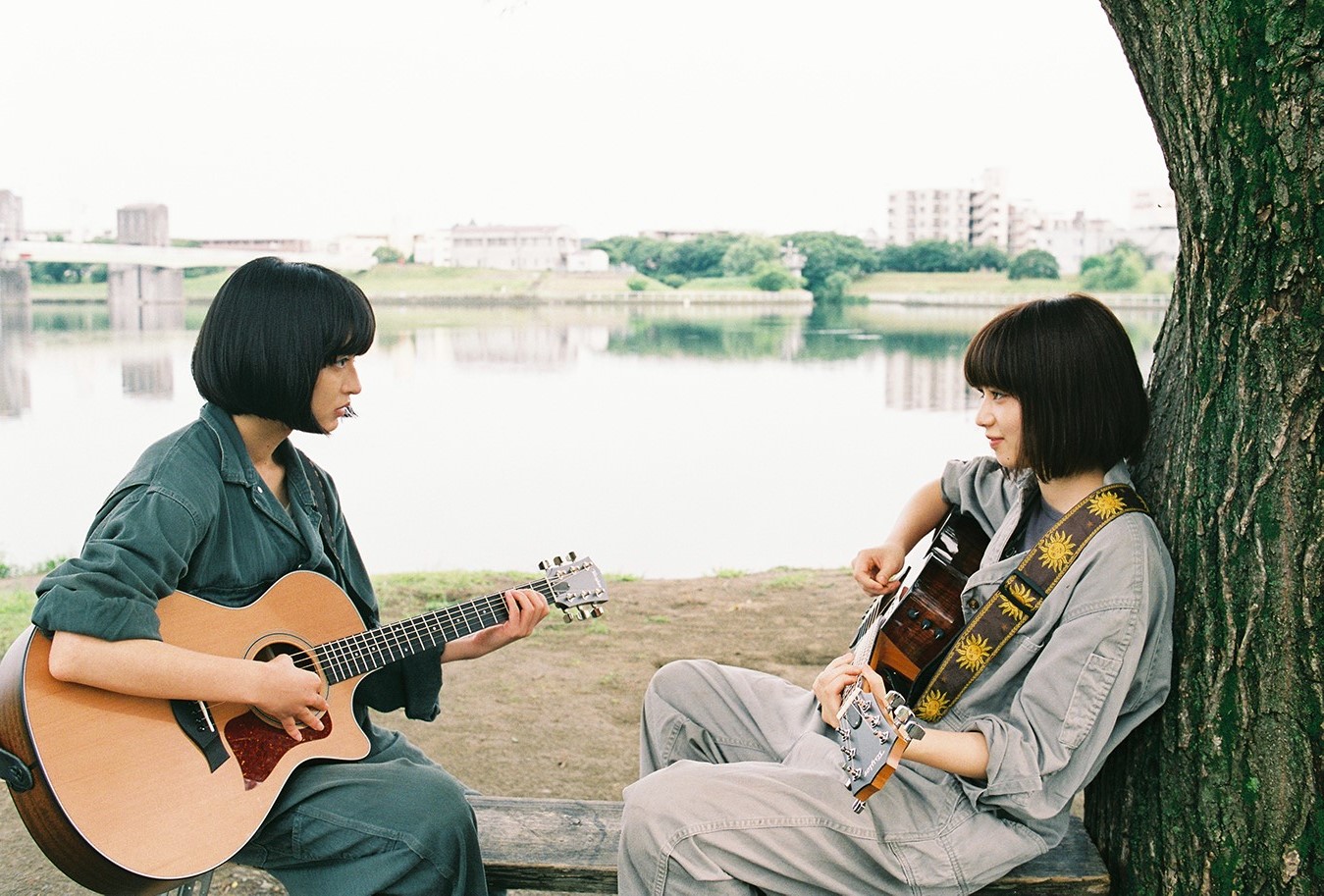
Farewell Song (さよならくちびる, Akihiko Shiota, 2019)

A folk duo (Mugi Kadowaki & Nana Komatsu) on the verge of splitting up go on the road for their final tour where the intrusive presence of their male roadie (Ryo Narita) only further strains their already fracturing relationship in Akihiko Shiota’s intense drama. Review.

Knockout (どついたるねん, Junji Sakamoto, 1989)

Real life boxer Hidekazu Akai stars as a thoroughly unpleasant former champion trying to restart his career after life-threatening brain injury by undercutting his old boss and starting his own snooty gym but finally seeing the error of his ways thanks to a kindly veteran (Yoshio Harada) in Junji Sakamoto’s Osaka-set debut. Review.

The Projects (団地, Junji Sakamoto, 2016)

An elderly couple move into a danchi housing estate after closing their herbal medicines store but when the husband is not seen around and about for a considerable amount of time it leads to gossip, rumour, and suspicion in this warmhearted, slightly surreal Osakan comedy from Junji Sakamoto. Review.

Wild Berries (蛇イチゴ, Miwa Nishikawa, 2003)

The conventional life of an ordinary family founded largely on lies and silence is disrupted by bereavement and the unexpected return of a prodigal son in the debut feature from Miwa Nishikawa. Review.

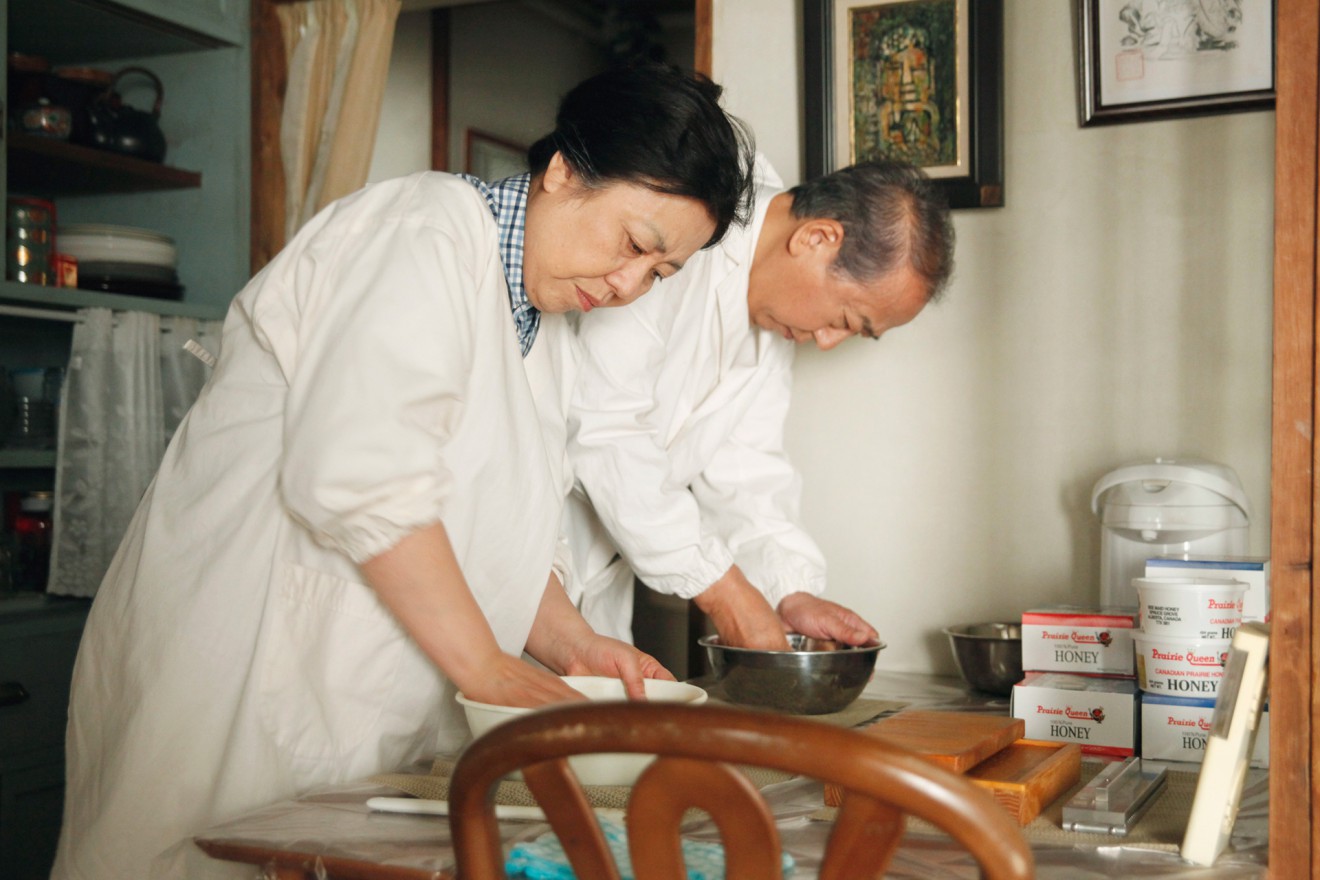
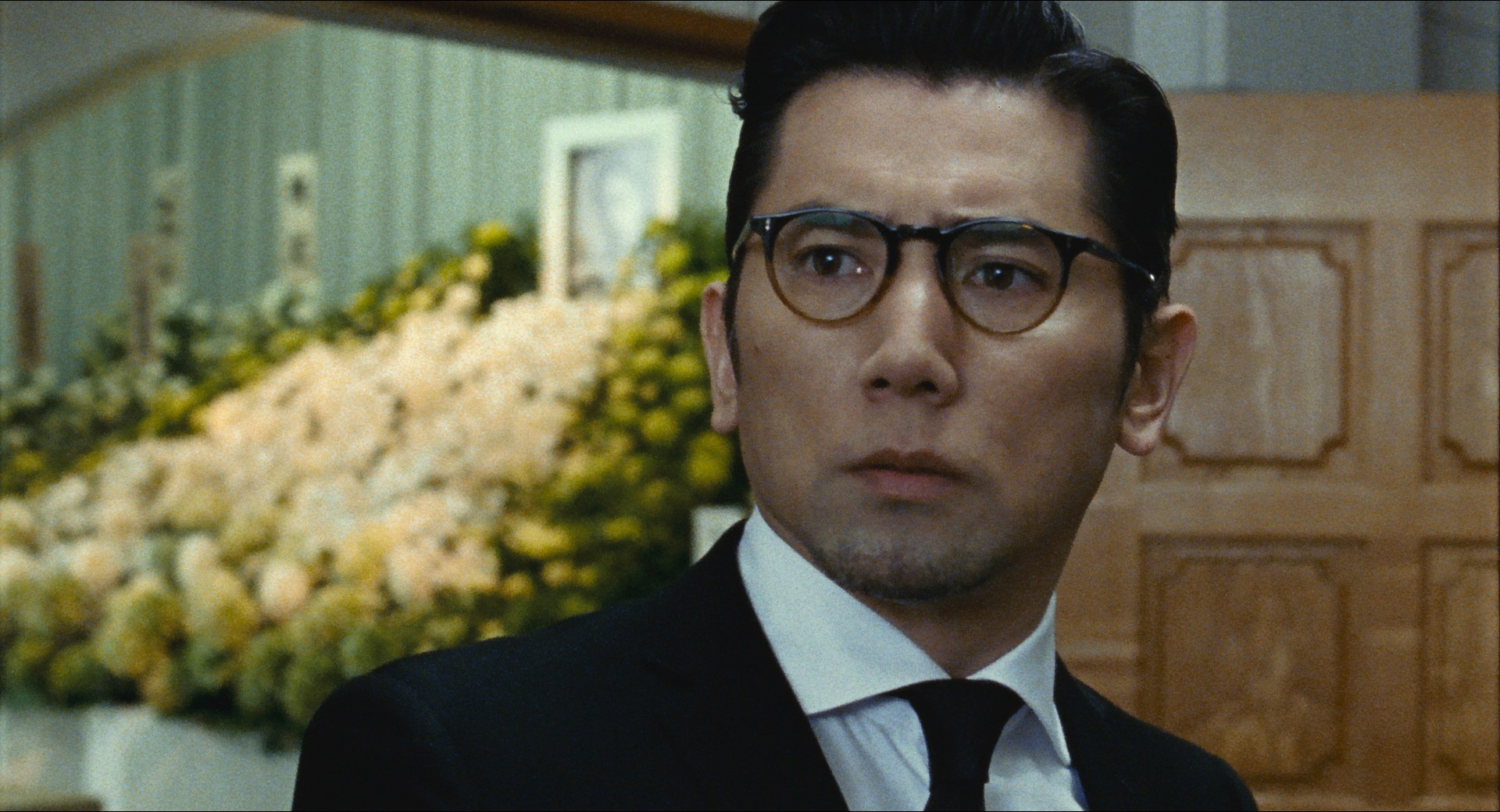
The Long Excuse (永い言い訳, Miwa Nishikawa, 2016)

Adapting her own novel, Miwa Nishikawa’s 2016 drama stars Masahiro Mokotoki as a thoroughly self-absorbed yet insecure novelist who fears he’s become a hack best known for appearances on TV panel shows. When his wife is killed in a freak bus accident while he’s busy with his mistress, he’s finally forced to face himself on encountering the devastated family of his wife’s best friend who died alongside her. Review.

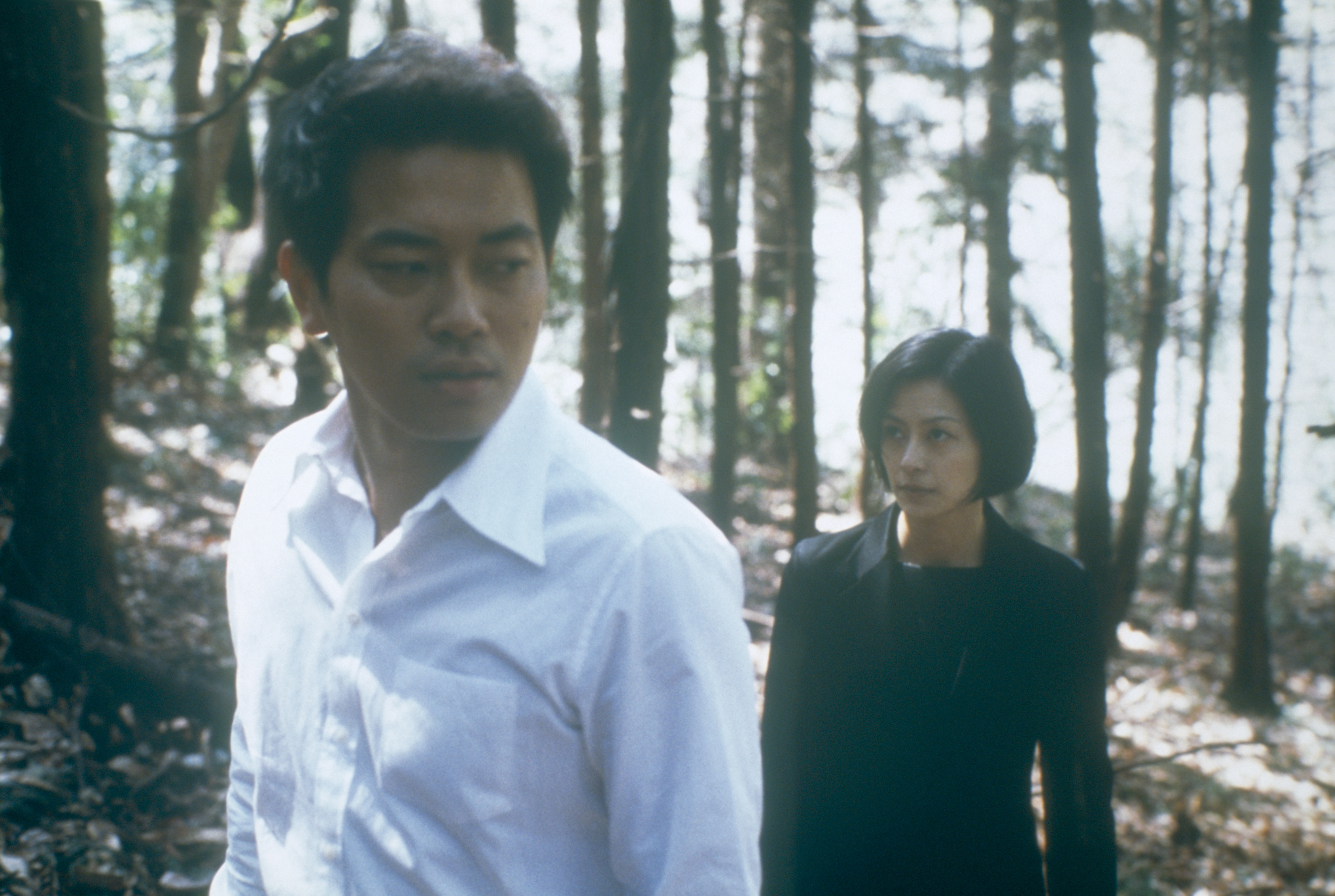
Suzaku (萌の朱雀, Naomi Kawase, 1997)

Naomi Kawase’s fiction debut follows a small family struggling under the weight of personal tragedy and the imminent extinction of traditional small-town life in the face of encroaching modernity.

Vision (ビジョン, Naomi Kawase, 2018)

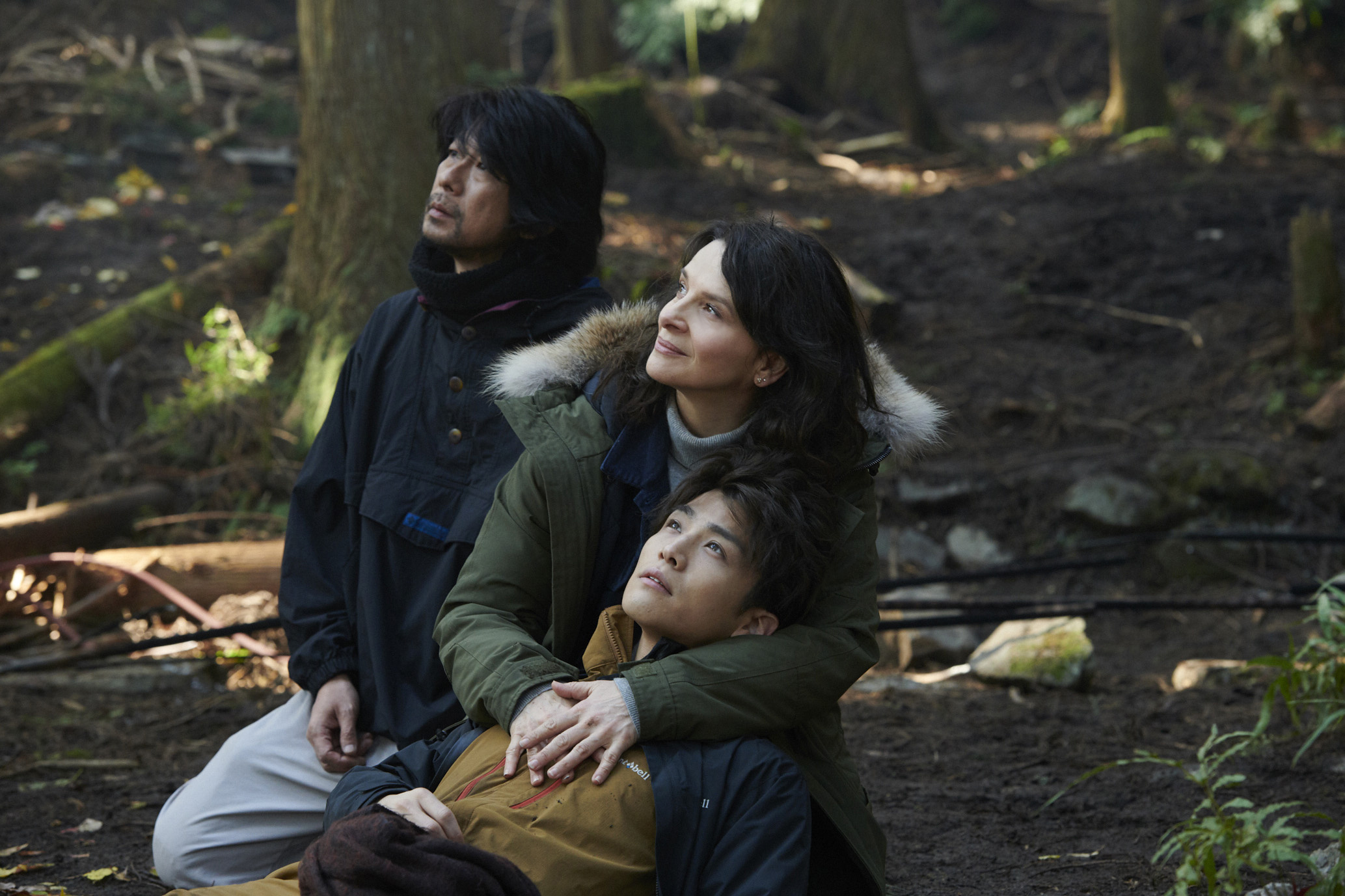
Juliette Binoche stars as a woman in Japan in order to search for a rare herb while staying with Masatoshi Nagase’s gruff woodsman in the forests of Nara in this new age drama from Naomi Kawase.

Free Talks (Online)

Available Worldwide.

Flash Forward: Conversations with the Filmmakers

Interviews with each of the directors included in the Flash Forward strand: Mayasuki Suo, Junji Sakamoto, Naomi Kawase, Akihiko Shiota, Miwa Nishikawa, and Shuichi Okita.

Panel Discussion: Debut Works and Beyond

Discussion moderated by Aaron Gerow (Yale University) with panelists Takuya Tsunoda (Columbia University), Junko Yamazaki (UCLA) and Jasper Sharp (Arrow Films) focussing on the careers of the six Flash Forward directors.

Filmmakers on the Rise (Online)

All films are free to stream in the US December 3-23 at film.japansociety.org.

The Albino’s Trees  (アルビノの木, Masakazu Kaneko, 2016)

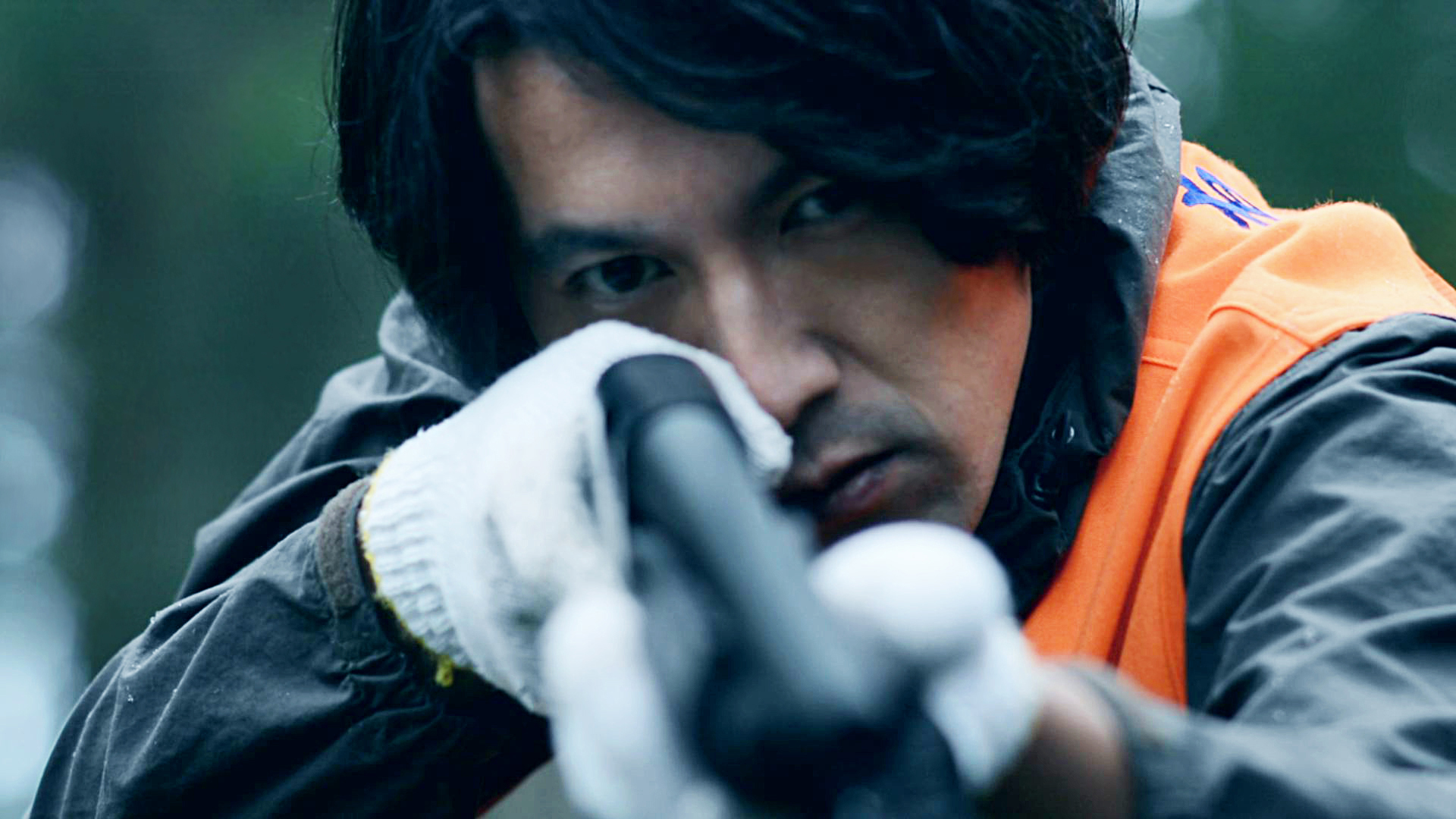
An apathetic young man working in animal control agrees to take on a secretive job to kill a rare albino deer regarded by some in a traditional village cut off from the outside world as sacred only to wonder if he made the right decision in Masakazu Kaneko’s poetic indie drama.

Blue Hour (ブルーアワーにぶっ飛ばす, Yuko Hakota, 2019)

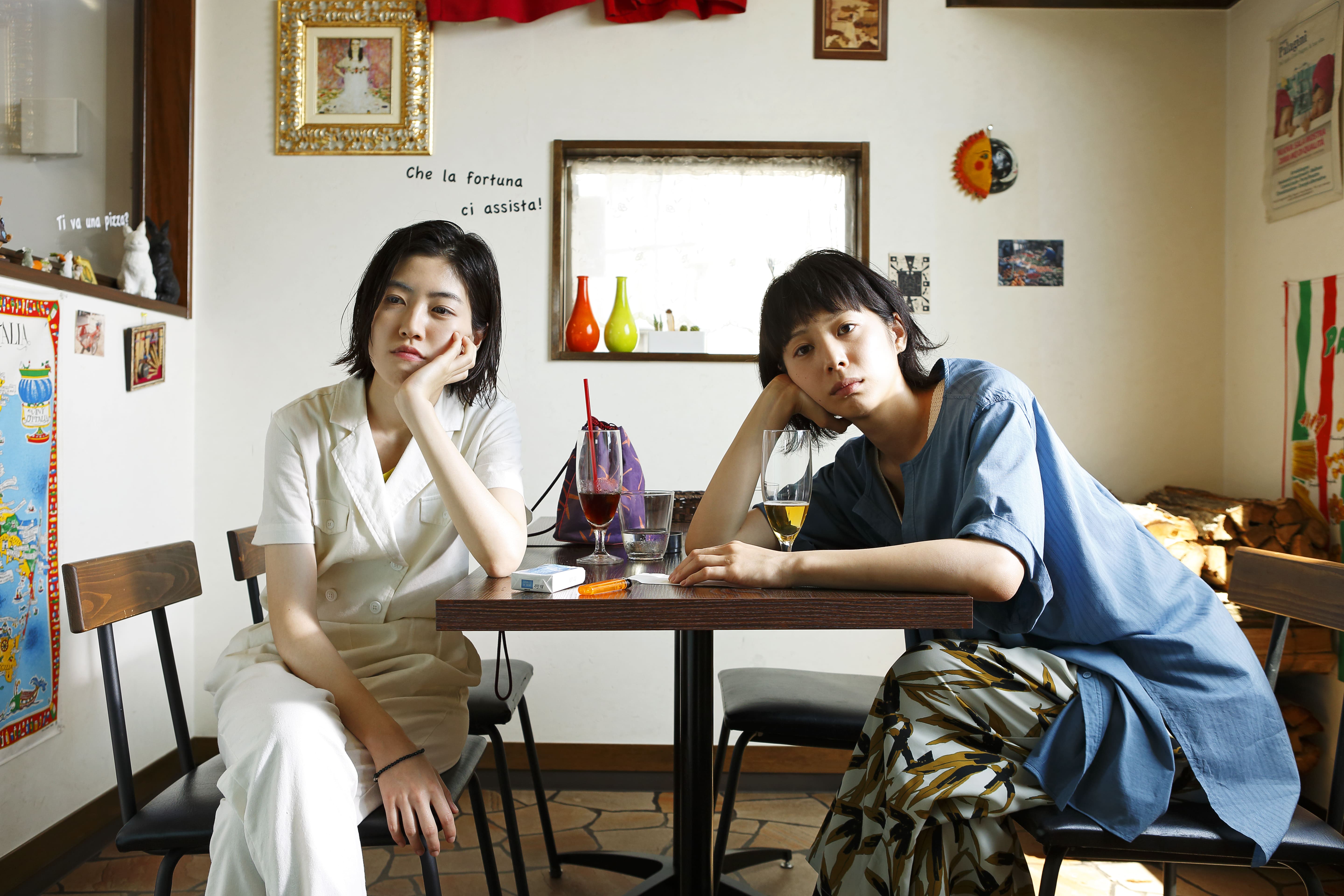
Sick of workplace sexism and her dwindling career prospects, 30-ish Sunada (Kaho) takes a roadtrip home in the company of her best friend (Korean actress Shim Eun-kyung) in Yuko Hakoto’s freewheeling indie drama. Review.

A Boy Sato (サトウくん, Omoi Sasaki, 2017)

Sci-fi-inflected short in which a mysterious outsider returns to town and notices something not quite right.

Forgiven Children (許された子どもたち, Eisuke Naito, 2020)

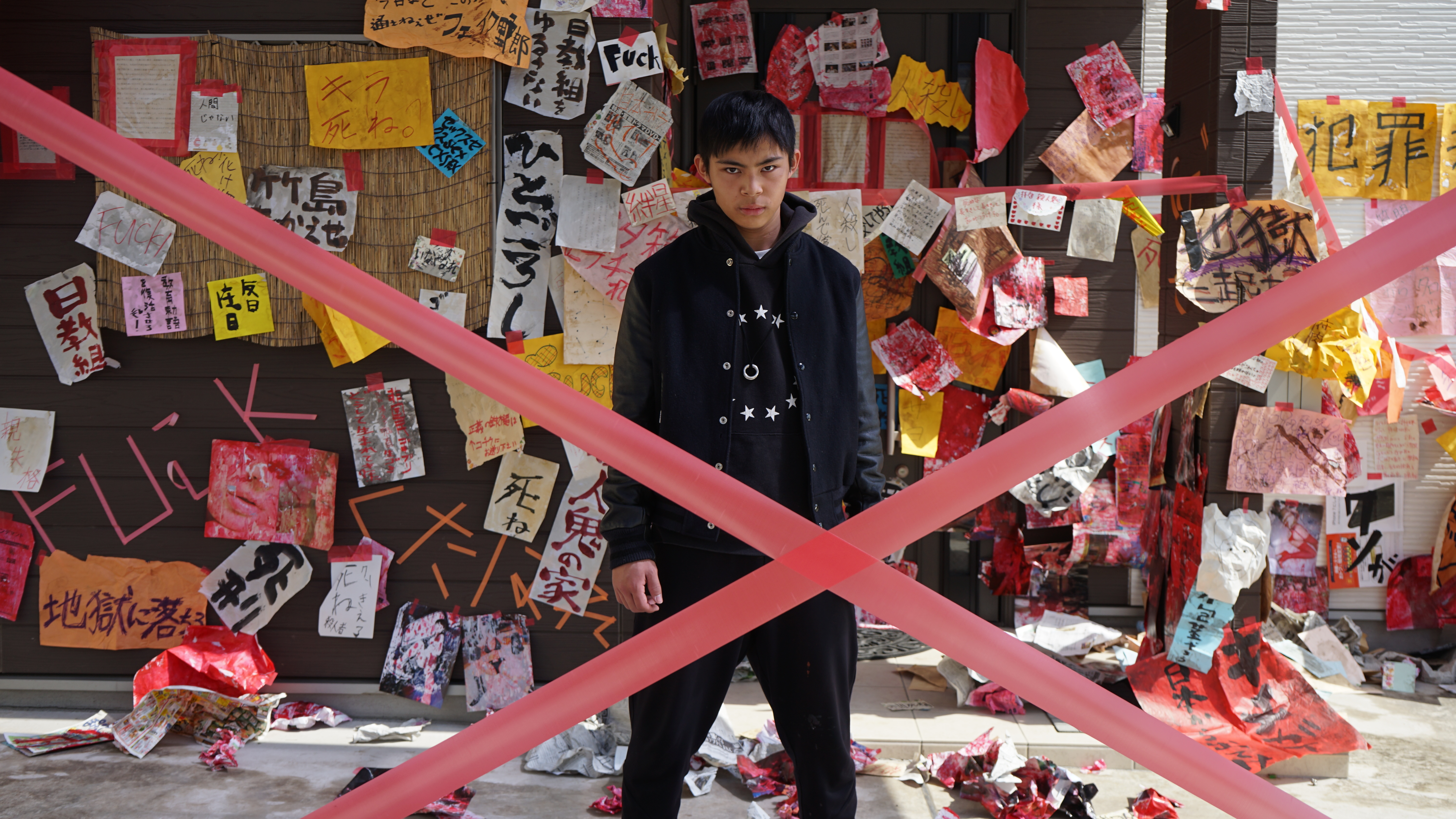
An emotionally numbed teenager kills a classmate without really thinking about it and is subsequently acquitted of the crime in a juvenile court but even if he himself comes to feel remorse society refuses to forget in Eisuke Naito’s raw examination of the consequences of hate and the impossibility of redemption. Review.

Jesus (僕はイエス様が嫌い, Hiroshi Okuyama, 2019)

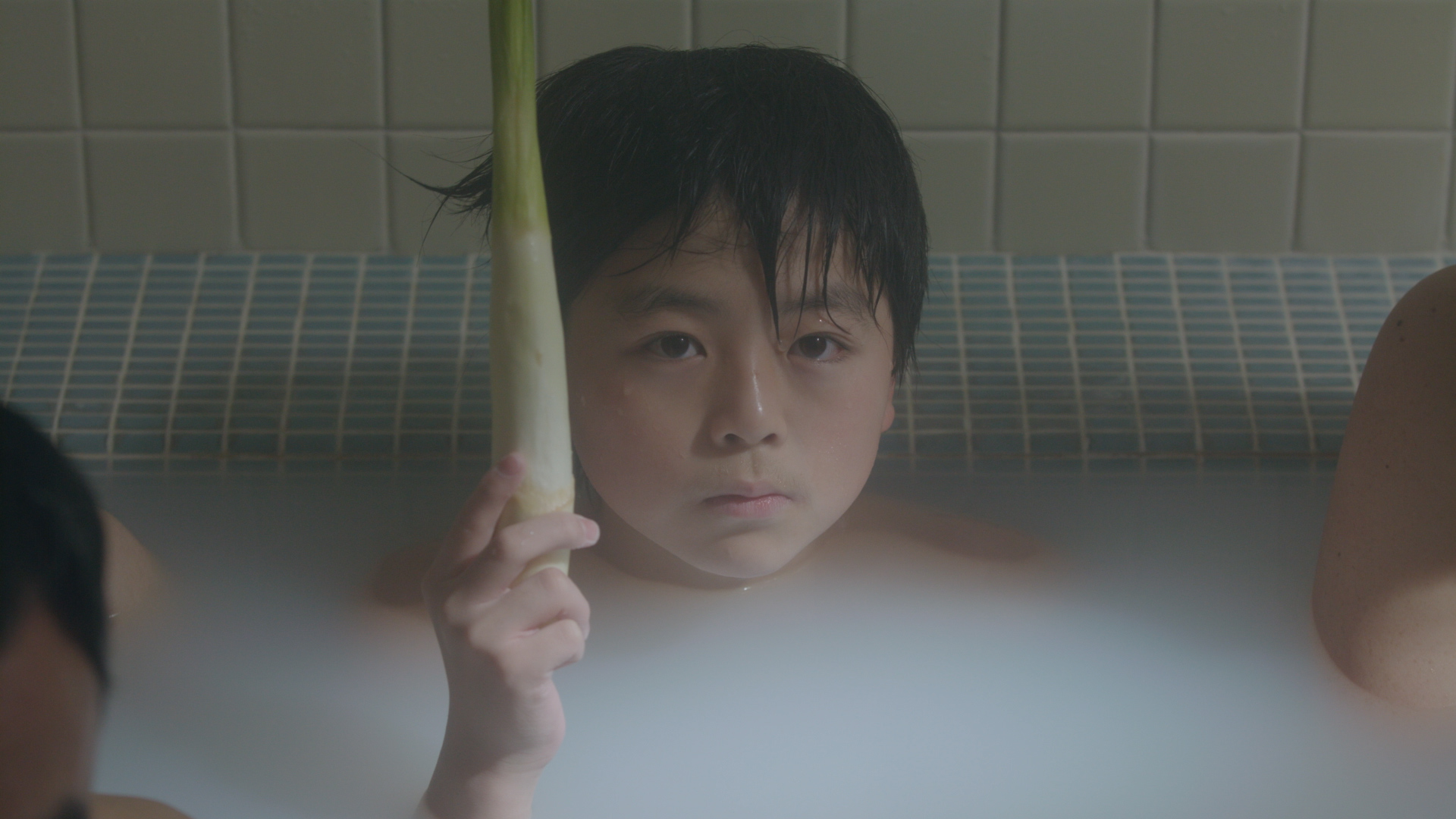
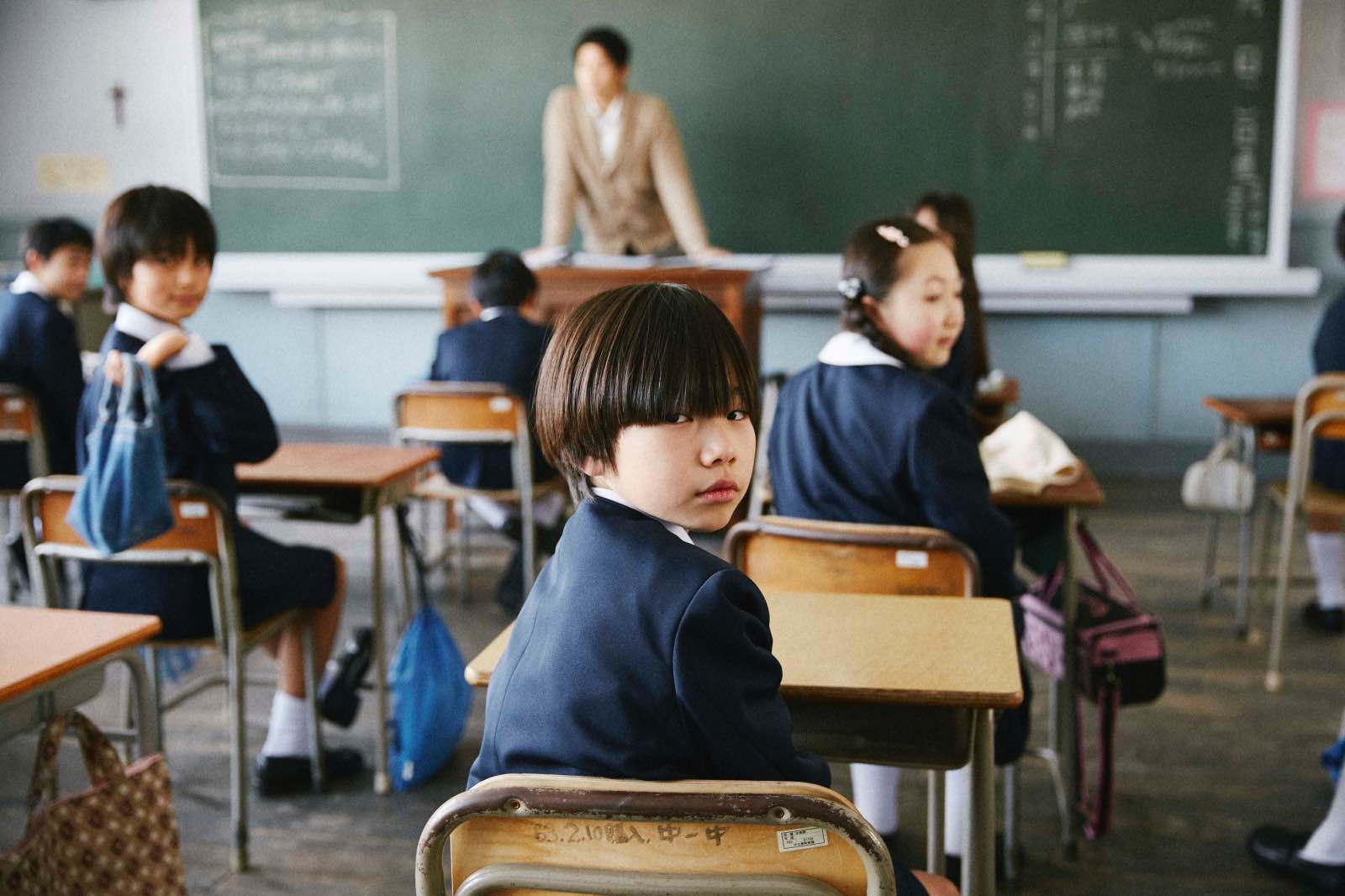
A young boy is uprooted from his Tokyo life when his grandfather dies and the family moves back to live with grandma in a remote mountain town. Already suffering a degree of culture shock, he is sent to a Christian school despite not being Christian and finds himself followed around by tiny Jesus who seems to grant him wishes yet when tragedy strikes he is forced to question his new faith. Review.

My Atomic Aunt (波の向こう, Kyoko Miyake, 2013)

London-based documentarian Kyoko Miyake explores the immediate effects of the Fukushima Nuclear Disaster through the story of her go-getting aunt who has lost not only her home but three businesses and the promise of a happy future alongside her family.

Flash Forward: Debut Works and Recent Films by Notable Japanese Directors streams online in the US Dec. 3 – 23 with in-person screenings of Tange Sazen and the Pot Worth a Million Ryo (Longest Version) on Dec. 11, and Priest of Darkness on Dec. 17. Tickets for the in-person screenings are available via the official website while $55 all-access passes for the online streaming are on sale until Dec. 2 with individual 3-day rentals priced at $10 available from Dec. 3. Full details for all the films are available via the official website while you can also keep up with all the year-round events by following Japan Society Film on Facebook, Instagram, and Twitter.

We Are Moluccans (Cahaya Dari Timur: Beta Maluku, Angga Dwimas Sasongko, 2014)

A motorbike courier finds himself torn between conflicting priorities when his community is threatened by internal strife in Angga Dwimas Sasongko’s inspirational sporting drama We Are Moluccans (Cahaya Dari Timur: Beta Maluku). As the title suggests, team sports provide a means of communal healing fostering both hope and unity among the young but even so the traumatic memories of the recent past prove hard to overcome while the older generation struggle in the wake of their own broken dreams and contradictory responsibilities. 

At the turn of the century, a violent conflict breaks out between Muslim and Christian communities who had until that point lived together in relative peace. With his motorcycle courier business disrupted by the ongoing chaos, former youth footballer Sani (Chicco Jerikho) begins coaching a collection of local boys mostly as a means of keeping them away from the immediate violence of the riots. As the situation begins to stabilise, his new responsibility to the children places a strain on his relationship with his wife, Haspa (Shafira Umm), who complains that he spends too much time giving back to the community while the family is struggling economically to the extent that she can no longer extend their tab at the grocery store. His old football friend Rafi (Frans Nendissa) is also struggling with his fishing business having lost most of his crew who fled the area’s violence and so the two of them begin to make the football club more formal but it soon becomes clear that they each have differing goals and responsibilities that endanger their partnership and the commitment they’ve made to the boys.  

At several points Rafi, not to mention Haspa, criticise Sani for what they see as irresponsibility while some of the other village men also accuse him of unmanliness for choosing to look after the children rather than fight with them to protect the village. His problem is that he’s too kind hearted but is entirely unable to order his priorities torn by the necessity of providing for his family and following through on the commitment he’s made to the neighbourhood boys. He often gives his hard won money away to those in need, angering his wife who cannot understand why he continues to help others rather protect his own family even giving away money he’d saved for their youngest daughter’s vaccinations and abruptly selling their goats without discussing it with her when she’d earmarked them as an emergency fund to pay the enrolment fees when the oldest daughter starts school. 

Because of the ongoing violence, many of the boys are in single parent families and live in relative poverty often needed to help out with their parent’s businesses. To begin with many are fine with them playing football so long as it keeps them safe but as they begin to grow older attitudes harden, many believing that it’s a “pointless” waste of time and too much of a distraction when the children should either be earning money or studying. Sani becomes a kind of surrogate father teaching the boys diligence and responsibility even if struggling with the same in his personal life but obviously cannot overcome the social and economic difficulties of small town life all on his own. His original goal was only to keep the children safe and ensure they had happy childhood memories that weren’t about hate, violence, and fear, whereas Rafi is much more ambitious floating the idea of opening an official football school while eventually deciding to run for public office further adding to Sani’s sense of personal inadequacy. 

“Nothing can destroy us as long as we have will to live a better life” Sani later tells the children, mistaken it seems in his belief that they would find it easier to overcome the differences between them when acting as head coach for a team representing the entirety of the local area. Many of the original team resent the introduction of “outsiders” from the nearby Christian town, but the difficulties turn out less to be about religion or community than trauma, the source of the problem being that the father of two of the Christian boys is a policeman whom another of the players blames for his own father’s death. While such tensions exist within the group the team continues to fail, losing not because of a lack of ability but because they cannot overcome the legacy of trauma to work together. The problem is only solved through a reassertion of their commonality as “Moluccans” rather than Muslim or Christian ironically forged in opposition to their current other which happens to be a team from Jakarta, the urban pitted against the rural. 

In any case, Angga Dwimas Sasongko’s inspirational drama eventually makes the case for mutual forgiveness as path toward putting the past to rest in order to move forward into a kinder and more prosperous era. The emotional closing scenes provide both a personal sense of acceptance in as Rafi begins to put his pride aside to support the local team while Muslims and Christians come together to listen to the nail-biting penalty shootout through their respective contacts in the auditorium after the TV broadcast cuts out before extra time. Demonstrating the power of sports to overcome cultural barriers, We Are Moluccans finally advocates for the right to dream as the youngsters begin to develop self-confidence and a sense of possibility while working together towards a clearly defined goal. 


We Are Moluccans streams in Poland until Nov. 29 as part of the 15th Five Flavours Film Festival.

Trailer (English subtitles)

The Foul King (반칙왕, Kim Jee-woon, 2000)

A dejected office worker seeks release from a mundane life of constant degradation as a masked wrestler but finds himself ultimately unable to escape the headlock of the corporate society in Kim Jee-woon’s pro wrestling farce The Foul King (반칙왕, Banchikwang). As the title may suggest, you might have to play a little dirty in order to claw back some dignity but then perhaps everyone’s struggling to free themselves from something be it old debts, middle-aged disappointment, or complicity with the dubious business practices of turn of the century capitalism. 

Even before he enters the ring, Dae-ho (Song Kang-ho) is wrestling, fighting his way onto and out of a packed rush hour train only to arrive at work a few minutes late to be given a passive aggressive dressing down from his boss (Song Young-chang) during the morning pep talk. His boss then in absurd fashion corners him in the gents and places him in a headlock while telling him off some more just to ram the message home. Poor Dae-ho finds this so humiliating that all he really thinks of is a short term solution of learning how to evade his boss’ control while mooning over his attractive desk mate Miss Jo and further berating himself for being too shy to ask her out. His other problem is that he’s not very good at his job as a low-level bank cashier. He and his work friend Doo-sik (Jung Woong-in) are bottom in the office rankings for failing to secure any new accounts.

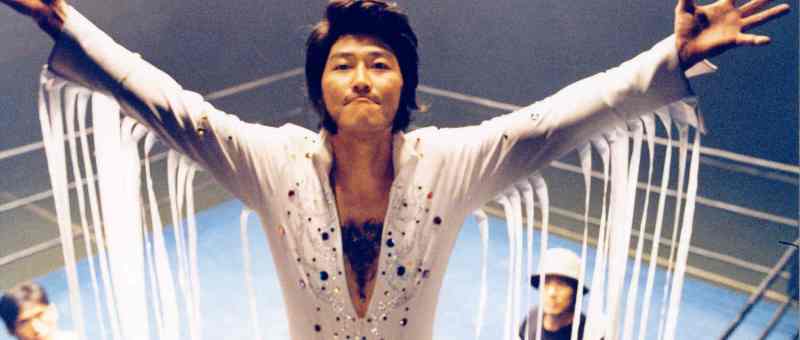
Trapped between his abusive boss and dismissive father (Shin Goo) with whom he still lives, Dae-ho finds himself both emasculated and infantilised while continuing to indulge childhood fantasies drifting off into a dream sequence in which he is Elvis in the wrestling ring trying to impress Miss Jo but still defeated by his giant bug of a boss. He first turns to a friend who teaches Taekwondo to children but he tells him Taekwondo is a “mental discipline” while a real martial artist would never end up in a headlock anyway. But then as if by magic he wanders past a moribund wrestling gym and ventures inside only for the coach, Jang (Jang Jin-young), to throw him out for being a bit odd. Threatened by a gangster into training up a comic relief character specialising in cheating to bolster the profile of another wrestler, Yubiho (Kim Su-ro), hoping to drum up publicity for a Japan tour, Jang relents remembering Dae-ho’s manic rank about his love for classic heel Ultra Tiger Mask as seen on TV decades earlier. 

Being a heel is not quite what Dae-ho had in mind, after all what he wants is to figure out how to escape a headlock yet he finds himself bizarrely in his element if a little clumsily rejoicing in moustache twirling villainy, cartoonish pranks, and comic pratfalls. He begins to grow in confidence but also overreaches, managing to teach a gang of youths (amusingly standing under a huge mural ironically reading “Korea! Fighting!”) a lesson and redeeming his sense of masculine pride after a defeat while making a total drunken fool of himself in his unrequited love for Miss Jo at the office karaoke party once again getting pummelled by his boss. While Dae-ho turns to wrestling in search of freedom and personal fulfilment, Doo-sik tries to regain his self-respect by doing the right thing refusing to be a part of his boss’ obviously dodgy business practices while threatening to blow the whistle if like Dae-ho perhaps realising that there is no way to beat this system while remaining inside it. 

Dae-ho discovers that he gains confidence by putting on a mask, specially the Ultra Tiger Mask worn by his childhood hero, while “winning” in the ring through “cheating” getting audience laughs with zany cartoon stunts. Only when the mask is torn by an unnecessarily aggressive Yubiho does he enter full on rage mode attempting to take revenge for his constant belittlement by ignoring the script to teach Yubiho a lesson as the pair of them brawl all over the stadium making weapons of random chairs and even at one point the session bell itself. Yet in a real sense Dae-ho never really achieves much of anything, scoring a symbolic victory in provoking a tie but never figuring out how to escape the corporate headlock while continuing to be bullied by his boss, rendered entirely powerless within the hierarchal corporatised society of early 2000s Korea. A darkly comic take on existential futility, Foul King meditates on the compromises inherent in playing the game Dae-ho ironically finding confidence in wilful humiliation as a dishonourable heel while unable to escape his constant degradation wrestling for agency within the confines of his regular office worker life. 


The Foul King streams in Poland until Nov. 29 as part of the 15th Five Flavours Film Festival.

Trailer (English subtitles)