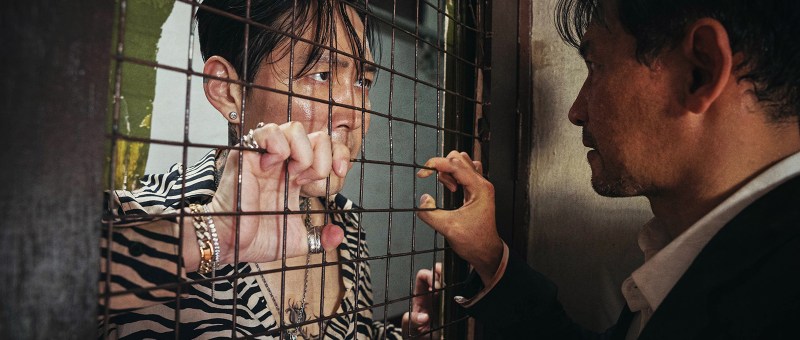
Sugar Street Studio (糖街製片廠, Sunny Lau, 2021)

“People have always been scarier than ghosts” according to the hero of Sunny Lau’s retro horror comedy, Sugar Street Studio (糖街製片廠). He is not in a sense wrong, the gang of down on their luck filmmakers unexpectedly uncovering a minor historical injustice while operating an “authentic” haunted house, and while the ghosts may be scary they are merely attempting to connect and right an old wrong. Filled with cynical humour, Lau’s witty screenplay is often disparaging of the contemporary Hong Kong film industry and an increasingly cutthroat society but finds unexpected pathos in the romantic tragedy at its centre. 

As the film opens, fast talking producer Pierre (Matt Chow Hoi-Kwong) has been hauled in front of mob boss Choi (Eric Kot Man-fai) who wants to know what the holdup is on their mutual film project. Boss Choi meanwhile has another problem in that the hotpot restaurant he’s just bought isn’t doing so well owing to the place being haunted. Ever enterprising Pierre comes up with a new idea: opening an “authentic” haunted house on the same site featuring real ghosts while shooting a movie in the same location. Getting the green light, Pierre enlists prosthetics guy Gary (Yatho Wong) to design the interiors for a horror show inspired by the real life studio fire of 30-years previously supposedly started by a clown in resentment after being turned down by the leading lady. 

Hoping to get more information, the guys talk to surviving actor Uncle Cheong (Chan Kwok-pong) who spins them a tale of his own heroism, claiming that he tried to intervene when the clown attacked his girlfriend and co-star but had to step out only to return after getting a pager message about the fire and attempt to save what lives he could. Perhaps unexpectedly, Cheong is all for their haunted house endeavour even making an appearance on opening night, but the gang can’t help but feel there must be more to this strange tale of arson and revenge. 

Mildmannered in the extreme, Gary finds himself conflicted in running Pierre’s unusual enterprise, wondering if it’s corrupting him or then again “Maybe to survive in Hong Kong, being mean is a basic necessity”. “Conning people diligently in Hong Kong is the path to success”, according to his friend even as they ironically prepare to open their “authentic” haunted house where encounters with “real” ghosts quickly find an audience who believe screaming in supernatural terror has therapeutic effects that can ease the depression and anxiety they feel as young people in contemporary Hong Kong. 

Pierre sells the haunted house idea partly on the strength that no one makes horror movies anymore because, famously, you can’t sell them on the Mainland and so co-productions aren’t interested. He describes Gary as the “tumour that’s killing the Hong Kong film industry” while constantly talking a big game, like a stereotypical producer willing to say everything and everything in order to get ahead, even hobnobbing with triads. “Hong Kong Cinema is all about discipline” he ironically claims despite being massively behind on all his projects, giving Gary a dressing down for being a few days late with his designs. 

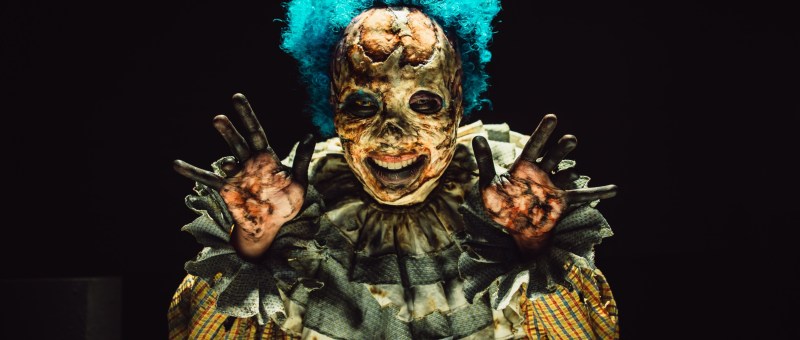
“Some things don’t need to be completely understood” a zany medium claims, somewhat duplicitously, but it’s not until their own encounter with the ghost that the gang start to pick up on the dark legacy of the studio fire making use, possibly, of an unfair prejudice against clowns to sell the idea of a madman killer driven insane by lust and resentment towards a woman who had rejected him. What they discover is a sad tale of frustrated love, wounded male ego, and bitter regret that has perhaps manifested itself as a deeply held grudge as the guilty party holds on to their guilt and shame despite themselves. “It’s never too late to turn back” the villain is cautioned by a now elderly shaman, but in some ways it is, especially if you’ve already donned the clown suit of vicarious violence, “all debts must be paid”.  

Making the most of its whimsical premise, the increasingly surreal tale doesn’t skimp on the horror imagery with its scarred ghosts and scary clowns but also harks back to the horror comedies of old with its sutras and seals as the gang attempt to solve the mystery and right a historical injustice. Filled with amusing meta references to the contemporary Hong Kong film industry, ironic satire, and absurdist gags Lau’s charmingly off the wall comedy has only sympathy for its lovelorn ghosts of a bygone era and the hapless film crew attempting to navigate the vagaries of an often absurd industry.


Sugar Street Studio streams worldwide until 2nd July as part of this year’s hybrid edition Udine Far East Film Festival.

Original trailer (English subtitles)

One Second Champion (一秒拳王, Chiu Sin-Hang, 2020)

“All things in their being are good for something” little Yan is told by a sympathetic TV presenter slightly unconvinced by his short-lived celebrity as the “One Second Wonder”. It may not sound like the most complimentary nickname, but in this case it’s intended in the kindest sense referring to the kid’s uncanny ability to see into the future if only for one second. As a child he’d told the TV audience that he wanted to grow up and find a way to use his superpower to contribute to society, but now a dejected middle-aged man the hero of Chiu Sin-Hang’s One Second Champion (一秒拳王) is something of a loser, imbued with a sense of defeat and not quite so much trading on past glory as using his “superpower” as a party trick to earn extra cash. 

As he tells us, Yan (Endy Chow Kwok-yin) was born during a storm, a power cut threatening his new life and leaving him apparently dead for one second to which he attributes the cause of his strange ability. All things considered, however, being able to see one second ahead is almost useless. What good is it to predict the winning lottery numbers or the winner of a horse race if you’ve no time to buy a ticket or place a bet? A nerdy sort of child unfairly thrust into the spotlight as the “One Second Wonder”, Yan has become a defeated middle-aged man working in the bar of an old friend while trying to pay off gambling debts accrued trying to raise the money for an operation for his son, Chi-leung (Hung Cheuk Lok), who is deaf. His total lack of self-esteem is rammed home when Chi-leung points out a classmate who’s been bullying him, often ripping out and damaging his hearing aid. Though Yan vows to talk to the school and the boy’s parents to sort it out, he quickly backs own even trying to force Chi-leung to apologise to the bully in front of his equally intimidating mum. 

The one arena where seeing one second ahead may in fact be valuable is in the middle of a fight which is what brings him to the attention of aspiring boxer Shun (Chiu Sin-hang). Faced with esteem issues of his own, Shun struggles in the ring partly due to his asthma and partly ongoing anxiety as a result of trauma having seen his dad behaving strangely after a fight. Aside from personal success, his desire is to resurrect his dad’s old gym, eventually teaming up with Yan after hearing of his strange ability and hoping his success might help attract more members. In this positive environment, Yan starts to regain a sense of confidence, getting a smart new haircut and paying more attention to personal grooming, while impressing his young son with his unexpected success not to mention reflecting that his “useless” ability might not be so useless after all. 

But then, after a traumatic incident he fears his special powers may be gone and is faced with another choice in whether to continue boxing as a “real” boxer or go back to the defeated life he used to live. Boxing shouldn’t be about gimmicks, according to a young pretty boy star (Chanon Santinatornkul) with an ironic, if sometimes cruel, devotion to the craft marketed like an idol by his ambitious manager, but Yan has to wonder if there’s more to him than the “One Second Wonder”. The conclusion that he comes to is that, as the TV presenter had said, everything’s good for something, one second can make a huge difference, and every choice you make counts. Win or lose, what matters is making the most of your time so why wait when you could start right away. A soulful tale of self-acceptance, the power of mutual solidarity, and the restorative qualities of physical discipline, Chiu Sin-Hang’s warmhearted drama is an ode to forging your own destiny, one second at a time, while remaining true to yourself. “Our superpower is never giving up” Yan tells his young son, no longer so afraid of the sound of his own heart beating, as they walk off into the sunset One Second Champions win or lose. 


One Second Champion streams worldwide (excl. China/Spain/Canada) until 2nd July as part of this year’s hybrid edition Udine Far East Film Festival.

Original trailer (English / Traditional Chinese subtitles)

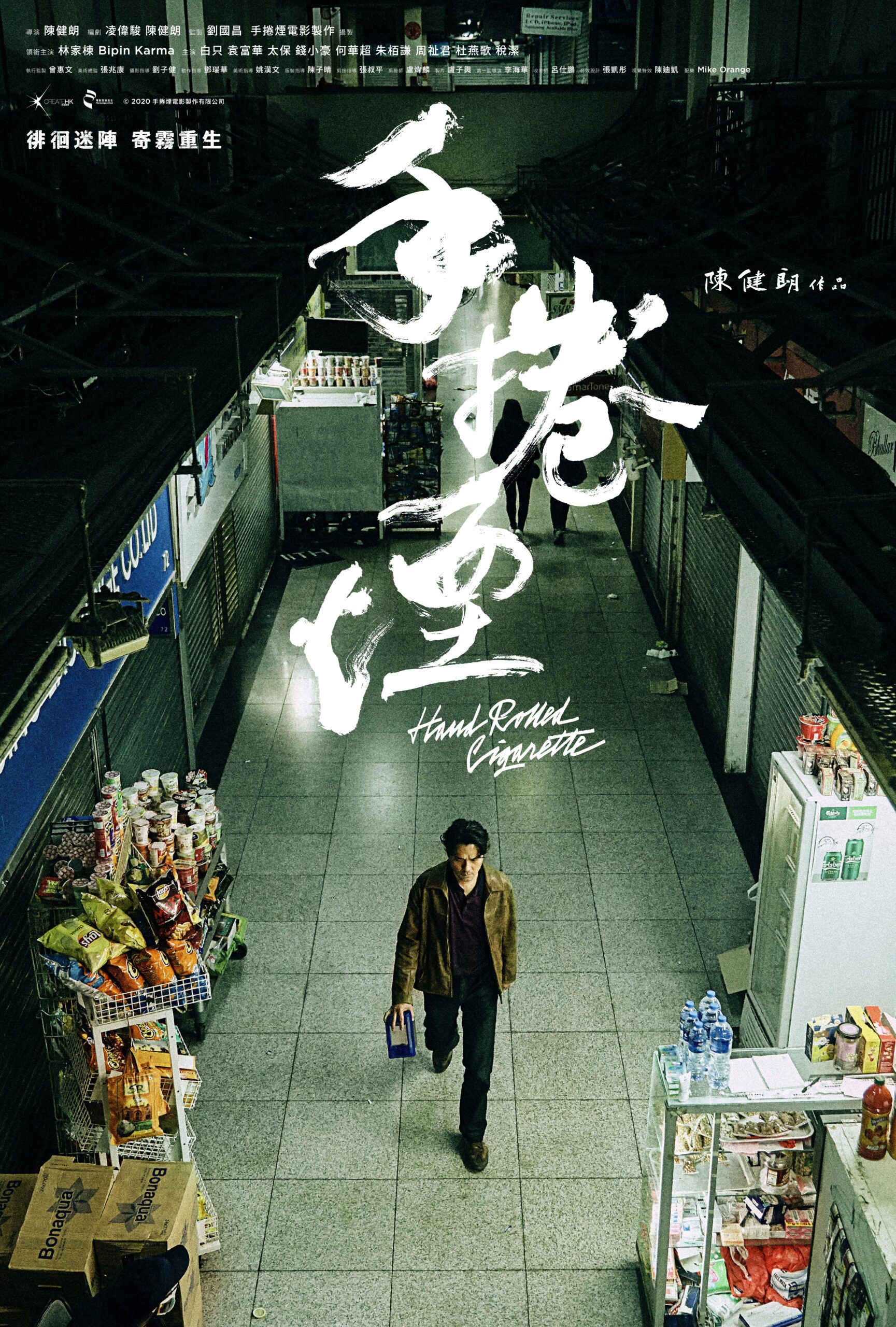
Hand Rolled Cigarette (手捲煙, Chan Kin-long, 2020)

A former serviceman turned triad middleman bonds with a similarly oppressed South Asian petty criminal in Chan Kin-long’s noirish crime drama Hand Rolled Cigarette (手捲煙). An unexpected awards contender, the first directorial effort from actor Chan aligns its disparate heroes as two men in a sense betrayed by the world in which they live, one longing for a way out and the other too convinced he no longer deserves one to continue looking. 

“Let’s start over” Chiu (Gordon Lam Ka-tung) philosophically muses over a cigarette contemplating the coming handover. As a brief title card explains, when the British Army pulled out of Hong Kong, it hung its local recruits out to dry, disbanding their units and leaving them entirely without support. 25 years later, Chiu has become a dejected triad middleman, as we first meet him setting up a dubious deal for smuggled turtles between Taiwanese mobster Pickle (To Yin-gor) and local top dog Boss Tai (Ben Yuen). On his way back to his flat in Chungking Mansions, Chiu literally runs into a South Asian man apparently in the middle of a drug deal. Kapil (Bitto Singh Hartihan) dreams of bigger prizes, listening to the stock market report on the morning news and musing about robbing a bank. His cousin Mani (Bipin Karma), more conflicted in their criminal activities, cautions him against it reminding him that they already face discrimination and don’t need to add to their precarious position by giving their ethnicity a bad name. “If we have money people can’t look down on us” Kapil counters, seemingly desperate to escape his difficult circumstances by any means possible which eventually leads him to make the incredibly bad decision to cheat local triads out of their drug supply. Leaving Mani and his schoolboy brother Mansu (Anees) alone to carry the can (literally), Kapil takes off while Mani finds himself crawling into Chiu’s flat for refuge when chased by Boss Tai’s chief goon Chook (Michael Ning). Unwilling at first, Chiu agrees to let Mani stay, for a price, only to find himself falling ever deeper into a grim nexus of underworld drama. 

Chiu’s plight as a former British serviceman makes him in a sense an exile in his own land, a displaced soul free floating without clear direction unable to move on from the colonial past. We later learn that he is in a sense attempting to atone for a karmic debt relating to the death of a friend during the Asian financial crisis, also beginning in 1997, of which he was a double victim. Most of his old army buddies have moved on and found new ways of living, some of them rejecting him for his role in their friend’s death and tendency to get himself into trouble while Chiu can only descend further into nihilistic self-loathing in his self-destructive triad-adjacent lifestyle. 

Mani, by contrast, did not approve of his cousin’s criminality, particularly resenting him for using Mansu’s schoolbag as a means of shifting drugs. He dreams of a better life but sees few other options for himself, hoping at least to send Mansu to university and ensure he doesn’t share the same fate. Chiu continues to refer to him solely by a racial slur, but simultaneously intervenes in the marketplace when Chook and his guys hassle another South Asian guy insisting that they’re all locals and therefore all his “homies”, despite himself warming to the young man and even going so far as to sort out child care for Mansu otherwise left on his own. “Harmony brings wealth” Boss Tai ironically exclaims, but harmony is it seems hard to come by, Chiu’s sometime Mainland girlfriend expressing a desire to return because the city is not as she assumed it would be while little Mansu is constantly getting in fights because the other kids won’t play with him. 

“There’s always a way out. I’ll start over” Chiu again tells Mani, though he seems unconvinced. Clearing his debts karmic and otherwise, Chiu discovers only more emptiness and futility while perhaps redeeming himself in rebelling against the world of infinite corruption that proved so difficult to escape. A moody social drama with noir flourishes, Chan’s fatalistic crime story is one of national betrayals culminating in a highly stylised, unusually brutal action finale partially set in the green-tinted hellscape of a gangster’s illegal operating theatre. Men like Chiu, it seems, may not be able to survive in the new Hong Kong but then perhaps few can. 


Hand Rolled Cigarette streams in Europe until 2nd July as part of this year’s hybrid edition Udine Far East Film Festival.

Original trailer (English / Traditional Chinese subtitles)

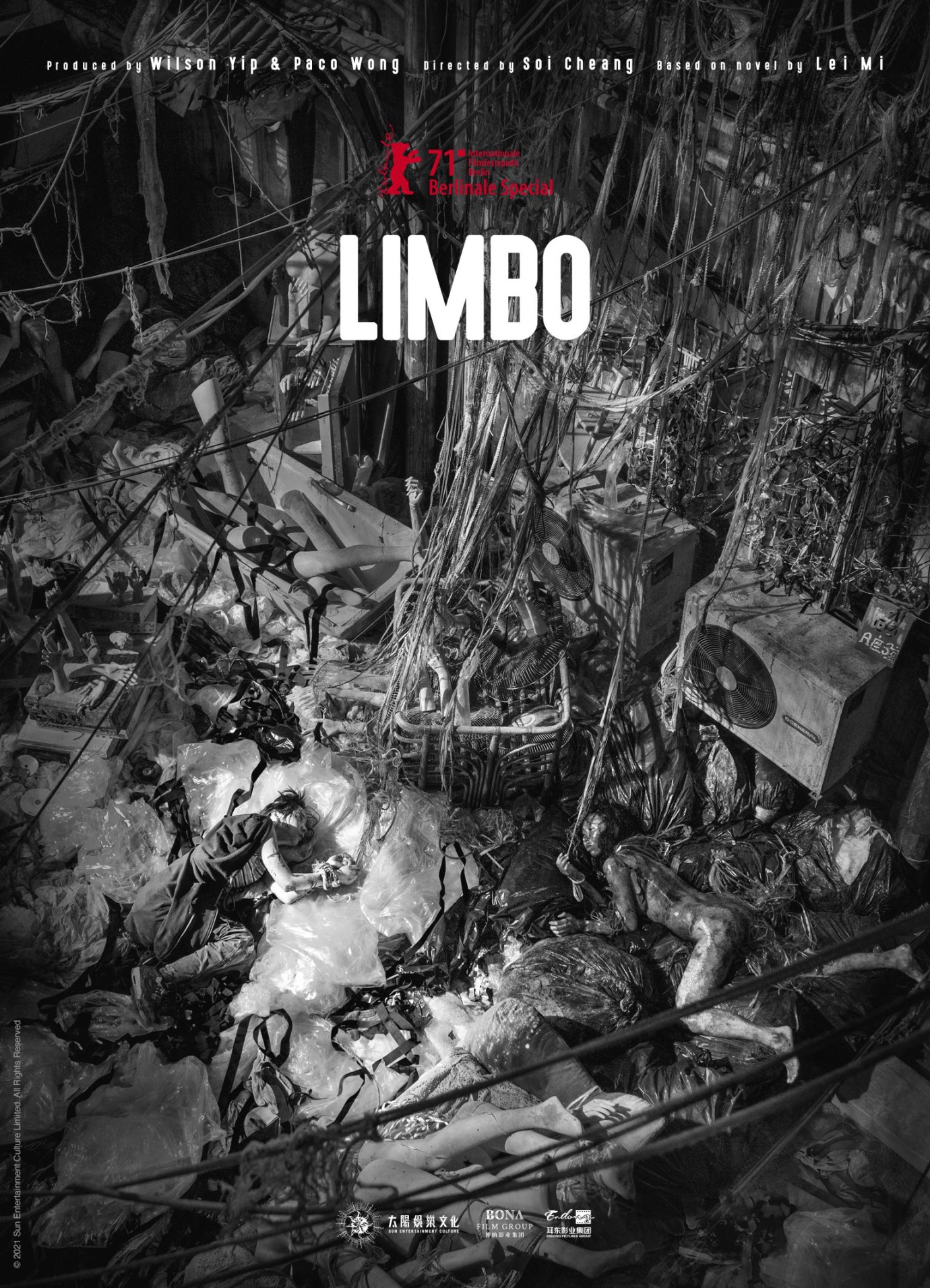
Limbo (智齒, Soi Cheang, 2021)

“I forgive you. Please live well”, a final message from the dying to one attempting to survive the junkyard hellscape of contemporary Hong Kong. Soi Cheang’s stylish thriller Limbo (智齒), shot in a high contrast monochrome lending the city state the rain-soaked aesthetic of cyberpunk noir, is in many senses a purgatorial odyssey as its pregnant title implies sending its duo of morally compromised cops into a world of the dispossessed inhabited by those “thrown away” by their society and thereafter left to rot among the detritus of an uncaring city. 

Hong Kong’s homeless may occupy a liminal space, trapped in an inescapable limbo, but it’s grizzled cop Cham (Gordon Lam Ka-tung) who is the most arrested, unable to move on from the accident which left his pregnant wife suspended in a coma. To escape his own sense of purgatorial inertia, he seeks closure in chasing down petty criminal Wong To (Cya Liu) whom he holds responsible for his fate on discovering she has been granted early parole for good behaviour. As fate would have it, Wong To’s release back into the underworld (after all, where else was she to go?) has unexpected connection to the case Cham is currently investigating in the mysterious appearance of random severed hands each belonging to “social outcasts”, as Cham’s slick rookie partner puts it, they fear may hint at the existence of a serial killer growing in confidence. 

Adapted from a novel by Lei Mi, the film’s Chinese title is simply “Wisdom Tooth”, a tongue in cheek reference to the ongoing toothache which places cop two Will Ren (Mason Lee) in his own kind of purgatorial pain, the offending molar eventually knocked out during his climactic fight with the killer during which he will in a sense transgress, passing from innocence to experience in gaining the wisdom that police work’s not as black and white as he may have believed it to be. “Cops are human too” his boss reminds him as he takes the controversial step of reporting his new partner for inappropriate use of force while pursuing a personal vendetta not exactly connected with his current case. He doesn’t disagree, but points out that police officers have guns and are supposed to uphold the law, not abuse their authority and take it into their own hands. 

But then, who is really responsible for the junkyards of the modern city and their ever increasing denizens abandoned by a society which chooses to discard them along with all their other “rubbish”, little different from the dismembered mannequins which people the killer’s eerie lair. Soi frequently cuts back to scenes of the dispossessed often looking stunned or vacant as they sit on mattresses or abandoned sofas surrounded by the pregnant disrepair of a city in the midst of remaking itself as if they were sitting on skin in the process of being shed by a slow moving snake. It would be tempting to assume the killer has a vendetta against “social outcasts”, his victims sex workers, drug users, and criminals though in truth these people are simply the most vulnerable even if there is no clear motive provided for the crimes save a minor maternal fixation and possible religious mania. A drug dealer ensnared by Cham’s net remains loyal to the killer, “We’re not as crazy as you. We are rubbish, so what? In this world, he’s the only one who cares.” she tells him, unwilling to give up her one source of connection even while aware of her constant proximity to death and violence. 

Cast into this world, Wong To too is trapped in an individual purgatory longing for forgiveness for her role in the death of Cham’s wife, a forgiveness he cruelly denies her even while making use of her desperation to force her to risk her life for him in betraying her underworld contacts to edge towards the killer. “Why are you treating me like this?” she asks, “I don’t want to die”, well aware that denied his direct vengeance by Will Cham is attempting to kill her by proxy. Wong To keeps running, keeps fighting, refuses to give up while seeking atonement and an escape from this broken world of violence and decay. It is she who eventually holds the key to an escape from purgatory, the cycle is ended only in forgiveness. Soi’s stylish drama may paint the modern society as a venal hellscape neglected by corrupt authority, but nevertheless permits a final ray of light in the possibility of liberation through personal redemption. 


Limbo streams in Europe until 2nd July as part of this year’s hybrid edition Udine Far East Film Festival.

Original trailer (English subtitles)

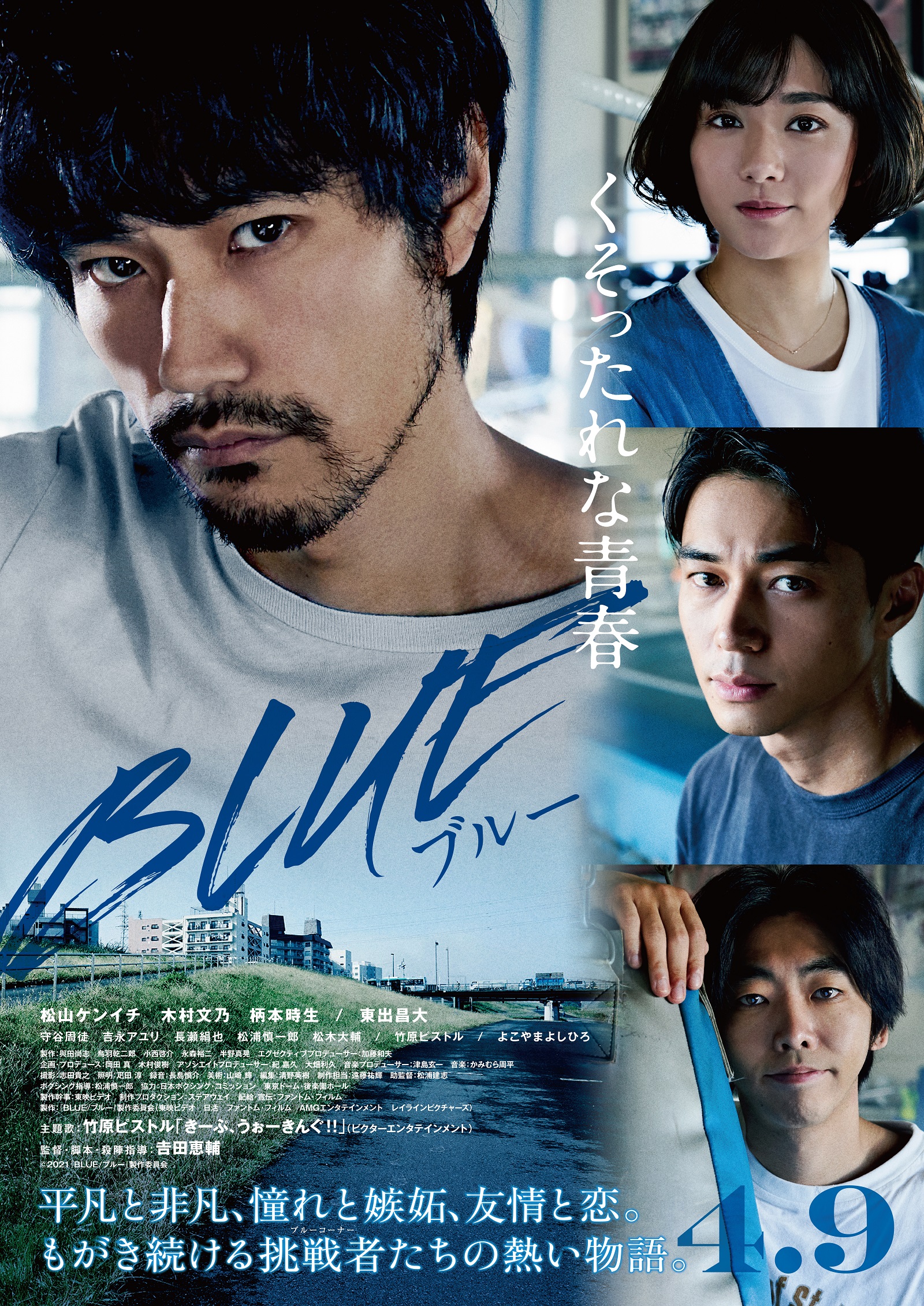
Blue (BLUE/ブルー, Keisuke Yoshida, 2021)

“Let me walk on my own feet” a defeated boxer insists, reminding us that his victory is in getting up even if he always loses. The heroes of Keisuke Yoshida’s Blue (BLUE/ブルー) are by and large “losers”, though the act of winning lies not so much in knocking out your opponent as in continuing to show up for the fight. Blue is not only a state of mind, but also the colour of the challenger’s corner, the spiritual home of these dejected underdogs who refuse to lie down even when seemingly defeated. 

Urita (Kenichi Matsuyama), for example, stays in boxing because there’s nothing else he wants to do though in truth he’s not much good at the sport. What he is good at is encouraging others and even if he’s a bust in the ring he’s an excellent coach and warmhearted mentor. His friend, Ogawa (Masahiro Higashide), meanwhile, is on track to take the national title but is also in denial about a medical condition that could end his career in the ring. And then there’s Narasaki (Tokio Emoto) who only took up boxing because of an offhand comment from a girl he fancied at the pachinko parlour where he works after he got beaten up by a teenager while feeling his masculinity challenged by a handsome coworker. 

Narasaki rocks up at the gym and refuses to do anything very strenuous because he only wants to look like someone who boxes, not actually box. Nevertheless, he discovers a genuine aptitude for the sport, gradually overcoming his fear of getting of hurt as he begins to enjoy the discipline of training. His journey directly contrasts with that of one of the other young hopefuls at the club who originally knocks him out during their first sparring match but later falls victim to his own egotism, insisting that he doesn’t need to take advice from a “loser” like Urita and has his own way of doing things. In his characteristic way, Urita just smiles and reminds him it’s important to master the basics but the hotheaded youngster won’t listen, blaming his lack of success on everyone else before getting himself seriously injured trying to prove his own way is superior. 

It’s the basic moves which later prove valuable to Narasaki as he attempts to take on a powerful rival, a reminder that there’s no substitute for nailing the fundamentals. Talking over their respective differences, Ogawa wonders if he really loves boxing as much as Urita does but has then to accept that “passion and talent are different” which is why he’s succeeding where Urita failed. In any case, it’s less about winning in the ring than it is about hard work and mastery of a craft. Smarting from his own early defeat, Narasaki also snaps back that he doesn’t want a loser’s advice only to bitterly regret it afterwards, realising that Urita’s strengths lie at the side of the ring rather than inside it. 

While Ogawa battles his illness, Narasaki also finds himself conflicted caring for his elderly grandmother and feeling guilty that his newfound love for boxing has led him to neglect her. Urita battles a sense of resentment and despair he covers with good humour in being fully aware that he doesn’t have what takes while attempting to encourage others only latterly confessing that a part of him always hoped Ogawa would lose. The demands of a sporting life may have endangered familial and romantic relationships but the guys do at least have each other and the familial camaraderie of the gym.

The important thing, the film seems to say, is to keep fighting, win or lose. Experiencing various setbacks, the guys each find themselves inhabiting their own internal rings, unable to let go of boxing glory no matter how elusive it may prove to be. Yoshida plays with genre norms such as training montages and ring-set climaxes, but also undercuts them in his frequent allusions to defeat allowing the heroes to lose and sometimes repeatedly solely so that they can get right back up again, on their own feet, ready to fight for something be that mastering the art of boxing or simply gaining a new sense of personal empowerment born of determination and self belief as they recommit to learning the “basics” of a fulfilling life. 


Blue streams in Europe (excl. Spain/Andorra) until 2nd July as part of this year’s hybrid edition Udine Far East Film Festival.

Original trailer (English subtitles)
Woman of Design (その場所に女ありて, Hideo Suzuki, 1962)

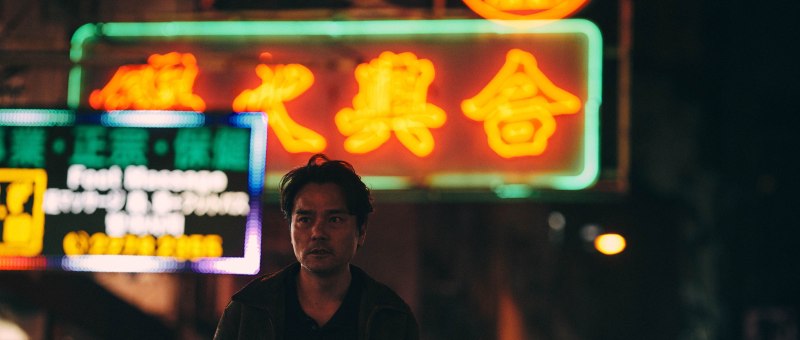
“This job poisons you and deprives you of your youth” according to conflicted ad-exec Ritsuko (Yoko Tsukasa) trying her best to make it in the still very male world of adverting. A snapshot of the city in the early ‘60s, Hideo Suzuki’s workplace melodrama Woman of Design (その場所に女ありて, Sono Basho ni Onna Arite) considers the changing position of women through the eyes of four friends working at the same company, each facing challenges mainly at the hands of useless men while trying to claim a space for themselves as individuals but discovering that they are still subject to a binary choice when it comes to deciding their romantic futures. 

A woman of around 30, Ritsuko has worked her way up to a fairly senior position at Nishigin Advertising which at least appears to be a fairly progressive company run by a compassionate boss who treats his employees equally with respect for all. Nevertheless, Nishigin is very interested in its bottom line especially as the company is apparently not doing so well to the extent that they’ve unfortunately had to cut back on their “entertainment” budget which is apparently how they win and keep clients. A new opportunity has presented itself in the chance to win a contract with a pharmaceuticals company to market their brand new drug aimed at “revitalising” the lives of the over 40s. Unfortunately, they have a rival in the form of Daitsu and suave adman Sakai (Akira Takarada) who appears to have pipped Ritsuko to the post in “seducing” their sleazy PR guy.

Though focussed on her career and somewhat resistant to romance, Ritsuko finds herself attracted to Sakai if eventually wondering if he’s only using her for inside info on Nishigin which she doesn’t directly give him but their relationship does perhaps soften her attitude. Sakai’s minor betrayal in poaching the head of their art department will eventually destroy any genuine feelings they may have had for each other while leaving Ritusko painfully aware of her vulnerabilities as a female employee and of the costs of her momentary decision to break with her long-held determination to keep her professional and private lives entirely separate, admitting that her relationship with Sakai may have been a mistake but refusing to resign because of it. Meanwhile, the boss of the pharmaceuticals company with whom she seems to be on good terms tries to blackmail her into attending an omiai meeting implying he’ll be much more likely to give them the contract if she goes. Not that they necessarily mean she should give up her career, but even Ritsuko’s colleagues seem to be keen that she get married, shocked that she might determine to remain single for the rest of her life. 

That’s exactly the decision her friend Yuko (Akemi Kita) has made, dedicating herself to her career but also moody and embittered. In fact though it is no way explicit, Yuko is strongly coded as a lesbian with a possible crush on friend and colleague Mitsuko (Kumi Mizuno), herself in a difficult position apparently pushed into debt because of an attachment to a no good man whose hospitals bill she has been paying. Ritsuko’s deskmate Hisae (Chisako Hara), meanwhile, is a divorcee wondering what she’s going to do when her ex, whom she’s still hung up on, stops paying alimony, and her sister is forever badgering her for money because her brother-in-law is an irresponsible layabout who can’t hold down a steady job and has no real intention of doing so. “Men who live off women are the worst” Yuko exasperatedly exclaims thoroughly fed up with the bunch of two bit louses who seem to have ruined the lives of all her friends. 

It’s not difficult to understand why Ritsuko may be ambivalent about marriage, but even at work she’s not free of selfish, entitled men who routinely take credit for her work. Sleazy college Kura (Tsutomu Yamazaki) from the art department is forever sucking up to her only to attempt rape while discussing work at her apartment, later brushing the affair off while talking to a female colleague by affirming that older women aren’t his thing anyway. He also undercuts her by visiting the client himself to discuss ideas and changes. Kura later wins a big design prize in part thanks to the slogan Ritsuko came up with only to annoy his colleagues by implying he handled the whole campaign single-handedly. Meanwhile, though in some ways progressive her bosses are conservative when it comes to the business, shutting down the art director’s suggestion of running with an out of the box campaign (the sexier ad featuring a muscular man in his briefs which he later sells to Sakai is the one which ends up winning). Tsuboichi (Jun Hamamura) and Kura perhaps too feel constrained by a top down hierarchal structure which frustrates innovation and in their own ways rebel, but as Ritsuko later makes plain in her speech to the boss if she wants to keep her position she has to play by the rules. “Life’s short. Especially for a woman. We have no room for mistakes” as Yuko cheerfully agrees.

Yet even within that, Ritsuko manages to redefine her boundaries, making it clear that she won’t be doing the omiai. She does not, however, reject marriage entirely only state that “I will get married only when I feel the time is right”, for the moment at least entirely focused on her career. Though the future may have looked gloomy, the crisis passes and the mood brightens significantly with the news that another company is about to officially announce the launch of a long-rumoured anti-ageing cream which provides another potentially lucrative campaign opportunity for Nishigin and of course for Ritsuko should she win it. Having opened with a series of still frames followed by hazy footage of a sea of workers wandering towards their offices on an overcast morning, Suzuki closes in the twilight with the three ladies leaving the office, their friendship solidified as they head off to celebrate renewed hope for the future bolstered by a sense of female solidarity.


Udine Far East Film Festival Confirms Lineup for 23rd Edition

Keeping its new summer dates, the Udine Far East Film Festival returns in a hybrid edition with physical screenings taking place this year at Visionario across multiple screens including an outdoor arena, and most of the programme also available to stream online (geographical restrictions of course apply).

China

  • The Eight Hundred – Guan Hu courts controversy in celebrating the heroism of nationalist forces as they hold off against the Japanese knowing all the while their cause is hopeless. Review. Online Italy only.
  • Anima – a young man becomes an outcast after killing a bear to save his younger brother. Online Italy only.
  • Back to the Wharf – A wounded young man’s attempts to start over in the shadow of his crime are doomed to failure in Li’s moody, fatalistic neo-noir. Review. Online Italy only.
  • Before Next Spring – drama following Chinese students in Tokyo. Online worldwide.
  • Cliff Walkers – taut 30s spy movie from Zhang Yimou following Communist Party agents as they attempt to extract a former prisoner who can blow the whistle on Japanese war crimes committed by Unit 731. Offline only.
  • Endgame – Chinese Key of Life remake directed by A Cool Fish’s Rao Xiaozhi starring Andy Lau as an amnesiac hitman who swaps places with a struggling actor. Online Italy only.
  • Like Father and Son – a pedlar with revenge on his mind ends up travelling with a left behind child. Online worldwide excl China, HK, Taiwan, & Macao)

Hong Kong

  • Coffin Homes – three-part horror anthology from Fruit Chan. Offline only.
  • Limbo – action drama from Soi Cheang starring Mason Lee as a rookie police officer who teams up with Gordon Lam’s maverick to catch a serial killer. Online USA/Europe only.
  • Shock Wave 2 – A HK bomb disposal officer finds himself putting out the fires of his own explosive resentment in a thematic sequel to Herman Yau’s high octane action drama. Review. Online Europe excl ESP/AND.
  • The Way We Keep Dancing – A collective of artists finds itself torn between complicity and resistance in the face of rising gentrification in Wong’s musical dance drama. Review. Online Worldwide.

Hong Kong New Talents

  • Drifting – drama in which a man just out of prison finds himself on the streets. Online worldwide (excl. China)
  • Hand Rolled Cigarette – debut feature from Chan Kin-long starring Gordon Lam as a former soldier turned triad who bonds with a young South East Asian street thief. Online Europe only.
  • Keep Rolling – documentary focussing on the life and career of director Ann Hui. Review. Online worldwide
  • JUST 1 DAY – A sketch artist suffering with ALS asks an old classmate to fulfil his last wish by being his girlfriend for just one day. Online Italy only.
  • One Second Champion – boxing drama in which a prize fighter discovers the ability to see one second into the future. Online worldwide (excl. China)
  • Sugar Street Studio – a down on his luck film director decides to open a haunted house. Online worldwide
  • Time – an ageing hitman takes up a new career in euthanasia in Ricky Ko’s black comedy. Online Italy only.
  • Zero to Hero – biopic of gold medal winning-Paralympian So Wa Wai. Online Italy only.

Macao

Indonesia

  • Death Knot – Kids return home despite their mother’s warnings.

Japan

  • Blue – boxing drama from Keisuke Yoshida. Online Europe (Excl. ESP/AND)
  • The Goldfish: Dreaming of the Sea – drama in which a young girl raised in a foster home after her mother was convicted of a crime takes care of a new girl abused by her mum. Online Italy only.
  • Hold Me Back – latest from Akiko Ohku in which a happily single 31-year-old woman’s peaceful life is disrupted by romance. Online Italy only.
  • Ito – A shy young woman with a talent for Tsugaru shamisen grows in confidence after getting a job at a maid cafe in Satoko Yokohama’s warmhearted drama. Review. Online Europe.
  • Last of the Wolves – sequel to Kazuya Shiraishi’s Blood of Wolves set in 1991 in which a rogue cop attempts to keep the peace between yakuza gangs. Online Italy only.
  • Midnight Swan – drama from Eiji Uchida starring Tsuyoshi Kusanagi as a transgender woman who takes in a little girl neglected by her family. Online Italy only.
  • Jigoku-no-Hanazono OFFICE ROYALE – delinquent office lady comedy drama. Online Italy only.
  • Underdog pt 1 & 2: boxing drama from Masaharu Take. Online Italy only.
  • Wheel of Fortune and Fantasy – Silver Bear-winning three-part anthology movie from Ryusuke Hamaguchi. Online Italy only.
  • You’re Not Normal, Either! – comedy in which a socially awkward cram school teacher (Ryo Narita) asks for lessons in romance from a pupil in the hope of finding a wife. Online Italy only.

Malaysia

  • Hail, Driver! – drama following a man who becomes an illegal taxi driver following the death of his father. Online worldwide.

Myanmar

  • Money Has Four Legs – an aspiring film director struggling to complete a project considers robbing a bank. Online Worldwide excl France, Myanmar, China, US, Canada, Australia

The Philippines

  • Fan Girl – A teenage obsessive undergoes a rude awakening when she stows away and spends a night with her idol in Jadaone’s gripping takedown of a patriarchal society. Review. Online worldwide.
  • Son of the Macho Dancer – quasi-sequel to Lino Brocka’s 1988 LGBT film following Inno, the son of Pol. Online worldwide.

South Korea

  • Deliver Us From Evil – A burned spy turned hitman makes a bid for redemption when his daughter is kidnapped but finds only futility in Hong’s moody pulp noir. Review. Online Italy Only.
  • Night of the Undead – a wronged wife plots revenge against her husband only to discover he is a member of a near-immortal alien species. Online Italy Only.
  • OK! Madam – a restaurant manager and computer repair expert’s first family vacation is ruined by a hijacking. Online Italy Only.
  • Please Don’t Save Me – a young girl reeling from her father’s suicide makes friends with an extrovert classmate. Online Italy only.
  • Seobok – sci-fi drama starring Gong Yoo as a former secret agent now terminally ill with a brain tumour. Online Italy only.
  • Voice of Silence – A mute farmer begins to dream of a different life after being charged with minding a kidnap victim in Hong’s strangely warmhearted crime caper. Review. Online Italy only.

Taiwan

  • Dear Tenant – A grief-stricken man lovingly takes care of his late partner’s family but finds himself continually othered in Cheng’s melancholy familial drama. Review. Online Europe only.
  • Gatao: The Last Stray – spin-off prequel to the Gatao series of gangster movies. Online Italy only.
  • Man in Love – Taiwanese remake of the 2014 Korean film in which a debt collector falls for the daughter of a debtor. Online Italy only.
  • My Missing Valentine – A lovelorn woman finds herself forced to reckon with the forgotten past when she somehow misplaces Valentine’s Day in Chen’s charmingly quirky rom-com. Review. Online Italy only.

Thailand

  • The Con-Heartist – A scorned woman teams up with a fraudster to scam her ex only to fall for the conman in Mez Tharatorn’s crime caper rom-com. Review. Online Worldwide.
  • The Maid – gothic horror in which a maid is haunted by her predecessor. Online Italy only.

Documentaries

  • A Is for Agustin – documentary following an illiterate indigenous man who decides to go back to school at 40 to learn to read and write. Online Worldwide.
  • Assassins – documentary following the two women accused of assassinating Kim Jong-nam during what they believed was a variety show prank. Online Italy only.
  • Keep Rolling – documentary focussing on the life and career of director Ann Hui. Review. Online worldwide
  • Life in 24 Frames a Second – personal interviews with John Woo, Anurag Kashyap, Rithy Panh, and Lav Diaz. Online Worldwide.
  • Sumodo: The Successors of Samurai – documentary exploring the lives of sumo wrestlers. Online Italy only
  • Tough Out – documentary following a junior baseball team in Beijing. Online worldwide

Restored Classics

  • Execution in Autumn – Taiwanese “Healthy Realism” classic from Lee Hsing in which a condemned man marries an orphan while in prison in order to preserve the family line. Online worldwide excl China, HK, Macao
  • Suddenly in Dark Night – a neurotic housewife accidentally kills her maid whom she thought was trying to kill her and is thereafter plagued by nightmares! Review. Online worldwide.

Eddie Garcia: Life as a Film Epic

  • At the Top – 1971 showbiz drama from Ishmael Bernal in which a stripper and taxi driver become stars only to be corrupted by their newfound fame. Online worldwide.
  • Bwakaw – 2012 comedy from Jun Lana starring Garcia as a gay man who came out in his 70s and worries it’s too late for love. Online worldwide.
  • Rainbow’s Sunset – drama in which an 84-year-old man comes out to his family in order to take care of his dying lover. Online only worldwide.
  • Shadows – 2000 drama from Raymond Red in which a church photographer goes looking for the child who stole his camera. Online only worldwide.
  • Sinasamba Kita – 1982 drama directed by Garcia in which half-sisters fall for the same man. Online only worldwide.

Power and Secrets: The Cinematic World of Yoon Jong-bin

  • Beastie Boys – 2008 host bar drama starring  Ha Jung-woo and Yoon Kye-sang. Online Italy only.
  • Kundo: Age of the Rampant – 2014 drama starring Ha Jung-woo as a butcher who agrees to commit a murder on behalf of a duplicitous nobleman but then finds he can’t go through with it. Online Italy only.
  • Nameless Gangster – 2012 gangster drama starring Choi Min-sik. Online Italy only.
  • The Spy Gone North – a spy poses as a sleazy businessman to try and cosy up to the North Korean elite. Review. Online Italy only.

The 23rd Udine Far East Film Festival will run at Visionario and online via www.mymovies.it from 24th June to 2nd July. Full details for all the films are available via the official website and you can keep up with all the latest news by following the festival on FacebookInstagramYouTubeTwitter, and Tumblr.

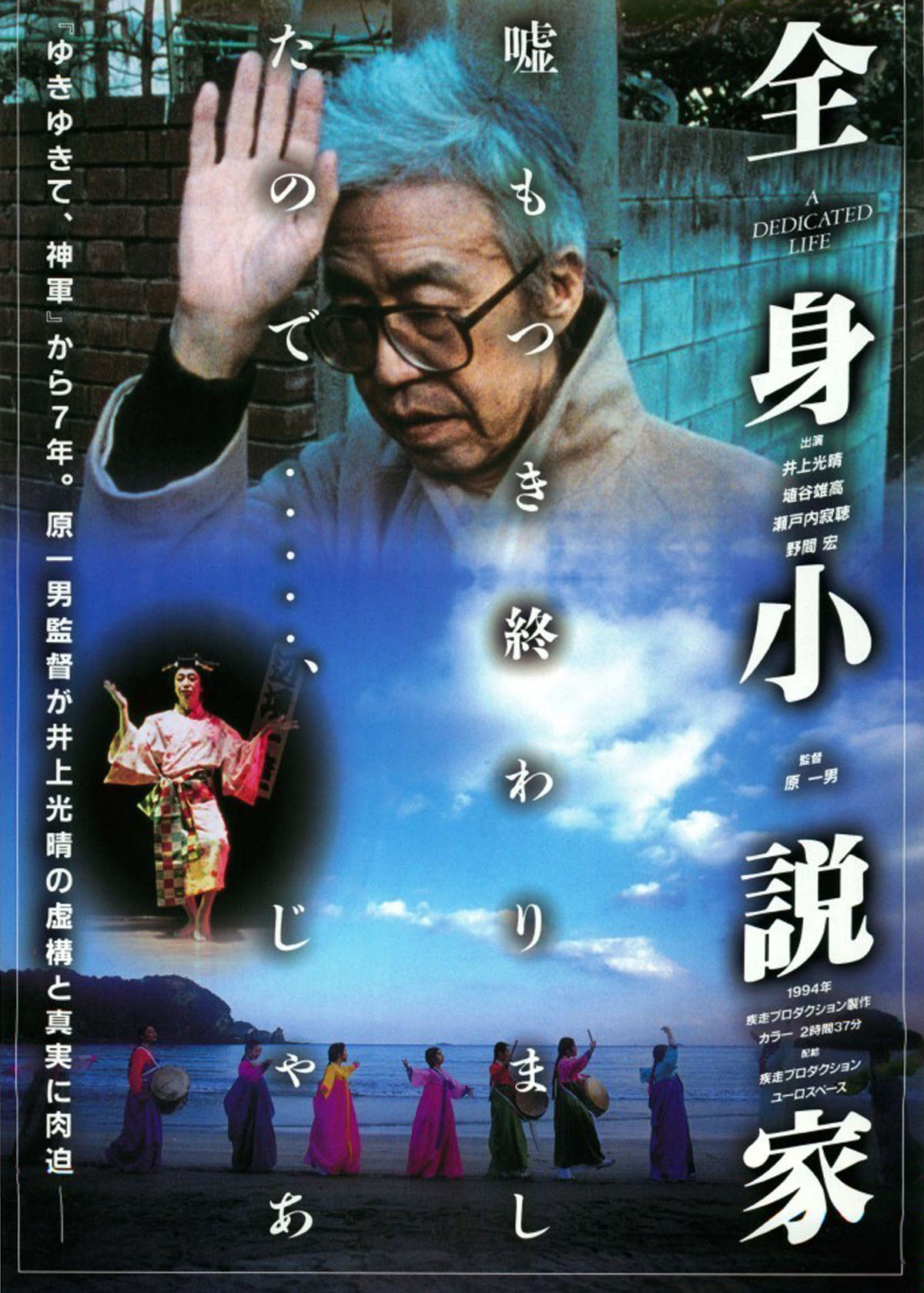
A Dedicated Life (全身小説家, Kazuo Hara, 1994)

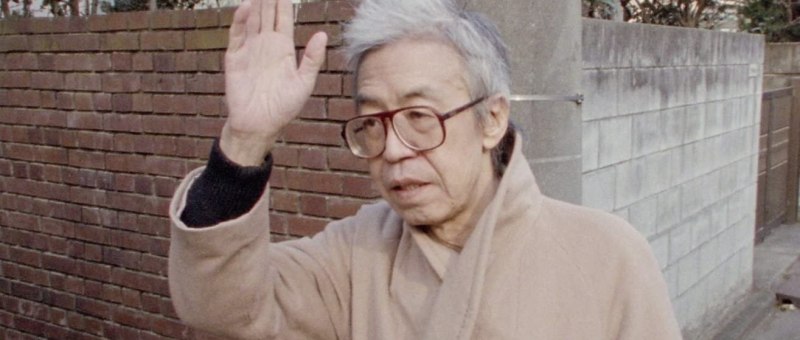
“Human beings have things they don’t want to share with others. This is the truth, but what we choose to tell from the truth is fiction” according to the elusive subject of Kazuo Hara’s probing personality doc, A Dedicated Life (全身小説家, Zenshin Shosetsuka). “Full of lies and contradictions” as a friend later describes him, Hara had apparently planned to follow controversial author Mitsuharu Inoue for a number of years only for his subject to be diagnosed with terminal liver cancer shortly after filming began. 

Even as the film opens, however, we can intuit that much of the life of Mitsuharu Inoue is performance, an adoring audience of his students and followers screaming in pleasure as he performs a striptease while dressed as a geisha to the classic enka hit Tsugaru Kaikyo Fuyugeshiki. Seconds earlier he’d told them that he longed to belong to a theatre troupe and that his grandfather had been a famous kabuki actor, a claim that later seems to be entirely untrue. Nevertheless, Inoue commands almost cult-like adoration from the mainly middle-aged women who surround him, one after another confessing their undying love for the genius author in successive to camera interviews and only occasionally hurt or frustrated in the often callous way he seems to have treated each of them. As we later realise, somewhat casually, Inoue is also married to patient and presumably very understanding wife who tenderly cares for him throughout his illness. 

To begin with, Hara presents us with a vision of Inoue at face value as a fun loving libertine living it up with his students/disciples who can also be cuttingly cruel in his criticism, humiliating one of his female followers at the podium by tearing apart her assignment in front of the class, later doing the same thing to a male author at a dinner party. After making a good recovery from his first battle with cancer he vows to go in harder with his students, reminding them that he can be friendly and charming one minute and unceremoniously cut them off the next should they disappoint him. Nevertheless, they apparently remain devoted to their mentor or at least the image of himself he seeks to project. 

Those who’ve known him many years appear to know that Inoue is a habitual liar and that even his much praised autobiography is largely an act of autofiction. An author friend and Buddhist nun later suggests that Inoue perhaps had something deep inside him he didn’t want to share and lying was his way of taking control over his life, his cultivated persona an avant-garde literary act. Having presented him as he is or claims to be, Hara eventually begins to undercut Inoue’s image by interviewing friends, relatives, and acquaintances who frequently debunk his sometimes outlandish claims while also hinting at the half-truths and mysteries at the centre of his family history. Following Inoue’s sister Tazuko who remains as clueless as her brother realising they’ve either misremembered her grandmother’s name or it was wrong on the family register, Hara uncovers a melancholy tale of marital failure and maternal abandonment once again embellished by Inoue who alternately gives differing accounts of his youthful attempt to reconnect with the mother who left him behind which are themselves disputed by the recollections of others. 

His grandiose claims go seemingly unexamined by his followers, eating up his tales of how he founded the first Communist Party in Japan only to become disillusioned by the movement and be kicked out after writing a story criticising the Party (a friend from the time describes him as more of an errand boy who was never really “serious” in his politics), or the tragedy of his first love which ended with a Korean classmate sold to a brothel where he later lost his virginity in a not quite consensual chain of events he claims left him feeling violated while she laughed from an upper window witnessing his defeated retreat. In a break from his usual observational shooting style, Hara adds a series of dramatic reconstructions tinted in a pre-war blue the unreality of which stands in stark contrast to the almost too intimate scenes of Inoue’s cancer diagnosis and subsequent operation as his liver is lifted from his belly and taken away as if presented for the camera. In a revealing moment, Inoue remarks that an alternative medical practitioner he’s just consulted going by the name “Redbeard” just like the movie is not convincing, lacking credibility because he failed to fill the gap between his words perhaps hinting at the techniques he himself uses to convince himself and others of his self-created image. Hara does not so much try to dissect it as to look quizzically at its contradictions, admiring the beauty of the enigma if in reflection of its intrinsic sadness. 


A Dedicated Life streams in the US & Canada until July 2 as part of Japan Society New York’s Cinema as Struggle: The Films of Kazuo Hara & Sachiko Kobayashi

DVD rerelease trailer (no subtitles)

Sayuri Ishikawa’s Tsugaru Kaikyo Fuyugeshiki

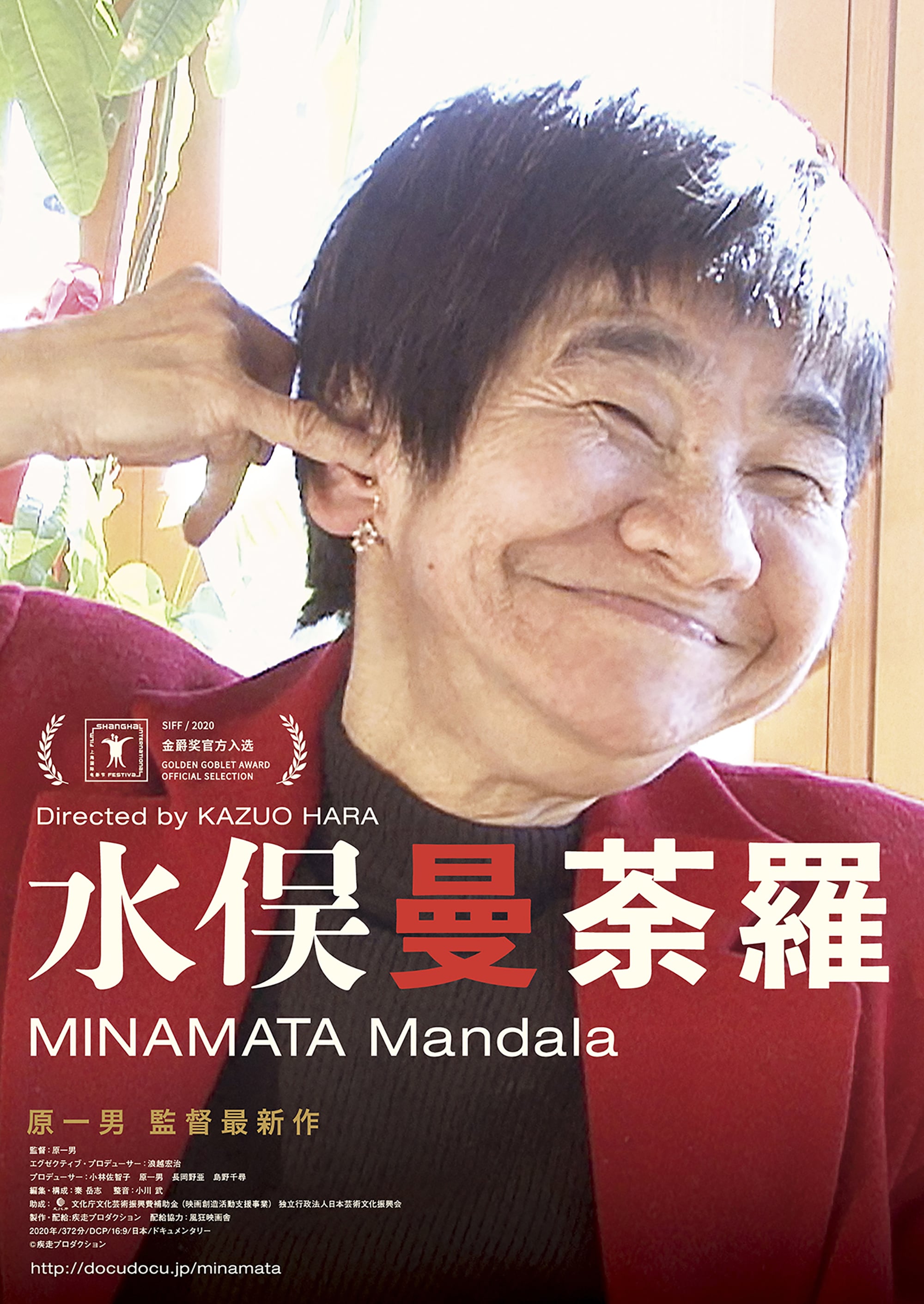
Minamata Mandala (水俣曼荼羅, Kazuo Hara, 2020)

“An Individual can never win against the government” according to a man seeking justice, “Challenging the government means risking your life”, yet he continues to fight. In his 2017 documentary Sennan Asbestos Disaster, Kazuo Hara had charted the protracted efforts of workers from the factories in Sennan to get justice from the government that failed to protect them. 15 years in the making, Minamata Mandala (水俣曼荼羅) addresses another of post-war Japan’s great industrial scandals as victims of the “Minamata disease” struggle for recognition in the face of continued governmental intransigence. 

Opened in 1908, the Chisso chemical plant was among the most technologically advanced in Japan yet it routinely expelled wastewater directly into Minamata bay. The factory had already paid compensation in 1926 and 1943 for damage done to local fisheries before a change in its production process led to the release of methylmercury into the local water system from 1951 onwards. Though some had noticed unusual behaviour in animals, it wasn’t until 1956 when a little girl fell ill with strange symptoms including difficulty walking and speaking that a widespread “”epidemic of an unknown disease of the central nervous system” was discovered in the local community and subsequently came to be known as the “Minamata Disease”. In order to cover their tracks, Chisso began discharging wastewater directly into Minamata River spreading the pollution further along the coast with additional cases arising in other villages on the Shiranui Sea. 

Hara’s justice seekers, however, take aim not directly at Chisso which still exists and is a dominant economic force in the area, but local and national governments whose continued failure to protect them has greatly exacerbated their suffering. The greatest source of their discomfort is the unfairness of criteria set down in 1977 for legal certification of Minamata Disease in order to gain access to compensation. According to contemporary researchers, the criteria, inspired by Hunter-Russell syndrome discovered after an industrial accident in the UK in the 1940s, were simply wrong leading to the vast majority of applicants being rejected. Hara shifts between the stories of various victims and a pair of scientists determined to prove that the root of the disease lies not in peripheral nerve but brain damage and that the criteria is therefore useless in certifying cases of Minamata Disease. The applicants, meanwhile, intensely resent the implication that they are not genuine, that they are undergoing a collective delusion, faking their symptoms, or suffering from an unrelated illness not the responsibility of Chisso or the government. 

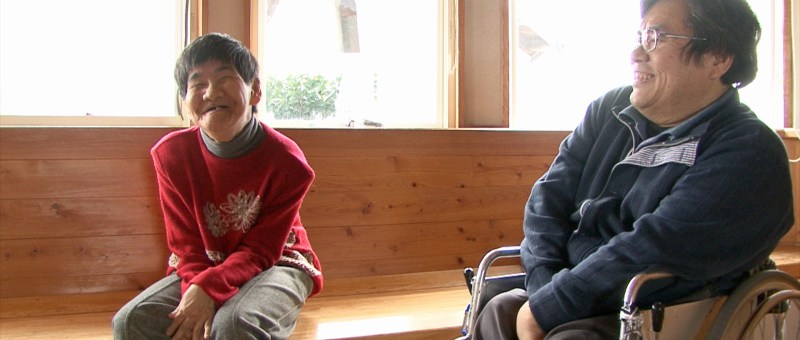
One campaigner whose hair was found to contain high levels of mercury at two years old recounts his ill treatment at the hands of the legal system which implied application of the criteria could be affected by “personality” factors while passive aggressively listing his occupation as “time waster”. Though his case may at first seem mild, it’s also true that as he’s suffered from Minamata Disease his entire life it’s difficult for him to assess how severely it affects him as evidenced by the accidental severing of the top of his thumb which he barely noticed because of his reduced sensitivity to pain. Like other sufferers, he is often privy to the usual hollow apologies from politicians (including one from then Minister of the Environment Yuriko Koike), though another source of frustration is that those in power often refuse to attend meetings with Minamata patients sending underprepared underlings in their stead. One particularly heated meeting quickly goes south when a rookie civil servant allows his handwritten memo reading “no apologies” to be seen by a woman recording the proceedings from the front row while his embarrassed colleagues are able to offer little other than the standard platitudes insisting the Minamata issue has already been dealt with through the previous settlements. 

Rather than focus on the court cases and medical investigations, however, Hara is keen to remind us of the costs to the victims of industrial poisoning, one of the scientists later breaking down as he explains that the main effect of the disease is sensory deprivation leaving even those mildly affected unable to enjoy their lives fully. A rather poignant song written by a congenital sufferer reflects on her tendency to fall in love too easily and be forever disappointed while longing for a freedom and independence denied her because of her disability. For the campaigners, meanwhile, Minamata Disease has robbed them of their right to a personal life as they devote all of themselves to fighting for justice while acknowledging that even when they win it brings little improvement into the lives of those forever affected by industrial pollution. Just as Hara had expressed frustration with the Sennen campaigners he felt were overly feudal in their deference to authority, some find it difficult to support those who ultimately opted to accept a paltry settlement while simultaneously understanding the desire not to have to fight anymore especially as even those born with the disease are now approaching late middle-age. Ending on a poignant freeze-frame, however, Hara reminds us that the damage can never be undone nor can there be adequate compensation for the tremendous loss of potential even as the government continues to vacillate in the abdication of its responsibility. 


Minamata Mandala streams in the US until July 2 as part of Japan Society New York’s Cinema as Struggle: The Films of Kazuo Hara & Sachiko Kobayashi

Clip (English subtitles)

Deliver Us From Evil (다만 악에서 구하소서, Hong Won-chan, 2020)

A melancholy hitman bids for paternal redemption but finds himself literally stalked by the mistakes of his violent past in Hong Won-chan’s pulpy action drama, Deliver Us From Evil (다만 악에서 구하소서, Daman Akeseo Goohasoseo). Aptly named, Hong’s noirish thriller takes us from the back streets of Osaka to underground Bangkok while the hero longs for the tranquil horizons of Panama but finally discovers that he cannot outrun himself even if he can perhaps repay his karmic debt by freeing others from the riptide of his moral transgressions. 

A former government agent apparently unceremoniously burned, In-nam (Hwang Jung-min) has been earning his keep as a killer for hire hiding out in Japan. His “one last job” is knocking off a Zainichi Korean mob boss, Koreda (Kosuke Toyohara), after which he’ll be free to go wherever he wants, arbitrarily setting his sights on Panama solely because of the tranquil scene featured in a picture opposite his favourite seat in his local izakaya. The past is however not done with him yet. His old handler gets in touch to let him know old flame Young-ju (Choi Hee-seo) has been trying to contact him, but so consumed with shame and defeat is he that he declines to respond only to hear a short time later that Young-ju has been found dead in Bangkok and as she’d listed him as next of kin he’s responsible for the repatriation of her body. Remorseful, he’s shocked to discover that Young-ju had a daughter, Yoo-min (Park So-yi), whose kidnap by her Korean-Chinese nanny may be connected to her murder. Switching up his plans, In-nam determines to save the daughter he believes to be his own but is pursued by flamboyant Korean-Japanese gangster Ray (Lee Jung-jae) hellbent on getting revenge for his estranged blood brother Koreda. 

In-nam finds himself in a sense caught between a series of codes of masculinity, apparently a former government spy who seems to have been involved in state sanctioned acts of torture and murder that may privately be against his sense of morality only to fall still further as a killer for hire even if we’re told in no uncertain terms that Koreda was a bad guy, a killer of women whose death is perhaps morally justifiable within the codes of chivalry. In-nam’s partner warns him about Ray, reminding him that they should have killed him at some point in the past but apparently let him live, a decision that has led, as Ray later states, to their present confrontation. Quizzed by a local Thai mobster, Ray claims he can’t even remember why he’s so set on killing In-nam but is mindlessly bound to follow his own code of manliness in avenging the death of a blood brother he had apparently fallen out with some years previously.

Meanwhile, in retrieving his daughter In-nam attempts to reclaim the right to a peaceful life making up in a sense for the mistakes of the past in having first abandoned Young-ju because of his manly code and then failed her in refusing her request for help. He attempts to reassert himself as a father by saving his little girl, but in doing so opts only for the personal, unmoved on discovering a child trafficking network enabled by the peculiar medical regulations of Japan and Korea which prohibit child organ transplants looking to save only Yoo-min while making no real effort to help the others. On reporting her daughter missing to the police, Young-ju had been horrified to discover Yoo-min’s photo pasted onto a wall entirely covered in similar notices for other children the police, as we later discover somewhat complicit, have so far failed to find. Yet saving the children is more happy accident than design, an indirect consequence of In-nam’s violent intervention. 

Indeed, In-nam more or less leaves the kids to his local sidekick a Korean transgender woman whose confirmation surgery he’s promised to fund in return for her assistance as guide and translator while he remains bound to a nihilistic path of manliness knowing there’s no way out for him that does not end in violent confrontation with past sins. Caught between the outlandish pulp of the flamboyant Ray and the noirish fatalism of In-nam’s journey into the darkness of the Bangkok underworld, Deliver Us From Evil defiantly refuses to marry its conflicting sensibilities as the two men pursue their respective codes each looking for their own particular deliverance but finding that salvation lies only in confrontation. 


Deliver Us From Evil screens at Edinburgh Filmhouse on 22nd June and Genesis Cinema London 24th June as the first Teaser Screening for this year’s London Korean Film Festival. The next screening in the series, Voice of Silence, will screen at Edinburgh Filmhouse on 1st July and Curzon Soho 3rd July, while Samjin Company English Class will then screen at London’s Screen on the Green on 8th July.

International trailer (English subtitles)