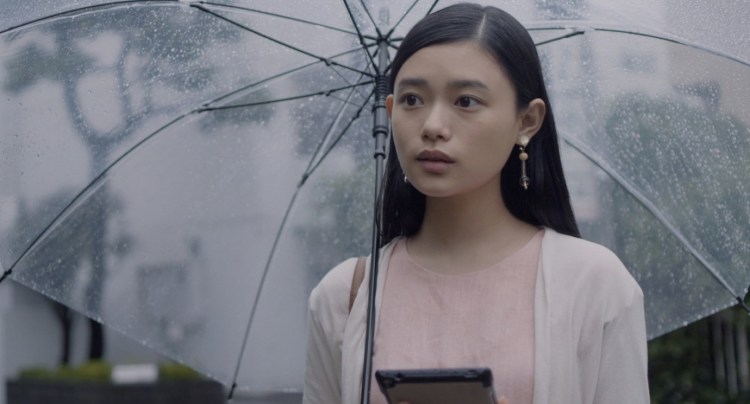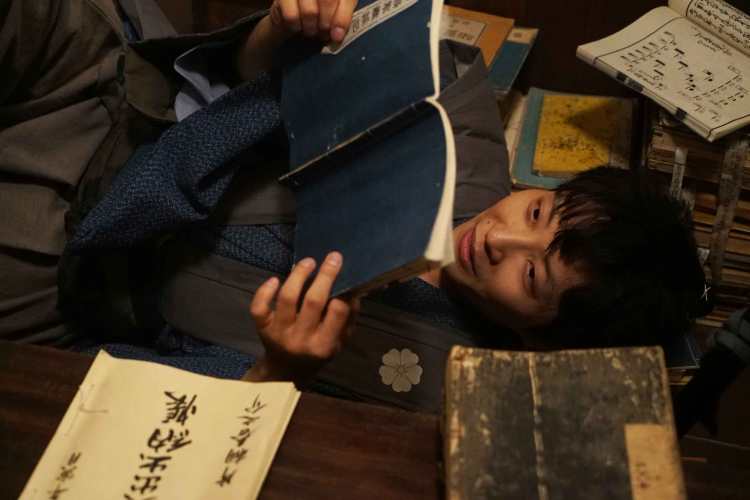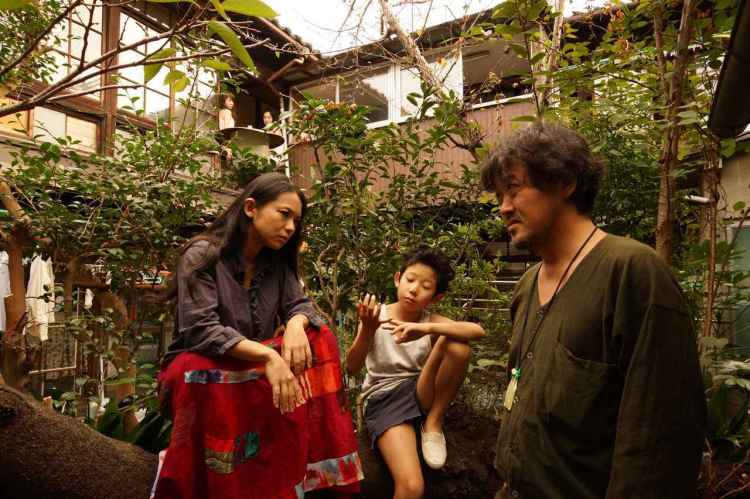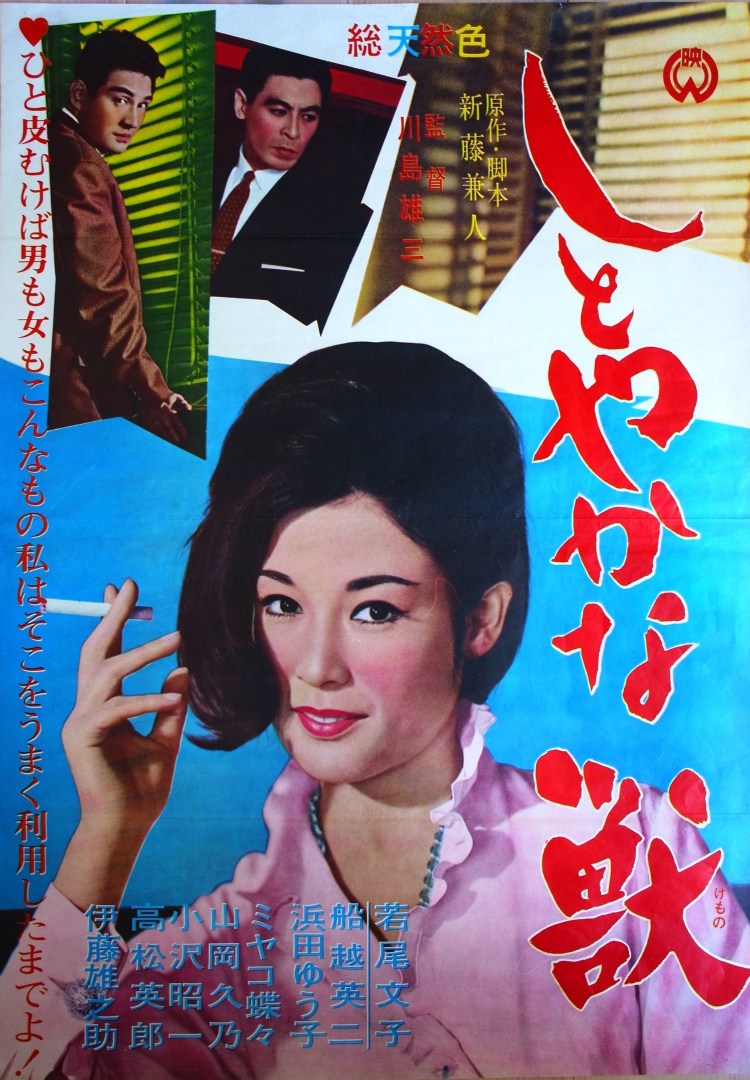
Elegant Beast (しとやかな獣, Yuzo Kawashima, 1962)

elegant-beast-poster-2.jpgBy 1962 the Japanese economy had begun to improve and with the Olympics on the horizon the nation was beginning to look forward towards hoped for prosperity rather than back towards the intense suffering that had defined the post-war era. There would be, however, a kind of reckoning to be had if not quite yet. Yuzo Kawashima’s Elegant Beast (しとやかな獣, Shitoyakana Kemono) is perhaps among the first to start asking questions about what the legacy of the immediate aftermath of the war might be. It may have been impossible to survive with one’s integrity entirely intact, but how should one proceed now that there is less need to be so self serving, calculating, and cruel when there is more food on the table?

The Maedas may not be the best people to ask. Carrying the scars of their poverty, they have made a “comfortable” life for themselves in a cramped flat on the fifth floor of an ordinary walk-up apartment building. When we first meet them, dad Tokizo (Yunosuke Ito) and mum Yoshino (Hisano Yamaoka) are having a furious tidying up because they’ll shortly be receiving visitors, only unlike most they’re quickly trying to scuzz up the apartment so that they look sufficiently humble. When their guests arrive, it turns out to be the boss of their only son Minoru (Manamitsu Kawabata) who has come along with one of the artists he represents and his accountant, to have a word about possible embezzlement. Tokizo and Yoshino outdo themselves with humility, pointing out the simplicity of their surroundings, and appear offended that their son is being accused of thievery but of course in reality they know all about it and are willing accomplices in his scheming. Tokizo hasn’t had a steady job since coming back from the war and the entire family is supported by the kids with the remainder of their income coming from daughter Tomoko (Yuko Hamada) who has become the mistress of a famous author (Kyu Sazanka).

Universally unrepentant, cracks start to appear in the Maedas’ morally dubious existence when they begin to realise that Minoru is not quite on the level. He’s only been giving them a portion of the money he’s been stealing – something they can understand and perhaps even admire, if it were not that he’s given most of it to a lover to fund her hotel business. The surprise twist is that the lover is none other than the accountant at the company Minoru had been working for, Yukie (Ayako Wakao), who is a widow with a 5-year-old son (which is to say, not Minoru’s usual type). Now that the hotel is fully funded and the scam has been exposed, Yukie feels there’s no more need to associate herself with lowly punks like Minoru and draws the affair to a businesslike conclusion.

Yukie is, perhaps, the “elegant beast” of the title. Refined, seemingly sweet and innocent, she inspires trust and affection. The slightest suspicions are unlikely to fall on her – something she well knows and is prepared to use to her advantage, along with her sex appeal and, ironically, reduced desirability in the marriage stakes as a widow with a child. Yukie has her dreams and they are ordinary enough. She wants a peaceful, stable life in economic comfort alone with her son. She does not want to remarry and means to be independent which necessarily means industrious. Thus she needs to get her hotel business off the ground as quickly as possible. She needed money, a lot of money, much more than she could get “honestly” but she didn’t want to dirty herself with crime and so she used the tools at her disposal, making her “weakness” a strength as she later puts it. Using her womanliness as a weapon against venal men, she convinced them to ruin themselves on her behalf and thereafter resolved to put the past behind her.

The past is, however, difficult to forget. “Your mind still wears an old fashioned coat”, the quip happy Minoru tells his father as he laments the new society’s tolerance for youthful ebullience and reluctance to forgive the wartime generation for even its most recent transgressions. As much as they resent her, there is perhaps a grudging admiration for a woman like Yukie who has managed to outsmart them all while, technically at least, remaining on the right side of the law. Tomoko, on the other hand, seems to be losing out in playing much the same game by the old rules. Essentially pimped out by her dad, she’s damned herself by becoming the mistress of one man who is becoming rather bored of her family’s obvious attempts to bleed him dry, rather than fleecing several at the same time and bending them to her will as Yukie has managed to do. Old fashioned thinking won’t get you far in this world. The Maedas, however, seem to be out of ideas.

In the closing moments, they may ponder abandoning their hard-won apartment, believing that there’s always trouble brewing in the big city and the clean country air may be what they really need to thrive but, it’s clear that this insular claustrophobic environment filled with peep holes and tiny imprisoning windows will be near impossible to escape. Tokizo hasn’t left the apartment for the entire picture. A woman ascends the stairs, walking purposefully towards a future of her own making, while the Maedas remain locked inside unable to escape the painful legacy of post-war poverty for the bright, if no more ethical, lights of a consumerist future dancing quietly on the horizon.
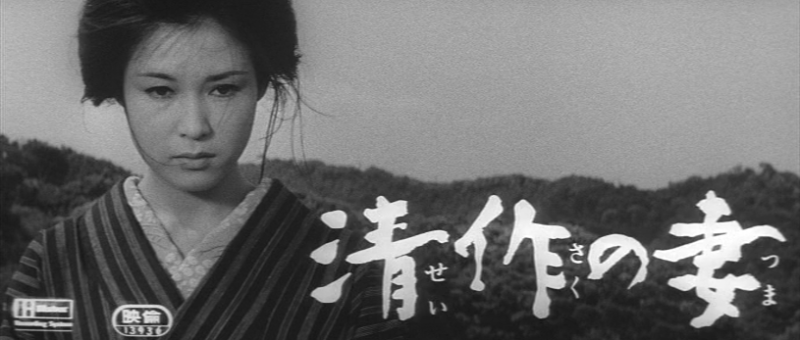
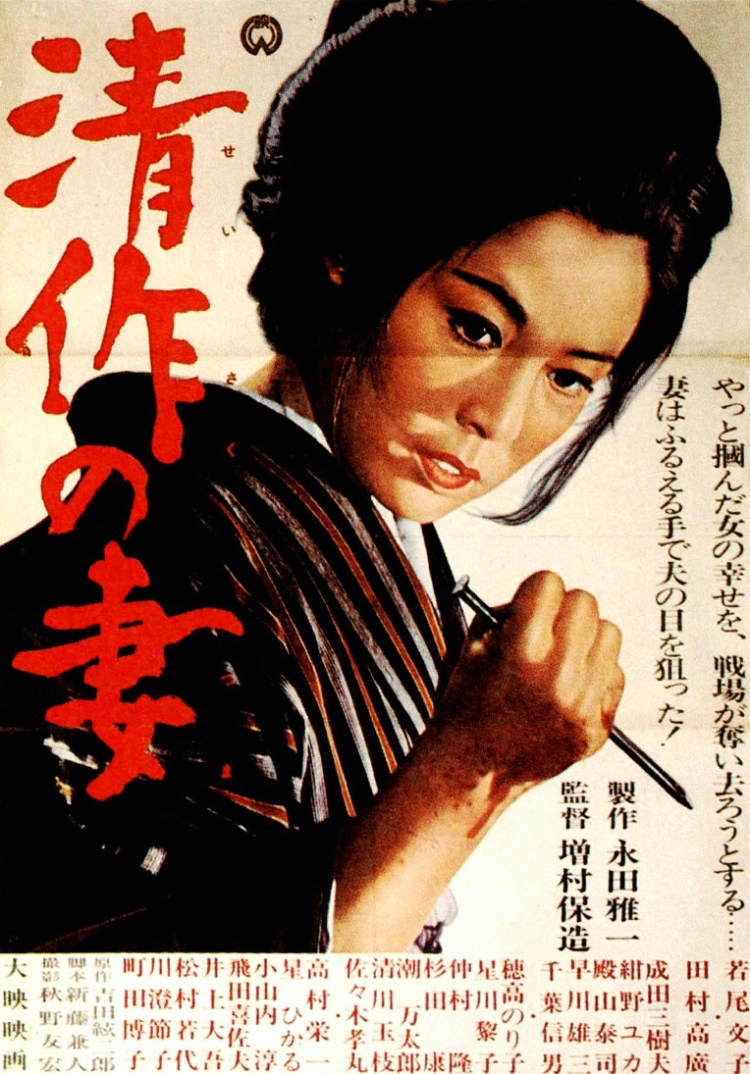
Seisaku’s Wife (清作の妻, Yasuzo Masumura, 1965)

Seisaku's wife posterFor Yasuzo Masumura, sexuality is both freedom and constraint but also the ultimate act of social rebellion. Seisaku’s Wife (清作の妻, Seisaku no Tsuma), set in late Meiji as Japan prepares for the possibility of war with Russia, finds its melancholy heroine a defiant outcast as she first abandons her cruel, conformist society for empty independence and then reclaims her sense of self only through a love deemed inappropriate by those around her. The seeds of militarism are already being sown and breaking the programming is hard but transgressive acts of love can, it seems, overcome persistent societal oppression.

Okane (Ayako Wakao), our heroine, was sold as a bride to a much older man (Taiji Tonoyama) at 17 to provide for her parents. Three years later she views her husband, a wealthy kimono merchant, with contempt – as does much of the local area where he is derided as a sex crazed pervert. Luckily for her, Okane’s husband eventually dies leaving her a small sum of money while his extended family would rather she absent herself as quickly as possible to minimise embarrassment. Her father now too passed away, she and her mother (Tamae Kiyokawa) return to their home village which they were chased out of some years previously for their massive debts, but are now resented by their former neighbours for their seeming wealth and aloofness. Okane, traumatised by her experiences and having lost the will to live, barely interacts with the villagers who regard her as arrogant and haughty, and has been ostracised as a result.

The situation begins to change with the return of Seisaku (Takahiro Tamura) – the village’s bright hope. Seisaku had been away doing his military service and has come back with order and discipline on his mind. Now believing that the villagers are lazy and frivolous he has brought back with him a bell he had forged himself which he hooks to a nearby tree and bangs early in the morning to “awaken” them lest they sleep in rather than hasten to their fields. As might be anticipated, the villagers find this quite irritating but respect Seisaku too much to stop him and so find themselves going along with his new brand of militarist austerity. Meanwhile Okane is the only one to refuse the call, wasting no time in telling Seisaku that she has no intention of following his “orders” and his assumption that she should is in itself offensive.

Seisaku is intrigued rather than offended and finds himself attracted to Okane despite the villagers’ obvious animosity towards her. Convincing her that his feelings are real, the pair drift into an intense sexual relationship which eventually sees the model soldier Seisaku make a transgressive choice of his own in rejecting his longstanding betrothal to a village girl in favour of marrying Okane without the approval of his conservative mother and sister. Holed up together in Okane’s remote farmland shack, they remove themselves as much as possible from village life in an insular, obsessive world of their own.

Okane, rejected because of her past as the kept woman of a wealthy man (something over which she herself was powerless and means never to be powerless again), in turn rejects the village after having lost all faith in human relationships except perhaps that with her mother whose cruel treatment at the hands of her father she both identified with and resented. Intensely lonely, she subsumes herself entirely into her love for Seisaku, eventually trying to rebuild bridges in the village in order to strengthen their relationship but finding herself rejected once again by Seisaku’s austere mother even if his sister begins to come around. Meanwhile, the spectre of the war hovers on the horizon. Seisaku, as hopelessly in love with Okane as he is, is still the model soldier in his heart and unwilling to abandon his proto-militarist ideology which tells him that dying in service of the nation is man’s highest calling.
Having abandoned such obvious brainwashing to claim her independence, Okane struggles to convince Seisaku he should do the same. She clings to him and pleads, begging him not to leave her behind alone while he resolves to go off to battle and a glorious death. The village men too regard failure to die on the battlefield as a disgrace but send their sons away with cheers and celebration. Facing the possibility her dream of love may die, Okane takes drastic action to ensure its survival but does so at an ironic cost which sees her separated from her love possibly forever. Seisaku, meanwhile, angry and resentful, begins to understand something of Okane’s life when branded a coward and traitor by his former friends, no longer the model soldier but an outcast himself. Having suffered her fate, he begins to let go of his rage in favour compassionate understanding, allowing his love to triumph over his hate as he strives to forgive the woman who has both trapped and helped him to free himself from the oppressive ideology which turned him into an unthinking “model soldier” who wilfully abandoned his freedom in favour of internalised conventionality.

Freed from didactic social brainwashing, the pair are then in a sense imprisoned by their individualistic freedom, forced to isolate themselves within a bubble of love and mutual dependence but with a new hope for the future for which they now plan even while acknowledging that they cannot know what will come of it save that they will face it together. They can no longer live within the conservative society, but must form their own new world within it in which they can be fully free and express their freedom through their love. Melancholy but tranquil, Masumura ends on an uncharacteristically hopeful note which implies that love, though violent and transgressive, can be an effective weapon against destructive militarist ideology and the folly of war through a warmer path towards compassionate freedom.


Original trailer (no subtitles)

Nervous Translation (Shireen Seno, 2017)

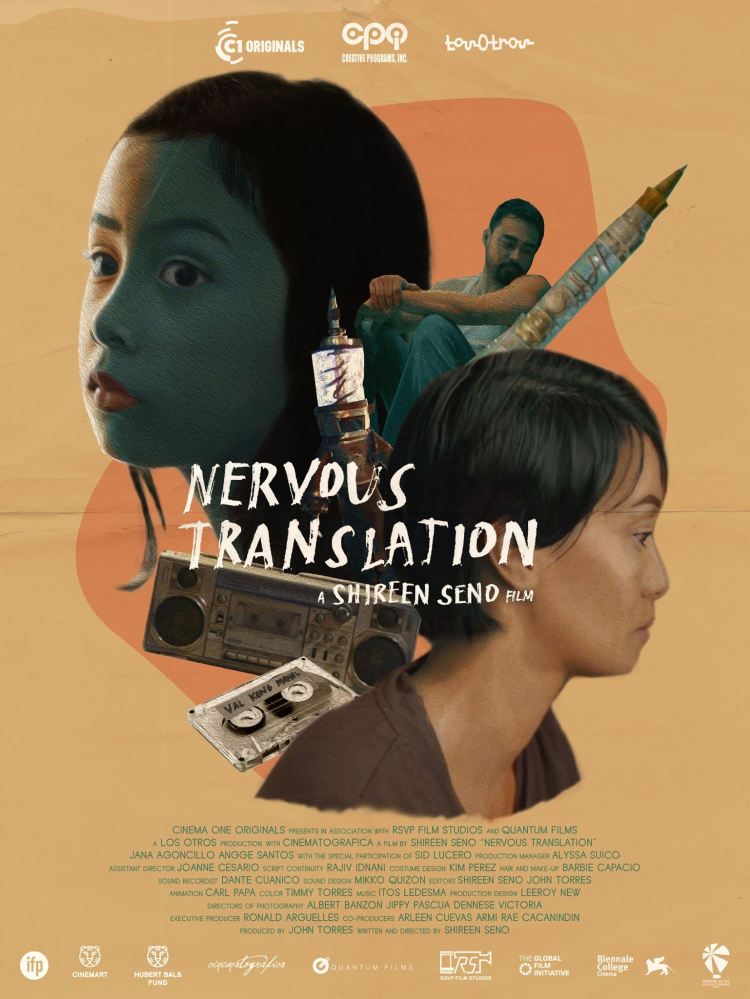
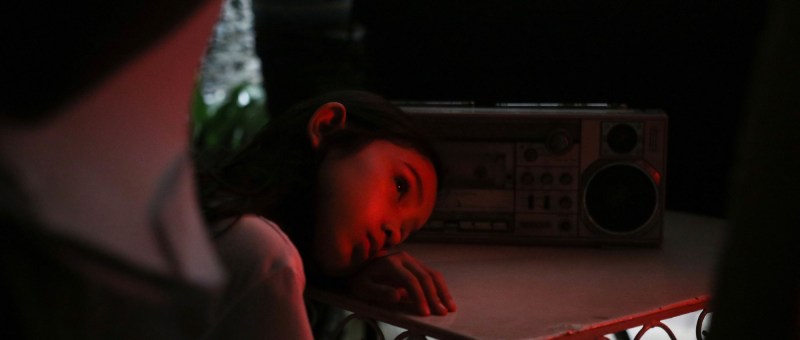
Nervous Translation poster 1If you knew of a device which would give you “a beautiful human life”, wouldn’t you want to get hold of it? The heroine of Shireen Seno’s Nervous Translation longs to do just that, tantalised by its promise of the ability to write simply and convey one’s thoughts to others with ease. Living in anxious times, Yael is an anxious little girl who knows little of the chaos going on outside her ordinary home but continues to find herself uncertain even here.

Yael (Jana Agoncillo), often home alone, is a shy little girl left largely to her own devices until her harried mother, Val (Angge Santos), gets back from her job in a shoe a factory. Taking some advice from her absent husband a little too literally, she “retires” from being a mother for the first 30 minutes after arriving home, insisting on total silence and shutting herself away in her room as if her daughter did not exist. Meanwhile, Yael pines for the father she only really knows from the voice recordings he sends home on cassette tape and which she is not, technically, allowed to listen to despite their being addressed both to her and her mother. On the tapes, her father seems to be employing some kind of code so the messages will be suitable for a little girl’s ears (her mother is not quite so careful in her replies), but talks of how much he misses his family and regrets missing out on so much of his young daughter’s life.

Painfully shy, Yael’s only other real contact is a friend from school, Wappy, whom she calls up on the telephone for a “mad minute” of maths. It’s also to Wappy that she turns when she realises she’s accidentally taped over quite a sensitive moment in one of father’s messages, hoping her male friend could help by putting on a deep voice to re-record the words she’s already memorised only for him to remind her that he’ll still be eight years old and probably no help even if they wait ’til later.

Yael’s innocent attempts to repair the broken tape hint at both her childish worldview and her ongoing desire to “translate” herself through the medium of mimicry. She is captivated by a very bubble-era Japanese ad on television for the “Ningen Pen” (human pen) which promises that it is easy to write with and makes expressing yourself to others simple. One could, of course, say this is true for almost any kind of pen but Yael, still a child, is more interested in the promise of the shiny magic gadget than actively keyed into the power of writing as a path out of her shyness.

We never learn the reason for Yael’s bandages or the skin complaint which seems to affect only her arms and possibly keeps her wary of other children, at least if her cousin’s “are you some kind of mummy?” question is anything to go by. We do know, however, that her father was shy, like her, and also had a physical “deformity” as someone later puts it in that one side of his body was much shorter than the other. His twin brother (Sid Lucero), by contrast, is a handsome rockstar now living the highlife in Japan where his wife complains about their expat existence and her inability to make friends with the “picky” Japanese. Possibly down to the soap operas which too closely reflect her own life, Yael seems to pick up on an awkward tension between her mother and uncle but in the end he is the one who tries to “restore” the family by fixing the broken boom box and saving Yael’s bacon by swapping out the damaged tape for another one at just the right moment.

Given the external chaos, however, the family cannot yet be fully repaired. The adults are just as lost and confused as Yael, struggling to parse the sudden changes in society and in their own lives. Val resents her husband’s absence and the economic instability which provoked it while also resenting her labour intensive job in the shoe factory (perhaps a slightly ironic touch given the former first lady’s mania for footwear). She has no time for her daughter, and perhaps resents also the loss of her youth in service of the traditional family life of which she has now been robbed, longing for the intimacy of her long absent husband. Yael “translates” all of her anxieties into a rich fantasy life, reordering her experience in miniature as she cooks tiny meals on a candlelight stove, determined to get the money together to buy “a beautiful human life” in the form of a shiny Japanese pen. Charmingly whimsical but with irresolvable anxiety at its core, Nervous Translation is a beautifully fraught picture of difficult childhood set against the backdrop of political upheaval which manages to find the sweetness in its heroine’s self-sufficiency even while casting her adrift in uncertain times.


Nervous Translation was streamed online by Mubi and screened as part of the Aperture: Asia & Pacific Film Festival courtesy of Day for Night.

Festival trailer (dialogue free)

Die Tomorrow (พรุ่งนี้ตาย, Nawapol Thamrongrattanarit, 2017)

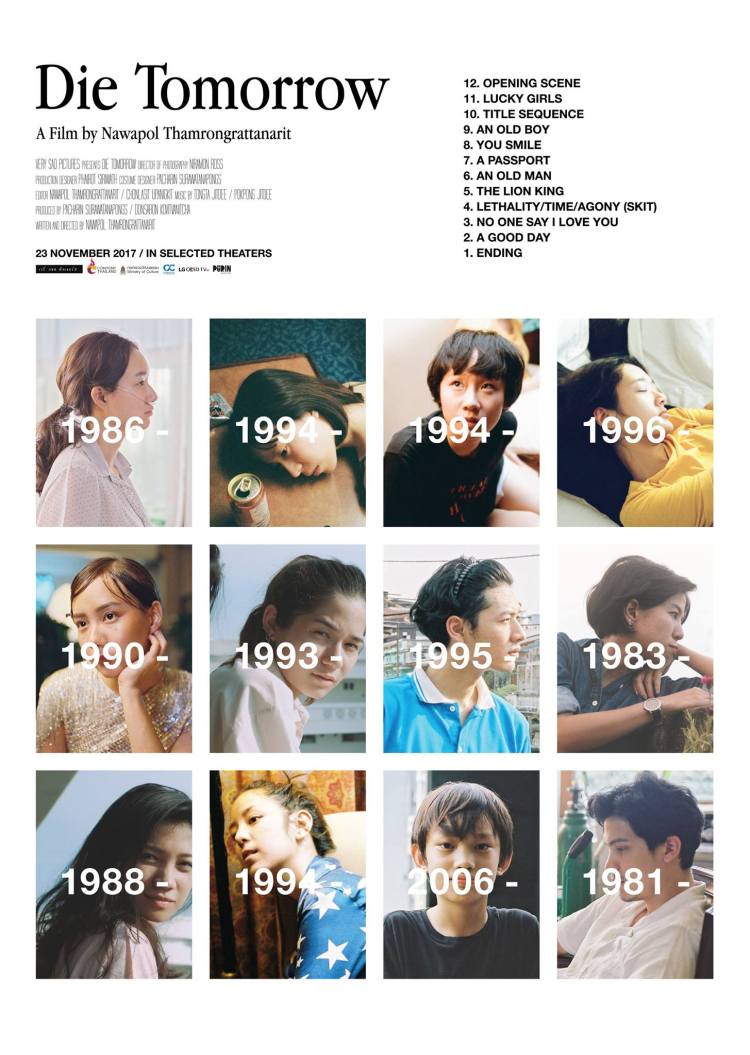
Die Tomorrow posterDeath gives life meaning, so they say, but if death is such a normal part of being alive, why do we live continually in its shadow? We spend our lives talking about a tomorrow which might never come, but it’s those tiny moments of mundanity which make life worth living. Nawapol Thamrongrattanarit’s Die Tomorrow (พรุ่งนี้ตาย) examines the “last day” of a number of oblivious citizens of Bangkok who are busy living life “as normal” little knowing that everything they do will be for the last time.

Shooting mainly within an oppressive square, Nawapol Thamrongrattanarit rams his point home with his first vignette in opening with a newspaper report recounting the death of a student in a road traffic accident the night before her college graduation. He then introduces us to a gaggle of excited students eagerly talking about horoscopes and their dreams for the future. We never quite figure out which of them will be dispatched to get more beer. It could be anyone, anywhere – even you, even right now.

As the ticking clock and time card remind us, 2 people die every second all over the world making dying possibly the world’s most popular activity. Most people dread it, but for one very elderly gentlemen it would be a relief. Convinced that his advanced old age is either a result of genetics or a mistake by someone upstairs, he selfishly wishes that he’d died before his wife and son so he wouldn’t have to go on enduring the pain of their loss. Meanwhile, a little boy quizzed on his beliefs about the afterlife is convinced that death is peaceful because everything just stops. He feels pretty much OK with the idea because he googled it straight away as soon as he found out so it all seems very straightforward. Nevertheless, he’d rather not know when death is coming because that would just make him “sad” and then he wouldn’t be able to enjoy his remaining time.

Death is, however, something you have almost no control over. A melancholy man gets his toenails clipped by his loving wife who is suffering from a terminal disease and awaiting a transplant. Grimly, he tells her that with every death there is fresh hope as he prepares for a trip abroad unaware that, as the preceding title card told us, a plane is about to go missing in the skies between Thailand and America. Meanwhile, across town a man pushes a stool up to his balcony and prepares to jump. Before he does so, he leaves a message for a friend instructing him to pass on his thanks and apologies to the others, affirming that he had no desire to bother them but he has tried his best and life is cruel. An old lover, presumably having her reasons and well within her rights, refuses to open her door to him and remains unrepentant even when her friend suggests she may regret it if he really does do “something stupid”.

With each death the frame expands to its fullest, as if echoing the sense of emptiness in the very present absence of the recently deceased. A brother somewhat irritated by his sister’s abrupt and unexplained return from the US, declares that her death (in a freak accident while parking his motorbike to take a picture of a cute puppy) has reminded him of the preciousness of life. He might have been embarrassed before, but now he makes a point of hugging and kissing his parents, telling those close to him they are loved in case there is no later opportunity to do so. The sad death of a salaryman, in his sleep in the stock exchange lying undiscovered for five hours, seems all the more absurd and pointless while that of a veteran musician, soon after getting his head massaged by his loving daughter, seems like the best of all ends – lying peacefully at home in the summer breeze. Yet as the old man tells us, those who are “young” should have no fear and simply live. Less about the omnipresence of death than the ephemerality of life, Die Tomorrow is a quiet paen to the small pleasures of being alive, discovered in mundanity and the knowledge that every breath may be one’s last.


Die Tomorrow was screened as a special preview at the BFI Southbank and opens in UK cinemas on 26th July courtesy of Day for Night. It is also currently available to stream in the UK via MUBI.

International trailer (English subtitles)

Dawn Wind in My Poncho (ポンチョに夜明けの風はらませて, Satoru Hirohara, 2017)

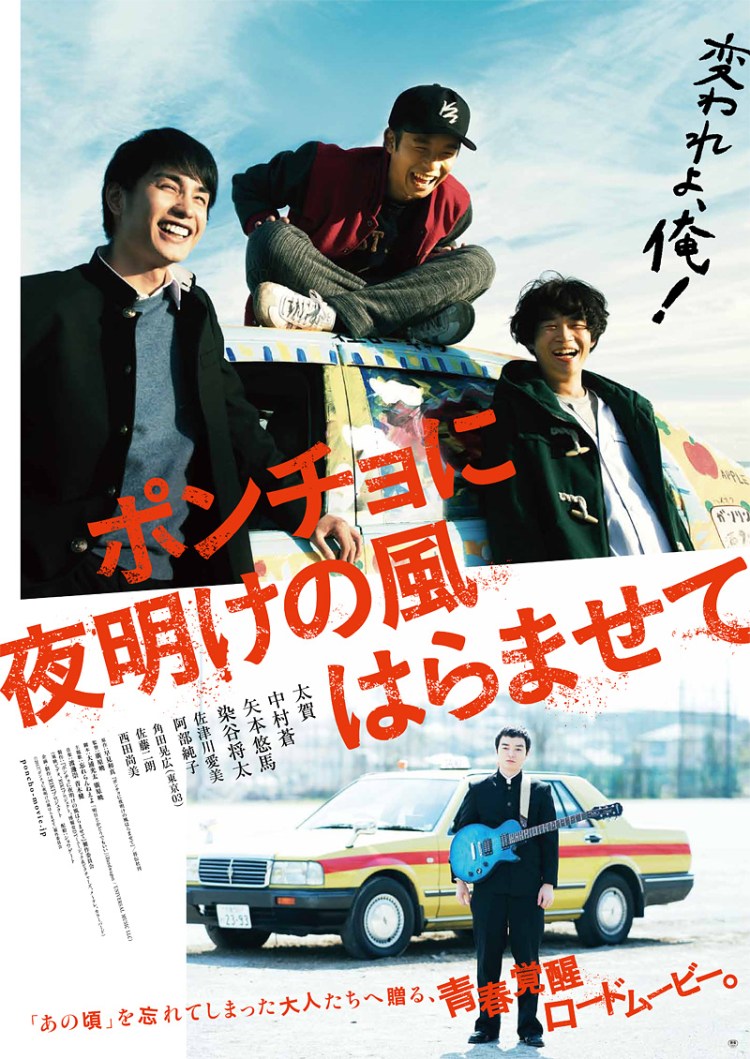
Dawn Wind in My Poncho posterThe end of high school might signal impending doom for some, but it also provides a valuable opportunity for one last hurrah before surrendering to the demands of the adult world. That’s more or less how the heroes of Satoru Hirohara’s Dawn Wind in My Poncho (ポンチョに夜明けの風はらませて, Poncho ni Yoake no Kaze Haramasete) feel about it as they set off on an impromptu road trip to track down a Peruvian folksinger making his first visit to Japan in 18 years. Youthful irresponsibility and an openness to all things send our boys on a strange odyssey of self discovery in flight of a future that is almost certain to be disappointing.

Right before graduation, Janbo (Yuma Yamoto) and Matahachi (Taiga) are preparing to celebrate their friend Jin (Aoi Nakamura) getting into Uni. Only, Jin didn’t make the grade which has rather put a damper on the occasion. To make matters worse, new driver Matahatchi seems to have scratched the car belonging to Janbo’s dad which they weren’t supposed to be driving in the first place. Trying to fix the problem, they run into dejected idol Ai (Aimi Satsukawa) who dreams of chart success but is being pressured into a gravure career by her agency. Ai manages to upset some delinquents in a convenience store car park, leaving our guys wondering if they should step in but coming to the conclusion it’s not worth it unless the girl is pretty. Nevertheless, they end up driving off with Ai in the back of the car anyway with the delinquents in hot pursuit.

That’s only the beginning of the boys’ adventure, but they can’t go home yet anyway because by the end of the chase they’ve completely destroyed the car and will be extremely dead when Janbo’s dad finds out. Lovingly showing off a picture of his beloved new (secondhand) car, Janbo’s dad tells a young man coming into the bar owned by Matahachi’s single mother that if he works really hard for a very long time, he too could have a car like this. It’s a fairly depressing prospect, but it does seem like there might not be much more out there for these small town guys as they prepare to leave high school behind. Jin was the guys’ bright hope with his university dreams. Janbo is going to work for his dad and Matahachi is looking for a job. All there is to look forward to now is constraint. A boring low pay job with no prospects, followed by marriage, fatherhood, and death.

You can’t blame them for cutting loose, though in essence our guys are mild-mannered sorts well and truly outrun by Ai’s anarchic flight from her own disappointment with her faltering career. Of course, the boys are all interested in her nevertheless only Janbo is facing an embarrassing problem of his own which has him wondering if he’ll ever be able to have a “normal” sex life, marriage, or family. The problem eventually takes him to the “Banana Clinic” which is actually a front very specific sex services but does introduce him to a nice young lady (Junko Abe) who might be able to cure his sense of insecurity if in a roundabout way.

Meanwhile, the guys have blown off the fourth member of their “band” (Shhota Sometani) who is still hanging around waiting for them to turn up for practice ahead of their graduation show. A poignant radio message attached to a song request in which he reveals how lonely he was until some guys invited him to join their band goes unheard by the gang leaving him to gatecrash graduation all alone with an impromptu performance in which he sings about how school was pointless and no one cares about the future, starting a mini riot among the other kids in the process. The trio are still busy with a series of zany adventures as Matahachi tries to convince the guys to come with him on strange quest to hear the elusive folk singer, only latterly explaining to them why exactly this means so much to him. A typically teenage road trip ends up going nowhere in particular, leaving the guys in limbo as they run from their depressing futures towards the last traces freedom far in the distance. Silly, if endearing, Dawn Wind in My Poncho is a strangely sympathetic tale of youthful rebellion towards impending adulthood which ultimately places its faith in the strength of male friendship as the last refuge from a relentlessly conformist society.


Dawn Wind in My Poncho was screened as part of the 2019 Nippon Connection Film Festival.

Original trailer (no subtitles)

Japan Cuts Announces Complete 2019 Lineup!

Killing still 1

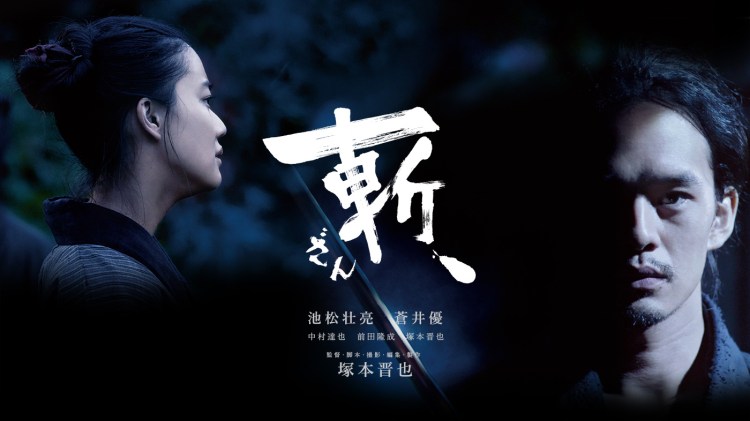
New York’s Japan Cuts returns for its 13th edition in 2019, bringing with it another premium selection of the best in recent Japanese cinema. This year’s Japan Cuts Cut Above Award goes to veteran director Shinya Tsukamoto whose latest film, anti-jidaigeki Killing, is screening as the festival’s Centrepiece Gala.

The programme in full:

Dance With Me

dance with me syill 1

An ambitious office worker faces career crisis when she is hypnotised to break into song and dance every time she hears music in the latest from comedy maestro Shinobu Yaguchi (Waterboys, Swing Girls, Survival Family). Q&A with director Shinobu Yaguchi and star Ayaka Miyoshi. 

The Island of Cats

The Island od cats still 1

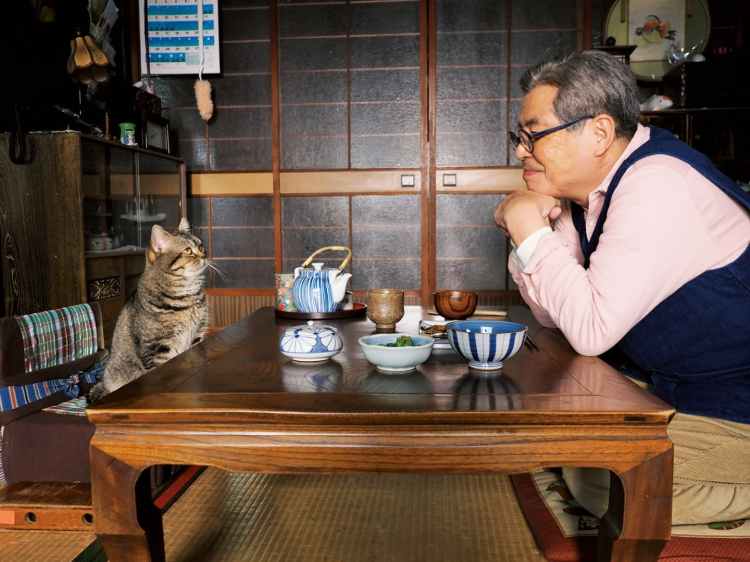
The peaceful days of an old man and his cat are disrupted by the arrival of a pretty young woman from Tokyo (Kou Shibasaki) and her newly opened cafe in an adaptation of the manga by Nekomaki.

I Go Gaga, My Dear

I Go Gaga, My Dear banner

TV doc director Naoko Nobutomo follows her ageing parents as her mother’s Alzheimer’s-related dementia intensifies.

Being Natural

Being Natural still 1

An aimless middle-aged man’s peaceful existence is threatened when hipster Tokyoites rock up in his tiny rural village looking for the “natural life” only to insist on reforming it to their city bound images of idyllic country living in Tadashi Nagayama’s anarchic satire. Review. Q&A with director Tadashi Nagayama and stars Yota Kawase and Natsuki Mieda. 

Ten Years Japan

10 Years Japan still 1

Anthology film featuring five dystopian visions of near future Japan. Review.

Samurai Shifters

Samurai Shifters still 1

Isshin Inudo takes a trip back to the samurai era as a nerdy librarian (Gen Hoshino) is unexpectedly named relocation officer when his clan is ordered to move to another domain.

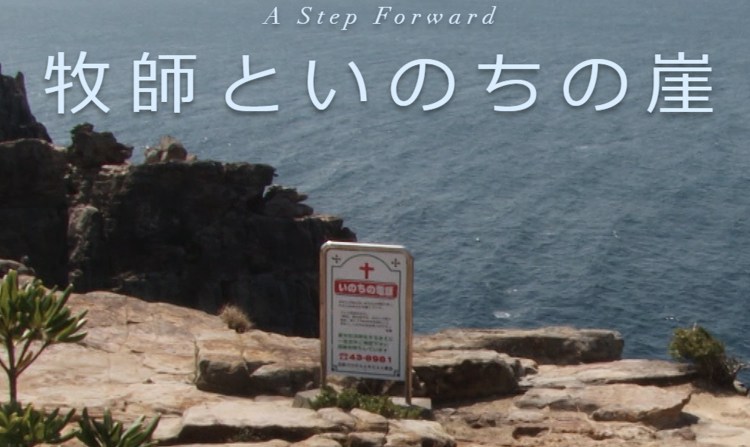
A Step Forward

A Step Forward banner

Atsushi Kasezawa’s documentary follows a pastor who commits himself to saving the lives of suicidal individuals who find themselves drawn to a particular cliff in Wakayama. Q&A with director Atsushi Kasezawa. 

The Chaplain

the chaplain banner

The late Ren Osugi stars as a prison chaplain ministering to those languishing on death row. (No. 10 on Kinema Junpo’s best of 2018 list)

The Kamagasaki Cauldron War

The Kamagasaki Cauldron War

When a yakuza clan’s precious cauldron is stolen a war breaks out in the Osakan working class district of Kamagasaki. Q&A with star Yota Kawase. 

Demolition Girl

Demolition Girls still 1

High school girl Cocoa has given up on her dreams because she has to support her gambling addict father and no good failed manzai comedian brother, but her fortunes change when she finds out her mother left her money and if she can just top it up a little she could escape her humble life by getting into a top university in Tokyo. Q&A with director Genta Matsugami and star Aya Kitai. 

And Your Bird Can Sing

And your bird can sing still 1

Three slackers struggle to accept love in present day Hakodate in Sho Miyake’s adaptation of the Yasushi Sato novel in which an apathetic bookstore employee (Tasuku Emoto) starts a halfhearted romance with a free spirited colleague (Shizuka Ishibashi) only to introduce her to his infatuated best friend (Shota Sometani). Review.

His Lost Name

His Lost Name

A small-town carpenter (Kaoru Kobayashi) takes in a drifter (Yuya Yagira) he finds unconscious on the side of the road but their growing paternal bond begins to place a strain on his relationships with his fiancée (Keiko Horiuchi) and employees in Nanako Hirose’s sensitive debut. Q&A with director Nanako Hirose.

Red Snow

Red Snow still 1

Mystery thriller starring Arata and Masatoshi Nagase in which a dogged journalist’s unearthing of a decades old child disappearance in a small rural town opens up old wounds.

Killing

Killing banner

A samurai prefers not to raise his sword but finds himself tested by his times in Shinya Tsukamoto’s impassioned anti-violence jidaigeki. Review. Q&A with director Shinya Tsukamoto, with CUT ABOVE Award ceremony. 

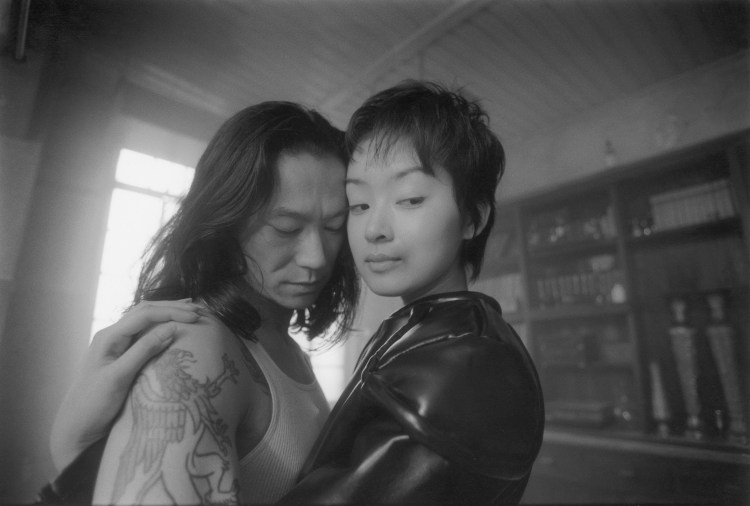
Bullet Ballet

Bullet Ballet still 1

An ad director becomes obsessed with the idea of finding a gun after his fiancée shoots herself in Tsukamoto’s 1998 classic. Q&A with director Shinya Tsukamoto. 

Erica 38

erika-38.jpg

Miyoko Asada stars as Satoko – a con artist whose gradual path to wealth through pyramid schemes and increasingly elaborate scams eventually leads her to reinvent herself in Thailand as a 38-year-old woman named Erica.

Jesus

jesus still 1

A young boy relocates from Tokyo to a sleepy mountain village where he has to bunk with grandma and attend catholic school. His days are eventually brightened through meeting a tiny Jesus who grants all his wishes until an inescapable tragedy colours his view of religion in Hiroshi Okuyama’s whimsical debut. ReviewQ&A with director Hiroshi Okuyama. 

Melancholic

Melancholic still 1

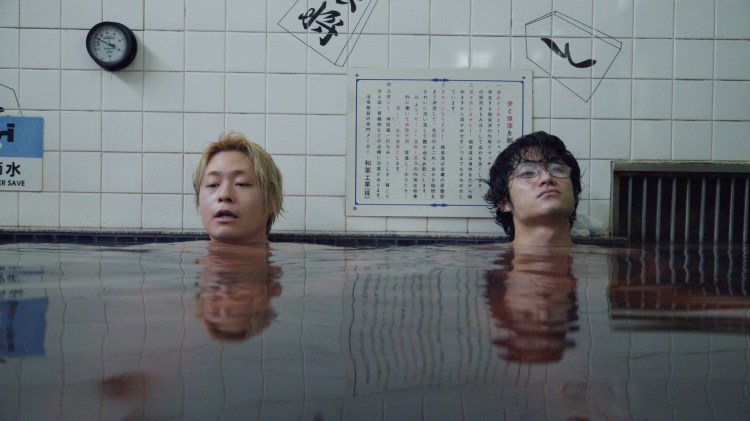
Kazuhiko graduated from Todai, but he’s now unemployed and living with mum and dad. A chance encounter with a pretty friend from school leads him to a job in a bathhouse but his fortunes change again when he realises the baths double as a yakuza killing ground after hours… Review.

The Miracle of Crybaby Shottan

Miracle of Crybaby Shottan banner

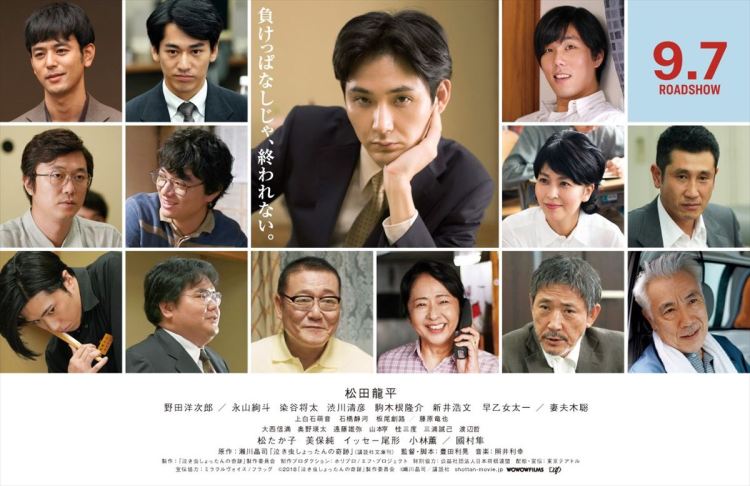
A shogi-loving child prodigy (Ryuhei Matsuda) is devastated when he hits the age limit for becoming a professional player but eventually finds amateur success and then the courage to challenge the system in Toshiaki Toyoda’s surprisingly inspirational drama. Review. Q&A with director Toshiaki Toyoda. 

Jeux de plage

Jeux de plage still 1

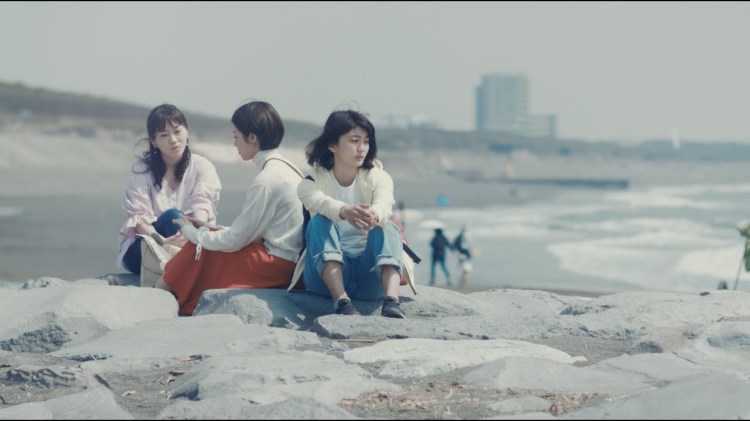
Rohmerian drama in which college friends Sayaka and Yui take a trip to the beach where they meet up with Yui’s old pal Momoko but find their dynamic disrupted by sleazy passersby and mutual awkwardness.

The Journalist

Journalist banner

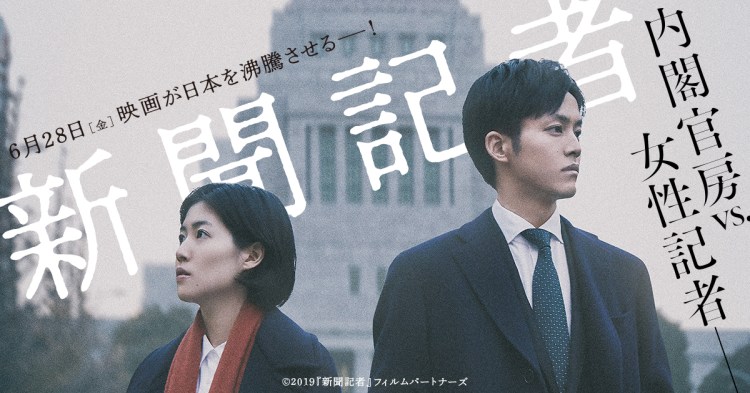
Korean actress Shim Eun-kyung makes the first of two Japanese language performances included in the programme as an earnest Tokyo journalist haunted by her father’s suicide, playing opposite Tori Matsuzaka as a cynical bureaucrat who discovers evidence of coverup and conspiracy.

The Legend of the Stardust Brothers

Stardust Brothers still 1

Long forgotten, Macoto Tezka’s anarchic cult comedy debut has been lovingly rediscovered and restored by Third Window Films. A tale of fame, corruption, and destiny, Stardust Brothers is a whimsical piece of absurdist Showa-era nostalgia . Review. Q&A with director Macoto Tezka. 

Randen: The Comings and Goings on a Kyoto Tram

Randen banner

Three stories of love occur along the the iconic Kyoto tram line as a writer from Kamakura searches for a ghost train while recalling memories of his wife, a local girl helps a Tokyo actor master the Kyoto accent, and a girl from Aomori falls for a trainspotter!

NIGHT CRUISING

FILM NIGHT CRUISING

Makoto Sasaki’s documentary follows blind musician Hideyuki Kato as he works on a sci-fi short in which a non-sighted fighter and a telepath search for a mysterious ghost in the far future. Q&A with director Makoto Sasaki, producer Miyuki Tanaka and subject Hideyuki Kato. 

Orphan’s Blues

Orphan's Blues banner

A young woman suffering unexplained loss of memory goes in search of a childhood friend after rediscovering a drawing of an elephant in Riho Kudo’s award winning debut.

Blue Hour

Blue hour still 1

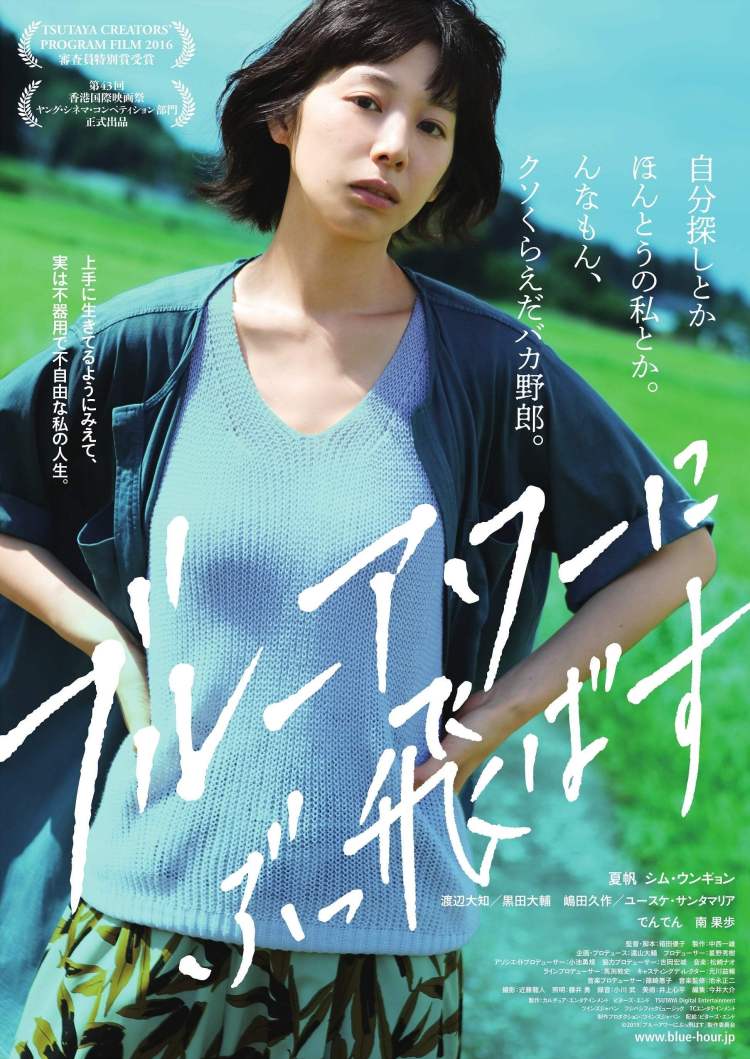
30-ish Sunada (Kaho) is becoming rapidly disillusioned with city life. She’s worked her way up to directing commercials but finds herself mostly dealing with workplace sexism and difficult stars while she is also carrying on an affair with a married colleague. Taking off on a road trip with her lively best friend mangaka (Korean actress Shim Eun-kyung in her second Japanese language role included in the programme), she is finally forced to reconnect with her rural childhood and rediscovers her sense of self in the process. Review.

Japan Cuts runs from 19th to 28th July 2019 at Japan Society New York. Full details for all the films along with ticketing links are available via the official website and you can also keep up with all the latest details by following the festival’s official Facebook page and Twitter account.

Liz and the Blue Bird (リズと青い鳥, Naoko Yamada, 2018)

Liz and the Blue Bird poster 1If you love it, set it free. For most accepted wisdom, but hard to practice. The heroine of Liz and the Blue Bird (リズと青い鳥, Liz to Aoi Tori) finds herself facing this exact dilemma as she puts off facing the inevitable changes in a childhood friendship with adulthood lingering on the horizon. A Silent Voice’s Naoko Yamada returns with another delicate examination of teenage relationships, this time a spin-off to the popular Sound! Euphonium franchise, in which her fragile heroines struggle to address their true feelings as they subsume themselves into the titular piece of music but fail to master it even as it strikes far too close to home.
Our heroine, Mizore (Atsumi Tanezaki), nervously waits outside the school as if too shy to head in alone, eventually trailing along behind the comparatively more extroverted Nozomi (Nao Toyama). The two girls have been tasked with playing a movement known as Liz and the Blue Bird, inspired by a storybook of which Nozomi is particularly fond. Liz, a lonely young woman living alone in the forest, bonds with a mysterious girl who arrives one day and seems to be the human incarnation of the blue bird she longingly gazed at in the sky. Though the two women bond and live together in blissful happiness, Liz begins to feel guilty that her love has trapped the blue bird on the ground and forces it away to fulfil itself in the sky.

To begin with, it’s difficult to tell if Mizore and Nozomi are really friends at all or if Mizore’s painfully obvious longing is a completely one-sided affair. Mizore herself remains hard to read, either intensely shy and anxiously self-conscious or wilfully aloof as she rejects overtures of friendship from some of the other girls and devotes herself to Nozomi alone. Nozomi, meanwhile, is outgoing and gregarious, a natural leader well liked by the other band members and with plenty of (superficial at least) friends though perhaps lonely and confused in her own way. There is a kind of awkwardness between them, a tension neither seems quite able to address, which finds expression in the failure of their musical performance as it continually fails to find its proper harmony.

The story of the blue bird takes on extra significance for each as they cast themselves, perhaps mistakenly, in their respective roles from the fairytale. Talking things over with a sympathetic teacher concerned that she hasn’t turned in her career survey, Mizore declares herself unable to understand the story, not comprehending how Liz could have brought herself to release the blue bird rather than cage it to ensure it would be hers, and hers alone, forever. Fearful that Nozomi will fly away, she wants to tether her close but again does not quite know how. Nozomi, meanwhile, is conflicted. She feels a responsibility towards her friend’s feelings, but is insecure in her own talents and unsure she could follow Mizore on her chosen path even if that was her independent will. In fear of disappointing each other, they begin to pull away rather than face the inevitable end of their peaceful high school days.

Yamada’s camera is painstakingly astute in capturing the awkwardness of adolescent interaction from the slight tension in Mizore’s shoulders as Nozomi draws too close to the way she plays with her hair when nervous, glancing plaintively at hands and calves or the swishing motion of Nozomi’s ponytail, but always hanging back. Unlike Mizore, Nozomi understands the moral of the story but feels the ending is too sad, convincing herself that if the blue bird is free to fly then it’s also free to return. Having been forced to confront their individual troubles, the girls are better placed to see themselves in relation to each other, breaking the tension but perhaps with melancholy resignation as they commit to enjoying their remaining time together in the realisation that they may soon part. A beautifully observed portrait of teenage friendship and awkward adolescent attraction, Liz and the Blue Bird is an infinitely subtle exercise in emotional intensity as its heroines find the strength to accept themselves and each other in acknowledging that they were each made to fly through perhaps not quite yet.


Liz and the Blue Bird was screened as part of the 2019 Nippon Connection Film Festival.

US trailer (Japanese with English subtitles)

Blue Hour (ブルーアワーにぶっ飛ばす, Yuko Hakota, 2019)

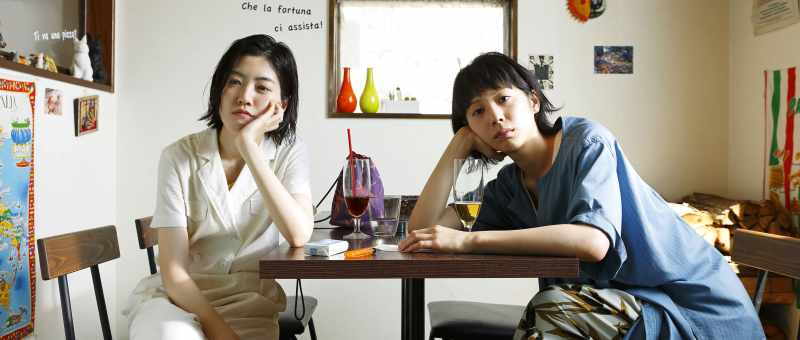
Blue Hour poster“I don’t like people who like me” confesses the heroine of Yuko Hakota’s first feature Blue Hour (ブルーアワーにぶっ飛ばす, Blue Hour ni Buttobasu) to her best friend, who presumably is excluded from the statement. Then again, perhaps not. Running from or running to, Sunada (Kaho) can’t seem to escape herself while chasing the ghost of small town ennui in frenetic Tokyo. An impromptu road trip with a lively partner in crime returns her to the problematic roots from which she struggles to break free, but maybe breaking free wasn’t exactly what she needed anyway.

At 30 or so, Sunada has worked her way up to directing commercials but much of her job involves negotiating workplace sexism and stroking the egos of stars. In any case, she doesn’t seem to find the work particularly fulfilling and on looking around has noticed that there don’t seem to be a lot of women over 40 working in her industry which has her wondering what’s next in her possibly dead end career. Meanwhile, she’s married to a perfectly nice, mild-mannered sort of guy (Daichi Watanabe) but is secretly having an affair with a married colleague (Yusuke Santamaria) whose wife is currently pregnant with their second child. More stressed out and confused than she’d perhaps like to admit, Sunada has been putting off visiting her sickly grandmother because she isn’t the sort of person who deals with crisis well and so she was waiting in the hope her grandmother’s health would improve. Now that it has, she’s talked into an impromptu road trip with her freewheeling mangaka friend Kiyoura (Shim Eun-kyung).

True to form, Sunada doesn’t even really bother telling her husband where she’s gone because she doesn’t want “that sort of closeness”. Returning home, however, necessarily means reengaging with her distinctly odd family which is perhaps both easier and more difficult with her crazy friend in tow. While Sunada’s dad (Denden) seems to have picked up a habit of frittering money away on antique swords and suits of armour, her weird high school teacher brother (Daisuke Kuroda) cracks distinctly unfunny jokes about molesting pupils (a theme later echoed by her mother (Kaho Minami) who warns her men can’t be trusted, not even her brother). Out in the country there’s not much to do but drink, but this is not Tokyo and the bars are full of sleazy old men feeling up the hostesses and hogging the karaoke mic in an attempt to escape the stultifying boredom of their small-town lives. This is what Sunada has been running from. Ashamed of her bumpkinish childhood, she threw herself headlong into Tokyo sophistication only to find it equally unfulfilling.

Kiyoura is in many ways a projection of her other self. Childishly giddy, willing to jump into any situation with fearless enthusiasm, Kiyoura is a middle-class girl from the city and knows no shame. Only to her does Sunada seem to express her true self. Fearing intimacy, she keeps herself aloof but resents her lover’s family while pushing back against her husband’s meek indifference. “All ghosts are lies” her grandmother told her, which may be truer in some senses than others, but Sunada continues to haunt herself as she recalls the spirit of her free and easy childhood in which she snuck out to enjoy the “blue hour”, waiting for the sun to rise in peace and tranquility.

Only by confronting her grandmother’s ill heath can she begin to move forward towards a greater emotional clarity. Gently clipping the older woman’s nails, Sunada gets to hear her life philosophy or at least her parting words, “I try to make the best of every day, but what does that even mean anyway?”. Suddenly freed of her fear of attachment, her anxieties for the imperfect future, and even perhaps of her intense self loathing, Sunada prepares to take the wheel and confidently head in a more positive direction. “Being tacky means being alive”, her other self tells her, finally accepting her small-town roots and all that goes with it only to discover they were already accepted by someone who was paying more attention than she gave them credit for. A melancholy but ultimately hopeful and warmhearted exploration of midlife ennui and urban disconnection, Blue Hour is a delayed coming of age tale in which the heroine comes to an acceptance of adulthood only by reconnecting with her childhood self and all the fantastical promise of her sleepy rural youth.


Blue Hour was screened as part of the 2019 Nippon Connection Film Festival.

Original trailer (English subtitles)

We Are Little Zombies (ウィーアーリトルゾンビーズ, Makoto Nagahisa, 2019)

Little Zombies poster“Reality’s too stupid to cry over” affirms the deadpan narrator of Makoto Nagahisa’s We Are Little Zombies (ウィーアーリトルゾンビーズ), so why does he feel so strange about feeling nothing much at all? Taking its cues from the French New Wave by way of ‘60s Japanese avant-garde, the first feature from the award winning And So We Put Goldfish in the Pool director is a riotous affair of retro video game nostalgia and deepening ennui, but it’s also a gentle meditation on finding the strength to keep moving forward despite all the pain, emptiness, and disappointment of being alive.

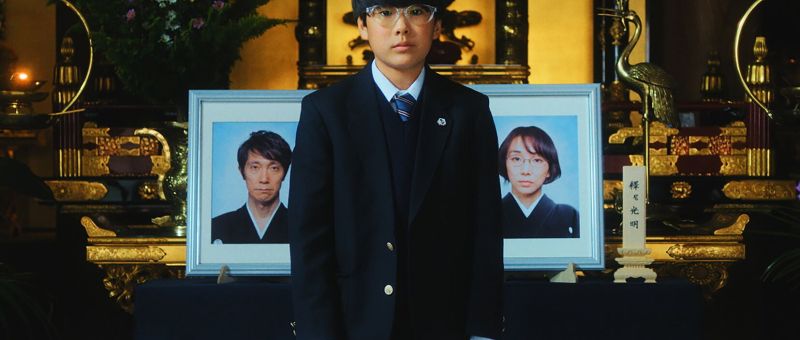
The “Little Zombies”, as we will later discover, are the latest tween viral pop sensation led by bespectacled 13-year-old Hikari (Keita Ninomiya). Recounting his own sorry tale of how his emotionally distant parents died in a freak bus accident, Hikari then teams up with three other similarly bereaved teens after meeting at the local crematorium where each of their parents is also making their final journey. Inspired by a retro RPG with the same title, the gang set off on an adventure to claim their independence by revisiting the sites of all their grief before making themselves intentionally homeless and forming an emo (no one says that anymore, apparently) grunge band to sing about their emotional numbness and general inability to feel.

Very much of the moment, but rooted in nostalgia for ages past, Little Zombies is another in a long line of Japanese movies asking serious questions about the traditional family. The reason Hikari can’t cry is, he says, because crying would be pointless. Babies cry for help, but no one is going to help him. Emotionally neglected by his parents who, when not working, were too wrapped up in their own drama to pay much attention to him, Hikari’s only connection to familial love is buried in the collection of video games they gave him in lieu of physical connection, his spectacles a kind of badge of that love earned through constant eyestrain.

The other kids, meanwhile, have similarly detached backgrounds – Takemura (Mondo Okumura) hated his useless and violent father but can’t forgive his parents for abandoning him in double suicide, Ishii (Satoshi) Mizuno) resented his careless dad but misses the stir-fries his mum cooked for him every day, and Ikuko (Sena Nakaijma) may have actually encouraged the murder of her parents by a creepy stalker while secretly pained over their rejection of her in embarrassment over her tendency to attract unwanted male attention even as child. The kids aren’t upset in the “normal” way because none of their relationships were “normal” and so their homes were never quite the points of comfort and safety one might have assumed them to be.
Orphaned and adrift, they fare little better. The adult world is as untrustworthy as ever and it’s not long before they begin to feel exploited by the powers intent on making them “stars”. Nevertheless, they continue with their deadpan routines as the “soulless” Little Zombies until their emotions, such as they are, begin inconveniently breaking through. “Despair is uncool”, but passion is impossible in a world where nothing really matters and all relationships are built on mutual transaction.

Mimicking Hikari’s retro video game, the Zombies pursue their quest towards the end level boss, passing through several stages and levelling up as they go, but face the continuing question of whether to continue with the game or not. Save and quit seems like a tempting option when there is no hope in sight, but giving in to despair would to be to let the world win. The only prize on offer is life going on “undramatically”, but in many ways that is the best reward one can hope for and who’s to say zombies don’t have feelings too? Dead but alive, the teens continue their adventure with heavy hearts but resolved in the knowledge that it’s probably OK to be numb to the world but also OK not to be. “Life is like a shit game”, but you keep playing anyway because sometimes it’s kind of fun. A visual tour de force and riot of ironic avant-garde post-modernism, We Are Little Zombies is a charmingly nostalgic throwback to the anything goes spirit of the bubble era and a strangely joyous celebration of finding small signs of hope amid the soulless chaos of modern life.


We Are Little Zombies was screened as part of the 2019 Nippon Connection Film Festival.

Original trailer (English subtitles)

Makoto Nagahisa’s short And So We Put Goldfish in the Pool

Music videos for We Are Little Zombies and Zombies But Alive

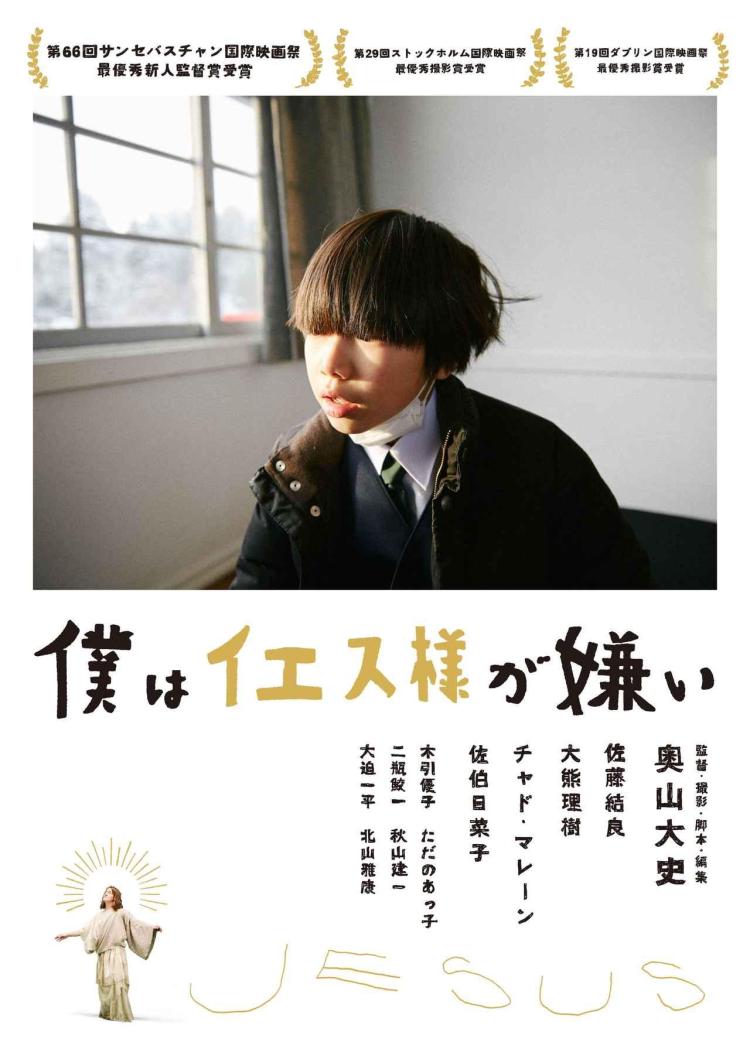
Jesus (僕はイエス様が嫌い, Hiroshi Okuyama, 2018)

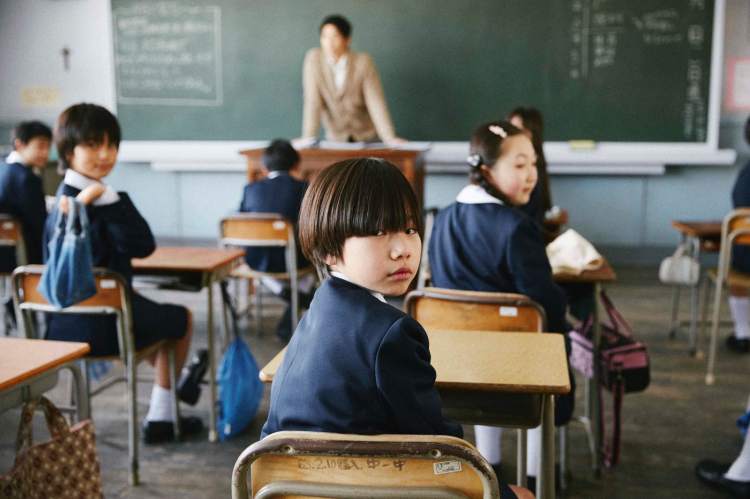
Jesus posterIt’s tough being a kid. You have no control over anything and everyone always insists they know best, dismissing resistance as childish rebellion. Yura, the hero of Hiroshi Okuyama’s Jesus (僕はイエス様が嫌い, Boku wa Jesus-sama ga Kirai), has things harder than most as his peaceful days are disrupted by the abrupt announcement that the family will be moving from the bustling metropolis of Tokyo to the sleepy Nakanojo where he doesn’t even get his own room and has to share with grandma! To make matters worse, his new school is going to be a little “different” in that it’s a religious institution.

Yura’s (Yura Sato) family are not themselves Catholic and so the choice of a religious school adds an additional layer of displacement to his already irritated sense of alienation. Bored and lonely, even more of an outcast than solely being the new kid in town as a confused non-Christian suddenly dropped into an unfamiliar environment, Yura prays for a friend to make his days less dull and subsequently gains the constant companionship of a tiny Jesus (Chad Mullane) who follows him around and occasionally grants wishes. Eventually, Tiny Jesus gifts him a real friend in the form of Kazuma (Riki Okuma) – one of the most popular kids in school and a star footballer. Tragedy, however, lingers on the horizon leading to Yura to reconsider his relationship with Tiny Jesus who seems to have betrayed him in granting his trivial wishes only to break his heart.

In fact, the film’s Japanese title translates to the more provocative “I hate Jesus” which might give more of an indication of the film’s final destination as Yura first flirts with and then rejects the religiosity of his new environment. Confused by the zeal with which his classmates seem to run off mass and embarrassed that he doesn’t have a bible or hymnbook to join in, he nevertheless goes along with his teacher’s constant prayer meetings. Through the offices of Tiny Jesus, he comes to associate the power of prayer with asking and receiving. He asks Tiny Jesus for money, and suddenly his grandma comes up with 1000 yen, he asks for a friend and finds one, but just as he’s starting to have faith in his possibly imaginary friend doubt enters his mind. What is Tiny Jesus up to, and why won’t he help when it really matters?

Suddenly angry and resentful, Yura rejects his teacher’s kind yet insensitive attempts to comfort him with the affirmation that all that praying turned out to be completely pointless. Despite not being a Christian and only being a small boy, he is suddenly asked to give a eulogy for someone important to him that he has just lost. The adults might think this is a nice gesture, one that will bring a kind of closure while honouring the memory of the deceased, but it’s also a big ask for a child facing not only loss and grief on an intense scale for the first time but also trying to process his complicated relationship with a religion which is not his. Thoroughly fed up with Tiny Jesus, Yura brings his fist down on the good book as if to crush the false promise of misplaced faith in accepting that there are no real miracles and sometimes no matter how hard you ask your wish will not be granted.

Yura’s disillusionment with religion is swift as he realises you cannot get what you want merely by asking for it. He feels betrayed, not only by Tiny Jesus, but the entire religious institution which led him to believe he could change the world around him through prayer and positivity. Nevertheless, his disappointment does at least begin to bring him some clarity which, ironically, helps him to accept his new surroundings through bonding with grandma and coming to feel at home with his family even if his new environment is likely to be one tinged with sadness as he remembers better times before Tiny Jesus ruined everything. Whimsical if perhaps slight, Okuyama’s debut provides a rare window into Japan’s minority Christian culture as it celebrates Christmas in the Western fashion and seemingly exists in its own tiny little bubble, but subverts its religious themes to explore childhood existential angst as its adolescent hero is forced to deal with loss at a young age and discovers that there is no magic cure for death or eternal life (on Earth at least) for those who believe, only the cold reality of grief and bittersweet memories of happier times. 


Jesus was screened as part of the 2019 Nippon Connection Film Festival.

Original trailer (no subtitles)