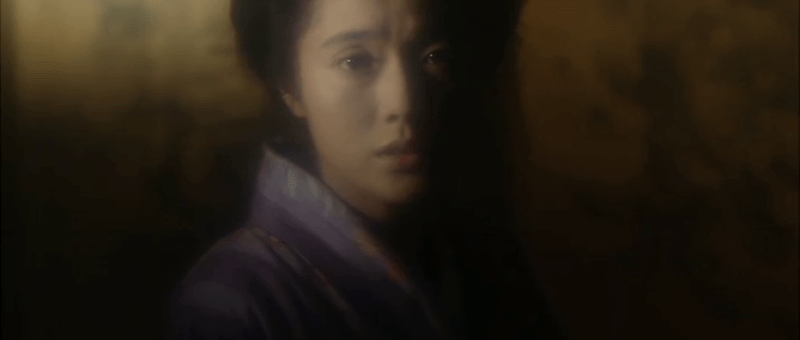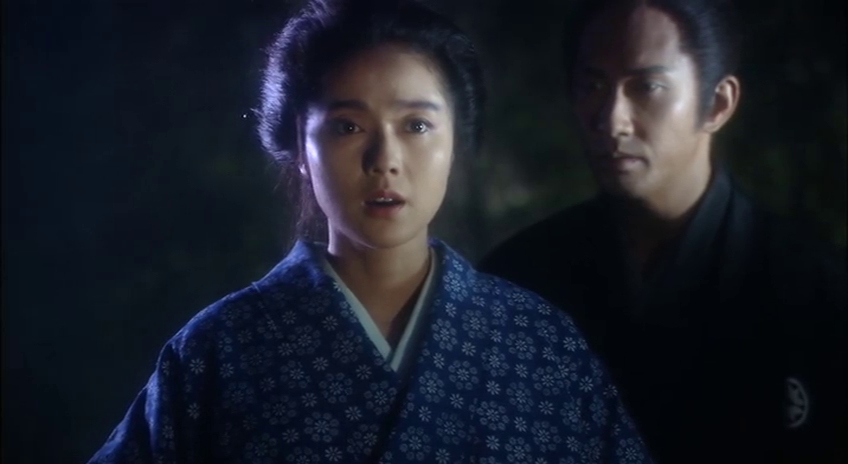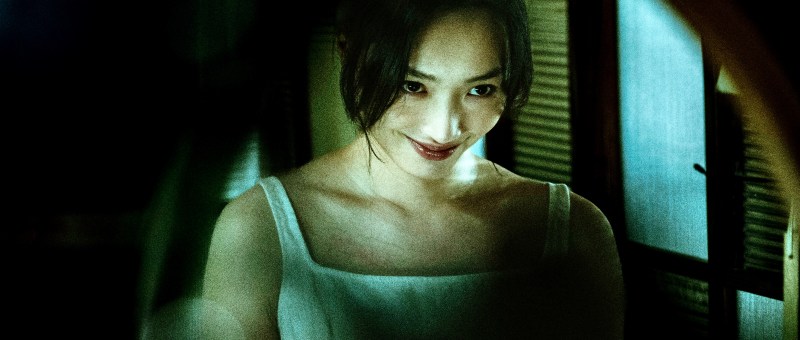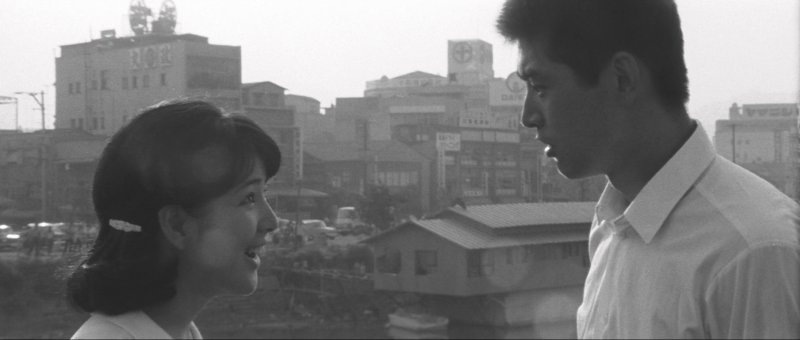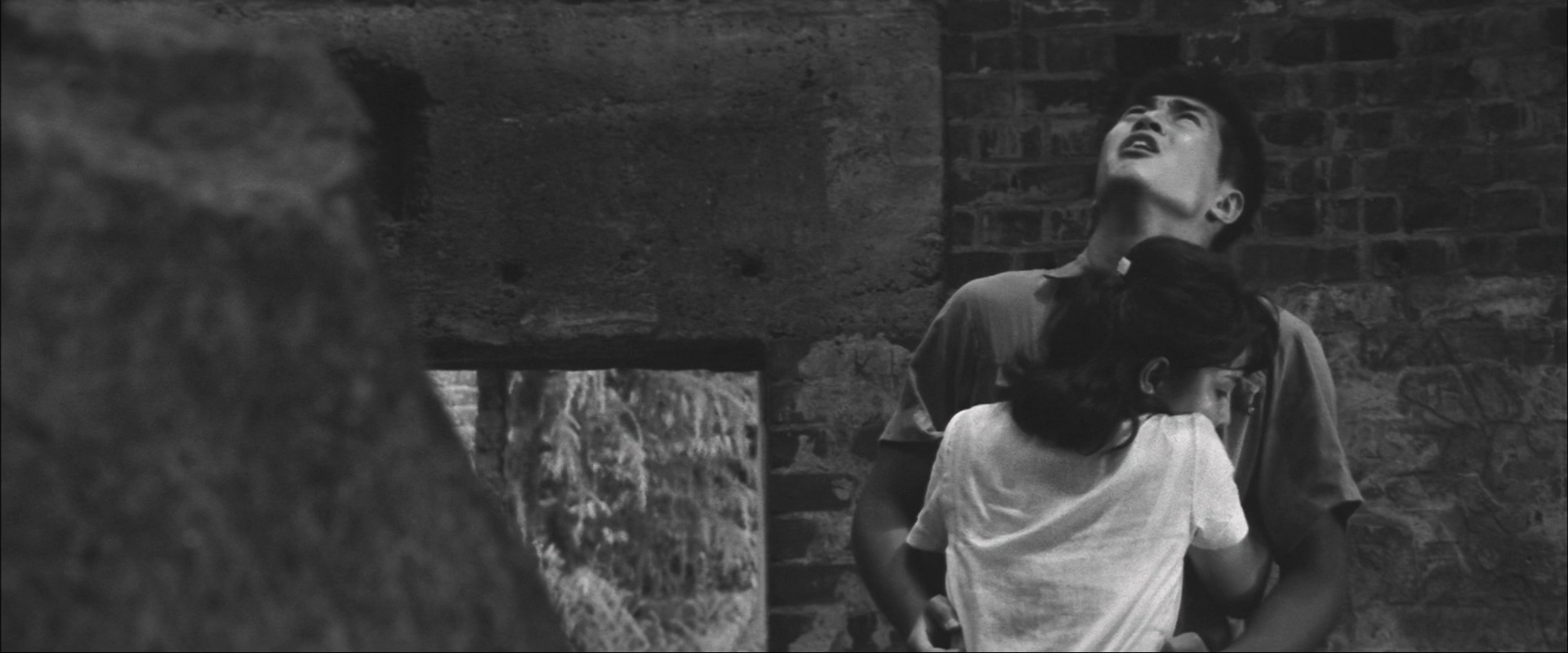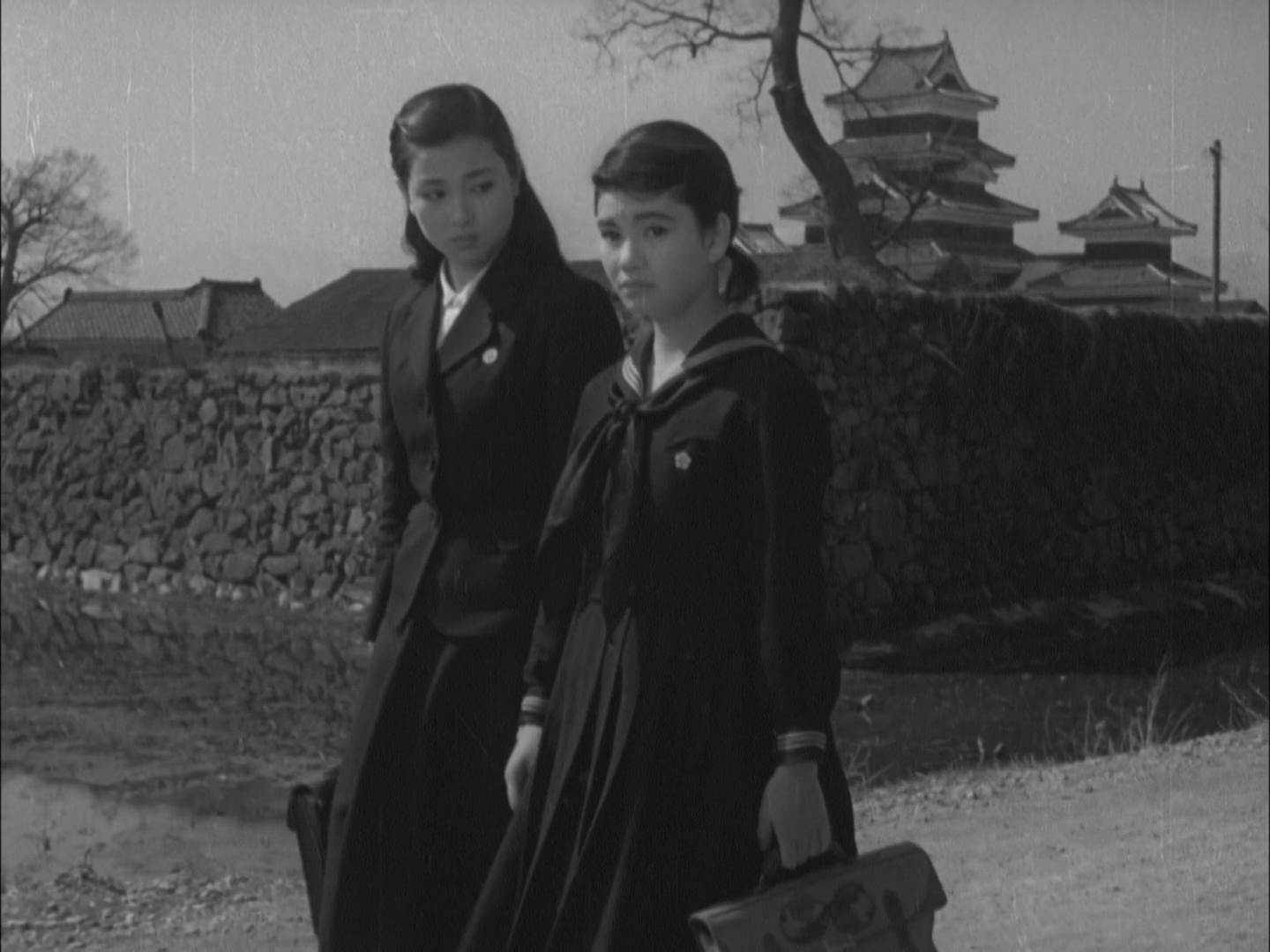
Big Deal (소주전쟁, Choi Yun-jin, 2025)

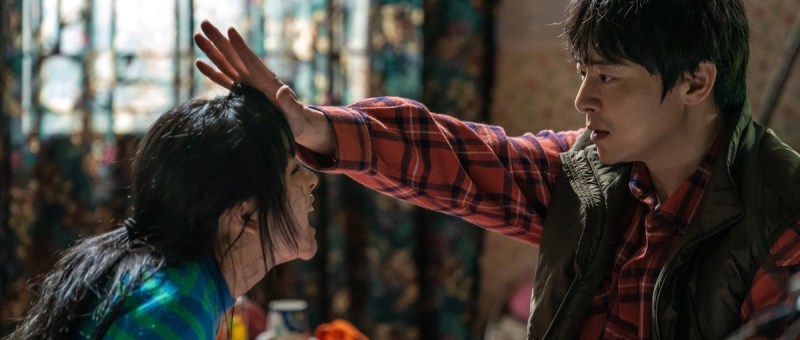
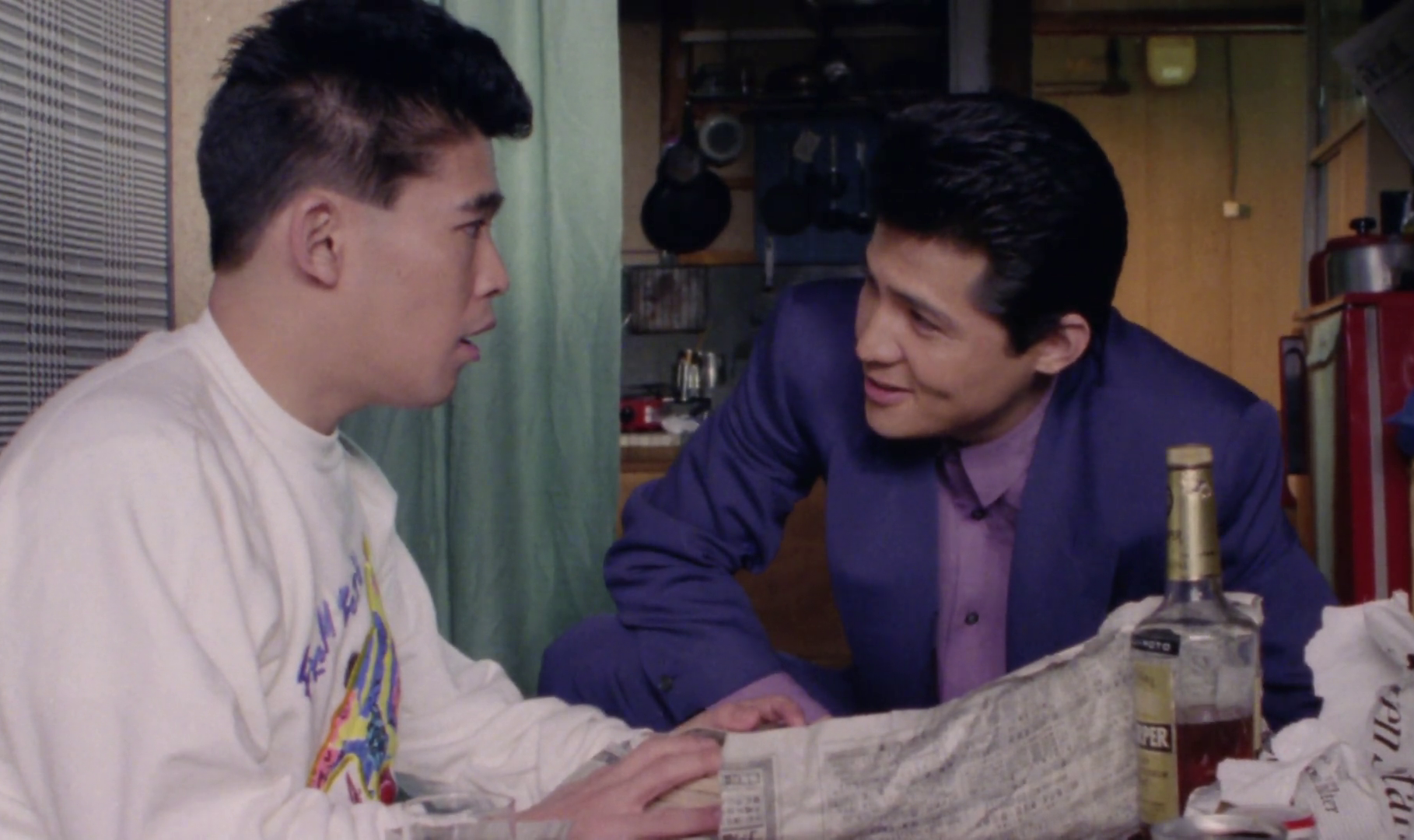
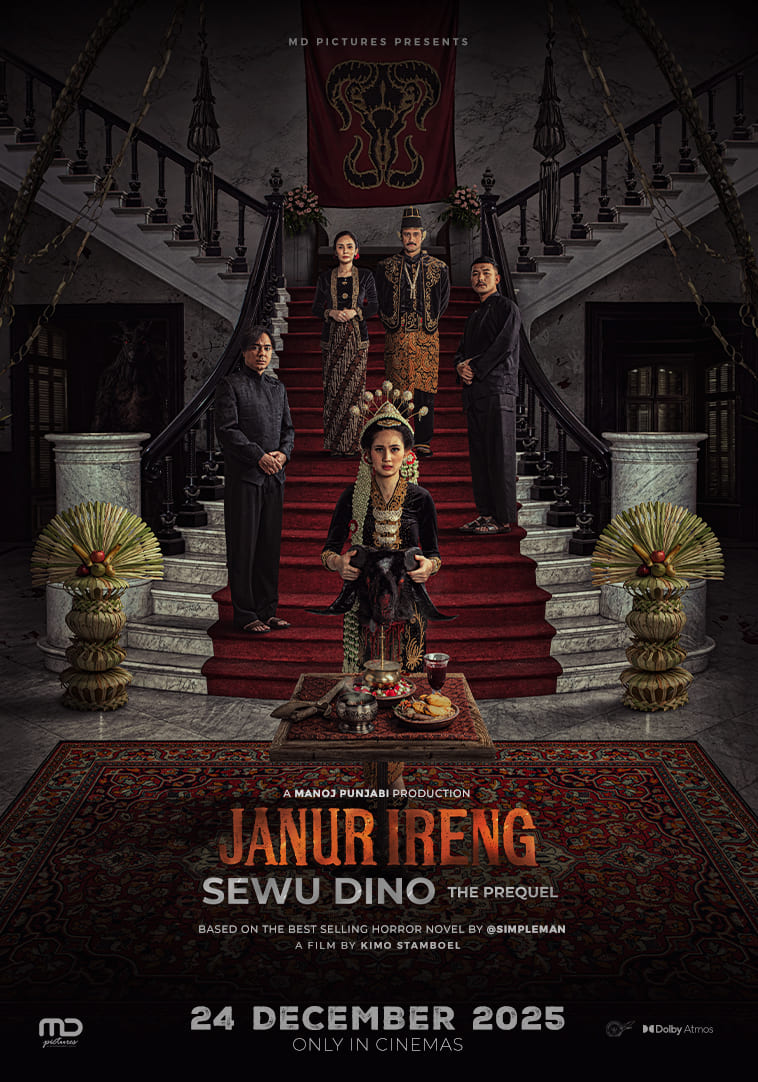
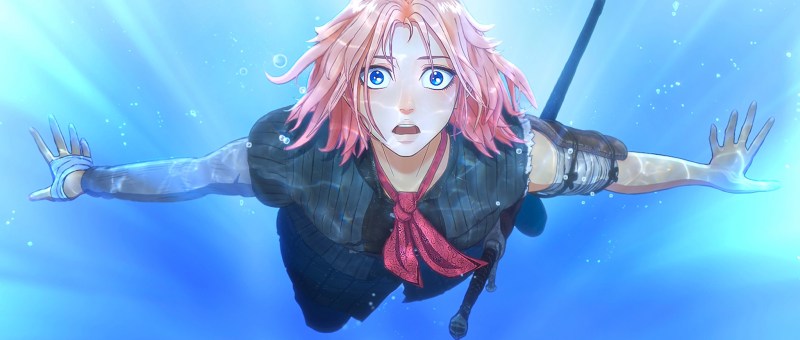
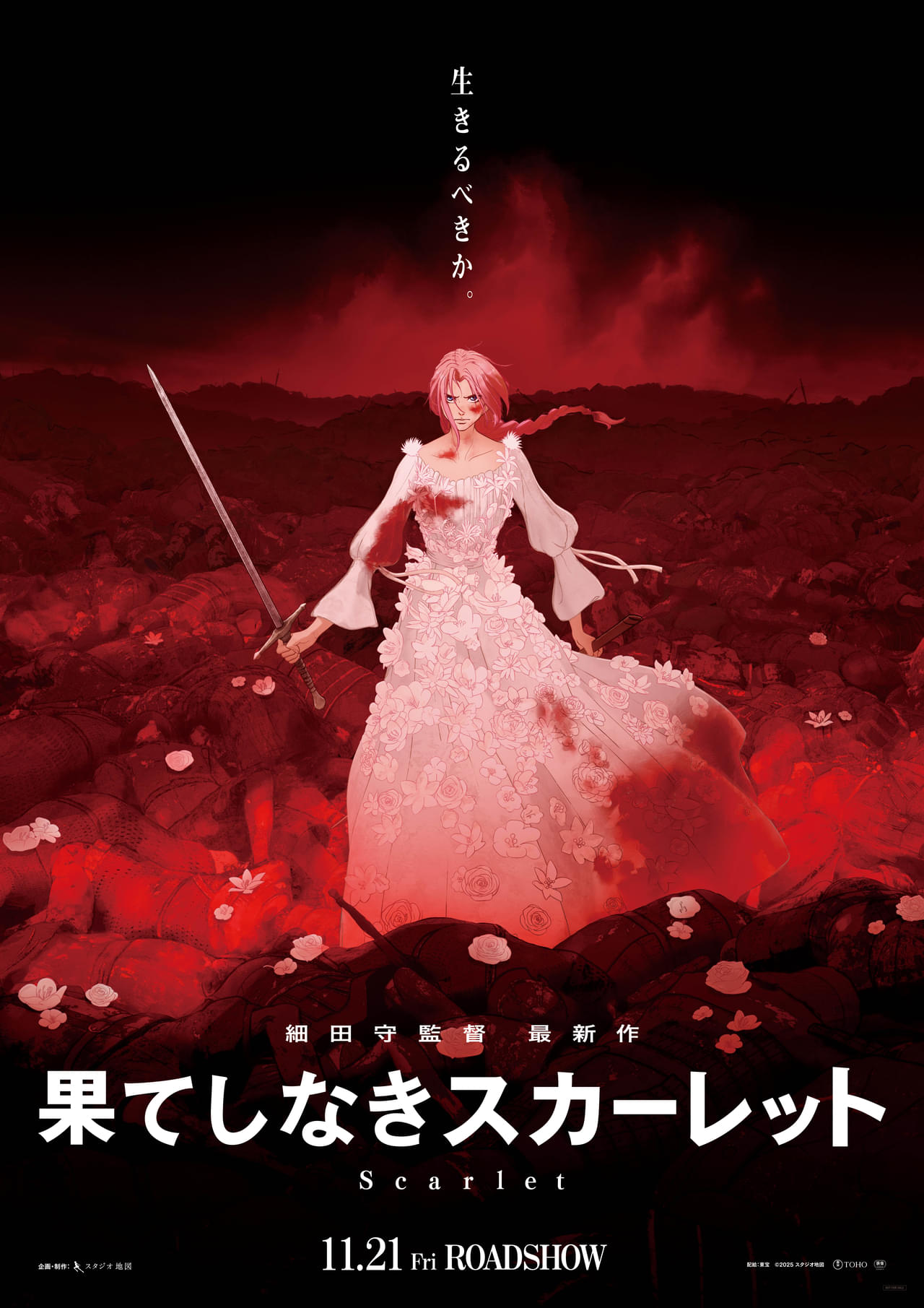
When Korea’s biggest Soju conglomerate, Gukbo, is on the verge of bankruptcy in the wake of the Asian financial crisis and the CEO’s mismanagement, it provokes a national outcry but also the attention of a hundred foreign firms all swarming over Korea like vultures eager to get a piece of the pie. Loosely based on a real life incident, Choi Yun-jin’s Big Deal (소주전쟁, Soju Jeonjaeng) is more evenhanded than one might expect at once decrying the amoral business practices of American corporate imperialism while pointing out that maybe things aren’t perfect in Korea either with its dynastic approach to company management and workaholic lifestyle that comes at the cost of familial bonds.

In fact it sort of implies that In-beom’s (Lee Je-hoon) desire to send Gukbo into bankruptcy so they can take it over and flip it is a kind of revenge against his own workaholic father who passed away 10 years previously, his death presumably hastened by stress and overwork though what In-beom resents more than anything else is that he was never really much of a father to him. That might be why Gukbo’s earnest financial officer Pyo (Yoo Hae-jin) comes to fill that role. In-beom complains that Pyo is stupid and naive, knowing nothing of how the world works, but also that his stupidity makes him feel like an arsehole because it forces him to realise that he’s doing something wrong. 

Caught between In-beom whose firm, Solquin, are pretending to consult on the administration process but in reality feeding into to their subsidiary to buy up shares, and the CEO, Pyo is the only one thinking about what’s going to happen to all their employees when the place goes bust. Like In-beom’s father, Pyo is also a workaholic whose wife and daughter left him because he was never there. He remains dedicated to Gukbo, but not to the extent of breaking the rules, even if he eventually goes along with it when the CEO suggests a dodgy plan to undercut Solquin and maintain control of the company his father founded. What becomes apparent is that Seok (Son Hyun-joo) is out of his depth and that the only qualification he has is being the boss’ son. It’s his fault the company got into trouble because of his reckless expansion plans while he tries to cover up his failings through cronyism, playing golf with the great and the good while leaving Pyo to clean up the mess he’s made.

Nevertheless, for good or ill, Gukbo comes to represent a Korea preyed upon by venal foreign influence. When the plan is exposed, Pyo is sure that the creditors won’t agree to bankruptcy because they won’t be able to stand such a typically Korean business being placed into foreign hands. In-beom thinks that’s ridiculous and no one has that kind of patriotic attachment to a company, but it turns out he’s right and Solquin have an uphill battle in front of them. Yet even In-beom begins to tire of his colleagues’ underhandedness. Though there are a handful of women working at the American investment firm, the culture is extremely macho and misogynistic with liberal and frankly unprofessional use of the F-word as In-beom’s male colleagues make obnoxious jokes about who is getting their dick sucked by whom. Pyo and his team may drink too much, but at least they’re collegiate rather than adversarial.

The question is really whether as In-beom says making money is just that and can’t be either sleazy or noble, while Pyo definitely thinks there are right ways and wrong ways to earn. Solquin is definitely wrong, while Gukbo isn’t entirely right either. In-beom may have a point when he challenges his old-fashioned salaryman mentality of putting the company first every time, but the conclusion Pyo seems to come to is to let all go and just be yourself. That doesn’t mean you have to stoop to their dishonest ways of doing business, but equally it doesn’t mean you have to let them walk all over you either. Capitalism is an inherently corrupt system, but there’s not a lot either of them can do about that even if eventually meeting somewhere in the middle as Pyo loses his faith in chaebol culture and In-beom realises he’s just as disposable when his American bosses chew up him and spit him out as soon as he’s served his usefulness. A closing title reminds us we’re still dealing with a lot of these problems 20 years later with companies that are too big to fail and inadequate regulation though Pyo at least seems to have found a happy medium doing what he loves on his own terms.


Trailer (English subtitles)

Choi Yun-jin directed this film, but her name was later removed from the credits after being fired by the production company who accused her of misappropriating the script.

Useless (无用, Jia Zhangke, 2007)

Perhaps in no other medium does the relationship of art and utility present itself quite so much as in fashion. As the primary subject of Jia Zhang-ke’s Useless (无用, wúyòng), second in a trilogy of films examining Chinese artists, points out China is the world’s largest manufacturer of textiles. Yet until she took it upon herself to found one, it had no fashion label to call its own. Travelling from the garment factories of Guangdong, to the artisan studio of Ma Ke, and bright lights of Paris Fashion Week, before arriving firmly back in Jia’s hometown of Fenyang with its independent tailors and the miners who frequent them for repairs and alterations, Jia zooms in to the modern China probing the divides of art and industry in an increasingly consumerist society. 

Jia begins with a lengthy pan across a strangely silent factory floor, seemingly a relic of a previous era. The workers dine in a quiet cafeteria they have to squeeze through a gate which remains locked to enter, and have access to an on-site doctor. They get on with their work quietly without overseers breathing down their necks and do not seem unhappy, oppressed, or exploited, at least as far as the camera is permitted to see. The camera hovers over the label of a just-completed garment which belongs to Exception, the fashion store launched Ma Ke in the mid-90s, ironically she says as a reaction against mass-produced, disposable fashion. 

Nevertheless, as she points out, you can’t be free to experiment when you’re a recognisable brand with a clear place in the market, which is why she started an artisan side label, “Wu Yong” meaning “useless”, hinting at her desire to find a purer artistic expression within the realms of fashion design. For the camera at least, Ma Ke casts an eye over her atelier like a factory foreman, though her studio space is a million miles away from the Guangdong factory, though borrowing the aesthetics of the early industrial revolution. Her employees weave by hand using antique looms, Ma Ke reflecting on the differing relationships we might have to something made by hand which necessarily carries with it the thoughts and emotions of the maker, and that made “anonymously” in a factory. Yet these designs are crafted with concerns other than the practical in mind, Ma Ke travelling to Paris to exhibit them in a living art exhibition that, in some senses, repackages the concept of Chinese industry for a Western palate. 

It’s Ma Ke, however, who guides Jia back towards Fenyang, explaining that she likes to travel to forgotten, small-town China where she describes familiarising herself with these other ways of life as akin to regaining a memory. In the dusty mining town he follows a man taking a pair of trousers to a tailor to be repaired, perhaps something unthinkable in the consumerist culture of the cities where clothing is a disposable commodity to be discarded and replaced once damaged. Jia spends the majority of the sequence in the shop of a pregnant seamstress who loses her temper with her feckless, drunken husband while seemingly supporting herself with this intensely practical art. Yet it’s in her shop that he encounters another woman also after alterations who explains to him that her husband was once also a tailor but found his business unviable and subsequently became a miner instead. Like Ma Ke he laments the effect of mass production on the market, knowing that a lone tailor cannot hope to compete with off-the-peg for cost and convenience. As we watch the miners shower, washing the soot from their flesh, we cannot help but recall Ma Ke’s avant-garde installation with its faceless, blackened figures, nor perhaps the workers at the factory visiting the doctor with their various industrial illnesses. 

Objects carry memories according to Ma Ke, they have and are history. The clothes tell a story, every stitch a new line, but they also speak of the contradictions of the modern China in the push and pull between labour and exploitation, art and industry, tradition and modernity, value and consumerism. Yet Jia leaves us with the figure of the artisan, patiently pursuing his small, functional art even as they threaten to demolish his studio around him. 


Sanshiro Sugata Part Two (續 姿三四郎, Akira Kurosawa, 1945)

Sanshiro Sugata had not especially pleased the censors who took a scalpel to it, excising a few elements they found problematic, but the film proved popular enough with audiences for the government to commission a sequel. Apparently somewhat reluctantly, Akira Kurosawa returned to the world of Sanshiro Sugata picking up almost in real time two years later with a conflicted Sanshiro (Susumu Fujita) still wandering around Yokohama avoiding the woman he loves whose father may have died due to injuries inflicted on him during his fight with Sanshiro. Yet where the first film had essentially presented a spiritual odyssey through the medium of judo, part two is a much more nakedly propagandistic affair. 

It some ways it’s a little ironic that Sanshiro has almost become a folk hero who stands up for the oppressed Japanese against the looming threat of Western imperialism as mediated through the contest between Japanese martial arts and American boxing. The film opens with a drunken American sailor berating the teenage boy pulling his rickshaw and eventually attacking him only to run into Sanshiro and get a swift hiding. The thankful boy recognises his name and decides that he wants to learn judo too so he can defend himself against external threat, but Sanshiro isn’t sure he should be teaching anyone because he still has a lot to learn and is otherwise unable to escape his guilt over having contributed to the deaths of others through the practice of his art. His internalised shame is only deepened when he’s asked to participate in a spectacle match against a top American boxer and declines only to be told off by the guy who decided to accept. He used to be a jiujitsu champ, but ever since Sanshiro brought about the judo revolution no one cares about jiujitsu anymore and it’s ruined his livelihood. 

There is it seems a degree of shame in fighting for money, but more so in fighting for the entertainment of others. When Sanshiro visits the boxing ring, the sport is depicted as vulgar and primitive. The baying crowd are there largely for blood, riled up by the violent spectacle and eager to see a man in the extremities of a bodily struggle. For Sanshiro, it’s a depressing and offensive sight and to participate in it is to bring shame on Japanese martial arts. Meanwhile, the judo school is also threatened by two thuggish brothers keen to prove the superiority of karate over judo by defeating Sanshiro. They are also brothers of the first film’s villain Higaki who was reformed after his fight with Sanshiro but has since apparently fallen into ill health and listlessness, but so certain that Sanshiro is the only man who can save Japanese martial arts that he gives him the secrets of his brothers’ techniques. 

The final battle mimics that of the first film save taking place amid heavy snow and howling wind. Sanshiro once wins over his opponents through his kindness, taking them into the warm and looking after them until they begin to recover. One of the brothers briefly picks up a meat cleaver before thinking better of it as the two of them grin and admit defeat. Yet Sanshiro’s real battle is indeed against the American imperialists, wilfully breaking Yano’s cardinal rules by deciding to agree to the spectacle fight and easily defeating the American boxer who ends up just passing out from the force of Sanshiro’s aura. The jiujitsu practitioner who seemed to resent him before breaks down in tears and offers his sincere thanks to Sanshiro for standing up for Japan against the Americans.

The contemporary context is clear, this time around judo is much less about spirituality than it is about victory as much as Sanshiro likes to say that it isn’t winning and losing that’s important. Sanshiro becomes the saviour of Japanese martial arts, now endangered by the rising popularity of Western boxing, but also indirectly of the Japanese people in standing up against an encroaching external threat in direct contrast to the slimy Fubiki (Ichiro Sugai), a dandyish interpreter to the Americans forever dressed in foppish suits and seemingly content to do their bidding. “You haven’t changed at all,” Yano scoffs of Sanshiro’s two years of fruitless travelling and it’s clear he still has a lot to learn, putting his romance with the long-suffering Sayo once again “on the back burner”, while remaining true to himself even if not quite the monster the children sing of, a relentlessly honest man and seemingly the lone defender giving hope to an increasingly anxious Japan.


Sanshiro Sugata (姿三四郎, Akira Kurosawa, 1943)

It might seem curious in some ways to make a film about the importance of humanity in martial arts during a time of war, but Akira Kurosawa’s debut feature Sanshiro Sugata (姿三四郎, Sugata Sanshiro) does just this in depicting the hero’s coming of age as a gradual progress towards awakening as he learns to attain control over body and mind through the modern discipline of judo. Based on a novel by Tsuneo Tomita, the film is in many ways a typical martial arts drama in which a young hopeful seeks a master and must eventually face a rival, but lends a note of poetry to the tale which is in other ways perhaps out of keeping with its times. 

The times of the film, however, are late Meiji as demonstrated in the lively opening sequence which ventures into a town in transition where policemen in Western-style uniforms walk the streets alongside townspeople dressed largely in kimono as is the hero, Sanshiro Sugata (Susumu Fujita), who’s come looking for a famous jiujitsu master. Taken on as a pupil, he overhears the master, Momma (Yoshio Kosugi), disparaging a rival, Yano (Denjiro Okochi), who has come up with a new martial art he calls judo which is fast gaining both respect and popularity. Momma thinks it’s all just a branding exercise and Yano’s “judo” is just repackaged jiujitsu, irritated that he seems primed to take a prestigious position as a trainer to the police force which runs its own martial arts contest. Sanshiro goes with them when they attempt to ambush Yano and teach him a lesson only to be easily defeated and humiliatingly thrown in the local river. Sanshiro immediately switches his allegiance, discarding his geta to give Yano a ride home in his rickshaw.

As Yano repeatedly tries to teach Sanshiro, judo is more than a martial arts discipline and places humanity at the centre of everything. This is a difficult lesson for the hot-headed Sanshiro to learn, quickly falling foul of his new master after brawling in the red light district and dramatically throwing himself into the pond. Clinging to a pole, he refuses to get out until Yano forgives him, but in true master fashion Yano merely says that getting out of the pond or not is entirely up to him. It’s while he’s in there, and after a few words from a Buddhist monk, that he witnesses a lotus flower slowing unfolding and achieves a kind of enlightenment that allows him to realise he’s been childish and petulant, finally getting out of the water to submit himself to the rigorous discipline of the martial arts life. 

The flower motif recurs several times, not least being its subversion when antagonist Higaki (Ryunosuke Tsukigata) sprinkles the ash of his cigarette over it. Making his first appearance in dandyish Western dress, Higaki is described as a snake-like villain, his evilness emphasised by his non-Japanese attire in contrast to pretty much everyone else who continues to dress in kimono. Higaki vows that his fight with Sanshiro must be to the death, in part a fight between the nascent art of judo originating in the post-feudal society and the traditional art of jiujitsu, but echoing Sanshiro’s first fight with former master Momma which resulted in his death and plunged the hero into spiritual conflict. He then experiences something similar when realising that he has inadvertently fallen in love with Sayo (Yukiko Todoroki) the pure-hearted daughter of another rival, Murai (Takashi Shimura), who also desires to fight him but as it turns out only in his desire to face a worthy opponent. Sanshiro wants to back away, afraid that he may humiliate or even kill the father of the woman he loves but is brought back to himself by more words from the monk who tells him that he must be as innocent as she is and engage in the fight in a sportsmanlike fashion as a spiritual as well as physical contest. 

This is also to some degree true of his final confrontation with Higaki which too is a confrontation with the evils of the age if less comfortably also satisfying the censors by allowing Higaki to stand in for foreignness in general. Higaki is indeed often accompanied by the sound of the wind which echoes his modernity, the fight taking place in a large windswept field below roiling clouds as the two men grapple despite the advice of their intermediary to call it off before one of them really dies. Higaki does in a sense die a sort of death in that we’re told after the fight he reformed and also managed to find a similar kind of enlightenment to Sanshiro who is then bashful and romantic while heading off on another journey from which he assures Sayo he will soon return. It’s true enough that there doesn’t seem to be much that would appeal to the censors of 1943 save the implied defeat of Western powers and celebration of Japanese martial arts given that humanity is repeatedly emphasised as the core component of judo and that Sanshiro achieves an individual enlightenment rather than finding peace as a member of a team or community, but they did otherwise decide to cut a substantial amount of the film said to contain a love scene and references to alcoholism that they deemed improper. Nevertheless, there are shades of Kurosawa’s later greatness even here in his dramatic composition and expressionistic use of nature to detail one boy’s journey into manhood through the spiritual rather than physical gymnastics of the philosophy of judo. 


Pee Mak (พี่มาก..พระโขนง, Banjong Pisanthanakun, 2013)

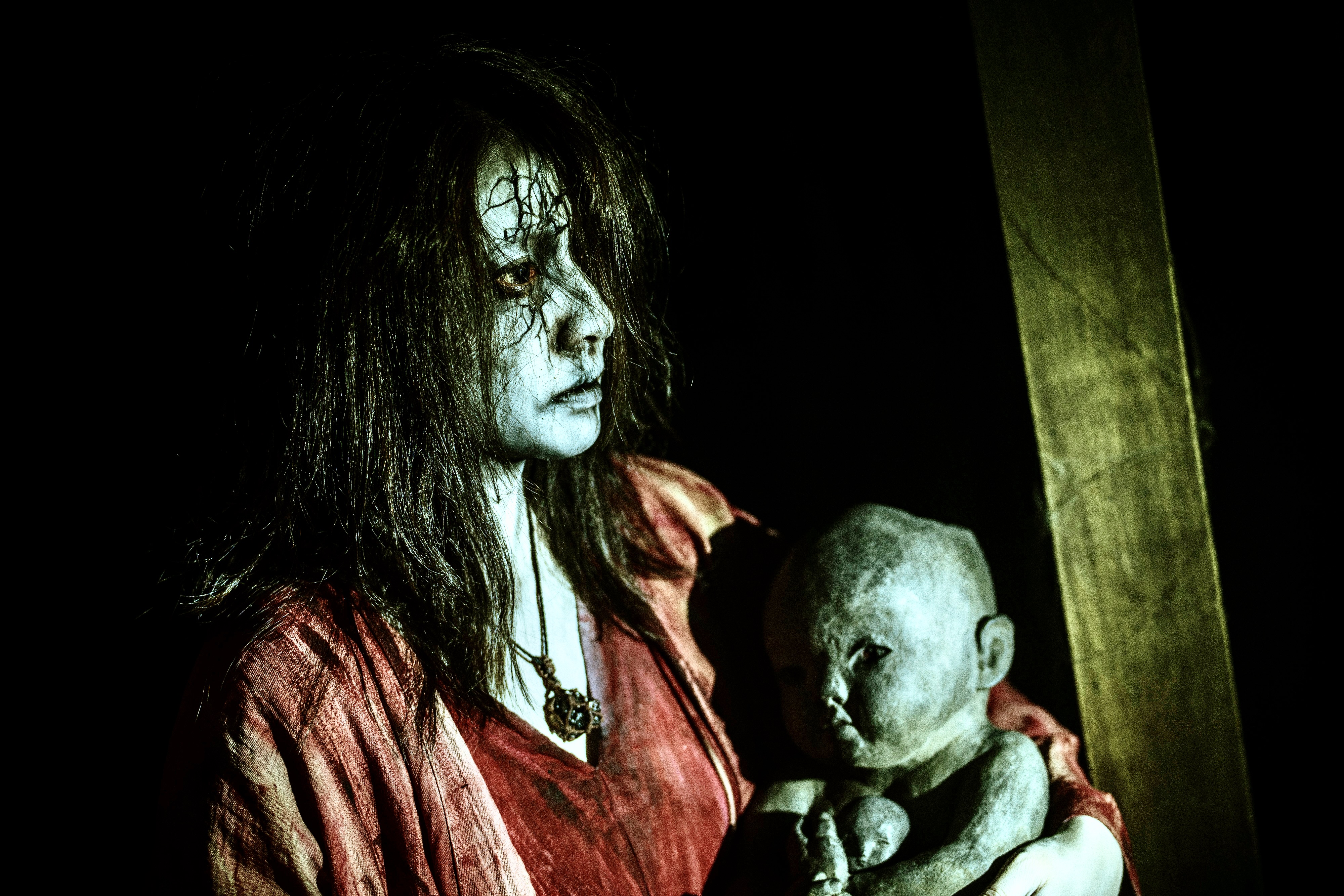
If you suddenly discover your spouse is a member of the undead, do you really have to break up with them or is it alright to go on living with a ghost? The conventional wisdom in Banjong Pisanthanakun’s horror comedy take on the classic folktale Mae Nak Phra Khanong, Pee Mak (พี่มาก..พระโขนง), is that the dead cannot live with the living, but perhaps love really is strong enough to overcome death itself and living without the person who means most to you really might be more frightening than living with an all-powerful supernatural entity.

In any case, much of the comedy revolves around the desperate attempts of Pee Mak’s friendship group to make him realise that wife, Nak (Davika Hoorne), is a ghost. The men had all been away at the war and have now returned but the village seems different and the villagers are all avoiding Pee Mak. Gradually, it dawns on them that Nak actually died due to complications from a miscarriage after going into labour alone at home given Pee Mak’s absence. But Pee Mak himself remains unaware of this fact, or so it seems, and refuses to listen to his friend’s attempts to convince him which are also frustrated by their fear of Nak and the worry that she might curse them if they reveal her secret.

The four friends are each played by the same actors and have the same character names as those in the shorts Banjong Pisanthanakun directed for 4Bia and Phobia 2, and as in those two films there is a degree of confusion about who is and isn’t a ghost. On their return, the men are passed by a ferryman who is returning the bodies of dead soldiers to their families explaining that the graveyards are all full. This of course hints at the destructive costs of the war and haunted quality of the depleted village to which not all men have returned, but also leaves the door open to wondering if the five of them are not already dead themselves and have returned home only in spirit without realising. Pee Mak, after all, sustains a serious injury from which he miraculously recovers driven only love and the intense desire to return home to his wife and the baby he’s never met who must by now have been born. 

Meanwhile, Nak tells Pee Mak that the rumours of her death are greatly exaggerated and mostly put about by a local man, Ping, who had been harassing her while Pee Mak was away at the war and was upset by her rejection. Ping then later also accuses Nak of killing his mother after she drunkenly told Pee Mak about Nak being a ghost, but in general the villagers only avoid Nak until one rather late intervention rather than try to exorcise her spirit. Nevertheless ghost or not, it does not actually appear that Nak is particularly dangerous. She does not drain Pee Mak’s life force nor randomly attack other people and at most only seems to glare intensely at his friends who might just be annoying in far more ordinary ways especially as one of them seems have developed a crush her.

Which is all to say, is it really so wrong for Pee Mak to enjoy a happy family life with his ghost wife who may have developed a set of really useful skills such as super-stretchy arms and the ability to hang upside down? Banjong Pisanthanakun constantly wrong-foots us, suggesting that perhaps everyone’s already dead, or maybe no one is, while eventually coming down on the side of the power of love to overcome death itself. Despite the film’s setting in the distant past, he throws in a constant stream of anachronistic pop culture references that might suggest this is all taking place in some kind of universal time bubble but also lends to the sense of absurdity in what is really a kind of existential farce as the gang attempt to figure out who’s alive and who’s a ghost before eventually realising that it might not really matter. Dead or alive, it seems like life is about just being silly with your friends free from the folly of war, which is surely a message many can firmly get behind.


Trailer (English subtitles)

Memoir of Japanese Assassinations (日本暗殺秘録, Sadao Nakajima, 1969)

According to the narrator of Sadao Nakajima’s artistically daring Memoir of Japanese Assassins (日本暗殺秘録, Nihon ansatsu hiroku) the practice of assassination had got so out of hand in the early years of Meiji that the emperor was forced to institute a law banning it while accepting responsibility for the lawlessness his imperfect governance had produced. But by opening with the Sakurada Gate Indecent from 1860, the film seems to be asking what went wrong in Meiji and why the assassinations have still not stopped with the implication that more may be on their way in rather febrile political atmosphere of the late 1960s in the run up to the renewal of the Anpo security treaty with Asama Sanso still a few years away.

The answer to the question that it presents, is that oppression has still not ended in Japan and that most of these assassinations took place because people had enough of difficult social conditions those in power little did to address. However, the first few pre-20th century  assassinations which are presented in the form of short vignettes, are largely a product of the confusion of the bakumatsu era as reactionaries attempt to halt Japan’s increasing openness to the wider world and what they see as a loss of national identity and sovereignty. The implication is that this sense of ideological conflict is a direct cause of the nationalism that defined the first half of the 20th century. 

It’s not until we reach the early 1920s that the secondary cause of Japan’s dire economic situation rears its head as the right-wing nationalist leader of Righteousness Corps of the Divine Land (Bunta Sugawara), a society dedicated to workers’ rights, assassinates the head of a family-run conglomerate he accuses of feeding on the blood on the common man. From this incident we can see that it is not as easy to draw a line between left and right in terms of political ideology as it might be at other times or in other nations as otherwise nationalist forces share ideas that might lean more towards socialist ideals. Ikki Kita whose philosophy informed the February 26th Incident that ends the film described himself as socialist, but is also regarded by some as the architect of Japanese fascism. With the so-called “Showa Restoration”, he advocated for the elimination of private property and a doctrine of socialism from above in which the emperor would assist in the reorganisation of society. Which is to say, the clarification of the Meiji Restoration actually meant.

In any case, it’s easy to see the reasons that these ideas caught hold and that concepts such as “revolution” were a counter to the persistent hopelessness of the depression and the extreme poverty of Japanese society while the large conglomerates prospered through trading with the United States. The bulk of the film focuses on Onuma who assassinated Junnosuke Inoue in 1932 as part of an intended reign of terror known as the League of Blood instituted by the far right Nichizen Buddhism cult led by Nissho Inoue (Chiezo Kataoka),. Onuma was still alive at the time the film was made and apparently acted as a consultant. Played by a fresh-faced Shinichi Chiba, he’s depicted as an earnest young man who is driven into the ground by the increasingly capitalist mentality of the 1920s, a time of high unemployment and frequent labour disputes only exacerbated by the Great Depression. 

Though he had been a bright and attentive student, Onuma was forced to leave education because of his father’s early death and thereafter worked a series of causal jobs before leaving a position at a kimono dyers because of their callous treatment of another employee who was forced to embezzle money because his mother was ill and he was denied a loan by the boss who justifies his position by stating that he’s already given the man several advances on his salary. Onuma’s brother also resigned from his job to take responsibility for failing to spot someone else’s embezzlement, leading Onuma to conclude that being honest gets you nowhere in this morally corrupt society. This is rammed home for him at his next job at a cake baker’s where he becomes almost part of the family and draws closer to the maid, Takako (Junko Fuji). The boss intends to rapidly expand the business by building a bigger factory hoping to capitalise on the coronation of the new emperor. Staking everything on the factory, he takes out loans from loan sharks but fails to get a business permit from the police later remarking that he was naive thinking he could do business honestly not realising that the police expected a bribe.

Tuberculosis and the death of a girl who like him could not afford medical treatment further leave Onuma feeling resentful and hopeless leading to a suicide attempt after which he is born again in Nichiren Buddhism and becomes a servant to Nissho. It’s easy to see how Nichiren could offer an escape to young men like him who burn with rage and a desire to change society, though in essence it’s no different from the militarism that was growing in parallel being rooted in nationalist ideology and for the early part at least centred in the military. The May 15 Incident saw the military and members of the League of Blood assassinate the prime minister to enact the Showa Restoration and reorganise society. The revolution failed, but the 11 young officers who took part in received little punishment, furthering cause of the militarism, while directly contributing to the February 26th Incident which though it also achieved little further cemented the power of the military over the government. 

Though imperialism is subtly presented as another form of injustice as the nation spends money on warmongering while the people starve, the film straddles an awkward line in struggling to avoid glorifying the actions of the far right in painting Onuma and leader of the February 26th Incident Isobe (Koji Tsuruta) as dashing, idealistic heroes whose only wish was to save Japan and remake it in a way they believed to be better. This was pretty much the antithesis of what Nakajima intended, though it was picked up by some as a piece of right-wing propaganda. The film courted controversy both with Toei studio bosses and the government who ordered Nakajima to soften the excerpts from Isobe’s diary fearing they were too incendiary, though Nakajima had already shot the footage and was forced to find a compromise. Toei as a studio did rather lean towards the conservative and especially in its yakuza films which is perhaps unavoidable given that yakuza organisation did often have strongly nationalistic sensibilities. Accordingly, the film stars almost their entire roster of Toei’s yakuza and ninkyo eiga stars from Tomisaburo Wakayama to Ken Takakura and Koji Tsuruta along with Junko Fuji as as Onuma’s love interest who is eventually forced into sex work because of the economic conditions of the 1920s, and perhaps comes with some of that baggage. Its closing question, however, given the fact that all these assignations achieved almost nothing of what they were intended to, seems to be posited at the current society mired in the Anpo protests and the declining student movement to ask how else society might be changed and revolution enacted to create a fairer society for all through an ideology that could end this cycle of political violence.


The Rose: Come Back to Me (Eugene Yi, 2025)

Korean indie group The Rose have been making waves for close to a decade, starting out in Seoul and now having signed with a US label and playing the Coachella festival. They cite their musical message as healing, in part because music has healed them at various points in their lives, both individually and as a group, though they have faced a series of hardships, from the rigours of the K-pop industry to an exploitative label and a potentially explosive scandal.

Eugene Yi’s documentary is however more of a puff piece interested in how the band heroically overcame their struggles rather than the nature of the struggles themselves, despite a few talking heads outlining the oppressive and exploitative nature of the Korean music industry. According to them, what makes The Rose interesting is they all started out in K-pop training schools, but each found it wasn’t for them. As one of them points out, only 0.01% of applicants get to debut, and only 0.01% of the ones that do are successful. Sammy, a Korean-American musician who took part in a Korean TV talent competition, says that he developed body image problems because of the way the agency tried to control his appearance and eventually dropped out because he lost the joy of music in having to literally dance to their tune. 

Others of the band members had similar experiences before coming together as a street band and eventually forming The Rose as four young guys with a dream. They got an apartment together and eked out a living while spending all their time practising and writing songs. But as so often in these stories, they were picked up by a label who only wanted Sammy. He convinced them to take the others too, but they also tried to control the direction of their music and rejected their choice of an intensely personal, self-written debut song, insisting they needed something poppier and more upbeat. The joke was on them, though, because the song took off on its own on YouTube and became a hit across Europe. The label sent them touring, but otherwise did little else and misled them about the financial situation to the point that they decided to sue.

Suing your label is pretty unheard of in Korea where going against your team is socially difficult, as is challenging flaws in the system rather than just trusting in it and going with the flow. Had they lost, it would have been the end of the band and they’d all be financially ruined for the rest of their lives. This was also the time that Covid hit, with two of the band members going into the military. Along with the psychological pressure of the label playing divide and conquer to set them at each other’s throats, the anxiety of the court case strained Jeff’s mental health to the point of hospitalisation. He wondered if he should give up music if this was what it was doing to him, but then rediscovered its healing qualities. 

Having won their court case, the band reunited and signed with a label in the US only to be hit by another scandal once they started to make a name for themselves and Sammy’s former conviction for drug use after being caught with a small amount of marijuana was exposed in the papers. Any kind of involvement with drugs is a no-go in the Korean entertainment industry and can end careers or worse. Nevertheless, the band seem to have bounced back from it if even Sammy laments the guilt he feels for letting down his bandmates’ parents though he’d always been upfront with the guys that it might come out some day. Jeff too had remarked on the additional guilt he felt towards his parents for becoming ill, demonstrating that they’re all nice guys who care about their families and are serious about their healing message. Jeff is touched when members of the audience tell him their music helped them get through a loss or overcome their suicidal thoughts. 

Nevertheless, the film does rather seem set up to emphasise those messages and make the guys look as good as possible in addition to painting them as an authentic artistic rebellion against the soullessness of K-pop with its manufactured stars who are kept on a tight leash and trained to within an inch of their lives so that almost nothing of their individual expression remains. A little more shade might have helped to offset the hagiographic tone, though it’s true enough the band has talent and they’ve worked incredibly to get to where they are overcoming a series and crises and hardships along the way.


The Rose: Come Back to Me screened as part of this year’s San Diego Asian Film Festival.

Trailer (English subtitles)
I Flunked, But… (落第はしたけれど, Yasujiro Ozu, 1930)

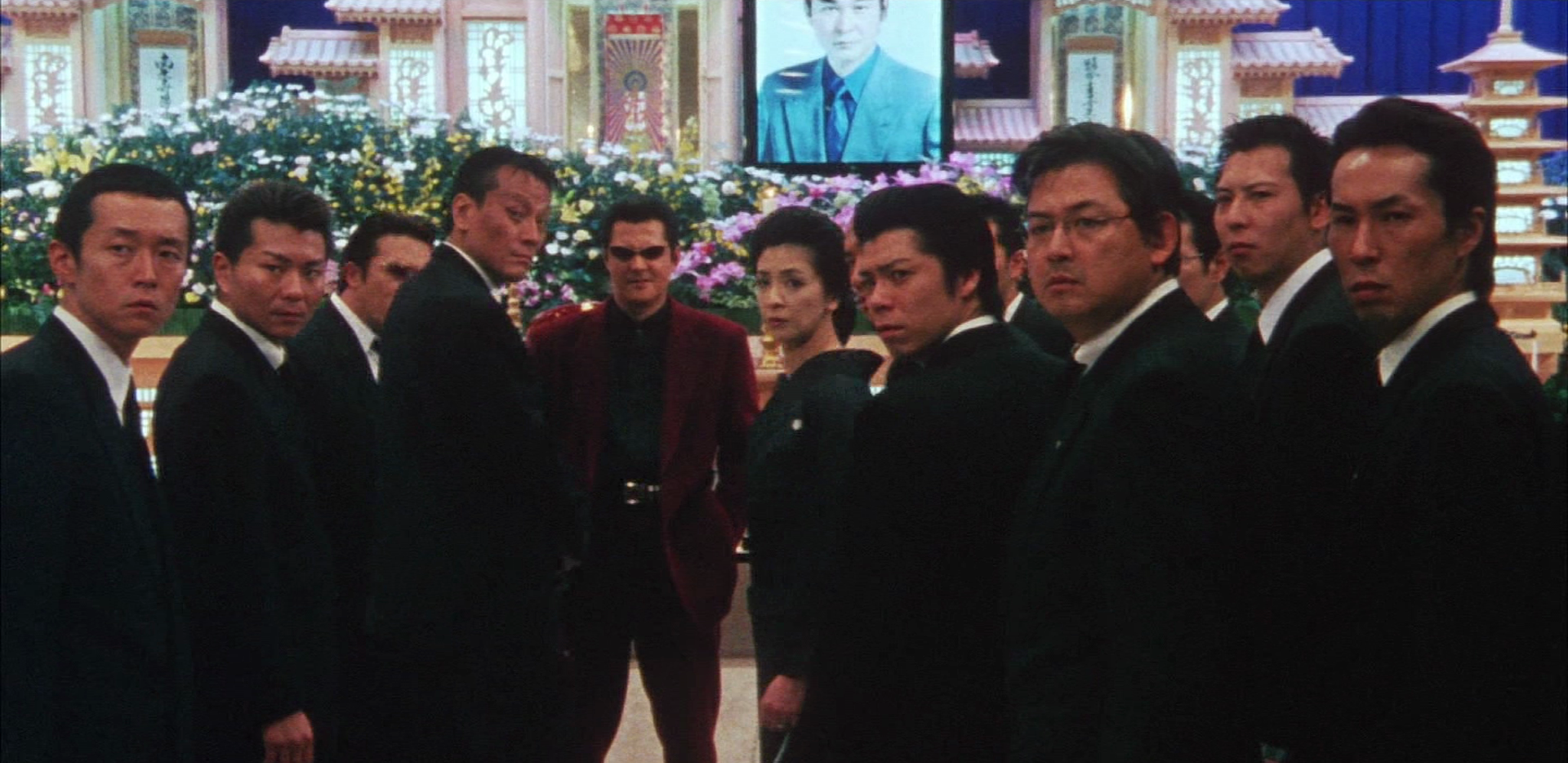
Yasujiro Ozu never went to college. By all accounts a poor student and rebellious young man, he took an early teaching position in a remote rural area precisely because it required no degree. Unsurprisingly, he didn’t last long in the job and eventually returned to Tokyo,  joining Shochiku as an assistant cameraman. Nevertheless, in his early career at the studio he found himself contributing to their popular brand of college comedies of which I Flunked But… (落第はしたけれど, Rakudai wa shitakeredo) is his third, directed when he was 26 years of age. 

Drawing inspiration from Hollywood campus movies and in particular Harold Lloyd’s The Freshman as we can see from the various US state college pennants seen hanging throughout the film, I Flunked But… follows a group of young men preparing for their final exams. They are all excited about the idea of graduating into the adult world as symbolised by the neat business suits they have each bought in preparation for their new lives and few seem burdened by anxiety about a potentially precarious future as members of a generation stepping into a world of reduced economic potential and growing political instability. 

In fact they live the last days of their student lives to the full, greeting each other with silly dances, playing turntable roulette to decide who pays for dinner, and spending more time figuring out how to cheat on the exam than studying to pass it. There may be truth in the idea that passing exams is all about the knack, but our boys are overly invested in kicking back against the system rather than playing by its rules to get ahead. As the film opens, two students are arguing because one supposedly betrayed the other in promising to help him cheat and then not following through. Takahashi (Tatsuo Saito) is supposed to help his friends by wearing a shirt which has a cheat sheet scrawled on the back, but he oversleeps and the landlady swipes it for the laundryman. The others manage to scrape through on their own while Takahashi alone fails. 

The remainder of the film becomes a more melancholy mediation on the changing fortunes of Takahashi and his friends. Overcome with shame and disappointment, Takahashi is left out of the others’ cheerful graduation celebrations, left with the choice to drop out or repeat the year (amusingly, one of his perpetual failure friends appears to be much older, even middle-aged, and one wonders if he is a serial repeater). The suit he had bought is now a grim reminder of his defeated hopes, as is the tie his girlfriend (Kinuyo Tanaka) who works in the bakery next-door was making for him as a graduation present. He now feels unworthy of wearing it, a fraudulent human trapped in adolescence by embarrassing failure. The girlfriend, however, already knows all about it and reassures him that even if he has not graduated, he still has the right to wear his graduation suit. 

As time moves on, however, Takahashi realises that he might actually be the more fortunate. Still wearing his student uniform, he lives a carefree student life and is still receiving money for his upkeep which makes him the rich man among his dorm mates who are still living in the same rooms with him and have all had to pawn their graduation suits because there are no jobs for them to go to. “I heard it’s hard to get a job these days”, the girlfriend laments, and it’s clear the depression continues to bite. The college world was safe and easy. Takahashi carries on goofing off, silly dances and cheerleading the order of the day. In this sense at least, a perpetual childhood might not be so bad a thing. The graduates wistfully play with a student’s cap, wishing they could return to their carefree college days rather than stuck in their old dorm receiving nothing but rejection letters and hand outs from a slightly smug Takahashi. “If I’d known it would be like this I wouldn’t have graduated so hastefully” they lament. Maybe flunking is actually the smart choice, riding out economic instability until something better comes along. You might as well enjoy yourself while you can, Ozu seems to say, you’ll never have it so good again.


A Writer’s Odyssey 2 (刺杀小说家2, Lu Yang, 2025)

Arriving four whole years after the previous instalment, A Writer’s Odyssey 2 (刺杀小说家2, cìshā xiǎoshuōjiā 2) is in many ways a very different film. While its predecessor was a fairly serious affair tackling some of the issues of the modern China such as child trafficking, machinations of the oligarch class, and generalised capitalistic oppression, the sequel is a typically mainstream fantasy blockbuster complete with some fairly goofy humour and the ultimate message that despotism is bad and people should work for the good of others rather than just themselves.

In that regard at least, it’s another pointed attack on authoritarians and corporate bullies like Aladdin’s Li Mu. The entire Aladdin plot is, however, jettisoned, which seems like a missed opportunity, especially as it means that Yang Mi does not reprise her role and we don’t get any answers about who the boy was with Tangerine at the end of the previous film nor whether the “death” of Redmane led to the death of Li Mu in the real world as he feared it would. In truth, even Guan Ning (Lei Jiayin) is somewhat sidelined. Six years later, he, Tangerine (Wang Shendi), and Kongwen (Dong Zijian) are living as a family running a restaurant. Though Kongwen finished his Godslayer novel, it was stolen by an influencer, Cicada (Deng Chao), who accused him of plagiarism which got Kongwen blacklisted in the publishing industry and unable to earn any money through writing. As he’d said in the previous film, it was writing that gave his life meaning so now he’s started to become hopeless and depressed. 

Meanwhile, he’s begun to dream of Ranliang and the return of Redmane who has survived but as a mortal rather than as a god and is determined to get back everything he’s lost. This means, in meta terms, that he wants to challenge “god”, or really Kongwen, whom he sees as the architect of his fate. On the one level, it seems as if he’s trying to insist on his own free will and is sick of being controlled by unseen forces, but in reality he just wants the powers of a god for himself so he can oppress people properly. Nevertheless, this means he has to come to our world in order to square off against Kongwen, the writer.

It has to be said the vision of the real world on offer this time is much glossier and devoid of the kind of darkness that haunted Guan Ning. Though they’re worried because the restaurant’s not doing so well, the trio seem to have pretty nice lives with relatively few other problems outside of Cicada who is now aligned with Redmane in place of Li Mu standing in for a venal class of confluencers. Kongwen is then fighting a war on two fronts as Redmane taunts him to come over to the dark side and turn his fantasy story of good defeating evil into one of nihilistic despair echoing the way that Kongwen feels in his life.

The meta drama of the writer pursued by his characters is resolved in a fairly unexpected way with Kongwen effectively giving up his godlike powers and allowing his characters to save themselves through “mortal courage” rather divine intervention. Though Renliang had been plunged into chaos as the power vacuum Redmane left behind saw his former allies effectively become warlords reenacting the warring states period, in the end it’s solidarity that saves them as they agree to band together to oppose Redmane while offering the possibility of forgiveness if only Redmane can give up his quest for domination and agree to work for the common good. 

Kongwen learns something similar, remembering his writing isn’t solely an economic activity, and not only about himself but giving something back to the world. Torn between the anarchic ambition of Redmane and the righteousness of Jutian (Chang Chen), modelled after his own absent father, he struggles to find meaning amid the injustices of the modern China having been unfairly cancelled by netizens after being falsely accused of plagiarism by the man who stole his story and asks himself if it’s worth sacrificing his friends in a last ditch attempt to save them through teaming up with the forces of darkness. Nevertheless, Lu frames his tale in a much more lighthearted fashion as symbolised by demonic armour Darkshade’s sudden merging with a lettuce to become unexpectedly adorable. As such, it feels like something of a missed opportunity in choosing not to build on the foundations of the first film but sidestep them completely. Even so in upping its production values and the quality of its visual effects, the sequel embraces a new sense of fun which is definitely different but possessed of its own charm.


Trailer (English subtitles)
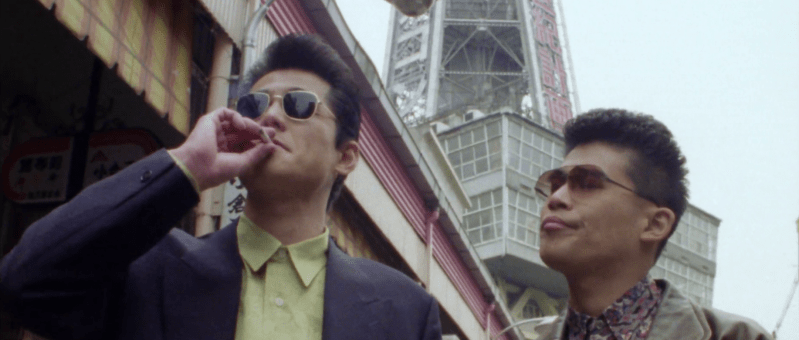
A Writer’s Odyssey (刺杀小说家, Lu Yang, 2021)

“As long as I keep writing, my existence has meaning,” according to the titular writer at the centre of Lu Yang’s action fantasy, A Writer’s Odyssey (刺杀小说家, cìshā xiǎoshuōjiā). His art, though derided as trivial, is it seems the best form of resistance to the feudalistic capitalism that has overtaken the authoritarianism of the communist past. Broken father Guan Ning (Lei Jiayin) desperately searches for his daughter Tangerine who has been missing six years, assumed to have been swallowed by China’s child trafficking network, only to find himself plagued by bizarre dreams of a fantasy city.

The city is, it seems, that of Kongwen’s (Dong Zijian) fantasy novel series which he live streams over the internet. Whenever something bad happens to the evil despot at the story’s centre, Lord Redmane, it’s visited on the CEO of vast corporation Aladdin (read: Alibaba), Li Mu (Yu Hewei), which has just launched the Lamp App which will they claim “resculpt time” so that time and distance are no longer an issue. Li Mu is panicked because Kongwen has said he’s going to end the series in three days and it doesn’t look good for Lord Redmane, so he’s fearful for his life. Noticing that Guan Ning has some sort of super power in which he can hurl rocks with unusual accuracy, he leverages Tangerine’s disappearance to convince him to knock off Kongwen in exchange for his daughter’s location.

Of course, the fantasy world and the “real” are connected in more ways than one with Ranliang conjuring visions of the Cultural Revolution in which the despotic leader is literally protected by hordes of mindless “Red Guards” while pitting one district against another and seemingly destroying all art. Li Mu, meanwhile, is destroying human innovation with his apps and treats the lives of others with callous disregard. His right-hand woman Tu Ling (Yang Mi), originally resentful of Guan Ning in blaming him for losing his child having been abandoned by her own parents, becomes disillusioned with his tactics on realising that he lied to Guan Ning and the candidates he picked for Tangerine are five random girls none which is likely to be her. Figuring out that she’s probably next after Li Mu knocks off Kongwen, who is also the son of his former business rival that he seemingly betrayed to take control of the company, and gets rid of Guan Ning for good measure, her allegiances begin to change creating a kind of parallel with Tangerine and the mysterious boy hanging around with her.

Meanwhile, in the fantasy world, Kongwen teams up with a demonic suit of armour that feeds on his blood but is also a near unbeatable killing machine that may or may not be evil. Guan Ning comes to believe that the fantasy world may be the only place he can find Tangerine and switches side from agreeing to kill Kongwen to deciding to protect him so that he can finish the story and possibly write a better ending for his fantasy character who as yet remains undefined. He’s later revealed to be a member of the brainwashed Red Guard, which may be appropriate as his former job was a banker which is to say a soldier of capitalism. Only art can break his programming in the form of Tangerine’s flute playing which reawakens his humanity and memory. 

The implication seems to be that China cannot escape either its communist past or capitalist future except through the liberation that comes with artistic endeavour. When Guan Ning is tasked with killing Kongwen, he follows him about town and hears his neighbours run him down as a “parasite”, a man of almost 30 with no real job and no income who is still being financially supported by his mother. This information might be offered to make it seem less bad to kill him, as if in this hyper-capitalistic society his life is worth nothing because that’s what he contributes. Kongwen feels this a little himself and has suicidal thoughts, but also insists that his life has meaning precisely because he writes and expresses all of this frustration with the contemporary society along with his buried resentment towards Li Mu for the death of his father and theft of his birthright. Shot like a video game, the film’s sprawling fantasy-esque world hints at still more adventures to come in this David and Goliath competition in which Kongwen and Guan Ning attempt to overthrow this cruel and corrupt order to find a way to free themselves from its authoritarian cruelties if only in their minds.


Trailer (English subtitles)