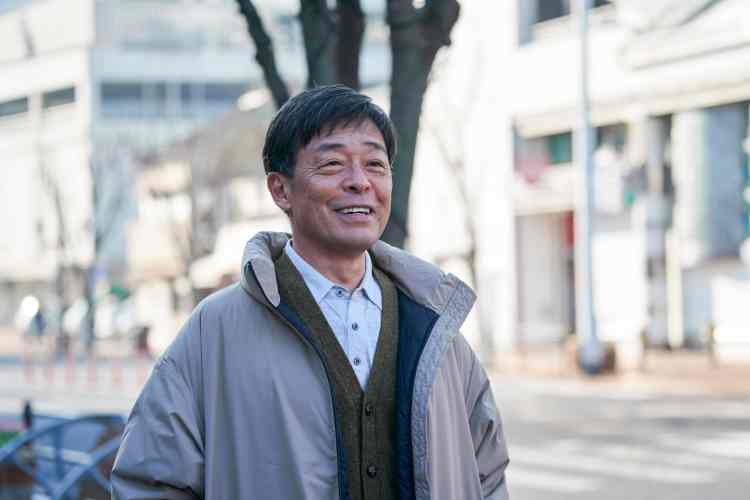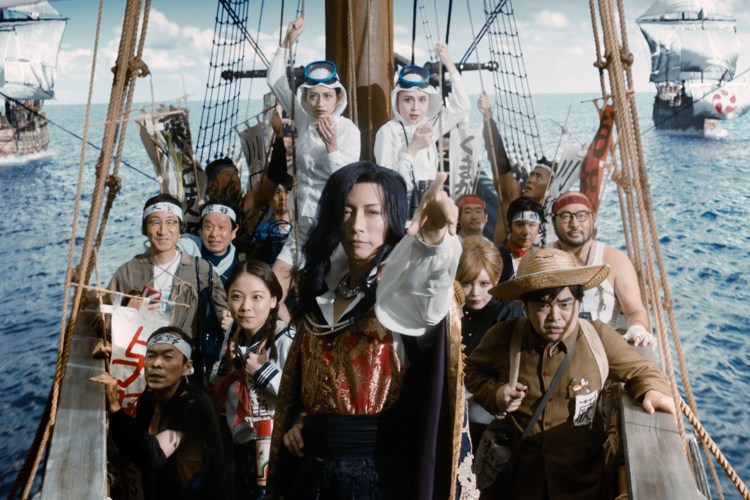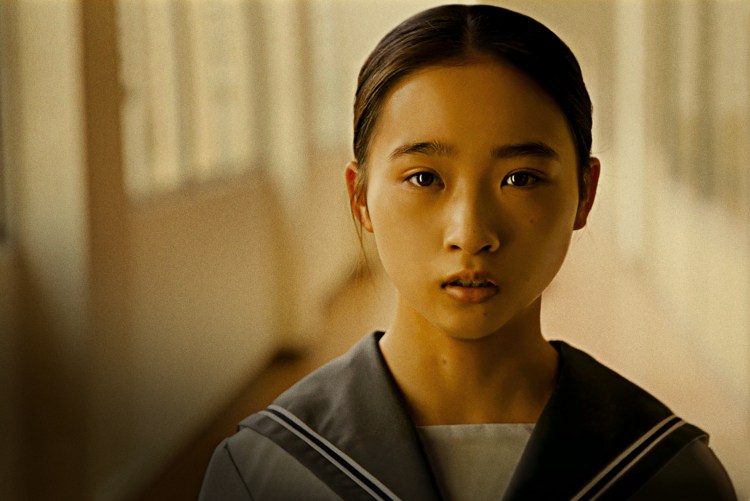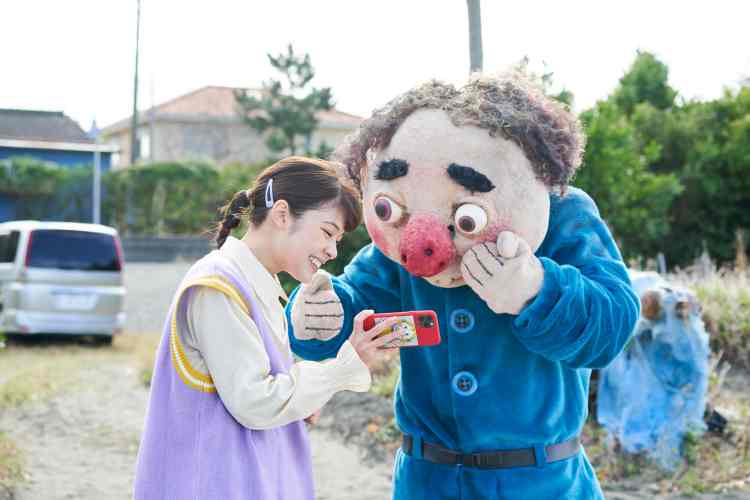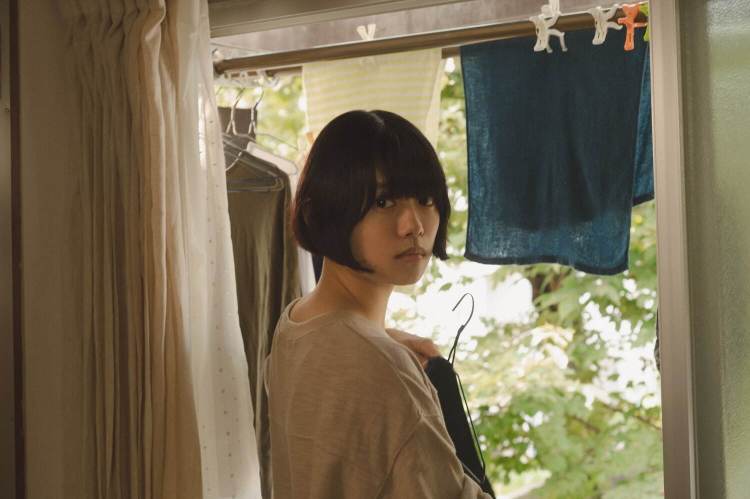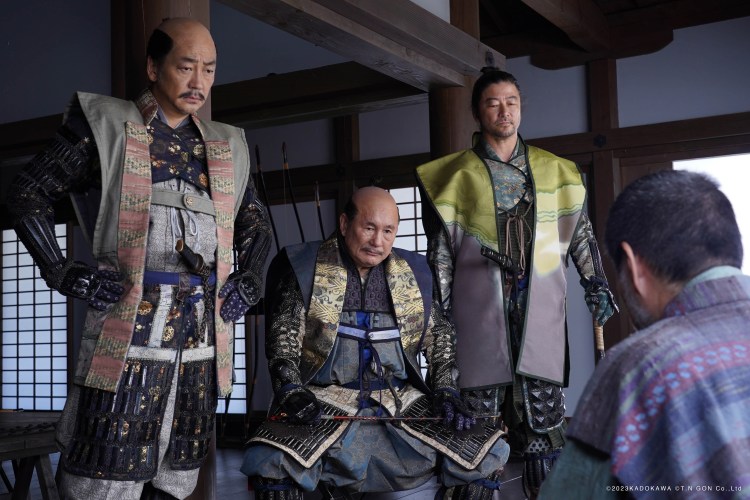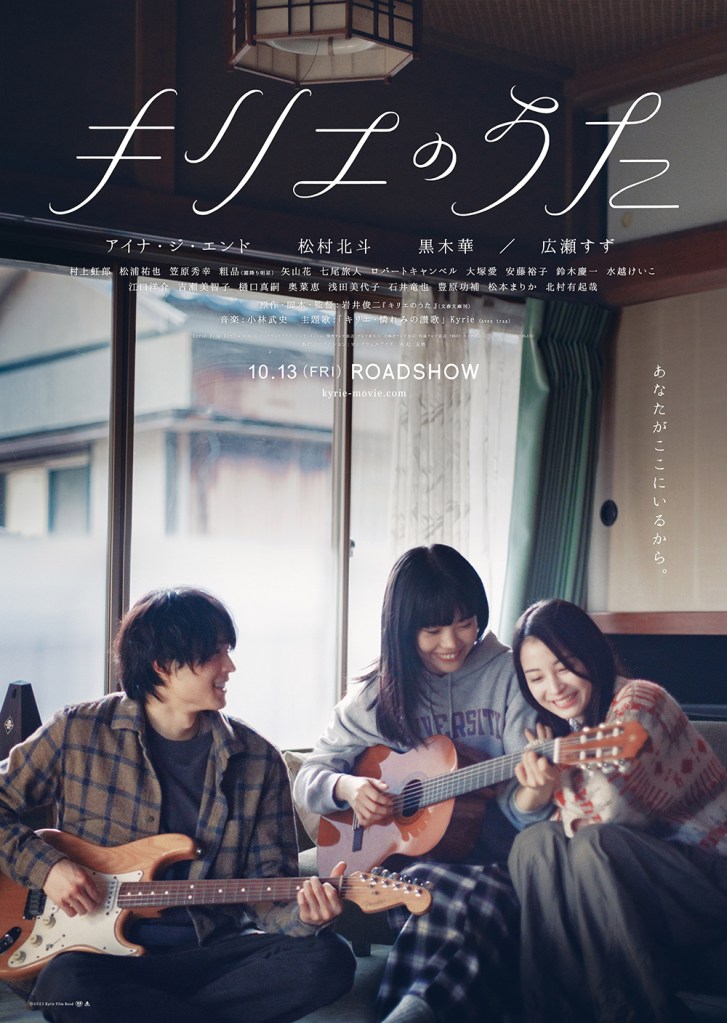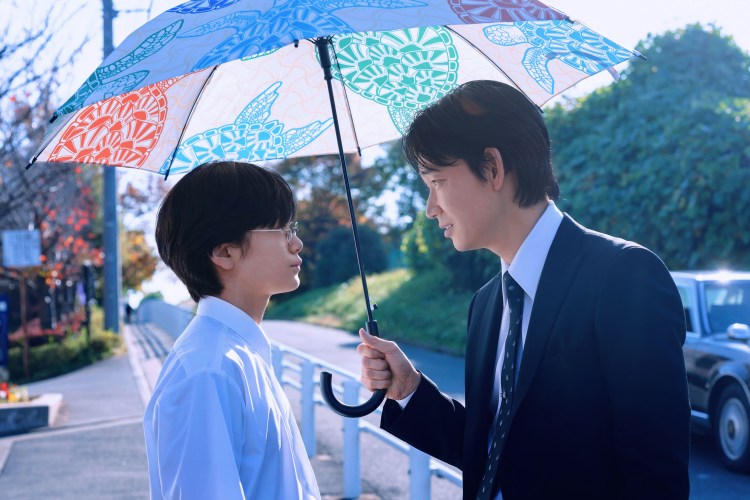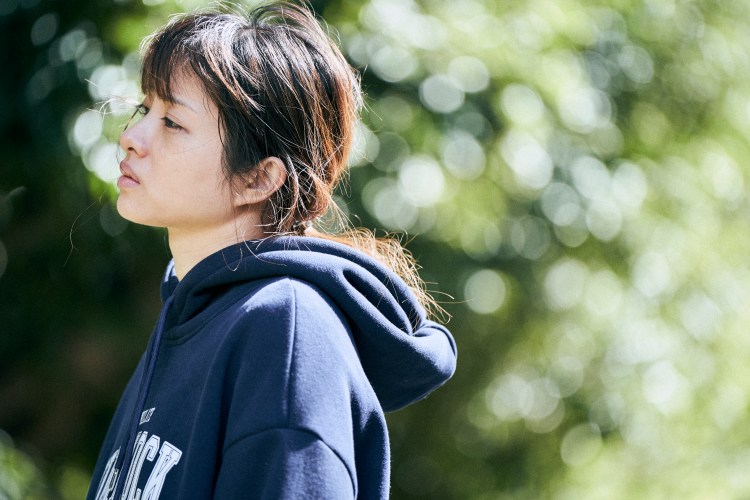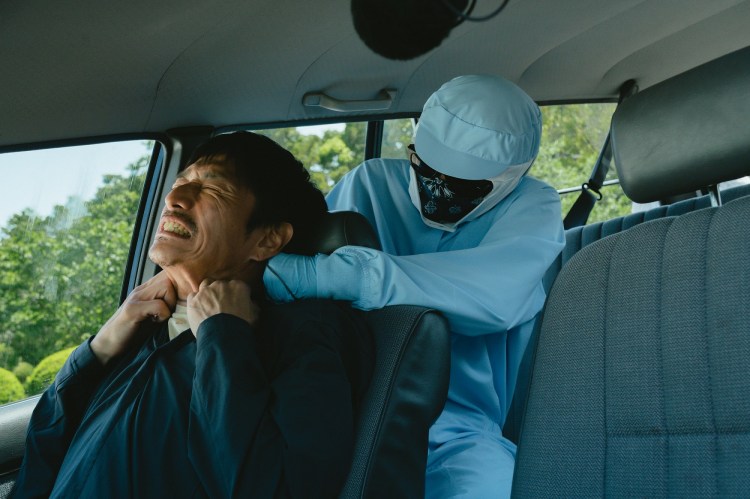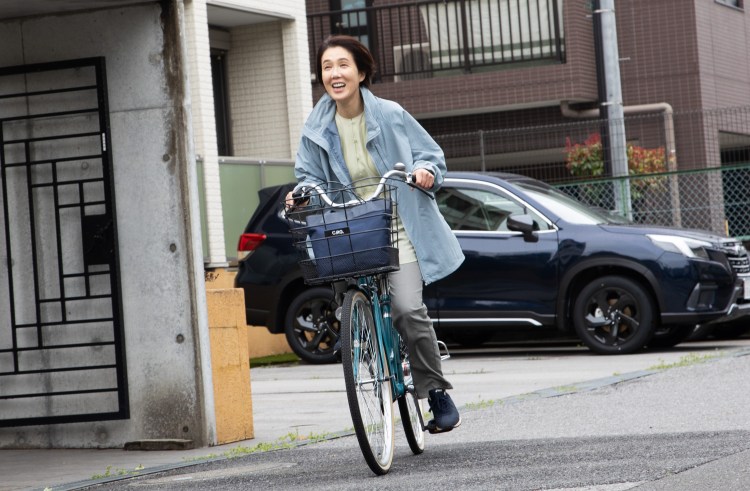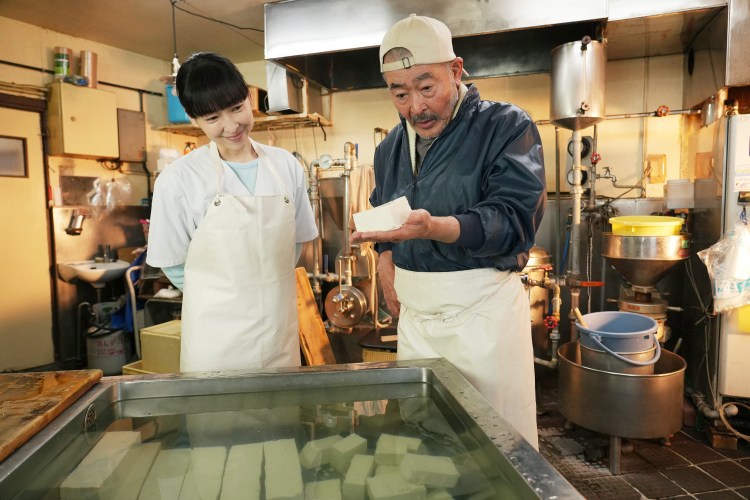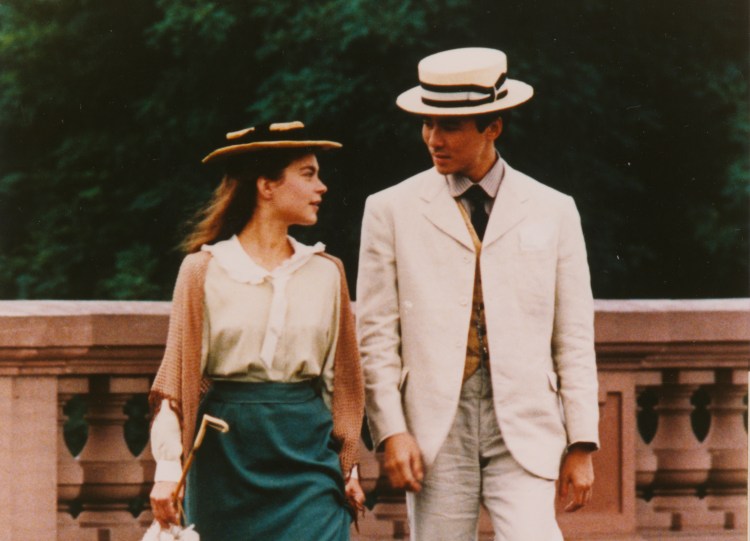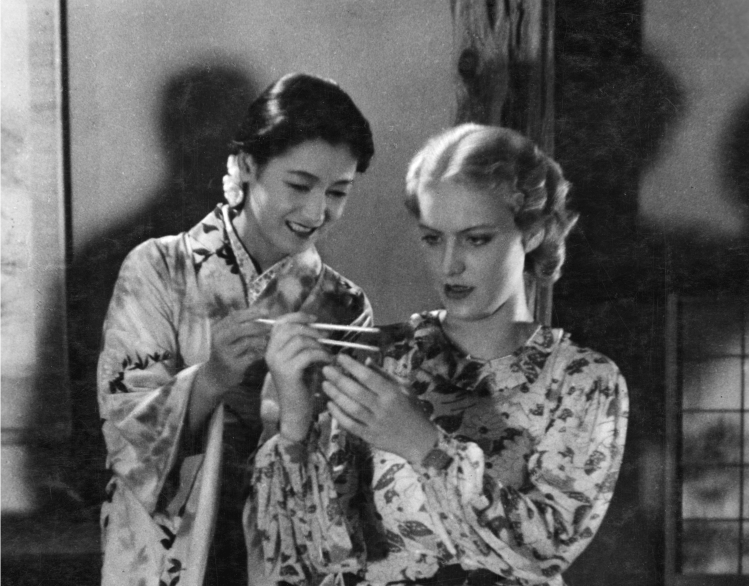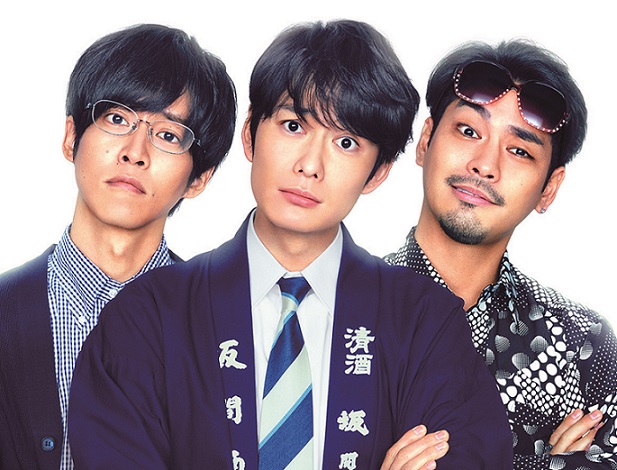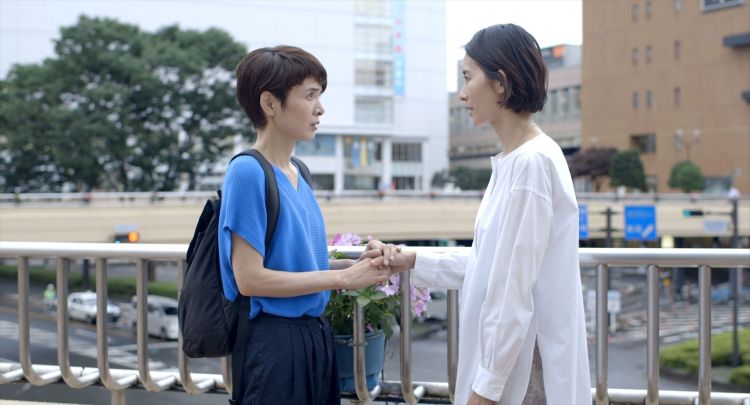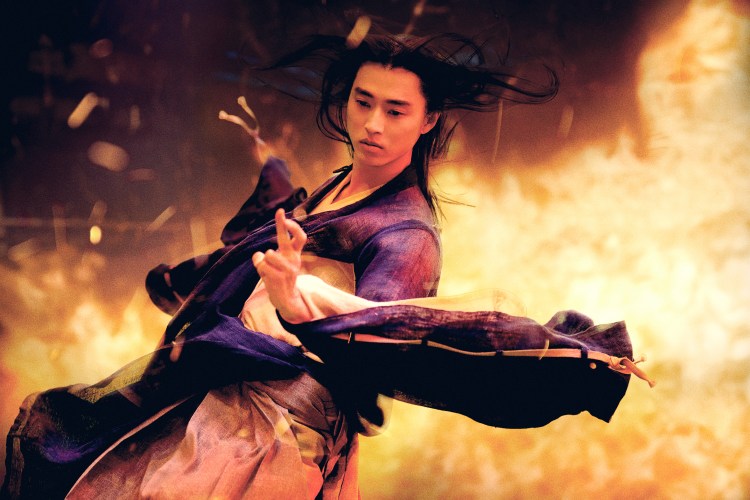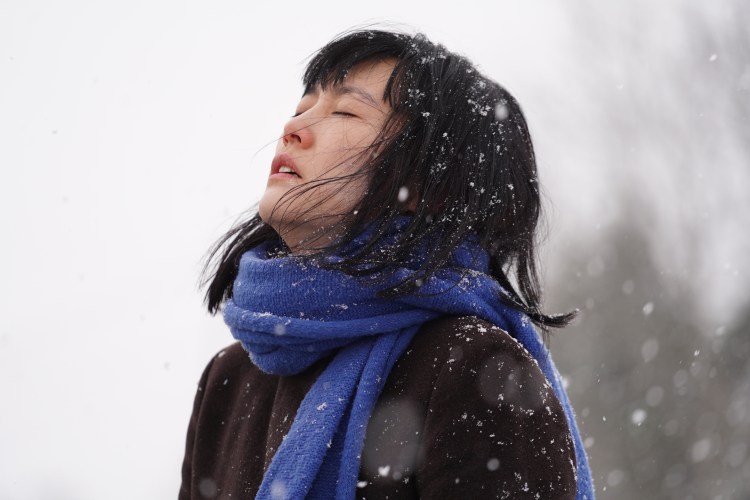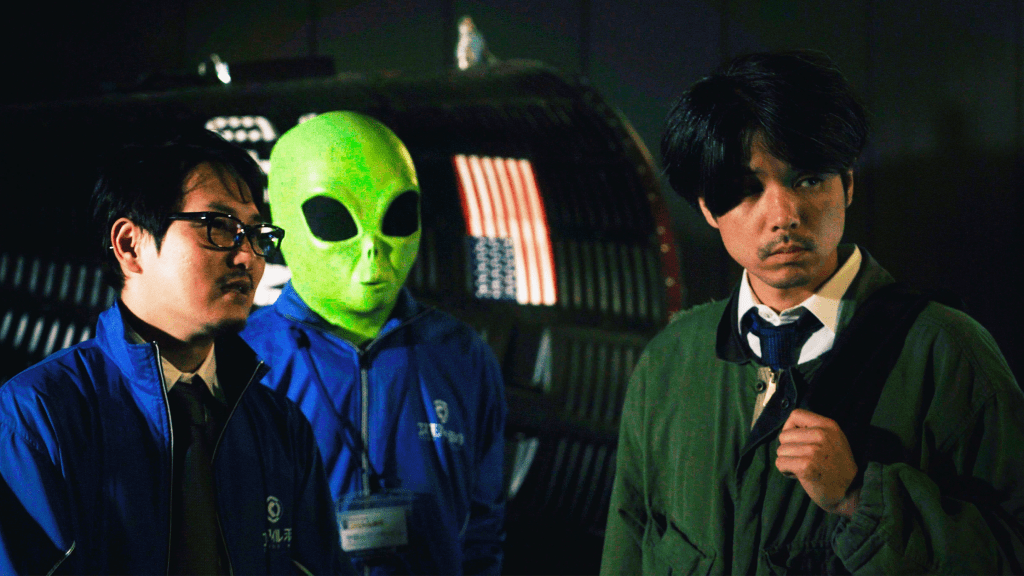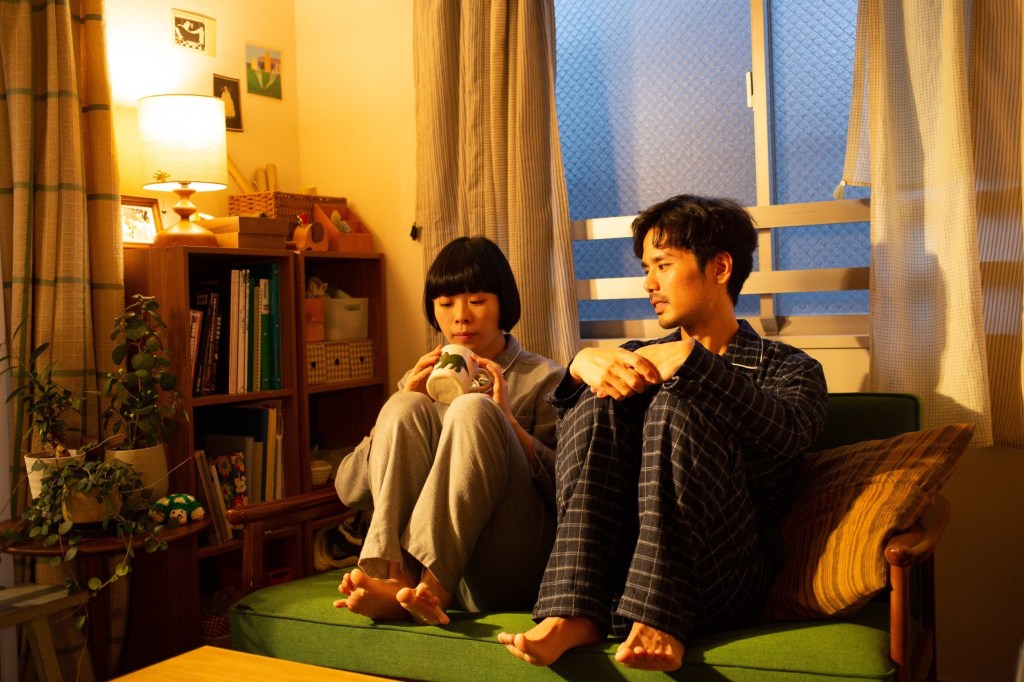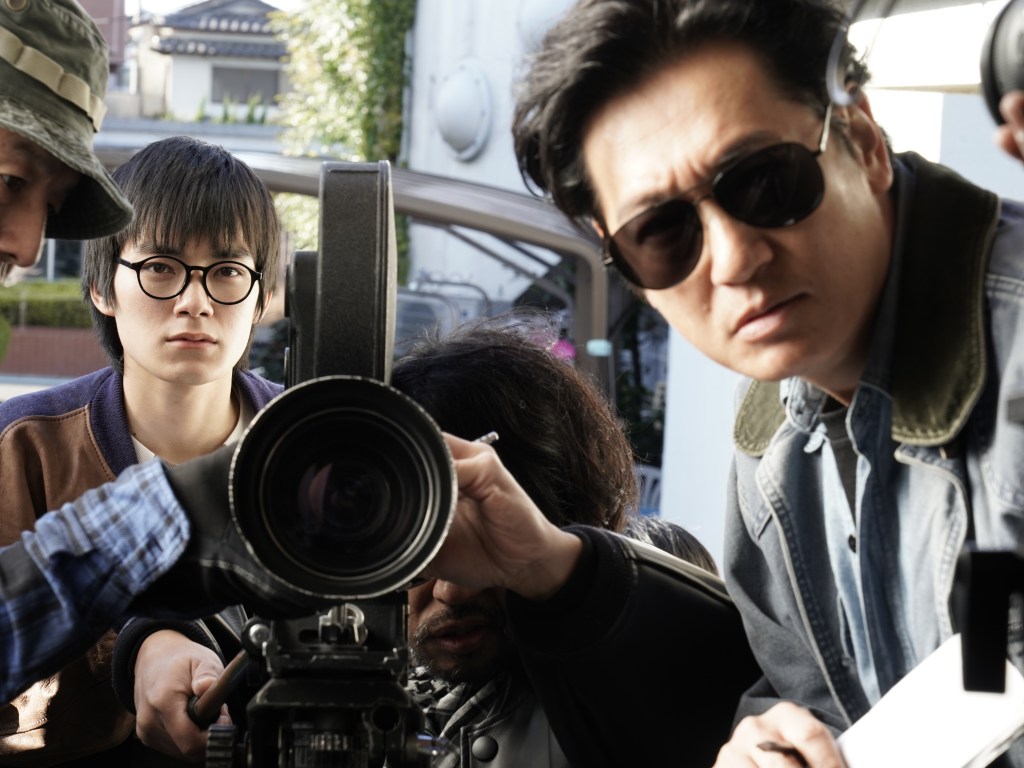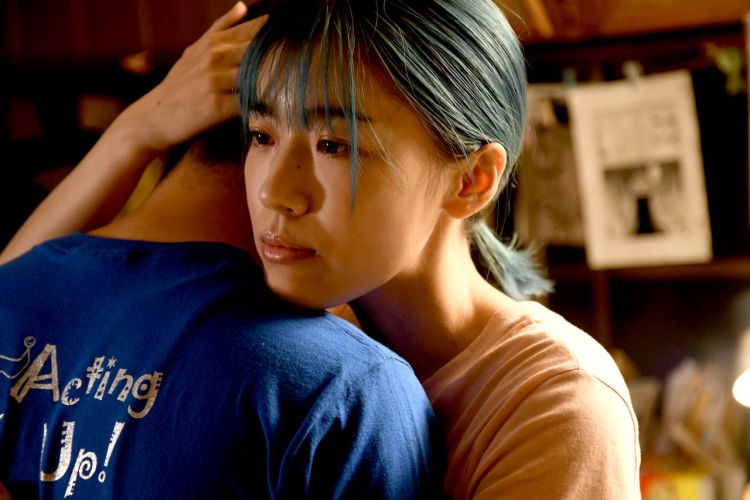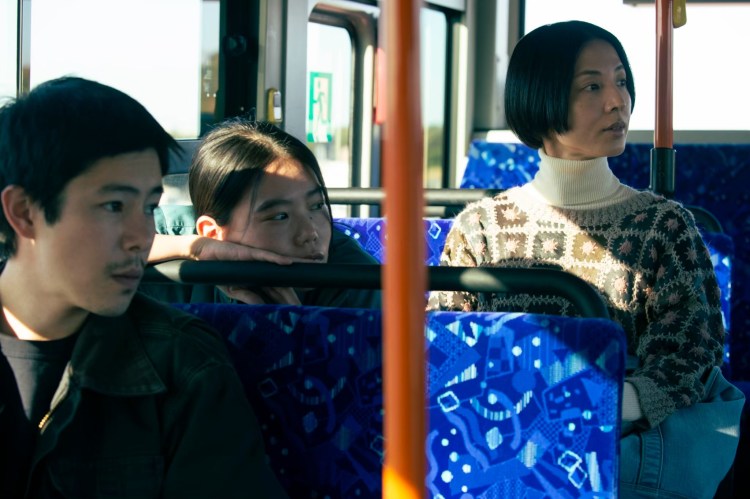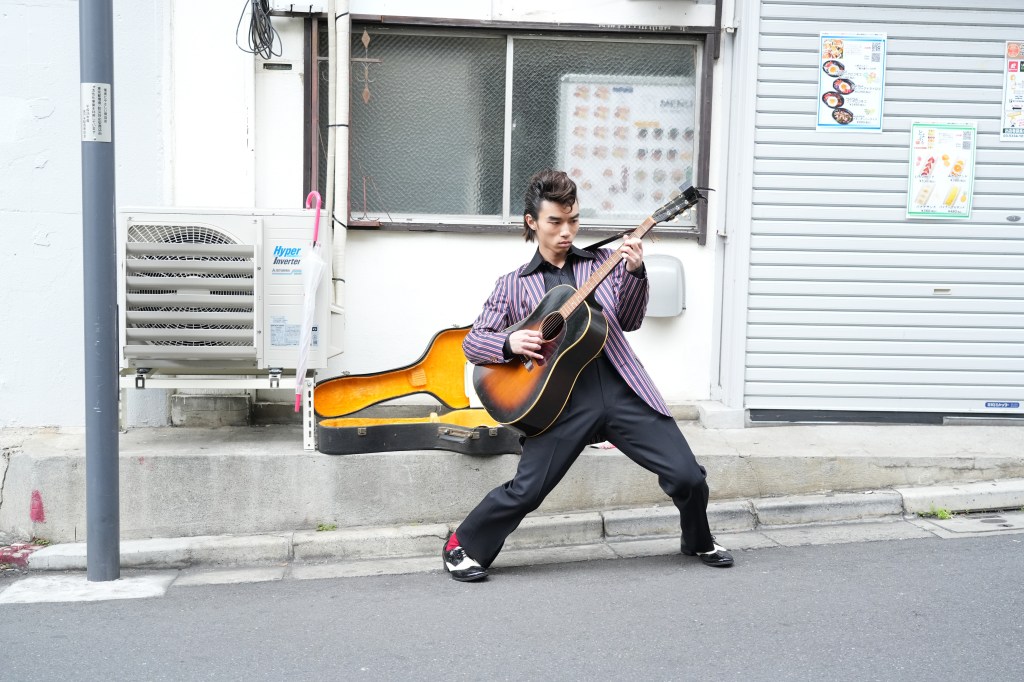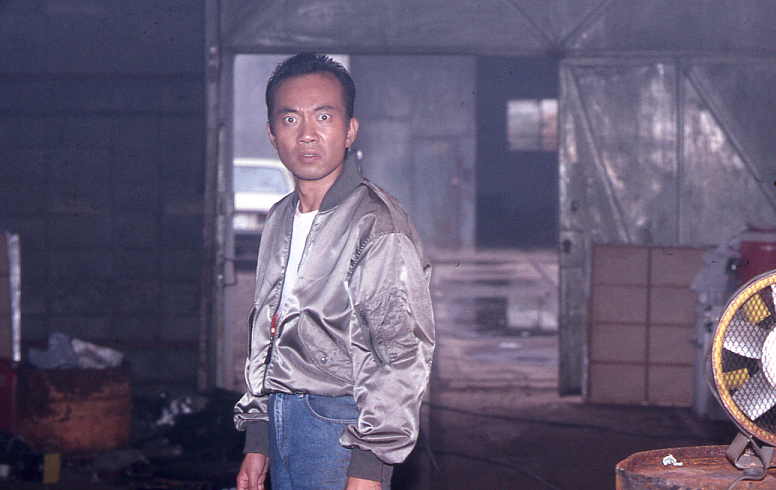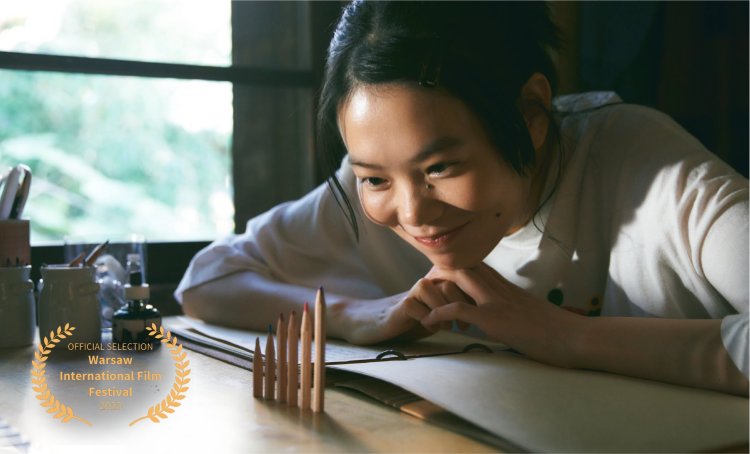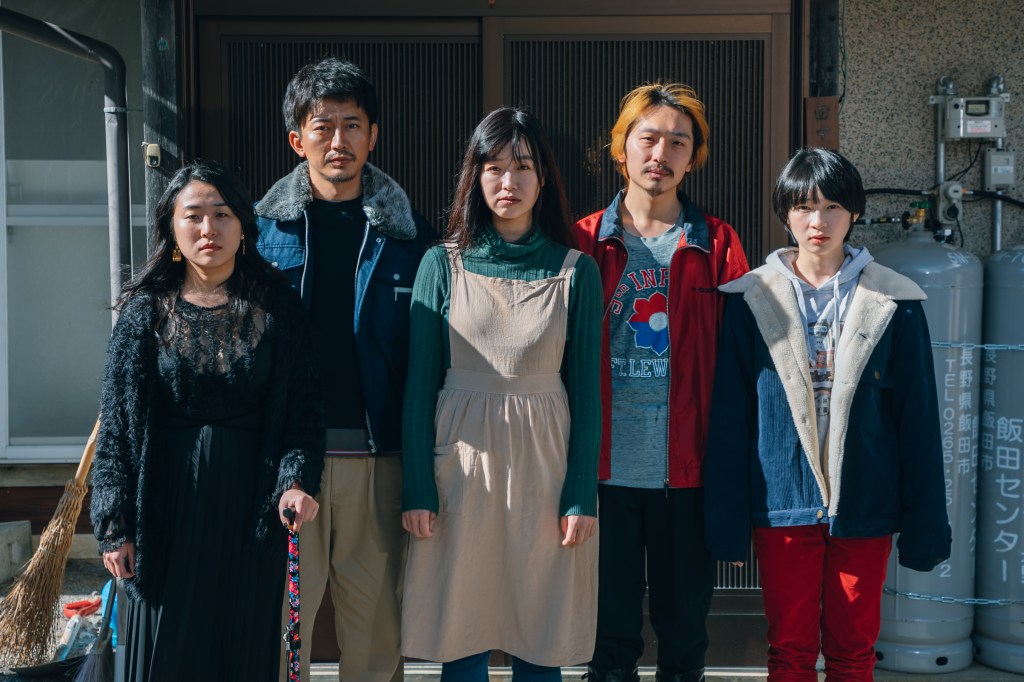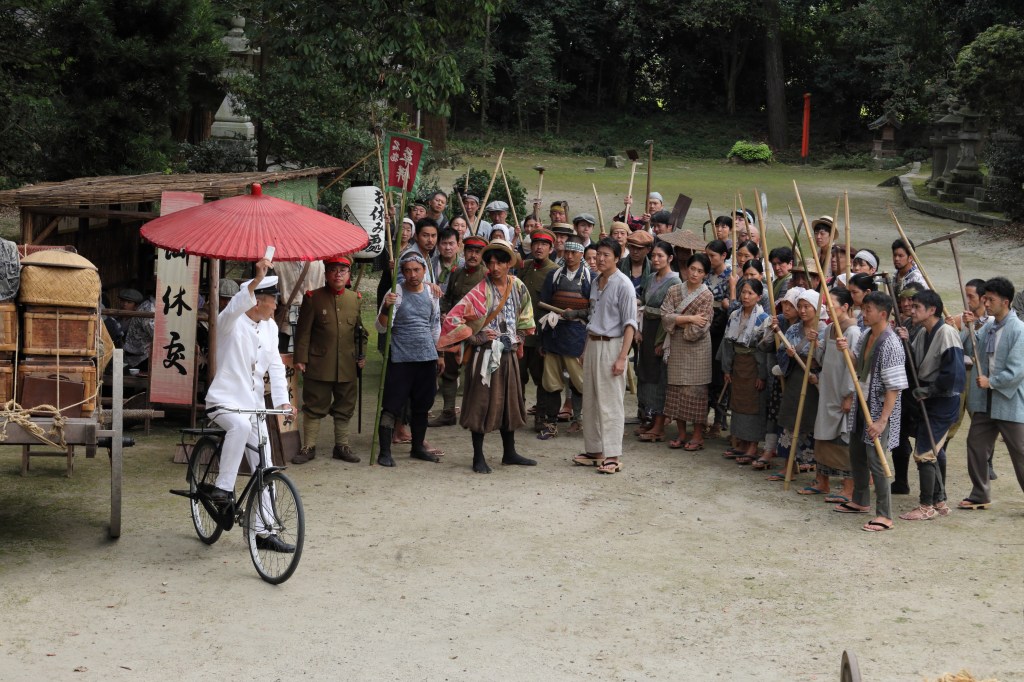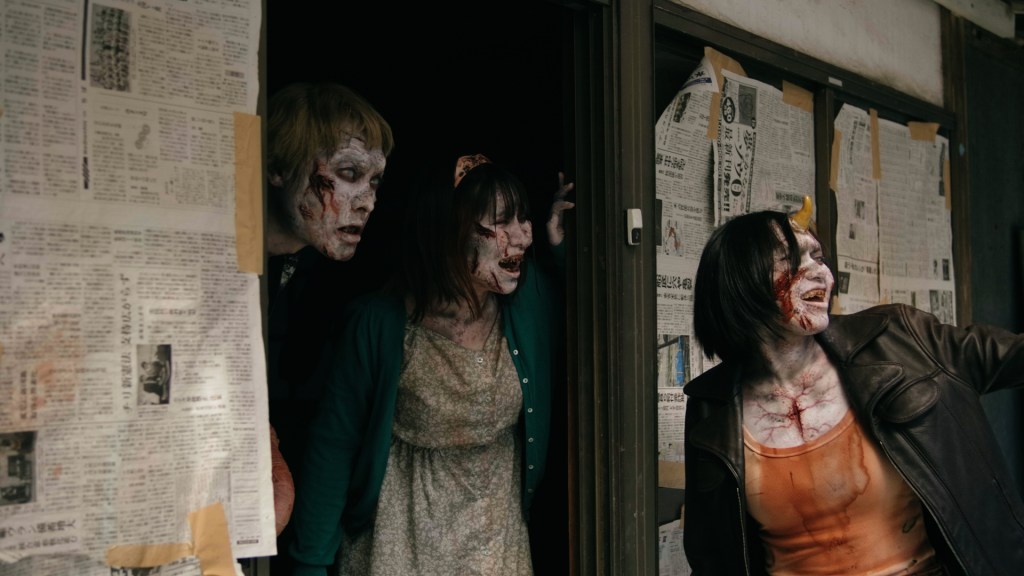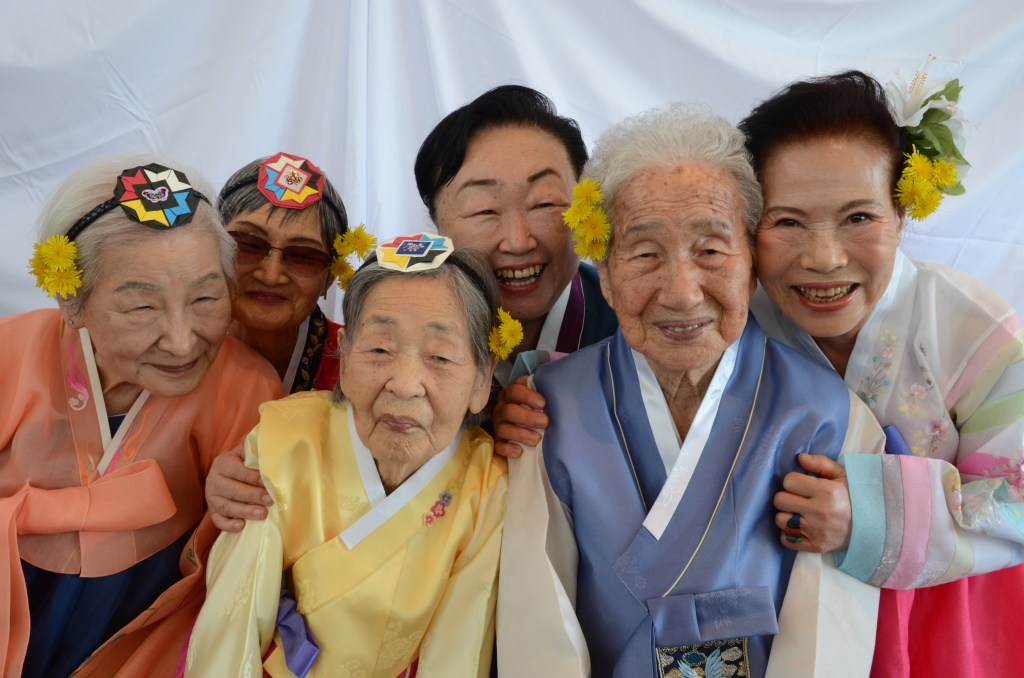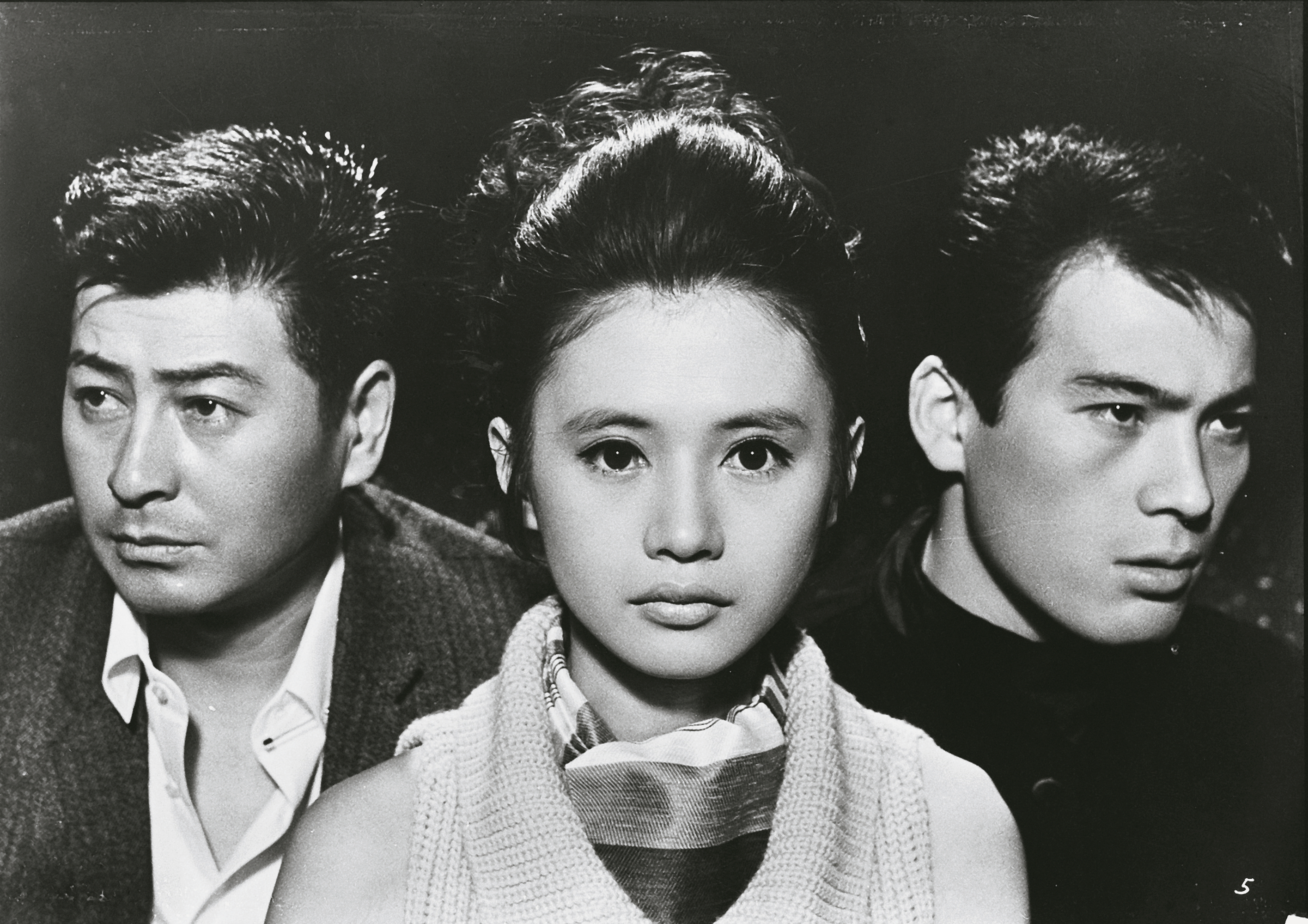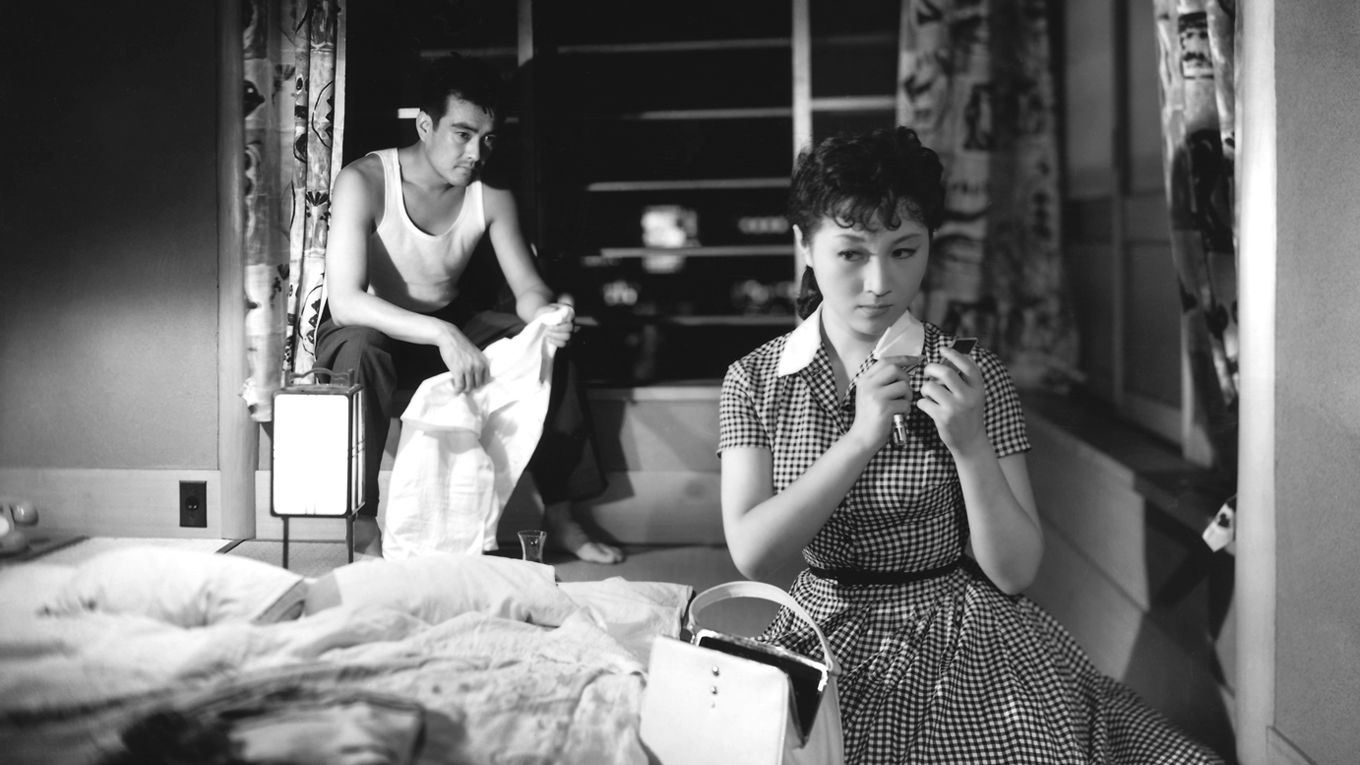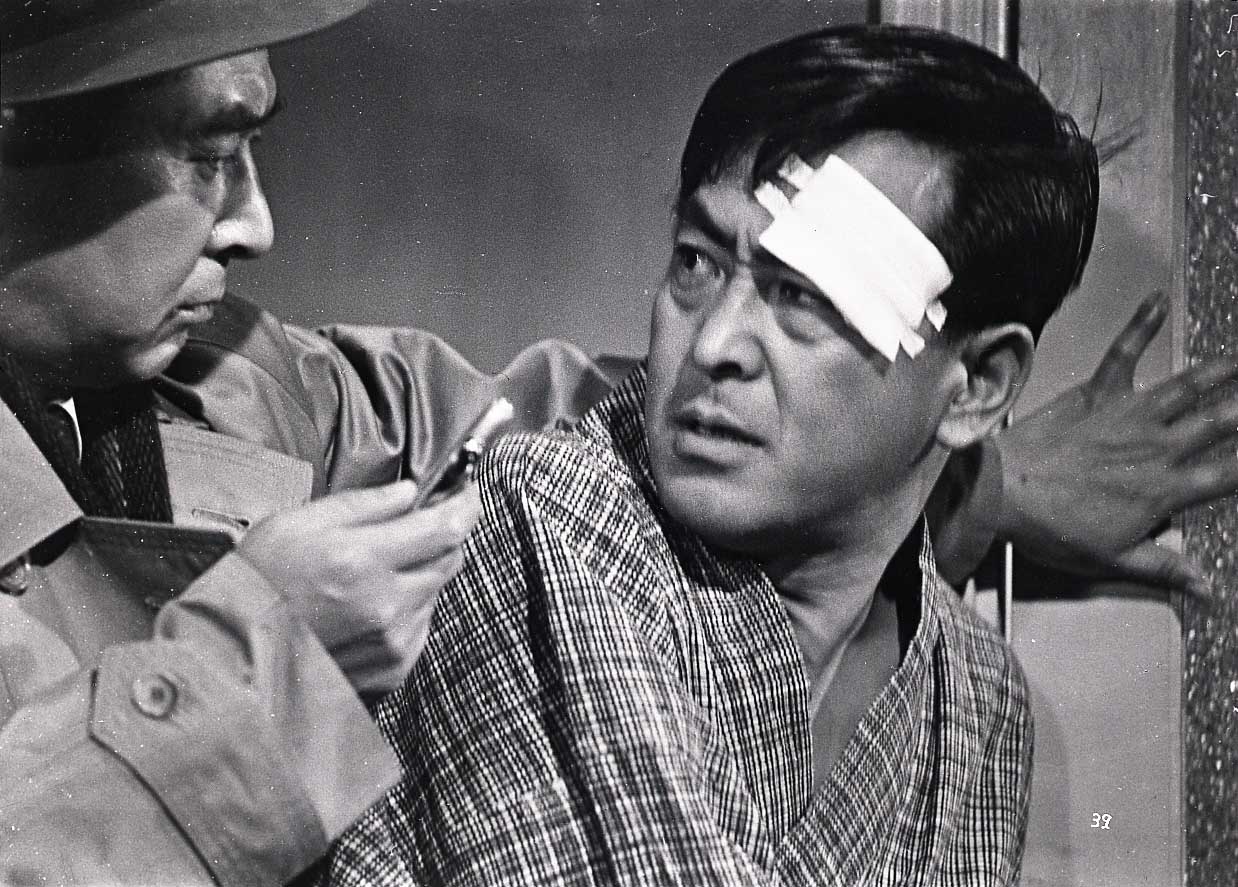
Iron Mask (만분의 일초, Kim Sung-hwan, 2023)

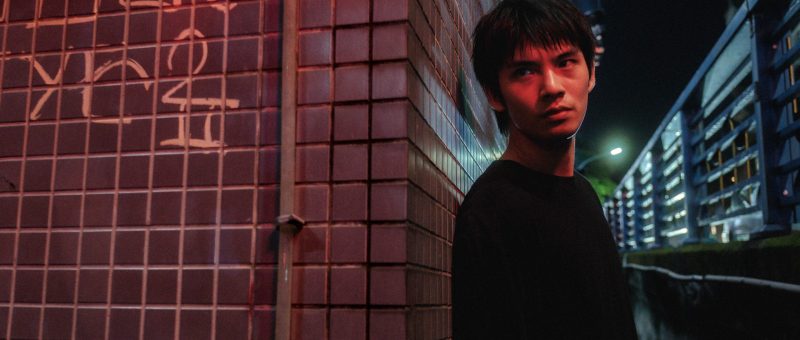
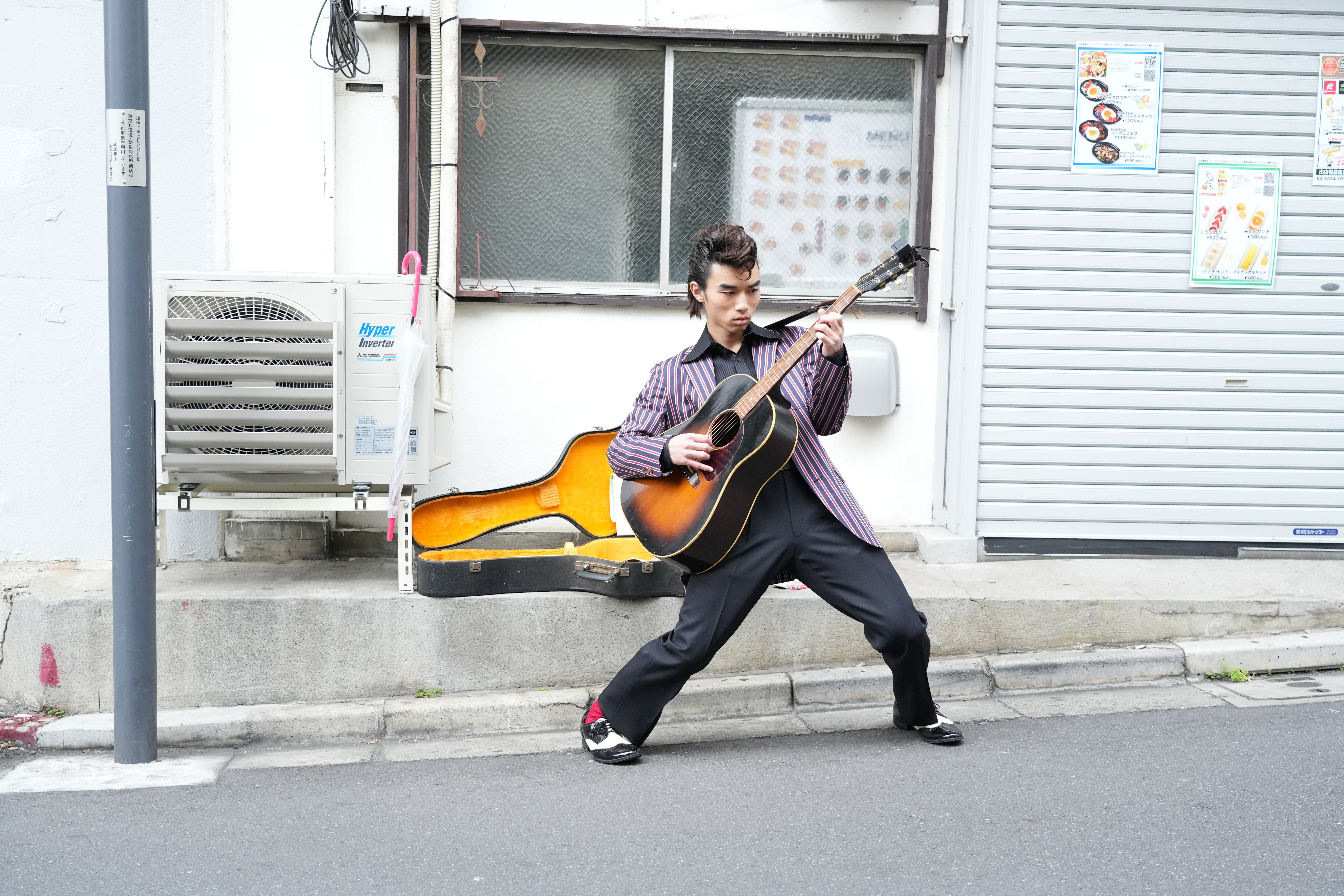
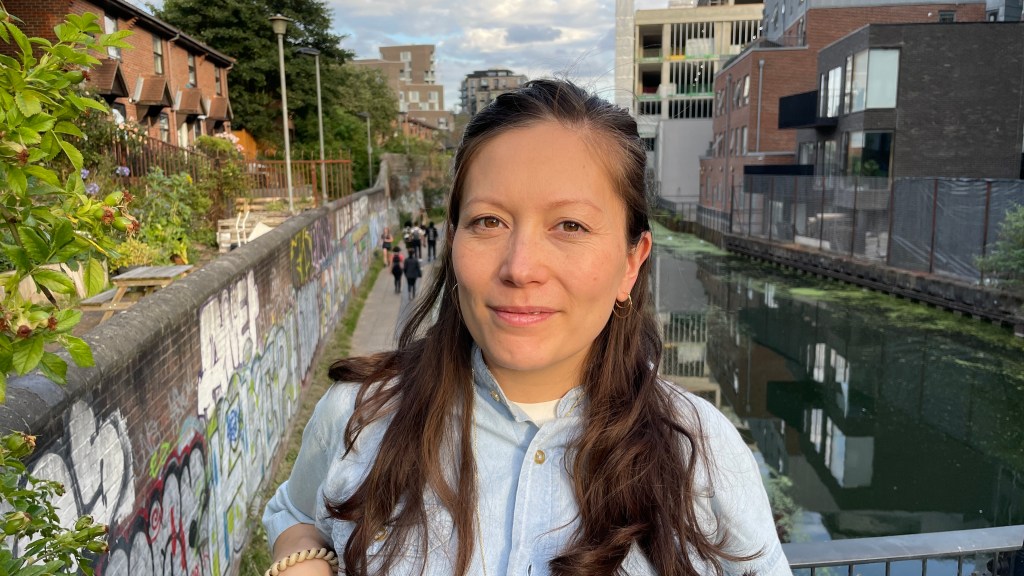
A young man seeking revenge sets his eyes on kendo glory in Kim Sung-hwan’s sporting drama Iron Mask (만분의 일초, Manbun-ui Ilcho). As his coach reminds him, a swordsman’s only opponent is himself though he continues to fixate on the man he blames for the destruction of his family still as an adult seeking reparation for the paternal influence he feels was stolen from him and the right to a legacy he feels to be rightfully his.

That might be one reason Jae-woo (Joo Jong-hyuk) is sometimes taken to task for his “entitlement” while some of the other students attending this training camp in the hope of making it onto the national team think he shouldn’t even be here seeing as he only came second in a regional competition when the others are veteran champions. But then as it turns out, Jae-woo has an ulterior motive for his participation. He is obsessed with number one challenger Tae-su (Moon Jin-seung) but for reasons outside of the sport, apparently hellbent on taking his revenge through kendo though it isn’t particularly clear what he hopes to achieve by it save personal vindication.

Kim pays particular attention to the peculiar rituals of the sport, a sense of rigorous order in the folding of the bandannas and tightening of the strings that fix the mask to the swordsman’s face while it’s clear that Jae-woo’s weakness is his emotional volatility. Though he manages to strike an impressive blow against Tae-su on the first day, his game then declines largely thanks to a hand tremor partly caused by a blow from Tae-su but also a manifestation of his jangling nerves.

He resents Tae-su on a personal level, irritated when he hears him talking on the phone to his wife about parenting their young daughter outraged that this man who he holds responsible for the implosion of his family has a family of his own while Jae-woo appears to have nothing other than his rage and resentment. He cannot forgive his estrangement from his kendo master father or that he chose to train another boy and not him, though perhaps that was simply his father’s way of coping with an impossible situation in the hope of making something good out of a personal tragedy. As another kendo master later tells him, as his father once did Jae-woo will have to find his own answers if he is to find success in kendo and indeed in life.

Still he struggles with fatherly relationships, first bonding with an older man who has two sons of his own and tries to impart paternal wisdom and comfort to the volatile Jae-woo but later accidentally injuring him during a sparring match when his temper gets the better of him. The only way he can free himself, is by moving past his image of his father to become his own man and also claim his own kendo rather than being resentful of that which was not bequeathed to him but to Tae-su for whom kendo is also a means of atonement and honouring of a paternal legacy.

Kim lends the battle a quasi-mythical quality, shooting a realm of eye-shaped mist as Jae-woo confronts Tae-su in his mind seeing only clashing swords and shadows while still unable to recognise that the man he is in competition with is only himself, his resentment and hurt in his abandonment, still a lonely little boy failing to become a man while Tae-su at least seemingly has been able to move on and make something of himself. Only by calming his nerves can he begin to perfect his art, taking the advice given to him by the team’s video replay expert seriously and apologising for his petulant behaviour. 

In essence, he has to escape from the “iron mask” of his repressed emotion and deal seriously with the traumatic past in order to progress to adulthood and also assume his rightful place on the kendo board. A psychological sports thriller, Kim lends a noirish touch to Jae-woo’s dark obsession even as it continues to consume him but finally implies the implosion of his rage through a dissolve transitioning to the falling snow as he now in white allows his resentment to melt away in favour of a more balanced hope for a peaceful future.


Iron Mask screened as part of this year’s London East Asia Film Festival.

Original trailer (Korean subtitles only)

Spacked Out (無人駕駛, Lawrence Ah Mon, 2000)

There’s a sense of abandonment and rootless melancholy that pervades Lawrence Ah Mon’s post-Handover drama Spacked Out (無人駕駛). Each shorn of their parental relationships, the four teenage girls at the film’s centre find themselves floundering for direction, seeing no real future for themselves in a Hong Kong that has itself in a way also been abandoned to a new perhaps overbearing parental entity that cannot really be embraced or fully trusted while struggling to find the means to redefine itself. 

The only real authority figure the girls know is their is ineffectual, authoritarian school teacher, Mr.Chan, who challenges 13-year-old Cookie (Debbie Tam Kit-Man) on her late arrival to school over her dyed hair and (according to him) inappropriate footwear. He asks her if she really wants an education, but then robs her of it by forcing her to stand in the playground all morning next to two other students, a girl getting similar treatment for wearing earrings, and a boy who isn’t wearing any socks. Mr. Chan evidently isn’t interested in these kids, their lives or prospects, but only in enforcing the arbitrary rules of social conformity. When another of the girls, Beancurd (Maggie Poon Mei-Kei) whose head is shaved, is accused of slashing another girl with a box knife in a convenience store, he point blank tells them that he doesn’t usually care about what happens to them outside the school but knives are on another level. “How is she supposed to wear low-cut clothes from now on?” he rather bizarrely asks despite having reprimanded each of the girls for their “inappropriate” attire while advocating a rather sexist vision of his teenage charges in which all that matters is that the wounded girl may no longer be as conventionally attractive as she might have been rather than focusing on the causes of this problematic violence or the mental and physical distress caused to the victim.

The film’s Chinese title, “unmanned”, neatly symbolises the girls’ rootlessness but also their own internalised patriarchy in which they continue to look to men for protection and guidance. Abandoned by her mother to whom she leaves long voice messages she never replies to, Cookie has only a violent father who seems otherwise absent from her life. She has begun dating a young man, Wing who is 16 years old and sells pirated VCDs in Mongkok. After sleeping with him Wing has ghosted her while Cookie is worried she’s pregnant having fallen for Wing’s dubious insistence that the first time doesn’t count. Her friend, Banana (Angela Au Man-Sze), meanwhile is the group’s man expert, having apparently had several abortions while continuing to meet men through telephone dating lines as well as the girls’ work in local karaoke booths. Only Beancurd who is a lesbian and in a fraught relationship with the more materialistic Sissy (Christy Cheung Wing-Yin) attempts to subvert male authority but is also driven to acts of self harm by traumatic memories of sexual assault. 

Box cutters become ominous symbols of the frustration and despair felt by the teens, another boy in the girl’s class openly self harming but finding no support from those around him. At least the girls have each other even if they’re all just as lost and confused. On learning that Cookie may be pregnant, they rally round to solve the problem by pooling their resources to get her a backstreet abortion though on another level they’re also railroading Cookie into a decision she hasn’t quite accepted for herself. The place they end up in is grim in the extreme, filthy and with rusty equipment not to mention unsympathetic staff who just like all of the other adults care little for her wellbeing. 

For much of its running time, the film adopts a kind of naturalism but descends into nightmarish psychedelica, possibly provoked by the drug-fuelled party the girls had just left after it took a rather sour and tragic turn, as Cookie undergoes the abortion and simultaneously accepts her abandonment acknowledging that boyfriends aren’t important only friends are suggesting a new solidarity which exists between the Handover generation navigating turbulent seas together in the absence of parental care or guidance. Unjudgemental of his young heroines, Lawrence Ah Mon captures a breezy sense of teenage of life with days spent at the pool with friends if equally the more destructive presence of sex, drugs, cross border smuggling, and exploitation in all of their lives while granting them at least a degree of freedom to define themselves in a new and confusing age. 


Spacked Out opens at New York’s Metrograph Dec. 29 and will also stream in the US via Metrograph at Home courtesy of Kani Releasing.

Trailer

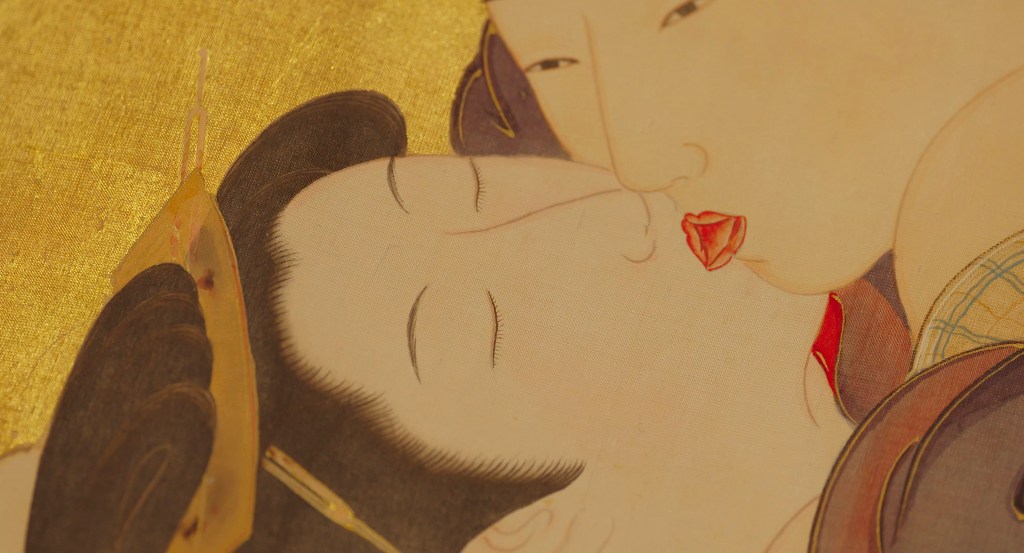
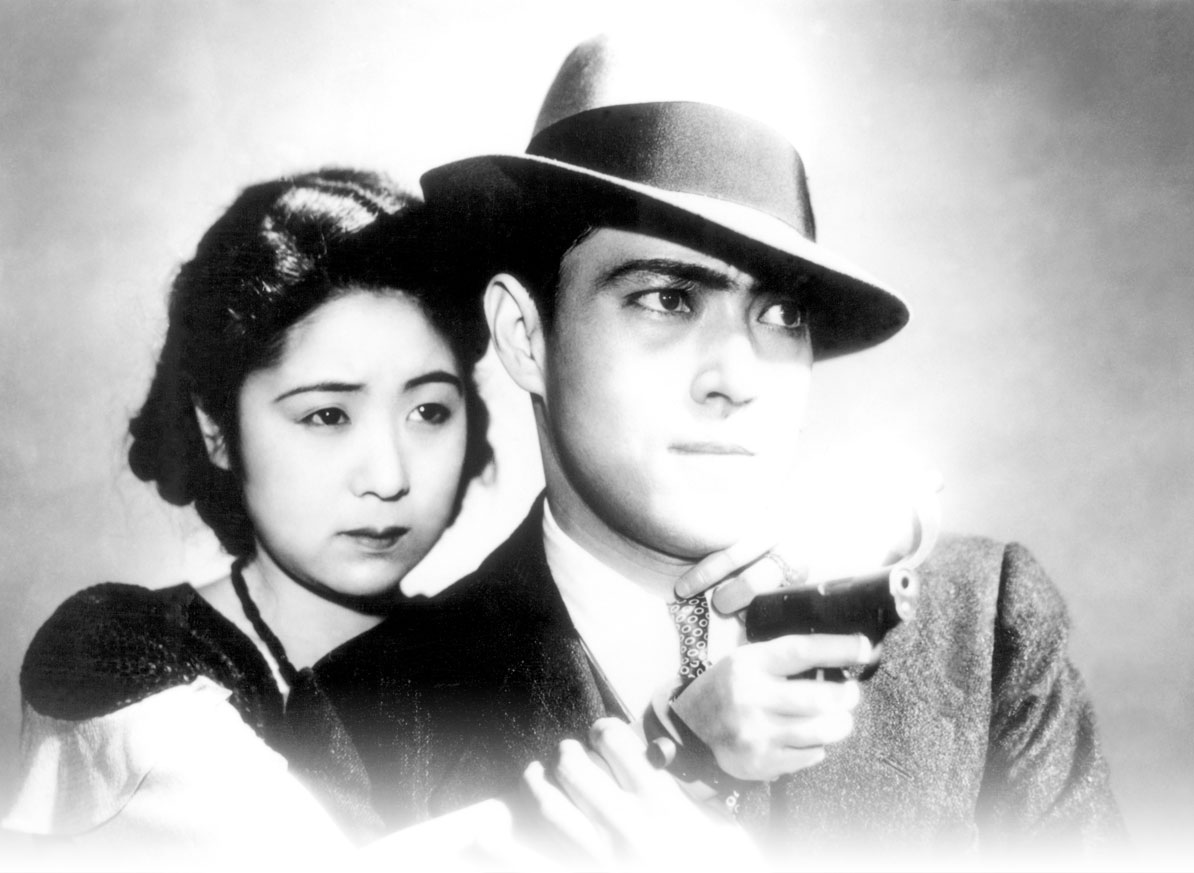
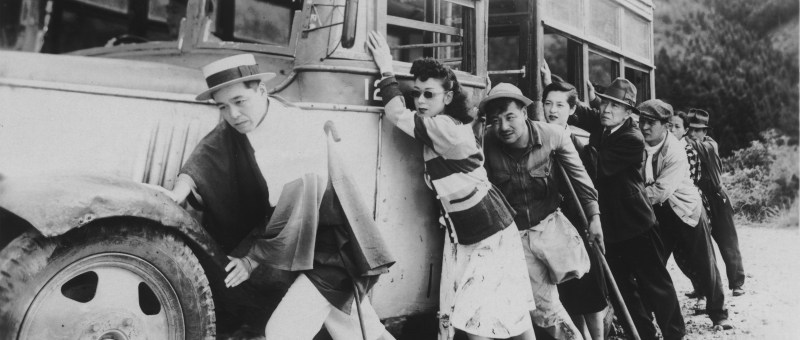
Nightshade Flower (夜来香, Kon Ichikawa, 1951)

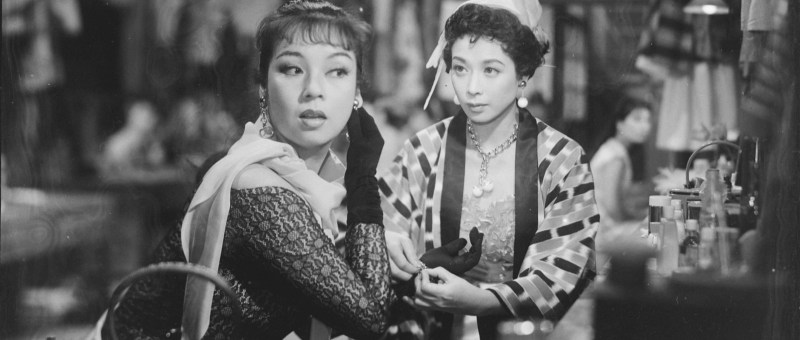
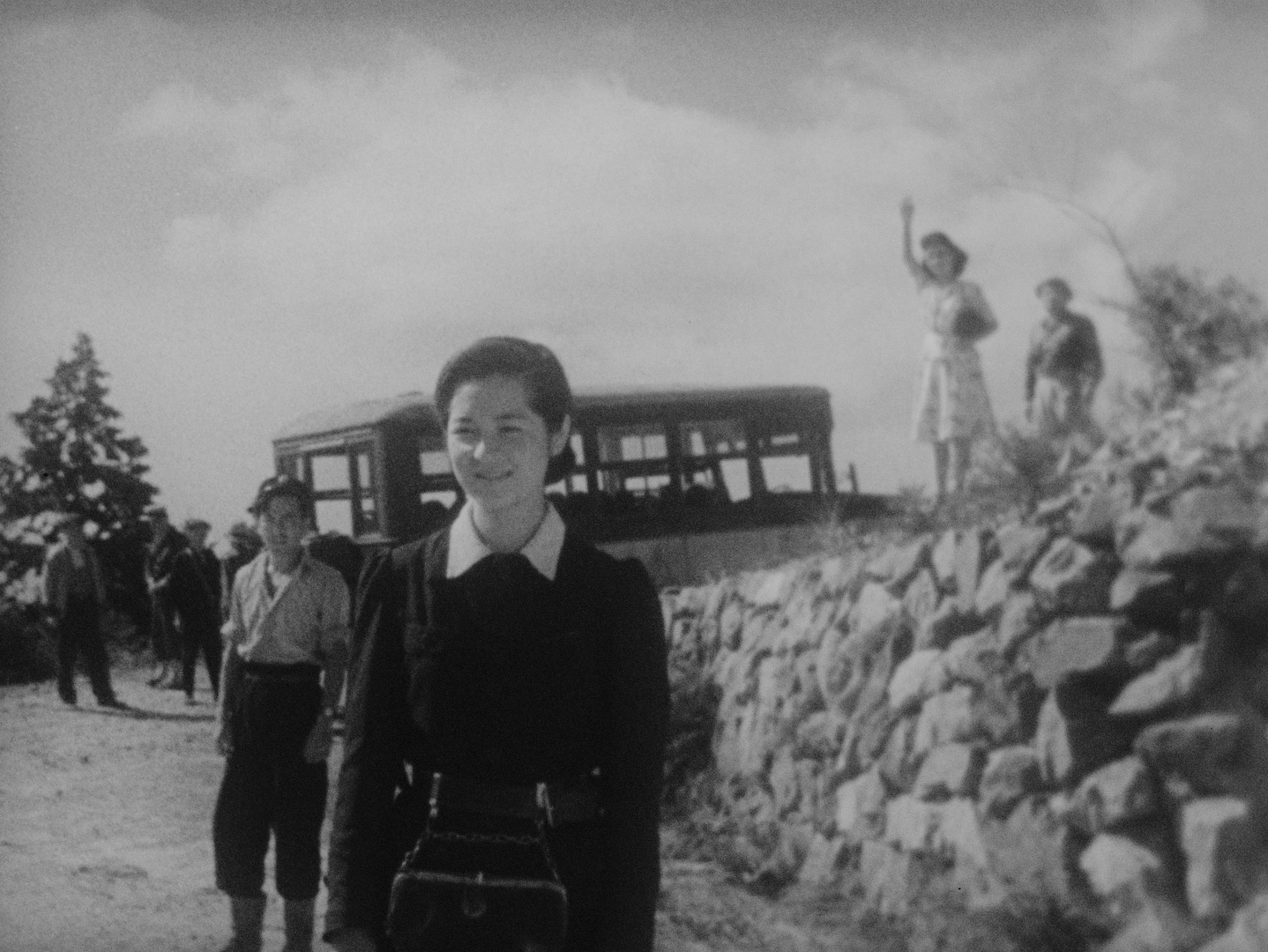
A couple who met briefly in Manchuria are reunited in Kobe five years later but find their joy short-lived amid the vagaries of the post-war society in Kon Ichikawa’s tragic romance, Nightshade Flower (夜来香, Ieraishan). The film takes its name from a song “夜来香” known as “Ieraishan” in Japanese, a transliteration of the Mandarin pronunciation (yèláixiāng) in katakana, which was released in a Chinese-language version in Shanghai in 1944 performed by Manchurian Japanese actress Yoshiko Yamaguchi (山口淑子) who also went by the names Ri Koran/Li Hsiang-lan (李香蘭) and later Shirley Yamaguchi at various times in her career. A song of lost love, it seems to echo a sense of despair among the wartime generation who cannot reconcile their pasts with the post-war present. 

Akiko (Asami Kuji), a sex worker, first meets Seki (Ken Uehara), an army doctor, when he pulls her out of the way of an oncoming vehicle in a crowded market place in Northern China in June, 1944. As she is dressed in cheongsam and angrily shouts at him in Mandarin, he assumes her to be Chinese and carries on along his way while she remains ambivalent about the encounter especially as the sleeve of her dress has been torn. In any case, it’s clear that the situation has become precarious and most of the Japanese population are preparing for evacuation. The owner of the brothel where Akiko and her friend Gin (Harue Tone) are employed has hopes of carrying on her business further behind the lines where army bases are still in operation though the pair would prefer to head home as soon as possible, jumping off the repatriation truck organised for them by the madam with the intention of returning to the city and boarding the next one bound straight for the mainland. 

But Gin falls off a cliff and injures her leg, leaving Akiko to go in search of a doctor incongruously rocking up at Seki’s medical clinic. Though she is originally unwilling to have him treat Gin, she soon comes around and the pair begin seeing each other with Akiko pledging to stay behind after putting Gin on a truck. Nevertheless the pair are separated during an air raid with Akiko believing that Seki has been killed in a direct hit to the shrine they were sheltering in when he left their foxhole to check on a crying baby. Five years later, Seki has returned to Kobe to look for Akiko but has had no luck while staying with the family of one of his men, Toshio (Yuji Kawakita), who has fallen into post-war despair and given up his promising future in medicine to peddle black market drugs with shady fixer Kameyama (Reikichi Kawamura). 

The crisis comes when Seki realises he is losing his sight, apparently a delayed reaction to the head injury he sustained in Manchuria which was not fully treated due to the war’s end. Though he reunites with Akiko, he believes that he can no longer have a future with her because of his impending blindness and in fact that his life is now over. Akiko meanwhile has also fallen into despair. Believing Seki was dead she gave up on the idea of finding him and has returned to sex work, she and Gin working in a small backstreet bar and living in adjacent rooms of a rundown tenement block. Seki had always known that she was a sex worker, but she believes he may now reject her because she has failed to live up to the promise she made him of living a more “honest” life ironically because without him she had no reason to do so. 

Meanwhile, Seki is intent of saving Toshio whom he had first met as a naive private openly crying over the death of his mother having picked up a venereal disease after losing his virginity to a sex worker in an attempt to overcome his grief. Toshio is an embodiment of the despair felt by young men who went to war as innocent teenagers and are filled with disillusionment and confusion. Though Toshio is luckier than most who struggle to find work in the difficult post-war economy, he came from a middle-class medical family and if he finishes his training of which he only has a year left he would inherit his father’s clinic, he no longer sees a future for himself and actively rejects his privilege as an act of self-harm by taking up with Kameyama and becoming involved with crime. He resents his father for remarrying soon after his mother died, taking the family maid as his second wife, and is reluctant to marry their nurse, Chiyo (Chiaki Tsukioka), who is also Kameyama’s younger sister, as everyone expects him to despite otherwise carrying on an affair with her which later results in a pregnancy. He says that he wants to earn his own living and be his own man but claims he cannot see the bright future Seki speaks of for him and continues along a dark path of crime and vice. 

The constant rumblings of the train along with its flickering light strongly foreshadow the tragic denouement but also hint at the automatic motion of society that damns the trio and frustrates their attempts to move on from the war and find happiness in its aftermath. Even so, to modern eyes the motif of Seki’s literal blindness which robs him of the ability to perceive a happy future with Akiko cannot but seem a little ableist even as Akiko points out that many men lost their sight in the war but are living good lives with wives and children and that she does not see his disability as a barrier to their ability to make new lives for themselves in the post-war society much as he doesn’t regard her past in sex work as a reason to reject her.
Even so, Seki is dragged into the post-war morass after becoming involved with Kameyama in a futile attempt to save Toshio only to discover that Kameyama has betrayed them by getting them both to work on the same job as a payment for a debt taken out by Seki on Toshio’s behalf to free him from his life of crime. Ichikawa embraces a sense of melodrama with frequent closeups and an underlying theatricality, but also captures something of post-war confusion in the noirish fog that surrounds Akiko as she considers one last job to pay for probably useless medical treatment to save Seki’s sight. The cruelty of the ending is in its way too difficult to bear but perhaps apt for the view from 1951 in which the possibility of escaping the legacy of wartime corruption lies only in painful memories. 


Black Night Parade (ブラックナイトパレード, Yuichi Fukuda, 2022)

According to the opening voiceover of Yuichi Fukuda’s seasonal comedy Black Night Parade (ブラックナイトパレード), we’ve all got Christmas wrong. It’s not completely true that Santa only gives presents to the nice kids for there are in fact two Santas, the other one, the anti-Santa, making sure that bad children have a very unhappy Christmas receiving gifts ranging from the traditional lump of coal to offal. The Santa dressed in black is described as being a little more egalitarian, but does indeed pedal in disappointment and the opposite of the holiday spirit though in another way perhaps he’s just an embodiment of a sense of resentment towards to the unfairness of the contemporary society. 

Miharu (Ryo Yoshizawa) is very definitely grown up and a good example of someone who regards themselves as earnest but is becoming fed up with seeing those he regards as acting inconsiderately prosper. Still working part-time at a convenience store having repeatedly failed to get into university or find a full-time job, he’s irritated by his loudmouth slacker colleague Kaiser (Taishi Nakagawa) who just seems to constantly fall up in life while Miharu ends up being the responsible one doing most of his work for him. When Kaiser asks him to cover his shift Christmas Eve so he can go on a date with his pretty girlfriend seconds after telling him he’s actually had a full-time job offer, it obviously stings more than a little. But when Miharu takes a leaf out of his book and tries to take home one of the expired Christmas cakes, he’s immediately caught and threatened by his boss not to mention being deemed a bad boy by the Santa in black. 

Though in his case, it results in an ironic job officer to become one of Santa’s helpers at a gloomy Santa centre where they run a virtual surveillance state to figure out whether the kids that send in letters to Santa have really been as good as they claim to have been. Surveillance queen Shino (Kanna Hashimoto) decides one little lad hasn’t on catching him cheating on a test despite having emphasised how hard he’d been studying in his letter. Cheating on a test is obviously not “good”, but perhaps it’s not innards in your stocking bad either and Miharu’s moral compass is going haywire trying to understand the strange world he finds himself in while participating in a contest to join the elite Reindeer division of Christmas shock troops. Meanwhile, he’s also confronted by a conspiracy in which the red Santa has already been murdered by rats controlled by a mysterious group who hate Christmas and are trying to eradicate it. If they don’t find a new red Santa soon, the magic will be broken forever.

Despite the zaniness of the concept, the humour is a little less grating than the broad variety style generally employed by Fukuda in his other films even if several of the performances are on the larger side. Rather than rediscovering the true meaning of Christmas or coming to an accommodation with the unfairness of the contemporary society, Miharu is guided towards dealing with his own unresolved childhood trauma which repurposes the empty consumerism of a contrived holiday tradition as a means of signalling of a lack of something or the roots of unhappiness. Even if most most kids are asking for the latest toys it may be because they want others to play with with them, while some just want company because their parents have to work long hours and they’re lonely at home. 

Despite making the astute observation that the best way to disappoint a naughty child is to get them what they asked for but not quite right, Miharu eventually discovers a calling in making sure no child is left empty-handed on Christmas Day spreading the spirit of the season wherever he goes even while being chased by packs of evil rats out to destroy the joy of Christmas forever. Then again, there is some mildly satirical humour in the likening of Santa Claus House to a “black company” ruthlessly exploiting its employees while engaging in some very dubious corporate shenanigans in its use of customer data and clear invasion of privacy in its all-seeing surveillance network. In any case, it does appear that Christmas is safe from the rat race for the moment and children good or bad will wake up to a surprise equally so on Christmas morning for years to come.


Original trailer (no subtitles)

Redemption with Life (兄弟, Zhang Wei, 2023)

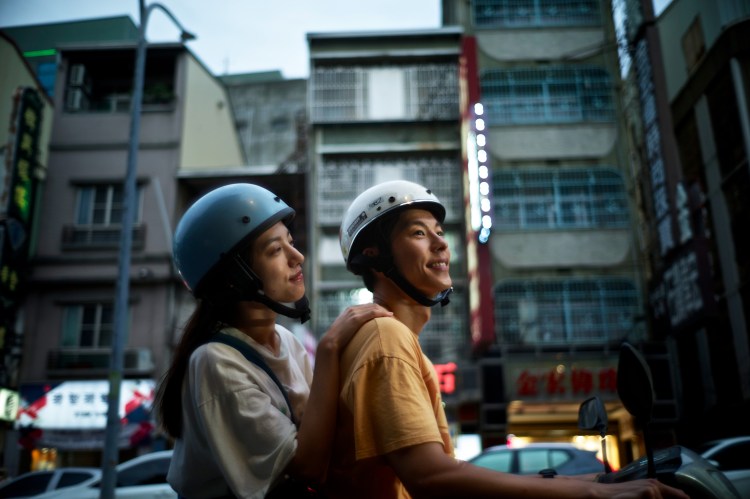
A young man with old-fashioned values is slowly consumed by the contradictions of the modern China in Zhang Wei’s indie drama, Redemption with Life (兄弟, Xiōngdì). The Chinese title translates as the more straightforward “brothers” and hints at the strong bond between the three men at its centre who each find that life has not turned out quite as they hoped. While one silently plugs away, another pushes the boundaries of the law, but the third allows himself to be pulled into callous inhumanity and the exploitation of the dreams of others while working for an enigmatic businessman running what is quite obviously a dodgy pyramid scheme. 

As the film opens, Jianhua has just been released from a two-year prison sentence after taking the fall for the financial impropriety overseen by his boss, Li Gang. He is met by his two sworn brothers, fellow bikers Peng and aspiring photographer Shaofeng, and is intent on starting over described by Peng as some kind of financial hotshot though it’s surprising he would even be able to return to that line of work after being imprisoned for mismanagement. In any case, he ends up returning to Li Gang while justifying himself by using the vast amounts of cash he’s been given to repay victims who lost their life savings when the bottom finally fell out of the Ponzi scheme they’d been running. 

Though his youthful dream was to travel the world, Jianhua is materially ambitious and ties his masculinity to his ability to become wealthy. After starting a relationship with a female biker, he gets deeper into the scam telling her that he wants to make enough money for them to go travelling while otherwise claiming not to be interested in the high life of fancy parties and expensive goods that Li Gang represents. She eventually leaves him because he caused her to feel insecure with all his dodgy dealings though he repeatedly fails to learn his lessons thinking he can solve all of his problems with money. Some debts must be repaid, he solemnly intones, yet as Peng reminds him there are some things that can’t simply be compensated for and some money you just shouldn’t make if causes you to act immorally.

Peng had given his dream as making a lot of money and seems to look up to Jianhua because he works in “finance”, but is otherwise happy enough with the life he’s made for himself running a motorbike garage which is mostly honest work except that he makes extra money by selling smuggled bikes to other bikers. He wants to help Jianhua but worries that he’s already in over his head and unable to escape the allure of his old life. Shaofeng meanwhile is financially stable and pursuing his art on his own terms, turning down an offer Jianhua gets him to work with some top gallery owners because on one level he knows if Jianhua’s involved it’s not legit and on another wants to do things his way even if he’s unsuccessful. 

Skipping back and forth over a number of years encompassing time served in prison the film chronicles Jianhua’s corruption and eventual disillusionment in the realisation that he too is being scammed by Li Gang and his futile attempts to make money with money are forever doomed to failure. The suggestion is that he wants the high life he wanted to reject in order to secure his masculinity in a world now more ruled by the corporate even if this kind of corporatism is itself ruled by violence and vulgarity, not to mention a healthy dose of misogyny and female exploitation. Jianhua’s partner in crime, the similarly deluded Haitao, eventually renounces desire altogether and becomes a Buddhist monk to atone for the destruction his lust for riches wrought on those around him, though Jianhua’s solution is one of old-fashioned manliness that is predictably futile. Slowly, the biker convoy makes its way towards Tibet and a more spiritual place supposedly freer of the destructive consumerism that has already consumed Jianhua and ruined the lives of those he convinced to invest in a scheme he always knew was a scam not to mention morally wrong. A mild critique of the contemporary society ruled by status and acquisition the film’s advocation for an unconstructed masculinity may sit uncomfortably but does nevertheless make the case for a beneficial brotherhood over mutual exploitation. 


Redemption with Life screened as part of this year’s New York Asian Film Festival.

Hopeless (화란, Kim Chang-hoon, 2023)

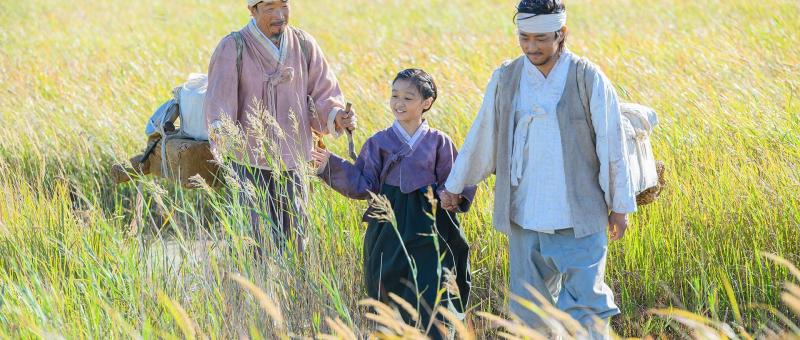
“Why is everyone out to get him?” the stepsister of the hero asks, wondering why it is that everything in his life seems to go wrong. As its name suggests, Kim Chang-hoon’s Hopeless (화란, Hwaran) take places in a city of despair in which lives are largely defined by violence and money while a young man dreaming of a utopian future in Holland is dragged even further towards an abyss of crime and immorality.

As the film opens, a school boy picks up a rock and hits another on the head. The boy, Yeon-gyu (Hong Xa-bin) goes on to explain that he couldn’t let it go as they live together, hinting at a possible slight against his step-sister Hayan (Bibi) that he avenged more out of a code of masculinity than a genuine desire to protect her. Then again, Yeon-gyun often masks his true feelings and struggles to express himself in any other language than violence. At home, Hayan is his protector against her father, a violent and embittered drunk who makes Yeon-gyun’s life an unending hell. 

Attacking his classmates gets them to leave Hayan alone, but also to double down attacking him while he’s also liable to pay a large settlement his family can’t afford. Yeon-gyu is gifted the money unexpectedly by sympathetic gangster Chi-geon (Song Joong-ki), but his life is upended once again once again when his step-father leaves him with a nasty scar around his eye. The boss at his part-time job fires him because of it and no one else will hire him leading him straight to the gang to ask for a job. 

Yet Yeon-gyu continues to dream of escape to peaceful Holland, looking at sunny scenes of windmills and flowers while torn over his new criminal career. Though bonding with Chi-geon over a shared sense of parental disappointment and emotional abandonment, Yeon-gyu is uncomfortable with the moral dimensions of his crimes in feeling sorry for the people they rob including a man whose young son is hospitalised and in a coma because of the gang’s violence. Meanwhile, it becomes clear that the gang has political ambitions and has been bankrolling a particular candidate for an upcoming election. When the gang discuss taking out a rival, Yeon-gyu suggests blackmailing him illicit photos instead so no one ends up getting hurt .
Yeon-gyu asks Gi-cheon questions about their violence and he often tells him that these are just things that they have to do as if it were an automatic operation of the gangster code. He describes himself as already dead, a ghost of the child who drowned when his father abandoned him on a lake but takes on a quasi-paternal role over Yeon-gyu seeing him as a younger version of himself equally betrayed by corrupted paternity. Yeon-gyu in turn looks up to him, but continues to mess things up for himself by trying to help the people they’re robbing.

It does indeed seem as if everyone is out to get Yeon-gyu who finds himself engulfed by despair and hopeless, unable to see a way out for himself from his desperate situation. The irony is that a lack of communication eventually results in a kind of tragedy, but one that one ultimately frees both Chi-geon and Yeon-gyu from a word of self-destructive violence allowing Yeong-gyu to renounce it once and all and seek a better future with Hayan in a less a less hopeless place. What Chi-geon had tried to offer was in effect brotherhood, a surrogate family and a home, explaining that Yeon-gyu would be a perfect fit yet Yeon-gyu struggles to play the role assigned to him unable to put aside his humanity to commit the acts of theft and violence the gang expects. 

The irony may be that Yeon-gyu’s mother only married the violent stepfather to protect herself from the unwanted attentions of another man, attempting to fight male violence with a male protector but finding herself once again victimised. Violence arises from insecurity and an inability to communicate and it’s no wonder that Yeon-gyu finds himself caught in its snares while struggling to break free of the futility that surrounds him. Kim captures his sense of despair in his steely camera contrasting the blue skies of Yeon-guy’s Dutch dream for the grimy streets of his rundown neighbourhood but does eventually discover renewed hope for a better future in the choice to walk away from a world of violence towards one of compassion and solidarity. 


Hopeless screened as part of this year’s London East Asia Film Festival.

International trailer (English subtitles)

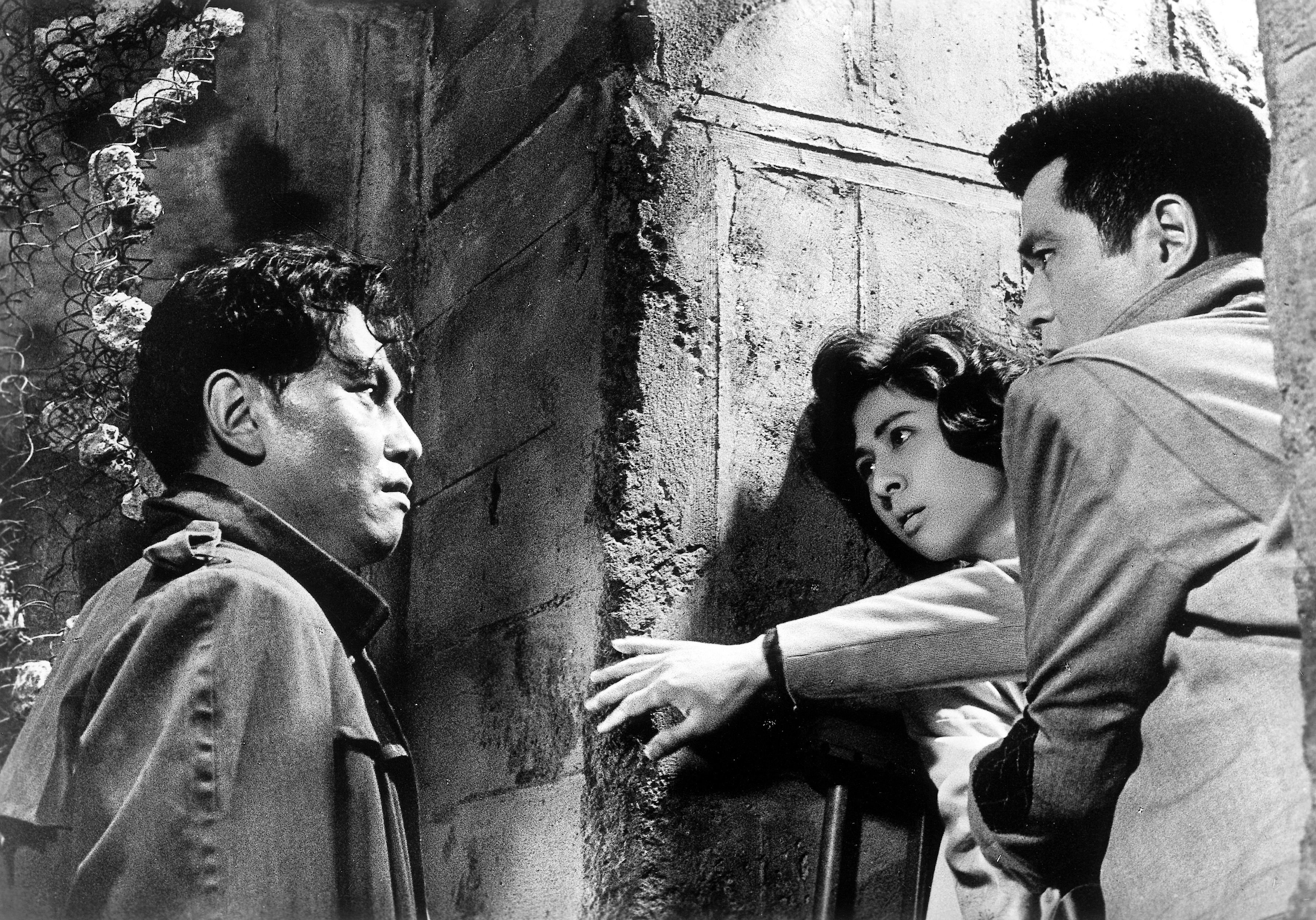
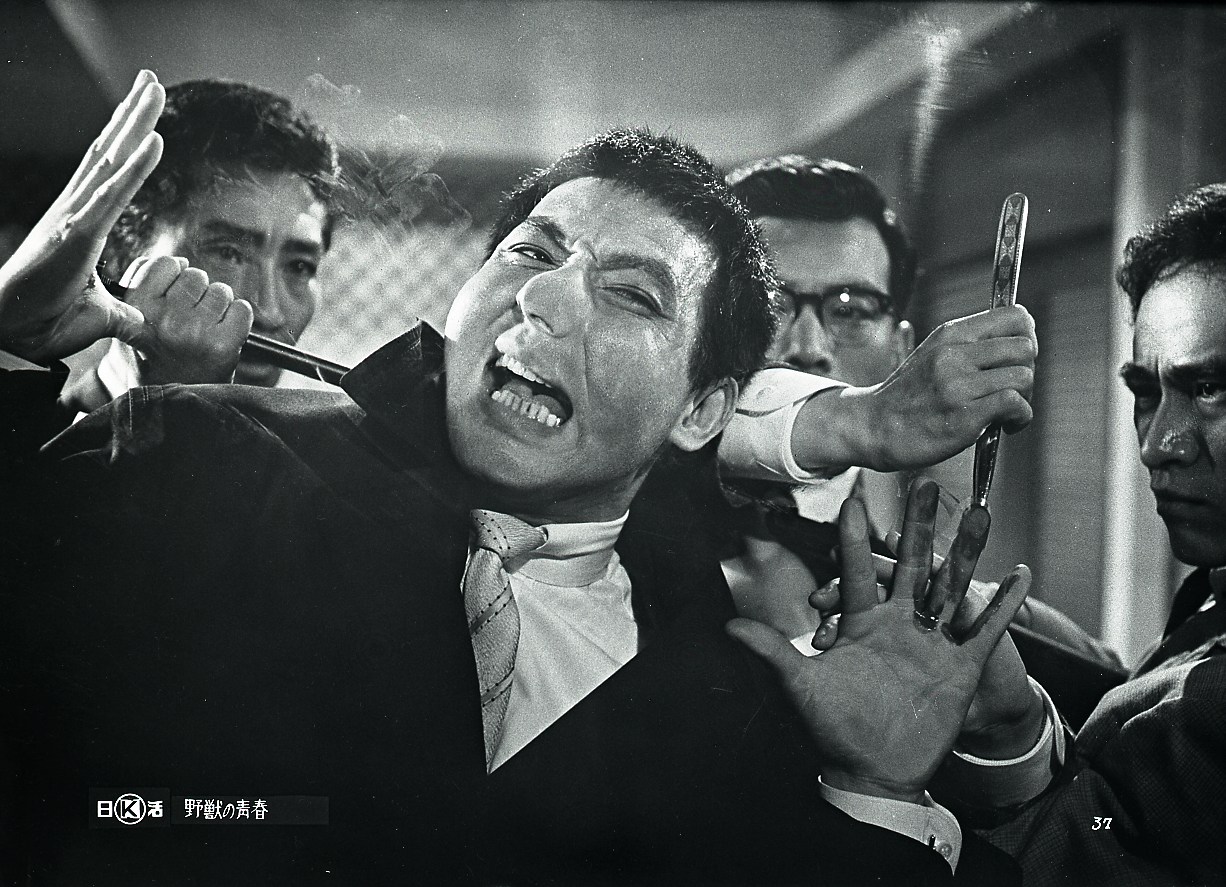
The Blind Menace (不知火検校, Kazuo Mori, 1960)

Two years before finding fame as Zatoichi, Shintaro Katsu starred as his mirror image in a tale of pure villainy, The Blind Menace (不知火検校, Shiranui Kengyo). As the title suggests, the film follows the upward trajectory and eventual downfall of an unsighted man who gleefully rapes and pillages his way to becoming the leader of his community aided and abetted by the ills of the feudal era which allow him to profit from his crimes until the past finally catches up with him.

After all as he later says, “as long you as you keep rising in the world, past misdeeds don’t matter.” In any case, even as a child the man who would later be known as Suginoichi (Shintaro Katsu) is incredibly unpleasant. In the opening festival sequence he picks his nose and flicks it in a barrel of sake so that the men drinking will abandon it. The only sign of possible goodness in him is that he takes the sake home for his mother to enjoy, though he seems to relish the idea of her unwittingly drinking his snot so perhaps that was the real purpose. Other hobbies of his include conning wealthy passersby out of a ryo with a well worn scam in which he asks them to read a letter from his uncle which mentions that it should include one ryo only what’s in there is a stone. When the reader explains the situation, he accuses them of trying to take advantage of his blindness and makes a fuss about it until they’re embarrassed into coughing up a ryo of their own (not a small sum for the time period). 

In some ways his poverty and disability might explain his behaviour. His family set up is subverted with his mother much like him money hungry and willing to do anything to get it while his saintly, henpecked father is gentle and honest. This might have taught him the wrong lessons about masculinity that lead him to see his father as weak in allowing the world to trample him while taking his mother’s advice to heart that if they only had a 1000 ryo they could get him trained up properly so that he might one day become a Kengyo which is a little bit like a community leader for the blind with social status and political influence. 
It’s this kind of social affirmation he seems to crave, but is essentially a narcissistic sociopath who takes advantage a stereotype that in some ways infantilises the blind and those with other disabilities who are believed to be pure-hearted and incapable of intrigue or evil. He seems to come to the rescue of a noblewoman who asked his boss, the Kengyo, to lend her money secretly because her brother has been caught embezzling but then rapes her, asks for the money back, and blackmails her into further acts of sexual exploitation offering her only 5 ryo a time knowing she needs 50. He thinks nothing of using his acupuncture skills to kill a man who was carrying 200 ryo to buy a “boneless girl” for a freak show and then framing a man who saw him do it but agreed to say nothing for a 50% cut for the crime. Suginoichi later teams up with “Severed Head” Kurakichi (Fujio Suga) to commit a series of burglaries including that of the Kengyo master who he also has killed to usurp his postion. 

But as he said, once his recognition is in sight with an invitation from the shogun everything begins to fall apart as all his wrongdoing starts to catch up with him. The feudal world had allowed him to prosper partly because of other people’s greed but also the social codes that favour shame and secrecy along with people’s unwillingness to accept that a blind man can also be selfish and evil despite a lot of evidence to the contrary. Elegantly lensed by Kazuo Mori who brings a sense of realism to the hardbitten backstreets of the feudal poor, the film may suggest that the wealthy only get that way by trickery and exploitation and the only way to rise to the loftiest place is to be like Suginoichi and not care what you do to get there but is clear that once you arrive you won’t stay very long because one day the past will really will come back to bite you. 


4K restoration trailer (no subtitles)

Eye of the Storm (疫起, Lin Chun-Yang, 2023)

In the early days of the pandemic, Taiwan was thought of as kind of safe haven which had largely managed to keep the disease a bay allowing many to live their lives more or less normally while much of the rest of the world contended with intermittent lockdowns of varying severity. The reasons for their success are said to lie in their experience during the SARS crisis of 2003. 

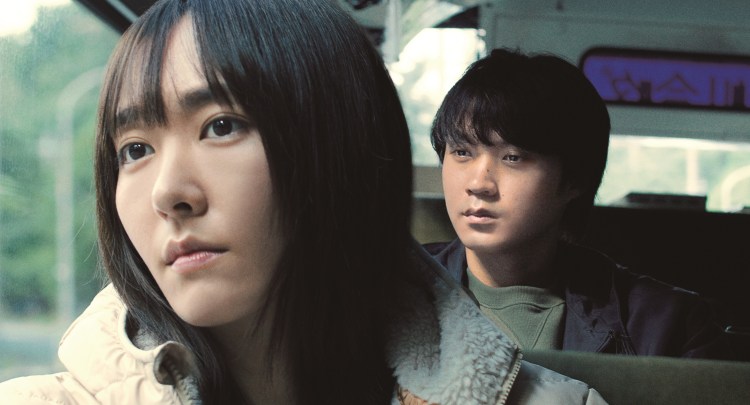
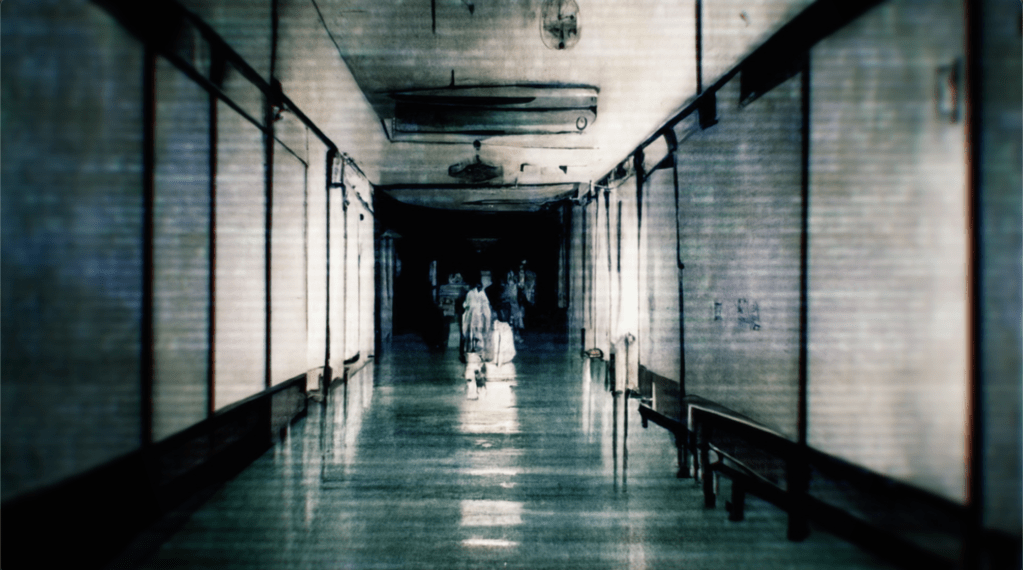
To that extent, there’s a kind of eeriness in Lin Chung-Yang’s poignant drama Eye of the Storm (疫起, yì qǐ) in watching the early days of this present pandemic play out 20 years earlier as medical personnel attempt to deal with a new illness about which they know almost nothing save that it appears to have a frighteningly high mortality rate. As the film opens, self-involved surgeon Xia (Wang Po-chieh) is clocking off a few minutes early in an attempt to make it to his daughter’s birthday party, rudely brushing off the complaints of warmhearted male nurse Tai-he (Tseng Ching-hua) and dismissing requests from his colleagues. Leaving in a taxi, however, he’s soon called back to deal with an emergency operation and becomes trapped when the hospital is placed into lockdown after the report of a possible SARS case. 

Unlike so many dramas centring on frontline healthcare workers during the COVID-19 pandemic, :Lin does not necessarily portray the medical staff in the best light. As the suspected case was being treated in B Wing it is the first to be shut down and some of the doctors and nurses start a protest refusing to treat patients with SARS resentful that they’ve been locked up with the disease. Meanwhile, in A Wing some of the nurses also go on strike holing themselves up in the rec room and refusing to come out. As Tai-he had been helping out in B-Wing, he is quickly rejected by his peers and exiled there despite having no symptoms while the nursing staff otherwise know that they maybe condemning him to death in sending him to the frontline battle against the disease.

Also on the frontline is journalist Yu-zhong (Hsueh Shih-ling) who snuck into the hospital after a tip off and is determined to let the people know by capturing the chaotic scenes at the hospital first hand. He and Xia eventually end up going through old records to figure out how the virus took hold while Xia mainly spends his time hiding in a storage cupboard and trying not to come into contact with anyone who might have SARS which is not very doctorly. Though originally desperate to get out of the hospital, Xia’s mindset begins to change when he sees how bad things are in B Wing after being charged with transporting food supplies while he later comes to realise that he may bear some responsibility in the rather cavalier treatment of a patient he recently operated on.

Then again, perhaps there is something also a little on the nose in the constant references to the disease’s origins in China while it’s the hospitals choice to use a Mainland construction firm that directly leads to the infection. In any case, Xia eventually beggins to come around realising that it’s selfish of him to refuse to help when the hospital is already so short staffed with some medical personnel on strike and others already falling ill and even dying. Lin lends the tunnel connecting the two wings an eerie quality in the ominous opening and closing of its oversize doors, as if Xia were really descending into hell dressed in a makeshift hazmat suit of yellow overalls. 

Xia had appeared to be a narcissistic surgeon with little interest in his patients. Criticised by Tai-he he clapped back that it’s the nurse’s job to care for them, not his, while continuing to keep his distance and fixating on being allowed to leave the hospital before beginning to empathise with the sick. Yet many other medical staff react in a similar way, overwhelmed by the fear and chaos of the situation while resentful in feeling that they’ve been unfairly imprisoned only later coming to accept the situation and returning to caring for the patients as best they can. Eerily echoing our present times, Lin’s poignant drama eventually finds a kind of serenity even among so much panic in quiet moments of small victories and human solidarity.


Eye of the Storm screened as part of this year’s New York Asian Film Festival.

Netflix trailer (English subtitles)

The Ghost Station (옥수역귀신, Jeong Yong-ki, 2022)

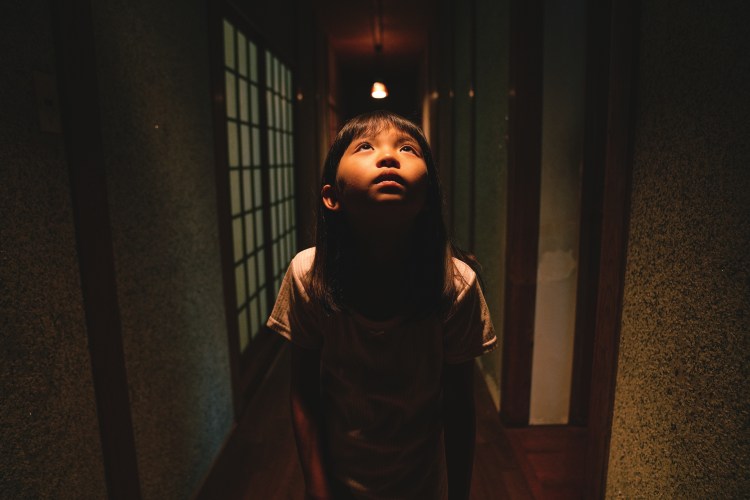
The biggest evil at the centre of Jeong Yong-ki’s homage to classic J-horror The Ghost Station (옥수역귀신, Ogsuyeog Gwisin) is perhaps capitalism or more simply modernity. At least, it stands to reason that those covering up a great evil for financial gain could be deemed even worse than the person who actually committed the crimes in turning a blind eye to injustice. It’s in the midst of this paradox that jaded rookie reporter Na-young (Kim Bo-ra) finds herself while beginning to uncover the dark secrets buried beneath a supposedly “haunted” station though mostly lured by the desire for easy clickbait to appease her hardline boss (Kim Su-jin). 

The reason that Na-young is in trouble, is that she was at the station snapping photos for social media without bothering to get a written release from her subjects. The person she took photos of turned out to be transgender and was accidentally outed by Na-young’s story for which she feels little remorse, mostly feeling sorry for herself on realising her job’s on the line and she’ll have to bring in some powerful scoops if she wants to make sure the paper has her back and will cover the compensation money if the woman sues her. 

It has to be said that, in the English subtitles at least, the film has a strongly transphobic vibe in which the photographed woman is constantly described as “a man” , using male pronouns and otherwise treated as a figure of fun, just another “weird” thing going on at the station. Even so, there’s clearly a mild rebuke intended against the contemporary trend of mocking strangers online with a young man falling victim to the station curse in the opening sequence after uploading a video of a woman he first assumes to be drunk or mentally distressed before noticing that in the video he can see a pair of bloody hands attacking her. 

Na-young has been doing pretty much the same kinds of things with her clickbait even while resentful of herself and the loss of her journalistic integrity working at a low level tabloid only interested in viral articles that will generate ad income. But she’s also slightly proud on spotting people reading her pieces on the station ghost as they ride, feeling like she’s doing real investigative journalism even if no one in the office really cares about the dark secrets lurking in the station. Even she later realises that she lost sight of the victim in the case and hadn’t even thought about contacting his family or trying to find out who he was and why he died. 

What she eventually discovers is that her paper may have been involved in a coverup operation which is why her boss becomes hostile as her reports become a little too “real”. It was in the interests of powerful people that the station be built, so anything that might delay its construction was quietly swept under the carpet. Na-young wants to drag it into the light, but finds herself frustrated and then at the centre of a supernatural curse while hoping to give voice to those who were denied any of their own. 

The quietly oppressive, haunting nature of these unseen forces is brought home by the ominous tapping of the ice blue fingernails of Na-young’s ever impatient boss perhaps embittered by her own decision to abandon journalistic integrity for the lure of easy money peddling gossip and distraction to an already apathetic readership. Though adapted from a web toon, the film is co-scripted by Hiroshi Takahashi and bears many of the hallmarks of classic J-horror including the presence of a well implying the contamination of the groundwater that feeds the contemporary society which the station itself in someways represents, along with the uncanny movement of living ghosts in the contemporary environment.

Like J-horror it finds otherworldly spirits trying to communicate through modern technology, in this case saying what first seem to be fragments of a phone number but turn out to have a different meaning indicating a desire to be heard and recognised, reprieved from the hell in which they’ve been placed by a cruel and heartless tormentor. Na-young thinks she can give them that but is perhaps naive, if already corrupted, overestimating the power of the press to offer corrective justice and end a curse by throwing the truth into the light. In the end, she too decides to pass the buck escaping the curse by passing it on as an ironic act of vengeance and liberation thrown like a bomb at an infinitely corrupt social system but more out of spite than retribution. A little shallow and cynical, the film never quite lands its punches or achieves the eeriness it’s looking for but does nevertheless point the finger at the literal skeletons in the closet of the contemporary society.


The Ghost Station is out now in the US on Digital, DVD, and blu-ray courtesy of Well Go USA.

US trailer (English subtitles)

Heaven’s Story (ヘヴンズ ストーリー, Takahisa Zeze, 2010)

“When your family’s murdered, aren’t you entitled to happiness?” remarks a bereaved husband trying to move on from tragedy to a similarly bereaved little girl who is determined not to. “I don’t think so”, she coldly replies, dragging him back into a dark world of hate and vengeance. At that time perhaps best known for his career in pink film, Takahisa Zeze’s 4.5-hour epic Heaven’s Story (ヘヴンズ ストーリー) weaves a tale of interconnected hurts born of violence and its legacy, parental betrayals, and irreconcilable loss. The only victory is survival, but it’s a prize none of us will win. The best we can hope for is continuity, and perhaps leaving something more behind us than fear or rage. 

Our heroine, Sato (Moeki Tsuruoka), is orphaned when her parents and older sister are brutally murdered by a disgruntled employee exacting some kind of petty revenge on her father. The killer is later found dead in a hotel room, presumed to have taken his own life. The tragedy is however just one of many. Passing by a TV screen, Sato catches a report detailing the death of her family members and their murderer which is immediately followed by a press conference with a very angry young man whose wife and infant daughter were killed in random attack by a passing drifter who has been given an indeterminate sentence on account of the fact that he was underage and suffered greatly during his childhood. Tomoki (Tomoharu Hasegawa), the bereaved husband and father, vows revenge angrily insisting he won’t ask for the death penalty because he wants the killer, Mitsuo Aikawa (Shugo Oshinari), released as soon as possible so he can kill him with his own hands. Only eight years old, Sato identifies with his rage. The man she wants to kill is already dead and she’s been robbed of the chance of closure through vengeance so vicariously latches on to Tomoki’s quest for retribution, making him something of a personal hero. 

Tomoki’s words were offered in the raw pain of his loss. His reaction is understandable, but as he later says, people started to lose sympathy for him once he called for the killer’s death. As time moves on, he perhaps starts heal, marrying again and having another little girl, starting a new life in a new place which of course does not overwrite his past loss but is a new start. That’s something Sato can’t allow or understand. She feels irrationally betrayed by Tomoki’s decision to leave his loss in the past and move on to a new life. Rocking up at his tranquil island home, she accuses him of forgetting the dead, guilting him into thinking he’s betrayed the memories of his wife and child by not knowing that Mitsuo has been released from prison let alone not having taken his revenge. 

Mitsuo, however, has also attempted to move on. It can’t be denied that he committed a heinous, unforgivable crime, but he is also, in a sense, a victim himself. His mother took her own life when he was 13 because his father was abusive and he carries that abuse with him, which of course does not excuse his crime but might help to explain it. Kyoko (’70s folk singer Hako Yamasaki), a lonely doll maker, is taken by his enigmatic statement that he wants to be remembered by the unborn and begins writing to him in prison, eventually agreeing to adopt him as her son though she is already suffering with the early stages Alzheimer’s. Later in a tense conversation with Tomoki, Mitsuo describes Kyoko as a woman of great warmth and if it were not for her he might perhaps have killed again. Her positive maternal presence gives Mitsuo the sense of anchoring through parental love that he had never had, restoring him towards a more normal kind of existence as he diligently cares for her while her condition continues to deteriorate. 

Time swindles them all. Kyoko desperately tries to remember something she’s forgotten, while Sato is locked into a pleasant childhood memory of walking with her parents to see a newly completed housing estate which seems to be the very embodiment of a post-war utopia, a large green space surrounded by neatly arranged, identical blocks with well appointed family homes piled one on top of the other. The conclusion takes us somewhere similar, only inverted, in the empty shell of a disused danchi, once a home to a bustling mining community now abandoned by the modern era. In the monologue which opens the film, Sato recounts a folktale about a monster who lived in the hills and attacked people, but did so only accidentally in his loneliness and longing to be a part of the world around him, but the people were afraid and so they rejected him and his monstrousness intensified. Tomoki destroys his second family in an internecine need to avenge the first driven by Sato’s demonic need for vicarious retribution, while Mitsuo’s attempt to move into the light is frustrated by an inability to escape his past. All the fear, and hate, and suffering, breeds only more of the same. “Heaven’s Story” may be in many ways the story of violence, but violence is not its resolution. Sato makes a kind of peace with the past, but will also carry that legacy of pain back into the complicated urban world as far from the heavenly vistas of tranquility which exist now only in her memory as it’s possible to be. 


Original trailer (no subtitles)