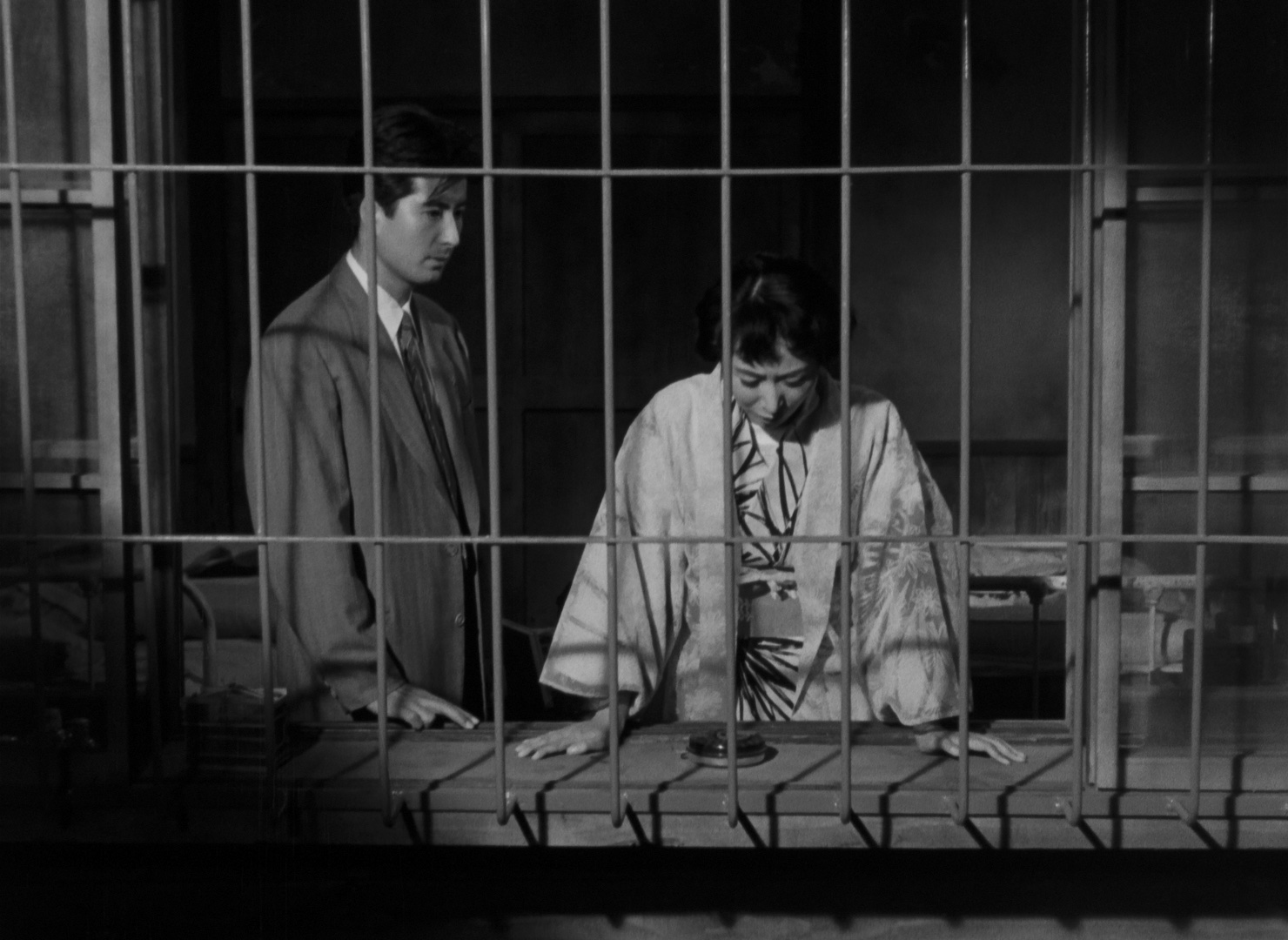
“He was too good for this world” a matriarch finally concedes of the pure soul at the centre of Akira Kurosawa’s The Idiot (白痴, Hakuchi), though like most she had found his goodness unnerving. Adapted from the Dostoyevsky novel, Kurosawa’s poetic morality play is like much of his contemporary work a meditation on the post-war future but perhaps also an admission that this “faithless world” isn’t meant for pure souls and that goodness too can be destructive in its incompatibility with a world ruled by cruelty and selfishness.
Relocated to a wintery Hokkaido, the film opens with former soldier Kameda (Masayuki Mori) travelling north to stay with a relative after a spell in a psychiatric hospital in Okinawa. Having been sentenced to death for war crimes in what he claims was a case of mistaken identity and then unexpectedly reprieved, Kameda suffered a nervous breakdown but also describes himself as having been reborn, as if everything that had happened to him up to that point had happened to someone else. Ever since then he’s been a pure soul, selfless and ethereal but also with, as someone later puts it, an eerie power to see into people’s hearts that leaves some feeling shamed or uncomfortable in the stinging light of his goodness.
In the outdated language of the time, he is called an “idiot” because of his epilepsy which has he says caused him epileptic dementia. In the title cards that open the film, it is said that goodness is often conflated with idiocy as if to be good is only to be naive for sophistication necessarily favours calculation over feeling. He is an outcast firstly because of the stigma surrounding his condition and secondly because of the way his goodness reflects on others, leaving them feeling exposed or perhaps judged and found wanting.
He finds his mirror in a young woman, Taeko (Setsuko Hara), who is loved by a man he met on the train, Akama (Toshiro Mifune), but is herself an outcast because she has been the mistress of a wealthy man, Tohata (Eijiro Yanagi), since she was only 14 years old. On seeing a photograph of her in a shop window near the station he remarks that she seems very unhappy, later explaining that in her eyes he saw only long years of lonely suffering that reminded him of the eyes of a young soldier executed by firing squad who looked back at him with eyes filled with reproach that he must be sacrificed for the folly of the war. But whereas Kameda’s awakening as a pure soul has opened him up to the world, Taeko’s internalised shame has made her cold and indifferent. Kameda’s recognition of her as another pure soul grants her the courage to escape one kind of suffering in abandoning the wealthy man who has ruined her life, but only provokes further destruction in her conviction that Kameda is the one man she can never love for she will only ruin him.
Kameda, meanwhile, falls in love with the daughter of his relative, Ayako (Yoshiko Kuga), who is proud and largely unable to express her feelings honestly often saying the direct opposite of what she actually means. She too has her idea of goodness, breaking with her childhood sweetheart Kayama (Minoru Chiaki) when he is tempted by an offer from Tohata to enter into a sham marriage with Taeko for appearance’s sake in return for a large sum of money and guaranteed social advancement. Though Ayako originally rejects Kameda because of the shame and humiliation she would feel married to a man with a disability, she nevertheless fails in love with him but is unable to accept the equality of his love in his inability to abandon Taeko to whom he has come to represent a kind of salvation.
Ayako later comes to believe that it was she who was truly the “idiot” in her petty jealousy lamenting that “if only we could all love without hatred” as Kameda had done though it was in the end his selfless love that sealed his fate, while for Akama it was perhaps the opposite in realising that he would never possess Taeko’s heart and that the only reason she returned to him was because she thought him to be a man of so little importance that ruining him was of no consequence and ruin him she did in the madness of his love. Guileless, Kameda is also a pauper cheated out of his inheritance by a relative and then again exploited by a duplicitous businessman, his poverty another proof of his goodness while others squabble over money. Having escaped an authoritarian father and come in to his inheritance, Akama wagers his fortune trying to buy Taeko from Tohata by gazumping Kayama who later redeems himself by letting the money burn but never really escapes the stain of his temptation.
Kurosawa frames the tale as high gothic, filled with eerie winds and mist and fire in the midst of snow. The stove of Akama’s otherwise dark and gloomy mansion seems to flare with the intensity of confrontation as the passions of these four tortured souls rise and fall while each seeking a kind of salvation which necessarily cannot satisfy all. Originally intended to run in two parts over 265 minutes, the film was famously too big for producers at Shochiku for whom Kurosawa was working outside of his regular studio Toho. They cut 100 minutes to suit their exhibition needs, excising most of the prologue and inserting a number of clumsily placed intertitles absent from the rest of the film while undercutting the sense of mounting dread in the tragic backstories of each of these doomed romantics. But even in this compromised version, Kurosawa captures something of the gothic fatalism that surrounds Kameda, an innocent lamb in a world of wolves as Akama describes him, whose boundless, selfless love has no place in this faithless world.
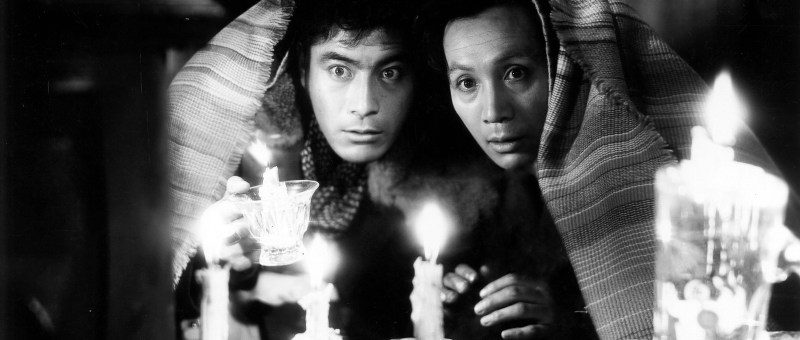
“The shadow of a man can never stand up and walk on its own” a shadow warrior laments, wondering what happens to the shadow once the man is gone. Set at the tail end of the Sengoku era, Akira Kurosawa’s Kagemusha (影武者) charts the transformation of a man reborn as someone else and discovers that he’s better at playing the role he’s been assigned than the man who was born to play it only to fall victim to his own hubris and self-delusion.
The nameless hero (Tatsuya Nakadai) is a lowborn thief sentenced to death only to be reprieved thanks to his uncanny resemblance to the local lord, Takeda Shingen (also Tatsuya Nakadai), whose double he must play if he’s to keep his life. The shadow objects to this characterisation, outraged that a man who has killed hundreds and robbed whole domains dares to call him a scoundrel. Shingen agrees he too is morally compromised. He banished his father and killed his own son but justifies it as a necessary evil in his quest to conquer Japan hoping to unify it bringing an end to the Warring States period and ensuring peace throughout the land.
The shadow goes along with it, but does not really realise the full implications of his decision. He tries to smash a giant urn hoping to find treasure to escape with, but is confronted by a corpse bearing his own face. Shingen has been killed by an enemy sniper in an act of hubris sneaking around a castle under siege hoping (not) to hear the sound of a flute. Before passing away, Shingen instructs his men to keep his death a secret for three years, retreating to defend their own domain rather than conquer others. But there are spies everywhere and news of his apparent demise soon travels to the allied Oda Nobunaga (Daisuke Ryu) and Tokugawa Ieyasu (Masayuki Yui), his rivals for the potential hegemony over a unified Japan. The shadow Shingen must keep up the pretence to keep the dream alive and protect the Takeda Clan from being swallowed whole by the advance of Nobunaga.
Shingen had been the “immoveable mountain”, the solid force that anchors his troops from behind but also an implacable leader famed for his austerity. The shadow Shingen is almost caught out by the honest reaction of his grandson and heir Takemaru (Kota Yui) who immediately blurts out that this man is not his grandfather because he is no longer scary, while he’s also bucked by Shingen’s horse who in the end cannot be fooled. His retainers wisely come up with a ruse that he’s too ill to see his mistresses lest they realise the thief’s body does not bear the same scars even as everything about him from the way he talks and moves and laughs is different. Yet in his sudden conversion on witnessing Shingen’s funeral on lake Suwa and resolving that he wants to do something to serve the man who saved his life, the shadow proves an effective leader who earns the trust and affection of his immediate retainers but is equally struck by their sacrifice as they give their lives to protect him.
Meanwhile, his illegitimate son Katsuyori (Kenichi Hagiwara), skipped over in the succession, complains that he can never emerge from his father’s shadow emphasising the ways in which the feudal order disrupts genuine relationships between people and bringing a note of poignancy to the connection that emerges between the shadow Shingen and little Takemaru otherwise raised to perpetuate that same emotional austerity. Hoping to eclipse his father, Katsuyori too experiences a moment of hubris, successful in his first campaign but then over ambitious, forgetting his father’s teachings and walking straight into a trap only to be defeated by Nobunaga’s superior technology.
Nobukado (Tsutomu Yamazaki), Shingen’s brother and sometime shadow, remarks that he hardly knew who he was once his brother was gone, and wonders what will become of the shadow once the three years are up. In a sense, the thief is already dead. As Nobukado puts it, it’s as if Shingen has possessed him, his confidence in his alternate persona apparently solidified by the victory at Takatenjin castle. But the sight of so many dead seems to unnerve him in the hellish spectacle of death that is a Sengoku battlefield knowing that these men died if not quite for him than for his image. When he attempts to mount Shingen’s horse, it’s either born of hubristic self-delusion in wanting to prove that he truly has become him, or else a bid for freedom and to be relieved of his shadow persona. Either way, he becomes a kind of ghost, once again watching his men from behind but this time invisibly and powerless to do anything but watch as they are massacred by Nobunaga’s guns.
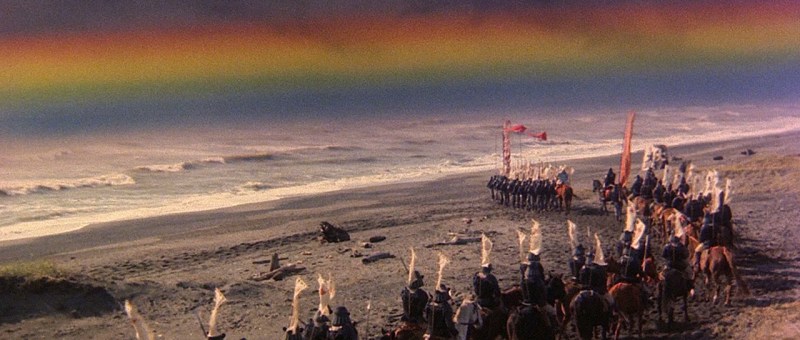
Earlier on he’d had a kind of nightmare, painted in surrealist hues by Kurosawa who conjures battlegrounds of angry reds and violent purples along with ominous rainbows, seeing himself dragged down into the water by Shingen’s ghost which he has now seemingly become. In the end all he can do is accept his fate in a final act of futility running defenceless towards the enemy line and reaching out to retrieve his banner from its watery fate only to be carried past it on a current of red. “I’m not a puppet, you can’t control me” the thief had said, but in the end just like everyone else he was powerless, another casualty of the casual cruelties and meaningless struggles of the feudal order.
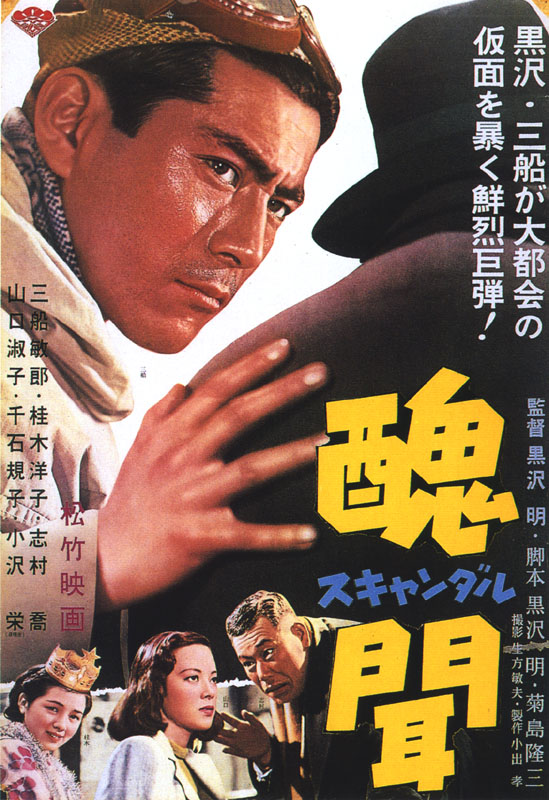
“Freedom of the press or harassment?” The more things change, the more they stay the same. Akira Kurosawa’s attack on the declining moral standards of the post-war society as reflected in the duplicity of the gutter press has unexpected resonance in the present day in which the media is simultaneously unwilling to challenge authority and in thrall to the populist allure of celebrity gossip with sometimes tragic results. The aptly named Scandal (醜聞) is essentially a morality tale which draws additional power from its seasonal setting and embodies the soul of the contemporary society in a conflicted lawyer consumed by internal struggle against despair and hopelessness.
The more literal scandal however revolves around a well known singer, Miyako Saijo (Yoshiko (Shirley) Yamaguchi), and a motorcycle-riding artist, Ichiro Aoe (Toshiro Mifune), who meet by chance while staying at the same remote mountain inn. Having ironically headed to the mountains to escape the various “annoying things” that plague her in the city, Miyako has been pursued by two muckrakers from the tabloid press who take umbrage at her refusal to see them. They are then fairly delighted when they manage to snap a picture of Ichiro and Miyako standing on her balcony looking out at the mountains like a young couple in love. They deliver the photo to their seedy boss, Hori (Eitaro Ozawa), who is over the moon with excitement at his new business prospects. Suddenly Ichiro and Miyako are on posters all around the city with headlines such as “Love on a Motorcycle” and “Miyako Saijo’s secret love – revealed!”.
Though Ichiro is a semi-public figure himself having been featured in magazine spreads as an artist on the rise, he is not a worldly man and is shocked by the idea that the press can make something up and print it with no consequences. He feels he must resist not just on a personal level angry to have been misrepresented but for the post-war future to ensure that the press is held to account and that it does not misuse its power to breach the privacy of ordinary citizens. To his mind, they only get away with it because most people just ignore them and wait for the scandal to pass, a sentiment born out by Hori who dismisses a concerned underling with the reminder that they’ve never yet been sued so they need have no fear saying whatever they like whether it’s true or not. “The kind of snobs we target think the law is beneath them” he adds, suggesting that most people prefer to think of the gutter press as something they can safely ignore and that it’s only themselves that they show up in their torrid obsession with the lives of others.
But Hori also ironically defends his right to press freedom and quickly hits back that he’s being oppressed by those who wish to silence his right to free speech even when what he’s saying isn’t true. Lawyer Hiruta (Takashi Shimura) who offers to represent Ichiro in his lawsuit quickly identifies Hori as a duplicitous conman but also allows himself to be manipulated accidentally accepting a bribe after being led to believe that Hori has a top legal expert on retainer and the case is hopeless unless Miyako, who has so far maintained a dignified silence, can be persuaded to join as co-plaintiff. Ichiro had decided to accept Hiruta’s offer of representation largely on meeting his teenage daughter, Masako (Yoko Katsuragi), who has been bedridden with TB for the last five years. Masako is a pure soul whose isolation from the contemporary society has allowed her to maintain her innocence and humanity but it’s also true that it’s the society that made her ill in the first place.
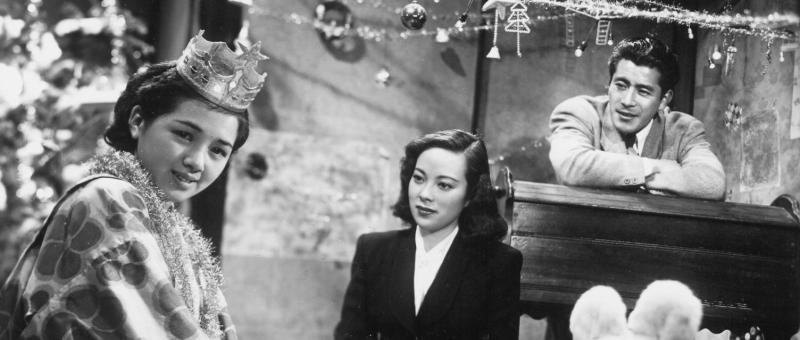
The morality play reaches a climax on Christmas Day as Ichiro delivers a tree on his motorbike while Miyako sings carols for a radiant Masako who is at least sitting up and looking much healthier than she’s ever been before. But the more Hiruta debases himself, caught between an accidental debt to Hori, his own lack of conviction, and the frustrated desire to do right, the sicker she gets as if poisoned by post-war duplicity. Even so, Ichiro continues to defend him insisting that Hiruta isn’t a bad person just a weak one and that in the end he won’t be able to go through with betraying him but will eventually come clean and tell the truth when it counts. Ichiro’s faith is as much in the institutions of the new democratic Japan as it is in Hiruta as he explains at the trial admitting that he may have been naive in placing too much trust in the legal system thinking that he couldn’t lose because he knows he’s in the right. As the opposition lawyer points out, that’s not a very good legal argument because his client thinks he’s in the right too only he doesn’t know that Hori is both a liar and an idiot who’s staked everything on the assumption that Hiruta won’t expose him for bribery, which would at least strongly imply he can’t back up his story, because it would mean destroying himself.
In the end it’s Hiruta who puts himself on trial, baring his soul to the court which he acknowledges he has betrayed in his negligence and wilful obstruction of justice. It’s a victory for truth and decency and a turn away from the duplicitous, capitalistic mores of men like Hori who think they can do whatever they want and only laugh at those who value fairness and compassion. “In all my 50 years I’ve never seen a more confused age” Hiruta explains speaking of post-war chaos and the forced comprises of the intervening years of despair and desperation. As he coaxes the denizens of a small bar into an early rendition of Auld Lang Syne on Christmas Day, each vowing that this time next year things really will be better, many of them breakdown in frustrated longing drowning their sorrows as they continue to yearn for better times they do not really believe will come. But then like all the best Christmas films, this is also a redemption story of a man who decided that it wasn’t too late after all and that he might have to destroy himself in order make himself anew and be the man his daughter always knew he could be even if in the end he could not save her from the ravages of the post-war society.
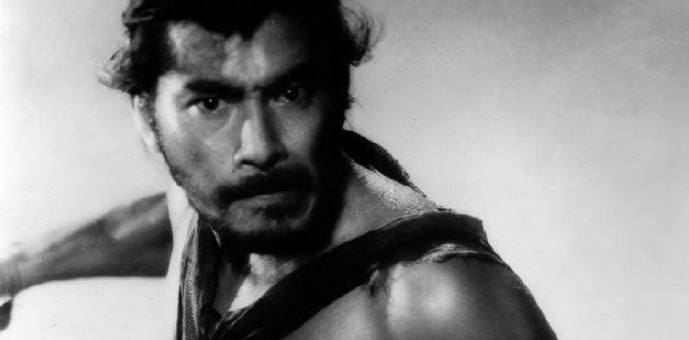
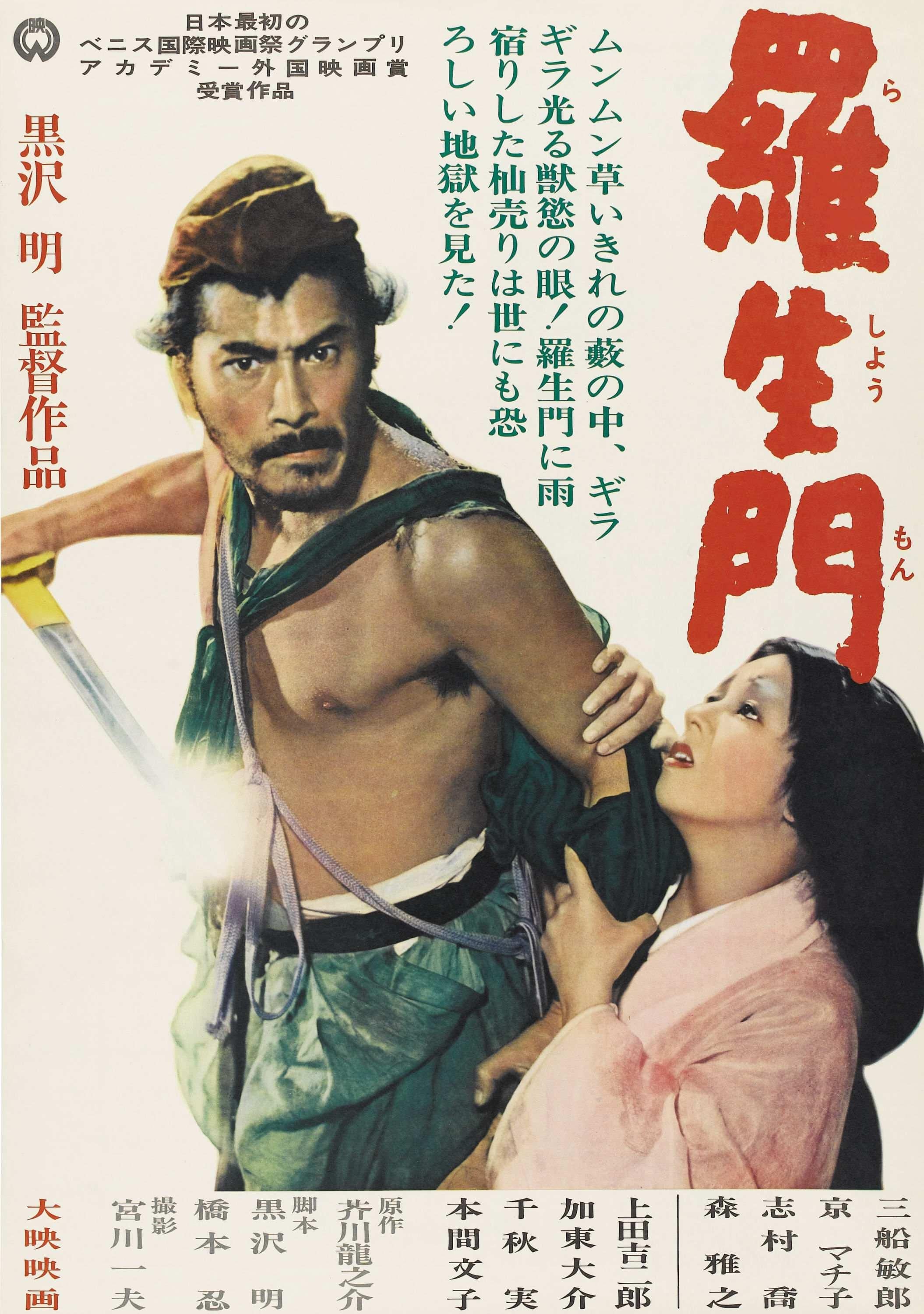
Is there such a thing as objective truth, or only an agreed upon “reality”? Like many of his early films, Akira Kurosawa’s adaptation of a pair of short stories by Ryunosuke Akutagawa is concerned with the idea of authenticity, or the difference between the truth and a lie, but is also acutely aware that the lines between the two aren’t as clear as we’d like them to be largely because we lie to ourselves and come to believe our own perceptions as “truth” assuming that it is others who are mistaken or duplicitous.
After all, the film opens with the words “I don’t understand”, as the woodsman (Takashi Shimura), who later tells us unprompted that he does not lie, tries to reconcile the conflicting testimonies of a series of witnesses at the trial of the bandit Tajomaru (Toshiro Mifune) who is accused of raping a noble woman (Machiko Kyo) in the forest and killing her husband (Masayuki Mori). At the end of the film it becomes clear that most of his confusion is born of the fact that he witnessed more than he claimed, later presenting a more objective version of the events while justifying his decision not reveal it earlier by saying he didn’t want to get involved. Not wanting to get involved might be understandable, he has six children and presumably won’t be paid for his time nor will he want to risk being accused of something himself. Then again as the cynical peasant (Kichijiro Ueda) sheltering with him at the already ruined Rashomon Gate seems to have figured out, it might equally be that he took the precious dagger repeatedly mentioned in the trial before running off to find the police. He has six children to feed after all.
The woodsman is simply confused if also guilty, but the Buddhist monk (Minoru Chiaki) who saw the couple on the road some days previously has been thrown into existential despair and is on the brink of losing his faith in humanity. He can’t bear to live in a world in which everyone is selfish and dishonest. Yet “dishonest” is not quite the right word to describe the testimony, for there’s reason to believe that the witnesses may believe what they say when saying it or have at least deluded themselves into believing a subjective version of the truth that shows them in a better light than the “objective” might have. At least, none of the suspects are lying in order to escape justice as each confesses to the crime though for varying reasons.
The bandit flatters himself by assuming dominance over the situation, baldly stating that he killed the samurai to rape the wife only she took a liking to him and he killed the husband in a fair fight even remarking on his skill as a swordsman. As we later see Kurosawa frames these fights in a more naturalistic fashion than your average chambara. They are often clumsy and desperate, won more by chance than by skill. Tajomaru also describes the wife as “fierce” in an unwomanly fashion though she is meek and cheerful on the stand and later states that she fainted after her husband rejected her for her “faithlessness” and woke up to find her dagger in his chest, while his beyond the grave testimony delivered via spirit medium claims that he killed himself unable to bear the humiliation of his wife’s betrayal in agreeing to leave with Tajomaru.
As the peasant points out, Tajomaru lies because he is insecure and so tells a story that makes him seem more “heroic” than he actually is, while the wife lies to overcome her shame, and the samurai to reclaim agency over his death and escape the twin humiliations of having been unable to protect his wife and being murdered by a petty bandit. As the three men sheltering under the Rashomon Gate concede, we don’t know our own souls and often resort to narrative to tell ourselves who we are. As usual, the truth is a little of everything, all the tales are partly true and less “lies” than wilful self-delusion to help the witness accept an unpalatable “reality”. Kurosawa perhaps hints at this in his use of extreme closeup while otherwise forcing the viewer into the roles alternately of witness and judge as if we were like the woodman watching from the bushes or hearing testimony from the dais while the action proceeds to the maddening rhythms of a bolero. Despite the hopeless of the situation, the reality that everyone lies and the world is a duplicitous place, the monk’s faith is eventually restored in the acknowledgment that there are truths other than the literal as he witnesses the woodsman’s compassion and humanity, the skies ahead of them beginning to clear as they leave the shelter of the ruined gate for a world which seems no less uncertain but perhaps not so cynical as it had before.
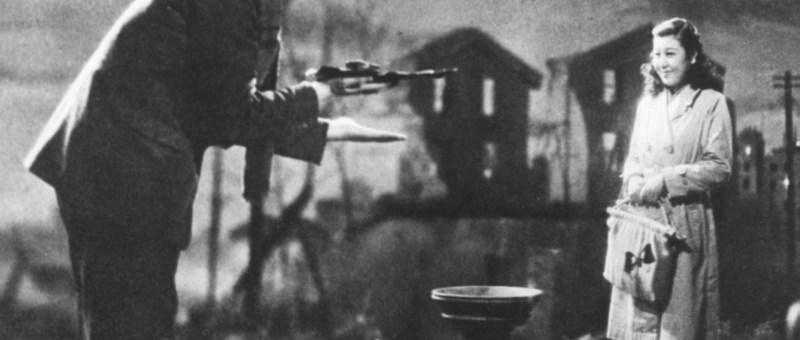
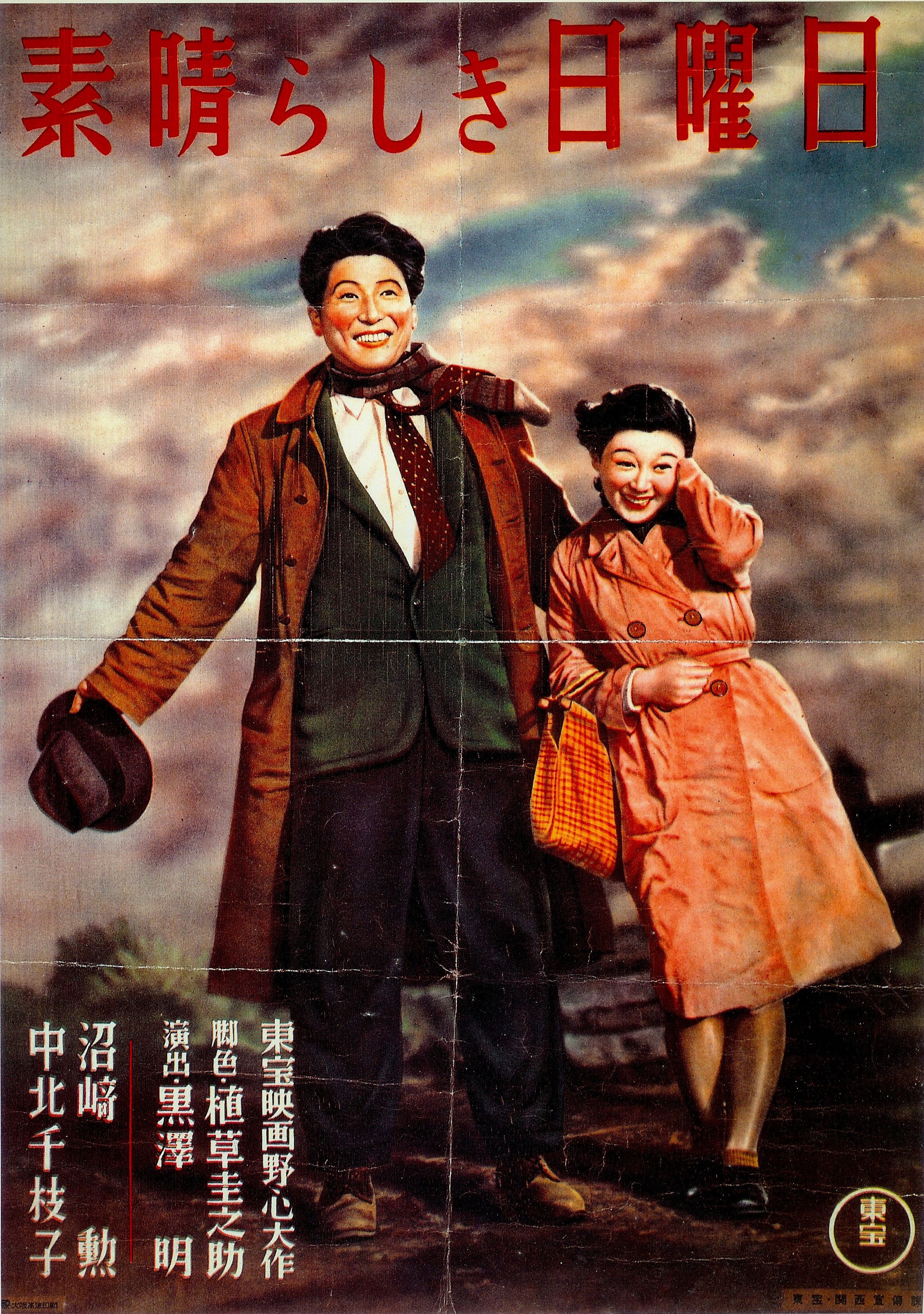
A young couple attempt to have a nice day out in Tokyo for only 35 yen but eventually discover something much more valuable in Akira Kurosawa’s surprisingly upbeat voyage through the backstreets of the post-war city, One Wonderful Sunday (素晴らしき日曜日, Subarashiki Nichiyobi). Though it may begin with frustration and progress to abject despair, the film allows its dejected heroes to find renewed hope for the future in the ashes of their defeat if only through the power of make-believe.
Yuzo (Isao Numasaki) and Masako (Chieko Nakakita) are a young(ish) couple who’ve been together since before the war but are unable to marry because their precarious financial situation prevents them from finding a home in which they can live together. Though they are each in full employment, Masako currently lives with her sister and Yuzo with a friend. They can only spend Sundays together, but this particular Sunday Yuzo is fulled with frustration and resentment. He has only 15 yen, not much of a date as he tells Masako with irritation explaining that she’s had a wasted journey. She reveals that she has 20, but Yuzo has his male pride and is reluctant to take “a woman’s money” while internally humiliated not to be able to take her out on the town. Just before she had arrived, Yuzo had stared at an abandoned cigarette butt on the pavement. His desire soon overcame his shame. He picked it up and smoked it, only for Masako to bat it out of his hand as if insisting that he’s better than that.
For her part, Masako is defiantly upbeat. Perhaps she’s putting on a brave face for Yuzo, but does her best to buoy his spirits so they can have a nice day together. It may be her only nice day all week. While she looks forward, he cannot move beyond the dissatisfying present. Masako begins by suggesting they check out a show home advertised on a billboard as a new kind of residence which is cheaper to build and available for only 100,000 yen for the first 100 buyers. She imagines how their life might be together in this space, while Yuzo merely sulks in the corner and points out the shoddiness of the build amid declining modern standards. It’s advertised as affordable, but they can’t afford it. Meanwhile, another man wanders in with a woman who is clearly his mistress. She exclaims that the place is a dump, “I hate matchbox houses”, while he agrees that it’s cheap for a reason and you get what you pay for. Presumably he already owns a home where his wife and family live and is about to drop a small fortune on a discreet love nest while his mistress, not unreasonably, attempts to haggle her way up to something a bit more fancy. Yuzo knows he won’t ever be able to afford even this “inexpensive” home that a wealthy man disdains as not worthy of his bit on the side. They’ve just come from seeing a crummy flat a few streets away which Masako asks directions to only to be put off by the doorman who warns them that the flat isn’t even really habitable and the landlord is heartless but they couldn’t afford that either even on the assumption they would both keep working (which depending on Masako’s job might not possible once she marries).
The landscape around them is in ruins. Yuzo and Masako wander through a bombed out city not yet ready for reconstruction looking for somewhere to stay out of the cold without eating into their 35 yen. He wants to give up and go home, but she convinces him to attend a concert of the music they heard on their first date before the war only when they get there all the cheaper tickets have been bought up by touts who sell them on at 50% markup. Beaten up for challenging the touts’ uncompromising cynicism, Yuzo hits rock bottom returning to his flat in a rundown tenement where a woman mopping the corridor gives Masako serious side eye. Frustrated, he tries to pressure her into premarital sex, her rock bottom coming a few minutes later when she firstly leaves in outrage and then returns as if admitting that their situation will never improve.
“The war destroyed that dream” Yuzo had said of Masako’s attempt to rekindle his hopes for the future in the plan they made to open a cafe together after they married, but the reality of their mutual defeat finally seems to inspire defiance in the face of the world’s hostility. On their journey through the city, they’d encountered a ragged street kid who thought them fools after they refused his offer of ten yen for one of their rice balls and simply gave it to him out of human kindness. Yuzo felt himself a fool after trying to visit an old friend who’s done well for himself with a swanky cabaret bar only to be rebuffed and see his own image reflected in a mirror with his threadbare overcoat and battered hat juxtaposed with the image of a fine young couple eyeing him with disdain and suspicion. In the end Masako can only appeal to us, breaking the fourth wall in a moment reminiscent of Peter Pan asking us to clap if we believe in fairies as she tries to revive Yuzo’s sense of naive possibility to conduct an unfinished symphony of their imagined life together in a happier future of post-war Japan. Refusing to give in to their baser instincts, to become cynical and selfish or else simply to give up, this wonderful Sunday does seem to have given them a childish sense of hope that better days are on their way and until then there’s always next week.
“Freedom is something you have to fight for” a young woman is ironically reminded by her progressively-minded father as she finds herself torn between the conservatism of her upbringing as an upper middle class daughter of an academic family and a bid for independence in the freedoms of the post-war society. In part a lament for a lost generation whose resistance towards rising militarism had been all but forgotten, No Regrets for Our Youth (わが青春に悔なし, Waga Seishun ni Kuinashi), is also the story of a post-war woman seeking new directions which in this case eventually send her back to the land.
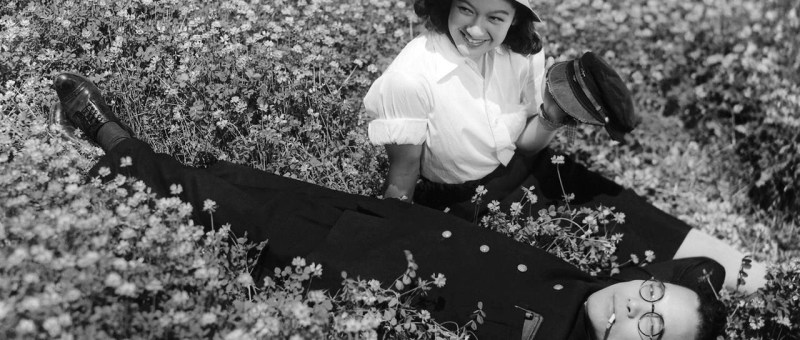
Then again, there’s no denying that Yukie’s (Setsuko Hara) dilemma is framed as romantic, torn between a dynamic communist and a spineless conservative while otherwise in her youth fairly vacuous. As the film opens, she frolics with some of her father’s students at a local mountain that overlooks Kyoto University. Caught on a stepping stone she awaits help from either the charismatic Noge (Susumu Fujita) or the diffident Itokawa (Akitake Kono) before Noge boldly dashes forward and carries her to the bank. Seeing Itokawa looking sheepish and embarrassed, she tugs on his student cap as if she hasn’t quite yet made up her mind which path she will take. “If I married you, my life would be calm and peaceful,” Yukie later reveals to Itokawa, “but it would also be a bit boring”, whereas if she married Noge “my life would burn so brightly that I might be blinded.”
Even so, her outlook as the professor’s daughter leans towards the conservative. During the picnic on the mountain, the students suddenly hear the sound of cadets training with firearms Yukie exclaiming that it makes her heart race before ominously discovering the body of a wounded solider in the overgrowth. She declares that she hates “leftists” and that her father is a “liberal” not a “red” but will any case eventually be vindicated. Though attracted to Noge’s passionate nature, she seems to find him dull company, “boring” in his constant conversation about the rise of fascism while visibly bristling when he all but calls her a vacuous socialite and says she needs a “slap in the face to grow up” which is in a sense what he’s just given her. Her life had been that of a privileged upperclass girl cosseted from the world, engaging with refined pursuits such as playing the piano and learning traditional flower arrangement. Her epiphany seems to come when she realises she’s been doing as she’s told, reminded that flower arrangement is a means of self-expression suddenly tearing the heads off chrysanthemums and crafting something truly avant-garde that is in its own way quietly shocking. Notably her flower arrangements while living with Noge are much more harmonious.
Still she wavers, wondering if she should give in to the quiet life she’d have with a man like Itokawa, a man with no ideology who sides with the militarists and becomes a prosecutor because it is expedient to do so, or continue to wait for Noge who by this point has been in prison and ostensibly renounced his socialist beliefs to join the army. What she chooses independence, breaking with the conventional life her mother wanted for her to support herself with a job at a trading company in Tokyo. Running into Itokawa in the city, he strongly hints to her that Noge is, from his point of view, up to no good running a kind of think tank as an expert on China.
When Yukie chooses Noge she implies it’s because she wants “something I can throw myself into body and soul”, hoping to join him in his new cause prepared as her father had warned her to make sacrifices in the struggle for freedom. In the one sense, it’s Yukie making up her own mind to abandon her privileged background to live her life with no regrets, but it’s also impossible to ignore that the cause she dedicates herself to is that of her husband. Committed to making Noge’s parents, both peasant farmers, understand that he was not an “ungrateful” son but a man who did his best to oppose the war and fight for peace and prosperity in Japan, she commits herself to the land and wins them over with the strength of her resolve. The hands that once played piano are now rough with work and it is in this she has found her purpose. Yet it’s difficult to say if the austerity of her new life represents ultimate freedom or only further constraint in the imperative of her continued suffering. Perhaps it doesn’t really matter, if as she says she has no regrets for her youth as she joins hands with the peasant farmers leaving her privileged upbringing behind her even as her mother remarks that with her father reinstated at the university it’s as if nothing had changed. There is then something quite poignant as she sits by the stream and sees the students file past her singing their song of protest that in the end went unheeded while she prepares to reject modernity in its entirety and return to the simplicity of the land.
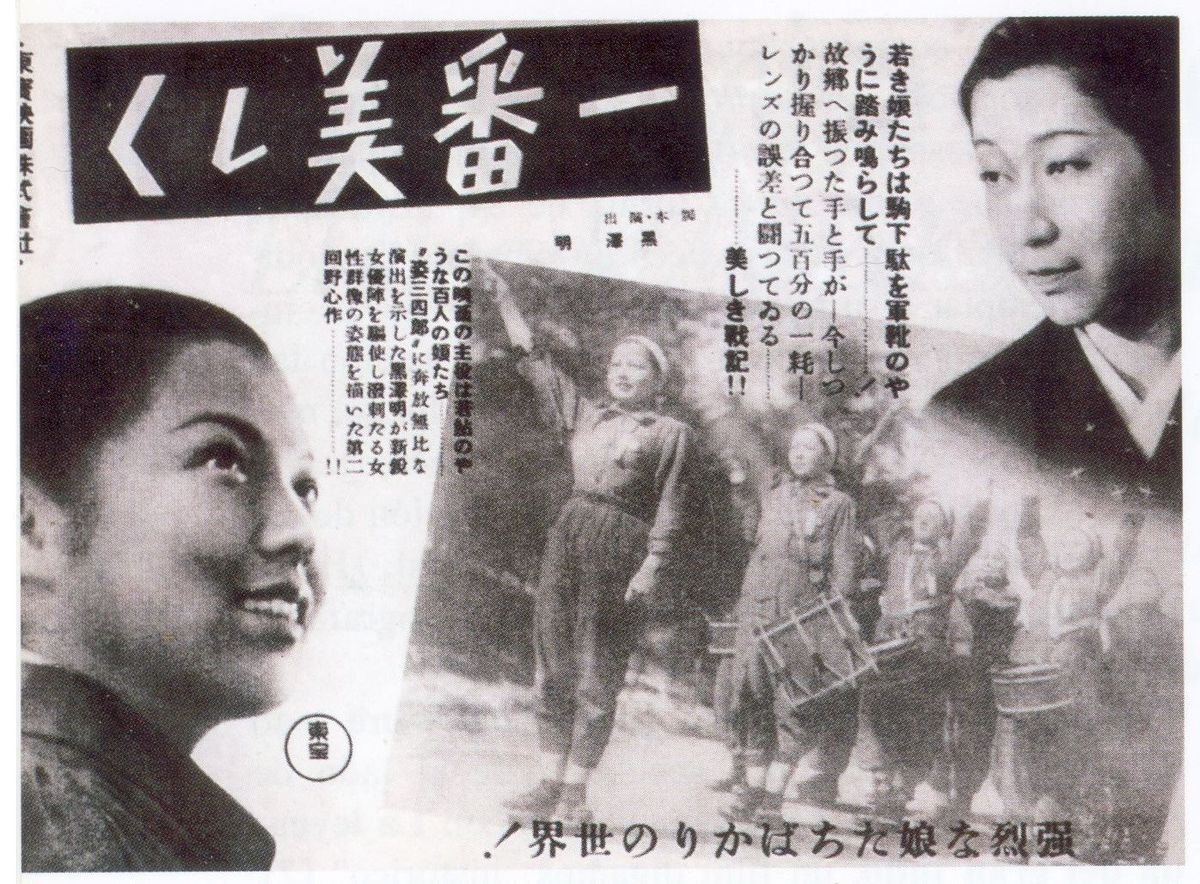
“One can’t improve productivity without improving one’s character” the manager of a factory crafting lenses for the military repeatedly insists, though by “character” he largely seems to mean a total erasure of the self in favour of service to the state. Kurosawa’s second feature is a National Policy Film intended to foster a spirit of patriotic fervour in which not only the factory girls at its centre but everyone else too must “become an outstanding human being” forgoing all human feeling to ensure Japan will win a war even the film seems to concede is already lost.
Indeed, even for a relatively late propaganda film, The Most Beautiful (一番美しく, Ichiban Utsukushiku) makes little attempt to gloss over the undercurrent of defeat. At one point names of foreign territories fallen to the Americans briefly flash up on the screen leaving the girls looking increasingly bereft if resolving to work even harder. Then again even in the opening which sees all the workers lined up in military fashion it’s obvious that the factory is staffed by those who have not been deployed to more pressing duties, overwhelmingly teenage girls along with boys too young for the army, old men and those otherwise unable to serve in the military.
Even so the atmosphere among the young women is often cheerful though the film is keen to show them overcoming their loneliness while bowing to photos of their far off parents, often farmers, in distant parts of Japan. They are looked after by a kind of nurse/chaperone, Mrs Mizushima (Takako Irie) whose husband has already been killed in the war marking her out as an example of the self-sacrifice that is being asked of the girls. Many of them have come of their own volition expressly to support the war effort and take their work incredibly seriously especially as the factory manager reminds them that the lenses they make are crucial to to production of military instrumentation and without them there would be no fighter planes or sniper rifles.
So self-sacrificing are they that the girls go into huff when it’s announced that the factory will be entering a period of increased productivity (another thinly veiled hint that the war is not going well), yet they are upset not because they resent being asked to work harder, nor by the implication that they have more to give than they have been giving, but by the fact they’ve been underestimated having had their quotas increased by only 50% as opposed to the men’s 100%. Their leader, Watanabe (Yoko Yaguchi), explains that, though they know they cannot match the men, they are sure they can do better and will produce at least 2/3 more rather than just half. The managers seem to think that this is naive, but are wary of talking the girls down in fear of damaging their morale which they see as the most crucial thing when it comes to generating “productivity”. Yet that notion of “morale” is mostly a kind of internecine peer pressure brokered by petty competition and a desire not to be the one who lets everyone else down. Hence the girls continue working while they’re sick, which is no good at all for productivity if all they do is spread it around while unable to work at full capacity, afraid to tell anyone in case they get sent home to recover.
Watanabe is tempted to to take a trip to see her family after receiving a letter from her father to say that her mother has been taken ill, though her parents are also fiercely patriotic and insist that she should not leave but stay and do her duty. She is guilted out of her temptation by another girl, Yamaguchi (Shizuko Yamaguchi), who is sickly by nature but has been hiding her suffering in order to be allowed to stay. Being out of the line fosters feelings of guilt and failure, not only in having let the country down but in increasing the burden on their friends who will now have to work harder in their stead. The “character” that they are supposed to be building, is in the end only in service of their “productivity” that they work to the point of collapse with no thought for themselves or their feelings wilfully sacrificing the opportunity to see dying relatives to prove their dedication.
In what now might seem like subversive touches but just as well may have been sincere, Kurosawa often flashes signs and slogans which appear in the factory including one urging the girls to “follow the example of the war dead” suggesting that the only real way to prove your devotion is to die in the service of the emperor. On the other hand, the girls don’t actually seem to do a lot of factory work but are otherwise expected to participate in band practice banging out military marches on the drum or else improving their physicality through playing volleyball. In any case as they begin wear themselves out tempers begin to fray leaving the girls at odds, tired and resentful if not actively hopeless in beginning to realise they probably won’t make their overly ambitious quota as a tacit acceptance that Japan most likely is not going to win the war and all their efforts are for nothing. At the film’s conclusion, Mrs Mizushima exclaims that Watanabe has become “such a good girl”, ironically forced to abandon the directly filial for the national in prioritising her role as an imperial daughter rather than a biological one. Even so, the film discovers a much more comfortable sense of solidarity between the young women even if brokered by militarist fervour and a nihilistic bid for self-destruction in perpetual servitude.
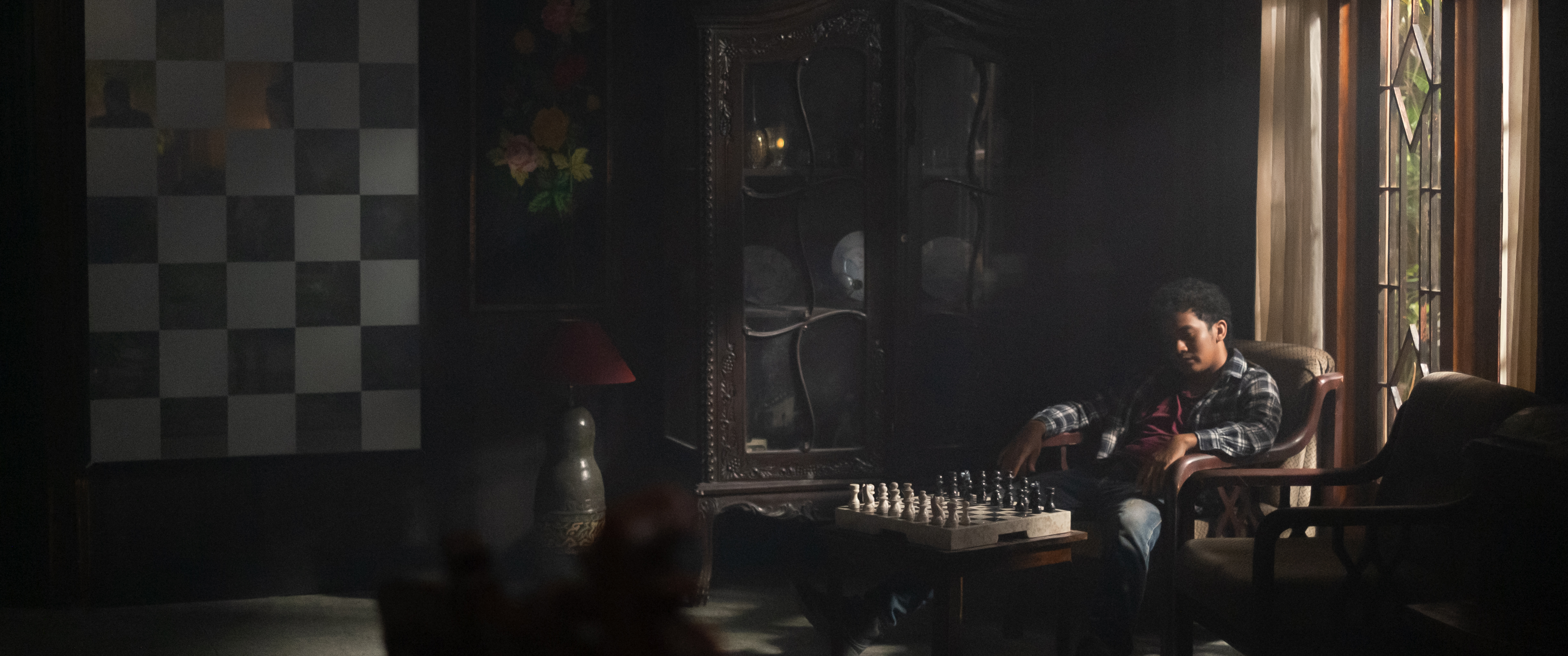
“It’s 2017. Forget about hierarchies. We are friends” a former general disingenuously reassures from the other side of the bars in Makbul Mubarak’s pointed exploration of the mediation of power in contemporary Indonesia, Autobiography. A young man with few prospects for the future is drawn towards authoritarianism by a charismatic father figure but is soon confronted by the realities of his quasi-fascist posturing only to discover that there may be no real escape from the violent world of toxic masculinity that he has unwittingly entered.
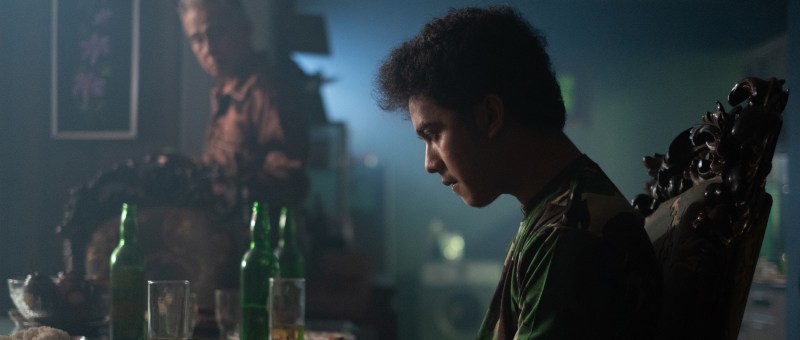
19-year-old Kib (Kevin Ardilova) lives alone in a vast mansion, the country home of a former general, Parna (Arswendy Bening Swara), who soon arrives unexpectedly with the intention of beginning his political career. Kib is quite obviously awestruck by the figure of the General, gazing at him like some long lost saviour drunk on the sense of power he exudes from every pore. On silently collecting the old man’s laundry, he stops to stare at a large portrait of him in uniform on the bedroom wall as if somehow thinking he too could one day be a fine general wielding such infinite power for himself.
Such a thought might in a sense be transgressive. Kib is a servant in this house and as his father Amir, currently in prison for standing up to developers who were trying to steal his land, points out, their ancestors have always served the ancestors of Purna. Purna may tell him that no one cares about class anymore, but it obviously isn’t true or these two men wouldn’t be on opposite sides of the bars, or perhaps they would but their positions might be reversed. “Be careful who you trust” Amir tries to warn his son, but it’s already too late. Kib is ambitious. There’s something that bristles in him when Purna asks after his brother and wonders how well he can be doing as a migrant worker in Singapore with thinly concealed disdain in his voice. When Purna gives Kib an army shirt and says he looks just like him when he was young, a resemblance soon noticed by others, it flatters him to think he may be the General’s son rather than that of a mere servant turned convict.
The more time he spends with Purna the more like him becomes, walking around with a swagger, exuding power and intimidation as if he really were a soldier not just a boy in a green shirt. Tragically he doesn’t even quite understand how this power mechanism works or what it’s implications are. When he accidentally bumps into a mosque while attempting a tight three point turn, local men surround the car demanding compensation. Purna gets out and puts on a show of authority. On realising what they’re dealing with the men instantly back down. Purna has a sheepish Kib apologise, and the men apologise to him, before explaining that sorry is a powerful word that can turn rage into blessing. What Kib fails to realise is that Purna is talking not about humility but intimidation, a mistake he learns to his cost in bringing a boy only a little younger than himself to Purna to “apologise” for disrespecting him expecting the General to pull the same trick again but shocked when events take a much darker turn than he’d anticipated.
The boy he brought in, Argus, was the son of a woman whose coffee plantation would have to go if Purna got his hydroelectric plant approved. Purna sells the plant as a way of dealing with the problems caused by inefficient infrastructure but hides the corruption at its centre, forcing families off their land for the developers’ benefit through violence and intimidation. Argus is just as angry Kib, only he’s not falling for Purna’s sales patter. Kib watches the General shift the blame onto the developers, whom he backs and back him, while claiming to be a man of the people and giving a glib speech at the funeral of a boy he killed in nothing other than pettiness.
Yet Purna is ageing and his grip on power may not be as firm as it once was while his seeming sentimentality in his attachment to Kib as a surrogate son is also a weakness. Kib may be deciding that being a migrant worker’s not as bad as becoming the heir of a man like Purna, but once you’re in it’s hard to get out as the ambivalent closing scene implies catching him dumbstruck once again only now like a general overseeing his troops and in one way or another a prisoner of his father’s house, a servant inheriting the mansion whether he wants it or not. In many ways a tale of seduction, Autobiography paints a fairly bleak picture of the contemporary society ruled by violent masculinity and fragile authority figures who quite literally visit their sins on their sons.
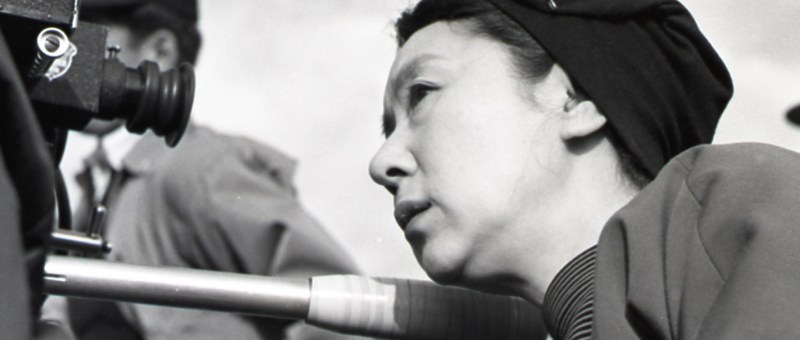
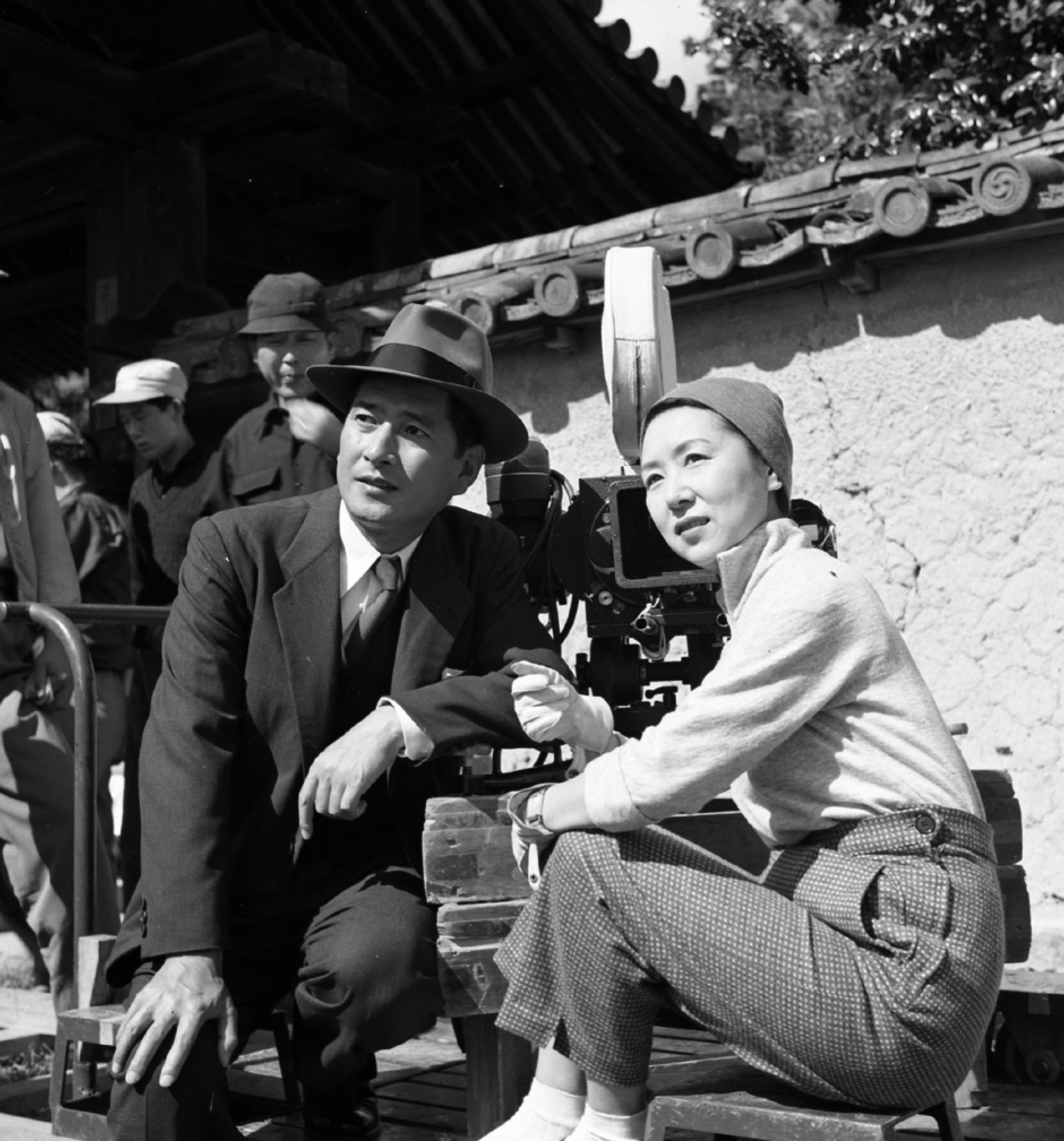
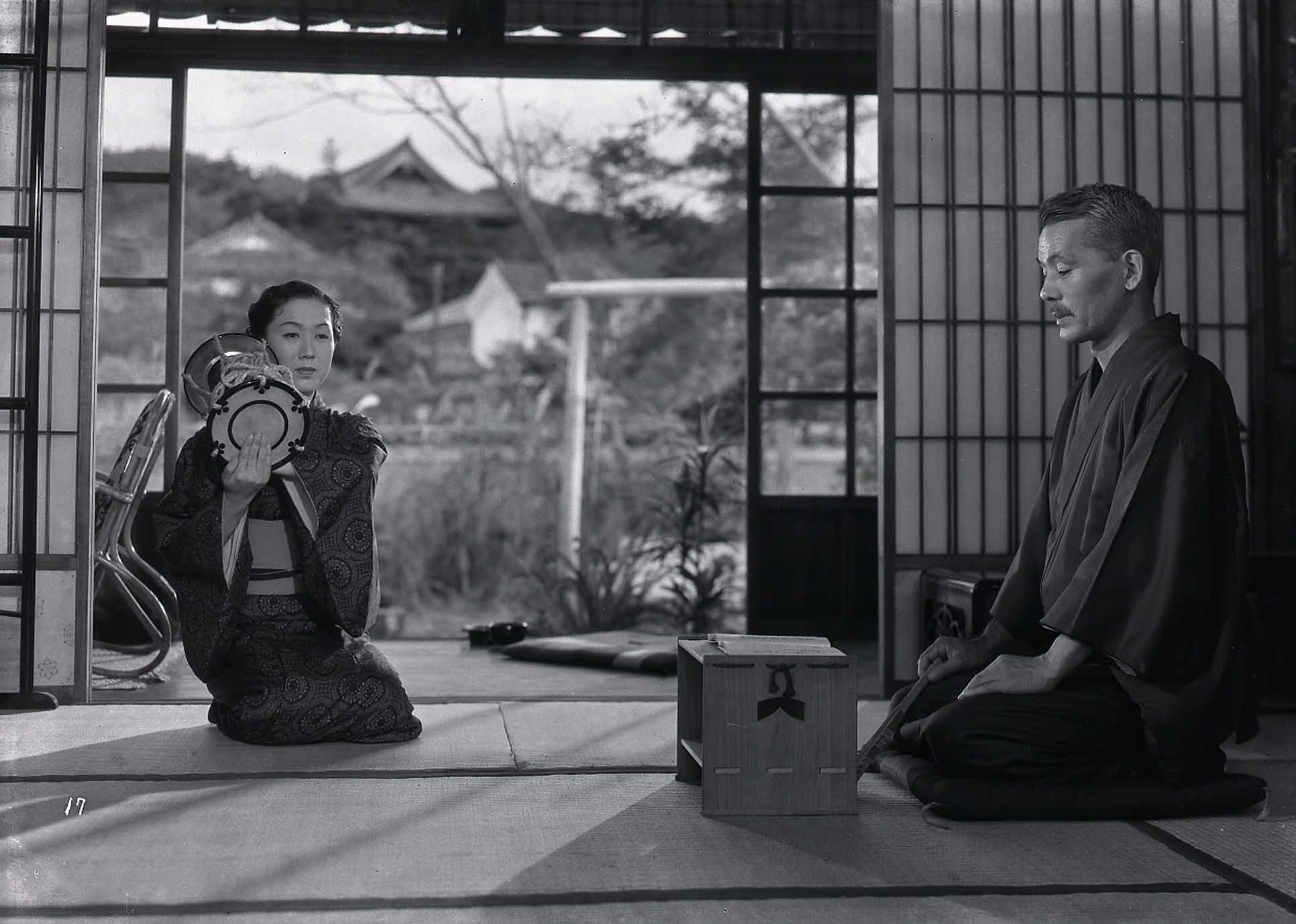
The BFI Southbank, London will celebrate the work of golden age actress and director Kinuyo Tanaka throughout August and September 2022 beginning with a retrospective of her six directorial features before moving on to showcase some of her most iconic roles from the 1930s to her final major screen appearance in Kei Kumai’s Sandakan No. 8.
Scripted by Keisuke Kinoshita, Love Letter is an examination of the changing society of post-war Japan as an embittered veteran (Masayuki Mori) forced into making a living by writing letters for Japanese women left behind by American servicemen re-encounters his first love (Yoshiko Kuga) but firstly rejects her on realising she too had been the mistress of a US soldier. Review.
Tanaka’s second film was co-scripted by Yasujiro Ozu and features several homages to his visual style including the use of pillow shots but otherwise has a sensuality and sensitivity not common in his filmmaking. The comic melodrama follows the attempts of a young woman (Mie Kitamura) to set her lovelorn sister up with a sensitive visitor while falling for her childhood friend. Look out for Tanaka’s brief cameo as a ditsy maid. Review.
The first film Tanaka began independently, Forever a Woman (previously known as The Eternal Breasts) draws inspiration from current events to interrogate contemporary notions of womanhood through the story of a female poet suffering from terminal breast cancer who eventually rediscovers her femininity through the embrace of her sexual desire. Review.
Again based on very recent events, The Wandering Princess is a sumptuous romantic melodrama in which a Japanese noblewoman (Machiko Kyo) agrees to marry the brother of the former emperor of China now a puppet king of the Japanese colony of Manchuria but is eventually separated from him by the fall of the Japanese empire. Review.
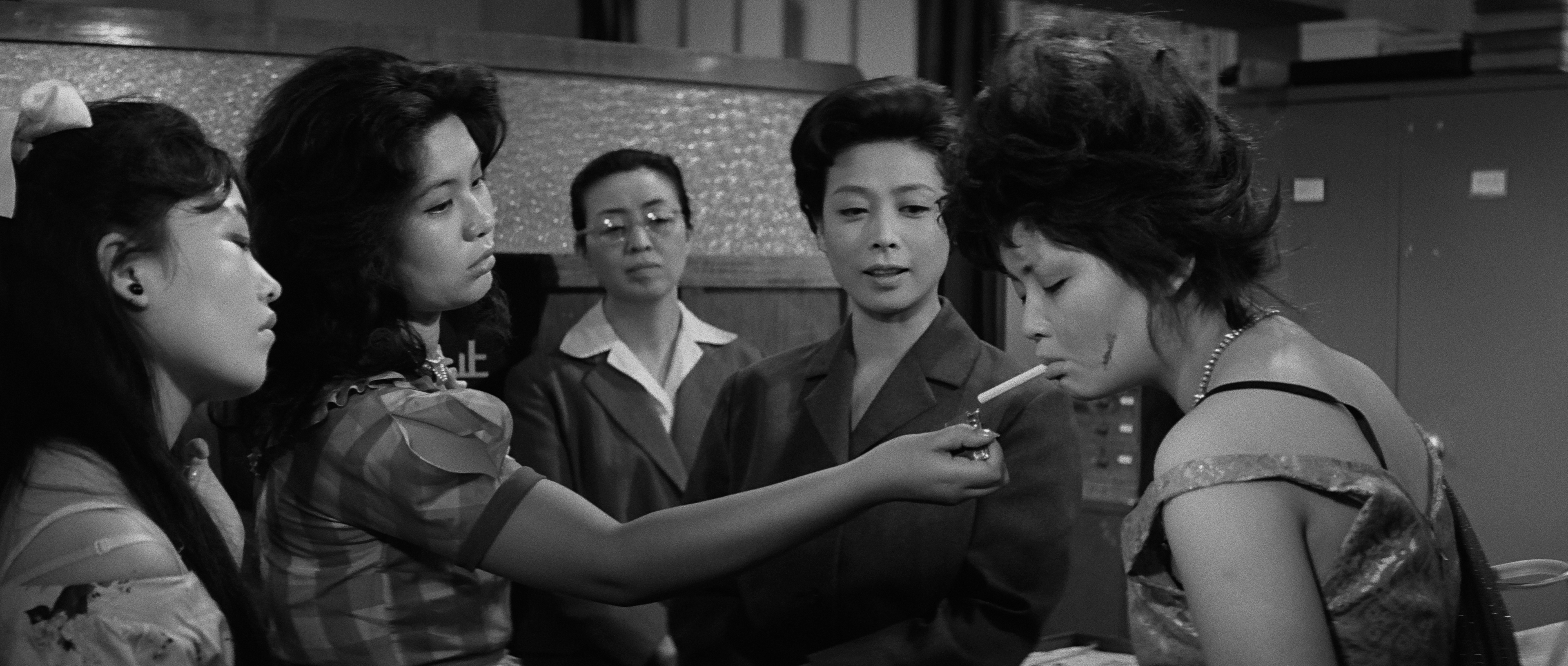
Recalling Tanaka’s role in 1948’s Women of the Night, Girls of the Night follows a young woman who is sent to a reformatory for former sex workers following the anti-prostitution legislation of the mid-1950s but discovers that no matter how well intentioned the program may be it nevertheless fails to account for the socio-economic realities of the contemporary society. Review.
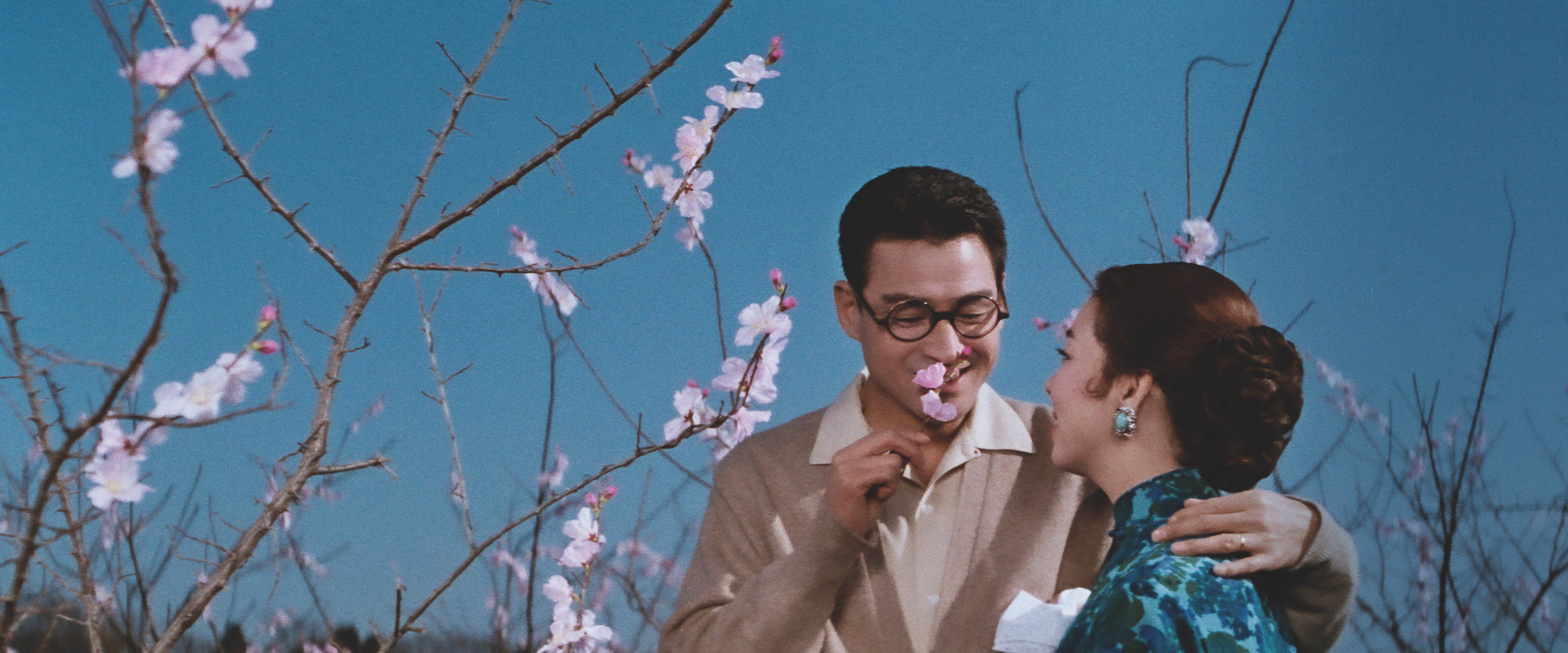
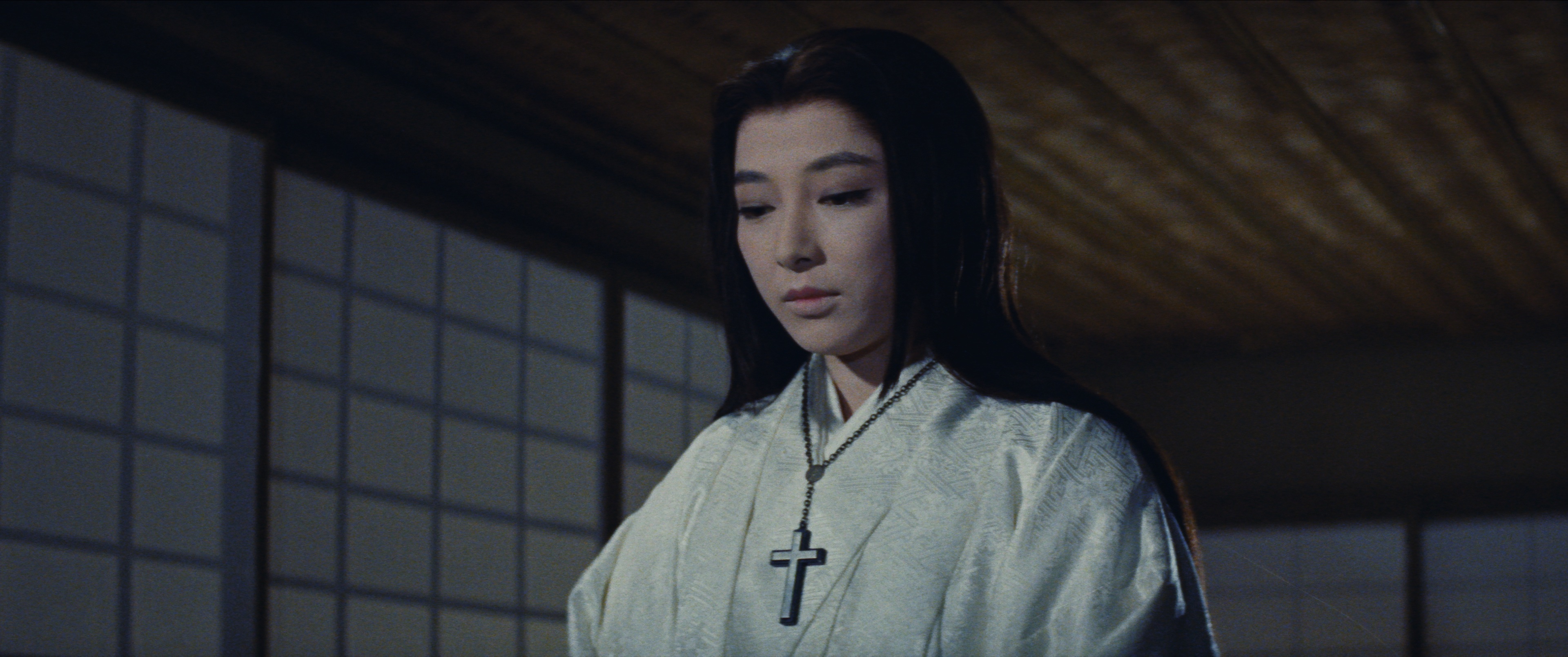
Juxtaposing the use of the crucifix as a method of execution for sexual transgression with the growing influence of Christianity in late 16th century Japan, Takana’s final film as a director stars Ineko Arima as a young woman in love with a reticent lord (Tatsuya Nakadai) who is already married and among the growing class of merchant samurai who have converted to Christianity through trading links with European nations. Review.
Yasujiro Shimazu’s adaptation of a Junichiro Tanizaki novel in which Tanaka stars as a haughty maid blind since childhood and in an accidentally sadomasochistic relationship with her servant, Sasuke, which only deepens when she suffers a facial disfigurement at the hands of a rejected suitor. Review.
Keisuke Kinoshita’s 1944 melodrama saw him temporarily banned from filmmaking thanks to its subversive conclusion in which Tanaka is cast in the role of a self-sacrificing mother dutifully sending her son off to die for the emperor but desperately searching for him amid the faceless masses of other boys in uniform. Review.
An atypically dark drama from Yasujiro Ozu, A Hen in the Wind stars Tanaka as a young woman who is forced into a single night as a sex worker in order to pay for medical treatment for her sickly baby only to face domestic violence when her embittered husband finally returns from the war.
Tanaka stars as a noblewoman who falls to the level of a homeless sex worker after being thrown out of the court for falling in love with a man of lower status (Toshiro Mifune) in Kenji Mizoguchi’s melancholy life study.
In one of Mikio Naruse’s most cheerful films, Tanaka plays a self-sacrificing mother who stoically faces increasing hardships but tries to keep her family together after her husband dies while her self-centred daughter (Kyoko Kagawa) becomes convinced she is romantically involved with a family friend and does everything she can to put a stop to it. Review.
In this characteristically controversial film from Kei Kumai, Tanaka stars as a now elderly woman who was once of the “karayuki” or young girls from poor families who were sold into sex work and trafficked abroad but then often rejected on their return by those their money had helped to support. Review.
The Olympics may be over, but BFI’s long-awaited Japan season finally makes its way to the big screen this October with a vast programme spanning a century of cinema from early masterpiece Souls on the Road right up to a preview of Ryusuke Hamaguchi’s recent festival favourite Drive My Car.
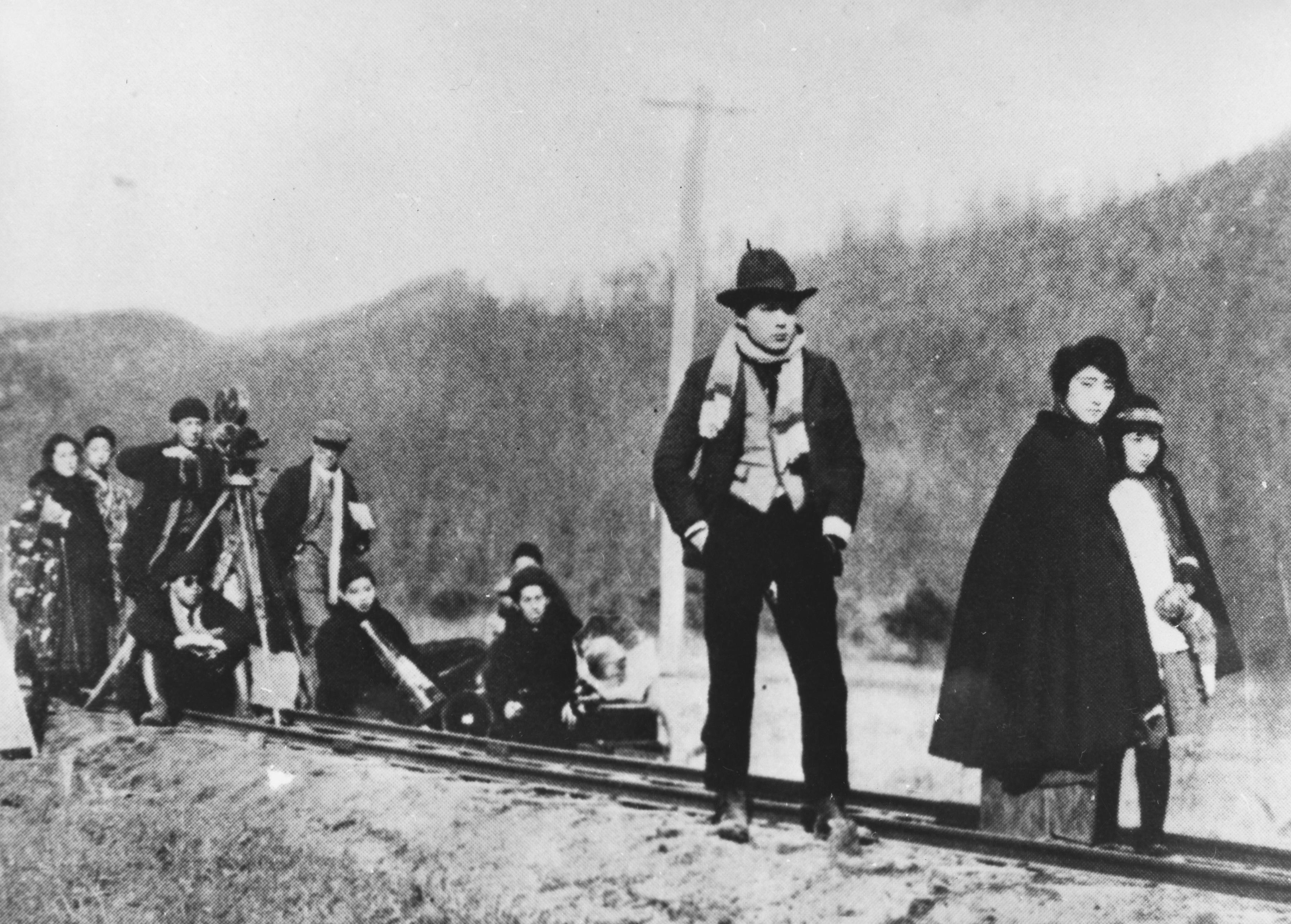
A landmark of early Japanese cinema directed by and starring Minoru Murata, Souls on the Road draws inspiration both from Gorky’s The Lower Depths and German novel Mutter Landstrasse, das Ende einer Jugend by Wilhelm August Schmidtbonn featuring four interconnected tales of mercy and and its absence. Review.
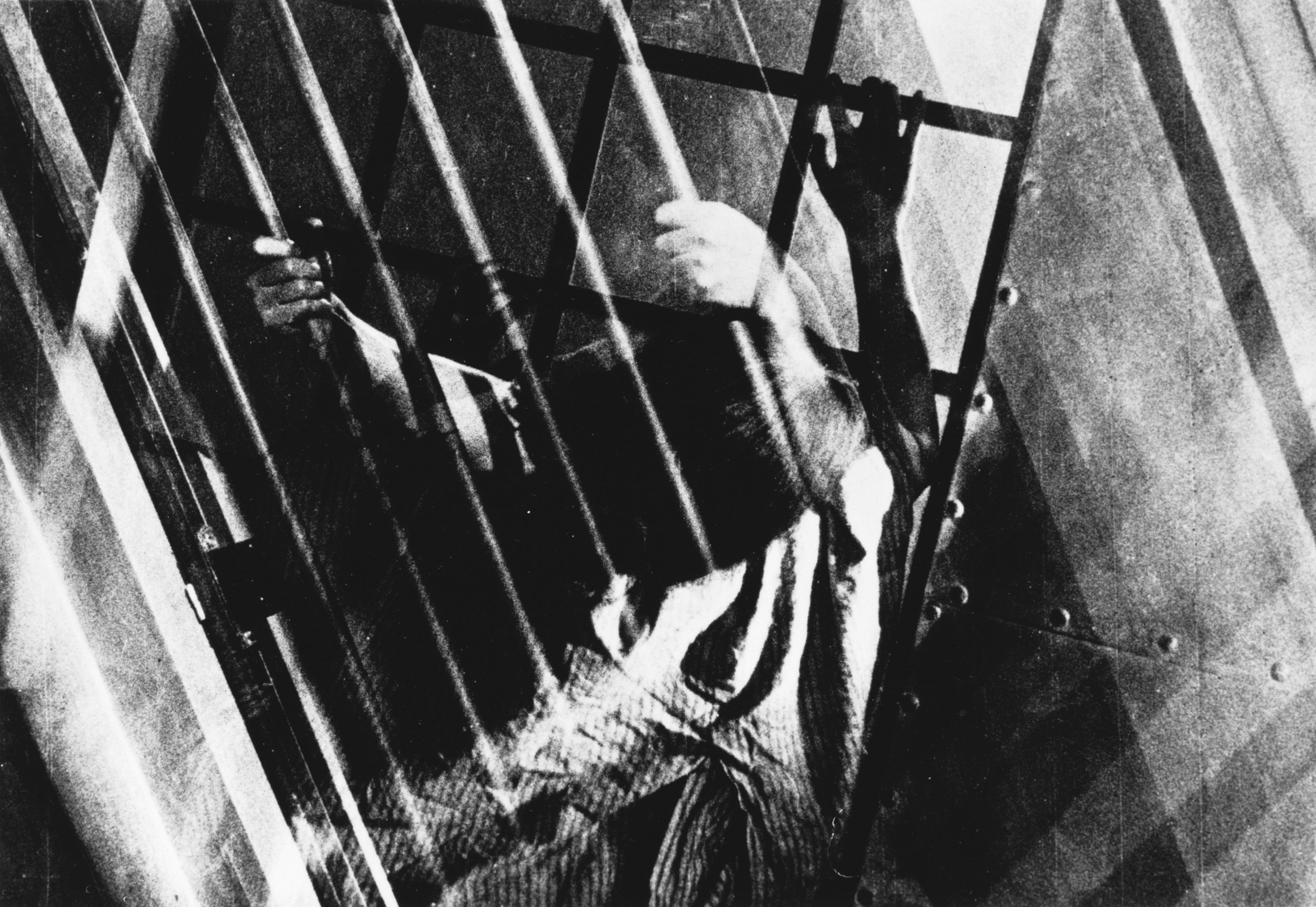
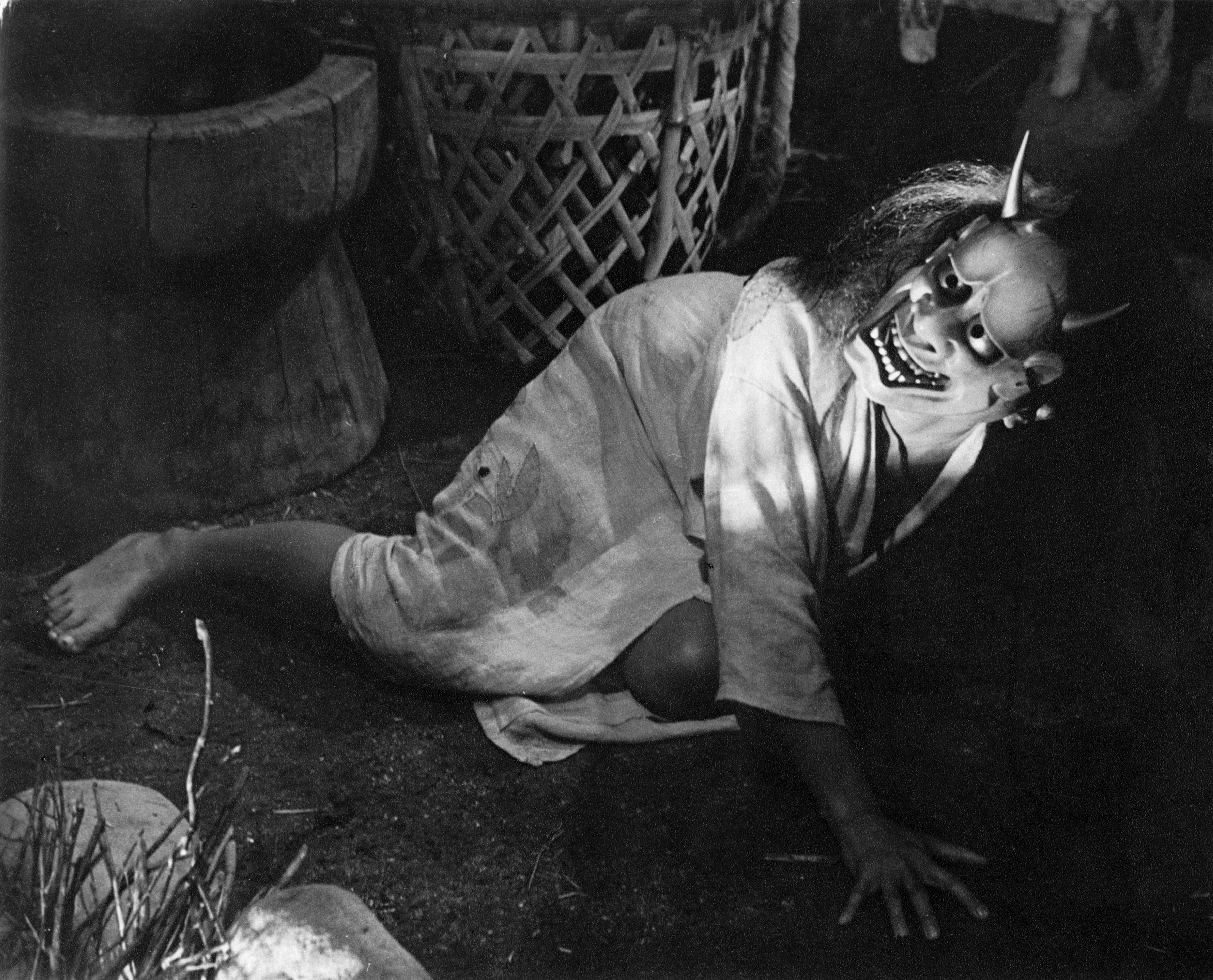
Teinosuke Kinugasa’s avant-garde masterpiece inspired by a story by Yasunari Kuwabata set in a rural psychiatric institution where a janitor attempts to secretly care for the wife his abuse drove into madness.
Early silent classic from Yasujiro Ozu in which the faith of two young boys in their salaryman dad is shaken when they spot him humiliating himself for his boss’ benefit. Review.
Cheerful talkie from Yasujiro Shimazu centring on the close relationship between two suburban families which is disrupted first by the unexpected return of a married daughter and then by the spectre of political destabilisation. Review.
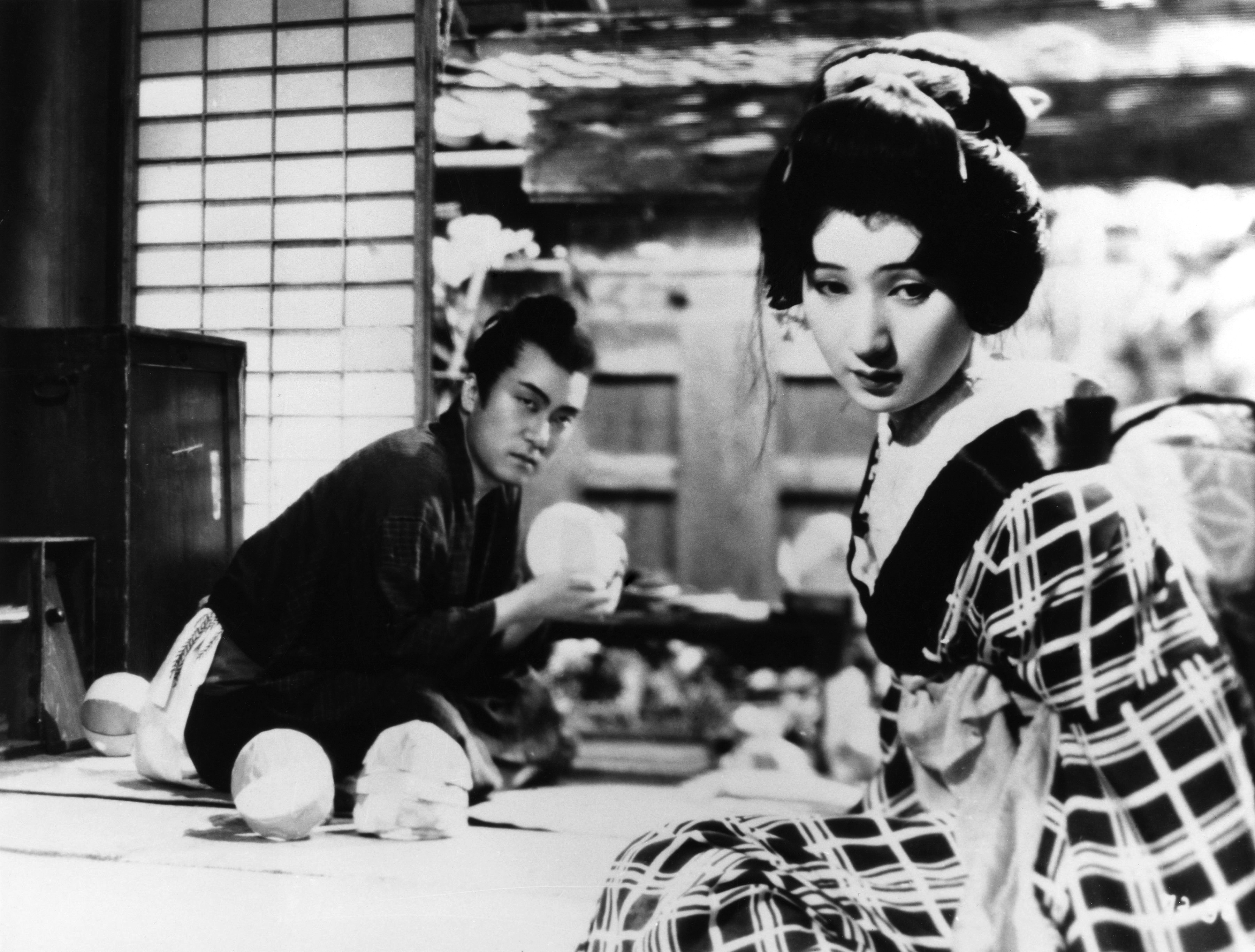
The final film from Sadao Yamanaka who sadly died a year later on the Manchurian front after losing his military exemption, Humanity and Paper Balloons chronicles everyday despair in an impoverished street in Edo. Review.
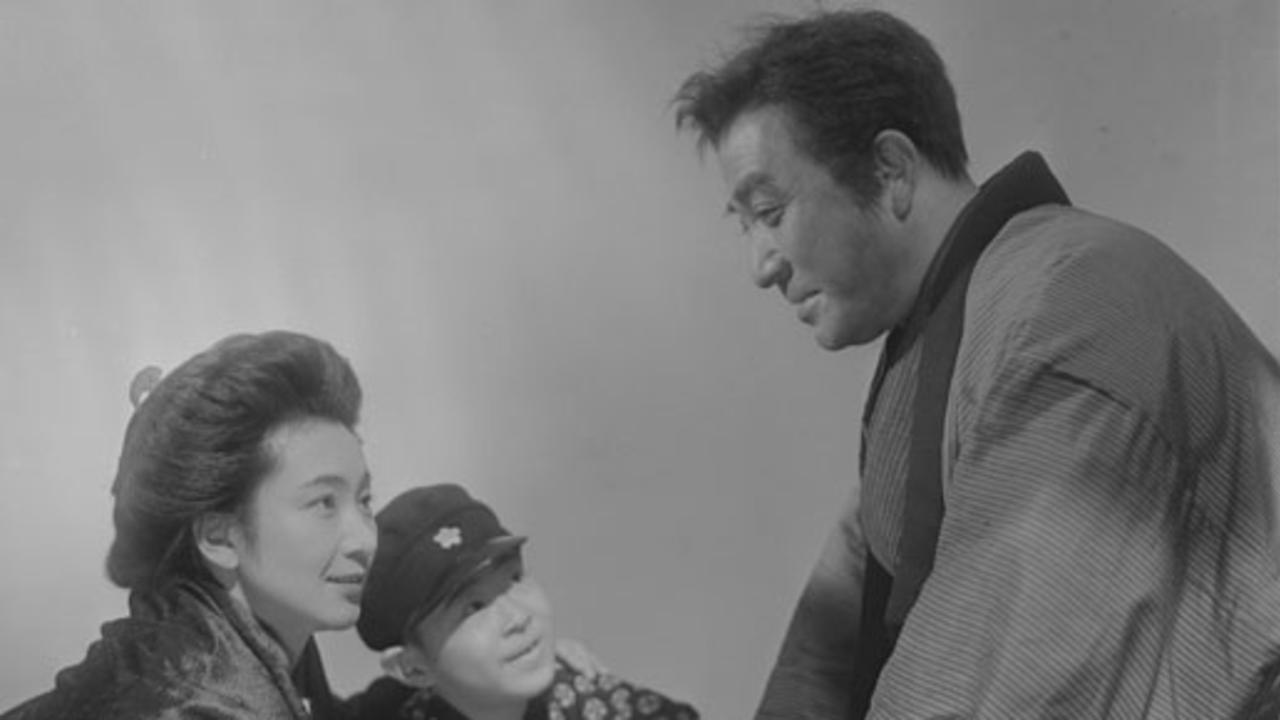
Director Hiroshi Inagaki later remade this film as The Rickshaw Man in 1958 starring Toshiro Mifune and Hideko Takamine. Nevertheless this original take on the life of an impoverished rickshaw driver who becomes a surrogate parent to a fatherless little boy is often regarded as the better of the two.
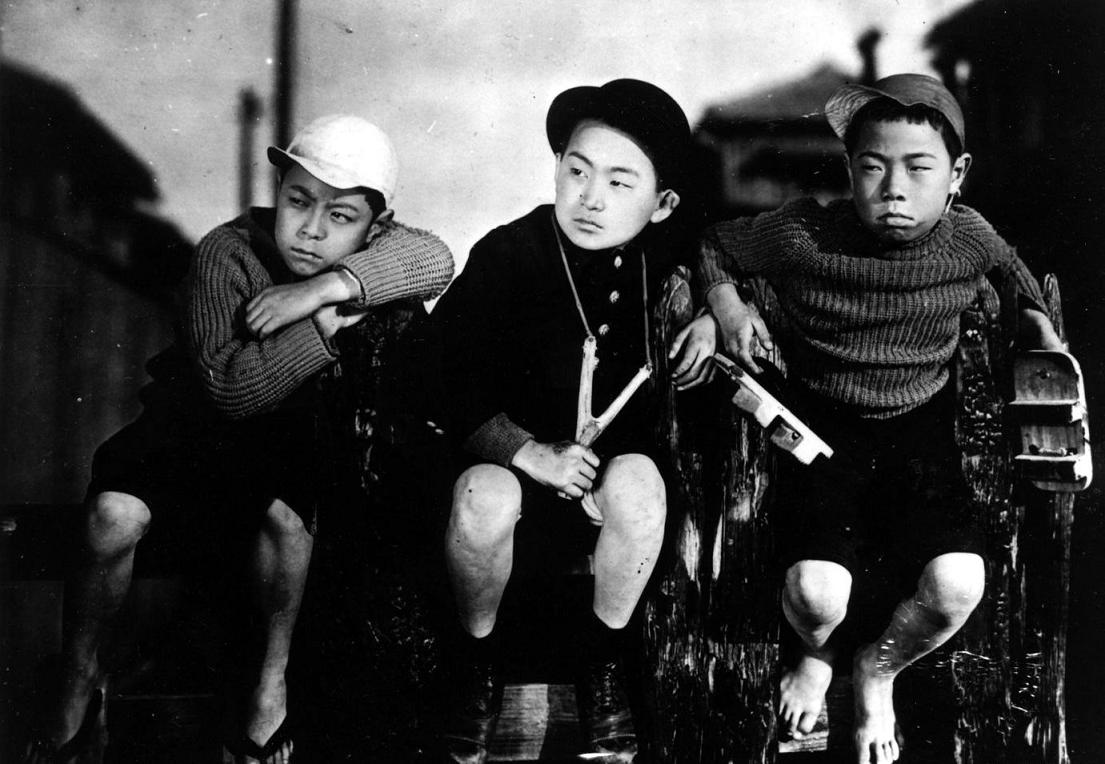
Closely associated with the cinema of children, Hiroshi Shimizu’s post-war independent film follows a series of war orphans and the demobbed soldier guiding them towards a new Japan. Review.
The third in Mizoguchi’s series of films focussing on female emancipation, My Love Has Been Burning stars Kinuyo Tanaka in a biopic of Meiji-era feminist Eiko Hirayama. Review.
MON 18 OCT 14:30 NFT3 / TUE 19 OCT 20:35 STUDIO / WED 20 OCT 17:50 NFT3 / THU 4 NOV 18:00 NFT2 / THU 18 NOV 20:30 NFT3* / SUN 21 NOV 11:30 NFT1
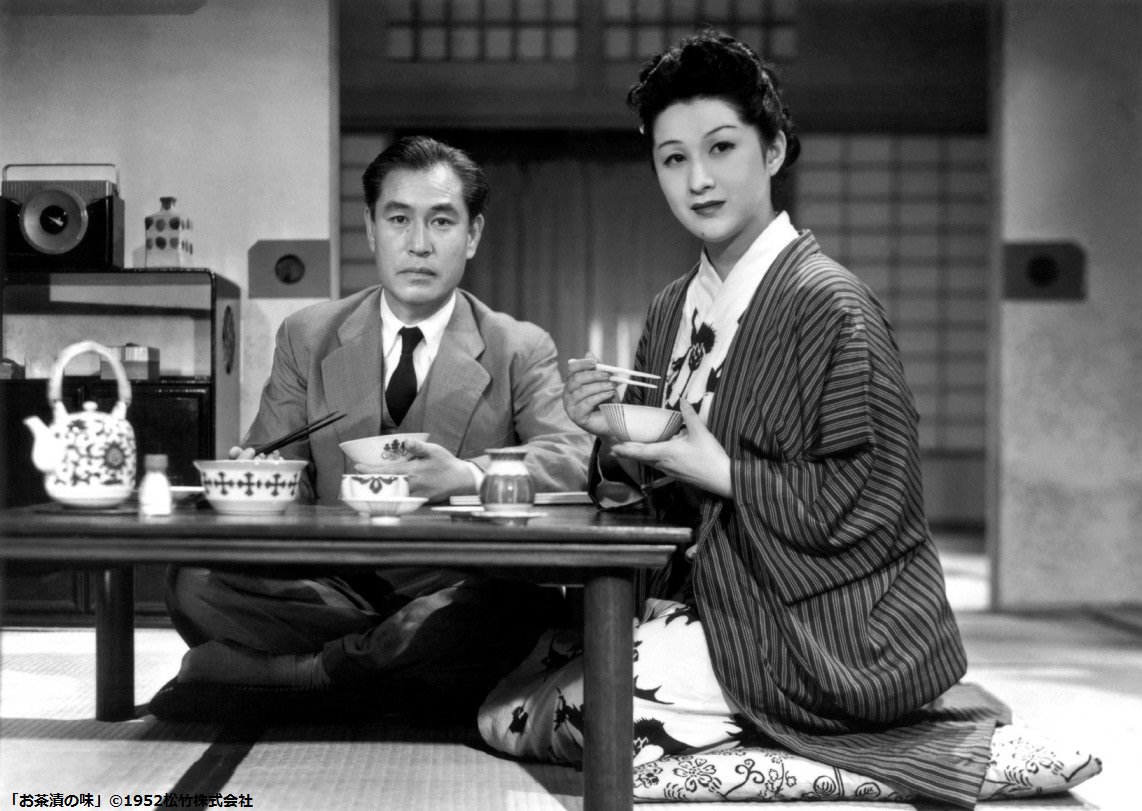
Second in the “Noriko Trilogy”, Early Summer stars Setsuko Hara as a woman who resists arranged marriage but scandalises her family when she accepts a proposal from the mother of the widower living next-door.
MON 18 OCT 18:10 NFT2 / WED 20 OCT 20:40 NFT2 / THU 21 OCT 14:40 STUDIO / MON 8 NOV 14:30 NFT2 / TUE 23 NOV 14:30 NFT3
Marital crisis in the younger generation provokes an epiphany in the life of an unhappily married woman in Ozu’s wry exploration of the meaning of wedded bliss. Review.
MON 18 OCT 20:20 NFT3 / THU 21 OCT 14:30 NFT1 / SAT 13 NOV 14:10 NFT1 /TUE 30 NOV 14:00 NFT3
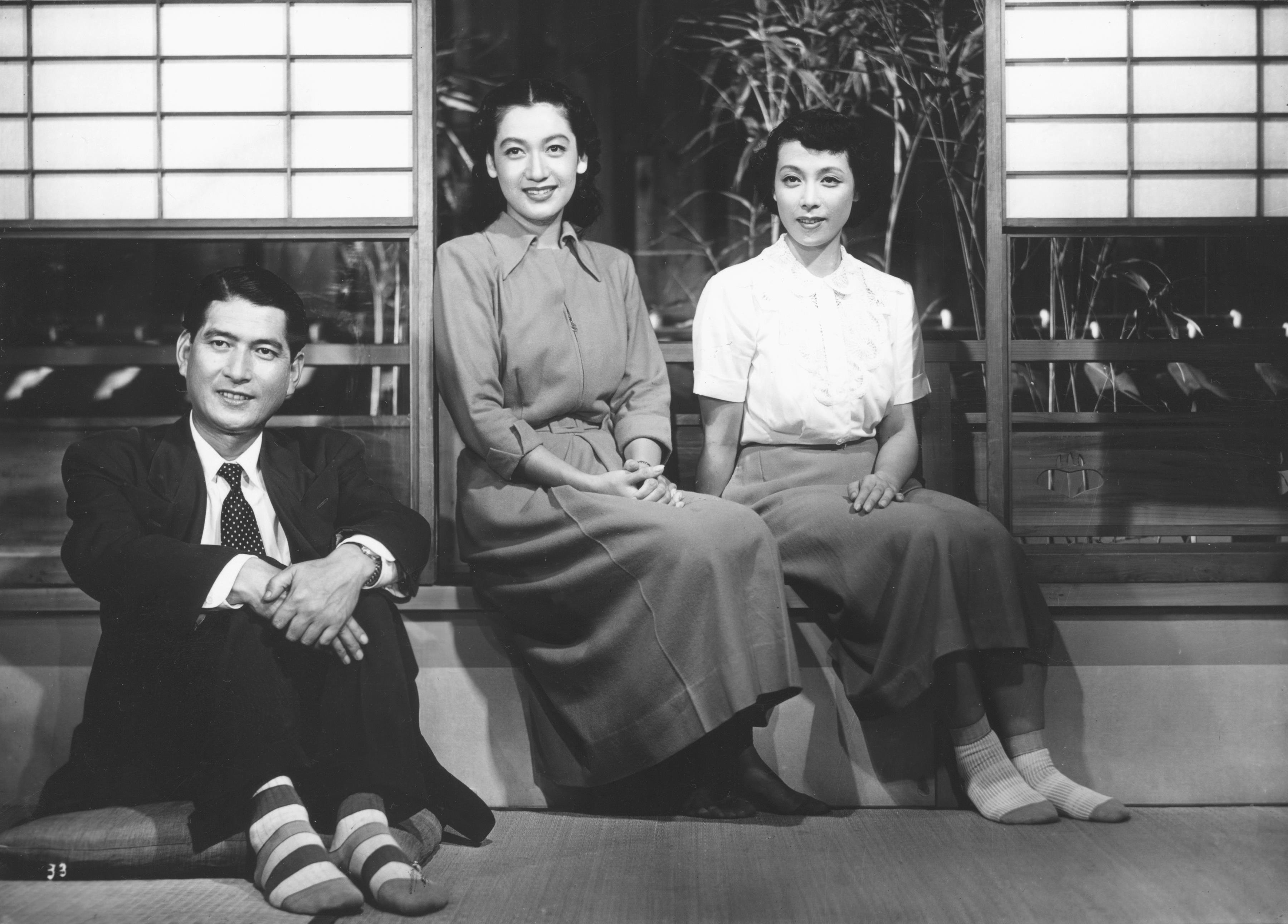
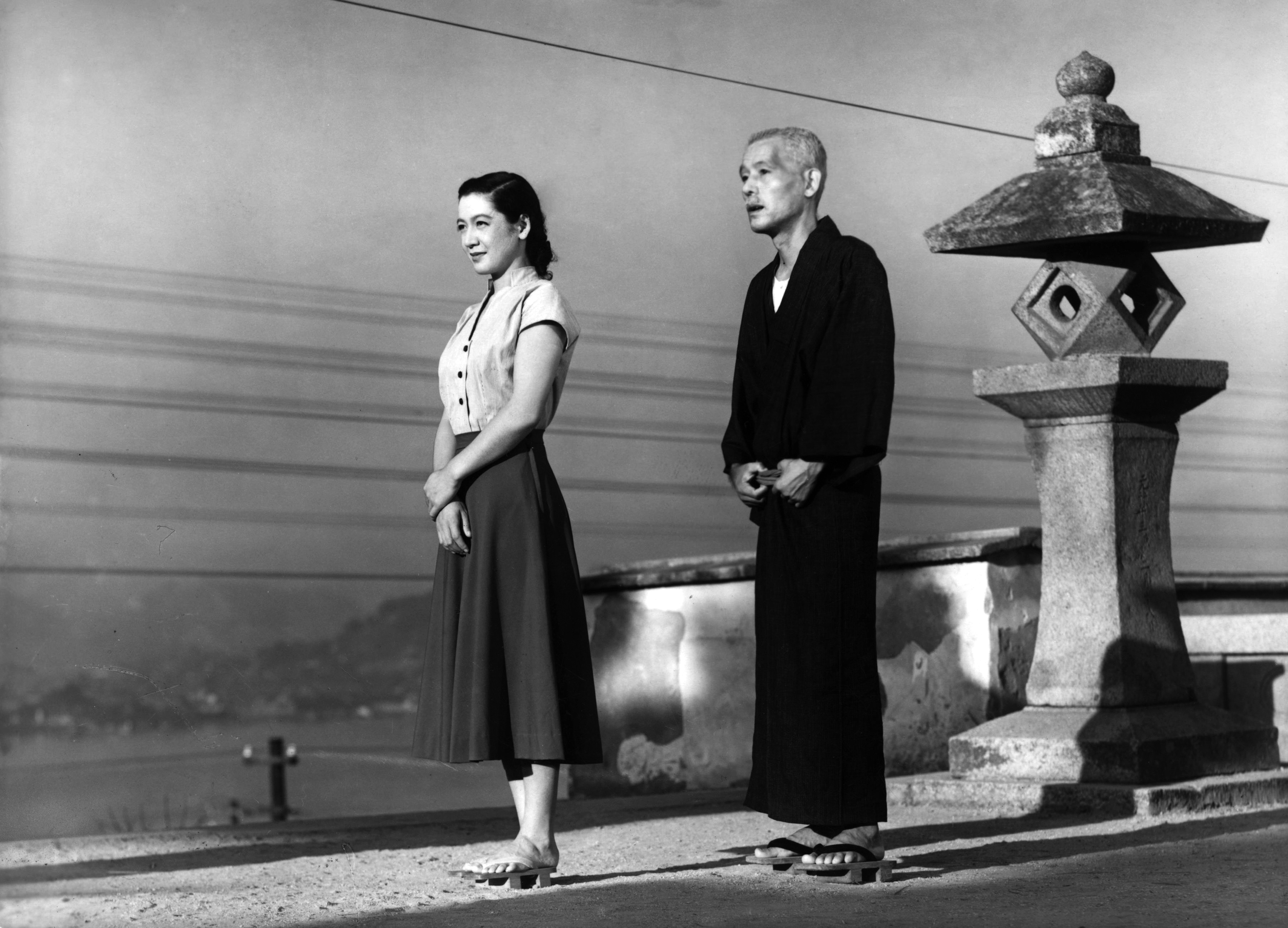
Post-war classic in which an old couple from the country make a rare trip to the city to see their grown up children but are disappointed to discover that they don’t have much time for them.
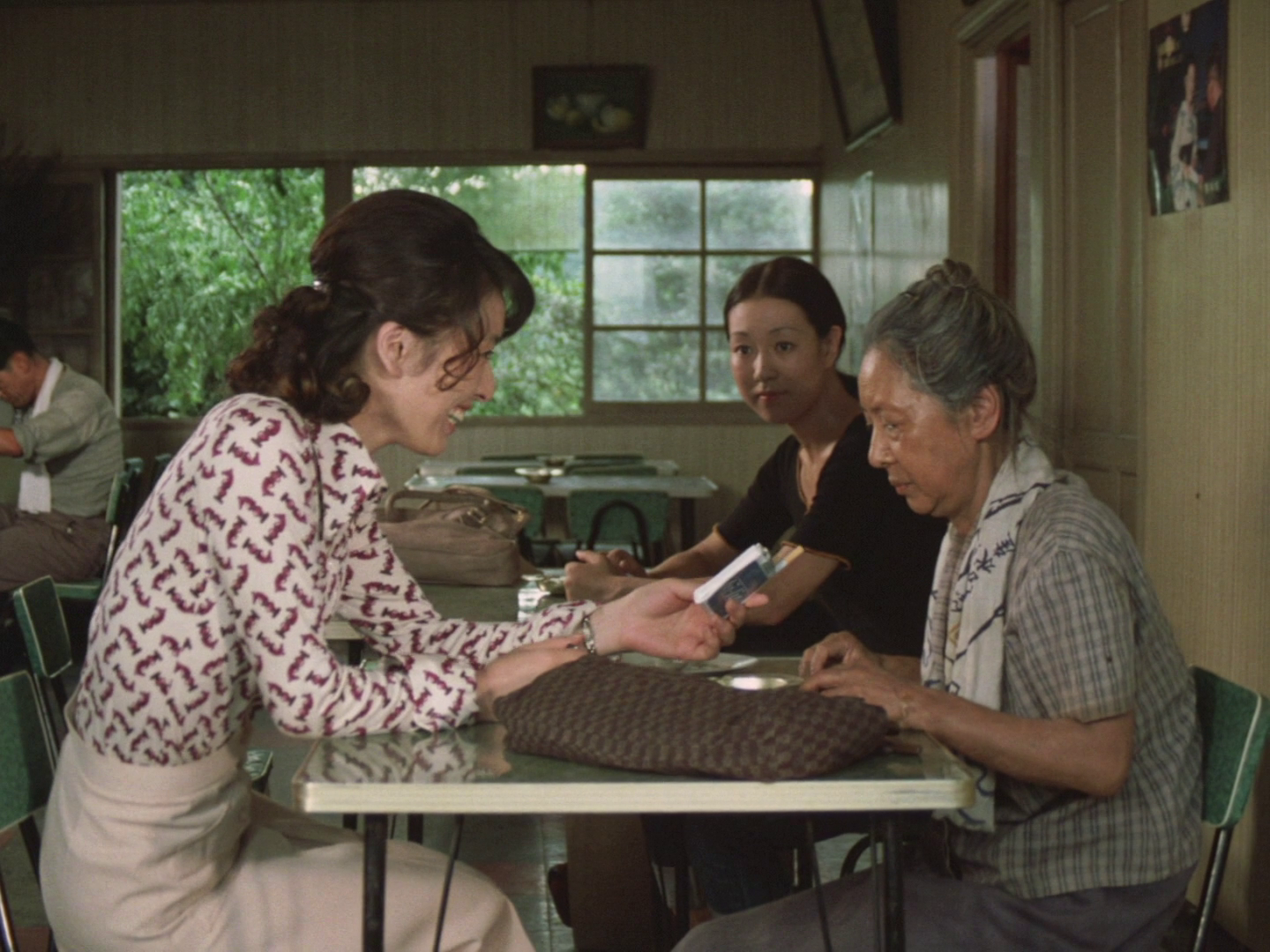
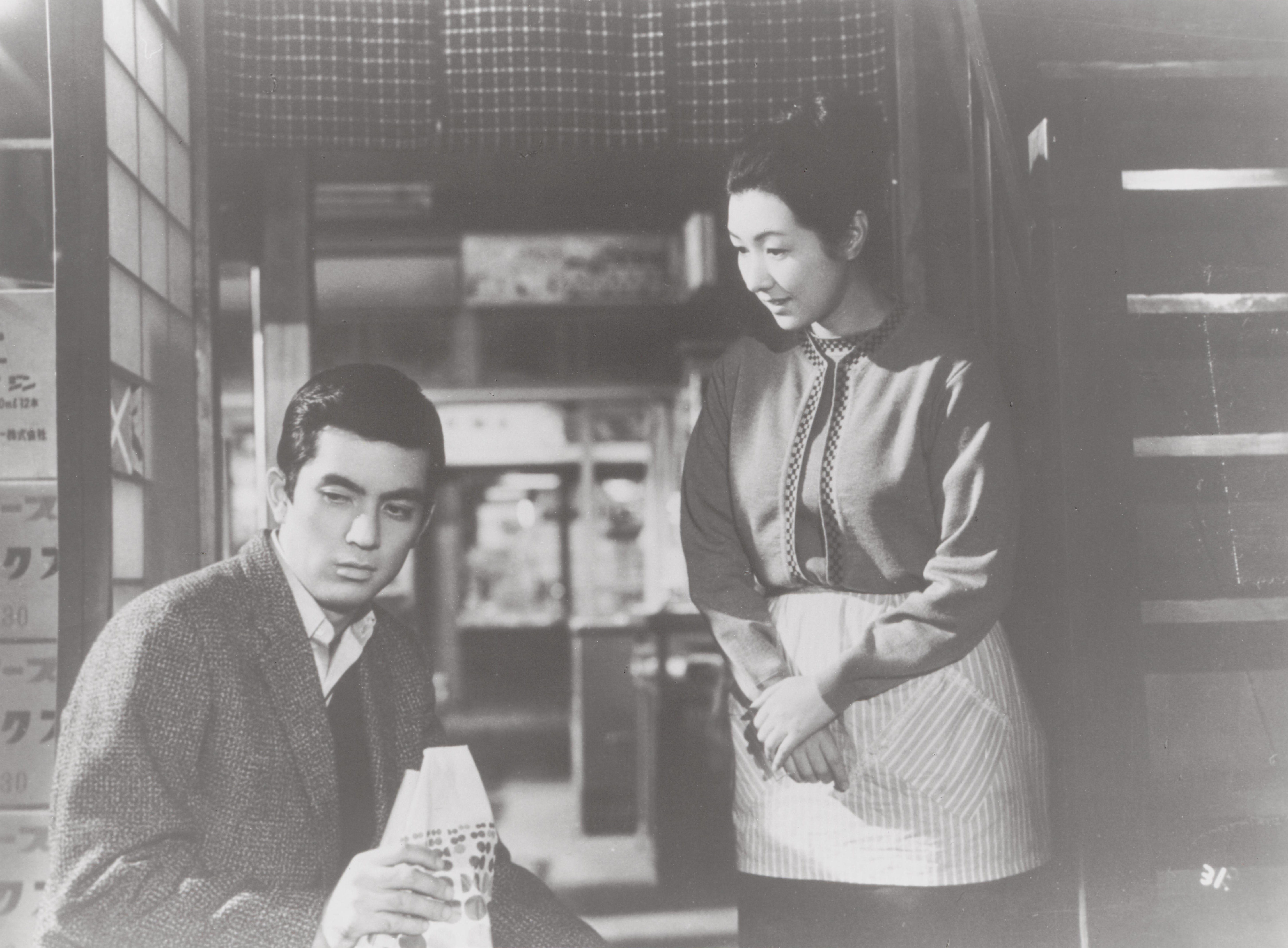
Landmark directorial debut from actress Kinuyo Tanaka scripted by Keisuke Kinoshita and starring Masayuki Mori as an embittered war veteran making a living writing letters on behalf of illiterate women to the GIs who left them behind while fixating on the supposed betrayal of his first love (Yoshiko Kuga) who married someone else and later became the mistress of an American soldier. Review.
A demoted salaryman begins to find a new sense of solidarity with his fellow humans while staying in a bustling Osaka boarding house in a characteristically bittersweet drama from Heinosuke Gosho. Review.
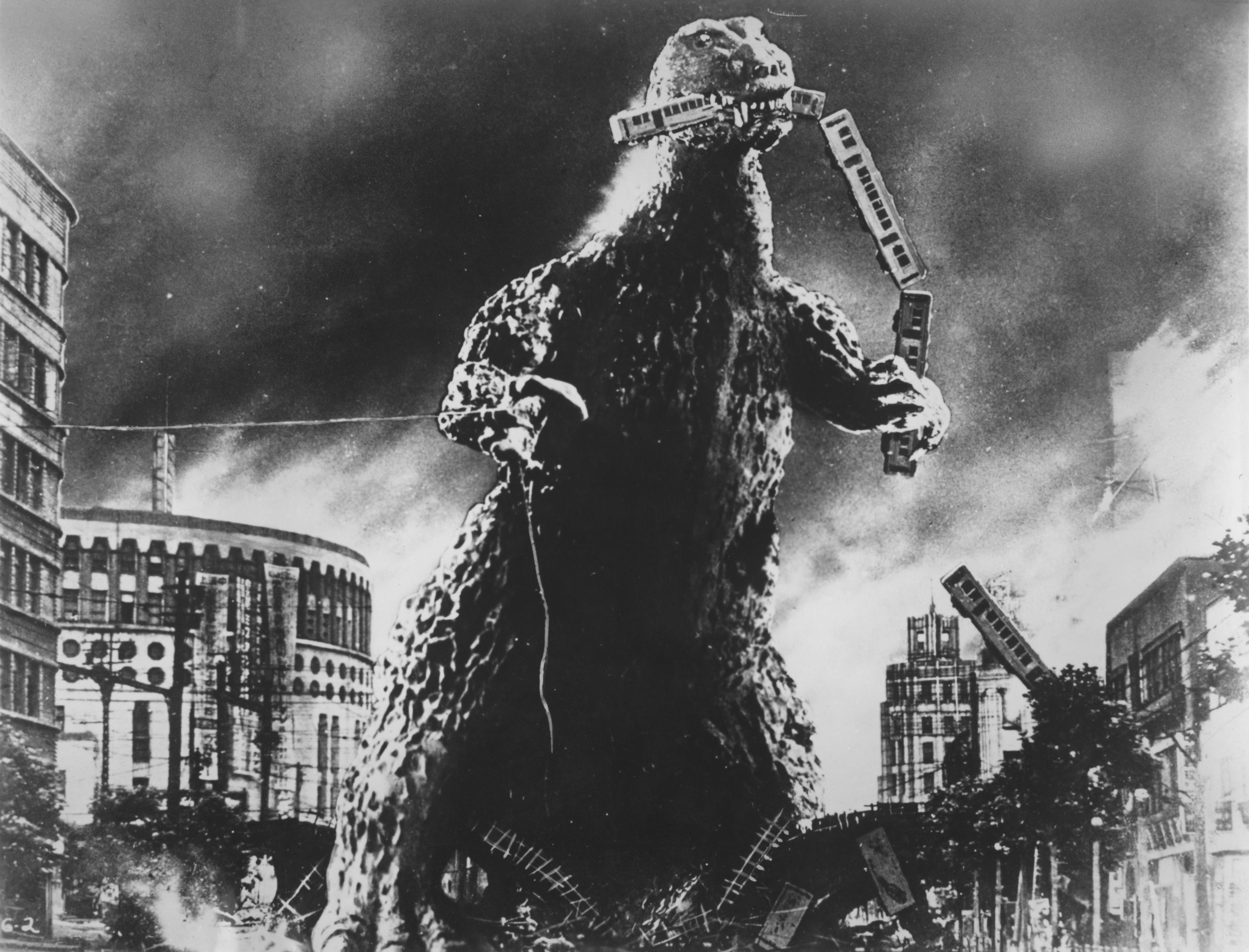
Ishiro Honda’s landmark monster movie needs no introduction, advancing a strong anti-nuclear message as a giant sea lizard is awoken from its slumber by human violence and goes on a grumpy rampage through contemporary Tokyo.
Mizoguchi’s Heian-era tale follows two aristocratic children who are captured by bandits and sold into slavery while trying to unite with their exiled father.
Adaptation of the novel by Sakunosuke Oda in which the married son of a wealthy family (Hisaya Morishige) takes up with a geisha (Chikage Awashima) but struggles to adapt to his life without money or status. Review.
TUE 19 OCT 14:30 NFT2 / WED 20 OCT 20:15 STUDIO / THU 21 OCT 17:40 NFT2 / SAT 20 NOV 15:20 NFT3 / TUE 23 NOV 17:40 NFT2
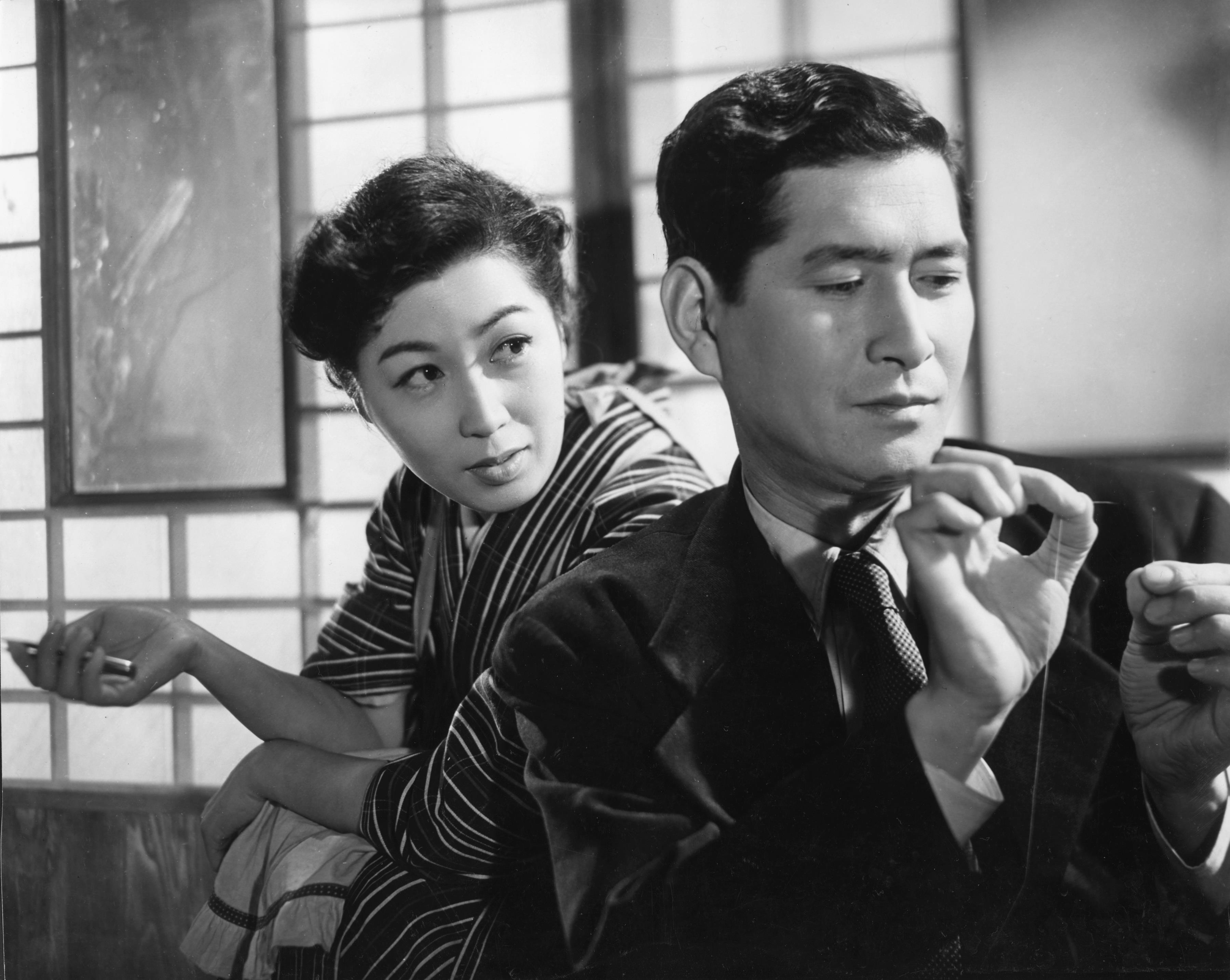
An example of a darker Ozu, Early Spring finds the relationship between a young couple (Ryo Ikebe & Chikage Awashima) strained by the duplicities of the salaryman dream as the husband is drawn into an affair with a woman at the office (Keiko Kishi).
The life of a loyal retainer (Rentaro Mikuni) is thrown into chaos by rumours that his wife (Ineko Arima) has betrayed him with a travelling musician (Masayuki Mori) in Tadashi Imai’s tense social drama co-scripted by Kaneto Shindo & Shinobu Hashimoto. Review.
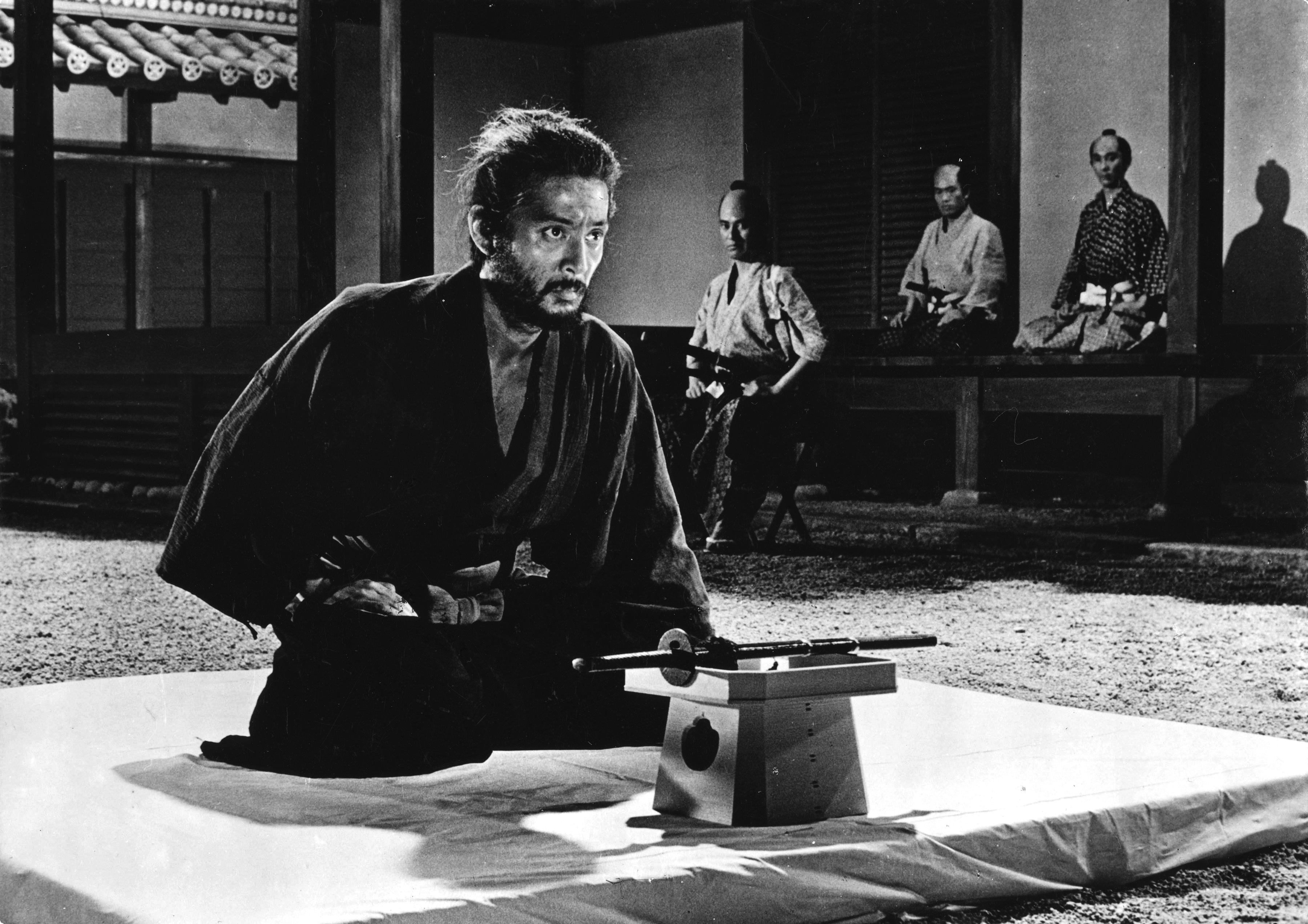
Powerful drama decrying samurai hypocrisy starring Tatsuya Nakadai as a ronin who requests permission to commit seppuku in the courtyard of a lord as an act of revenge for the forced suicide of his adopted son.
WED 20 OCT 14:15 NFT1 / THU 11 NOV 20:40 NFT3 / SAT 20 NOV 12:40 NFT3
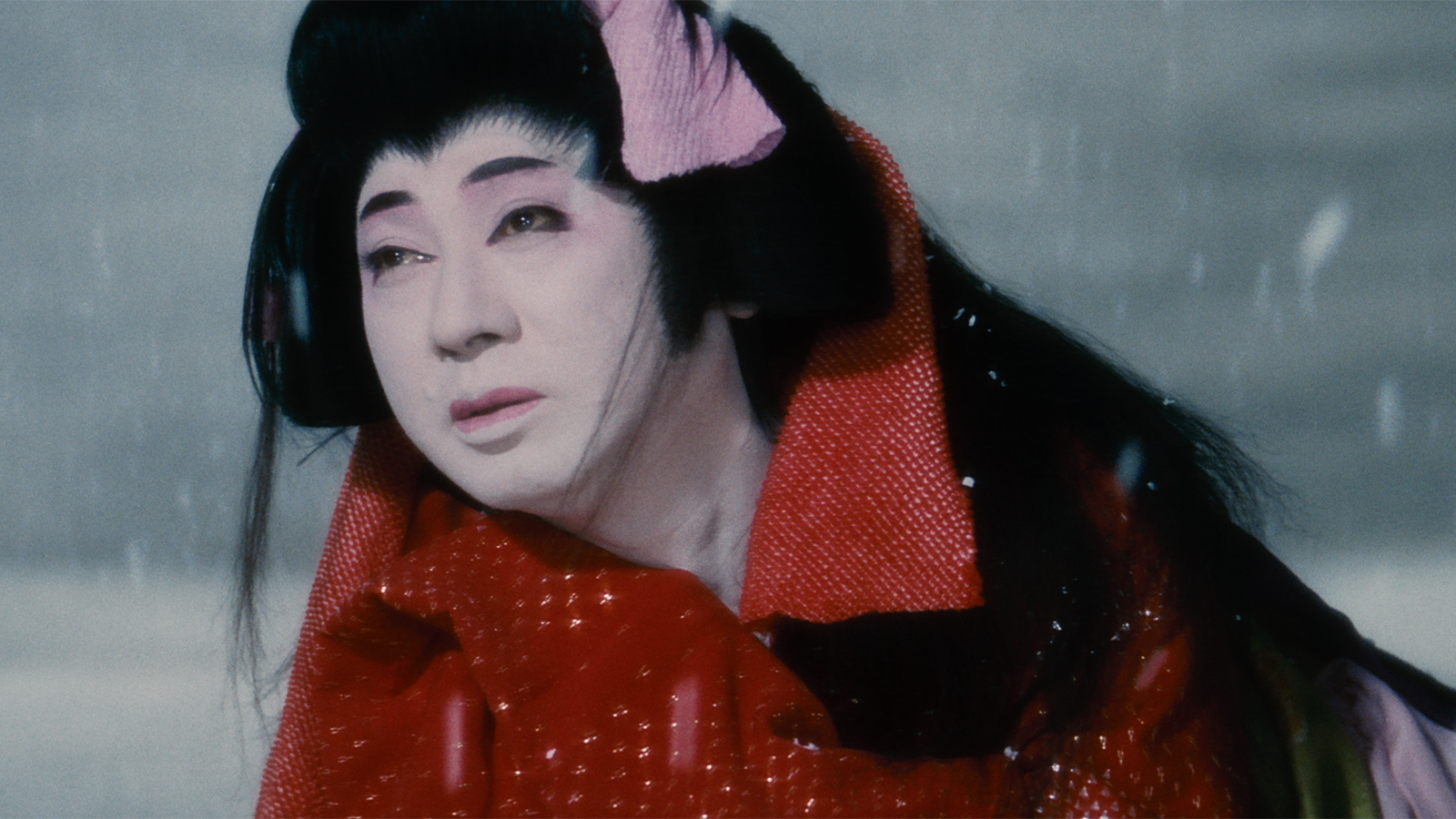
Kazuo Hasegawa returns to the role of Yukinojo in Kon Ichikawa’s remake of the classic tale as a successful onnagata attempts to take revenge for the deaths of his parents. Review.
FRI 12 NOV 18:20 NFT2 / SUN 14 NOV 18:20 NFT3 / FRI 26 NOV 21:00 NFT1
Melodrama scripted by Zenzo Matsuyama and starring Hideko Takamine as a war widow who patiently rebuilt and maintained her husband’s family grocery shop for 18 years only for her sister-in-laws to force her out in order to turn it into a supermarket, while her much younger brother-in-law suddenly confesses his lifelong love.
An old woman (Nobuko Otowa) finds herself sinking to depths of inhuman depravity in a desperate need to survive in Kaneto Shindo’s grim fable of feudal Japan. Review.
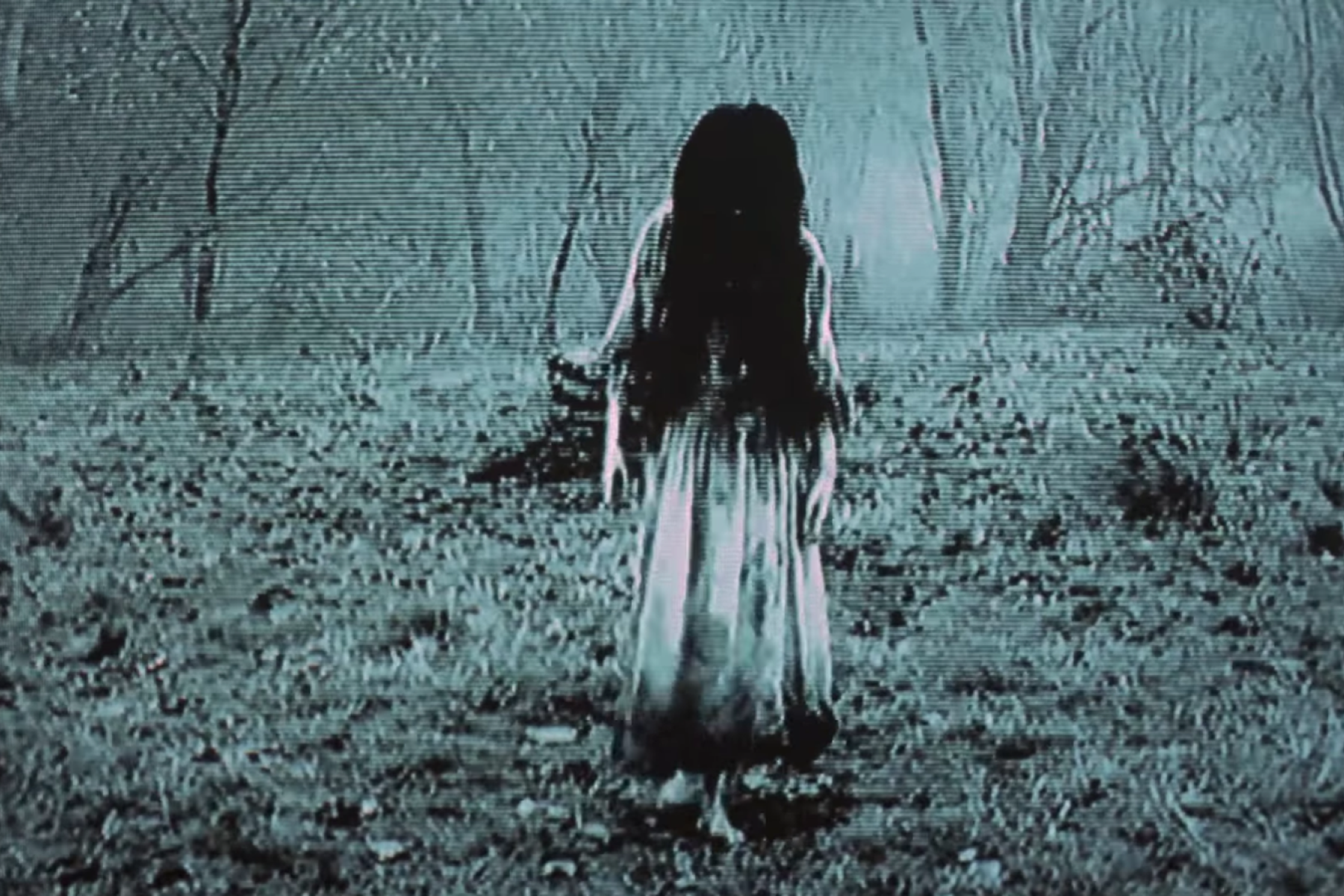
A single-mother (Nanako Matsushima) begins investigating claims that teenagers are dying seven days after watching a creepy VHS tape in Hideo Nakata’s seminal piece of J-horror adapting the novel by Koji Suzuki.
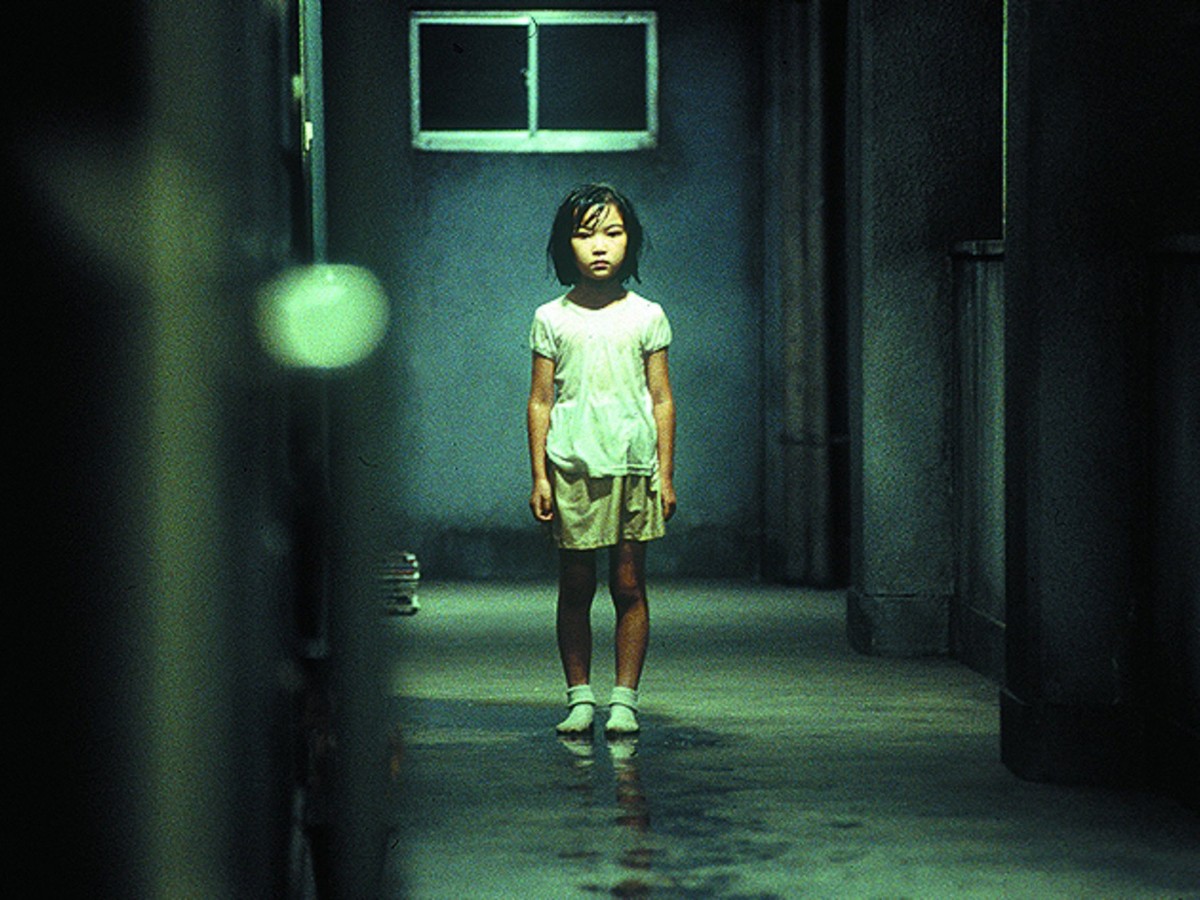
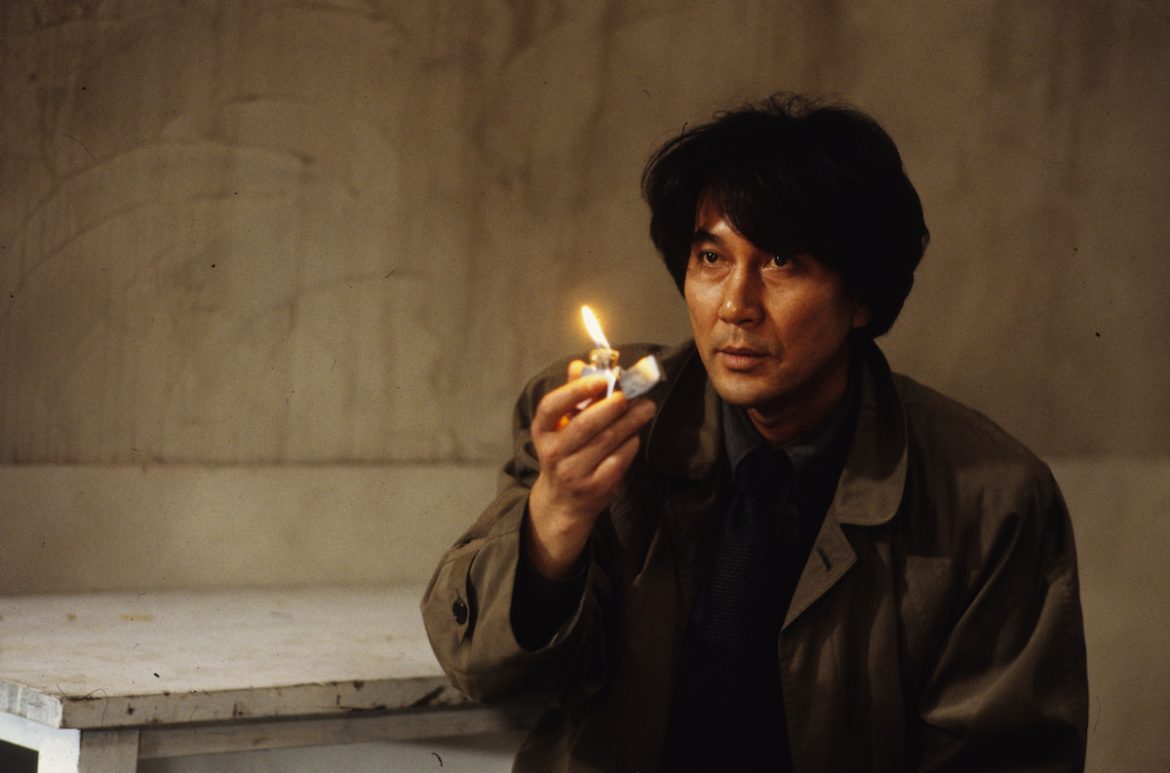
A woman in the midst of a divorce and custody battle is haunted by the spectre of a lonely child in Hideo Nakata’s adaptation of the Koji Suzuki novel. Review.
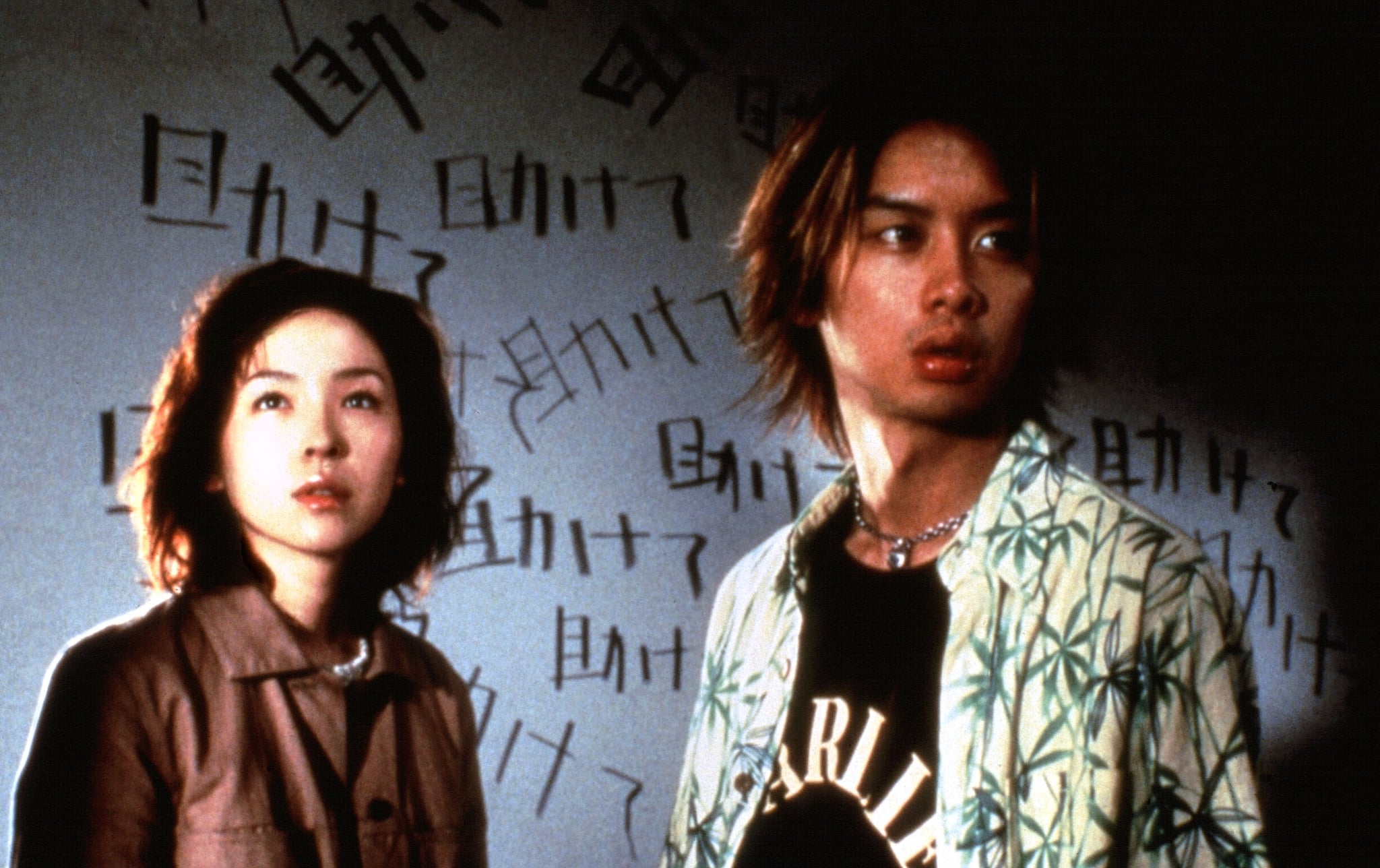
Death is eternal loneliness in Kiyoshi Kurosawa’s tech-fearing horror classic starring Kumiko Aso as a young woman investigating the suicide of a close friend. Review.
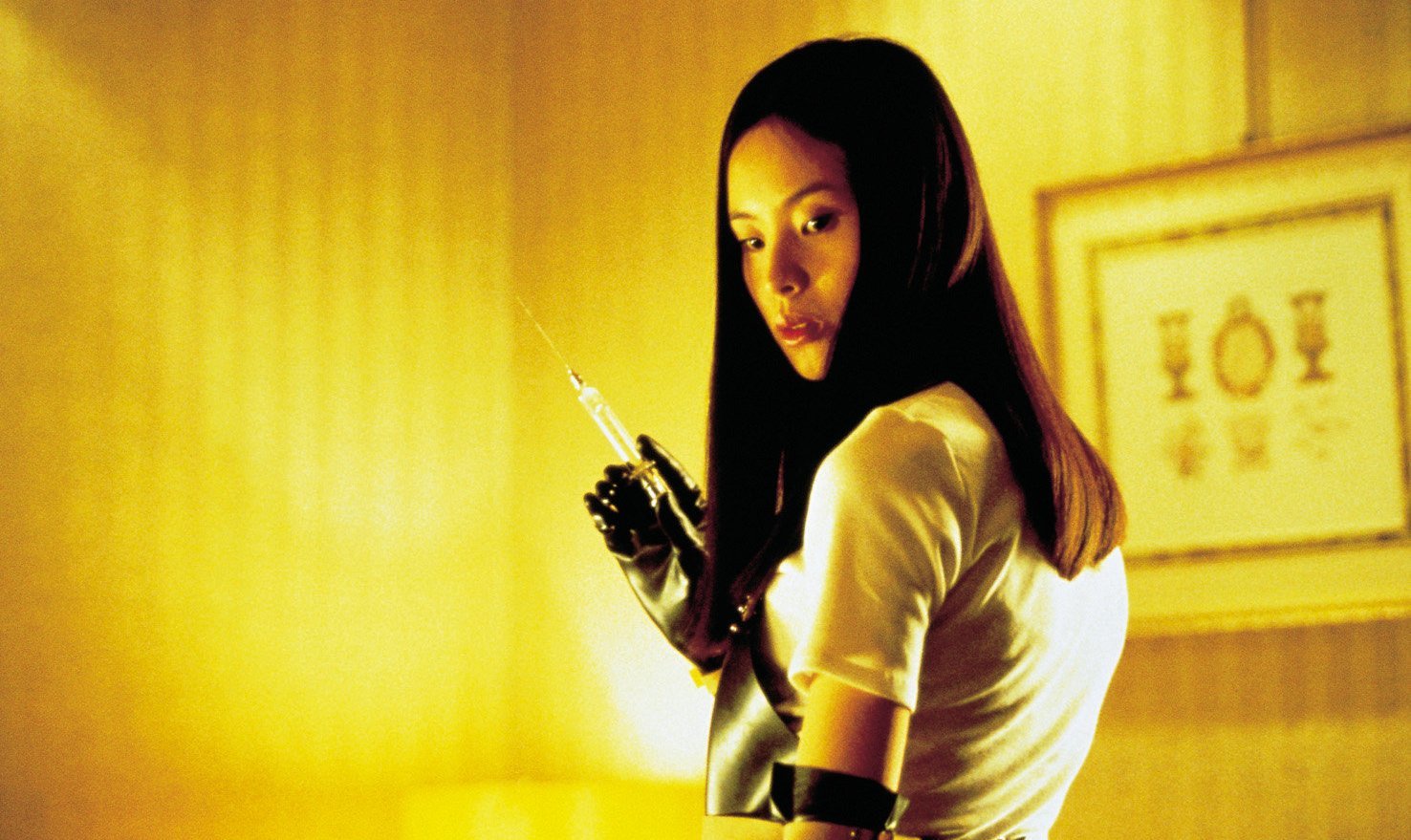
Takashi Miike’s deceptive drama begins as a gentle romcom before edging slowly towards the horrific as a widower (Ryo Ishibashi) takes his his friend’s advice and sets up a fake audition to find the perfect wife but ends up finding something quite different.
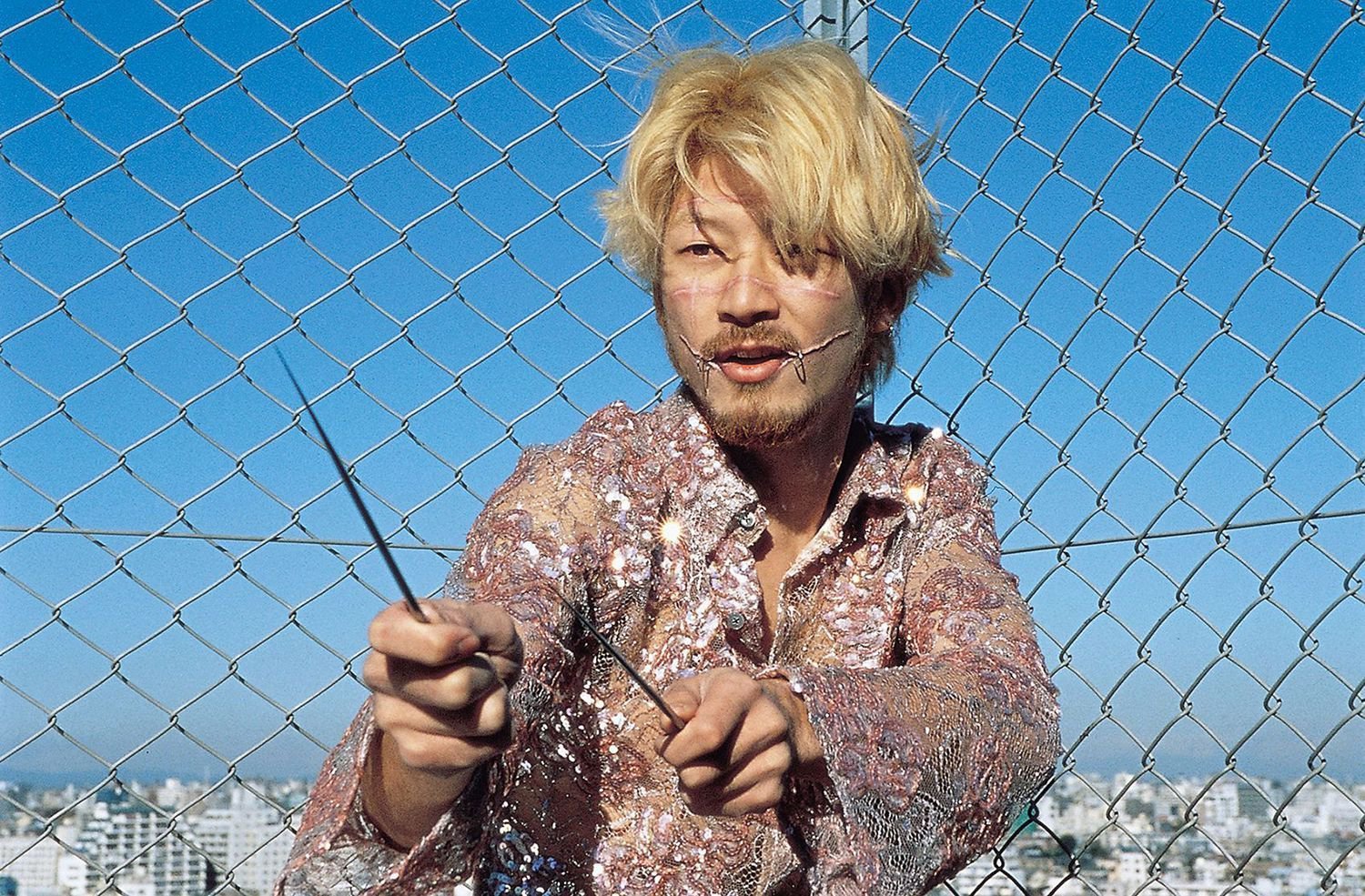
Takashi Miike’s adaptation of the manga by Hideo Yamamoto in which a sadistic yakuza footsoldier (Tadanobu Asano) pursues a repressed psychopathic killer (Nao Omori).
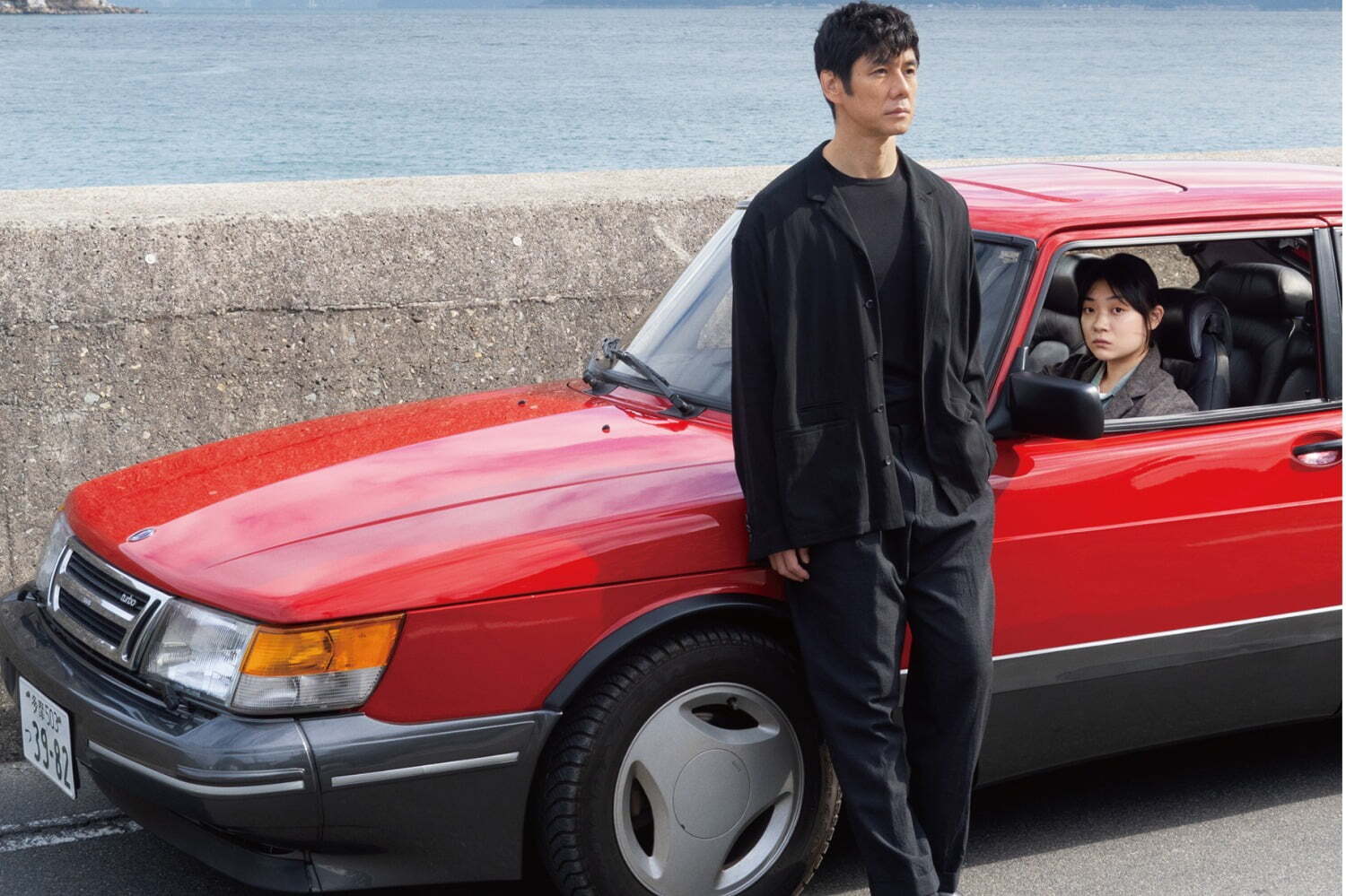
A stage actor and director (Hidetoshi Nishijima) attempting to come to terms with the death of his unfaithful wife casts her lover in his upcoming multi-lingual production of Uncle Vanya while developing a relationship with the reticent young woman driving his car in Hamaguchi’s adaptation of the Haruki Murakami short story.
Screening between 1 and 31 December
(Exact screening dates TBC)
Woman of the Dunes (Hiroshi Teshigahara, 1964)
A bug collector (Eiji Okada) eventually comes to appreciate his new life of simplicity after being trapped in a hole in the sand with a mysterious woman (Kyoko Kishida) in Teshigahara’s adaptation of the Kobo Abe novel.
Visually striking noir from Masahiro Shinoda starring Ryo Ikebe as a recently released yakuza who enters a destructive relationship with a female gambler (Mariko Kaga).
A Fugitive From the Past (Tomu Uchida, 1965)
A fugitive murderer (Rentaro Mikuni) attempts to forge a new identity for himself in the post-war society but discovers the past is not so easily buried in a late career masterpiece from Tomu Uchida. Review.
Tokyo Drifter (Seijun Suzuki, 1966)
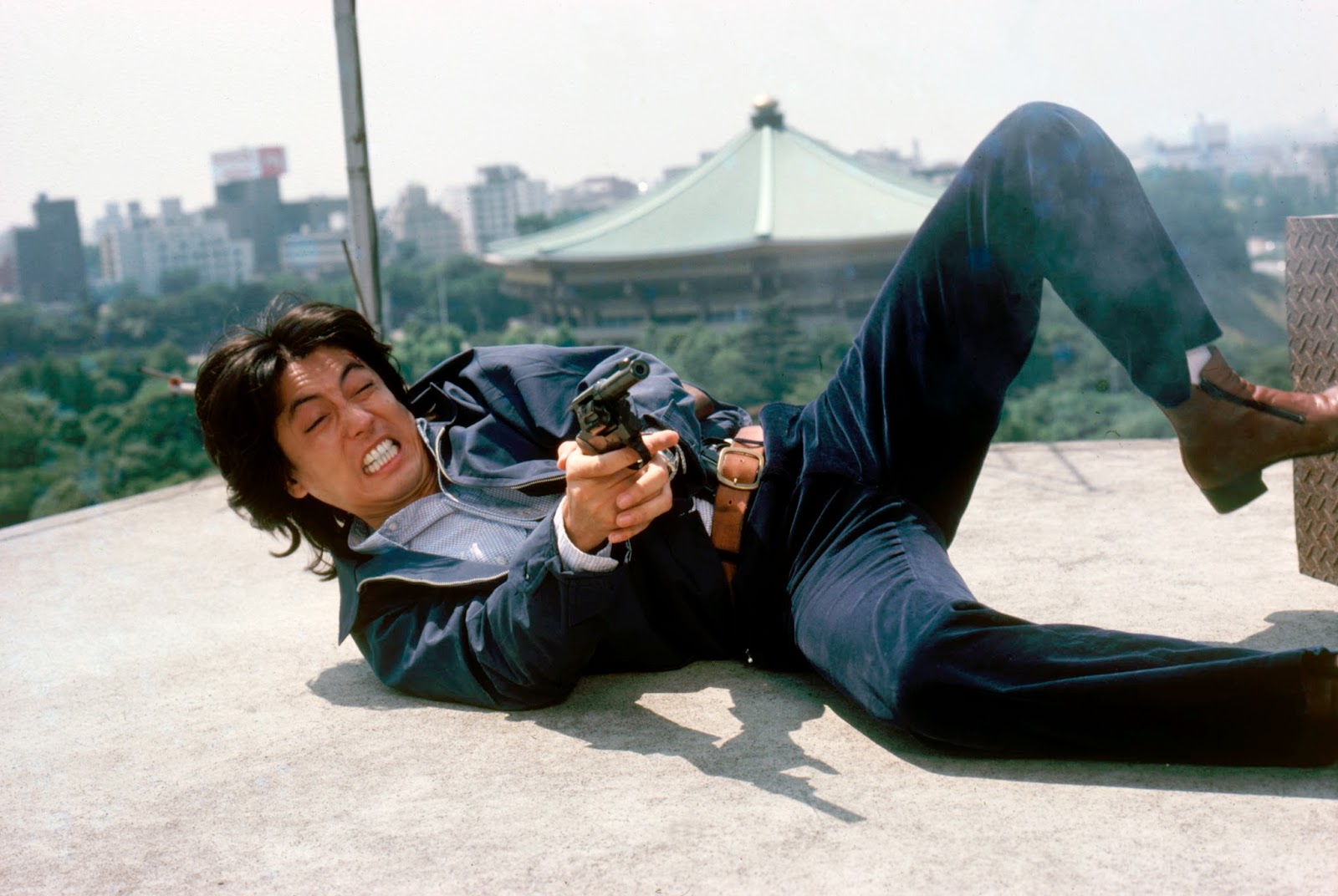
Visually striking, surreal yakuza movie from Seijun Suzuki starring Tetsuya Watari as a yakuza targeted by a rival outfit after his own gang is disbanded.
Woman of the Lake (Kiju Yoshida, 1966)
Yoshishige (Kiju) Yoshida’s adaptation of Yasunari Kawabata’s The Lake starring Mariko Okada as an adulterous woman blackmailed by a third party over nude photos taken by her lover.
Silence Has No Wings (Kazuo Kuroki, 1966)
The first feature from continually underrepresented director Kazuo Kuroki, Silence Has No Wings follows a caterpillar from Nagasaki to Hokkaido.
Death By Hanging (Nagisa Oshima, 1968)
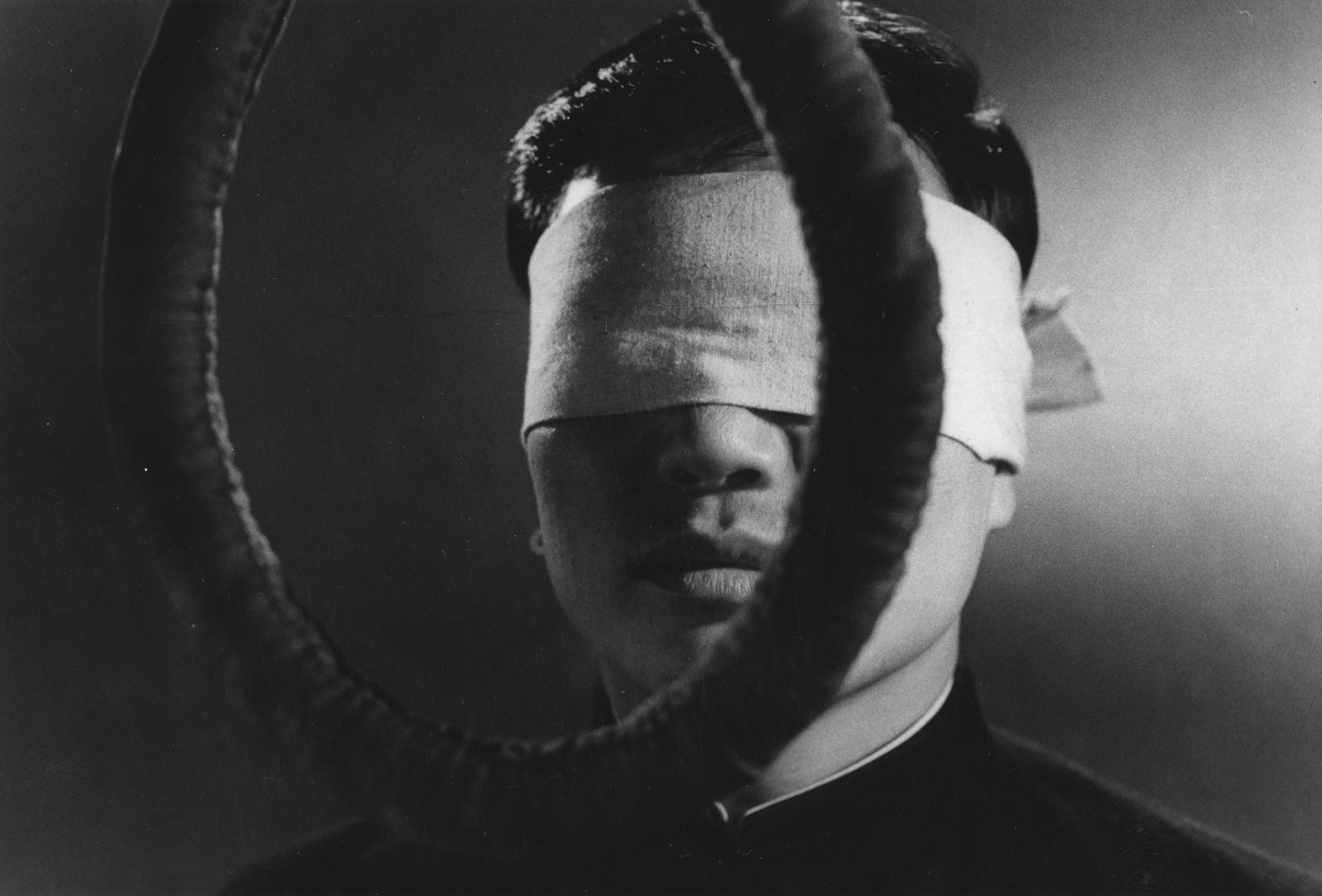
Brechtian drama from Nagisa Oshima in which a Korean student is hanged but survives having lost his memory. Unsure of the ethics of re-executing a man who cannot acknowledge his crimes because he does not remember them, the prison staff proceed to act them out.
Funeral Parade of Roses (Toshio Matsumoto, 1969)
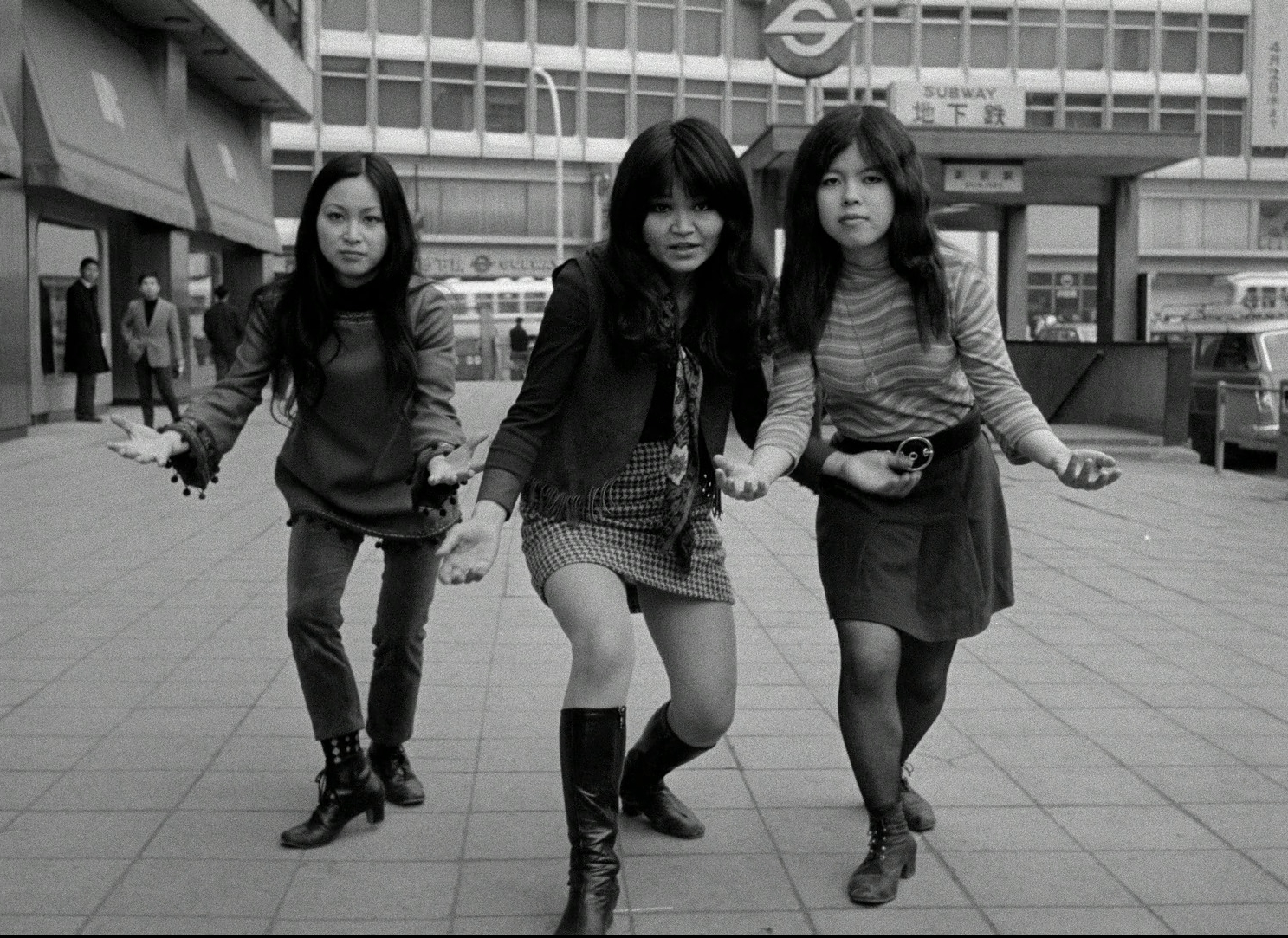
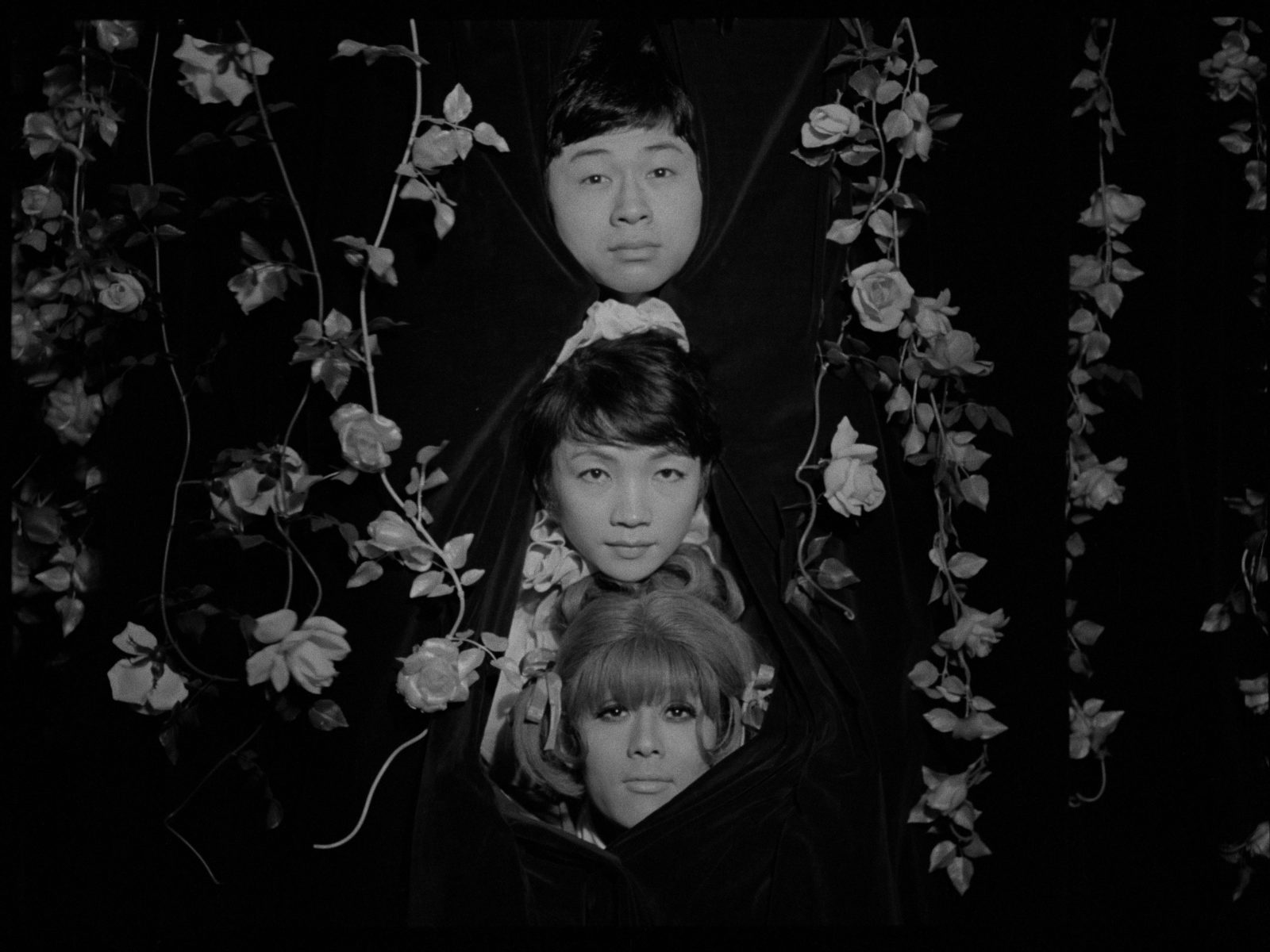
Toshio Matsumoto repurposes Oedipus Rex to explore the impossibilities of true authenticity in an anarchic voyage through late ’60s counterculture Shinjuku. Review.
Shinobugawa (Kei Kumai, 1972)
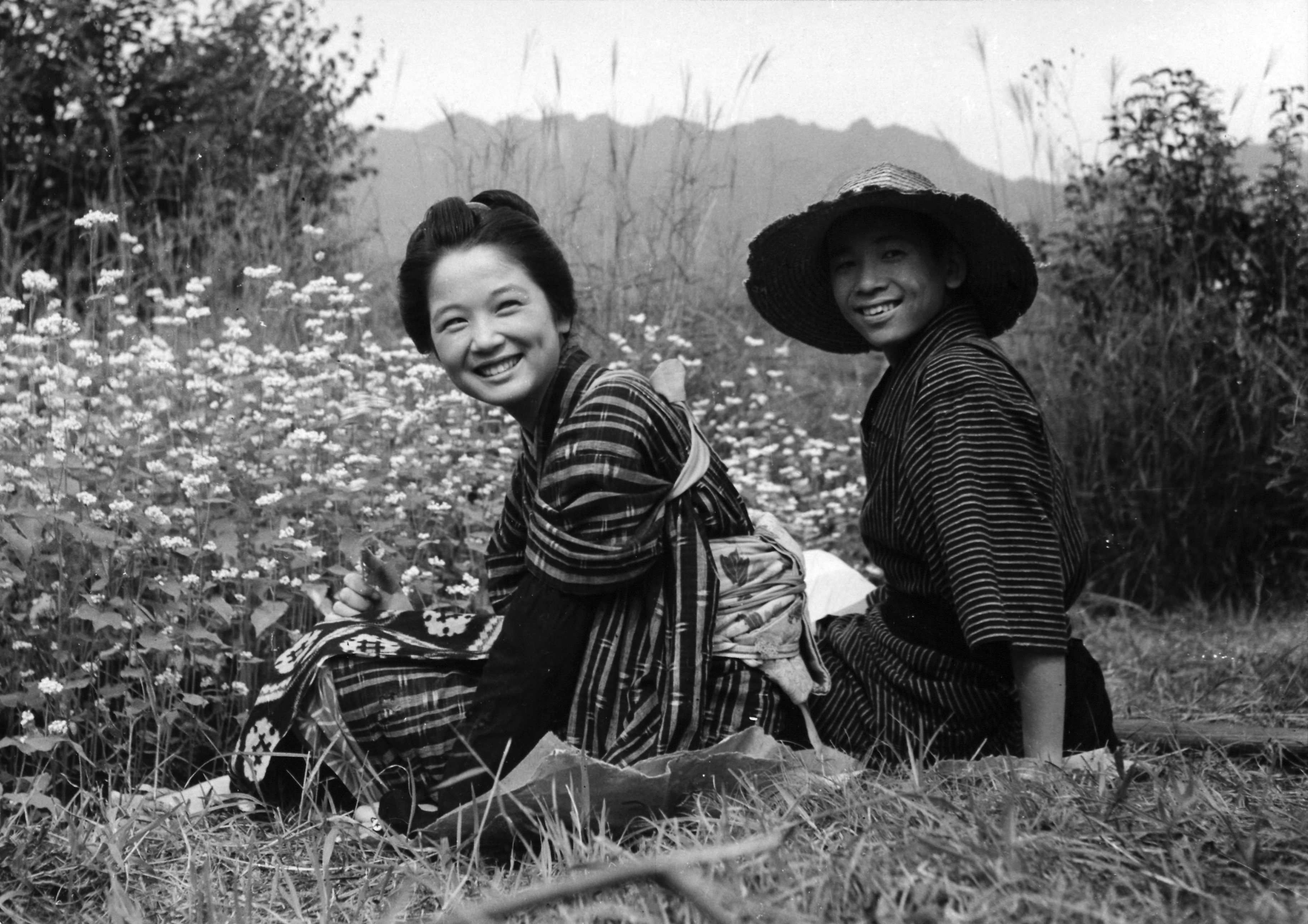
Two dejected youngsters (Go Kato & Komaki Kurihara) find new strength to embrace post-war freedom in the power of loving and being loved in Kei Kumai’s delicate romance. Review.
In The Realm of the Senses (Nagisa Oshima, 1976)
Inspired by the notorious story of Sada Abe, Oshima’s controversial drama sees two lovers retreat from an increasingly authoritarian society into a private world of self-destructive eroticism.
The Demon (Yoshitaro Nomura, 1978)
A single-mother (Mayumi Ogawa) leaves her three children with their married father (Ken Ogata) when he stops supporting them financially but his wife (Shima Iwashita) is far from happy about the situation in Yoshitaro Nomura’s shocking psychological drama adapted from the novel by Seicho Matsumoto.
The Man Who Stole the Sun (Kazuhiko Hasegawa, 1979)
’70s pop icon Kenji Sawada stars as a nerdy high school science teacher belittled by his students and the wider society around him but plotting revenge by building a mini atom bomb in his apartment. Review.
Muddy River (Kohei Oguri, 1981)
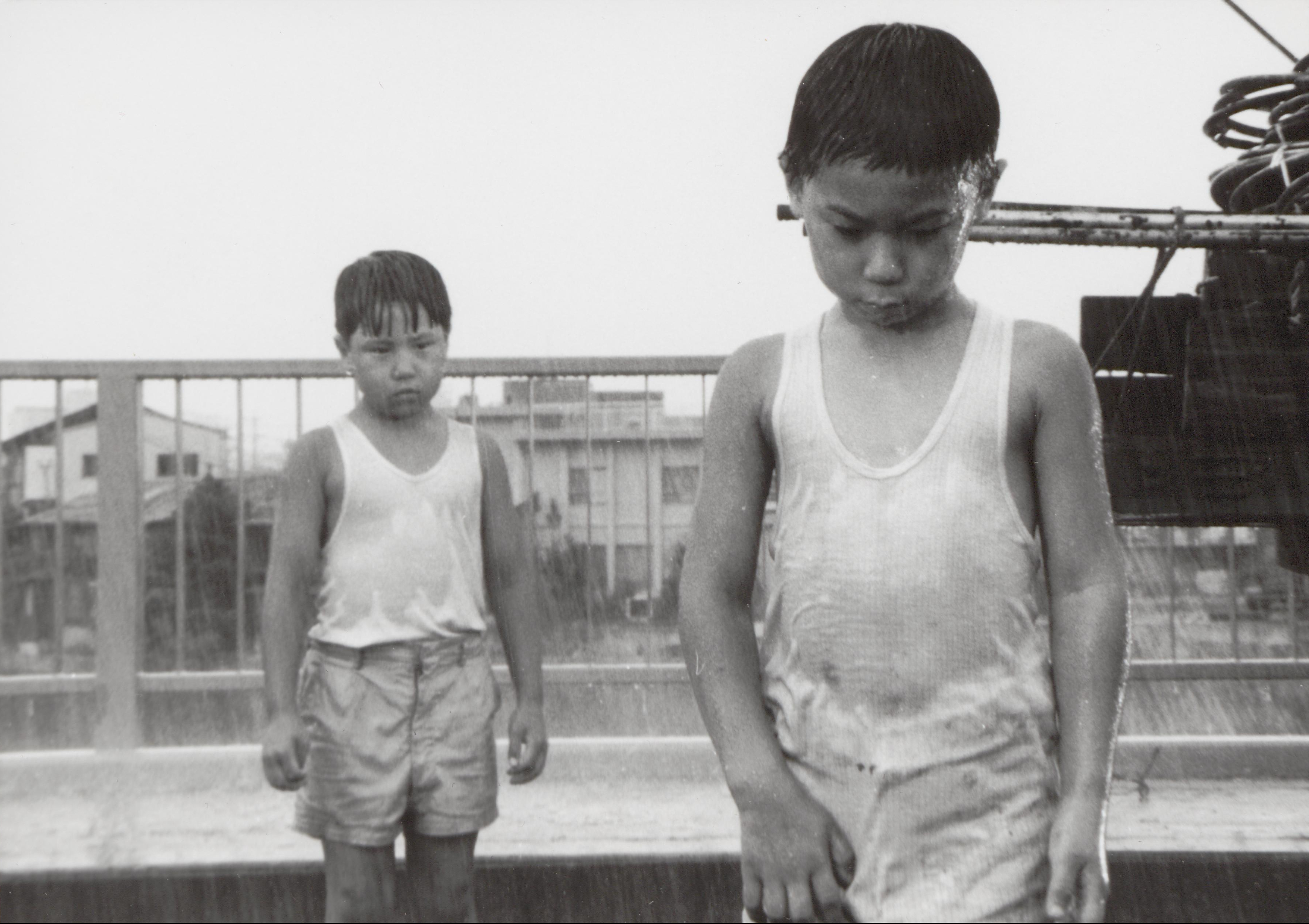
Two children living by the river in post-war Osaka become friends but their innocent connection is disrupted by the muddiness of life in Kohei Oguri’s moving drama.
Fire Festival (Mitsuo Yanagimachi, 1985)
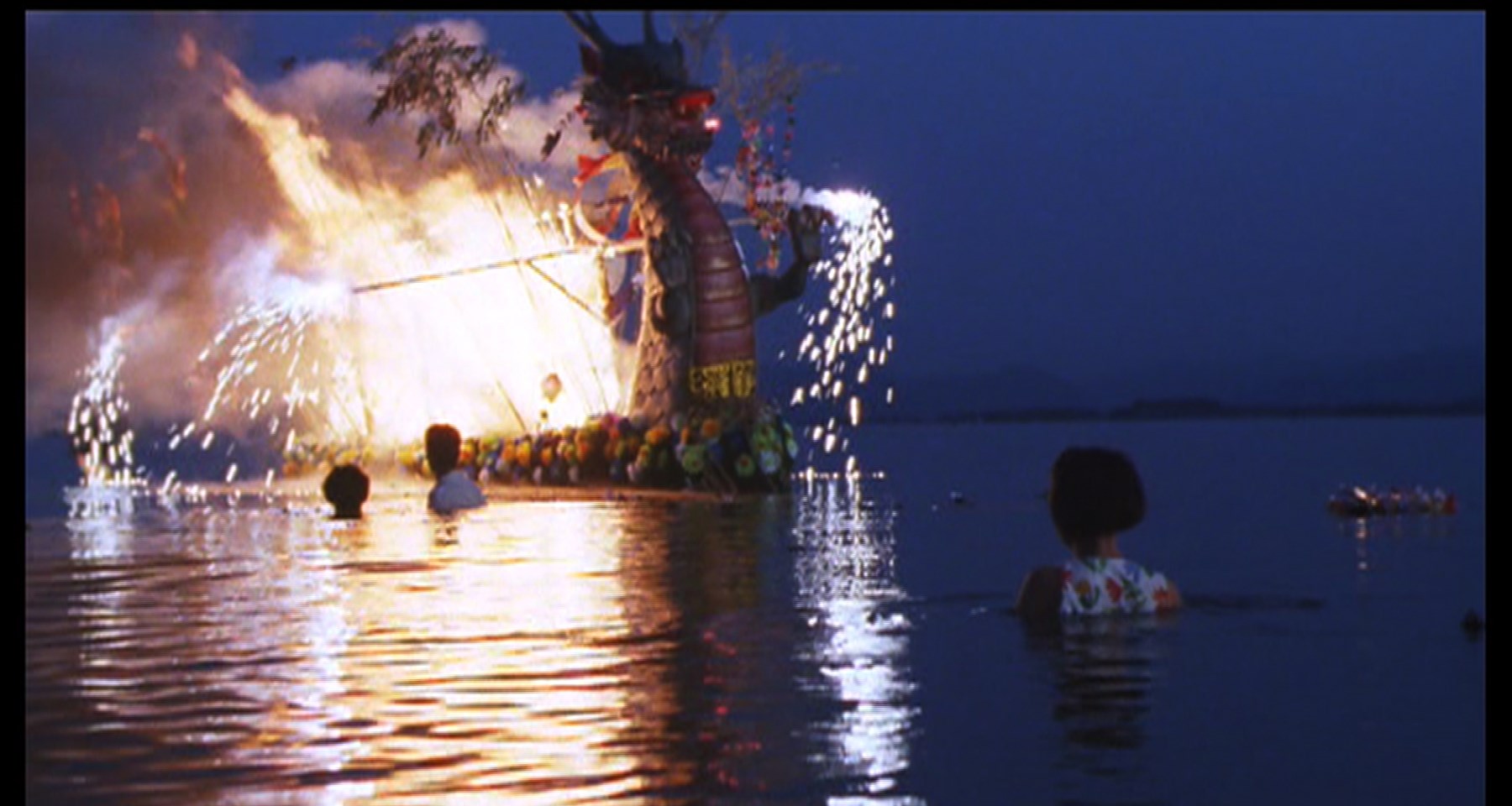
A stubborn lumberjack’s refusal to sell his land to developers set on building a marine park sets him at odds with his community culminating in a fiery act of violence in Mitsuo Yanagimachi’s ’80s indie drama.
Tampopo (Juzo Itami, 1985)
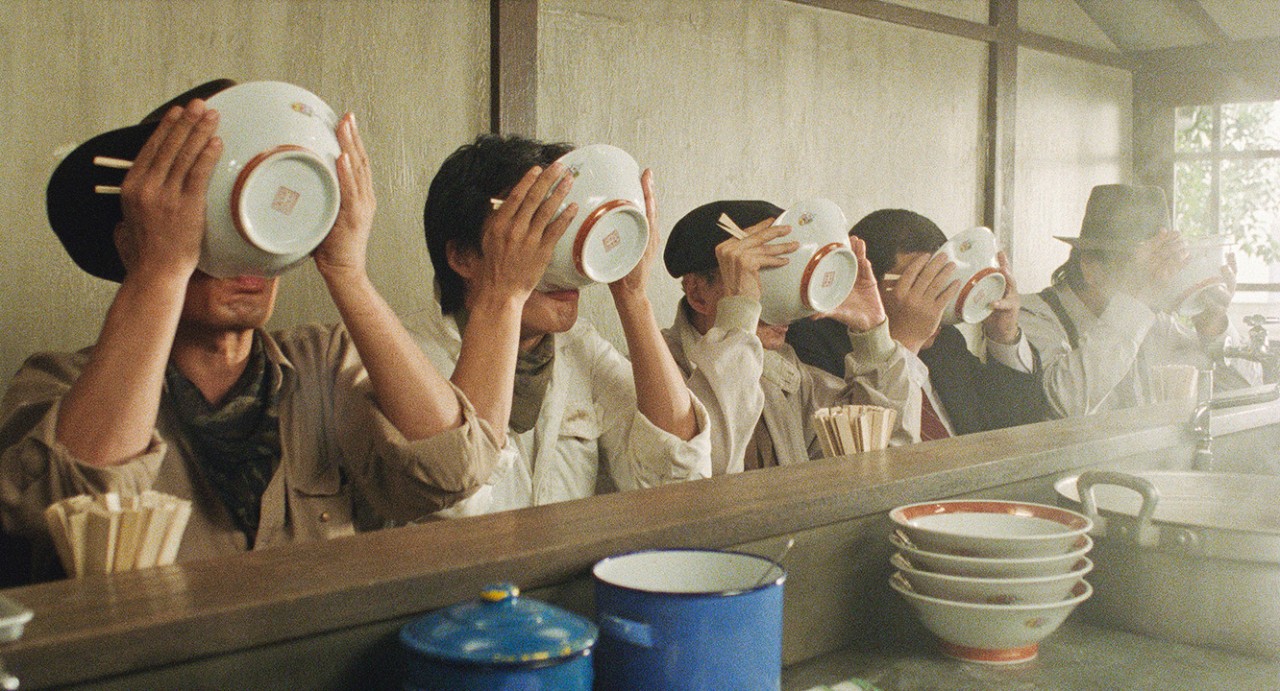
Juzo Itami’s comedy classic starring his wife Nobuko Miyamoto as the titular Tampopo, a recent widow struggling to run a small ramen bar eventually rescued by Tsutomu Yamazaki’s wandering truck driver ramen master. Review.
The Emperor’s Naked Army Marches On (Kazuo Hara, 1987)
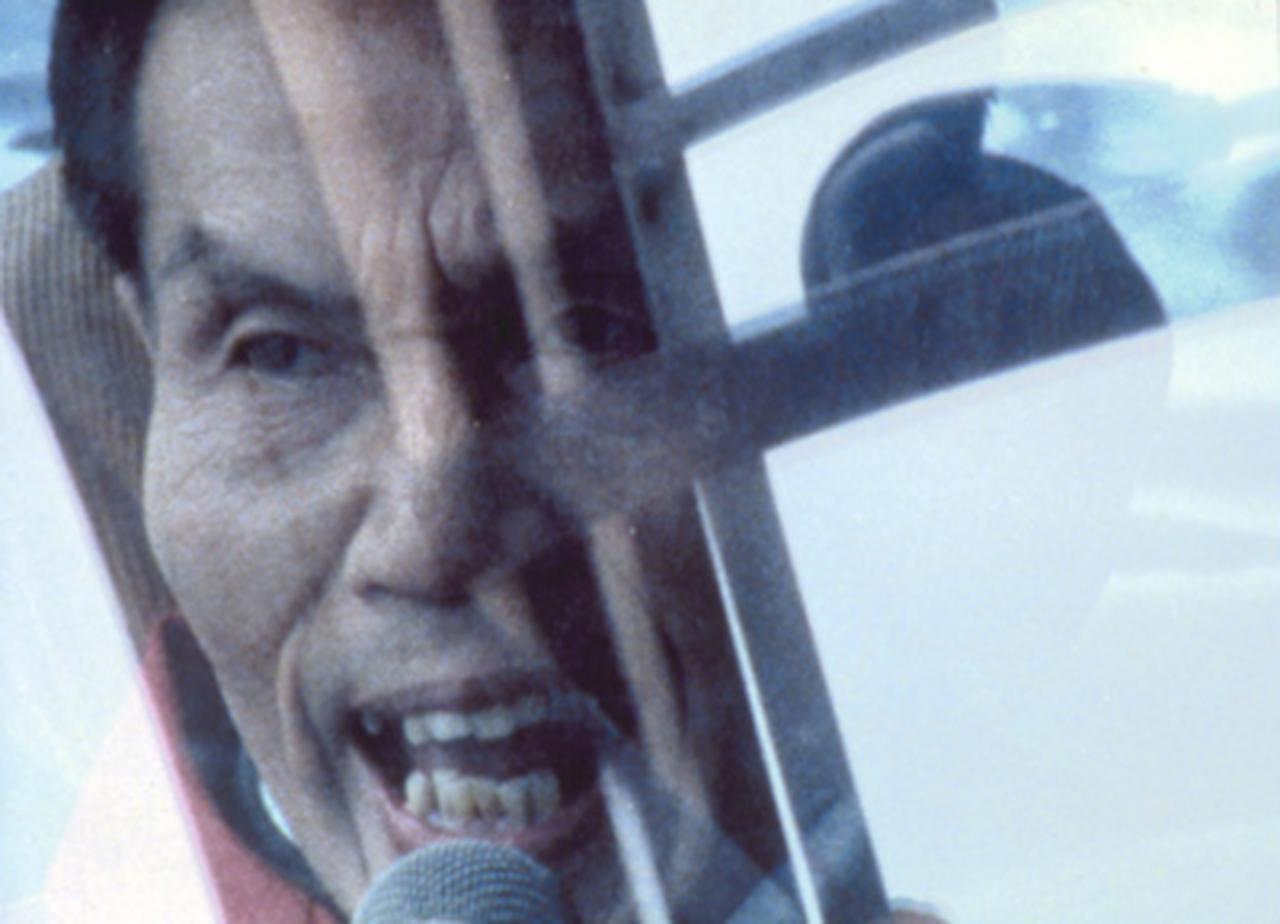
Kazuo Hara’s landmark documentary following confrontational Pacific War veteran Kenzo Okuzaki. Review.
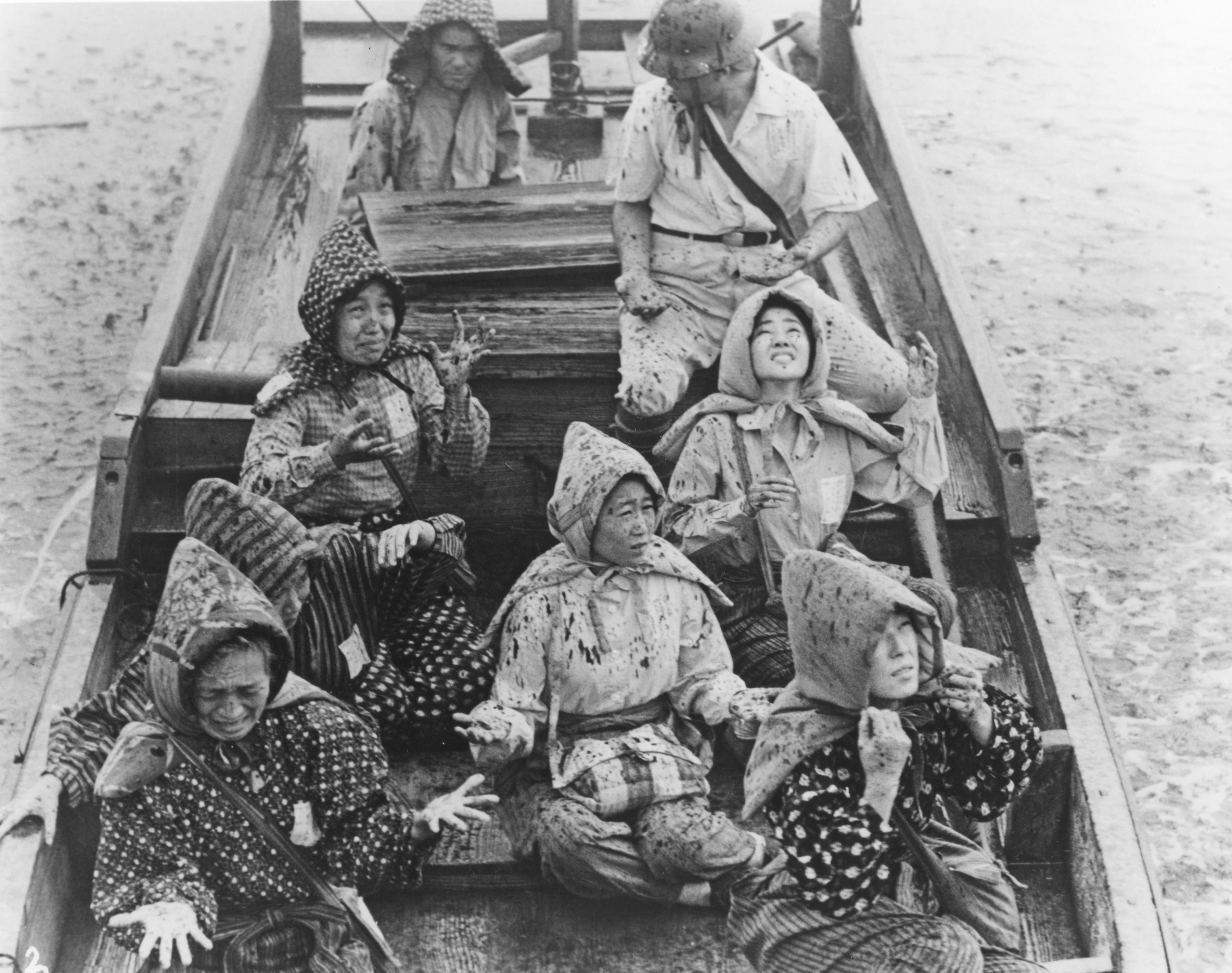
Drama centring on the survivors of the atomic bomb dropped on Hiroshima. A young woman living with her uncle and aunt finds her marriage prospects all but ruined because of her presence in the city when the bomb was dropped but later bonds with a young man suffering from wartime PTSD.
Moving (Shinji Somai, 1993)
Shinji Somai’s moving youth drama in which a young girl (Tomoko Tabata) struggles to come to terms with her parents’ impending divorce.
Love Letter (Shunji Iwai, 1995)
Much loved ’90s romantic melodrama from Shunji Iwai starring pop star Miho Nakayama in dual roles as a young woman struggling to move on after the sudden death of her fiancée, and an old classmate of his who happened to share the same name.
Shall We Dance (Masayuki Suo, 1996)
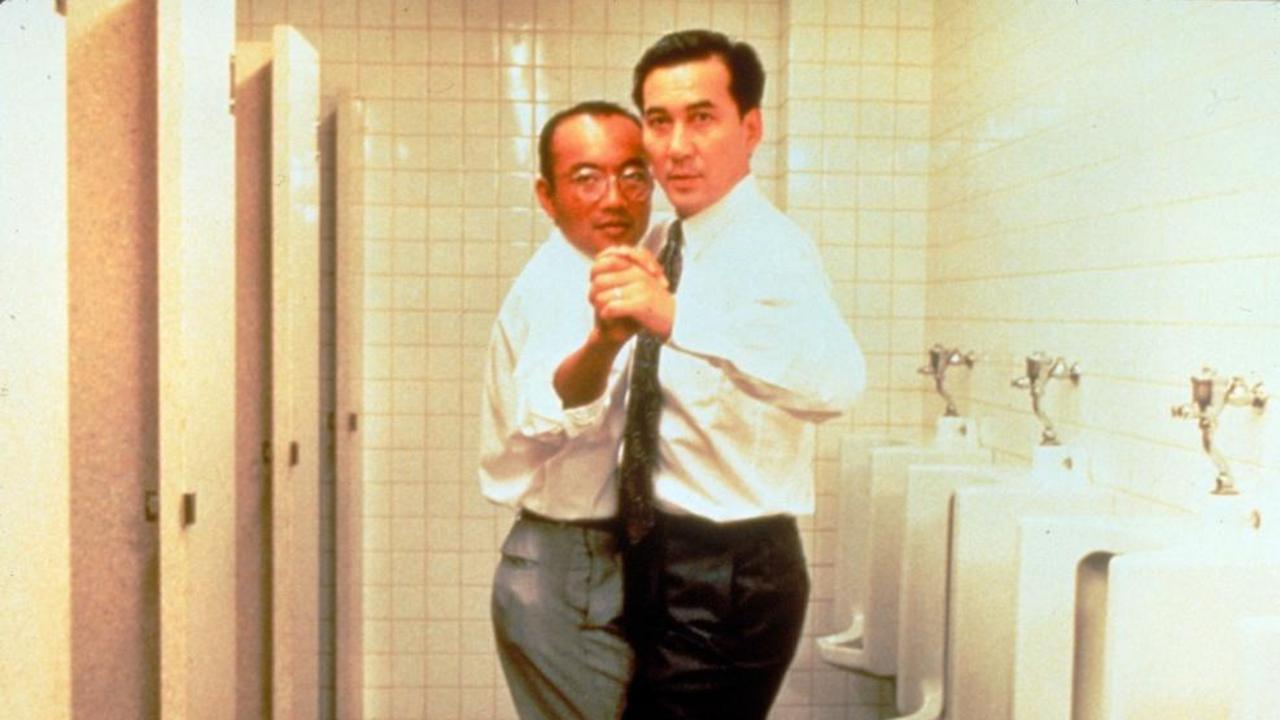
An unexpected ’90s international hit later remade in Hollywood, Shall We Dance? stars Koji Yakusho as a dejected middle-aged man having achieved the salaryman dream but found it unfulfilling discovering a new lease on life after taking up ballroom dancing.
Suzaku (Naomi Kawase, 1997)
Naomi Kawase’s fictional feature debut follows the disintegration of a small family after a railway threatens their rural way of life.
After Life (Hirokazu Kore-eda, 1998)
Hirokazu Kore-eda ponders the meaning of life as the recently deceased are invited to re-create their favourite memory as film before moving on. Review.
Wheel of Fortune and Fantasy (Ryusuke Hamaguchi, 2021)
A triptych of romantic tales from Ryusuke Hamaguchi in which a young woman realises her friend is unwittingly dating her ex, a student attempts to seduce a professor, and two women connect through an instance of mistaken identity.
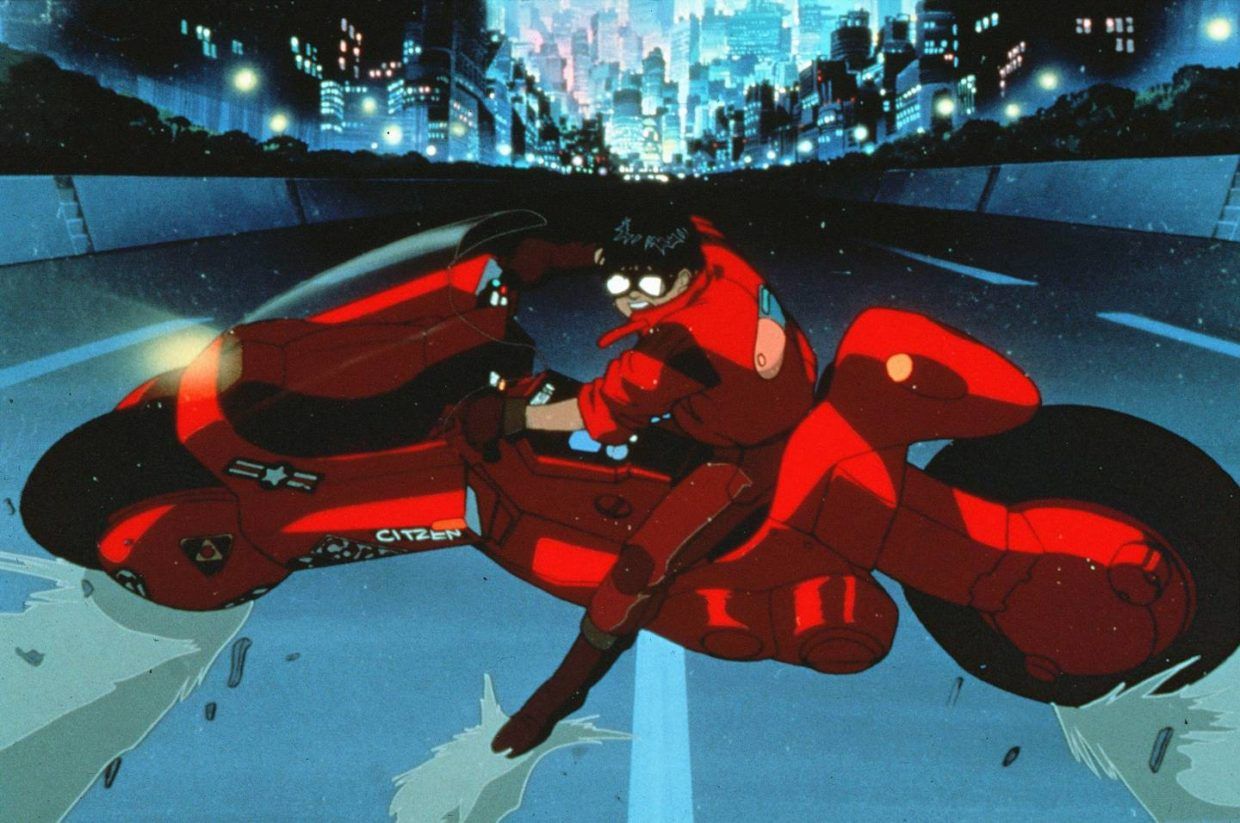
SCREENING AT BFI IMAX: Akira (Katsuhiro Otomo, 1988)
Katsuhiro Otomo’s seminal anime adaptation of his own manga is set in a dystopian Tokyo of 2019 in which a delinquent biker ends up with superpowers after crashing into a recently released test subject from a government lab.
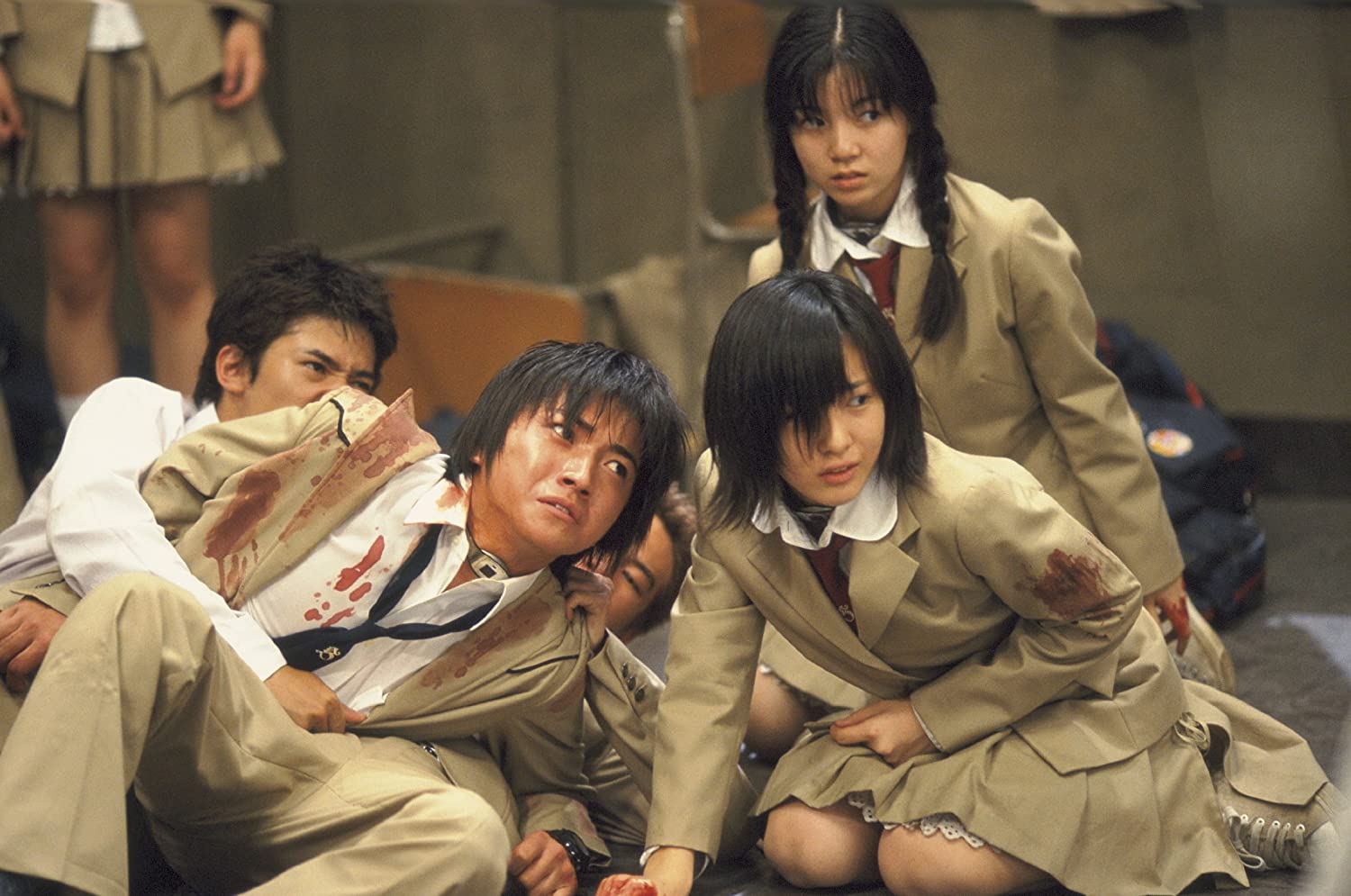
Battle Royale (Kinji Fukusaku, 2000)
A group of teens is sent to an island where they are told to kill each other off until there is only one survivor in this zeitgeisty adaptation of the cult novel by Koushun Takami which would become the final film directed by Battles Without Honour and Humanity’s Kinji Fukasaku.
THU 11 NOV 18:10 NFT3: Female Archetypes in Classical Japanese Cinema – Panel discussion featuring academics Alejandra Armendáriz-Hernández, Jennifer Coates and Kate Taylor-Jones discussing the presentation and creation of on-screen female archetypes.
BFI Japan runs October to December 2021 at BFI Southbank and selected partners across the country. For the full details on this and other BFI seasons be sure to check out the BFI’s website where you can also find a link to BFI Player. You can also keep up with all the latest news by following the BFI on Twitter, Facebook, Instagram, and YouTube.





















 Windows on Worlds