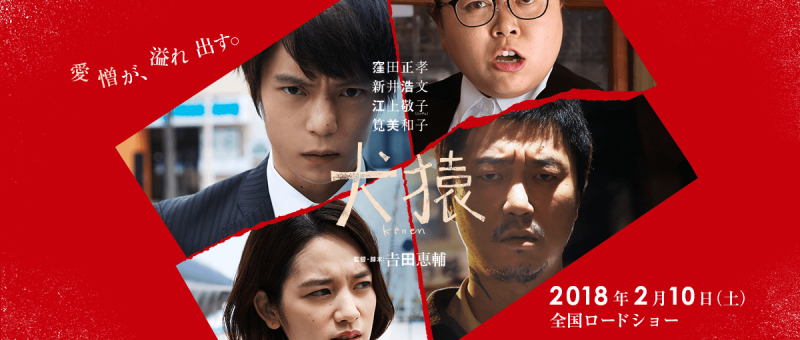
 In the long history of the Japanese family drama, the tensions are generally vertical rather than horizontal. Siblings are often engaged in trying to broker the peace or snatch a little bit of independent living away from an all consuming family environment. Then again, we meet most families when the kids are gown up and struggling with their approaching transition into other families or other lives. Kids fight, but grown up brothers and sisters are supposed to find a degree of civility at least even if the petty resentments of childhood never quite go away. For the parallel pairs of mismatched siblings at the centre of Thicker than Water (犬猿, Kenen), however, the reverse is true.
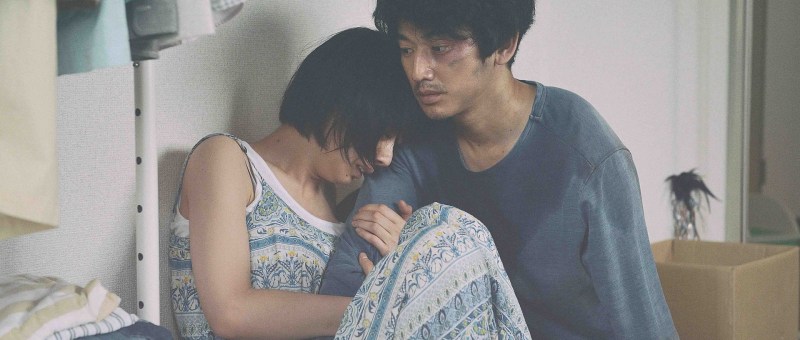
Older sister Yuria (Keiko Enoue) has taken over the family print shop now that her father is bedridden while her younger, prettier sister Mako (Miwako Kakei) is struggling to make it as an actress. Often resentful of her sister’s domineering, business-like attitude, Mako wilfully targets her weaknesses by making barbed comments about her weight and appearance of which she knows Yuria is insecure. Yuria, meanwhile, treats her sister as a foolish child, immediately taking over rather than let Mako do something “wrong” and thereby chipping into her insecurities about a lack of intelligence.
The spiky dynamic between the two sisters intensifies when Yuria develops a crush on a handsome young salaryman who makes regular visits to the shop to get his posters printed. Kazunari (Masataka Kubota), however, predictably falls for Mako (who is only interested in him as a way of annoying her sister). Meanwhile, he has sibling drama of his own in that his no good, thuggish older brother Takuji (Hirofumi Arai) has just been released from prison and made an unwelcome reappearance in his life.
What exists between the siblings isn’t quite “rivalry”, mostly they aren’t fighting over parental affection or esteem so much reacting against their obviously complimentary characteristics. Yuria envies Mako’s beauty, while Mako secretly envies her sister’s intellectual confidence even if she also resents her bossiness and affectation of superiority in order to mask her insecurity. Kazunari makes a show of his earnestness, that he’s doing everything “properly” – working hard, living within his means, paying off his parents’ debts and saving for his retirement, while underneath it all he envies his brother’s non-conformity even if its risks terrify him. Thus they snipe at each other. The thing about family is they know where all the buttons are and find pressing them extremely hard to resist.
That said, the familial bond is a strong one and perhaps they can snipe cruelly at each other precisely because it is unlikely to break. Nevertheless, when pettiness and cruelty intensify there can hardly be a positive outcome save perhaps to hit the reset button and send our warring siblings back to their idyllic childhoods in which they played together happily free from their adult resentments. Like children fighting over toys, each wants what the other has and seethes over the injustice of not being the one to have it. An extreme situation might seem to clear the air, repair the relationships and restore them to their original condition with each reaching an understanding of themselves and their opposite number, but old habits are hard to break and any thaw in relations is likely to be extremely temporary.
No stranger to extremes, Yoshida opens with a humorous sequence spoofing a trailer for a cheesy Japanese teen romance which is enthusiastically recommended by a series of vox pop champions, not least among them Mako who who somewhat unethically plays the part of a lovestruck young woman who over identifies with the movie’s themes. The trailer promises a “parallel love story” which, in truly Yoshida-esque irony, is more or less what we get as we witness the symmetrical tales of our two sets of warring siblings whose animosity almost tips over into co-dependency. Mirrors of each other, they love and loathe but remain unable to reconcile themselves to the various faults they see reflected in their opposing number and therefore unable to break free from the petty jealousies and resentments which define family life. There may be no escape from the intense self loathing unfairly projected onto an equally burdened sibling, but perhaps there is faint hope in the enduring continuity of their quietly simmering warfare even as it binds them in mutual misery.
Thicker than Water was screened as part of the 2019 Japan Foundation Touring Film Programme.
Original trailer (English subtitles)


 The
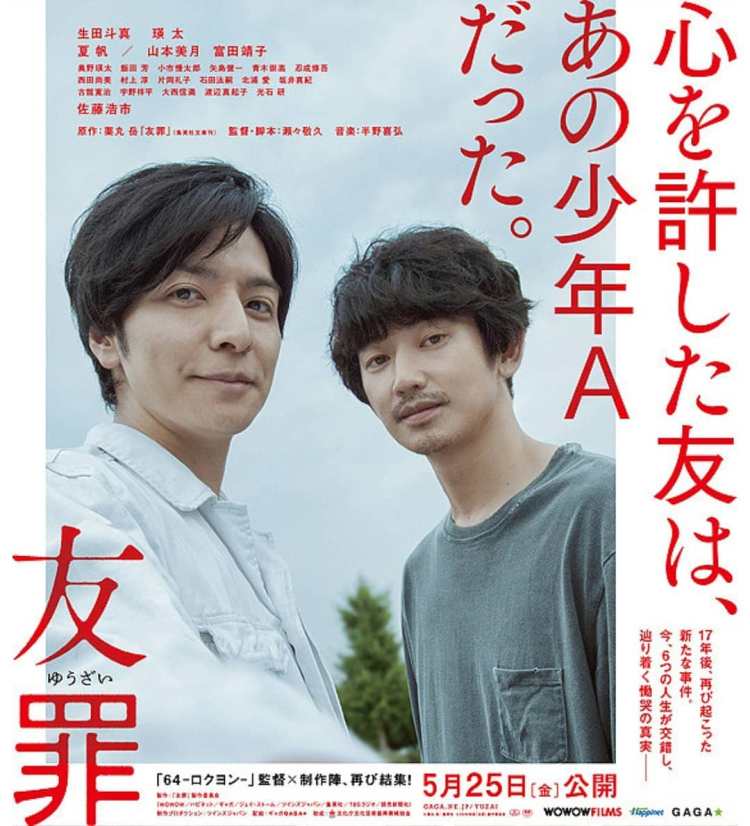
The  Toma Ikuta stars as a failed journalist working in a small factory who befriends an introverted co-worker (Eita) only to begin to suspect that he may be connected to a series of child murders 17 years previously. One of two films released by Takahisa Zeze (
 Charming fantasy adventure from Takashi Yamazaki adapting the popular 80s manga by Ryohei Saigan in which a newlywed eccentric author finds himself travelling to the underworld to retrieve his wife who has been taken there as a result of a bizarre clerical error (and a little yokai interference).
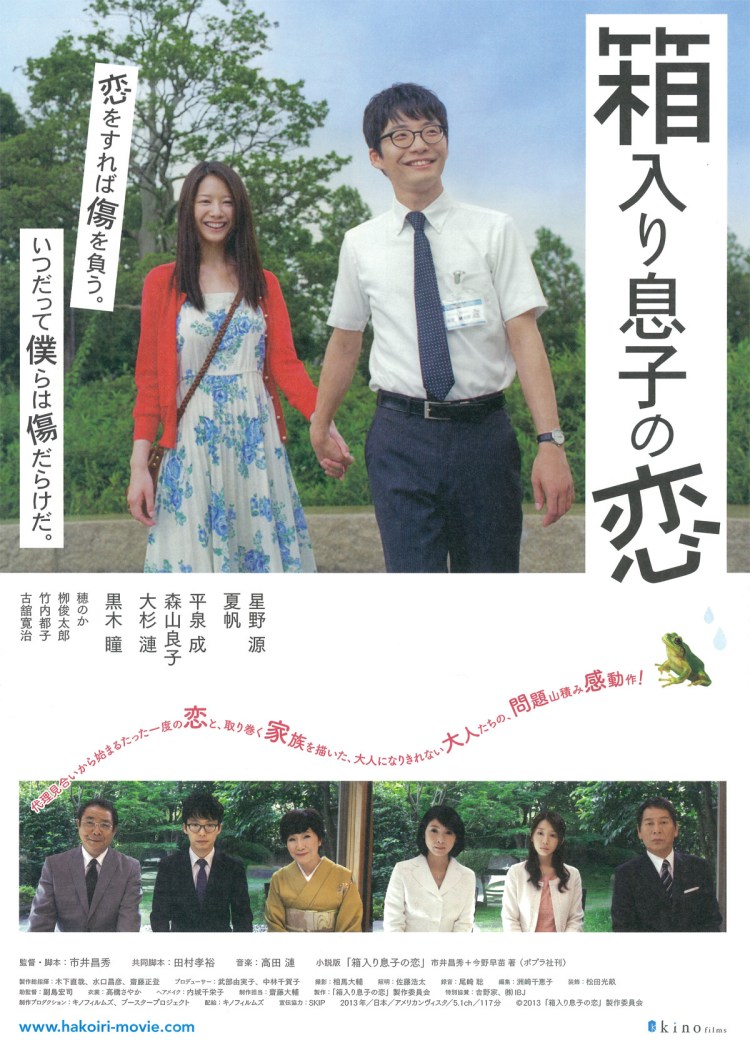
  Comedy drama from
 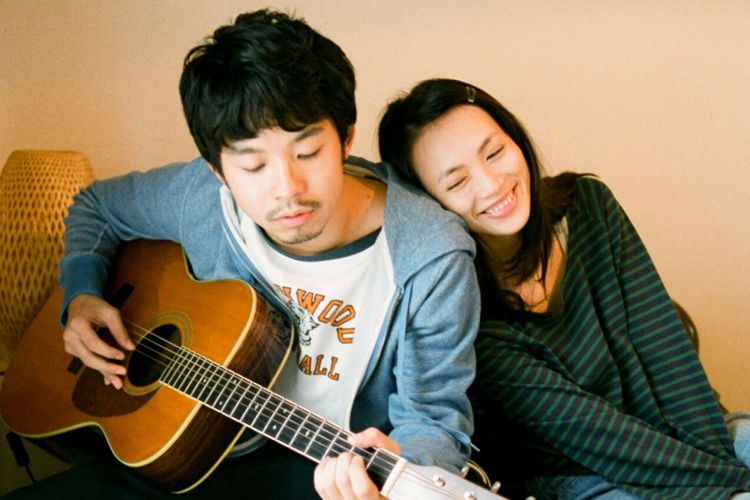 Tsuchida (Asami Usuda) has decided to financially support her singer-songwriter boyfriend Seiichi (Taiga) but he doesn’t know she’s supplementing her income with a part-time job at hostess bar to make ends meet. Meanwhile, her head is turned by an old flame (Joe Odagiri) in Masanori Tominaga’s adaptation of the popular manga by Kiriko Nananan.
 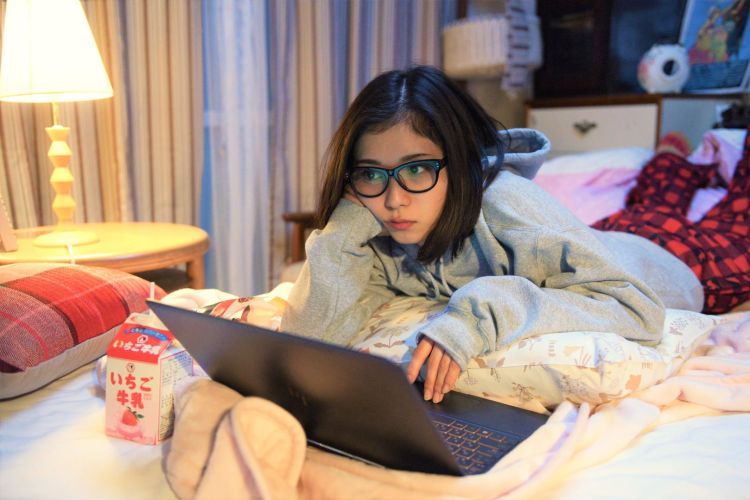 Intensely shy and socially awkward, 24-year-old Yoshika (Mayu Matsuoka) lives in a fantasy world and spends her free time engaging in her favourite hobby of looking up extinct animals on the internet. Harbouring a long standing crush on a middle-school classmate she nicknames “Ichi” (no. 1), her existence is shaken by the unexpected attention of a colleague she refers to as “Ni” (no. 2). An ultimately uplifting yet sometimes heartbreaking tale of learning to forget about anxiety and just live anyway from genre veteran Akiko Ohku.
 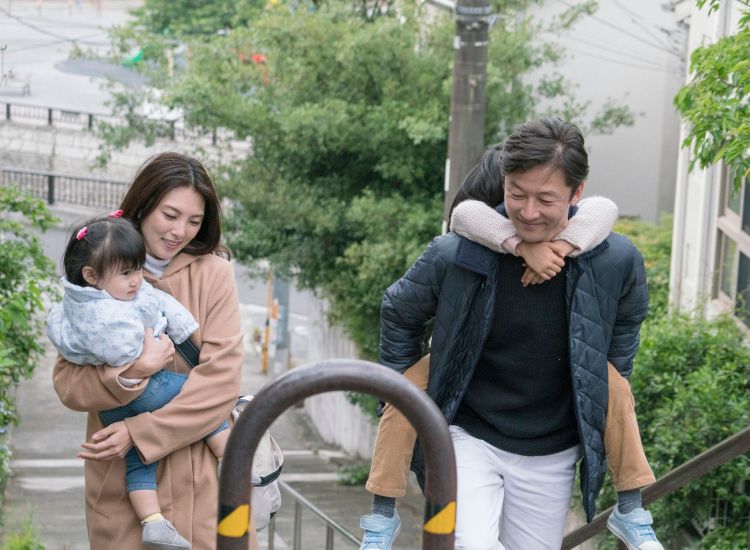 Tadanobu Asano stars as a man who’s taken the unusual decision to prioritise family life over career but finds himself conflicted when his second wife reveals she is pregnant with their first child in Yukiko Mishima’s empathic family drama.
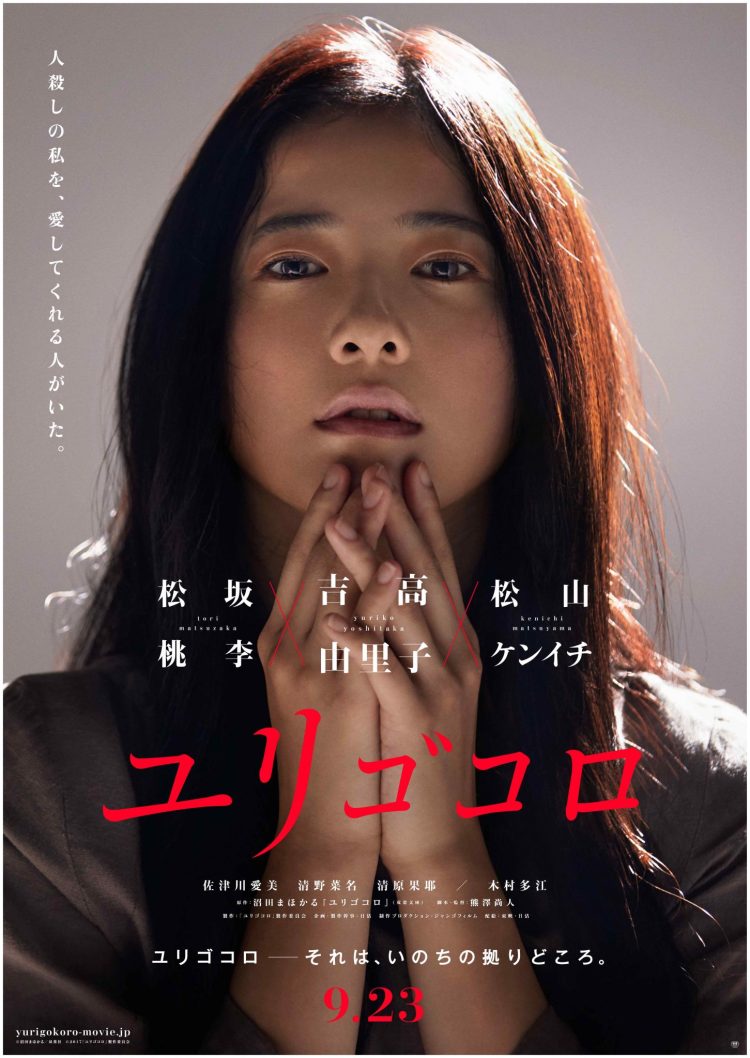
 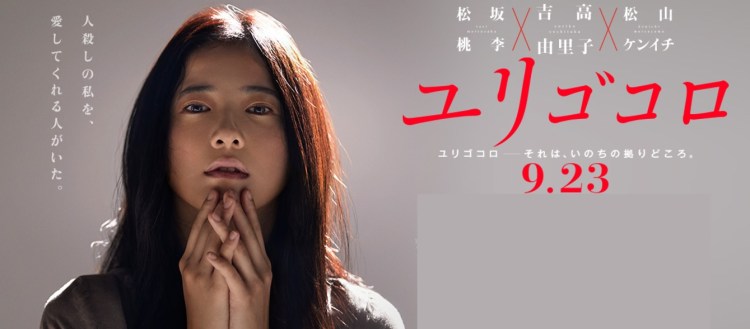 Ryosuke’s life is pretty great. He’s about to open his own restaurant and marry his beautiful fiancée Misako, but his happiness is soon ended when his father is diagnosed with late stage pancreatic cancer. Going through his belongings, Ryosuke finds a worrying entry in his father’s diary which implies he may have committed a murder. To make matters worse, Misako suddenly disappears without trace. Naoto Kumazawa adapts the bestselling novel by Mahokaru Numata.
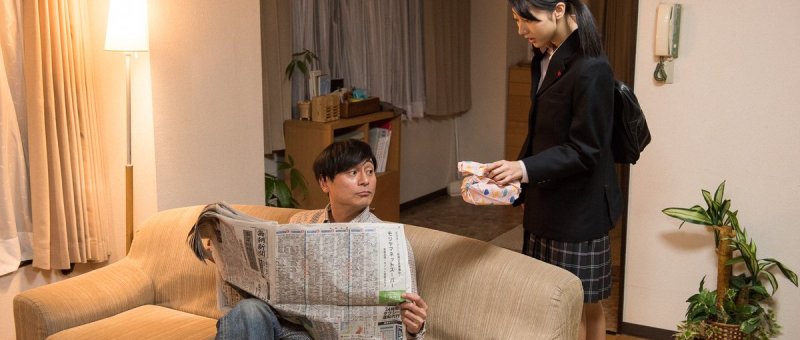
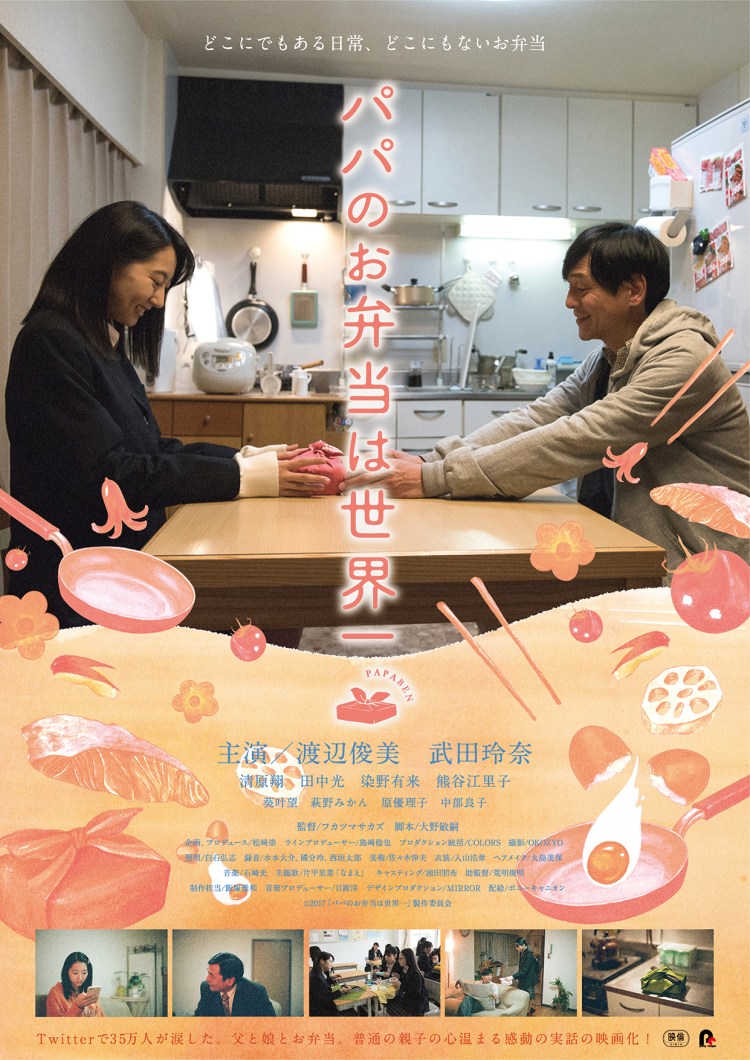
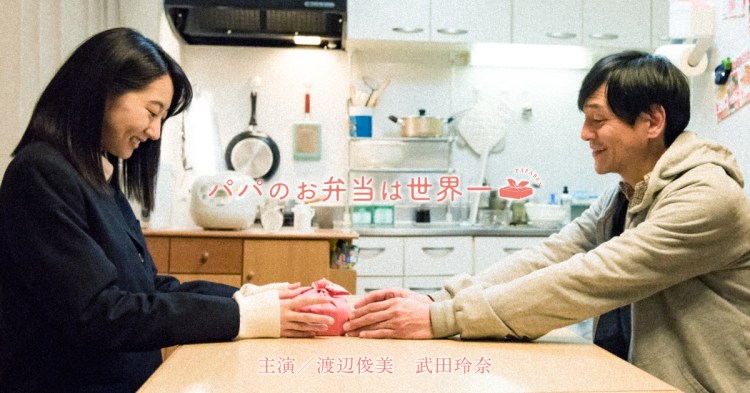 Inspired by a viral news story, Masakazu Fukatsu’s cheerful drama stars former hip hop idol Toshimi Watanabe in a role somewhat echoing his own life seeing as he too published a best selling book filled with pictures of the bento he lovingly crafted for his teenage son. Here he plays a divorced dad doing his best to master the traditionally female art of homemade lunch boxes.
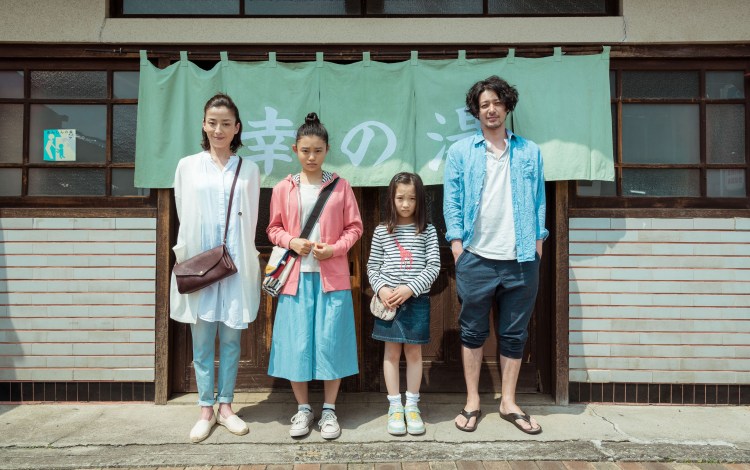 Capturing Dad’s Ryota Nakano turns his attention mum! Rie Miyazawa stars as a struggling recently single mother whose husband has run off with another woman that he supposedly got pregnant during a drunken one night stand. Diagnosed with terminal cancer, she sets herself to repairing her fractured family while also resurrecting the family bathhouse in the process.
 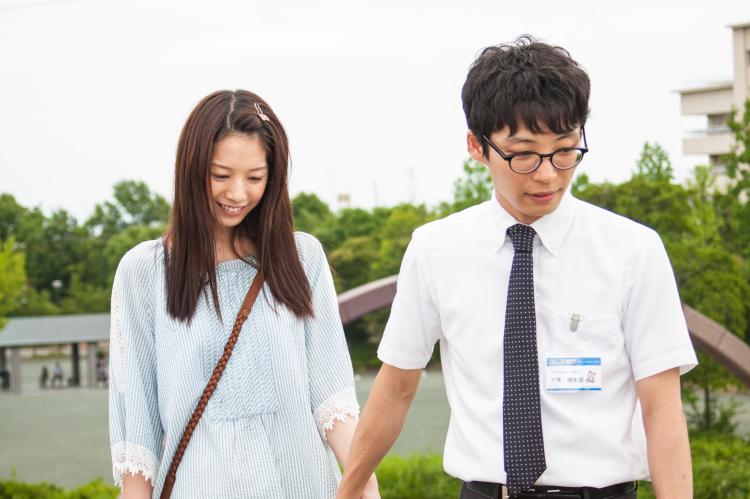 Kentaro, 30-something and single, lives a solitary and isolated life, showing little sign of finding a wife and settling down while his career continues to stagnate. Fearing he will be alone all his life, his parents decide to go to a support group for the similarly afflicted hoping to find a candidate for an arranged marriage. They find only one – Naoko, the daughter of a high ranking salaryman. Naoko’s parents do not disclose the fact that their daughter is blind and also disapprove of Kentaro whom they regard as socially inferior. Nevertheless the pair meet and fall in love but can they overcome the various obstacles to their romance?
 A small town decides to join a scheme to rehome ex-cons in order to combat rural depopulation but fearing that the local community might not accept the new arrivals if they knew where they came from, the authorities decide to keep it a secret. Prejudice and pragmatism go head to head in Daihachi Yoshida’s adaptation of the manga by Yamagami Tatsuhiko and Igarashi Mikio.
  Unmarried pregnant daughter Yuko scandalises her community when she returns home to participate in the bone washing ritual in the second feature from Okinawan comedian Toshiyuki Teruya.
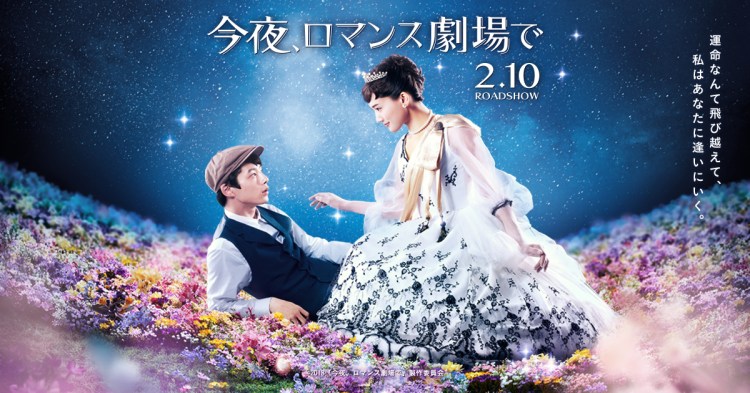 Haruka Ayase and Kentaro Sakaguchi star in a glitzy tribute to the world of golden age cinema! Sakaguchi plays a struggling assistant director failing to make it in the rapidly declining ’60s film industry while dreaming black and white dreams of a more glamorous era. Then, to his surprise, his favourite leading lady steps out of the silver screen and into his technicolor world…
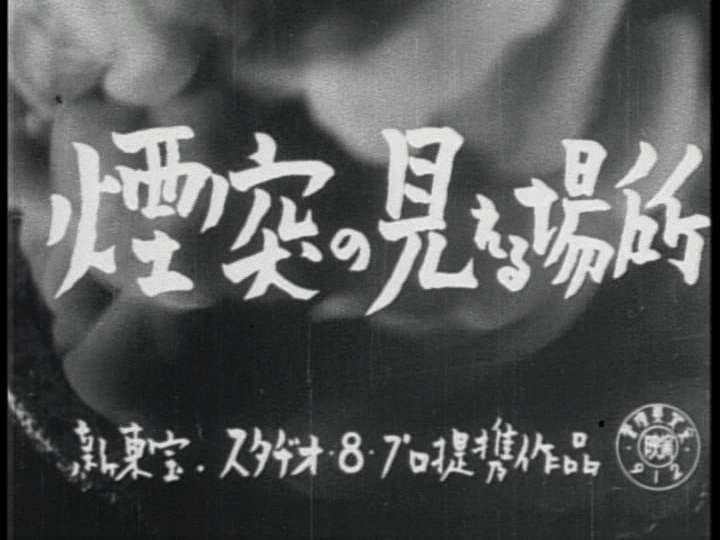 Classic from Heinosuke Gosho centring on a collection of people living in a shared house and attempting to survive in the complicated post-war landscape. Ogata (Ken Uehara) is happily married to Hiroko (Kinuyo Tanaka) but begins to doubt her when he learns that she has secretly taken a job at the bicycle races to supplement the family income while the unexpected arrival of an abandoned baby raises another series of questions.
 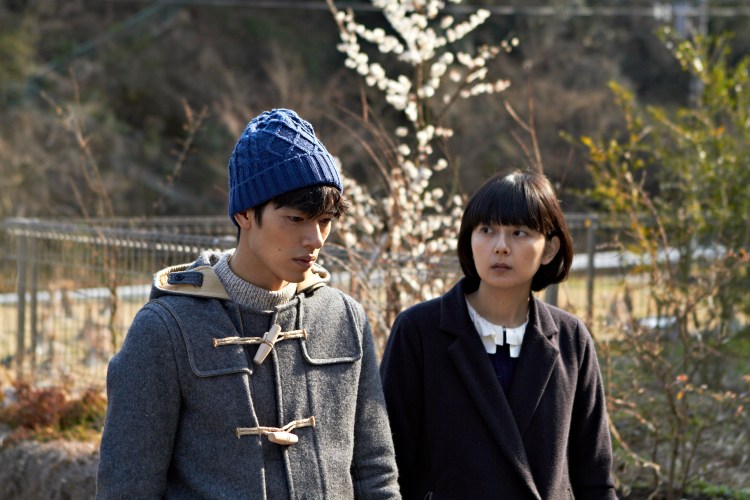 Midori and Masao are 28 years old and they’ve been a couple for four years. With the fire going out of their relationship they consider breaking up but then Midori discovers she is pregnant. Shotgun wedding in the offing, impending parenthood begins to bring them closer together as they finally take the time to get to know each other in the second feature from Yukiko Sode.
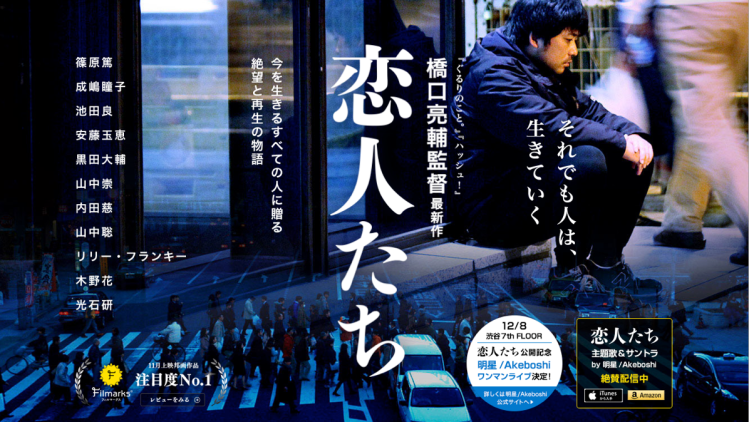 The most recent film from
 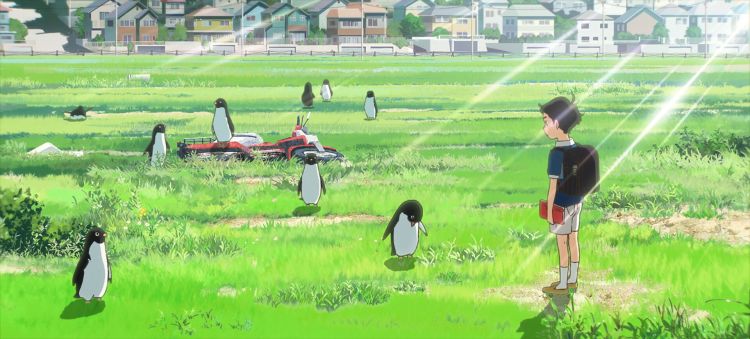 A hyperrational 10-year-old is puzzled by the sudden appearance of a bunch of random penguins in the middle of a hot Japanese summer and tries to solve the mystery all while nursing an adolescent crush on a pretty dental receptionist in Hiroyasu Ishida’s adaptation of the Tomihiko Morimi novel.
 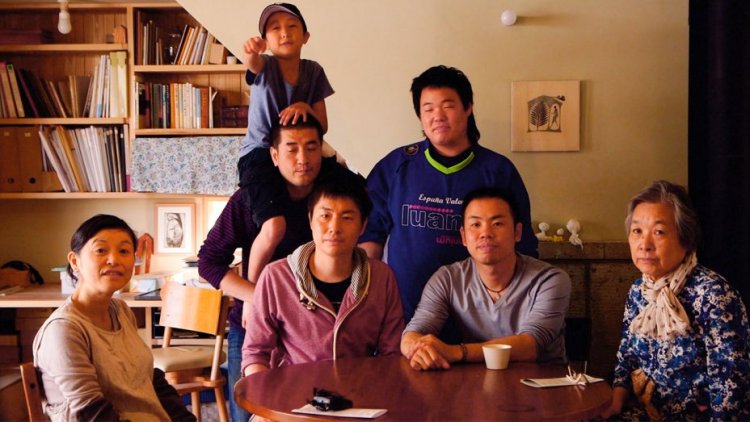 Love Hotel’s Hikaru Toda reunites with Fumi and Kazu who run a law firm in Japan specialising in minority issues and particularly those of the LGBT community.



 Windows on Worlds