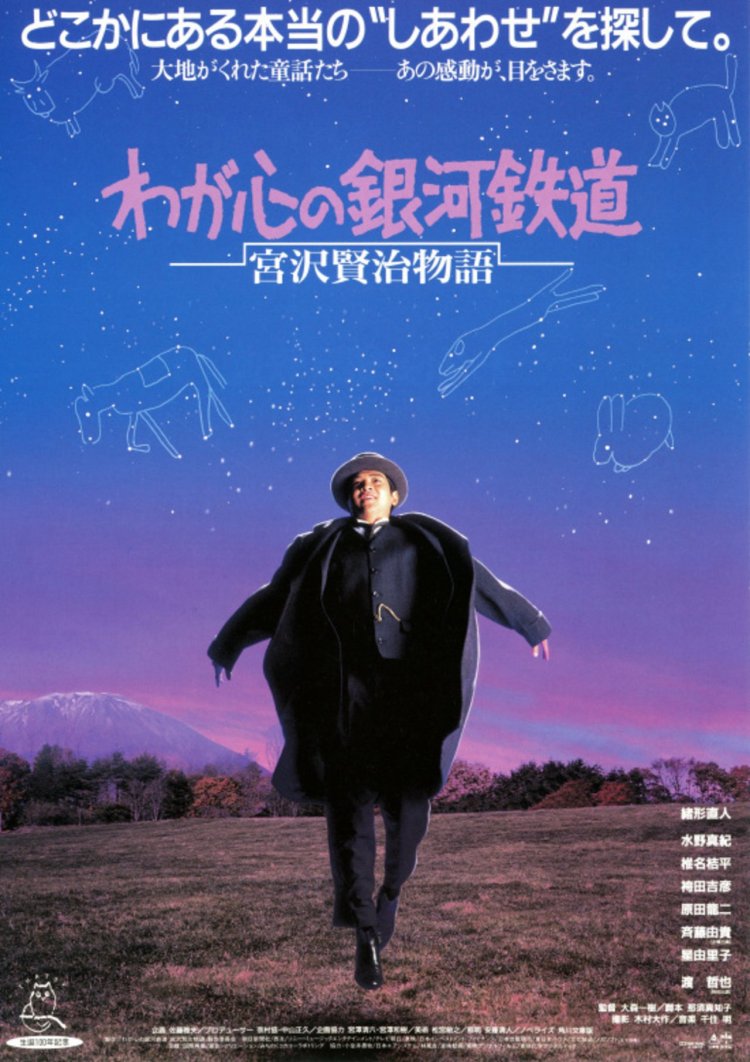
 Kenji Miyazawa is one of the giants of modern Japanese literature. Studied in schools and beloved by children everywhere, Night on the Galactic Railroad has become a cultural touchstone but Miyazawa died from pneumonia at 37 years of age long before his work was widely appreciated. Night Train to the Stars (わが心の銀河鉄道 宮沢賢治物語, Waga Kokoro no Ginga Tetsudo: Miyazawa Kenji no Monogatari), commissioned to mark the centenary of Miyazawa’s birth, attempts to tell his story, set as it is against the backdrop of rising militarism.
An aimless if idealistic young man, Miyazawa (Naoto Ogata) is at once fiercely religious and interested in mildly left-wing, agrarian politics. Together with a close friend, Kanai, he dreams of building a village utopia in which a community of farmers works the land enjoying peace and prosperity free of the oppression of landlords. The eldest son of a money lender, Miyazawa does not approve of his father’s profession and attempts to show him up by interfering in his business but only succeeds in showing his own naivety and though he has an especially close relationship with his older sister Toshi (Maki Mizuno), Miyazawa longs for pastures new but never manages to stick at anything for very long. After failing to join a religious sect in Tokyo, he returns home to start an agrarian school which will teach ordinary famers’ sons the joys of the arts.
Miyazawa had seemingly always been a strange, ethereal presence – a drunken guest at his family home mocks the way he used to wander around town robotically banging his toy drum as a child, and it’s clear he doesn’t fit within any of the environments he attempts to carve out for himself save the solitary cabin where he later begins his personal agrarian experiment. As the eldest son of the family it would be expected that Miyazawa take over the family business but there just isn’t any way he could. Second son Seiroku (Ryuji Harada) later adopts the familial responsibilities, even if remaining committed to his brother’s legacy by collating and publishing his work following Miyazawa’s death.
Miyazawa’s strangeness extends to his diet – he’s a strict vegetarian thanks to his attachment to Nichizen Buddhism. Intense religiosity remains a central part of Miyazawa’s life but it’s often one that’s hard to integrate with his other relationships. Not content with leading by example, Miyazawa is continually trying to convert his reluctant friends and family to his own beliefs, refusing to take their polite refusals seriously. Though his father simply ignores Miyazawa’s pleas and accepts them as a part of his strangeness, other friends are not so tolerant. One even eventually decides to sever the friendship entirely, giving the young Miyazawa a painful station platform lecture on the true nature of friendship. Berating him for the fact his letters are essentially all about himself and his religious claptrap, his friend reminds him that true friendship is accepting someone for what they are, implying that he’s not a trophy to be won for the cause of Nichizen Buddhism and has his own beliefs and causes which are just as valid as Miyazawa’s.
Yet even if sometimes misguided, Miyazawa’s intensions are altruistic. His is a love of the world, of dreams, and nature and people too though something in him has never quite felt at home in conventional society. Miyazawa’s writing is more an artistic pursuit than an attempt at a literary occupation – his first published volume sold so badly he felt guilty enough to get himself in debt buying all his own books so that the publishing company wouldn’t be out of pocket after supporting him. The son of wealthy family, Miyazawa could perhaps afford to indulge his eccentric ideas but the same is not true for all as he finds out when visiting the home of a pupil who is considering giving up his studies because of an alcoholic parent. Miyazawa offers to pay his tuition for him, but the boy turns him down, studying is a frivolous affectation that he can no longer afford.
Though he talks of romance, Miyazawa prefers the one of the mind to the one of the heart. A young woman falls in love with his writings and, she thinks, with him though Miyazawa explains that her feelings are too big for him to process – just as one cannot eat all the clouds in the sky, he cannot accept the weight of her emotion. Knowing that his health is failing, Miyazawa chooses a fantasy, idealised love over a physical one he fears he will abandon, cleaving to the beauty of the landscape rather than those who people it.
On his deathbed Miyazawa asks his family to throw his notebooks away – he only kept them to try and figure things out but he feels as if he knows all he needs to know by now. Miyazawa’s constant search, as it was for the characters of Night on the Galactic Railroad, was for “true happiness” – perhaps he found it, perhaps not, but thankfully his work lived on thanks to his brother who later took up his interest in agricultural reforms. A typical prestige picture of the time, Night Train to the Stars is a straightforward biopic but one which also bears out Miyazawa’s dreamlike world view with all of its strangeness and wonder.
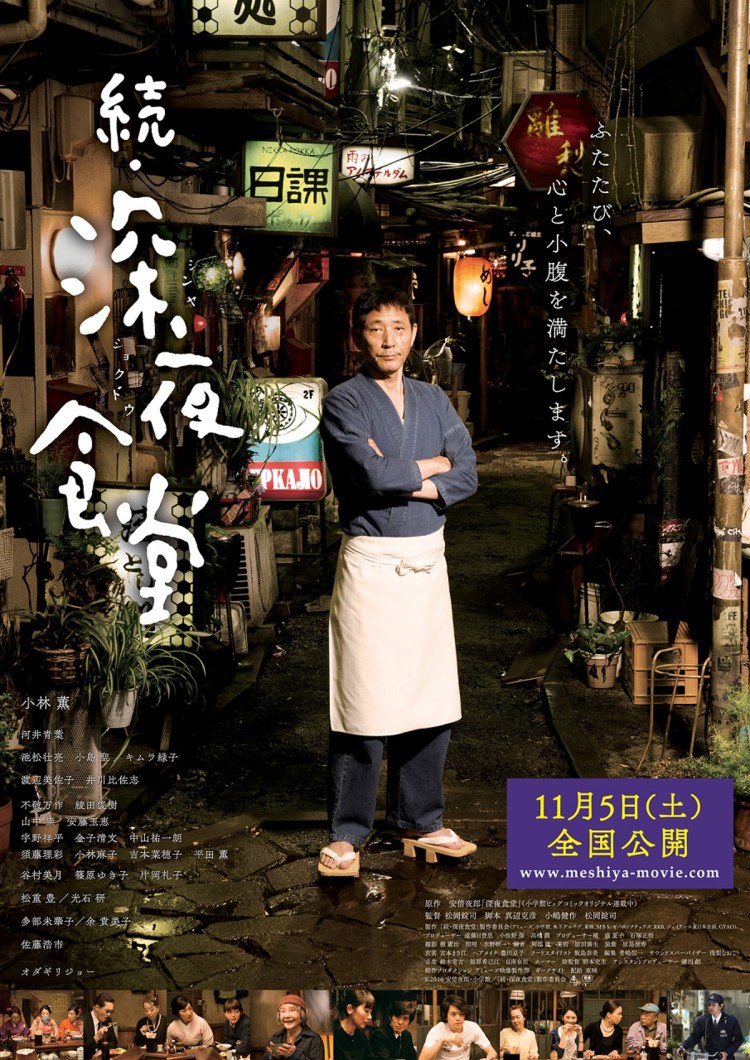 The Midnight Diner is open for business once again. Yaro Abe’s eponymous manga was first adapted as a TV drama in 2009 which then ran for three seasons before heading to the
 It’s Not Her Sin (그 여자의 죄가 아니다, Geu yeoja-ui joega anida) is, in contrast to its title, nowhere near as dark or salacious as the harsher end of female melodramas coming out of Hollywood in the 1950s. It’s not exactly clear to which of the central heroines the title refers, nor is it clear which “sin” it seeks to deny, but neither of the two women in question are “bad” even if they have each transgressed in some way. Drawing inspiration from the murkiness of a film noir world, Shin Sang-ok adapts the popular novel by Austrian author Gina Kaus by way of a previous French adaptation, Conflit. Shin sets his tale in contemporary Korea, caught in a moment of transition as the nation, still rebuilding after a prolonged period of war and instability, prepares to move onto the global stage while social attitudes are also in shift, but only up to a point.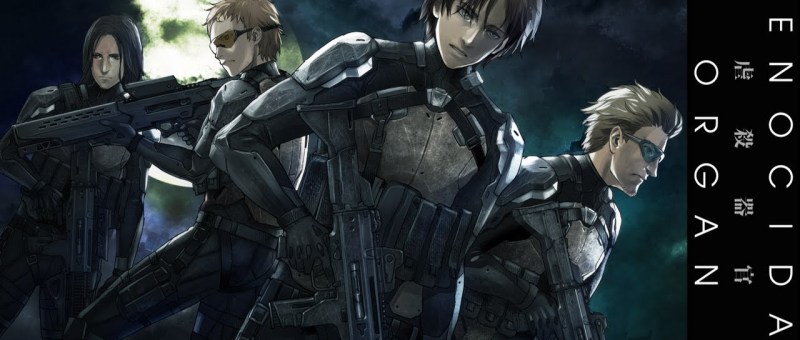
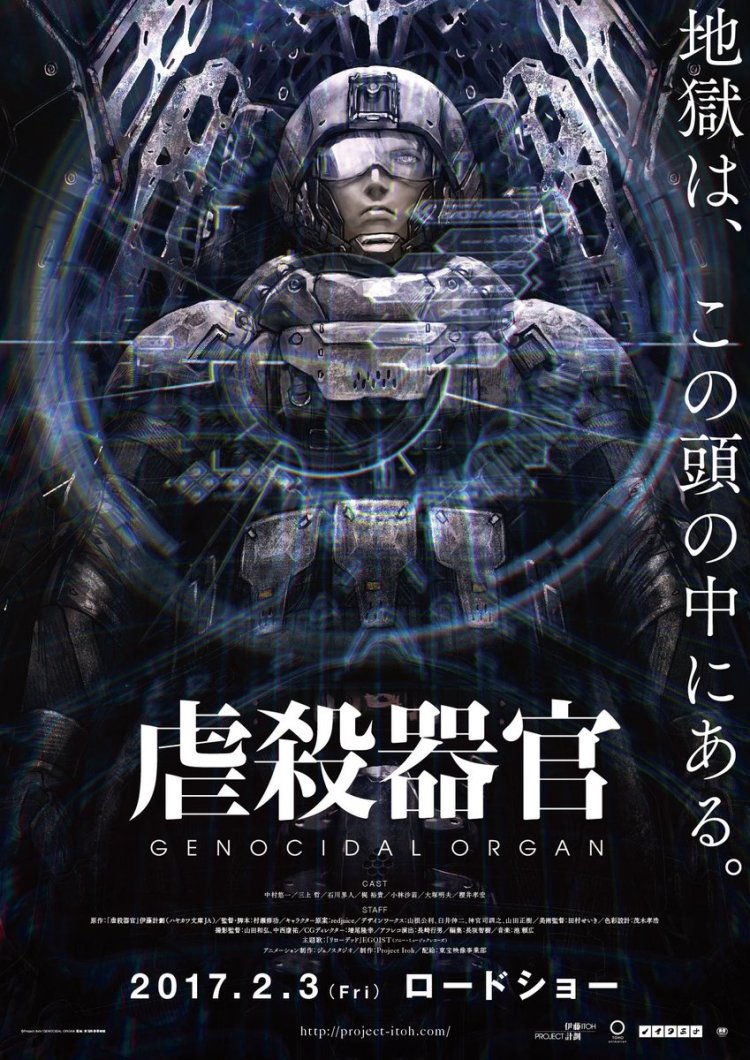 History books make for the grimmest reading, subjective as they often are. Science fiction can rarely improve upon the already existing evidence of humanity’s dark side, but Genocidal Organ (
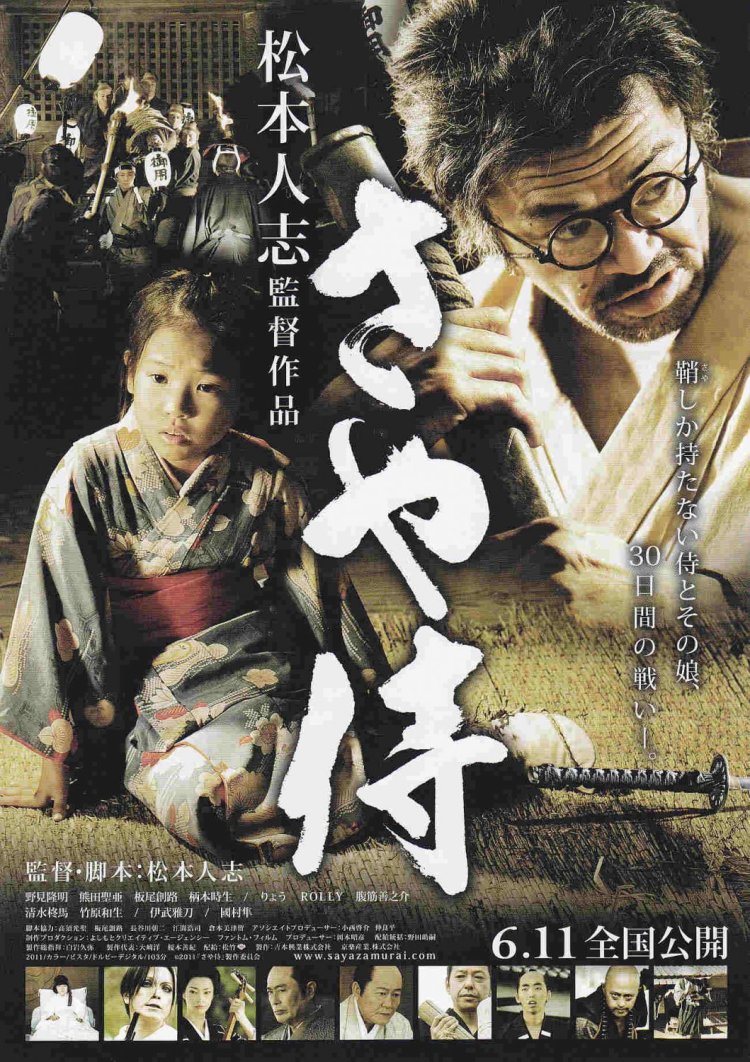 A samurai’s soul in his sword, so they say. What is a samurai once he’s been reduced to selling the symbol of his status? According to Scabbard Samurai (さや侍, Sayazamurai) not much of anything at all, yet perhaps there’s another way of defining yourself in keeping with the established code even when robbed of your equipment. Hitoshi Matsumoto, one of Japan’s best known comedians, made a name for himself with the surreal comedies Big Man Japan and
 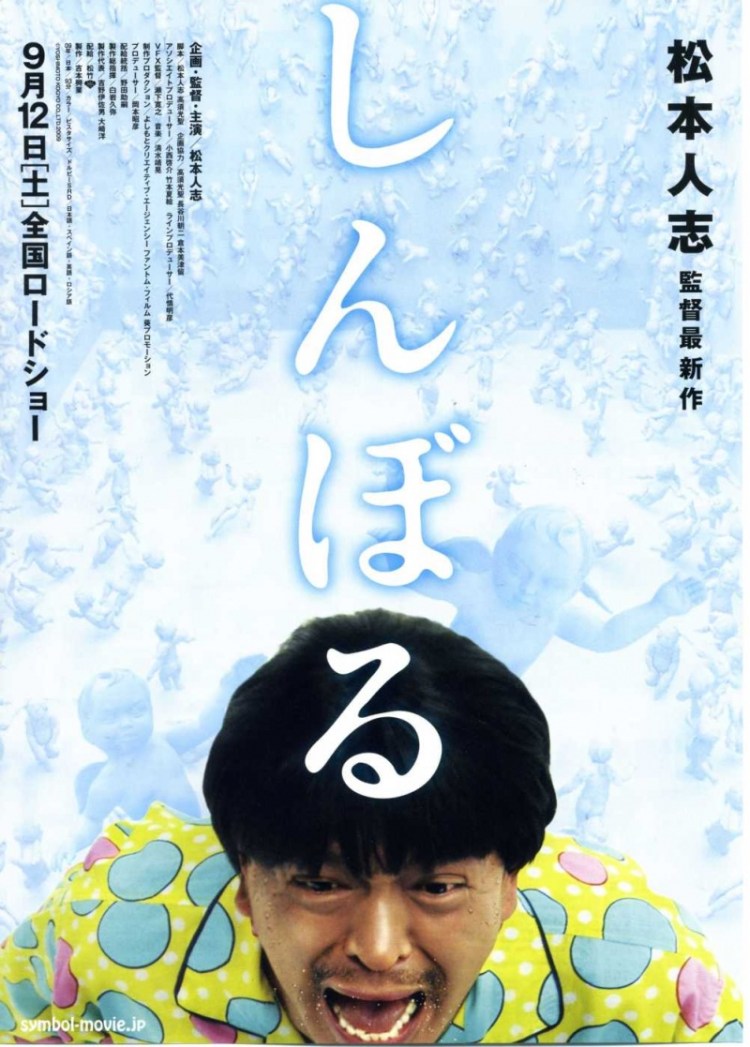 Symbol (しんぼる) – one thing which stands for another, sacrificing its own nature in service of something else. Hitoshi Matsumoto waxes philosophical in his follow up to Big Man Japan. Life, the universe, and everything converge in the seemingly unrelated tales of an unsuccessful Mexican luchador, and a confused Japanese man trapped in a surrealist nightmare. As expected, these two strands eventually meet, though not quite as one might expect.
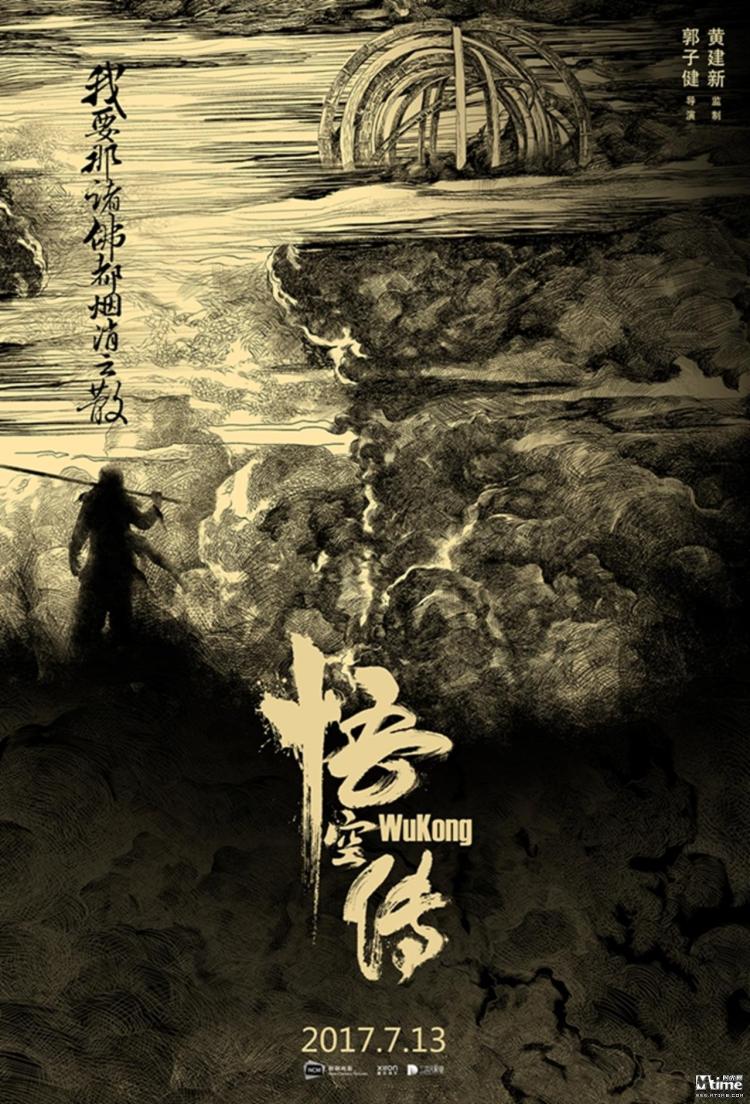 As it stands, contemporary Chinese cinema is veering dangerously close to Monkey King fatigue. Stephen Chow brought his particular sensibilities to the classic Journey to the West before Donnie Yen put on a monkey suit for
  “It’s not all about tofu!” screams the heroine of Akanezora: Beyond the Crimson Sky (あかね空), a film which is all about tofu. Like tofu though, it has its own subtle flavour, gradually becoming richer by absorbing the spice of life. Based on a novel by Ichiriki Yamamoto, Akanezora is co-scripted by veteran of the Japanese New Wave, Masahiro Shinoda and directed by Masaki Hamamoto who had worked with Shinoda on Owl’s Castle and Spy Sorge prior to the director’s retirement in 2003. Like the majority of Shinoda’s work, Akanezora takes place in the past but echoes the future as it takes a sideways look at the nation’s most representative genre – the family drama. Fathers, sons, legacy and innovation come together in the story of a young man travelling from an old capital to a new one with a traditional craft he will have to make his own in order to succeed.
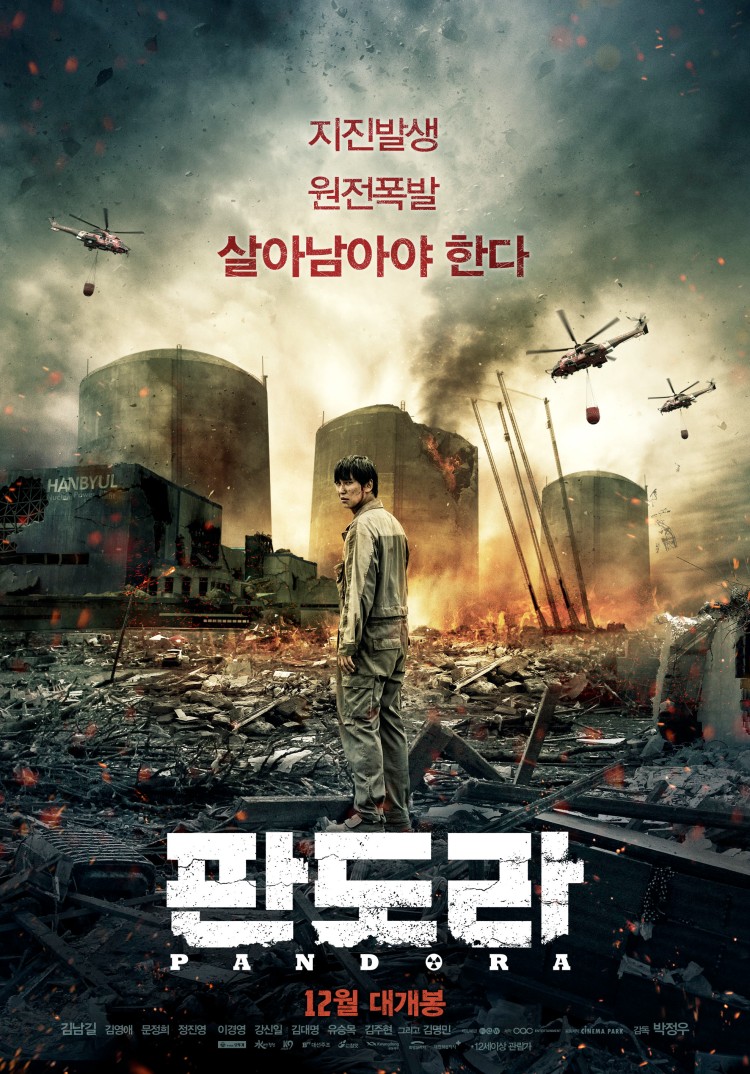 In a time of crisis, the populace looks to the government to take action and save the innocent from danger. A government, however, is often forced to consider the problem from a different angle – not simply saving lives but how their success or failure, decision-making process, and ability to handle the situation will be viewed by the electorate the next time they are asked who best deserves their faith and respect. Pandora (판도라) arrives at a time of particularly strained relations between the state and its people during which faith in the ruling elite is at an all time low following a tragic disaster badly mishandled and seemingly aided by the government’s failure to ensure public safety. Faced with an encroaching nuclear disaster to which their own failure to heed the warnings has played no small part, Pandora’s officials are left in a difficult position tasked with the dilemma of sacrificing a small town to save a nation or accepting their responsibility to their citizens as named individuals. Unsurprisingly, they are far from united in their final decision.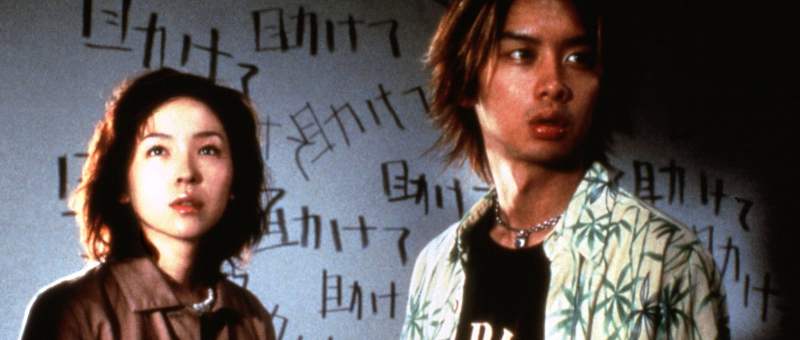
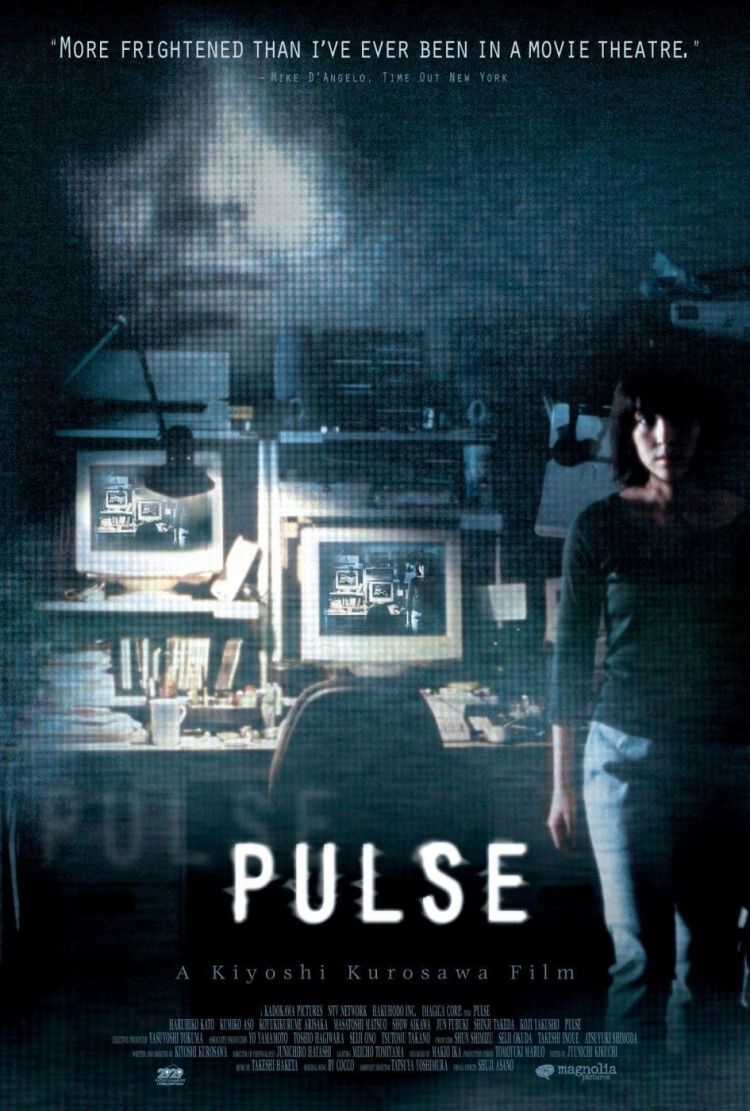 Times change and then they don’t. 2001 was a strange year, once a byword for the future it soon became the past but rather than ushering us into a new era of space exploration and a utopia born of technological advance, it brought us only new anxieties forged by ongoing political instabilities, changes in the world order, and a discomfort in those same advances we were assured would make us free. Japanese cinema, by this time, had become synonymous with horror defined by dripping wet, longhaired ghosts wreaking vengeance against an uncaring world. The genre was almost played out by the time Kiyoshi Kurosawa’s Pulse (回路, Kairo) rolled around, but rather than submitting himself to the inevitability of its demise, Kurosawa took the moribund form and pushed it as far as it could possibility go. Much like the film’s protagonists, Kurosawa determines to go as far as he can in the knowledge that standing still or turning back is consenting to your own obsolescence.
 Windows on Worlds