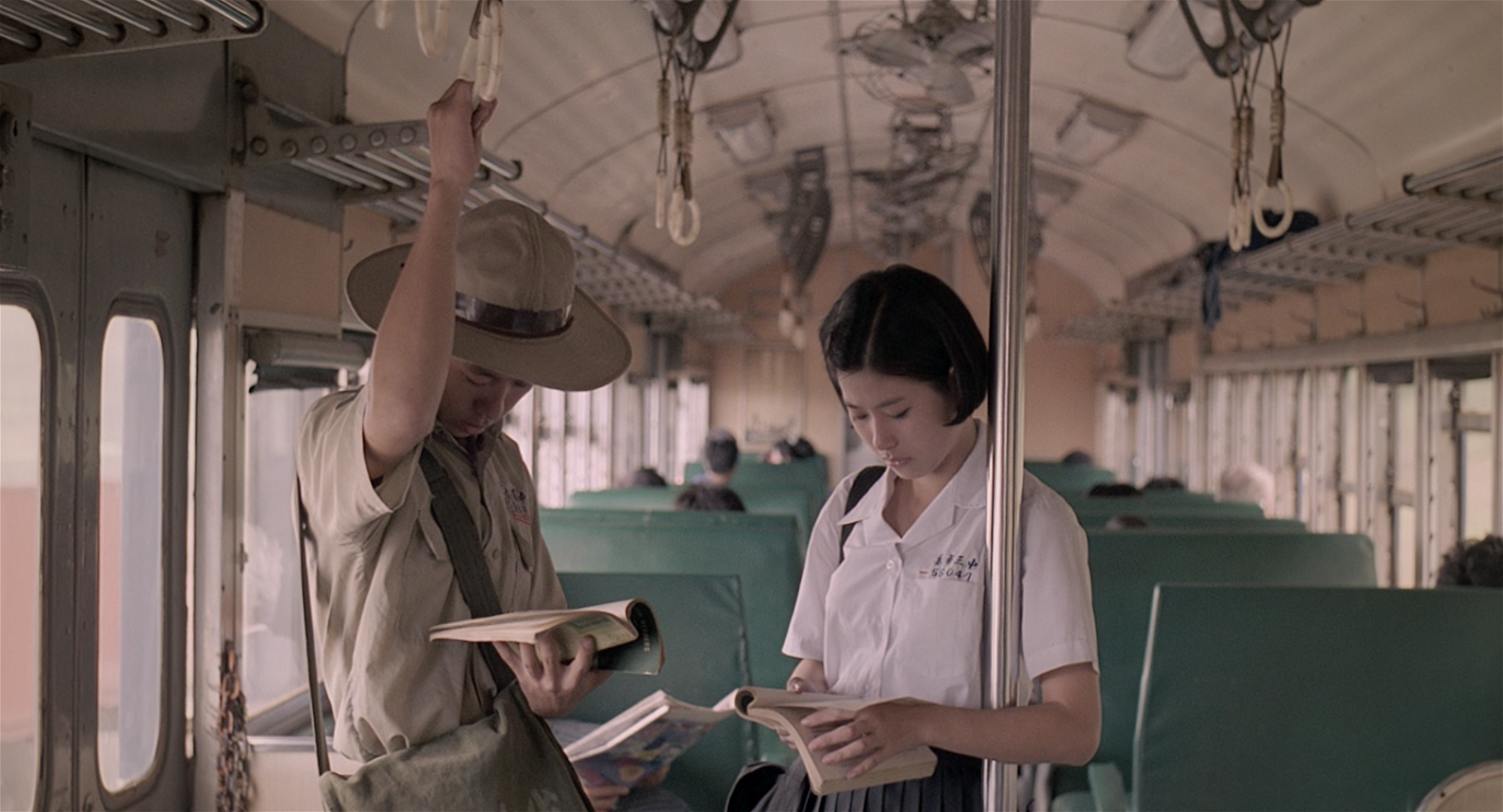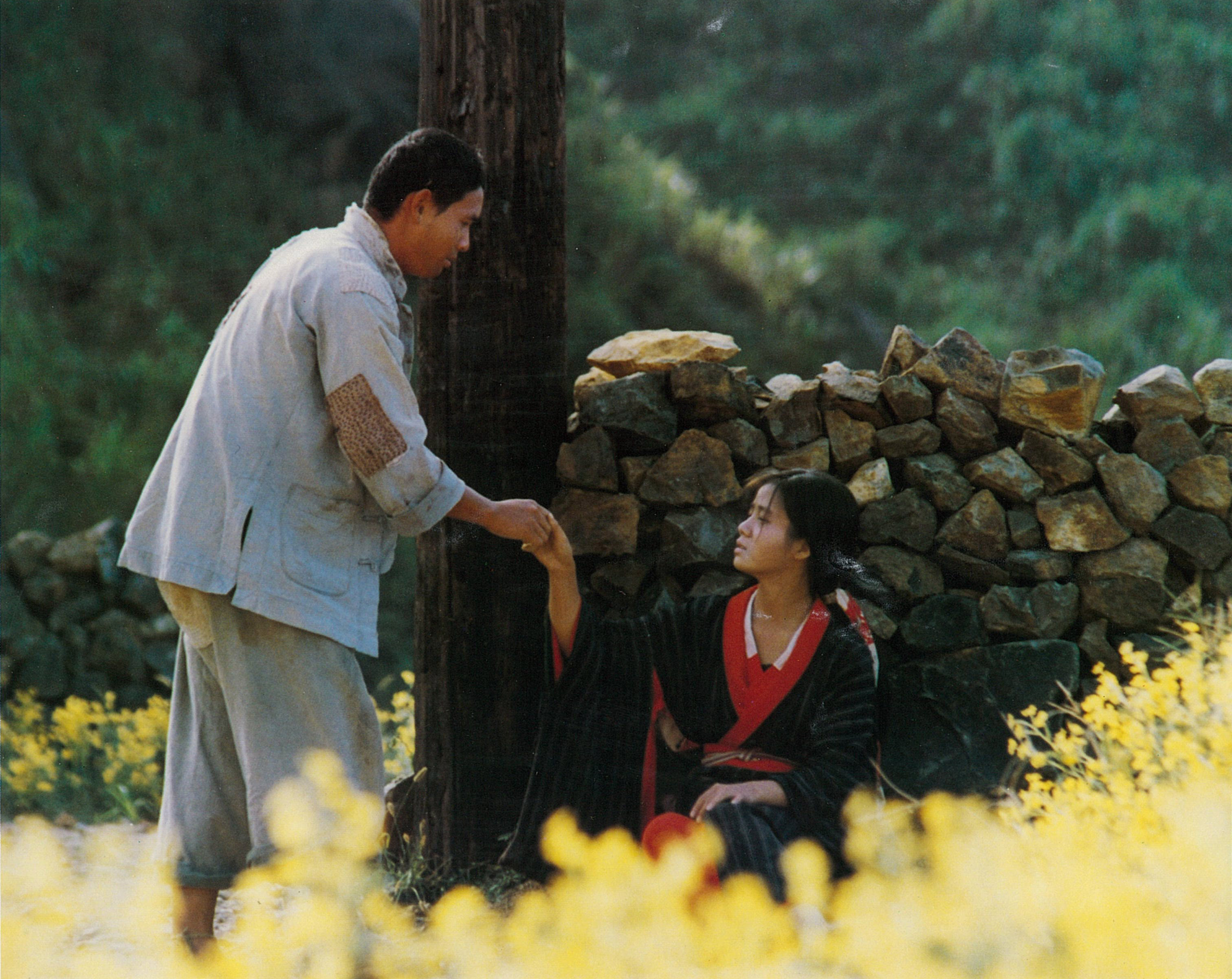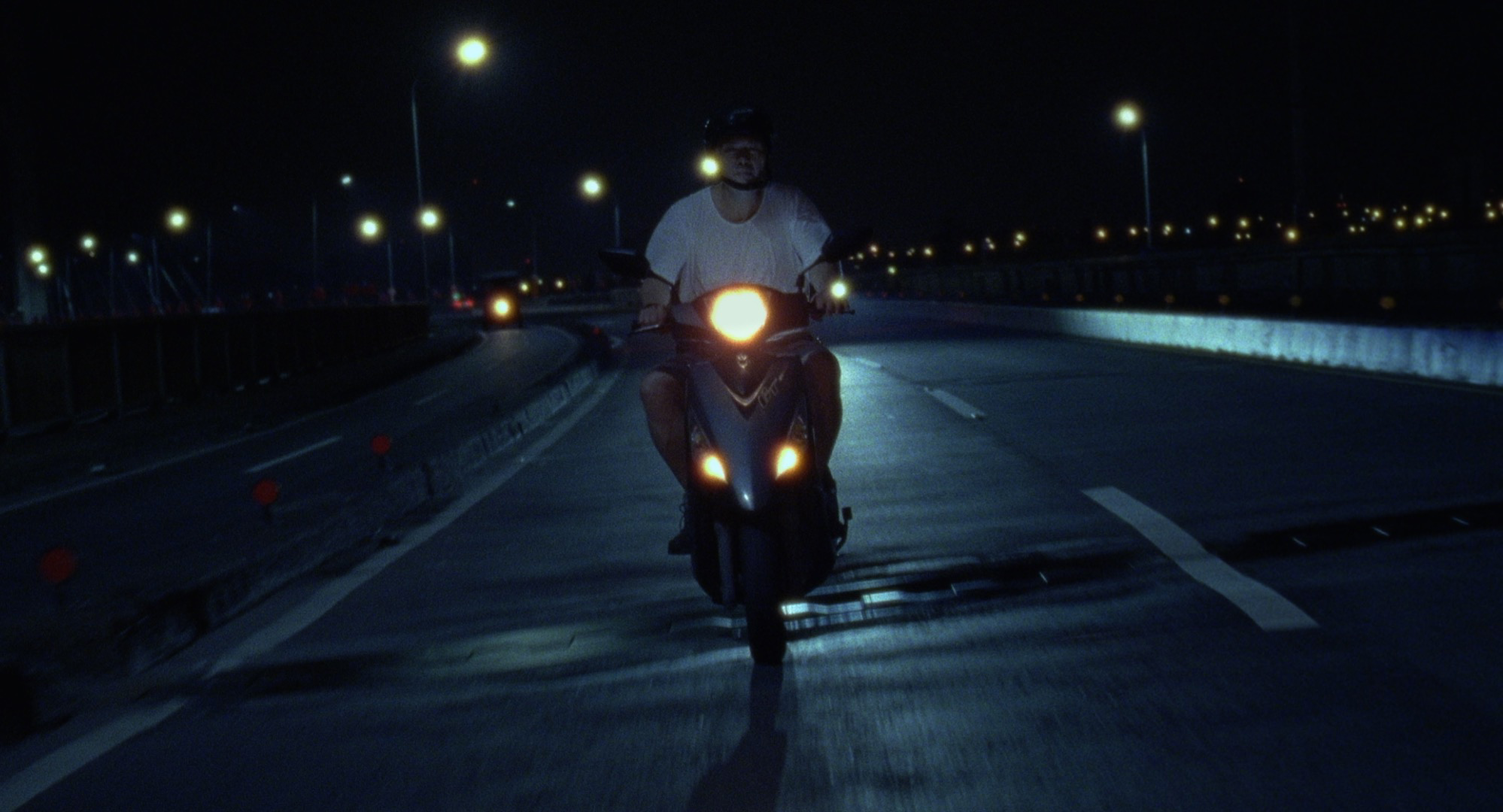
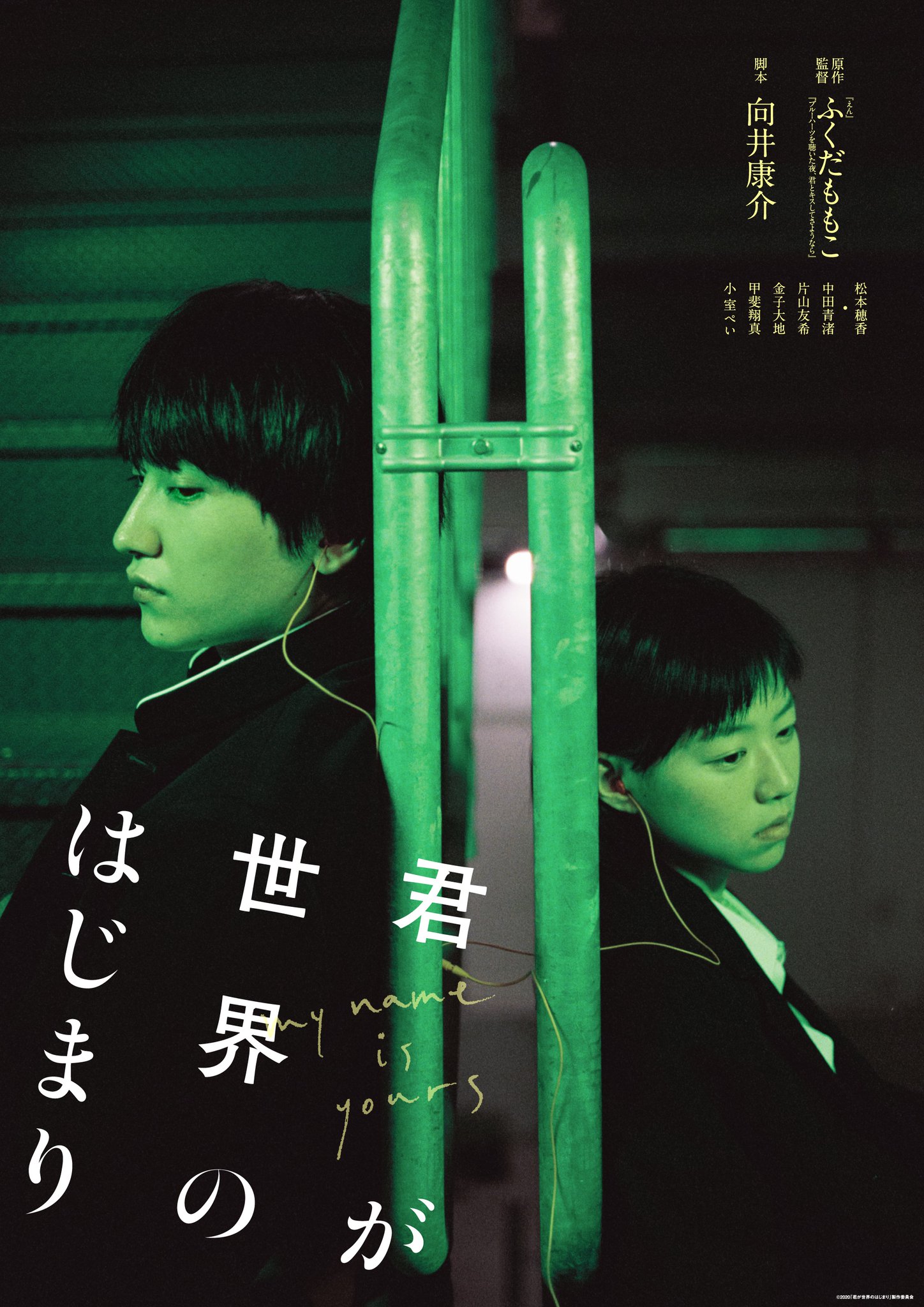
My Name is Yours (君が世界のはじまり, Momoko Fukuda, 2020)

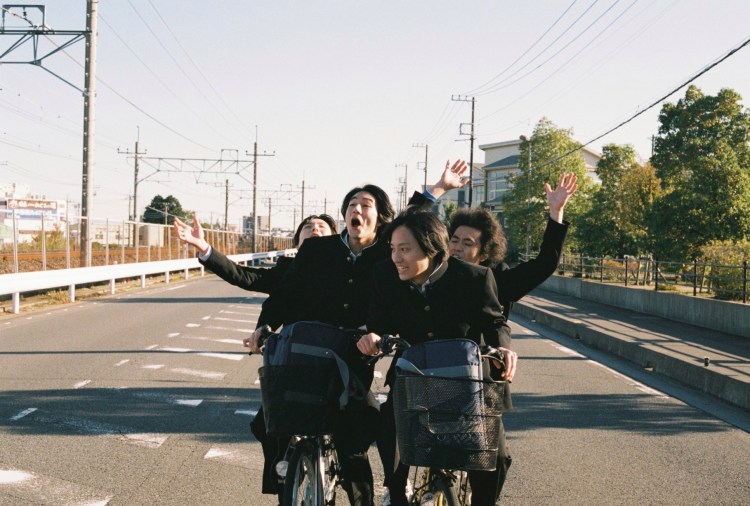
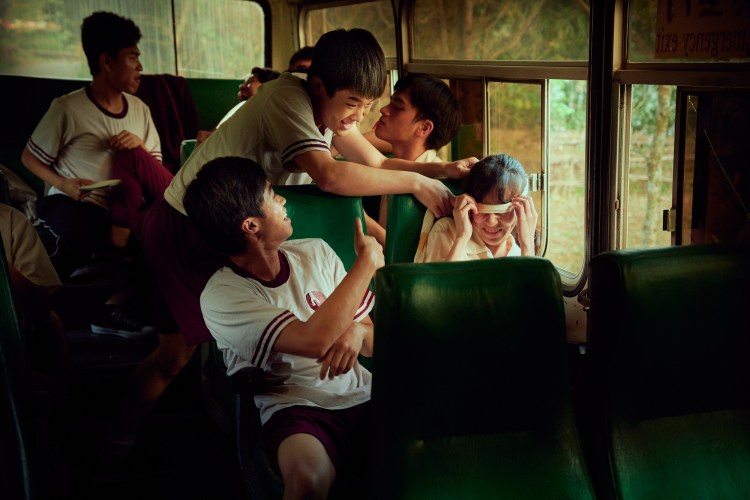
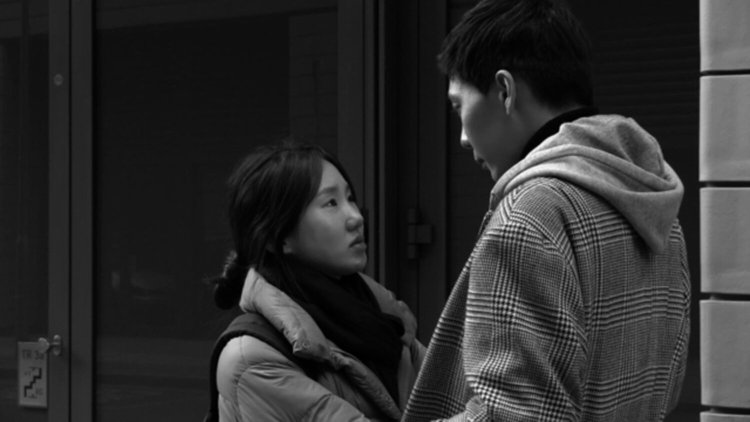
A collection of Osaka teens process adolescent angst and generational anxiety but in the end find a gentle solidarity in their shared suffering while resolving to be kind in Momoko Fukuda’s adaptation of her own novel, My Name is Yours (君が世界のはじまり, Kimi ga Sekai no Hajimari). “People are unknowable” they solemnly resolve, admitting that you never really know anyone but later making an effort to share their secrets, if only gently, bonding in a new sense of openness as they begin to move forward into a brighter future. 

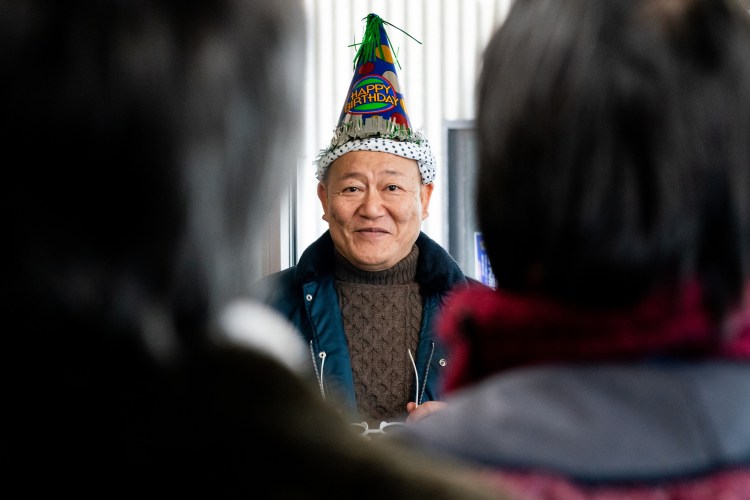
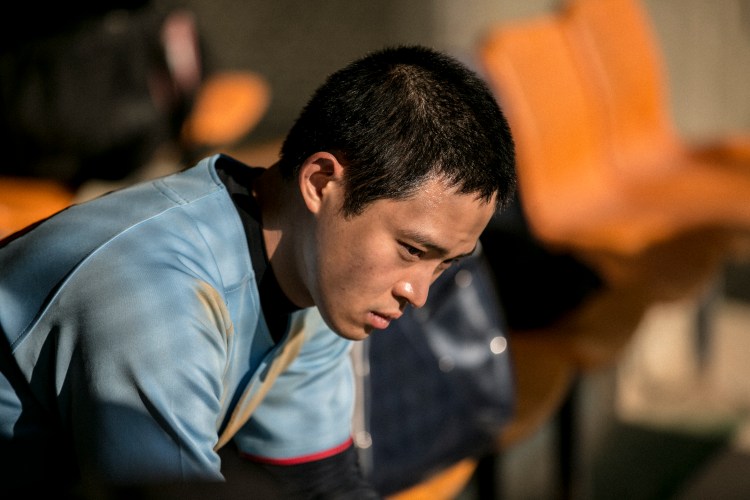
Fukuda opens however with a scene of crime as a high school student is arrested for the murder of their father. As we discover, several of the teens could be potential suspects, each in someway resentful of their dads though for very different reasons. Recently transferred Tokyo boy Io (Daichi Kaneko), mocked for his accent, is involved in some kind of hugely inappropriate sexual relationship with his middle-aged step mother as accidentally witnessed by moody classmate Jun (Yuki Katayama) hanging round the shopping mall in order to avoid going home to her overly domesticated dad (Kanji Furutachi ) whom she blames for her mother’s decision to leave the family. Narihira (Pei Omuro), meanwhile, was abandoned by his mother soon after birth and is sole carer to his father who seems to be suffering with early onset dementia. 

Childhood best friends En/Yukari (Honoka Matsumoto) and Kotoko (Seina Nakata) first encounter Narihira in their secret hideout, a disused school library, having a private cry leading Kotoko to fall madly in love publicly dumping her current boyfriend with extreme prejudice seconds later. Meanwhile, En becomes an accidental confidant to nice guy Okada (Shouma Kai) who has received a mysterious love letter he doesn’t quite understand because it’s come in the form of a classical poem only for Okada too to fall for Kotoko while Narihira seems to prefer En. 

Love triangles aside, each of the teens has their private sorrows some more secret than others but nevertheless producing chain reactions of their own in their inability to express themselves fully. But as angry and frustrated as they are, they still want to be kind if more to others than themselves. “If I only think about my own freedom how can I be kind to others?” Narihira sadly reflects confessing his occasional resentment in trying to care for his father. Even Io, seemingly realising how inappropriate his relationship with his step mother is, resolves that he wants to be kind to her despite the harm she may be doing him. “Wanting to hurt other people is absurd” he claims, unable to understand the impulse to exorcise his frustration through violence. 

Narihira attributes his salvation to having met En, explaining that in a sense she opened up a new world in giving him the courage to talk about his father sharing the secret with Okada who told the coach on their sports team who told him about a facility that might be able to help. Yet Narihira also begins to disrupt the previously close relationship between En and Kotoko, leaving Kotoko feeling jealous and En confused it seems on more than on level as the unexpectedly perspicacious Okada seems to have figured out forcing her in turn to reckon with and accept her own unspoken feelings. 

Taking refuge in a darkened shopping mall overnight, the teens unexpectedly bond through a musical performance of the classic Blue Hearts track Hito ni Yasashiku with its melancholy yet cheerful chorus encouraging each other to hang in there, remaining kind in a world which often isn’t. “Well, I can’t say for sure. Nobody can.” an amused secretary guard honestly answers asked by one of the teens if the mall will be torn down, his refreshingly direct answer perhaps adding to their new sense of confidence even in the face of the world’s uncertainty. A gentle, quietly nostalgic coming-of-age tale, Fukuda’s Osaka-set lowkey yet stylishly moody drama begins with violent darkness but ends in bright sunlight, the teens each finding a sense of equilibrium having come to new understandings about themselves and those around them bolstered by a youthful solidarity. Some secrets it seems still cannot quite be shared, but friendships resolve themselves all the same if in unexpected ways allowing a melancholy intensity to dissipate into a sad if fervent hope for the future. 


My Name is Yours screened as part of this year’s Camera Japan

Original trailer (English subtitles)

Hito ni Yasashiku music video

The Blue Hearts – Hito ni Yasashiku

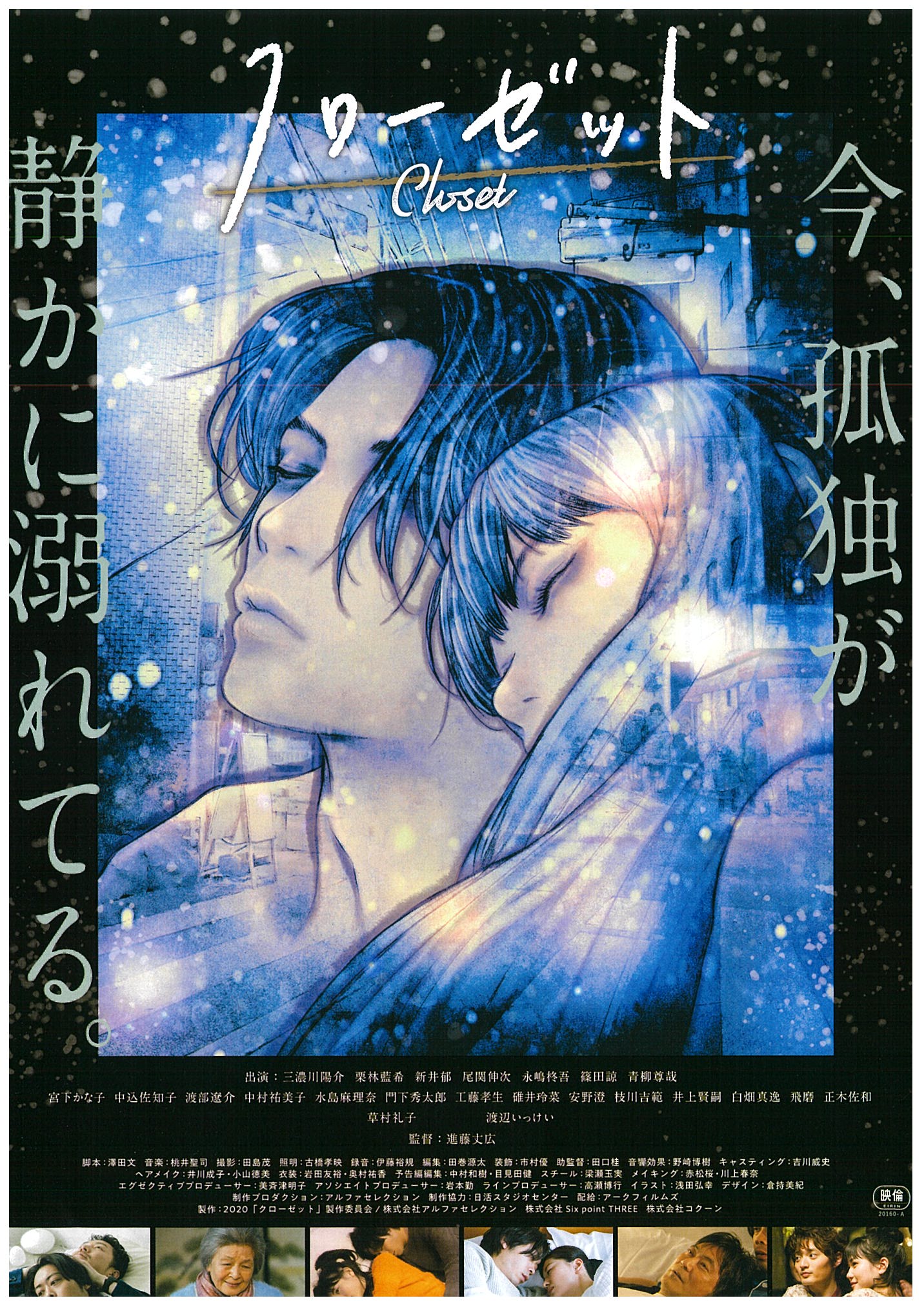
Closet (クローゼット, Takehiro Shindo, 2020)

“Everyone has their own closet” according to a bereaved older man sympathetically reflecting on a life half lived. The wounded hero of Takehiro Shindo’s Closet (クローゼット) is about to discover he may have a point as he works through his own issues, finally coming to an understanding of the true nature of intimacy before learning to open himself up to living life true to himself realising that perhaps his very ordinary dream is not as hopeless as he thought it was if only he can bring himself to put his male pride aside. 

Returning to Tokyo following a failed engagement, Jin (Yosuke Minogawa) finds himself taking on an unusual line of work on the invitation of an old friend, embarking on a career as a sleep companion. Essentially, he’s there to lie beside a lonely person offering a safe and supportive space where they can relax and be their authentic selves free from the judgement they may otherwise receive from a friend or a lover. Ironically enough, Jin is a man of few words, his fiancée once asking him to be a little more sociable when her parents visit, which means he’s a good listener but slow to adapt to the true purpose of his work. His first client, a harried hospital worker, seemingly just wants to destress but mostly through having someone listen to her rant about workplace concerns and nod along sympathetically rather than offer earnest advice. As his boss Takagi (Shinji Ozeki) reminds him, it’s all about empathy, or at least telling them what they want to hear which may sound insincere but in another sense may not be. 

As the old man says, everyone has something they don’t really want to let out but the presence of the sleep companion is intended to ease the burden and provide temporary relief. Jo Shimoda (Ikkei Watanabe), is grieving for his late partner who remained in the closet for the entirety of their relationship leaving him now with nothing but intangible memories. He asks Jin to put on the other man’s pajamas, experiencing the warmth and comfort he misses from his absent lover and gaining through it the ability to begin moving on. Kaori (Iku Arai), meanwhile, is a harried executive, or at least she claims, apparently in love with a slightly younger colleague but unsure if her crush is appropriate while worrying that she’s in danger of missing the boat both in love and in her career. 

A young student from the country, Nanami (Aino Kuribayashi), on the other hand, is in search of the kind of comfort she does not receive from her no good boyfriend, realising only too late that his treatment of her is abusive and their relationship is built on exploitation. Jin had in a sense experienced something similar, ruining his relationship in a crisis of masculinity. It is of course he who also receives warmth and support through his role as a companion, but the job also allows him to reconfigure his idea of what it is to be a man in providing a sense of safety, protection, and comfort while engaging in a true intimacy that is not defined by sexuality.

Through their shared experiences, both Jin and the sleepless companions begin to grow in confidence, accepting themselves for who they are and preparing to move on into a more authentic future even if for some the path turns darker before it reaches the light. Stepping out of their individual closets, they no longer feel so insecure finally gaining the courage to live as their true selves no matter what anyone else might have to say about it in the knowledge that others too are also suffering and might be led out of it by their example. A gentle tale of the simple power of human intimacy to overcome a sense of existential loneliness and individual despair, Closet allows its reticent hero to find new meaning in the ability to accept from and give to others comfort while coming to terms with his own traumatic past in realising that he is not and never was defined by conventional ideas of masculinity and that he is not worthless solely because he is no longer able to fulfil them. Perhaps that small yet infinitely ordinary dream is not so out of reach after all. 


Closet screened as part of this year’s Camera Japan

Original trailer (no subtitles)

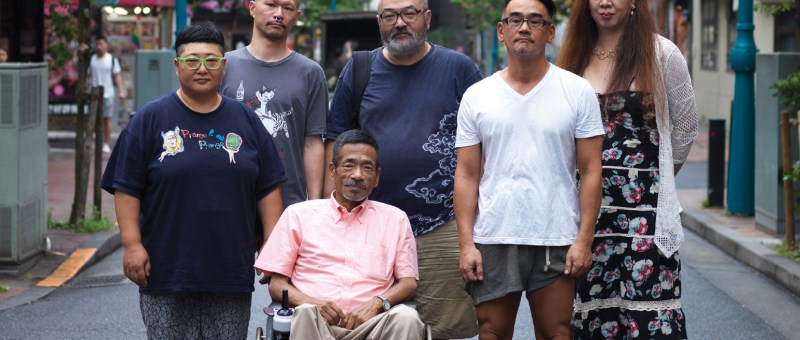
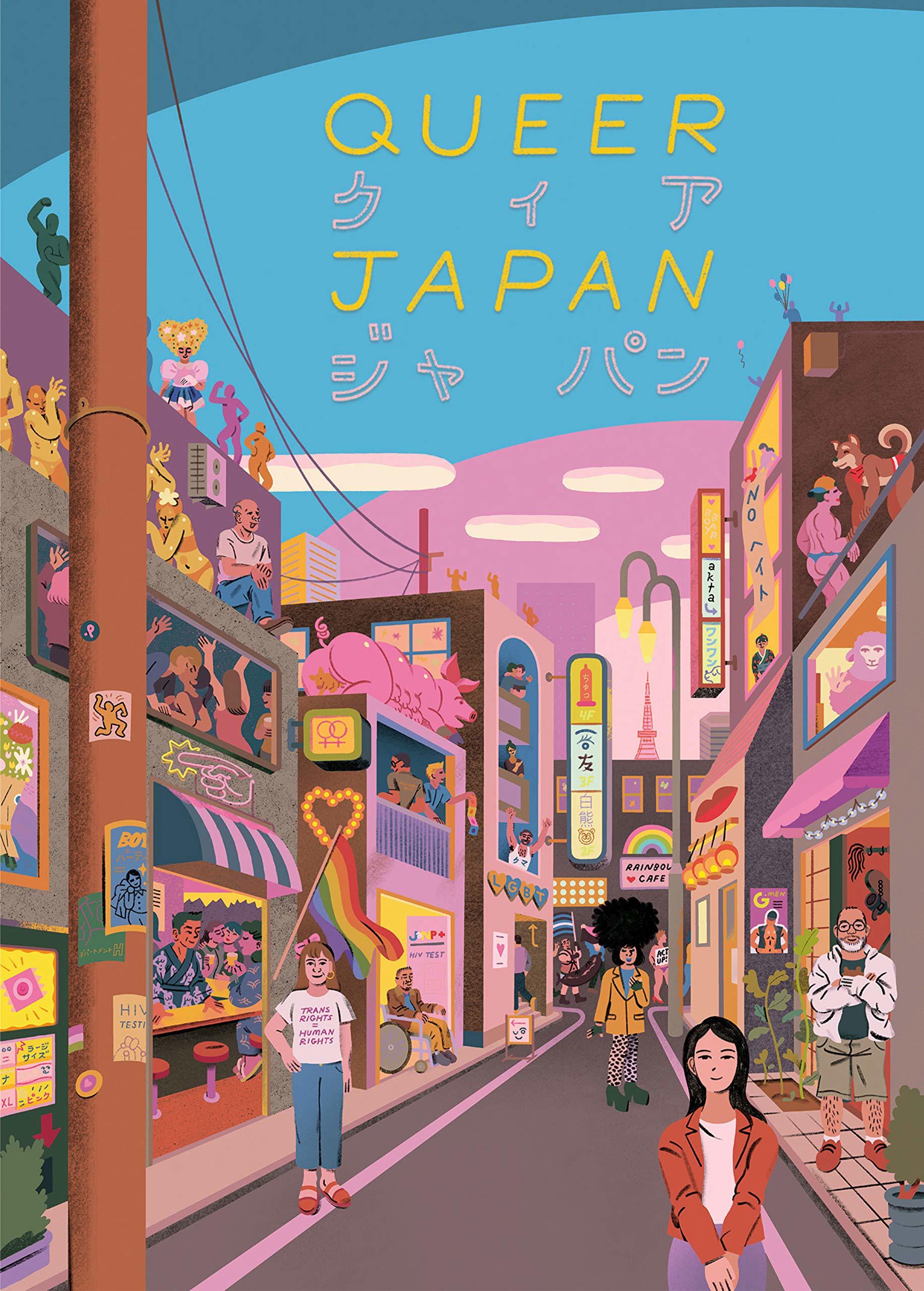
Queer Japan (クィア・ジャパン, Graham Kolbeins, 2019)

Japan has in recent years become a much more progressive place in which LGBTQ+ rights continue to advance though hopes that hosting the Olympics would finally provoke a shift in the political reality ultimately came to nothing with anti-discrimination and national equal marriage legislation still pending. Released in 2019, Graham Kolbeins’ comprehensive documentary Queer Japan (クィア・ジャパン) as its name suggests explores the lives of ordinary people across the spectrum of the LGBTQ+ community yet cannot perhaps avoid falling victim to, as one interviewee points out, a certain degree of exoticisation even while demonstrating the diversity present with the community itself.

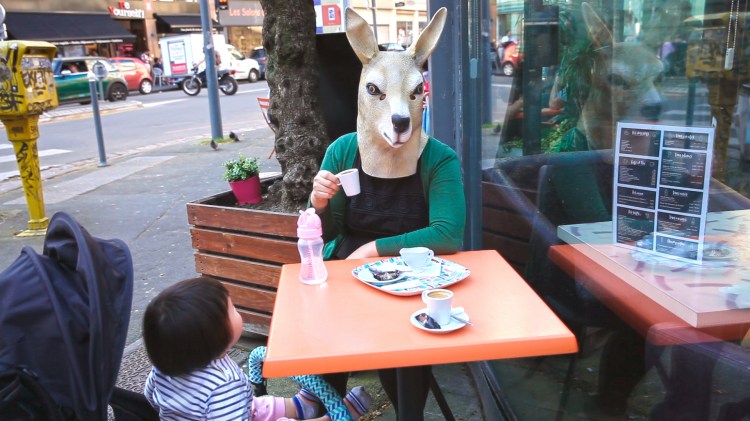
Nevertheless, Kolbeins is keen to stress the warmth and solidarity found with the various subcultures he explores such as that surrounding Department H, a costume fetish ball at which all are welcome from gay furries and puppy play enthusiasts to avantgarde artists such as a young woman whose multi-person rubber pig giving birth is notable inclusion. As the club’s hostess, drag queen Margarette, points out the fetish scene often transcends ideas of gender, the club providing a totally safe, inclusive, and relaxed place where anyone can come to be themselves and find acceptance. 

That has not always been true when it comes to other aspects of the community as evidenced by the controversy surrounding lesbian bar Gold Finger which came under fire some years ago for refusing admittance to transwomen under its longstanding women only policy. Interviewed here Chika Ogawa outlines her original reluctance to admit transmen who had previously been frequent customers prior to transition but eventually reconsidered to team up with another group to host an evening geared towards transmen and masculine women as a place where the community can come together. 

As explained by activist Fumino Sugiyama, it is legally possible to change one’s gender in Japan though the conditions are somewhat draconian and require the surgical removal of reproductive organs which some have viewed as a breach of fundamental human rights. The change in the law was largely due to Japan’s first transgender lawmaker Aya Kamikawa who outlines how difficult her life had been unable to change her gender on her family register creating problems when trying to rent an apartment, access healthcare, or gain employment. She admits that the law passed was very strict, but laments the limits of what is possible under the current LDP administration and its ultraconservative outlook as evidenced by gaffe-prone politician Mio Sugita’s characterisation of the LGBTQ+ community as “unproductive” and therefore not deserving of social benefits. 

Pioneer of gay manga and G-Men co-creator Hiroshi Hasegawa remarks that the oppression faced by the community in Japan is often less direct than it might be elsewhere operating largely through societal shaming and a conformist social culture. Kolbeins discovers this to be true on visiting other cities such as Naha, Okinawa, where a cheerful dentist reveals that he only embraced his love of dancing at the age of 33 and spoke to no one for two years after receiving a bad reaction to coming out during university. Nevertheless, in the face of this indirect oppression the community has developed a sense of comprehensive, intersectional solidarity often coming out to counterprotest racist prejudice against ethnically Korean citizens and discovering that the anti-racist straight community often comes to Pride to support them in return. Bearing out this spirit of intersectionality, Queer Japan is fully subtitled in Japanese throughout while a deaf LGBTQ+ activist highlights the importance of proper sign language interpretation which is familiar with the community.

Even so, Japan’s LGBTQ+ community is subject to the same concerns as many others from around the world one Pride goer criticising the increasing commercialisation of the event, sympathetic that some degree of sponsorship is necessary to hold a celebration on this scale but also that you need to be accountable. Meanwhile a young trans person objects to the celebratory atmosphere insisting that all they want is to feel safe using the bathroom, love can wait. There is clearly work to do, but also much already accomplished one vox popper enthusiastically listing all of his various fetishes with thinly concealed glee while making a serious point about normalising condom usage. Featuring internationally well-known figures such as gay erotic manga pioneer Gengoroh Tagame alongside activists and ordinary members of the LGBTQ+ community, Kolbeins’ handsomely lensed doc showcases the diversity of queer life in Japan while never losing sight of the battles still to be won. 


Queer Japan screened as part of this year’s Queer East.

Original trailer (English subtitles)

Raining in the Mountain (空山靈雨, King Hu, 1979)

Is it truly possible to retreat from the world and live a pure life free of Earthly desires? Perhaps not, at least not entirely as the monks of King Hu’s joyously comic wuxia Raining in the Mountain (空山靈雨, Kōng Shān Líng Yǔ) later discover in attempting to cure the corruption already eating through their ranks. The old abbot is ill and mindful that his time is short, recruits a series of advisors to help him pick a successor to steer the monastery in his absence yet whether he too is plotting or not there is intrigue at play and not everyone’s motives are strictly spiritual. 

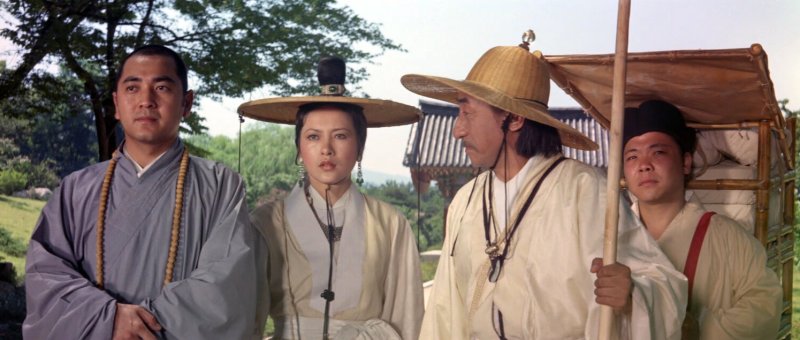
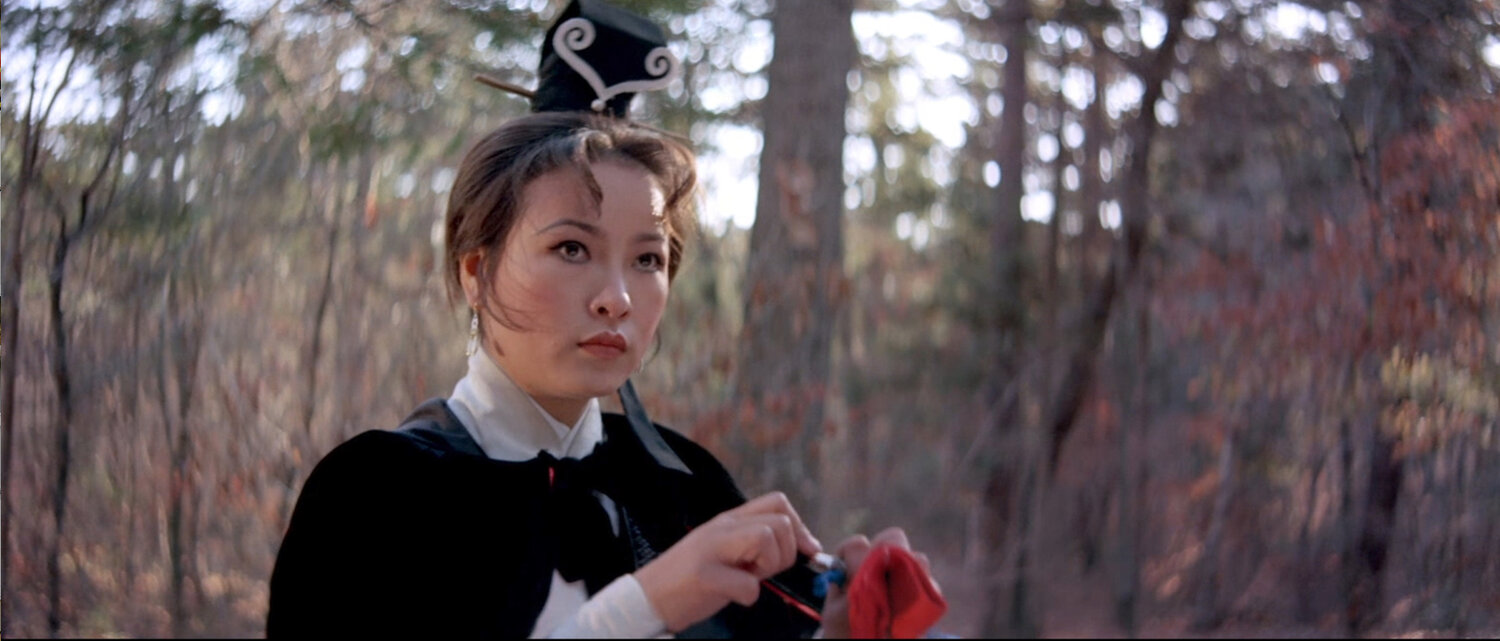
The film opens with Hu’s trademark immersion in the beauty of nature as three pilgrims approach a mountain temple yet there’s something almost suspicious in their manner as they’re met by the abbot’s reliable righthand man, Hui Ssu (Paul Chun Pui). Esquire Wen (Sun Yueh), a wealthy merchant and frequent donor, introduces the woman with him as his concubine, the man obviously a servant given that he’s carrying their pack. Wen has, however, an ulterior motive in that he’s come with the intention of stealing a unique scroll featuring the Mahayana Sutra in the hand of Xuanzang/Tripitaka of Journey to the West fame. The woman is no concubine but a famous thief, White Fox (Hsu Feng), who wastes no time at all before changing into her best sneaking clothes and reuniting with the servant, her minion Chin Suo (Wu Ming-Tsai), to try and break into the sutra room. 

They are not however alone in their endeavours. The abbot has also invited local police chief General Wang (Tien Feng) and his underling Chang Cheng (Chen Hui-Lou) who nominally favour monk Hui Tung (Shih Chun) for the position of abbot but are also there largely with the intention of getting their hands on the scroll which Hui Tung has pledged to give them if he wins. Likewise, though it seems Esquire Wen had forgotten to brief White Fox, rival candidate Hui Wen (Lu Chan) is also in league with them. Just as it looks as if this duality is about to implode, the introduction of a third party, former convict Chiu Ming (Tung Lin) who claims he was framed by Chang Cheng because his family refused to sell him a precious scroll, creates additional uncertainty in the race for succession. 

Secluded in the mountains, the temple ought to be a refuge of enlightenment free from spiritual corruption in its isolation from Earthly desires. Even so, we’re told that the most holy man is the third advisor, Wu Wai (Wu Chia-Hsiang), a Buddhist lay preacher who arrives with a massive entourage of colourfully dressed handmaidens and is said to be “immune to sensual pleasures”. He favours no particular candidate, but acts as a spiritual sounding board at the right hand of the abbot who may or may not be aware that his other two advisors have ulterior motives, or that corruption is already rife in the monastery. Aside from the power-hungry machinations of Hui Wen and Hui Tung, who is so desperate for the position he later consents to murder on temple grounds, many of the younger monks have been bribing a pedlar to smuggle in meat and wine for them, literally passing it over the fence, and not even paying him properly. They are also tested perhaps deliberately by Wu Wai who has his handmaidens frolic in the water where the monks are supposed to be meditating, many of them unable to maintain concentration.  

Yet these are only partial incursions, the monastery is not entirely isolated from the wider society by virtue of its financial dependency. Wu Wai who lives on the outside seems to be fantastically wealthy (still it seems clinging on to material desires), yet the temple is dependent on donations from men like Esquire Wen or else on alms giving. On her arrival, White Fox disdainfully rejects the meal she’s offered and describes the place as a dump, her complaints apparently not unfounded as a ruse to raise rebellion by staging a protest about the the low quality of the catering strikes a genuine note of discord with the monks. The solution posited by the new abbot, opting for austerity rather than opulence, is to tell the young monks they’ve had it too easy and now it’s time they shift for themselves by aiming to become self-sufficient growing their own veg (and thereby lessening their contact with worldly corruption). 

In any case, they cannot purify the temple while the temptation of the scroll exists. “Priceless” to General Wang and Esquire Wen, to the abbot and interestingly to White Fox, the scroll is “worthless” merely a raggedy bit of old paper with no intrinsic value. Yet hoping to raise revenue, the new abbot is advised to borrow on its collateral by the duplicitous Esquire Wen and thereby is forced to accept its “worth” in the secular world perhaps only then realising that if the temple wishes to finalise its divorce the scroll has to go. Essentially a morality tale, Hu hints at the absurdity of these petty corruptions in the cartoonish, farcical shenanigans of the rival thieves as they dance around each other silently fighting over a “worthless” scroll the camera following them with a wry eye while the constant drumming of the background score lends a note of ever present tension. Almost everyone, it seems, is redeemable for the path to enlightenment should be available to all though those who choose not to follow it may find the way of corruption leads to only one destination. 


Raining in the Mountain streams in the US until Sept. 28 as part of the 13th Season of Asian Pop-Up Cinema.

Restoration trailer (English subtitles)

A Touch of Zen (俠女, King Hu, 1971)

“A man has his code” a late villain explains in King Hu’s radical Buddhist wuxia epic, A Touch of Zen (俠女, Xiá Nǚ), justifying his villainy with weary fatalism as a matter dictated by the world in which he lives and of which he is merely a passive conduit. Based on a story by Pu Songling, Hu’s meandering tale begins as gothic horror yet ends in enlightenment parable that in itself reflects the values of Jianghu as a warrior monk achieves nirvana in the apotheosis of his righteousness. 

Hu begins however with slowly mounting tension as lackadaisical scholar Gu Shengzhai (Shih Chun) begins to notice something strange going on in the sleepy rural backwater where he lives. There are several strangers in town from the recently arrived pharmacist Dr Lu (Xue Han), to the blind fortune teller Shi (Bai Ying), and a young man who stops into his shop to have a portrait done (Tien Peng) but is behaving somewhat suspiciously. Shengzhai has also noticed unexpected activity at a house opposite his long thought to be “haunted”, activity which turns out to be caused by a young woman, Miss Yang (Hsu Feng), living in penury with her bedridden mother. 

Shengzhai is often described as feckless or immature, his mother (Zhang Bing-yu) constantly complaining that he refuses to take the civil service exam and has stubbornly wasted his life with “pointless” study while they live harsh lives with little comfort. Shengzhai is, however, an unconventional jianghu hero who has rejected a world of courtly corruption in order to live by his own principles even if that means a poor but honest existence. In a sense he becomes a man through his brief relationship with Yang who turns out to be a noblewoman on the run from the East Chamber after being sentenced to death because of her father’s attempt to expose the corruption of a high ranking eunuch. After he and Yang enjoy a single night of passion in the middle of a thunderstorm, Shengzhai becomes determined to protect her and reveals he has spent much of his life studying military strategy, but he also fully accepts Yang’s agency and right dictate her future walking back his claim of feeling duty-bound because they are “almost married” to be content to help “even as a friend”. 

Nevertheless, there is something of boyish glee in the machinations of his trickery, repurposing the gothic horror of the “haunted” fort as a means to “demoralise” the enemy. His second antagonist, Men Da (Wang Rui), refuses to take the rumours, ably spread by Shengzhai’s gossipy mother panel to panel through a series of expanding split screens, seriously describing them as something only “ignorant country folk” would believe but later falls victims to Shengzhai’s elaborate setup. After his victory, Shengzhai walks through the fort laughing his head off playing with the lifeless mannequins he positioned as ghosts and idly tapping various traps and mechanisms, but it’s not until he leaves the ruined building and ventures outside that he realises the true cost of his childish game in the rows of bodies stretching out and around before realising Yang is nowhere to be found. Shengzhai becomes a man again, forced to accept the consequences of his actions, but also defiant, ignoring advice and instruction on leaving home in search of a woman who asked him not to look for her. 

As he later discovers, Yang and her retainer have renounced the world for a monastic life returning to the Buddhist temple in which Yang learned martial arts during her two years of exile under the all powerful master Hui Yuan (Roy Chiao) who is now it seems close to achieving enlightenment though that won’t stop him helping Yang deal with her “unfinished business”. Like the heroes of jianghu, Yang removes herself from a world of infinite corruption though in this case to pursue spiritual enlightenment and thereafter forgoes her revenge, acting in defence only rather striking back at Eunuch Wei or the East Chamber. At the film’s conclusion, Hui Yang’s act of compassion brings about his betrayal but through it his enlightenment. Struck, he bleeds gold blood and sits atop a rocky outcrop as the sun radiates around his head in a clear evocation of his transcendence witnessed at a distance even by Shengzhai alone and placed once again in a traditionally feminine role literally left holding the baby but perhaps freed from the web of intrigue in which he had been trapped spun all around him just like that weaved by the spider in the film’s gothic opening. 

Stunningly capturing the beauty of the Taiwanese countryside with its ethereal rolling mists and sunlit forests, Hu’s composition takes on the aesthetic of a classic ink painting finding Shengzhai lost amid the towering landscape while eventually veering into the realms of the experimental in the transcendent red-tinted negative of spiritual transition. For Hu’s jianghu refugees, there can be no victory in violence only in the gradual path towards enlightenment born of true righteousness and human compassion.


A Touch of Zen streams in the US until Sept. 28 as part of the 13th Season of Asian Pop-Up Cinema.

International restoration trailer (English subtitles)

Gohatto (御法度, Nagisa Oshima, 1999)

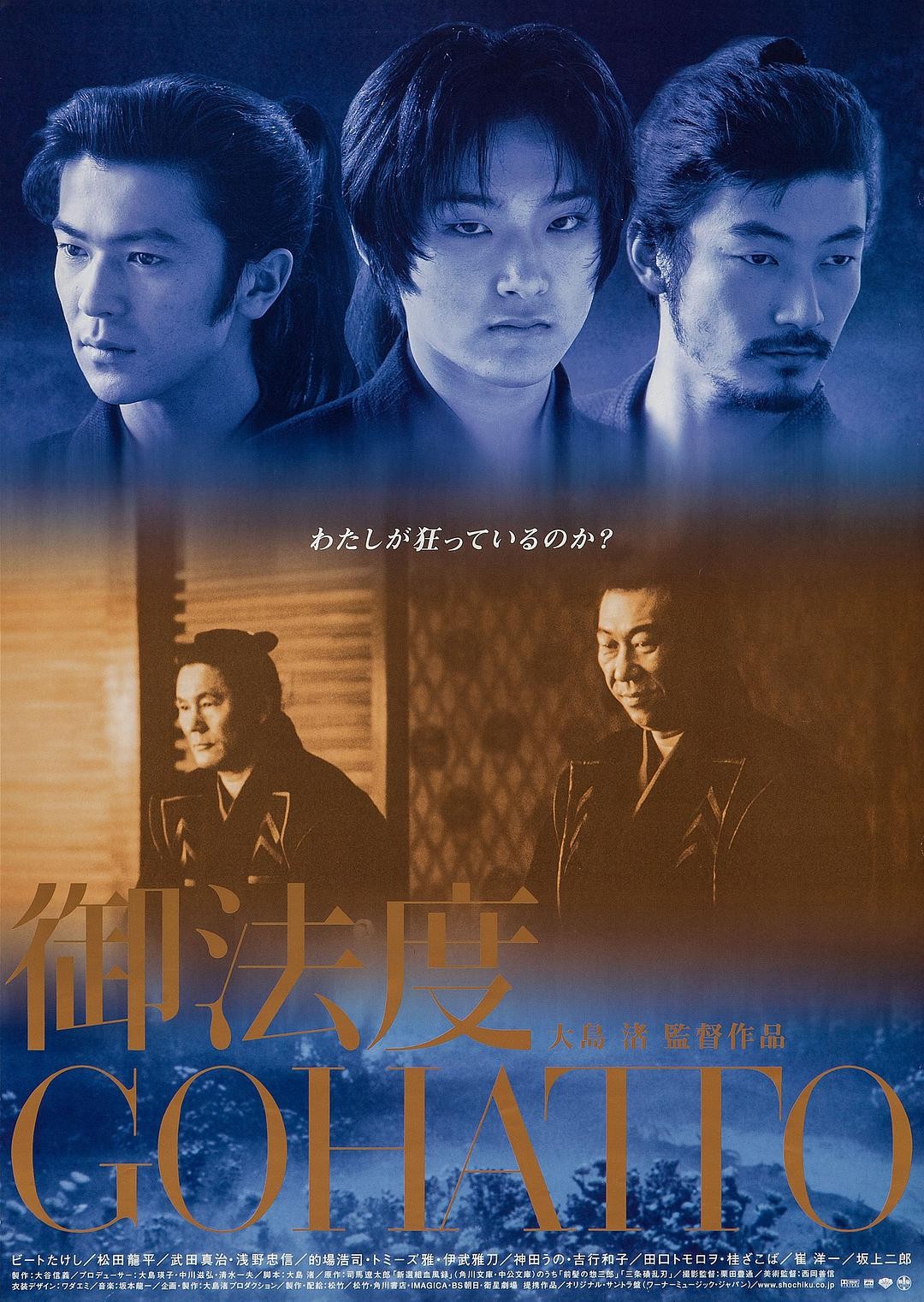
Nagisa Oshima once said that his hatred of Japanese cinema extended to absolutely all of it, decrying the hackneyed nativism of “foggy beauty and stupid gardens”, yet his final film is filled with Mizoguchian mist and almost a paen to Japanese aesthetics which ends with a cherry blossom tree in full bloom cut down in its prime. Burdened by the slightly more salacious title “Taboo”, Gohatto is less about love between men in an intensely homosocial world even as it asks what it might mean by “forbidden” or “against the law” than it is about idealism and aesthetics as its band of contradictory conservatives unknowingly approach the end of their world in a coming modernity ushered in by dangerous beauty. 

Set in the Kyoto of 1865, a scant three years prior to the Meiji Restoration, the film opens with an audition of sorts as the Shinsengumi search for promising new recruits among talented swordsmen. Already a mess of contradictions, the Shinsengumi is, loosely, a kind of official police force dedicated to defending the Shogunate against the revolutionary forces set on restoring power to the emperor. Nevertheless, in an odd way and in contrast to the elite Mimawarigumi which was staffed only by direct retainers to the Shogun, the Shinsengumi was noted for its lowkey egalitarianism in that it made a point of admitting those of ordinary birth as well as lower level samurai and ronin. Of course, the notions of equality only went so far and perhaps only fuelled its reputation for merciless savagery, but also make it a strangely progressive force fighting against progress in defence of the feudal status quo. 

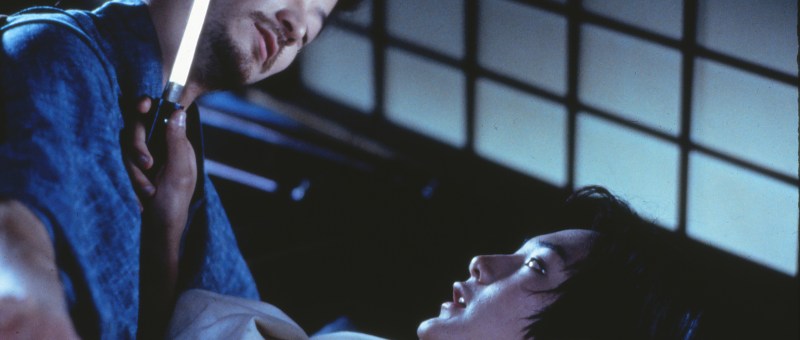
Only two of the hopefuls are thought to be any good, one a young ronin, Tashiro (Tadanobu Asano), and the other a beautiful boy, Kano Sozaburo (Ryuhei Matsuda), the third son of a wealthy merchant whose line were once samurai but are no longer counted among the noble retainers. A talented swordsman, Sozaburo’s dangerous beauty presents an existential threat to the Shinsengumi order, the steely Hijikata (Takeshi Kitano) looking on conflicted in witnessing the way his commander, Kondo (Yoichi Sai), looks at this vision of androgynous beauty remarking that he had not known him to be “that way inclined”.

Being that way inclined does not seem to be a particular issue within the Shinsengumi, it is not against their draconian rules and in fact appears to be tolerated at least as long as it causes no further problems. Kondo is however mindful of the chaos caused by a similar wave of homoerotic lust which took hold shortly before a climactic battle which would prove to be their last success. What Sozaburo seems to arouse in them is something more dangerous than the accepted patterns of love between military men which is in a sense sublimated as a mentor/student relationship, loyalty more than romance. Tashiro, who is of a similar age to the apparently 18-year-old Sozaburo, lets his desire be known, vowing to sleep with him before he dies ironically acknowledging Sozaburo for what he is, an angel of death. 

For his part, Sozaburo remains curiously passive in each of his encounters, aroused only it seems by the act of killing. Yet Hijikata discerns that he has indeed become Tashiro’s lover on witnessing them fight, Sozaburo losing clumsily despite being the more skilled in a dynamic that mimics their relationship in which Tashiro is the dominant partner. Aware of the danger in Sozaburo’s allure, Kondo suggests having a superior take him to the red light district to show him the delights of woman hoping to guide him back towards a less dangerous path, only the attempt backfires on several levels. Firstly, Sozaburo has no interest in women and continues to decline believing his commander is also hitting on him (like everyone else), thereafter determined to seduce him after all. Another retainer does indeed succeed in seducing Sozaburo, developing a mild obsession, but later ends up dead, Tashiro a main suspect in his murder with the motive of sexual jealousy though all of this additional violence is perhaps only an expression of Sozaburo’s dangerous beauty. 

As so often, sex if not love becomes the force which destabilises the social order only here it’s equated both with death and with an alternative mediation of male violence. Perhaps reflecting the way they look to the 18-year-old Sozaburo who makes a faux pas in accidentally suggesting at least one of them is of pensionable age, the ranking members of the Shinsengumi are played by actors already well into their golden years as if relics of a bygone era though in reality most were in their 30s. As Soji (Shinji Takeda), a filial figure like Sozaburo wearing long hair, puts it, there are no old men in their unit which is in essence an anti-revolutionary force. Nevertheless, the Shinsengumi is on the wrong side of history and already living in its end times, perhaps ushered towards its doom by the figure of the beautiful boy. “You were too beautiful”, Hijikata eventually laments as he finally perhaps understands the nature of the revolution he is witnessing. Perverse to the last, Oshima sets his ethereal finale in a stygian fog and pays an ironic tribute to the Mizoguchian classicism he so railed against in his youth, taking a sword to the cherry blossoms as he like Hijikata severs his own legacy in a moment of destructive beauty. 


Gohatto screens at Genesis Cinema on 25th September as part of this year’s Queer East

International trailer (English subtitles)

London East Asia Film Festival Announces Full Programme for 2021

The London East Asia Film Festival returns to cinemas screens this October with another packed programme of recent cinema hits from across the region as well as a small retrospective strand including a rare screening of landmark 1990 underworld drama A Moment of Romance from late director Benny Chan whose final film Raging Fire will open the festival at Odeon Luxe Leicester Sq on Oct. 21.

Opening: Raging Fire (怒火)

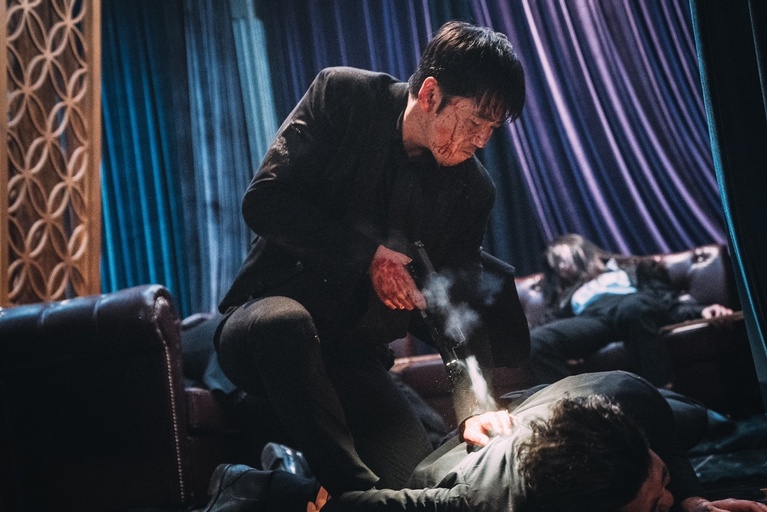
A righteous cop (Donnie Yen) finds himself in a battle of wits with a former colleague gone rogue (Nicholas Tse) in a searing high octane action thriller from the late Benny Chan. Review.

Closing: Spiritwalker (유체이탈자)

Bodyswapping drama in which a man begins waking up in different bodies every 12 hours after a traumatic accident but continues to search for his own identity while pursued by a shady organisation.

Official Selection

  • My Missing Valentine (消失的情人節) – a lovelorn woman finds herself forced to reckon with the forgotten past when she somehow misplaces Valentine’s Day in Chen Yu-hsun’s charmingly quirky rom-com. Review.
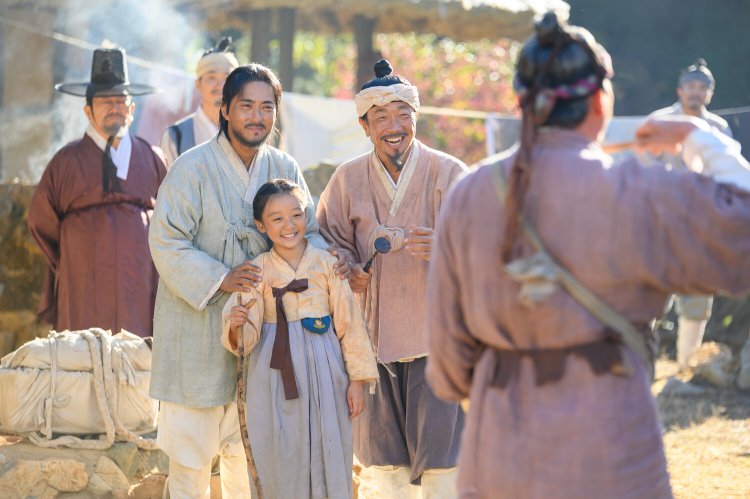
  • The Singer (소리꾼) – period drama in which a street singer travels the land in search of his kidnapped daughter.
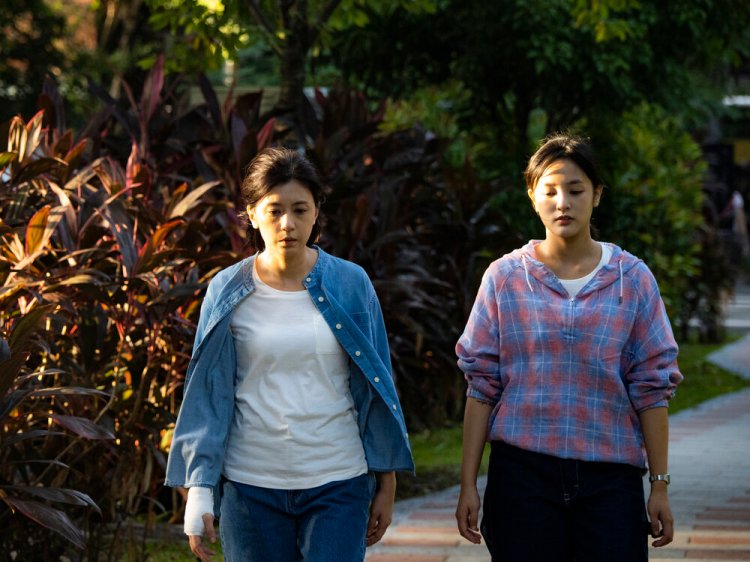
  • The Falls (瀑布) (2021) – Taiwanese pandemic drama from the director of A Sun in which a single mother begins losing her mind as the world crumbles around her.
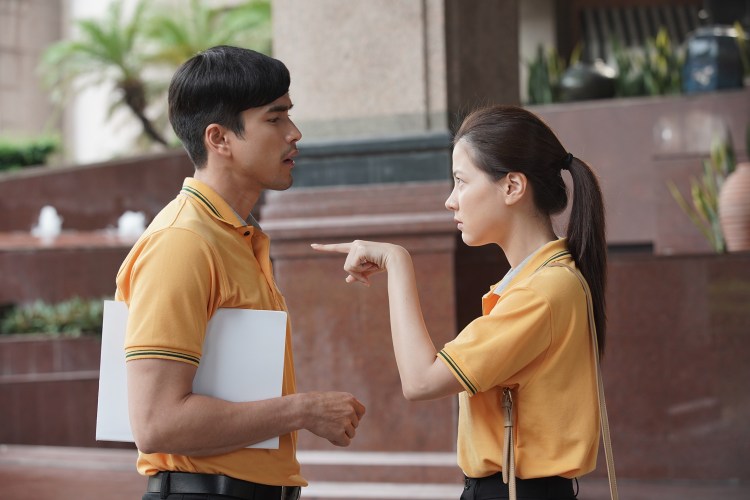
  • The Con-Heartist (อ้าย..คนหล่อลวง) – a scorned woman teams up with a fraudster to scam her ex only to fall for the conman in Mez Tharatorn’s crime caper rom-com. Review.
  • Sasaki In My Mind (佐々木、イン、マイマイン) – a struggling actor finds himself thinking back on memories of a larger than life high school friend in Takuya Uchiyama’s melancholy youth drama. Review.
  • The Silent Forest (無聲) – an idealistic student is caught between justice and complicity when he uncovers a culture of bullying and abuse at a school for deaf children in Ko Chen-Nien’s hard-hitting drama. Review.
  • Zokki (ゾッキ) – omnibus movie inspired by Hiroyuki Ohashi’s manga directed by Naoto Takenaka, Takayaki Yamada, and Takumi Saitoh.
  • Introduction (인트로덕션) – latest from Hong Sang-soo in which a man travels to see his father in the hospital then goes abroad to see his girlfriend only to return and find his mother with another man.
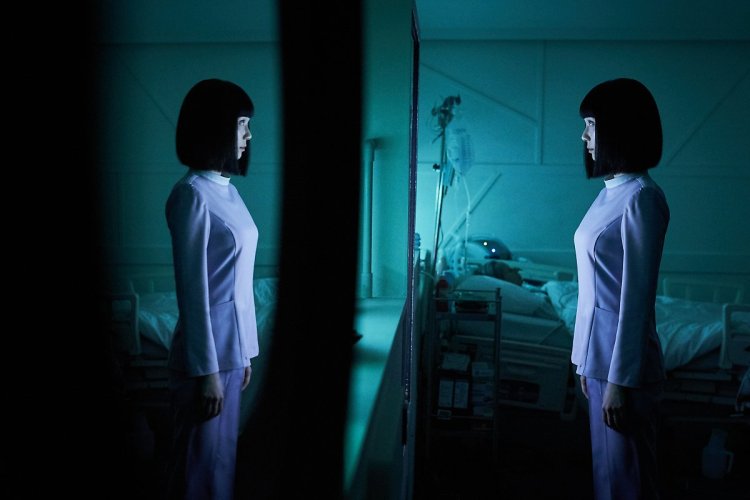
  • The Prayer (간호중) – a caregiving robot is conflicted witnessing a daughter’s exhaustion attempting to care for her mother who has been bedridden for the past decade.

Hong Kong Focus

  • Elisa’s Day (滄海遺愛) – a policeman is forced to face a mistake he made 20 years previously while investigating a crime of passion.
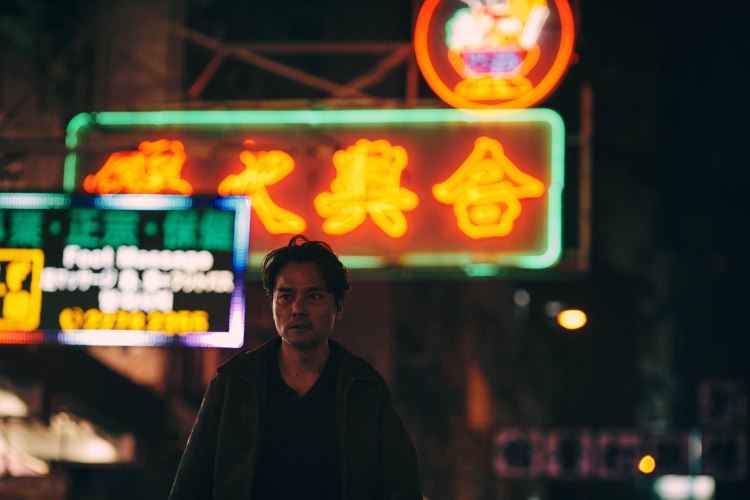
  • Hand Rolled Cigarette (手捲煙) – a cynical former British soldier and a South Asian street thief find unexpected solidarity in Chan Kin-long’s gritty neo-noir. Review.
  • Limbo (智齒) – morally compromised cops chase a serial killer in the rubbish-strewn junkyards of contemporary Hong Kong in Soi Cheang’s stylish noir. Review.
  • Sugar Street Studio (糖街製片廠) – a gang of plucky filmmakers right a historical wrong while running an “authentic” haunted house in Sunny Lau’s charmingly retro horror comedy. Review.

Official Competition

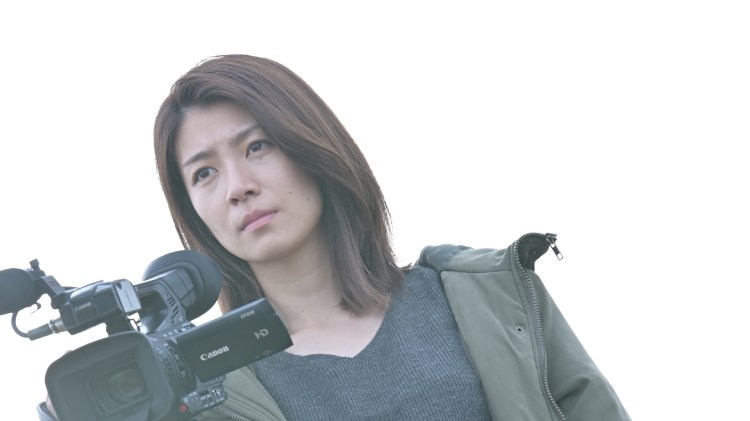
  • A Balance (由宇子的天秤) – an idealistic documentarian’s journalistic ethics are strained when she uncovers scandal close to home in Yujiro Harumoto’s probing social drama. Review.
  • A Leg (腿) – a bereaved wife becomes obsessed with retrieving her husband’s severed leg in order to lay him to rest in Chang Yao-sheng’s darkly humorous romantic drama. Review.
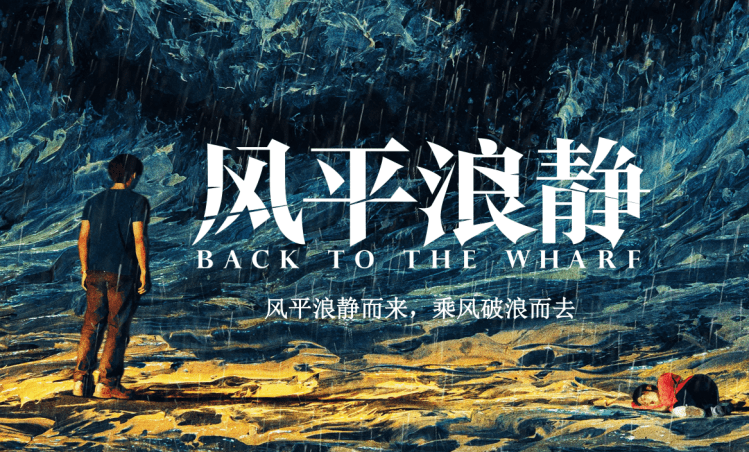
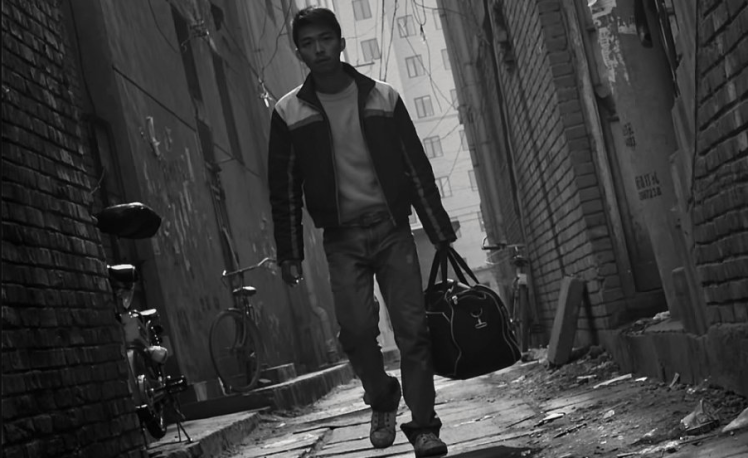
  • Back to the Wharf (风平浪静) – a wounded young man’s attempts to start over in the shadow of his crime are doomed to failure in Li Xiaofeng’s moody, fatalistic neo-noir. Review.
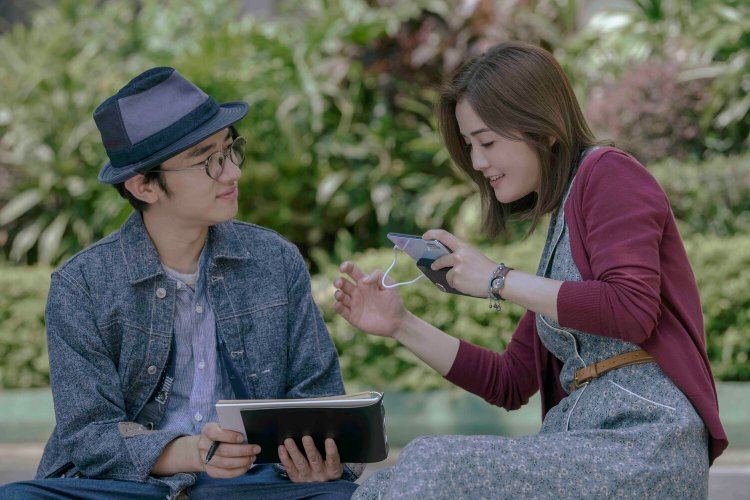
  • Just 1 Day (給我天) – a sketch artist suffering with ALS asks an old classmate to fulfil his last wish by being his girlfriend for just one day. 
  • Midnight Swan (ミドナイトスワン) – drama from Eiji Uchida starring Tsuyoshi Kusanagi as a transgender woman who takes in a little girl neglected by her family.
  • Not Out (낫아웃) – a young man with few professional prospects is determined to continue playing baseball.
  • Pistol (手枪) – a man gets into trouble with gangsters while looking for his missing girlfriend.
  • Rom (Ròm) – the residents of a rundown slum awaiting demolition stake everything on lucky numbers in Trần Thanh Huy’s gritty portrait of modern Saigon. Review.
  • Stars Await Us (蓝色列车) – a man recently released from prison searches his former love but is dragged into a gang war.
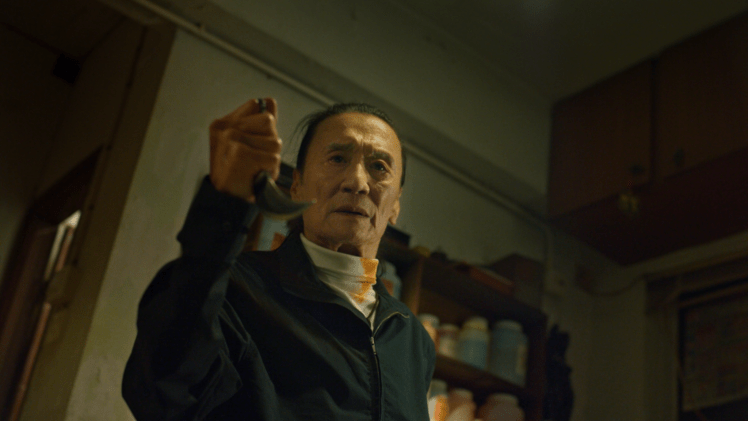
  • Time (殺出個黃昏) – an elderly hitman displaced by the modern society gets a second chance at life after taking up “euthenasia” in Ricky Ko’s darkly comic yet moving drama. Review.
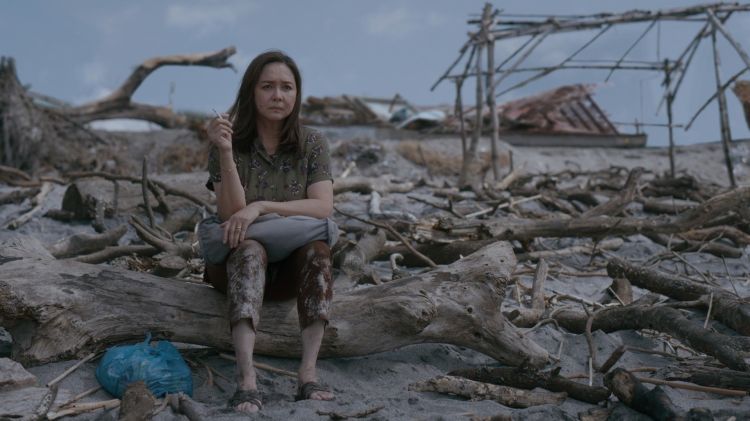
  • Whether the Weather is Fine (Kun Maupay Man It Panahon) – Philippine drama in which a mother and son search for missing loved ones in the aftermath of disaster.
  • Zero to Hero (媽媽的神奇小子) – Sandra Ng stars as a devoted mother determined to support her son’s sporting dreams in Jimmy Wan’s inspirational biopic of Paralympian So Wa Wai. Review.

Retrospective

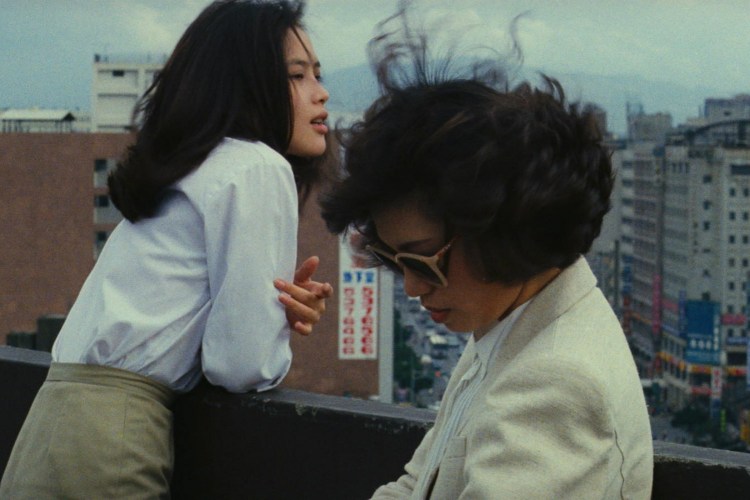
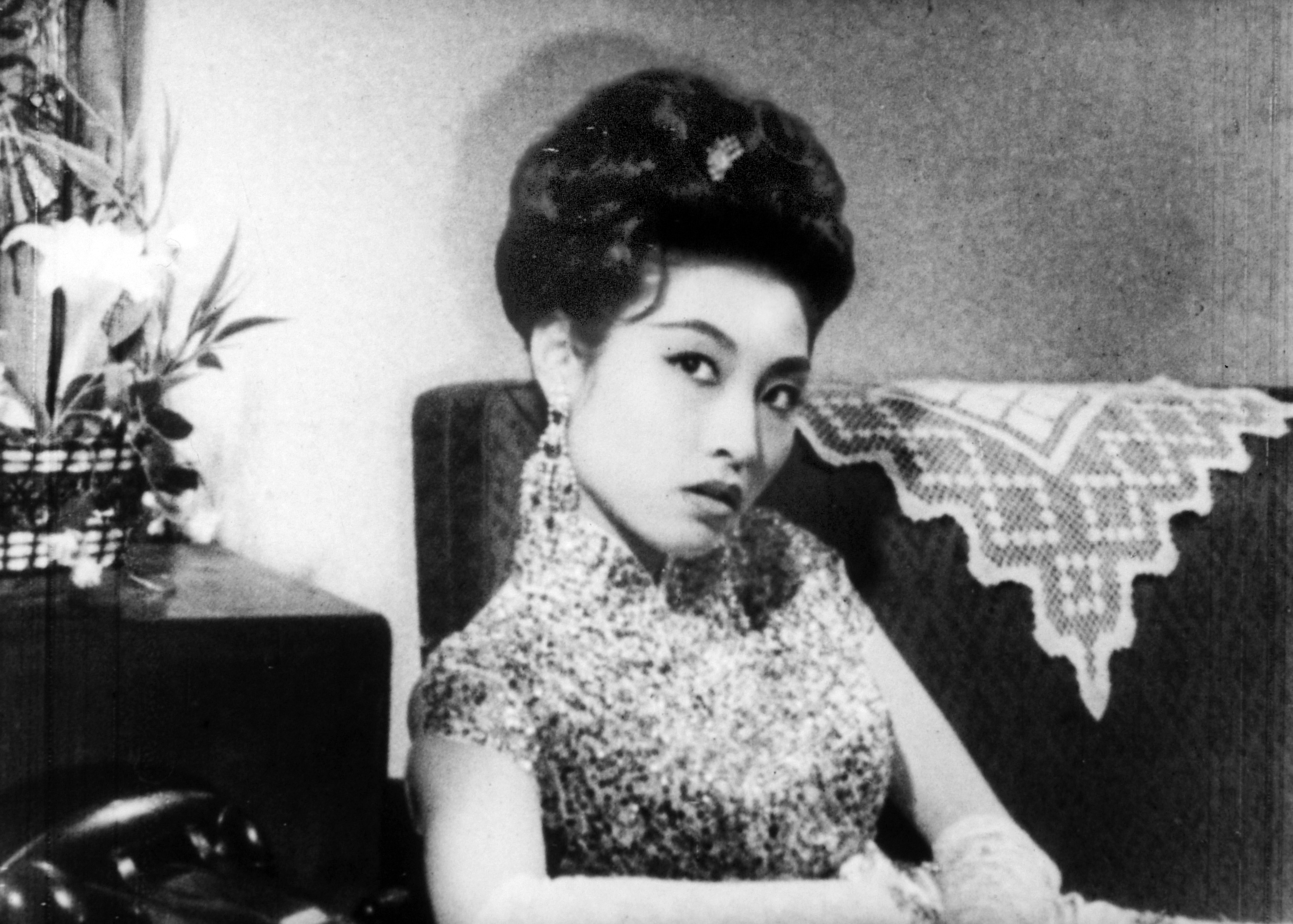
  • Taipei Story (青梅竹馬, 1985) – Edward Yang’s landmark 1985 drama in which an independent, financially secure woman is determined to move forward while her boyfriend (played by film director Hou Hsiao-Hsien) remains trapped in the past.
  • Woman of Fire (화녀, 1971) – Kim Ki-young’s second take on The Housemaid starring Youn Yuh-jung as the arrival of a young woman causes disarray for a composer and his wife living on a chicken farm.
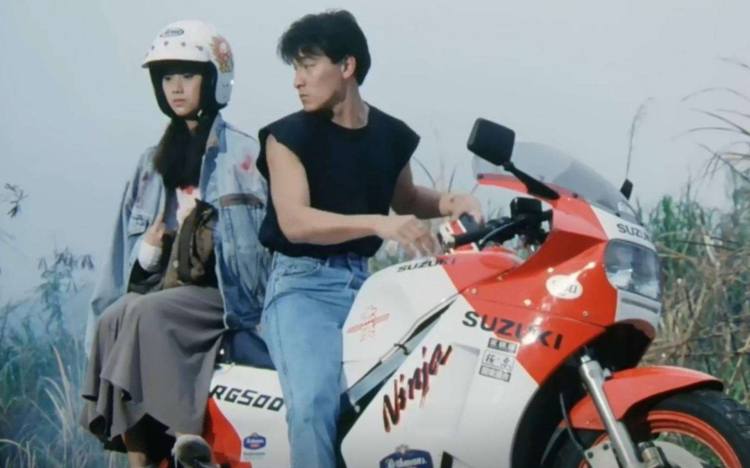
  • A Moment of Romance (天若有情, 1990) – underworld romantic melodrama from Benny Chan starring Andy Lau as a street thug falling for a rich man’s daughter (Jacklyn Wu)

Documentary

  • Areum Married (박강아름 결혼하다) – a documentary filmmaker marries a chef and takes him with her when she leaves to study in France but unable to work or speak the language he soon becomes bored.
  • Jikji Route ; Terra Incognita (직지루트; 테라 인코그니타) – a documentary film team accidentally discovers the “Pope´s Letter to King of Goryeo” in the Vatican archives.
  • Keep Rolling (好好拍電影, 2020) – Long-time collaborator Man Lim-Chung makes his directorial debut with a warts and all exploration of the life and career of the legendary Ann Hui. Review.
  • Ushiku (牛久) – Filmed mainly with hidden camera, Thomas Ash’s harrowing documentary exposes a series of human rights abuses at the Ushiku immigration detention centre. Review.

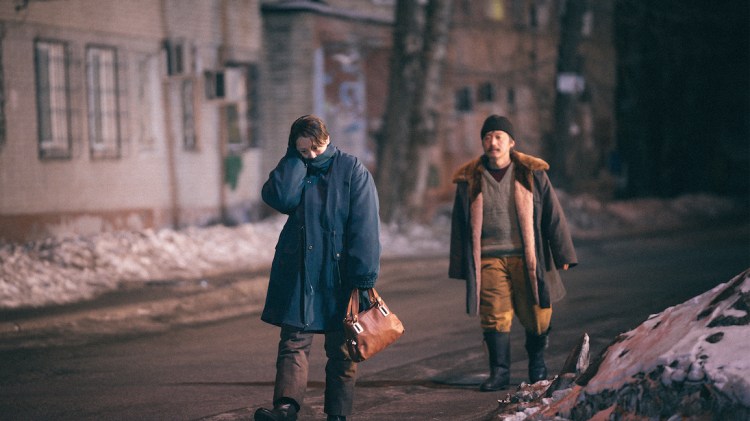
This year’s festival takes place at Odeon Luxe Leicester Square, Odeon Luxe West End, The Cinema at Selfridges, and the Chiswick Cinema from 21st to 31st October. Full details for all the films as well as ticketing links are available via the official website and you can also keep up with all the latest news by following the festival on Facebook, Twitter, Instagram, and Flickr.
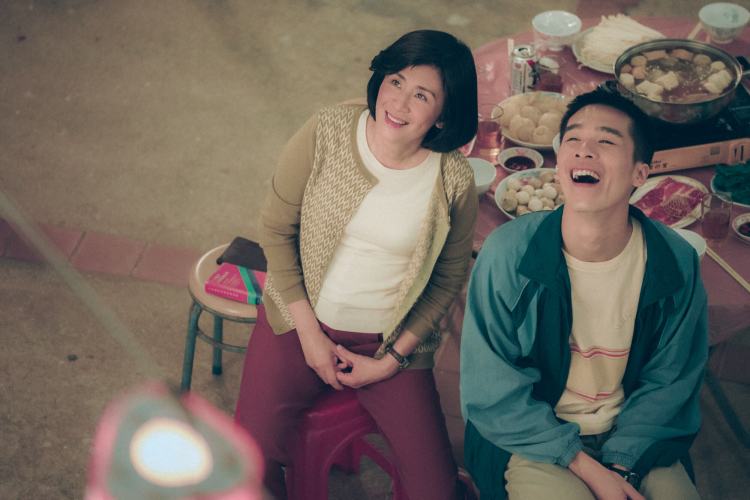
461 Days of Bento: A Promise Between Father and Son (461個のおべんとう, Atsushi Kaneshige, 2020)

“This is a story about my lunch every day. Nothing more, nothing less” the hero of Atsushi Kaneshige’s slice of comfort cinema, 461 Days of Bento: A Promise Between Father and Son (461個のおべんとう, 461ko no Obento), claims though it is of course something more than that. Based on an essay by musician Toshimi Watanabe who himself starred in Dad’s Lunch Box, Kaneshige’s gentle drama is another in the recent series inspired by the “papaben” phenomenon of fathers suddenly taking an interest in domestic matters by preparing tasty, nutritious and elegantly prepared packed lunches for their school-aged children. 

Obviously inspired by Watanabe’s real life, 461 Bento opens with cheerful home video footage of the early years of hero Kouki (Shunsuke Michieda) before shifting darker as the relationship between his parents begins to sour eventually ending in divorce. Kouki is given a choice whether to live with mum or dad, remaining behind in the family home with musician Kazuki (Yoshihiko Inohara) while his mum Shuko (Emi Kurara) moves out taking the tree they planted together with her. With the stress of the divorce, young Kouki ends up failing his high school entrance exams and is set back a year, eventually getting in the following spring. Hoping to encourage him, Kazuki offers to make a bento lunch every day for the next three years on the condition that Kouki pledges to not to skip school. 

In true papaben tradition, Kazuki ends up getting far too into the art of bento filling the kitchen with new gadgets while sometimes coming into conflict with his bandmates through investing all of his creative energies in innovative lunch recipes. Yet Kouki isn’t quite convinced by his father’s newfound passion, assuming it’s merely a new hobby he’ll soon get tired of rather than something he’s actively doing out of love for his son. Consequently, he’s originally a little embarrassed when his classmates appear unduly impressed by the quality of his dad’s work though it later helps him make a few friends which had otherwise been a little difficult seeing as he is a year older than everyone else. 

Being a year older continually weighs on Kouki’s mind, adding to the already onerous pressures of high school life his sense of anxiety intensifying as graduation nears. He complains he feels creepy hanging out with younger kids, and insists he can’t afford to fail and risk being held back again even older than everyone else at the beginning of college. Meanwhile he’s lowkey resentful towards his father blaming him for the end of his parents’ marriage while also seemingly ambivalent towards his mother for giving him the choice of where to live unfairly blaming her for leaving him even though it was his own choice to stay with his father. He rebels passive aggressively against his parents’ gentle support as they refuse to pressure him insisting he be free to do and be what he wants, while floundering in confusion over the next steps in his life. 

Kazuki is fond of telling him that everything will work out in the end, life’s not a race after all, only for Kouki to fire back that everything always works out for him because he just does whatever he wants and forces everyone else to go along with it which is why his mum left. Harsh words, but not without truth as new girlfriend Maka (Junko Abe) expresses something similar confessing that being with Kazuki makes her feel lonely and as he lives so defiantly in the moment it’s difficult to believe in the future of their relationship. Kouki cruelly tells Shuko he can choose a father for himself suggesting he might move in with his mother and her new boyfriend, but contrary to expectation Kazuki is serious about fatherhood giving his son the space for his adolescent angst while trying to be quietly supportive through his bento endeavours. 

The papaben phenomenon may be in itself a little sexist in exoticising a perfectly ordinary task just because it’s being done by a man thereby ironically reinforcing the idea that children’s lunches are a woman’s responsibility, but it does undoubtedly broker a reconciliation between father and son as the young Kouki begins to come to an understanding of his father’s love for him, overcoming the trauma of his parents’ divorce and gaining the courage to step forward into an independent future. A heartwarming coming-of-age tale, 461 Bento is about more than a boy’s lunch but also of the quiet power of unconditional love as mediated through the most ordinary act of care.


461 Days of Bento: A Promise Between Father and Son screened as part of this year’s Camera Japan

Original trailer (no subtitles)

Madame X (Lucky Kuswandi, 2010)

“With the force of rainbows I will punish you all” transgender superhero Madame X exclaims as she takes on bigotry and self-interest to fight for human rights in a largely oppressive social culture. Despite emerging from long years of authoritarian military dictatorship in 1998, Indonesia’s LBGTQ+ community finds itself in a marginalised position with homosexuality still taboo and illegal under religious law in certain parts of the country. Lucky Kuswandi’s high camp, pure punk tale of a transwoman embracing her inner power to claim her place in society while standing up against intolerance is a bold advocation for a more compassionate world but also a whole lot of anarchic fun. 

It’s transgender hairdresser Adam’s (Amink) birthday and unbeknownst to her, her life is about to change. A mysterious client arriving at the salon warns her that she shouldn’t go dancing because there’s a kind of dance so dangerous it might end her life. Adam ignores her and goes anyway but is set up by her awful boyfriend and captured by anti-gay vigilante group Bogem who bundle all the transwomen in the place into their pickup truck for “recycling”. During the journey, Adam’s best friend Aline (Joko Anwar) is killed by Bogem leader Storm who turns out to be the head of the National Morality Front, a political party denying any ties to far right violence. Taken in by an LGBTQ+ friendly Lenggok dance studio in the dreamily named village Beyond the Clouds, Adam struggles to rebuild her life but receives a new mission when Aline appears to her in angelic form and demands vengeance. 

“There’s no place for us in the real world” Adam explains at the bar when a potential client asks what a nice girl like her is doing in a place like this, telling him that there are no “normal” jobs for women like her and so she has no other option than to make ends meet through sex work. Bogem refers to the transwomen as “trash”, as if they’re cleaning up the city while touting magnanimity in their intention to “recycle” them so they can be returned to mainstream society as “normal” men. Despite having three wives, their identities hidden by their colour-coded burkas, Storm preaches old fashioned family values but later is revealed to have ties to human trafficking mediated through Tarjo (Ikhsan Himawan), a local man continually dressed like a religious leader who himself is hiding an aspect of his sexuality from his sweet and innocent fiancée Ratih (Saira Jihan) whom he has convinced to give up her career as a lenggok dancer to become a “migrant worker”.

Lenggok, a traditional Indonesian dance, turns out to be the one that the mysterious woman said would end Adam’s life which is one reason she was reluctant to take it up, but only because the way former military instructor Uncle Radi (Robby Tumewu) is teaching it is really a martial art. Radi is himself in a happy longterm relationship with trans woman Auntie Yantje (Ria Irawan) who now uses a wheelchair because the strain of living has taken such a profound toll on her health as she and Radi attempted to stand up to injustice. With the help of mute servant Din (Vincent Ryan Rompies), they’ve built a secret base behind their bedroom filled with amazing gadgets made out of cosmetics and accessories, as well as a beautifully designed superhero suit just waiting for a hero. Adam can only embrace her destiny as Madame X by first accepting her national legacy in Lenggok dance, along with her identity as a transwoman and the trauma of her first love. 

Told in flashback, the melancholy story of Adam and Harun becomes a point origin in the tragedy of love destroyed by oppressive patriarchal authority. “You’re the one ruining my son” Harun’s father claims before literally scarring his own boy and leaving him with an internalised homophobia which encourages him to blame Adam for arousing in him such taboo desires. Yet Adam fights back with the tools used against her, vanquishing her foes with the power of the rainbow. Rich with pop culture references from the Bond-esque opening titles to a Sailor Moon meets Wonder Woman transformation scene imbued with its own particular irony, Madame X is an anarchic tale of high camp hijinks but also a heartfelt origin story for a transgender superwoman claiming her space and standing up for the oppressed in an increasingly hostile environment.  


Madame X screened as part of this year’s Queer East.

Original trailer (no subtitles)

Taiwan Film Festival Edinburgh Announces Lineup for 2021 Hybrid Edition

Following last year’s inaugural online edition, the Taiwan Film Festival Edinburgh returns for 2021 in a hybrid format featuring a few in-person screenings as well as an extensive online programme running entirely for free in the UK from 25th to 31st October.

IN-PERSON SCREENINGS in Glasgow and Edinburgh

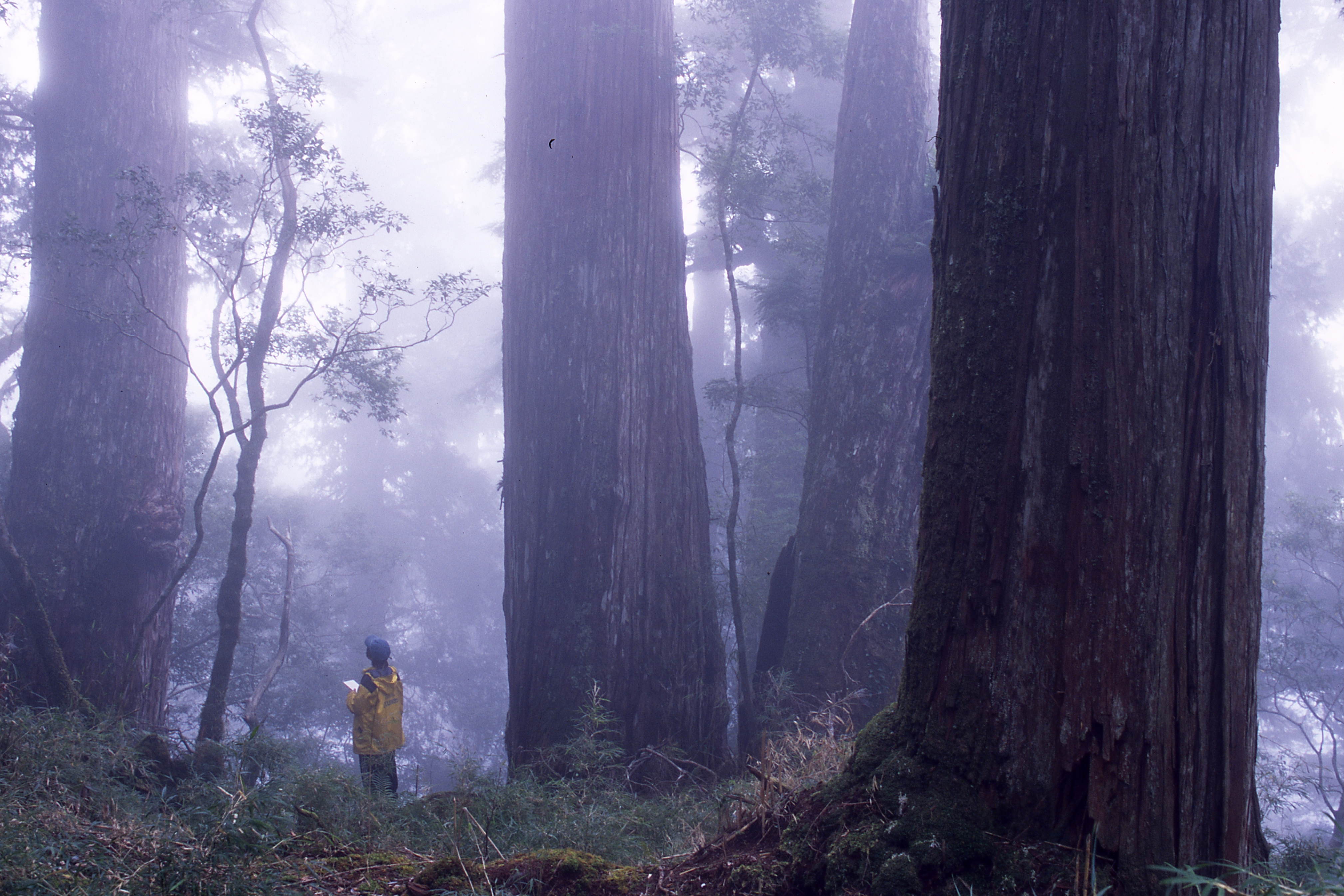
Sacred Forest 神殿| Ke Chin-Yuan| 2019 | 60 mins

In-person screening on 25 October at Glasgow Film Theatre; tickets on sale soon.

Ecological documentary exploring Taiwan’s unique ecosystem from the point of view of six different groups each with different interests and specialities as they explore the majesty of the forest.

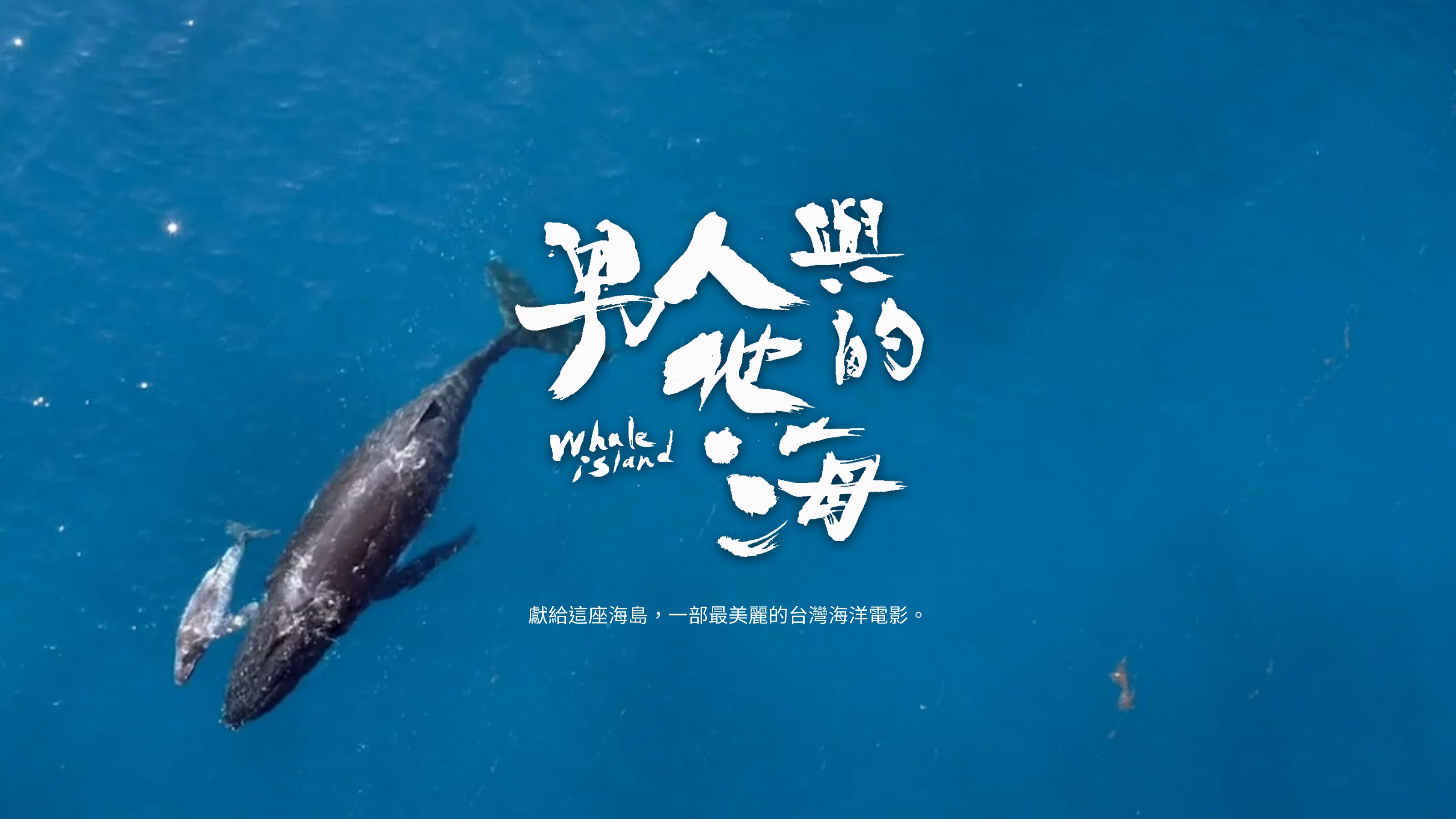
Whale Island 男人與他的海 | Huang Chia-Chun| 2020 | 108 mins | UK Premiere

In-person screening on 30 October at Glasgow Film Theatre; tickets on sale soon.

Capturing the power and mystery of the sea, Huang’s beautifully shot nature doc contemplates Taiwan’s relationship with the oceans which surround it. Review.

Sounds in Silence double bill at 6.30pm on 27 October in Summerhall, Edinburgh; also online 28-31 Oct on Festival website.

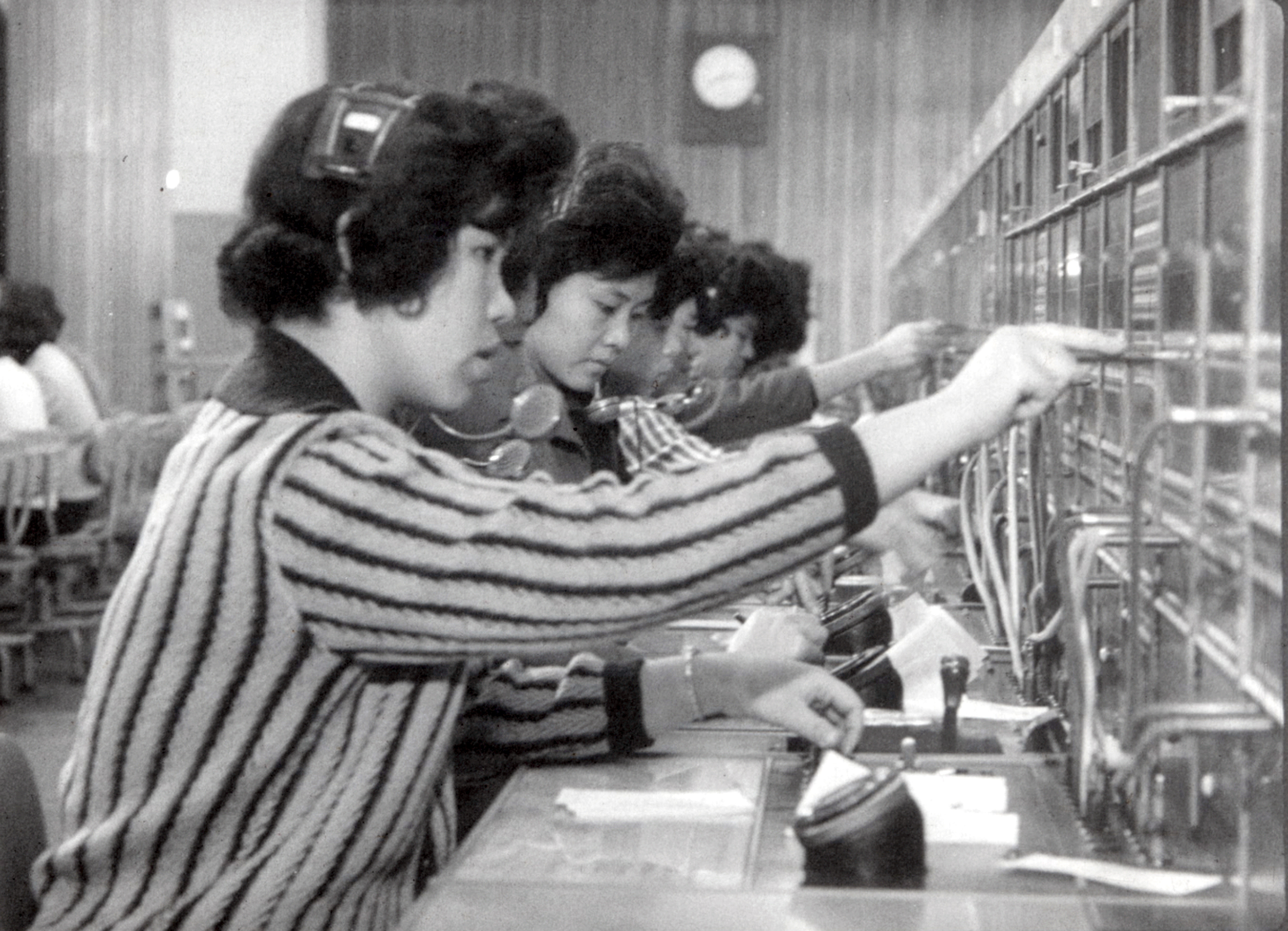
A Morning in Taipei 臺北之晨 | Pai Jing-jui | 1964 | 20 mins | UK Premiere

1964 documentary short capturing a newly industrious Taipei in which a variety of individuals go about their regular morning routines.

Deng Nan-guang’s 8mm Movies 鄧南光8mm家庭電影| Deng Nan-guang| 1935-1941| 57 mins| UK Premiere

A collection of home video-style recordings captured between 1935 and 1941 and bearing witness to an overlooked era of Japanese occupation in the shadow of the second world war.

DIGITAL SCREENINGS on the Festival website between 25 and 31 October 

The Best Secret Agent 天字第一號 | Chang Ying | 1964 | 102 mins

Taiwanese-language remake of a popular film from 1945 in which a young woman flees the Japanese occupation with her father and falls in love with a kind and idealistic young man. When her father is killed in an airstrike, she realises she must give up on romance in order to avenge his death by becoming a master spy!

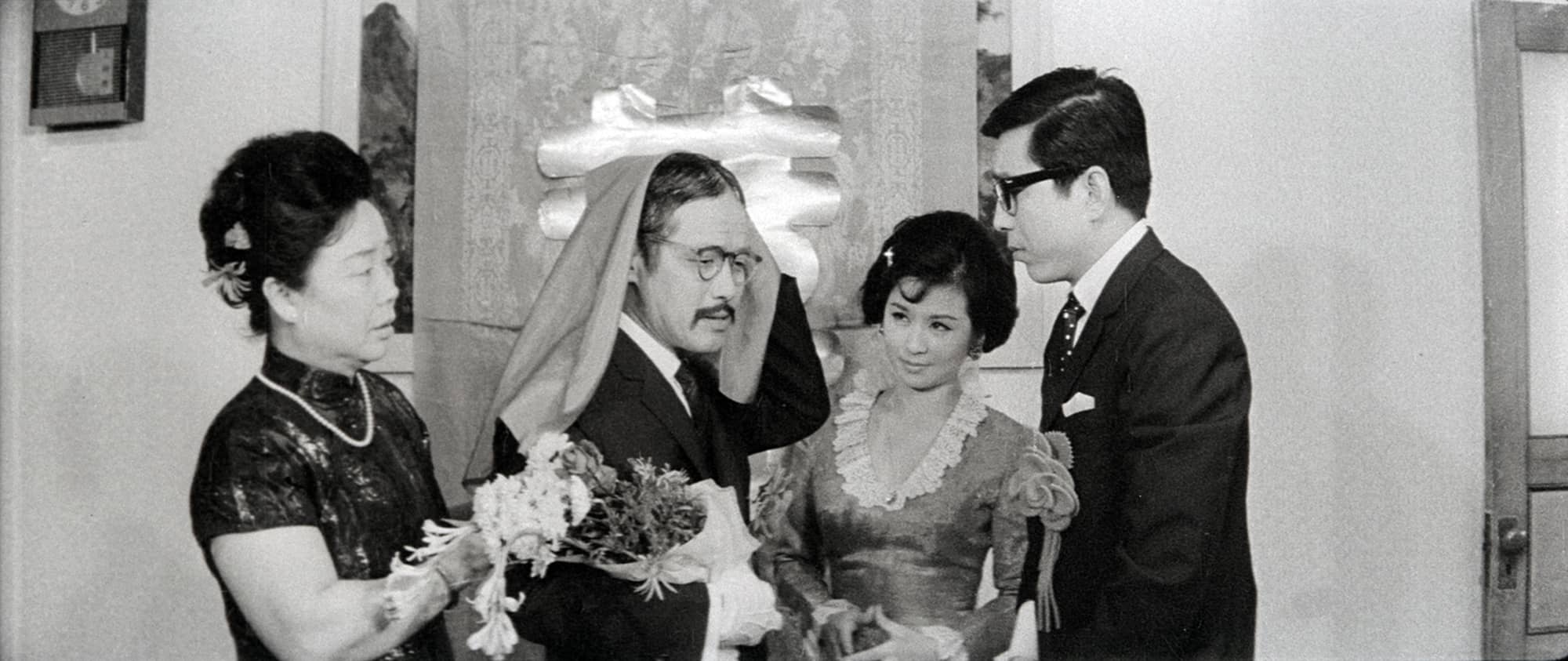
Foolish Bride, Naive Bridegroom 三八新娘憨子婿| Hsin Chi | 1967 | 101 mins

A naive young couple’s desire to marry is frustrated by the revelation their parents were once lovers in Hsin’s delightful screwball rom-com. Review.

Dangerous Youth 危險的青春 | Hsin Chi | 1969 | 95 mins

A recently dumped delivery driver becomes fond of a waitress and tries to get her another job after meeting a guy who runs a cabaret bar but the job turns out to be as an escort to an elderly millionaire.

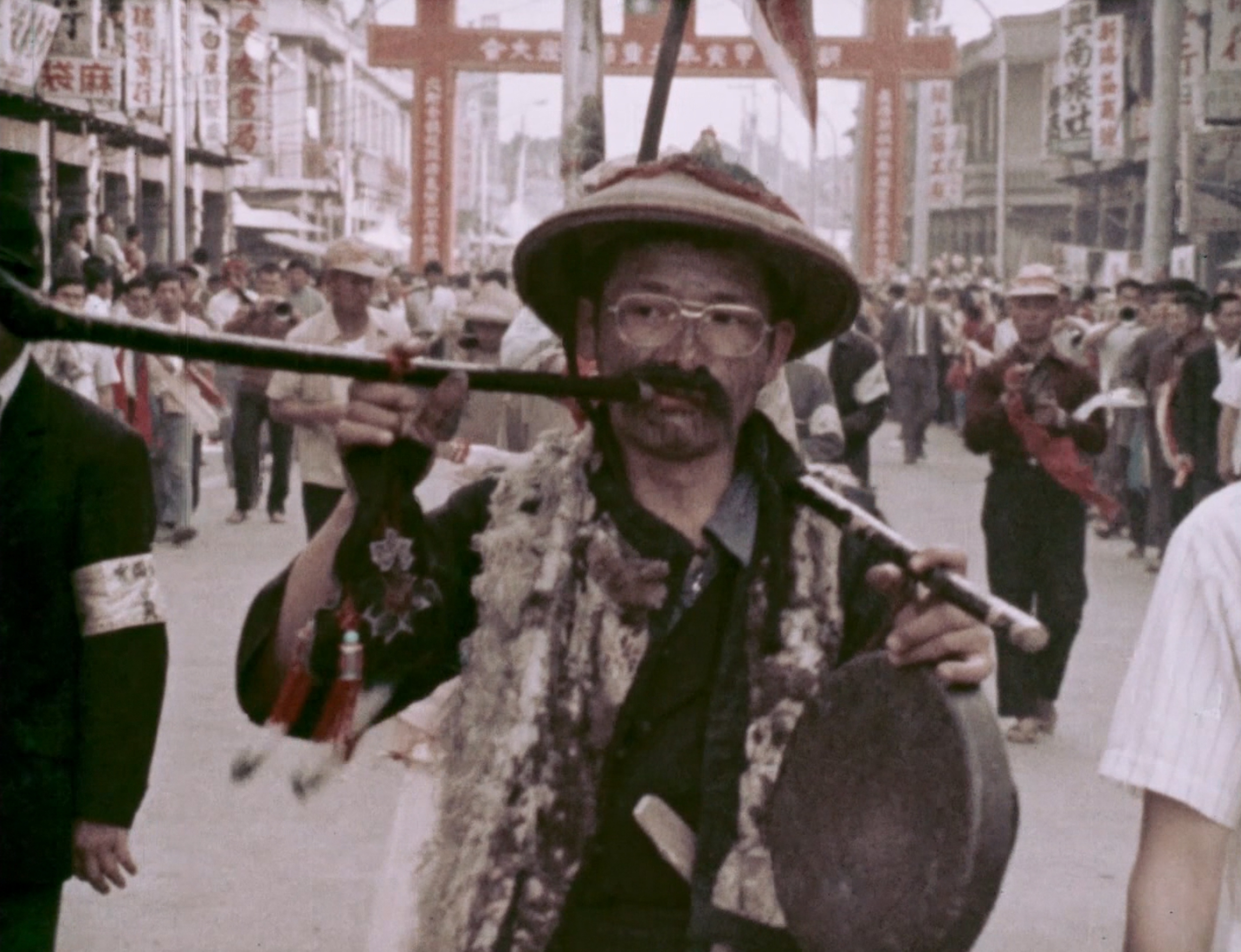
The Homecoming Pilgrimage of Dajia Mazu  大甲媽祖回娘家| Huang Chun-ming | 1975 | 27 mins | UK Premiere

Documentary capture of the annual Taoist celebration of the Dajia Mazu Pilgrimage from 1974. This recently restored edition features the original language track in Taiwanese Hokkien once banned under the KMT’s Mandarin-only policy.

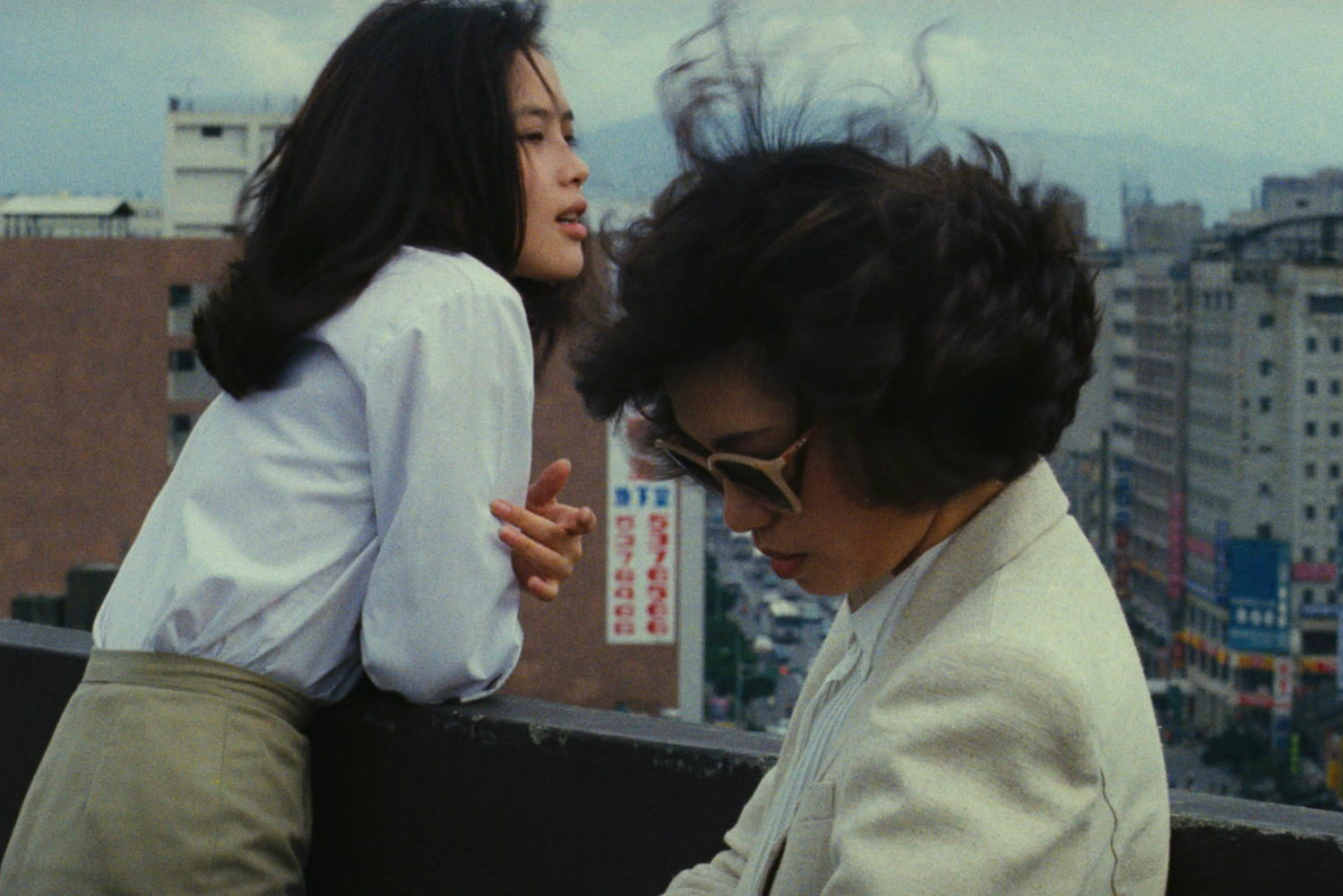
Taipei Story 青梅竹馬 | Edward Yang | 1985 | 115 mins

Edward Yang’s landmark 1985 drama in which an independent, financially secure woman is determined to move forward while her boyfriend (played by film director Hou Hsiao-Hsien) remains trapped in the past.

Dust in the Wind 戀戀風塵 | Hou Hsiao-Hsien | 1986 | 109 mins

A young couple from a rural village travel to Taipei hoping to make enough money to marry, but their dreams of romance are crushed when the boy is drafted into the Republic of China Army.

Peony Birds 牡丹鳥 | Huang Yu-shan| 1990 | 107 mins | UK Premiere

Melodrama exploring the troubled relationship of a mother and daughter bound by mutual resentment. A Q&A session with director Huang Yu-shan will also be available via the streaming platform.

Hill of no Return 無言的山丘 | Wang Tung | 1992 | 175 mins

Two brothers leave home after the deaths of their parents to work at a Japanese-run goldmine in 1927 but rather than the riches they dreamed of find only exploitation and disappointment. A Q&A session with director Wang Tung will also be available via the streaming platform.

The Personals 徵婚啓事 | Chen Kuo-Fu | 1998 | 105 mins

A heartbroken eye doctor quits her job at a hospital and plans to get married, placing a personal ad to find the perfect partner in this humorous exploration of the ’90s Taipei dating scene.

Splendid Float 豔光四射歌舞團 | Zero Chou | 2004 | 73 mins

A Taoist priest with a sideline as a drag artist falls for someone who later disappears without saying goodbye leaving him wondering if something terrible may have occurred.

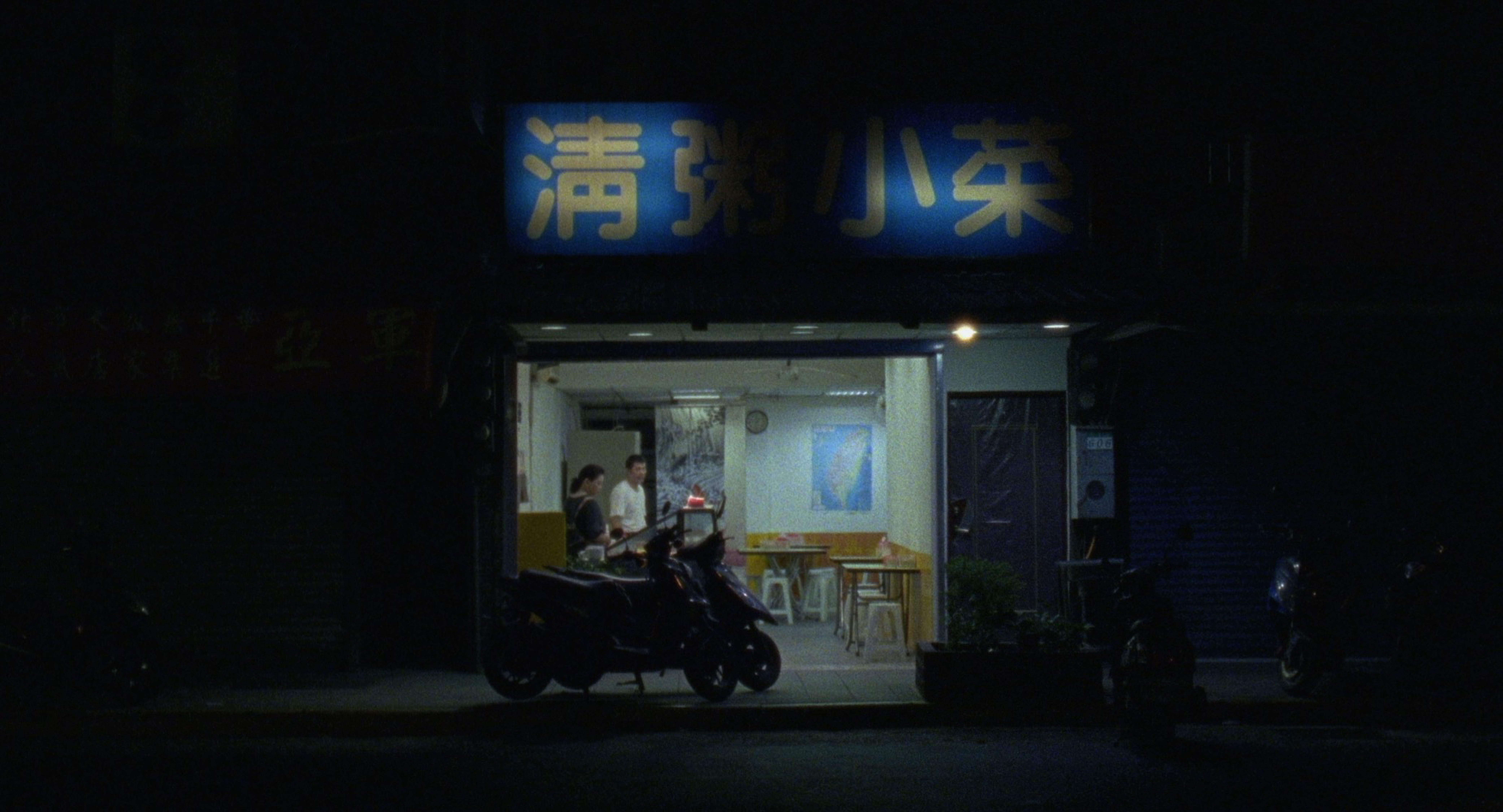
Closing Time 打烊時刻 | Nicole Vogele | 2018 | 116 mins

Documentary from Swiss filmmaker Nicole Vogele following the city’s nighttime economy from the vantage point of an ageing couple’s late night eatery.

Taiwan Film Festival Edinburgh takes place online and in-person 25th to 31st October, 2021. All films stream for free in the UK via the official platform though ticket numbers are limited and early booking is advised. Full details are available via the official website and you can also keep up with all the latest details by following the festival on FacebookTwitter, Instagram, and YouTube.