Willful Murder (日本の熱い日々 謀殺・下山事件, Kei Kumai, 1981)

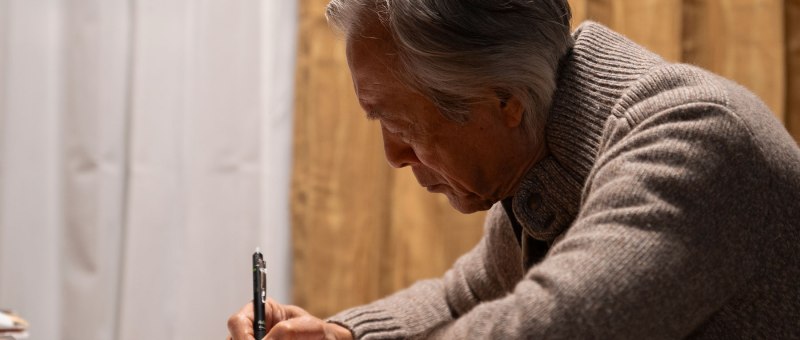
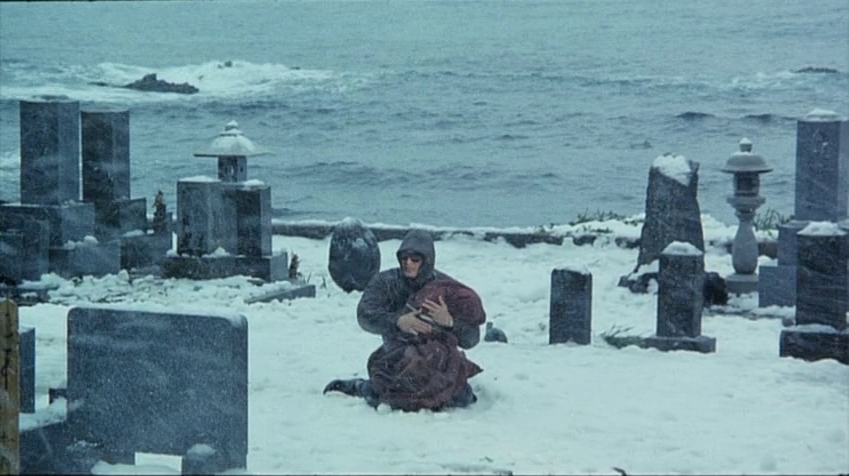
Beginning to piece something together, the dogged reporter at the centre of Kei Kumai’s Willful Murder (日本の熱い日々 謀殺・下山事件, Nihon no Atsui Hibi Bosatsu: Shimoyama Jiken) looks out at an industrial complex and reflects that when he visited it eight years previously it was a “piddling little factory” and has since become a “major company”. His comments might equally stand for Japan itself as Kumai charts the course of the nation’s post-war economic miracle viewing it as a kind of Faustian bargain with the Americans largely conducted by former militarists driven by personal gain and ideological fury. 

Based on the book by Kimio Yada, The Killing: The Shimoyama Incident, the film turns on the mystery surrounding the still unexplained death of Japan National Railways CEO Sadanori Shimoyama whose dismembered body was discovered by the railway tracks in July 1949 suggesting he had been hit by a train. Given the investigative techniques available at the time, Shimoyama’s demise has never been conclusively ruled either a murder or a suicide with experts from rival universities coming to opposing opinions and the police later closing the case in somewhat suspicious circumstances. 

Kumai’s film leans towards the murder angle though like the real life investigators cannot definitively rule out that Shimoyama may have taken his own life presumably due to the pressure he felt himself under after being ordered by the occupation authorities to dismiss 30,000 railway workers from their jobs as part of the so called “Dodge Line” economic plan intended to halt runaway inflation. As the film’s opening voice over also reveals, the Japan Railways Union was at the centre of the labour movement at the moment in which occupational approach was shifting from its original purpose of demilitarisation and democratisation, towards remilitarisation and capitalisation as the Americans sought to make Japan a foreign policy ally in their opposition towards communism in Asia. 

The film’s thesis is that US forces were already planning for the Korean War and urgently needed to crush the labour movement. Shortly after Shimoyama’s death, two other railway incidents occurred firstly with the runaway train in Mitaka which crashed into the station killing six and injuring 20, and then the Matsukawa derailment for which 17 men were falsely convicted (four sentenced to death) all of whom were members of the railway workers’ union. The conclusion that dogged reporter Yashiro (Tatsuya Nakadai) slowly comes to, is that Shimoyama was murdered and the train incidents staged to discredit the labour movement on the orders of the occupation forces while former militarist collaborators continued on the same path in a newly “democratic” Japan.

Japan certainly did very well out of the Korean War the economic stimulus of which allowed that “piddling little factory” to become a “major company” in under a decade much as the nation rocketed towards the economic prosperity which culminated in the 1964 Olympics against which the film’s finale is played. The portrait the Kumai paints is of a nation which has lost its soul, mired in hypocrisy which makes a mockery of “pacifism” and “democracy”. There are in fact at least three unexplained deaths presented in the film, the second of the being that of Michiko Kanba who was killed during the protests against the Anpo security treaty which was later forced through parliament despite clear public opposition. The same possibly corrupt pathologist is assigned to the autopsy and argues that the young woman died as the result of a crowd crush despite the attending physician’s report that the cause of death was strangulation. 

The true villain is however the American occupation and Japan’s continuing complicity even after it ended. Kumai includes several scenes of mass protest against the presence of the American military in Japan, and often places American soldiers ominously hovering in the corners of the frame such as those standing directly outside the police station. Yashiro attempts to interview a Korean man who tried to blow a whistle on the Shimoyama murder only to be arrested by US Counter Intelligence and later physically dragged out of the visiting room by a lurking MP. It all sounds like a conspiracy theory and one Yashiro doesn’t know if he should believe but then has to ask himself why all these people are seemingly being silenced if there is nothing to hide. He maintains his conviction that Shimoyama was murdered, but cannot necessarily say whether it was by a communist foreign nation as the Korean whistleblower had suggested or by the Americans trying to frustrate the “democracy” they’d previously been so keen on lest it disrupt their capitalist agenda. 

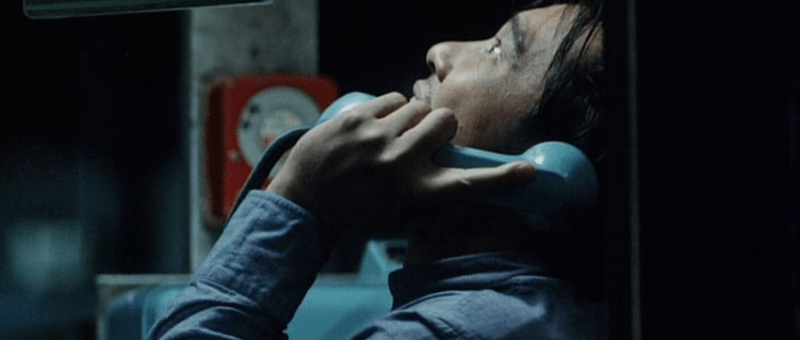
In the closing scenes, Yashiro is confronted by yet another death which cannot be ruled suicide or murder along with the realisation that he will never learn the truth. The grills from a grate on the platform of a train station above cast shadowy bars that imprison him in the shady cynicism of the Cold War society. Kumai films in boxy 4:3 academy ratio and in the black and white of golden age cinema, lending a degree of cinematic realism to his devastating tale of post-war moral decline which contains a note of inescapable dread in the faces of two men caught in the intermittent flashes of a train going by obscuring a truth that can never be revealed.


Single8 (Kazuya Konaka, 2023)

In a lot of ways, it’s never been easier to make a movie. You can capture sound and image with your phone, edit and add special effects on an ordinary laptop with no particular need for professional grade software or equipment. But on the other hand, perhaps there’s something that’s been lost now that you don’t need to work so hard to overcome technical limitations. Kazuya Konaka’s auto-biographically inspired high school drama Single8 follows hot in the heels of It’s a Summer Film! in pairing the classic summer adventure movie with filmmaking nostalgia while looking back to a now forgotten era of analogue creativity. 

Set in the summer of 1978, the film opens with an homage to Star Wars which has captured the imagination of diffident high school boy Hiroshi (Yu Uemura). Hiroshi is not so much a film buff as special effects enthusiast and is particularly obsessed with figuring out how Lucas achieved the overwhelming sense of scale in his spaceship model shots. Aimed only with a regular, consumer-level 8mm camera, he teams up with a friend, Yoshio (Noa Fukuzawa), to experiment and thanks to the advice of the guy at the camera shop (Yusuke Sato) eventually manages to recreate the scene with a surprising level of dexterity. His new found confidence leads him to suggest they continue with the film as the class project for the upcoming school festival which will be the last of their high school lives. 

The snag is that Hiroshi hadn’t thought much beyond recreating the shot. His previous short film had been called “Claws” and was basically Jaws only with a bear. When people ask him what the film will be about, he looks at them quizzically as if it hadn’t really occurred to him that the plot would be important or something anyone would be interested in. It’s only by teaming up with another student, Sasaki (Ryuta Kuwayama), who actually is a film buff that they begin to come up with their own ideas even if they’re also often influenced by other science fiction films and tokusatsu television series. In a meta touch, the students openly discuss scriptwriting theory remarking that the most important aspect is how the protagonist evolves between the first scene and the last. The film itself and the film with in a film attack this in a similar way, with Hiroshi eventually deciding to end on a note of ambivalence in which it is clear that something has changed if perhaps not obviously. Now no longer quite so diffident, he steps into the role of a director and proudly declares that his next film will be even better than this one. 

Similarly, Konaka avoids falling into the trap of an overly neat conclusion in allowing events to play out in a more natural way than we would usually expect them to in a movie even if Hiroshi is eventually able to win over even the most obnoxious of his classmates, Yoshida. Through making the film together, each of team members including Hiroshi’s crush Natsumi (Akari Takaishi) who plays the film’s heroine grow in confidence and come to understand something of themselves while otherwise having fun and making friends across the last summer break of their teenage lives. The film is a collaborative effort and made with a true sense of generosity with a university student friend of the camera shop guy helping out with special effects by literally carving them directly into the film itself and the high school band Natsumi manages also agreeing to provide the score. 

A true tribute to the charming world of DIY filmmaking in the pre-digital era the film has has a charming nostalgic quality which is only enhanced by the fact that the film within the film, which is eventually shown in its entirety, is actually very good and quite touching in its earnestness. Konaka includes clips of the few of his own 8mm films over the closing credits which adds a meta note to the film’s message that “people should fix their own mistakes” even if there is also an irony in the insistence that they should look to the future rather than obsessing over the past. Using frequent screenwipes as a visual homage to Star Wars but also of course to The Hidden Fortress which inspired them, Konaka’s retro teen drama ends on a similarly ambiguous though less melancholy note than the film within a film filled with a sense of possibility for a new world of creativity which is only just beginning. 


Single8 screened as part of this year’s Nippon Connection. It will also be screening in New York on 30th July as part of this year’s JAPAN CUTS.

Original trailer (no subtitles)

Images: ©Single8 Film Partners

Dream Home (維多利亞壹號, Pang Ho-cheung, 2010)

“In a crazy city, if one is to survive, he’s got to be more crazy.” according to the opening titles of Pang Ho-cheung’s surprisingly poignant slasher satire Dream Home (維多利亞壹號). In the 10 years since the handover, the average wage has increased by a measly 1% while house prices have risen by 15% in 2007 alone. Sheung’s (Josie Ho) one overriding mission in life is to buy a flat for her family to live in, but it’s clear that her struggles to become a homeowner aren’t the only pressure points in her life in an increasingly capitalistic society. 

As we later discover, Sheung is set on one particular flat because the building it’s in stands on the spot where she once lived as a child before her family was pushed out by rampant gentrification. In essence, she’s just trying to take back what’s hers and restore her family’s sense of dignity and security. A flashback to her childhood reveals her father’s own insecurity in having been unable to secure a larger living space in which she and her brother could have their own rooms while her grandfather, a sailor, longed for a sea view and the sense of an expanding horizon otherwise denied to the family in a cramped Hong Kong council flat. In a touch of irony, Sheung’s father himself worked in construction building apartment blocks he couldn’t afford to live in and in the end it killed it him through exposure to asbestos and other dangerous fibres. 

Sheung works at a bank but is conflicted about her job cold calling account holders to try to get them to buy into dodgy loans neatly echoing the film’s closing moments which hint at a coming economic crash precipitated by the subprime mortgage crisis which will threaten Sheung’s homeowning dream. Her friends think she’s crazy to buy a flat at all, but she’s completely fixated on repairing her broken childhood by taking back her family home and ending her displacement. Meanwhile, she’s in a dissatisfying dead end relationship with a married man which largely takes place in love hotels he sticks her with the bill for and turns up late to only to immediately fall asleep. When Sheung asks him for a loan to help pay for her father’s medical care after the insurance she got for him is voided because he never told her he’d been diagnosed with a lung complaint before she took it out, he tells her to use her deposit fund instead and give up on homeownership because only fools like her would buy in such a volatile market. 

Disappointment in both her personal and professional lives continues to place a strain on Sheung’s fragile mental state that eventually tips her over the edge. Hoping to bring the apartment’s price down, she goes on a murder spree in the building killing it seems partly out of resentment and otherwise pure practicality. There is irony here too, in that she kills her victims with the weapons of their privilege. A cheating husband who comes home unexpectedly after lying to his wife that he’s gone golfing but was actually with his mistress is whacked on the head with a golf club while an obnoxious stoner kid is stabbed in the neck with his bong. Sheung murders a Filipina helper, but also the snooty middle-class woman who employed her by using the vacuum pack machine the helper had been using on her behalf. One might ask if she really needed to kill the helper or the pair of Mainland sex workers in the next apartment, but when it comes to devaluing property prices “massacre” sounds much better than “killing” and so it’s the more the merrier. 

In the end, it’s this city that’s driven her out of her mind with its status-obsessed consumerism and constant sense of impossibility. After her killing spree, she doesn’t even seem very conflicted about selling dodgy loans to vulnerable people not so different from herself while she was so desperately trying to get approval on a mortgage there was no way she could afford despite working a series of other part-time jobs including one selling designer handbags to the kind of wealthy women she resents. Her dream apartment has a view quite literally to kill for, though there’s a sense that Sheung’s dream will always be futile with the same motivations that brought her here leading to the mortgage crisis and economic shock that could eventually take it from her. Bloody, gory, and at times sickeningly violent Pang’s satirical horror show paints contemporary capitalism as the real villain and even in its dark humour reserves its sympathies for the wounded Sheung pushed to breaking point by a pressure cooker society. 


Dream Home available to stream in the UK until 30th June as part of this year’s Odyssey: A Chinese Cinema Season.

International trailer (English subtitles)

Spring In Between (はざまに生きる、春, Rika Katsu, 2023)

A struggling editor at a magazine gains a new perspective while falling in love with an autistic artist in Rika Katsu’s romantic drama Spring In Between (はざまに生きる、春, Hazama ni ikiru, haru). Spring is coming in the lives of artist and reporter alike, yet as Haru’s (Sakurako Konishi) professional life begins to come into focus she finds herself romantically confused and ever more obsessed with the mysterious painter while largely unable to ascertain what the extent of his feelings for her may be assuming that he has any at all. 

Haru’s obsession begins when she becomes immersed in one of Tohru’s (Hio Miyazawa) paintings which like much of his work depicts a vast blue sea. Three years on the job, she’s still making rookie mistakes and is constantly berated by her boss who offers little in the way guidance. Nevertheless, she catches a break when he brings her on to assist with an interview of a top artist who is known to be “eccentric”. Never having much exposure to neurodiversity, Haru finds herself captivated but also somehow on the same wavelength while drawn to what she sees as Tohru’s profundity and poeticism. 

The film does at times fall into the trap of fetishising Tohru’s “unique” way of seeing of the world while otherwise keen to lay bare the extent to which neurodiversity continues to be stigmatised. Haru’s partner on the magazine article repeatedly describes Tohru as “odd” in a slightly mocking way, while the journalists assigned to interview him have little patience and do not even bother to hide their exasperation when he flies off on tangents about plastic bottles or tree bark. The magazine is interested in him precisely because of his neurodiversity and learning disability hoping to sell an inspirational story of someone overcoming the odds to find success but in private continue to laugh at him.

Even Haru struggles to comprehend some of the unhelpful information she looks up while researching Asperger’s Syndrome which talks of an inability to empathise leaving her wondering if Tohru has the capacity for romance despite his directly telling her that he has fallen in love before because he is after all human though he never said anything because he did not want to get hurt. A more experienced colleague noticing Haru’s increasingly erratic behaviour tries to give her some advice, but it isn’t to the effect that it might be unethical and irresponsible to fall in love with your subject for a piece but only that she’ll wind up getting hurt because Tohru is autistic and therefore unable to return her feelings, implying that in any case she views a relationship between them as as inappropriate given what she sees as Tohru’s disability. 

In revealing Haru’s own potentially autistic traits, such as her preference to have someone stand on her left and never her right, the film strays into a potentially uncomfortable implication that everyone is a little bit autistic while otherwise trying to eliminate the line has that been placed between Tohru and everyone else. Introducing a romantic rival in the form of an equally eccentric, larger than life photographer who also does not fit into “conventional” society, also implies that neurodiverse people can only date each other while Haru struggles to define her feelings both for Tohru and for uni boyfriend Nao who appears to be both possessive and disinterested telling her that she should get over her left side only thing in the same way some talk about a “cure” for Tohru’s neurodiversity. 

Haru can’t state her feelings any more directly than Tohru can while simultaneously unable to find a way through to him to find out if he likes her at all or is just being friendly and considerate, unlike Nao making a map to figure out the acceptable dimensions of her personal space and promising to always stay at a comfortable angle. Yet in the end it’s curiosity that builds connection, the simple desire to know more about another person and to see the world from another perspective. Promises are kept, and a message delivered if in a roundabout way. As they say, spring will always get there in the end even if summer is right around the corner. A sweet and innocent romance, Spring in Between is as much about self-revelation as it is about mutual understanding and the still currents of a deep blue sea.


Spring in Between screened as part of this year’s Nippon Connection

Original trailer (no subtitles)

Mondays: See You “This” Week! (MONDAYS/このタイムループ、上司に気づかせないと終わらない, Ryo Takebayashi, 2022)

If you got stuck in a time loop at work reliving the same week several times over, how long would it take you to notice? For the harried employees at a small creative agency in Ryo Takebayashi’s Mondays: See you “This” Week! (MONDAYS/このタイムループ、上司に気づかせないと終わらない, MONDAYS / Kono Time Loop, Joshi ni Kizukasenaito Owaranai), sleep deprivation and the mind-numbing sameness of their lives prevent them from realising that events have begun to repeat themselves and if it weren’t for the sacrifice of a suicidal pigeon they never might never wake up at all. Waking up is in many ways the point as the heroine is forced to reflect on the unintended consequences of her corporate drive while conversely accepting that sometimes you do have to take care of yourself for the good of all. 

Yoshikawa (Wan Marui) is on the verge of landing her dream job at another firm, but is determined to see out a particularly problematic project trying to mount a campaign for a miso soup-flavoured soda tablet to please an incredibly picky client. When her colleagues try to explain that they’re stuck in a time loop, she thinks they’re just messing around and ignores them along with their warning not to take a taxi to her meeting because she’ll get into a car accident and hurt her head. After a series of failed attempts, they finally convince her using the smack of a poor pigeon into the office window as a device to snap her out of their collective delusion. 

Amusingly enough, the plan to bust out of the time loop can only be enacted by following office protocol. Yoshikawa understandably asks why they can’t talk to the boss directly to discuss the problem, but soon discovers he won’t listen to her so they have to “escalate” the issue through the proper channels by waking each of the team members in order of seniority so the highest can bring the matter to the boss’ attention. The boss, Nagahisa (Makita Sports), is always the last to arrive at the office, though that might be a moot point seeing as the team are forced to work through the night even at the weekend and in fact rarely get to go home anyway. This level of sleep deprivation might fuel their belief that they’re stuck in a time loop, but equally they soon become to convinced that the boss is more directly to blame in wearing a cursed bracelet and unwittingly stopping time because he’s about to turn 50 and is realising that he has nothing to show for his life. 

As some of the employees remark, it’s like time has been repeating for the last ten years. They find little fulfilment in their work and are often exploited, expected to work extreme overtime which damages both their health and relationships with others. Yoshikawa’s boyfriend is becoming very fed up with her workaholic lifestyle and is on the verge of breaking up with a girlfriend who never has time for him while she throws everything she has into getting her dream job working for someone who tells her success comes to those who put themselves first. 

Yet being forced to work as a team alongside the colleagues she previously looked down on, Yoshikawa comes to a better appreciation of the values of community and recommits herself to pursuing their common goal of escaping the time loop even if it means sacrificing her big job opportunity. Then again, the team have a difficult time getting through to their boss in part because he’s too meek and incapable of putting his own interests first which is why he’s feeling maudlin about turning 50 while filled with regret in having failed to chase his dreams. 

There may be a slight irony in the employees being trapped in their office while trying to vicariously fulfil the dreams of their dejected salaryman boss, but there’s also something quite poignant in the team’s genuine desire to help him out of an existential hole if only so they can climb out too. “There’s not much you can do alone” he admits simultaneously selling both the value of teamwork and the importance of fulfilling one’s personal desires for a healthy and harmonious life in the office and out. Slickly edited and perfectly plotted, Ryo Takebayashi’s quirky time loop comedy neatly satirises the mind numbing absurdities of contemporary corporate culture but ultimately makes the case that there are things more important than work and to find them you’ll need to find a way to escape the never-ending drudgery of life at the office. 


Mondays: See You “This” Week! screened as part of this year’s Nippon Connection. It will also be screening in New York Aug. 6 as part of this year’s JAPAN CUTS.

Original trailer (no subtitles)

Full Strike (全力扣殺, Derek Kwok & Henri Wong, 2015)

A former badminton champ begins to rediscover herself after being permanently banned for bullying behaviour when charged with coaching a bunch of former bank robbers in Derek Kwok & Henri Wong’s zany sports comedy Full Strike (全力扣殺). Dedicated to “all the beautiful losers”, the film is less about literal winning as it is about learning to turn one’s life around in moments of profound despair and draw strength from even non-literal victories in simply refusing to be looked down or belittled.

It’s ironic in a sense that Dan (Ekin Cheng Yee-Kin), Kun (Wilfred Lau Ho-Lung), and Chiu (Edmond Leung Hon-Man) became bank robbers because they didn’t want to be bullied having grown up as friendless orphans. Former badminton champ Kau Sau (Josie Ho Chiu-Yee), meanwhile, was such as tyrannical diva that she gained the nickname “The Beast” before being banned because of her unsportsmanlike behaviour and treatment of her long-suffering assistant. But cast out of the sports world, she’s become a dejected layabout not quite working in her brother’s restaurant and otherwise hiding out from the world. Her life changes when she’s publicly mocked after running into her former assistant who has since gone to take her position as a reigning champion. Running out into the night, she spots a shuttle-cock-shaped meteor and is chased to a badminton club by what she assumes is an “alien” but might have just been a frightened homeless man.

In any case, she takes it as a sign she should pick up a racket once again which as Dan later points out she probably wanted to do anyway and was just waiting for an excuse. He can’t explain why he chose the unlikely path of becoming a badminton player to help him turn over a new leaf after leaving prison but reflects that perhaps you don’t really need a reason only the desire to change. Dan, Kun, and Chiu all developed disabilities as a result of their life of crime but slowly discover that they can actually help them on the court in a literal process of making the most of their life experiences no matter how negative they might have assumed them to be while Kau Sau similarly regains her self esteem while acknowledging the destructive patterns of her previous behaviour careful never to bully her new teammates as they all square off against her bullying cousin “nipple sucking Cheung” (Ronald Cheng Chung-Kei) who tries to use his newfound wealth to cover up a lack of skill by hiring Kau Sau’s old teammate. 

Cheung is also trying to overcome low self-esteem and is later forced to realise that becoming a champion won’t really change that much about how he sees himself, though apparently still relying on an ever capable middle-aged woman to fight (literally) his battles for him. Meanwhile, the gang are coopted by a media mogul hoping to make an inspirational documentary about them but also manipulating their lives and hyper fixating on their criminal pasts to the point of staging a fake arrest as they enter the stadium for a competition. Doubting the chances of success in setting up new lives for themselves as badminton players, Chiu is drawn back towards a life of crime while feeling somewhat distanced from the team as a tentative romance between Kau Sau and Dan seems to fall otherwise flat.

A throwback to classic mou lei tau nonsense comedy, the zany gags come thick and fast but are at times over reliant on low humour while the central premise of staking everything on an “unexciting” game like badminton perhaps wears a little thin by the time it gets to the high stakes finale with the heroes fighting twin battles squaring off against their traumatic pasts rather than the literal opponents in front of them. Winning becomes a kind of irrelevance when the contest was within the self. Each rediscovering the spark of life, the players rediscover the will to live while bonding as a team and sticking to their training in pursuit of their goal. Kwok and Wong lay it on a little thick with the martial arts parody in the uphill battle to master badminton but otherwise lend a poignant sense of warmth and genuine goodwill in sympathy with the underdogs’ quest if not quite to win then to own their loserdom on their on terms in reclaiming their self-respect and dignity. 


Full Strike is available to stream in the UK until 30th June as part of this year’s Odyssey: A Chinese Cinema Season.

Original trailer (Traditional Chinese / English subtitles)

JAPAN CUTS Announces 2023 Lineup

Following last year’s hiatus, JAPAN CUTS makes a very welcome return for 2023 once again presenting a selection of the best of recent Japanese cinema at Japan Society New York from July 26 to Aug. 6. This year’s Cut Above award goes to the actor Yuya Yagira who will be appearing in person to present Under the Turquoise Sky alongside director KENTARO.

Opening Film: THE FIRST SLAM DUNK

The first feature length film in 33 years based on the classic high school basketball-themed manga also marks the directorial debut of original author Takehiko Inoue. Following Ryota Miyagi as he takes centre stage at the Inter-High Championships, the movie won the Japan Academy Film Prize award for Best Animation.

Centerpiece Film: Under the Turquoise Sky

Introduction and Q&A with Director KENTARO and Actor Yuya Yagira; Followed by Centerpiece Party

Soulful road movie starring Yuya Yagira as the spoiled grandson of a wealthy businessman who is sent to Mongolia in search of the daughter his grandfather left behind during the second world war. Directorial debut of the actor KENTARO.

Closing Film: The Three Sisters of Tenmasou Inn

Tearjerking melodrama directed by Ryuhei Kitamura and adapted from the manga by Tsutomu Takahashi in which a traditional Japanese inn becomes the waystation between life and death. A young woman (Non) arriving after a car accident is unexpectedly reunited with the half-sisters (Yuko Oshima & Mugi Kadowaki) she never knew she had.

TRIBUTE TO RYUICHI SAKAMOTO: Tokyo Melody: A Film about Ryuichi Sakamoto

Screening on 16mm

Opening comments by Akiko Yano; Screening followed by a Q&A with Director Elizabeth Lennard

French-Japanese TV documentary co-production directed by Elizabeth Lennard following Sakamoto during the production of his 1984 album Ongaku Zukan.

Best Wishes to All

Horror film produced by Takashi Shimizu in which a young woman begins to question her reality after visiting her grandparents’ home and discovering what brings them happiness.

Convenience Story

Surreal drama based on a story by Japan Times critic Mark Schilling and directed by Satoshi Miki starring Ryo Narita as a blocked writer who finds himself drawn into a strange alternate combini universe. Review.

Father of the Milky Way Railroad 

Prestige drama based on the life of legendary poet and children’s author Kenji Miyazawa (Night on the Galactic Railroad) starring Masaki Suda and Koji Yakusho as his supportive father.

From the End of the World

The first feature in eight years from Casshern’s Kazuaki Kiriya, this pre-apocalyptic drama takes place in the two weeks before the end of the world and follows a young woman (Aoi Ito) who has the power to stop the disaster.

Hand

Nikkatsu Roman Porno homage from Daigo Matsui adapted from the novel by Nao-Cola Yamazaki following a young woman with a fetish for older men whose photos she collects in a scrapbook.

I Am A Comedian

Documentary following comedian Daisuke Muramoto who was once a popular figure on Japanese television but soon found his bookings cancelled when he began including controversial topics such as the Fukushima nuclear disaster and discrimination against ethnic Koreans into his act. Review.

I Am What I Am

Empathetic social drama starring Toko Miura as a young asexual woman who struggles to find acceptance for her lack of interest in sex and romance in a society largely defined by marriage. Review.

MONDAYS: See you “this” week! 

Witty workplace timeloop comedy in which a collection of office workers are forced to relive the same dull working week several times over while trying to figure out how to escape their corporate purgatory.

Plastic

Latest film from Daisuke Miyazaki in which a young couple bond over their shared love of a ’70s glam rock band only to break up when the demands of their lives place a strain on their relationship.

Single8

Charming teen summer adventure movie set in 1978 in which a group of high school students inspired by the success of Star Wars get together to make a sci-fi movie for the school cultural festival.

The Fish Tale

Quirky dramedy from Shuichi Okita starring Non in a role inspired by the real life fish-obsessive Masayuki Miyazawa, aka Sakana-kun. Review.

The Legend & Butterfly

Introduced by and followed by a Q&A with director Keishi Otomo

Lavishly produced historical epic starring Takuya Kimura as Oda Nobunaga and Haruka Ayase as his wife Nohime who find themselves falling in love while plotting the unification of Japan and dreaming of a new life in a distant land.

Wandering

Adapted from the novel by Yu Nagira, the latest from from Lee Sang-il is a morally complex drama in which a university student is accused of kidnapping after taking in a neglected little girl.

Winny 

Drama from Yusaku Matsumoto (Noise) contemplating the implications of the legal case surrounding file sharing programme Winny which saw its developer prosecuted for aiding and abetting copyright theft.

Amiko

An unusual little girl living in an idyllic Hiroshima village retreats into fantasy when her family unit begins to crumble in the wake of an unexpected tragedy in the debut feature from Yusuke Morii.

J005311

Minimalist directorial debut from actor Hiroki Kono who stars as a petty thief agreeing to drive a fleeing salaryman in exchange for a million yen.

People Who Talk to Plushies Are Kind 

Empathetic drama adapted from the novel by Ao Omae in which sensitive university students talk through their worries with a series of stuffed toys to avoid burdening others with their troubles. Review.

Saga Saga

Drama in which a former actress plagued by strange dreams reassesses past and future while pursued by a mysterious woman and bonding with an anxious teenage girl.

Sanka: Nomads of the Mountain 

Drama set in the 1960s in which a young man becomes friends with a nomadic people after moving to his grandmother’s village from Tokyo.

When Morning Comes, I Feel Empty

Followed by a Q&A with Director Yuho Ishibashi

Zeitgeisty indie drama in which a young woman struggles to move forward with her life after discovering the corporate world was not for her. Review.

JAPAN CUTS 2023 runs at Japan Society New York July 26 to Aug. 6. Tickets are on sale now for Japan Society Members and open for the general public on June 27. Full details for all the films are available via the official website and you can also keep up with all the latest details by following the festival’s official Letterboxd, InstagramFacebook page and Twitter account.

I Am What I Am (そばかす, Shinya Tamada, 2022)

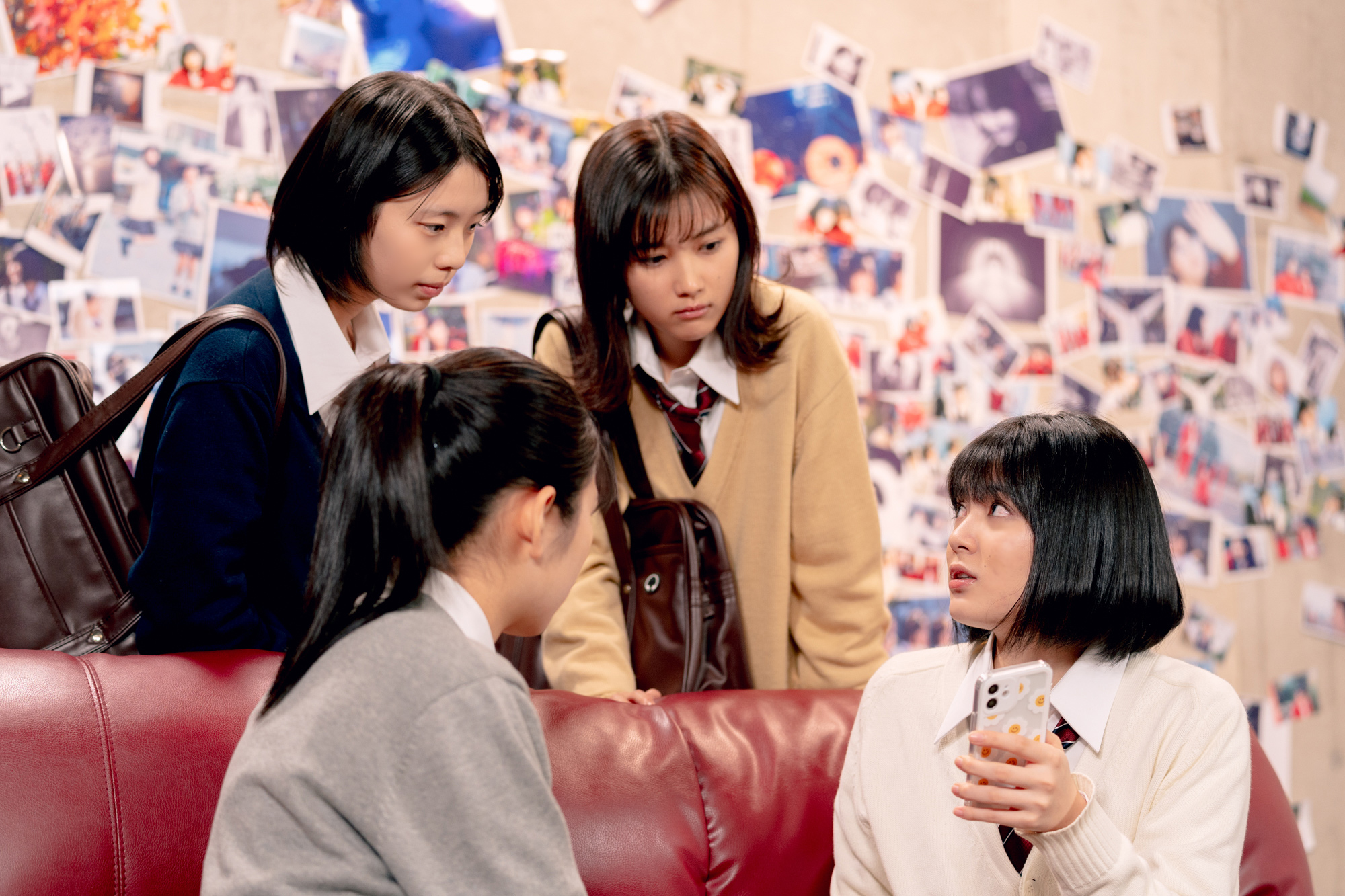
Part way through Shinya Tamada’s empathetic social drama I Am What I Am (そばかす, Sobakasu), the heroine’s sister remarks that she wishes she could live as if the world did not concern her as she assumes her sister does. In many ways, it’s an incredibly ironic statement because Kasumi (Toko Miura) finds herself constantly at the mercy of a world which refuses to acknowledge her, certain that the truth she offers freely of herself must be a lie or at least a cover for some other kind of shame. 

The fact is that Kasumi is asexual and has no interest in love or dating. As the film opens, she appears to be on some kind of awkward double date but seems isolated and aloof, as if deliberately left out of a conversation as she will be several times throughout the course of the film because of the centrality of “romance” in most people’s lives. She’s constantly asked about her “type”, or what she finds attractive in a man with a clear presumption of heteronormativity in also in play. Not wanting to get into it, Kasumi finds herself just nodding along offering some vague, stereotypical comment to smooth things over. When one of the men does strike up a more interesting conversation to which Kasumi can enthusiastically contribute, he doesn’t even listen to her but abruptly gets up to chase her friend. She ends up going to ramen bar on her own to decompress before running the gauntlet at home between mum, sister, and grandma who are all very confused by her lack of interest in marriage. 

Kasumi’s mother tells her that she has to get married someday, unable to accept that not to do so is also valid choice. Whether she does this because she feels embarrassed to have a 30-year-old unmarried daughter fearing that it reflects negatively on her parenting, is genuinely worried that Kasumi is lonely and unable to progress romantically because of shyness, or has a practical concern that she’ll be alone when she’s old, remains unclear though it does seem that her quest to marry Kasumi off is more to do with herself than her daughter. But with grandma apparently having had three divorces of her own, Kasumi’s sister Natsumi (Marika Ito) paranoid her husband’s cheating on her while she’s pregnant, and the parents’ marriage strained by her father’s depression it’s only natural she may wonder what’s so great about marriage anyway. 

In any case, though Kasumi constantly tells people quite directly that the issue is she has never experienced romantic desire and is fine the way she is they refuse to believe her assuming either that she is shy, stubbornly rebellious, or as her sister later suggests, gay. “No one would judge you for that,” she spits out less than sympathetically even while quite clearly judging her for this, as if it denies a basic fact of biology as unthinkable as someone claiming not to breathe the air. Her friend, Yashiro, who introduces her to a new job at a kindergarten, reveals that people did indeed judge him for being gay which is why he’s returned to his hometown. Not even he really believes Kasumi though eventually develops a sense of solidarity with her when her attempt to update Cinderella for a new, more inclusive generation leaves her both exposed and humiliated with a conservative politician visiting the school remarking that he thinks “diversity” is all very well but it only confuses the children and perhaps they should learn about it after developing “solid values”. 

The irony is that Kasumi is remarkably unjudgemental and accepting of all those around her, Yashiro remarking that he just knew she would be a safe person to disclose his sexuality to while she also bats nary an eyelid on reconnecting with a middle school friend (Atsuko Maeda) who turns out to have become a famous porn star in Tokyo only keen to protect her from the unwanted attention of star struck teenage boys and the accusatory eyes of those around them. Each of her attempts to find platonic friendship also fails because sooner or later romance gets in the way. She hits it off with the guy at the omiai marriage meeting her mother tricked her into attending because he also reveals that he has no desire to date or get married, but as much as she thinks she’s found a kindred spirit it turns out that his issue was a more conventional reluctance to enter a serious relationship. When he develops feelings and she has explain again that she meant it when she said she had no interest in romance he takes it personally, insisting that she’s lying and resentful that she doesn’t find him attractive. An attempt to get a flat with a female friend also hits the rocks when she decides to get back together with an ex instead. 

When questioned about dating activities and giving the unoriginal answer of the cinema, Kasumi had mentioned a fondness for Hollywood remake of the War of the Worlds starring Tom Cruise. She later elaborates on her statement that she likes the way he runs to explain that in most of his other films, Tom Cruise is usually running towards something but in this one he’s just a regular guy running from trouble which something she can relate to because she’s been running away all of her life too. Yet the unexpected discovery that her mini stand over Cinderella might have done some good after all along with encountering someone who might indeed be a kindred spirit gives her the courage to start moving forward, less concerned by the world and more confident in herself. An empathetic tale of one woman’s attempt to live her life the way she wants frustrated by a conformist society, Tamada’s gentle slice of life drama is a refreshingly empathetic in its fierce defence of its heroine’s right to chase happiness in the way that best suits her.


I Am What I Am screened as part of this year’s Nippon Connection.

Original trailer (English subtitles)

Images: ©2022 “I am what I am” film partners

Day Zero (Joey De Guzman, 2022)

“This has been a really catastrophic day” according to a sympathetic, if not very reassuring, voice on the radio at the conclusion of Joey De Guzman’s zombie horror Day Zero. As the title suggests, the film takes place over 24 hours and marks the beginning but not end of the outbreak which will continue long after the end credits roll with ordinary people desperately trying to escape the seemingly endless stream of undead assailants. 

Perfectly placed to face off against them is Emon (Brandon Vera), though he’s spent the last few years in prison for serious assault resulting in permanent disability. Emon is a former US special forces soldier and has apparently been a model prisoner so has won his parole and is hoping to return home to his wife Sheryl (Mary Jean Lastimosa), and daughter Jane (Freya Fury Montierro), who is deaf, but his hopes are dashed when he’s surrounded by other prisoners who attack him when he sticks up for his timid friend Timoy (Pepe Herrera) at which point his release is cancelled. As it turns out, that doesn’t matter very much because of an outbreak of suspected Dengue fever which has mutated causing corpses to come back to life and attack people. The warden apparently had a moment of compassion before becoming a zombie and opened the gates telling the prisoners to escape and allowing Emon and Timoy to try to make their way back to Sheryl and Jane.

Like the similarly themed Train to Busan, the narrative arc is paternal redemption as Emon must reclaim his role as a father by becoming a man who can protect his family even if it’s true that it’s the same self-destructive forces, his capacity for violence, which enable him to do so. Even the warden had remarked on Emon’s intimidating physicality admitting that it’s unsurprising the other inmates largely leave him alone while his attempt to impress Sheryl by telling her how some guys hassling Timoy had walked away when they saw him coming backfires as she sees it as evidence that he really hasn’t changed and is still wedded to a destructive code of masculinity founded on dominance and violence. The implications of the fact he learned these skills as a member of the US military otherwise goes largely uncritiqued as does the presence of heavy weaponry including an assault rifle in the home of a local police officer.

Then again, police chief Oscar (Joey Marquez) later becomes a secondary enemy after turning on some of the other survivors when someone close to him is zombified though it’s Sheryl, not Emon, who must eventually contend with him. The two men present conflicting visions of fatherhood, one protective and the vengeful prepared to kill a child just to get revenge against her father. In any case, Emon must learn to channel his violence in a more positive direction by killing as many of the zombified locals as possible to clear a path for Sheryl and Jane to escape the apartment building where the family have become trapped. Though he may eventually be able to reclaim his paternity, it’s also true the problematic violence that allows him to do so may prevent him from reintegrating into his family in a more “normal” post-outbreak world. 

The film doesn’t have much time to go into its zombie mythology save the allusion to Dengue fever, but does give them the novel quality of falling asleep when not otherwise engaged allowing the survivors to escape through a life or death game of grandmother’s footsteps. This leaves Jane additionally vulnerable because of her disability but also grants her an advantage as the family can communicate through sign language to avoid waking the zombies. Most of the action is however left to Emon who staggers through darkened corridors armed with an assault rifle, pistol, knife, and finally just his fists facing off against the zombie hoards hoping to hold back the tide so his family can escape to look for safety and stability. Mostly serious in tone, the film allows a few moments of dark comedy such as a teenage survivor’s attempt to take care of a zombie using a rechargeable drill frustrated by its battery life, but mostly relies on the claustrophobic atmosphere of the darkened apartment block and heartwarming story of familial reconciliation along with intense zombie action to carry itself through.


Day Zero is available on Digital now in the US and released on DVD & blu-ray July 11 courtesy of Well Go USA.

Thorns Of Beauty (恋のいばら, Hideo Jojo, 2023)

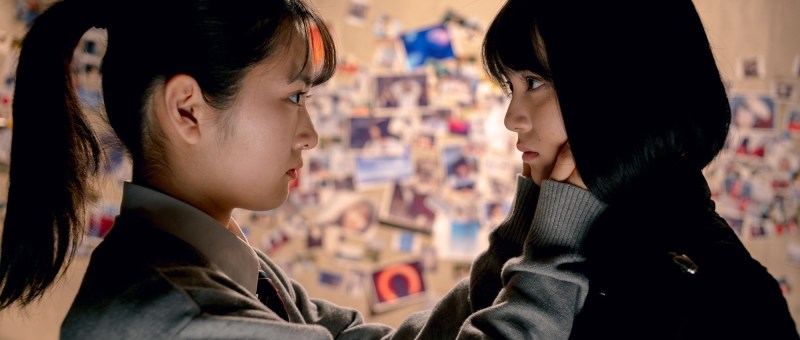
“Can two women who like the same guy become best friends?” A loose remake of Pang Ho-Cheung’s 2004 Hong Kong comedy Beyond our Ken, Hideo Jojo’s Thorns of Beauty (恋のいばら, Koi no Ibara) finds a jilted ex teaming up with the current squeeze against a no good guy who has compromising photos of each of them he could potentially expose online anytime he feels like it. Not quite everything is as it first appears, yet as they plot revenge against the caddish Kentaro (Keisuke Watanabe) the pair begin to discover a bond that runs deeper than their shared quest for validation.

Momo (Honoka Matsumoto), a mousy librarian, first accosts Riko (Tina Tamashiro), an aspiring dancer who works at a nightclub, on a bus, staring at her intensely until she finally removes her earphones. In truth, Momo never quite shakes an edge of possibly dangerous eccentricity and there is always an underlying doubt that she is telling the truth when she explains to Riko that she and Kentaro were previously an item and he has private photographs of her she fears he may intend to post online. For whatever reason, Riko decides to hear her out and though insisting that Kentaro’s not that sort of guy seems to think there may be something in it. A photographer by trade, Kentaro has in the past photographed her without her consent claiming that he spends all day photographing things other people find beautiful and wanted capture something for himself in his free time. 

Much of the story is filtered through a version of Sleeping Beauty that Momo finds at the library where she works. As the two women bond in their shared quest for revenge, Jojo often plays with the image of them as “witches” lighting them in an eerie green while they dress in black with hats that cast shadows over their faces. Yet we also find ourselves wondering who the sleeping beauty is in this scenario, an unexpected candidate turning out to be Kentaro’s elderly grandmother who has dementia and spends her days collecting shiny things to build a vast fairytale castle. Momo comes to see herself as hoping to wake Riko from a moment of romantic fantasy with a man who in the end doesn’t really care for her which she likely knows but has allowed the relationship to continue mainly out of a sense of inertia. 

But in teaming up with Riko, Momo also begins to awaken from her own low self-esteem in believing herself to be inferior to someone like her. There are times when we wonder if this is going to turn into a Single White Female-style bid at identity theft as Momo seems to idolise her new friend possibly planning to eliminate her and reclaim her place in Kentaro’s life. In the end, however, both women are throughly awakened from their romantic illusions in realising that Kentaro is indeed that sort of person with a hard disk full of pictures of other women just like them while their friendship also begins to take on a distinctly homoerotic quality that clearly runs beyond simple friendship or female solidarity. 

As Momo reflects, Sleeping Beauty is a passive heroine who is asleep for the entirety of her own story. When she’s born, the fairies give her various gifts that turn her into a stereotypical figure of idealised femininity and leave her with nothing to want or strive for. Momo wonders if that doesn’t make her a little boring and if Sleeping Beauty actually wanted any of those things or in the end they were just burden to her. Momo would only be grateful for things she actually wanted like the ability to totally become herself, while Riko reflects on a “past life” as a woman living happily with her two sons by a lake in Switzerland. Cutting through the thorns of their illusions, they awaken each other to a sense of possibility each of them may long have forgotten. Strangely poignant in the touching quality of its central romance along with fairytale allusions, the film in the end allows both women to reclaim an image of themselves from a man who tried to take it from them without ever really bothering to look at it. 


Thorns Of Beauty screened as part of this year’s Nippon Connection.

International trailer (English subtitles)