 Tharlo producer Wang Xuebo looks north in this rare cinematic showcase for China’s Hui people, a largely Muslim ethnic group concentrated in the rural North West. Using a cast of non-professional actors, Knife in the Clear Water (清水里的刀子, Qingshui Li De Daozi) marries a neorealist aesthetic with a Tarkovskian poetry as a widowed man faces the coming end of his own life largely through his self identification with his faithful bull, about to be sacrificed in the name of dead for the pleasure of the living. Setting religion to one side, this tale of rural poverty and people eclipsed by a landscape that’s as unforgiving as it is beautiful has an infinitely timeless quality even if this traditional way of life is just as moribund as the bull which drives it.
The family matriarch has died. Mild mannered paterfamilias Ma Zishan (Yang Shengcang) is now alone, bereft of both family and purpose. His wife may not long be dead, but there is the 40 day anniversary memorial to think of. Even if old Ma is not in the mood, Ma’s son, Yakub (Yang Shengcang – different actor, same name), is eager to make sure his mother has a fitting send off to mark her long years of sacrifice and toil. They could kill a chicken or perhaps a lamb, but with all the extended family coming in it might not be enough. Why not, he suggests, slaughter the family bull? They can’t afford to buy a new one, but the bull is already old and slow and no longer makes a good return on the resources needed to maintain it. Ma does not want this, but is powerless to refuse given all the financial and cultural concerns bound up in his son’s request.
All things considered, Ma had few pressing concerns in his life. He was not wealthy but he did not starve and does not seem to be unhappy in his lot other than his growing existential worries. Poverty is the normal way of things, but given the extreme need all around him, can Ma really conscience his son’s intention to spend lavish sums on a funeral feast which is intended to celebrate the dead – his own wife whom he would like honour, when his younger brother approaches him for rice in desperation at the thought of not being able to feed his pregnant wife? Touchingly, Ma visits a relative who relates a story of having met his wife in the marketplace not so long ago and lent her some money to buy a pair of shoes she’d been admiring. The woman meant to tease her by suggesting she ought to be able to buy anything she liked with her son’s fancy job in the city but could see Ma’s wife was upset as she sadly confessed that her son had his own family to think of and so she couldn’t bring herself to ask him for money.
Ma would have liked his son to return and farm the land as he, and generations before him, had done but Yakub tells him the life is so much better in the city – work is plentiful and much easier than tilling the soil in this inhospitable terrain. A scene of the family quickly whipping out the buckets and basins to harvest water during a sudden storm may reinforce the reasons he wouldn’t want to return but there is something serene about Ma’s simple life of prayer and farming which neatly contrasts with his son’s comparatively frenetic and nervous approach to life, caring more about the spectacle and less about the meaning.
This is perhaps why he acts so insensitively regarding the bull despite his father’s unusually sentimental attachment to it. Aside from being a long standing companion, as silent and pliant as Ma himself as they plough the fields and walk the mountain roads together, the bull serves to remind Ma of his own impending fate – an unwilling sacrifice to an unforgiving landscape. Ma, about to be put out to pasture himself, can see a kindred spirit in this weary beast, chained and cajoled, cruelly discarded now he’s outlived his usefulness. The bull, like Ma seems to be aware of his fate leading its master to wonder if, like the old story, it has seen the reflection of a knife in clear water warning of what is to come. No longer eating or drinking, the bull may not last until the fateful ceremony but whether its abstinence is a kind of self purification or a symptom of total despair, Ma is unable to say.
When the time comes, Ma turns away, wandering through the snowy, grave filled landscape alone until he finally becomes lost to us. The land swallows him, his chain may have been severed but he’s anything but free. Wang’s 4:3 framing is apparently inspired by Tarkovsky, as well as the painters Andrew Wyeth and Jean-Francois Millet, and his images do often have a classically inspired beauty reliant on static camera and noticeably contrived composition which may be at odds with the otherwise naturalistic approach. A sad tale of an old man and a bull contemplating the end of their world, Knife in the Clear Water is a familiar journey into the dying of the light but one no less well expressed for all of its subtlety and emotional weight.
Available to stream online from Festival Scope until 20th February 2017 in conjunction with International Film Festival Rotterdam.
Short clip from near the beginning of the film (English subtitles)
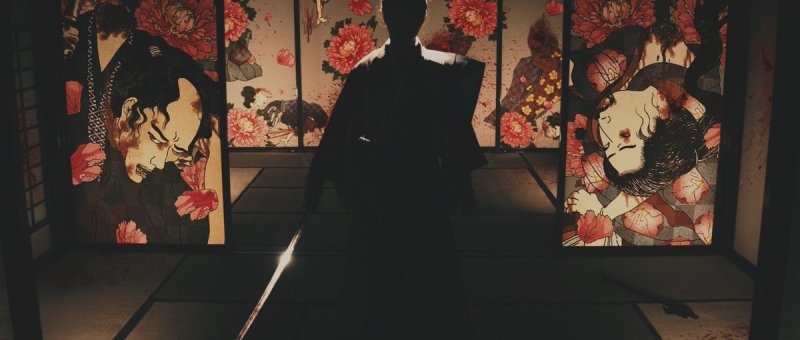
 All life is suffering, and all suffering is caused by desire. Ninko, the titular monk at the centre of this entertaining oddity from Norihiro Niwatsukino, seems to have taken this to heart and is suffering more than most in his attempts to reach Nirvana. Suffering of Ninko (仁光の受難, Ninko no Junan) takes its cues from the Hyaku-monogatari classical Japanese tales of ghosts and the supernatural as its seemingly comic story of a pretty monk and his ironic talent for attracting the wrong kind of attention gradually darkens until its unexpectedly strange finale. Visually striking if a little rough around the edges, Suffering of Ninko has a pleasantly organic quality as if its narrator were really making it up as she goes along only to tire of it a little by the end and give us a suitably spooky conclusion to send us on our way.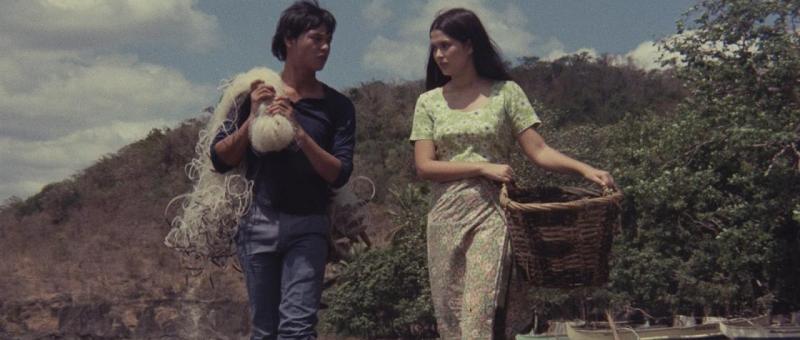
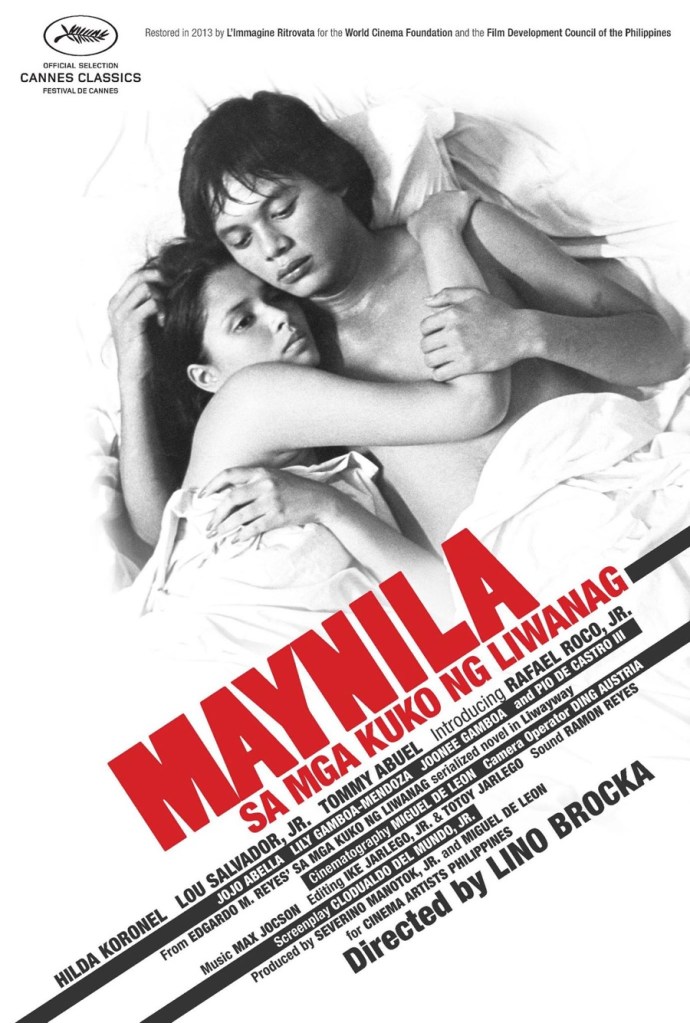 About half way through Lino Brocka’s masterpiece of Philippine cinema Manila in the Claws of Light (Maynila, sa mga Kuko ng Liwanag), the hero, Julio (Bembol Roco), sits watching the window where he thinks the woman he loves may be being held prisoner as a trio of guitar players strums out The Impossible Dream, unwittingly narrating his entire story. Julio is no Don Quixote but he has his own Dulcinea and, as the song says, without question or pause he is ready to march into hell for the heavenly cause of rescuing her from clutches of this cruel city. Not quite content to love pure and chaste from afar, Julio plays Orpheus descending into the underworld, plunged into a strange odyssey through a harsh and indifferent world driven by mutual exploitation and the expectation of violence.
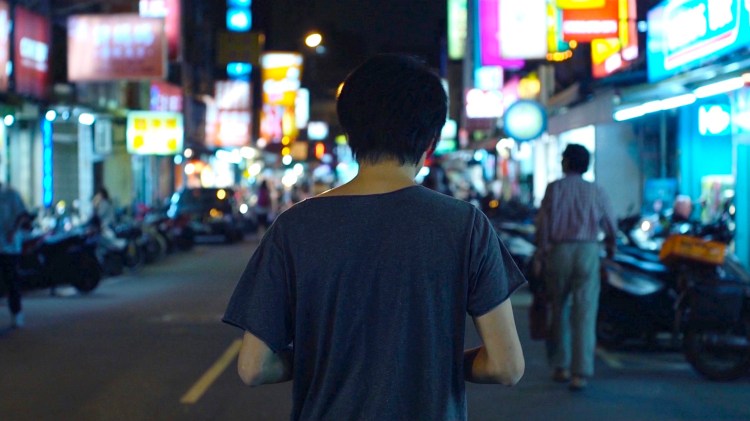 We don’t move forward in this dance, comments the lady currently being waltzed by a charming lost soul. Don’t worry, he says, that’s not a bad thing. Indeed, Out There, the first independent feature film from director Takehiro Ito exists in a fixed yet liminal space, here and not there as its protagonist finds himself without the proper place to be. Conceived as a way of salvaging some of the material collated for a documentary on the late Taiwanese director Edward Yang, Out There takes more of its cues from Tsai Ming-liang or even Lav Diaz in its preoccupation with the intersection between time, existence, and place. If that all sounds to weighty, there’s a little whimsy in here too, but the intent is a serious one as nationhood (or the lack of it), drifting cultures, love and history all conspire to confuse and distract the course of a young man in search of an identity which is entirely his own.
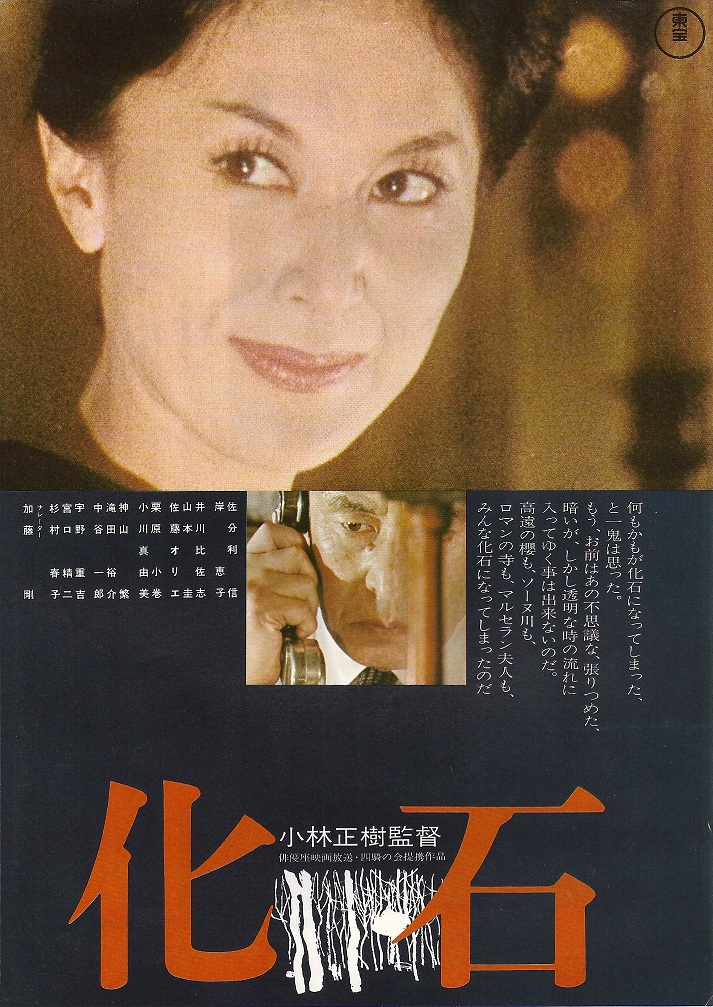 Throughout Masaki Kobayashi’s relatively short career, his overriding concern was the place of the conscientious individual within a corrupt society. Perhaps most clearly seen in his magnum opus,
 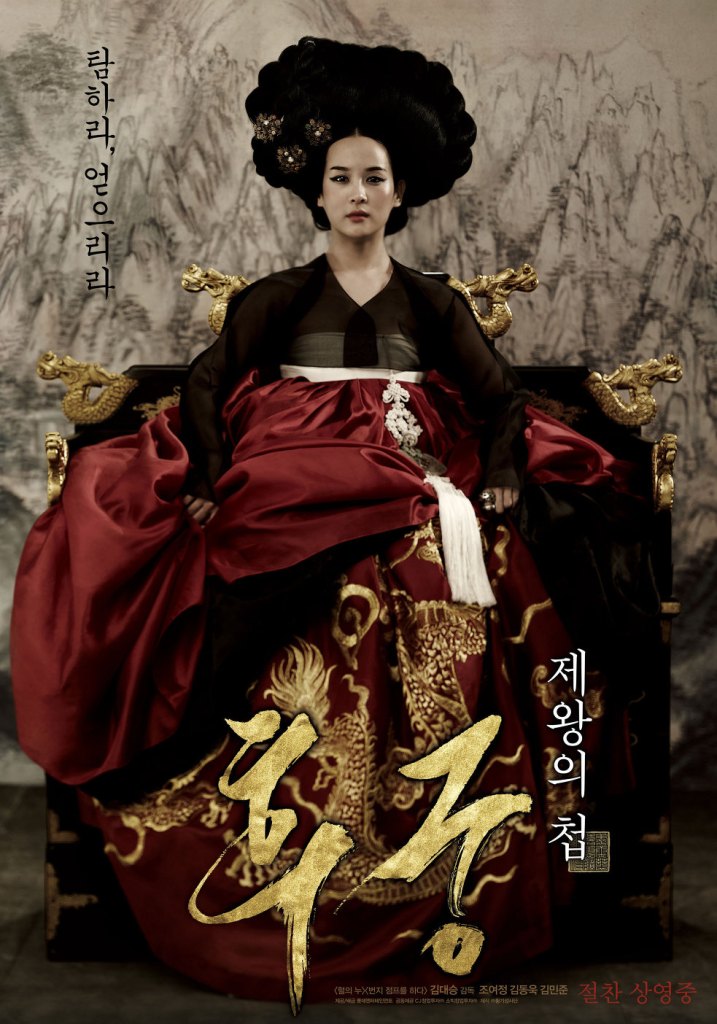 You can become the King of all Korea and your mum still won’t be happy. So it is for poor Prince Sungwon (Kim Dong-wook) who becomes accidental Iago in this Joseon tale of betrayal, cruelty, and love turning to hate in the toxic environment of the imperial court – Kim Dae-seung’s The Concubine (후궁: 제왕의 첩, Hugoong: Jewangui Chub). Power and impotence corrupt equally as the battlefield shifts to the bedroom and sex becomes weapon and currency in a complex political struggle.
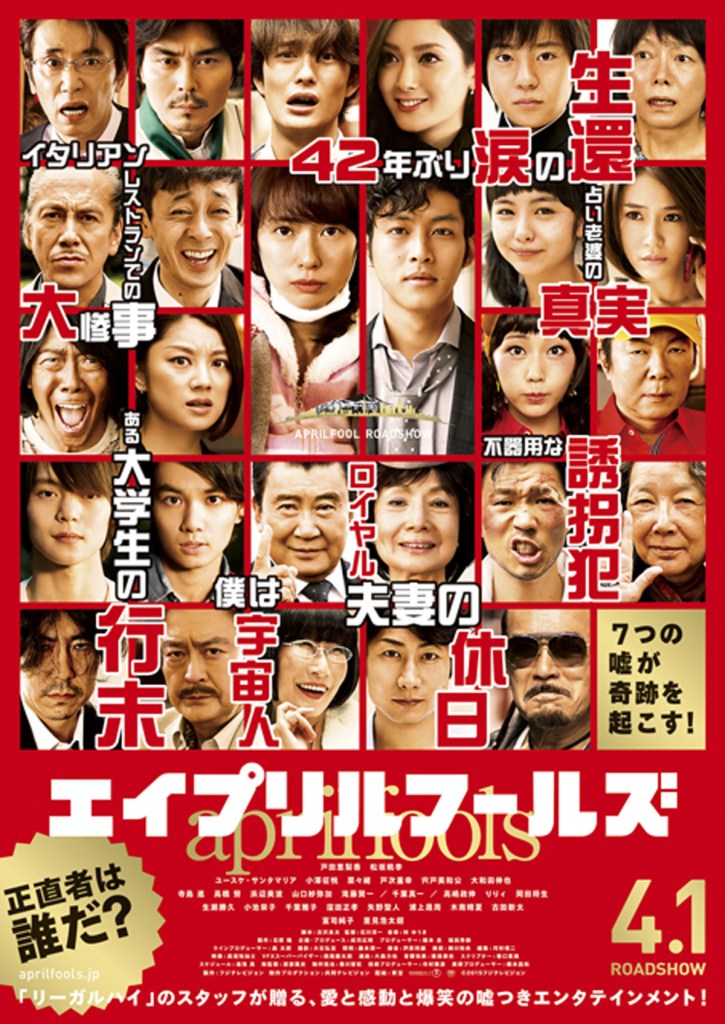 In this brand new, post truth world where spin rules all, it’s important to look on the bright side and recognise the enormous positive power of the lie. 2015’s April Fools (エイプリルフールズ) is suddenly seeming just as prophetic as the machinations of the weird old woman buried at its centre seeing as its central message is “who cares about the truth so long as everyone (pretends) to be happy in the end?”. A dangerous message to be sure though perhaps there is something to be said about forgiving those who’ve misled you after understanding their reasoning. Or, then again, maybe not.
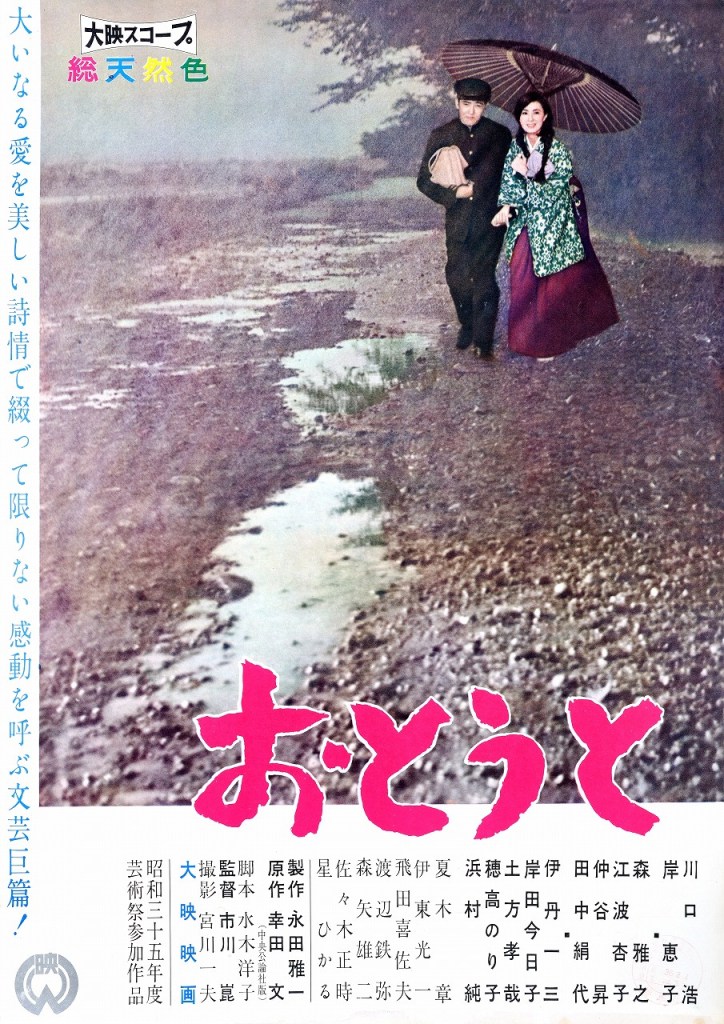 Perhaps oddly for a director of his generation, Kon Ichikawa is not particularly known for family drama yet his 1960 effort, Her Brother (おとうと, Ototo), draws strongly on this genre albeit with Ichikawa’s trademark irony. A Taisho era tale based on an autobiographically inspired novel by Aya Koda, Her Brother is the story of a sister’s unconditional love but also of a woman who is, in some ways, forced to sacrifice herself for her family precisely because of their ongoing emotional neglect.
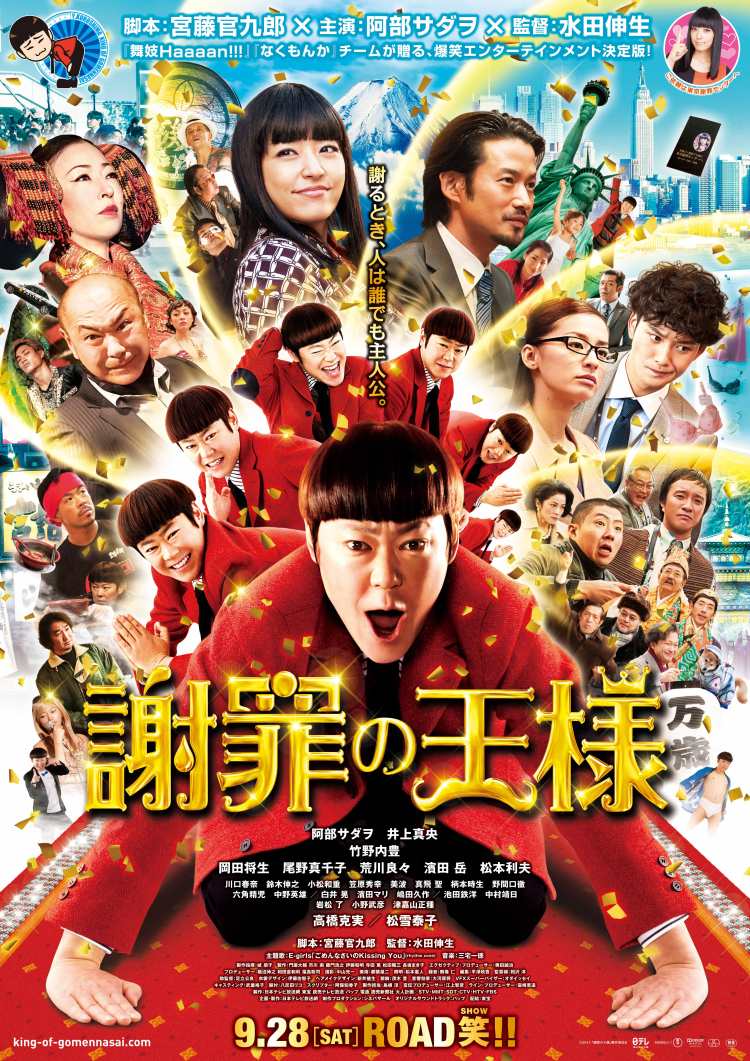 There are few things in life which cannot at least be improved by a full and frank apology. Sometimes that apology will need to go beyond a simple, if heart felt, “I’m Sorry” to truly make amends but as long as there’s a genuine desire to make things right, it can be done. Some people do, however, need help in navigating this complex series of culturally defined rituals which is where the enterprising hero of Nobuo Mizuta’s The Apology King (謝罪の王様, Shazai no Ousama), Ryoro Kurojima (Sadao Abe), comes in. As head of the Tokyo Apology Centre, Kurojima is on hand to save the needy who find themselves requiring extrication from all kinds of sticky situations such as accidentally getting sold into prostitution by the yakuza or causing small diplomatic incidents with a tiny yet very angry foreign country.
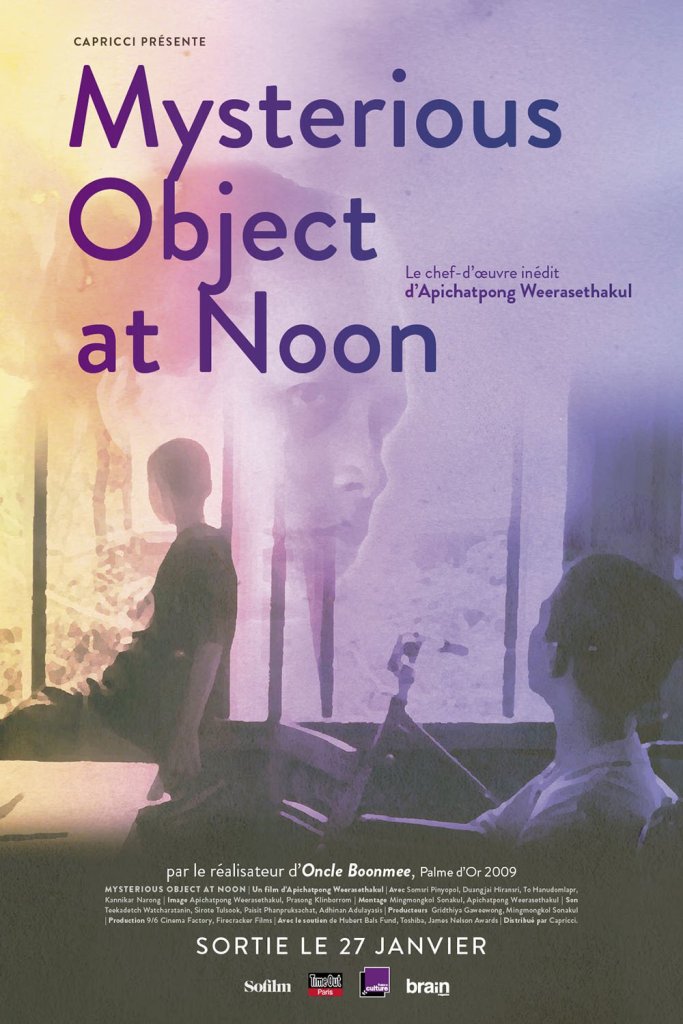 Apichatpong Weerasethakul started as he meant to go on with his debut feature, straddling the borders between art film and surrealist exercise. A cinematic riff on the classic “exquisite corpse” game, Mysterious Object at Noon (ดอกฟ้าในมือมาร, Dokfa Nai Meuman) is equal parts neorealist odyssey and commentary on the human need for constructed narrative (something which the film itself consistently rejects). Shot in a grainy black and white, Apitchatpong’s first effort was filmed over three years travelling the length of the country from North to South inviting everyone from all walks of life to contribute something to the ongoing and increasingly strange brand new oral history.
