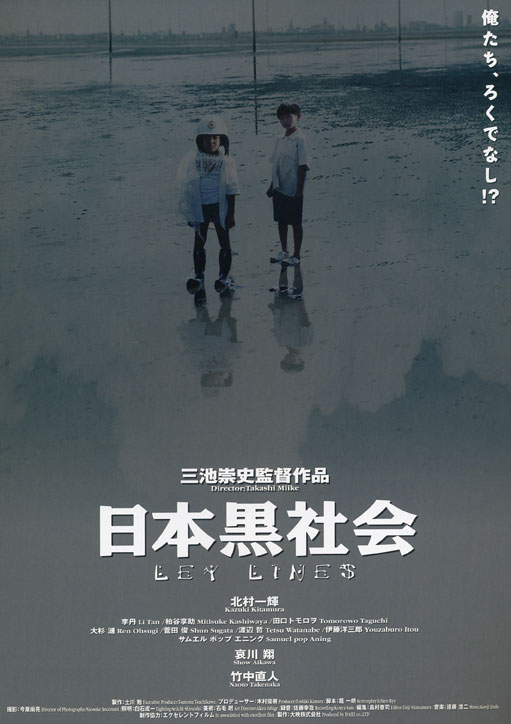
 The three films loosely banded together under the retrospectively applied title of the Black Society Trilogy are not connected in terms of narrative, characters, tone, or location but they do all reflect on attitudes to foreignness, both of a national and of a spiritual kind. Like Tatsuhito in the first film, Shinjuku Triad Society, the three young men at the centre of the final instalment, Ley Lines (日本黒社会 LEY LINES, Nihon Kuroshakai LEY LINES), have each faced prejudice and discrimination due to their Chinese heritage. Fleeing their small town blues and heading for the big city, they want out of the homeland which can find no place for them to try their luck in pastures new, but desperation breeds poor choices and if they find their freedom it may not be in the way they might have hoped.
Angry young man Ryuichi (Kazuki Kitamura) seems to have been in some trouble with the law recently, at least that’s the reason the pedantic government official gives for rudely rejecting Ryuichi’s attempts to get a passport whilst subtly underlining the fact that a “real” Japanese person would know you can’t have one whilst on probation. Offended, Ryuichi picks up a small potted tree and hits the uncooperative desk jockey on the head with it. With Brazil off the cards and no work or prospects on the horizon, Ryuichi decides to blow town with some friends. All but three of them change their minds at the train station but Ryuichi, his sensitive younger brother Shunrei (Michisuke Kashiwaya), and their friend the impulsive Chan (Tomorowo Taguchi) head for the sleazy streets of Shinjuku hoping to find someone to forge their papers for passage overseas.
Once there, hotheaded Ryuichi immediately begins to cause trouble and the trio get mixed up in an ongoing series of gang problems with the traditionally minded Chinese gangsters and a petty thug (Show Aikawa) selling what he claims is a new wonder drug, Toluelene. Teaming up with a brutalised local prostitute, Anita (who previously ripped them off leading to their ill advised Tolulene adventures), also desperate to get the hell out of Shinjuku, the four form an unconventional mini family but a last ditch solution to their dilemma will turn out to be a gamble too far.
Neatly uniting the themes of the previous two movies in the Black Society Trilogy, Ley Lines casts its heroes as multilayered outsiders. Miike begins the film with deliberately retro, aged footage of the brothers as young boys playing happily on a beach until some Japanese kids turn up and remind them that they’re different. Never allowed to just fit in, Ryuichi has become angry and frustrated whereas Shunrei studies harder than anyone trying to earn his place in a competitive society. If their Chinese heritage had set them at odds with their small town peers, the boys are just as much adrift in the big city, a trio of bumpkins wandering into all the wrong places naively thinking they can scrap their way out of Japan. Anita, also Chinese, shares in their desperation as her situation has become unsustainable. Shackled to a useless pimp and forced to endure frightening and barbaric treatment, Anita needs out of the flesh trade and the guys might just be her ticket to ride.
As he would later do so splendidly in Audition, Miike deliberately wrong foots us in the beginning as if he’s about to embark on a standard tale of a young man making his first big set of mistakes which will set him on a path to becoming a better person, but of course this isn’t where we’re going. The original Japanese title, “Japan Black Society” hints at the all pervading darkness which exists below the everyday world into which our trio of hapless dreamers have fallen. The guys are ordinary young men making ordinary mistakes which have a familiar, often comedic quality which only serves to deepen the agony they’re about to face.This underworld belongs to people like the mad gangster Wang (Naoto Takenaka) dreaming of his Chinese homeland and forcing young women to tell him folktales to remind him of it, the pimp the who mishandles the desperate Anita, and the deluded drug dealer Ikeda convinced he’s onto the next big thing. The boys don’t stand a chance. Ending with a typically poetic, bittersweet set of images as some of our heroes find a kind of freedom in an endless sea, Miike does not stint on the irony but his sympathy is very much with these disenfranchised youngsters, denied their futures at every turn and finally backed into a corner by the cruel and unforgiving nature of the Black Society which they inhabit.
Original trailer (English subtitles)
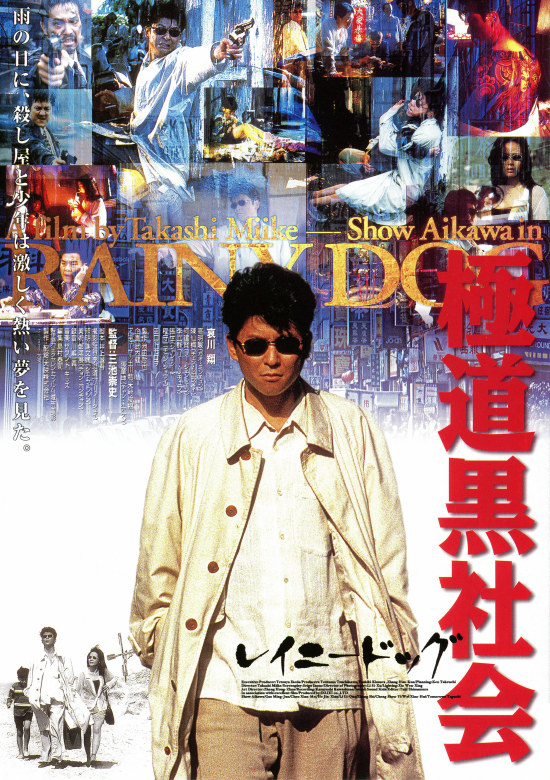 They say dogs get disorientated by the rain, all those useful smells they use to navigate the world get washed away as if someone had suddenly crumpled up their internal maps and thrown them in the waste paper bin. Yuji (Show Aikawa), the hero of Rainy Dog (極道黒社会, Gokudo Kuroshakai) – the second instalment in what is loosely thought of as Takashi Miike’s Black Society Trilogy, appears to be in a similar position as he hides out in Taipei only to find himself with no home to return to. Miike is not generally known for contemplative mood pieces, but Rainy Dog finds him feeling introspective. A noir inflected, western inspired tale of existential reckoning, this is Miike at his most melancholy but perhaps also at his most forgiving as his weary hitman lays down his burdens to open his heart only to embrace the cold steel of his destiny rather than the warmth of his redemption.
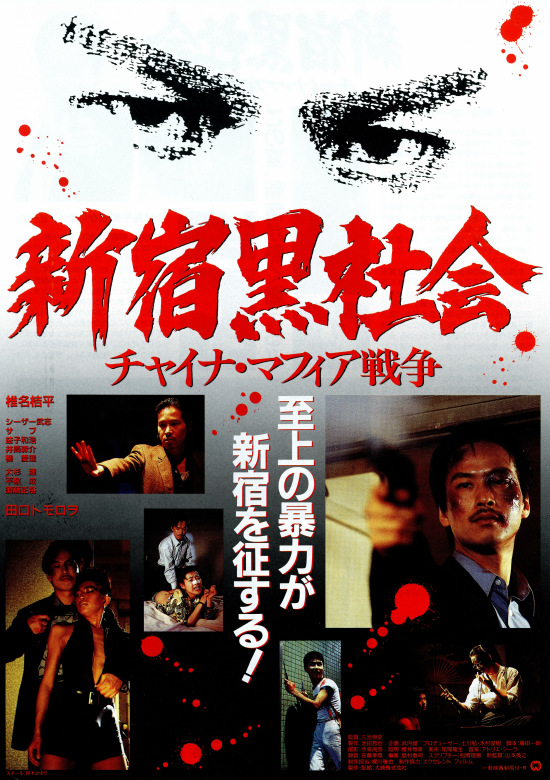 These days Takashi Miike is known as something of an enfant terrible whose rate of production is almost impossible to keep up with and regularly defies classification. Pressed to offer some kind of explanation to the uninitiated, most will point to the unsettling horror of
  Lav Diaz is many things but he’s not especially known for his brevity. Elegy to the Visitor From the Revolution (Elehiya Sa Dumalaw Mula Sa Himagsikan) is something of a departure in that regard as it runs a scant eighty minutes but is, nevertheless, imbued with the director’s constant themes of loss, melancholy and despair conveyed across a tripartite structure peopled by three very different yet interconnected sets of characters. To say “only” eighty minutes long, yet Elegy to the Visitor From the Revolution first began as a one minute short, intended to form a part of Nikalexis.MOV – an omnibus dedicated to the memory of film critics Alexis Tioseco and Nika Bohinc tragically killed during a home invasion. Diaz’ film, however, outgrew its origins to become a stand alone feature in its own right.
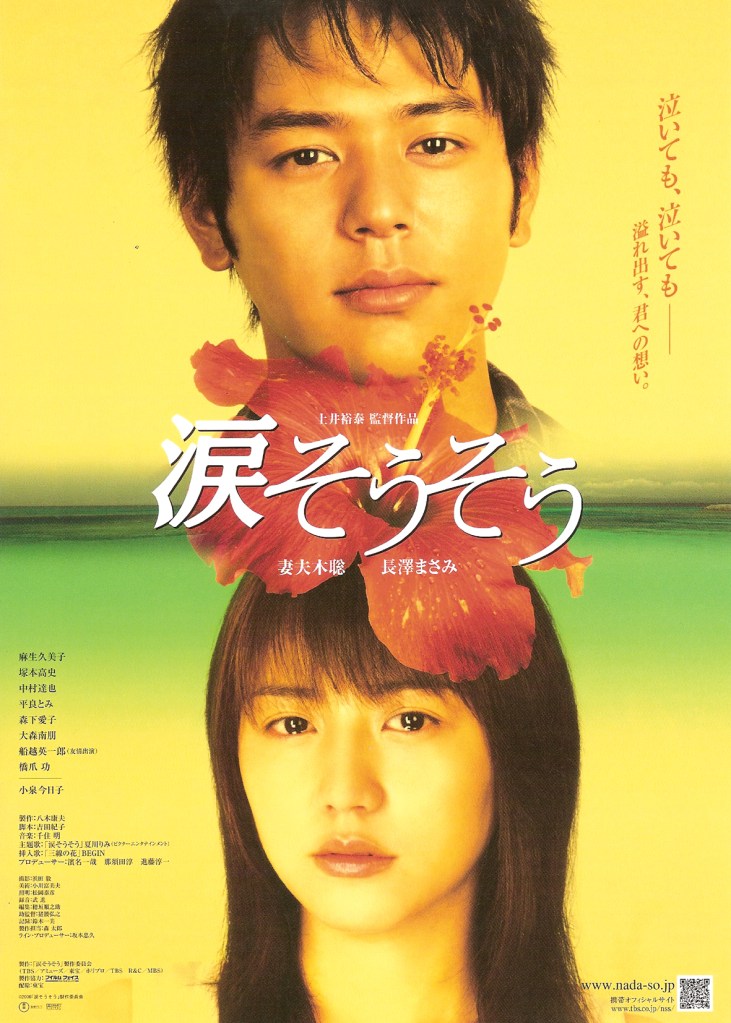 Coming in at the end of the “pure love” boom, Nobuhiro Doi’s second feature, Tears for You (涙そうそう, Nada So So) is presumably named to tie in with his smash hit debut
 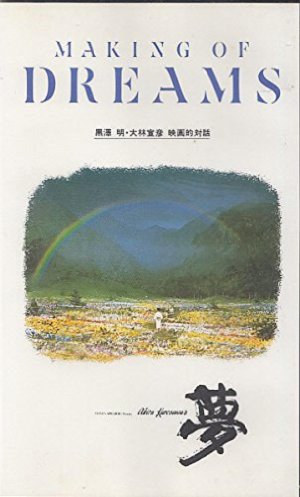 You might think there could be no more diametrically opposed directors than Akira Kurosawa – best known for his naturalistic (by jidaigeki standards anyway) three hour epic Seven Samurai, and Nobuhiko Obayashi whose madcap, psychedelic, horror musical Hausu continues to over shadow a far less strange career than might be expected. However,
 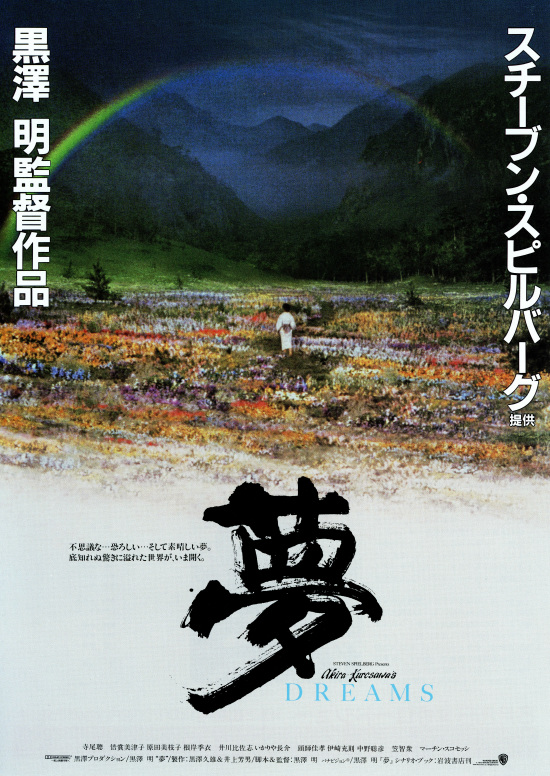 Despite a long and hugely successful career which saw him feted as the man who’d put Japanese cinema on the international map, Akira Kurosawa’s fortunes took a tumble in the late ‘60s with an ill fated attempt to break into Hollywood. Tora! Tora! Tora! was to be a landmark film collaboration detailing the attack on Pearl Harbour from both the American and Japanese sides with Kurosawa directing the Japanese half, and an American director handling the English language content. However, the American director was not someone the prestigious caliber of David Lean as Kurosawa had hoped and his script was constantly picked apart and reduced.
 One of the very earliest films to address female same sex love in Korea, Ashamed (yes, really, but not quite – we’ll get to this later, 창피해, Changpihae, retitled Life is Peachy for US release) had a lot riding on it. Perhaps too much, but does at least manage to outline a convincing, refreshingly ordinary failed love romance even if hampered by a heavy handed structuring device and a lack of chemistry between its leading ladies.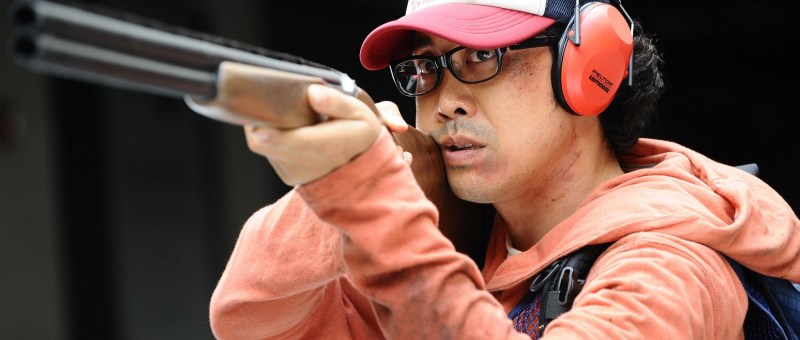
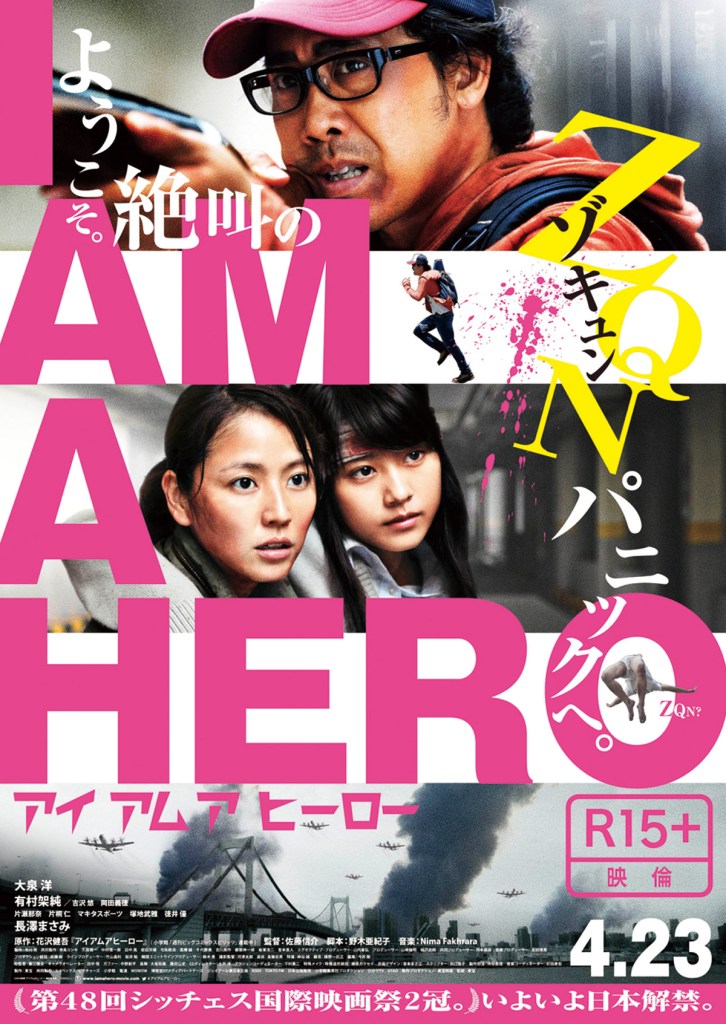 Japan has never quite got the zombie movie. That’s not to say they haven’t tried, from the arty Miss Zombie to the splatter leaning exploitation fare of Helldriver, zombies have never been far from the scene even if they looked and behaved a littler differently than their American cousins. Shinsuke Sato’s adaptation of Kengo Hanazawa’s manga I Am a Hero (アイアムアヒーロー) is unapologetically married to the Romero universe even if filtered through 28 Days Later and, perhaps more importantly, Shaun of the Dead. These “ZQN” jerk and scuttle like the monsters you always feared were in the darkness, but as much as the undead threat lingers with outstretched hands of dread, Sato mines the situation for all the humour on offer creating that rarest of beasts – a horror comedy that’s both scary and funny but crucially also weighty enough to prove emotionally effective.
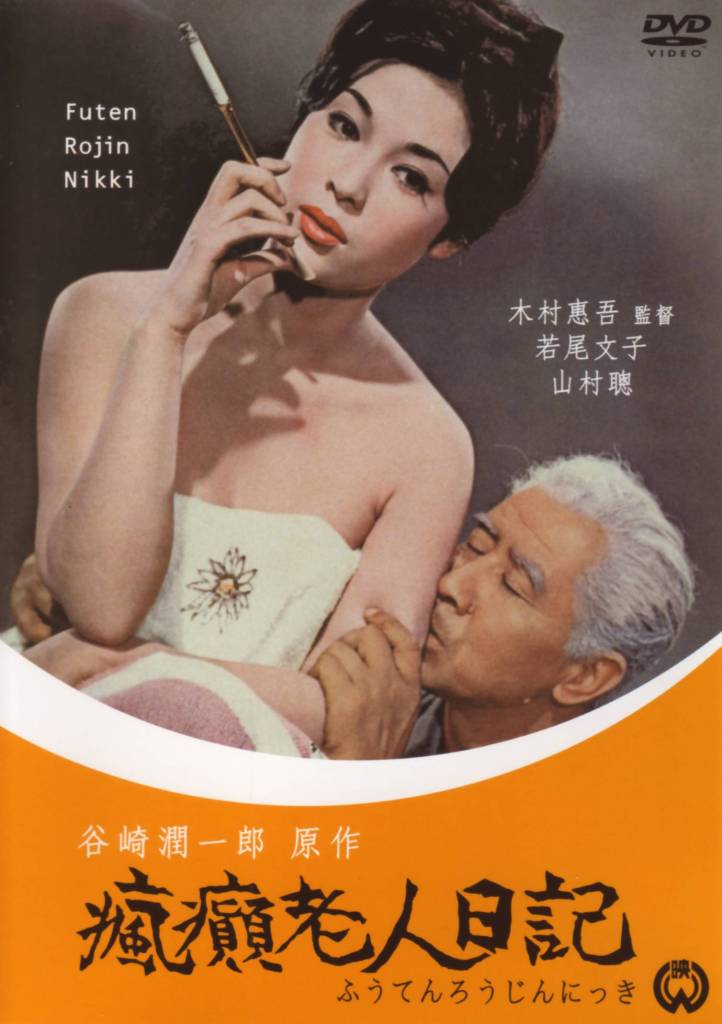 Junichiro Tanizaki is giant of Japanese literature whose work has often been adapted for the screen with
