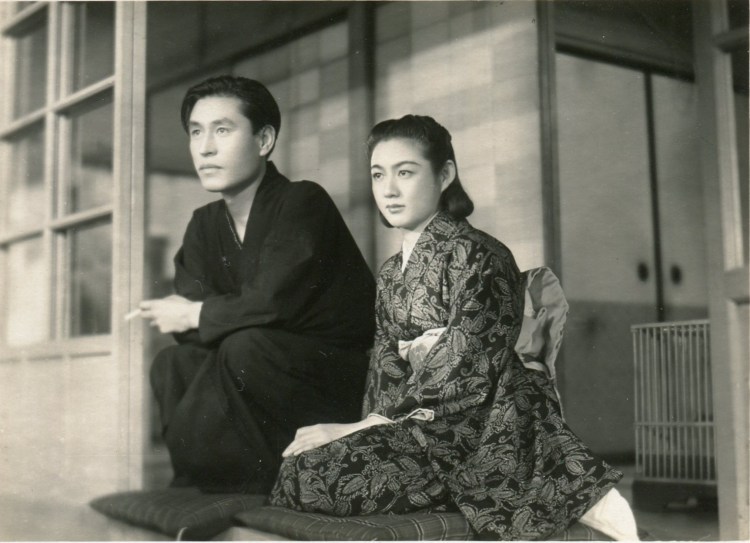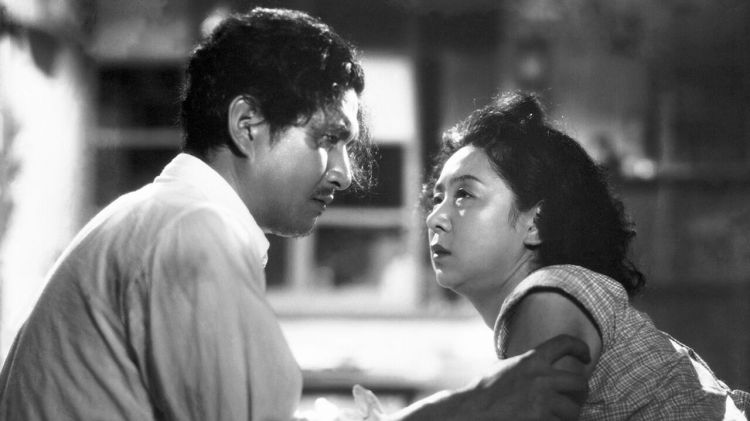
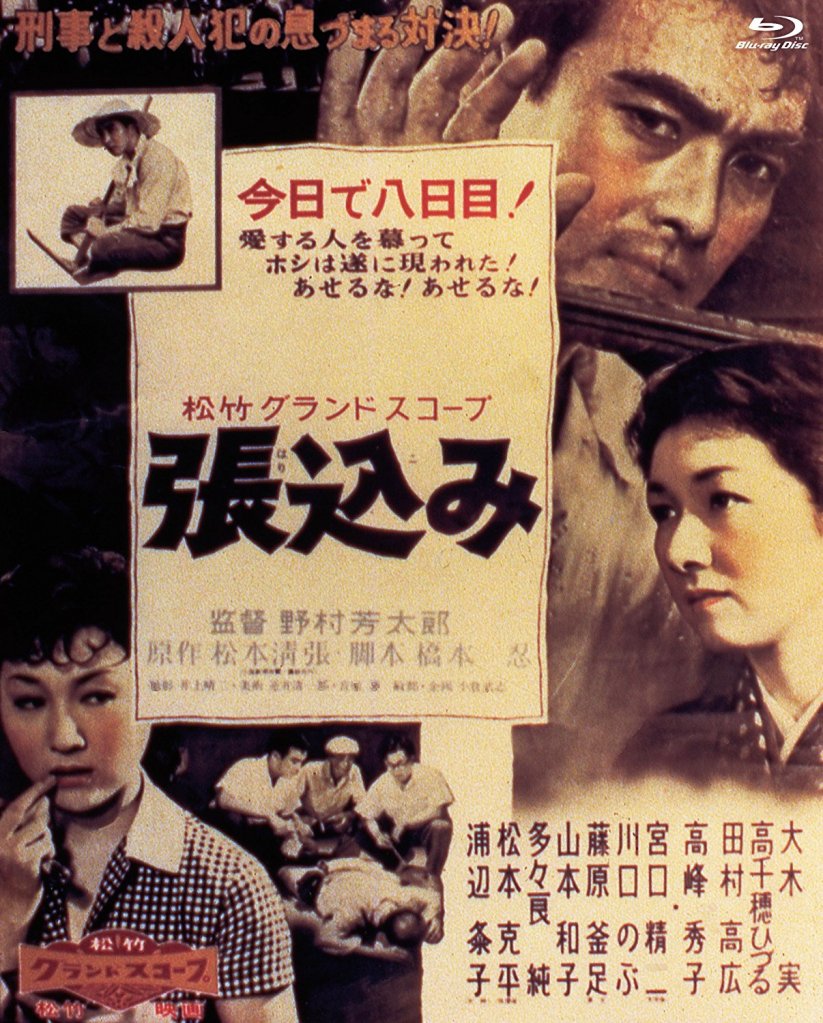
Stakeout (張込み, Yoshitaro Nomura, 1958)

Most closely associated with the crime genre, Yoshitaro Nomura was, like his frequent source of inspiration Seicho Matsumoto, also an insightful chronicler of the lives of ordinary people in the complicated post-war society. Stakeout (張込み, Harikomi), once again inspired by a Matsumoto short story, is on the surface a police procedural but underneath it’s not so much about the fugitive criminal as a policeman on the run, vacillating in his choice of bride, torn between the woman he loves who is afraid to marry him because her family is poor, and the pressure to accept an arranged marriage with the perfectly nice daughter of a local bathhouse. The stakeout becomes, in his eyes, a kind of illustrated parable, going against the socially conventional grain to convince him that making the “sensible” choice may only lead to long years of regret, misery, and loneliness. 

The film opens, as so many of Nomura’s films do, with a journey as two dogged Tokyo cops board a long distance train from Yokohoma travelling all the way down to provincial Kyushu which might as well be a world away from the bustling metropolis. Posing as motor salesmen, they take a room at a local inn overlooking the home of a melancholy housewife, Sadako (Hideko Takamine), the former girlfriend of a man on the run, Ishii (Takahiro Tamura), suspected of being in possession of a gun used to kill the owner of a pawn shop during a robbery. The younger of the policemen, Yuki (Minoru Oki), declares himself faintly disappointed with Sadako, complaining that she looks older than her years and is in fact quite boring, “the epitome of ordinary”. 

His older colleague, Shimooka (Seiji Miyaguchi), reminds him that most people are boring and ordinary, but as he watches her Yuki comes to feel a kind of sympathy for Sadako, seeing her less as a suspect than a fellow human being. Later we hear from Sadako that her marriage has left her feeling tired every day, aimless, and with nothing to live for, that her decision to marry was like a kind of suicide. “A married woman is miserable” Yuki laments on observing Sadako’s life as she earnestly tries to do her best as a model housewife, married to a miserly middle-aged banker who padlocks the rice, berates her for not starting the bath fire earlier to save on coal, and gives only 100 yen daily in housekeeping money while she cares for his three children from a previous marriage. Trying to coax him back towards the proper path, Shimooka admits that marriage is no picnic, but many are willing to endure hardship at the side of the right man. 

The “right man” gets Yuki thinking. Sadako has obviously not ended up with the right man which is why he sees no sign of life in her as if she simply sleepwalks through her existence. He is obviously keen that he wouldn’t want to make another woman feel like that, or perhaps that he would not like to be left feeling as she does at the side of the wrong woman. We discover that his dilemma is particularly acute because he finds himself at a crossroads dithering between two women, faced with a similar choice to the one he increasingly realises Sadako regrets. Shimooka’s wife is acting as a go-between, pressuring him to agree to an arranged marriage with a very nice girl whose family own the local bathhouse. She makes it clear that she’s not trying to force him into a marriage he doesn’t want, but would like an answer even if the answer is no so they can all move forward, but for some reason he hasn’t turned it down. Yuki is in love with Yumiko (Hizuru Takachiho), but Yumiko has turned him down once before because her family is desperately poor, so much so that they’re about to be evicted and all six of them will have to move into a tiny one room flat. She feels embarrassed to explain to her prospective husband that she will need to continue working after they marry but send almost all of her money to her parents rather than committing to their new family. 

Meditating on his romantic dilemma, Yuki begins to sympathise even more with Sadako, resenting their fugitive for having placed her in such a difficult position and repeatedly cautioning the other officers to make sure that the press don’t get hold of Sadako’s name and potentially mess up her comfortable middle class life with scandal when she is entirely blameless. The fugitive, Ishii, is not a bad man but a sorry and desperate one. He went to Tokyo to find work, but became one of many young men lost in the complicated post-war economy, shuffling from one poorly paid casual job to another. Now suffering with what seems to be incurable tuberculosis, he finds himself dreaming of his first love, the gentle tones of famous folksong Furusato wafting over the pair as they lament lost love at a picturesque hot springs while Yuki continues to spy on them from behind a nearby tree. 

They both bitterly regret their youthful decision to part, she not to go and he not to stay. The failure to fight for love is what has brought them here, to lives of desperate and incurable misery filled only with regret and lonliness. Sadako views her present life as a kind of punishment, finally resolving to leave her husband and runaway with Ishii who has told her that he plans to go to Okinawa to drive bulldozers for the next three years, though we can perhaps guess he has a different destination in mind. “That’s the way the world is, things don’t go the way you want” Ishii laments, but the truth is choices have already been made and your course is as set as a railway track. Sadako plots escape, but all Yuki can do is send her back to her husband with sympathy and train fare, leaving us worried that perhaps she won’t go back after all. Buying tickets for his own return journey, Yuki pauses to send a telegram. He’s made his choice. It’s not the same as Sadako’s, a lesson has been learnt. He goes back to Tokyo with marriage on his mind, but does so with lightness in his step in walking away from the socially rigid past towards a freer future, staking all on love as an anchor in an increasingly confusing world.


Original trailer (no subtitles)
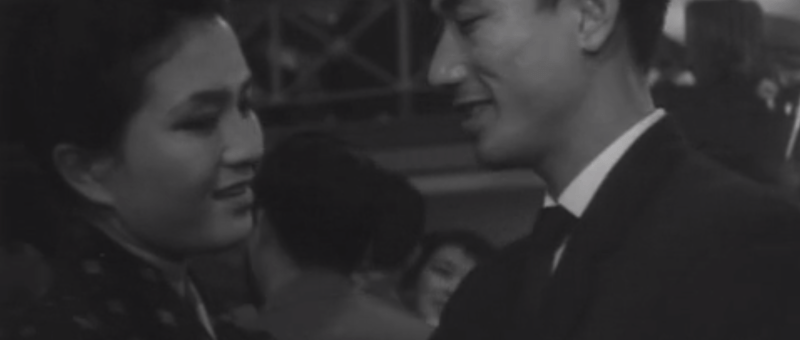
Beautiful Days (美わしき歳月, Masaki Kobayashi, 1955)

“Life is unpredictable” according to the protagonists of Masaki Kobayashi’s Beautiful Days (美わしき歳月, Uruwashiki Saigetsu, AKA The Beautiful Years), becoming something of refrain in the face of constant change. Among the most quietly angry of post-war humanists, Masaki Kobayashi’s later work is defined by a central question of how the conscientious individual can survive in an oppressive society. Like many directors, however, he had to do his time making regular studio programmers, in his case at Shochiku which was then, and to some extent still is, the home of polite melodrama. Like Kobayashi’s other films from this period, Beautiful Days conforms to the studio’s classic shomin-geki formula, but does perhaps display something of his resistance to the system in its tale of three former school friends scattered by the complicated post-war society but each in his own way attempting to make a break with the past in order to move into a more positive future. 

The action opens, however, with the old. Grandma Mrs. Tokioka (Akiko Tamura) is hit by a fancy car while out shopping, but the owner, retired CEO Shigaki (Eitaro Ozawa), turns out to be a kind and considerate man who insists on taking her to a hospital despite her protestations that she’s absolutely fine. Finally she gives in and asks Shigaki to take her to her regular doctor, Imanishi (Isao Kimura), only when she gets to the clinic Imanishi is getting a dressing down from his boss who accuses him of vanity in insisting on treating an emergency patient without checking his finances first. Imanishi storms out, recklessly quitting yet another job on a matter of principle. 

Mrs. Tokioka wanted to see Imanishi because he was a close friend of her grandson who was killed in the war, along with her son and his wife who were explosives experts, leaving her to care for her only remaining relative, 22-year-old Sakurako (Yoshiko Kuga) who works alongside her at their florist’s shop. Imanishi is from a relatively wealthy family of doctors which is perhaps why he feels so free to prioritise his integrity because the economic consequences are relatively marginal. For his friends, Hakamada (Junkichi Orimoto) and Nakao (Keiji Sada) the situation is different. Hakamada’s family are poor, living in a makeshift shack in the slums while he supports them all with a job in a factory run by an unscrupulous and exploitive boss standing in for heartless post-war capitalism. Nakao, meanwhile, graduated with a law degree but hasn’t been able to find any steady work since coming home from the war and is earning a living playing drums in a cabaret bar for 600 yen a night. 

Formerly close friends since their middle school days, the men maintain a deep yet increasingly distant connection not least because Tokioka’s death has left them with a sense of sad incompleteness. As the others say, Nakao has indeed changed. His experiences in the war along with the death of a close friend who was killed while trying to seek a better life in Brazil, have made him embittered and cynical. He buries himself in the inconsequential pleasures of pool halls and nightclubs to avoid having to think about a future he feels he doesn’t deserve. As Imanishi puts it, he struggles with his kindness towards others, pushing people away, overly cautious in choosing a policy of self-isolation rather than risk potential hurt. It seems he was in love before the war, but she (Toshiko Kobayashi) married someone else and is now a widowed single-mother. He wants to help her, getting Imanishi to visit her mother who was diagnosed with asthma that is most likely TB, and helping her with a job as a tea dancer at the club but feeling conflicted in inviting her into such a low environment while also resisting his continuing love for her, partly in resentment over her past, and partly in a lingering sense of hopelessness about the future. 

Imanishi’s problems meanwhile are mostly born of stubborn male pride. He refuses to work for the increasingly capitalist hospitals of the contemporary era and wants to be a socially responsible doctor but realises that he can’t go on quitting one job after another. He and Sakurako, Mrs. Tokioka’s granddaughter and the sister of his late friend, are in love and want to marry, but he’s too shy to ask for her hand as a man without a steady salary or future prospects. “Men always like to think things over on their own” Sakurako complains, immediately before Imanishi announces he’s about to do just that and wants to take a “break” in their relationship to sort himself out. He’s been offered a place in a research facility in Akita far in the North, but isn’t sure if he should ask Sakurako to go with him because Mrs. Tokioka won’t leave Tokyo, possibly won’t approve of their marriage, and will be disappointed if Sakurako chooses a life of hardship in the remoteness of snow country when all she’s ever wanted is for her to live happily. 

Mrs. Tokioka is in fact entirely ignorant of their relationship, which is why she’s receptive when Shigaki proposes a potential marriage between Sakurako and his younger son Yuji (Akio Satake). She thinks that’s a nice idea, but also acknowledges that times have changed and Sakurako’s marriage isn’t something she should have much say over. Shigaki agrees, and so they decide to introduce the young people casually and see if they hit it off, which they do but Sakurako remains conflicted in her relationship with the distant, to his mind noble, Imanishi who leaves her to think he’s got someone else rather than clear up a simple misunderstanding. 

In a strange way, it’s Mrs. Tokioka and Mr. Shigaki who are perhaps slipping into a romance, Sakurako even jokingly refers to him as her grandmother’s “boyfriend” using the trendy English word which adds an additional layer of incongruity. They each profess a deep confusion with the way the youngsters think, Mr. Shigaki disappointed with his older son who prioritises the bottom line and is cutting corners buying cheaper materials and reducing the quality of the product he worked so hard to perfect. Rampant and irresponsible capitalism is also the force which is currently destabilising Hakamada’s life as he finds himself exploited by his heartless boss but unable to simply quit as Imanishi has repeatedly done because jobs are hard to come by and he’s also supporting his parents. His boss even tries to frame him for stealing materials from the factory, later berating him for “talking like a freeloader” when he tries to bring up workplace conditions, and calling the police to have him charged with assault when he fights back after he hits him. 

Inverting the melancholy flower metaphor, Imanishi describes himself and his friends as horsetail in a field crushed when a dog comes by and defecates on it, but later remembers that horsetail eventually springs back up, while Mrs. Tokioka had wanted to see if her damaged bulbs would grow when planted in the right soil. The three friends are forced into a realisation that they’re heading out on different paths and will inevitably be scattered but they are at least finding their way, learning to come to an acceptance of the traumatic past to move into a happier future. “Life is unpredictable” but sometimes people surprise you and it’s best to give them the opportunity or risk losing your chance to seize happiness wherever you find it. 


The Lady Vampire (女吸血鬼, Nobuo Nakagawa, 1959)

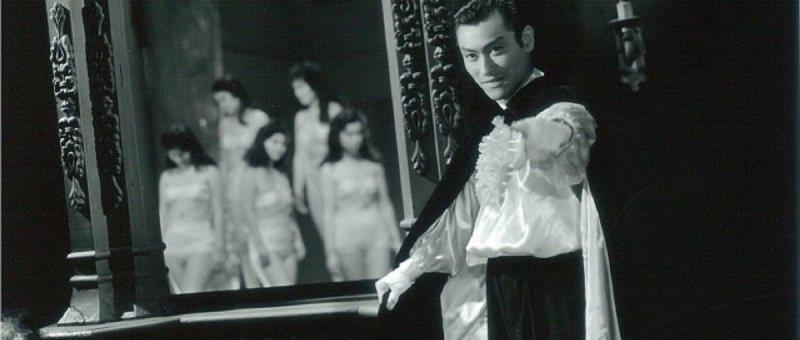
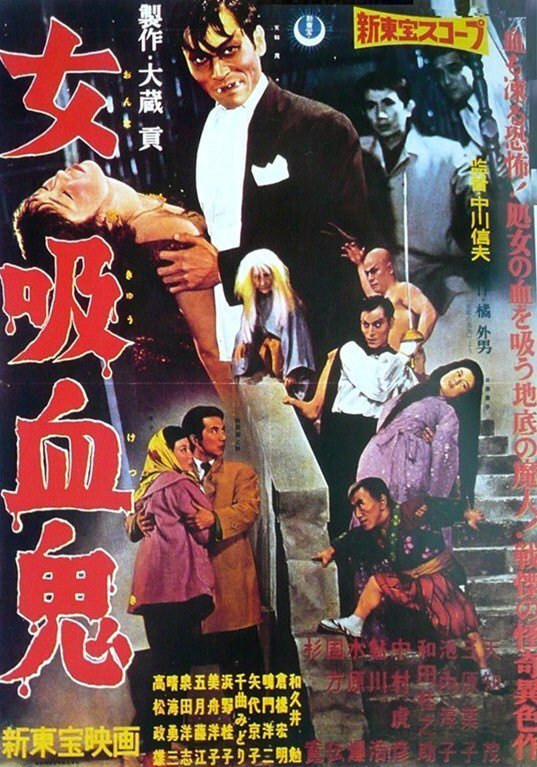
Three years after the Vampire Moth, Nobuo Nakagawa returns to the realms of bloodsucking adventure with the misleadingly titled The Lady Vampire (女吸血鬼, Onna Kyuketsuki). The only “vampire” on offer here is male, though his victim is indeed a “lady” in being the descendent of a noble family apparently the subject of a mysterious curse which, along with her resemblance to a beautiful ancestor, makes her so attractive to the sensitive, artistic bloodsucker at the tale’s centre. Heavily influenced both by Hammer Horror and Universal’s monster films from the ‘30s, Nakagawa plays fast and loose with his mythology while indulging in a common though problematic association between vampirism and Christianity.

Beginning in high style, the film opens with a driver escorting ace reporter Tamio (Takashi Wada) to the birthday party of his fiancée Itsuko (Junko Ikeuchi) for which he is already very late. The driver stops the car believing he has hit a woman pedestrian, but she seems to have vanished. Later, Tamio spots her wandering around near Itsuko’s home, while Itsuko brings darkness into her party by accidentally cutting her finger and getting a suspiciously large amount of blood on her cake. This alarms Itsuko’s father Shigekatsu (Akira Nakamura) because it reminds him of something that happened right before his wife, Miwako (Yoko Mihara), mysteriously disappeared 20 years previously. 

Of course, the mystery woman turns out to be none other than Itsuko’s long lost mother who is discovered in a long disused room by her extremely confused husband. To everyone’s consternation, Miwako looks exactly the same as she did 20 years ago and for the moment is more or less catatonic. The doctors can’t explain it, and no one is quite sure what to do about this miraculous development. Itsuko stops to make sure Tamio isn’t going to put any of this in his paper, fearful that people will think of her mother’s condition shamefully as a disease or a deformity. Paying a visit to a local art gallery, the pair are shocked to discover that the prizewinning work by a previously unknown artist seems to be a nude painting of Miwako and begin investigating to find out if it has some connection to her disappearance and present vacant state.

Meanwhile, a “fiend” is making trouble in the modern city. The artist behind the painting, using the name Shiro Sofue (Shigeru Amachi), is a brooding, dapper young man in a dark fedora and sunshades with a white scarf fashionably tied around his neck. We learn that he has an extreme aversion to moonlight because it makes him go crazy, feasting on the poor hotel maid who was only trying to make his stay as comfortable as possible. Aided by his dwarf minion Tiny (Tsutomu Wakui), Shiro (not his real name), puts the body neatly outside like a room service tray and pleads ignorance when the police, and crime reporter Tamio, arrive to investigate the heinous murder. The same thing happens again in a Ginza bar where, for reasons not quite obvious, Tiny starts making trouble and smashes a window letting the moonlight in sending Shiro into a murderous rage where he slashes six women with Tamio watching from the sidelines. 

Shiro steals the painting back and delivers it to Shigekatsu where Miwako eventually sees it and regains her memories. At this point, Shigekatsu enlightens us about the “Matsumura curse” which dates back to the 17th century and the rebellion of Shiro Amakusa who led Japan’s secret Christians in revolution against the Shogunate but was defeated. His troops were massacred and he himself was beheaded as a traitor. The Matsumuras are apparently direct descendents of the Amakusa clan and so have “cursed” blood. “Shiro Sofue” is not Amakusa Shiro but a lovelorn retainer, Takenaka, who coveted the princess Katsu but was unable to have her. When she asked him to take her life to save her from the Shogunate forces he complied, but then drank her blood out of love for her and apparently became an immortal being with the occasional urge to sustain himself with the blood of other young women. 

How this became a “Matsumura” curse or really what the curse supposedly refers to is unclear, especially as Takenaka isn’t even part of the family but a lesser retainer damned by love for an unattainable princess. Like subsequent Japanese vampires, the “curse” is directly linked to Christianity. Takenaka’s sales patter uses heavily ritualised language he likens to a “baptism” . “Accept my love, and you will live forever in eternal, unfailing youth” he tells his victims after drugging them with sweet smelling flowers and dragging them back to his underground castle which is built in the Western gothic style and, ironically, filled with crosses. This vampire makes good use of mirrors and has co-opted religious imagery for his own ends. Later we see that he has attempted to find an eternal mate several times before, turning his victims into fleshy statues by placing a gold cross on their heads in the same way a Taoist priest might stop a hopping vampire with a Buddhist sutra. The final of these is a direct echo of the archetypal Virgin Mary statue found at Christian churches all over the world. 

Through this, the “curse” is rendered a foreign import existing outside of and presenting a direct threat to traditional Japanese culture, again aligned somewhat problematically with Christianity by way of an overly literal interpretation of ritual. The  settings too are predominantly Western – the European-style mansion, hotels, bars, and galleries, while Takenaka dresses in a billowing white shirt and cape, living in a stone “castle” built in a cave, and eventually fighting with a fencer’s rapier rather than a katana. His minions, however, have a slightly more diverse flavour in addition to Tiny with a giant mute bald man providing security and a witchy old woman looking like she’s just walked out of Throne of Blood dispensing advice with a seemingly more “Japanese” context. As usual, Itsuko becomes mere bait hysterically running around the castle chased by Tiny while intrepid reporter Tamio heroically battles both the bald man and Takenaka himself until the police finally arrive and bring “order” to this orderless place. The young free themselves from an ancestral curse and prepare to move on, no longer burdened by “bad blood” as they watch the past dissolve while preparing to move into a freer future. 


The Last War (世界大戦争, Shue Matsubayashi, 1961)

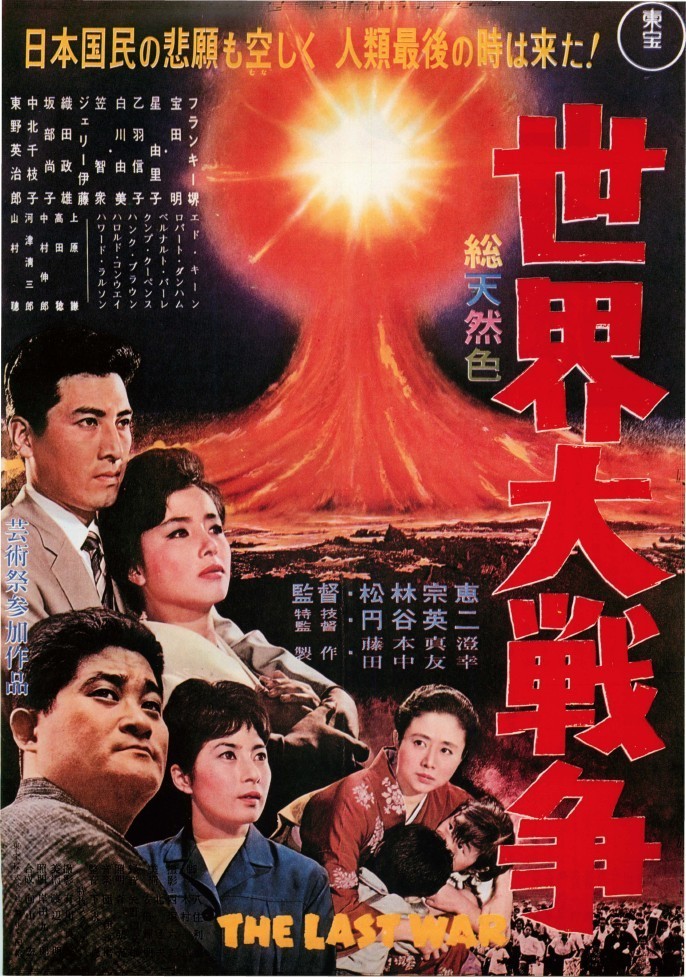
As The Last War (世界大戦争, Sekai Daisenso) points out, by 1961 16 years had passed since the end of World War Two during which Japan had begun to rebuild itself, heading into a period of unprecedented economic prosperity with the Olympics already on the horizon. But the early 1960s were also a time of increased international tension as the Cold War mounted and many in Japan feared being pulled into another conflict especially with the Korean War not quite so much in the distant past. Toho had become the home of special effects cinema and such films were often coloured with strong messages of peace and social responsibility as humanity banded together to combat an existential threat be it a giant monster or mad scientist. The Last War is no different in that regard, but sadder in showing us that the end of the world may come suddenly and without warning and that if we for a second become complacent it could already be too late to stop it. 

Patriarch Mokichi (Frankie Sakai) has made a decent life for himself after the war working as a driver. His wife, Oyoshi (Nobuko Otowa), is in poor health and he dreams of buying a house by the sea where she can live in comfort. Meanwhile, they have a grownup daughter, Saeko (Yuriko Hoshi), born before the war, and two much younger children, a girl, Haru, and boy, Ichiro. They are a very happy, very ordinary family who are beginning to think that their days of hardship are finally behind them and they have escaped the war’s shadow. The only note of potential conflict lies in the fact that Saeko wants to marry a family friend, Takano (Akira Takarada), a sailor, and is afraid of Mokichi’s reaction, especially as he keeps trying to set up matches for her. 

In fact, having lived through the war Oyoshi and Mokichi are certain that nothing like that is going to happen again, even if the younger generation is filled with anxiety. “Who could ever profit from the destruction of the Earth?” Mokichi not unreasonably asks, signalling his newly consumerist world view. Mind you, he adds, everyone knows the alternative to calamity is hard work, “you have to work hard for peace”. 

Mokichi has indeed been working hard, but has perhaps begun to neglect other areas of his life in his desire to become rich even if that desire is only to make his family more comfortable and give his children better opportunities than he had. Brought over to see a new TV set now on sale, he scoffs that he already has one, “Who needs a second TV?” he asks, but on hearing the news that tensions are rising because a military plane has gone down off the coast of Africa, his first thought is to get on the phone to his broker and junk his real estate stocks for shares in aeronautics. Mokichi is unconvinced by an old man selling potatoes on their street who apparently lost everything in Hiroshima and has since become a devoted Christian donating most of his profits to anti-nuclear charities, describing him as just “showing off”, firmly believing that nothing like that is ever going to happen again. “I cannot accept it” he says, “what would be the point of the aspirations of humble folk like us if we’re all destined to go poof into extinction?”.  

As the only nation to have directly experienced nuclear war, the intense fear of its recurrence is indeed understandable. If a nuclear war escalates, it will be the end of everything. All human endeavours over thousands of years will be mere dust. There will be no weddings, no births, no graduations, no grand discoveries, just nothing. When the bomb does indeed hit, the scenes of devastation must have proved extremely traumatic for many in the audience as buildings crumble ominously, the sky turns a fiery red, the streets run with lava, and we can see the outlines of charred bodies lying among the wreckage. The tip of the Diet building sits neatly atop the rubble as if in rebuke of the political failures which, despite the best efforts of the Japanese politicians who make an effort to govern responsibly and are honest with the electorate while advocating strongly for peace through diplomatic channels, have led to the literal end of the world. “You have to work hard for peace” the closing title card reminds us. “We can stop this before it happens, but we have to work together”. “I won’t let you destroy our happiness” Mokichi had screamed at the void, but in the end he was powerless. All it takes is a minor slip, and the world as we know it will cease to be.


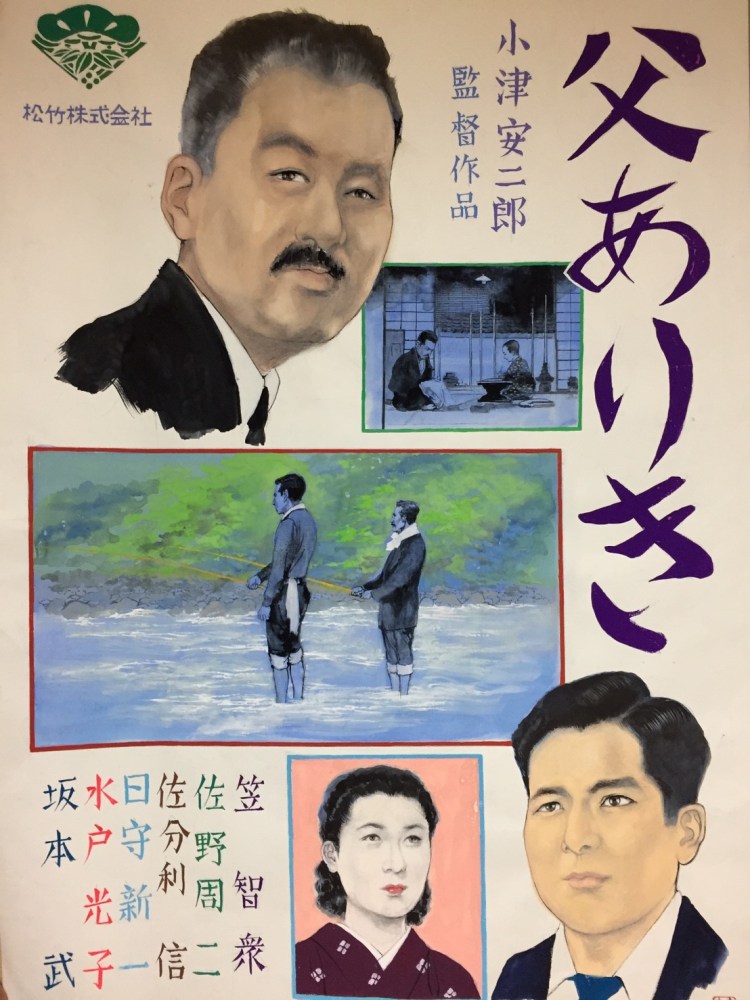
Father (父, Keisuke Kinoshita, 1988)

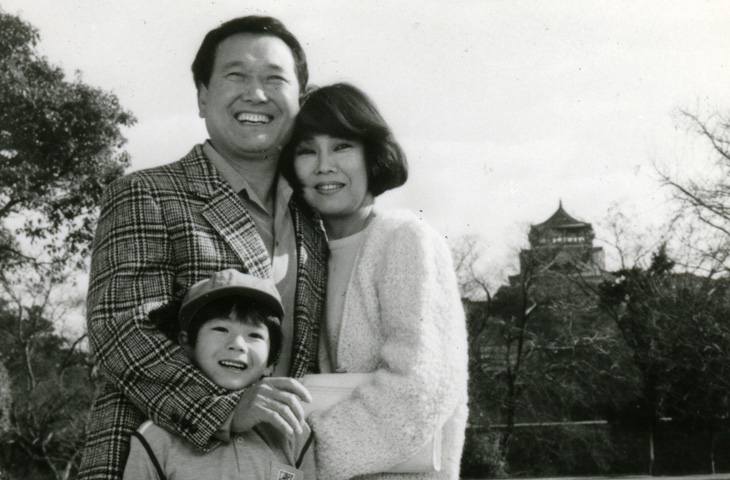
Keisuke Kinoshita’s long career spanned 45 years producing 49 films between 1943 and 1988. After joining Shochiku in 1933, he directed his first film, Port of Flowers, 10 years later and subsequently went on to direct some of the best loved classics in Japanese cinema such as the iconic Twenty-Four Eyes. Though sometimes dismissed by international critics as overly sentimental, Kinoshita’s comedies were often mercilessly cynical and his later work became progressively darker. His final film, however, Father (父, Chichi), skews the other way, chronicling a son’s gradual acceptance of his feckless dad as he prepares to come of age himself. 

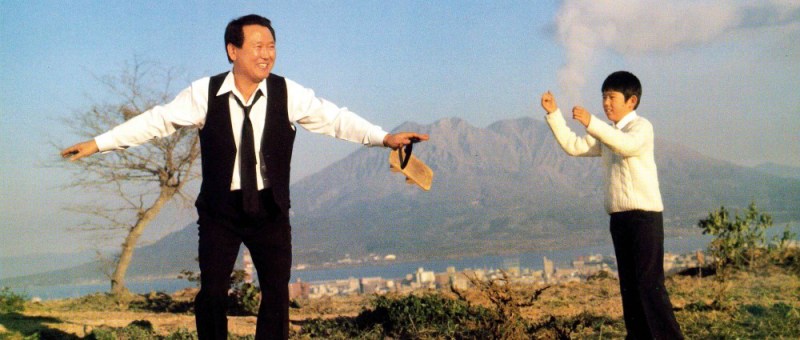
As the film opens, the titular “father”, Kikutaro Higure (Eiji Bando), is launching a failed bid for political office in his beloved Kagoshima (his major policy is putting a giant umbrella on a local volcano to deal with the ash problem) while his son, the narrator Daijiro (Makoto Nonomura), is only four. Disappointed by his failure, Kikutaro moves the family to Kumamoto where he becomes a househusband while his long-suffering wife, Yae (Kiwako Taichi), runs a small bar. Daijiro is now six and is facing the first of many family crises because his mum has had enough and has asked for a divorce. The last straw was Kikutaro raiding her savings without permission to pour into another harebrained scheme to put on an all female pro-wrestling show. A late in the game plea from Daijiro’s sensible grandma (Kin Sugai) encourages the couple to try again, moving to Osaka and then to Tokyo but apparently taking all their problems with them. 

If she had to choose, Daijiro’s grandma would pick her daughter-in-law Yae over her son any day. “What a mistake I made giving birth to a son like that” she laments, “I’m beyond regret, I’m angry”. Kikutaro certainly is an exasperating sort of man, careering from one get rich quick scheme to another but never really taking anything seriously enough to see it through. Grandma assumes he’ll want her to help him repair his marriage (not least because he can’t support himself and is dependent on Yae to look after him) but he appears not to care at all, simply stating that he can always “find a replacement” for a wife but Daijiro is irreplaceable. If it were not for that comment, you could perhaps make a case for Kikutaro as an early example of the new man prepared take on child care duties in a strongly patriarchal society where he is the only dad attending parent and teacher meetings, but predictably Kikutaro is mostly doing it because he’s lazy. Taken out on a walk so grandma and Kikutaro can talk, Daijuro goes “missing” leaving Yae convinced he’s been abuducted but it turns out he got distracted by some pachinko balls and stopped to pick them up because that’s obviously what his dad has him doing while he’s supposed to be looking after him. 

Nevertheless, Kikutaro ends up sending Daijiro back to Kagoshima to live with grandma until the couple eventually reunite and take him back to live with them in Tokyo. That doesn’t last long either, and while his mother lands on her feet and works hard to make a life for them running a Spanish restaurant, Kikutaro bounces around trying out a host of other harebrained schemes until fetching up asking for money to launch a singing career for his new friend from Brazil, a Japanese-speaking black American man whom he treats in an entirely questionable way (the film is very of its time in terms of its racial politics), essentially selling the incongruity of a foreigner singing the Japanese songbook but later beating him when he somehow “insults” Kikutaro’s favourite ode to Kagoshima simply by performing it. 

The teenage Daijiro describes his dad as a “problem parent”, but like the rest of his family finds it extremely difficult to abandon him despite the fact that being a relative of Kikutaro seems to be completely exhausting. We even see him kick off at his sister-in-law’s funeral about wanting more money and not being respected as the eldest son. Yae constantly asks for a divorce and gets countless other offers from better men but never officially separates from Kikutaro who, despite his earlier protestations, always comes back to her (but only when he wants something). Daijiro begins to feel sorry for his father who seems to be moving further and further away from his beloved Kagoshima after vowing to return only once he’d become a success. He thinks he sees him at the iconic Ohara festival where grandma is cheerfully participating in the traditional song and dance parade, calling out but as usual receiving no reply. Kikutaro is a failure of a father, but perhaps in the new context of the bubble economy it no longer matters quite as much as might have done before. Daijiro at least seems to have rejected his example, but like everyone else chooses to forgive him as a loveable rogue rather than a deadbeat dad while secretly longing for his return. 


Original Trailer (no subtitles)

Bull’s Eye of Love (おしどり駕篭, Masahiro Makino, 1958)

Masahiro Makino was best known for jidaigeki and ninkyo eiga but also had an interesting sideline in cheerful period musicals including many collaborations with post-war singing sensation Hibari Misora. Bull’s Eye of Love (おしどり駕篭, Oshidori Kago) is, like Singing Lovebirds, a musical comedy in which a samurai (in disguise) and a feisty young woman fall in love while battling the corruption of their times. Though in this case Hibari takes a back seat in fighting samurai hypocrisy, she still gives as good as she gets as she fights for love across the class divide even while accepting that she can only have her love if he consents to renounce his nobility and live as a humble plasterer. 

The trouble starts when the old lord dies and a prominent retainer, Hyobu, leaps into action, taking control of the situation in fast tracking the accession of second son Sannojo (Sentaro Fushimi) who many feel to be too immature, weak willed, and naive to lead effectively. Top servant Zenbei complains, pointing out that Sannojo has an older brother, Genjiro (Yorozuya Kinnosuke), who should be first in line. But Genjiro has long been absent from the court, apparently intent on escaping the “stuffy” samurai lifestyle. Hyobu claims not that Genjiro has forfeited his position, but that he has actively renounced it in favour of Sannojo. Zenbei is not convinced, at the very least he feels they should find Genjiro and explain the situation to find out for sure what it is he intends to do with the rest of his life. 

It happens that Genjiro is living humbly as Genta the plasterer and has fallen in love with Kocho (Hibari Misora), the proprietress of an archery parlour who also likes to put on a show every now and then. The major problem in his life is that both he and Kocho are too stubborn and proud to say “I love you” which is making them bicker endlessly as a kind of substitute. The arrival of Zenbei and another retainer blows his cover and sends his new life into disarray. He has no desire to return to the samurai world, but also knows his brother is too susceptible to manipulation to be allowed to succeed unadvised, especially as Hyobu seems to be manoeuvring to get him married to his troubled daughter Chidori (Hiroko Sakuramachi) who seems to have some kind of ongoing mental disturbance which renders her distant and childlike. His romantic hopes will have to go on the back burner for a while as he becomes “Genjiro” once again to sort out Hyobu before hopefully returning to the simple life of an Edo plasterer. 

From Kocho’s point of view, the news that Genta has hidden his true status from her is alarming on two fronts, not only that he’s “lied” about who he is, but that if he is a noble lord then they can never be together because samurai don’t marry outside of their order. Genta, however, seems to be a fairly atypical sort of samurai who is entirely uninterested in wealth, status, and the restrictive codes which bind the noble. He looks for freedom in living as an ordinary man, which may be a bit disingenuous because there’s little freedom in starving and being constantly oppressed by the cruel order he was born into, but there is truth in it. It’s also unlikely that his clan would allow him to just up and leave, disappearing into Edo era society and abnegating his responsibility, but Bull’s Eye of Love is intent on a more cheerful depiction of the samurai world than that found in many contemporary period dramas in which its heroes are allowed to choose love and freedom without being forced to sacrifice their feelings in the name of duty. 

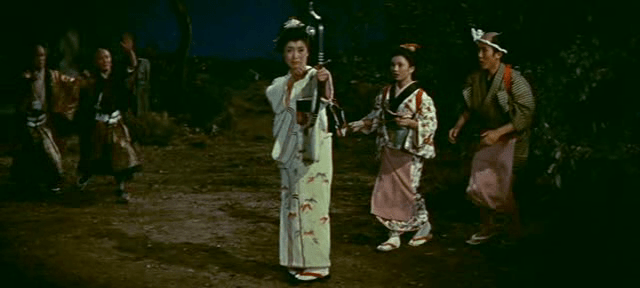
Kocho finally confesses her love but makes clear it is for Genta, not for Genjiro, only to end up falling for Genjiro too because of his manly samurai charms coupled with an unusual sense of compassion. Despite being told to stay at home, she takes her bow and arrow and follows him, relieved to discover she didn’t need to join the fight because he’d already handled it. In a fairly strange turn of events, however, Genjiro wipes out most of the treacherous retainers but then more or less enables Hyobu’s plan by putting Sannojo in charge and agreeing that he should marry Chidori who was only playing mad to undermine her father’s nefarious schemes. Having sorted everything out, the pair leave on a more equal footing after confirming their feelings towards each other and their intentions for the future. Genjiro renounces his samurai status to live “free” in Edo, cheerfully proceeding out of the palace and into the streets singing as he goes rejecting elitist authoritarianism in favour of the earthy pleasures of warmth and friendship to live as an ordinary man unburdened by the cruel hypocrisies of samurai soceity. 


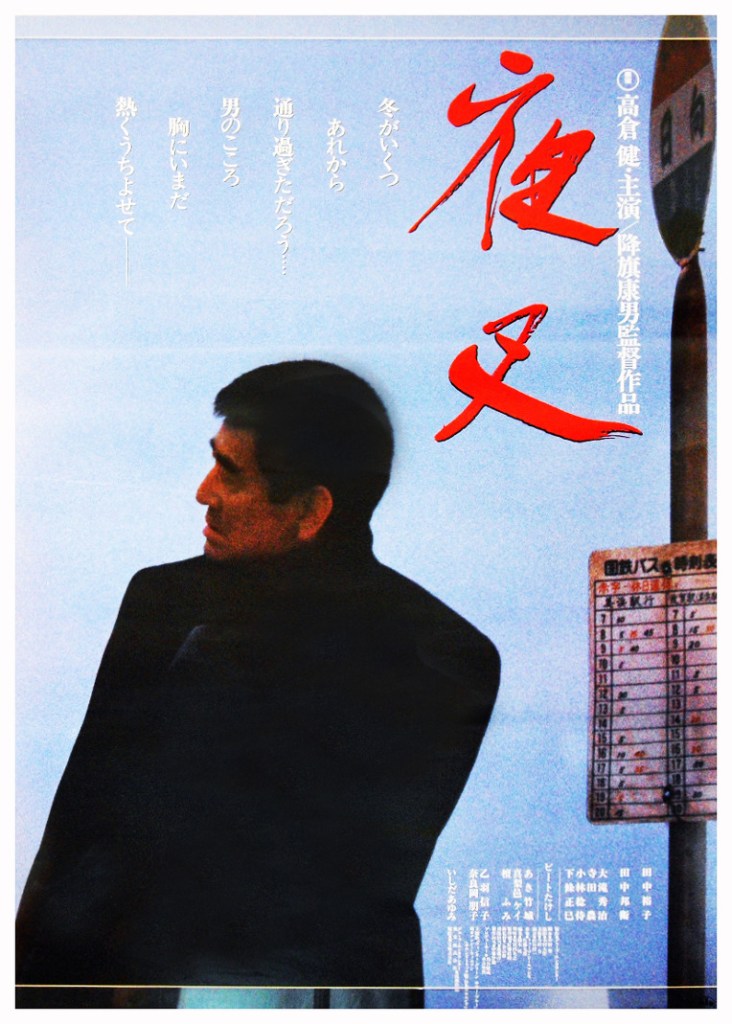
Yasha (夜叉, Yasuo Furuhata, 1985)

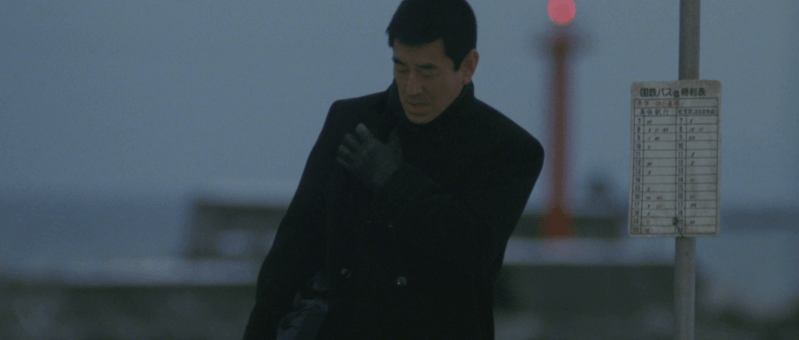
In melancholy gangster movies, the hero often dreams of leaving the city for an idealised rural paradise to start again as a righteous man redeeming himself through hard work with a good woman by his side. Usually, they don’t make it, their goodness is nothing but a weakness in the harsh post-war environment, but even if they did could they really lay their violent souls to rest and live as the rest of us do? Once again played by a manfully stoic Ken Takakura, the hero of Yasuo Furuhata’s Yasha (夜叉, AKA Demon) tries to find out, but discovers that sooner or later the past will always catch up with you. 

15 years ago, fisherman Shuji (Ken Takakura) was the notorious Osaka yakuza known as “Yasha”. A war orphan given refuge by a gangster brotherhood, two things happened to change his way of life, the first being innocent country girl Fuyuko (Ayumi Ishida) whom he met by chance and rescued on the dangerous streets of the city. The second is the death of his younger sister who had become addicted to heroin. Fiercely resistant to the traffic of drugs, Shuji quit the clan, married Fuyuko, and retreated to her fishing village home to take over her late father’s fishing business. Well respected in the community as a steady hand, he now has three children and a settled happy life though one tinged with anxiety in the need to keep his back covered lest anyone find out about his violent past. 

The violent past is brought home to him when a young woman, Keiko (Yuko Tanaka), arrives in kimono with her young son in tow to take over the local bar. Keiko is a bar hostess from Osaka hoping to make a new start far away from the city, not so much for herself it seems as her no-good boyfriend Yajima (Takeshi Kitano) who is a drug-addled thug and openly hostile to her little boy. It’s Yajima who threatens to disrupt the gentle rhythms of the town, firstly getting the fishermen hooked on all night games of mahjong which damage their daytime productivity, and then selling them heroin to keep them propped up. Unused to such urban vices as hard drugs and serious gambling, the fishermen are lambs to the slaughter, handing over their hard earned savings to the thuggish Yajima to keep their heads above the water. 

Shuji wants to keep the town clean, but he can’t exactly admit just how familiar he is with things like drink and drugs which are, as his friend Keita (Kunie Tanaka) points out, not things “normal” people should know about. After realising an old friend is the middle-man, Shuji has a quiet word with Yajima as one thug to another but it only makes the situation worse. He tries talking to Keiko instead, but her decision to get rid of the drugs has disastrous consequences for all when Yajima goes on a crazed, knife-wielding rampage through the town which only Shuji can end. During the fight Yajima slashes Shuji’s fisherman’s jumper right through to the expose the demon beneath, leaving his colourful tattoos on show for all to see. 

You’d think that Yajima’s rampage would have taught the town a lesson, shown them that they were in over their heads and Yajima was not the sort of person it was good to be associated with, but their animosity overwhelmingly turns to the demon Shuji whom they unfairly begin to blame for their many misfortunes. The fishwives begin to avoid Fuyuko, telling their kids not to hang out with her kids and suggesting that it must have been Shuji who got the guys playing mahjong. Shuji meanwhile doubts himself, drawn to Keiko as to Osaka and the sleeping demon within. Yasha reawakens and he wonders if he has the right to live here after all. 

Fuyuko’s mother tells her that it’s a good wife’s job to quell the demon, but she struggles to maintain hold on Shuji while Yasha is pulled towards the city. He makes a manly choice, attempting to redeem Yajima in redeeming himself by returning to his point of origin. The widow of his old boss warns him off, reminds him that he’s a fisherman now, and that should he move against her she will have to act in accordance with the rules of the underworld, but privately mutters to herself that he hasn’t changed at all, “stupid man”. In the end, Yasha’s manly gesture ends in futility. He cannot escape himself but neither can he solve his problems through violence as he might have before, not least because the code is no longer secure motivating those he thought he could trust towards betrayal. He still has a choice, leave with Keiko to be Yasha once again accepting the futilities of a violent life (and its inevitable end), or stay to be a peaceful fisherman with the “good wife” Fuyuko. One man cannot possess two souls, but the given the chance the demon can be subdued if there is the will to subdue it and the belief that the man himself is good enough for the world in which he wants to live.


Original trailer (no subtitles)
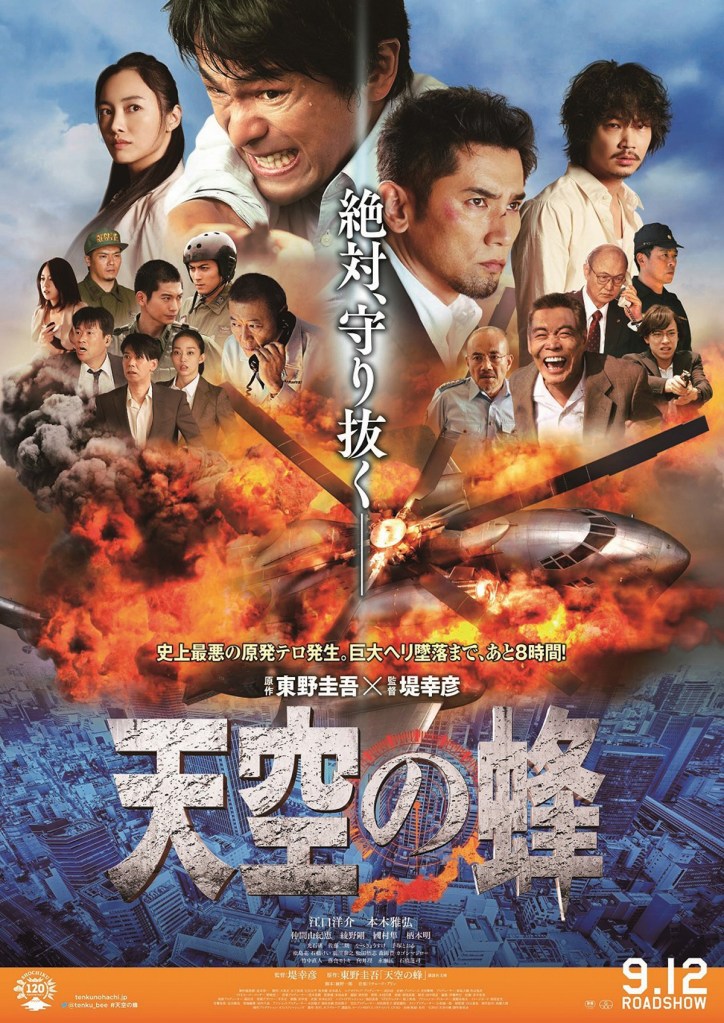
The Big Bee (天空の蜂, Yukihiko Tsutsumi, 2015)

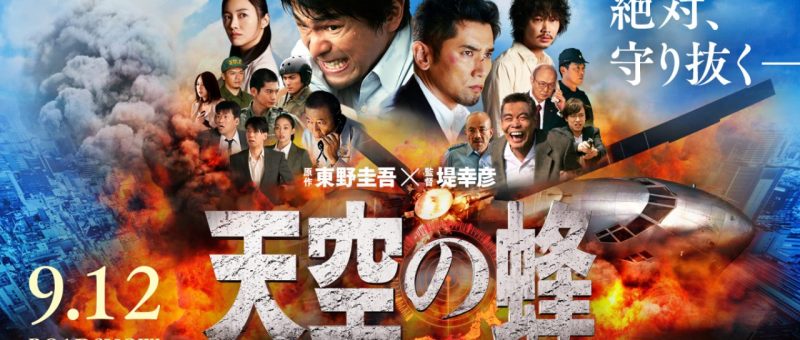
Blockbuster cinema wades into the anti-nuclear debate in a characteristically ambivalent take from prolific author Keigo Higashino adapted from his 1995 novel. Brought to the screen by blockbuster master Yukihiko Tsutsumi, The Big Bee (天空の蜂, Tenku no Hachi) is less wedded to its anti-nuclear message than it might at first seem, eventually sliding into a more comfortable tale of failed fathers redeemed with a potentially ambiguous coda that perhaps undercuts much of what has gone before . 

The main action takes place on 8th August, 1995 which falls between the 50th anniversaries of the atomic bomb attacks on Hiroshima and Nagasaki and is also a few months after the devastating earthquake in Kobe. Engineer Yuhara (Yosuke Eguchi) is about to unveil the “Big Bee”, Japan’s largest ever helicopter built with state of the art technology. He’s brought along his wife and son, but it’s clear there is discord in the family and neither of them are very impressed that the security guard didn’t even seem to know who he was so perhaps he’s not such a big shot after all. While his wife Atsuko (Kei Ishibashi) takes their son Takahiko (Shota Taguchi) and another boy to get a drink from the vending machine, Yuhara talks things over with a colleague and reveals that his workaholic lifestyle has destroyed his family life. He’s about to be divorced and doesn’t seem particularly cut up about it. Asked what’s going to happen to Takahiko, Yuhara cooly explains that it’s best he stays with his mum because he isn’t capable of being a good father to him. Unfortunately, Takahiko overhears him say that he’s essentially planning to abandon him and runs off to explore on his own, eventually sneaking aboard the helicopter which is then hijacked by a mysterious villain via remote control who flies it over a nuclear power plant and gives the Japanese government the eight hours before the fuel runs out to agree to shut down all the nuclear power plants in Japan. 

Yuhara’s failure as a father is immediately brought home to him when his son manages to throw the other boy, who climbed in with him but got injured, to safety, but doesn’t trust his dad enough to jump himself after hearing him say he was going to abandon him to his mother. Yuhara, meanwhile, was able to jump and grab the ramp of the helicopter but not to climb up and reach his son. He has to accept that his failure as a father and in consequence as a man is complete and total. His quest to save Takahiko is also a quest to redeem himself in the eyes of his society and avoid being branded as a man who sacrificed his family for a career and was finally unable to protect them.

Yet, at the present time, he’s also trying to save a nation while in the place of a father. To his mind, he built the Big Bee as a rescue craft, but its usage is most obviously military. He and his former colleague Mishima (Masahiro Motoki) see themselves as neutral engineers interested in technology but not particularly in its application. The government is reluctant to shut the plants down not only because cutting the power is extremely inconvenient and damaging to the economy, but because they do not wish to reopen the nuclear debate and risk the general populace realising that nuclear power is not entirely “safe”. Of course, this has extreme resonance in light of the Fukushima disaster, the government wilfully putting lives at risk in order to safeguard its own ends in refusing to issue an evacuation order for a potential disaster area covering all of the nation’s major cities right across the centre of the Japanese mainland.

This cavalier approach to human life extends to those working in the plants. We’re quickly introduced to a middle-aged woman whose son died of leukaemia she believes caused by lax safety procedures while the prime suspect is a friend of his (Go Ayano) who may also be suffering from a terminal illness caused by exposure to radiation after working as a cleaner at the power station. He vows revenge on a society which has rendered him “disposable”, thrown away like used tissue and left to fend for himself only because he was born into socio-economic circumstances which left him with no other choice than to take a “dangerous” job for employers that failed to protect him in much the same way Yuhara has failed to protect his son. 

The farmers in the town where the plant has become the major source of employment complain that no one wanted it but everyone needed the money. One leans into the mild message that perhaps we take our electric lives for granted, plugging in our toothbrushes without really thinking of the costs incurred in how we generate our power. Hotels dim their lights and switch off elevators while guests complain of the heat in the absence of aircon, but didn’t we manage OK before the power grid? Perhaps so, but our lives have changed. It might be as well to think again if those changes are really as good for us as we think they are, but you can’t turn back the clock. 

Not even the villain really wants the clock turning back, just better accountability and proper governance that puts the lives of citizens ahead of economic gain. Then again, a lot of this is personal, an act of self harm rebranded as revenge taken in atonement for the failures of a father. In this respect Yuhara may redeem himself, but there’s a note of discomfort in the jump to 2011 and the Fukushima disaster which doesn’t so much shout “I told you so” as over rely on the heroic efforts of the Self Defence Force as they battle a disaster which the powers that be from the government to the power company have failed to prevent. Yuhara wonders if the country is worth dying for and is comforted only in a trick he taught his son to calm his anxiety in the wake of the Kobe earthquake, tapping out “I am here” in morse code as an affirmation of survival which might also serve to say the work goes on even while “fathers” continue to fail in their responsibilities. 


Hong Kong release trailer (English subtitles)

BFI Japan 2020 to Celebrate More Than 100 Years of Japanese Cinema

The Olympics may have been postponed and everything seems like it’s on pause, but the BFI’s planned mammoth Japan season is still doing all it can to make its way to us in the 2020 that never was. With the cinemas closed for the foreseeable future, the BFI will be making the first part of the season available online via BFI player with strands dedicated to golden age directors Akira Kurosawa and Yasujiro Ozu as well as a series of classics including films by Mikio Naruse and Seijun Suzuki, cult movies, and the best in 21st century cinema. Once the BFI reopens, we can also look forward to some rarer treats from this century and the last.

BFI Player

A series of strands will begin streaming via BFI Player over a six month period beginning with Akira Kurosawa and Classics (11th May), followed by Yasujiro Ozu (5th June), Cult (3rd July), Anime (31st July), Independence (21st August), 21st Century (18th September), and J-Horror (30th October). Subscriptions to BFI Player are available for £4.99 p/m following a two week free trial.

Akira Kurosawa (11th May)
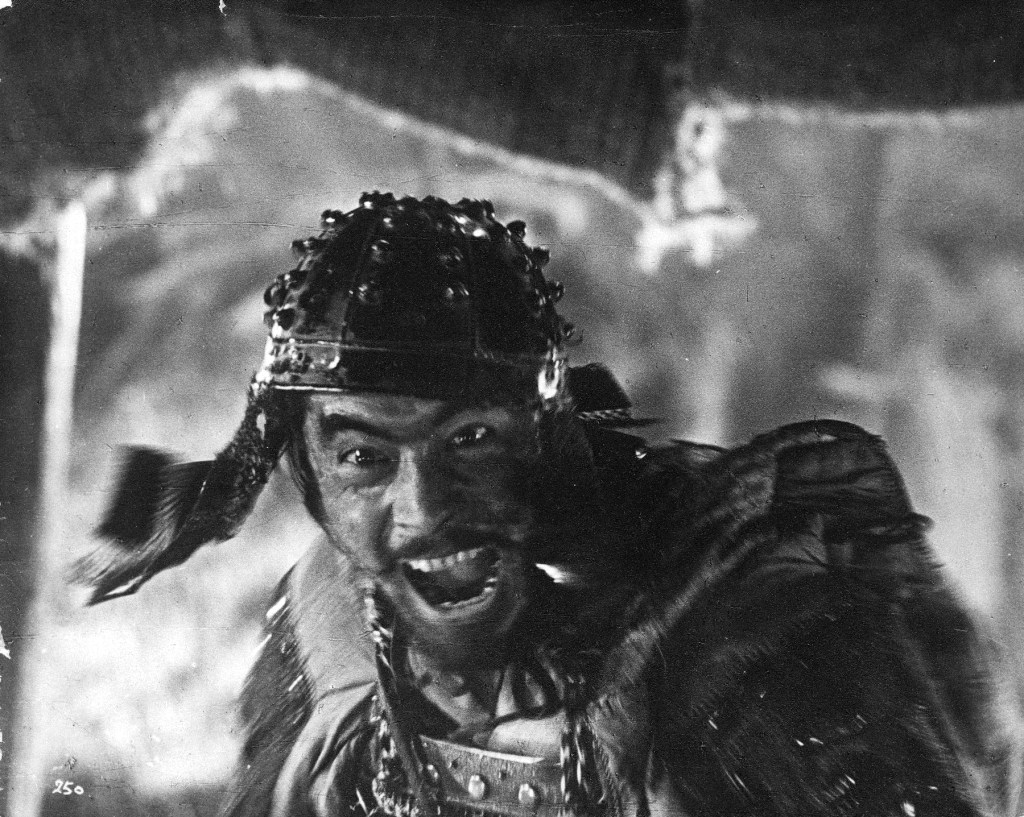
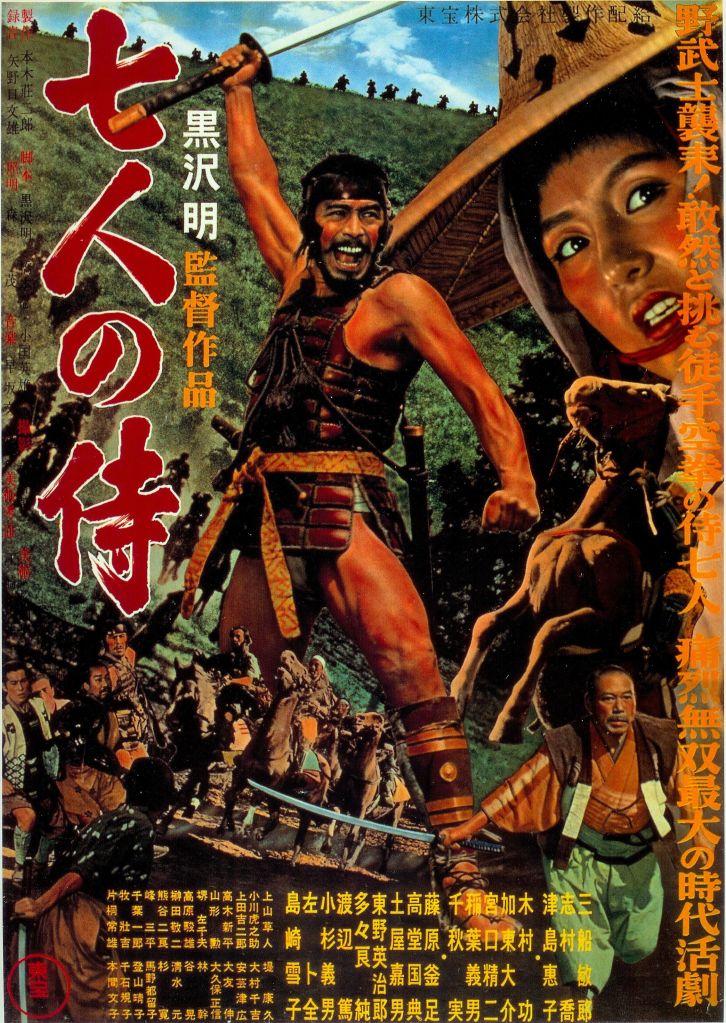
  • Seven Samurai – classic jidaigeki gets a post-war twist as a collection of down on their luck samurai come to the rescue of peasants beset by bandits.
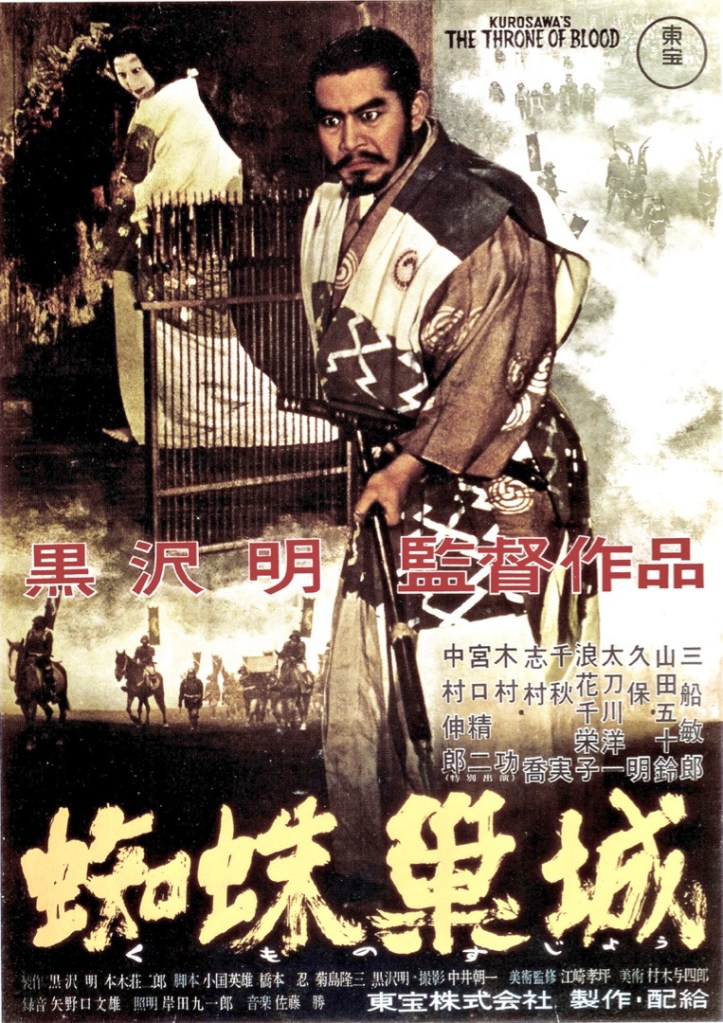
  • Throne of Blood – eerie retelling of Macbeth starring Toshiro Mifune as the man who would be king and Isuzu Yamada as his ambitious wife.
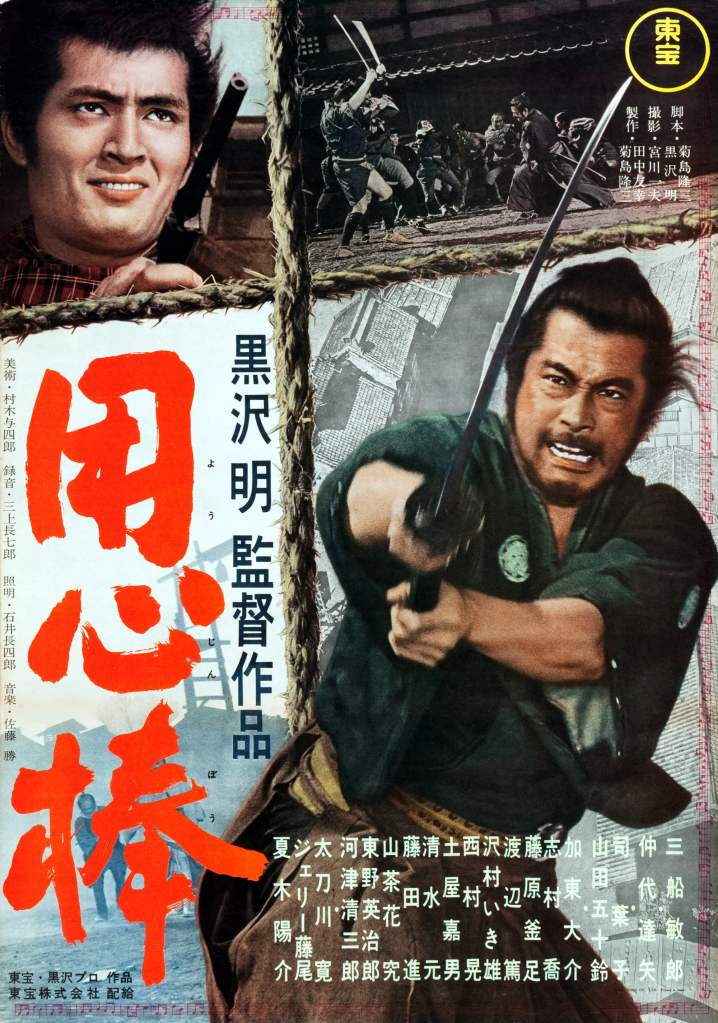
  • Yojimbo – samurai western starring Toshiro Mifune as a ronin drifter wandering into a turf war.
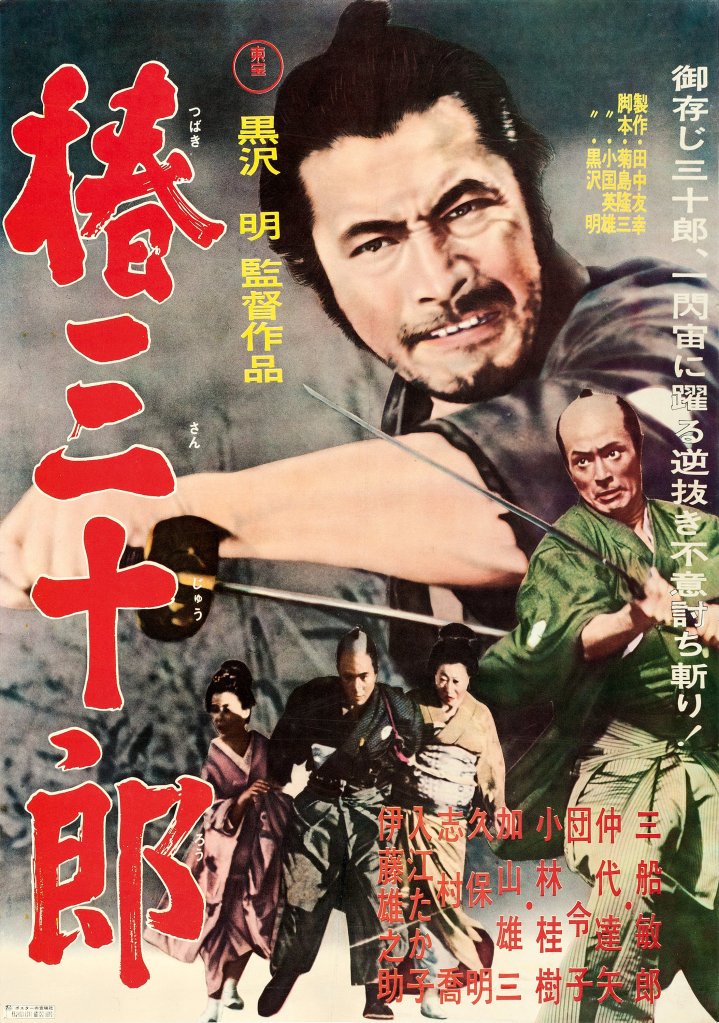
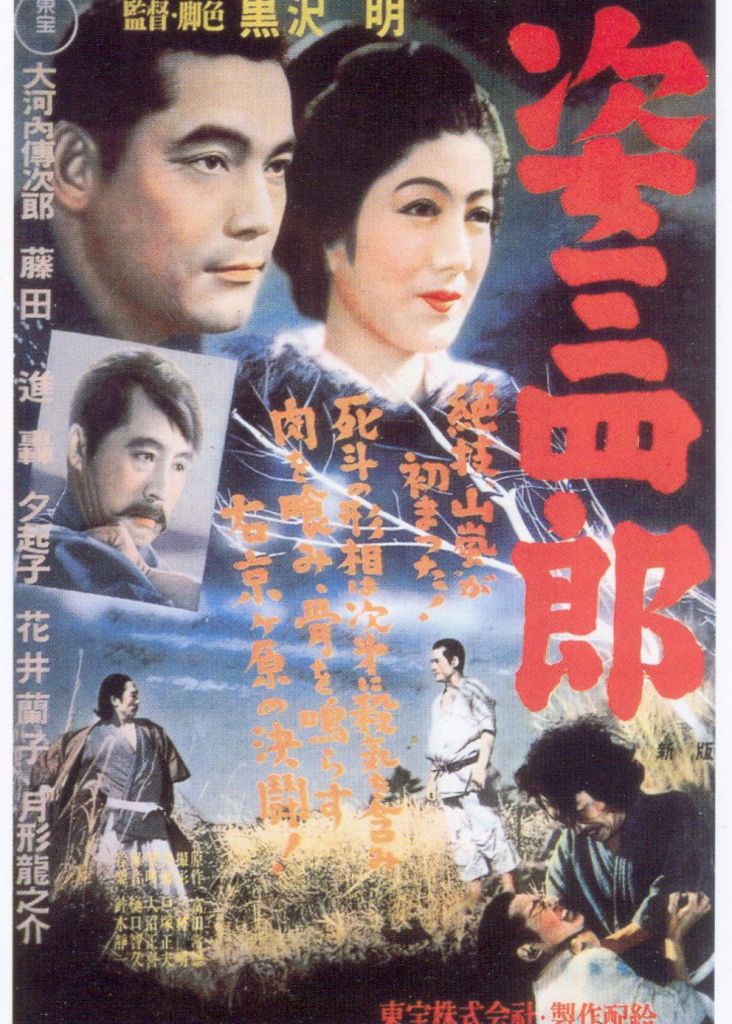
  • Sanjuro – sequel to Yojimbo in which Mifune reprises his role as the titular Sanjuro as he helps some locals stand up to samurai corruption.
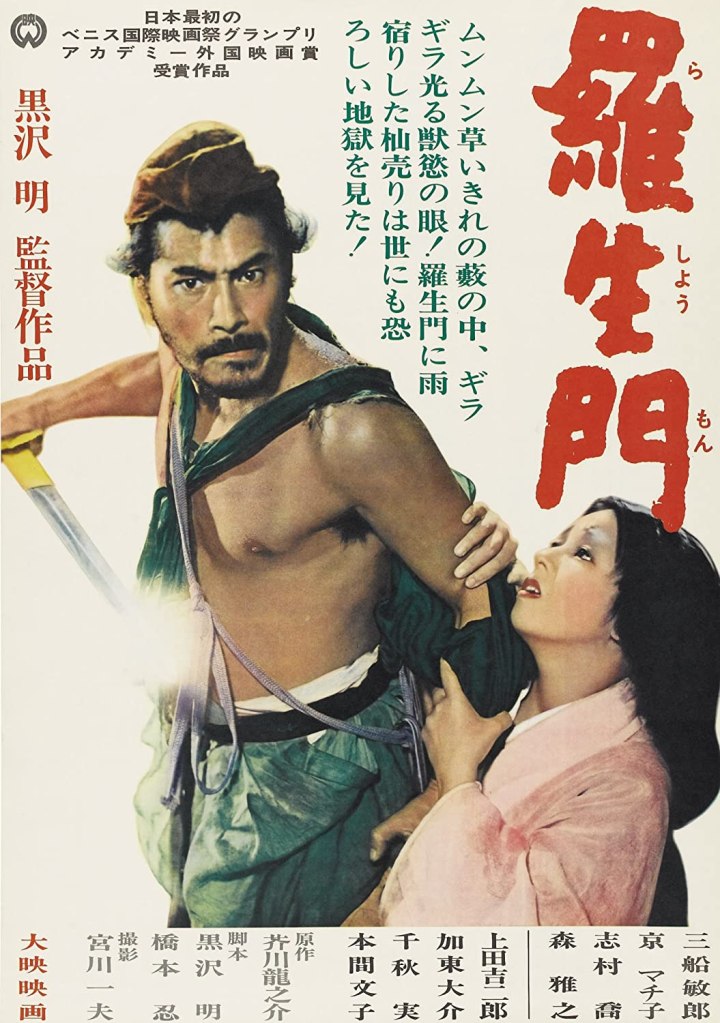
  • Rashomon – a series of witnesses provides contradictory accounts of the same event in an adaptation of the story by Ryunosuke Akutagawa starring Toshiro Mifune, Machiko Kyo, and Masayuki Mori.
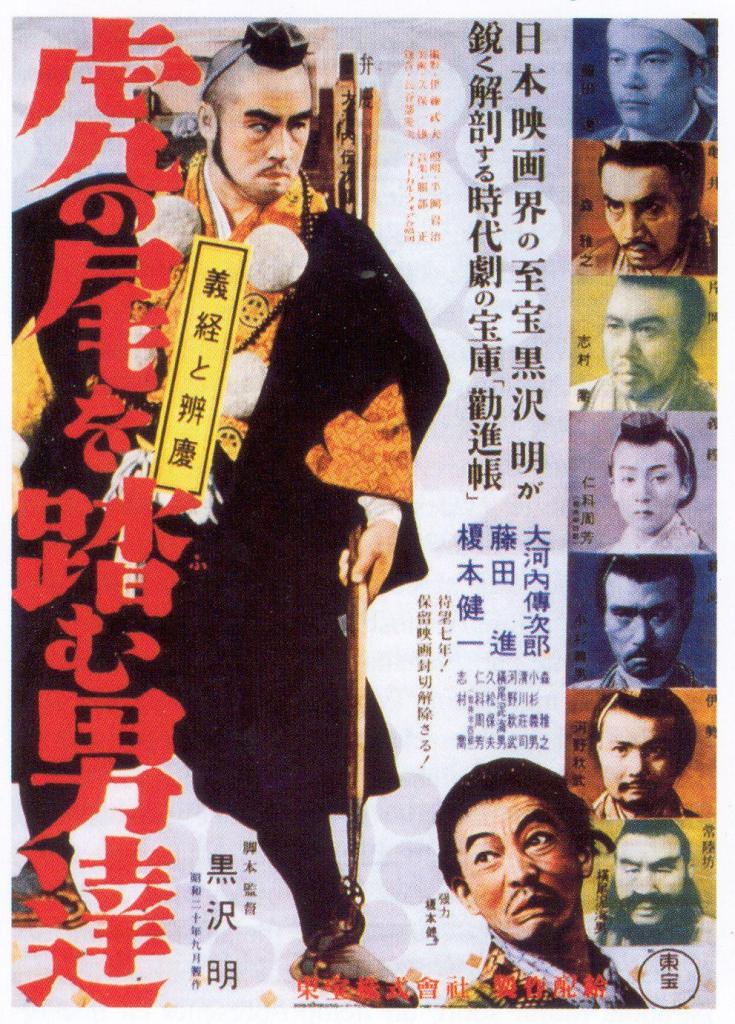
  • The Men Who Tread on the Tiger’s Tail – comedic kabuki adaptation in which a samurai attempts to escape with his retinue after being betrayed by his brother by disguising himself as a monk.
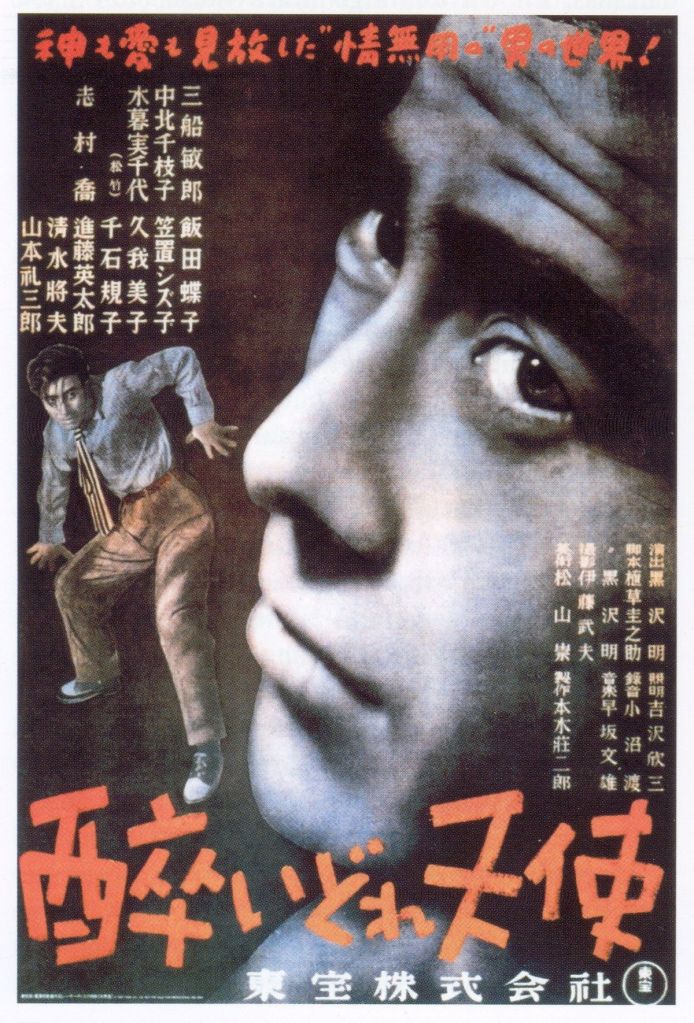
  • Drunken Angel – post-war tragedy starring Toshiro Mifune at his most dashing as gangster dying of TB and Takashi Shimura as the compassionate yet alcoholic doctor trying to save him.
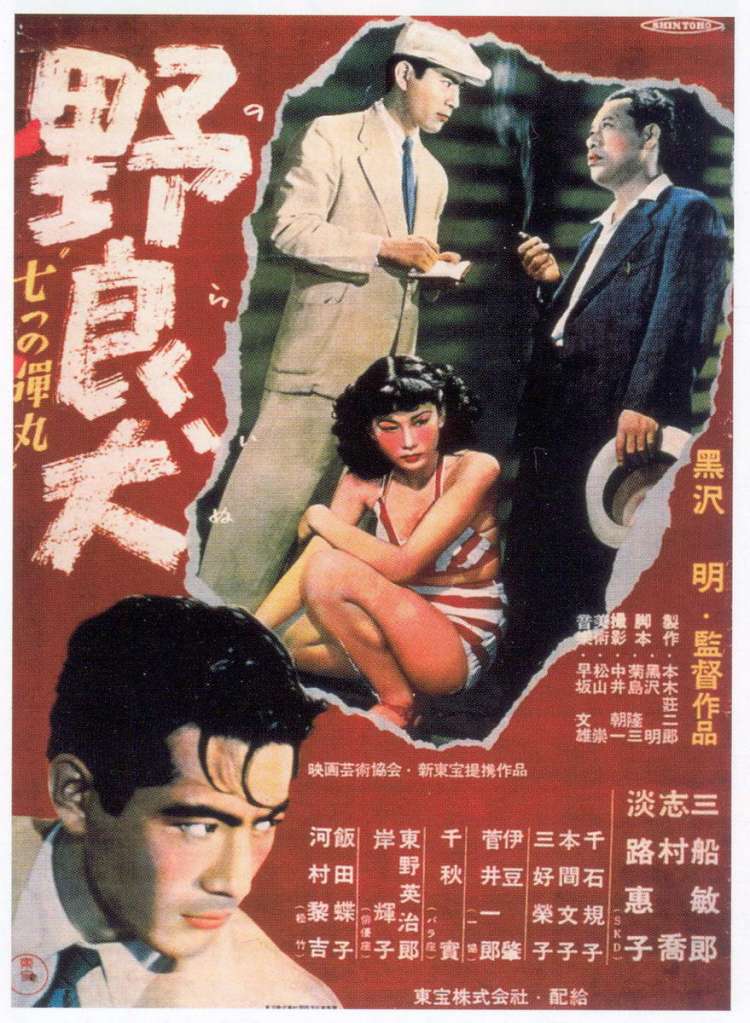
  • Stray Dog – a policeman (Mifune) and his partner (Shimura) scour post-war Tokyo for a missing gun.
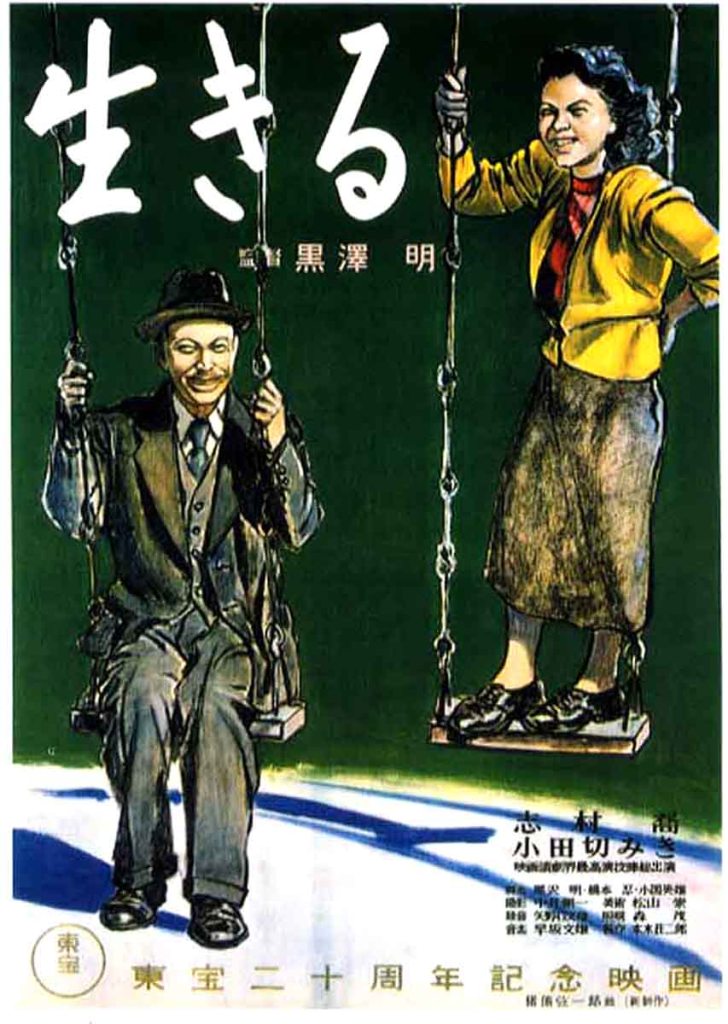
  • Ikiru – existential drama starring Takashi Shimura as a civil servant reflecting on his life after discovering he has a terminal illness.
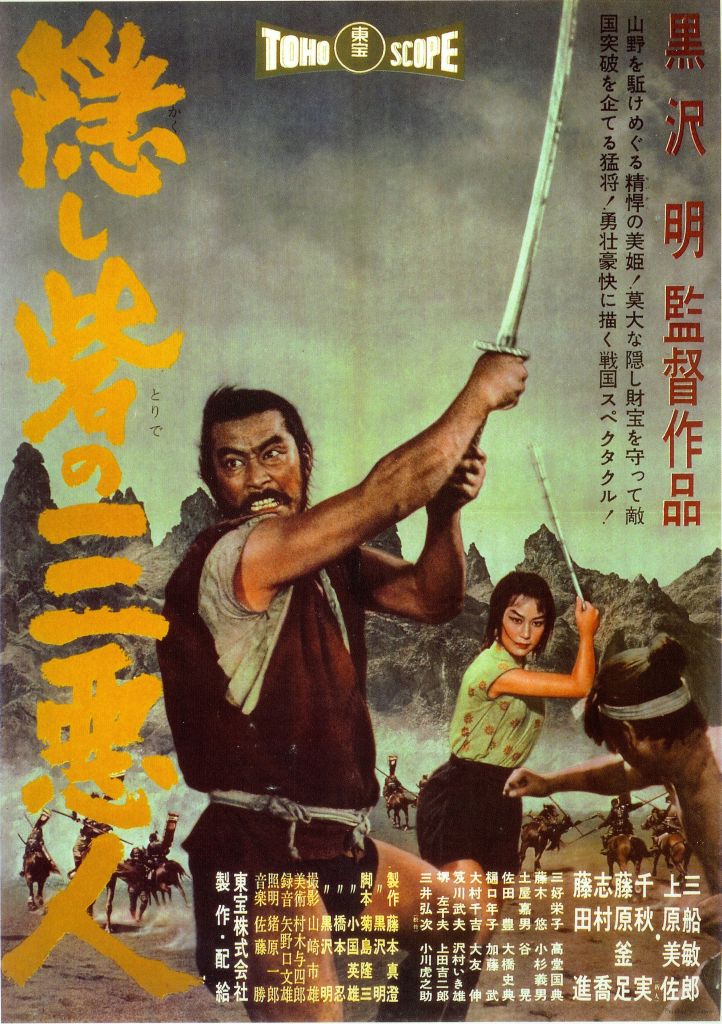
  • Hidden Fortress – two bumbling peasants agree to escort a general and a princess in disguise to safe territory in return for gold.
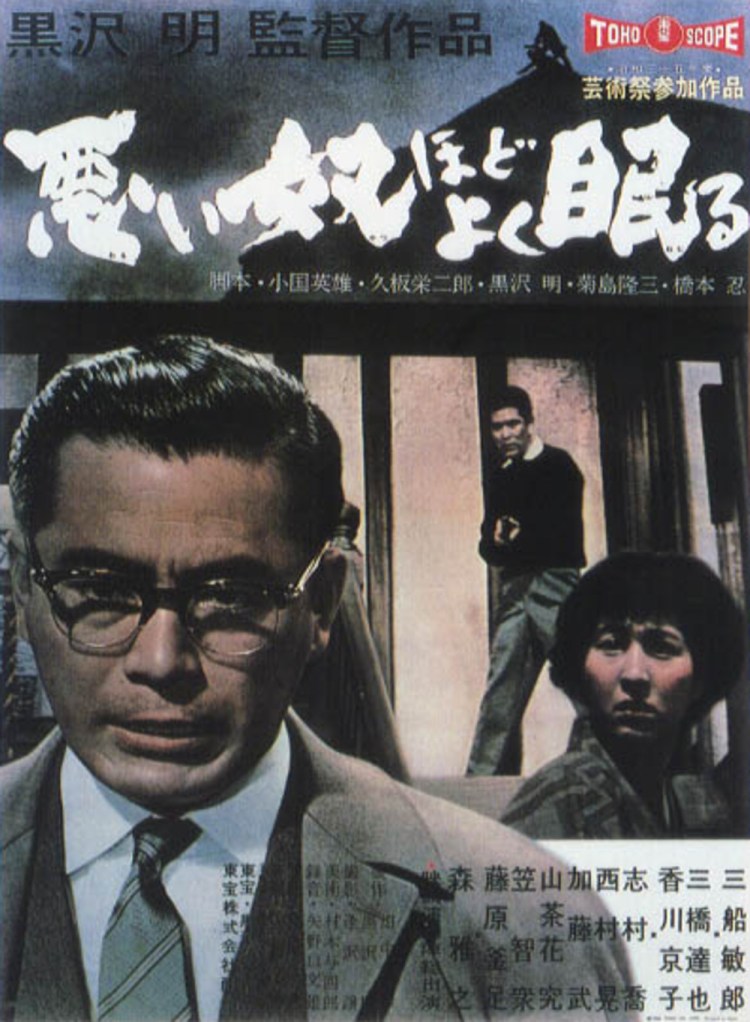
  • The Bad Sleep Well – contemporary take on Hamlet starring Toshiro Mifune as man enacting an elaborate revenge plot against the corrupt CEO who drove his father to suicide. Review.
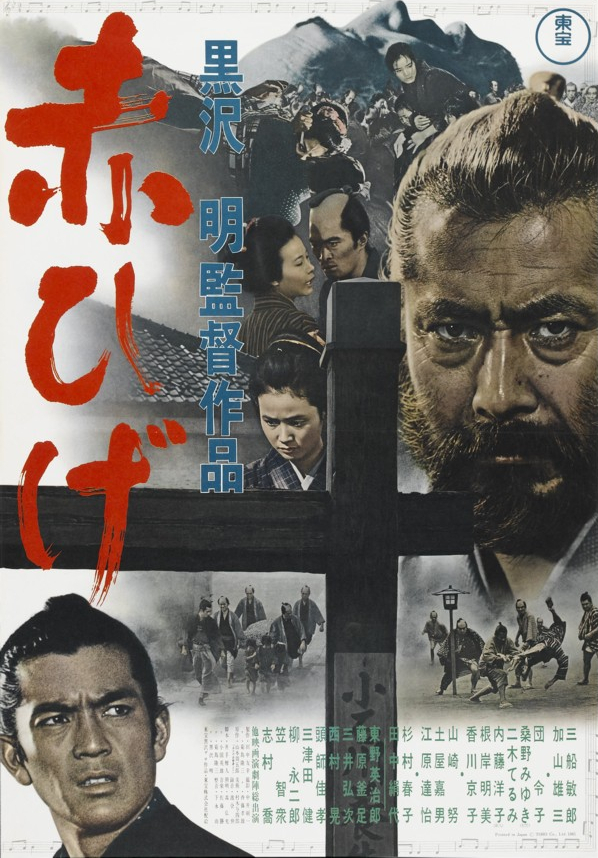
  • Red Beard – humanistic drama starring Toshiro Mifune as a gruff yet compassionate doctor to the poor. Review.
  • Ran – King Lear relocated to feudal Japan.
  • Sanshiro Sugata Pt 1 & 2 – drama inspired by the life story of a legendary judo master.
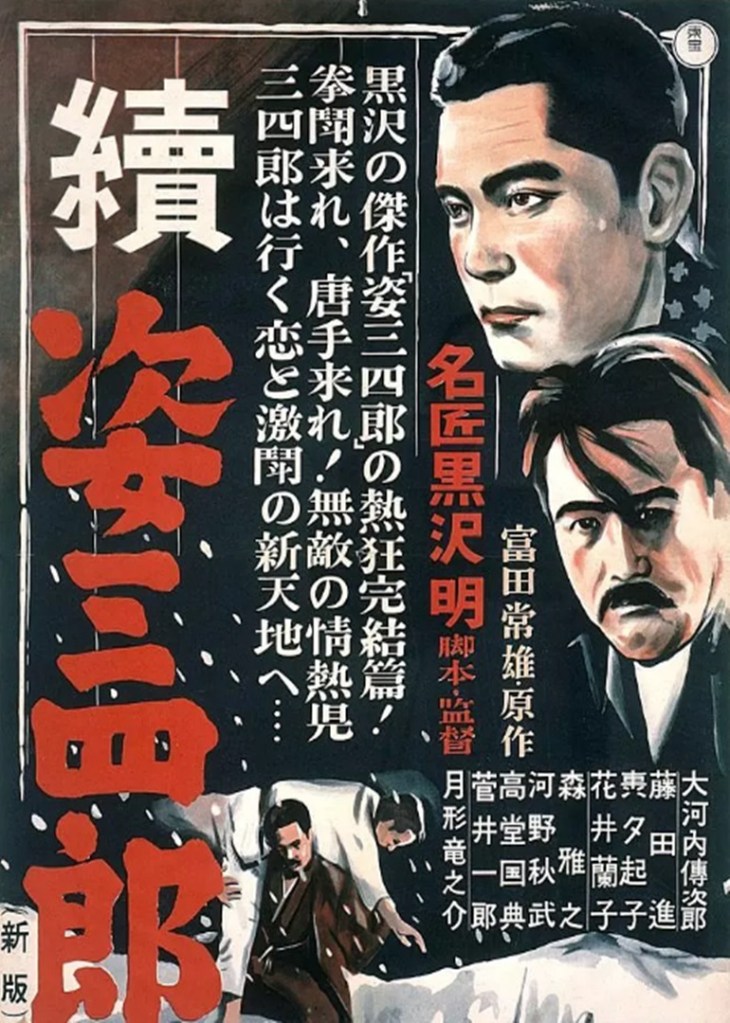
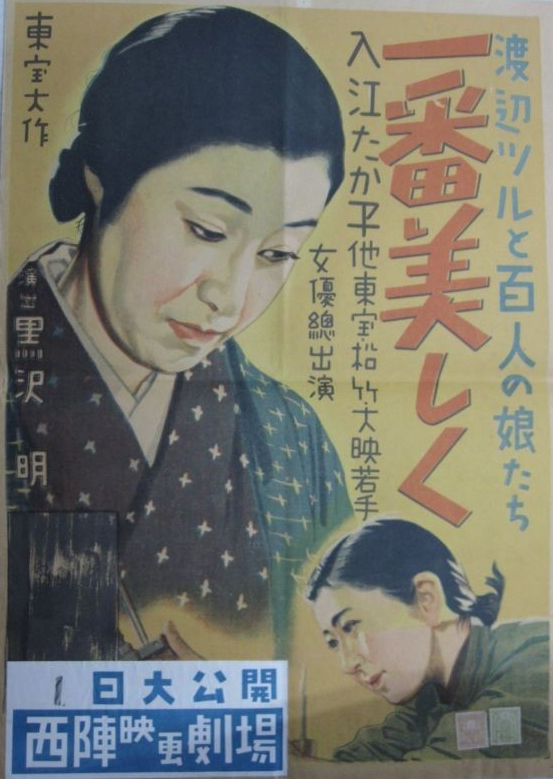
  • The Most Beautiful – naturalistic national policy film from 1944 following the lives of female factory workers.
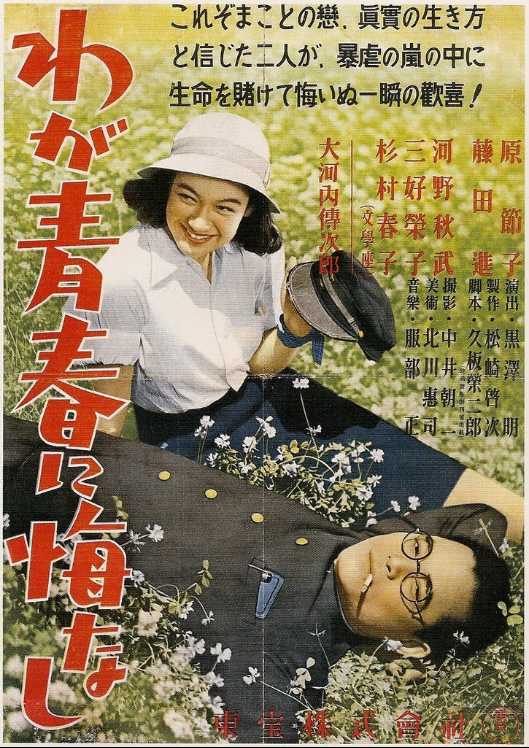
  • No Regrets for Our Youth – 1946 drama starring Setsuko Hara as a professor’s daughter who marries a radical leftist later executed as a spy.
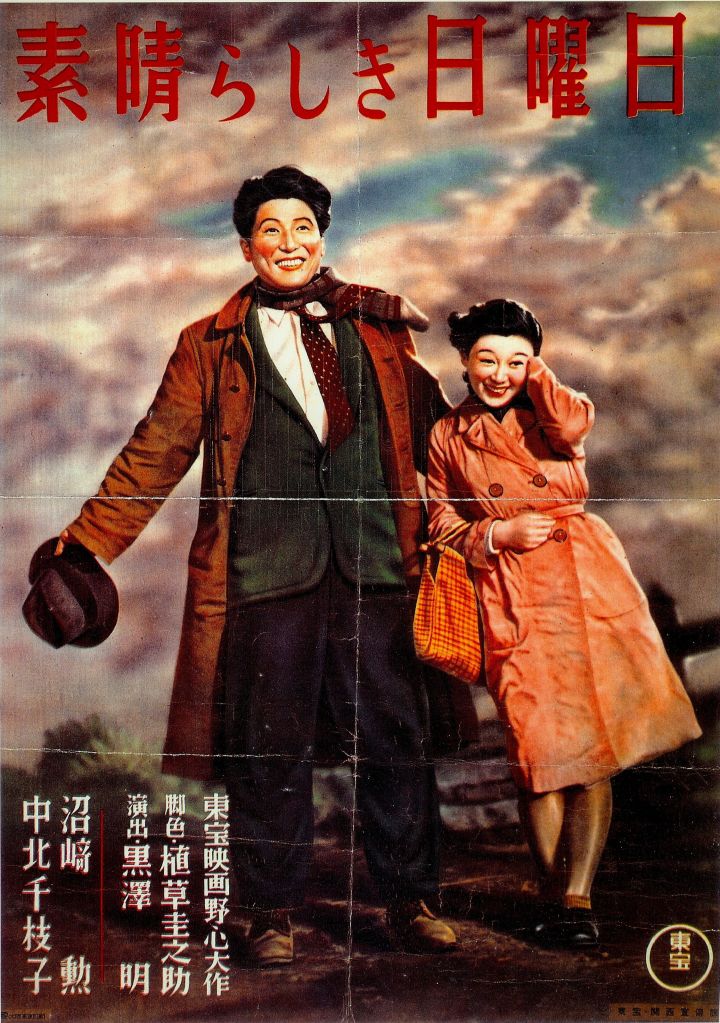
  • One Wonderful Sunday – post-war drama in which an engaged couple attempt to have a nice day out in Tokyo for only 35 yen.
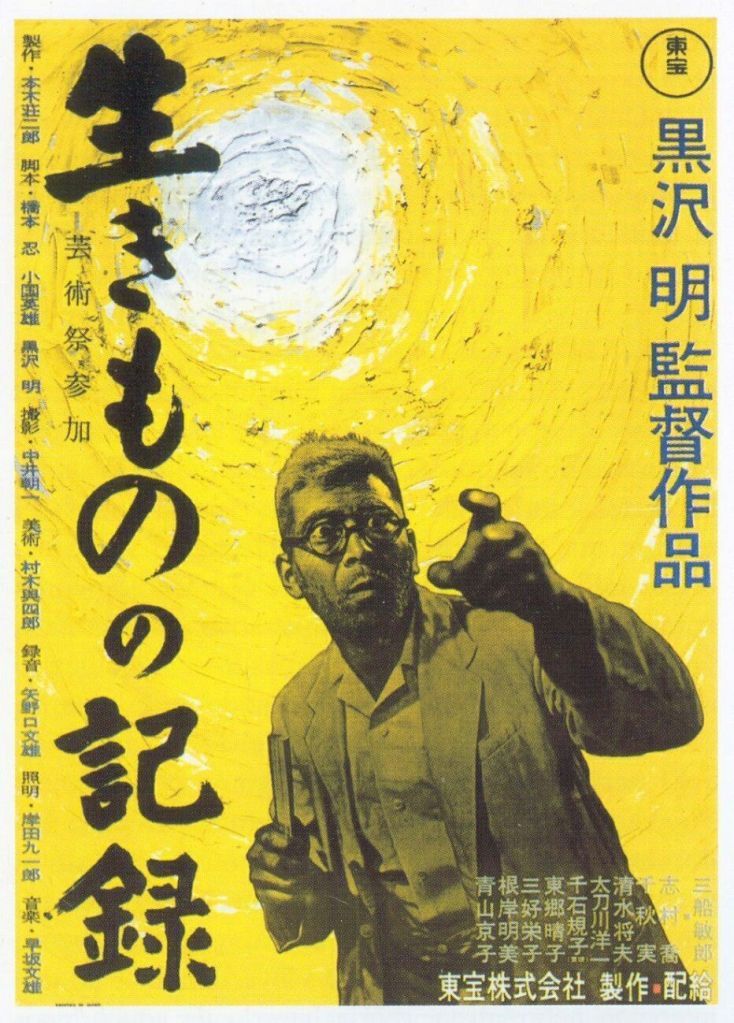
  • I Live in Fear – Toshiro Mifune stars as a factory owner so terrified of nuclear attack that he becomes determined to move his family to the comparative safety of Brazil while they attempt to have him declared legally incompetent on account of his intense paranoia.
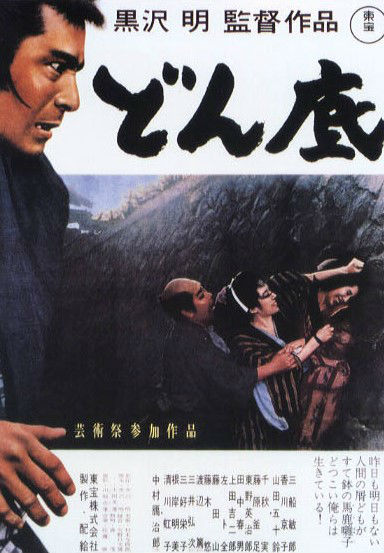
  • The Lower Depths – 1957 adaptation of Gorky’s novel following the lives of a collection of people living in an Edo-era tenement.
  • High and Low – Toshiro Mifune stars as a wealthy man encountering a dilemma when his chauffeur’s son is kidnapped after being mistaken for his own.
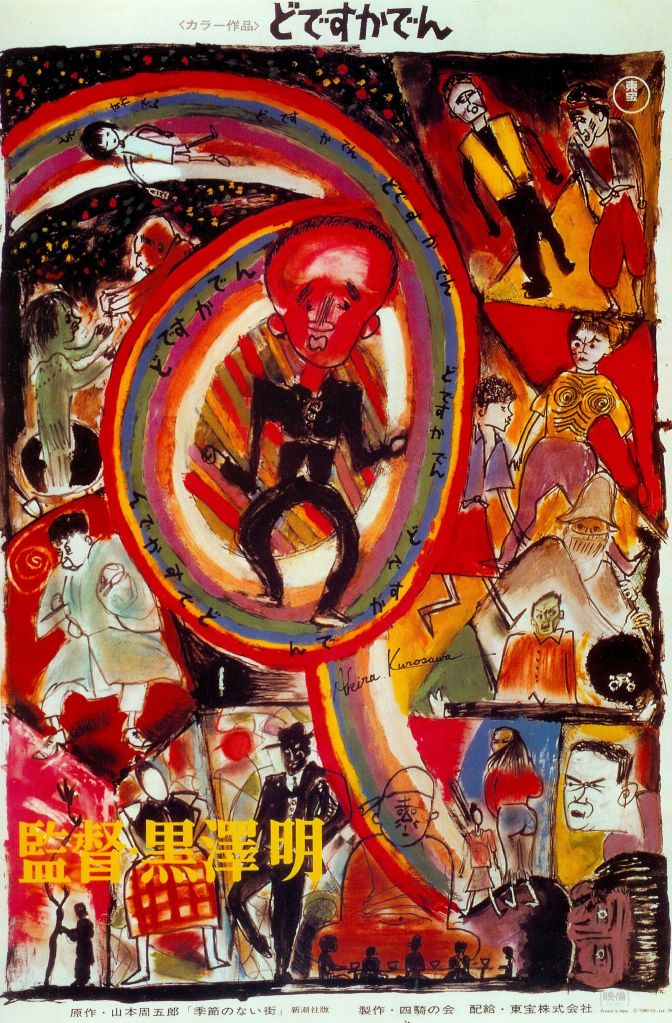
  • Dodes’ka-den – Kurosawa’s first colour film exploring the lives of a collection of people living in a shantytown above a rubbish dump.

Classics (11th May)

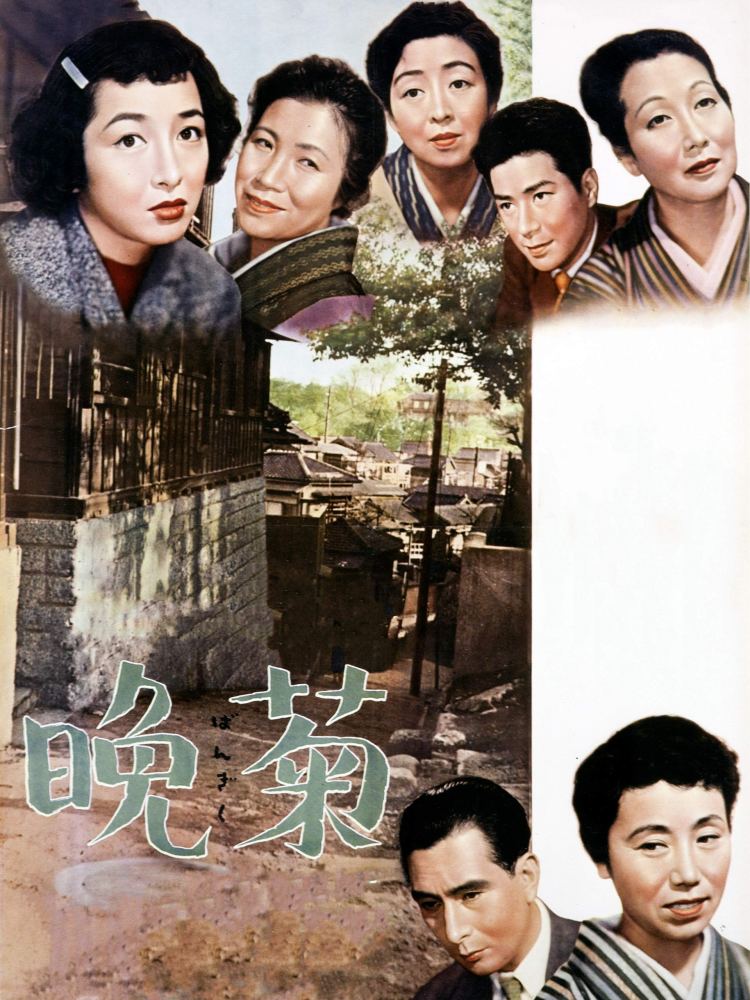
  • Late Chrysanthemums – Naruse’s 1954 drama following the lives of four former geishas (played by Haruko Sugimura, Chikako Hosokawa, Yuko Mochizuki, and Sadako Sawamura) as they try to get by in the complicated post-war economy.  
  • Floating Clouds – Naruse’s 1955 romantic drama starring Hideko Takamine and Masayuki Mori as former lovers floundering in the post-war landscape. Review.
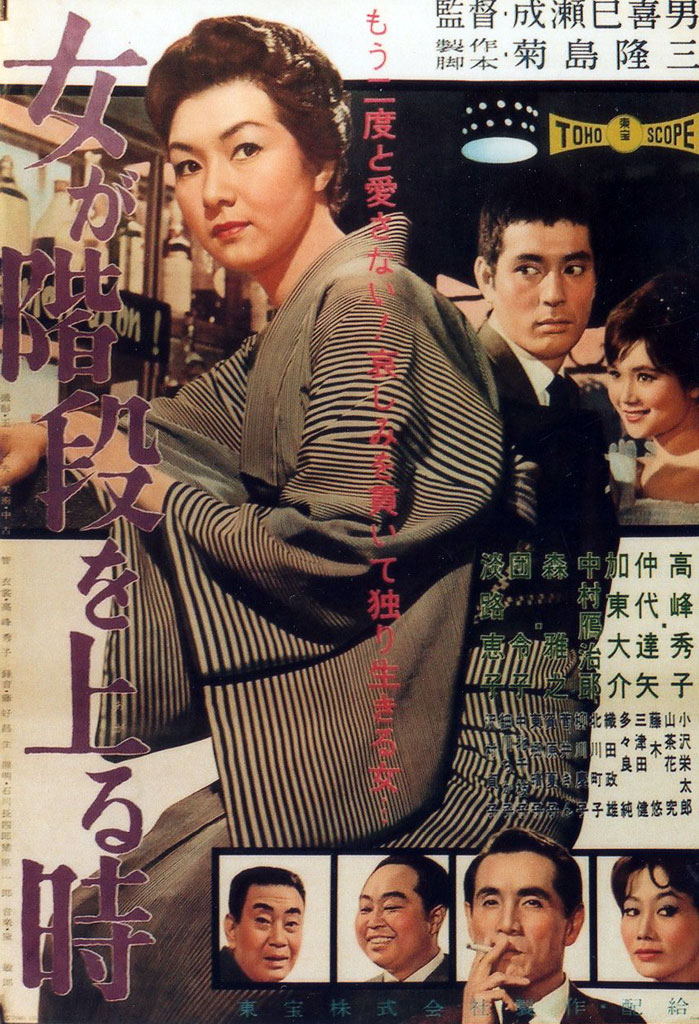
  • When a Woman Ascends the Stairs – Naruse’s 1960 drama starring Hideko Takamine as a widow turned Ginza bar hostess.
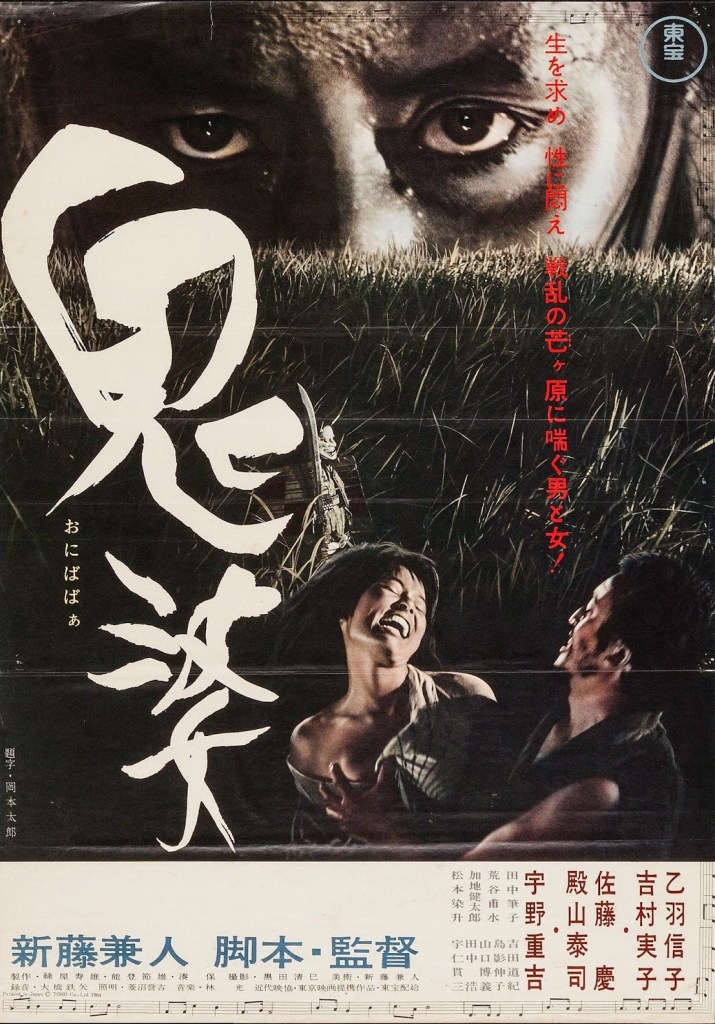
  • Onibaba – period horror from Kaneto Shindo in which a mother and her daughter-in-law survive by murdering samurai and selling their armour. Review.
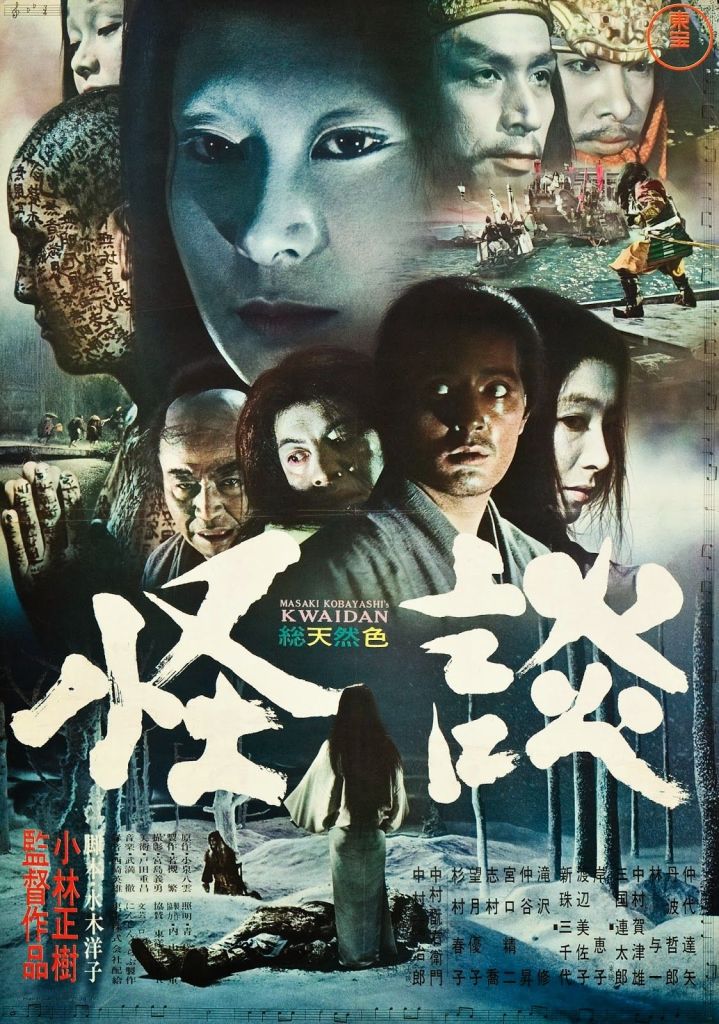
  • Kwaidan – horror anthology from Masaki Kobayashi featuring adaptations of classic Japanese folktales.
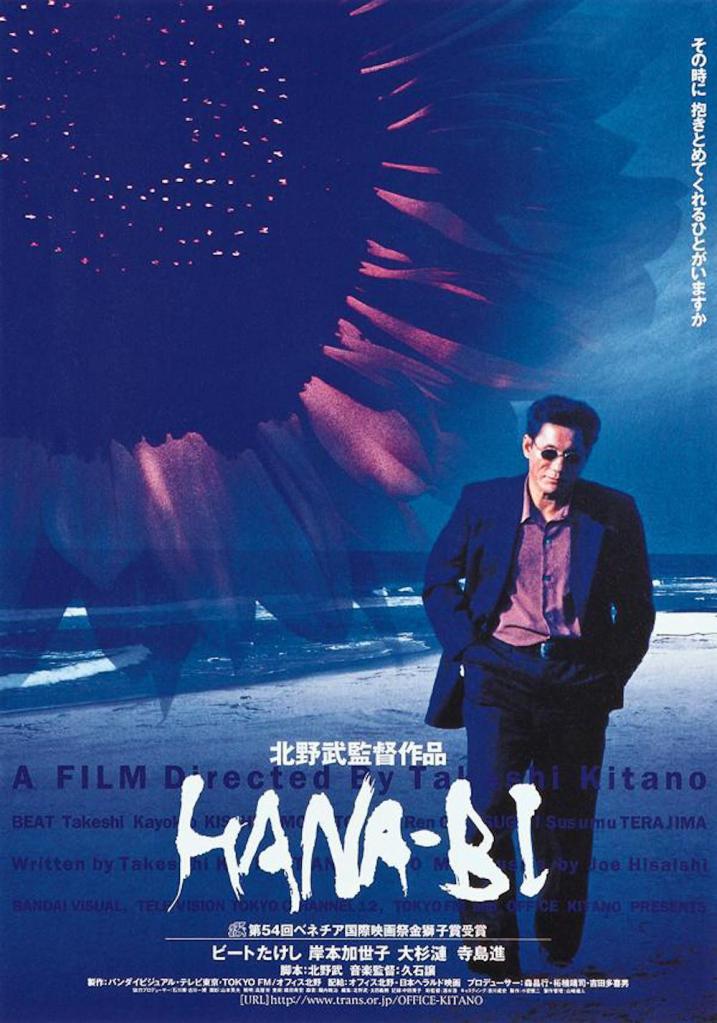
  • Hana-Bi – noirish poetry from Takeshi Kitano as a former policeman takes on an unwise loan from yakuza to care for his terminally ill wife. Review.
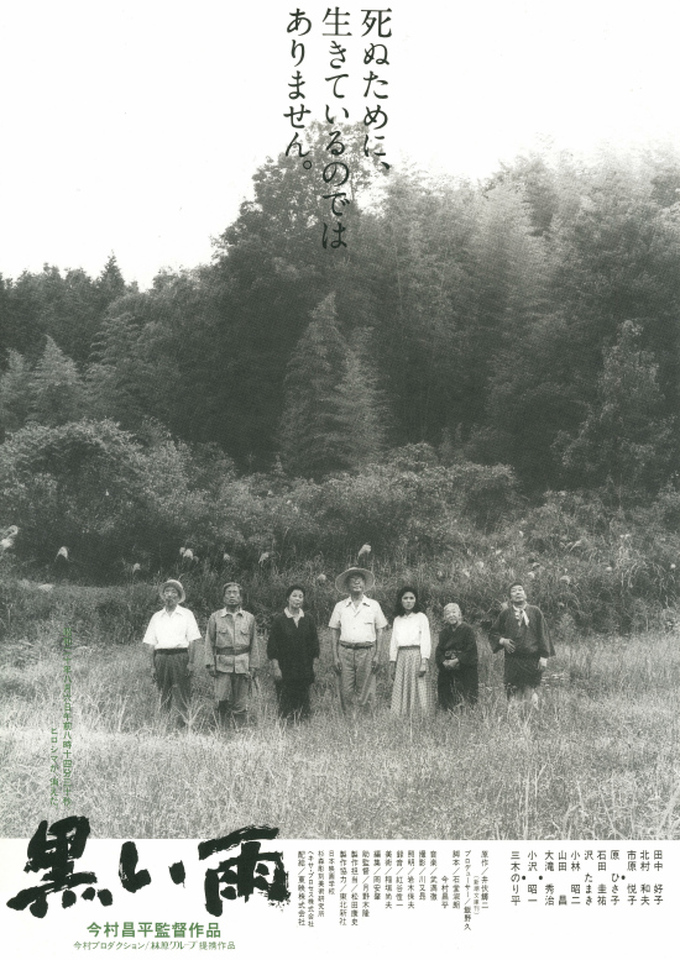
  • Black Rain – Shohei Imamura’s 1989 drama set in the aftermath of the atomic bomb attack on Hiroshima.
  • Branded to Kill – the anarchic 1967 hitman drama that got Seijun Suzuki fired from Nikkatsu.
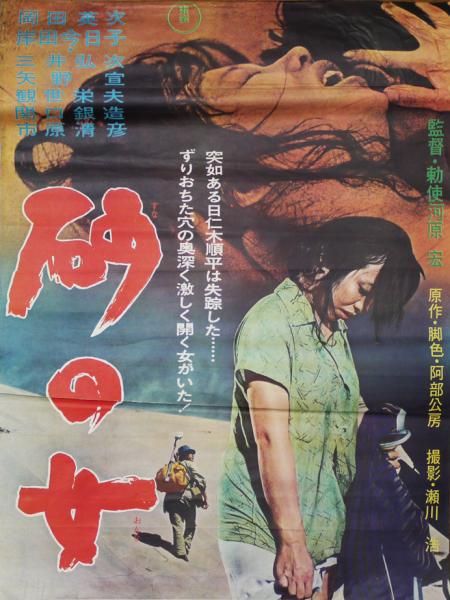
  • Woman of the Dunes – Hiroshi Teshigahara’s adaption of the Kobo Abe novel in which a bug collector is imprisoned in a sand dune after missing the last bus home and being persuaded to spend the night in the home of a local woman.
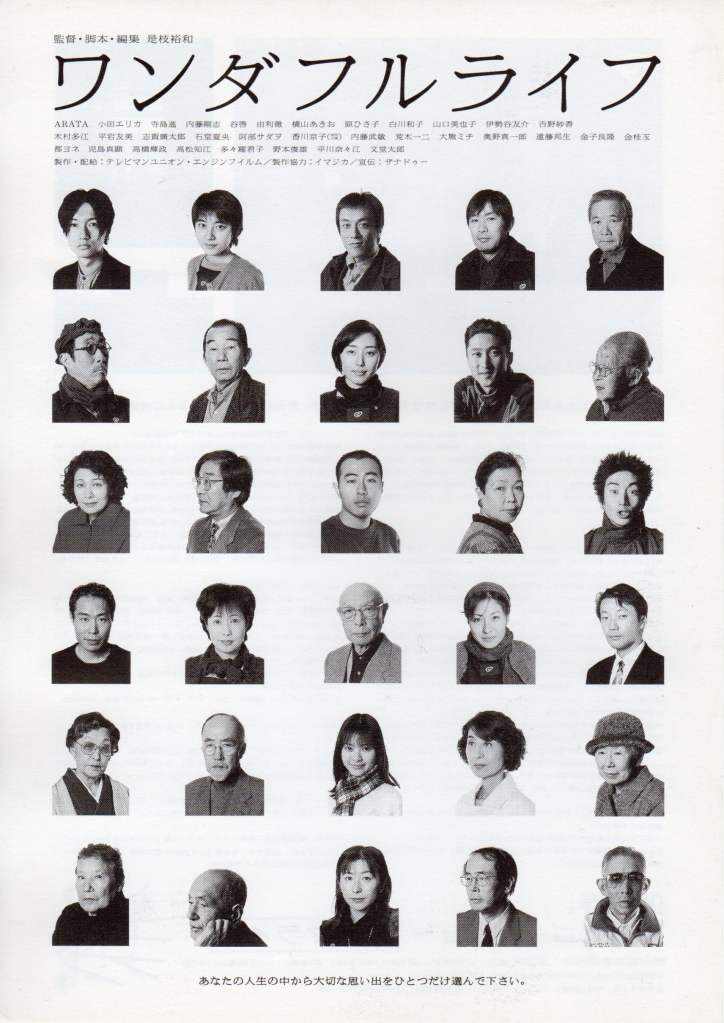
  • After Life – poignant drama from Hirokazu Koreeda in which the recently deceased are permitted to recreate a favourite memory. Review.
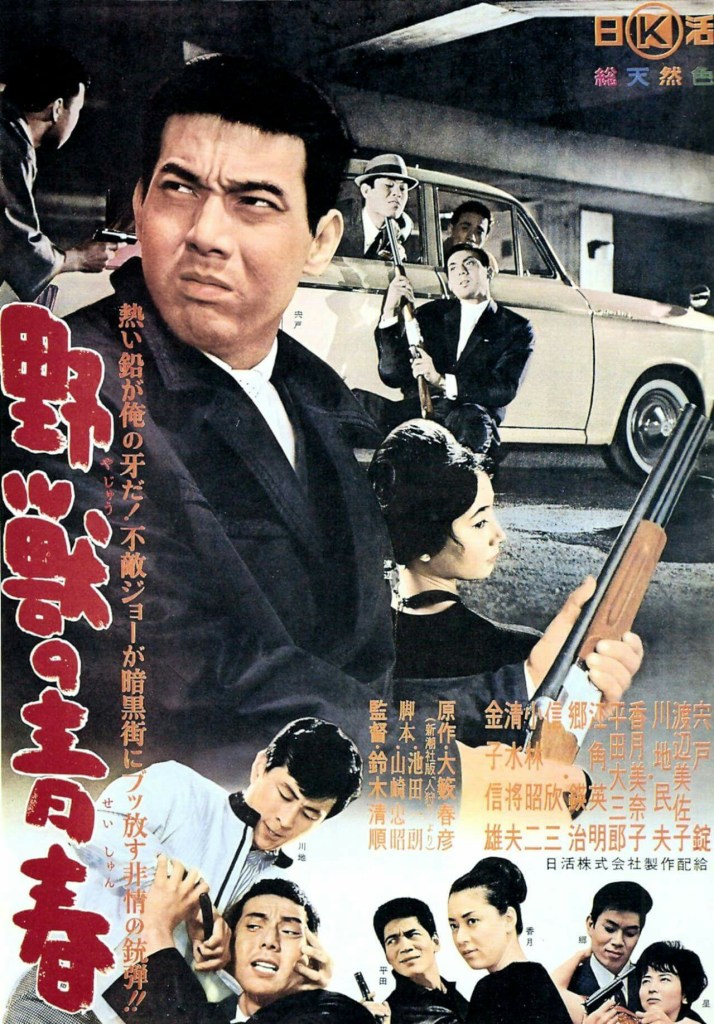
  • Youth of the Beast – Seijun Suzuki drama starring Jo Shishido as a mysterious figure playing double agent to engineer a gang war. Review.
  • Gate of Hell – period drama starring Machiko Kyo as a loyal wife who tricks a man trying to kill her husband to have her for himself to kill her instead. Review.
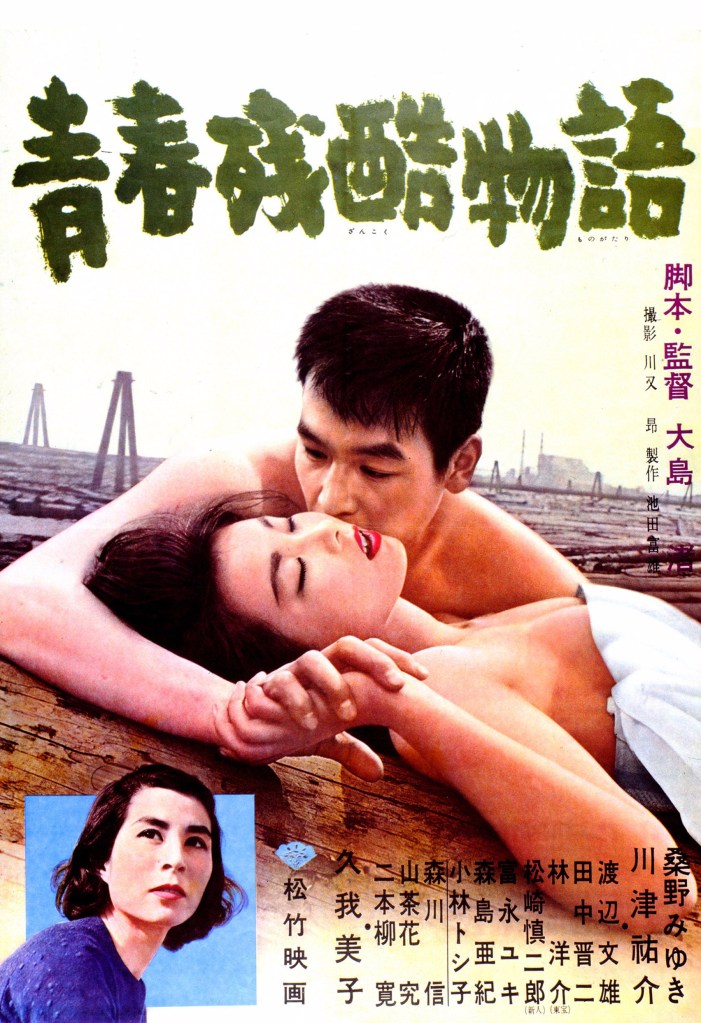
  • Cruel Story of Youth – post-Sun Tribe youth drama from Shochiku directed by Nagisa Oshima. Review.
  • An Actor’s Revenge – Kon Ichikawa’s visually stunning tale of vengeance and madness. Review.

Yasujiro Ozu (5th June)

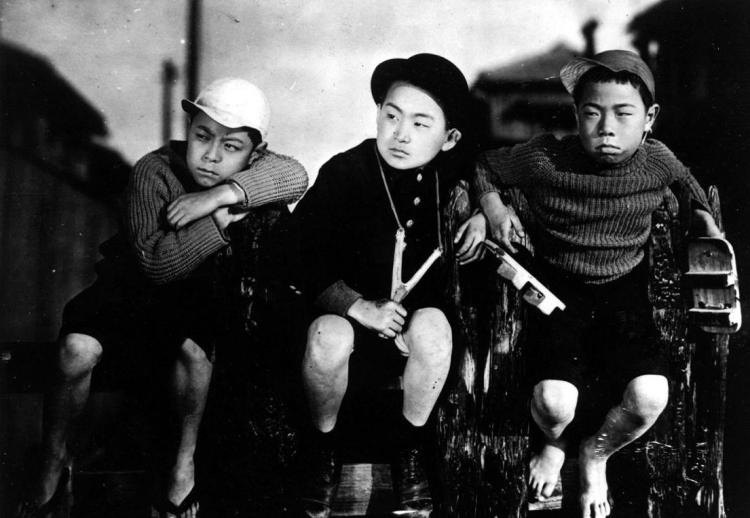
  • I Was Born, But… – 1932 silent in which two little boys have a hard time accepting that their dad has an inauthentic work persona. Review.
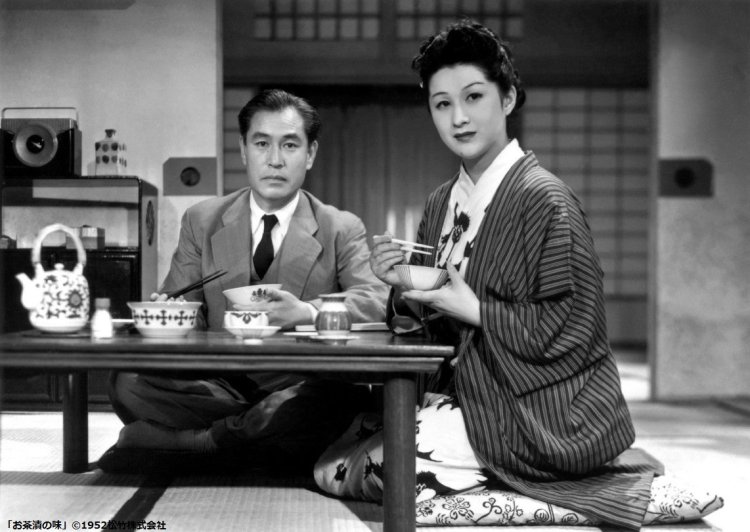
  • Flavour of Green Tea Over Rice – 1952 drama starring Shin Saburi and Michiyo Kogure as an unhappily married couple. Review.
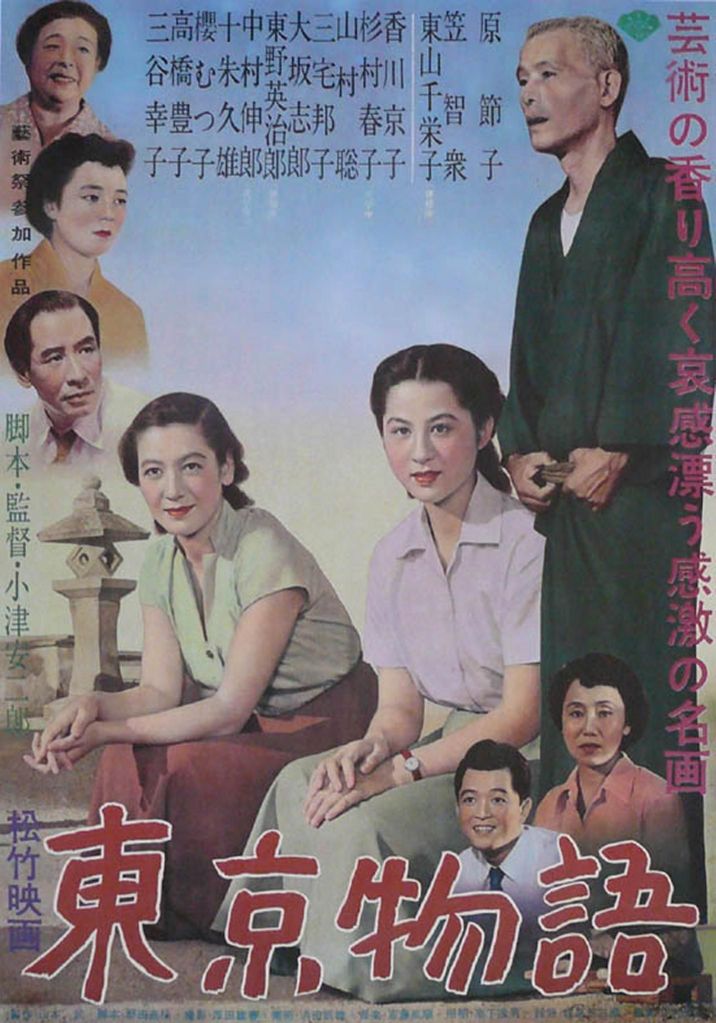
  • Tokyo Story – post-war classic in which an old couple from the country make a rare trip to the city to see their grown up children but are disappointed to discover that they don’t have much time for them.
  • Good Morning – consumerist comedy in which two little boys go on a pleasantries strike to get their parents to buy them a TV.
  • Late Autumn – drama in which a young widow tries to marry off her daughter with the help of old friends from college. Review.
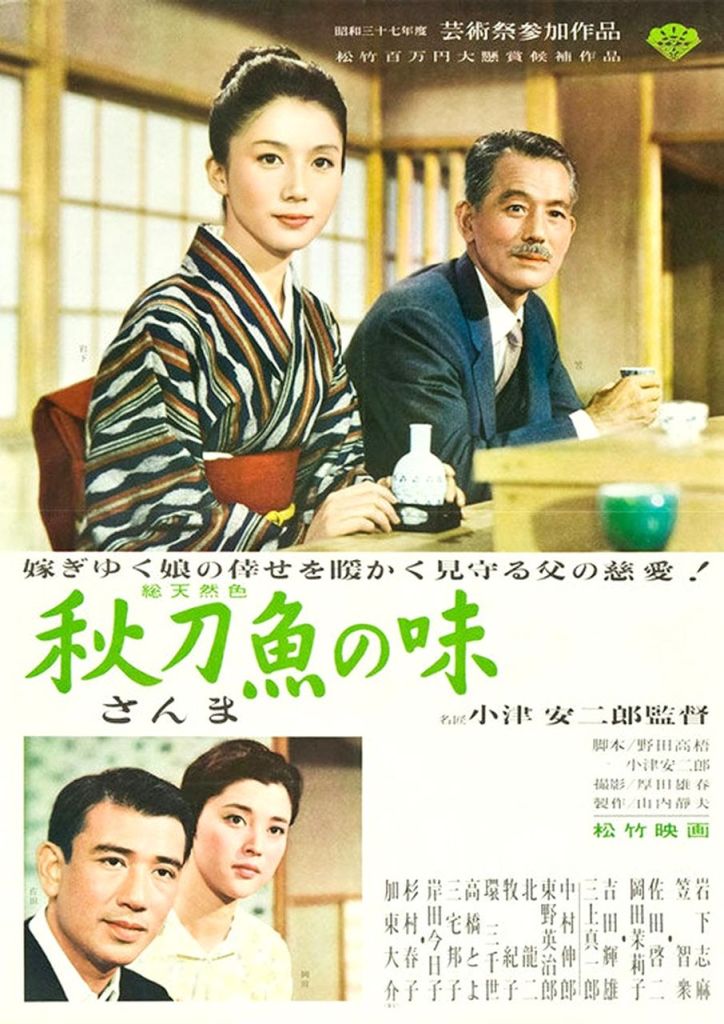
  • An Autumn Afternoon – Ozu’s final film stars Chishu Ryu as an ageing widower preparing to marry off his only daughter. Review.
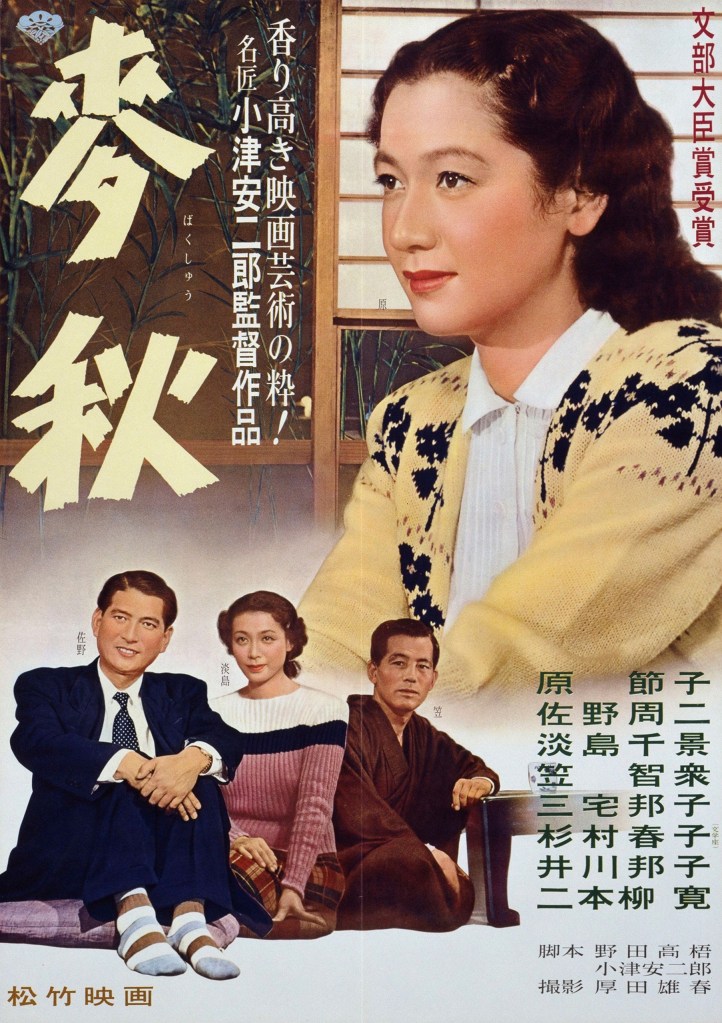
  • Early Summer – a family’s attempt to marry off a daughter is frustrated when they realise she is carrying a torch for the widower next door.
  • Equinox Flower – drama of generational conflict in which an authoritarian father is forced to accept his daughter’s right to choose her own husband without asking for his advice or consent.
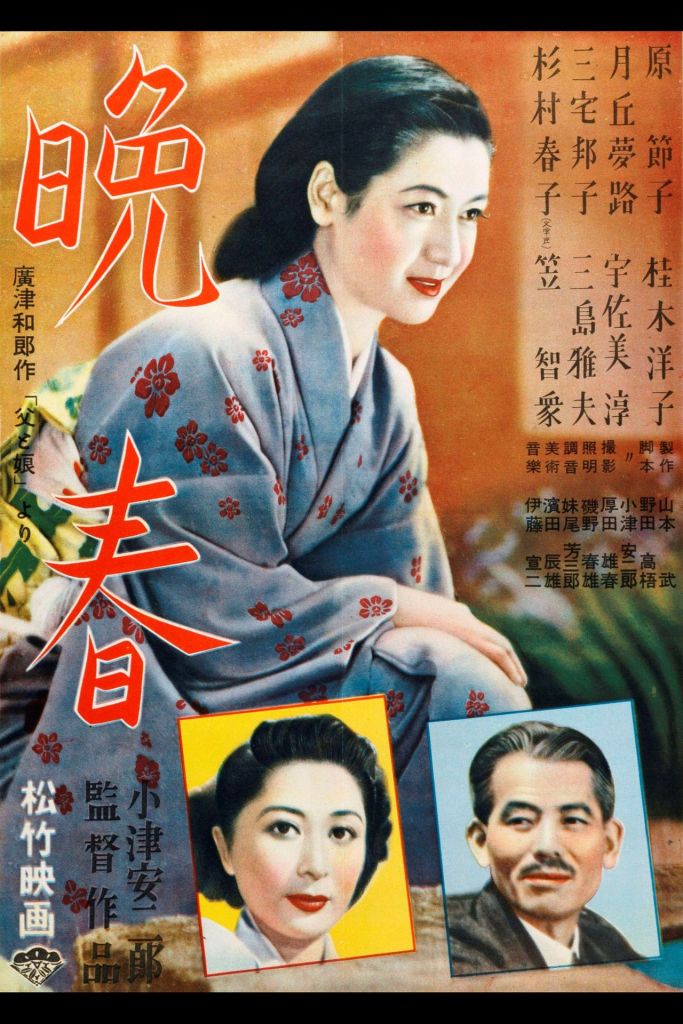
  • Late Spring – classic in which a young woman’s close relationship with her widowed father leaves her reluctant to marry.
  • Dragnet Girl – silent crime film starring Kinuyo Tanaka as a gangster’s moll who decides to reform after meeting the sister of a new gang member.
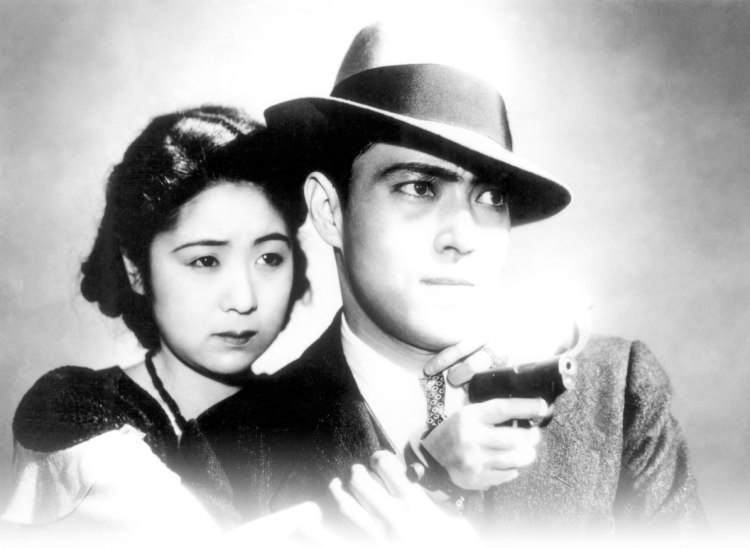
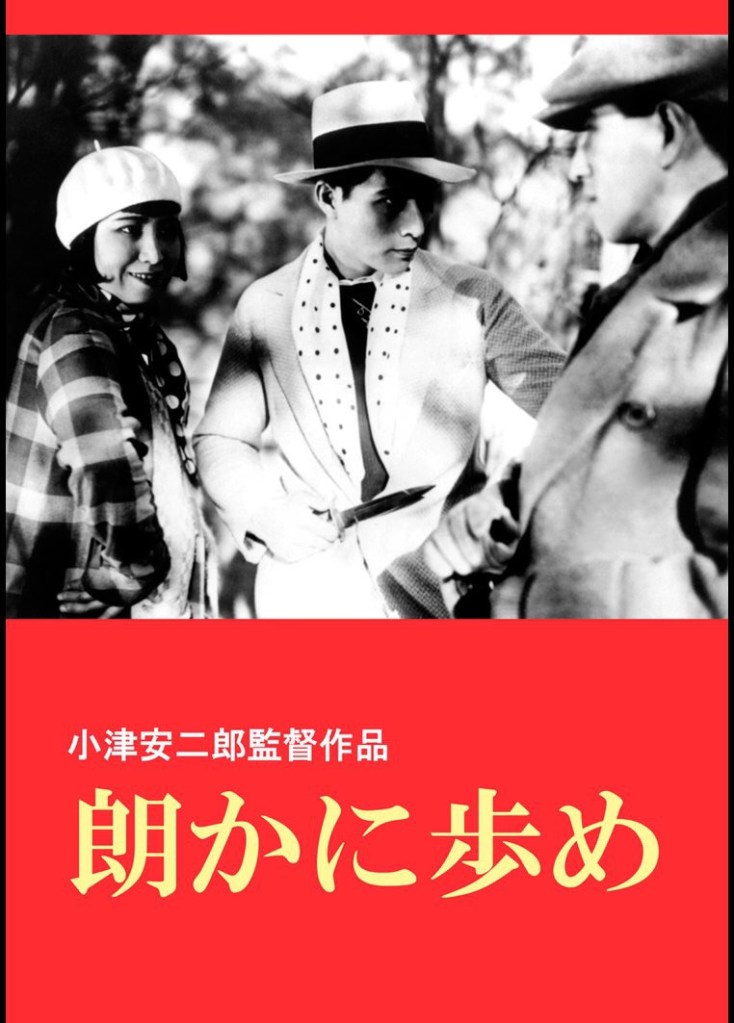
  • Walk Cheerfully – silent crime film in which a gangster wants to go straight after falling for an ordinary girl.
  • I Flunked, But… – silent college comedy.
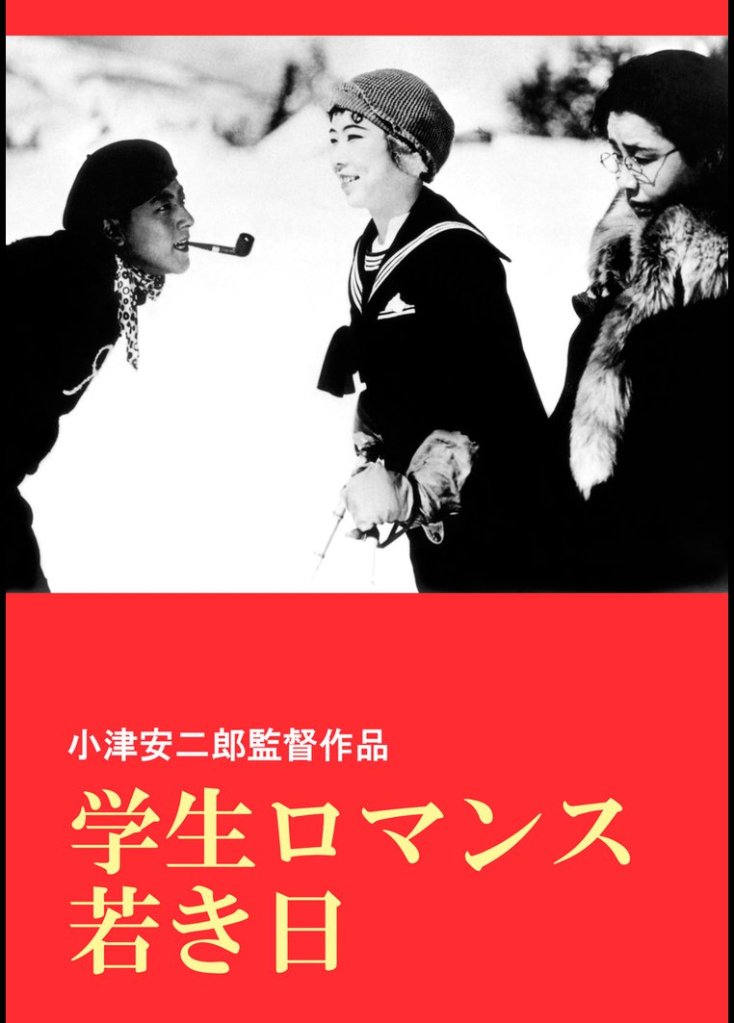
  • Days of Youth – two students compete for the affections of the same girl.
  • Where Now Are the Dreams of Youth? – tragedy enters a carefree college existence when a naive young man games the system to offer all his friends jobs after inheriting his father’s company.
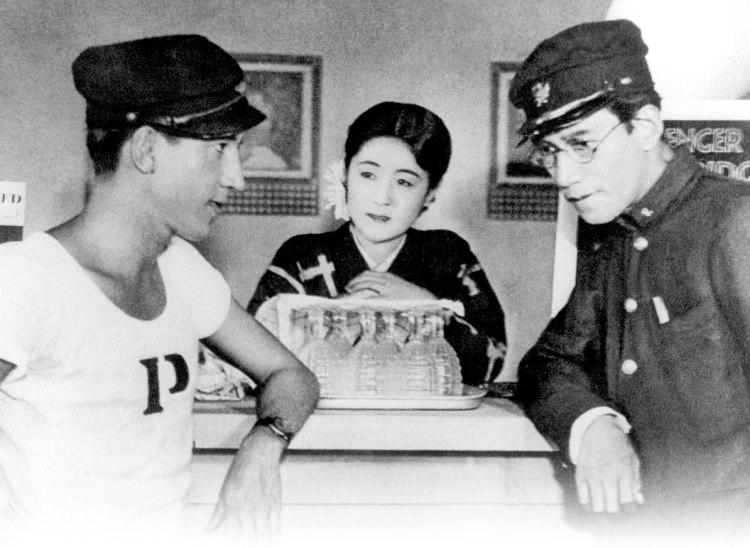
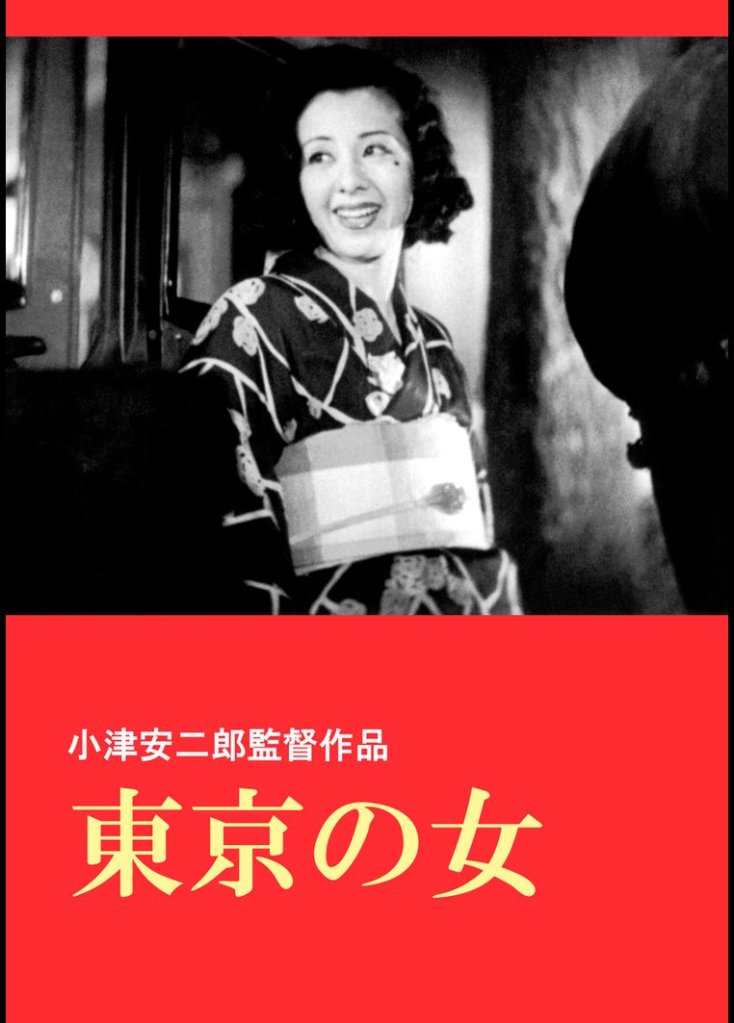
  • Woman of Tokyo – silent drama in which a student is devastated to learn that his older sister is not a translator as he thought but works as a bar hostess to finance his education.
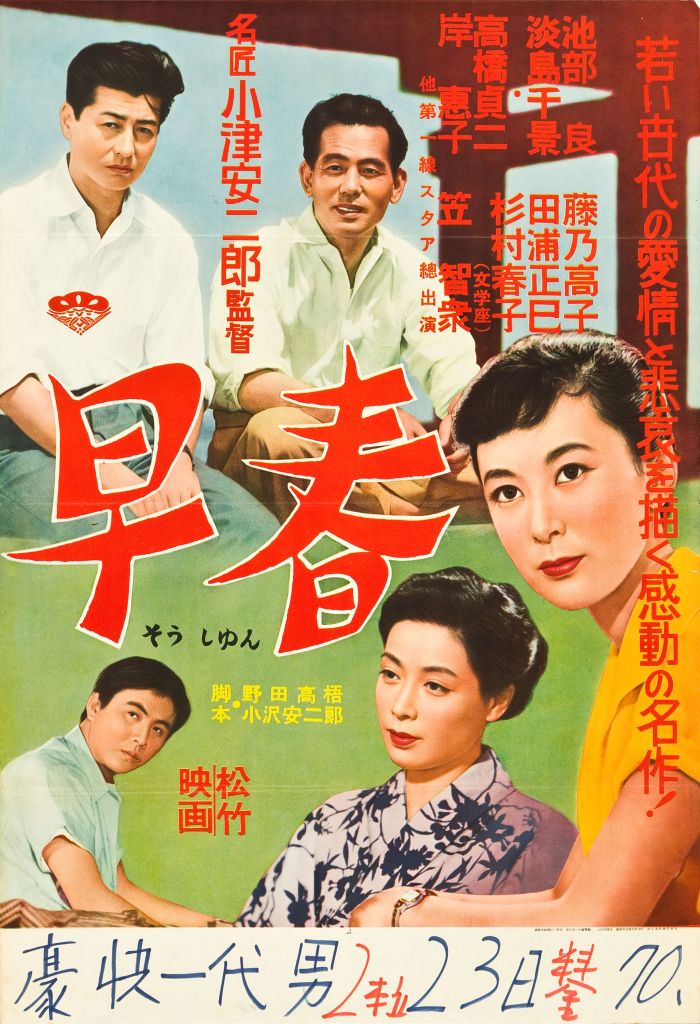
  • Early Spring – rare Ozu drama exploring the taboo of an extra-marital affair.
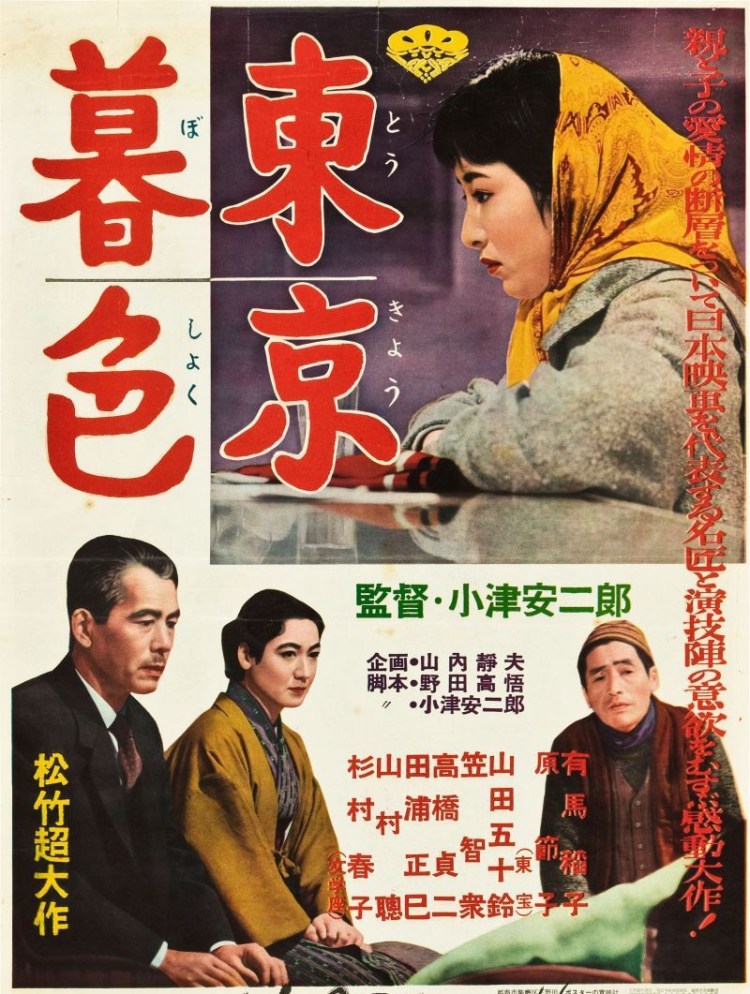
  • Tokyo Twilight – grown up sisters reunite with the mother who abandoned them as children to run off with another man.
  • That Night’s Wife – 1930 crime drama in which a man is hunted by police after resorting to robbery to pay for his daughter’s medication.
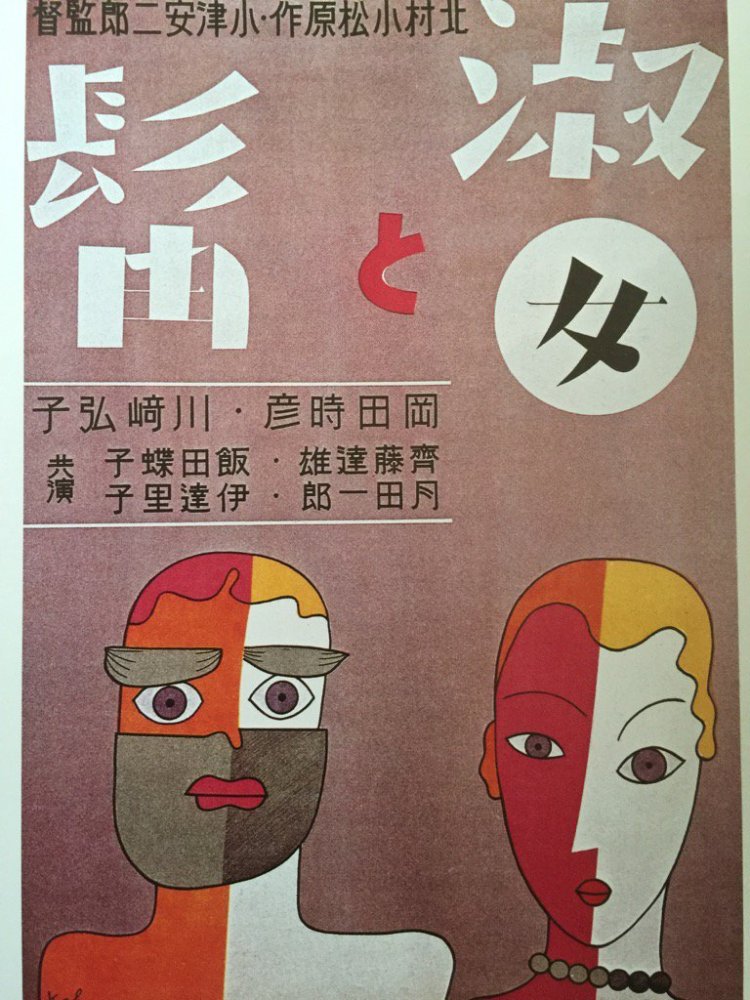
  • The Lady and the Beard – 1931 comedy in which a traditionally minded man’s refusal to shave off his beard makes it difficult to move on with his life.
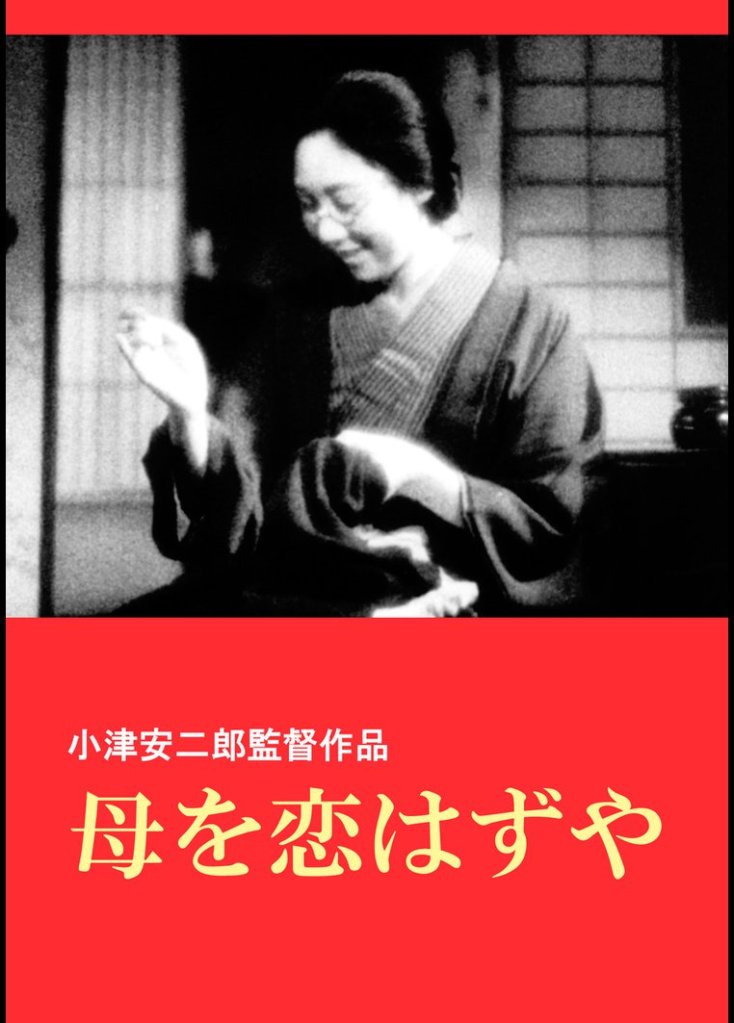
  • A Mother Should Be Loved – a young man discovers the woman who raised him is not his birth mother.
  • The Only Son – drama in which a mother visits her grown-up son and is disappointed to learn he has a wife and child he never told her about.
  • What Did the Lady Forget? – a modern girl visits her professor uncle but is disturbed to see him henpecked by his traditionalist wife.
  • Brothers and Sisters of the Toda Family – a widow discovers that her grown up children are unwilling to support her and their younger sister when their father suddenly dies leaving them deep in debt.
  • There Was a Father – a father’s attempts to do the best for his son perpetually keep them apart.
  • A Hen in the Wind – a returned soldier struggles to accept his wife’s decision to resort to prostitution to pay for a doctor to save their son’s life in Ozu’s atypically dark post-war drama.

Cult (3rd July)

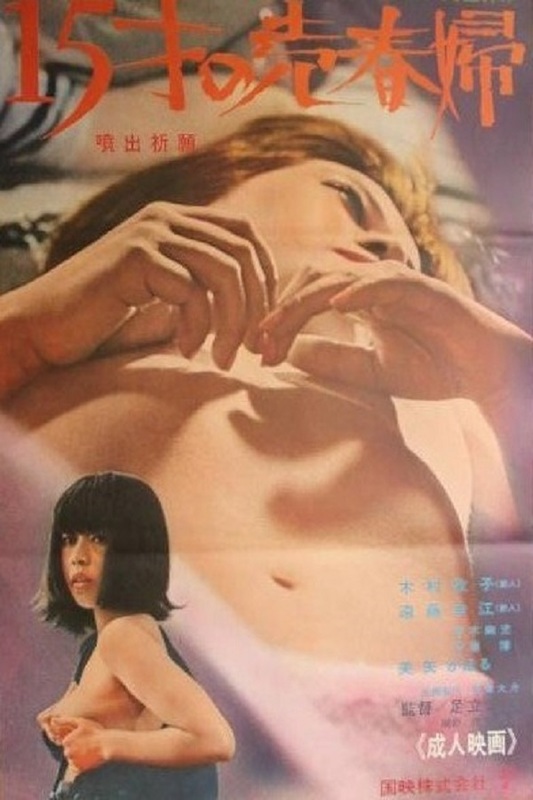
  • Gushing Prayer – pink film from Masao Adachi dramatising despair in the wake of the failure of the student movement.
  • Inflatable Sex Doll of the Wastelands – pink film in which a hitman is brought into contact with the yakuza who killed his girlfriend while looking for kidnapped woman.
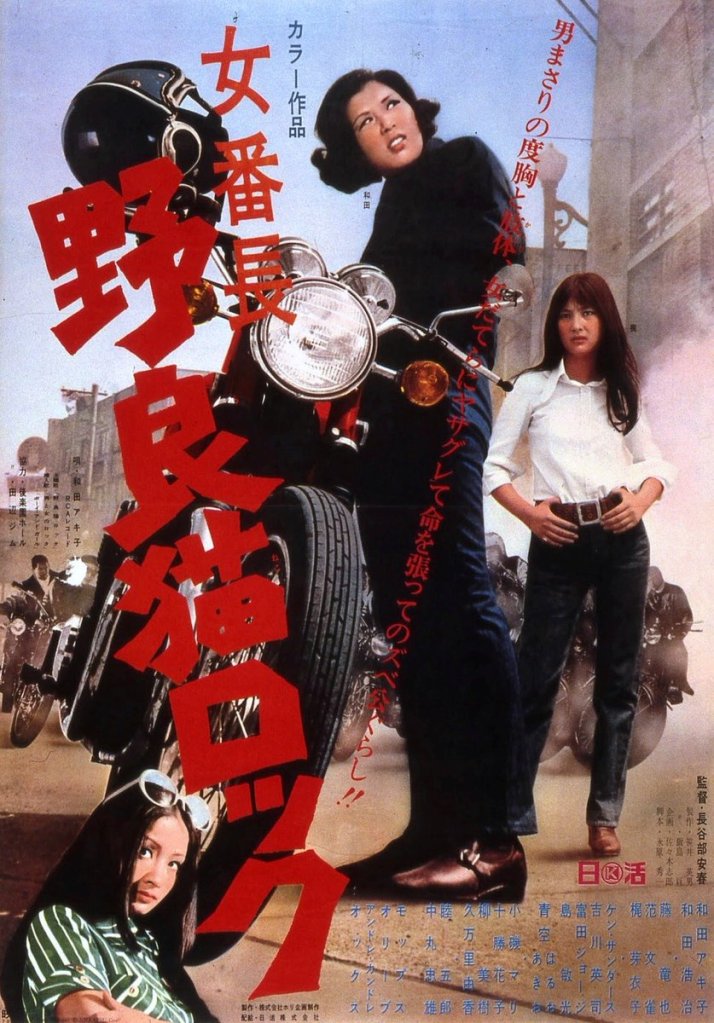
  • Stray Cat Rock: Delinquent Girl Boss – first in the Stray Cat Rock series starring Akiko Wada and Meiko Kaji.
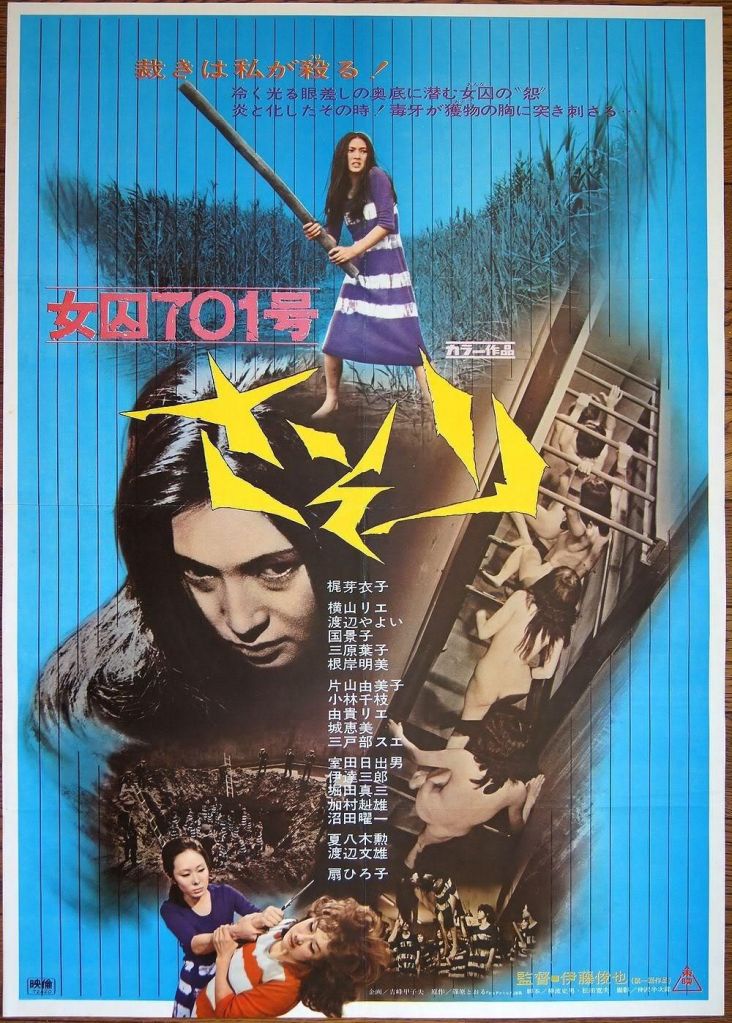
  • Female Prisoner #701: Scorpion – Meiko Kaji stars as a woman falsely imprisoned.
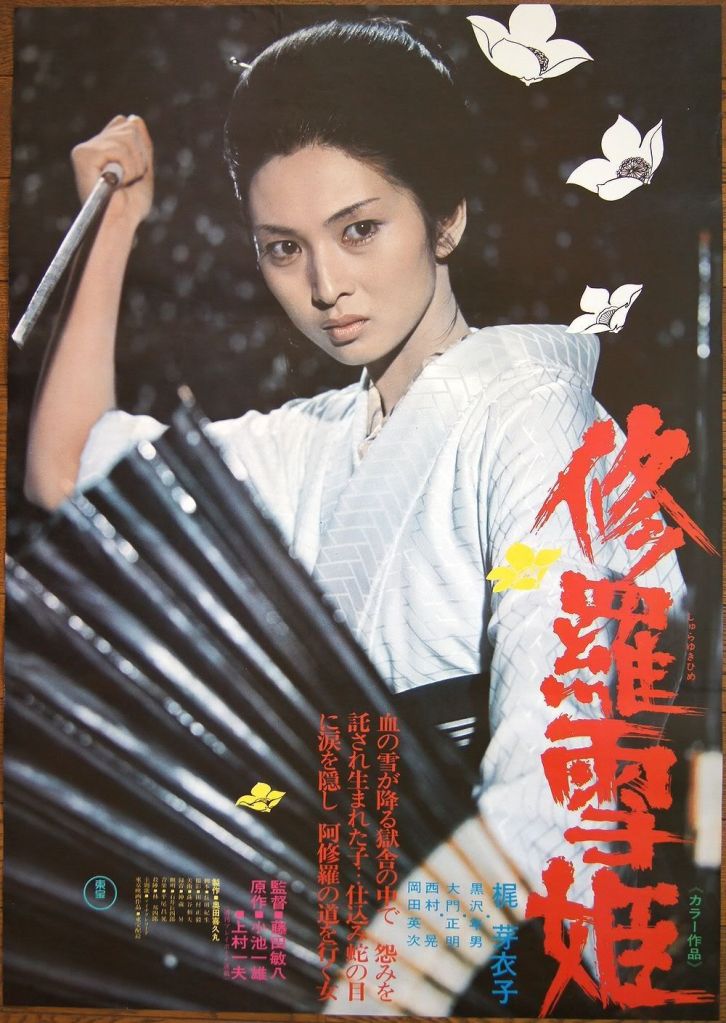
  • Lady Snowblood – Meiko Kaji stars as a young woman seeking revenge against the men who raped her mother.
  • Orgies of Edo – three tales of Genroku decadence from Teruo Ishii. Review.
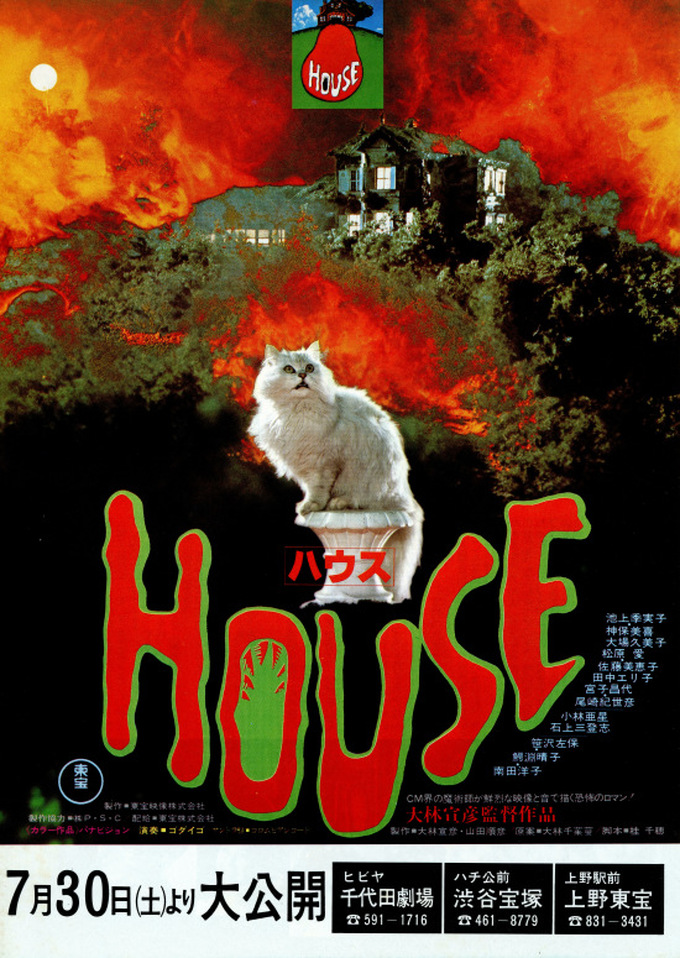
  • House – surreal horror from Nobuhiko Obayashi in which a high school girl takes some friends to visit her aunt but ends up in a colourful nightmare world.

Anime (31st July)

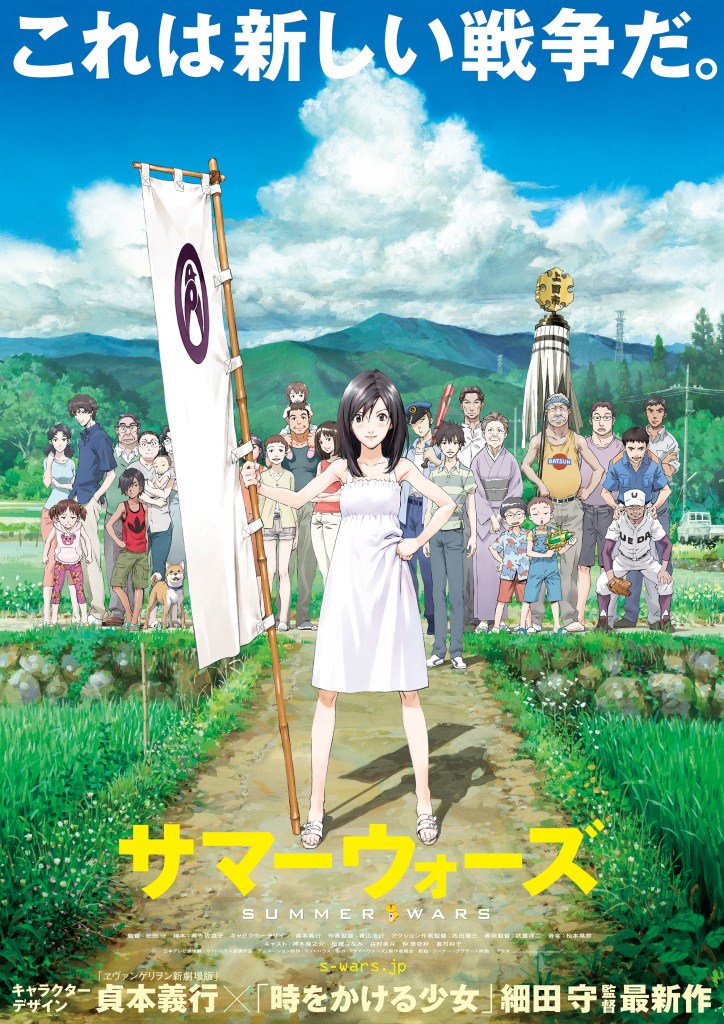
  • Summer Wars – Mamoru Hosoda’s breakthrough feature follows the summer adventures of maths genius and moderator of online world Oz Kenji Koiso as he is unexpectedly invited on a trip with his crush, Natsuki, only to be expected to play the part of her fake fiancé whilst also dealing with a vast internet-based conspiracy.
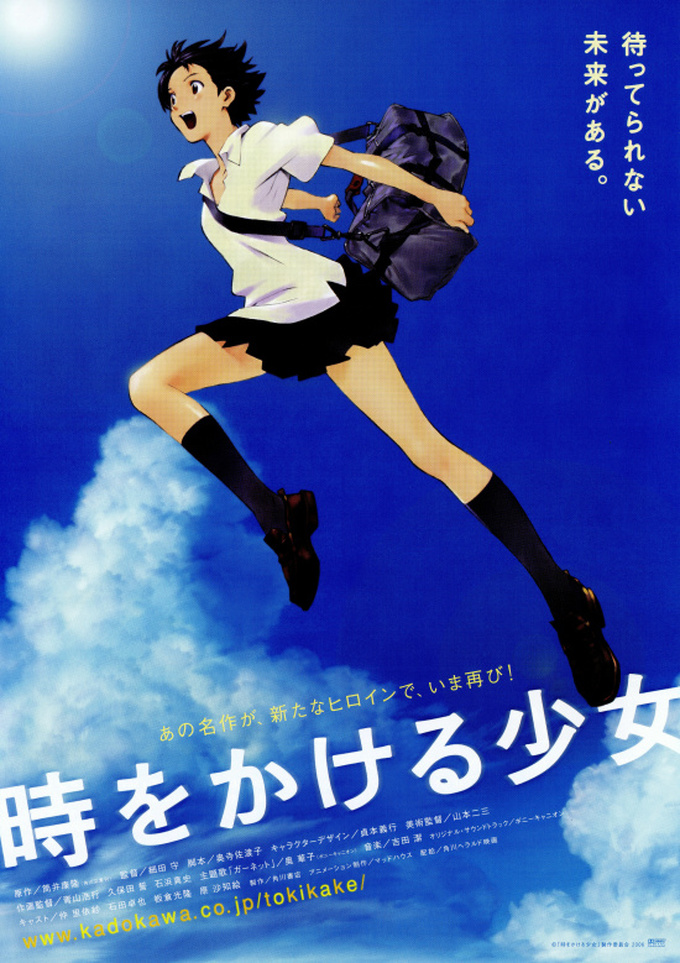
  • The Girl Who Leapt Through Time – Mamoru Hosoda’s loose sequel to the much-loved novel by Yasutaka Tsutsui.
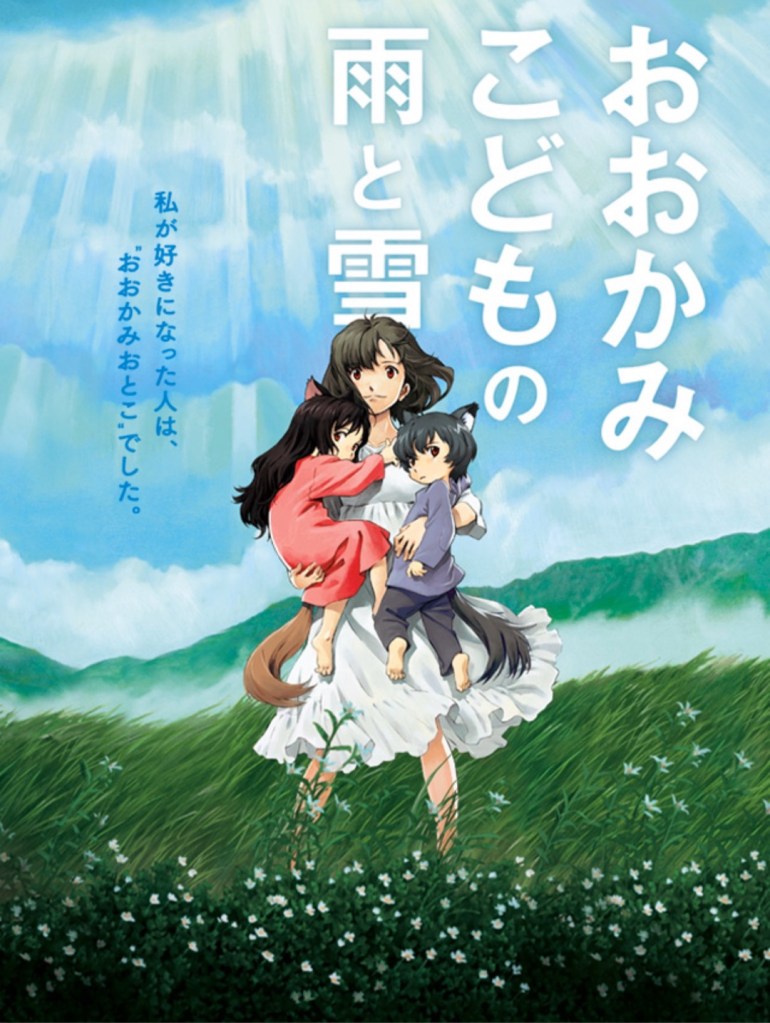
  • Wolf Children – touching animation from Mamoru Hosoda in which a single-mother raising two children alone must comes to terms with the different paths her children take.
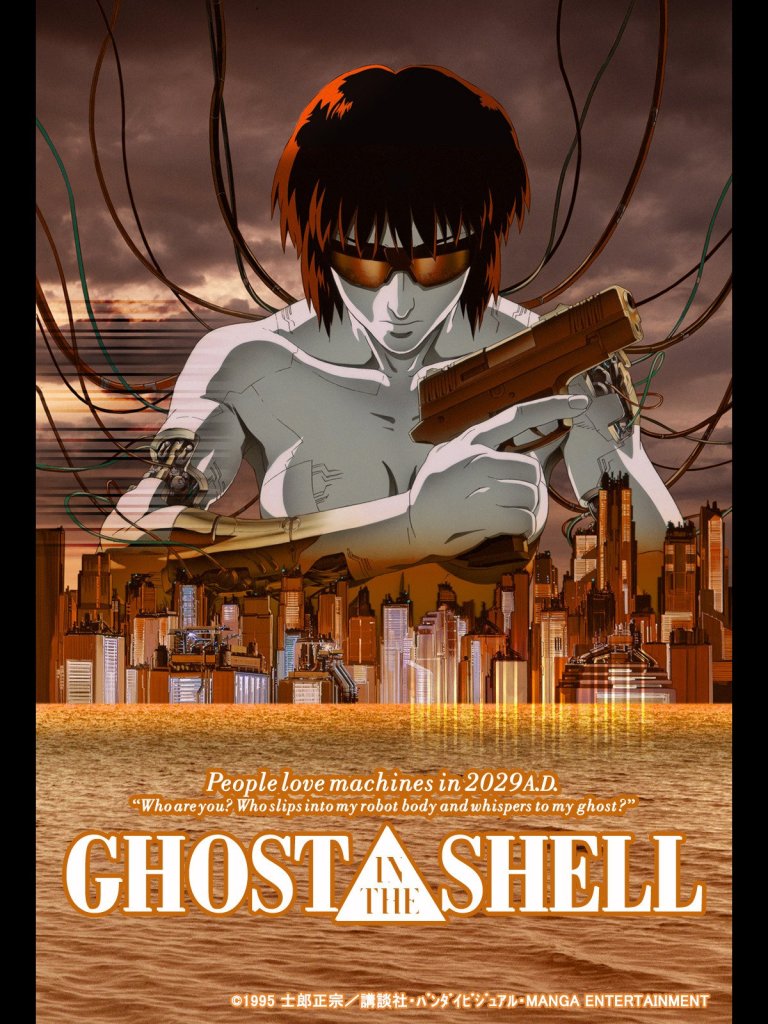
  • Ghost in the Shell – Mamoru Oshii’s iconic adaptation of the Shirow Masamune manga in which a cybernetic ally enhanced policewoman hunts a hacker known as the Puppet Master.
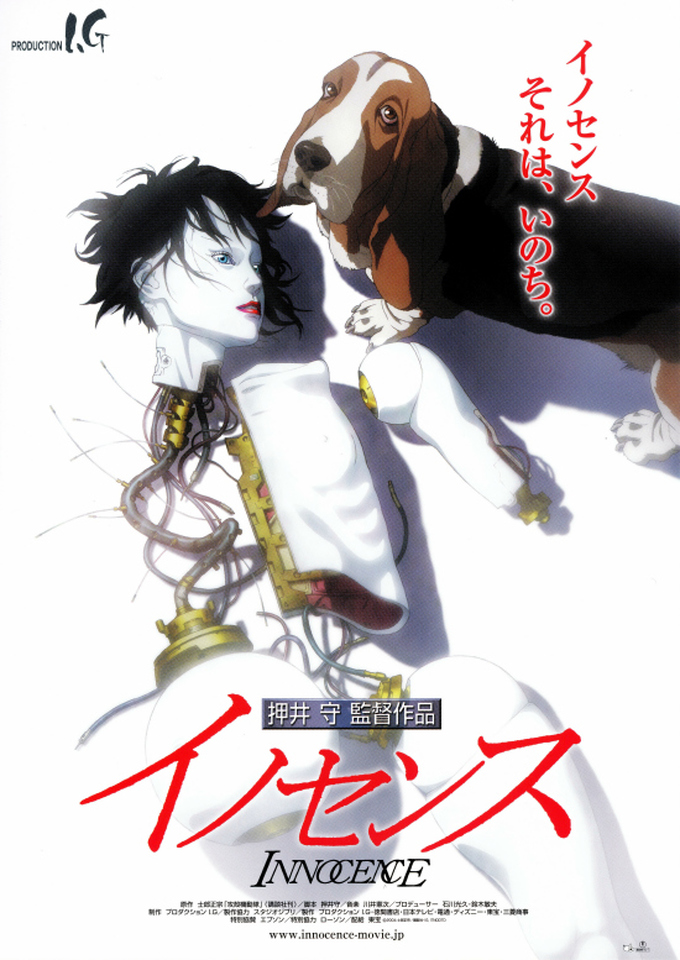
  • Ghost in the Shell 2: Innocence – sequel to the original Ghost in the Shell set in the Hong Kong of 2032.

Independence (21st August)

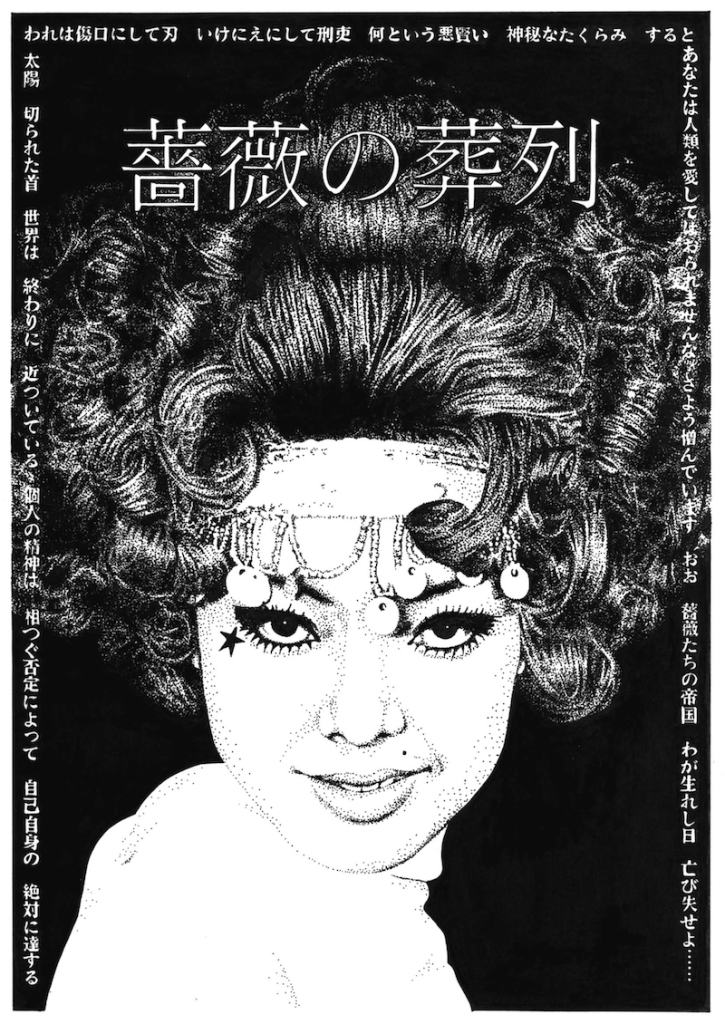
  • Funeral Parade of Roses – Toshio Matsumoto’s avant-garde take on Oedipus Rex.
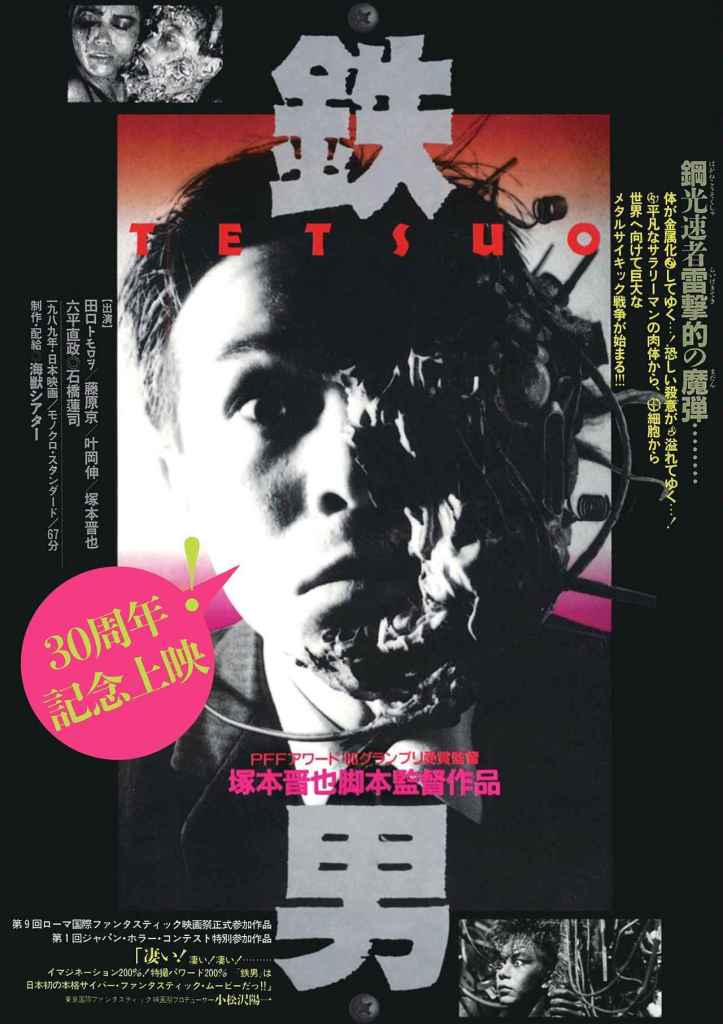
  • Tetsuo: The Iron Man – surrealist body horror from Shinya Tsukamoto.
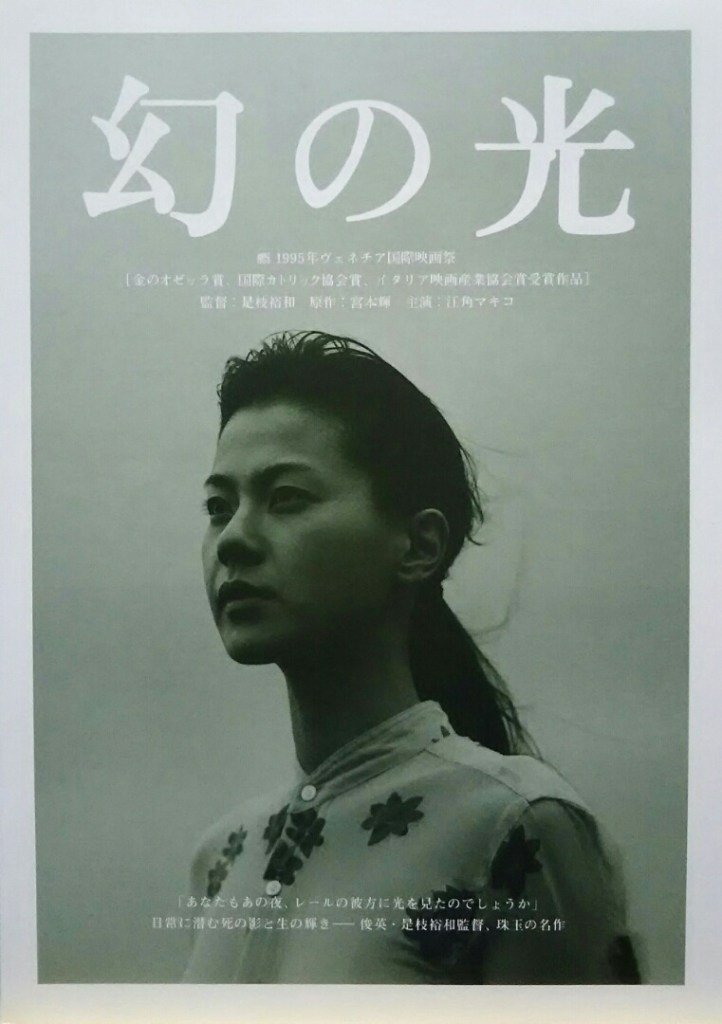
  • Maborosi – a young widow struggles to come to terms with the apparent suicide of her husband in Hirokazu Koreeda’s debut feature.
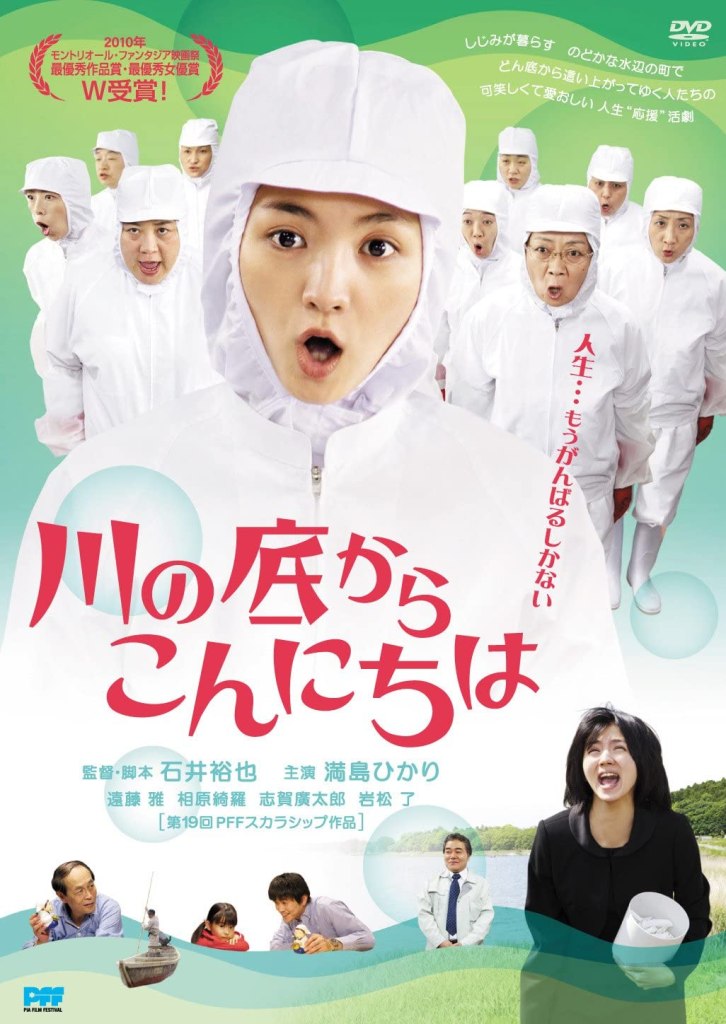
  • Sawako Decides – an aimless young woman struggles to find direction in her life in an early comedy from Yuya Ishii starring Hikari Mitsushima.
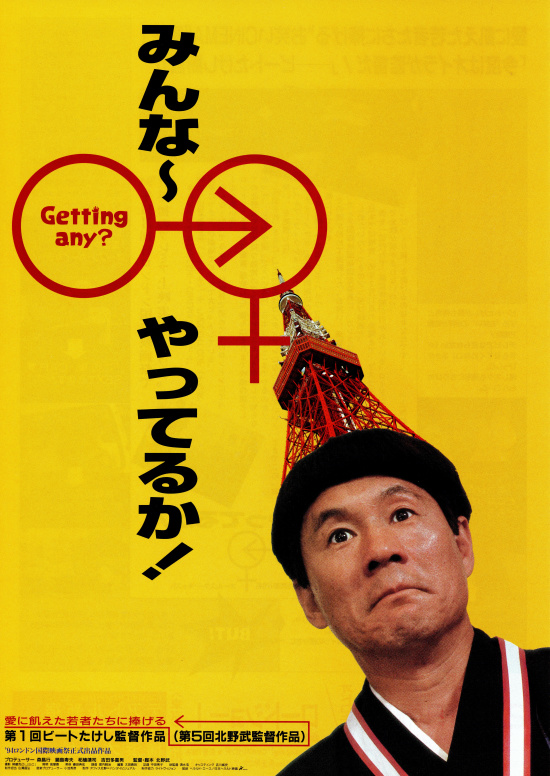
  • Getting Any? – zany pop culture comedy from Takeshi Kitano in which a man goes to great lengths to get a car solely so he can have sex in it. Review.
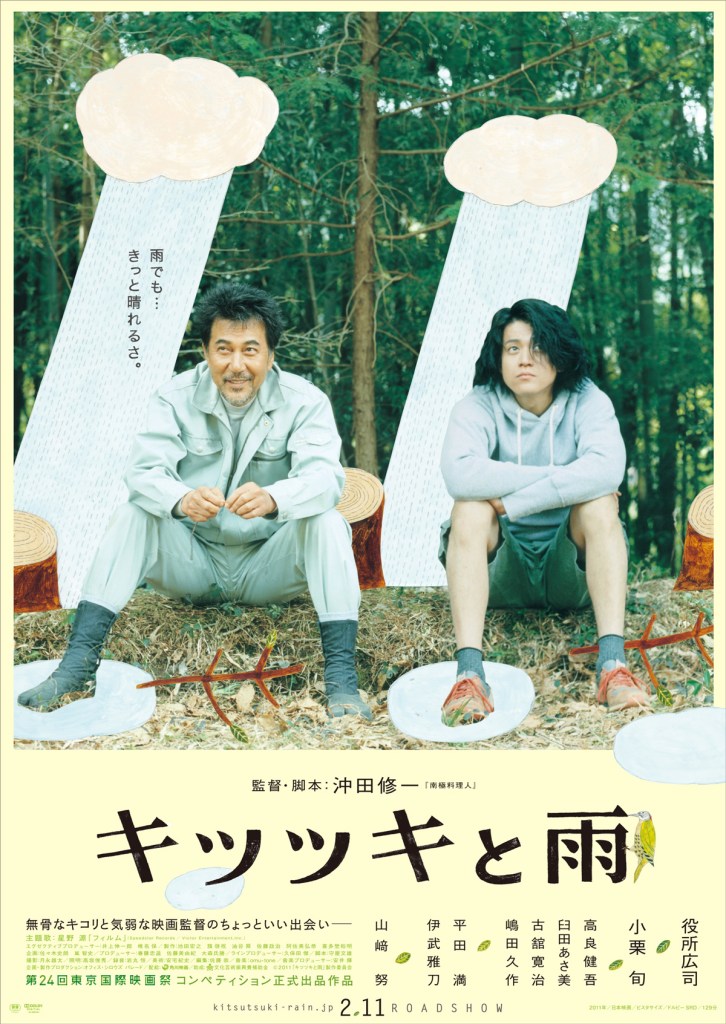
  • The Woodsman and the Rain – comedy from Shuichi Okita in which a film director bonds with a lonely lumberjack while shooting a zombie movie.
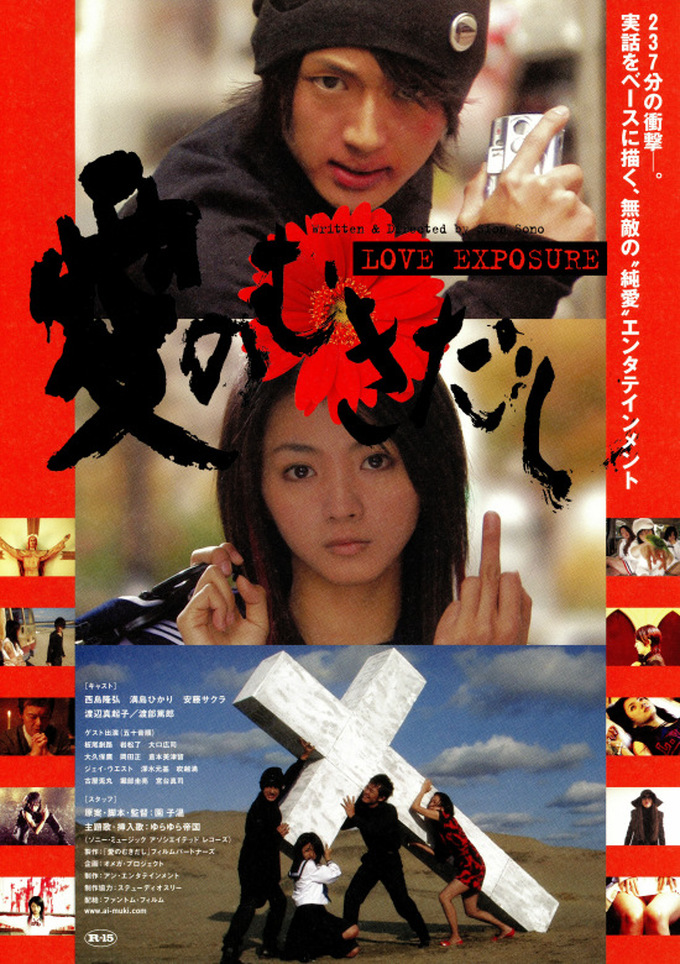
  • Love Exposure – 4-hour epic from Sion Sono in which the son of a priest becomes obsessed with upskirt photography.
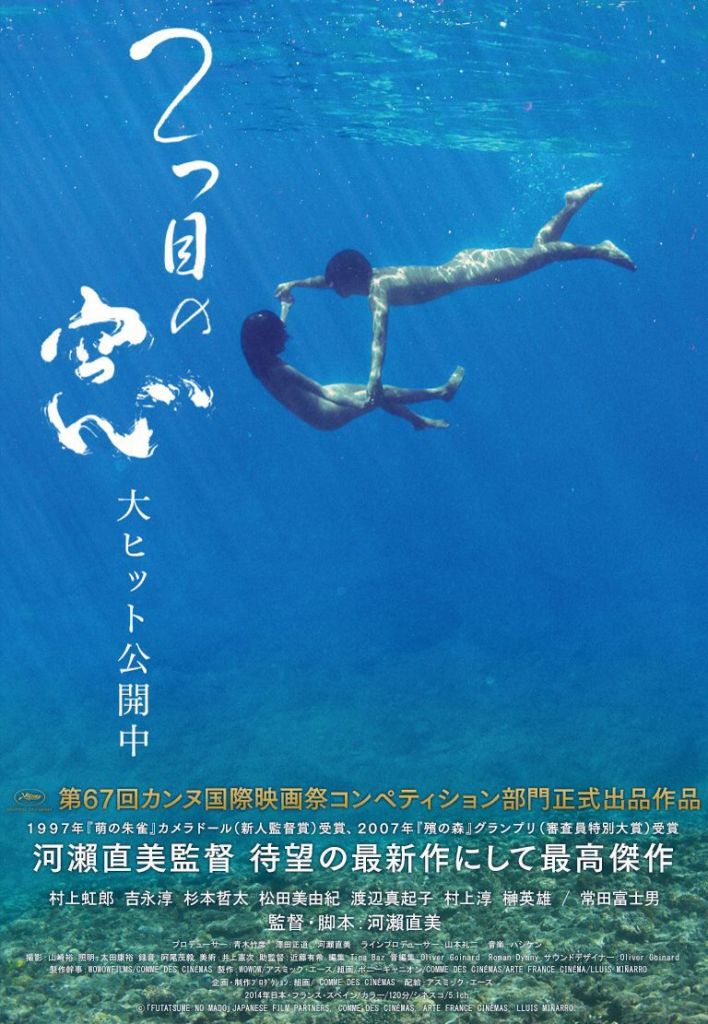
  • The Mourning Forest – a bereaved mother bonds with the elderly resident of a care home where she works in an award winning drama from Naomi Kawase.
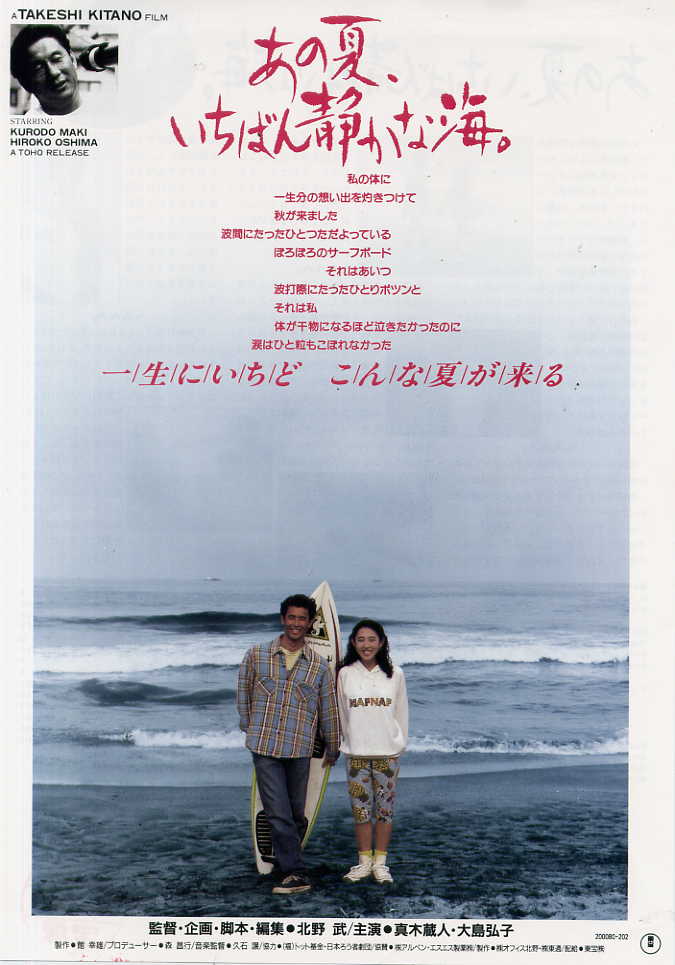
  • A Scene at the Sea – poetic drama from Takeshi Kitano about a deaf refuse collector who becomes fixated on surfacing. Review.
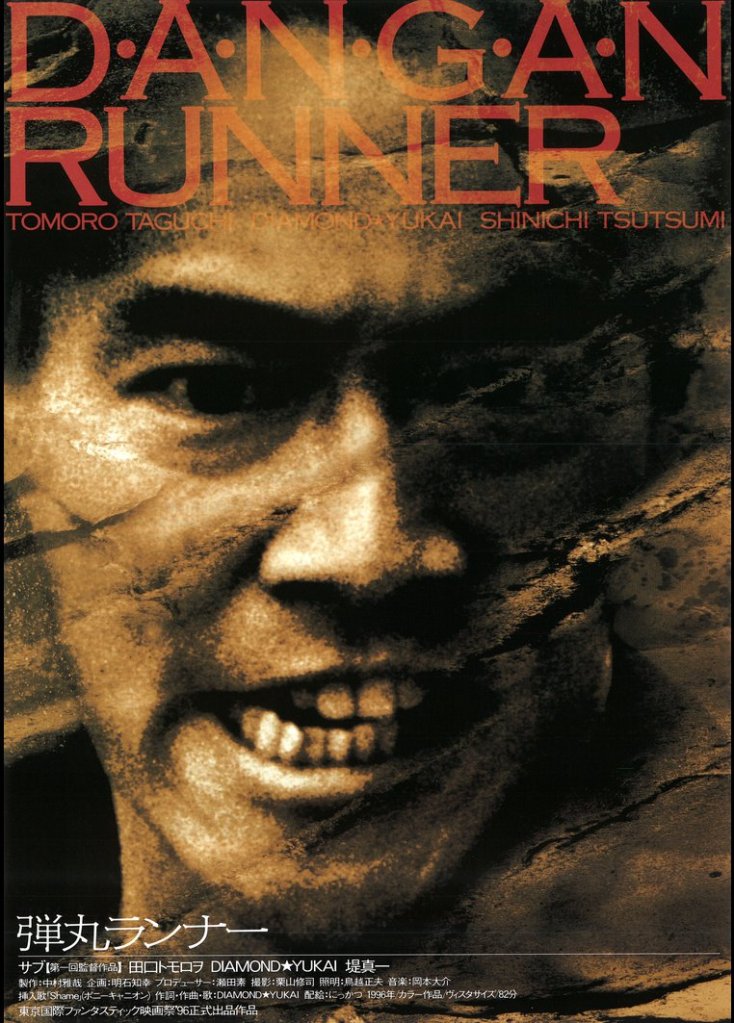
  • Dangan Runner – three men ricochet towards an inevitable ending in the debut feature from SABU. Review.
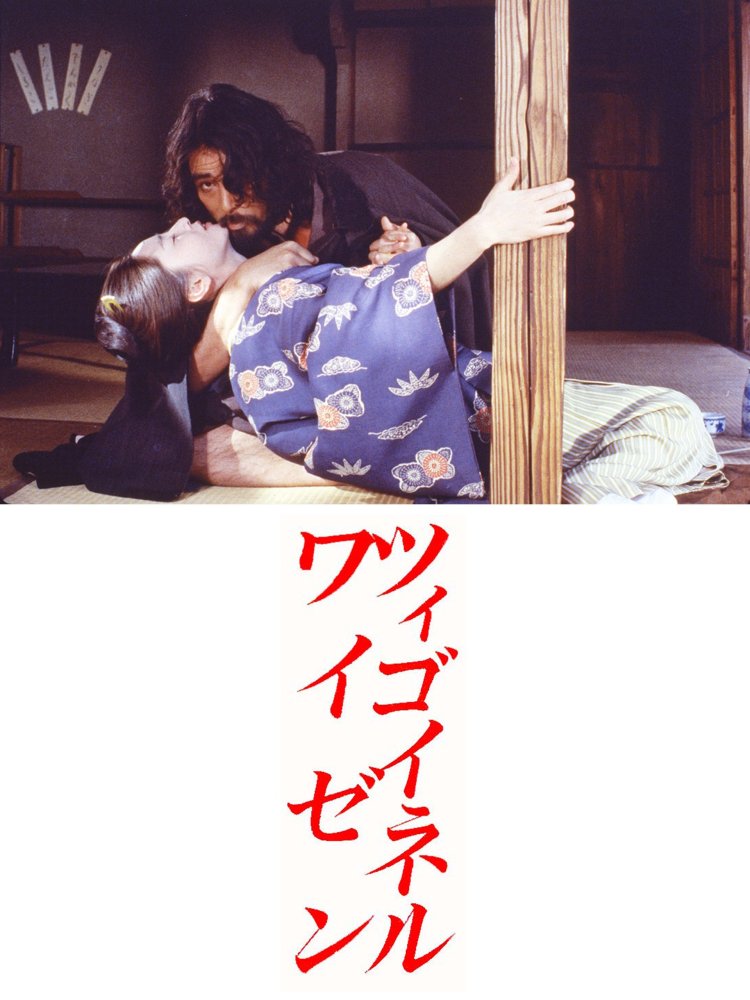
  • Zigeunerweisen – surreal drama from Seijun Suzuki starring Yoshio Harada as a nomad on the run after being suspected of seducing and killing the wife of a fisherman.
  • Shinjuku Triad Society – sleazy ’90s noir from Takashi Miike in which a mixed race policeman goes up against a Taiwanese gang over to discover his younger brother has joined them as a rookie lawyer. Review.
  • Violent Cop – a rogue cop attuned to the ways of violence abandons all pretence of civility in pursuit of justice but encounters only nihilistic futility in Kitano’s Bubble-era noir. Review.
  • Boiling Point – a disaffected young man finds himself on a self-destructive mission of vicarious vengeance but struggles to escape his sense of inferiority in Kitano’s deadpan exploration of explosive repression. Review.
  • Sonatine – tired of the life, a veteran gangster ponders retirement but knows his brief island holiday is only a temporary respite from his nihilistic life of violence in Kitano’s melancholy existential drama. Review.
  • A Lonely Cow Weeps at Dawn – pink film from Daisuke Goto in which a woman impersonates her senile father-in-law’s long gone favourite cow and allows him to milk her.

21st Century (18th September)

  • Still the Water – island coming of age drama from Naomi Kawase. (not included in subscription, £3.50 to rent)
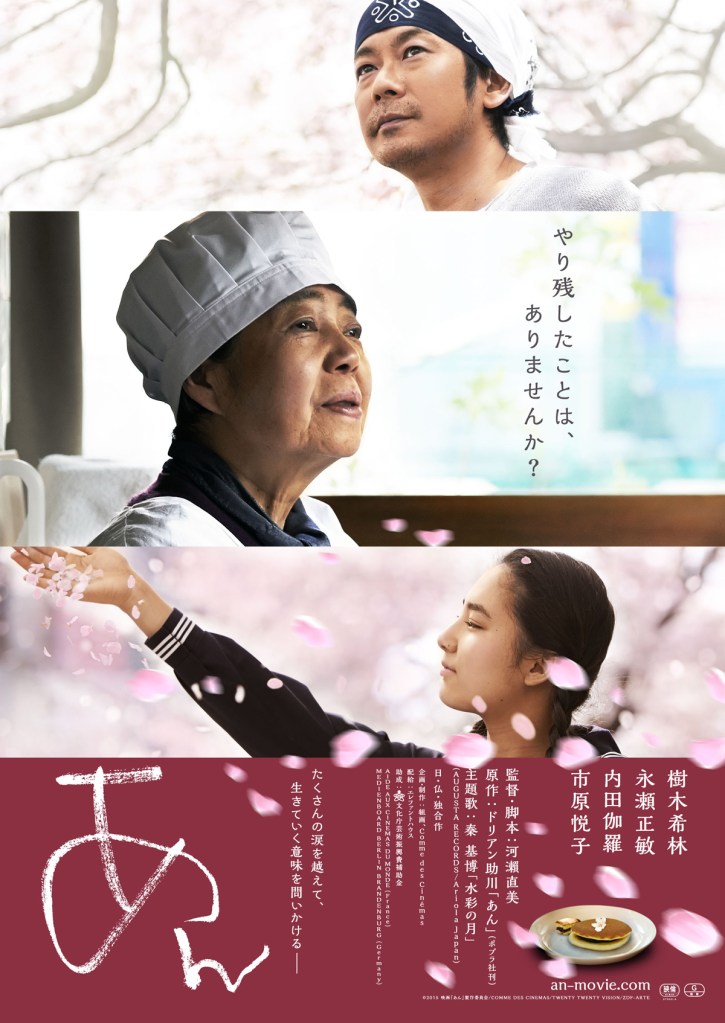
  • Sweet Bean – a dorayaki salesman bonds with an old woman who helps him improve his bean paste in Naomi Kawase’s moving drama.
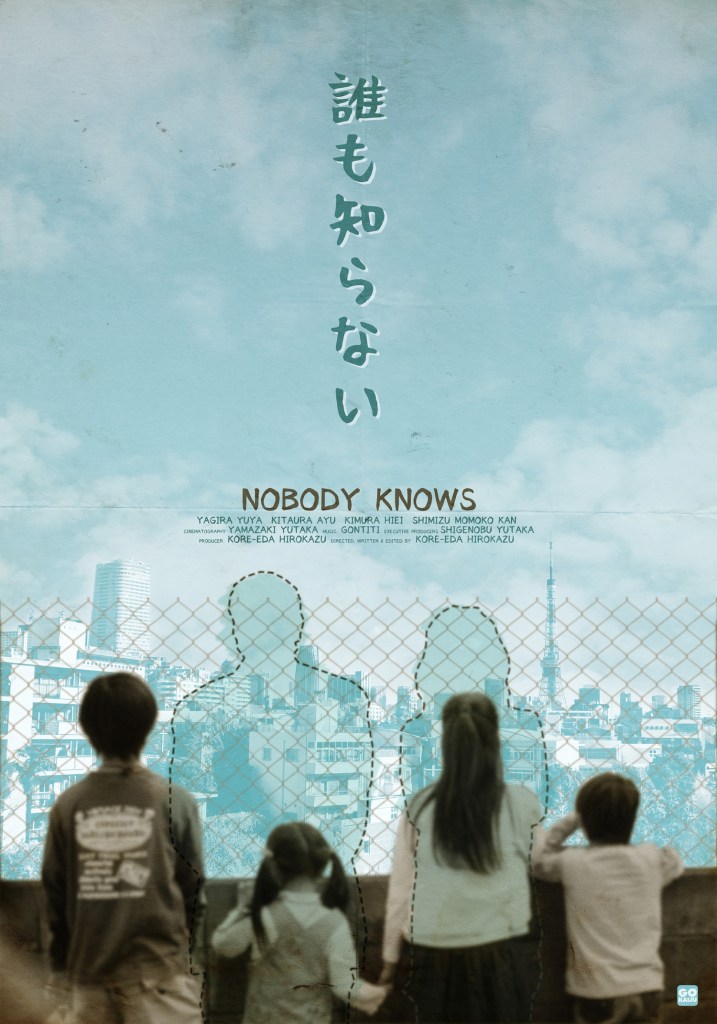
  • Nobody Knows – siblings are left to fend for themselves when their mother abandons them in Hirokazu Koreeda’s gritty drama.
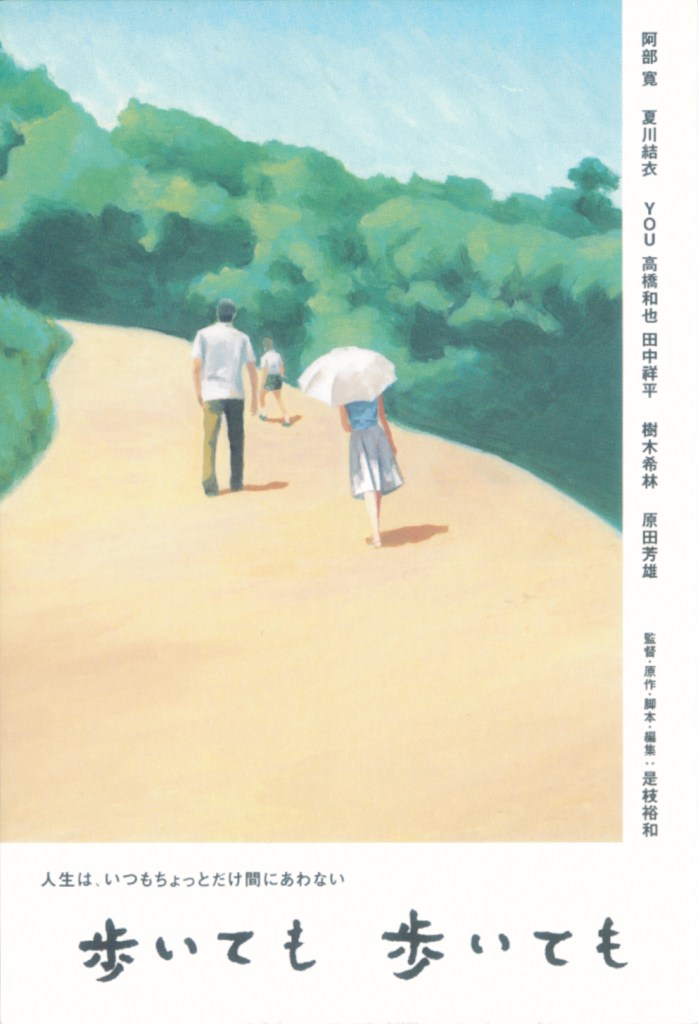
  • Still Walking – Hirokazu Koreeda’s moving depiction of a typical family. Review.
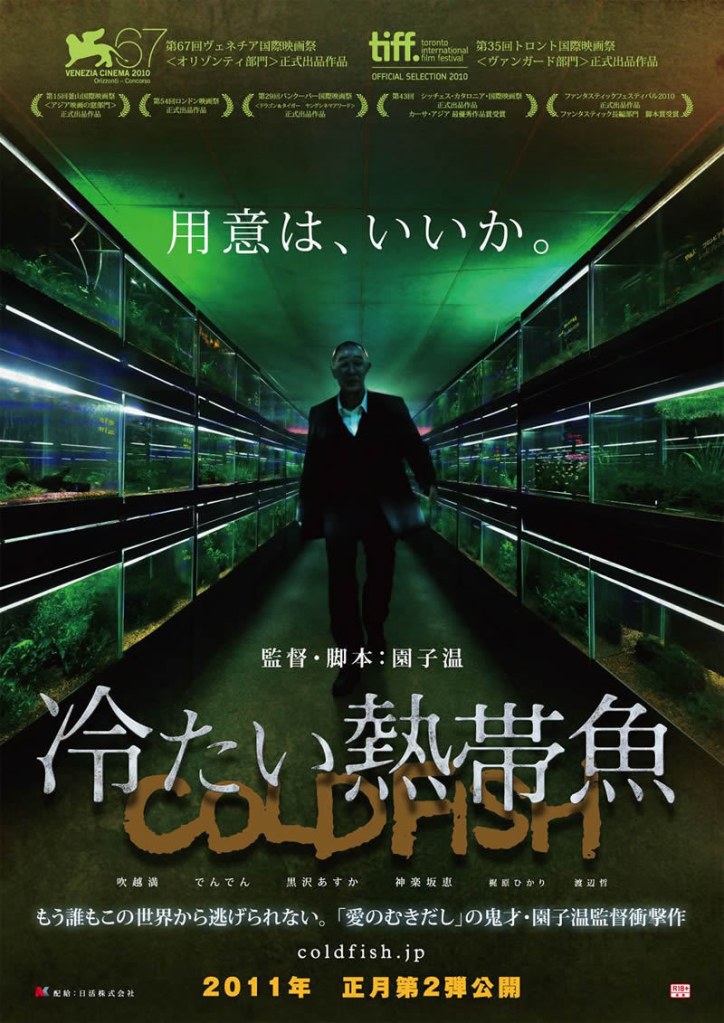
  • Cold Fish – Sion Sono’s gory serial killer drama inspired by a real life incident.
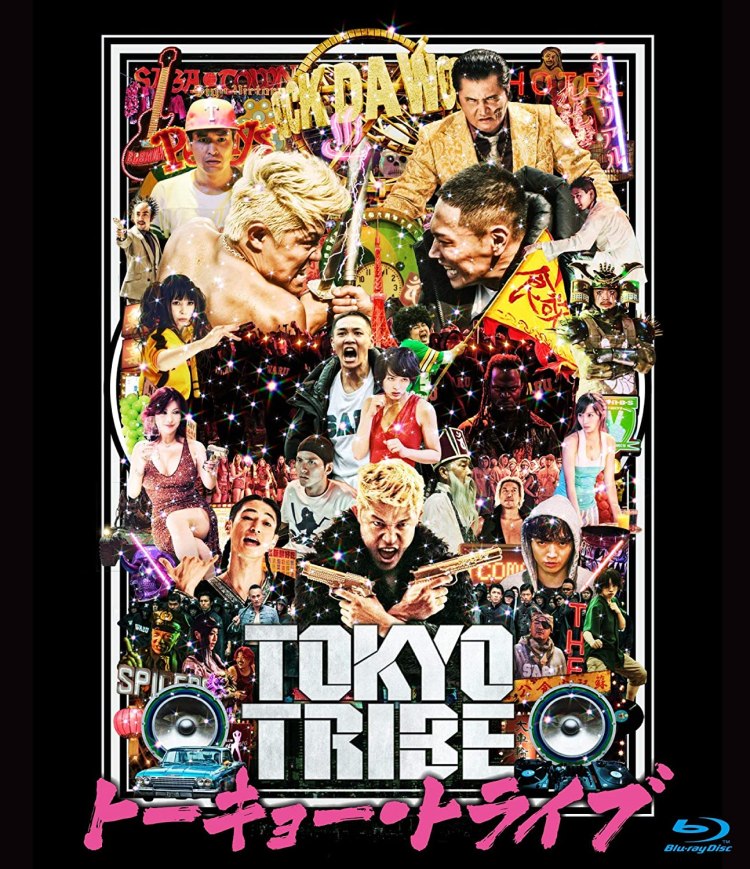
  • Tokyo Tribe – a rap musical manga adaptation from Sion Sono.
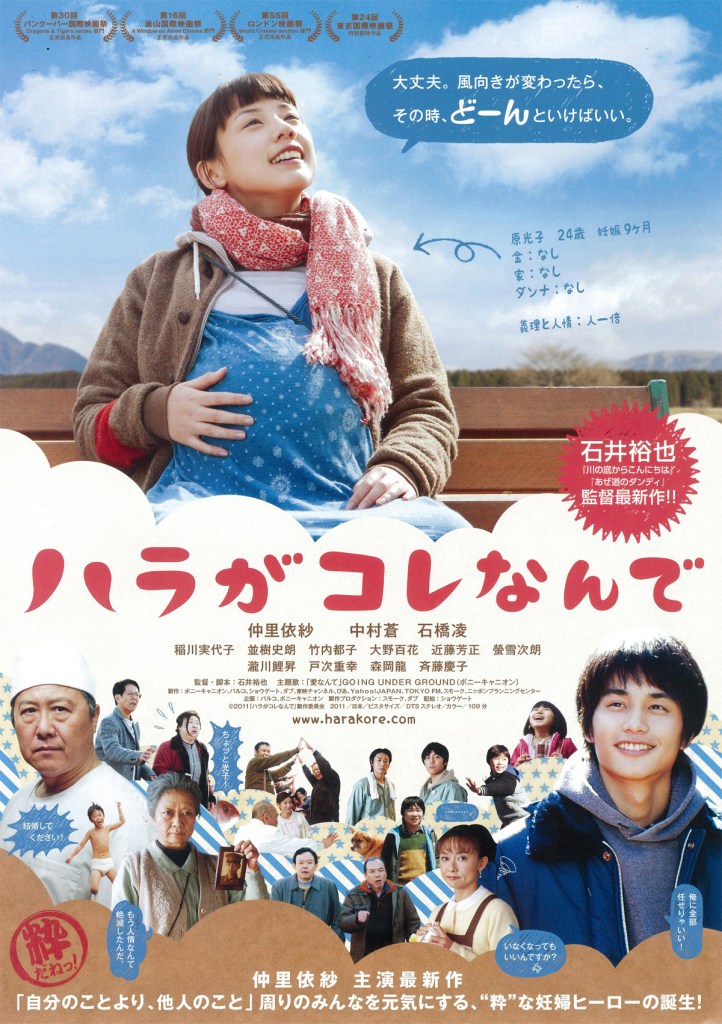
  • Mitsuko Delivers – a heavily pregnant woman returns to her home town and proceeds to solve everyone’s problems in Yuya Ishii’s cheerful comedy.
  • For Love’s Sake – musical manga adaption celebrating the Showa era songbook from Takashi Miike.
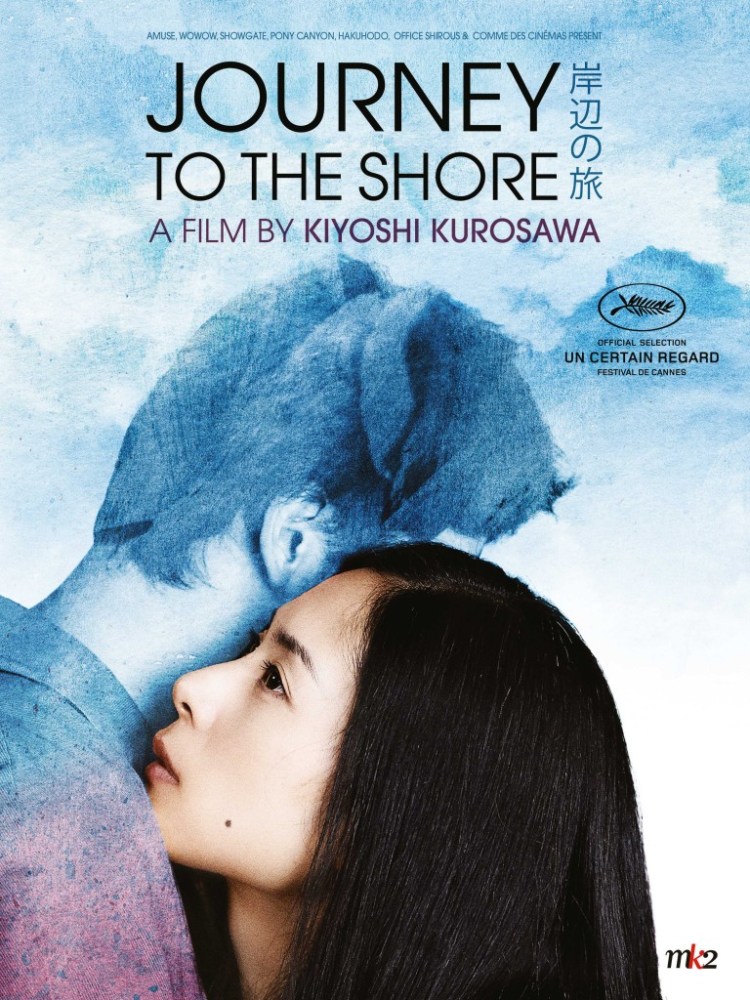
  • Journey to the Shore – haunting romantic drama from Kiyoshi Kurosawa. Review.
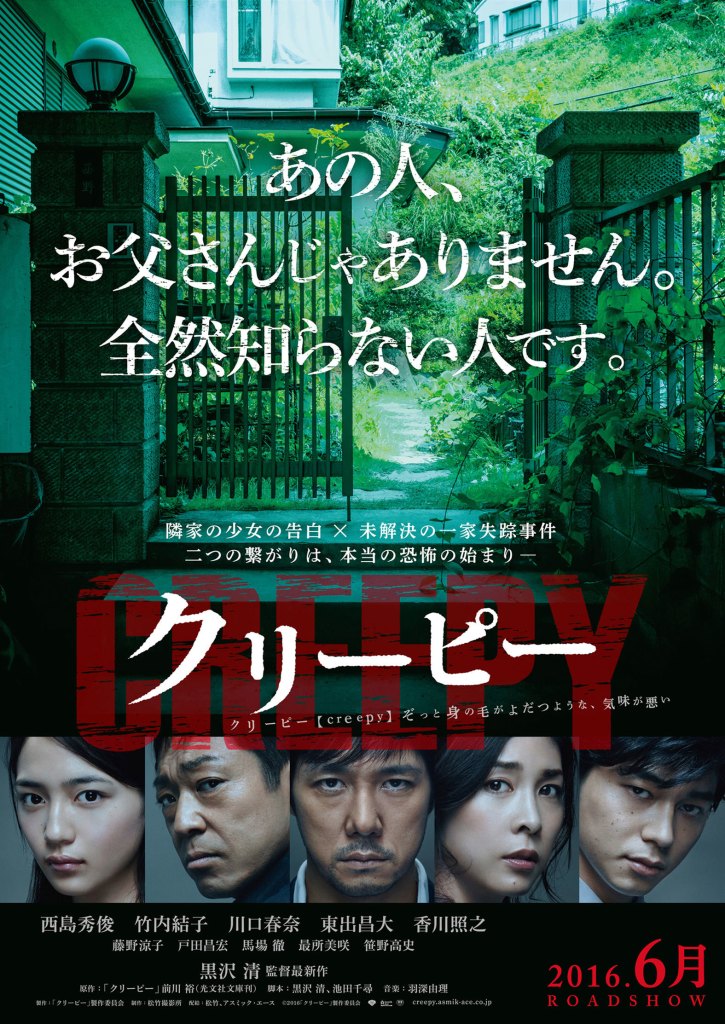
  • Creepy – Kiyoshi Kurosawa’s eerie mystery drama. Review.
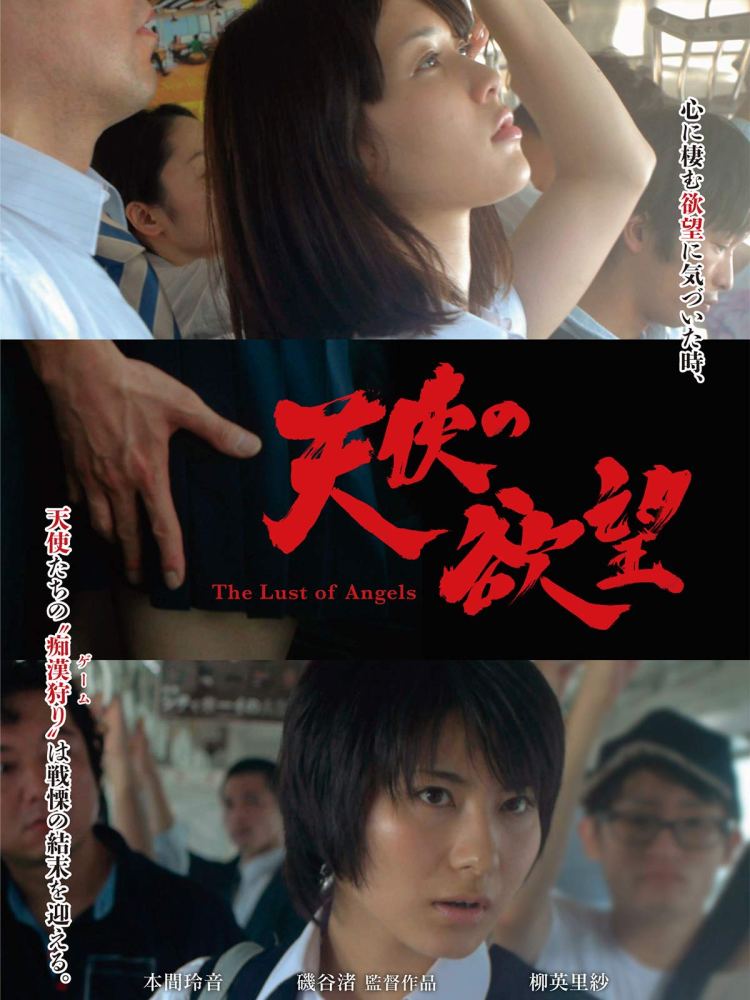
  • The Lust of Angels – edgy train groping drama from Nagisa Isogai.
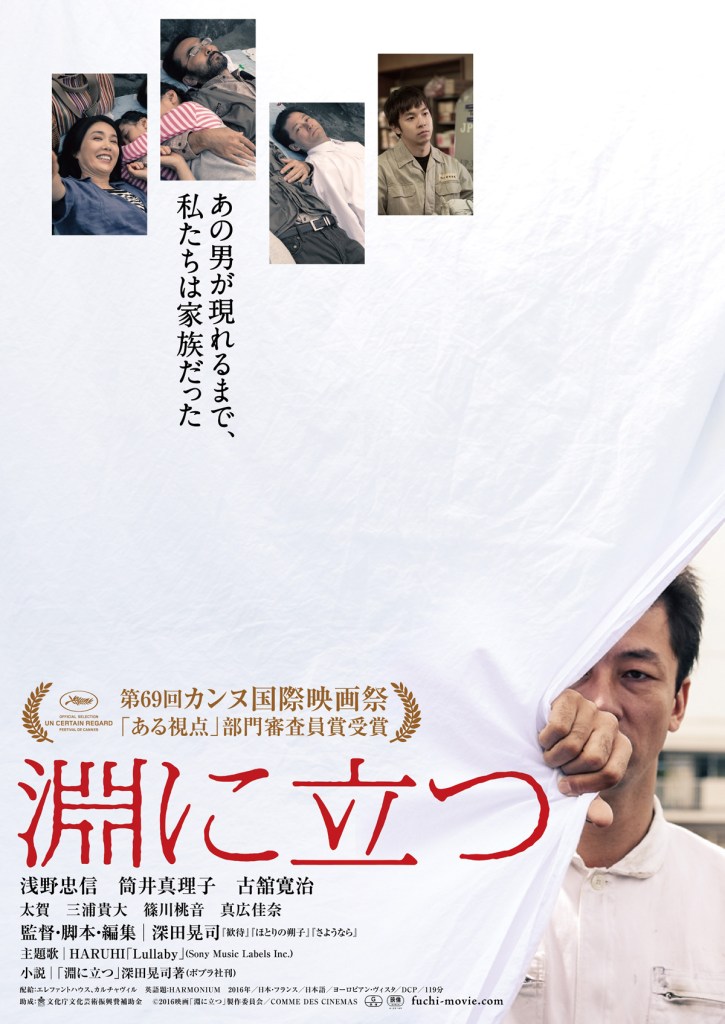
  • Harmonium – a family is torn apart by unexpected tragedy when a face from the past pays a visit in Koji Fukada’s probing drama. Review.
  • Departures – a cellist accidentally takes a job as a traditional mortician but keeps his new occupation a secret in this Oscar-winning drama from 2008.

Early films 1894-1914 (12th October)

The BFI will also be showcasing restored gems from their archive featuring footage of turn of the century Japan.

  • Japanese Dancers (1894) – rare footage of Japanese women performing an imperial dance.
  • Ainus of Japan (1913) – footage depicting the indigenous people of Hokkaido.
  • Japanese Festival (1910) – footage of the celebration of the 50th anniversary of Yokohama Harbour
  • Shooting the Rapids on the River Ozu in Japan (1907) – 1907 river journey.

J-Horror (30th October)

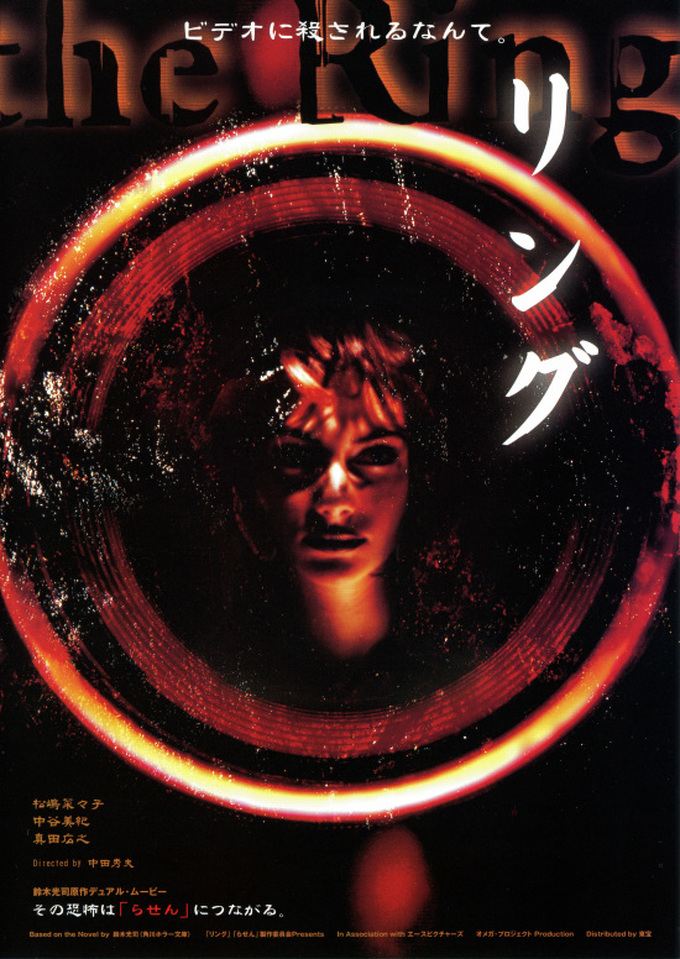
  • Ring – a deadly curse is transmitted via videotape in Hideo Nakata’s J-horror classic.
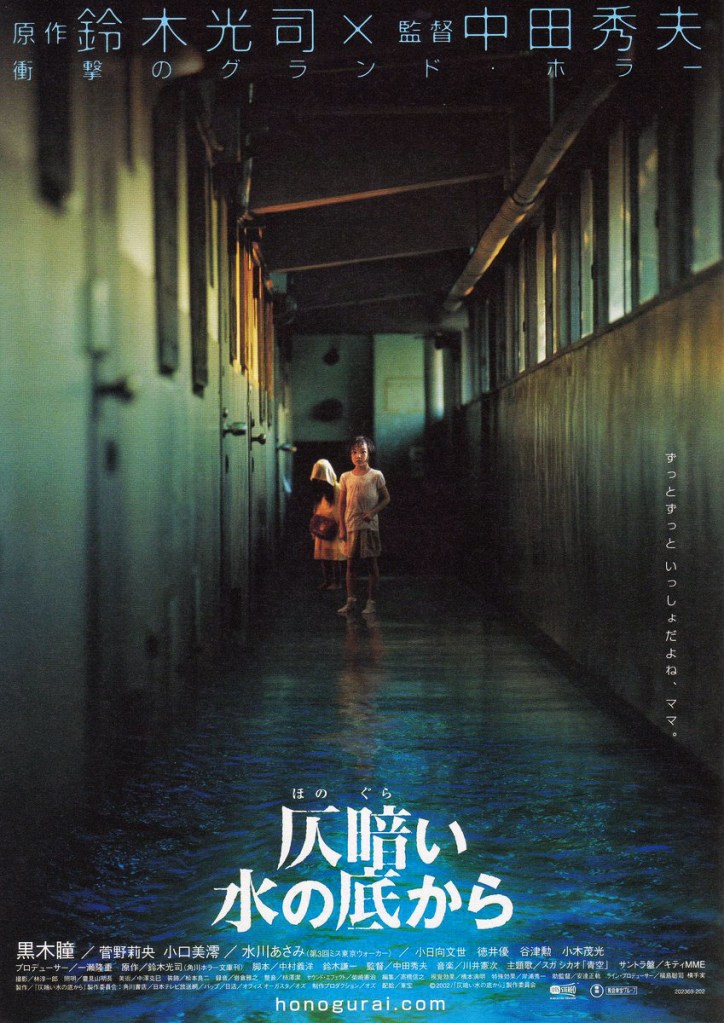
  • Dark Water – a woman in the midst of a divorce and custody battle is haunted by the spectre of a lonely child in Hideo Nakata’s adaptation of the Koji Suzuki novel. Review.
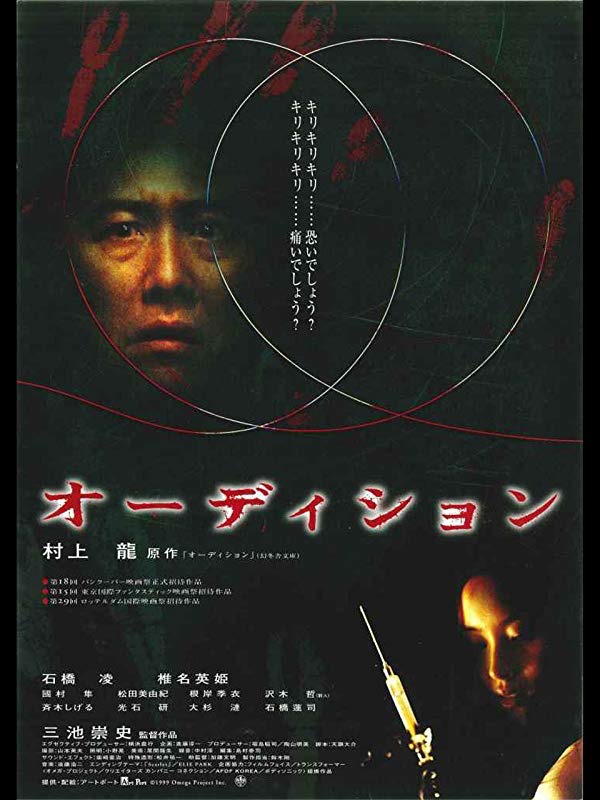
  • Audition – Takashi Miike’s deceptive drama begins as a gentle romcom before edging slowly towards the horrific.
  • Gozu – truly strange yakuza horror comedy from Takashi Miike.
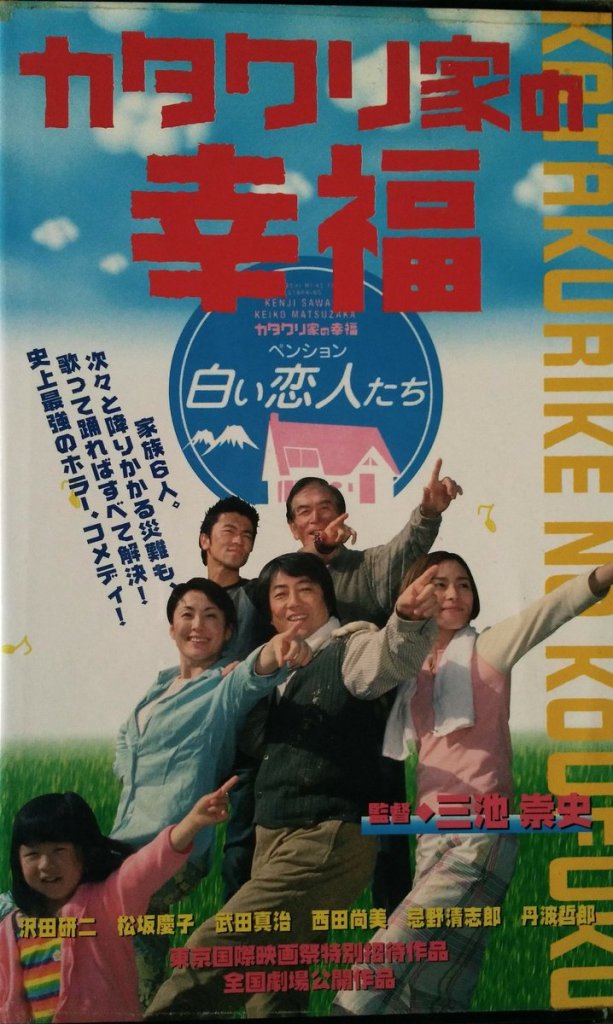
  • The Happiness of the Katakuris – Takashi Miike’s strangely cheerful musical take on the Korean film The Quiet Family.
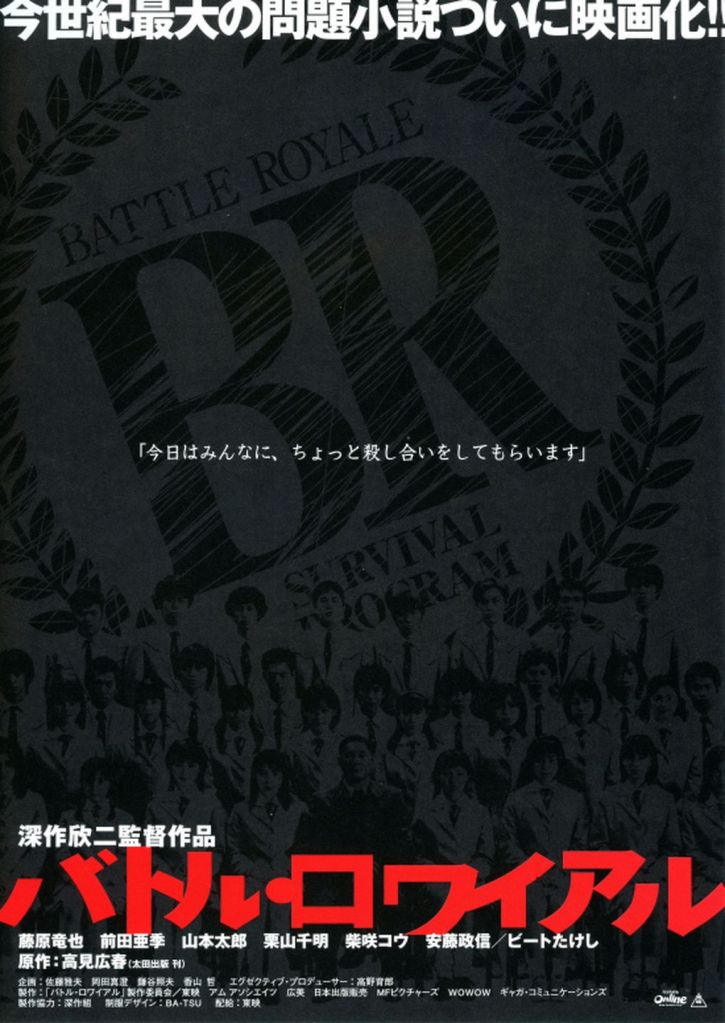
  • Battle Royale – controversial drama from Kinji Fukasaku in which high school students are shipped to a remote island and forced to fight to the death.
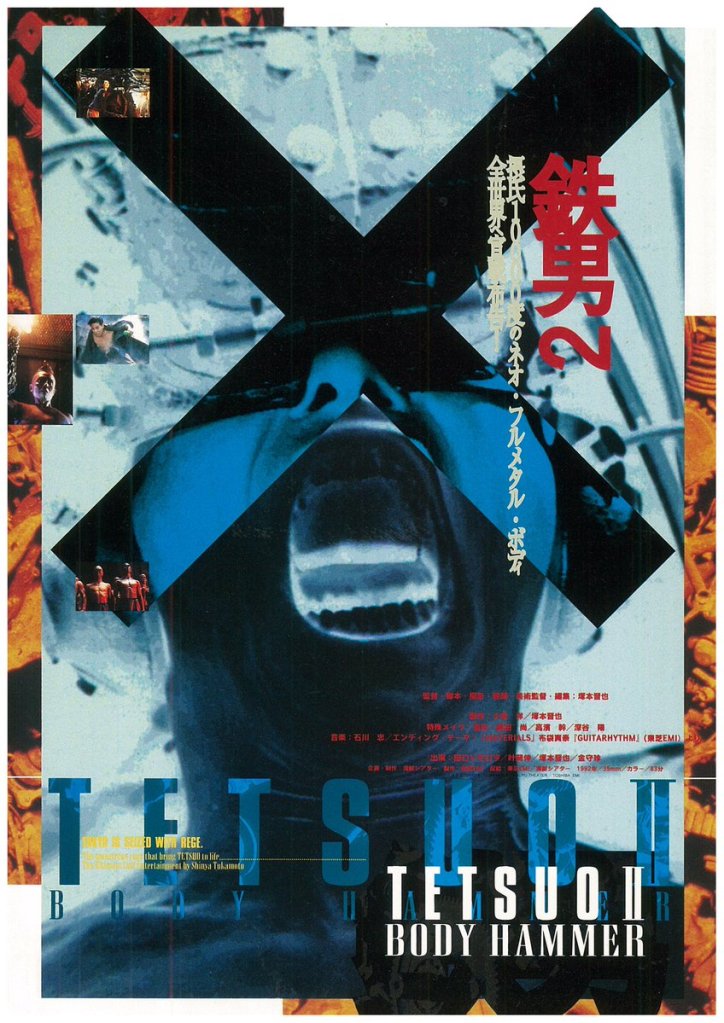
  • Tetsuo II: Body Hammer – sequel to Shinya Tsukamoto’s cyberpunk body horror.
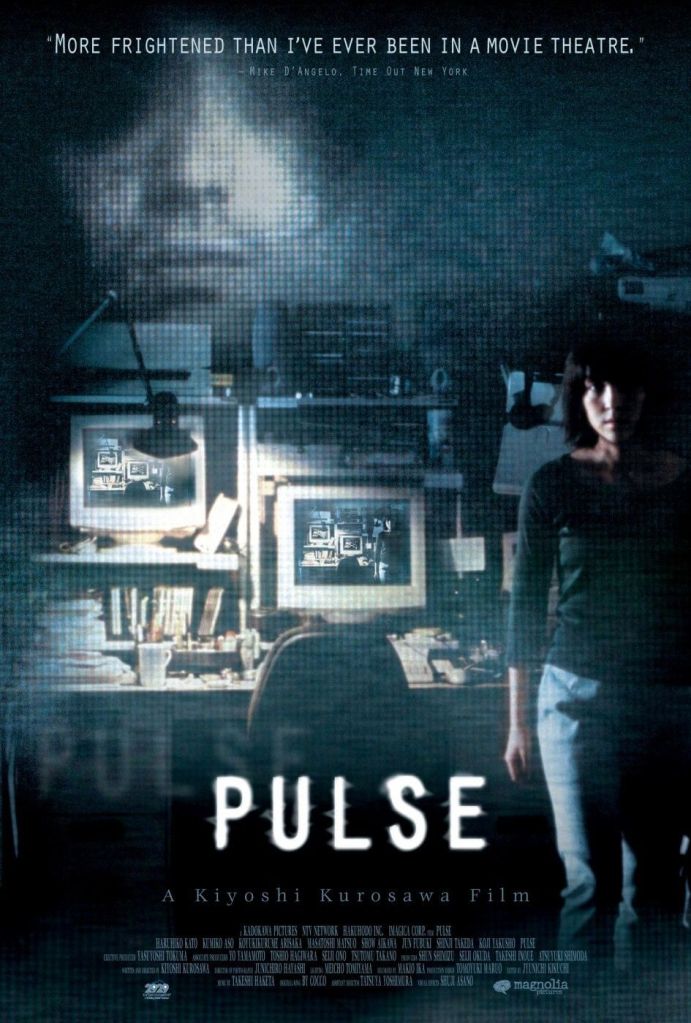
  • Pulse – death is eternal loneliness in Kiyoshi Kurosawa’s tech fearing horror classic. Review.
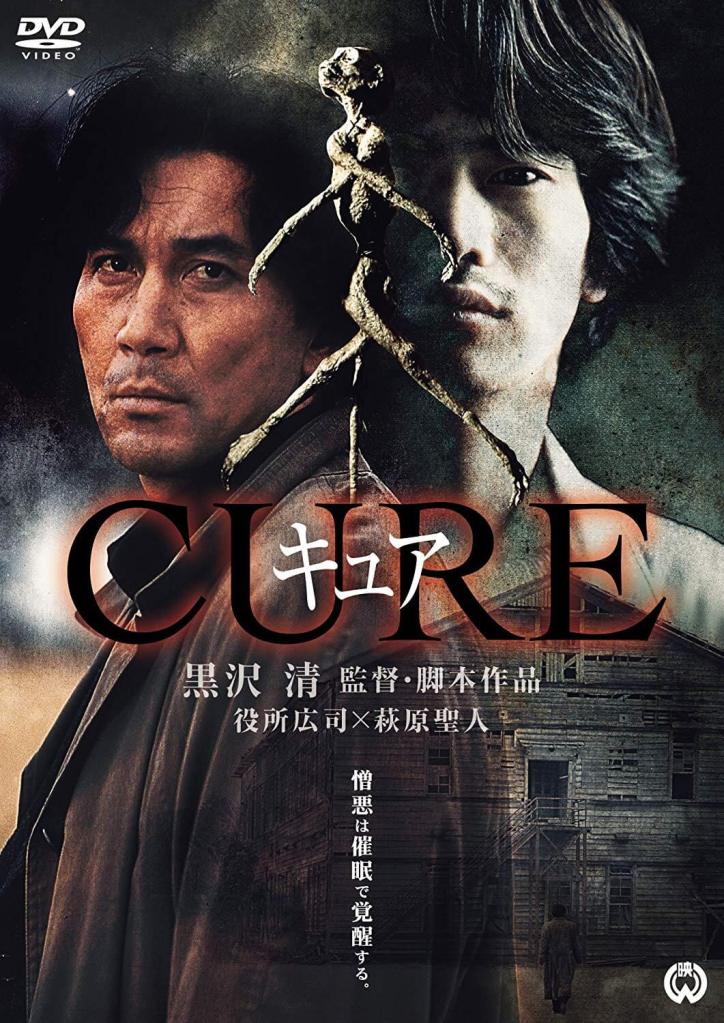
  • Cure – Kiyoshi Kurosawa’s noirish horror starring Koji Yakusho as a detective investigating a series of bizarre murders.
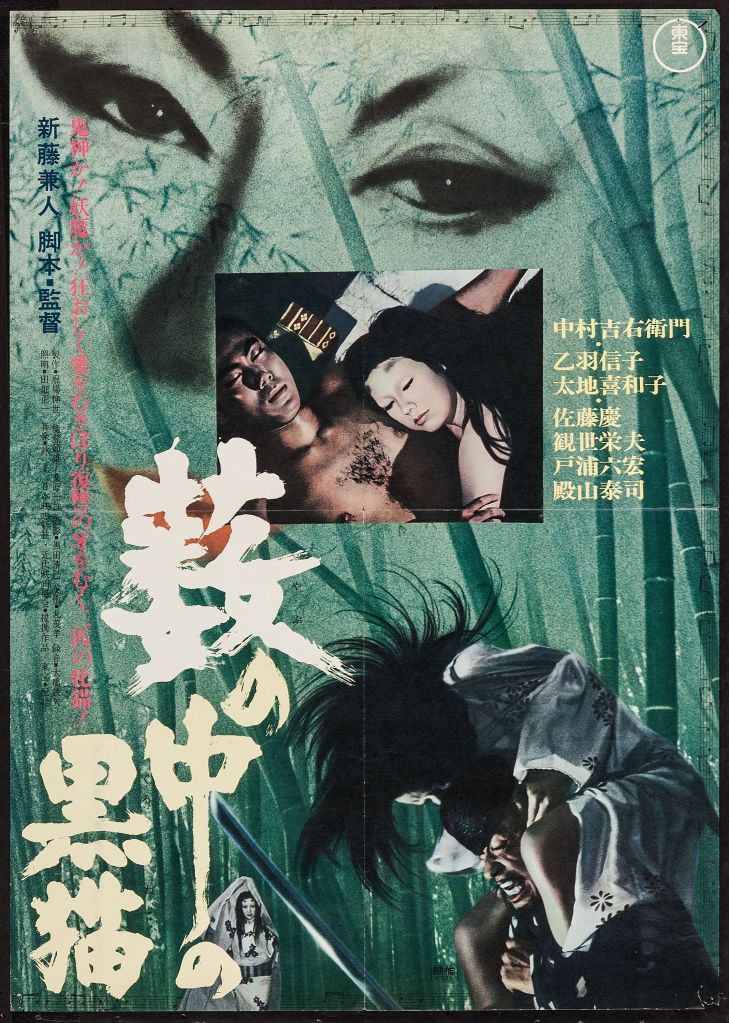
  • Kuroneko – ghost cat film from Kaneto Shindo.
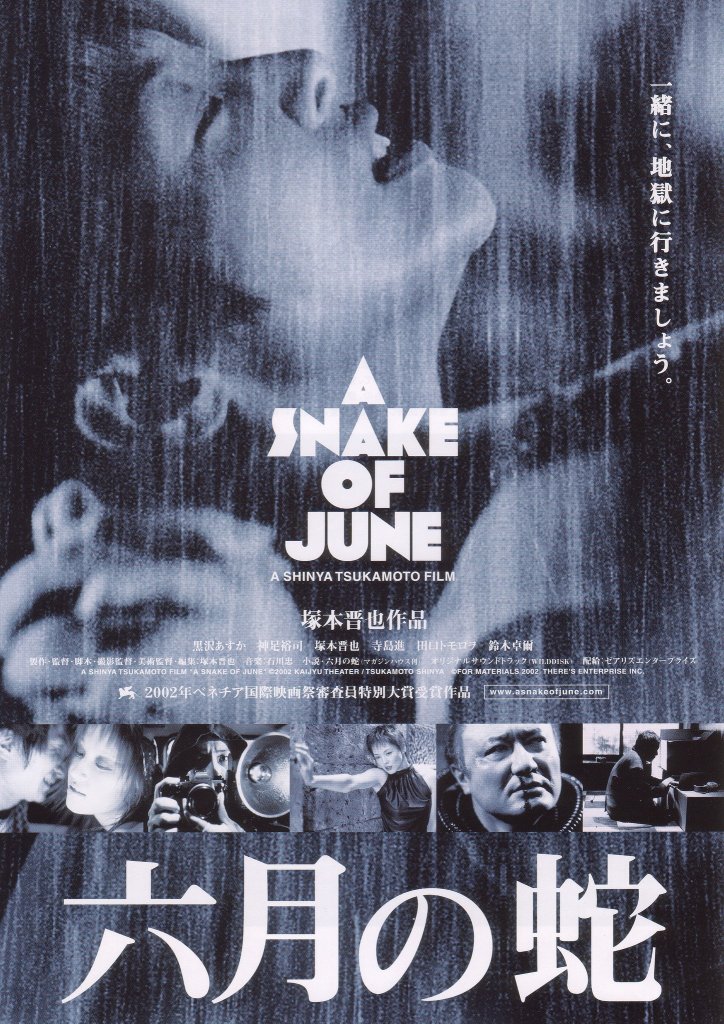
  • Snake of June – erotic drama from Shinya Tsukamoto in which a mysterious man targets a repressed woman and forces her to engage in illicit sex acts.

BFI Southbank

The season will continue at the BFI Southbank once the venue reopens.

  • Golden Age – season programmed by Alexander Jacoby and James Bell showcasing Japanese cinema from the 1930s to the 60s including work by Kenji Mizoguchi, Yasujiro Ozu, Mikio Naruse, and Akira Kurosawa, and starring Kinuyo Tanaka, Setsuko Hara, Hideko Takamine, and Toshiro Mifune.
  • Radicals and Rebels – also curated by Alexander Jacoby and James Bell, the Radicals and Rebels strand focuses on film after 1964 from the New Wave to the genre classics of the ’90s including work by Seijun Suzuki, Nagisa Oshima, and Kiju (Yoshishige) Yoshida.
  • 21st Century – contemporary classics co-presented by Japan Foundation and curated by Junko Takekawa.
  • Anime – major two month season curated by Justin Johnson and Hanako Miyata showcasing modern masters such as Satoshi Kon, Mamoru Oshii, Makoto Shinkai, Mamoru Hosoda, and Naoko Yamada.

For the full details on this and other BFI seasons be sure to check out the BFI’s official website where you can also find a link to BFI Player. You can also keep up with all the latest news by following the BFI on Twitter, Facebook, Instagram, and YouTube.

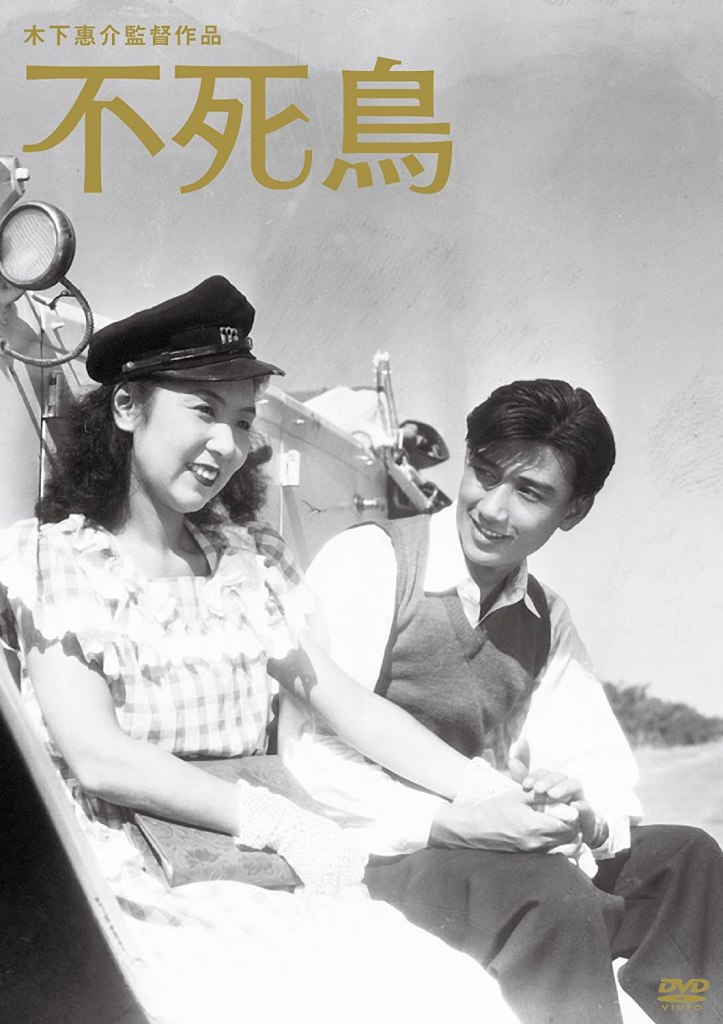
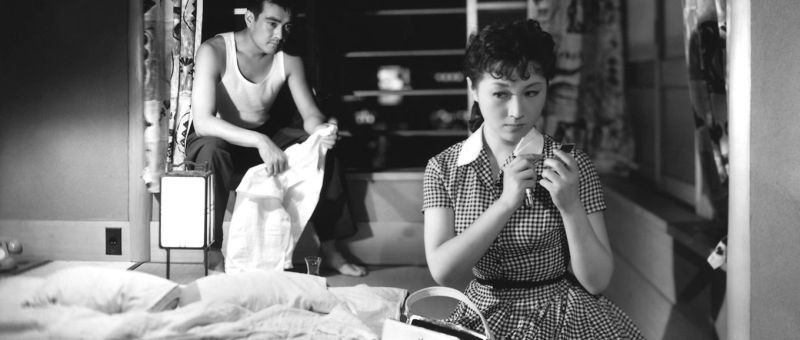
Phoenix (不死鳥, Keisuke Kinoshita, 1947)

“Life is about facing your loneliness” according to the heroine of Keisuke Kinoshita’s Phoenix (不死鳥, Fushicho), a woman who’s known her share of suffering but has learned to endure. She knows not only war widows are lonely, and she’s not the only war widow, so she’s doing her best to be as happy as one can be under the circumstances. As much about its nation’s rebirth from the ashes, Phoenix is also quietly subversive in its critique of outdated social conventions and enthusiasm for a woman’s right to seek her independence rather than rely on the support of the traditional family. 

In 1947, Sayoko (Kinuyo Tanaka) is a much loved daughter-in-law and mother to Ken, who is about to celebrate his fourth birthday. She takes care of the household and looks after the numerous Yasaka siblings while putting up with her sometimes grumpy father-in-law (Isamu Kosugi) who harshly scolds little Ken when he throws a stone through the side window but feels guilty about it afterwards and vows to come home with sweets to make it up to him. Life with the Yasakas is peaceful and happy, though the present crisis, which isn’t really a crisis so much as a matter for consideration, is the potential marriage of younger son Yuji (Akira Yamanouchi) who has been wanting to marry his girlfriend Yoko but had been worried both that his parents would object to him trying to choose his own bride without their input, and that bringing another young woman into the house as a new wife might be insensitive, leaving Sayoko feeling sad and unwelcome. 

Yuji’s mother tells him that he doesn’t need to worry on either point, she and his father have long been in favour of the marriage which hints at something of a sea change in contemporary social attitudes. In Sayoko’s flashbacks to her early courtship, we see Shinichi (Keiji Sada), her later husband, bring her to his family home with the intention of introducing her to his parents as his future bride, but his father won’t even see her, loudly shouting that Shinichi should immediately ask her to leave. His objections are largely feudal in nature, Shinichi is the oldest son and his marriage is therefore of great importance to the family name. Not only does he not know anything about Sayoko, whom he basically calls a loose woman for daring to date while in high school, but he deeply resents that Shinichi has gone behind his back, defied his authority, and tried to arrange his own marriage without his father’s input. 

Despite the clear intention of the pair to continue their association with or without his consent, Mr. Yasaka continues to object. Shinichi insists that “nothing can separate us” despite knowing that he has already enlisted for the army and will shortly be leaving for the war. Sayoko holds the line, resisting even when her father dies and pushy relatives try to railroad her into an arranged marriage which will benefit them financially, and supporting her younger brother who is spared the war but only because he is already in the later stages of incurable TB.

Mr. Yasaka’s objections gain more weight with the war’s intensity. With her brother on his deathbed, he turns up to ask Sayoko not to see Shinichi on his brief leave before he’s shipped abroad during which they plan to get married because he thinks it’s irresponsible for his son to marry a woman knowing there is a good chance he will leave her a widow. Overwhelmed by the scale of her tragedies, Sayoko has had enough, rounding on Mr. Yasaka and letting him know that his concerns are moot because every healthy young man is in the same position and if he’d only given up his stubborn insistence that Shinichi has wronged him by undercutting his authority and given his consent to their marriage at any point during the last six years he wouldn’t have had to come here on this day with her brother dying in the next room to tell her that she shouldn’t marry the man she loves because her marriage is somehow his decision to make. 

Mr. Yasaka is clearly moved by Sayoko’s distress, moving to comfort her but then withdrawing and getting up to leave without saying anything. Petitioned again by Sayoko’s faithful housekeeper, he catches sight of the blooming flowers Sayoko has grown in adversity and is minded to reconsider. Several years later we can see that Mr. Yasaka has grown fond of Sayoko and his grandson even if he has a bit of temper, while she is very happy as a member of their family and not at all minded to remarry despite their desire for her to lead a fulfilling life. That is, as she tells Yuji encouraging him not to feel bashful about his bride, not because of a romantic notion of faithfulness or being hung up on old memories, but for the practical reason that she has nowhere else to go, or at least she is certain there is nowhere where she would be so happy. Later, however, she hopes to open a shop of her own and strive for her independence together with her son rather than remaining dependent on her husband’s family or marrying again for practical rather than emotional reasons.

Shinichi had been fond of talking about the life they’d lead once the war was over, that they’d only be apart for a few years and then never again, but the war stole their future from them as it did for so many other young people whom the film was doubtless intended to comfort. Nevertheless, Sayoko is forever telling people how happy she is. Mr. Yasaka seems to have relented, is going to let his younger son marry a woman of his choosing, and the younger siblings are all bright and cheerful. The future looks rosy, and Sayoko is going to do her best to enjoy it, striving for independence in a now less restrictive society. 


Titles and opening (no subtitles)