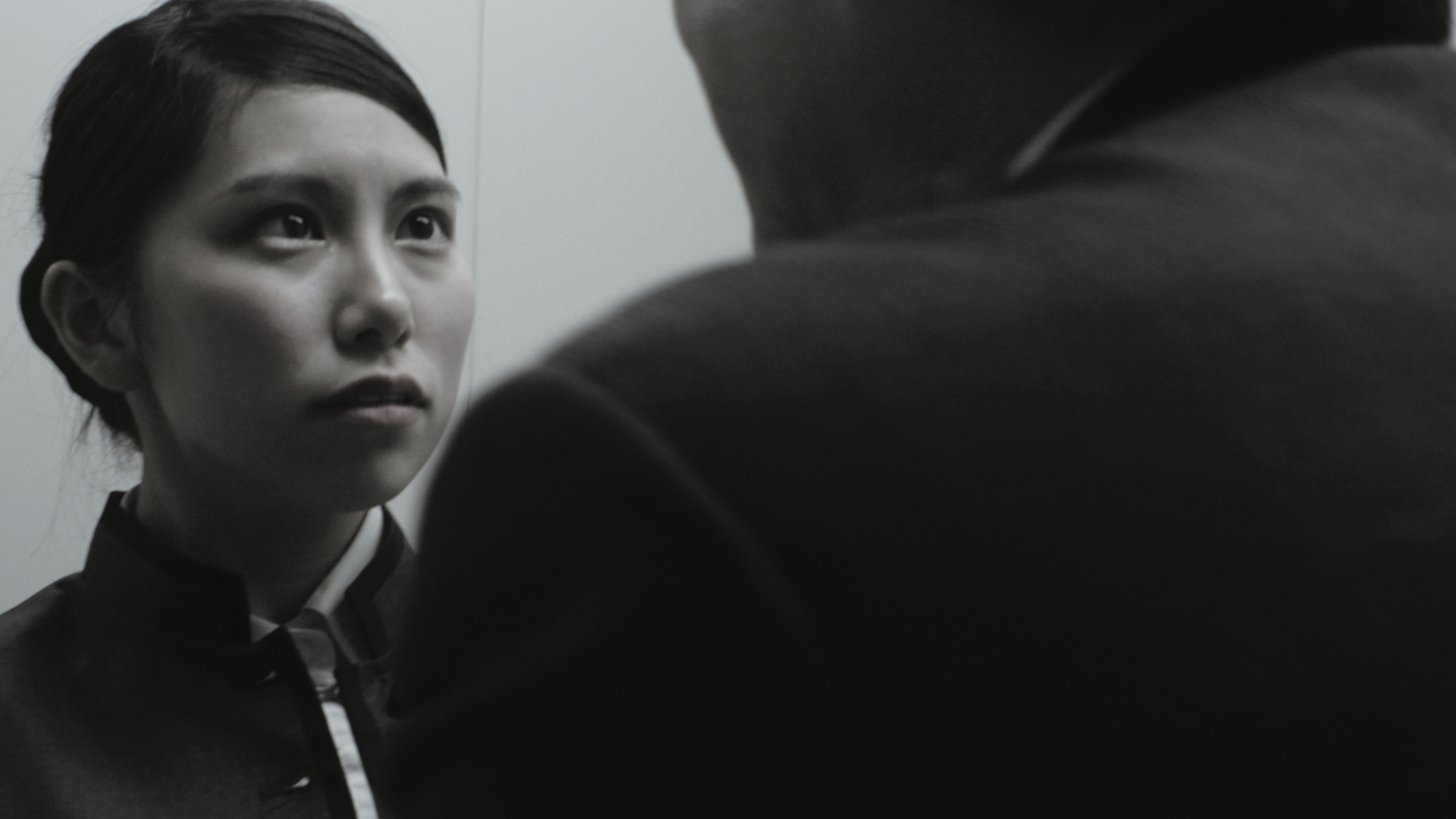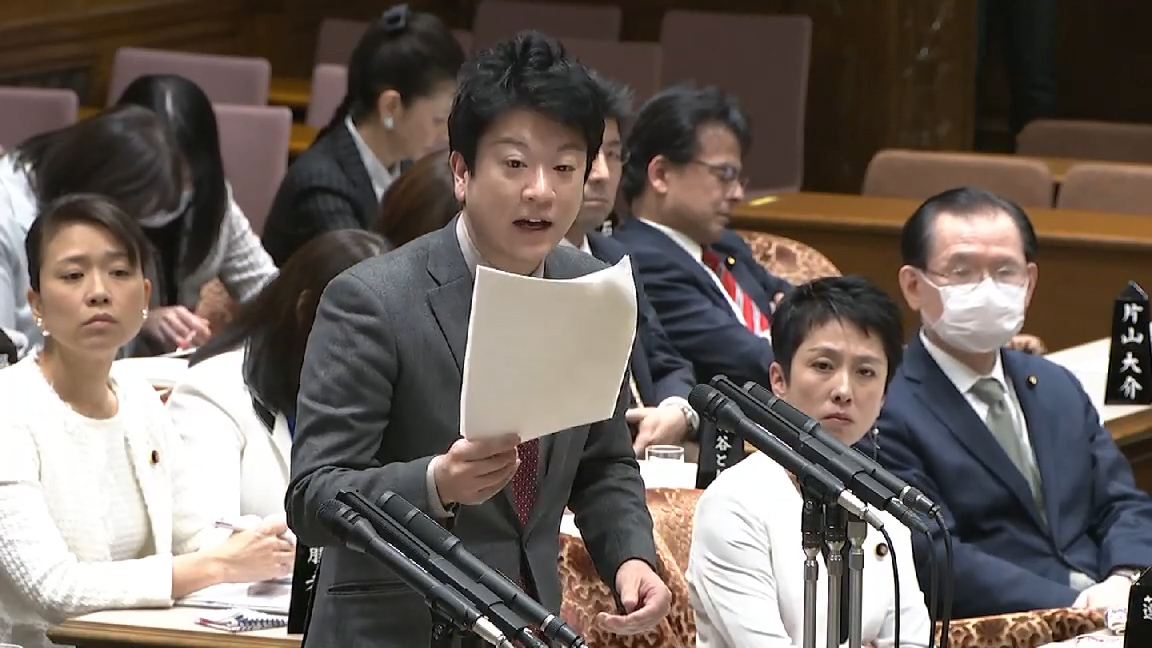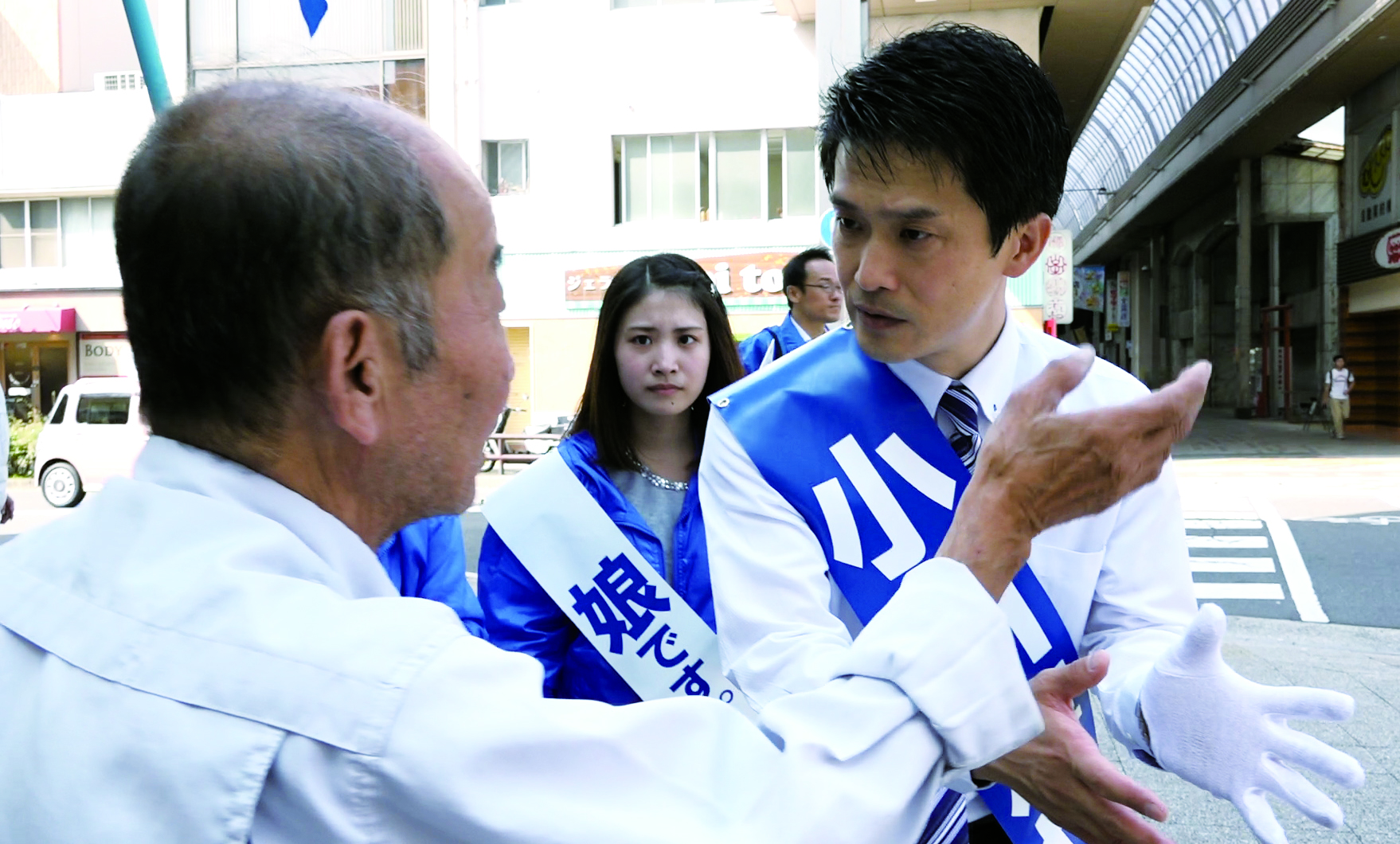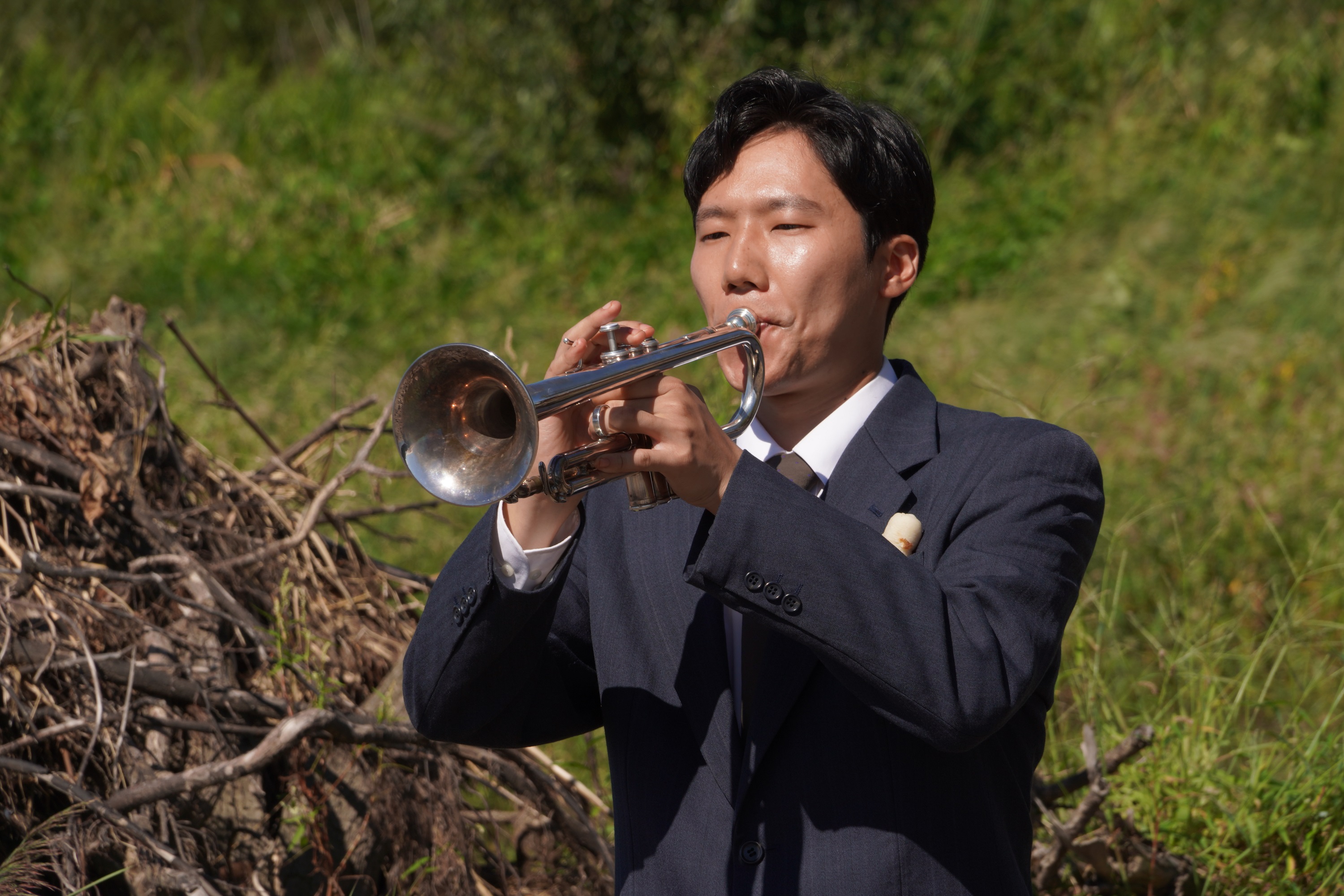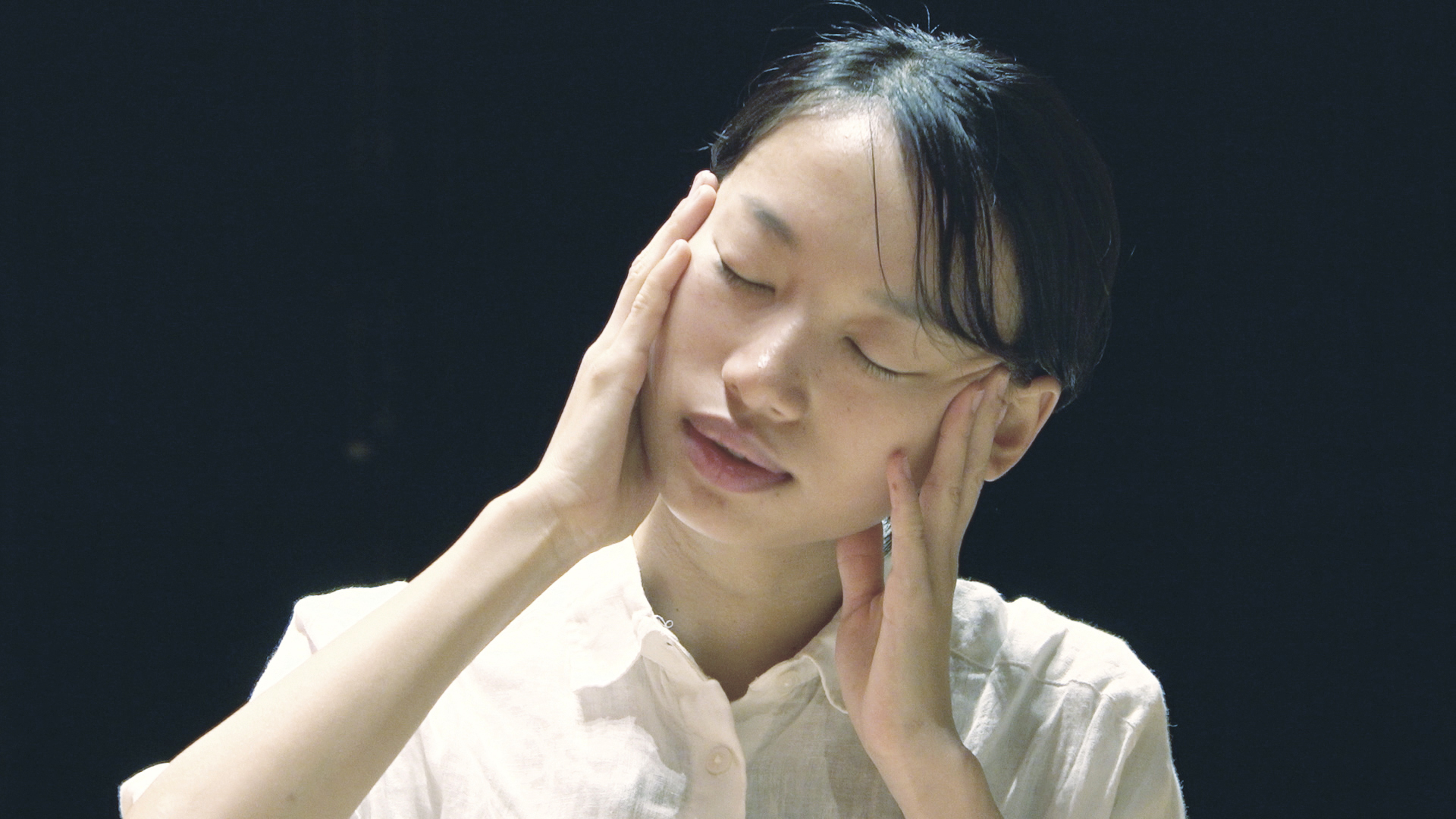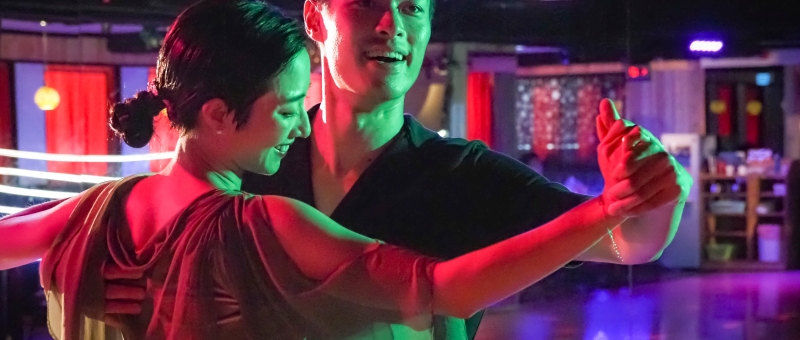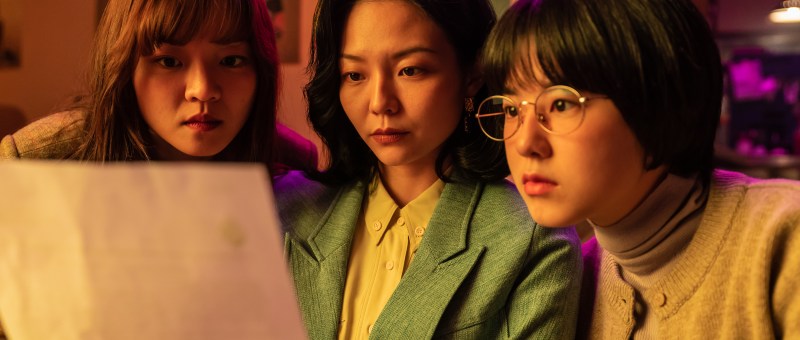
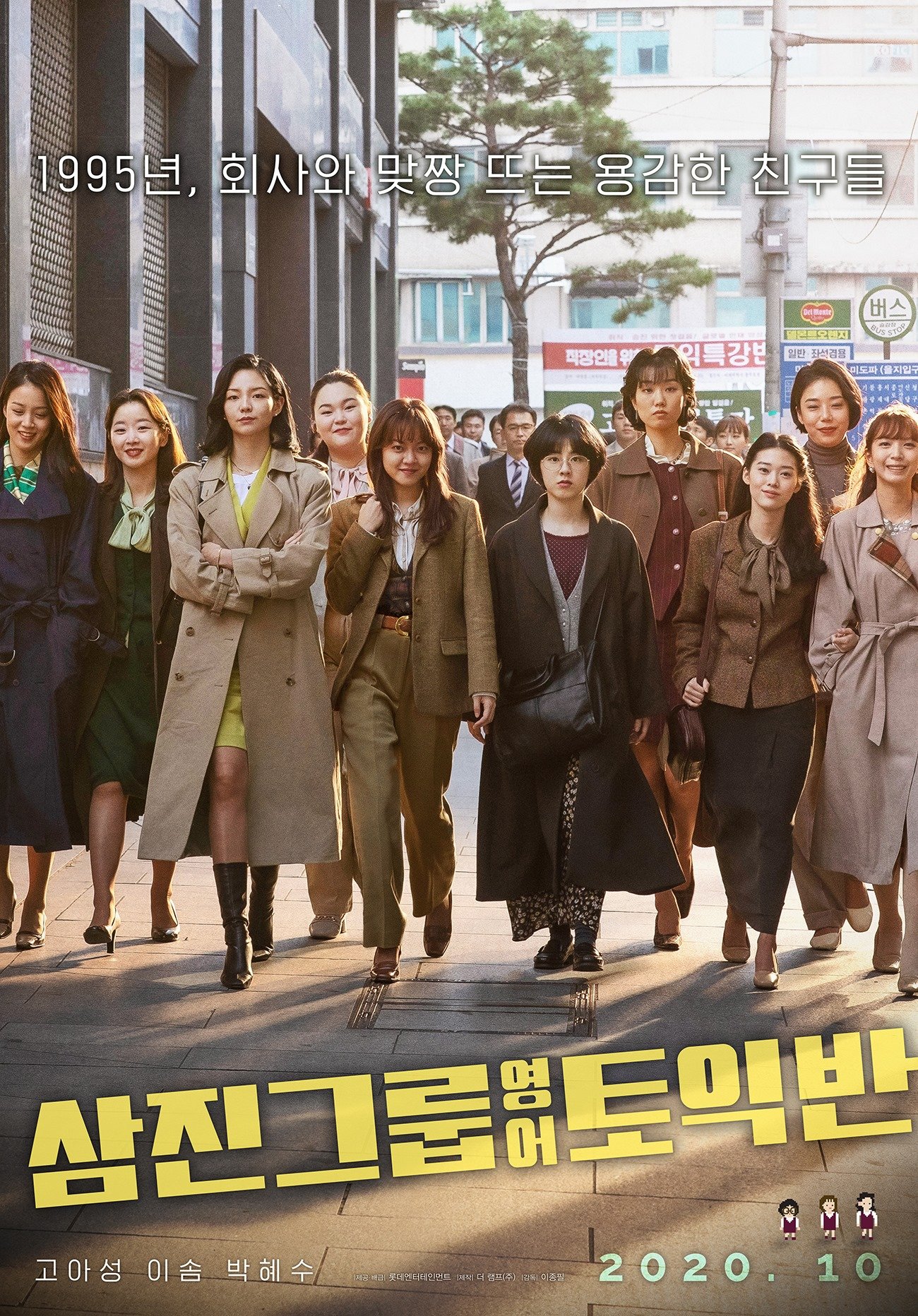
Samjin Company English Class (삼진그룹 영어토익반, Lee Jong-pil, 2020)

“The year of 1995 will mark the first year of our globalisation” according to the opening stock footage in Lee Jong-pil’s tale of tempered feminism and corporate anxiety, Samjin Company English Class (삼진그룹 영어토익반, Samjingeurup Yeongeotoikban). Partly a nostalgia fest for a mid-90s sense of aspiration which would come to a crashing halt with the financial crisis just two years later, Lee chronicles a society in flux as a new generation of women find themselves kicking back against the ingrained patriarchal attitudes of a conservative society while at the same time experiencing a gradual sense of disillusionment with growing internationalism that ironically sends them straight back into the arms of the chaebol. 

Set concretely in 1995, Lee frames his Working Girl-esque drama around the lives of three office ladies each beginning to age out of their potentially dead end jobs. An evolution of the secretarial pool, office ladies are treated more or less as domestic staff in the corporate environment often assisting the, largely but not exclusively, male workers with admin tasks such as teaching them how to use the fax machine or operate IT software while otherwise expected to perform traditionally feminine roles keeping the office clean and tidy or fetching drinks and cigarettes for their bosses. As such they are largely invisible, the men often talking indiscreetly in front of them because they don’t really matter. No one takes an office lady seriously even while they are perceived as essential, if interchangeable, in the functioning of the office. 

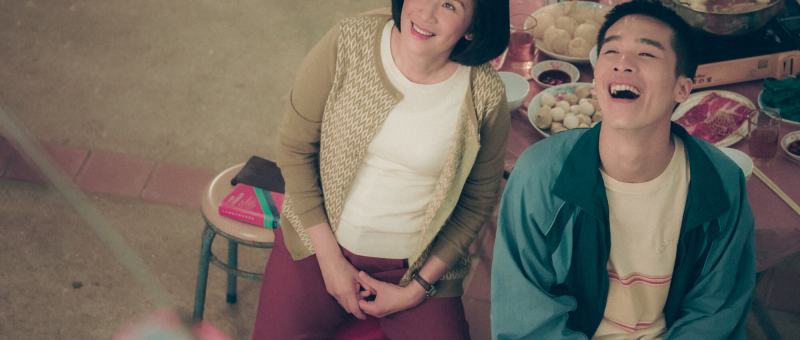
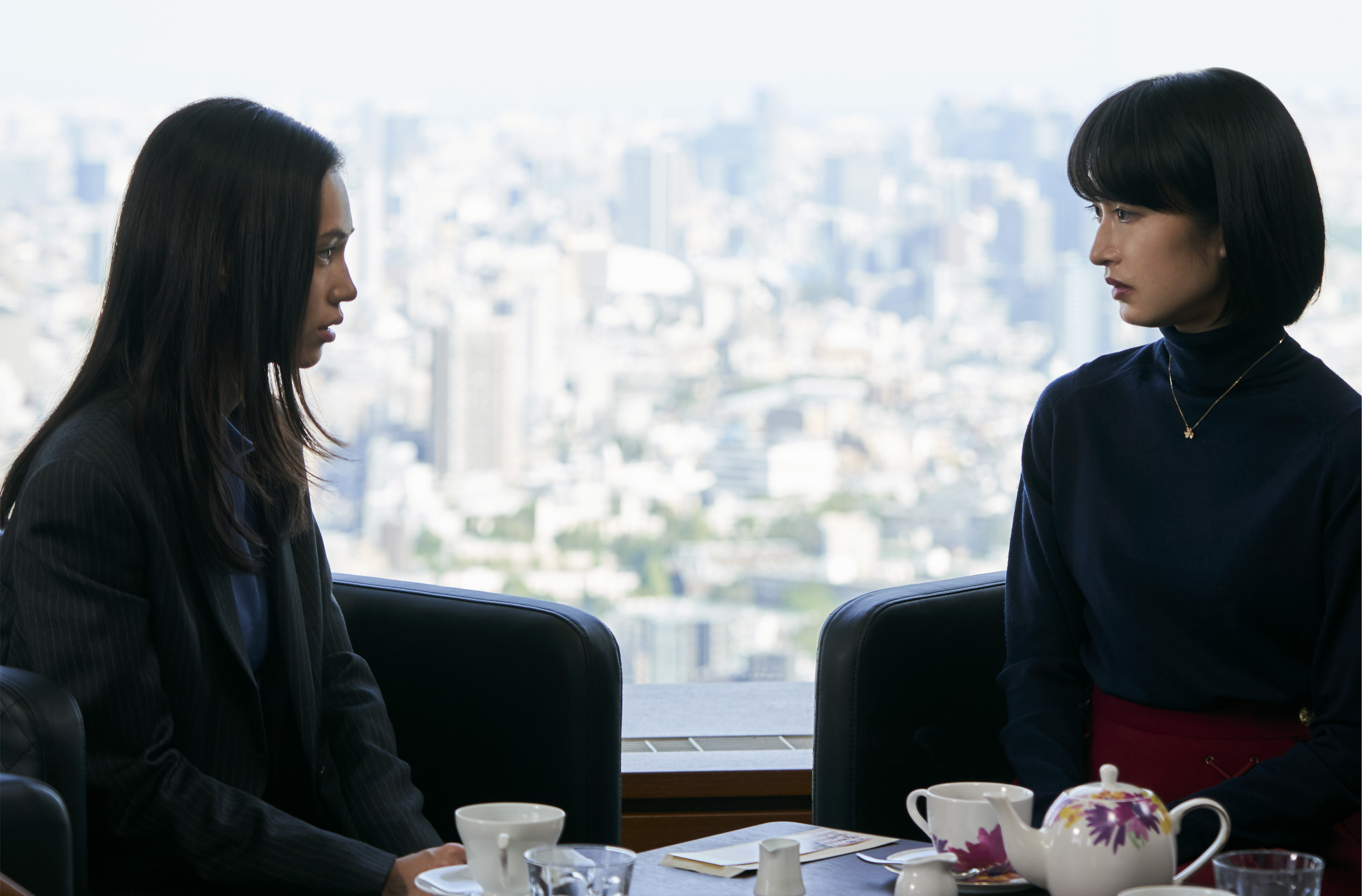
All very capable women, Ja-young (Go Ah-sung), Yuna (Esom), and Bo-ram (Park Hye-su) are looked down on by the few female members of the regular salaried staff because, largely for socio-economic reasons, they have no university degrees. Still, beginning to age out of office lady life they are faced with a conventional choice of finding a husband or attempting to gain a promotion into the ranks of permanent workers. It’s for this reason that they begin taking the company’s English classes, hoping a high TOEIC score will as they’ve been promised smooth the path towards employment. Women coming of age in a newly democratised Korea with its eyes on the rest of the world, they want more out of life than perhaps the previous generation would have done though Ja-young in particular is noticeably ahead of her time wanting not just career success but personal fulfilment. She was glad to work for Samjin because she thought they made products that enriched people’s lives and thinks her work should have a value to society aside from providing personal material comfort. 

That’s one reason she’s determined to do something when she discovers a Samjin factory has been spewing industrial waste into the waters surrounding a small rural village. As office ladies, the three women occupy a liminal space within the company that in a sense makes it easier for them to investigate but gives them little power to affect real change. Conflicted, Ja-young witnesses the company reach a settlement with the villagers assuring them the leak has been small, will have no lasting affect on their health or livelihood, and has been dealt with effectively. Her niggling doubts lead her uncover the cover up, but in this version of the story the enemy turns out not to be large corporations or chaebol greed but duplicitous foreigners taking advantage of the situation to facilitate their own goals of dominating Korean business, in this case by engineering a merger with a Japanese company brokered by an improbably handsome Korean-American corporate mole (David Lee McInnis). 

In fact, the solution that is found in one sense empowers the ranks of the office lady as Ja-young marshals the resentment of her cohorts towards challenging the corrupt status quo, but also makes an awkward defence of chaebol culture as the point of resistance lies in forcing the elderly chairman to reassume personal responsibility over his company. “Yankee go home!” he unsubtly exclaims before discovering that he no longer has much control because he runs a “corporation” in which the shareholder is king. The fact that the industrial pollution is entirely the fault of the chairman’s feckless son promoted above his abilities for dynastic reasons is quietly forgotten as if he were merely a bad apple later forced to face justice for his corporate misconduct while the system largely remains unchanged. Meanwhile, the parallel progress of the three Tess McGill’s eventually hints at a sea change in work culture that allows them to smash the unfair barriers to corporate success but in reality only grants them an unequal access to a patriarchal social order which otherwise remains the same as it ever was. 

Of course, the male members of staff are also in themselves constrained by this oppressive working culture, portrayed largely as spineless corporate drones blindly following orders for the sake of their careers only later given courage to do the right thing by the office ladies’ rebellion. Nevertheless, there is something pleasantly aspirational in the idealistic determination of Ja-young and her friends to succeed on their own terms even if their progress is ultimately undercut by a thinly veiled nationalism that repositions chaebol culture as force for good while forcing the women back into complicity with an inherently oppressive, patriarchal society defined by corporate success. 


Samjin Company English Class screened & streamed as part of this year’s New York Asian Film Festival.

International trailer (English subtitles)

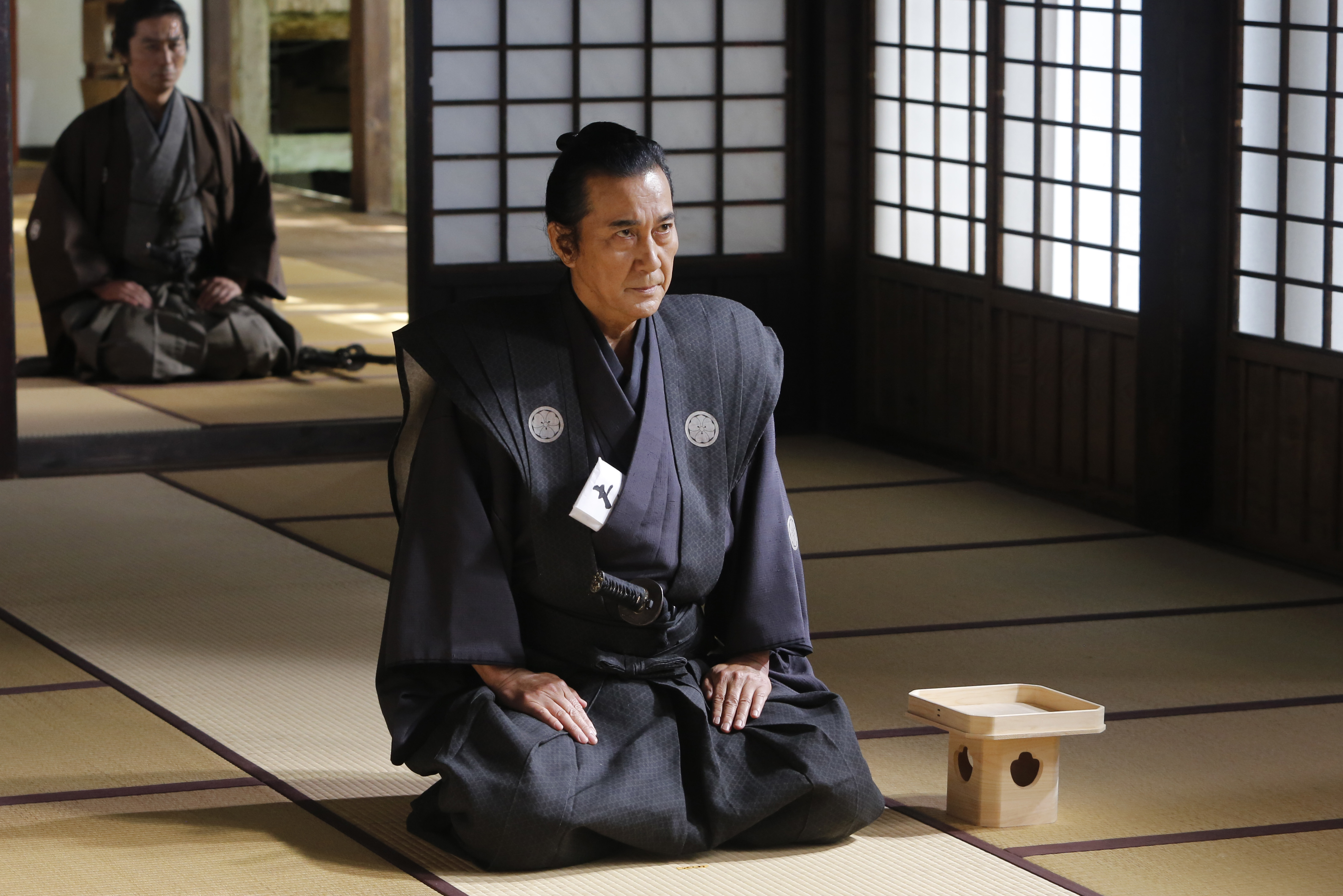
The Pass: Last Days of the Samurai (峠 最後のサムライ, Takashi Koizumi, 2021)

“Even with 100 plans and 100 ideas, we cannot defeat the march of progress” a progressive samurai admits, well aware that he’s witnessing the end of his era while knowing that the “thrilling future” that lies ahead will have no place for him. Adapted from the novel by Ryotaro Shiba, The Pass: Last Days of the Samurai (峠 最後のサムライ, Toge: Saigo no Samurai) is inspired by the life of Kawai Tsugunosuke, known as the “Last Samurai” for his steadfast embodiment of the samurai ideal during the chaos of the Bakumatsu and subsequent Boshin War

As the opening voiceover from Tsugunosuke’s wife Osuga (Takako Matsu) explains, the Tokugawa Shogunate had ruled Japan for close to 300 years after bringing the warring states era to an end following the Battle of Sekigahara, placing the nation into a period of enforced isolation which by the 1850s was beginning to crack while resentment towards the Tokugawa continued to grow over their handling of access to foreign trade. In 1867, Tokugawa Yoshinobu (Masahiro Higashide) effectively relinquished his monopoly on power and restored ultimate authority to the emperor (the “Meiji Restoration”). Yet if he hoped his decision would both restore peace and allow the Tokugawa to maintain political influence he was quite mistaken. In the immediate wake of this political earthquake the nation became polarised between those in favour of imperial rule and those who remained loyal to the Shogunate. 

The chief retainer in Nagaoka, Tsugunosuke (Koji Yakusho) finds himself in an impossible position caught between the forces of East and West and essentially unable to pick a side because of the demands of samurai loyalty. Fearing another war would prove disastrous, he chooses neutrality certain that the present conflict cannot be resolved militarily and requires a political solution. To this effect he attempts to petition a delegation from the Western, pro-emperor, pro-modernisation army but his pleas fall on deaf ears and lead only to a rebuke that he is a coward and a traitor. Like any good leader, however, Tsugunosuke has also been preparing for the worst, buying a gatling gun from foreign dealers in order to boost his meagre man power eventually realising they have no other option than to go war 

The irony is that Tsugunosuke tacitly supports imperial rule but cannot say so because his clan is closely affiliated with the Tokugawa. He is well aware that his era has come to a close and that he will not live to see the new Japan, knowing that he is man of the old world and cannot progress into the classless society he is certain is coming. For all that he seems to be excited by the promises of revolution, encouraging the son of a friend to take advantage of the freedoms of a new era while dreaming of foreign travel and advocating for “liberty and rights” along with universal education in the hope of building of a better society. 

Yet for himself he cannot let go of samurai ideals, knowing he must fight a pointless war in which he does not believe because honour dictates it. “If it shows future generations what we samurai truly stood for then this battle will have been worthwhile” he tells a friend, fearful of a future dominated by the clans of Satsuma and Choshu. “Your samurai spirit will encourage countless others” another retainer tells him, “you are our ideal”, touched by his stoicism and grace even in defeat as he takes sole responsibility for the failure of their military campaign caused in part by the betrayal of a defecting ally. “This warriors’ way shall die with me” he cheerfully tells a servant, advising him to become a merchant and travel abroad to seize the “thrilling future” which lies ahead of him. 

A martyr to his age, Tsugunosuke is the last of the samurai stoically defending a lofty ideal in an acknowledgement that he does not belong in the new society and must sacrifice himself in order to bring it about. An homage to classic samurai cinema from former Akira Kurosawa AD Takashi Koizumi, who even throws in the odd screen wipe, featuring cameos from golden age stars Tatsuya Nakadai and Kyoko Kagawa, The Pass is about the passage from one era to the next taking as its hero a closet revolutionary and walking embodiment of the idealised samurai who chooses unity and shared vision over conflict in the creation of a better world he does not intend to live to see.


The Pass: Last Days of the Samurai screens on Aug. 21 and Sept. 1 as part of this year’s Japan Cuts.

Original trailer (English subtitles)

Zero to Hero (媽媽的神奇小子 , Jimmy Wan Chi-Man, 2021)

“No one treats you like an ordinary person, so become an extraordinary one” the heroic mother at the centre of Wan Chi-Man’s Zero to Hero (媽媽的神奇小子) tells her young son as he struggles to find a place for himself as a disabled person in an unaccommodating society. Inspired by the real life story of multi-medal winning Paralympian So Wa Wai (Leung Chung-hang), Wan’s inspirational tale is as much about maternal determination as it is about overcoming preconceived limits but also makes a series of subtle points about how the contemporary society treats disability. 

Wan opens in Guangzhou in 1981 as Wai’s mother Mrs. So (Sandra Ng) frantically rushes him to hospital only to be told that he has jaundice which has resulted in cerebral palsy meaning that he will likely never be able to walk or feed himself. The doctor double checks if the family would like to proceed with treatment given this information to which they emphatically reply they would. A few years later, the family has migrated to Hong Kong and Mrs. So is forced to take Wai with her to her job in a laundry, eventually finding herself at her wits end after his hearing aid goes missing placing her son on the shoot and shouting at him to walk only to shut the belt down just before he reaches the edge. At this point, Wai manages to pull himself onto his feet, proving the doctors wrong and teaching himself to walk unassisted. Witnessing an older Wai run away from neighbourhood bullies gives Mrs. So an idea and she soon tries to enrol him in a club for athletes with physical disabilities only to be turned away because of his age but his decision to join in anyway gets him noticed by former Paralympian relay runner Coach Fong (Louis Cheung Kai-chung) who decides to take him on and train him up. 

In contrast to other sporting biopics, Wai’s path to Olympic success is more or less drama free even as he strives to improve his athletic abilities and overcome the mild resentment among some of his teammates in needing to change their style and position in order to accommodate him. Wan does however hint at the difficulties of living as a disabled person in late 20th century Hong Kong, Fong explaining to Mrs So that the Paralympics aren’t aired on Hong Kong TV and disabled athletes earn only 10% of that earned by the able-bodied. Wai does receive a small subsidy, but the Sos are otherwise forced to scrimp and save so that Wai can continue running, a situation that becomes impossible after his father is injured in an accident and left unable to work. 

It’s also clear that Mrs. So’s all encompassing love for her son causes occasional tension in the family in leaving her younger, able-bodied son understandably feeling neglected while everyone fixates on Wai’s sporting success. Wai’s brother is perfectly aware that he was born in part as a safety net for Wai so that someone would be around to look after him once the Sos have passed away and cannot at times help resenting him. Yet the family unit remains generally united until the older Wai’s prideful resentment of what he sees as his mother’s micro-managing begins to undermine their relationship. “I just want to run” Wai explains, fed up with the series of commercial opportunities his mother has agreed to on his behalf in an attempt to keep him financially secure in the future. When a director for an advert tells him he’s speaking “too well” and asks him to sound more disabled Wai has had enough, leading to a confrontation that ends both in romantic heartbreak and a falling out between mother and son. 

“Catching up is the story of my life” Wai reminds Fong, emphasising the film’s inspirational message that sometimes people have further to go but get there in the end while also signalling the various ways lack of accommodation for his disabilities has continued to hold him back outside of his sporting success. A heartwarming tale of an incredible mother-son bond, Zero to Hero insists that the mutual determination to succeed turned them both into heroes allowing Wai to achieve his full potential as a Paralympian bringing gold and glory back home in defiance of those who told him he’d never be anything. 


Zero to Hero screens Aug. 21 as part of this year’s New York Asian Film Festival.

Original trailer (Traditional Chinese / English subtitles)

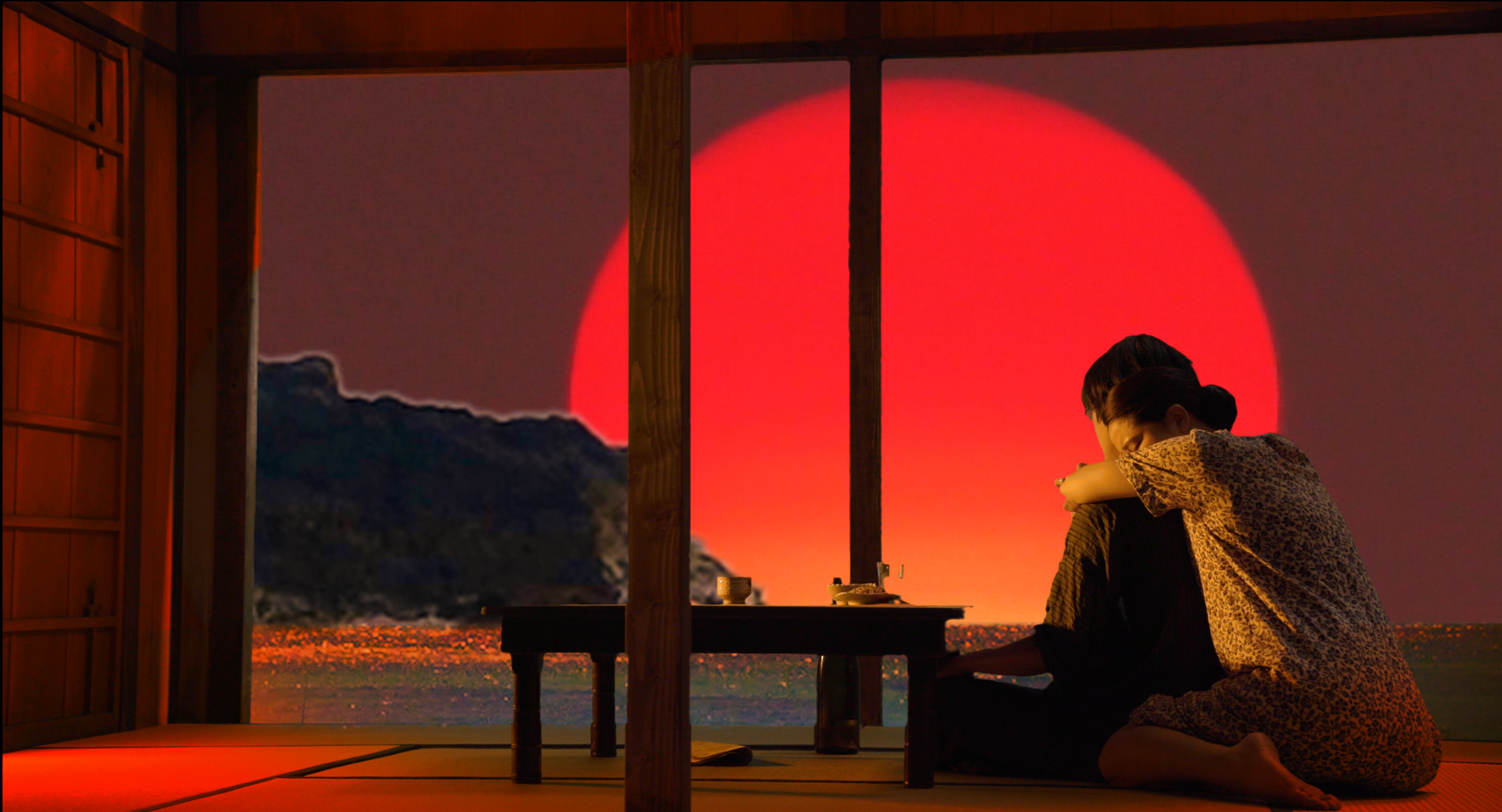
Remain In Twilight (くれなずめ, Daigo Matsui, 2021) [Fantasia 2021]

“So what? We just live on.” remarks a bereaved young man learning to let go of his grief in Daigo Matsui’s melancholy ensemble drama Remain in Twilight (くれなずめ, Kurenazume). Matsui sets the scene at a wedding which is also in some ways a funeral during which the ghost at the feast will eventually be laid to rest but his study in loss is also a reflection of its eternal arrest as a group of high school friends learn to accept a sense of absence where their friend used to stand while processing the various ways their lives have and will continue to diverge where as his obviously will not. 

As the film opens a group of six men is surveying a wedding hall where they intend to recreate a dance they first performed at a high school culture festival. The wedding co-ordinator comes out to confirm that everything is in order and seating has been arranged for the five of them only to be reminded that actually they are six. Factory worker Nej (Rikki Metsugi) wants to hang out longer, but most of the other guys have other commitments from work to family but at a rambunctious karaoke session the next day during which they regress to their high school selves it becomes clear that one of their number, Yoshio (Ryo Narita), passed away five years previously but is quite literally there in spirit. 

In addition to Yoshio’s absence, it’s clear that the group has become distant since their high school days the wedding reunion highlighting the class differences between them with some going on to regular salaryman jobs, others working in fringe theatre, and Nej at the factory the uniform of which he is ubiquitously wearing at every occasion other than the wedding during which the guys’ black suits are identical to those they wore for the funeral save the substitution of a jauntier bow tie. The previously nicknamed “Sauce” is now Mr. Sogawa (Kenta Hamano) and a married father of one. They aren’t 17 anymore. 

Nevertheless, the guys can’t let go of the memory of Yoshio who remains among them as if he were still alive. Triggered by a seemingly trivial act such as eating a biscuit or hearing a particular turn of phrase each of the men is called back into the past towards a private memory of Yoshio some directly related to the performance at the cultural festival which seems to have marked their lives and others from later. They collectively meditate on the last time they saw each other, reliving the event, trying to prevent Yoshio from leaving but of course failing. Actor Akashi (Ryuya Wakaba) regrets not picking up his phone, little knowing it would be the last time he would see his friend because you can’t get away from the fact every time might be the last you just can’t know. 

“You’re only dead when it’s convenient” Yoshio’s high school crush Mikie (Atsuko Maeda) barks, seemingly unperturbed to see him in the flesh but also angry and resentful asking him to finally cancel his social media accounts so she won’t keep getting birthday reminders or see something about him popup on her feed, remember, and be sad. But softening she shows him a picture of her daughter, signalling that she’s moved on while he obviously cannot though he wishes her only happiness glad perhaps to have shared something he lacked the courage to confess while alive. 

So corporeal does Yoshio seem to be that he even receives a goodie bag from the wedding, again signalling his absence as the guys find themselves literally carrying extra baggage which they eventually decide to try burying leading to a rather surreal incident which confronts them directly with Yoshio’s liminal status and survival in their hearts. Travelling to the other side they begin to learn to let him go, poignantly once again considering calling a taxi though this time for five. Adapting stage play, Matsui’s sweeping handheld camera shifts effortlessly from one time period to another and finally into another realm with a giddy ethereality as the men, now approaching middle-age, meditate on the sense of loss in grieving teenage friendship along with its unlived future. It’s less the ghost than those who are left behind who must finally learn to “move on”, rewriting the past as they see fit in order to walk into a freer future. 


Remain In Twilight streams in Canada until Aug. 25 as part of this year’s Fantasia International Film Festival.

International trailer (English subtitles)

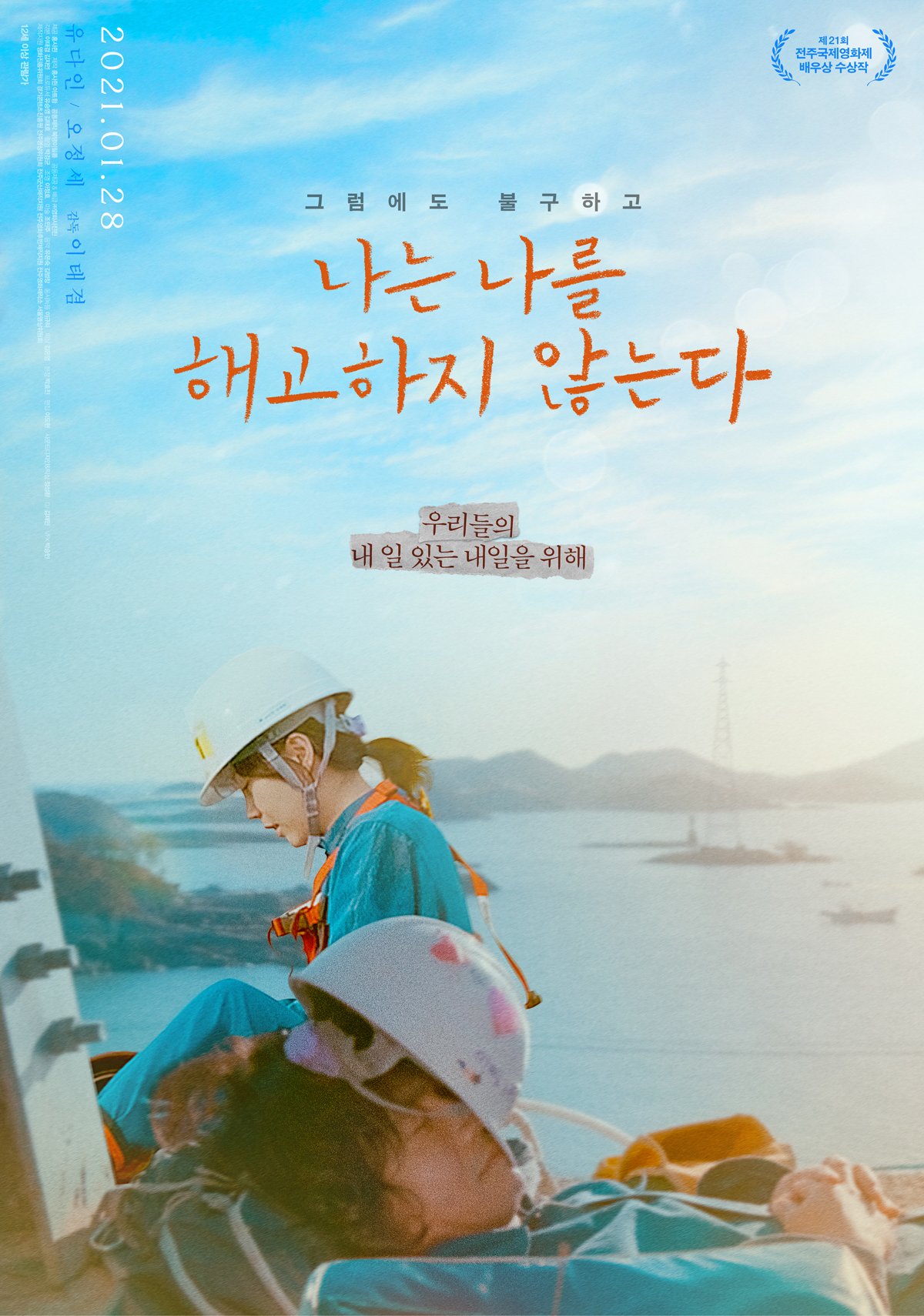
I Don’t Fire Myself (나는 나를 해고하지 않는다, Lee Tae-gyeom, 2020)

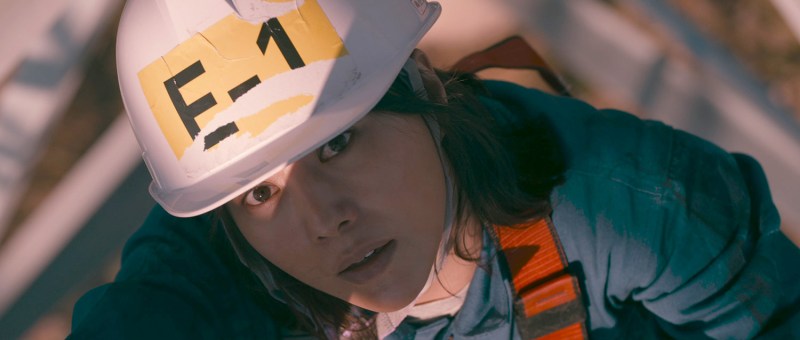
“All we asked for is not to die” a disgruntled employee reasonably explains, finally finding her voice on being confronted with the consequences of her complicity. Lee Tae-gyeom’s impassioned workplace drama I Don’t Fire Myself (나는 나를 해고하지 않는다, Naneun Nareul Haegohaji Anneunda) is the story of one woman’s path towards reclaiming agency over her life, but it’s also a subtle condemnation of rampant capitalism and the various ways entrenched social mores can set the oppressed against each other, hiding from the very ways they are each victims of the same social order. 

30-ish Jeong-eun (Yoo Da-in) is a talented employee working at an electrical company but her capability only makes her a threat to her male bosses. Insisting that “it’s not about whether a woman can do the job”, her superior forces her to accept a one-year transfer to a rural electrical engineering subcontractor promising that if she works out the contract she can come back to HQ. Resolving to make the best of a bad situation Jeong-eun soon realises her new boss is not keen to have her. Her presence is an obvious inconvenience to the other three male employees who must now put a curtain up so they can change into their work clothes while resenting the unexpected intrusion into their working life. What soon becomes clear to Jeong-eun is that her new assignment is in reality just an elaborate form of “banishment room”-style constructive dismissal. Her old boss is trying to make her working life so miserable that she’ll quit on all her own. 

Only, as a friend of Jeong-eun’s points out, neither of them can afford to quit because it’s so unlikely they’ll be able to find alternative employment. Jeong-eun was good at her job, but as a woman she has very little chance of career advancement and had to work twice as hard as the men just to be employed. Perhaps for these reasons, she refuses to quit resolving to stick out the year in the sticks to see what happens, but her new manager refuses to give her any work and is himself pressured by the higher ups to either push Jeong-eun towards resignation or engineer a reason to fire her. Her male colleagues only come to resent her more when it’s revealed that the substation is expected to cover her salary out of their budget which is also being reduced meaning someone will likely be out of a job. Hoping to win their trust and respect, she studies electrical engineering manuals in her off hours and offers to accompany them into the field but is quickly undone by anxiety as she looks up at the tall towers of the electricity pylons unsure how she could ever scale them. 

There is something of a potent metaphor in Jeong-eun’s attempts to climb these infinite structures while the men around her laugh and try to pull her down. Latterly sympathetic colleague Seo (Oh Jung-se) snaps at her that for men like him getting fired is worse than dying and the reason she can’t climb is that for her it never will be. But Seo has in a sense miscalculated. Jeong-eun may be educated and middle class, but as she claps back to her getting fired and dying are synonyms. They are each victims of the same system, but blind to the ways they are similarly misused. Jeong-eun knows only too well the costs of getting fired, her grief over a close friend who took her own life after being forced out of her job possibly contributing to her self-destructive drinking problem. Seo meanwhile is constantly being reprimanded for falling asleep on the job, largely because he also works a series of part-time gigs to make ends meet such as manning the till in a convenience store and working as an Uber driver. As Jeong-eun discovers this dangerous, highly skilled work which is essential both for public safety and economic support pays almost nothing while the workers are also expected to provide their own protective safety gear including electric resistant overalls which run to $1000. 

The inspectors sent to undermine Jeong-eun and pressure the manager harp on about how the company has already been privatised and can no longer afford “inefficiency” while continuing to exploit their employees and ride rough shod over both employment law and people’s basic rights. Jeong-eun has three months to decide if she wants to try suing them for constructive dismissal but is warned that if she does the company will retaliate and even if she wins the quality of her working life may not improve. Yet if everyone goes on thinking only of themselves the company will continue to get away with their nefarious practices 

Pushed to breaking point, Jeong-eun’s epiphany comes only after a colleague is killed after being asked to fix a transmission tower in unsafe conditions while her slimy boss shows up to pressure his young daughter who can’t be more than 10 to sign away her right to proper compensation. She realises that she’s been “fired” by everyone in her life from her parents to her company, but has also been wilfully complicit in her reluctance to rock the boat believing that if you work hard and follow the rules you’ll eventually succeed even while intellectually knowing that that way of thinking is merely another tool used by the powerful to maintain their grip on power. She realises that she doesn’t need to fire herself too, seizing her own agency to mount a resistance towards the amoral venality of her ultra capitalist bosses by refusing to play by their rules anymore. A subtle yet pointed attack on the radiating effects of Korea’s notoriously poor labour law, I Don’t Fire Myself allows its educated middle-class heroine to find unexpected solidarity with a working-class labourer while ending on a note of positivity as Jeong-eun finds the courage to climb alone in the hope of bringing the light to others much like herself. 


I Don’t Fire Myself streams in the US Aug. 18 to 23 as part of this year’s New York Asian Film Festival.

Original teaser trailer (English subtitles)

Japan Cuts Announces Lineup for 2021 Hybrid Edition

Japan Cuts returns for 2021 in a hybrid edition featuring a series of in-person screenings as well as a virtual festival streaming in the US (and in some cases beyond) Aug. 20 – Sept. 2. This year’s Cut Above award goes to actress Yu Aoi who stars in Centrepiece Presentation Wife of a Spy, Kiyoshi Kurosawa’s 8K World War II espionage drama.

Feature Slate

Aristocrats

In-person only

Two women involved with the same man eventually find interclass solidarity in Yukiko Sode’s empathetic critique of a highly stratified and fiercely patriarchal society. Review.

Come and Go

Online only

A detective investigates the connection between the discovery of an old woman’s skeleton and a series of real estate scams by interviewing the local residents many of whom are migrant workers from other areas of Asia.

Company Retreat

Online only

A workplace trip descends into mistrust and suspicion following an accusation of harassment in Atsushi Funahashi’s contemplative drama. Review.

The Goldfish: Dreaming of the Sea

Online only

Drama in which a young girl raised in a foster home after her mother was convicted of a crime takes care of a new girl abused by her mum.

The Great Yokai War: Guardians

In-person only

A small boy is forced to embrace his legacy as the descendent of a legendary yokai hunter when the supernatural realm is thrown into chaos by the awakening of a giant rolling resentment monster set to steamroll Tokyo while breaking the seal on a nameless evil in Takashi Miike’s long awaited return to the world of Great Yokai War.

It’s a Summer Film!

Online & in-person

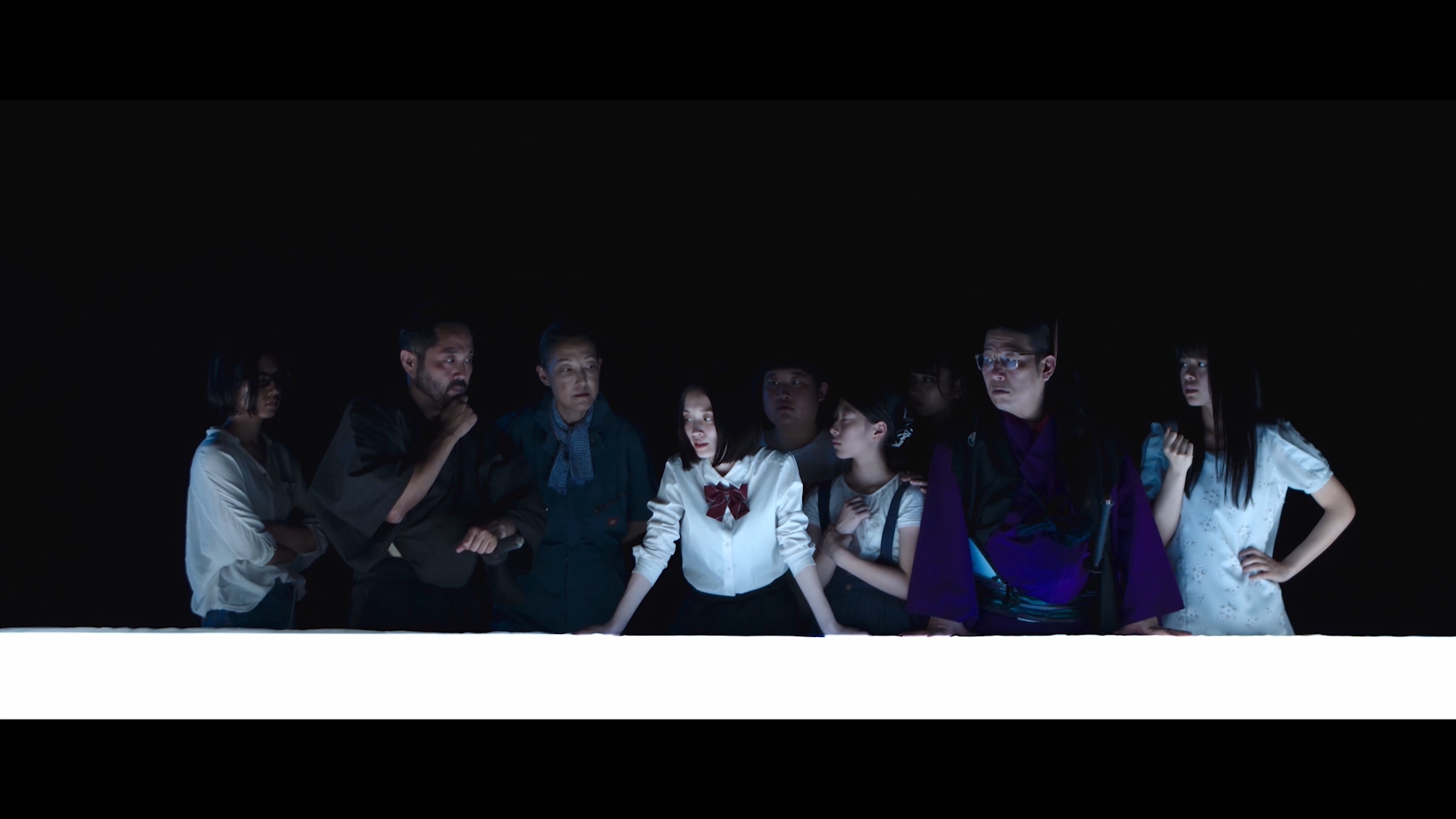
A jidaigeki-obsessed high schooler sets out to make her own summer samurai movie in Soshi Matsumoto’s charming sci-fi-inflected teen rom-com. Review.

Ito

Online only

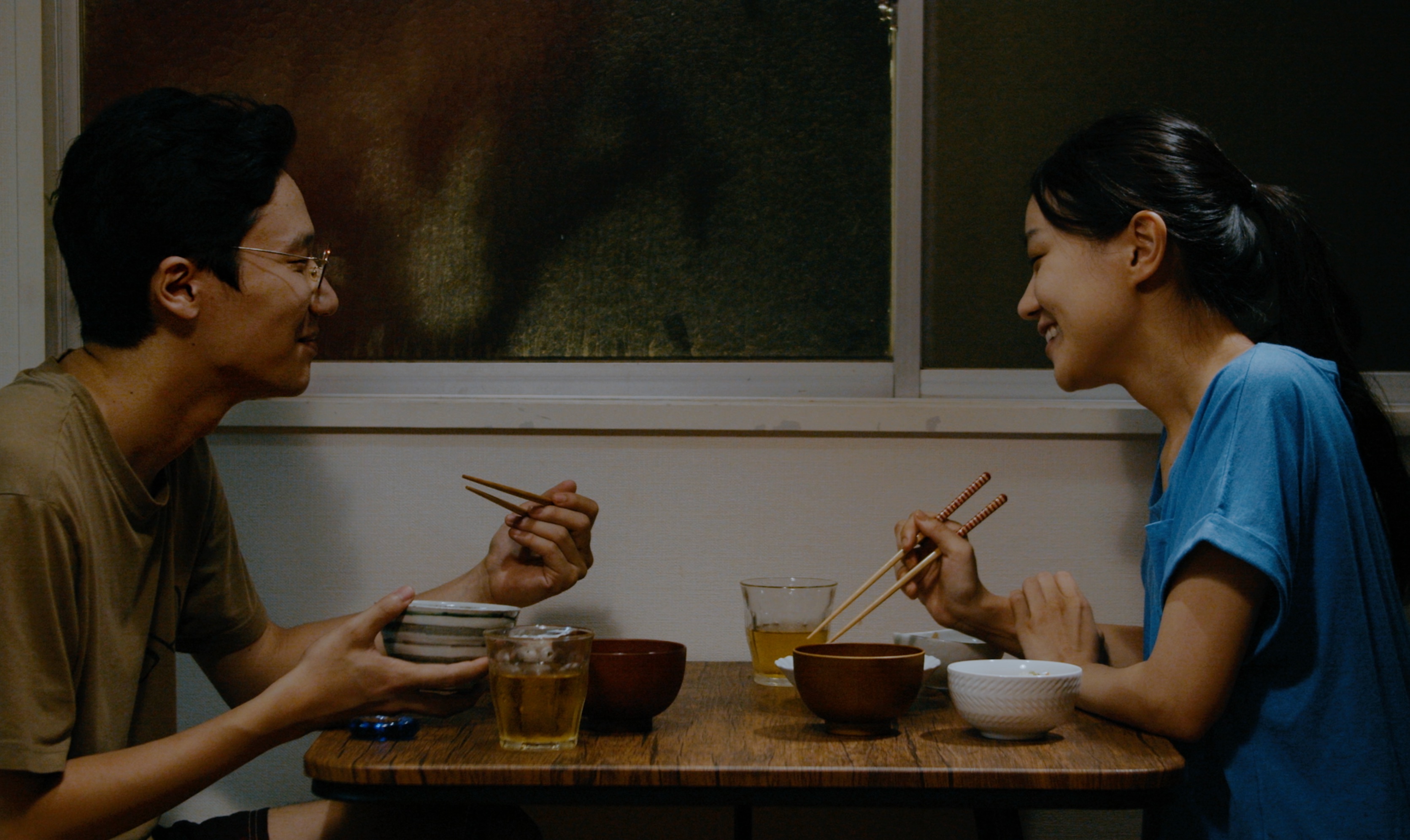
A shy young woman with a talent for Tsugaru shamisen grows in confidence after getting a job at a maid cafe in Satoko Yokohama’s warmhearted drama. Review.

Kiba: The Fangs of Fiction

In-person only

Yo Oizumi stars in the role he apparently inspired as a maverick magazine editor caught up in a dynastic struggle while trying to save a moribund culture magazine in Daihachi Yoshida’s adaptation of the novel by Takeshi Shiota.

JAPAN CUTS 2020 ENCORE SCREENING
Labyrinth of Cinema

In-person only

A poetic advocation of the transformative power of art, Nobuhiko Obayashi’s final film takes a surrealist odyssey through the history of warfare as three youngsters chase the image of Japan in the labyrinths of cinema. Review.

The Pass: Last Days of the Samurai

In-person only

Historical drama starring Koji Yakusho as real life historical figure Tsuginosuke Kawai who tried but failed to broker a peaceful solution to Bakumatsu confusion.

Talking the Pictures

In-person only

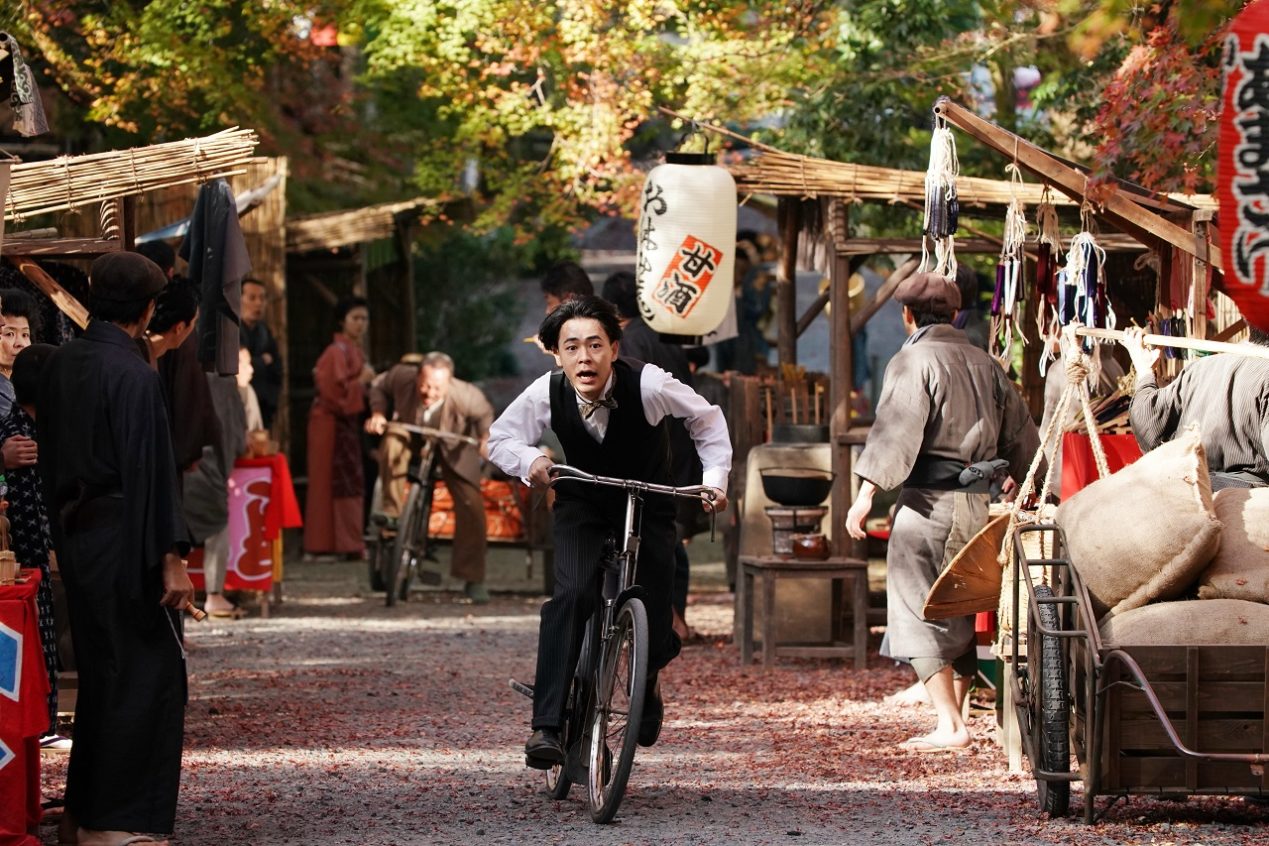
An aspiring benshi finds himself dealing with issues of crime and authenticity in Masayuki Suo’s heartfelt tribute to the not so silent movies. Review.

CENTERPIECE PRESENTATION
Wife of a Spy

In-person & online (with limited availability)

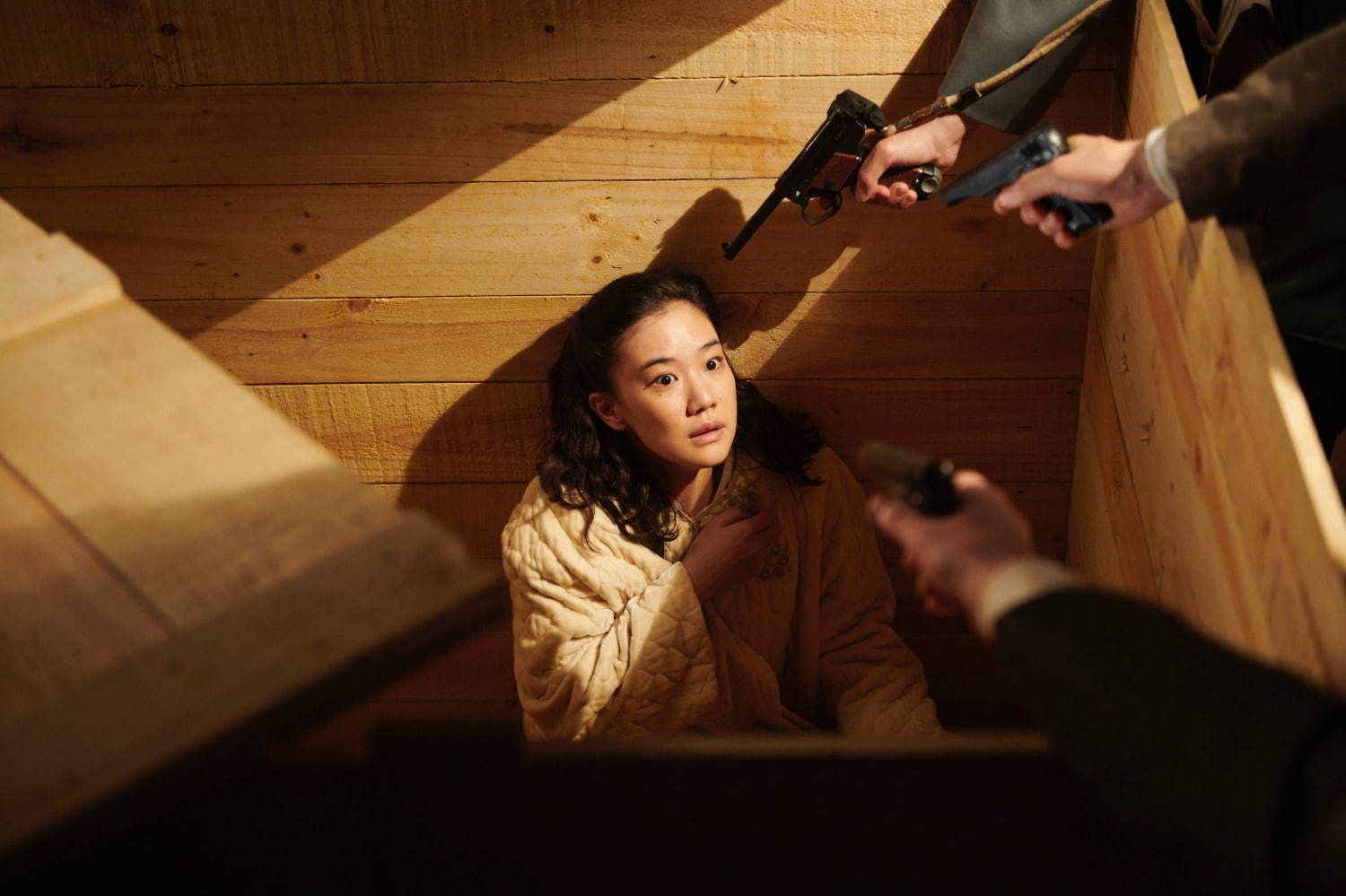
Originally commissioned for 8K TV, Kiyoshi Kurosawa’s wartime drama stars Yu Aoi as the titular wife who finds herself working against her husband, Issey Takahashi, when she discovers that he intends to blow the whistle after observing something he shouldn’t have while working in Manchuria. An awards season favourite, the film also picked up the Silver Lion at the 77th Venice International Film Festival.

Wonderful Paradise

Online only

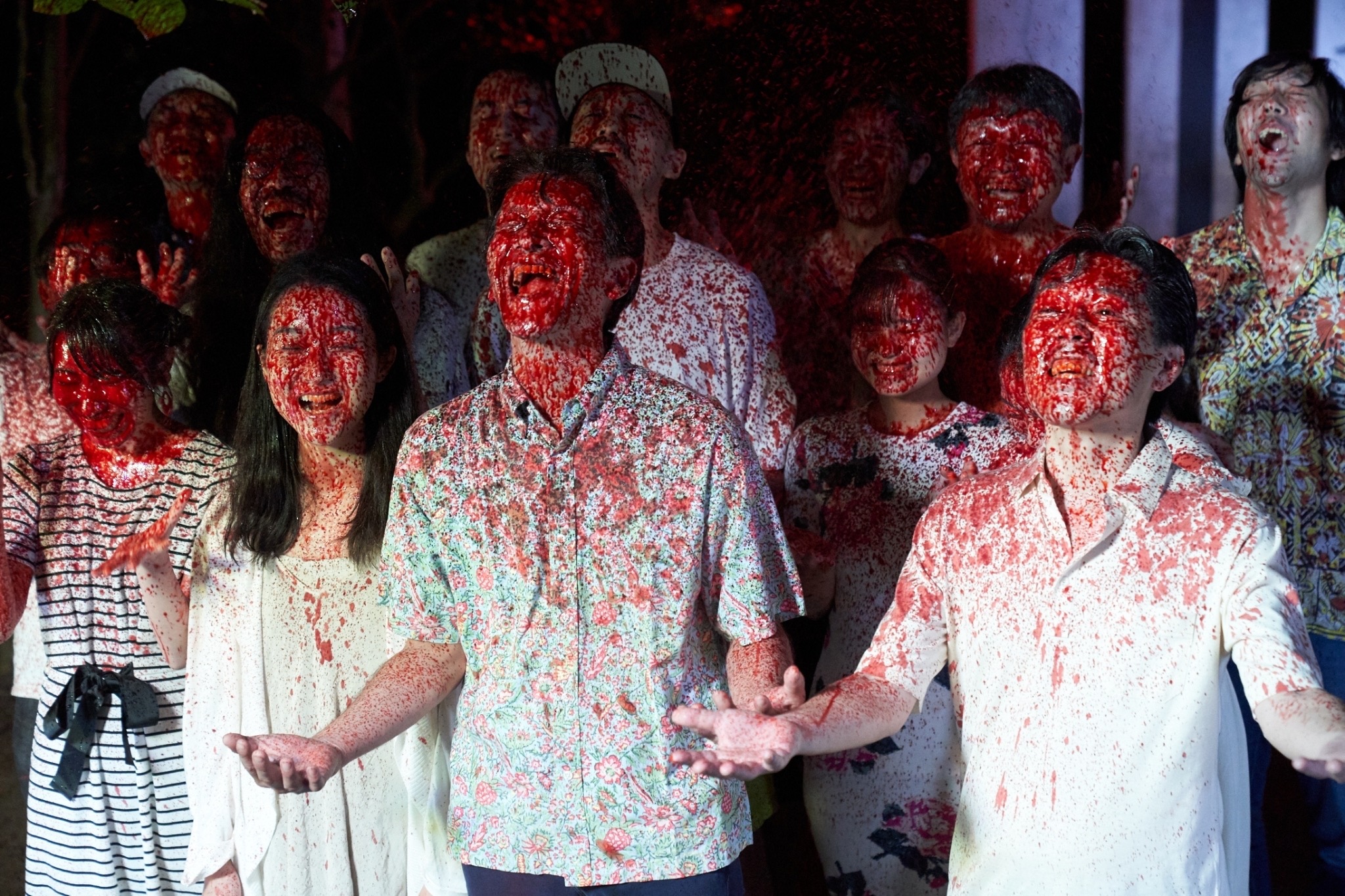
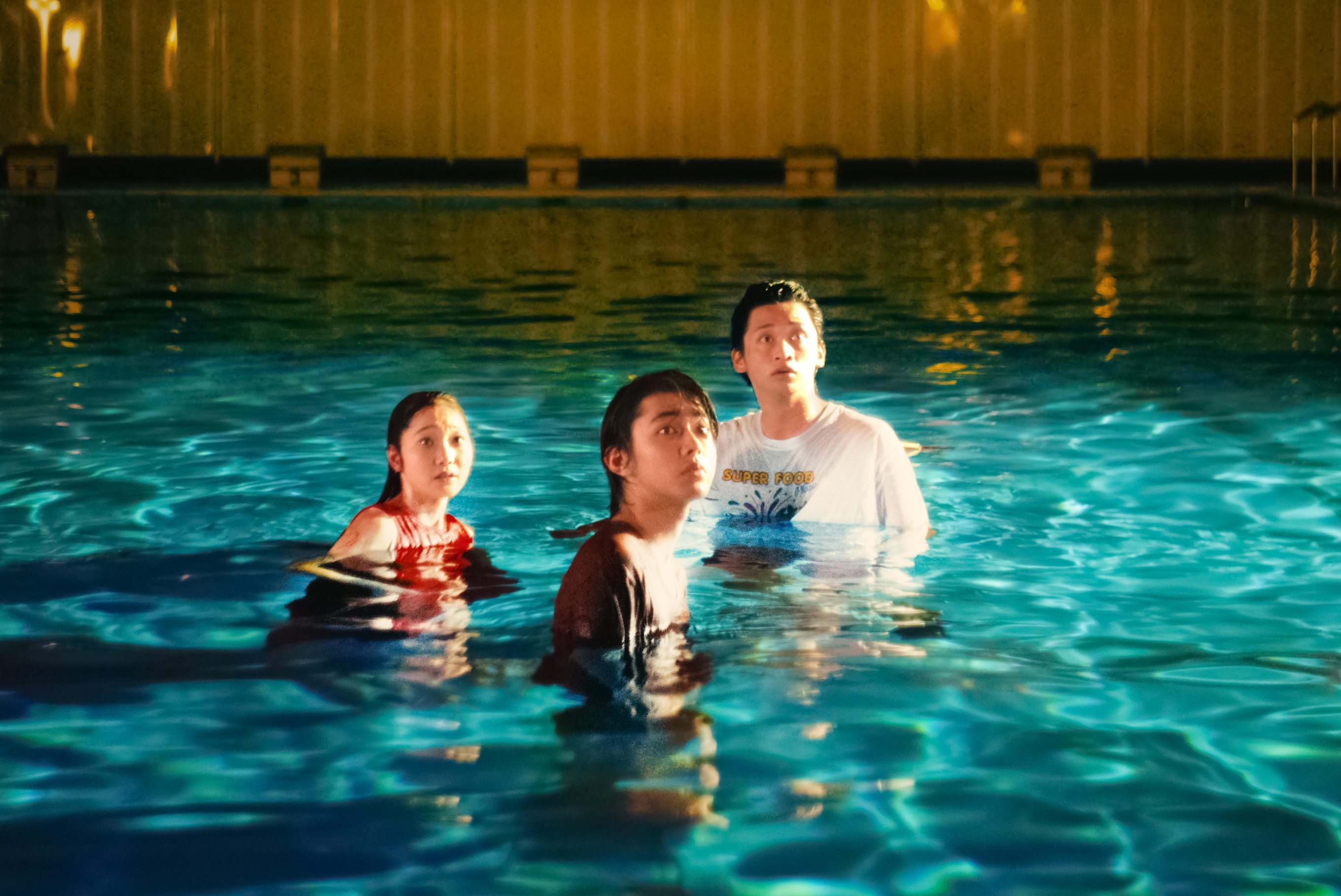
An impromptu going away party descends into a psychedelic rave of death and rebirth in Masashi Yamamoto’s defiantly surreal nighttime odyssey. Review.

NEXT GENERATION

B/B

Online only. Available worldwide.

A policeman and psychiatrist attempt to investigate a bizarre killing through unlocking the testimony of a young woman with MPD in Kosuke Nakahama’s visually striking, hugely accomplished feature debut. Review.

Mari and Mari

Online only.

A mild mannered casting agent’s life is disrupted when he returns home one day to discover a mysterious woman in place of his girlfriend of five years.

My Sorry Life

Online only

A self-involved aspiring TV producer is becoming fed up with her longterm boyfriend only for him to suddenly drop the bombshell that he thinks he’s pregnant in the feature debut from Kozue Nomoto.

Sasaki in My Mind

Online only. Available worldwide except Netherlands, Japan and Poland.

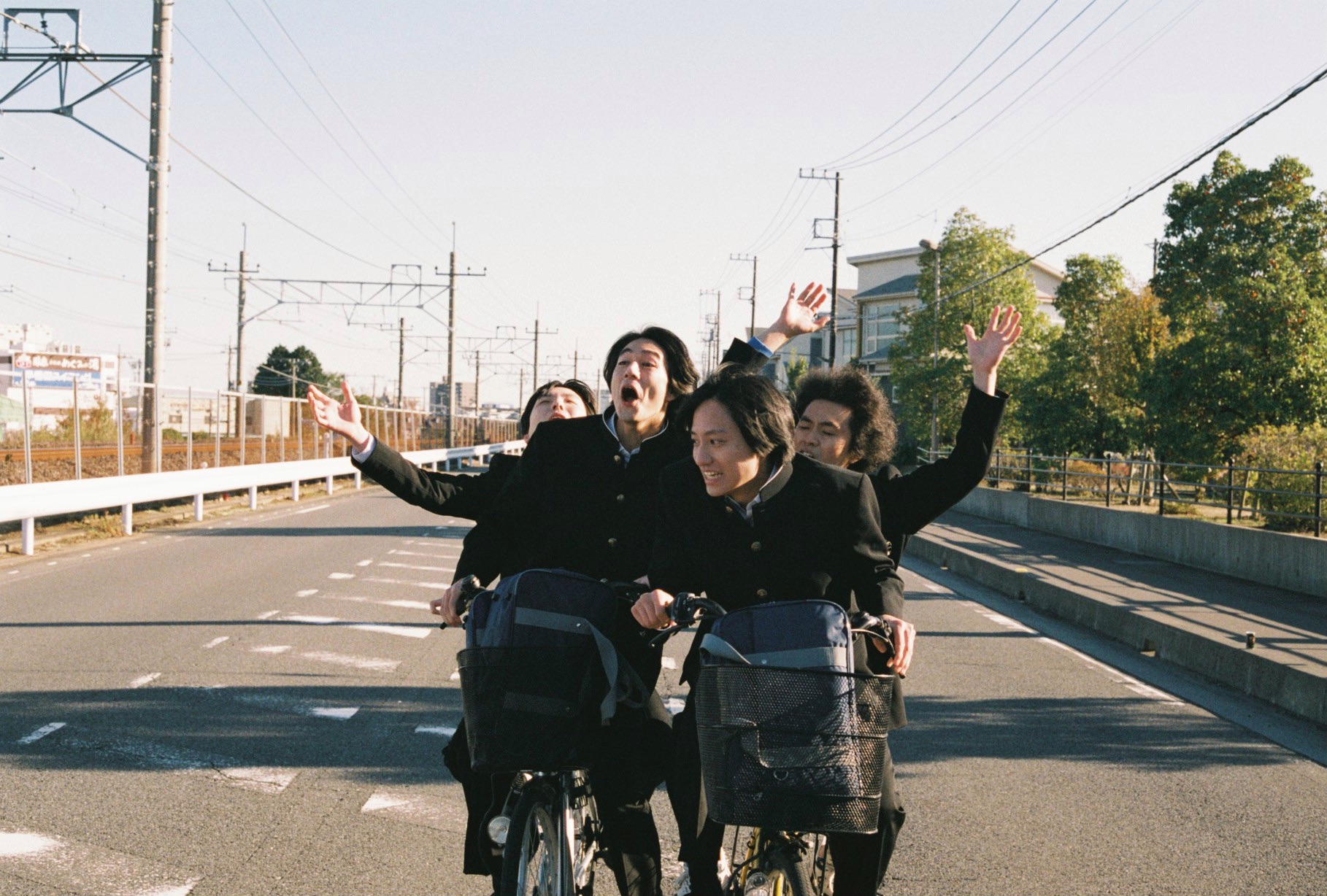
A struggling actor finds himself thinking back on memories of a larger than life high school friend in Takuya Uchiyama’s melancholy youth drama. Review.

Spaghetti Code Love

Online only

Tokyo-set ensemble drama following 13 young people trying to find their place in the modern metropolis.

Town Without Sea

Online only

Laidback coming-of-age drama set in a sunny Kyushu in which two co-dependent childhood friends struggle with the anxieties of impending adulthood marking an impressive directorial debut from Elaiza Ikeda.

CLASSICS

Hiruko the Goblin

Online only

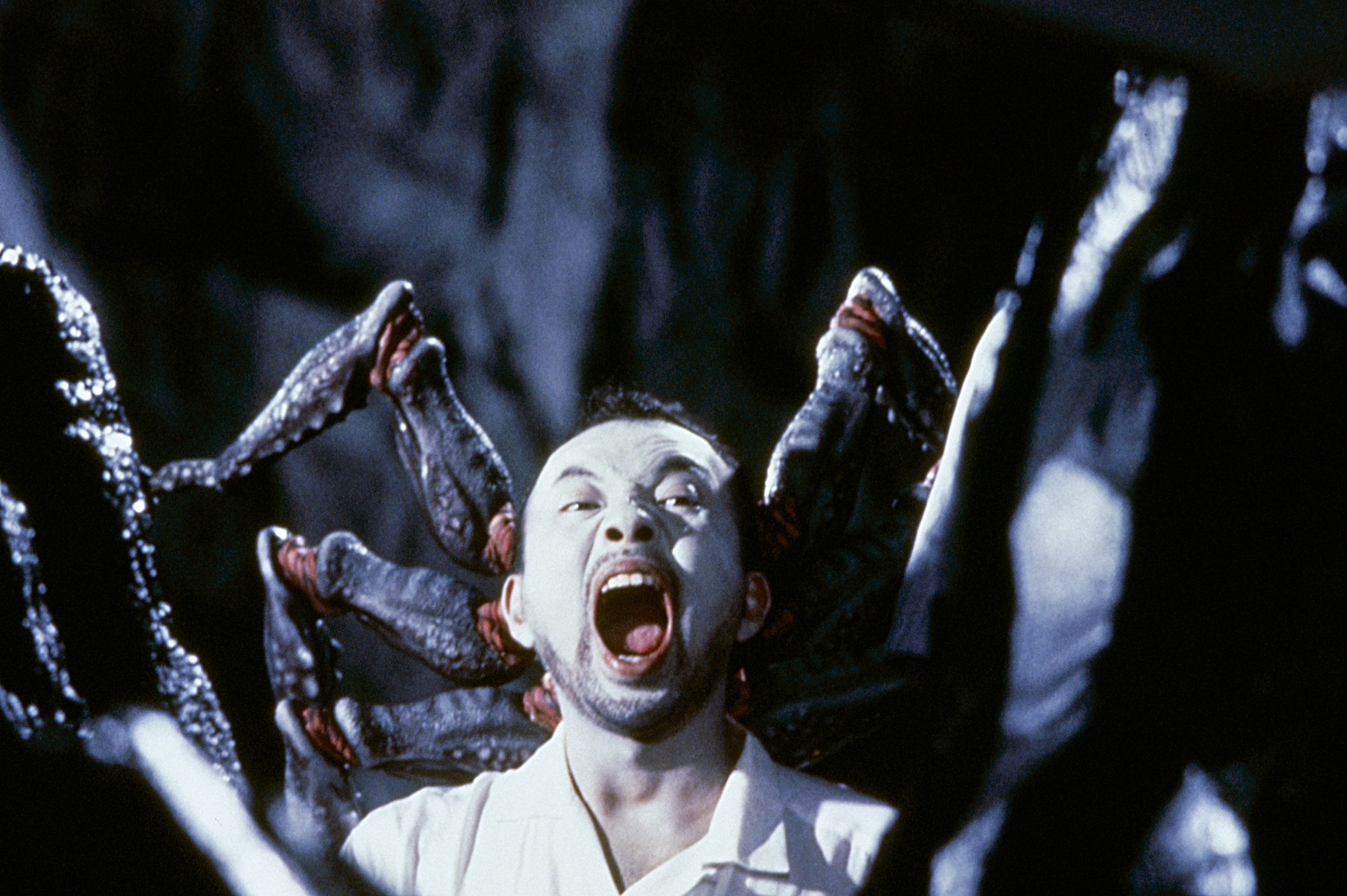
Shinya Tsukamoto’s adaptation of Daijiro Morohoshi’s Yokai Hunter starring ’70s pop idol Kenji Sawada as a disgraced archeologist teaming up with a high schooler to investigate a series of mysterious disappearances.

Robinson’s Garden

Online only

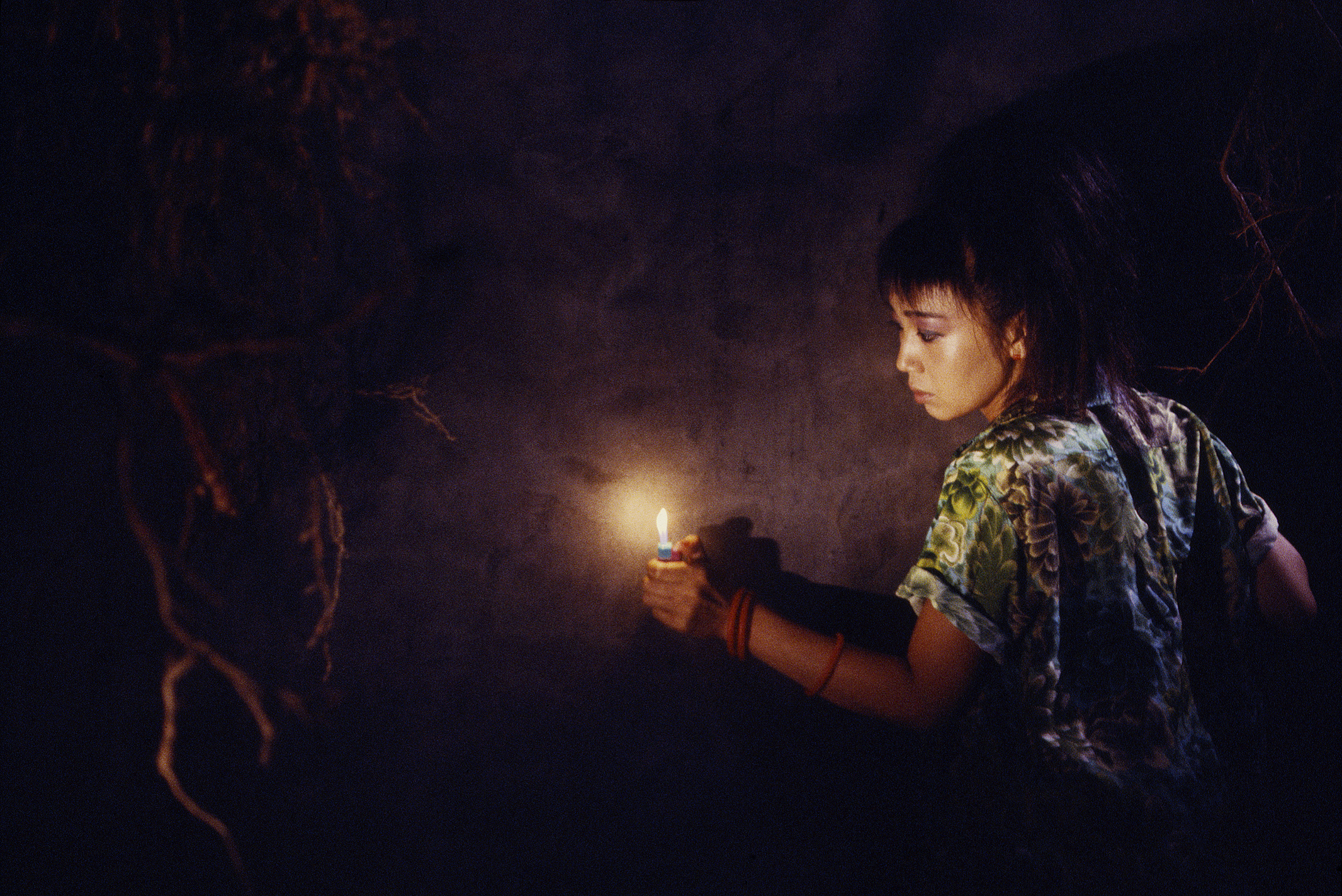
Masashi Yamamoto’s 16mm Bubble-era adventure stars Kumiko Ohta as a slacker who crafts a bohemian garden in the former industrial heartland of outer Tokyo.

To Sleep So as to Dream

Online & in-person at Le Petit Versailles

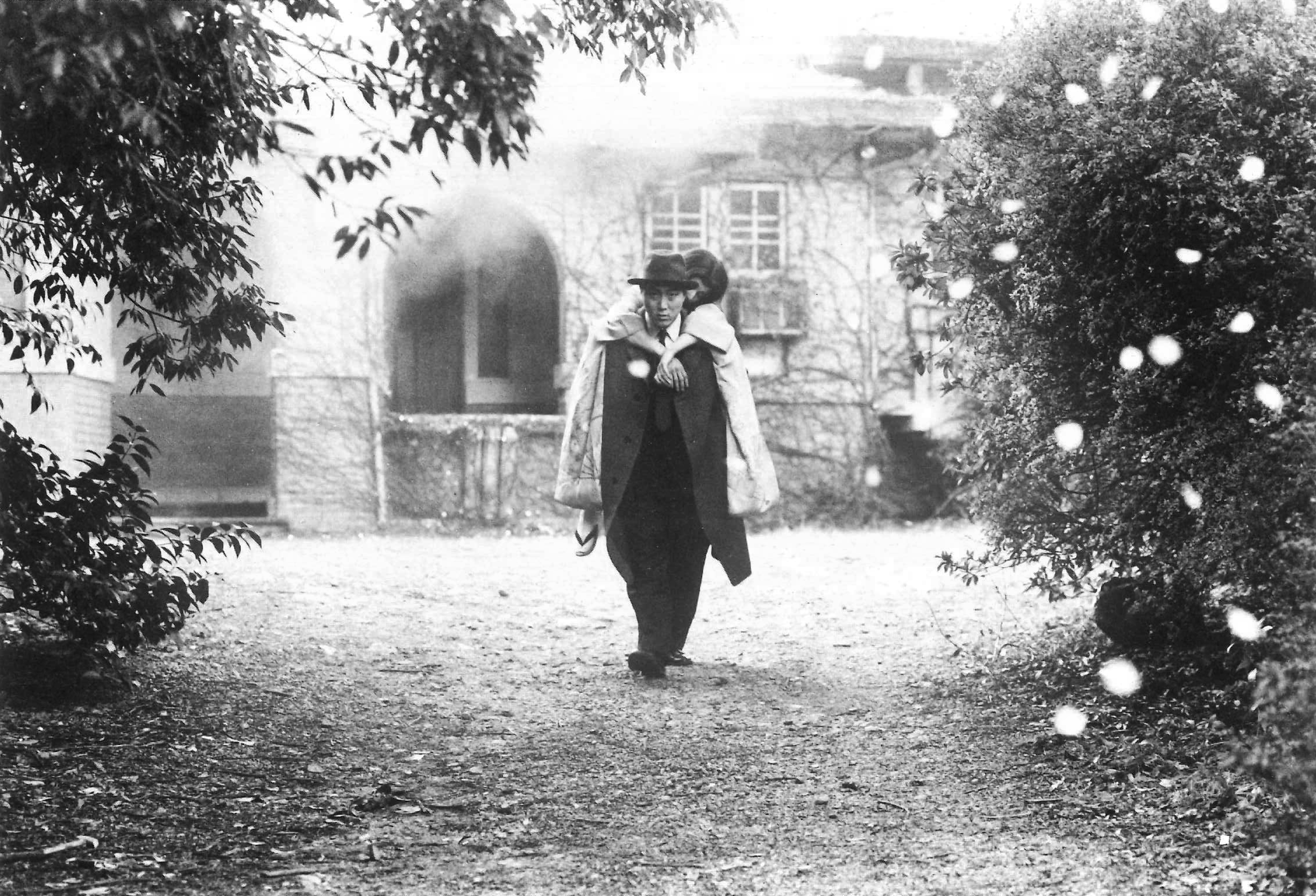
Kaizo Hayashi’s 1986 debut feature in which an ageing starlet sends a pair of detectives into a sleepless world of silent cinema in search of her kidnapped daughter.

DOCUMENTARY FOCUS

No Smoking

Online only

Documentary exploring the long and varied career of Haruomi Hosono.

Ushiku

Online only

Filmed mainly with hidden camera, Thomas Ash’s harrowing documentary exposes a series of human rights abuses at the Ushiku immigration detention centre. Review.

Why You Can’t Be Prime Minister

Online only. Available in North America.

Probing doc from Arata Oshima following an idealistic political candidate over 17 years.

EXPERIMENTAL SPOTLIGHT

The Blue Danube

Online only

A soldier seconded to play in a marching band begins to question the eternal war with the village on the other side of the river in Akira Ikeda’s absurdist drama.

Double Layered Town / Making a Song to Replace Our Positions

Online only

Four young travellers relate the stories of the 2011 earthquake and tsunami in verbatim stage performances running concurrently with a fictional narrative set in 2031.

Tickets for in-person screenings are on sale now via the official website. Passes for the virtual festival priced at $69 are currently available with individual rentals on sale from Aug. 20. You can also keep up with all the festival news as well as the year round programme via Japan Society New York’s website, or by following them on Twitter and Facebook.

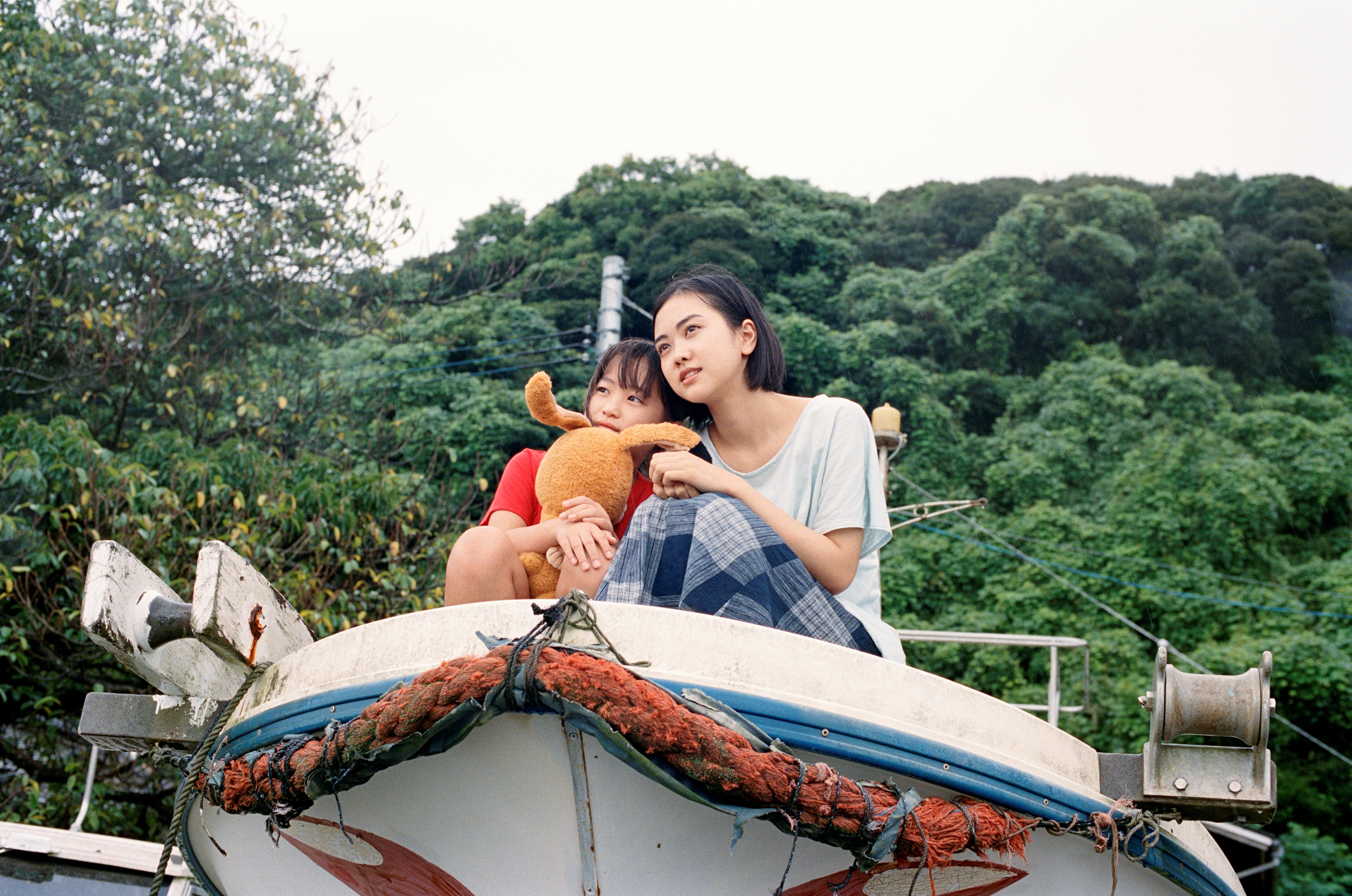
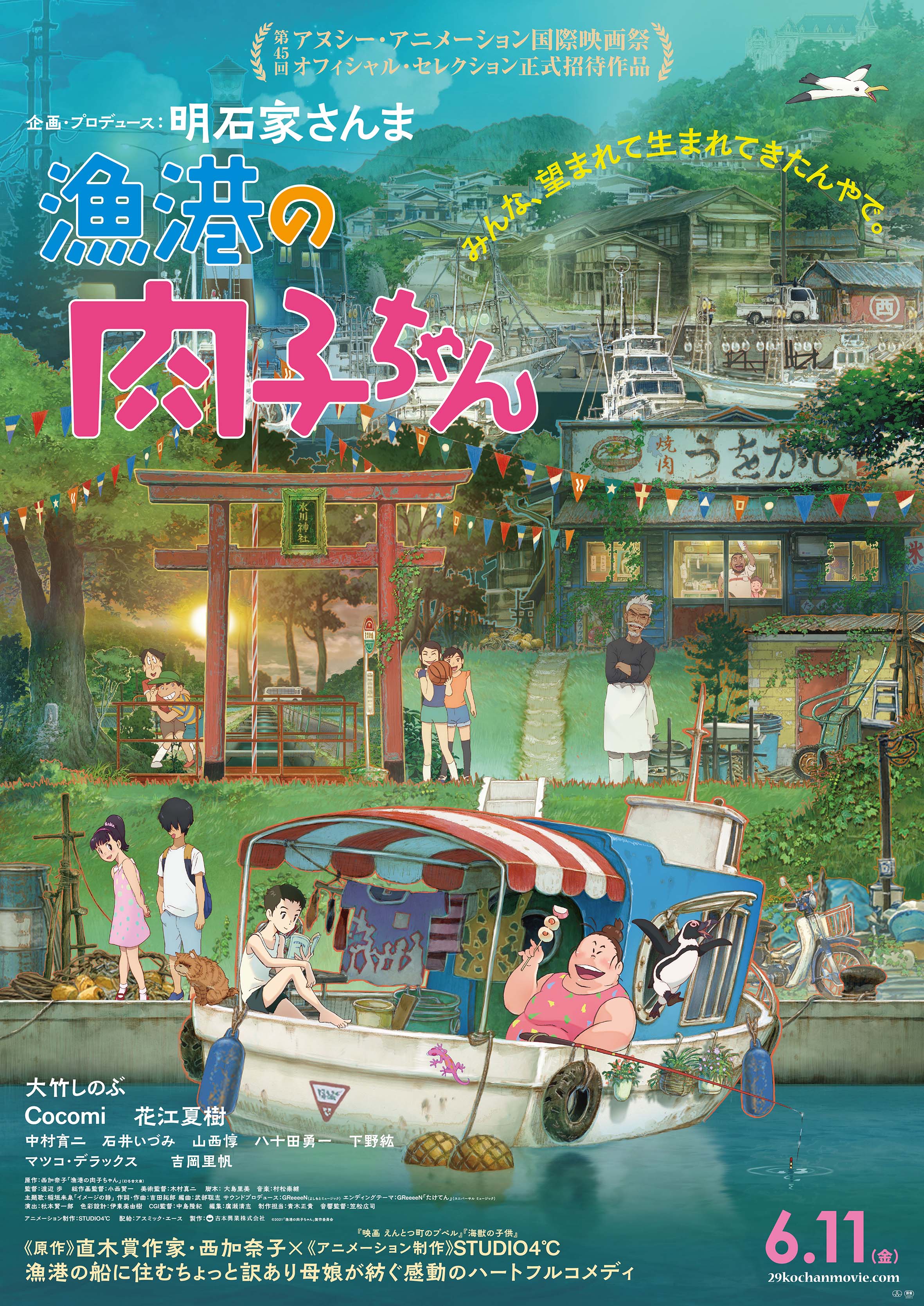
Fortune Favors Lady Nikuko (漁港の肉子ちゃん, Ayumu Watanabe, 2021) [Fantasia 2021]

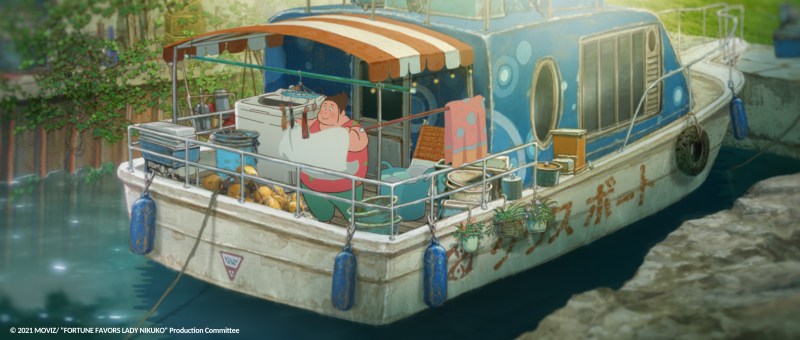
Most children begin to find their parents embarrassing as they approach adolescence, but the problem seems to be particularly acute for young Kikuko. Adapted from the (quite wonderful) novel by Kanako Nishi, Ayumu Watanabe’s Fortune Favors Lady Nikuko (漁港の肉子ちゃん, Gyokou no Nikuko-chan) finds its young heroine struggling to define herself in world of constant anxieties while coming to accept that “ordinary is best” after all and even if her mother is “imperfect” it hardly matters, she loves her all the same. 

As Kikuko (Cocomi) outlines in her opening monologue, she’s recently moved to a small Northern port town with her larger than life mother, Nikuko (Shinobu Otake), after weaving a trail of romantic disappointment over half of Japan. In fact and somewhat unusually, mother and daughter share the same first name (if written with different characters), which is why the sometimes exasperated Kikuko has taken to referring to her mother as “Nikuko”, “Niku” meaning meat in reference to her weight. Though the film Kikuko is less caustic than her counterpart from the novel, there is a good deal of fat shaming in her sometimes contemptuous dismissal of her mother, also often regarding her as stupid both in terms of her intellectual ability, she’s obsessed with kanji puns but often makes spelling mistakes, and in her tendency to be duped by a string of no good men who generally take advantage of her kind heart. 

Being young as she is, Kikuko hasn’t yet learned to appreciate the importance of a kind heart, a lesson she’s about to learn as she finds herself in the middle of a burgeoning conflict between her classmates some of whom feel “left out” in never being picked by the popular girls when they peel off to play basketball at lunch time. When her friend Maria (Izumi Ishii) stages a rebellion, Kikuko doesn’t quite know what to do. After all, what Maria’s doing is only a different kind of bullying, but as she says it isn’t nice to feel left out and even if her solution may be wrongheaded perhaps Kikuko should have looked more deeply at why her friend felt that way rather than rather cruelly assuming she was doing it for attention and deserved everything she got. Bonding with a near silent boy, Ninomiya (Natsuki Hanae), who finds himself compelled to pull faces when no one’s looking, shows her the error of her ways in that she never thought herself to be such a “mean and nasty” person. 

It’s this lack of emotional intelligence that causes her to feel embarrassed by her mother who is, it has to be said, something of walking cliché of a stereotypical working class Osaka woman, loud, brash, and nattering away in her Southern dialect. Mother and daughter couldn’t be more different, tomboyish Kikuko stick thin and a serious bookworm, while the bubbly Nikuko is childishly impulsive and openhearted. Kikuko sometimes feels as if she’s the parent and is embarrassed by Nikuko’s larger than life qualities in a culture that prefers women to remain quiet and take up as little space as possible. Not to mention the fact they live on a boat. About to enter adolescence she’s also sick of being constantly on the move and is becoming paranoid that Nikuko is about to start another relationship with a terrible man meaning they’ll have to move again. 

Yet Nikuko hardly minds Kikuko’s contempt of her and despite having lived a hard life remains compassionate and understanding, seeing the best in everyone and always finding the small moments of joy life has to offer. She is also infinitely in tune with her daughter, half thinking she can hear it too when Kikuko “hears” various creatures and even a shrine “talking” to her as she wanders about the town exercising her rather overactive imagination. A series of climactic events culminating in a medical emergency in which she figures a few things out forces Kikuko to wrestle with herself and stop judging her fiercely non-judgemental mum to realise that she loves her after all even if she can’t resist being a little unkind in expressing it. A gentle coming-of-age tale set in a delightfully old-fashioned and beautifully animated fishing village, Fortune Favors Lady Kikuko is chock-full of heart (not to mention expertly translated kanji puns) as its somewhat resentful heroine begins to find safe harbour and finally steps into herself with a spirit of acceptance and understanding. 


Fortune Favors Lady Nikuko screened as part of this year’s Fantasia International Film Festival.

Original trailer (English subtitles)

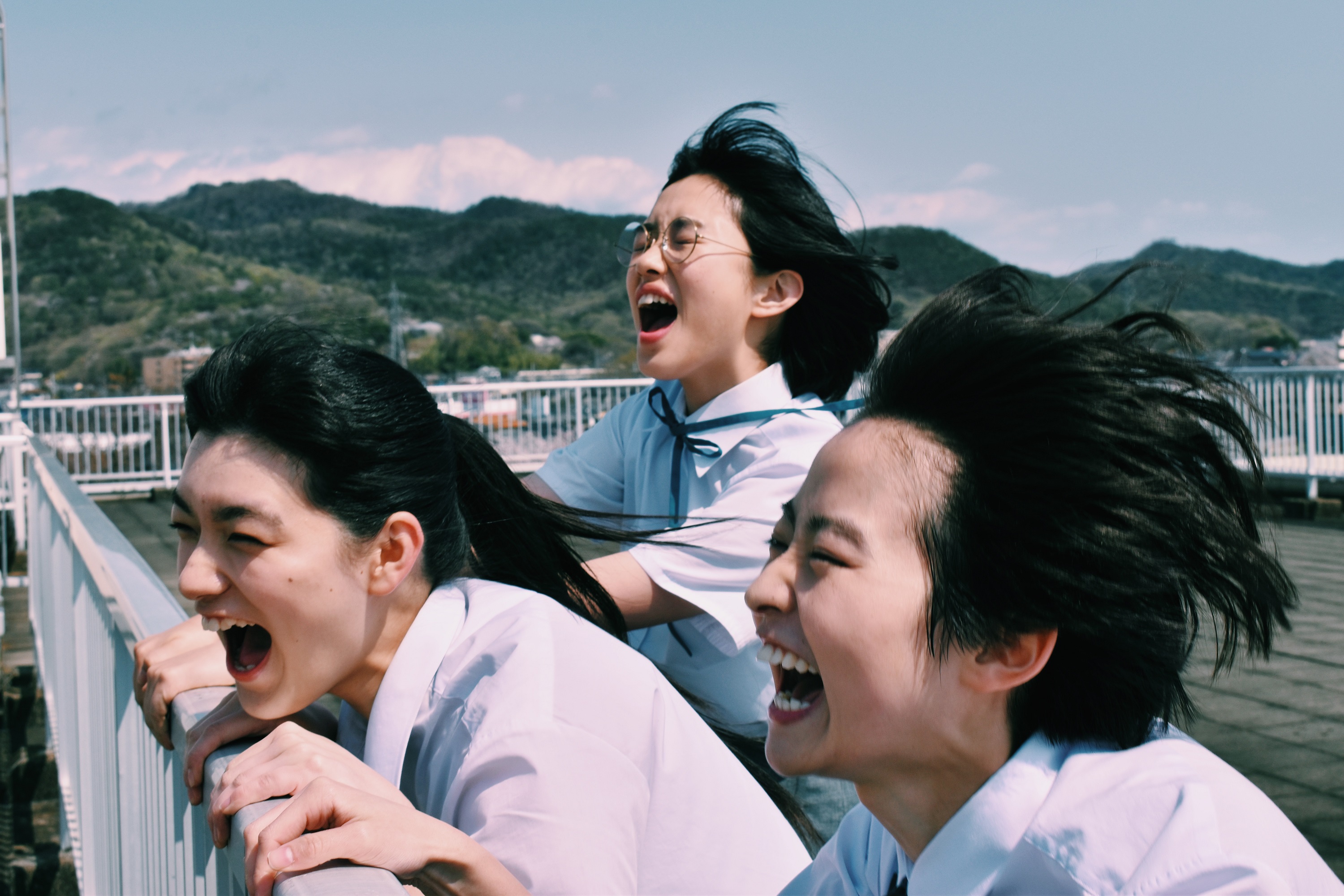
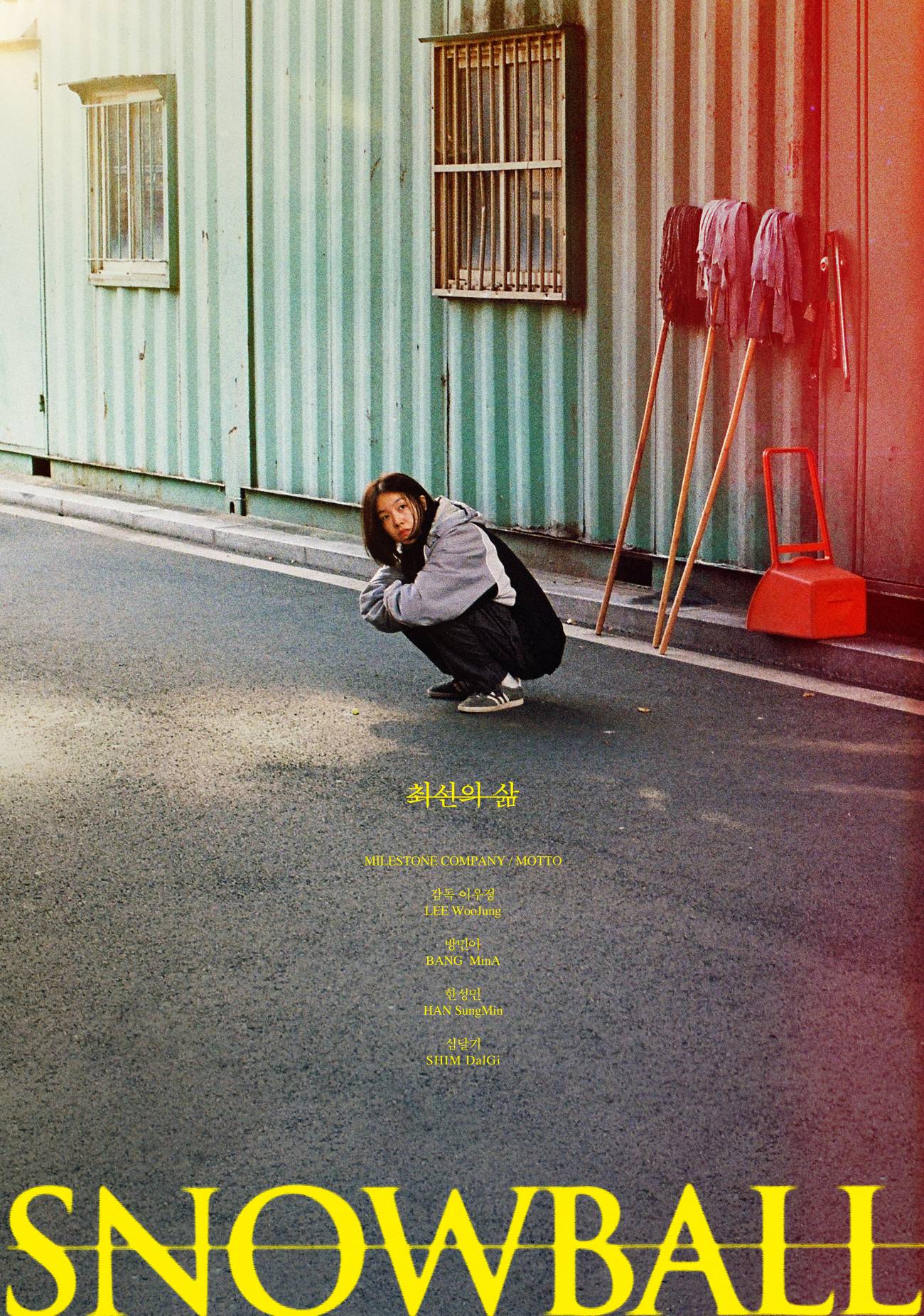
Snowball (최선의 삶, Lee Woo-jung, 2020)

Three teenage girls seeking escape from an unsatisfying adolescence find only betrayal and disappointment in Lee Woo-jung’s sensitive adaptation of the novel by Lim Solah, Snowball (최선의 삶, Choisunui Sarm). Each oppressed by a resolutely patriarchal society, the three women nevertheless differ in the their respective traumas and resentments finding solidarity in the strength of their friendship only to witness it crumble when its barriers must necessarily be confronted. “Why did you do this to me?” Kang-yi (Bang Min-ah) eventually asks, only to receive no answer and realise that in the end they did to and for themselves. 

Though perhaps feeling a sense of familial rejection in the otherwise peaceful home she shares with her overly religious Buddhist mother, emotionally reserved father, and a little dog also yearning for love, Kang-yi is ostensibly the least burdened of her friends if facing a similar sense of detachment. Aloof golden child So-young (Han Sung-min) is clever and pretty, everything seems to go right for her as Kang-yi enviously explains, except for her dream to become a model and actress which her family apparently don’t support. Ah-ram (Shim Dal-gi), by contrast, is quirky and rebellious with a tendency to collect stray animals and other items from the street little caring who they may or may not belong to but is also trapped in abusive home with an authoritarian father. When So-young one day suggests running away together the other girls agree, but after the novelty wears off and they begin to run out of money the realities of a forced adulthood are suddenly brought home to them. 

The depths of their naivety are perhaps signalled in an early and misguided attempt to misuse a potentially predatory middle-aged man who offers them money for food, allows them to stay in his apartment, and suggests an improbably low stress job they might be able to do for him. As she’s want to do, Ah-ram runs off with his wallet only to begin feeling sorry him seeing as there’s so little in it and he is so clearly lonely even if So-young proclaims him a creep. Picking up a mattress in the street the girls end up sleeping in a stairwell, only for Kang-yi and So-young to return and find Ah-ram apparently beaten and raped by a man she later willingly returns to, talking as if such brutal treatment is a normal part of any relationship. “Children, when you’re in love you sometimes get into fights” she depressingly explains, later implying that her violent boyfriend has become her pimp as she slides into sex work in an effort to provide economic support to all three of them. 

So brutalised is she, that Ah-ram thinks nothing of the abuse she continues to suffer while So-young solipsistically wallows in a sense of defeat and despair. It’s at this point she whips out a credit card she’s apparently been carrying all along, her choice not to use it seemingly less about the possibility of its being traced than a stubborn desire to insist she is as underprivileged as her two friends. As we later discover, Kang-yi lied about her address to get into the school and in fact lives in a run-down semi-rural area some distance away, secretly regarded as even more of a hick provincial by the upwardly mobile So-young. Nevertheless, it’s not class differences which eventually shatter their friendship but repressed sexuality. One extremely hot evening, So-young and Kang-yi share a moment of physical intimacy but while it only seems to bind Kang-yi more closely to her friend, So-young is unable to cope with the taboo realisation of her desires and becomes increasingly irritable, distancing herself from both of the other girls before abruptly deciding to call the experiment in independence short and return to her parental home. 

All Kang-yi wants is a return to their former friendship, but So-young’s repression eventually turns violent. Rejecting Kang-yi and Ah-ram she becomes a part of the popular set and embarks on a campaign of bullying that leaves Kang-yi both physically bruised and emotionally wounded. Yet she is also in her own way repressed, unable to accept her parents’ love for her and often ignoring the plaintive cries of the family dog longing to be picked up and held. Neither she nor Ah-ram are able to conceive of a future for themselves, Kang-yi’s sense of rejection eventually pushing her towards a self-destructive act of violence that will further rob her of possibility and the potential for happiness. Captured with a restless, roving energy imbued with with the colours of twilight, Lee’s melancholy indie drama suggests that not even friendship can provide a refuge from the pressures of the modern society and its relentlessly oppressive social codes in which internalised shame can quickly snowball into an avalanche of violence.


Snowball screened as part of this year’s New York Asian Film Festival.

Festival trailer (no subtitles)

Tokyo Revengers (東京リベンジャーズ, Tsutomu Hanabusa, 2021) [Fantasia 2021]

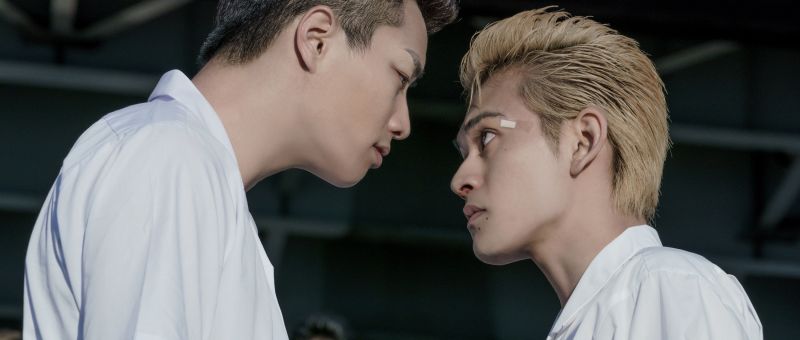
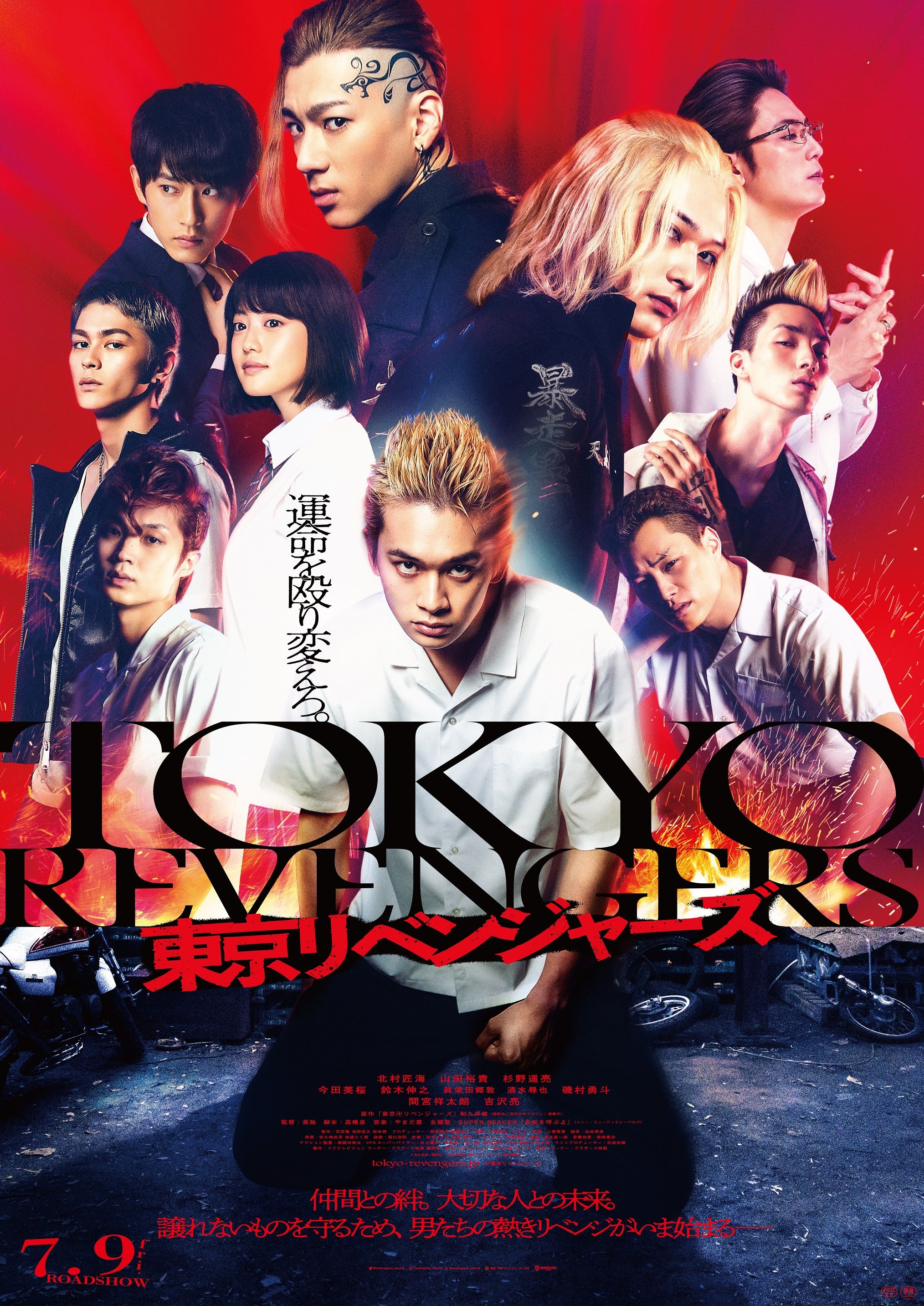
“You don’t deserve to change my life” the hero of Tsutomu Hanabusa’s adaptation of Ken Wakui’s manga Tokyo Revengers (東京リベンジャーズ) eventually affirms in finally facing his fears while trying to change destiny not least his own. In contrast to its original meaning in English, the wasei eigo “Revenge” usually means not payback but “rematch” or at least a second chance to prove oneself or make up for a past mistake. Through his time travel shenanigans, this is perhaps what young Takemichi (Takumi Kitamura) is attempting to do in revisiting the events which he feels ruined his life and left him a useless coward too cowed to offer much resistance to his continual degradation. 

Now 27, Takemichi lives in a rundown, untidy apartment and works part-time in a bookstore where his boss inappropriately mocks for him for still being a virgin, the kind of guy who peaked in high school and can’t move on from adolescent bravado. He might have a point in a sense in that Takemichi is indeed arrested but hearing on the news one day that his first love Hinata (Mio Imada) has been killed in a car accident supposedly caused by the Tokyo Manji gang alongside her brother Naoto (Yosuke Sugino), he finds himself thinking back to his school days. It’s at this point that someone shoves him off a train platform and, facing certain death, he suddenly finds himself in the body of his 17-year-old, bleach blond delinquent self. Takemichi assumes it’s a near death flashback, but later wakes up back in the present and realises that his actions in the past have consequences in the future. 

Quite clearly taking its cues from classic high school delinquent manga in which moody high school boys vie for the top spot through relentless violence, Tokyo Revengers nevertheless undercuts the genre’s macho posturing in firstly having Takemichi broken by his first defeat and then allowing him to reclaim his space as a hero through his determination to care for and protect others even if his final victory is in facing the man he held responsible for shattering his sense of self. Sent back into the past to prevent the Tokyo Manji Gang from ever forming, Takemichi refuses the obvious early solution but remains conflicted in realising that at its inception “Toman” saw itself as a compassionate force for good, a far cry from the nihilistic violence it now brings to the city. Rather than more violence, he finds a solution in its reverse, safeguarding relationships and preventing heartbreak in order to ensure no one else’s soul is corrupted by grief or loneliness. 

Takemichi feels himself powerless but is valued by his friends for his determination to protect others no matter the cost to himself, as he unwittingly proves through his time travel adventures attempting to save himself as much as Hinata by restoring his sense of self apparently shattered by his subjugation at the hands of a rival gang back back in high school. At 27 he’s a meek and broken man, forever apologising for his existence and living an unfulfilling life always running away from challenge or difficulty. Given an improbable second chance, he begins to find the courage to do it all differently with the benefit of hindsight and the stability of age, finally facing his teenage trauma as a fully adult man.  

Like any good delinquent movie, Hanabusa makes space for more than a few mass brawls along with intensely personal one-on-one battles drawing a direct line between high school violence and street war thuggery. “Thugs aren’t cool anymore” Toman leader Mikey (Ryo Yoshizawa) had explained, his compassionate second in command Kenchin (Yuki Yamada) reminding him to “have a heart” in keeping gang violence within the confines of their society and refraining from injuring innocent people. Toman aren’t yakuza, but they are perhaps the inheritors of jingi, or at least would be if left untouched by trauma and betrayal. In beating his own trauma, Takemichi undoes his destiny saving his friends and himself by learning to embrace his inner strength and refusing to back down in the face of intimidation. Part high school delinquent manga, part time travel adventure, Hanabusa’s sci-fi-inflected drama swaps macho posturing for a more contemplative take on the weight of past mistakes while giving its hero a second chance to be the kind of man he always thought himself to be.


Tokyo Revengers screened as part of this year’s Fantasia International Film Festival.

Original trailer (English subtitles)
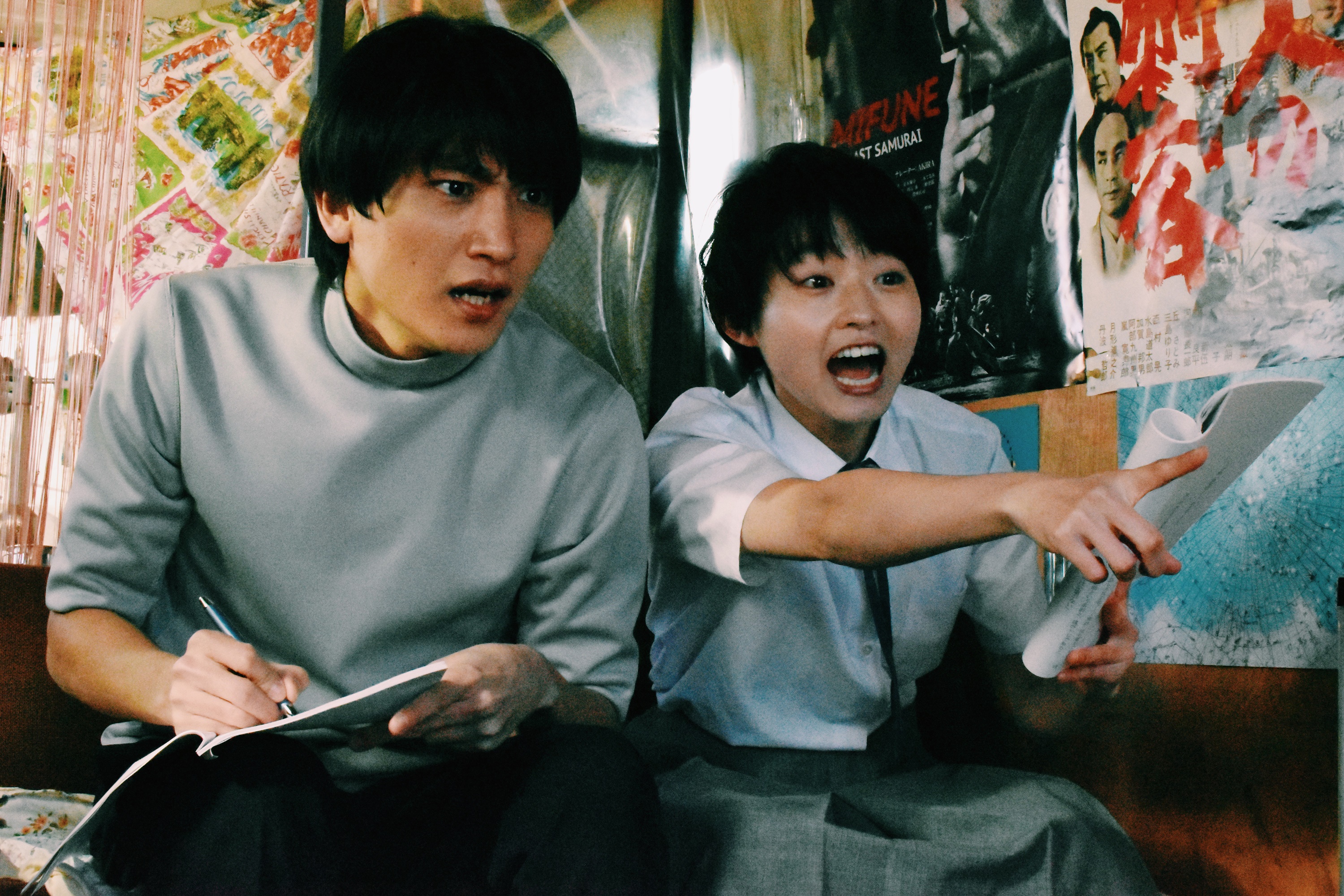
A Leg (腿, Chang Yao-sheng, 2020)
“Life is long. We all have some regrets.” a grieving widow is told by a disingenuous doctor in full damage limitation mode. He’s not necessarily wrong, nor is his advice that the widow’s pointless quest to retrieve her late husband’s amputated limb has little practical value though of course it means something to her and as he’d pointed out seconds earlier a physician’s duty is to alleviate suffering of all kinds. Apparently inspired by the true story of director Chang Yao-sheng’s mother, A Leg (腿, Tuǐ) is in many ways a story of letting go as the deceased man himself makes a presumably unheard ghostly confession while his wife attempts to do the only thing she can in order to lay him to rest. 

Husband Zi-han (Tony Yang) is in hospital to deal with a painful, seemingly necrotic foot which eventually has to be amputated in a last ditch attempt to cure his septicaemia. “Keep the leg and lose your life, or keep your life and lose the leg” the otherwise unsympathetic doctor advices wife Yu-ying (Gwei Lun-mei) in a remark which will come to seem ironic as, unfortunately, Zi-han’s case turns out to be more serious than first thought and he doesn’t make it through the night. Grief-stricken, Yu-ying leaves in an ambulance with the body but later turns back, determined to retrieve the amputated foot in order that her husband be buried “complete” only it turns out that it’s not as simple as she assumed it would be. 

The loss of Zi-han’s foot is all the more ironic as the couple had been a pair of ballroom dancers. As Yu-ying makes a nuisance of herself at the hospital, Zi-han begins to narrate the story of their romance which began when he fell in love with a photo of her dancing in the window of his friend’s photography studio. Explaining that, having died, he’s reached the realisation that everything beautiful is in the past only he was too foolish to appreciate it, Zi-han looks back over his tragic love story acknowledging that he was at best an imperfect husband who caused his wife nothing but pain and disappointment until the marriage finally broke down. He offers no real explanation for his self-destructive behaviour save the unrealistic justification that he only wanted Yu-ying to live comfortably and perhaps implies that his death is partly a means of freeing her from the series of catastrophes he brought into her life. 

Given Zi-han’s beyond the grave testimony, the accusation levelled at Yu-ying by his doctor that the couple could not have been on good terms because Zi-han must have been ill for a long time with no one to look after him seems unfair though perhaps hints at the guilt Yu-ying feels in not having been there for her husband when he needed her. As we later discover, however, this is also partly Zi-han’s fault in that he over invested in a single piece of medical advice and resisted getting checked out by a hospital until he managed to sort out an insurance scam using his photographer friend, wrongly as it turned out believing he had a few months slack before the situation became critical and paying a high price for his tendency to do everything on the cheap. Nevertheless, Yu-ying’s quest to reattach his leg is her way of making amends, doing this one last thing for the husband whom she loved deeply even though he appears to have caused her nothing but misery since the day they met. 

In order to placate her, the slimy hospital chief offers to have a buddhist sculptor carve a wooden replica of Zi-han’s leg made from wood destined for a statue of Guan-yin goddess of mercy but Yu-ying eventually turns it down, struck by the beauty of the object but convinced that turning it to ash along with her husband’s body would be wrong while believing that wood ash and bone ash are fundamentally different. She regrets having ticked the box on the consent form stating she didn’t want to keep the “specimen”, never for one moment assuming that her husband would not recover. Despite their dancing dreams, she thought the leg was worth sacrificing against the long years they would have spent together after, though this too seems a little unlikely considering the state of their relationship prior to her discovery of Zi-han’s precarious health. Zi-han meanwhile is filled with regret for his continually awful behaviour and the obvious pain he caused his wife. Getting his leg back allows him to begin “moving on” while doing something much the same for Yu-ying though his afterlife pledge about the endurance of love seems a little trite given how he behaved while alive. A little more maudlin than your average quirky rom-com, A Leg nevertheless takes a few potshots at a sometimes cold, cynical, and inefficient medical system, inserting a plea for a little more empathy from a pair of unexpectedly sympathetic police officers, while insisting that it’s important to dance through life with feeling for as long as you’re allowed. 


A Leg screens Aug. 14  & streams in the US Aug. 15 – 20 as part of this year’s New York Asian Film Festival.

Original trailer (English/Traditional Chinese subtitles)