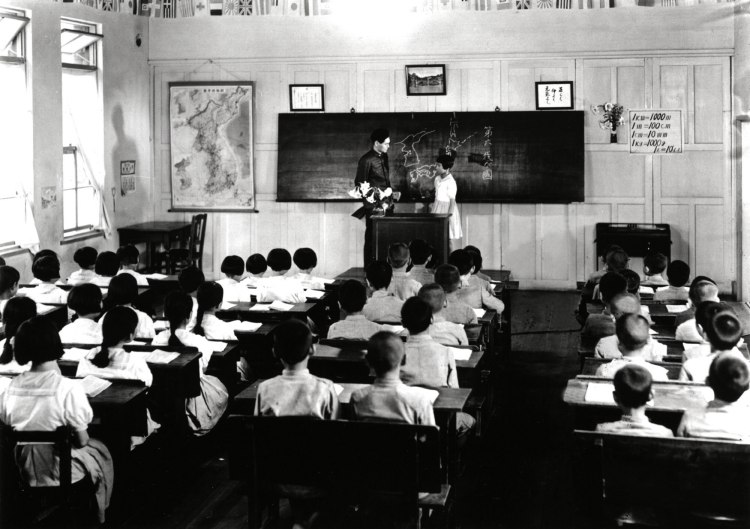
 Long thought lost, Tuition (수업료, Su-eop-ryo) is an unusual example of Korean film made during the Japanese colonial period. Released in 1940, the film depicts the lives of ordinary people facing hardship during difficult economic conditions though there is no reference made to the ongoing military situation. The story itself is inspired by a prize winning effort by a real life school boy who was doubtless experiencing something similar to the trials of Yeong-dal, however, directors Choi In-gyu and Bang Han-joon made several subversive changes to the script at the filming stage in an attempt to get around the censorship regulations.
Schoolboy Yeong-dal lives alone with his grandmother after his parents have left to try and make more money. The pair are struggling to get by already and the grandmother is so exhausted that she’s beginning to become too ill to continue working. Yeong-dal’s biggest preoccupation is the money for his school fees, they’re already a few months behind and besides it being embarrassing in front of his friends, he’s worried he’ll be kicked out altogether. They’ve also got the landlord breathing down their necks and the threat of eviction hanging over them too. When the worst comes to the worst, Yeong-dal sets off on a long and arduous journey walking to his aunt’s house in a distant village in the hope that she will lend him the money for his school fees.
The original script for Tuition was written entirely in Japanese as was common for the era. However, at the shooting stage, the directors put most of the dialogue back into Korean other than that which would naturally occur in Japanese. The kids are taught in Japanese at school – their Japanese tutor doesn’t even really understand Korean as can be seen when he decides to visit Yeong-dal’s home to see why he hasn’t been coming to class and struggles to converse with his grandmother. At home and in the streets everyone speaks Korean to each other, Japanese is reserved for official occasions only.
That said, the tuition the children are receiving is entirely geared to turning them into loyal Japanese citizens. They read about mainland Japanese history with an unusual amount of passion for school kids reciting from a text book, enjoying exciting stories of ancient battles somehow separated from the real political context of the time. Likewise, as Yeong-dal makes his arduous solo road trip, it’s a Japanese military song he sings to raise his spirits rather than a Korean folk tune or familiar lullaby.
Aside from the political ramifications, the reasons the film proved so popular at the time were more likely to do with the feel good story of a small boy so committed to his studying, and to the honesty of being able to pay for it, that he’d walk miles and miles all alone solely for the promise of being able to ask a family member to borrow the money. Actually, his aunt seems to be extremely well off when he gets there and gives him a huge bag of rice as well as the tuition fees so one has to wonder why Yeong-dal and grandma haven’t upped sticks and gone to stay with her ages ago rather than endure this life of extreme hardship and near starvation. It is, however, a happy ending for little Yeong-dal who finds his perseverance and determination rewarded and not only that, his struggles have also inspired his schoolmates to start a charity collection to help other pupils who find themselves unable to pay the school fees.
Tuition isn’t particularly notable in terms of its directing style which remains relatively simple though typical of the time, but does offer an interesting window into the cinema of the late colonial period which has often been difficult to see. The film’s child’s eye view of economic hardship which is filled more with shame and worry than it is with fear, also make it an interesting addition to the world of depression era children’s cinema inviting comparisons with the films of Hiroshi Shimizu which appear to have influenced Tuition to some degree. Only recently rediscovered, Tuition is an invaluable resource for the history of Korean cinema but is also the heartwarming tale of an earnest little boy winning through despite almost insurmountable odds.
Tuition is the fifth film in the Korean Film Archives The Past Unearthed Project which is attempting to recover some of these lost and hidden films from the 1930s and 40s. Like the majority of releases from the Korean Film Archive, Tuition includes English subtitles and comes packaged in an elegant slipcase. The set also includes a beautifully designed booklet which resembles an old fashioned school excercise book and as usual also contains an English translation of the original Korean text. The DVD itself is region free!
 Kon Ichikawa may be best remembered for his mid career work, particularly his war films The Burmese Harp and
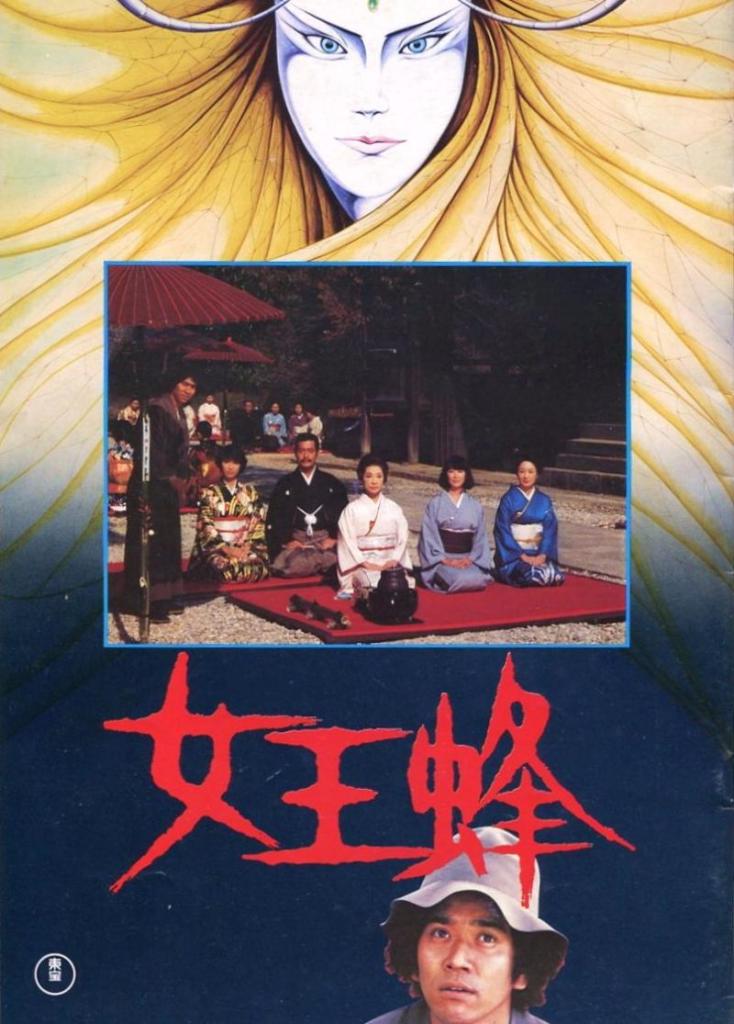
  These days, cats may have almost become a cute character cliche in Japanese pop culture, but back in the olden days they weren’t always so well regarded. An often overlooked subset of the classic Japanese horror movie is the ghost cat film in which a demonic, shapeshifting cat spirit takes a beautiful female form to wreak havoc on the weak and venal human race. The most well known example is Kaneto Shindo’s Kuroneko though the genre runs through everything from ridiculous schlock to high grade art film.
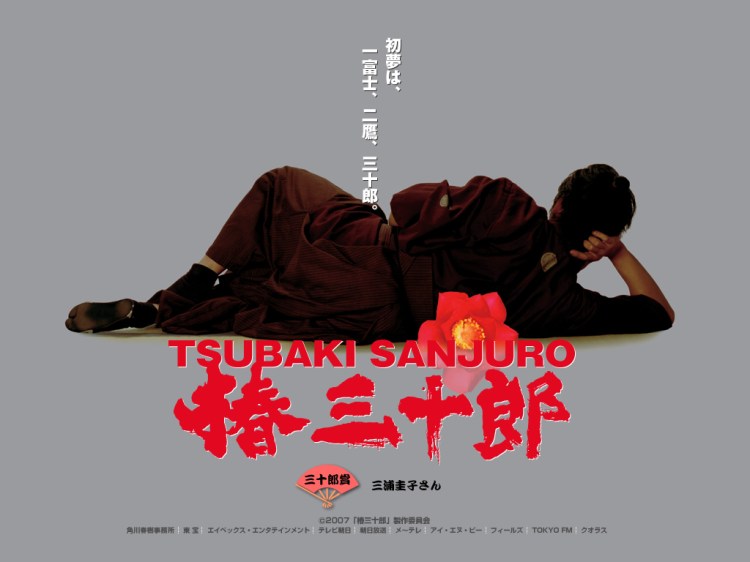 Generally speaking, where a film has been inspired by already existing source material, it’s unfair to refer to it as a “remake” even if there has been an iconic previous adaptation. That said, in the case of Tsubaki Sanjuro (椿三十郎), “remake” is very much at the heart of the idea as the film uses the exact same script as the massively influential 1962 version directed by Akira Kurosawa which also starred his muse Toshiro Mifune. Director Yoshimitsu Morita is less interested in returning to the story’s novelistic roots than he is in engaging with Kurosawa’s cinematic legacy.
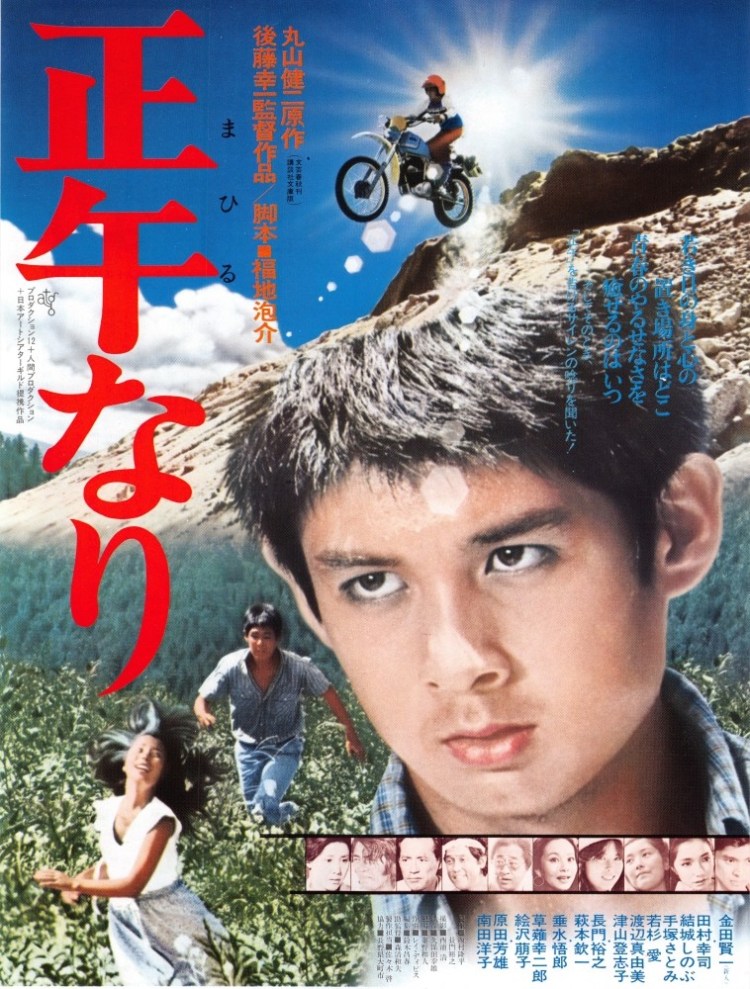 Koichi Goto’s Art Theatre Guild adaptation of Kenji Maruyama’s 1968 novel At Noon (正午なり, Mahiru Nari) begins with a young man on a train. Forlornly looking out of the window, he remains aboard until reaching his rural hometown where he makes a late entry to his parents’ house and is greeted a little less than warmly by his mother. The boy, Tadao, refuses to say why he’s left the big city so abruptly to return to the beautiful, if dull, rural backwater where he grew up.
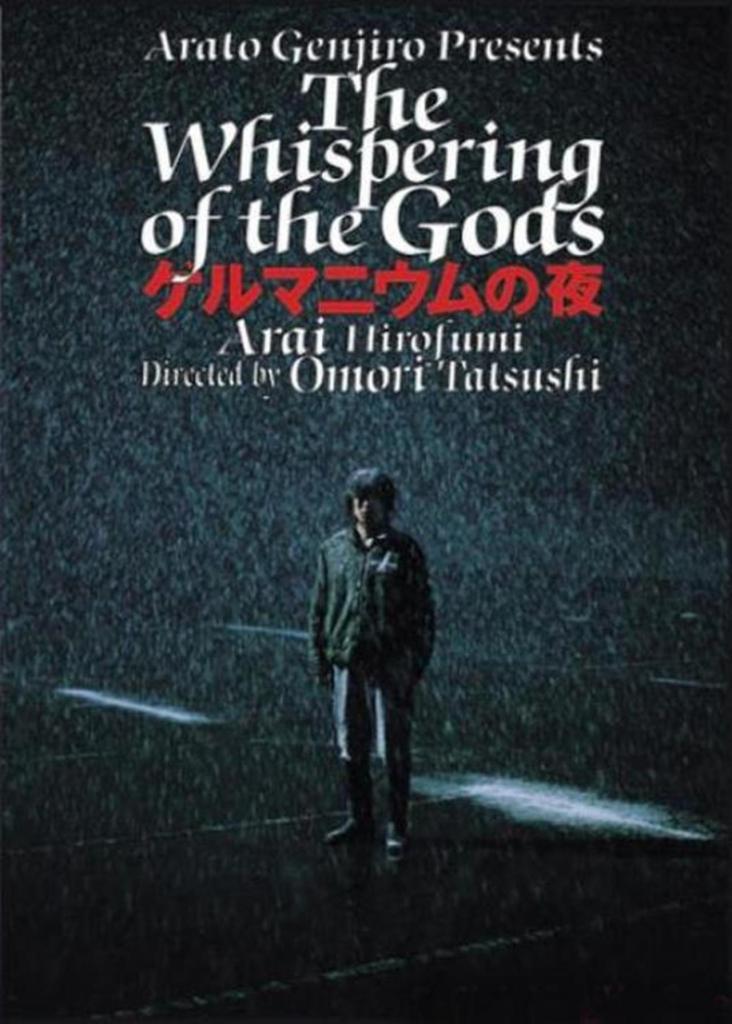 If you’ve ever wondered what it’s like to live in hell, you could enjoy this fascinating promotional video which recounts events set in an isolated rural monastery somewhere in snow covered Japan. A debut feature from Tatsushi Omori (younger brother of actor Nao Omori who also plays a small part in the film), The Whispering of the Gods (ゲルマニウムの夜, Germanium no Yoru) adapted from the 1998 novel by Mangetsu Hanamura, paints an increasingly bleak picture of human nature as the lines between man and beast become hopelessly blurred in world filled with existential despair.
 Nobuhiko Obayashi might be most closely associated with his debut, Hausu, which takes the form of a surreal, totally psychedelic haunted house movie, but in many ways his first feature is not particularly indicative of the rest of Obayashi’s output. 1984’s The Deserted City (AKA Haishi, 廃市), is a much better reflection of the director’s most prominent preoccupations as it once again sees the protagonist taking a journey of memory back to a distant youth which is both forgotten in name yet ever present like an anonymous ghost haunting the narrator with long held regrets and recriminations.
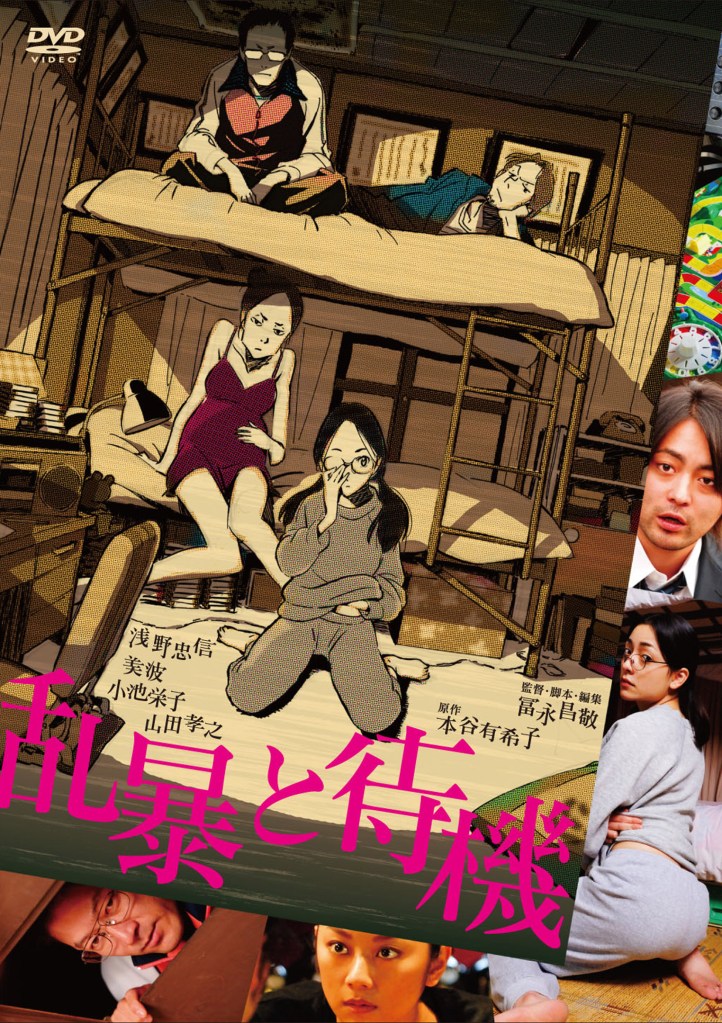 Vengeance is a dish best served cold, but then if you’re going to wait a while perhaps you should make sure to add plenty of salt and spice to the mix to disguise its rather rancid odour. Adapted from a play by Yukiko Motoya, Masanori Tominaga’s Vengeance Can Wait (乱暴と待機, Ranbou to Taiki) is the strange tale of four interconnected people who each become ensnared in a bizarre circle of violent revenge!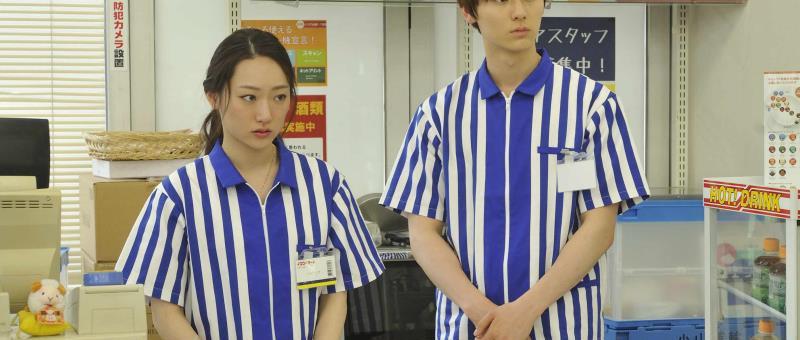
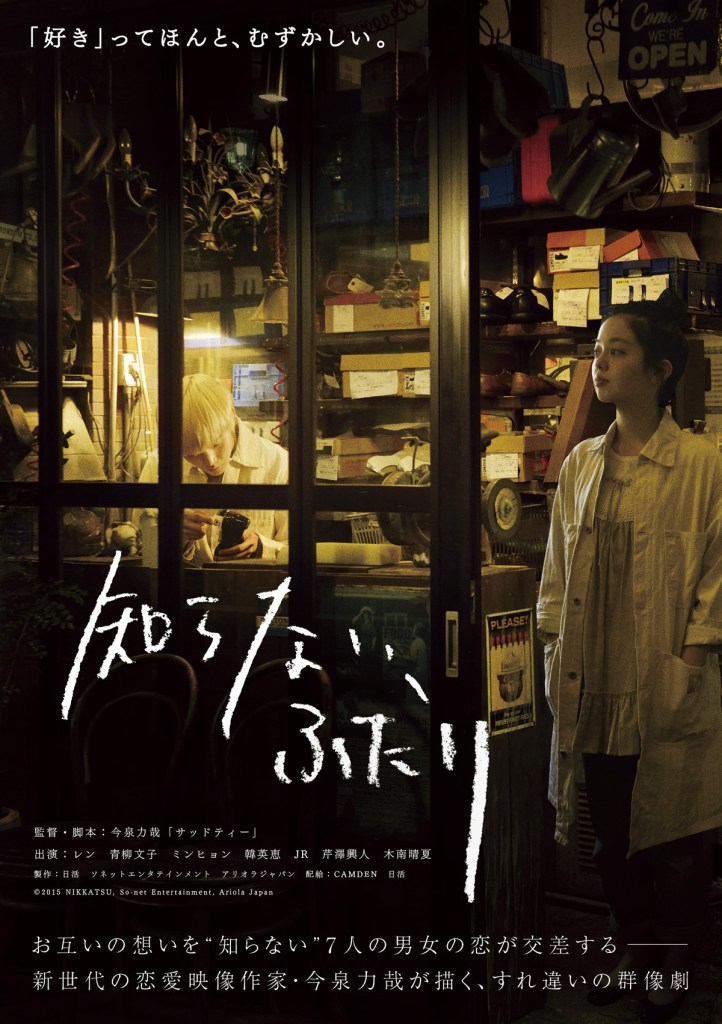 Ah young love! So beautiful, so complicated, so retrospectively trivial. Intrigue engulfs a group of young Koreans living in Japan, their co-workers, and even their English teacher and her fiancee in Rikiya Imaizumi’s indie youth meets boyband quirky romance movie, Their Distance (知らない、ふたり, Shiranai Futari). The aptly named picture paints a vista of misdirected love, miscommunication and misjudged honesty to show how messy romance can be even when it’s intent on being cute.
 Caesium is a chemical element which has the distinction of being one of the very few metals which remains liquid at room temperature. These days you’re most likely to hear about one of its isotopes which is produced as a result of nuclear fission and can pose a serious environmental problem following a nuclear related disaster. Caesium comes to be something of an obsessive concern for the 17 year old heroine of Ryo Saitani’s debut film, Cesium and a Tokyo Girl (セシウムと少女, Cesium to Shojo), as Mimi comes to connect the presence of caesium in the water with the constant soreness she’s been experiencing with her tongue since the disaster hit.
 Windows on Worlds