 Hiroshi Shimizu is well known as one of the best directors of children in the history of Japanese cinema, equalled only by the contemporary director Hirokazu Koreeda. The Shiinomi School (しいのみ学園, Shiinomi Gakuen) is one of the primary examples of his genius as it takes on the controversial themes of the place of the disabled in society and especially how children and their parents can come to terms with the many difficulties they now face.
The Yamamotos are a happy family with two sons. However, their elation at the birth of their first child soon turned to tragedy as the boy became seriously ill with polio. Times being what they were, the treatment is not completely effective and although their son thankfully survived, he did so with a lamed leg. Now an older child, Yudo walks with a crutch and is constantly left out or bullied by his fellow children. After their second son, Teruhiko, also contracts the disease and is left even more seriously affected than his brother, the Yamamotos decide to open a school for survivors of polio where they can play together, learning how to live with the effects of the disease, free of the stigma which plagues them in their everyday lives.
Yudo just wants to play baseball and the other kids tell him he can if he brings a catcher’s mitt of his own but when he does they take it away from him and use it themselves while he sits and sadly watches them play. When his dad arrives and tries to tell them off, the kids form a mob and all leave together, fake limping as they go. Children are monsters, and often far less forgiving of difference than their adult counterparts (though it has to be said that the parents of other children are hardly blameless here). It’s not surprising that Mr. Yamamoto would want to protect his son by taking him out of this harsh environment where he’s constantly reminded of his disability and a target for the other kids’ cruel games.
The Shiinomi School may be at odds with modern thinking, but its heart is definitely in the right place. The Yamamotos are operating from a humanist perspective – they want to provide a place which helps the children to grow up strong and independent, fully able to cope with their various disabilities, where they can also escape the extreme prejudice which infects society in general. This prejudice is best brought out not by Yudo’s treatment by the other boys, but by the sad case of Tetsuo whose father had so little idea what to do with him that he used to tie him to a pole. Tetsuo’s dad has since remarried and his new wife has no intention of looking after a disabled child so they’ve brought him to Shiinomi with the intention of abandoning him there. Mr. Yamamoto is shocked and originally refuses to take the boy in protest at the idea of a father who wouldn’t want to try and do everything for his son, but eventually reconsiders when he thinks about what the boy is going back to.
Unintentionally segregating the children has some benefits in the short term but there are those who may feel that it sends a message that the problem is with the children and not with the society which rejects them. Perhaps by giving these children a happy childhood and protecting them from the cruelty of others it’s also leaving them unprepared to deal with that same cruelty once they come of age. In any case Shimizu shoots with his trademark humanity, valiantly showing the children singing loudly and learning to enjoy their lives despite their many hardships. From tiny acorns mighty oaks do grow, the Yamamotos want nothing more than to raise these children in love and acceptance and, if the final scene of the children walking down the lane alone with a song on their lips is anything to go by, you could say their efforts have been richly rewarded.
 No names, no strings. That’s the idea at the centre of Daisuke Miura’s adaptation of his own stage play, Love’s Whirlpool (愛の渦, Koi no Uzu). Love is an odd word here as it’s the one thing that isn’t allowed to exist in this purpose built safe space where like minded people can come together to experience the one thing they all crave – anonymous sex. From midnight to 5am this group of four guys and four girls have total freedom to indulge themselves with total discretion guaranteed.
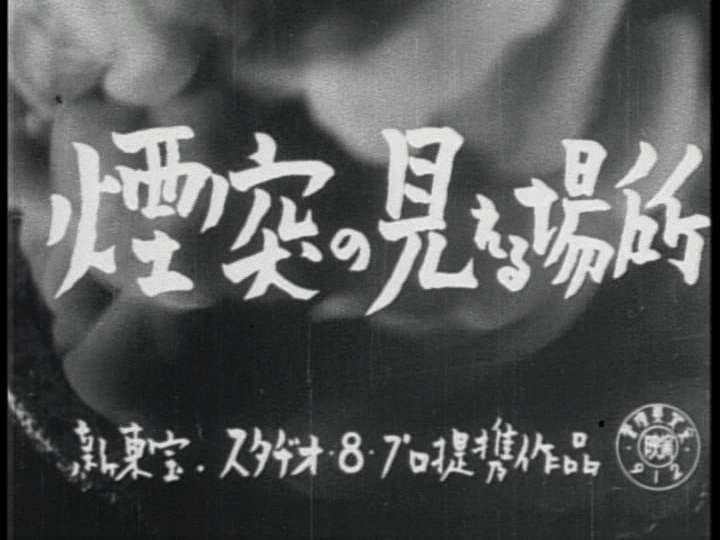 Where Chimneys are Seen (煙突の見える場所, Entotsu no Mieru Basho) is widely regarded as on of the most important films of the immediate post-war era, yet it remains little seen outside of Japan and very little of the work of its director, Heinosuke Gosho, has ever been released in English speaking territories. Like much of Gosho’s filmography, Where Chimneys are Seen devotes itself to exploring the everyday lives of ordinary people, in this case a married couple and their two upstairs lodgers each trying to survive in precarious economic circumstances whilst also coming to terms with the traumatic recent past.
 Making a coming of age film when you’re only 14 is, in many ways, quite a strange idea but this debut feature from Ryugo Nakamura was indeed directed by a 14 year old boy. Focussing on a protagonist not much younger than himself and set in his native Okinawa, Catcher on the Shore (やぎの冒険, Yagi no Boken) is the familiar tale of a city boy at odds with his rural roots and the somewhat cosy, romantic relationship people from the town often have with matters of the countryside.
 Throughout his career Lee Sang-il has shown himself adept at creating ensemble character dramas but nowhere is this as much in evidence as in his well crafted debut, Border Line. Focussing on the unlikely overlapping stories of a number of people who each find themselves crossing a threshold of a more spiritual nature, Border Line traces back each of the fractures in contemporary society to the broken cord of the parental bond.
 Hibari Misora was one of the leading lights of the post-war entertainment world. Largely active as a chart topping ballad singer, she also made frequent forays into the movies notably starring with fellow musical stars Izumi Yukimura and Chiemi Eri in the
 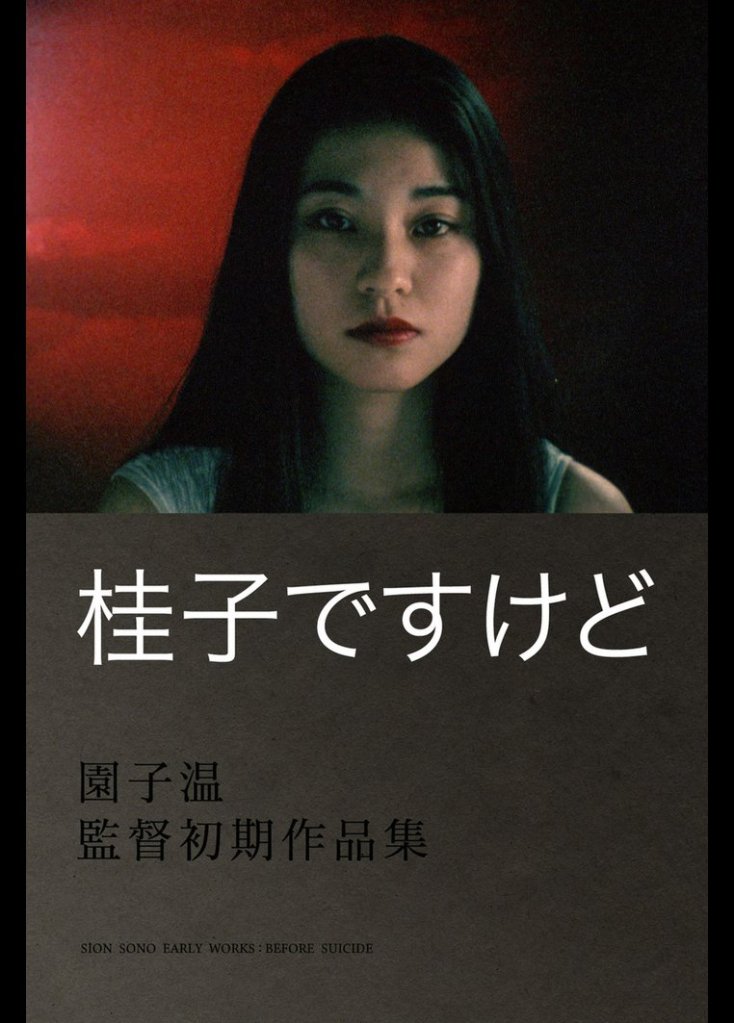 I was 21 years when I wrote this song, I’m 22 now but I won’t be for long…the leaves that are green are turning to brown for the heroine of Keiko Desu Kedo (桂子ですけど, “I am Keiko”). Approaching her 22nd birthday and with the recent death of her father ever present in her mind, she’s begun to feel the passage of time even more keenly. She doesn’t want to miss out on or forget anything so she’s going to share with us the last three weeks of her 21st year on Earth.
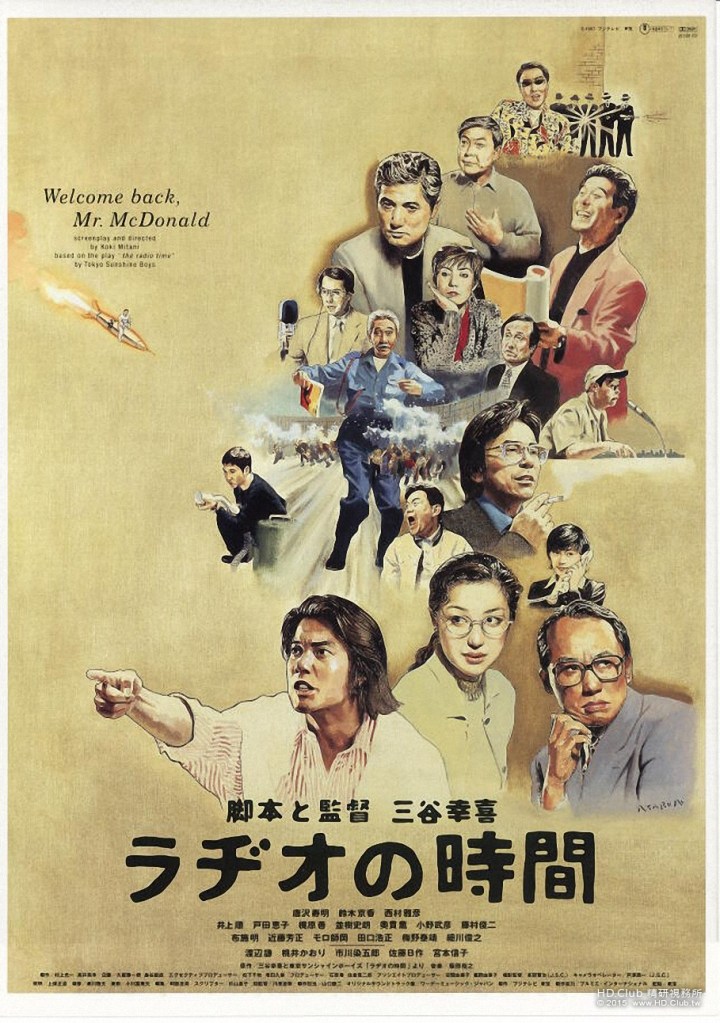 Koki Mitani is one of the most bankable mainstream directors in Japan though his work has rarely travelled outside of his native land. Beginning his career in the theatre, Mitani is the master of modern comedic farce and has the rare talent of being able to ground often absurd scenarios in the humour that is very much a part of everyday life. Welcome Back, Mr. McDonald (ラヂオの時間, Radio no Jikan) is Mitani’s debut feature in the director’s chair though he previously adapted his own stage plays as screenplays for other directors. This time he sets his scene in the high pressure environment of the production booth of a live radio drama broadcast as the debut script of a shy competition winner is about to get torn to bits by egotistical actors and marred by technical hitches.
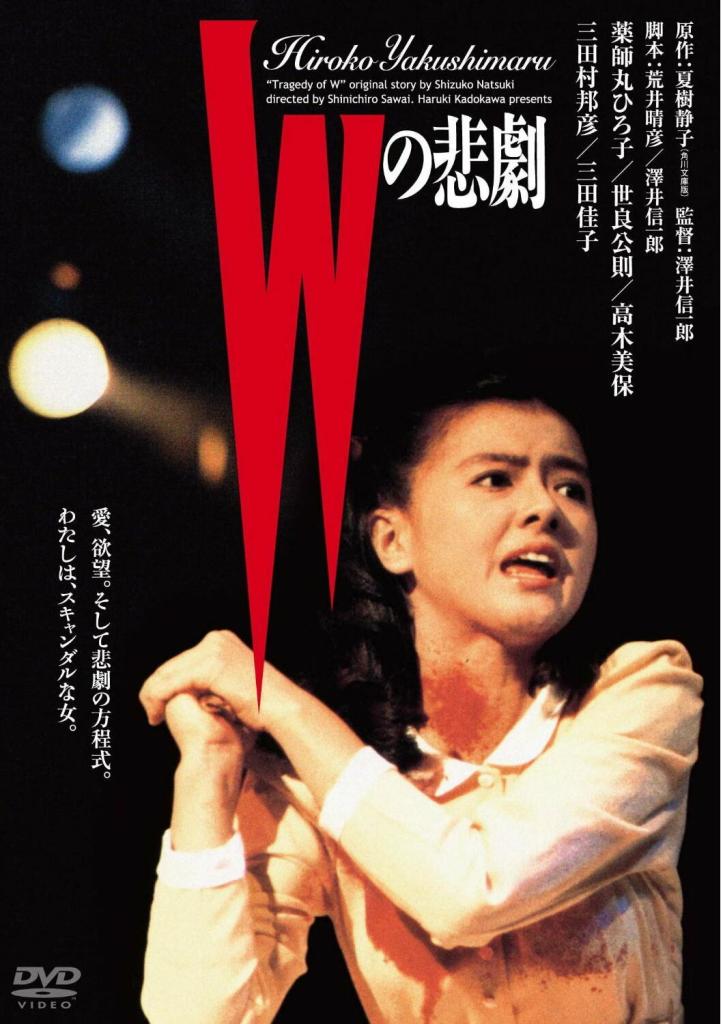 Hiroko Yakushimaru was one of the biggest idols of the 1980s. After starring in Shinji Somai’s
 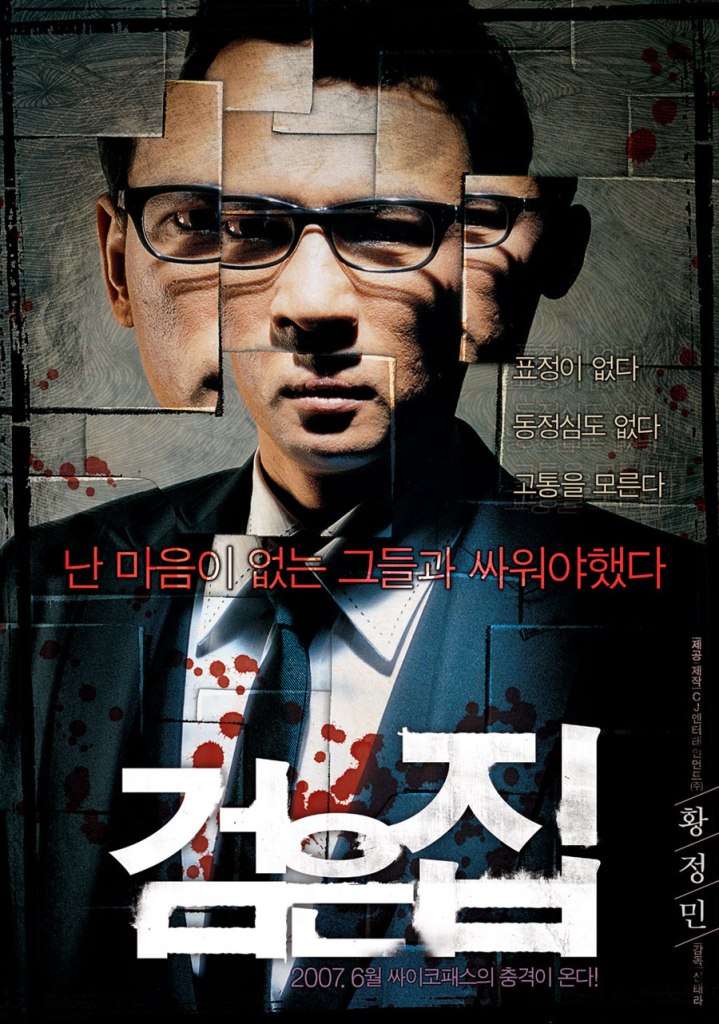 Yusuke Kishi’s Black House source novel was
