Vision (ビジョン, Naomi Kawase, 2018)

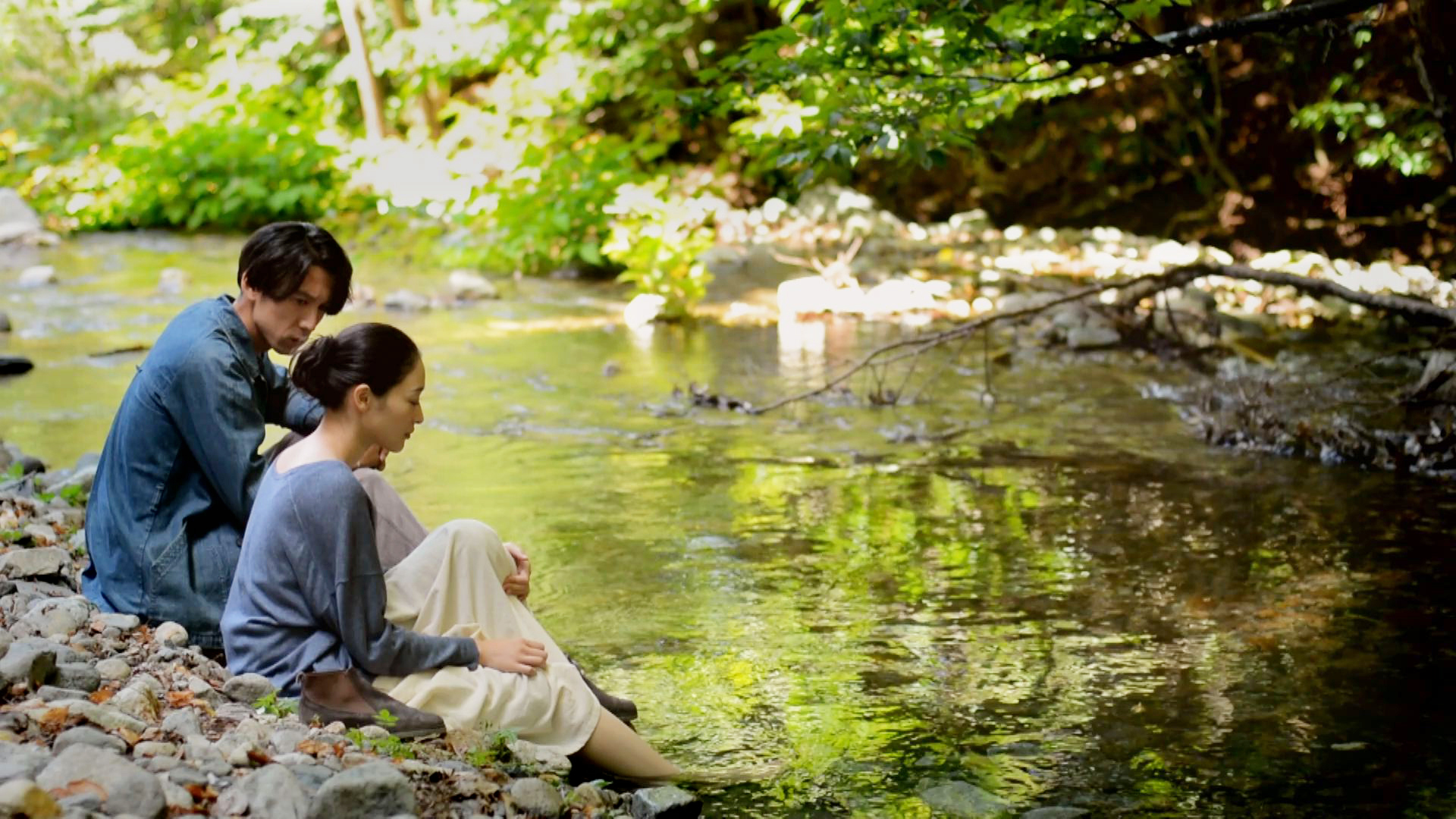
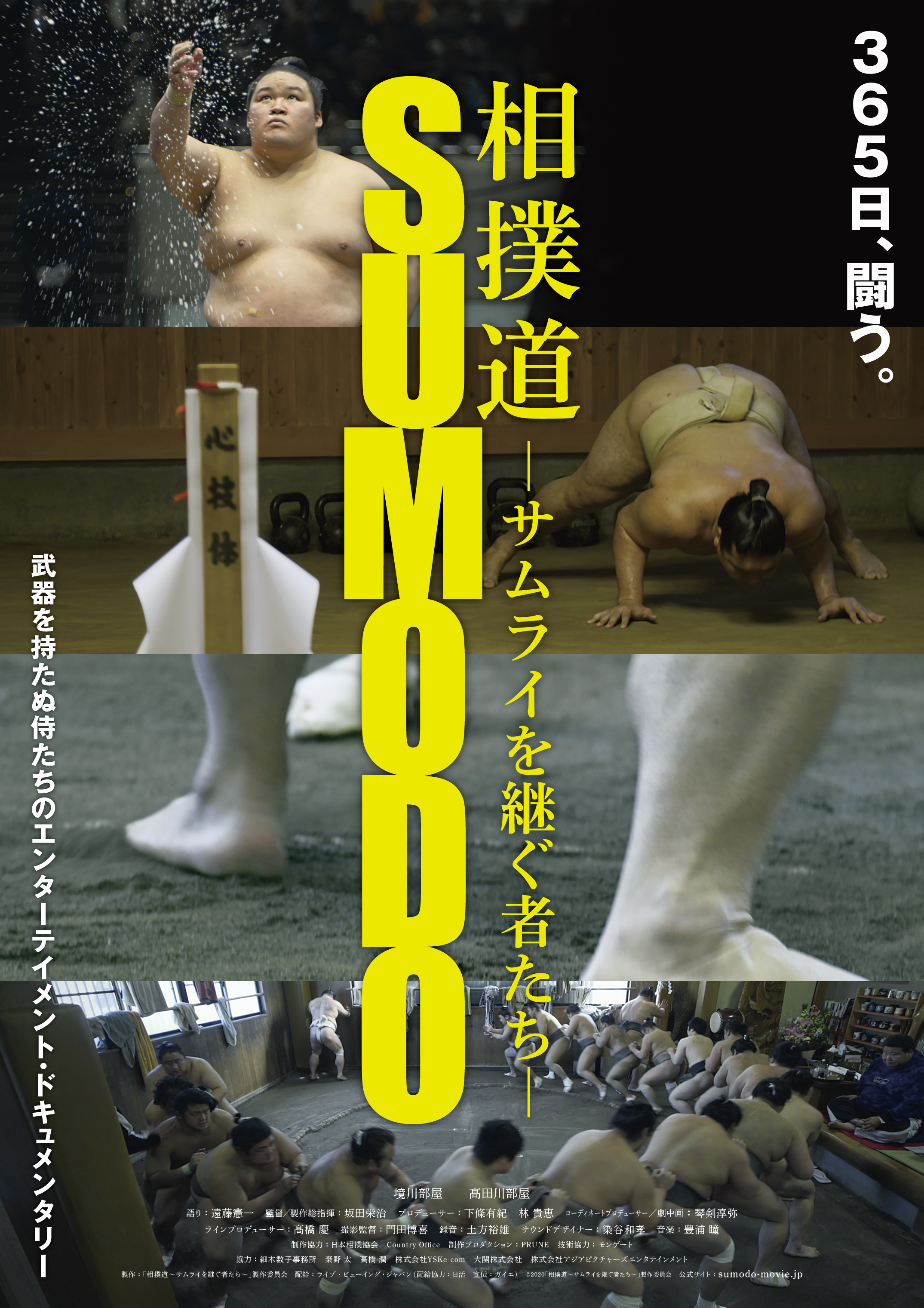
In her most recent work, Naomi Kawase has been moving further towards the mainstream, shooting in a more conventional arthouse register and mainly casting established professional actors in contrast to the amateurs who often took centre stage in her earlier career. Vision (ビジョン) however returns her to her familiar Nara Prefecture with its verdant forests and rolling mists and to more obscure realms of poetic ambiguity and new age philosophy.

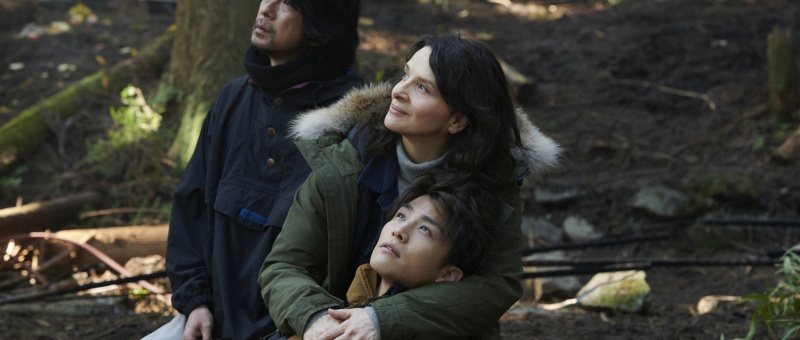
French scientist/travel writer Jeanne (Juliette Binoche) has come to Japan in search of a herb so rare it apparently only spores once a millennium but has the capability to “dispel human weakness, agony, and pain”. Tomo (Masatoshi Nagase), a mountain man she ends up lodging with along with her interpreter Hana (Minami), answers only that “happiness exists in each of our hearts”, a somewhat hollow and ironic reply given his general grumpiness and stern expression. He tells them that he’s only lived in the cabin for 20 years having moved to the country because he was “tired” and that his purpose is to save the mountain. Despite his seeming reluctance, he eventually introduces the pair to a blind shamaness who claims to be 1000 years old and was born when the last plant (or as she points out fungus) spored. 

Lost in the beauty of nature, Jeanne begins to wonder if she is really in the present, losing the certainty of the moment. We get occasional snippets of what seems to be memory bathed in a golden light and presented as flashback which might hint at the “pain” Jeanne is trying to cure through finding the “vision” herb even as she engages in a halfhearted though apparently passionate affair with the indifferent Tomo. She sees him as “starving” for something, not knowing what it is he’s longing for, though her friend describes him as “happy” as if silent like the mountain he claims to be saving though all we see him do is destroy it by carving up trees even if he does point again to the transience of things in explaining that the lumber he produces is the work of several generations who planted and grew so he could cut down, perhaps hinting back at Jeanne’s claim that when life develops too far it begins to destroy itself. 

Tomo doesn’t quite seem to buy her new age philosophies, explaining only that “you see, and hear, touch, you feel, that is everything”, rooting his sense of reality firmly within the realms of the sensual. “Sometimes because we have language we can’t understand each other” Jeanne later says, echoing him though perhaps accidentally while expounding on the human condition to a mysterious young man, Rin (Takanori Iwata), discovered injured in the forest. Aki (Mari Natsuki), the shamaness, advances that there are changes in the forest, that it has become unbalanced, and that it will soon be time for the “vision” to present itself though it seems to take a while for Jeanne to understand what form that may take. Aki dances furiously amid the trees as if bending them to her will, her ritualistic dance later echoed in the climatic final sequence that sets a fire in the mountain but causes Tomo to suddenly declare that it is after all alive. 

Jeanne finds her “vision” in an alignment of past and future, a familial, generational reunion which allows her ease her pain just as it was said vision would do. All moments are perhaps one moment. On the train Hana had described a feeling of long forgetten happiness that Jeanne’s travel essay had provoked in her as akin to “nostalgia”, instantly amusing Jeanne who is overcome by the incongruity of this young woman already romanticising a sense of nostalgia for an unlived past. Tomo had declared that it was enough simply to remember that he too was a part of this world, but is suddenly reminded that he is not alone. Literally setting fire to the past they buy themselves the possibility of being reborn, making space for new growth in the knowledge that the mountain is “alive” as indeed are they. Tomo has saved the mountain, and Jeanne has perhaps saved herself. “Isn’t it beautiful?” she exclaims embracing a new vision of a bright and shining future no longer burdened by pain or despair.


Vision streams in the US until Dec. 23 alongside Naomi Kawase’s 1997 debut Suzaku as part of Japan Society New York’s Flash Forward series.

Trailer (English subtitles)

Suzaku (萌の朱雀, Naomi Kawase, 1997)

Changing times and economic malaise slowly encroach upon the lives of an ordinary rural family in Naomi Kawase’s Caméra d’Or winning feature debut, Suzaku (萌の朱雀, Moe no Suzaku). Previously known for her experimental 8mm documentaries, Kawase maintains a trademark naturalism in capturing both the beauty of the natural world and the incidental details of everyday life as the family finds itself at odds with its environment, facing a moment of extreme transience as they recognise the existential threat to their way of life that is caused by, perhaps ironically, a failure of modernity. 

The action opens in the early 70s as an ordinary family take breakfast in a remote rural cabin with a picturesque view of a verdant local mountain. Patriarch Kozo (Jun Kunimura) lives with his wife Yasuyo (Yasuyo Kamimura), mother Sachiko (Sachiko Izumi), daughter Michiru (Machiko Ono), and Eisuke (Kotaro Shibata), the son of his estranged sister whose continued absence already seems to hint at cracks in the family unit. Meanwhile, the village has been badly hit by an economic downturn causing many of the younger people to leave and seek their fortunes in the city. Hopes have been pinned on a controversial rail line with Kozo one of its foremost proponents, hoping that with greater infrastructure provision the town will be reinvigorated. Kawase then flashes forward 15 years during which a now grown Eisuke has become the family’s breadwinner with a job at an inn outside of the village while Kozo appears depressed and Yasuyo seems to be suffering from some kind of illness. The long delayed rail project is finally cancelled, much to the consternation of the local community who now seem to have universally come round to the idea. They fear that cut off as they are, the village will dwindle, they will find it harder to find spouses, and their children will have far fewer possibilities. 

The smallness of the community is both a strength and a weakness as Kawase plays with the less palatable sides of isolation in the awkward adolescent infatuation of Michiru for her cousin who has been raised more or less as her brother while he appears to have a not altogether maternal appreciation for his aunt who is nearing the end of her tether with stultifying rural life and her husband’s emotional absence, her mysterious illness perhaps a manifestation of her existential unease. She takes a part time job at the inn, moving further away from the family home, out of the village and towards the town while Kozo walks in the other direction, retreating into nature unable to step into the present let alone the future. 

Kozo’s camera reels may not contain any great secret but perhaps have their own profound truths, mimicking Kawase’s documentary practice as he captures the smiling faces of local farmers amid the natural greenery. It is precisely this, it’s implied, that he wanted to save, the traditional way of life with its tightly bound communities and local festivals, a life lived in concert with the natural world in all its glorious greenery. He watches the old couple next-door prepare to leave the village because their children have decided to put them in a nursing a home and the sight breaks his heart. He can’t bear to go on living in such a declining world. Pinning all his hopes on modernity he throws himself into the rail project, but in a slightly overworked metaphor the tunnel stops right in the middle. He cannot cross to the other side, and neither can Eisuke, permanently trapped by a painful sense of nostalgia but exiled from his natural habitat. 

Eisuke himself is already displaced as a foster child whose mother has abandoned him, apparently in the city but out of contact with her family. Michiru faces a similar dilemma when her mother finally decides it’s time to leave and return to her hometown. Grandma Sachiko sings a folksong sitting on her front porch which quickly gives way to the voices of children echoing those we heard in the opening sequence of 15 years previously in which the local kids played together happily making the most of a warm summer’s day. The family is scattered, divided along its natural fault-lines and trapped between tradition and unrealised modernity with only the melancholy comfort of transience to sustain them.


Suzaku streams in the US until Dec. 23 series alongside Naomi Kawase’s 2018 drama Vision as part of Japan Society New York’s Flash Forward series.

The Rose on His Arm (太陽とバラ, Keisuke Kinoshita, 1956)

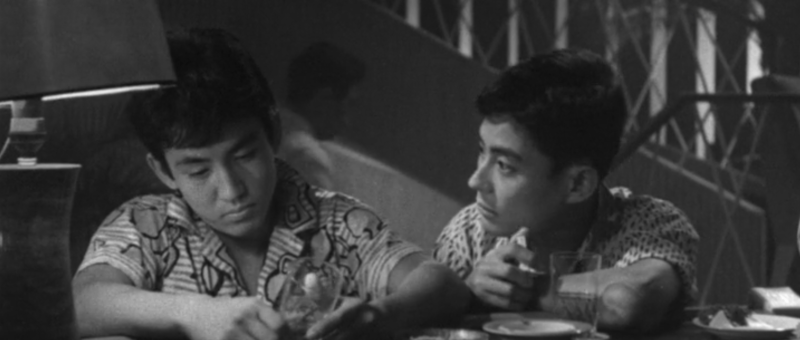
In the mid-1950s, a minor moral panic took hold over the so-called “Sun Tribe” movies which, inspired by the novels of Shintaro Ishihara, depicted a world of crazed abandon in which a collection of bored rich kids lost themselves in the hedonistic pursuits of sex and drugs rejecting the stability the wartime generation had striven so hard to create for their children. Shochiku, at that time the home of polite melodrama, nevertheless attempted to get in on the youth movie boom mostly through commissioning a series of young directors such as Kiju Yoshida and Nagisa Oshima in the hope that they could speak directly to their generation. Meanwhile, the by that point well-established Keisuke Kinoshita also made his own, perhaps surprising, take on the genre with The Rose on His Arm (太陽とバラ, Taiyo to Bara), a youth movie melodrama which nevertheless anticipated the questions others were beginning to ask about the Sun Tribe movies in their very particular view of contemporary class dynamics. 

Our hero, Kiyoshi (Katsuo Nakamura), is like the (anti-)heroes of the post-Sun Tribe youth movies, a poor boy turned delinquent out of a sense of frustrated hopelessness. Quitting one job after another solely because the work is boring, he spends most of his days hanging out at the beach with other no good kids robbing unsuspecting bathers. Kiyoshi’s sense of inferiority is compounded by the fact that his mother (Sadako Sawamura) works as a maid for a wealthy family while making ends meet by crafting paper flowers by night. The young master of the house where his mother works, Masahiro (Akira Ishihama), never misses a chance to lord his wealth over him but later co-opts Kiyoshi into his group of wealthy friends as a source of entertainment (and because his delinquent friend, Yamanaka (Tamotsu Tamura), begins supplying them with drugs).

“I screwed up my life because I was poor, what’s your excuse?” Kiyoshi eventually asks an indifferent Masahiro after beginning to see him for what he is. Like the hero of Punishment Room, Kiyoshi’s internalised resentment is partly down to a paternal failure in that he is deeply ashamed of his late father who died, his mother claimed, saving him but also in the course of his activities as a black marketeer in which he’d forced his son to be complicit. The family had apparently tried to make a life for themselves in the new colonies, in this case Palau, but of course had to return to Japan and were then penniless. People did what they had to do, but no one trusts a black marketeer and it seems to be a stain Kiyoshi (whose name means “pure”) cannot wash off. As a poor boy with no education or prospects, he knows all that awaits him is drudgery, so why not make a fast buck stealing purses at the beach rather than slave away at the factory for a week making less than Masahiro gets in pocket money from his factory owner father? 

Convincing himself he’s no good, Kiyoshi consistently sabotages opportunities but resents himself for doing so. He begins to buckle down at the factory but quickly becomes “bored” and starts taking advantage of his supportive floor manager while sucked into Masahiro’s hedonistic lifestyle even after it becomes obvious that he’s keeping him around to be some kind of hired goon, good for punching other pasty rich boys and hooking him up with underworld thrills. Masahiro is a delinquent because his life is too easy, he has no economic imperative to be responsible and will most likely go to college and then either take over the factory or walk into a lucrative salaryman job. Kiyoshi is a delinquent because he’s desperate and has no other means of living. 

Meanwhile he resents his mother’s love, shamed, in more than one sense, by her continuing industry. She often tells him the story of how he fell ill on Palau only to make a miraculous recovery after which she collapsed into a rose a garden. To spite her, Kiyoshi gets the titular rose tattooed on his arm, something which forever marks him out as a ne’er do well in conservative Japanese society, all but guaranteeing he’ll never get an honest job (he even has to cover the tattoo with bandages in public places to avoid causing offence). Eventually he takes drastic action to end his sense of hopelessness, pursuing what is strangely a darker yet more romantic destiny than that of his post-Sun Tribe compatriots in taking a poetic stand, paper rose in hand, defying his despair only through embracing it. 


The Rose on His Arm is currently available to stream in the US via Criterion Channel.

Ora, Ora Be Goin’ Alone (おらおらでひとりいぐも, Shuichi Okita, 2020)

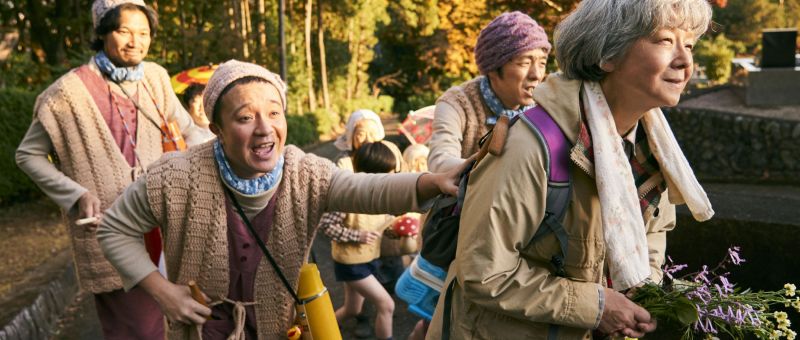
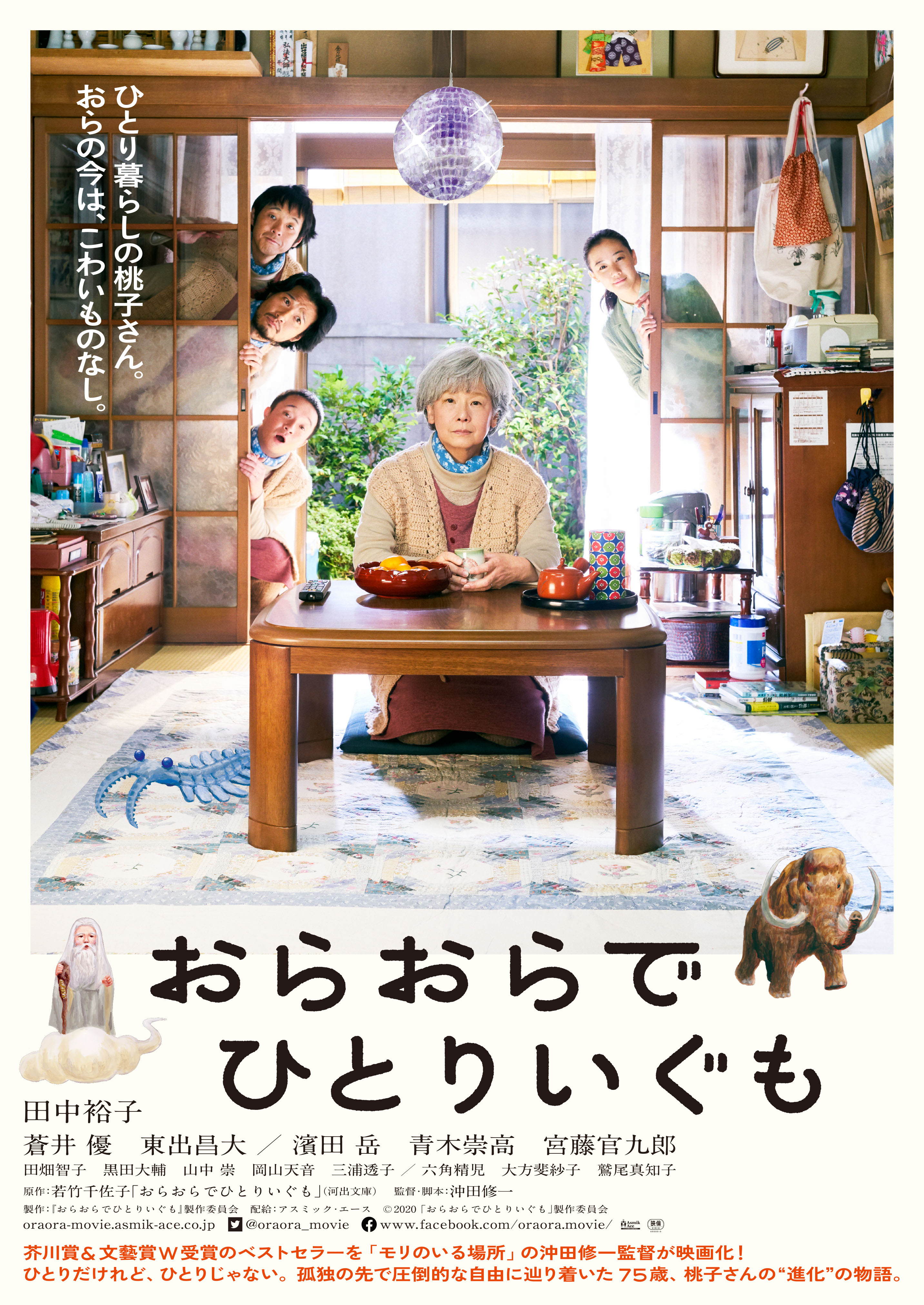
“I never thought my life would come to such a lonely autumn” an old woman laments in Shuichi Okita’s touching adaptation of the novel by Chisako Wakatake Ora, Ora, Be Goin’ Alone (おらおらでひとりいぐも, Ora Ora de Hitori Igumo), her husband now gone, a son so estranged he may as well be too, and a daughter (Tomoko Tabata) who only stops by to ask for money. What’s it all for? In an increasingly ageing Japan, later life loneliness has become a pressing issue, but for Momoko (at 75: Yuko Tanaka, at 20 – 34: Yu Aoi) the problem may be that she’s beginning to find her own company oppressive mainly because she’s become plagued by a trio of mental sprites dressed in regular old lady clothes who speak to her in her native Tohoko dialect and force her to think about the realities of her life. 

And then there’s the other guy who looks really like the guy she was briefly engaged to before running out on an arranged marriage only dressed in her pyjamas and telling her there’s no point getting out of bed because every day is the same and she doesn’t have anything to do anyway. Meanwhile, she finds herself pulled back towards memories of happier times when her children were small. All of this has Momoko wondering if she’s sliding into dementia, or if perhaps she’s merely beginning to go out of her mind with grief, loneliness, and existential futility. 

It’s also clear that like everyone else her age despite having led a happy life, Momoko has doubts and regrets. When she ran out on her arranged marriage inspired by the Olympic buzz of Tokyo in 1964, she thought she was striking out for freedom and independence, that she was a “new woman” of the post-war era and she was going to live her own life the way she wanted it. Yet in Tokyo the first friend she makes is someone from the same area who’s managed to completely shed their regional accent, and then she met a man who refused to lose his (Masahiro Higashide) and fell in love with him. She doesn’t regret her life, but feels in a sense disappointed that she ended up falling into the same patriarchal patterns she tried so hard to escape as a conventional housewife and mother dedicating herself to supporting the man she loved. Her friend, Toko (Toko Miura), points out that she always hesitates when she refers to herself as “watashi” rather than the familiar “ora” in the Tohoku dialect as if shamed by the inauthenticity and resentful that her accent, her essential identity, is something she has to lose in order to blend in to Tokyo society. 

Heartbreakingly, we witness her bamboozled into leasing a new car, a symbol of freedom and independence, from a young man who seems nice but is obviously intent on leveraging her loneliness, addressing her as “mother” (not an unusual way to refer to the woman of a house but definitely a deliberate avoidance of “granny”) and encouraging her to think of him as a son. Ironically, while he’s there the phone rings but it’s an “ore ore” scam claiming that her son’s in trouble and needs money. She laughs it off and tells the salesman she’s not silly enough to fall for something like that just as she signs on the dotted line, but later we discover that she did indeed fall prey to it sometime earlier in desperation for the son who, as she had, left home young and never looked back. Her daughter meanwhile, stops by after hearing about the car but mostly so she can ask for money to pay for art lessons for her son. 

Thinking back on their days as a family, Momoko can’t reconcile herself to this sense of parental rejection but meditates on her relationship with her own grandmother realising she too must have been desperately lonely but she was “young and stupid” and didn’t understand. Her interior monologue with her trio of sprites is recited entirely in the voice of her younger self, and at one point she even tries throwing beans at them like demons during Setsubun, but eventually accepts them enough to talk out loud which is either a sign that she’s really losing it or a kind of liberation. “How will I carry on by myself?” she asks, meditating on this new kind of “independence” which might itself soon be taken from her whether she wants it or not. Nevertheless, what she discovers is that she might not be as alone as she thought she was and more has been passed on than she assumed but if you have to go alone then that’s alright too.


Ora, Ora Be Goin’ Alone streams in the US Dec. 3 to 23 series alongside Shuichi Okita’s debut Chef of South Polar as part of Japan Society New York’s Flash Forward series.

Original trailer (no subtitles)

The Albino’s Trees (アルビノの木, Masakazu Kaneko, 2016)

A young man is forced to face up to the nature of existential struggle when tasked with killing a god in Masakazu Kaneko’s meditation on land, modernity, and the taking of a life, The Albino’s Trees (アルビノの木, Albino no Ki). Filled with a sense of unease, Kaneko’s parabolic drama asks if it’s right to force others to live in the way you think is best, if it’s right to take the life of an animal simply because it’s inconvenient to you, and if it’s right to assume ownership over the natural landscape as if it’s yours to do with as you wish. To the young man at the film’s centre, these questions are ones he thinks he can’t afford to ask but is eventually confronted with in committing what to some may be an unforgivable transgression. 

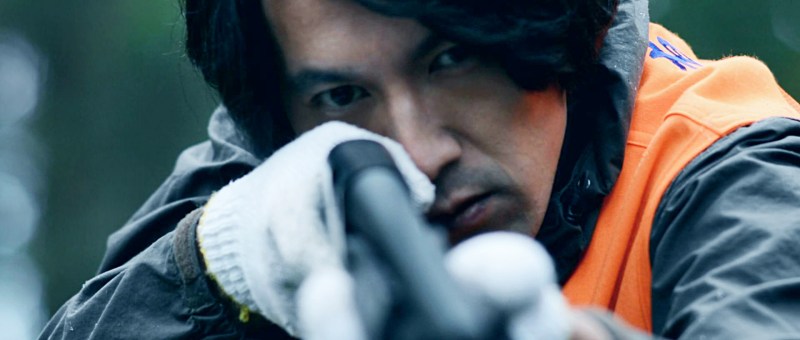
Yuku (Ryohei Matsuoka) used to work in removals but times being what they are, his boss has taken a left turn accepting lucrative contracts working as animal control agents on behalf of local councils carrying out culls of wildlife deemed out of control. His colleague Imamori (Shuichiro Masuda) remains conflicted. He isn’t completely happy with this kind of work but has been persuaded that it’s necessary though it still seems cruel to him if not morally wrong to hunt and kill healthy animals solely for existing. Nemoto (Hiroyuki Matsukage), their boss, is keen for them to take on a well paid “confidential” job but with so little information the guys are reluctant, something about it seems shady. Nevertheless, with his mother seriously ill and needing money for medical treatment Yuku agrees as does Imamori only to discover that not even the local councillor who hired them wants to explain what the job is. 

The councillor does, however, begin to outline the economic history of the town once dependent on coal mining now pivoting towards innovative farming. With barely concealed disdain, he replies to Yuku’s inquiry as to whether the mountain in question is inhabited by briefly remarking on a traditional village on the other side the existence of which seems to fill him with such disgust one half wonders if Yuku’s contract job is even darker than it seems. He laments that they have “no desire to develop”, continuing to live a traditional rural existence rather than succumbing to the dubious conveniences of modernity. On meeting up with their contact (Hatsunori Hasegawa), another hunter living on the ridge, the pair discover that their assignment is to eliminate an albino deer because, according to the hunter, the council is nervous that some may assume its mutation hints at corruption in the soil endangering the stability of their eco farming project. The problem is that the villagers believe the albino deer to be an embodiment of the White Deer God that protects the mountain as part of their Shinto animist beliefs and have been protecting it by dismantling all his traps. Imamori declines to go through with the job, feeling that it’s wrong to kill the deer just because it was born different but thinking only of his mother Yuku is determined to do whatever it takes.  

His dilemma is in a sense mirrored by that of Nagi (Kanako Higashi), a young woman from the village he rescues from an animal trap who tells him that she remains torn between the allure of modernity and a traditional rural existence. Yoichi (Yusuke Fukuchi), a young man making a living carving traditional wooden bowls, is determined to preserve ancient beliefs Yuku regards as backwards and superstitious convincing himself that killing the deer is also an act of liberation that will bring enlightenment to the villagers so that they won’t “need” to live in such an archaic and primitive way. But as Yoichi tries to explain to him, you can’t force people to conform to your own way of thinking, it’s not as if anyone is a prisoner here if they didn’t like it they’d leave as all of the other young people have already done. He asks him if a world in which you simply eliminate things which are “inconvenient” to you is one you really want to live in but Yuku isn’t here for such philosophical questions only baffled by what he sees as primitive superstition that stands in the way of progress. 

Yet, the village is largely untouched by the corruptions of the modern society. The water in its rivers is clean and sweet, the wood in its trees strong and beautiful. As Nagi explains to him, the White Deer God has given them permission to drink from these springs, and permission to harvest the trees. By contrast, there’s an unpleasant look of triumph in Yuku’s eyes as he shoots deer from a distance killing for no reason at all, man overcoming nature. He thinks only of his own survival, taking the lives of other living things in order to preserve his own, determined to save his mother but indifferent to the fates of others. When it comes to killing the white deer his hands shake, struck for the first time by the enormity of what he’s doing while literally preparing to kill a god. While Yoichi venerates and protects the natural environment in a process of symbiotic living, Yuku sides with those willing to exploit it for economic gain brainwashed into believing that living with the land is “backward” and that it’s only “natural” to eliminate “inconveniences” such as “vermin” which impede “modern life” in a capitalistic society. Capturing the natural beauty of the Japanese countryside Kaneko’s existential fable is filled with a quiet unease in the ambivalent relationship between man and landscape but also in the solipsistic struggle for survival that all too often defines human relationships. 


The Albino’s Trees streams in the US Dec. 3 to 23 as part of Japan Society New York’s Flash Forward series.

Original trailer (English subtitles)

Fancy Dance (ファンシイダンス, Masayuki Suo, 1989)

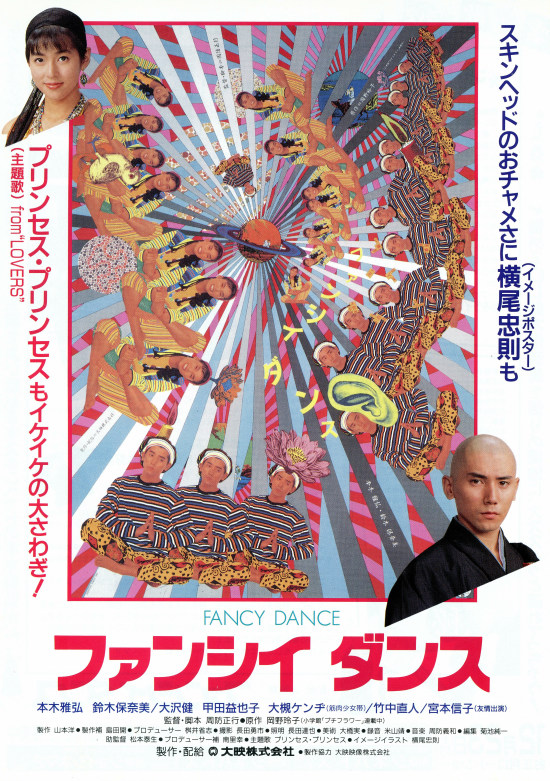
Thematically speaking, the films of Masayuki Suo have two main focuses either dealing with esoteric ways of life in contemporary Japan such as sumo wrestling in Sumo Do Sumo Don’t, ballroom dancing in Shall We Dance?, and geisha in Lady Maiko, or pressing social issues such the operation of the justice system in I Just Didn’t Do It or euthanasia in A Terminal Trust. After making his debut with pink film Abnormal Family: Older Brother’s Bride, Suo’s first mainstream feature Fancy Dance (ファンシイダンス) belongs to the former category as a Bubble-era punk rocker finds himself entering a temple to honour a familial legacy. 

As the film opens, Yohei (Masahiro Motoki) is onstage singing a very polite and respectable version of a classic song, Wakamonotachi (lit. the young), made popular as the theme to a television drama in the mid-1960s, before suddenly turning around, the other half of his head already shaved continuing with the same song but now in an anarchic punk rock arrangement. The son of Buddhist temple, he is expected to become a monk and take over the family business but he’s also a young man coming of age in the ultra-materialist Bubble era raised in the city and with little inclination towards the ideals of Zen. In fact, we learn he’d long resisted the idea of entering a monastery and has only recently given in intending to stick it out for a year in order to please his parents and then return to to his Tokyo life. 

His hair reflects an inner duality, torn between his duty to take up Zen and his desire for personal freedom. Yet as he’s repeatedly told by his razor-wielding office lady girlfriend Masoho (Honami Suzuki), in the end he’s going to have to choose which from her point of view means choosing between her and the temple. Though there is obviously no prohibition on monks getting married, Yohei is the son of a monk after all, girlfriends are one of many things not really allowed during his initiatory period though as we’ll see the monastic life is often more about knowing how to game the system than it is about actually sticking to the rules. It’s a minor irony that temples, Buddhist or Shinto, are actually one of the most lucrative businesses in Japanese society and despite apparently rejecting material desire many monks are fantastically wealthy. Yohei’s fellow noviciate Eishun (Hikomaro) is dropped off by a young woman in a bright red sports car who turns out to be the daughter of a monk, Eishun only entering the temple to please her family so that he can marry her, committing himself out of love but also admitting it’s nice work if you can get it. 

Yohei’s brother Ikuo (Ken Ohsawa) is also fine with the idea of becoming a monk, describing it perhaps surprisingly as an “easy life”. Ikuo’s presence is initially a little irritating to Yohei, he only agreed because he was under the impression Ikuo had also declined to enter the temple and feels that he’s been tricked when he could have just let him train to take over the family “business”. The treatment they receive is often surprisingly harsh with a high level of physical violence administered by their superiors, in particular the more experienced Koki (Naoto Takenaka) who has it seems figured out how to break the rules in an acceptable fashion carrying on a secret romance with a young woman who often attends the temple while visiting hostess bars in the town in disguise, wearing a wig to cover his distinctive monastic hairstyle. Meanwhile, even the supposedly austere master of asceticism Shoei (Miyako Koda) has a secret stash of sweets in their room. The message seems to be that once you “graduate” from the junior ranks you too are free to interpret the tenets of a Zen life however you see fit. 

Yet despite himself, Yohei comes to appreciate the trappings of monasticism most particularly in its graceful movements and the aesthetic quality of the outfits. The temple may not be free of the consumerist corruptions of the Bubble era, but perhaps there is something it for a man like Yohei, a different kind of “freedom” than he’d envisioned but freedom all the same even within the constraints of a superficial asceticism. Masoho meanwhile rejects her own fancy dance in refusing to play the part of the conventional office lady no longer smiling sweetly cute and invisible but dressing in her own individual style and defiantly taking command of the room. The strains of Wakamonotachi recur throughout hinting at Yohei’s youthful confusion as he tries to decide on his path in or out of the temple while finding himself “swimming in a sea of desire between Masoho and Zen”, perhaps concluding that his own endless journey has only just begun.


Fancy Dance streams in the US Dec. 3 to 23 alongside Suo’s 2019 Taisho-era drama Talking the Pictures as part of Japan Society New York’s Flash Forward series.

Wakamonotachi TV drama theme by The Broadside Four (1966)

Music video for the updated theme from the 2014 TV drama remake (known as All About My Siblings) performed by Naotaro Moriyama

The New Morning of Billy the Kid (ビリィ★ザ★キッドの新しい夜明け, Naoto Yamakawa, 1986)

“Isn’t this style called surrealism?” a little girl asks, watching a WWII GI giving John Ford’s Monument Valley a post-modern makeover depicting John Lennon and a Martian in preparation for a live concert by hip girlband ZELDA. Arriving at the beginning of the Bubble era, Naoto Yamakawa’s 35mm commercial feature debut The New Morning of Billy the Kid (ビリィ★ザ★キッドの新しい夜明け, Billy the Kid no Atarashii Yoake) was the first film to be produced by the entertainment arm of department store chain Parco (along with record label Vap) which also distributed and draws inspiration from several stories by genre pioneer Genichiro Takahashi who at one point appears on screen proclaiming singer-songwriter Miyuki Nakajima, a version of whom appears as a character, as one of the three greatest Japanese poets of the age. What transpires is largely surreal, but also a kind of post-modern allegory in which the world is beset by the “anxiety and destruction” of salaryman society. 

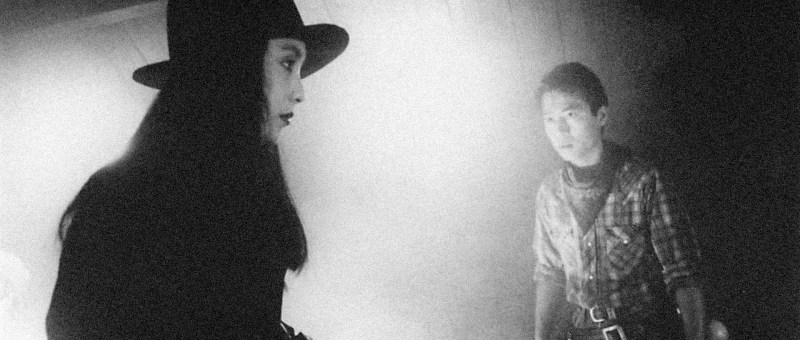
Yamakawa opens in black and white and in Monument Valley in which only the figure of a young man in a cowboy outfit is in vivid colour while a voiceover from the American President warns that a savage band of gangsters is currently holding the world to ransom. Yet “Monument Valley” turns out to be only an image filling the wall of Bar Slaughterhouse, the cowboy, Billy the Kid (Hiroshi Mikami) stepping out of the painting having lost his horse and apparently in search of a job. The barman (Renji Ishibashi) is reluctant to give him one, after all he has six bodyguards already ranging from the legendary samurai Miyamoto Musashi to an anthropomorphism of Directory Enquiries, 104 (LaSalle Ishii). Nevertheless, after threatening to leave (through the front door) Billy asks for a job as a waiter instead in return for food and board while collecting the bounty for any gangsters he kills in the course of his duties. 

The bar is in some senses an imaginary place, or at least a space of the imagination, the sanctuary of “construction and creation” where half-remembered pop culture references mingle freely. In that sense it stands in direct opposition to the salaryman reality of Bubble-era Japan where everyone works all the time and the only interests which matter are corporate. Billy takes a liking to a young office lady, “Charlotte Rampling” (Kimie Shingyoji), who complains that she’s overcome with a sense of anxiety in the crushing sameness of her life, often woken by the sound of herself grinding her teeth that is when she’s not too tired to fall asleep. The “gangsters” which eventually crash in (literally) are businessmen and authority figures, one revealing as he raids the till that he’s a dissatisfied civil servant who determined that in order to become the best of the salarymen you need an “interesting” hobby so his is being in a gang. Another later gives a speech remarking again on this sense of inner anxiety that in their soulless desk jobs they’re moving further and further away from this world of “creation and construction”, and that the sacrifice of their individuality has provoked the kind of violent madness which enables this nihilistic “terrorist” enforcement of the corporatist society against which Miyuki (Shigeru Muroi), another of the bodyguards dressed as a retro 50s-style roller diner waitress, rebels through her poetry. 

Envisioned as a single set drama (save the bookending Monument Valley scenes apparently filmed on location in Arizona) Yamanaka’s drama is infinitely meta, in part a minor parody of Seven Samurai featuring a Miyamoto Musashi inspired by Kurosawa’s Kyuzo who was himself inspired by Miyamoto Musashi as the seven pop culture bodyguards stand guard over a saloon-style cafe bar beset by the forces of “order” turned modern-day bandits intent on crushing the artistic spirit in order to facilitate the rise of a boring salaryman corporate drone society. Yet for all of its absurdist humour, Harry Callahan (Yoshio Harada) telling a strange story about being a race horse, there is something quietly moving in Yamakawa’s ethereal transitions, the camera gently pulling back as a little girl who wanted to travel is suddenly surrounded by snow or the face of anxious young office lady fading into that of a prairie woman telling a bizarre tale of her life with a venomous snake. Equally a vehicle for girlband ZELDA whose music recurs throughout, the first stage number a hippyish affair set in a summer garden and the second an emo goth aesthetic more suited to what’s about to happen, Yamakawa’s zeitgeisty, post-modern drama is an advocation for the importance of the creative spirit if in another meta touch itself a rebellion against the corporate and consumerist emptiness of Bubble-era Japan. 


The New Morning of Billy the Kid streams worldwide 3rd to 5th December with newly prepared English subtitles alongside two of Yamakawa’s earlier shorts courtesy of Matchbox Cine.

Original trailer (English subtitles available via CC button)

Miyuki Nakajima’s debut single, Azami-jo no Lullaby (1975)

ZELDA’s Ogon no Jikan

Hold Me Back (私をくいとめて, Akiko Ohku, 2020)

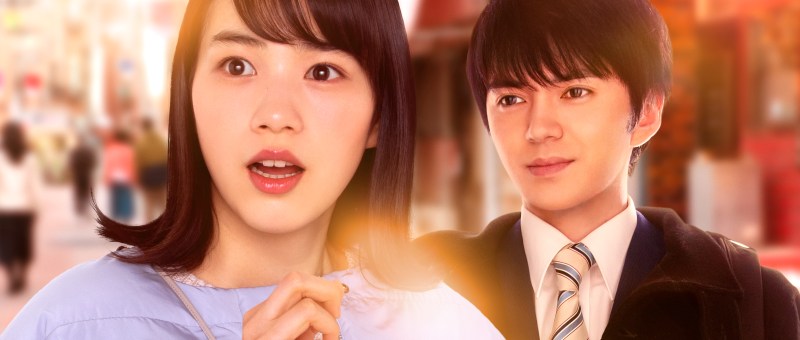
“Humans fly solo from the day we are born. You need to make an effort to be with someone” the heroine of Akiko Ohku’s latest chronicle of the contemporary woman’s inner loneliness, Hold Me Back (私をくいとめて, Watashi wo Kuitomete), is reminded. Like the heroine of Ohku’s mega hit Tremble All You Want, 31-year-old office worker Mitsuko (Non) is an introverted lonely soul through unlike the slightly older protagonist of My Sweet Grappa Remedies she is clearly much less happy with her single life than she likes to pretend often talking over her existential worries with an inner voice she refers to as “A” for “Answers”. 

As we first meet Mitsuko she’s taking part in a weekend workshop making fake food samples out of wax, later stopping off to pick up take out tempura on her way home because it saves stinking out her kitchen frying for one. She spends her free time thinking up things to do on her own on the weekends, but always seems to carry a degree of anxiety about her culturally taboo singledom. Having decided to try out a popular sandwich place, she finds herself leaving a nearby park because she feels awkward taking up a picnic table for four surrounded by couples and families on a day out. For similar reasons she nixes an idea to go to the beach, frightened she’d stand out as a lone woman. She finds herself asking A what she could do to make people like her more, clearly hungry for company but also afraid of it admitting it’s much easier to relax when she’s on her own and presumably free from the pressures of potential judgement.  

It’s potentially because of this awkwardness that she ends up in an ill-defined non-relationship with an equally diffident salaryman who often visits her office. The perfectly pleasant Tada (Kento Hayashi) is a young bachelor surviving off cutlets from a food stand in the neighbourhood where they both coincidentally live. Mitsuko tells a few fibs about her gourmet lifestyle but is actually a good cook though her probably made out of politeness invitation to make Tada dinner somewhat backfires as she finds herself cooking him “takeout”, preparing a meal while he waits awkwardly in her hallway before taking it home to eat on his own. A conversation with A reveals she does indeed have a crush on Tada and would like to ask him to stay but is fearful of ruining the non-relationship they already have if he should suddenly mention a girlfriend or refuse her invitation. 

Unrevealed even with her conversations with herself is a potential history of personal trauma, recalling a bad date with middle-aged dentist who told her he didn’t want to date a patient in public but had already booked a hotel room while getting handsy in the bar. On an onsen getaway she’s gifted by a friend who got it at wedding she doesn’t want to spend time thinking about, Mitsuko witnesses a comedian stage rushed by a pair of creepy guys and desperately wants to say something but finds herself unable. Talking it over with A she berates herself for her internal complicity with a patriarchal society, remembering all the times she let it go when a sleazy boss grabbed at her, an older co-worker who tried to convince her that it wasn’t OK eventually forced out of her job. She takes refuge in the fact her supportive female boss has managed to carve out a career for herself, believing she will eventually triumph over sleazy and incompetent men who take credit for the work done by their talented female subordinates but also assumes that Ms. Sawada (Hairi Katagiri) must be a lonely workaholic who sacrificed her personal life for the professional. 

An invitation from uni best friend Satsuki (Ai Hashimoto), meanwhile, who married an Italian and moved to Rome further deepens her sense of early life crisis, especially on discovering that Satsuki had neglected to mention that she was pregnant in any of their correspondence. It’s telling in a sense that A seems to desert her when she has someone “real” to talk to, absenting himself for the entirety of her time in Italy during which she realises that happy as she is Satsuki is also lonely living in an unfamiliar country and understandably anxious about the birth of her first child so far from home. Yet A’s frequent absences only exacerbate her fear of abandonment, after all if even her inner consciousness is jumping ship what possible hope is there for anyone else? 

But then as he tells her “You cannot escape being you”, her inner voice will always be there even if she doesn’t really need him anymore. “It was easier fighting loneliness alone” she exclaims in panic, suddenly getting cold feet about a possible step forward in terms of human intimacy, only later calming down after a final pep talk with A convinces her it’s worth the risk. Less surreal than Tremble All You Want while less rosy than My Sweet Grappa Remedies, Hold Me Back embraces its heroine’s internal vulnerabilities with a relatable realism as she tearfully asks the absent A “I’ll be OK this time, right?” before daring to find out come what may. 


Hold Me Back screens in Brisbane (Nov. 14), Melbourne (Nov. 20/24), and Sydney (Nov. 27 / Dec. 3) as part of this year’s Japanese Film Festival Australia.

Teaser trailer (English subtitles)
Seven Samurai (七人の侍, Akira Kurosawa, 1954)

An eclipse of the accepted order allows a temporary truce in the ongoing class conflict that defines feudal society in Akira Kurosawa’s seminal post-war historical epic, Seven Samurai (七人の侍, Shichinin no Samurai). Set in the late 16th century, the action takes place in a world on the brink of collapse. The Sengoku era is drawing to a close but is also in a moment of intense crisis which has left large numbers of highly skilled warriors essentially orphaned, wandering the land torn between their basic needs for food and shelter and their dignity as members of a theoretic aristocracy. 

Plagued by bandits, many of whom may be these orphaned swordsmen, a small village contemplates the unthinkable in hiring samurai, otherwise their oppressors and uniquely responsible for the chaos which surrounds them, for protection. “Land tax, forced labour, drought…and now bandits!” one woman exclaims shortly before suggesting they simply surrender all their grain and then hang themselves. As they can offer only expenses in the form of rice, the only samurai they can hope to recruit are already desperate, so hungry that they may be willing to deign to defending their social inferiors with whom they would not usually mix unwilling to accept that they are both victims of the inherently corrupt social order. This explains why the villagers’ early entreaties are met with such scorn and cynicism, either rudely rejected out of hand or ending only in deception. 

In this there is an echo of the world of 1954 which was beginning edge away from the chaos and privation of the immediate post-war society, bandits standing in for thieves and profiteers themselves a product of intense food insecurity. Yet here it’s desperation that allows a temporary merging of the world of lord and peasant, brokered finally by unexpected compassion on the part of a noble samurai who, in an act of extreme transgression, symbolically erases his elite status by shaving his head in order to save a child taken as a hostage by another desperate man. Kambei (Takashi Shimura) may be somewhat reduced in circumstances but refuses to give in to the immorality of the world around him, finally agreeing to help the villagers essentially out of a sense of pity willing to accept only the gift of sustenance moved by the villagers’ sacrifice in discovering that they give him the last of their white rice while subsisting only on millet. 

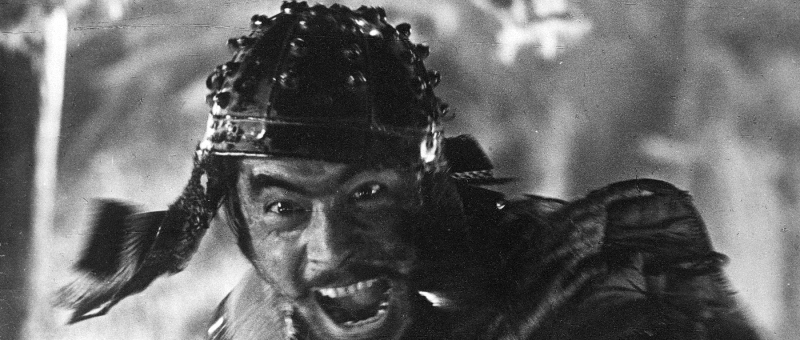
Yet having taken this step, the villagers remain uncertain they can really trust the men they’ve hired to protect them who are after all each trained in death. Later we discover that they have, like many of the time, occasionally finished off the odd lone samurai fleeing the battlefield in order to loot the bodies as a large stockpile of samurai armour later discovered by the samurai-pretender Kikuchiyo (Toshiro Mifune) testifies. On being confronted with this uncomfortable reality, the samurai fall silent knowing this armour was stripped from men much like themselves, but can ultimately offer little by way of defence when presented with an angry rant from Kikuchiyo who points out that they are themselves responsible in having created this world of chaos through their internecine quests for power. “In war you burn their villages, trample their fields, steal their food, work them like slaves, rape their women, and kill ‘em if they resist. What to you expect ‘em to do?”

When Kambei and the others first arrive in the village, there is no welcoming committee. The villagers all hide, frightened to leave their homes partly because of paranoia spread by widowed father Manzo (Kamatari Fujiwara) convinced that randy samurai are going ravish all of their daughters who will, doubtless, be overcome with awe by these sophisticated men of the elite. In an echo of Kambei’s transgression, Manzo forces something similar on his teenage daughter Shino (Keiko Tsushima), roughly cutting her hair while she cries and resists before dressing her up as a boy so that she’ll be safe from lusty samurai. The plan, however, backfires in that she later engages in a doomed romance with the young Katsuhiro (Isao Kimura). Their eventual union is the symbolic merging of the two worlds, a moment of eclipse in the usual hierarchy, but it’s born of the same impulses than brought Kambei and the others to the village. In fear and desperation, they behave as if there’s no tomorrow, only tomorrow must come and just as sun and moon must eventually move apart and resume their regular orbits so the relationship between Katsuhiro and Shino is an impossibility. 

Like Kambei, Katsuhiro had occupied a slightly liminal position because of his relative youth, neither boy nor man. He first encounters Shino while marvelling at the natural beauty of the forest, only to berate her for doing the same. “Is this any time for an able-bodied man to be picking flowers?”, he ironically asks her, yet he is repeatedly forced back towards conventional masculinity as marker of adulthood virtually ignoring her when tasked with carrying a dummy to the ridge, while she later returns the same gesture reassuming her femininity in joining the rice planting, a peasant woman once again. “What’s wrong with two people in love?” the wounded Rikichi (Yoshio Tsuchiya) asks Manzo, trying to smooth over this moment of cross-class crisis, only for Monzo to ask what he’s supposed to now his only daughter has become “damaged goods”, unfit for marriage in a fiercely patriarchal society in which it is impossible to survive without a husband. 

Katsuhiro cannot marry her, this sense of solidarity if not quite equality can be only temporary. Kambei himself admits as much as he reflects that the battle has been won but the victory belongs not to them but to the peasants, anticipating his a sense his own obsolescence the end of the Sengoku era bringing about a change in the nature of the samurai that two centuries later will lead to its abolition. Our sympathies might shift, witnessing Kambei’s obvious disapproval of the peasants’ relish in taking revenge on the bandits who have caused them so much misery in their own way perhaps perpetuating the cycle of violence and resentment that drives the feudal engine. One cannot help but pity him, displaced once again returning to a life of ceaseless wandering, his presence in the village now no longer necessary and in fact inappropriate. 

Returning to the world of 1954, there might be something a little uncomfortable in this lament for the death of the samurai who can have no place either in the modern society or in a peasant village in 1587, as there may be in the implication that the peasants are savage and vindictive while Kambei alone is good and kind even if the roots of his compassion lie in his willingness to literally sever himself from his elite status. The roles had in a sense been reversed, the samurai hired hands to peasant bosses, but the inversion can be only temporary. In insisting that only by protecting others can one hope to protect oneself, Kambei may be advocating for a more compassionate society but as much as he has attempted to remove himself from the class system he can not in the end overcome it. Nevertheless, in the gruelling battle scene that closes the film, all rain, mud, death and misery, Kurosawa himself deals the final blow to the samurai in the nihilistic futility of violence manifesting itself once again in the lingering feudalism of the mid-century society. 


Seven Samurai is re-released in UK cinemas in its recent 4K restoration as part of BFI Japan on 29th October.

BFI re-release trailer (English subtitles)
SUMODO ~The Successors Of Samurai~ (相撲道~サムライを継ぐ者たち~, Eiji Sakata, 2020)

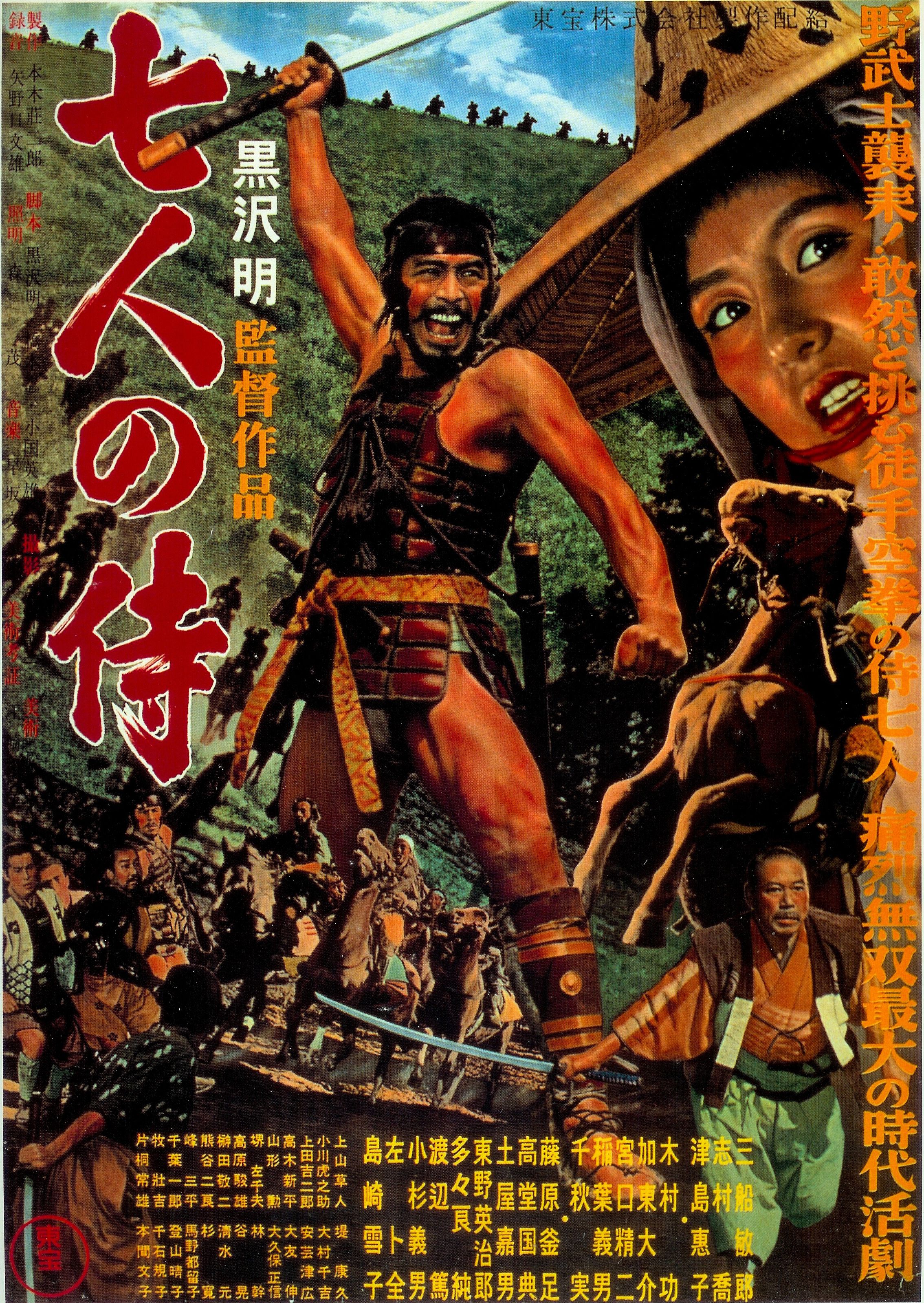
“Every day is a traffic accident” according to a sumo wrestler describing the motion of two men colliding each trying to shove the other out of a protected area. Often regarded as a quintessentially Japanese combat sport, sumo has also come in for its share of misconceptions sometimes mocked or dismissed as a pastime popular mainly among the elderly or else a source of comedy in which in two large men clumsily grapple with each other. It’s precisely these unfair stereotypes that Eiji Sakata’s documentary SUMODO ~The Successors Of Samurai~ (相撲道~サムライを継ぐ者たち~, Sumodo ~Samurai o tsugu monotachi~) hopes to correct in gaining unprecedented access to the usually secretive world of professional sumo. 

He does this largely through focussing on two very different sumo stables and two key tournaments, one at New Year and the other in May. Though he interviews several of the rikishi at each, he adopts two main subjects who eventually clash in the ring but otherwise avoids clear narrative for an overview of what it’s like to live as a professional sumo wrestler in the present day which is to say a lifestyle that is largely unchanged over hundreds of years. Perhaps surprisingly, he even stops to appreciate the way in which a sumo tournament has also become something of a fashion show in which an audience comes expressly to appreciate the traditional kimono modelled by the rikishi as they make their way towards the auditorium. Living communally at the stable where they train, sumo wrestlers are expected to dress in traditional clothing at all times and wear their hair in a traditional style. 

Their diet is of course strictly monitored in order to help them maintain their weight. At the second of the stables, Takadagawa, food is a particular issue one rikishi stating that the high quality of the cuisine is one reason he chose to train there and while the chef explains that he keeps the vegetable content high and is keen to encourage healthy, nutritious eating the stable master is also determined that the meals be tasty rather than an austere exercise in body building. Sumo wrestlers do nevertheless eat quite a lot, the director perhaps regretting his decision to take the rikishi from the first stable Sakaigawa out for Korean barbecue when they literally eat the place out of its entire stock of meat generating a bill for US$8000 for under 50 people. 

Even so, despite their size the sumo wrestlers are necessarily extremely fit and spend much of their time deliberately building muscle. Whereas Sakaigawa is more traditional in its rather austere outlook, the master at Takadagawa, a former rikishi himself, explains that the sport has in a sense changed in keeping with the modern society in that he’s moved away from an aggressive coaching style that some might regard as bullying or harassment towards something kinder that values endurance and perseverance. The contrast is also visible in the choice of the two protagonists, Goeido being much more the traditional image of a sumo wrestler with his rather intense demeanour and emphasis on manly stoicism, whereas Ryuden is a surprisingly cheerful man with a joyful laugh and aura of serenity. 

Yet even Goeido describes the tournament process as mentally and physically exhausting despite fighting only one bout a day. At one particular tournament he tears a muscle in his upper arm but refuses to have it strapped unwilling to expose his area of weakness to an opponent later criticising younger wrestlers for making too much fuss over injury advising them that they should remain stoical without complaint like “true men”. Despite his more progressive coaching style, the master of Takadagawa says something similar in regarding injuries as tests from god or else a clear sign that more training is necessary. Ryuden himself suffered recurrent problems from a broken pelvis that saw him temporarily demoted but worked his way back to health by concentrating on “the basics”, later advising younger rikishi that there’s no hurry what’s important is to keep pushing through and avoid giving up too easily. The spirit of sumo, however, never changes at least according to the closing text. Illuminating the sport’s ancient history and ties to shinto ritual through a brief animated sequence, Sakata is most interested in the everyday lives of sumo wrestlers and the physical, emotional toll the sport can take on their lives as they push their bodies to the absolute limit of their capabilities. 


SUMODO ~The Successors Of Samurai~ screens in Canberra (Oct. 31), Perth (Nov. 7), Brisbane (Nov. 14), Melbourne (Nov. 20/23) and Sydney (Nov. 26/28) as part of this year’s Japanese Film Festival Australia.

Original trailer (English subtitles)