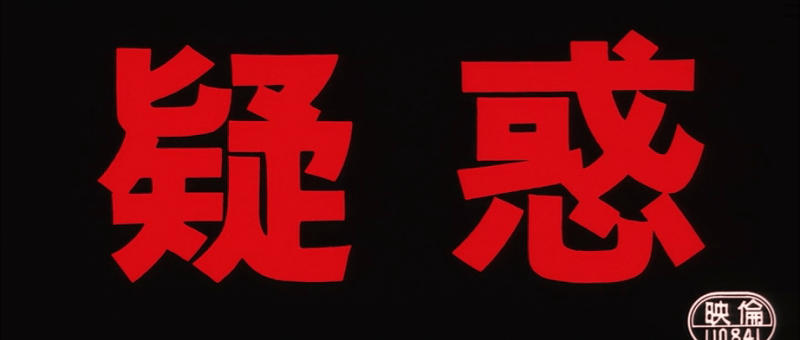
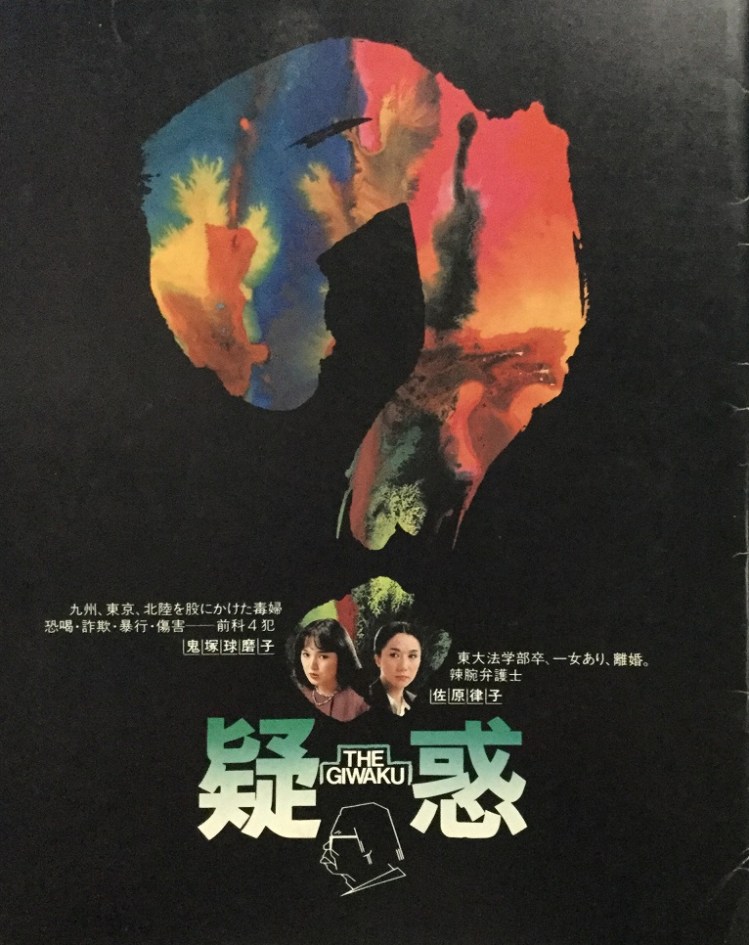
 By the early ‘80s, Japan had successfully shaken off post-war desperation for burgeoning consumerism, but even as the nation rocketed into a more comfortable future, social equality proved slow to arrive. Once again adapting a novel by Seicho Matsumoto, Yoshitaro Nomura’s Suspicion (疑惑, Giwaku) makes allies of two very different women who are each in one way or another rejected by the conservative, infinitely rigid society in which they live.
Former bar hostess Kumako (Kaori Momoi) falls under suspicion when she alone survives the car accident that takes her husband’s life. A brassy, aloof woman, Kumako does not behave in the way the police might expect a recently bereaved spouse to behave which instantly turns them against her. This becomes a real problem once they discover that her husband, Shirakawa (Noboru Nakaya), was an extraordinarily wealthy man on whom she had recently taken out a number of life insurance polices. Shirakawa’s public profile ensures that the potentially salacious case is taken up by the newspapers who waste no time proclaiming Kumako a gold digging murderess while openly baying for her blood. Intimidated by the public outcry, the police are determined to charge Kumako with her husband’s murder despite the only existing evidence being extremely circumstantial.
After a prominent lawyer declines to take her case, her legal council stands down citing his poor health leaving Kumako entirely undefended. The court eventually appoints her a new lawyer, a woman – Ritsuko Sahara (Shima Iwashita), more practiced in civil than criminal law and just as much of an outcast as Kumako though in very different ways. Ritsuko has divorced her husband and he has custody of their young daughter whom Ritsuko makes a point of seeing once a month. Though the arrangement seems to suit her well enough, her status as a career woman who has “rejected” the roles of wife and mother also makes her one viewed with “suspicion” by those around her.
The central issue is indeed Kumako’s character. A former bar hostess with a traumatic childhood, Kamako has four previous convictions including assault and blackmail as well as an abrasive personality and a tendency to rub people up the wrong way. She doesn’t do herself any favours, but no kind of justice would be served if she were sentenced to death not for her husband’s murder but for the crime of being an “unpleasant” woman in a society which expects women to be docile and polite.
The papers, however, are very invested in the story of the coldblooded, gold digging murderess. Akitani (Akira Emoto), a local reporter, cosies up to the police for insider information, and does his best to root out Kumako’s sordid past including a sometime boyfriend who might have been her “pimp”. Ritsuko makes “trial by media” a key part of her defence strategy, arguing that her client’s case has been unfairly prejudiced by the image the press has sought to construct of her, but is unaware of the extent to which the police investigation has been distorted by the desire to appease the media or the various ways in which a venal press has gently perverted the course of justice in search of a better story.
Cool and efficient, Ritsuko isn’t really sure whether Kumako did it or not but is determined to ensure she is tried by the codes of law and not of conventional morality. A disgraced Akitani later barks at her that he sees no need to defend “a woman like that” in the papers, but Ritsuko’s having none of it – the purpose of the law is precisely to ensure guilt or innocence is assessed rationally on the basis of the evidence presented, as free of personal prejudice as it’s possible to be. An idealistic claim, given Japan’s famously implacable legal system, but one that sits well with a functioning democracy.
Ritsuko’s defence of Kumako is not particularly a feminist exercise, though a grudging kind of mutual respect eventually arises between the two women who have each in one sense or another rejected socially defined gender roles. While Ritsuko proclaims herself happy enough to be a mother once a month on Sundays, her husband’s new wife is a more territorial sort, eventually asking her to stop seeing her own daughter because she would rather raise her believing that she is hers alone. Kumako, however, is entirely unrepentant, even emboldened, vowing that she will continue using men until the day she dies. The two women remain mirror images of each other, both rejected, viewed with “suspicion” for the choices they have made, and forever at odds with a society which has already found them each “guilty” in the court of public opinion.
Original trailer (no subtitles)
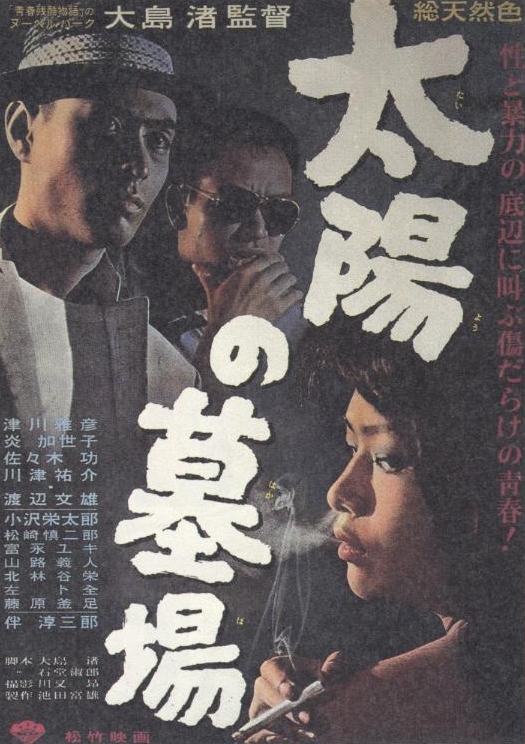

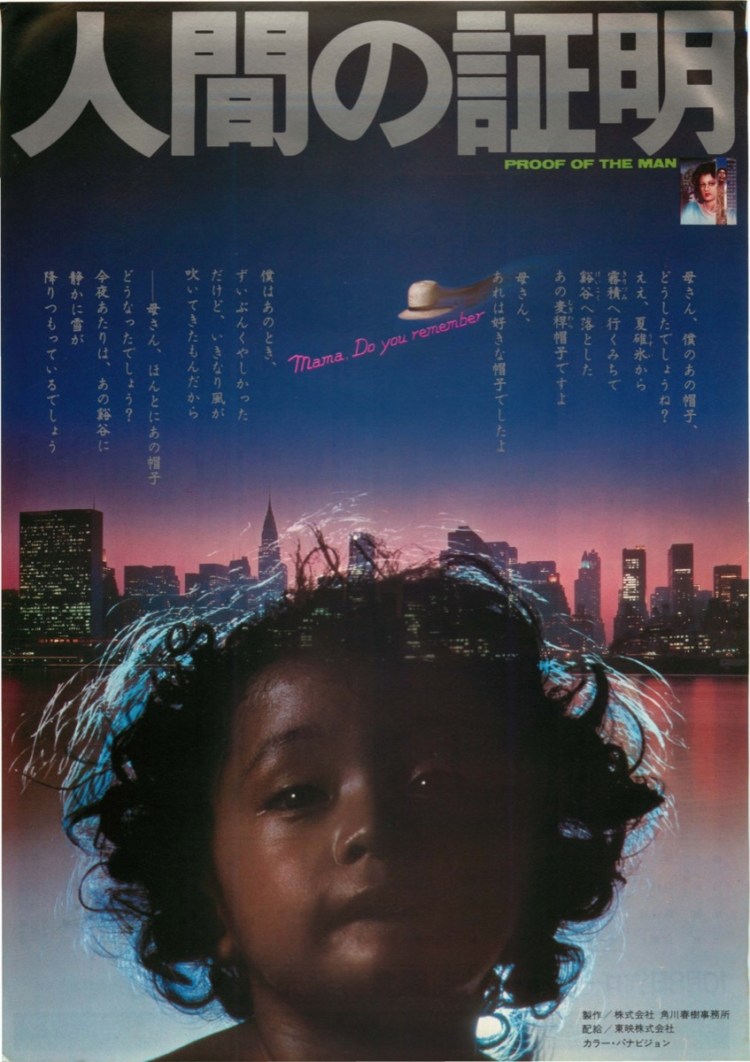


 Junichiro Tanizaki is widely regarded as one of the major Japanese literary figures of the twentieth century with his work frequently adapted for the cinema screen. Those most familiar with Kon Ichikawa’s art house leaning pictures such as war films The Burmese Harp or Fires on the Plain might find it quite an odd proposition but in many ways, there could be no finer match for Tanizaki’s subversive, darkly comic critiques of the baser elements of human nature than the otherwise wry director. Odd Obsession (鍵, Kagi) may be a strange title for this adaptation of Tanizaki’s well known later work The Key, but then again “odd obsessions” is good way of describing the majority of Tanizaki’s career. A tale of destructive sexuality, the odd obsession here is not so much pleasure or even dominance but a misplaced hope of sexuality as salvation, that the sheer force of stimulation arising from desire can in some way be harnessed to stave off the inevitable even if it entails a kind of personal abstinence.
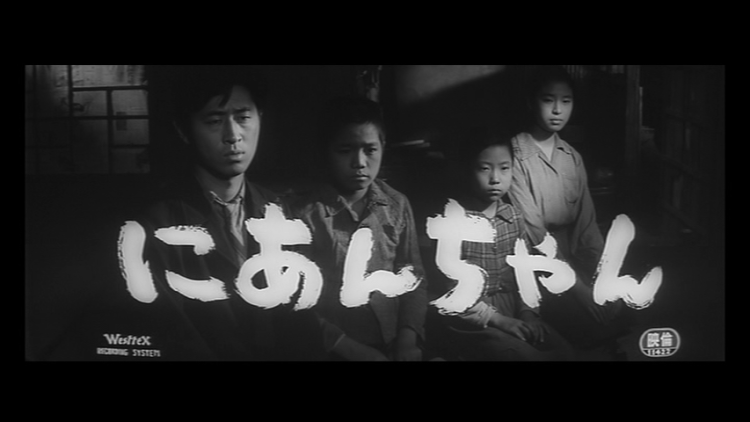 Like most directors of his era, Shohei Imamura began his career in the studio system as a trainee with Shochiku where he also worked as an AD to Yasujiro Ozu on some of his most well known pictures. Ozu’s approach, however, could not be further from Imamura’s in its insistence on order and precision. Finding much more in common with another Shochiku director, Yuzo Kawashima, well known for working class satires, Imamura jumped ship to the newly reformed Nikkatsu where he continued his training until helming his first three pictures in 1958 (Stolen Desire, Nishiginza Station, and Endless Desire). My Second Brother (にあんちゃん, Nianchan), which he directed in 1959, was, like the previous three films, a studio assignment rather than a personal project but is nevertheless an interesting one as it united many of Imamura’s subsequent ongoing concerns.
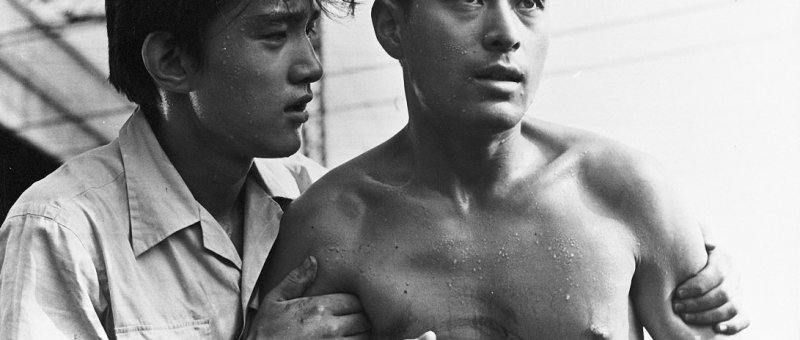
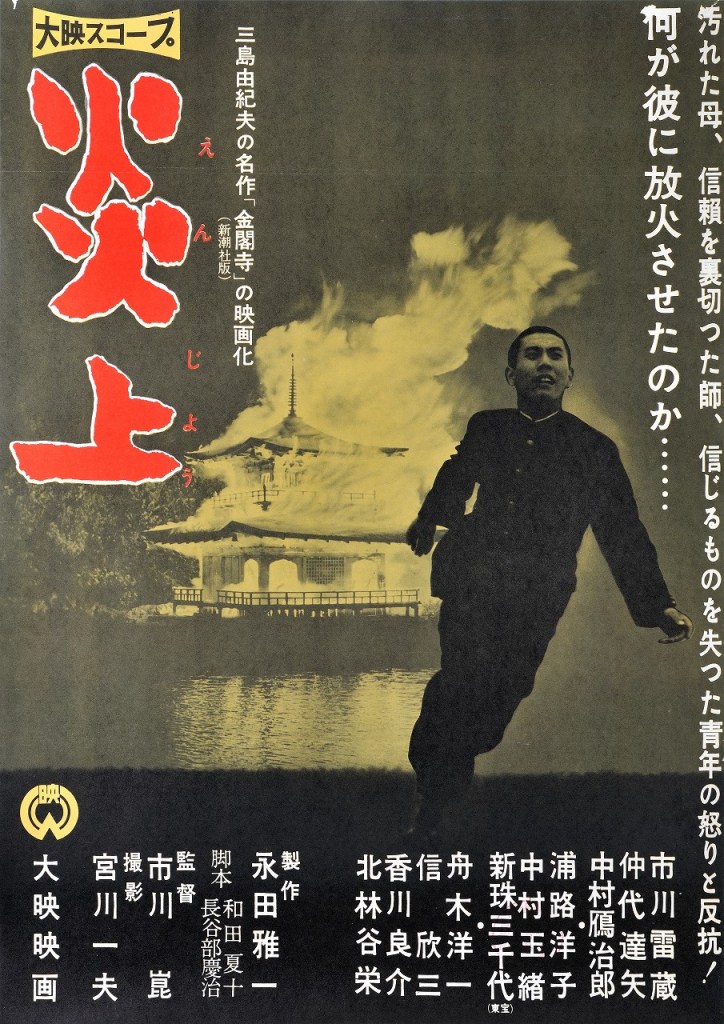 Kon Ichikawa turns his unflinching eyes to the hypocrisy of the post-war world and its tormented youth in adapting one of Yukio Mishima’s most acclaimed works, The Temple of the Golden Pavilion. Inspired by the real life burning of the Kinkaku-ji temple in 1950 by a “disturbed” monk, Enjo (炎上, AKA Conflagration / Flame of Torment) examines the spiritual and moral disintegration of a young man obsessed with beauty but shunned by society because of a disability.
 Windows on Worlds