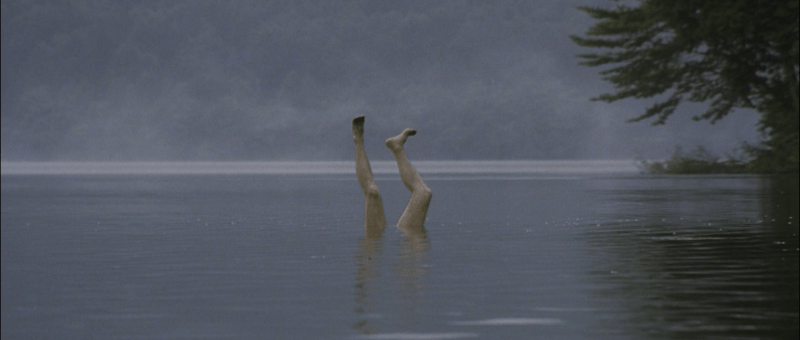
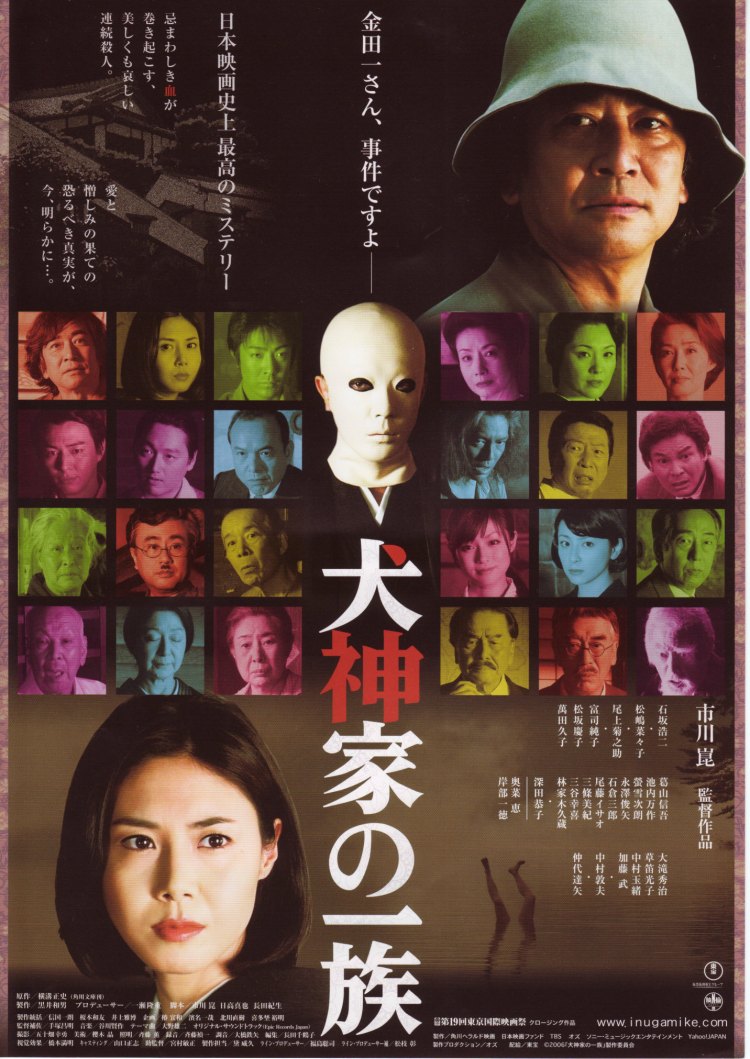
 Beginning his career in the late 1940s, Kon Ichikawa was a contemporary of the leading lights of Japanese cinema during the golden age though has never quite achieved the level of international acclaim awarded to studio mate Akira Kurosawa. Unlike Kurosawa however, whose career floundered the wake of the studio system’s collapse, Ichikawa was able to go on making films through the difficult years of the 70s and 80s precisely because he was willing to take on projects that were purely commercial in nature. His biggest box office hit was an adaptation of the Seishi Yokomizo novel The Inugami Family which led to a further four films starring the author’s eccentric detective Kosuke Kindaichi. 30 years later, in what would turn out to be his final film, Ichikawa took the unusual step of remaking his biggest commercial success and even more unusually decided to recast several of the same actors in their original roles.
The script remains almost identical to the 1976 version though slightly slimmer. In 1947, pharmaceuticals magnate Sahei Inugami (Tatsuya Nakadai) dies leaving a confusing will which upsets absolutely everyone – not least his three daughters whom he fathered with three different women none of whom he was legally married to. Sahei has elected to leave the bulk of his estate to a young lady, Tamayo (Nanako Matsushima), who is not part of the family, on the condition that she marry one of his grandsons though he stresses that she is free to choose. If she chooses to marry someone else, the estate will be split between the three grandsons and another illegitimate son fathered with a maid whose whereabouts are apparently unknown. With such a vast fortune at stake, it is not long before the first murder occurs.
The most major difference between the 1976 and 2006 versions is, perhaps counterintuitively, the budget. Whereas the 1976 version had been one of the “taisaku” prestige pictures which dominated the mainstream cinema of the era and had the marketing genius of a young Haruki Kadokawa behind it, the 2006 version is a much more modest affair with minimal production values and a noticeably unfussy approach. The 1976 version, like the other instalments in the ‘70s series, also boasted a starry cast including golden age star Mieko Takamine, even employing Kyoko Kishida in a tiny two scene role as a blind koto teacher. Perhaps the strangest and most experimental choice made by Ichikawa in terms of his “remake”, is the one to cast original star Koji Ishizaka as the eccentric detective, reprising his role from the earlier film 30 years later. In fact, many of the other characters whose ages are not important are also played by the original actors including the bumbling policeman (Takeshi Kato) and his sidekick who appear throughout the series (comedy director Koki Mitani makes a noted cameo in the spot occupied by Seishi Yokomizo in the original adaptation).
The recasting adds to the level of uncanniness created by the dissonance between the opulence of the 76 version, and the austerity of that from 2006. This time around, Ichikawa shoots in 16:9 rather than (the then) TV friendly 4:3, but in the scaled back hyperrealist style common to lower budget dramas from the 2000s. The flat digital cinematography only serves to add to the general lifelessness of the drama which features only the main players, the sole crowd scene occurring during a flashback to the repatriation shot to match the accompanying stock footage just as in the 1976 version. Whereas Ishizaka and the other veterans are mainly acting within the broader yet largely naturalistic style of 70s cinema, the younger members have adopted the decidedly theatrical tones common in contemporary indie drama which somewhat undercuts the strange mix of camp fun and serious drama which had defined the Kindaichi series.
In contrast to the ‘70s movies, Ichikawa plays it uncharacteristically safe – opting for many of the same techniques but reining them in, using plain black and white instead of negative, easing back on the gore, and lowering the level of violence. The results are decidedly mixed and though the central mystery has not changed, the 2006 edition proves a much less satisfactory experience that does not so much attempt to recapture the strange magic of the original as throw it into contrast through its absence. The story of the Inugami murders is, like many a Kindaichi mystery, one less of greed and selfishness than the lasting effects of repression, frustrated desires, and difficult loves and as such it is timeless, yet lightning doesn’t strike twice and Ichikawa’s second attempt at bottling it only goes to show that there’s little to gain in slavishly aping the past.
Original trailer (English subtitles)
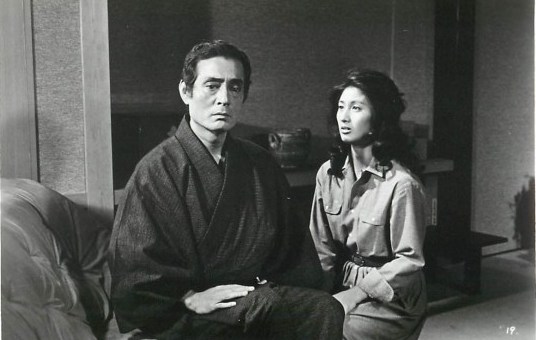

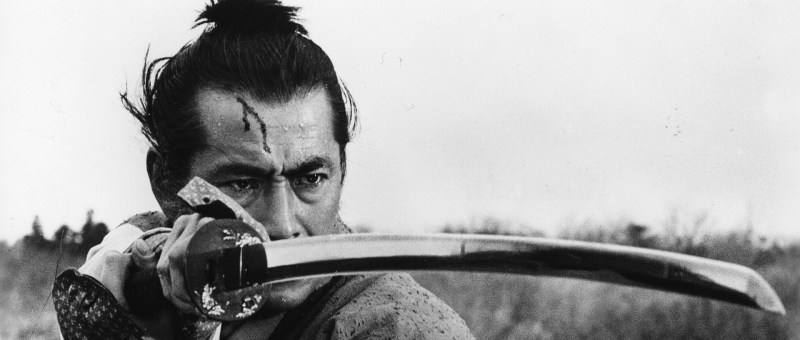
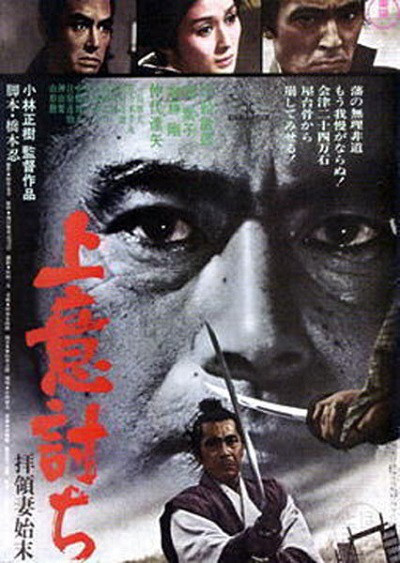
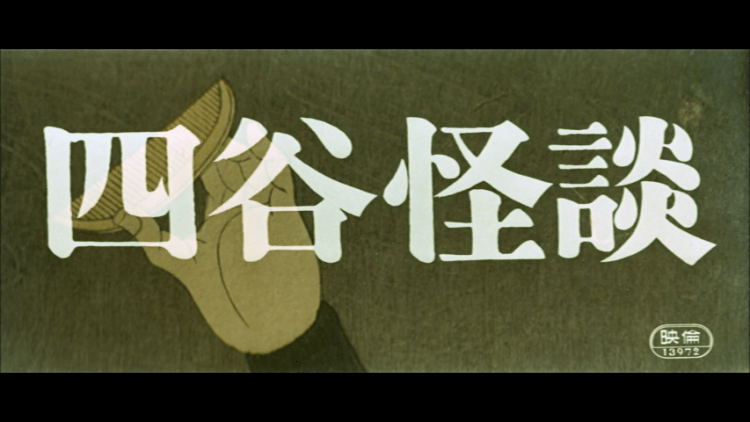 Shiro Toyoda, despite being among the most successful directors of Japan’s golden age, is also among the most neglected when it comes to overseas exposure. Best known for literary adaptations, Toyoda’s laid back lensing and elegant restraint have perhaps attracted less attention than some of his flashier contemporaries but he was often at his best in allowing his material to take centre stage. Though his trademark style might not necessarily lend itself well to horror, Toyoda had made other successful forays into the genre before being tasked with directing yet another take on the classic ghost story Yotsuya Kaidan (四谷怪談) but, hampered by poor production values and an overly simplistic script, Toyoda never succeeds in capturing the deep-seated dread which defines the tale of maddening ambition followed by ruinous guilt.
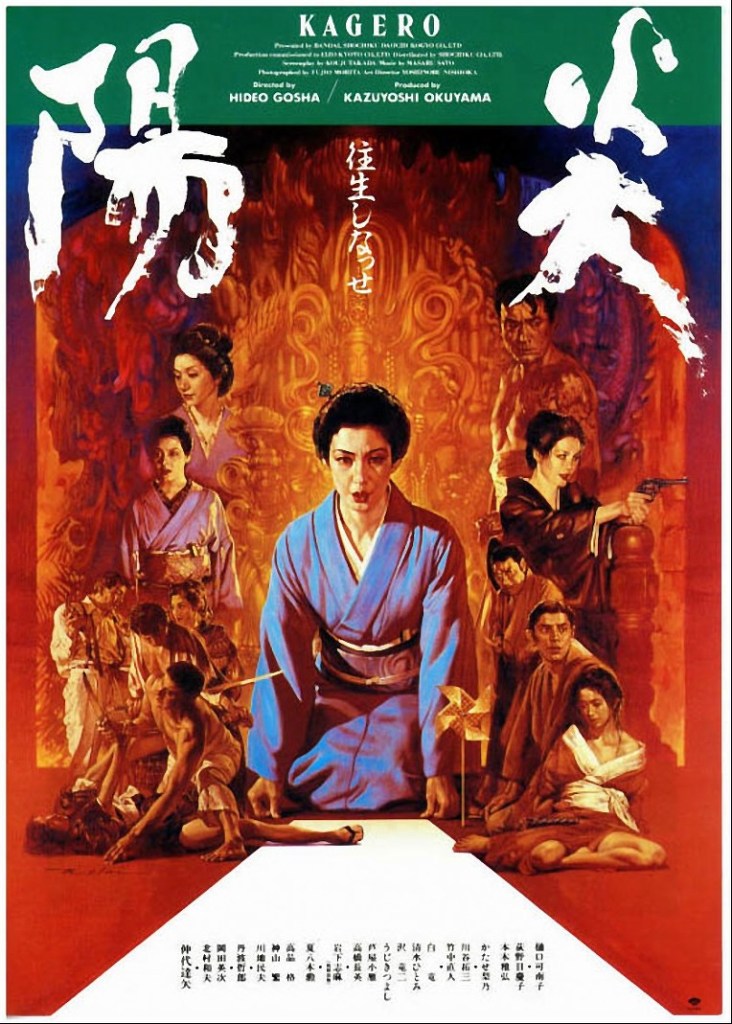 Hideo Gosha had something of a turbulent career, beginning with a series of films about male chivalry and the way that men work out all their personal issues through violence, but owing to the changing nature of cinematic tastes, he found himself at a loose end towards the end of the ‘70s. Things picked up for him in the ‘80s but the altered times brought with them a slightly different approach as Gosha’s films took on an increasingly female focus in which he reflected on how the themes he explored so fully with his male characters might also affect women. In part prompted by his divorce which apparently gave him the view that women were just as capable of deviousness as men are, and by a renewed relationship with his daughter, Gosha overcame the problem of his chanbara stars ageing beyond his demands of them by allowing his actresses to lead.
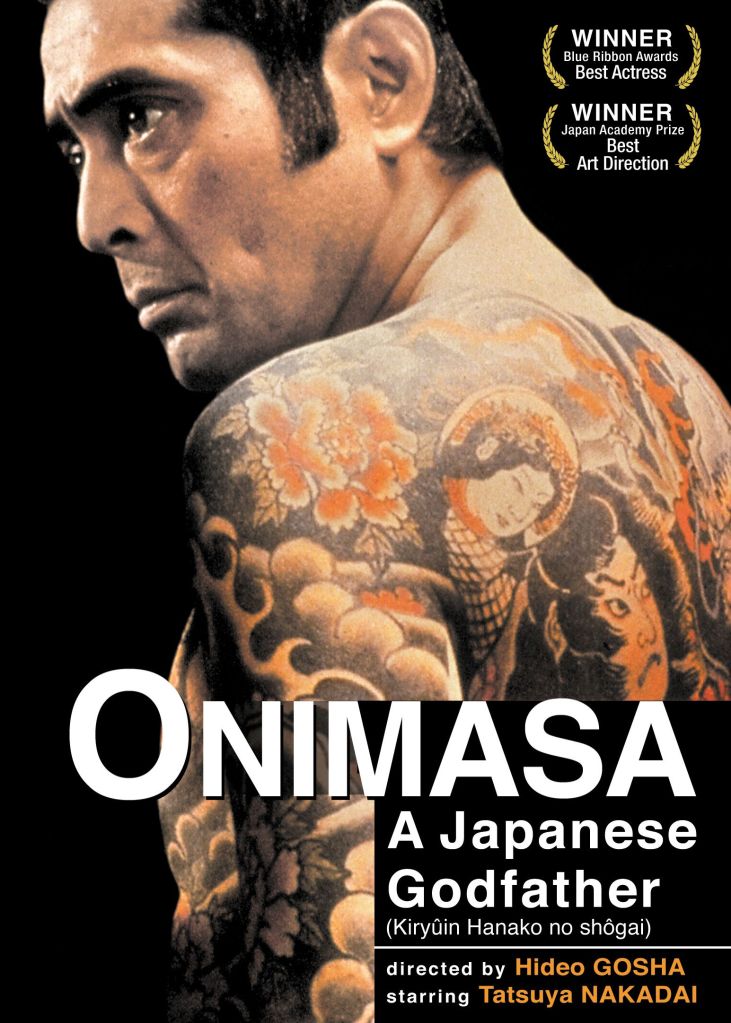 When AnimEigo decided to release Hideo Gosha’s Taisho/Showa era yakuza epic Onimasa (鬼龍院花子の生涯, Kiryuin Hanako no Shogai), they opted to give it a marketable but ill advised tagline – A Japanese Godfather. Misleading and problematic as this is, the Japanese title Kiryuin Hanako no Shogai also has its own mysterious quality in that it means “The Life of Hanako Kiryuin” even though this, admittedly hugely important, character barely appears in the film. We follow instead her adopted older sister, Matsue (Masako Natsume), and her complicated relationship with our title character, Onimasa, a gang boss who doesn’t see himself as a yakuza but as a chivalrous man whose heart and duty often become incompatible. Reteaming with frequent star Tatsuya Nakadai, director Hideo Gosha gives up the fight a little, showing us how sad the “manly way” can be on one who finds himself outplayed by his times. Here, anticipating Gosha’s subsequent direction, it’s the women who survive – in large part because they have to, by virtue of being the only ones to see where they’re headed and act accordingly.
 Junichiro Tanizaki is widely regarded as one of the major Japanese literary figures of the twentieth century with his work frequently adapted for the cinema screen. Those most familiar with Kon Ichikawa’s art house leaning pictures such as war films The Burmese Harp or Fires on the Plain might find it quite an odd proposition but in many ways, there could be no finer match for Tanizaki’s subversive, darkly comic critiques of the baser elements of human nature than the otherwise wry director. Odd Obsession (鍵, Kagi) may be a strange title for this adaptation of Tanizaki’s well known later work The Key, but then again “odd obsessions” is good way of describing the majority of Tanizaki’s career. A tale of destructive sexuality, the odd obsession here is not so much pleasure or even dominance but a misplaced hope of sexuality as salvation, that the sheer force of stimulation arising from desire can in some way be harnessed to stave off the inevitable even if it entails a kind of personal abstinence.
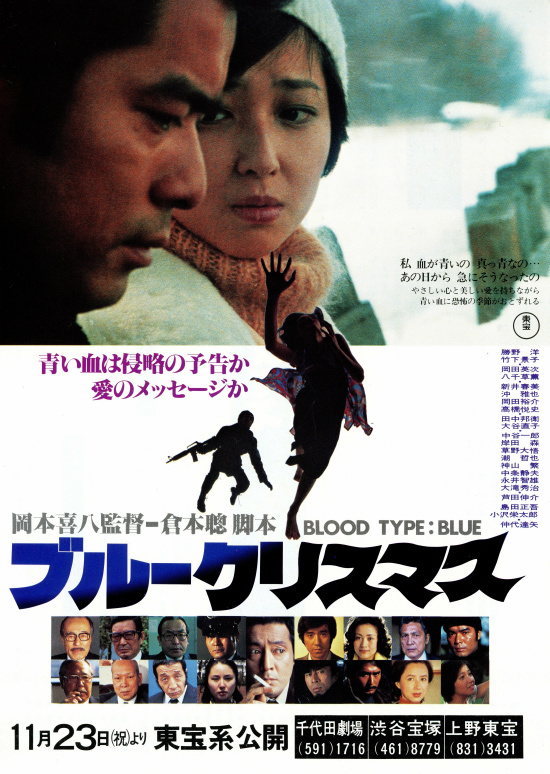 The Christmas movie has fallen out of fashion of late as genial seasonally themed romantic comedies have given way to sci-fi or fantasy blockbusters. Perhaps surprisingly seeing as Christmas in Japan is more akin to Valentine’s Day, the phenomenon has never really taken hold meaning there are a shortage of date worthy movies designed for the festive season. If you were hoping Blue Christmas (ブルークリスマス) might plug this gap with some romantic melodrama, be prepared to find your heart breaking in an entirely different way because this Kichachi Okamoto adaptation of a So Kuramoto novel is a bleak ‘70s conspiracy thriller guaranteed to kill that festive spirit stone dead.
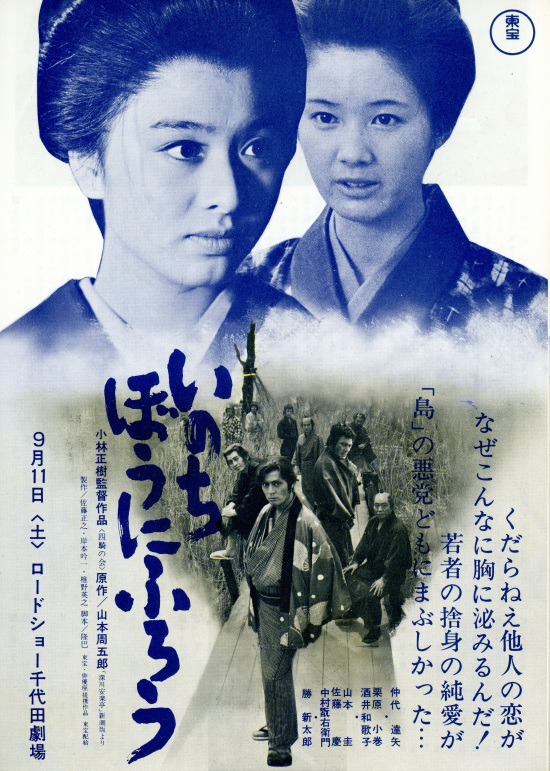 “Sometimes it feels good to risk your life for something other people think is stupid”, says one of the leading players of Masaki Kobayashi’s strangely retitled Inn of Evil (いのちぼうにふろう, Inochi Bonifuro), neatly summing up the director’s key philosophy in a few simple words. The original Japanese title “Inochi Bonifuro” means something more like “To Throw One’s Life Away”, which more directly signals the tragic character drama that’s about to unfold. Though it most obviously relates to the decision that this gang of hardened criminals is about to make, the criticism is a wider one as the film stops to ask why it is this group of unusual characters have found themselves living under the roof of the Easy Tavern engaged in benign acts of smuggling during Japan’s isolationist period.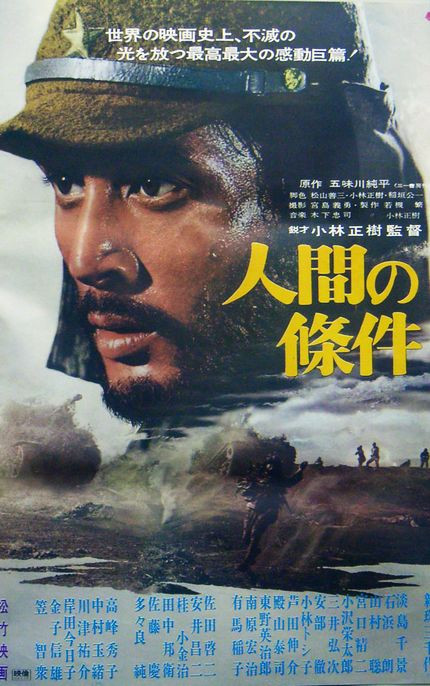
 Windows on Worlds