
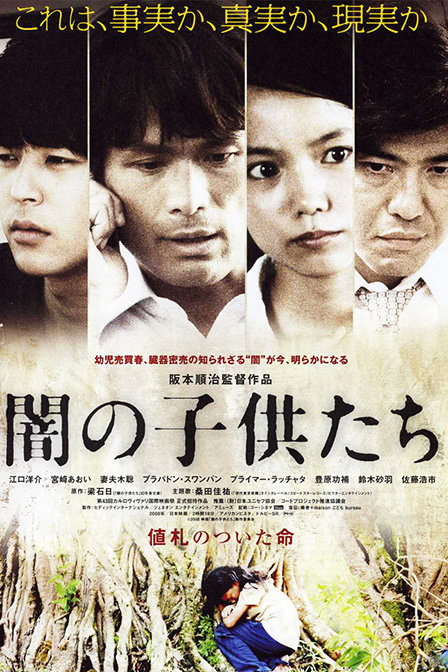
 Junji Sakamoto’s career has been marked by a noticeable split between commercial projects and artier genre pieces but even considering his tendency towards socially conscious filmmaking, Children of the Dark (闇の子供たち, Yami no Kodomotachi) is a surprising entry into his filmography. Starring heartthrob Yosuke Eguchi as an earnest reporter determined to expose the extent of Japanese complicity in the exploitation of Thai children, Sakamoto’s film is hard hitting in the extreme, refusing to back away from the horrors that these children are forced to experience but perhaps taking things too far in putting his young actors through a series of emotionally difficult scenes. Children of the Dark was pulled from its slot in the Bangkok Film Festival for painting a less than idealised picture of the grim underbelly of Thai society but Sakamoto is also keen to point out that the problem is a global one which merely finds an unhappy home in a country many regard as a “paradise”.
Nanbu (Yosuke Eguchi), a Japanese ex-pat reporter living in Thailand, has been handed a hot tip on a difficult piece of investigate reporting relating to the illegal trafficking of human organs. His investigation brings him back into contact with a local NGO who operate a centre promoting educational and human rights whilst helping the impoverished children of the area. The NGO is currently investigating the disappearance of child they’d been trying to save, but the two investigations eventually overlap as it becomes clear that the organ trafficking and sexual exploitation of abandoned children are part of the same deeply entrenched cycle of human cruelty.
Nanbu’s key interest is in the Japanese connection to organ transplant case. A wealthy Japanese couple will apparently be bringing their son to Thailand for an illegal transplant to get around Japan’s strict medical ethics laws which prevent children becoming organ donors. Though it might be thought that the boy’s parents simply believe they will be undergoing a legitimate medical procedure only abroad, they are perfectly aware that the organ they will be receiving will have been acquired specifically for the purpose and will have been ripped from a healthy child rather than transplanted from an unfortunate accident victim.
Using the NGO’s contacts, Nanbu begins to realise how deeply the conspiracy runs. The NGO’s investigations lead them to a brothel in which extremely young boys and girls are kept in cages to be picked out like lobsters in a restaurant by the international clientele each after a different kind of sexual experience. The children are beaten if they refuse and literally “thrown out” in black bin bags should they contract illnesses such as AIDS. When one of the children is killed by a client who overdoses him on hormones, the matter is settled with financial compensation and the body disposed of. Many of these children are orphans from backgrounds of extreme poverty, neglected or abandoned by their parents into a life of sexual servitude in part caused by ongoing economic inequality which is only exacerbated by the thriving underworld enterprises of people and drug trafficking.
Nanbu is, however, only a reporter. Keiko (Aoi Miyazaki), a young and idealistic Japanese woman recently arrived in Thailand to work with the NGO, is committed to saving individual lives whereas Nanbu and the paper are committed to being passive observers exposing the truth in the hope that the whole sordid system will one day collapse. Keiko’s sometimes dangerous naivety is contrasted with Nanbu’s jaded complicity in essentially allowing a young child’s life to be sacrificed to get his story with only the justification that something might be done if the truth were known.
A final revelation, however, proves a step too far even if it encourages all to point the finger back on themselves and accept that personal complicity may run far deeper than most suspect. The tragedy is further undercut by the strange decision to end on an idyllic scene of paradise with a karaoke track playing over the top complete with lyrics pasted on the side – a tonal variation too far given the necessarily somber atmosphere of the the film as a whole. Despite the strangeness of the ending with its unexpected reversals and clumsy attempt at reflexivity, Children of the Dark is an urgent, difficult piece exposing the unspeakable cruelties hidden away in the underbelly of a foreign “paradise”.
Original trailer (no subtitles)
 Naoko Ogigami’s touching family drama snatches the last spot on Kinema Junpo’s list. A departure of sorts from the director’s earlier career,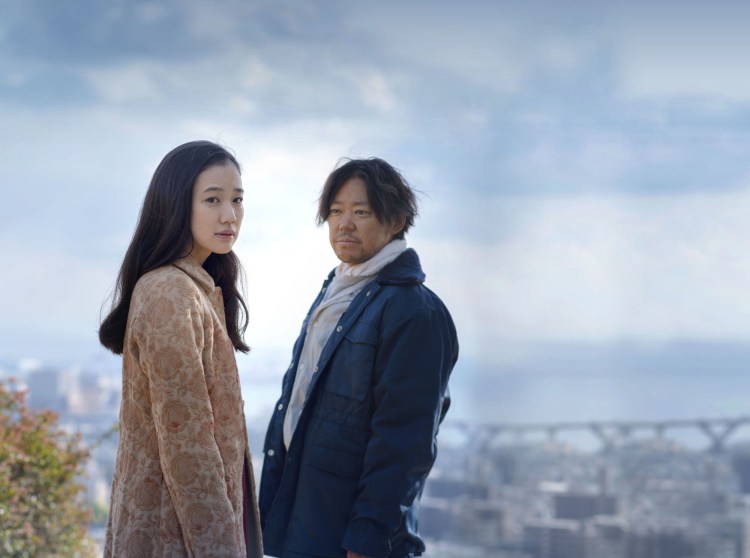
 Hirokazu Koreeda makes a rare detour from the family drama for a high stakes legal thriller in which a veteran lawyer takes on the seemingly impossible task of defending a murder suspect who has already served time for violent crime and freely confesses his guilt, but the more the lawyer looks into the case the less confident he feels that his client is telling the truth.
 Fukushima native Ryuichi Hiroki adapts his own novel for an exploration of precarious rural life on the edge of a disaster zone. Newcomer Kumi Takiuchi stars as a young woman with a regular office job living in temporary housing with her father (Ken Mitsuishi) after being displaced by the 2011 earthquake and tsunami. For unexplained reasons, the young woman travels to Tokyo at weekends and engages in casual sex work which brings her into contact with Kengo Kora’s conflicted driver.
 Katsuya Tomita’s
  Kiyoshi Kurosawa rolls back on the nihilism of
 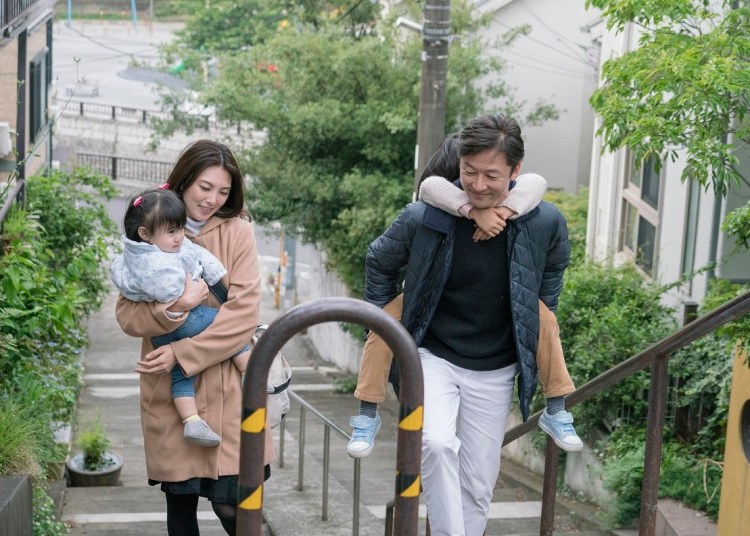 Yukiko Mishima’s adaptation of the Kiyoshi Shigematsu novel stars Tadanobu Asano in a tale of family and the modern society. A middle-aged man, Makoto, leaves his first wife for a younger woman after they disagree about adding to their family – he wanted another child and she didn’t. His second wife has two children already and when she announces she is pregnant, Makoto is not so sure about becoming a father again…
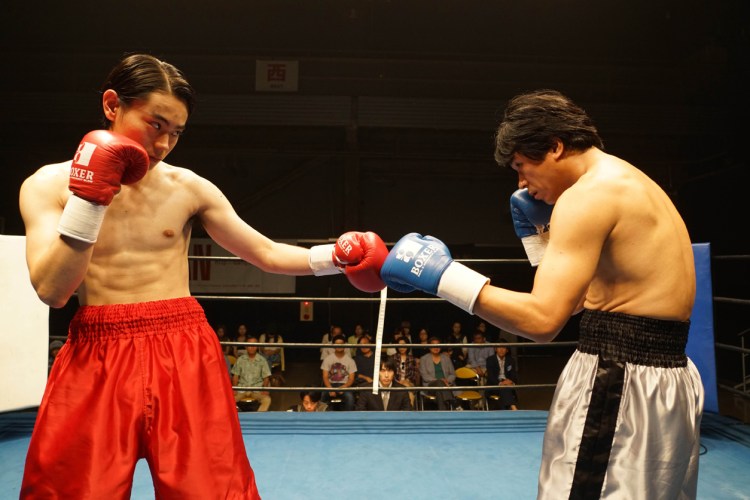 Released in two parts, Wilderness adapts the classic 1966 novel by Shuji Terayama in which two men seek release in the boxing ring but also discover friendship and brotherhood in the shared connection of violence. Up and coming director Yoshiyuki Kishi builds on the promise of the impressive
 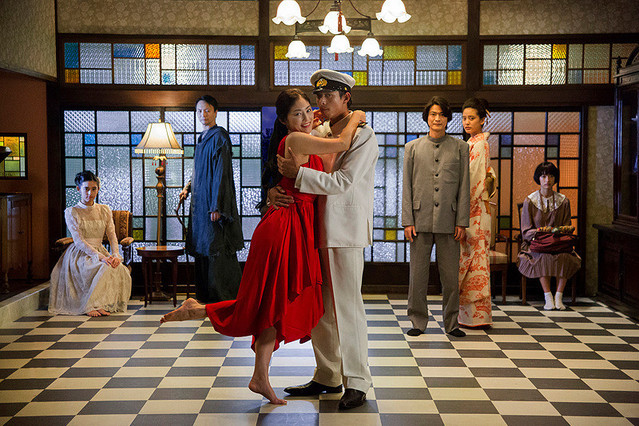 The latest from veteran director Nobuhiko Obayashi, Hanagatami is a project forty years in gestation. An adaptation of the wartime novel by Kazuo Dan, the film is a timely warning against the follies of war as a collection of youngsters dance along the edge of an abyss which will eventually engulf their entire generation.
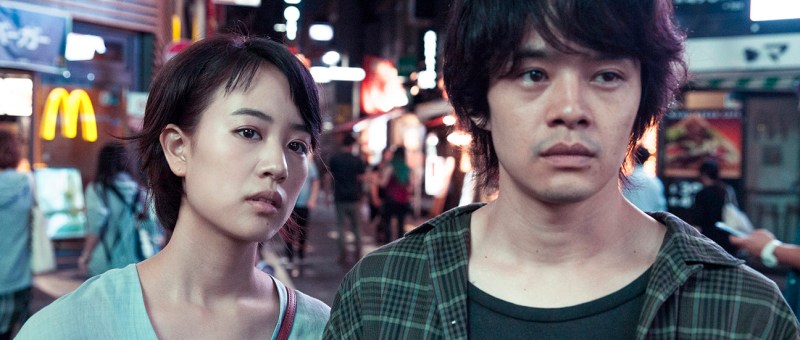
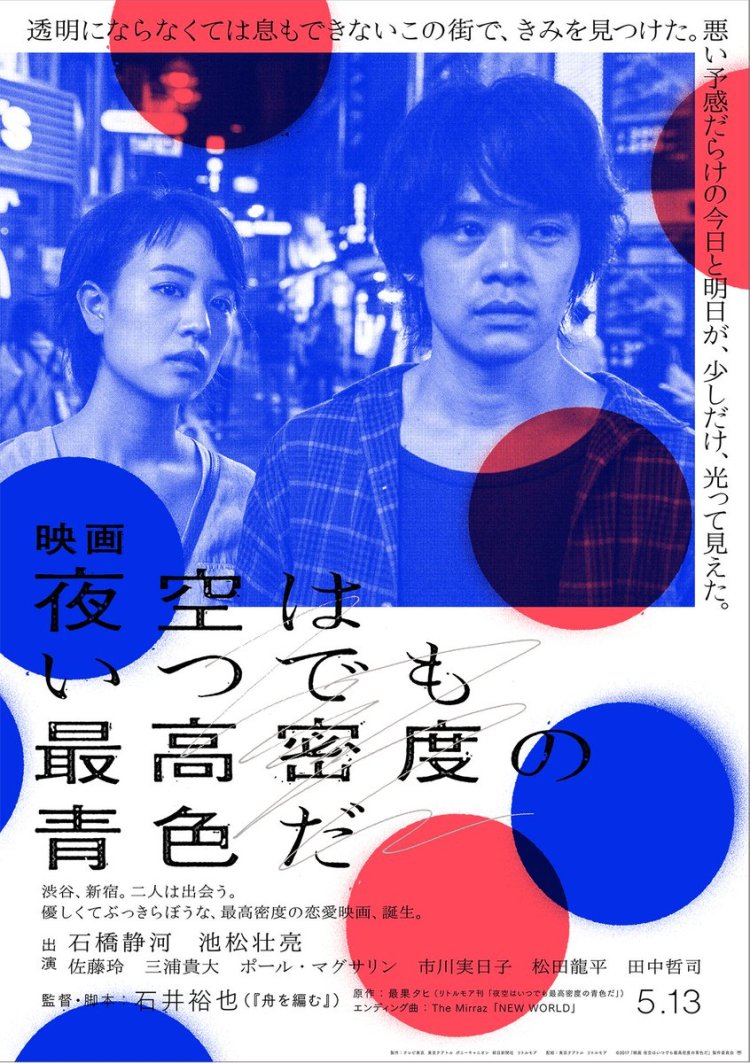
 Taking the top spot, Yuya Ishii’s melancholy romance is a love/hate letter to Tokyo and a poetical mediation on connection in the modern city. A depressed young woman and an anxious young man miraculously encounter each other thanks to the magic of the metropolis but their shared cynicism and distrust of feeling soon becomes a barrier to their growing romance.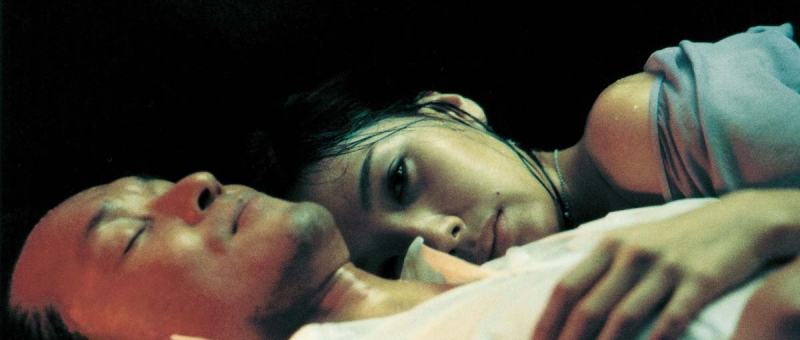









 Windows on Worlds