 Written by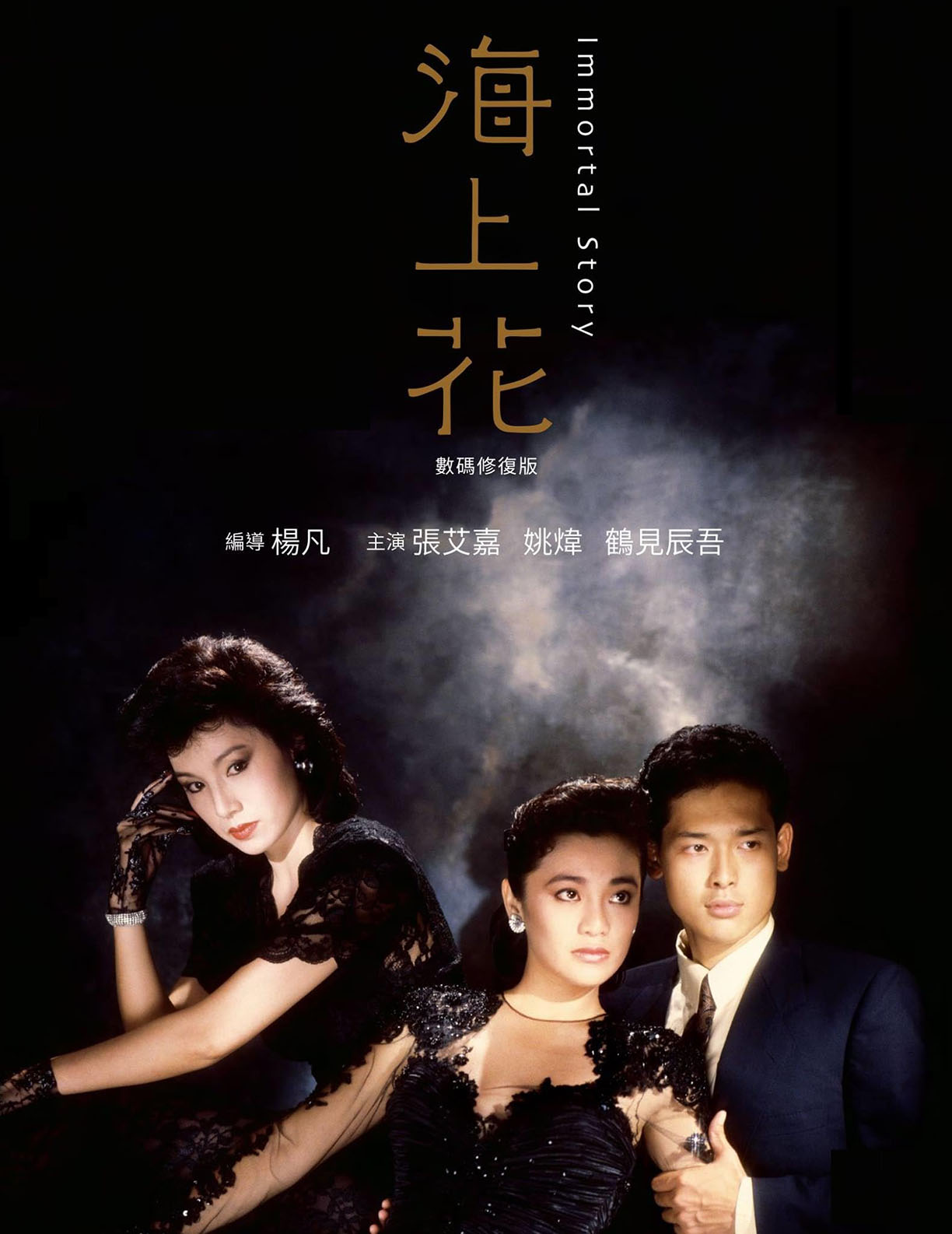
A young woman dreams of romance after meeting a Japanese boy in Macau, but finds that fate has other plans in Yonfan’s romantic melodrama, Immortal Story (海上花). Employing a non-linear narrative, the film opens in the early 1970s and shifts back 10 years as Ling (Sylvia Chang Ai-Chia) meets Nakamura (Tsurumi Shingo) who is in town for a few days while his school baseball team has a fixture in Hong Kong. Though the pair are smitten with each other, Ling never sends the letters she promised to write him, realising that she is corresponding with a romantic fantasy rather than a real person, while Nakamura apparently continues to think of her after returning to Japan.
Ten years later, Ling is discovered cradling Nakamura’s body in a hotel room in Macau and is presumed to have stabbed him with a fruit knife. The film then explores what led to this tragic ending through a series of flashbacks and witness testimonies through which it becomes apparent that both Ling and Nakamura have become somehow corrupted during their time apart. Even during her youth, however, it seems that Ling did not really believe in the reality of romantic salvation and was too afraid to pursue her relationship with Nakamura. After all, she could easily have sent the letters that she continued to write for the full 10 years, but preferred to maintain the fantasy rather than risk it shattering.
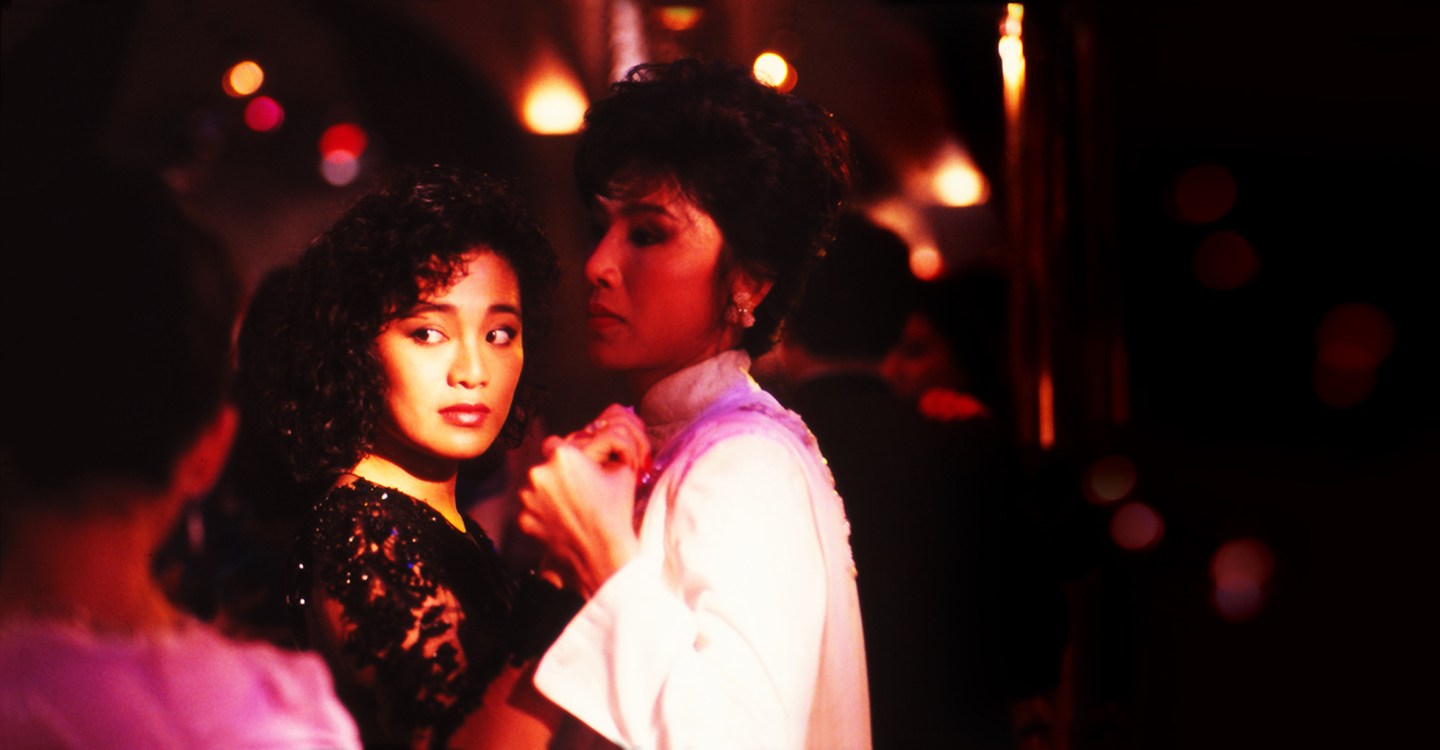
Instead, she drifted into an abusive relationship with a local boy who got her pregnant and then dumped her, after which she was rescued by bar owner/madam, Blanche (Yiu Wai). If Ling is caught in a romantic fantasy, then so in a way Blanche is too as it is clear that she is infatuated with Ling who will never return her affections. In fact, when Ling reveals that she plans to leave with Nakamura, she says that she feels indebted to Blanche but also that she has effectively repaid her kindness through the money she has made working for her as an escort. This is in a way Blanche’s tragedy, that in seeking to trap and possess Ling, she ends up ruining her while Ling feels only gratitude rather than affection. To escape the trauma of her life as a sex worker, she ends up turning to drugs from which neither Blanche nor Nakamura is able to save her.
What exactly happened to Nakamura in the intervening 10 years is never revealed, but it seems that he has ironically become involved with the drugs trade and is therefore partly responsible for Ling’s fate. He vows that he will get her off the drugs and take her back to Japan with him, but agrees to help her inject not only after they first reconnect but when they meet again in the hotel room before they’re supposed to leave. Blanche isn’t wrong when she accuses him of feeding on the blood of vulnerable people, though one could say she does the same in pressing them into sex work as she does with Ling. Unsurprisingly, Blanche is against Ling reuniting with Nakamura, but also asks why she allows men to hurt her, rather than accept the care and nurture Blanche is giving her if while, at the same time, harming her through her exploitation.
The 1970s setting maybe crucial to making the timeline work as Nakamura states the reason he can speak Chinese is that he was born in China, though this “immortal story” feels like something that might have happened much earlier. There is a strong sense of nostalgia for a lost time of innocence and possibility, though Ling already seems to think that her future is out of reach even as a teen. When she reunites with Nakamura, it’s in a ruined building where she once used to live that is about to be torn down, hinting both that their romance has no real future and that it belongs to another time or may really never have existed at all outside of a mutual fantasy. In these early scenes, Ling is entirely dressed in a bright white, as she is in the hotel room, while as a tragic nightclub singer later she wears black like the ironically named Blanche. Their outfits often complement each other in a mix of black and white symbolising both the genuineness of their connection and the corruption stemming from Blanche’s line of work. In the end it maybe Blanche who is trapped within an impossible dream of romance, caught by the futility of her desire, while in a way freeing Ling from the torment of the shadow of an illusionary lover.

