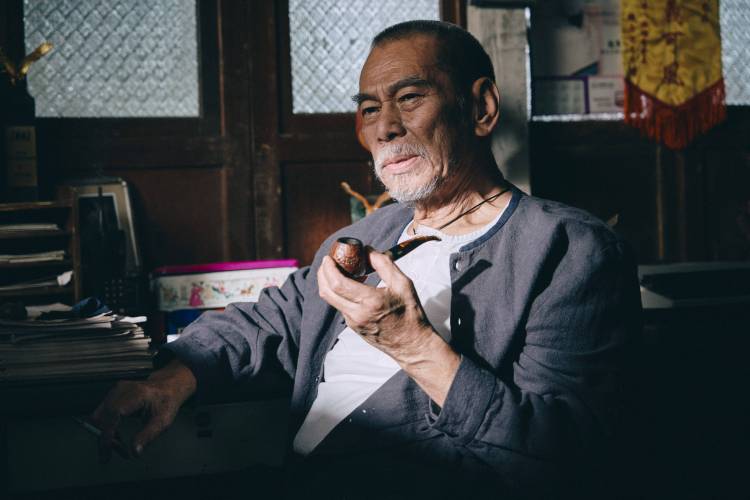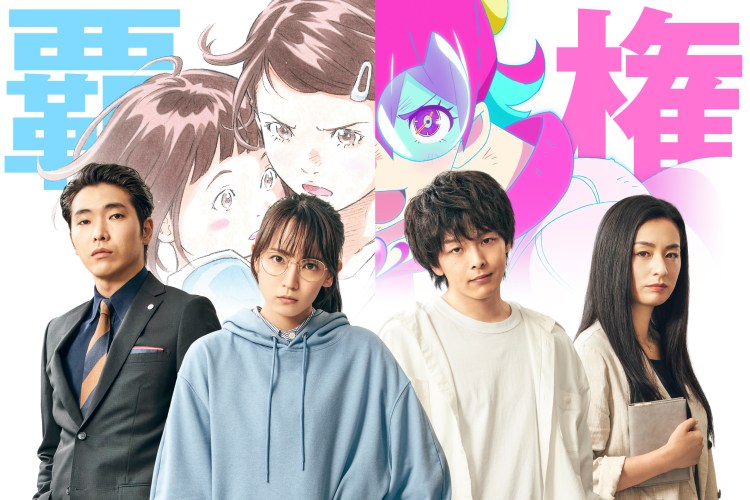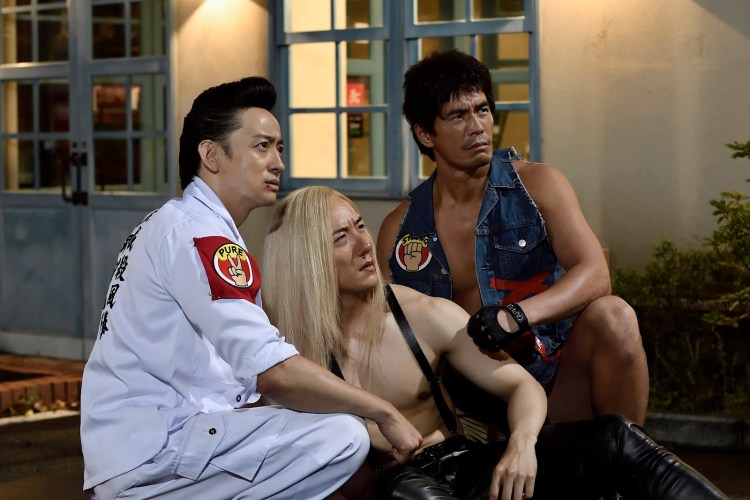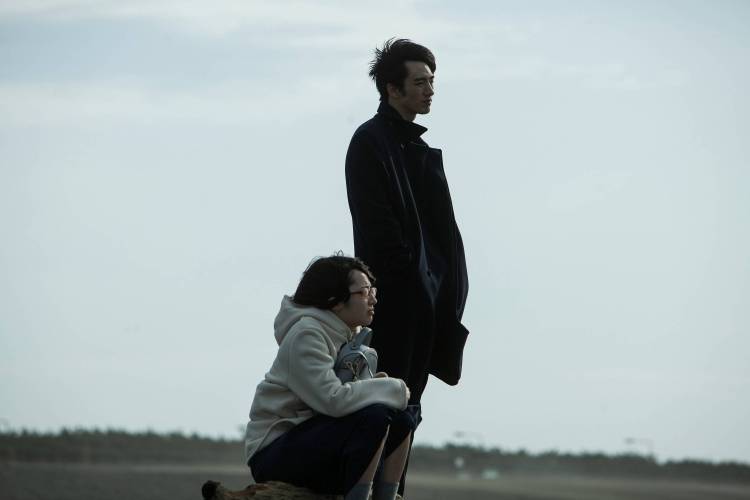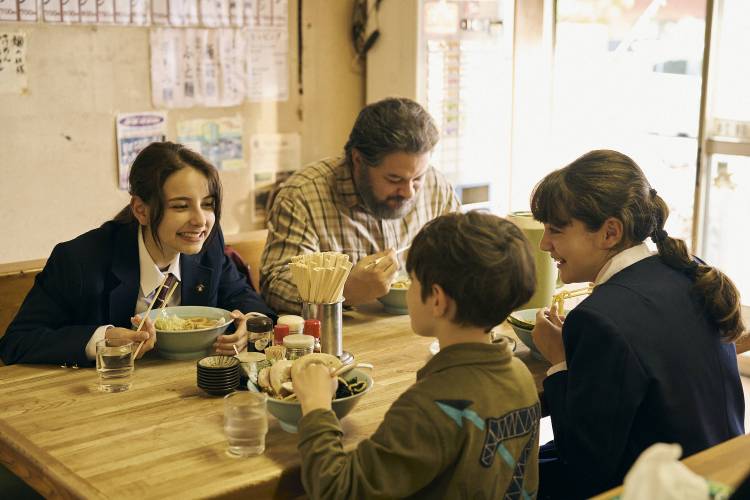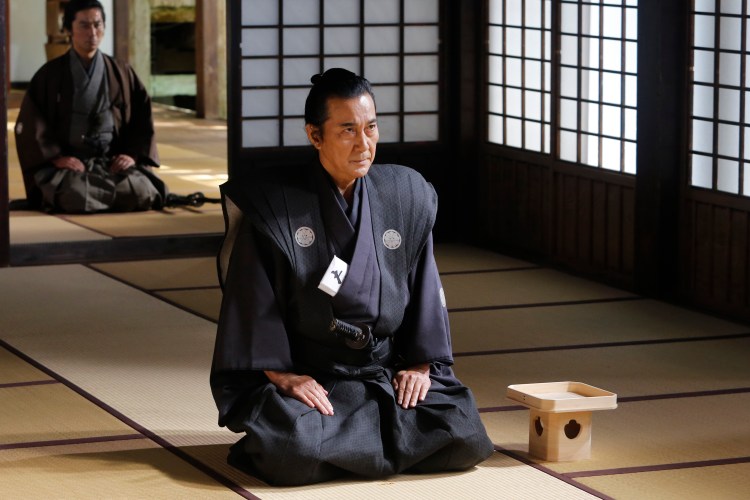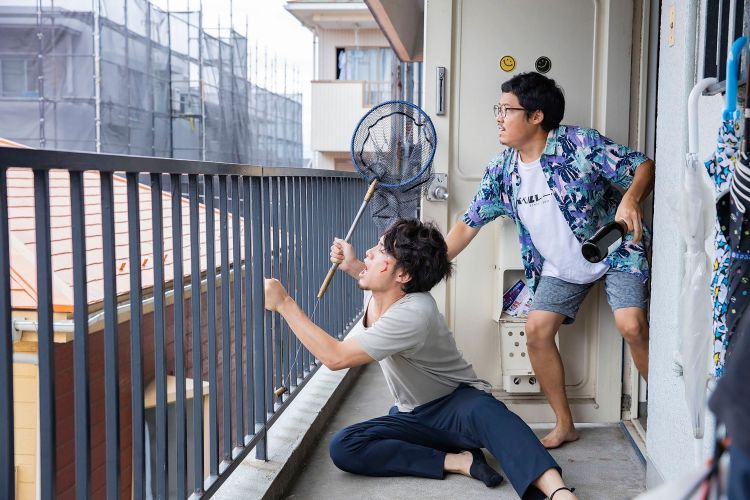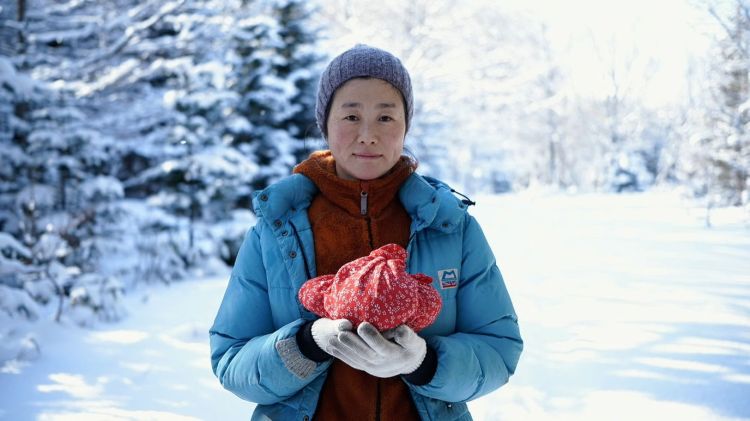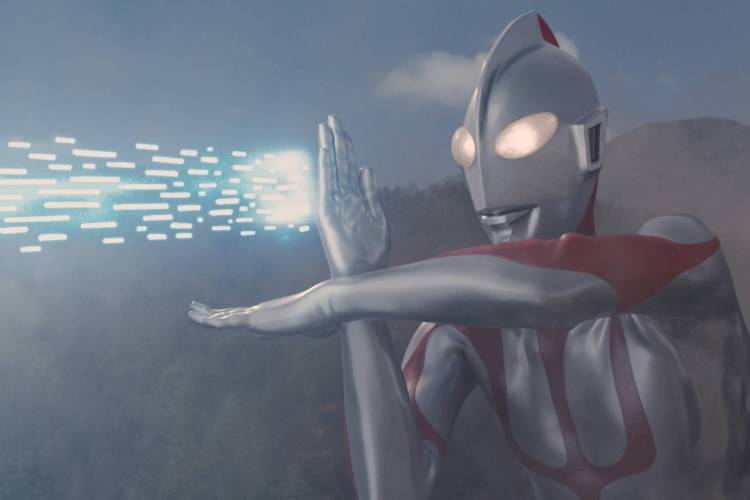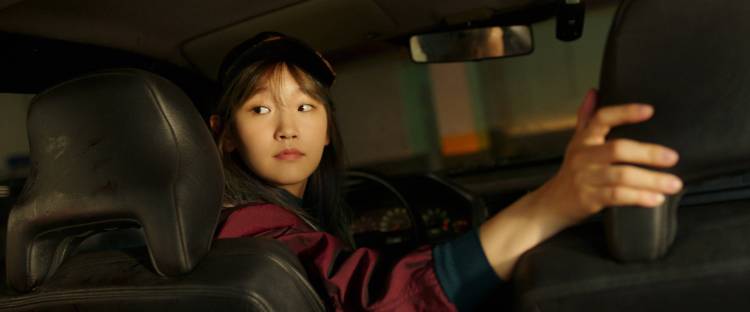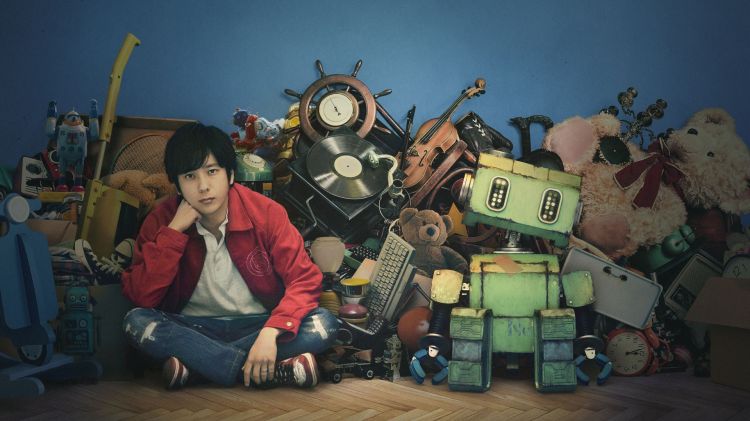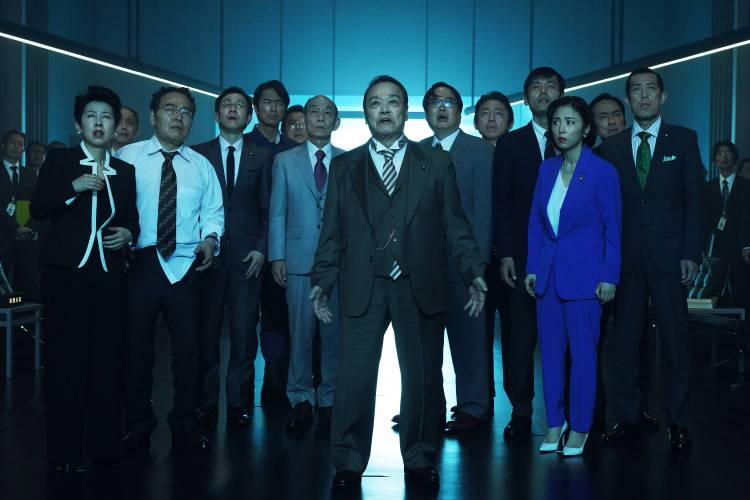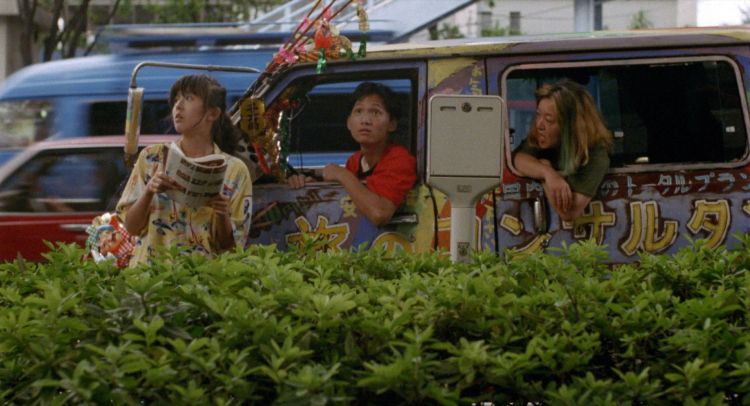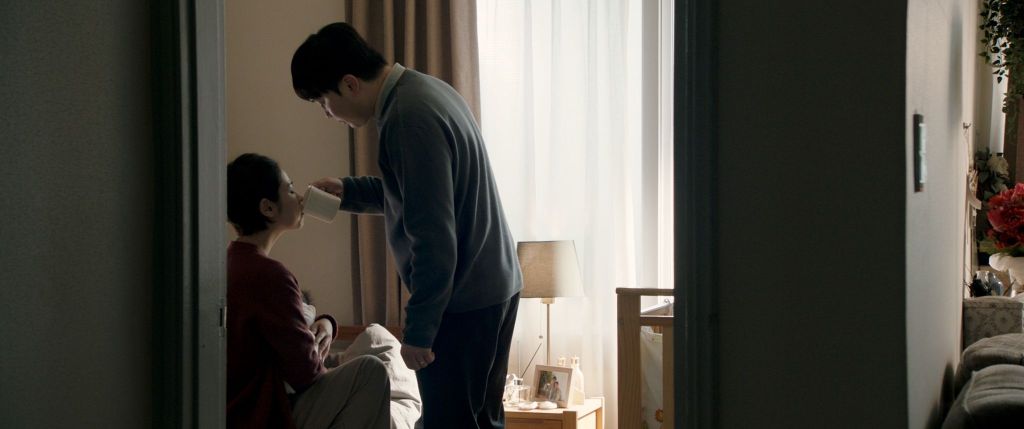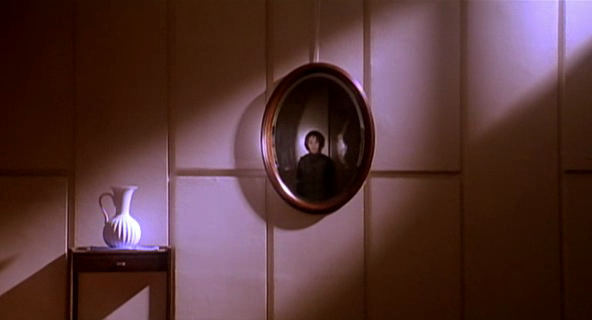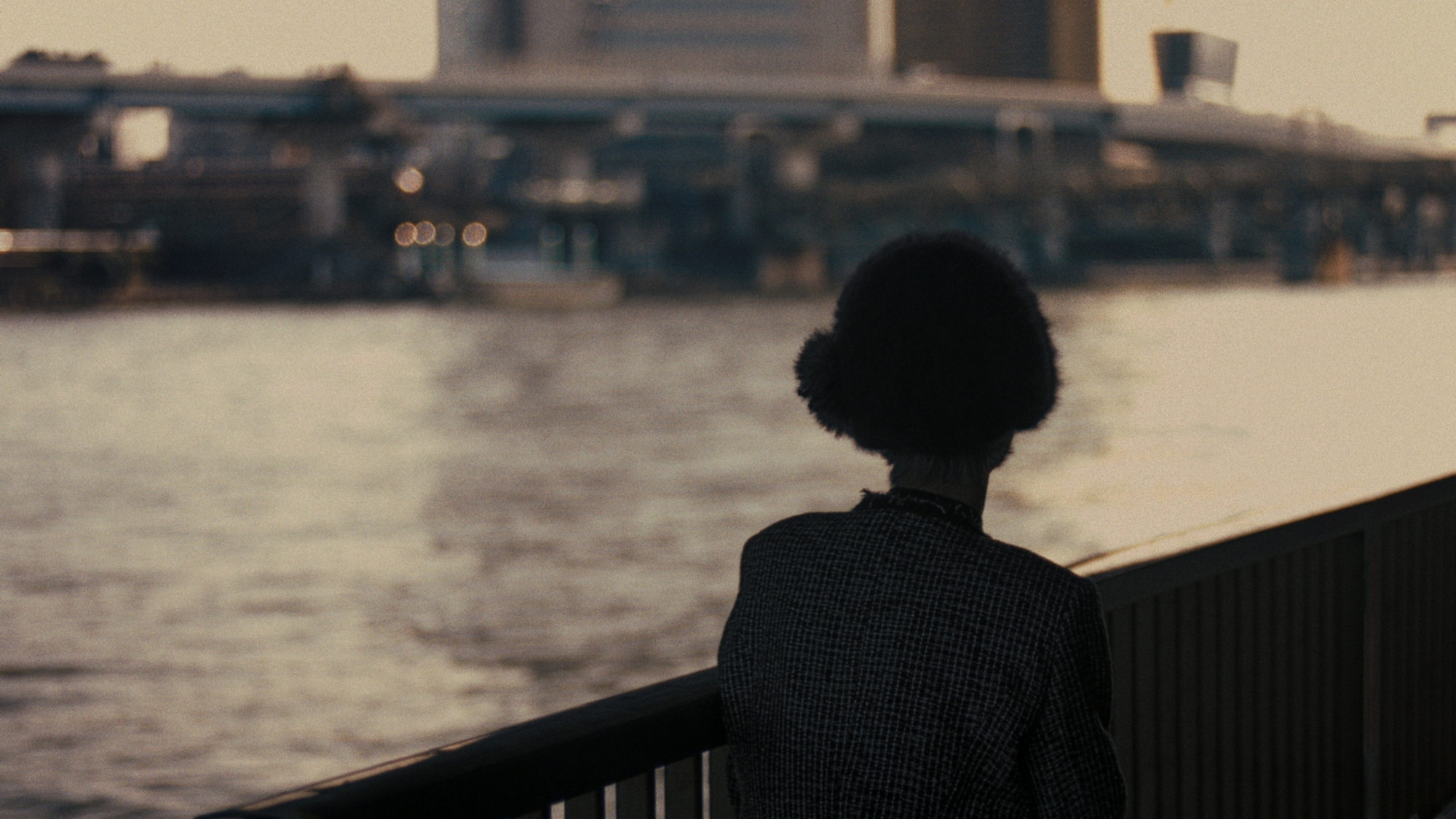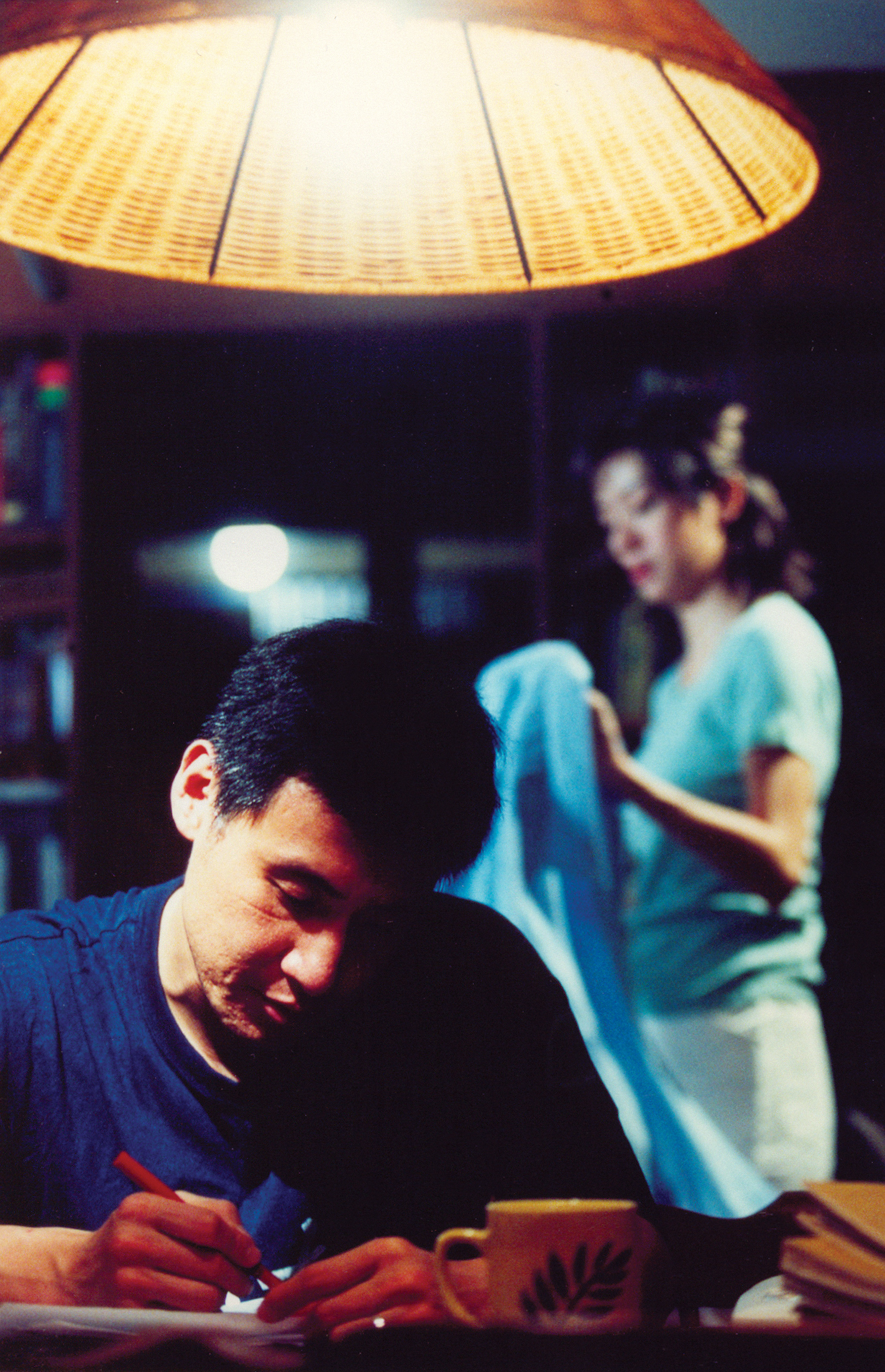
The Floating Castle (のぼうの城, Isshin Inudo & Shinji Higuchi, 2012)

What happens if you call the bluff of those who thought they could take your complicity for granted? As it turns out, at least in the case of a small provincial outpost in Isshin Inudo & Shinji Higuchi’s lighthearted historical drama The Floating Castle (のぼうの城, Nobo no Shiro), something and nothing. Inspired by a real life incident which took place in 1590, 10 years prior to the era defining battle of Sekigahara, the film asks how far standing up to corrupt authority will get you but as history tells us this this is the twilight of the Sengoku warring states period and in the end any victory can at best be only partial and temporary. 

With Hideyoshi Toyotomi (Masachika Ichimura) poised to unify all of Japan under his rule he turns his gaze towards Hojo, the last remaining hold out in the East of Japan. The small castle of Oshi is asked to commit its forces to protecting the main castle at Odawara where lord Ujinaga (Masahiko Nishimura) is to meet with the head of the clan which has decided to resist the Toyotomi invasion. Ujinaga meanwhile is privately doubtful. He knows they do not have the manpower to protect themselves and the only viable course of action is immediate surrender though he cannot of course say this openly even if buffoonish lord in waiting Nagachika (Mansai Nomura) is brave enough to raise the idea of neutrality in front of the messengers. Preparing to head to Odawara, Ujinaga tells his closest retainers to strengthen defences but to open the castle should the enemy approach while revealing that he plans to write to Hideyoshi, whom he apparently knows personally, and privately pledge allegiance in order to avoid destruction. 

Nagachika, however, eventually makes the decision to resist following the arrogant entreaty from Natsuka (Takehiro Hira), the right-hand man of the Toyotomi retainer leading the assault, Mitsunari Ishida (Yusuke Kamiji). He does this largely because Natsuka makes the unreasonable demand that they surrender their princess, Kai (Nana Eikura), herself a fearsome warrior though somewhat sidelined here relegated to the role of contested love interest, to be sent to Hideyoshi as a concubine but also correctly reads that Natsuka and Ishida are overreaching and actually have little more than their bluster to leverage other than the 20,000 men standing behind them which they may not know how to use. Nagachika may play the clown, but he’s not stupid and knows that the 20,000 men are there for the purposes of intimidation and are not expecting a force of a mere 500 to tell them where to go so it stands to reason to think they are not entirely prepared for battle. 

In this he’s mostly correct. Hideyoshi has essentially given Ishida, previously in finance, an easy ride to improve his reputation among the other lords instructing the more experienced Yoshitsugu Otani (Takayuki Yamada) to ensure he comes back painted in glory. Otani had said that others admired Ishida for his “childlike sense of fair play”, but his sense of fair play is often childish as in his gradual realisation that everyone is surrendering to him because of the 20,000 men rather than his prowess as a general annoyed with his enemies for backing down from a challenge which is why he sends Natsuka to alienate Nagachika hoping to provoke a battle which no rational person could ever describe as “fair”. Having assumed that Nagachika would back down or that the castle would be easy to take with only 500 country bumpkin soldiers defending it, the Toyotomi are in for a rude awakening discovering the extent of the counterstrategies in place to protect the small provincial outpost, forced into a humiliating defeat licking their wounds from a nearby hill. 

But then, as Ishida manically proclaims power comes from one thing, gold, using his vast resources to dam two nearby rivers and then burst them to drown the town as Hideyoshi had done once before. Designed by effects specialist Higuchi the flooding of the town is indeed terrifying, a spectacle which delayed the film’s release as the eerie similarities with the catastrophic tsunami of the year before may have been too traumatic for audiences, and speaks to nothing if not Ishida’s intense cruelty in which he is willing to go to any lengths in order to win even destroying the lives of innocent farmers far removed from these petty samurai games. As the film would have it, his arrogance and entitlement eventually come for him, his trap turned back on himself after an ill-advised potshot at Nagachika, a natural leader beloved by all because rather than in spite of his deceptive clownishness, causes disillusionment with his leadership. 

In any case, we already know how this story ends, Ishida is defeated at Sekigahara and beheaded in Kyoto. Nagachika’s victory can be only partial and in fact does not even win him the thing he went into battle for even if he strikes a blow at corrupt government in refusing to simply give in to intimidation, calling their bluff and showing them they cannot continue to push smaller clans around solely with the threat of extinction. In the end they are all at the mercy of their superiors, a truce imposed and imperfect to each side in an act of compromise which spells the end of an era many of those surviving the battles voluntarily renouncing samurai status as if realising their age is drawing to a close, Nagachika proved on the right of history in cultivating links with the Tokugawa soon to take the Toyotomi’s place as rulers of a unified Japan. His resistance was then not foolhardy but justified, necessary, and principled in standing up to injustice even if it could not in the end be fully stopped. 


The Floating Castle streamed as part of Japanese Film Festival Online 2022.

International trailer (English subtitles)
Blue Ribbon Awards Announces Winners for 64th Edition

The Blue Ribbon Awards, presented by film critics and writers in Tokyo, has announced the winners for the 64th edition which honours films released in 2021.This year’s big prize went to Kazuya Shirashi’s Blood of Wolves sequel Last of the Wolves, while Miwa Nishikawa picked up Best Director for Under the Open Sky, and Junichi Okada took Best Actor for his role in action comedy sequel, The Fable: A Contract Killer Who Doesn’t Kill.

Best Film: Last of the Wolves

Long List

  • A Madder Red – latest from Yuya Ishii starring Machiko Ono as a widowed single mother struggling under a highly stratified society in the midst of the coronavirus pandemic.
  • Aristocrats – two women involved with the same man eventually find interclass solidarity in Yukiko Sode’s empathetic critique of a highly stratified and fiercely patriarchal society.
  • A Morning of Farewell – melodrama from Izuru Narushima starring Sayuri Yoshinaga as a doctor who returns to her hometown and begins working in a local clinic.
  • The Lone Ume Tree – ’60s New Wave icon Mariko Kaga stars as an ageing woman caring for her autistic son but worrying what will happen when she is no longer able to look after him.
  • It’s a Flickering Life (God of Cinema) – Yoji Yamada’s adaptation of the novel by Maha Harada starring Kenji Sawada as an ageing movie obsessive with a gambling problem looking back on his younger self (Masaki Suda) and broken cinematic dreams
  • Fortune Favors Lady Nikuko – a resentful teenage girl comes to realise that she really does love her larger than life mum after all in Ayumu Watanabe’s anime adaptation of the Kanako Nishi novel.
  • Intolerance – drama from Keisuke Yoshida starring Tori Matsuzaka as a supermarket manager whose attempt to catch a teenage shoplifter ends in tragedy while her father (Arata Furuta) relentlessly pursues vengeance.
  • The Fable: A Contract Killer Who Doesn’t Kill – Junichi Okada returns as the hitman with a no kill mission in Kan Eguchi’s action comedy sequel.
  • Under the Open Sky – a pure-hearted man of violence struggles to find his place in society after spending most of his life behind bars in Miwa Nishikawa’s impassioned character study.
  • And, the Baton Was Passed – comedy from Tetsu Maeda (A Banana? At This Time of Night?) revolving around the close relationship between a high school girl and her step dad.
  • Drive My Car – a theatre director begins to overcome his sense of inertia after bonding with a young woman hired to drive his car in Ryusuke Hamaguchi’s deeply moving drama.
  • We Made a Beautiful Bouquet – romantic drama from Nobuhiro Doi (Flying Colors) starring Masaki Suda and Kasumi Arimura as a young couple who meet after missing the last train home.
  • Masquerade Night – sequel to the hugely popular Masquerade Hotel starring Masami Nagasawa and Takuya Kimura.
  • In the Wake – mystery drama from Takahisa Zeze starring Hiroshi Abe as a detective hot on the trail of suspect Takeru Satoh
  • Baragaki: Unbroken Samurai – historical drama from Masato Harada starring Junichi Okada as Shinsengumi Vice-Commander Hijikata Toshizo
  • A Family – Michihito Fujii’s contemporary yakuza epic starring Go Ayano
  • A Balance – an idealistic documentarian’s journalistic ethics are strained when she uncovers scandal close to home in Yujiro Harumoto’s probing social drama.
  • Belle – Mamoru Hosoda reinterprets Beauty and the Beast as a grieving young woman becomes an in-app idol star but is also threatened by the presence of a mysterious dragon.
  • Rurouni Kenshin: The Final – concluding chapter of Keishi Ohtomo’s manga adaptation starring Takeru Satoh as the former assassin turned wandering protector.

Best Director

Best Actor

Best Actress

  • Yuki Amami (What Happened to Our Nest Egg!?)
  • Kasumi Arimura (We Made a Beautiful Bouquet)
  • Machiko Ono (A Madder Red)
  • Mei Nagano (And, the Baton Was Passed, Office Royale)
  • Sayuri Yoshinaga (A Morning of Farewell)

Best Supporting Actor

Best Supporting Actress

Best Newcomer

Best Foreign Film: No Time to Die

Long List

  • Unhinged
  • American Utopia
  • In the Heights
  • Onoda
  • Cruella 
  • Godzilla vs. Kong 
  • Dune
  • Nomadland
  • The Father 
  • Minamata
  • Minari
  • Raya and the Last Dragon 
  • Respect
  • F9

Sources: Eiga Natalie, Sports Hochi

Bread of Happiness (しあわせのパン, Yukiko Mishima, 2012)

“Plain bread is nice too” a short-term visitor concedes having reached an epiphany after a few days’ stay at Cafe Mani in Yukiko Mishima’s slice of comfort cinema, Bread of Happiness (しあわせのパン, Shiawase no Pan). Perhaps in its own way a reaction to the devastating earthquake and tsunami of the previous year which is referenced in the closing arc, Mishima’s drama is one of a series of films from the 2010s advocating for a simpler life built on empathy and mutual compassion as a bulwark against the increasing disappointments of a relentlessly consumerist society. 

The heroine, Rie (Tomoyo Harada), was a lonely child who buried herself in a fantastical children’s book about a little boy, Mani, who was best friends with the Moon. Touched by Mani’s words when the Moon asked him to take down the sun because its brightness made his life unbearable that “what matters most is that it shines on you and that you shine on others”, Rie resolved to find her own Mani but has long since given up. She and her her husband Mizushima (Yo Oizumi) have recently relocated to a Hokkaido ranch where they run a cafe bakery that has quickly become a community hub tending to the wounded souls of the local area and sometimes even beyond. 

The urban/rural contrast is rammed home by the couple’s first guest, Kaori (Kanna Mori ), a young shop girl from Tokyo who was supposed to be going to Okinawa with her boyfriend but he stood her up and she’s come to Hokkaido instead. Although originally grumpy and sullen, Kaori begins to warm to the charms of rural life complaining that in Tokyo people have to force themselves to smile. Her words accidentally hurt the feelings of local boy Tokio (Yuta Hiraoka), conversely jealous of big city opportunity but lacking the courage to strike out from his small-town life in which ironically enough he works as a points switcher at the local railway. What Kaori learns through her various experiences and the kindness of the Mizushimas isn’t that country life is better just that small happinesses are often all you need, there is pleasure in simplicity, and there’s no need to submit herself to the pretentiousness of city life explaining that she’s going to tell her coworkers the truth about her Okinawan holiday and bring some of the wholesome homemade bread back for them too. 

But then, it isn’t always so easy as the couple discover trying to help a sad little girl in the wake of marital breakdown. In a slightly surprising twist, Maki (Yuki Yagi) has been abandoned by her mother who has left the family and is struggling to accept both her loss and the change in circumstances which goes with it. The dilemma revolves around a bowl of pumpkin soup which Maki refuses to eat despite having previously longed to taste her mother’s signature dish. The realisation she comes to is that something can be different but that doesn’t make it bad, bonding with her equally dejected father (Ken Mitsuishi) thanks to the gentle support of the Mizushimas who seem to have a knack for knowing just what everyone who comes through their door needs. 

That goes double for the elderly couple who turn up late one night in the dead of winter, husband Fumio (Katsuo Nakamura) worryingly explaining that they’ve lived long enough, that while you’re young you still have the possibility of change, of becoming “a different you”, but old age has no further possibility nor the ability to change. Having lost their daughter in the tsunami the old couple are trapped in an inertia of grief from which they are gradually awakened by the gentle care of the Mizushimas and the sight of the beautiful moon that shines down on Cafe Mani. 

Rie meanwhile remains privately dejected, longing for her own Mani but convinced she’ll never find him only to realise he’s been there all along. Just like the words in the picture book, Rie and Mizushima have resolved to be the light, Fumio later sending them a letter claiming that they have discovered the ideal form of happiness in their simple life doing as they please surrounded by friends who have already become family and offering love and support to all who come through their doors through the medium of delicious seasonal food. With a host of quirky side characters including an omniscient glass blower (Kimiko Yo), genial postie (Chikara Honda), farmers with an ever expanding family, and a regular customer who carries a mysterious trunk around, while narrated (seemingly) by a sheep with the voice of a child Mishima’s gentle drama is foodie pure comfort cinema in which good bread and a warm fire may yet save the world.


Bread of Happiness until 27th February in several territories as part of Japanese Film Festival Online 2022.

Original trailer (English subtitles)
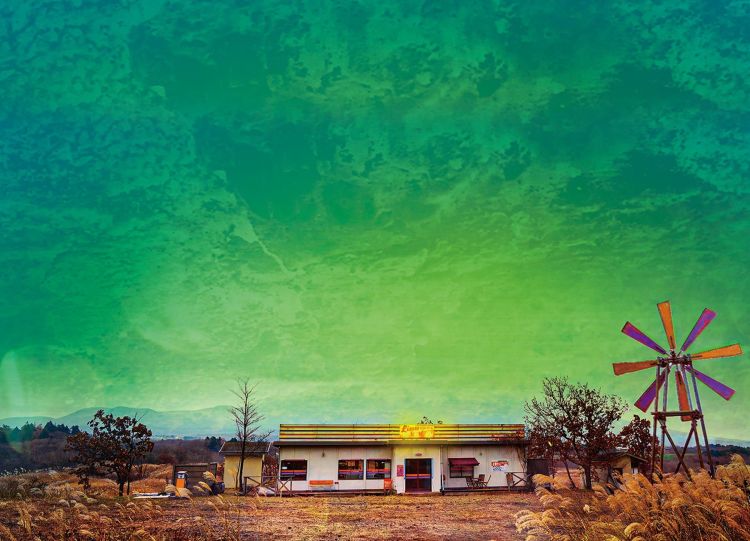
Osaka Asian Film Festival 2022 Announces Complete Lineup

The Osaka Asian Film Festival returns as a physical event taking place in the city from March 10 to 20, with a small retrospective of 10 Japanese indie features from previous editions streaming worldwide from March 3 to 21. This year’s edition will open with Zhang Lu’s Yanagawa, and close with Danish, Norwegian and Japanese co-production Miss Osaka.

China

  • Journey to the West – a true believer in the existence of extraterrestrial life travels to the mountains where he meets a man claiming to be in touch with aliens.
  • Love Will Tear Us Apart – youth romance adapted from a popular web novel in which a man looks back on his youthful love after receiving a phone call informing him she plans to marry someone else.
  • ON STAGE – documentary following the lead singer of rock band Second Hand Roses.

Hong Kong

  • Anita – biopic of the late Cantopop star and actress Anita Mui.
  • Far Far Away – quirky rom-com from Amos Why in which a 28-year-old IT guy finds himself the object of attraction for five women who each hail from distant corners of Hong Kong.
  • The First Girl I Loved – romantic drama in which two women reflect on their high school romance the night before one is set to marry someone else.
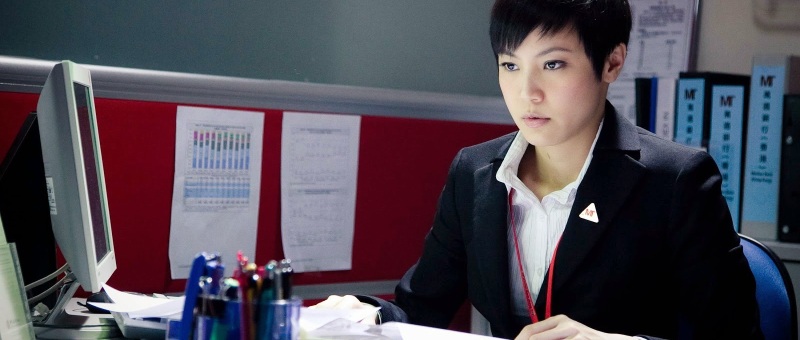
  • Mama’s Affair – latest drama from Kearen Pang (29+1) starring Teresa Mo as a woman who returns to work after raising her son.
  • My Indian Boyfriend – romantic comedy in which a boy from India romances a Hong Kong dancer who is also courted by a rich yet chauvinistic family friend.
  • Time – An elderly hitman displaced by the modern society gets a second chance at life after taking up “euthanasia” in Ricky Ko’s darkly comic yet moving drama. Review.

Japan

  • Angry Son – indie drama in which an angry young man from the country raised by a Filipina single mother contends with local xenophobia while looking for the father he has never known.
  • Confession – drama from actor/director Hideo Sakaki in which a young woman is confronted with her traumatic past after her estranged step-brother visits to tell her her mother has passed away. no longer screening
  • Far Away, Further Away – romantic drama from Shinji Imaoka in which an unhappily married woman bonds with a brokenhearted estate agent.
  • Howling – after losing his job having been accused of sexual harassment, 40-year-old Ryuji is propositioned by 20-year-old Akane only to discover she wants him to kill her father while his first love Chisato has married their former high school bully and is trapped in an abusive relationship.
  • To Be Killed by a High School Girl – outlandish manga adaptation starring Kei Tanaka as a handsome teacher who joined the profession because he has a taboo fetish of being murdered by a high school girl.
  • The Light of Spring – neorealist docudrama told from the point of view of a little boy who returns home to discover his mother and sister have left because his parents are separating.
  • Our House Party – semi-autobiographical LGBTQ+ indie drama from Shuichi Kawanobe in which a student begins exploring his sexuality after an encounter with the owner of a gay bar in Tokyo’s Shinjuku 2-chome.
  • Melting Sounds – MOOSIC LAB drama from Kahori Higashi in which a young woman returns to her grandmother’s home to find an old man in her garden recording ambient sounds so he can bury them in a “sound tomb”.
  • Miss Osaka – Danish-Norwegian-Japanese co-production in which a directionless young woman steals the identity of a Japanese friend after she mysteriously disappears.
  • Random Call – a struggling actor’s world expands after he’s drawn into a social experiment reconnecting with old friends through random phone calls.
  • Sanka: Nomads of the Mountains – drama set in 1965 in which a teenager studying for his exams encounters the Sanka, a community of nomads whose way of life is on the brink of extinction.
  • The Second Sino-Japanese War in Toy Films – silent compilation of early Showa documentary and propaganda films
  • Switchback – four teenagers are brought together by a summer workshop encouraging them to look deeper at their small hometown of Obu.
  • The Wonder of a Summer Day – sisters separated by divorce are reunited by a summer at grandma’s.
  • Yanagawa – latest drama from Korean-Chinese director Zhang Lu in which two brothers decide to visit “the Venice of Japan” in search of a woman they both loved 20 years previously
  • YU-GEKI~side story of “Love’s Twisting Path”~ – documentary following veteran director Sadao Nakajima during the production of Love’s Twisting Path.

Korea

  • Aloners – A solitary call centre employee is forced into a reconsideration of her way of life when a neighbour dies a lonely death in Hong Sung-eun’s melancholy character study. Review.
  • Boundary: Flaming Feminist Action – documentary focussing on the feminist action group formed in the wake of the violent murder of a woman at Gangnam Station in 2016.
  • The Girl on a Bulldozer – an angry young woman rebels when her father is injured in an accident which seems to be connected to a shady politician.
  • In Front of Your Face – An ageing actress returns to Seoul after many years abroad carrying with her a sense of melancholy vulnerability in Hong sang-soo’s gentle character study. Review.

Malaysia

  • Barbarian Invasion – Tan Chui Mui directs and stars as an actress making a comeback after retiring to become a housewife and mother only to be told the film can only be made if her ex co-stars.

Mongolia

  • The Sales Girl – a shy student of nuclear physics begins to explore her sexuality when covering a friend’s shift at a sex shop.

Philippines

  • Big Night – a gay beautician is confronted with her own complicity with injustice when her name is placed on a watch list.
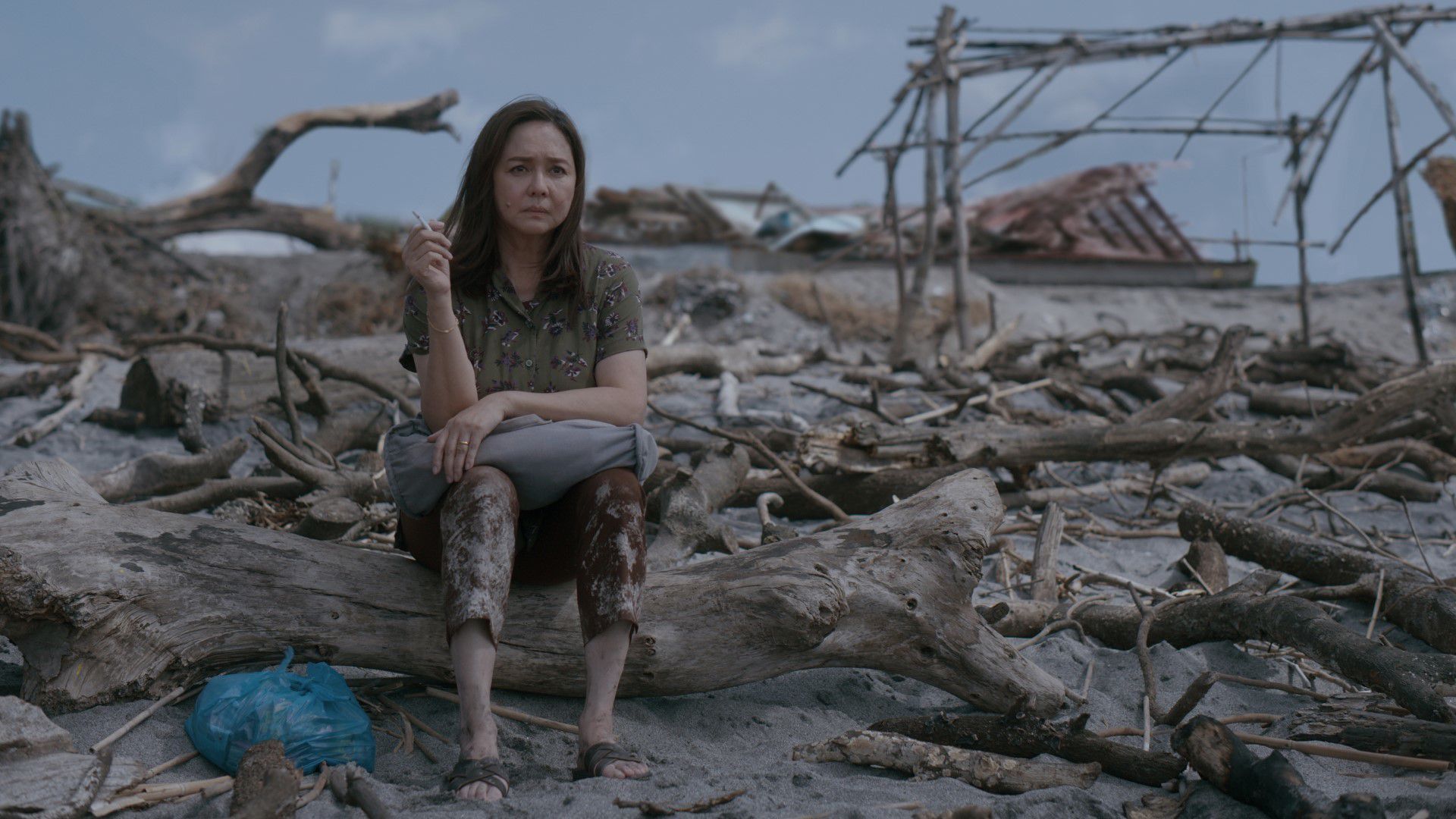
  • Whether the Weather Is Fine – Philippine drama in which a mother and son search for missing loved ones in the aftermath of disaster.
  • You and Me and the Ending – a fugitive and a hotel maid find love at a holiday resort during a COVID-19 lockdown

Taiwan

  • Days Before the Millennium – Two Vietnamese women who came to Taiwan 20 years apart and in very different circumstances discover a sense of mutual solidarity in Chang Ten-Yuan’s migratory epic. Review.
  • Increasing Echo – marital drama in which a woman attempts to force her adulterous husband to visit his former mistress in a nursing home where she is living with dementia but he refuses and runs away.
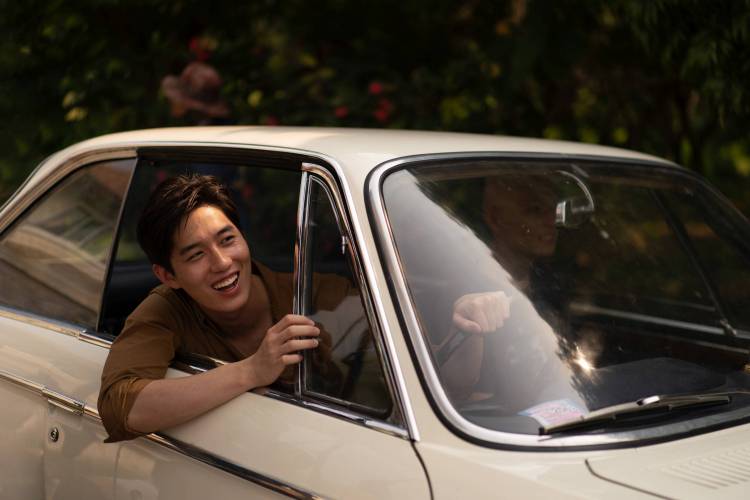
  • Leave Me Alone – a petty gangster falls for a wealthy gallery owner while working as her driver.
  • Girls’ School <Digitally Remastered> – new restoration of the 1982 drama revolving around the transgressively close friendship between two high school girls.

Thailand

  • 4 Kings – a hardworking family man reflects on his time as a teenage delinquent after his daughter is involved in gang violence.

Vietnam

  • Camellia Sisters – three wealthy sisters plot against each other in this opulent melodrama.

Director in Focus: Satoko Yokohama

  • Chiemi And Kokkunpatcho – Yokohama’s mid-length graduation project in which a young woman working as a dental technician receives a wedding invitation from an old friend with whom she had previously fallen out.
  • German plus Rain – Yokohama’s first theatrical feature following a teenage girl who dreams of being a singer but works as an apprentice gardener along with a German guy who calls her “gorillaman”.
  • Bare Essence of Life – Aomori-set drama in the Tsugaru dialect starring Kenichi Matsuyama as an eccentric young man who falls in the love with a kindergarten teacher who has recently arrived in the town in search of her late boyfriend’s missing head. Review.
  • The Granny Girl – 30-minute short revolving around the life of an ordinary Tokyo couple
  • A Girl in the Apple Farm – 42-minute short starring Masatoshi Nagase and Youki Kudo as parents to a runaway daughter.
  • Camping, eating, and sleeping, alone. #7 Corned beef yukke in Nishiizu – 24-minute episode from the TV series starring Takahiro Miura.
  • A DAY-OFF OF KASUMI ARIMURA #5 The Lid 26-minute episode of the TV series starring Kasumi Arimura as a fictionalised version of herself in which she experiences difficulty trying to open a jar and ventures out in disguise in search of help.
  • Honsundonsukosuko – 4-minute short produced for TV starring Ryohei Suzuki

Osaka Asian Film Festival Online < Theater ONE >

Streaming worldwide with English subtitles March 3 to 21.

  • Torso – 2009 drama from Yutaka Yamazaki starring Makiko Watanabe, Sakura Ando, Arata Iura, Sora Aoi, and Renji Ishibashi revolving around an isolated office lady whose only comfort is a limbless male inflatable doll.
  • Breathless Lovers – 20-minute short from 2017 directed by Shumpei Shimizu in which a man chases the ghost of his late boyfriend.
  • Chigasaki Story – whimsical 2014 drama from Takuya Misawa (Murders of Oiso) in which students and teachers come together during a wedding at a hotel.
  • The Faceless Dead – 2009 feature from Kishu Izuchi in which an aspiring writer receives a phone call to tell her she is in the hospital and decides to visit to find out why someone is using her identity.
  • Jeux de Plage – Rohmerian drama in which college friends Sayaka and Yui take a trip to the beach where they meet up with Yui’s old pal Momoko but find their dynamic disrupted by sleazy passersby and mutual awkwardness. Review.
  • Mechanical Telepathy – 2018 feature from Aya Igarashi in which a researcher loses consciousness while trying to develop a machine to visualise the human mind
  • Nice to Meet You – 2011 drama from Takamasa Oe in which a student living alone with his mother discovers her diary in which she converses with his unborn brother.
  • Reiko and the Dolphin – 2019 family drama from pink director Shinji Imaoka in which a young couple try to come to terms with the loss of their daughter in the devastating earthquake which struck Kobe in 1995.
  • The Sound of Light – 2011 first feature from Juichiro Yamasaki in which a former musician returns home from Tokyo to take over the family farm.
  • The Sower – 2016 drama from Yosuke Takeuchi in which a man recently discharged from a psychiatric hospital falls under suspicion following a family tragedy. Review.

This year’s Osaka Asian Film Festival runs at venues across the city March 10 to 20, and online March 3 to 21. Full details for all the films as well as ticketing links are available via the official website and you can also keep up with all the latest details by following the festival on Facebook, TwitterInstagram, and YouTube.

Happy Flight (ハッピーフライト, Shinobu Yaguchi, 2008)

“We’re part of a whole system” the chief mechanic insists with exasperation, irritated with an employee being too thorough, “what if this delays departure?”. Best known for ensemble comedies, of which Happy Flight (ハッピーフライト) is one, Shinobu Yaguchi had originally envisaged a disaster movie only to change tack realising that aircraft accidents really are (thankfully) extremely rare and the backstage workings of an airport might well lead themselves to comedy. Even so, it’s perhaps surprising that sponsor airline ANA who were apparently heavily involved in the project allowed themselves to be seen in a less than perfect light even if their pilots and ground staff do indeed save the day when potential disaster strikes. 

Like any good farce, Yaguchi throws just about every potential problem into one basket beginning with the fact that this flight to Honolulu is the final exam for co-pilot Suzuki (Seiichi Tanabe) who is hoping to earn a promotion to captain though a disastrous performance in the simulator may have dimmed his expectations. It’s also the first flight for chirpy air hostess Etsuko (Haruka Ayase) still harbouring some delusions about the glamour of the flight attendant life while the plane itself is late in and technically speaking needs a couple of repairs though the airline is already a little jumpy about the number of delays impacting their services recently and the chief mechanic thinks some of them can wait. A junior engineer takes it on himself to change a part and incurs the wrath of his boss for taking to long, but is perhaps privately worried he didn’t do it properly and later alarmed when the plane runs into trouble worried that his missing wrench might be the cause. Aside from the pressing typhoon, the other problem is a flock of annoying seagulls normally taken care of by an old man nicknamed “bird guy” who warns them off with a shotgun only today he’s been accosted by the “bird lovers alliance”, while the airport is also surrounded by a bunch of obsessive aviation enthusiasts recording every detail and uploading them online. 

If something can go wrong then it will, as it does when the backup sensors stop working leaving the pilots flying blind, but even before that consumer aviation is first and foremost a customer facing business with the airline concentrating on ensuring that passengers have a good experience so they don’t lose their business to a rival. That’s one reason they’re so paranoid about avoiding delays, but also find themselves dealing with aggressive passengers each intent on receiving individual attention forgetting for a moment that the plane is full of other people who also have needs and demands. Still learning the ropes, Etsuko struggles to understand her place in the machine only to redeem herself later through a little lateral thinking following a culinary disaster while becoming quietly disillusioned with the unexpectedly stressful side of her otherwise glamorous profession. Meanwhile stern purser Reiko (Shinobu Terajima) gives them all a masterclass in deescalating an entitled customer’s rage by stroking his ego with some well-placed psychology. 

This being a comedy it all turns out alright in the end even if Suzuki has undergone something of a baptism of fire and Etsuko has had her eyes opened to the reality of the flight attendant life. Despite everything going wrong at the same time, it goes right when it needs to thanks to the teamwork and dedication of the disparate team from the guys in the air control weather department to the scrambling ground staff arranging meals and accommodation for passengers unable to reach their destination. There’s even the hint of a happy ending for check in supervisor Natsumi (Tomoko Tabata) who was dead set on quitting her job because it doesn’t afford her any opportunities to meet nice guys, while what it does seem to largely contain is fending off the three teenage aeroplane enthusiasts who hang out in arrivals and dealing with various passenger crises. They are indeed all part of whole system, and that’s good and bad in that they all feel under pressure to get planes in the air on time which perhaps encourages them to overvalue efficiency at the cost of safety, but also makes it easier to spring into action in order to fend off a crisis should one occur so that everyone can have a “happy flight” blissfully ignorant of the minor panic under the bonnet of this not so well oiled machine. 


Happy Flight streams until 27th February in several territories as part of Japanese Film Festival Online 2022.

International trailer (English subtitles)
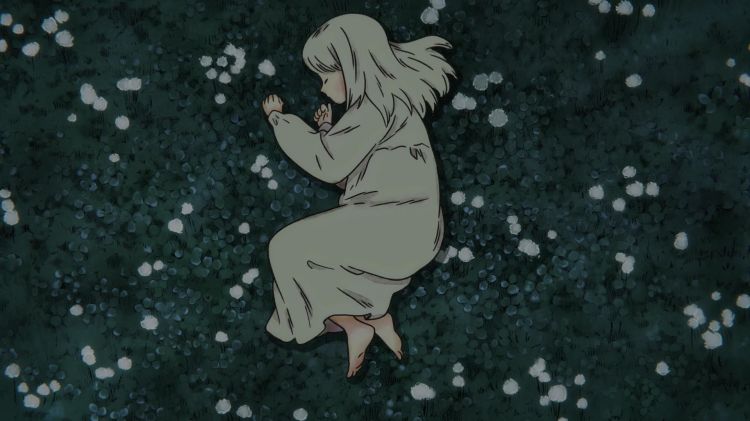
ReLIFE (ReLIFE リライフ, Takeshi Furusawa, 2017)

Is there such a thing as toxic conventionality? The hero of Takeshi Furusawa’s manga adaptation ReLife (ReLIFE リライフ) has driven himself into despair in his failure to achieve conventional success in contemporary Japan, fearing that in having fallen from one of the earliest rungs of the ladder he’ll never be able to climb back up and therefore has no real future. Even so, his dissatisfaction is turned entirely inward rather than channelled into a desire to change society for the better, his eventual epiphany amounting to the determination to help others persevere amid constant disappointment rather than encouraging them to reject the mainstream and search for bespoke happiness. 

At 27, Arata (Taishi Nakagawa) isn’t sure why his life turned out this way. He thought he’d follow the conventional path, graduate uni, get a steady salaryman job, marry around 25 and settle down into a comfortable middle class life, but now he’s trapped in a perpetual cycle of job seeking and part-time work with his savings running out and final demands pouring in. Invited to a gathering with old friends one of whom is getting married, he shaves and puts on a suit playing the role of the conventional salaryman they all assume him to be too ashamed to let them know he’s struggling. So when he’s accosted in the street by a strangely elfin young man, Yoake (Yudai Chiba), who tries to recruit him into an experimental programme in which they’ll pay his living expenses while he spends a year as a high school senior he finds himself agreeing. 

This is no time travel story, however, the magic pills merely turn Arata back into a 17 year old to enrol in a contemporary high school with kids 10 years younger than himself. He can’t literally change his past but is supposed to use the time to grow as a person, rediscovering a sense of possibility that comes with youth and dwindles with age. His initial intention is just to ride it out seeing as he’ll have no immediate worries for food or shelter and has been guaranteed help with the job hunt when the year is up and he returns to being 28, but inevitably finds himself drawn into teenage intrigue helping each of his new friends reach their own epiphanies in gaining the courage to declare their feelings or overcome their shyness in trying to decide the further course of their lives. 

Part of his own epiphany lies in his renewed desire to be part of a community, no longer isolated in his personal shame but actively participating while embracing his innate kindness and desire to help others. As we later learn, he quit his company job on uncovering workplace sexism and petty harassment, unable tolerate it that a talented colleague (Mikako Ichikawa) found her career sabotaged by men who didn’t like it that she was good at her job and therefore presented a threat to their success. Arata naively brought the matter to the attention of his boss but his boss sided with the guys and had her transferred out. Given this information, it makes little sense that Akira quit his job in protest but then continued to apply for new ones with other companies presumably assuming they would be different rather than accepting workplace bullying is a systemic issue. 

This is the fundamental problem with his experiences in ReLife in that the path he eventually discovers lies in helping other people endure this already corrupt system which isn’t working for anyone, let alone himself. His emphasis on the spirit of never giving up and being there for those in need is noble, but ultimately only enables the system which caused so many to fall into despair in insisting that it is they who need to live up to these culturally defined ideals of conventional success rather than challenging the deeply ingrained social codes which prevent them from pursuing personal happiness. Part high school nostalgia drama complete with a potentially inappropriate romance, ReLIFE is replete with typical genre motifs such as the cultural festival and summer fireworks display along with the continual sense of something coming to an end as Arata finally convinces himself to “treasure the moment” rather than remain trapped between past regret and fear of an uncertain future, but perhaps sends the uncomfortable message that adult life is something you just have bear rather than actively enjoy. 


ReLIFE streams until 27th February in several territories as part of Japanese Film Festival Online 2022.

Original trailer (English subtitles)
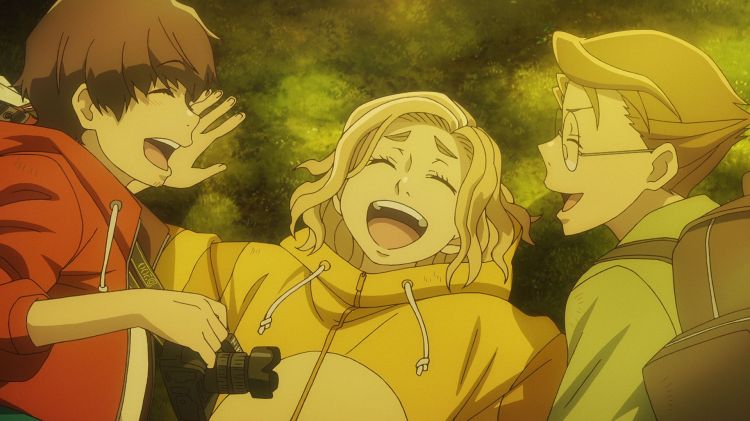
OZLAND (オズランド 笑顔の魔法おしえます。, Takafumi Hatano, 2018)

A snooty elitist gains a new perspective after being unexpectedly transferred to an old school rural theme park in Takafumi Hatano’s heartwarming workplace dramedy Ozland (オズランド 笑顔の魔法おしえます。, Ozland: Egao no Mahou Oshiemasu). Echoing The Wizard of Oz’ Dorothy, Kurumi (Haru) suddenly discovers that she’s not in her familiar Tokyo anymore and is originally resentful, sullen, and aloof refusing to engage with her new coworkers while dismissive of their work but gradually comes to see that there was method in the madness realising the ways she herself has been petty and small-minded while all anyone wanted to do was make people happy. 

Kurumi’s problem is that she’s a hometown girl. She loved her city, her family, her friends, and most particularly her boyfriend Toshi (Tomoya Nakamura) even going so far as to get a job at the company where he works so they can be together all the time. Tragedy strikes when she’s abruptly transferred to a theme park in provincial Kumamoto, Toshio suggesting she go and make the most of the experience of living alone for the first time while they do long distance. Coming from straight-laced Tokyo she experiences a kind of culture shock especially as her eccentric supervisor, Mr. Ozuka (Hidetoshi Nishijima), chooses to haze her with a pretend bomb scare immediately on her arrival. Aside from that, it seems the boss (Akira Emoto) misread her name on her résumé (as it turns out, the main reason he hired her) so no matter how often she corrects them everyone keeps calling her “Namihei” rather “Namihira”, suggesting that it might be easier if she changed her name because they’ve already had it printed on all her things. 

In a way, the name dilemma hints at Kurumi’s sense of superiority over her new coworkers in that she refuses to simply let it go out of politeness, as well she might in refusing to allow them to get away with calling her by a name that’s easier for them without bothering to learn her own, but equally using it as more evidence of their lack of sophistication rather than deciding to see the funny side. Though she’s been hired as part of the planning department, Ozuka assigns her mostly menial tasks further fuelling her sense of resentment. She might have a point when she says she didn’t go to uni to pick up trash for a living, but obviously looks down on her coworkers while the young man who joined at the same time as her, Yoshimura (Amane Okayama), simply gets on with the job without complaint. Kurumi went to a good university which adds to her snooty sense of elitism but later discovers that Yoshimura went to an even better one yet obviously doesn’t feel the same sense of belittlement in being asked to perform manual labour. 

What she later realises is that all of the “pointless” menial tasks had a point but she missed it because she tried to cheat, hoping to get in Ozuka’s good books in the hopes of being transferred back to Tokyo or allowed to do actual planning work. Not until she’s begun to settle in and accepted that she’s been unfair to her coworkers does Kurumi begin to look at herself realising that her snobbishness has only made her unhappy while the relaxed atmosphere and gentle camaraderie at the park is what has kept her new colleagues so cheerful. The extent of her personal growth is thrown into sharp relief when Toshio visits from Tokyo and immediately begins running the park down, describing her colleagues as “nosey”, and finally exclaiming that he preferred the old snooty Kurumi and wants her to come back to elitist Tokyo with him before she turns into a happy provincial. So changed is she that she can’t quite believe he’d be so snobbish and no longer knows what she saw in him realising that she’s much happier now she’s less judgemental and more engaged with those around her. 

In essence, she’s a Dorothy who decided to stay in Oz discovering a new home and a new family in a rundown theme park in Kumamoto that might quite literally be a dreamland making families happy all year round. Filmed at the real life Mitsui Greenland amusement park, Ozland might come from the sponsored by the tourist board school of Japanese cinema (local mascot Kumamon makes several guest appearances) but undoubtedly has a lot of heart not to mention surreal whimsy in its frequent Oz references and insistence on the importance of magic in everyday life. 


OZLAND streams until 27th February in several territories as part of Japanese Film Festival Online 2022.

Original trailer (English subtitles)
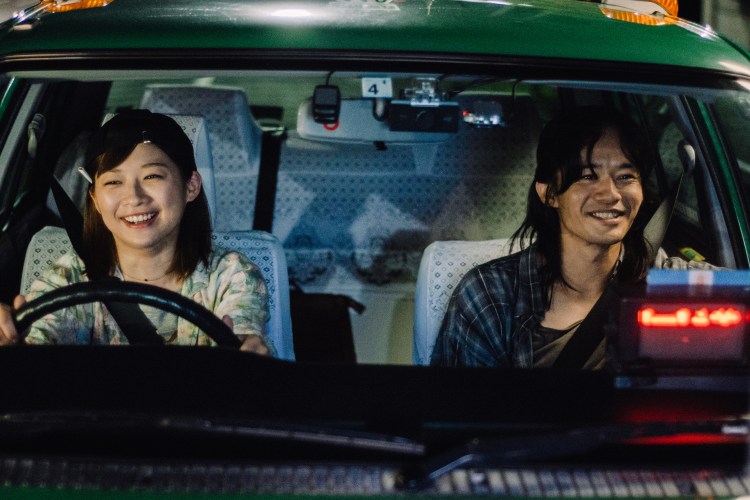
Mio’s Cookbook (みをつくし料理帖, Haruki Kadokawa, 2020)

“Food nurtures like heaven” according to a piece of advice from a local doctor which quickly becomes a catchphrase of the heroine of Haruki Kadokawa’s slice of foodie cinema Mio’s Cookbook (みをつくし料理帖, Mi wo Tsukushi Ryoricho). Adapted from the novel by Kaoru Takada, the Meiji-era drama is at once a tale of a pioneering young woman making her way in fiercely patriarchal society, and a heartwarming exploration of chosen and re-formed families discovering new senses of solidarity in the of wake tragedy while resolving to extend that sense of community to other lonely souls. 

The titular Mio (Honoka Matsumoto) meanwhile has had her share of loss, orphaned during a catastrophic flood and thereafter separated from childhood best friend Noe (Nao Honda) who simply disappeared. 10 years later, Mio and her adoptive mother Yoshi (Mayumi Wakamura) have relocated from Osaka to Edo though their lives have not been easy, Yoshi’s son having run off never to be seen again following the failure of the family restaurant. Mio is now working in a small cafe owned by a kindly older gentleman, Taneichi (Koji Ishizaka), but struggling to adapt to the sophisticated tastes of the capital with customers flatly refusing to eat her overly subtle oysters. A sullen samurai, Komatsubara (Yosuke Kubozuka), points her on her way by explaining that her food lacks “foundation” which is why she hasn’t yet found her groove. 

Mio’s culinary journey is also one of growing confidence as she learns to reorient herself in her new city life eventually realising that the key lies in uniting the tastes of Osaka and Edo as if integrating the two cities into her essential identity. A fortune teller had once told her that she would suffer many hardships but eventually reach “blue sky beyond clouds”, discovering a taste of that in her unexpected success even as those around her marvel at the female chef, a hitherto unheard of phenomenon, as she climbs the ranks of the local restaurants with her innovative cuisine after taking over from Taneichi. 

Yet her success also brings her enemies in the conservative and increasingly greedy Edo society. A rival restaurant rips off her signature dish and charges twice the price, a customer admitting that many will gladly pay more just to be seen doing so, less interested in the quality of the food than what is fashionable (times it seems do not change all that much). Even so “food is only as good as the cook” Yoshi is fond of saying believing that a bad person can’t make good food, something brought out by Mio’s compassionate nature as she continues to help those around her, vowing to “take vengeance through food” in concentrating on perfecting her craft and nourishing people’s souls rather than allowing herself to be beaten into submission by elitist intimidation. 

Meanwhile she continues to wonder whatever happened to Noe, reflecting that she was lucky in having found Yoshi who took her in out of compassion and continues to stay with her all these years later while gaining a surrogate father in the kindly Taneichi who himself lost a daughter. Noe’s prophecy was that she would “rise like the sun” and achieve “world-conquering fortune” though as it turns out she was not so lucky even if the prophecy did in fact come true if ironically. Both women continue to suffer because of the world in which they live each prevented from pursuing their romantic freedom, Mio forced to give up on her probably impossible love for samurai Komatsubara in order to embark on a quest to save her friend through achieving true success with her restaurant while Noe is constrained by her inescapable life as an oiran.  

Even so the film never really digs into the division placed between the women by the existence of the Yoshiwara into which one cannot enter and from which the other can never leave while the open ended conclusion that only advances a hope that the division may be breached perhaps suggests that it may never be, in part because it depends on Mio’s success as an independent woman in a feudalistic, patriarchal society. Meanwhile the two women continue to support each other in ways they can, Mio trying to raise her friend’s spirits with frequent care packages designed to remind her of home and their more innocent childhood smuggled in by supportive friends while each of them have in their own way found new families based on mutual compassion as a means of overcoming despair to rediscover a sense of hope for a better future founded on human solidarity. 


Mio’s Cookbook streams until 27th February in several territories as part of Japanese Film Festival Online 2022.

Original trailer (English subtitles)
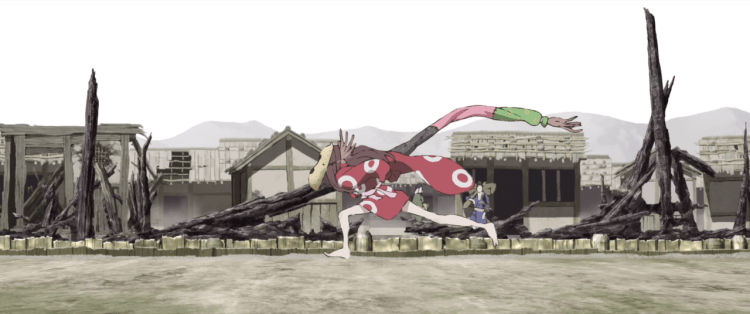
Masked Ward (仮面病棟, Hisashi Kimura, 2020)

“This hospital is…abnormal” according to locum doctor Hayami (Kentaro Sakaguchi) as he begins to discover dark goings on while trapped in a former psychiatric home after being taken hostage by a man in a clown mask. Based on the medical mystery novel by Mikito Chinen, Masked Ward (仮面病棟, Kamen Byoto) is partly a meditation on guilt and grief and partly an attack on backroom eugenics in an often judgemental and potentially corrupt society, if wrapped up in a wilfully silly B-movie crime thriller. 

Still on a temporary sabbatical following a bereavement, Dr. Hayami is recruited by an old friend, Kosakai (Ryohei Ohtani), to cover a night shift at a long term care hospital mostly catering to patients living with dementia. It has to be said the hospital itself has an instantly creepy aura, the police who later arrive describing it as looking like a prison which is apt because no one ever thought to remove the bars from the interior intended to keep “dangerous” patients from escaping. Even so, Hayami is repeatedly assured that nothing ever happens here and most likely he won’t need to come out of his room. Unfortunately that proves to be bad advice because not long after he settles in, a man in a clown mask turns up with a young woman he apparently himself shot but now wants patched up thereafter taking everyone present hostage while hiding out from police who have instituted a manhunt after he robbed a convenience store at gunpoint. 

You’d have to admit it looks a bit suspicious that all of this happened the very night that Hayami is in charge, especially as it’s suggested he may bear a grudge towards head doctor Tadokoro (Masanobu Takashima) as he was the one who refused to admit Hayami’s late girlfriend Yoko (Izumi Fujimoto) who was killed in a car accident in which Hayami was driving. Then again, as Hayami says, what would be the point in that? Suffering frequent flashbacks he subconsciously links the young woman, Hitomi (Mei Nagano), with Yoko determined in a sense to save her instead while trying to figure out what exactly is going on in this very weird medical institution and what the clown is trying to achieve with his random siege. 

The creepiness of the hospital is already well established with its former psychiatric institution vibes, something only enhanced on the discovery of an apparently disused operating theatre which is no grimy basement filled with rusty equipment but appears to have been refurbished recently and is sparklingly clean. It doesn’t really take a genius to figure out what’s been going on in there or why evil head doctor Tadokoro doesn’t want to call the police, but it does call into question not just his own ethics but those of the wider medical profession as he advances a series of eugenicist justifications for his decisions insisting that some lives are not worth saving while those of the elite who “can’t bear to wait” obviously are. Many of those in their beds have no names, taking those only of the area in which they were found supposedly with no identification, and are receiving only basic care otherwise forgotten by an indifferent society while hypocritical politicians offer platitudes about equality, superficially insisting that every citizen should have the right to live, to be protected, and to have a future.  

Even so Kimura can’t quite decide how seriously he wants to treat the darkness at the film’s centre, embracing the outlandishness of the material through a series of B-movie cliches from eerie handheld photography in the creepiness of the of the empty hospital corridors to literal lightning effects and foreshadowing so heavy it almost feels ironic. Yet the tone is at the same time earnest and slightly naive, the police apparently minded to cover the whole thing up due to pressure from above while Hayami is otherwise free to blow the whistle by getting the media involved with a press conference beamed directly onto a big inner-city screen in the middle of a presidential campaign speech all of which seems faintly unlikely given how far they were prepared to go keep the conspiracy secret while one wonders if he’d really be able to get so much attention so quickly even having recovered the secret documents proving his claims are true. In any case, his speech is only really intended for an audience of one as he says pretty much the same thing as the duplicitous politician only he really means it while urging those who’ve been irreparably harmed to give up their hate and try to move on sharing feelings and hopes rather than anger and resentment which is a nice message but perhaps also not especially helpful in holding those who’ve misused their power to account. 


Masked Ward streams until 27th February in several territories as part of Japanese Film Festival Online 2022.

Original trailer (English sutbtitles)
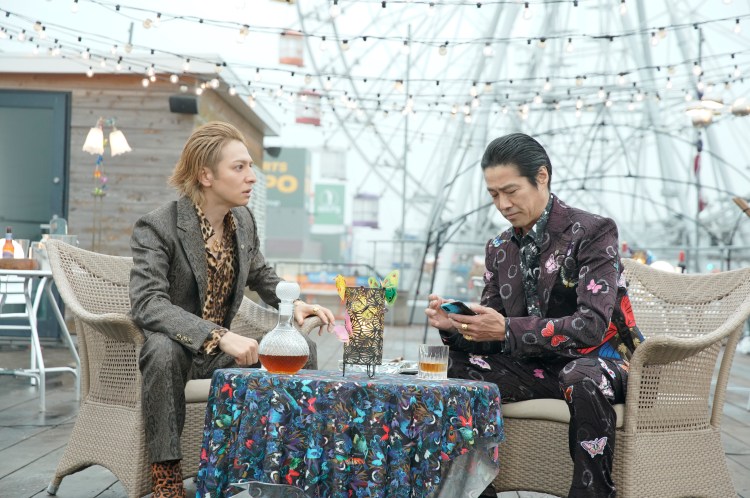
Awake (Atsuhiro Yamada, 2020)
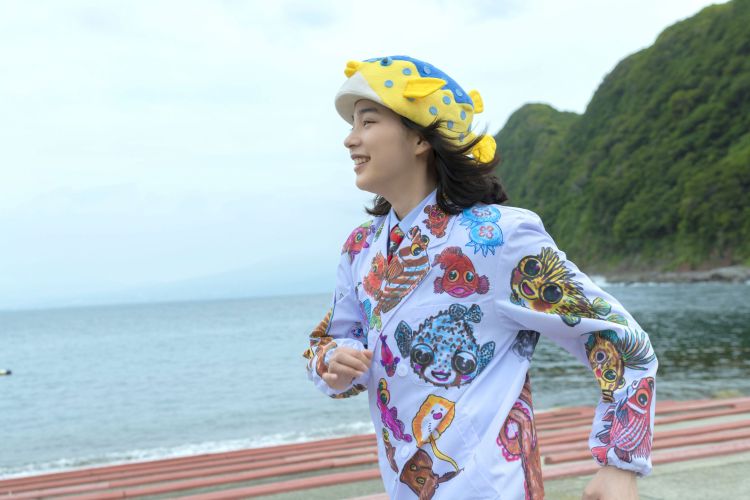
Japanese cinema has gone shogi mad in recent years with biopics such as The Miracle of Crybaby Shottan and Satoshi: A Move for Tomorrow emphasising the intense toll the famously fiendish game can take on the lives of those who are determined to turn pro often studying from a young age to the exclusion of all else while at the risk of losing everything if not making the required standard before reaching the age cap after which it becomes impossible to progress. Inspired by the real life match between an AI shogi system and a professional player in 2015, Atsuhiro Yamada’s Awake is in someways no different but also suggests that true victory may lie in not giving up while progress is possible only through a process of mutual collaboration. 

After opening with a brief flash forward to the climactic match between shogi prodigy Riku (Ryuya Wakaba) and his childhood friend turned programmer Eiichi’s (Ryo Yoshizawa) new AI system, the film flashes back to find the pair enrolling in the same shogi club but with very different approaches to the game. While Riku is bright and open, relishing the challenge of facing a strong opponent, Eiichi is sullen and defensive spending all his time memorising shogi strategies while failing to embrace the spirit of the game in his unwillingness to accept defeat. The pair eventually become rivals, Eiichi apparently the only player to beat Riku but losing out in the crucial game that decides who is promoted to the next rank and thereafter quitting in a huff realising that his rigid thinking is no match for Riku’s intuitive play style. Yet as their mentor suggests, Riku’s game has only improved through playing a worthy challenger like Eiichi, players learn through experience and cannot progress solely by studying the game alone. 

Like The Miracle of Crybaby Shottan, Awake is clear on the toll shogi failure can take on a life as Eiichi finds himself too embarrassed to explain why he’s a couple of years late entering university though most assume it’s likely because he chose to resit his exams in the hope of getting into a more prestigious uni only to settle for this one. A socially awkward young man there appears to be little else in his life to fill hole left by his abrupt rejection of shogi itself caused by an inner insecurity that prompts him to give up rather than persevere after an unexpected setback. That’s one reason he gets hooked on the idea of programming a virtual shogi game, at once captivated by the calming sound of the voice components on the basic online version played by his dad and mystified by its seeming random play style. 

In this Eiichi comes to realise that he can’t do it alone, working closely with fellow AI enthusiast Isono (Motoki Ochiai) who introduces him to open source software and explains that the code is public so that others can build on it. Riku meanwhile still a shoji prodigy struggles with everyday life and didn’t even have a PC until offered the opportunity to become the challenger to Eiichi’s Awake system. His sister had to set it up for him while he was so preoccupied that didn’t quite recognise the name of his own nephew. What he’s looking for is a kind of vindication following a setback of his own along with the novelty of another real challenge though he bears no animosity towards Eiichi and makes it clear he’s playing the robot not the man who built it. 

Rather than a technophobic panic over AI, the film seems to insist it too may have its uses and that the challenge it presents to human thinking is only another opportunity for improvement even if the machine is imperfect while the player has to resort to trickery in order to beat it. The message that Eiichi gets is that failure isn’t always such a bad thing and that nothing’s ever over ’til it’s over so there’s no need to give up so easily in pure petulance. Rather than setting one player against another as villain and hero, Yamada allows the two men to rediscover a sense of mutual admiration, finally allowed to play shogi somewhere more “relaxed” remembering that it’s supposed to be “fun” as they pass the game down to the next generation in another process of mutual evolution. 


Awake streams until 27th February in several territories as part of Japanese Film Festival Online 2022.

Original trailer (English subtitles)