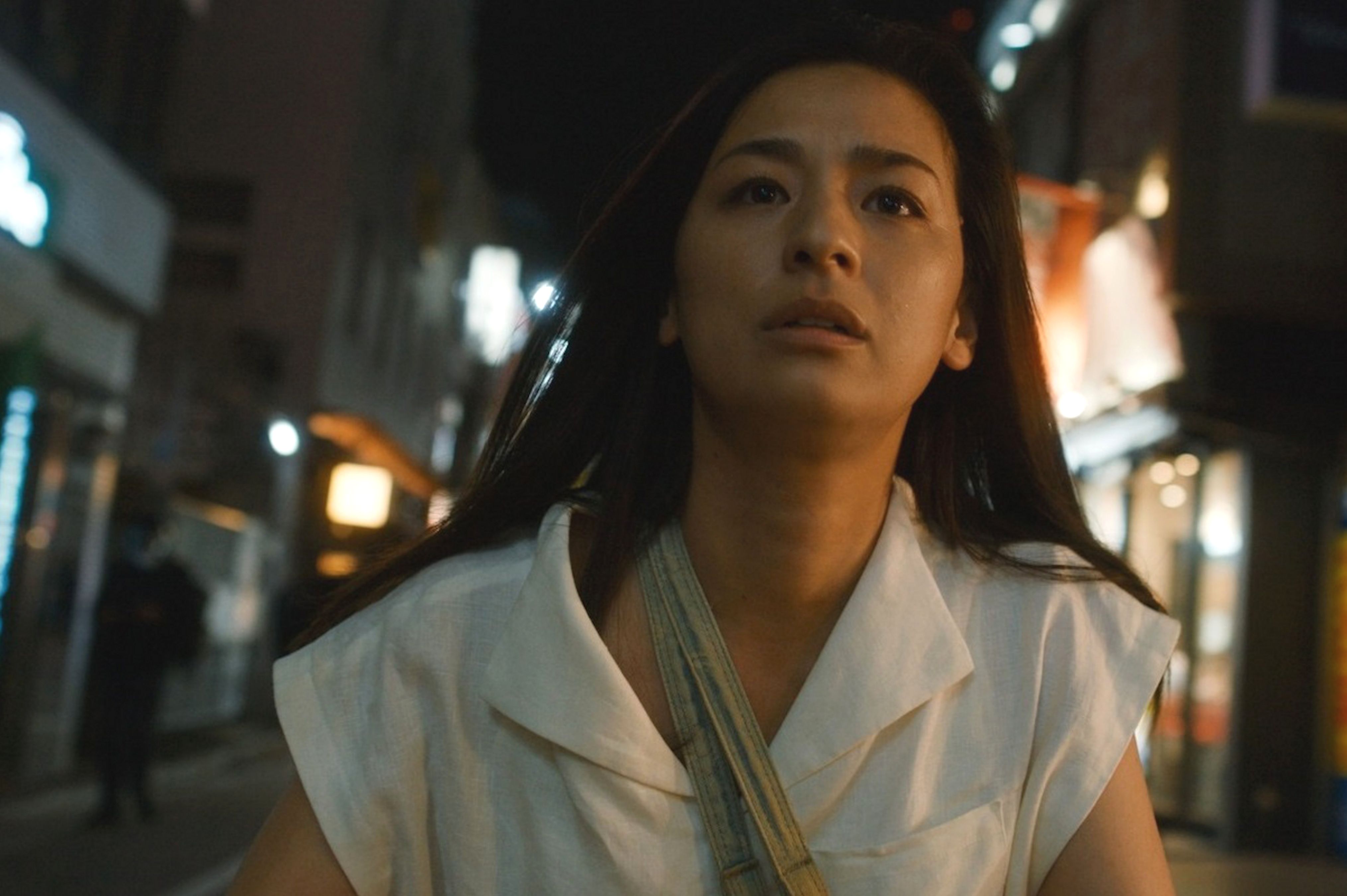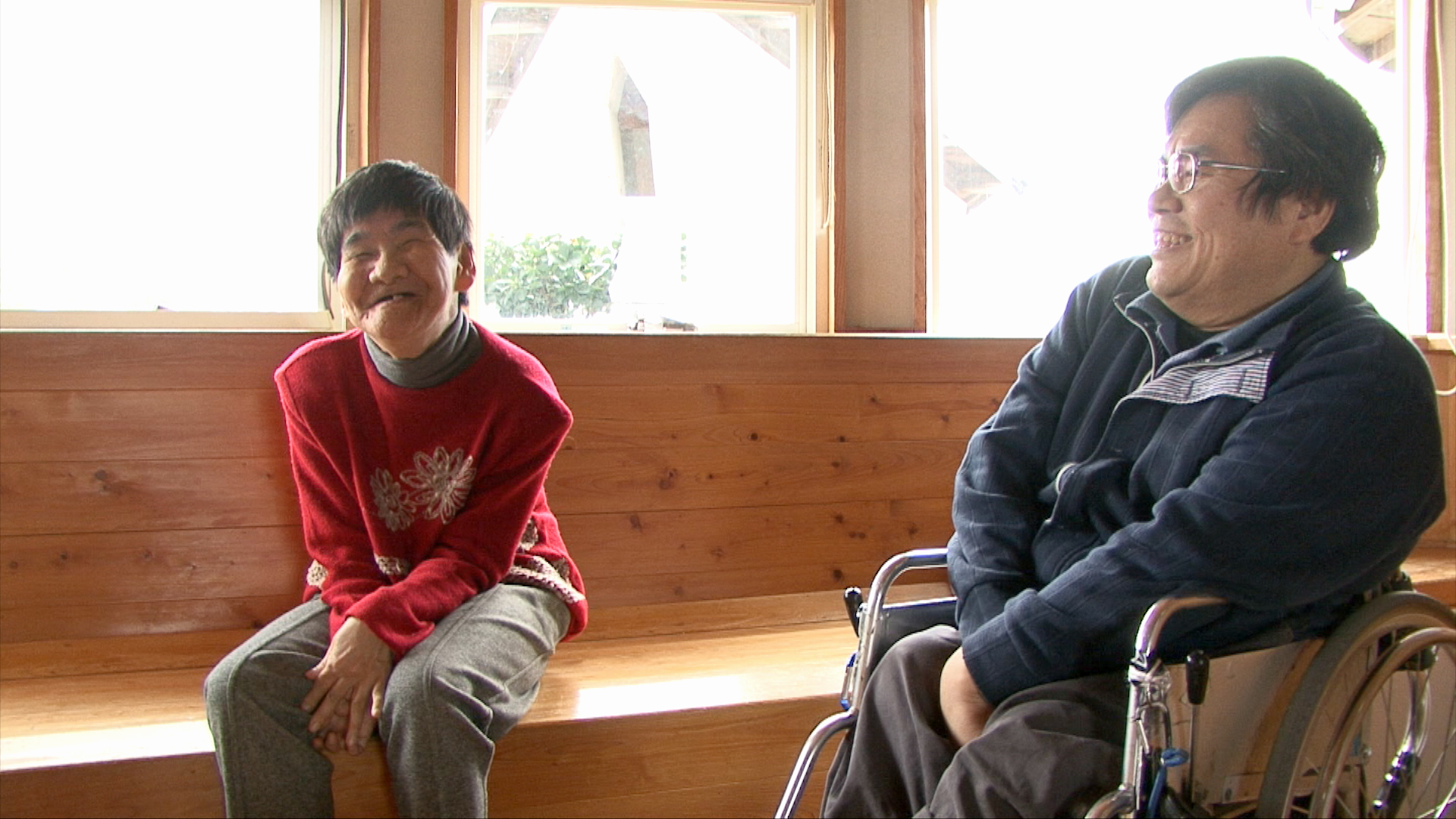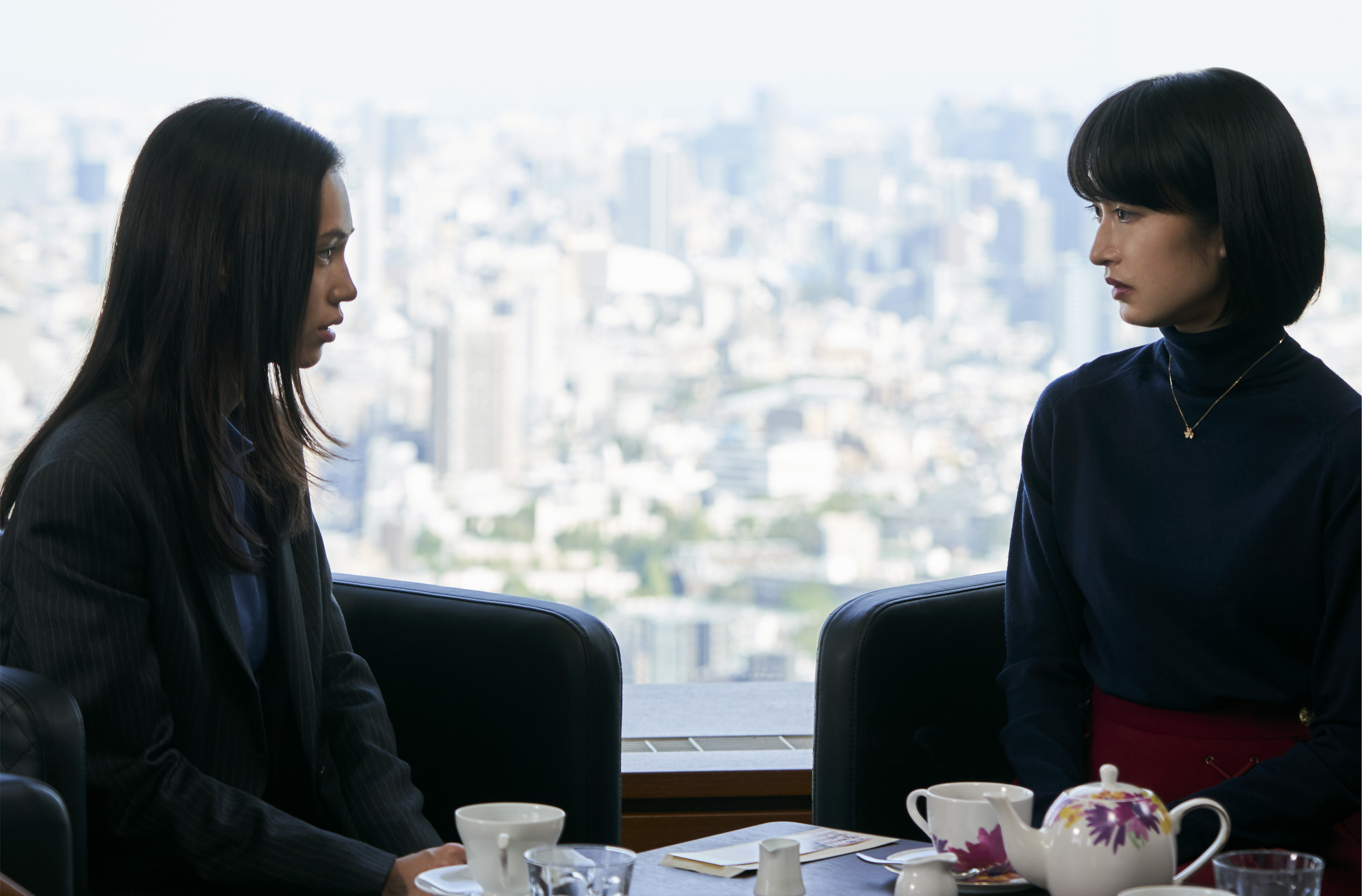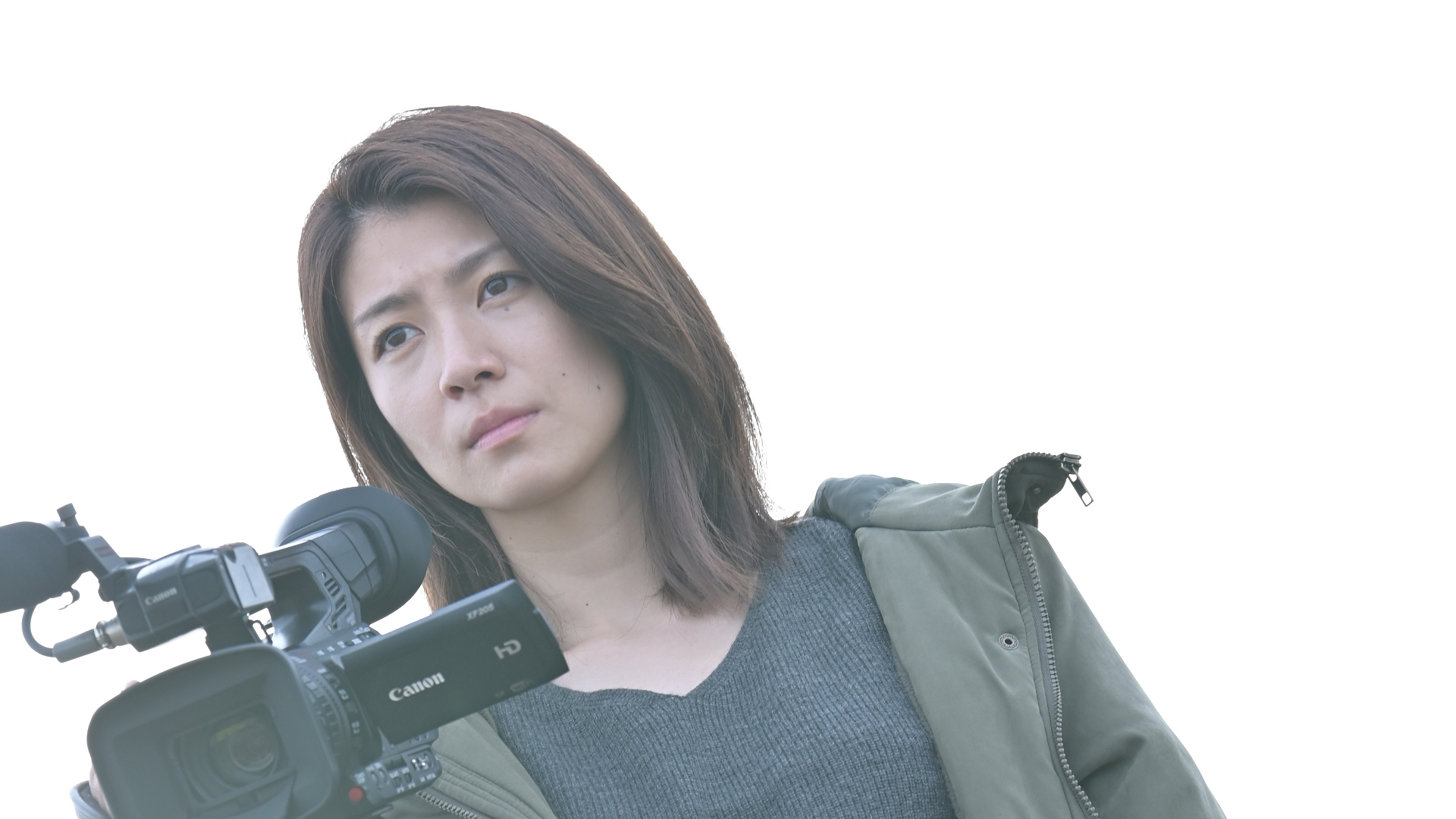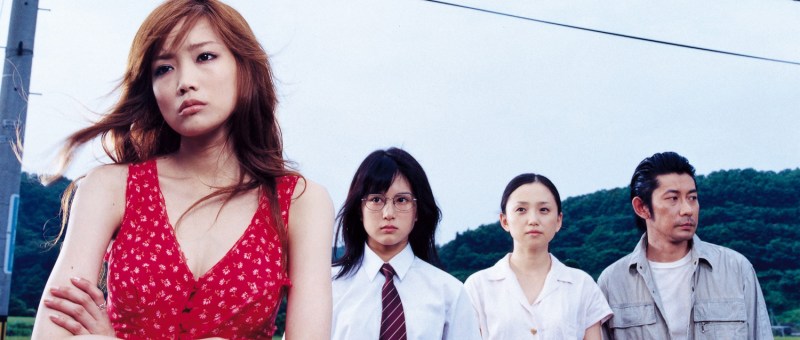
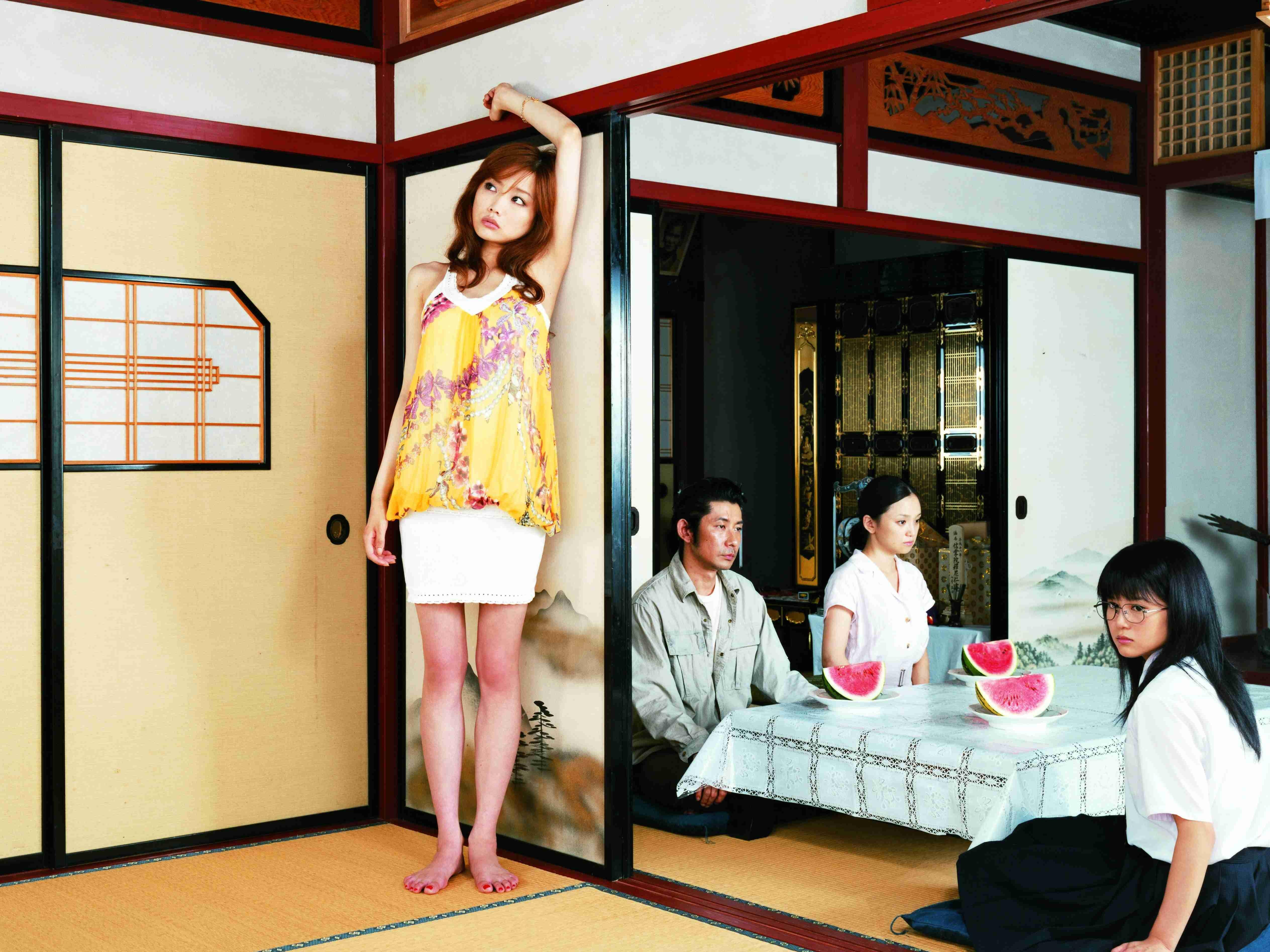
Funuke Show Some Love, You Losers! (腑抜けども、悲しみの愛を見せろ, Daihachi Yoshida, 2007)

“We’re family, I’m sure we’ll understand each other” a conciliatory big brother tries to console, but family is it seems a much more complicated matter than one might assume it to be in Daihachi Yoshida’s debut feature, Funuke Show Some Love, You Losers! (腑抜けども、悲しみの愛を見せろ Funukedomo, Kanashimi no Ai wo Misero), adapted from the novel by Yukiko Motoya. Released in 2007, Yoshida’s film is one among a series of cynical reevaluations of the meaning of “family” in the contemporary society but eventually skews towards the uncomfortably conservative in its implicit suggestion that a family which is not bound by blood cannot succeed while even blood connection may prove inherently toxic. 

Fittingly the film opens with a freak yet largely offscreen accident as Mrs & Mrs Wago are killed by a runaway bus while attempting to save a stray cat, an event witnessed by their 18-year-old daughter Kiyomi (Aimi Satsukawa). The Wagos were a blended household, Kazuko and Shutaro having married later in life and bringing with them their children from previous marriages in Kazuko’s daughters Sumika (Eriko Sato) and Kiyomi, and Shutaro’s son Shinji (Masatoshi Nagase). Four years previously, Sumika left home after a traumatic family incident with the aim of becoming an actress in Tokyo, while her place has perhaps been taken by Shinji’s new wife Machiko (Hiromi Nagasaku) whom he has only recently married. Yet Kiyomi seems more perturbed by the possibility of her sister’s return than she is grief-stricken by her parents’ death, while Sumika barely glances at the altar on her arrival immediately treating Machiko as a servant sent out to pay the taxi and collect her bags. 

As we quickly gather, Sumika is an intensely narcissistic, self-absorbed sociopath intent on manipulating everyone around her in order to assume a position of dominance yet her resentment is perhaps the only thing glueing the family together. Her grudge against Kiyomi apparently stems back to her having used her for inspiration for a manga about a young woman driven to psychotic violence in her ambition to become an actress which later won a prize and was printed under her real name with the consequence that everyone in town quickly realised it was about her. Sumika repeatedly uses this excuse as to why she hasn’t been successful, that the manga forced her into a moment of introspection that destroyed her self-confidence, later saying something similar to an unresponsive audition panel bearing out her tendency to blame her failures on others. Yet Kiyomi apparently feels intensely guilty. “I never thought of myself as the kind of person who’d turn her family into manga for money” she laments shortly after Sumika attempted to boil her to death in the bath, “I want to transform into the kind of person who can sympathise with family members’ pain”. 

“Family means supporting each other at times like this” the relentlessly cheerful Machiko had tried to comfort Kiyomi at the funeral, yet she is constantly reminded that she is not quite included as a family member. Shinji tells her to keep out of family business and later to avoid getting between the sisters, denying her an equal status within the home despite the reality of their marriage. Ironically enough, Machiko was abandoned at birth and raised in an orphanage apparently so desperate to belong to a family that she willingly puts up with Shinji’s abusive treatment while making creepy dolls as a hobby. Yet at the end of the film it’s she who is left on her own, inheriting the family home, while the two blood sisters are eventually forced out but bound to each other if only in unresolved and continual resentment. 

Nevertheless there is also a degree of pathos in the series of frustrated dreams which prevent each of the siblings from escaping the otherwise perfectly nice if dull rural hometown where they were born. Sumika’s tragedy is her refusal to accept she has no talent and is unlikely to find career success because she is an unpleasant person, a meta plot strand seeing her writing letters to a director whose new movie is apparently about whether you can love someone you’ve only communicated with remotely and never met. Sumika seeks only dominance, manipulating her siblings through guilt and shame in order to encourage a sense of dependence while also dependent on them for financial support. Her need prevents either Kiyomi or Shinji finding happiness, their attempts to escape her control eventually leading in very different directions. 

Unlike similarly themed familial dramas, Funuke situates the fault line in its dysfunctional family not in the changing society but in its lack of blood relation while eventually suggesting that even the blood bond between the two sisters is more grimly toxic than it is supportive. In an odd way, it leaves Machiko as the winner while uncomfortably implying that her orphanhood prevents her from becoming part of a conventional family, literally left home alone. A more literal translation of the title might be “show some miserable love, you cowards”, suggesting that these anxious siblings are too afraid of themselves and each other to embrace familial affection Kiyomi eventually affirming “In the end I couldn’t change either, sorry”. While the limitations of early digital photography may not stand up a decade and change later, Yoshida’s occasionally experimental flair including an entire sequence playing out as manga panels helps to overcome the unfortunate lifelessness of a typically 2000s low budget aesthetic while the universally strong performances do their best to gain our sympathy in an otherwise cruelly cynical, if darkly humorous, take on post-millennial family dynamics. 


Funuke Show Some Love, You Losers! is available on blu-ray in the UK from Third Window Films.

Trailer (English subtitles)
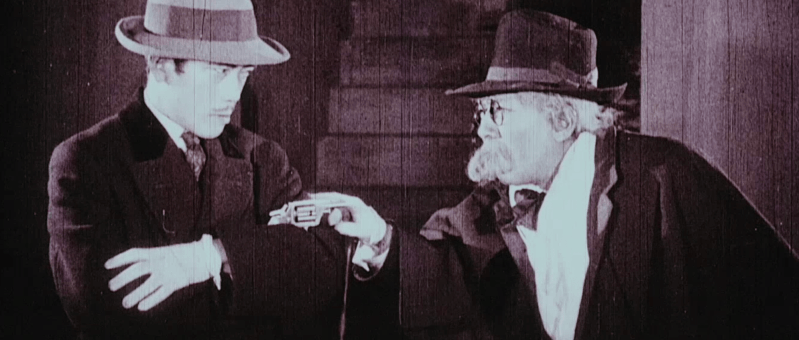
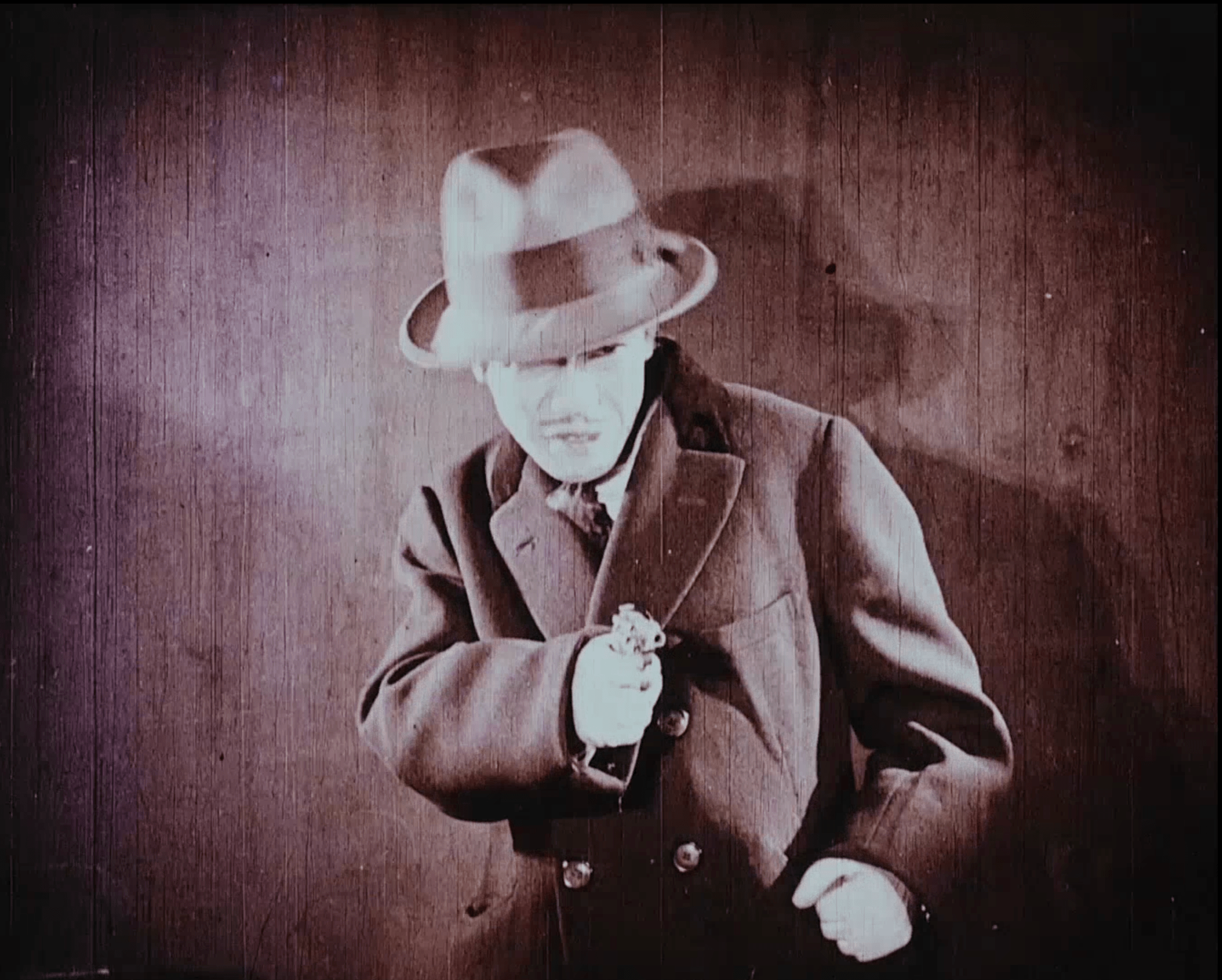
The Golden Bullet (黄金の弾丸, Hiroshi Innami, 1927)

Born in 1902*, Hiroshi Innami was something of an aberration in the early days of cinema in that he first joined the industry after graduating from university and directed his first film, The Golden Bullet (黄金の弾丸, Ogon no Dangan), at Toa Cinema at just 24 years old. His career, and life, were however short as he sadly passed away from tuberculosis at the young age of 36 in September 1938. Even so he managed to produce a prodigious number of films working both as a director and screenwriter though unfortunately little of his work has survived into the present day. 

Adapted from a novel by Herman Landon, The Golden Bullet survives in incomplete form its fifth real presumed lost with the missing action conveyed through additional intertitles prepared for the restoration completed by the Kyoto Planet Film Archive. The source material is taken from a part of a series revolving around the “Benevolent Picaroon” who in the film at least is depicted as a kind of playful Robin Hood who daringly steals precious items from the homes of the wealthy and holds them to ransom promising to return what he’s stolen if only the victim donate 10% of its worth to charity. The Benevolent Picaroon is then known as a responsible criminal who prides himself on the fact he never resorts to violence in the course of his activities which is why Inspector Inomata is sure that he isn’t responsible for the murder of a mine owner found dead in his armchair having been shot with the very elitist weapon of golden bullets. Inomata also knows there was a woman at the scene, which raises his suspicion when he’s called to the home of a wealthy family who’ve received a ransom note from the Picaroon but have noticed nothing missing. With the daughter of the house acting suspiciously, Inomata calls in his “special friend” Kawanami to help who discovers the woman had been hiding something which is now missing in the false bottom of a decorative vase. 

In many ways, The Golden Bullet is surprising for the time in that it makes no real attempt to localise Landon’s mystery save for obvious changes in name presumably taken from the Japanese translation. The production design is heavily influenced by German expressionism and the buildings largely European, a plot point revolving around the Western-style fireplace and a painting that hangs next to it in the murdered man’s home. Only the home of the wealthy family appears comparable to those seen in other contemporary dramas, more a European-style country house than the angular townhouses inhabited by the victim and the old man next door who claims to have overheard the crime. The young mistress meanwhile dresses in kimono while at home and the latest flapper fashions when out, paying a visit to Kawanami assuming him to be the Picaroon in order to ask for the return of the missing item which is of course a golden bullet she picked up from the crime scene mistakenly believing her boyfriend, the nephew of the victim, had committed the murder after a heated argument with his uncle. 

Little motive is later given for the murder itself or its elaborate construction save for “gold” which perhaps hints at a discomfort with growing wealth inequality and changes in the social hierarchy as indeed does the very existence of the Picaroon who robs the rich to feed the poor while trying to force those with means to accept their communal responsibilities and give something back to the society to help the less fortunate. The Picaroon meanwhile is a chameleon Sherlock Holmes clone keen on disguises and with a strong sense of social justice, trying to help the young couple after figuring out what’s going by returning the bullet out of kindness partly for an act of compassion they once did him and partly in admiration for their love for each other because what says love better than trying to cover up murder? 

Nevertheless, the Picaroon soon finds himself on the run chased down by the dogged Inomata who at times seems either obvious or calculating almost as if he doesn’t really want to catch the Picaroon after all. Bold in style, Innami opens the film with a series of illustrated intertitle cards, even at one point playfully switching the colour tint to mimic a light turning on, and ends with a high octane chase sequence as the Picaroon makes his escape firstly on foot and then by hijacking a car while chased by horses and motorbikes passing through Kobe’s foreign concession out into the lush countryside before returning to take care of some unfinished business leading to an oddly homoerotic reunion between the detective and his “special friend”. The crime may have been solved but the key to the identity of the enigmatic Picaroon must remain a mystery if perhaps wilfully so. 


The Golden Bullet is available to stream worldwide courtesy of Kobe Planet Film Archive with either live music or benshi narration though English subtitles are provided for the intertitles only.

Trailer featuring benshi narration (no subtitles)
*There seems to be some confusion surrounding Innami’s birth year with some sources citing 1900 rather than 1902 (in which case he was 38 when he passed away).

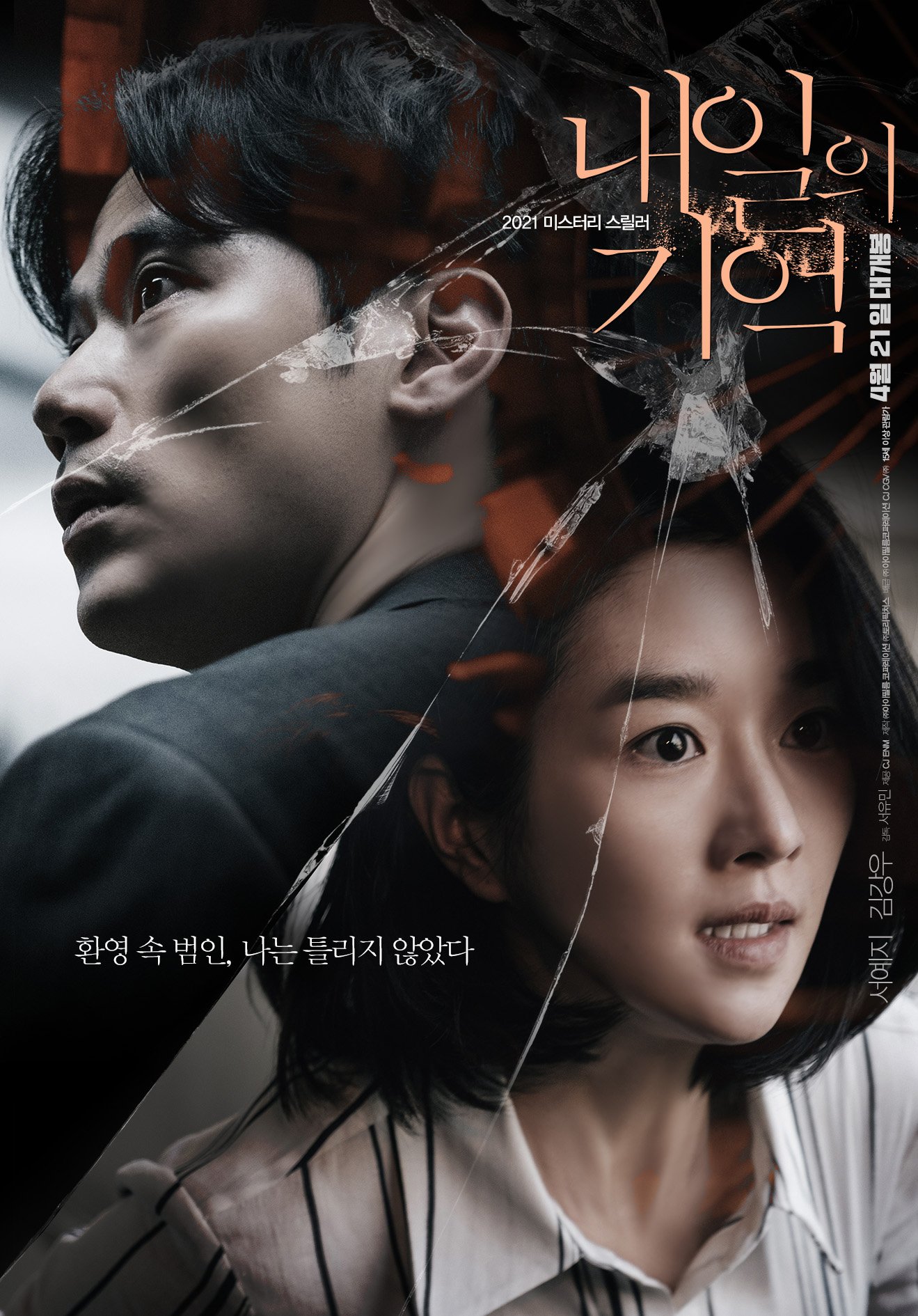
Recalled (내일의 기억, Seo Yu-min, 2021)

A traumatised woman finds herself trapped in an uncertain reality in Seo Yu-min’s puzzle box neo noir, Recalled (내일의 기억, Naeileui Gieok). Situating itself in a world of future ruins, Seo’s tragic tragic tale of existential mistrust is as its sci-fi-inflected Korean title “Memories of Tomorrow” might imply also a paradoxical exploration of the importance of dreams and the belief that other lives are possible while the heroine struggles to piece together the shards of her fractured identity only to realise there are some truths it may be better never to learn. 

30-something Soo-Jin (Seo Yea-ji) wakes up in hospital after an accident she has no memory of to realise that she has no idea who the extremely upset man at her bedside could be, or who she herself is for that matter. The nurses ask her if she recognises her husband, Ji-hoon (Kim Kang-woo), which she doesn’t but evidently does feel some degree of closeness to him as he continues to care for her with the utmost devotion. On leaving the hospital, he takes her home to a well-appointed flat in an affluent area and though she tries to restart her life from zero she can’t escape her sense of anxiety and begins having what she regards as premonitions of impending disaster centring on two other apartments one with two small children and the other a teenage girl and an intense middle-age man. Her doctor tells her that she is most likely hallucinating because of her brain injury, while even Ji-Hoon snaps at her that she’s obviously unwell and ought to take things easy. Nevertheless, Soo-Jin can’t simply ignore the increasing uncanniness of the world around her especially when she begins to discover discrepancies in the backstory she’s been fed by Ji-Hoon and the evidence presenting itself about her former life. 

Perceptive policeman Ki-sang (Park Sang-wook) himself hints that there might be something not quite right with Soo-jin’s life in remarking that her apartment looks like a model home seconds after walking in and then noticing a few other details that set off alarm bells in his admittedly suspicious mind. Meanwhile, he’s investigating the theft of materials from a nearby abandoned building site for a never completed block of luxury condos suggestively titled “Dream Town”, a project cancelled when the architecture firm Ji-hoon worked for went bust. The foreman who reported the theft remarks that the apartments pre-sold like hotcakes, but even in the building where Soo-jin lives a banner outside advertises a “big sale on unsold units” hinting at a kind of economic hubris or perhaps suggesting that the “dream” they’re offering of luxury living is either unrealisable for most or simply undesirable. According to Ji-hoon, Soo-jin wanted to emigrate to Canada for a quiet life surrounded by nature hoping to escape the unsatisfying present for an ironic return to the pastoral past. 

Soo-jin meanwhile struggles to orient herself having only Ji-hoon as an arbiter of truth but unable to trust him, doubting not just his identity but her own, while burdened by prophetic visions which may be less missives from the future than intrusions from the traumatic past. As she later puts it, her Canadian dream became a memory which sustained, both beacon of hope and escapist fantasy in its promise of idyllic peace and happiness. There is however a cruel irony in the suggestion that good and bad all this is happening to her because of love and its competing desires for salvation and destruction, while she only blames herself consumed with misplaced guilt and confused by an imperfect grip on objective reality. “Our memories await us there” she’s ironically advised of her Canadian dream, urged to abandon this failing reality for a new one exchanging her traumatic memories for those not yet made which in a sense already exist and have only to be attained. The final revelations may therefore be somewhat cruel as Soo-jin gathers the shards of her broken past to come to a long delayed understanding of herself, but Seo’s finely crafted puzzle box mystery does at least afford her the opportunity of reclaiming her identity while resolving the multi-layered trauma of her life in a patriarchal society ruled by personal greed. 


Original trailer (no subtitles)

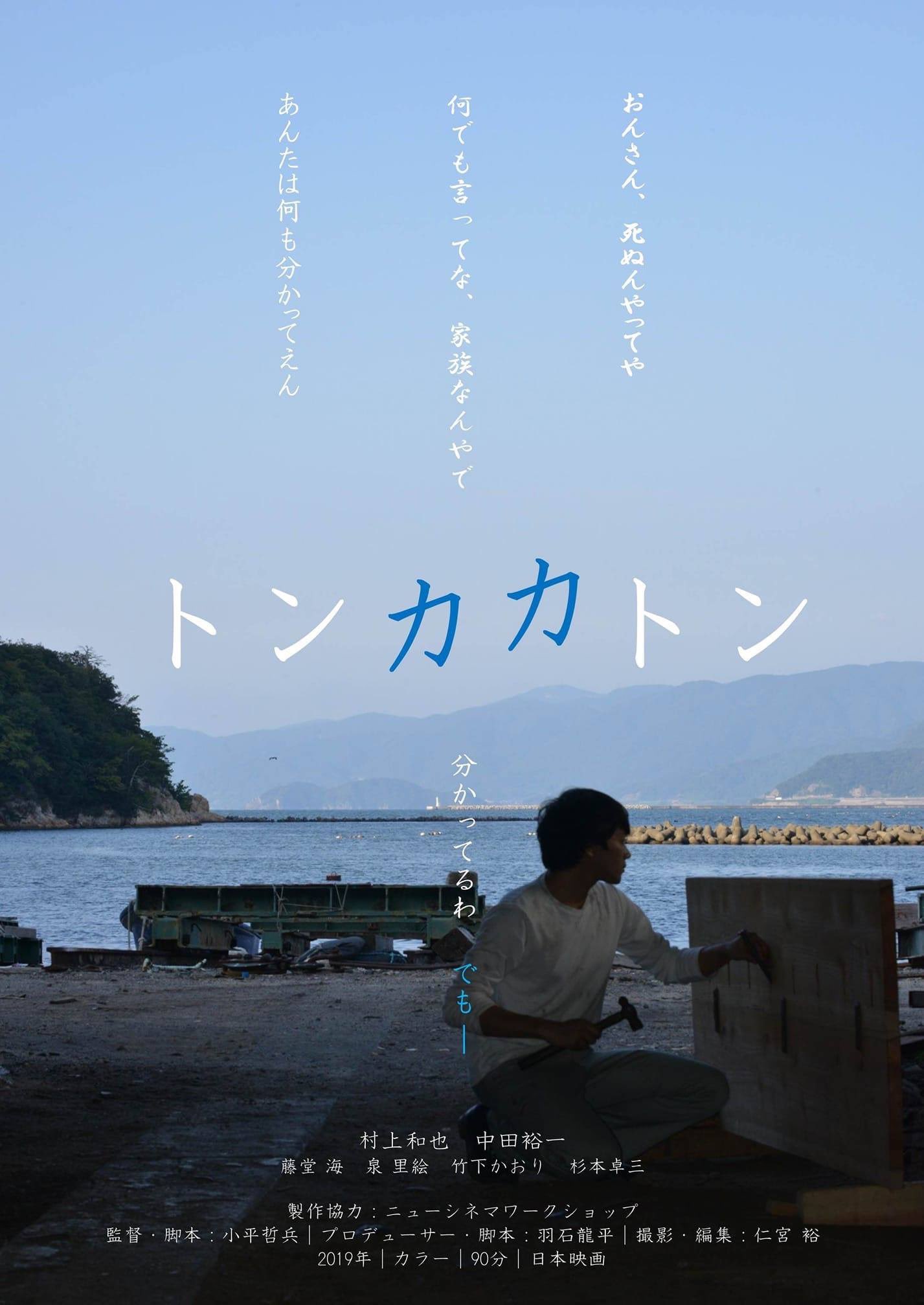
Ton-Kaka-Ton (トンカカトン, Teppei Kohira, 2020)

“Life’s meant to be enjoyed, right?” the fun-loving uncle at the centre of Teppei Kohira’s Ton-Kaka-Ton (トンカカトン) tries to convince his grumpy nephew, but it’s a difficult lesson to learn for a young man apparently so overburdened with loss. Set in a small fishing village in rural Fukui, Kohira’s quiet coming-of-age tale is as much about familial reconnection and paternal legacy as it is about frustrated futures, but is in essence the story of a moody youngster learning to carve a life for himself in which he can stand alone.

19-year-old Nobu has just started work with his uncle Shinji at the local boathouse. Having lost his father at some unspecified point in the past, Nobu remains sullen and uncommunicative apparently not altogether excited about his new job heading off to the workshop alone rather than waiting for his uncle to pick him up. Shinji wanted to hold a party to celebrate Nobu getting a job, but he tries to wriggle out of it and then sits in the corner staring at his phone rather than joining in. He is perhaps a little irritated by the whole thing, feeling railroaded by his well-meaning uncle into an occupation he might not have chosen while also belittled in feeling as if he’s not actually allowed to do very much because he’s still only in training and Shinji keeps stopping him from trying anything complicated. Matters come to a head when Shinji sends him out on a private errand during work hours, driving his aunt to her regular hospital checkup for a heart condition but Nobu, apparently fed up, throws her out of the truck in the middle of the highway and then drives off leaving her behind. Whichever way you look at it, this is unjustifiably irresponsible behaviour, but is all the more galling when Shinji is forced to reveal that he asked him to take her, in part, because he has recently learned he is suffering from terminal pancreatic cancer and has only a few months at most to live. 

Of course, Shinji is in part hoping that Nobu will continue to look in on his aunt seeing as they have no children of their own and he quite plainly positions himself as a surrogate father to Nobu following his brother-in-law’s death. Nobu, however, is moody in the extreme and actively resists fathering, apparently irritated by his uncle’s admittedly large personality. Shinji works hard and is an accomplished craftsman, but he also likes to have a good time and is, in Nobu’s eyes, irresponsible, always adding to his tab at the cafe run by an old school friend who knows him too well to expect any better while continuing to smoke and drink knowing that it can hardly make much difference now. Other than his wife, Shinji’s main worry is that he won’t be around to finish teaching Nobu everything he needs to know for the future or continue guiding him towards a more settled manhood. 

Perhaps for these reasons, Nobu’s mother suggests that he temporarily move in with with his uncle and aunt so he can spend quality time with him while he’s still around, much to Shinji’s excitement and Nobu’s chagrin. Nevertheless, enforced proximity does perhaps begin to bring the two men together, Nobu eventually scrubbing his uncle’s back at the local baths in a typically filial gesture. “It’s actually quite painful, and that’s proof of life!” Shinji ironically exclaims, though Nobu continues to struggle with his anxiety over his uncle’s illness, cruelly berating him that if he weren’t ill they wouldn’t all be suffering. There’s a kind of projection in his charges of “selfishness” and “self-obsession” as he continues in his sullen denial and resentment, only latterly bonding as Shinji imparts the rest of his remaining knowledge including the proper technique for a hammer and chisel chipping away at his moody facade.

“Learn what you can by watching others” he eventually tells him, as much a reminder to be present in the world as a workplace instruction given in the knowledge he is running out of time. Learning to accommodate loss, Nobu perhaps also comes to appreciate not only absence but legacy, accepting what his uncle left behind in the form of his teaching feeling less abandoned and alone than reconnected with family and history yet also carving his own path as he prepares to move forward into a more settled adulthood.


Original trailer (no subtitles)
Kinema Junpo Announces 2021 95th Best 10

©︎2021 "A Madder Red" Film Partners

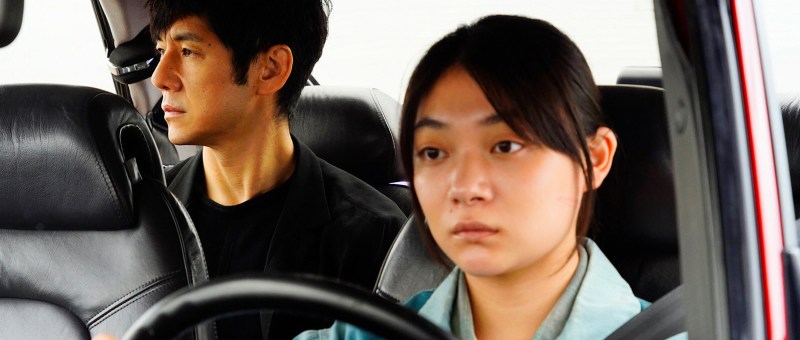
Prestigious cinema magazine Kinema Junpo has released its always anticipated “Best 10” list for films released in 2021, the 95th edition. Ryusuke Hamaguchi’s Drive My Car largely sweeps the board taking not only the top spot but several of the individual awards including director, screenplay, and supporting actress while Yuya Ishii’s pandemic-era drama A Madder Red comes in second with an acting nod for Machiko Ono.

Best 10

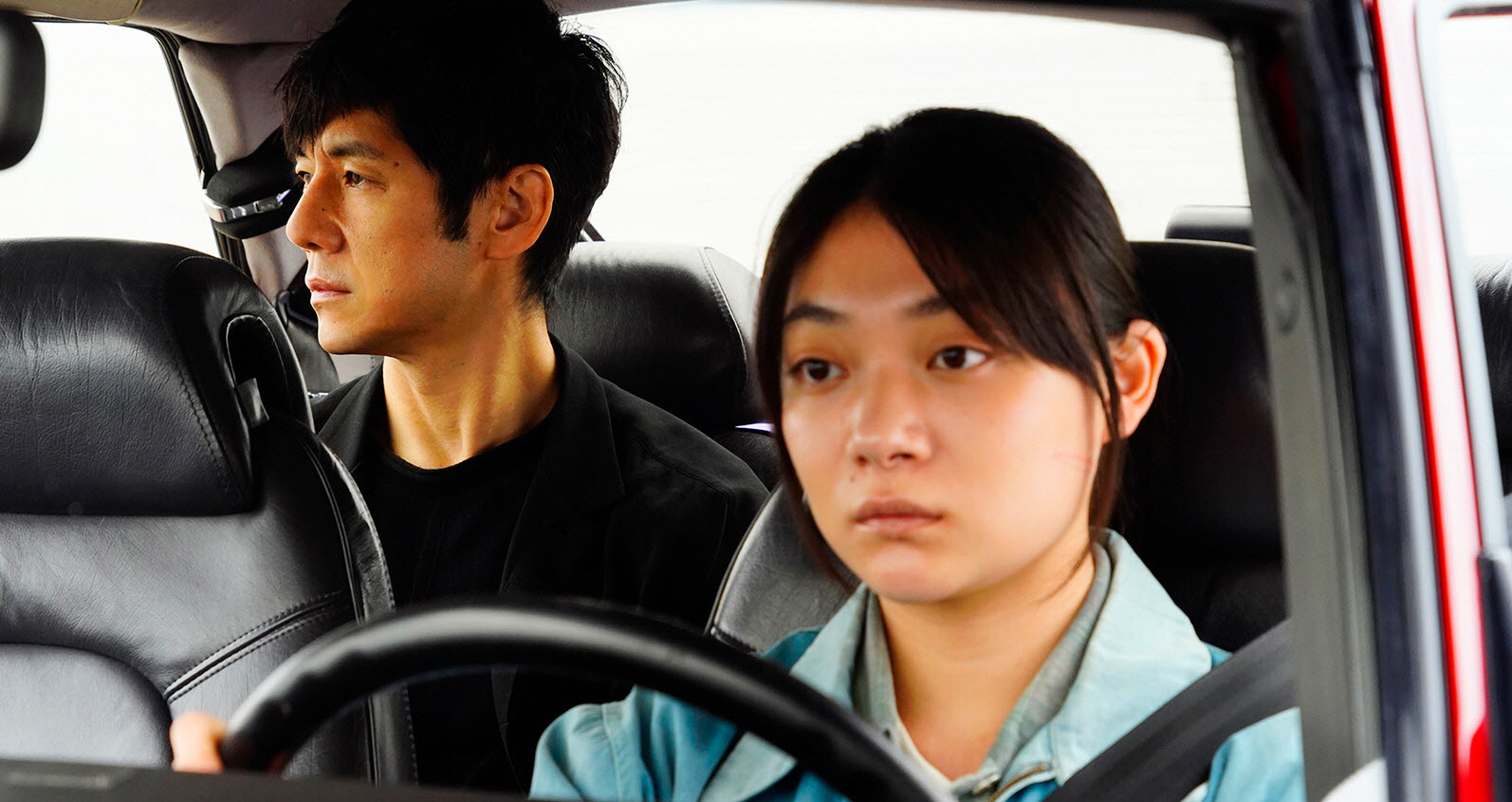
1. Drive My Car (ドライブ・マイ・カー, Ryusuke Hamaguchi)

A theatre director reeling from the death of his wife finds an unexpected connection with a reserved young woman hired to drive his car in Ryusuke Hamaguchi’s deeply moving adaptation of a short story by Haruki Murakami.

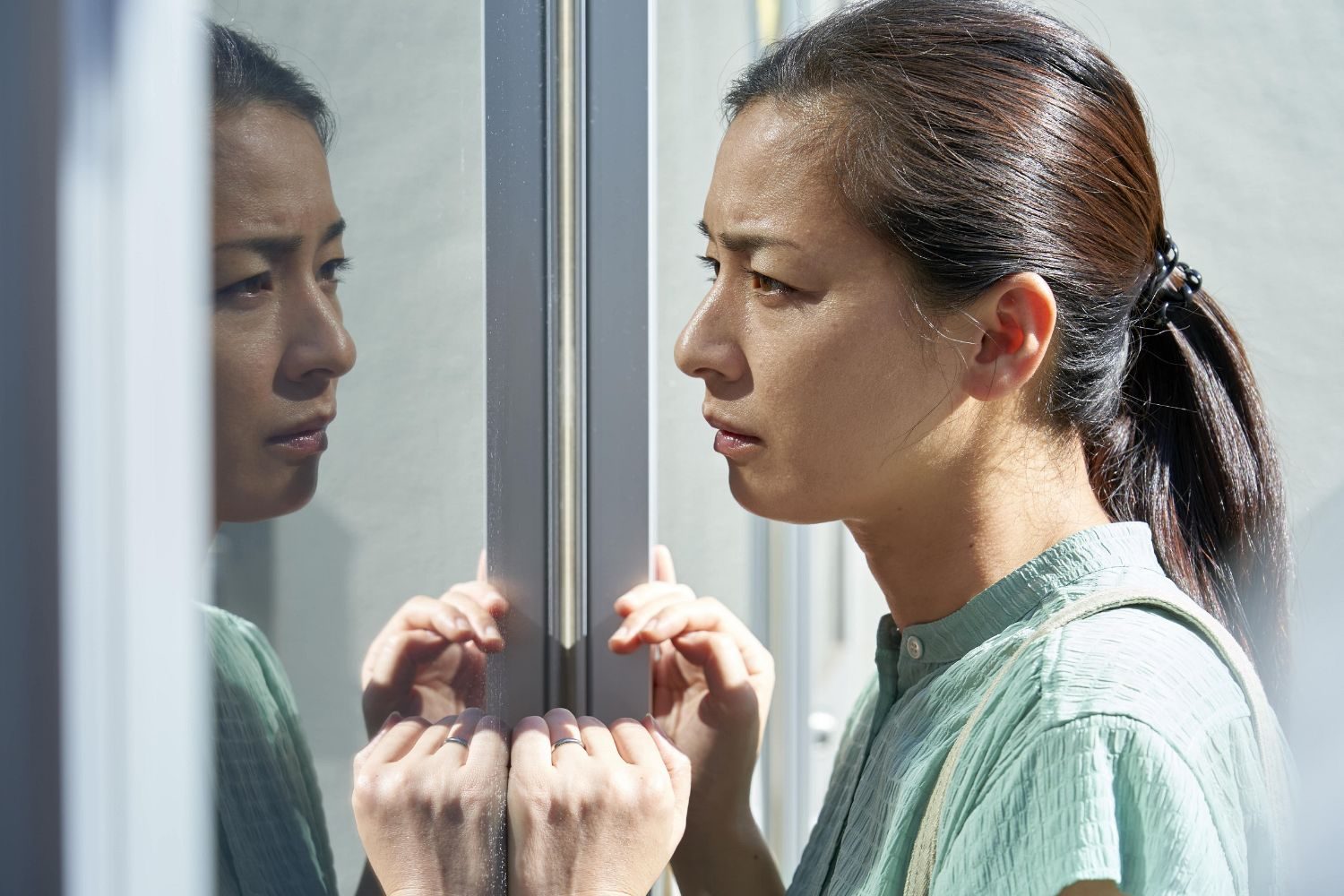
2. A Madder Red (茜色に焼かれる, Yuya Ishii)

Set during the pandemic, Yuya Ishii’s latest stars Machiko Ono as a widowed single mother whose husband was killed in a traffic accident caused by an elite bureaucrat who refuses to apologise. Forced to close her cafe, she works part-time at a garden centre and supplements her income through sex work but struggles to make ends meet while falling in love with an old classmate who predictably turns out to be not quite all he seems.

3. Wheel of Fortune and Fantasy (偶然と想像, Ryusuke Hamaguchi)

The second film Hamaguchi released this year is a delightfully Rohmer-esque triptych of tales inspired by serendipitous encounters and a healthy dose of romantic fantasy that lead each of its wounded souls towards a kind of liberation.

4. Under the Open Sky (すばらしき世界, Miwa Nishikawa)

Inspired by Ryuzo Saki’s 1993 novel, Miwa Nishikawa’s melancholy social drama stars Koji Yakusho as a purehearted man of violence who struggles to adapt himself to the hypocrisies of the contemporary society after spending the majority of his adult life in prison.

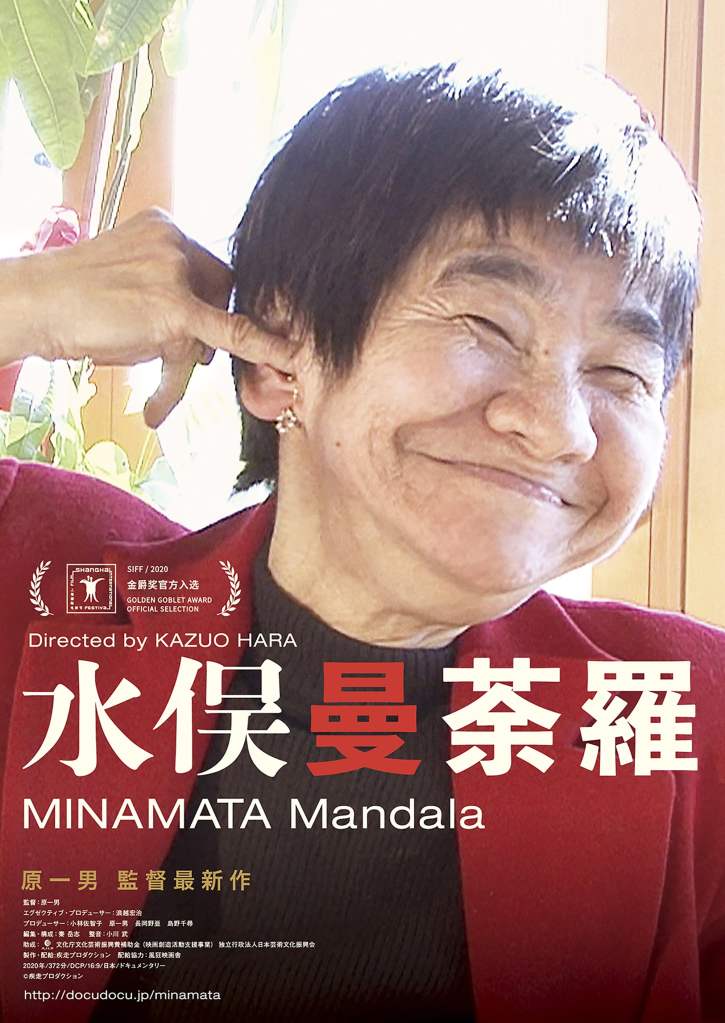
5. Minamata Mandala (水俣曼荼羅, Kazuo Hara)

15 years in the making, Kazuo Hara’s epic documentary charts the fight for justice among those affected by the Minamata Disease caused by industrial pollution in the 1960s many of whom find themselves battling an intransigent state that refuses to recognise their suffering.

6. Aristocrats (あのこは貴族, Yukiko Sode)

Mugi Kadowaki and Kiko Mizuhara star as two young women from opposite ends of the class spectrum involved with the same man (Kengo Kora) who is himself a prisoner of outdated feudalistic social codes in Yukiko Sode’s empathetic social drama.

7. Intolerance (空白, Keisuke Yoshida)

Keisuke Yoshida’s intense drama stars Arata Furuta as a bullying father of a teenage girl killed in a traffic accident trying to run away from a store clerk (Tori Matsuzaka) who caught her shoplifting. Refusing to believe his daughter could have been guilty of the theft, the father turns his ire towards the store owner who is consumed with remorse while unfairly victimised by an unforgiving media.

8. A Balance (由宇子の天秤, Yujiro Harumoto)

A TV documentarian’s journalistic integrity is strained when a student at her father’s cram school claims that he is the father of her child in Yujiro Harumoto’s emotionally complex social drama.

9. Ito (いとみち, Satoko Yokohama)

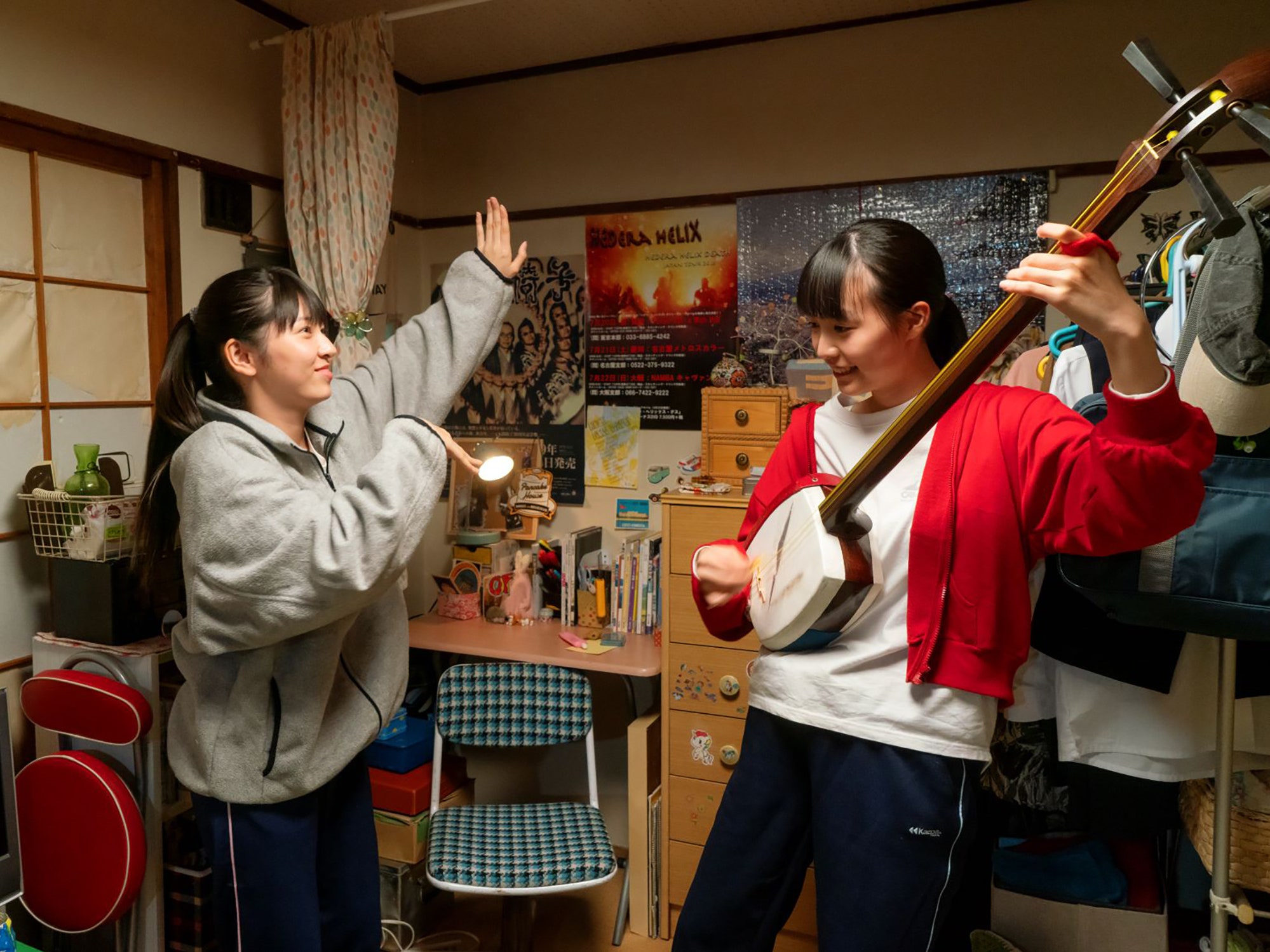
The latest quirky dramedy from Satoko Yokohama is set in her native Aomori and follows a shy young woman who gradually learns to accept herself and her past trauma while working in a maid cafe and perfecting the art of Tsugaru shamisen.

10. We Made a Beautiful Bouquet (花束みたいな恋をした, Nobuhiro Doi)

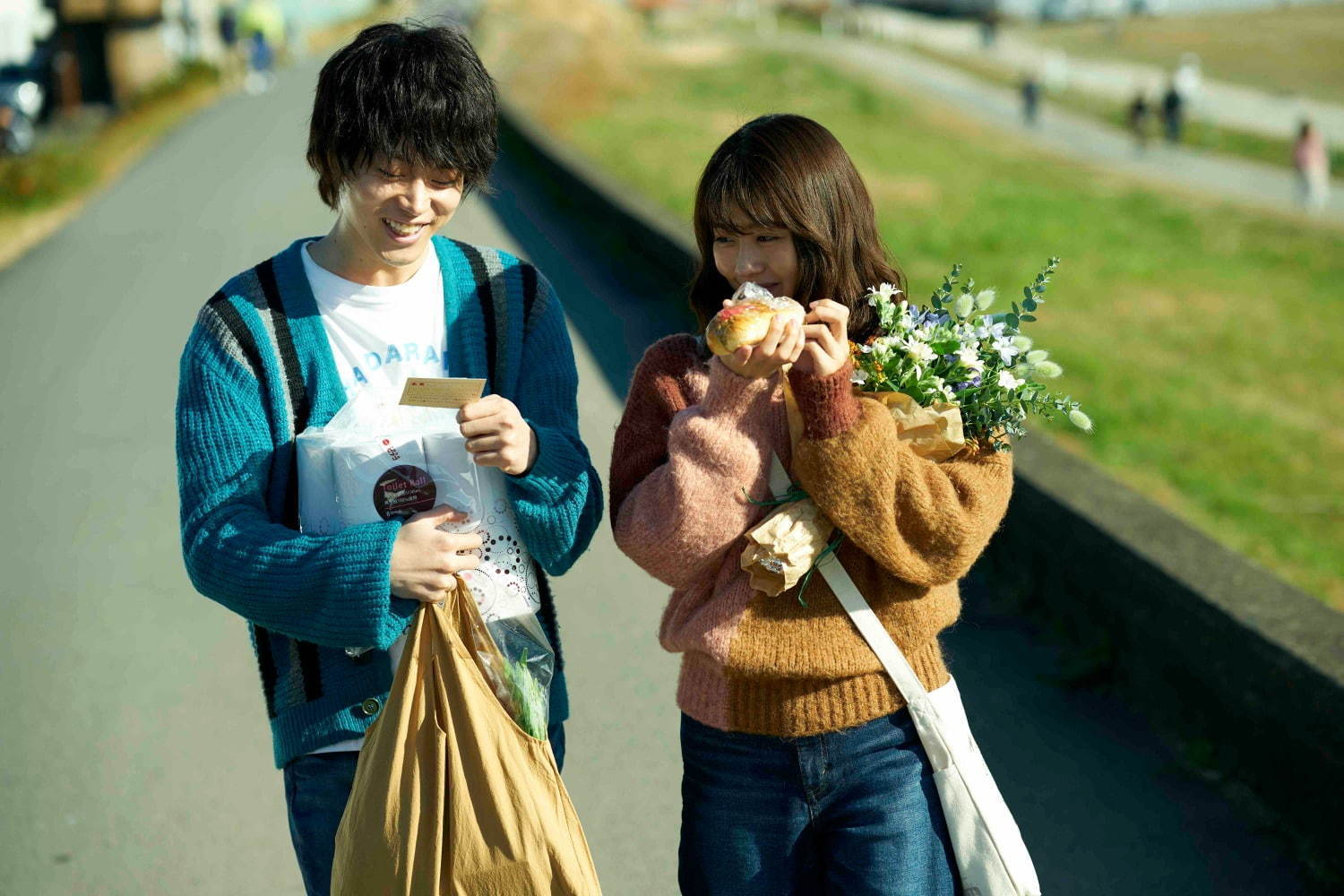
Romantic drama from Nobuhiro Doi starring Masaki Suda and Kasumi Arimura as a young couple who meet after missing the last train home and later fall in love only for their innocent romance to gradually fall apart over the following five years.

Best 10 International

  1. Nomadland (Chloé Zhao)
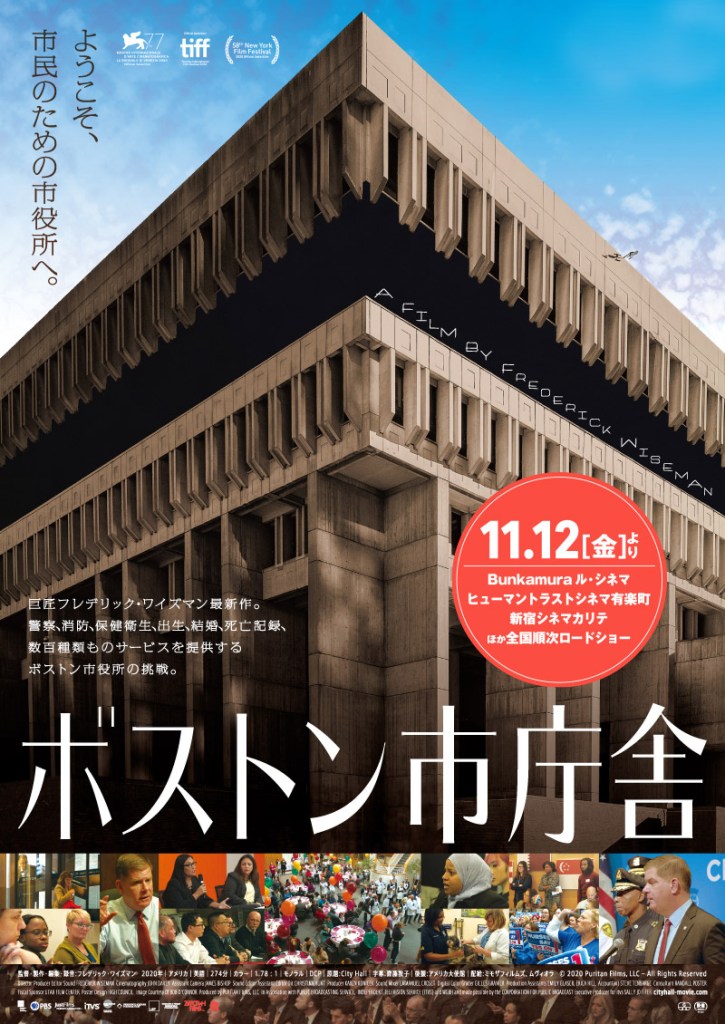
  2. City Hall (Frederick Wiseman)
  3. Promising Young Woman (Emerald Fennell)
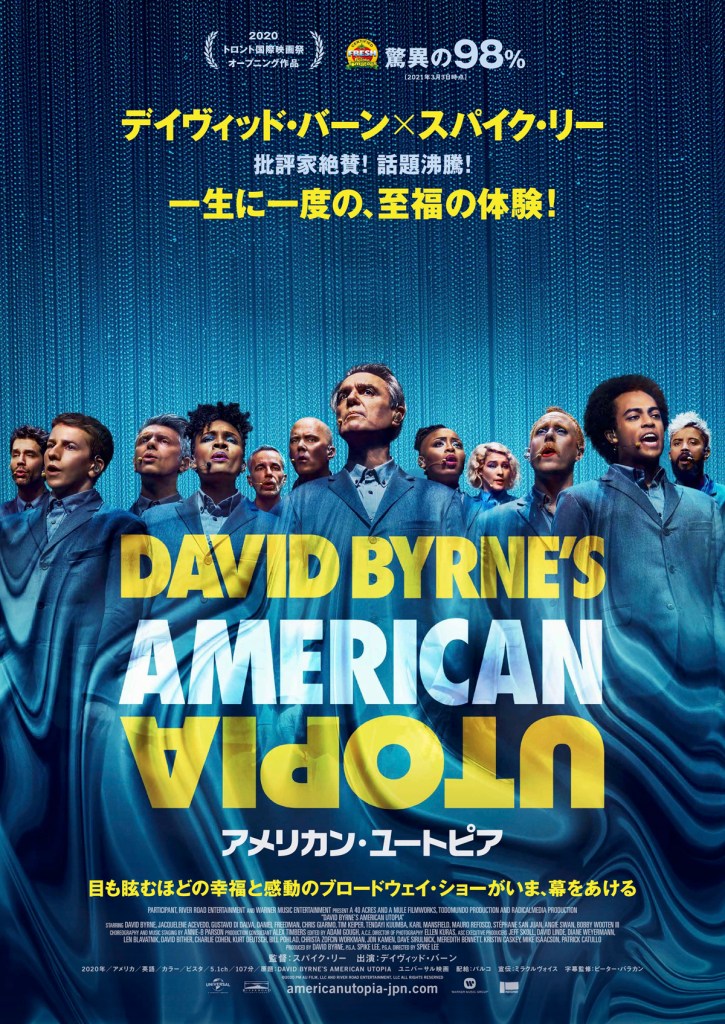
  4. American Utopia (Spike Lee)
  5. The Father (Florian Zeller)
  6. Last Night in Soho (Edgar Wright)
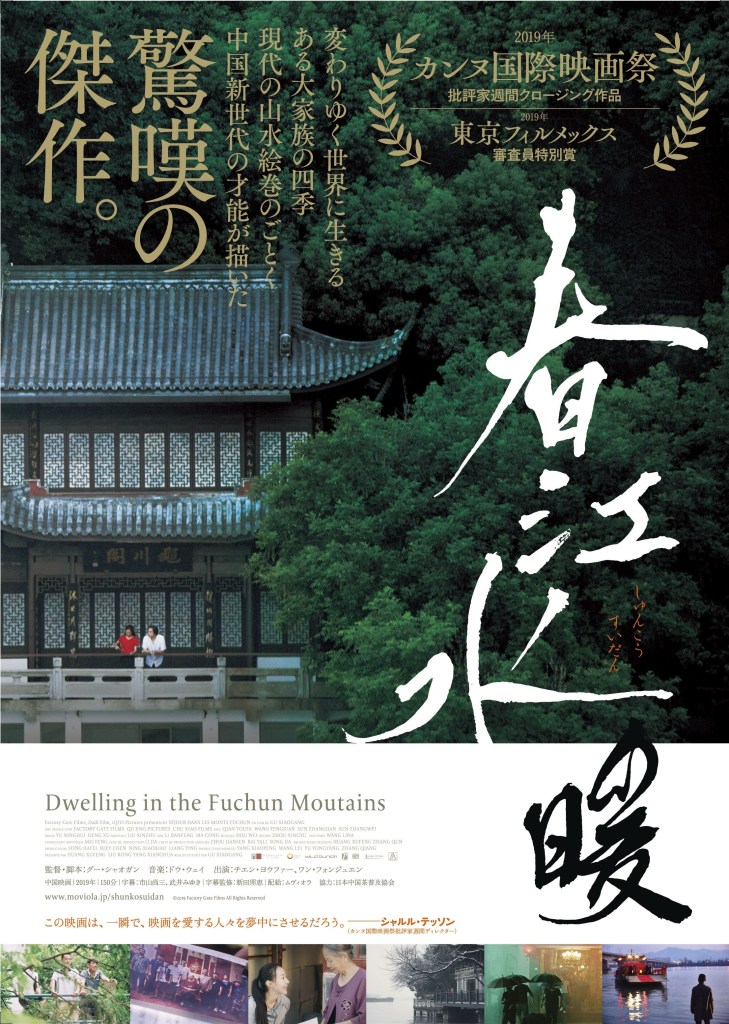
  7. Dwelling in the Fuchun Mountains (Gu Xiaogang)
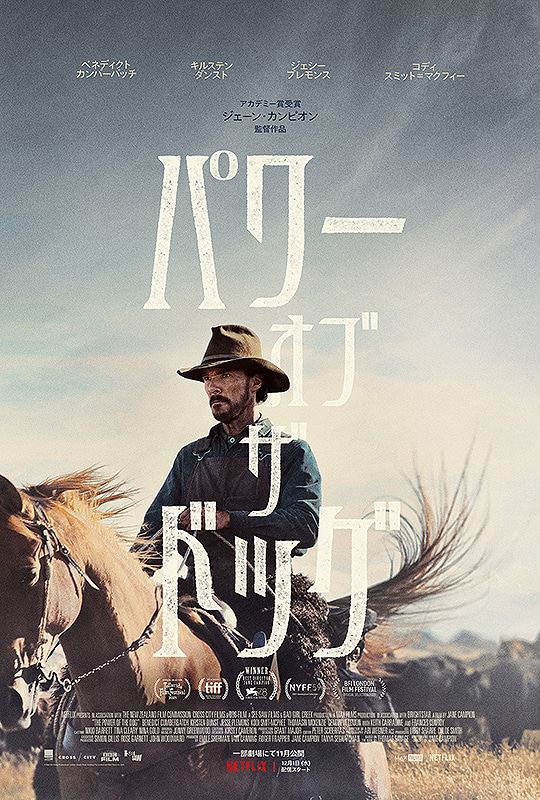
  8. The Power of the Dog (Jane Campion)
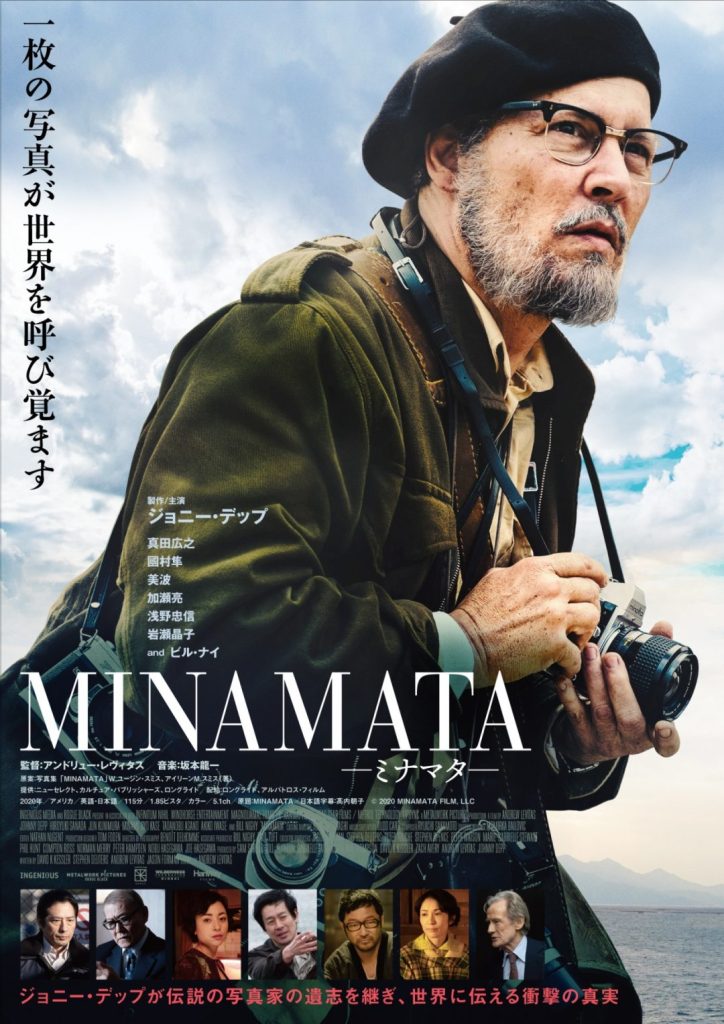
  9. Minamata (Andrew Levitas)
  10. Better Days (Derek Tsang Kwok-cheung)

Best 10 Documentaries

1. Minamata Mandala (Kazuo Hara)

2. Lamafa (Bon Ishikawa)

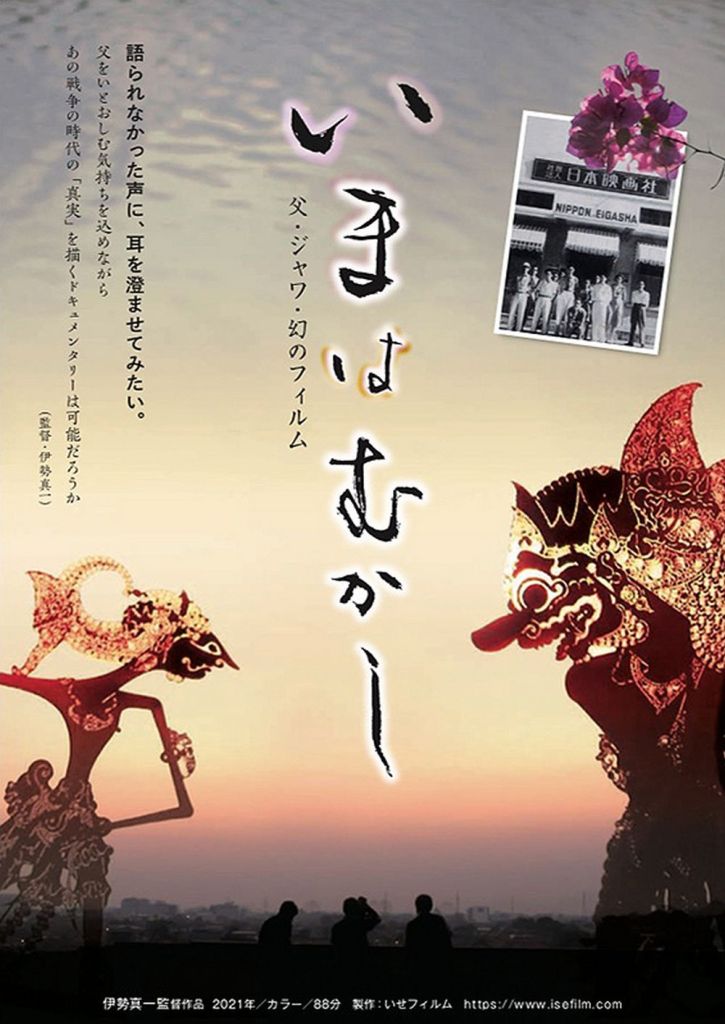
3. Now Is the Past – My Father, Java & the Phantom Films (Shinichi Ise)

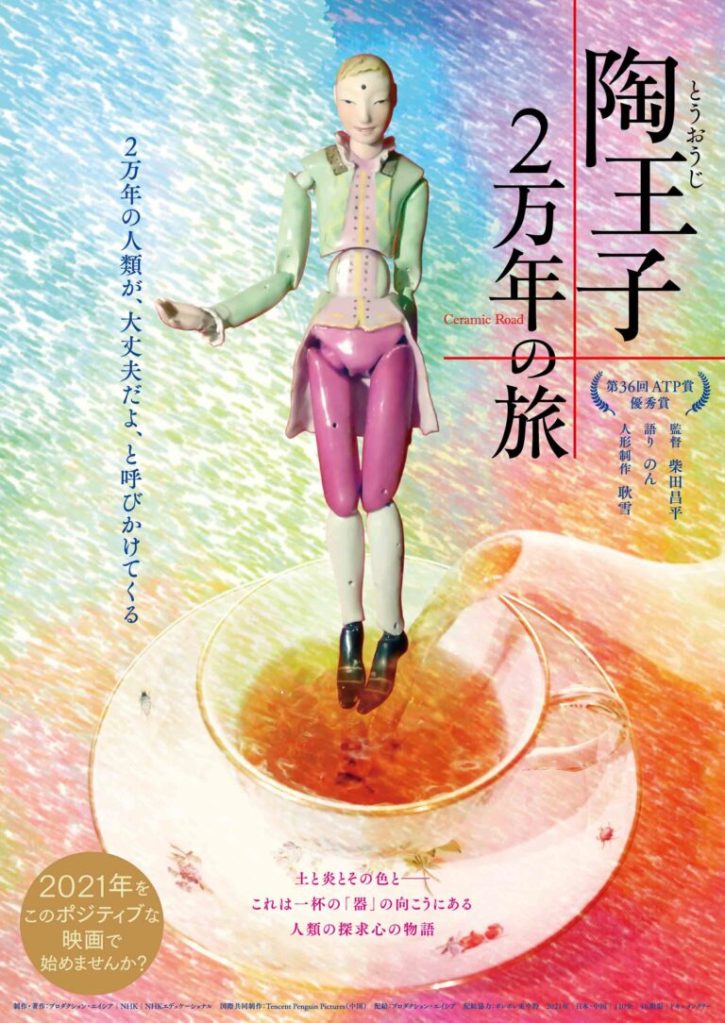
3. Ceramic Road (Shohei Shibata)

5. Sanma Democracy (Magoari Yamazato)

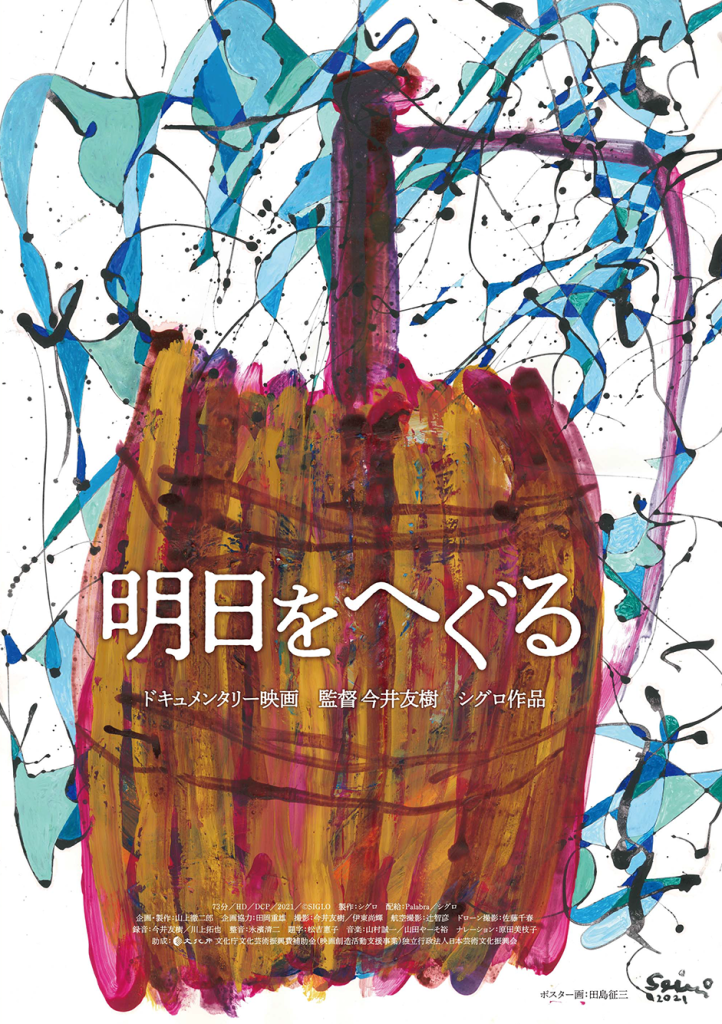
6. Asu wo Heguru (Tomoki Imai)

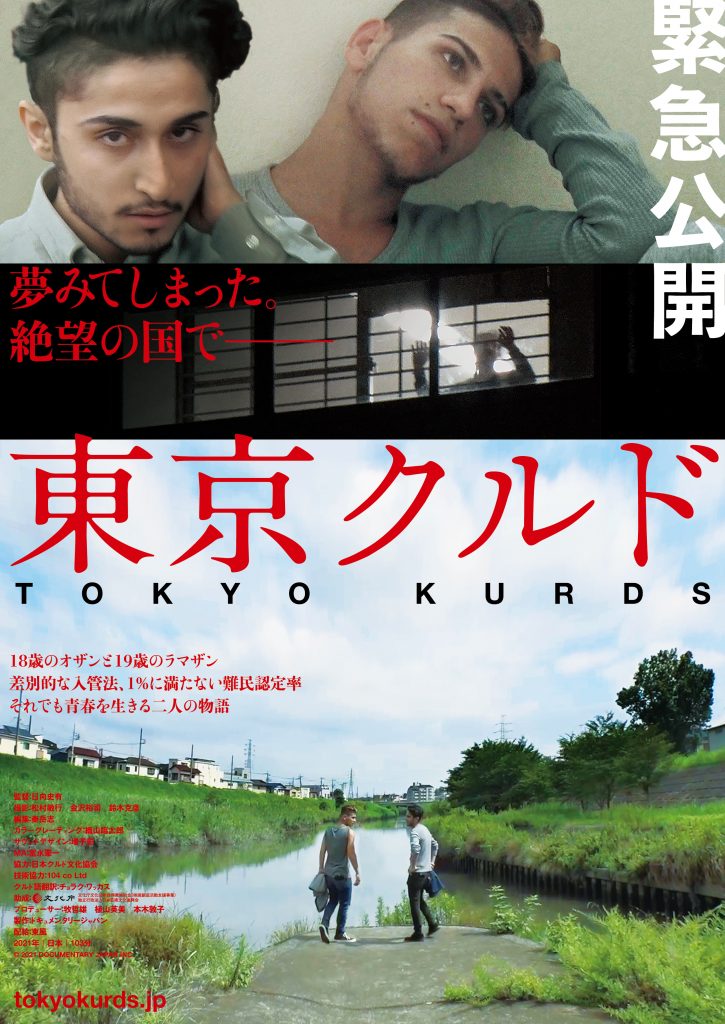
7. Tokyo Kurds (Fumiari Hyuga)

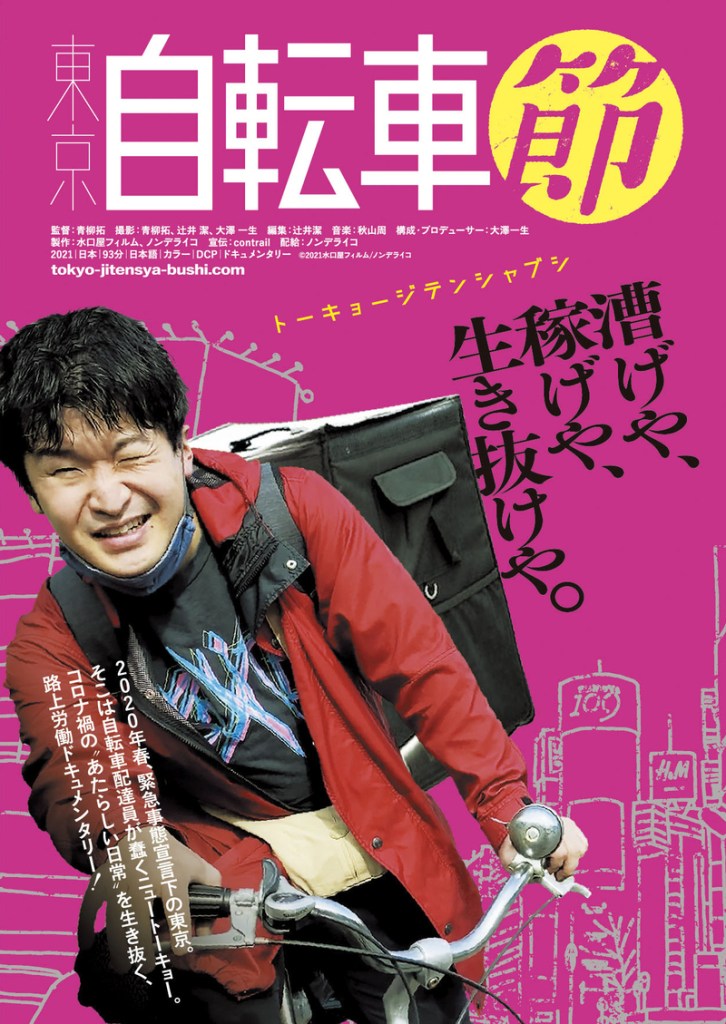
7. Tokyo Jitensha Bushi (Taku Aoyagi)

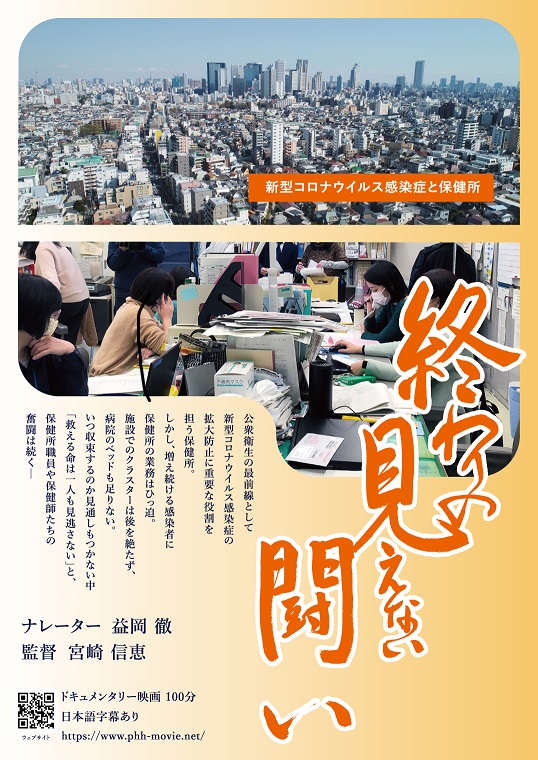
9. Owari no Mienai Tatakai: Shingata Coronavirus Kansensho to Hokenjo (Nobue Miyazaki)

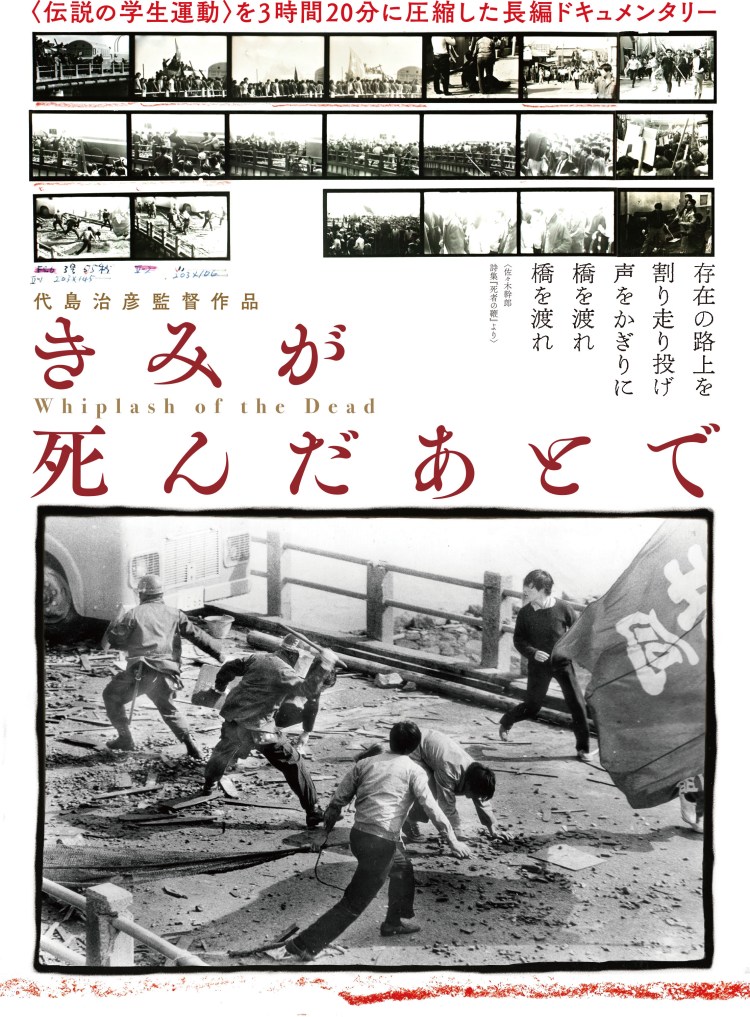
10. Whiplash of the Dead (Haruhiko Daishima)

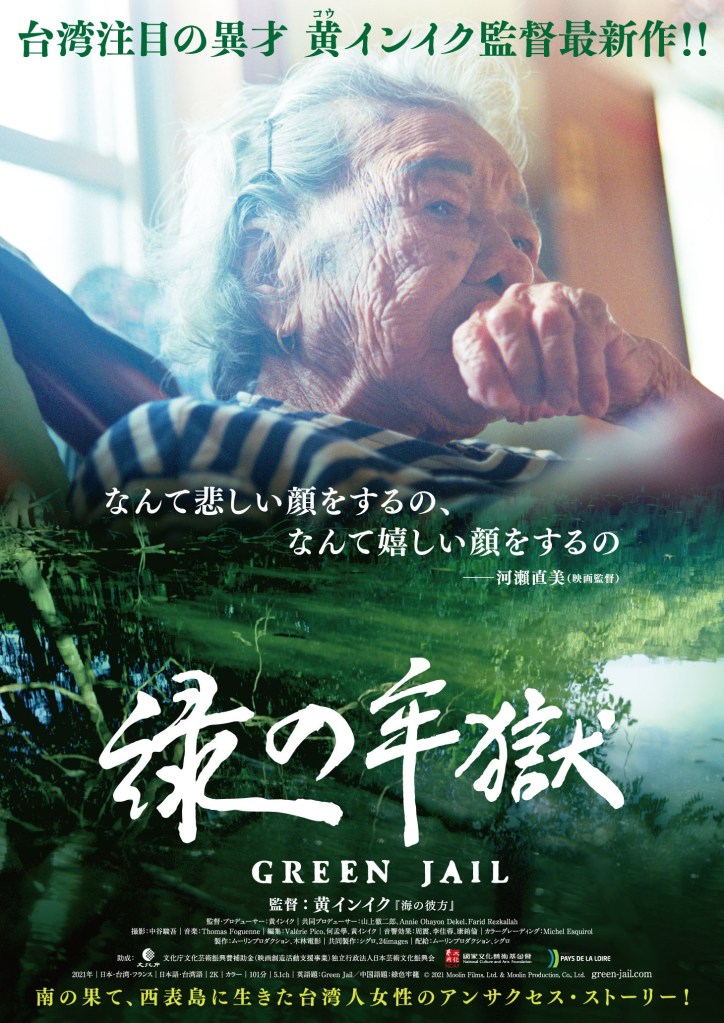
10. Green Jail (Huang Yin-Yu)

Individual Awards

Best Director: Ryusuke Hamaguchi (Drive My Car / Wheel of Fortune and Fantasy)

Best Screenplay: Ryusuke Hamaguchi & Takamasa Oe (Drive My Car)

Best Director (international): Chloé Zhao (Nomadland / Eternals)

Best Actress: Machiko Ono (A Madder Red / A Family)

Best Actor: Koji Yakusho (Under the Open Sky)

Best Supporting Actress: Toko Miura (Drive My Car / Spaghetti Code Love)

Best Supporting Actor: Ryohei Suzuki (Last of the Wolves / Baragaki: Unbroken Samurai / Mole Song Final)

Best Newcomer (actress): Yumi Kawai (A Balance / It’s a Summer Film! / Unfeigned Happy Ending)

Best Newcomer (actor): Iori Wada (A Madder Red)

Readers’ Choice Best Director: Ryusuke Hamaguchi (Drive My Car)

Readers’ Choice Best Director (international): Chloé Zhao (Nomadland)

Readers’ Choice Award: Shiraku Tatekawa (Tatekawa Shiraku no Cinema Tsurezuregusa)

Special Award: Tadao Sato (Critic)

Source: Kinema Junpo official website.

The Thief in Black (黒の盗賊, Umetsugu Inoue, 1964)

Best known as a master of the musical, Umetsugu Inoue had a long and varied filmography embracing almost every genre imaginable. He began his career at Shintoho and later joined Nikkatsu where he quickly became an in demand director often working with top star Yujiro Ishihara, but took the somewhat unusual step of going freelance in 1960 thereafter working at various studios including Shaw Brothers in Hong Kong. 1964’s The Thief in Black (黒の盗賊, Kuro no Tozoku) is not a musical but is characteristically playful even within the confines of the lighter side of Toei’s jidaigeki adventures. 

Set between the Battle of Sekigahara and the Siege of Osaka, the samurai corruption in play is essentially the burgeoning Tokugawa dictatorship, the heroes eventually uncovering Ieyasu’s secret plan for making sure his line (well, more himself in essence) remains in power for perpetuity through an insidious plot to weaken the feudal lords and ensure their loyalty to him. Meanwhile, the still developing city of Edo is beginning to turn against the Tokugawa who seem to be intent on exploiting ordinary people to enrich themselves most obviously through forcing the local workforce to renovate Edo castle rather than cleaning up the town which is apparently rampant with crime. Faced with such lack of leadership, the townspeople have come to admire a Robin Hood-like vigilante known only as the Thief in Black who alone is resisting overreaching lords. 

Part of the problem is that Ieyasu’s rule is still insecure because of the potential threat of Hideyori Toyotomi in Osaka. Consequently, they are fearful that some of the men working on the castle may be Toyotomi spies or otherwise disclose information that might benefit him if he chose to attack which is why they’ve refused the workers permission to return home to their families during the pause before beginning the second phase of works leading to further unrest. Meanwhile, corrupt local lord Tadakatsu (Ryutaro Otomo) and his sleazy priest buddy Tenkai (Minoru Chiaki) have an even darker plan in mind, preparing to simply kill the five master craftsmen in charge to ensure they present no threat. Alerted to the situation on the ground by idealistic samurai Jiro (Hashizo Okawa), their boss instructs Tadakatsu in no uncertain terms that he must treat the workers fairly in order to prevent civil unrest and/or disillusionment with the Tokugawa regime but the pair are entirely unfazed and determined to go on with their nefarious plan getting rid of Jiro if the occasion arises. 

As we later discover and in a typical jidaigeki plot device, Jiro is one of a pair of twins with his brother Kotaro (also Hashizo Okawa) abandoned because of the superstitious belief that multiple births are inauspicious. Though both men unwittingly lay claim to the name, Kotaro turns out to be the masked vigilante, his primary cause to regain the lands of the family who raised him unfairly displaced from their estates on the Musashino plains because of Tokugawa greed. Though Jiro, raised as a member of the establishment, is originally loyal to the Tokugawa who have after all brought about an era of peace, he soon begins to see that their rule is no good for the people of Edo. In his more egalitarian worldview, only by enriching the poor can they secure their rule which means less castle building and more infrastructural development along with paying people fairly for their work and absolutely not killing them afterwards. Kotaro too claims that his rebellion is for the good of the common people though unlike Jiro is much more transgressive in his ideology prepared to shake off his samurai status to become a wandering outlaw rather than content himself with the restrictive life of the heir to a samurai clan. 

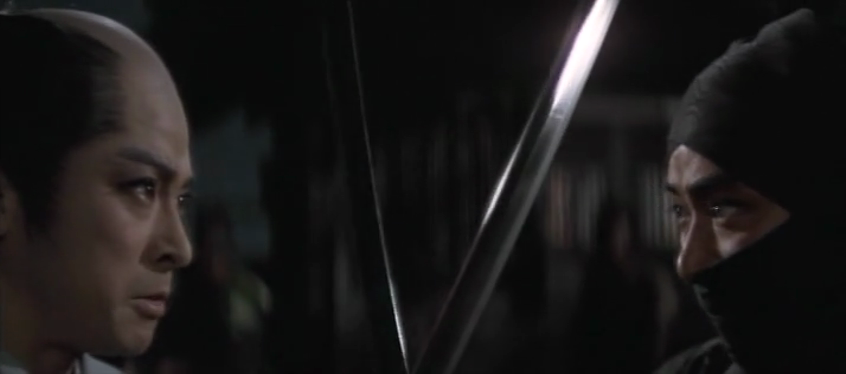
Such messages are perhaps common in Toei’s brand of jidaigeki but seem unusually pronounced as the peasant workers are often given voice to lament their fate and resist their oppression more directly, pointing the finger not just at a rogue rotten lord but at the entire system built on exploiting their labour. Nevertheless, Inoue injects a hearty dose of whimsical humour to the politically charged narrative even going so far as to include a bumbling ninja claiming to be the famous Hattori Hanzo along with a comic relief magistrate and former samurai brothel owner taking his own kind of ironic revenge in getting the cowardly lords hooked on modernity with a load of faulty rifles. Obviously, Ieyasu couldn’t be stopped, but perhaps they slowed him down and reminded him of the dangers of underestimating the people. Shot with Inoue’s characteristic flare if remaining largely within the Toei house style, Thief in Black is a surprisingly direct attack on corrupt and entitled government but also a righteous romp as its idealistic heroes shuffle themselves back into their ideal positions while fighting Tokugawa oppression all the way. 


Detective Chinatown 3 (唐人街探案3, Chen Sicheng, 2021)

Cerebral sleuth Qin Feng (Liu Haoran) and his larger than life uncle Tang Ren (Wang Baoqiang) are back on the case in the third instalment in the Detective Chinatown franchise (唐人街探案3, Tángrénjiē tàn àn 3) picking up as promised in Tokyo as the duo take on another locked room mystery on the invitation of dandyish local investigator Hiroshi Noda (Satoshi Tsumabuki). This time around, the mystery is only tangentially connected to a Chinatown though the solution in itself does indeed lead back towards the Mainland and the complicated relations between China and Japan, while Qin in particular finds himself confronting the idea that oligarchy is in fact the “perfect crime”. 

Hired by a yakuza boss, Watanabe (Tomokazu Miura), accused of offing a Thai rival, Su Chaiwit, following a dispute over development rights in the local Chinatown, Qin and Tang Ren quickly find themselves hamstrung by their own discovery of evidence which further implicates their client and brings them to the attention of top cop Tanaka (Tadanobu Asano) who wastes no time telling them to mind their own business. Meanwhile they are also being pursued by muscly Thai detective Jaa (Tony Jaa) working for the other side. In a new high tech motif, the guys are each handed a simultaneous translation earbud which allows the Japanese and Chinese guys to converse with each other in their own languages though Hiroshi often chooses to speak directly in Mandarin instead while the Thai contingent exclusively use English. Unlike previous instalments the duo do not venture into the local Chinese community and Chinatown itself is merely territory contested by Japanese yakuza and South East Asian gangsters. 

Even so Qin and Tang Ren find themselves at a nexus of cross-cultural conflict caught between the cops, yakuza, and Thai gangsters each looking not so much for the truth but some kind of advantage for their side all of which culminates in a hilarious series of mixups at a morgue. Once again, Tang Ren falls in love with a local woman, in this case Su Chaiwit’s secretary Anna Kobayashi (Masami Nagasawa) who is certain Watanabe is guilty and later apparently kidnapped by a crazed serial killer (Shota Sometani) just by coincidence. Of course, all this cycles back towards the franchise’s growing mythology, Qin pursued and manipulated by the mysterious entity known only as “Q” which, as we learn, is as obsessed with the idea of the perfect crime as Qin largely in that they think they’ve perfected it in the stranglehold placed over civilisation by a shady elite. 

In this, the film may be taking aim at hidden oligarchy and the immorality of growing social inequality, but in its Japanese setting Chen is also freer to take potshots at contemporary Chinese society such as in Tang Ren’s confusion that they can’t simply bribe the police to get Qin out of jail when he is wrongfully arrested. “Justice and equality require sacrifices” Qin explains after solving a grim riddle only to be asked some difficult questions about the nature of justice and his own role within it by a manipulative villain, but in a classically censor-friendly move ends the movie with a brief monologue declaring that “justice always prevails and light overcomes darkness”, he and his team recommitting themselves to fighting “vices”, and presumably the shady elitism fostered by Q, wherever they arise. 

Like Detective Chinatown 2’s New York setting, the vision of Japan on display is deliberately stereotypical from an Akihabara cosplay carnival to tasks involving masked kendo fighters and a sumo wrestler, not to mention bumbling comedy yakuza forever threatening to cut off their fingers, the Shibuya Scramble set piece, or a playful homage to Phoenix Wright: Ace Attorney. Meanwhile, Chen continues his taste for huge ensemble action such as the complex slapstick routine that opens the film and now traditional end credits sequence featuring the cast dancing to theme tune “Welcome to Tokyo” dressed in the classic green detective mac worn by Qin. Truth be told, the solution to the central mystery is heavily signposted and slightly unsatisfying though Chen’s visualisations of Qin’s deductions are expertly rendered even as the hero’s growing confidence as a crimefighter unbalances his relationship with the increasingly silly if goodhearted Tang Ren. Boasting a host of A-list Japanese acting talent, the film also makes space for an unexpected cameo from one of the most recognisable faces in Sinophone cinema before teasing a further instalment to take place in London, home to the greatest consulting detective of them all. 


Detective Chinatown 3 is available to stream in the UK via iTunes, Google Play, Amazon Prime, Microsoft, Sky, and Virgin Media courtesy of Cine Asia.

Original trailer (English / Simplified Chinese subtitles)
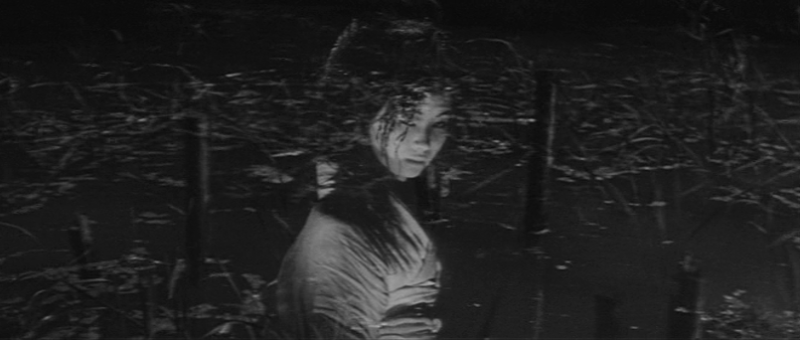
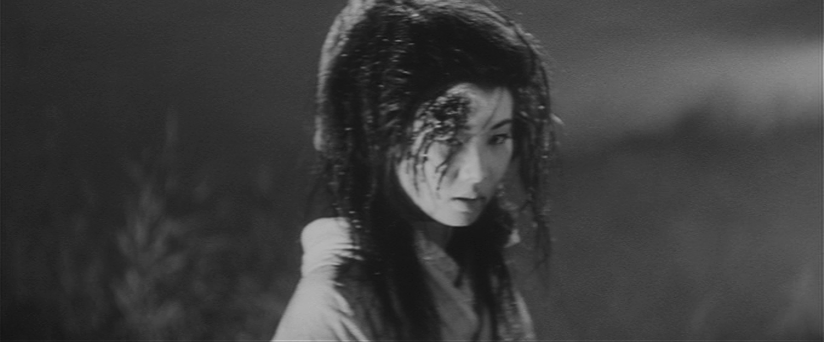
The Ghosts of Kagami Pond (怪談鏡ケ淵, Masaki Mori, 1959)

“How could you do this to me?” asks a wandering ghost in Masaki Mori’s 1959 Shintoho kaidan Ghosts of Kagami Pond (怪談鏡ケ淵, Kaidan Kagami-ga-fuchi). Based on a story by Kozo Hayama, Mori’s supernatural morality tale is in many ways fairly typical for the genre save that the vengeance wreaked by the wronged spirit is extremely targeted rather than the sometimes indiscriminate curses aimed more at a corrupt society than the figures directly responsible for the death and mistreatment inflicted on the now wrathful ghost. 

The good-hearted hero, Yasujiro (Shozaburo Date), was forced to move to Edo after his father fell into disgrace with the Shogunate authorities and is grateful to have been taken in by the owner of kimono shop Ejimaya. However, his presence is intensely resented by veteran employee Kinbei (Joji Ohara) who had been expecting to inherit the business. Overhearing the boss, Jiemon (Hiroshi Hayashi), and his wife (Fumiko Miyata) discussing a possible marriage between Yasujiro and his childhood friend Kiku (Noriko Kitazawa) reunited by chance in the city, Kinbei realises that he intends to make Yasujiro his heir and hatches a plan to ensure that doesn’t happen beginning with selling Kiku’s sister Sato (Reiko Seto) a knock off wedding kimono that tears during the ceremony leading her intended’s family to cancel the marriage entirely leaving Sato a shamed woman in an impossible situation. Wandering the streets in despair intending to throw herself into Kagami Pond and thereafter become a vengeful ghost cursing the house of Ejimaya, Sato encounters Kinbei again and is killed in the ensuing struggle only to tumble into Kagami Pond sinking without trace. 

“No one ever floats up out of there” Kinbei later insists suggesting the pond as a possible dumping ground for additional bodies of which there are a fair few. As kaidan villains go, Kinbei is of the one note variety in simply being evil for no particular reason the only justifications offered for his ill conduct being his previous devotion to the kimono store and the fear that all his hard work will go to waste if Yasujiro is allowed to inherit. Even so, this seems disingenuous given an early scene in which an angry customer brings a kimono back complaining of shoddy work and suggesting she’s been fobbed off with a substandard product. Kinbei blames the whole thing on new employee Yasujiro though it later seems clear that he probably sold her a cheap kimono and pocketed the difference in price. 

He even goes so far as to mug Yasujiro in disguise, stealing 15 Ryo which he’d been transporting on behalf of the store attempting to sink his rival in debt. When Yasujiro’s disgraced father offers to sell a precious family sword to pay back Jiemon, Kinbei kills him too while 15 Ryo is also the amount for which he indentures Kiku to a brothel after framing her for adultery (illegal at the time) with the help of his sex worker co-conspirator Naka (Keiko Hamano) who bumps off Jiemon’s wife and quickly takes her place. Jiemon, who had previously been kind and fatherly insisting that Yasujiro and Kiku are like his own children to him, undergoes an unexplained and abrupt change of character becoming cruel and greedy, loaning money to another store holder in the assumption he won’t be able to pay it back in order to get his hands on his business and eventually party to all of Kinbei’s scheming little realising he most likely intends to bump him off too after he’s married Naka so that they will have full control of the business. 

Kinbei is occasionally haunted by the rising ghost of Sato who chillingly repeats the phrase “How could you do this to me?” but carries on with his dastardly deeds anyway. As in most kaidan tales, she cannot hurt him directly but leads him to hurt himself by causing him to hallucinate, as do the ghosts of Yasujiro’s dad and the storeowner eventually calling him towards Kagami Pond and his watery fate. Some disjointed storytelling aside, the introduction of a potential ghost cat for example is never followed up, Ghosts of Kagami Pond is a fairly typical B-movie kaidan running a tight 60 minutes even if the effects and supernatural imagery are perhaps muted in comparison with Shintoho’s similarly themed ghostly morality tales. 


Clip (no subtitles)

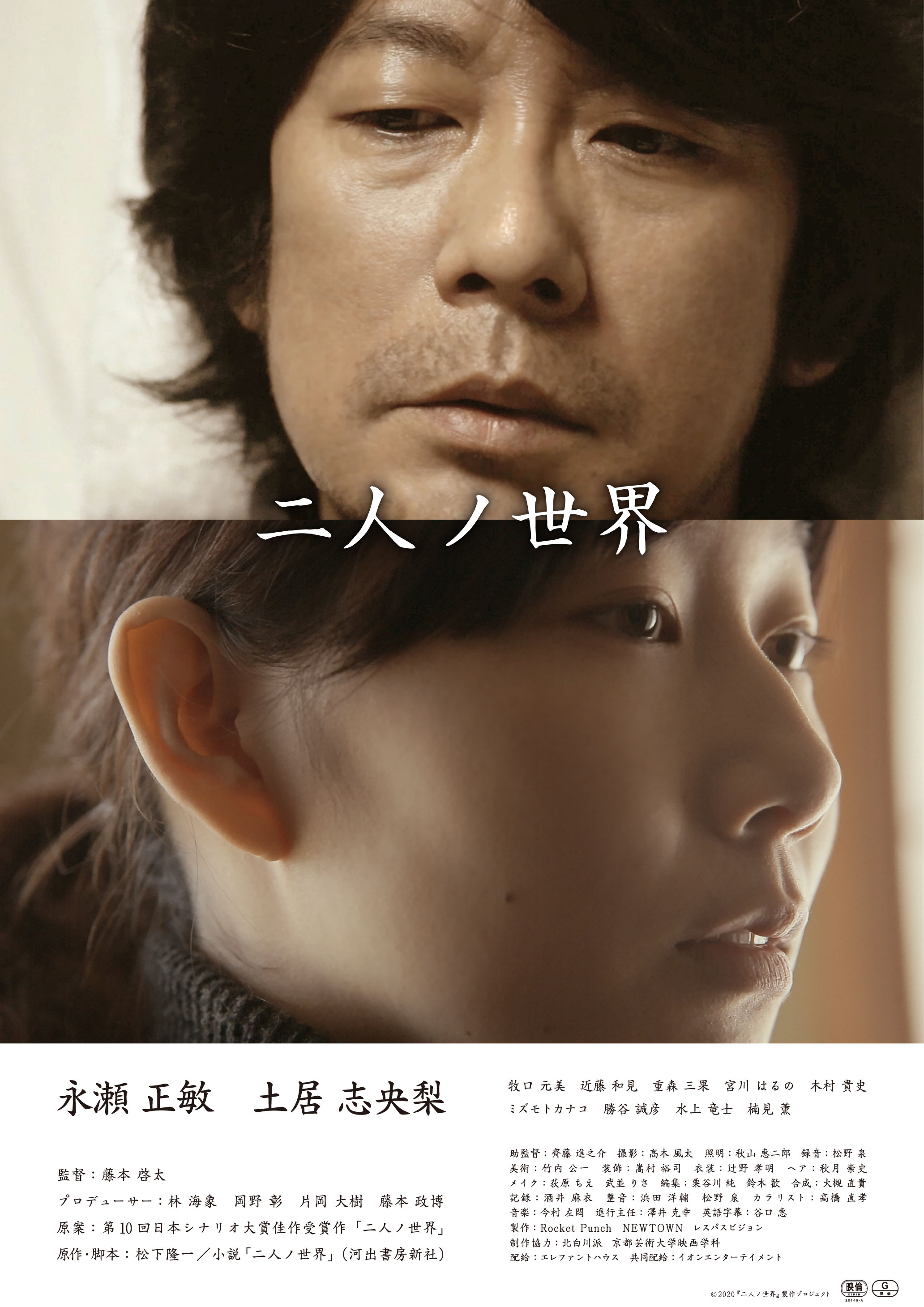
Just the Two of Us (二人ノ世界, Keita Fujimoto, 2020)

“We’re just ordinary people” the heroine of Just the Two of Us (二人ノ世界, Futari no Sekai) eventually exclaims in exasperation with the often hostile world around her. Produced by Kaizo Hayashi as a project for students at the Kyoto University of the arts, Keita Fujimoto’s sometimes bleak social drama offers a less rosy view on disability in the contemporary society than has perhaps been seen in recent Japanese cinema as the twin protagonists each struggle against prejudice and preconceived notions of how disabled people should live while internalising a sense of shame and impossibility that leaves them with little hope for the future. 

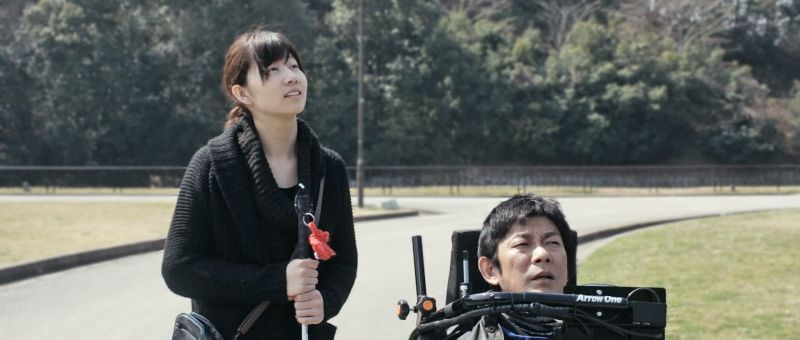
Opening in darkness, the scene then shifts to bright sun light as a young woman, Hanae (Shiori Doi), is woken by a phone call informing her she has been unsuccessful in a recent job application. Meanwhile, Gohei (Motomi Makiguchi), an old man caring for his son Shunsaku (Masatoshi Nagase) who has been paralysed from the neck down since a motorbike accident some years previously, finds his latest attempt to hire a carer ending in failure, Shunsaku deliberately making obscene comments towards the earnest young woman leaving her so upset that she leaves in tears and does not return. After hearing Gohei discussing his problem on a local radio show, Hanae decides to apply for the job the only thing being that she herself is blind which is why she’s been having so much trouble trying to find employment. 

Gohei has his doubts, but after talking to the young woman and witnessing her take no notice of Shunsaku’s attempts to make her uncomfortable, he decides to take her on in part because she reminds him of his late wife and he instinctively feels that he can trust her. As we discover, that’s something all the more pressing to Gohei because not only is he finding it increasingly difficult to care for his son as he himself ages but is also suffering with a serious medical condition and worrying who will look after him once he’s gone. For all these reasons he places a heavier responsibility on Hanae than she had expected, showing her where the spare key is in case she needs to get in when he’s out and even handing over their passbooks and bank cards. A little shocked, Hanae asks him if that’s really necessary, how does he know she won’t just run off with them but he simply tells her that he knows she’s not the sort of person who would do something like that and indeed she isn’t. 

As she later reveals, Hanae has no family of her own repeatedly reminding Shunsaku that he was lucky to have parents that loved and cared for him as much as they did. She becomes in a sense a member of the family, Gohei telling hospital staff she is his daughter while later even Shunsaku claims to be her husband in order to make a point. Yet the arrangement is not one that all find suitable, Shunsaku’s snooty aunts instantly taking against Hanae on the grounds that they cannot believe a blind woman could care for a paralysed man while simultaneously attempting to chase Shunsaku out of his home he fears disguising their desire to get their hands on the inheritance as concern for his wellbeing. They continue to infantilise him, refusing his right to make his own decisions over his life even though he is a man in his 40s of entirely sound mind insisting he should be put away in a nursing home rather than allowed to live as independently as possible in a house which he owns. 

Tellingly Shunsaku had been reluctant to leave the house afraid of the stigma and judgement he may receive from others in an ableist society, a fear later borne out by their encounter with an extremely rude man while trying to enjoy a summer a festival. Hanae who had been partially sighted since birth and lost her sight entirely five years previously reassures him that she feels people staring at her all the time but has had to become used to it in order to carry on with her life, her courage and support beginning to give him the desire to begin living again yet the world continues to place various barriers in their way eventually removing all sense of hope and possibility that the decisions they’ve made for themselves will be accepted or that they could become a conventional family supporting each other. 

“How can we live without bothering others?” Hanae eventually snaps back at the snooty aunts, signalling perhaps a slightly problematic framing that leans into the idea that Hanae and Shunsaku are burdens and that their presence is never anything other than a nuisance to those around them rather than taking others to task for their refusal to accept disabled people as equals or to treat them with basic human empathy. The conclusion is further reinforced by the bittersweet ending which echoes the film’s title implying that the pair can stay together but only by accepting exile from mainstream society and retreating into a world of two. Nevertheless, Fujimoto’s often sensitive, elegantly shot drama has genuine poignancy even in its melancholy conclusion as the marginalised heroes find solace in each other in defiance of a hostile society.


Original trailer (no subtitles)
Devotion to Railway (大いなる驀進, Hideo Sekigawa, 1960)
In the early 1960s, Japan’s rail network might have felt a little uneasy with the Shinkansen already on the horizon. Hideo Sekigawa’s Devotion to Railway (大いなる驀進, Oinaru Bakushin) is in part a celebration of this essential service, the conductor and steward ever fond of reminding us that most passengers probably don’t realise that the Sakura sleeper service on which they are travelling from Tokyo all the way to Nagasaki is operated by only seven or eight people (though they don’t seem to be counting the staff from the dining car which hints at a minor source of division among the crew). While the Japanese title which means something more like “the great dash” might hint at a little more excitement, the film is less thriller than gentle ensemble drama in which the passengers and crew must come together to solve the improbable number of crises arising on this otherwise ordinary journey. 

Even so considering the film is directed by the left-leaning Sekigawa best known for his anti-war films such as Hiroshima and Listen to the Voices of the Sea, not to mention scripted by Kaneto Shindo, it is a little ironic that the central thrust of the drama revolves around junior steward Yajima’s (Katsuo Nakamura) rediscovery of his own devotion to the railway after at the beginning of the film declaring this will be his final journey. Mimicking the dilemma at the centre of Yoshitaro Nomura’s Stakeout, Yajima’s problem is that he has been engaged for two years and is sick of waiting to get married but his girlfriend Kimie (Yoshiko Sakuma) is the main breadwinner in her family and though his salary could support them as a couple it won’t stretch much further. Kimie, however, is dead against him taking the counter-productive decision to quit the railways even with the suggestion of going into business with a friend who owns a cafe, partly because it’s better to stick with a steady job than take a chance on something less certain, and partly because she knows he likes his work and all his experience will be wasted if he suddenly opts to switch careers. 

Despite its positive warmhearted message of people pulling together to overcome crisis, the film does skew a little conservative in essentially turning Kimie into a minor villain as if she were in a sense responsible for making Yajima doubt his devotion to the railway. After jumping aboard to make sure he doesn’t suddenly quit before the end of the line, she eventually has a heart to heart with the sympathetic conductor Matsuzaki (Rentaro Mikuni) that forces to her to admit that perhaps she’s just nervous about the nature of married life and has been making trouble where there needn’t be any, now certain that it’s better to just get married as soon as possible and let the rest figure itself out. 

Meanwhile, there’s additional tension seeing as a waitress from the diner car has an obvious crush on Yajima and is quite resentful on being presented with his fiancée, but even this is eventually solved with the two women becoming accidental friends during the climatic crisis, a landslide caused by a typhoon, that grants each of the passengers an epiphany about what it is they really want out of life. While waiting for the maintenance crew from the next station to arrive, Yajima, still in a bad mood, stands around doing not much of anything until coaxed into action by Kimie and Matsuzaki, Kimie too eventually jumping off the train to solve this literal roadblock in their relationship followed by the dining car girls and a young woman only on the train to transport blood to a hospital needed urgently by 2pm the next day. This sense of collective endeavour opening the way gives everyone on board a new sense of positivity, allowing Kimie and Yajima to repair their relationship and a man who tried to take his own life in the night to gain a new sense of hope for future. 

Several times Yajima is reminded that he has the lives of the passengers in his hands which is undoubtedly true given that there is always the chance of disaster yet also perhaps going a little far seeing as most of his job is checking tickets and providing travel information. Nevertheless, there is a lot going on on this train from eloping couples to yakuza assassins, not to mention the twin sights of a newly wed couple and a pompous politician momentarily disembarking at each stop to be feted either by workers at their factory or the local members of their political party. The snooty politician even gets a minor comeuppance from a famous pickpocket who steals his watch as a joke and then gives it back only to dismissively ignore his thank you message while eating a giant apple. 

Surprisingly handsome for a Toei programmer, Sekigawa’s deft direction lends a claustrophobic sense of dread to the interior of the train stalked by a vengeful assassin, while simultaneously making it an essentially safe space guarded by the ever solicitous crew keen to help an anxious young woman with a long journey ahead of her arrive on time to get home to her chronically ill mother. An effective piece of advertising for the Sakura sleeper service (which ran until 2005 albeit in slightly different forms), Devotion to Railway may surprise in its insistence that the hero rededicate himself to his employer but is nevertheless a charming ensemble drama which finds a new sense of positivity in the solidarity between friends and strangers coming together to overcome crisis through common endeavour. 


Original trailer (no subtitles)