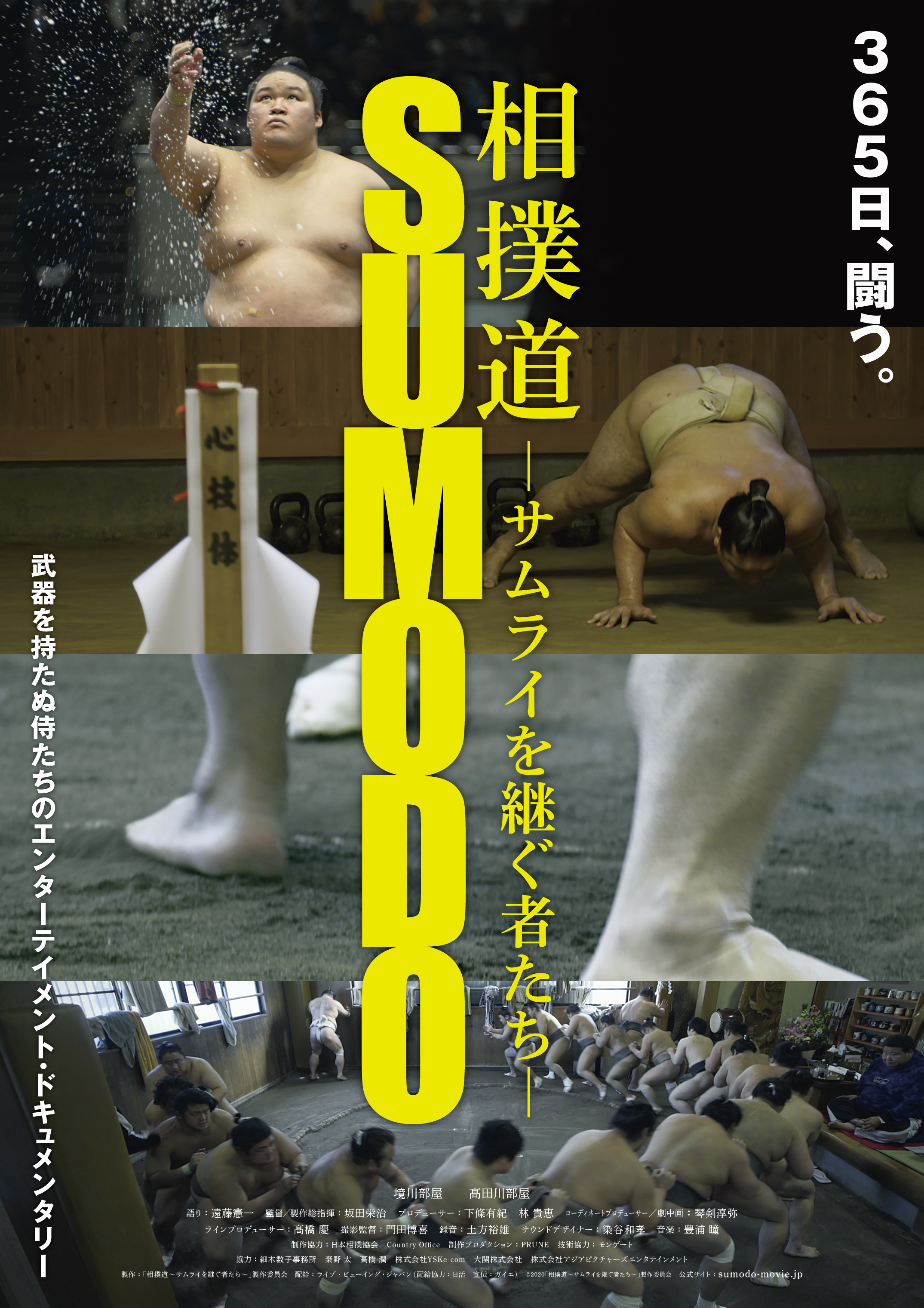
SUMODO ~The Successors Of Samurai~ (相撲道~サムライを継ぐ者たち~, Eiji Sakata, 2020)

“Every day is a traffic accident” according to a sumo wrestler describing the motion of two men colliding each trying to shove the other out of a protected area. Often regarded as a quintessentially Japanese combat sport, sumo has also come in for its share of misconceptions sometimes mocked or dismissed as a pastime popular mainly among the elderly or else a source of comedy in which in two large men clumsily grapple with each other. It’s precisely these unfair stereotypes that Eiji Sakata’s documentary SUMODO ~The Successors Of Samurai~ (相撲道~サムライを継ぐ者たち~, Sumodo ~Samurai o tsugu monotachi~) hopes to correct in gaining unprecedented access to the usually secretive world of professional sumo. 

He does this largely through focussing on two very different sumo stables and two key tournaments, one at New Year and the other in May. Though he interviews several of the rikishi at each, he adopts two main subjects who eventually clash in the ring but otherwise avoids clear narrative for an overview of what it’s like to live as a professional sumo wrestler in the present day which is to say a lifestyle that is largely unchanged over hundreds of years. Perhaps surprisingly, he even stops to appreciate the way in which a sumo tournament has also become something of a fashion show in which an audience comes expressly to appreciate the traditional kimono modelled by the rikishi as they make their way towards the auditorium. Living communally at the stable where they train, sumo wrestlers are expected to dress in traditional clothing at all times and wear their hair in a traditional style. 

Their diet is of course strictly monitored in order to help them maintain their weight. At the second of the stables, Takadagawa, food is a particular issue one rikishi stating that the high quality of the cuisine is one reason he chose to train there and while the chef explains that he keeps the vegetable content high and is keen to encourage healthy, nutritious eating the stable master is also determined that the meals be tasty rather than an austere exercise in body building. Sumo wrestlers do nevertheless eat quite a lot, the director perhaps regretting his decision to take the rikishi from the first stable Sakaigawa out for Korean barbecue when they literally eat the place out of its entire stock of meat generating a bill for US$8000 for under 50 people. 

Even so, despite their size the sumo wrestlers are necessarily extremely fit and spend much of their time deliberately building muscle. Whereas Sakaigawa is more traditional in its rather austere outlook, the master at Takadagawa, a former rikishi himself, explains that the sport has in a sense changed in keeping with the modern society in that he’s moved away from an aggressive coaching style that some might regard as bullying or harassment towards something kinder that values endurance and perseverance. The contrast is also visible in the choice of the two protagonists, Goeido being much more the traditional image of a sumo wrestler with his rather intense demeanour and emphasis on manly stoicism, whereas Ryuden is a surprisingly cheerful man with a joyful laugh and aura of serenity. 

Yet even Goeido describes the tournament process as mentally and physically exhausting despite fighting only one bout a day. At one particular tournament he tears a muscle in his upper arm but refuses to have it strapped unwilling to expose his area of weakness to an opponent later criticising younger wrestlers for making too much fuss over injury advising them that they should remain stoical without complaint like “true men”. Despite his more progressive coaching style, the master of Takadagawa says something similar in regarding injuries as tests from god or else a clear sign that more training is necessary. Ryuden himself suffered recurrent problems from a broken pelvis that saw him temporarily demoted but worked his way back to health by concentrating on “the basics”, later advising younger rikishi that there’s no hurry what’s important is to keep pushing through and avoid giving up too easily. The spirit of sumo, however, never changes at least according to the closing text. Illuminating the sport’s ancient history and ties to shinto ritual through a brief animated sequence, Sakata is most interested in the everyday lives of sumo wrestlers and the physical, emotional toll the sport can take on their lives as they push their bodies to the absolute limit of their capabilities. 


SUMODO ~The Successors Of Samurai~ screens in Canberra (Oct. 31), Perth (Nov. 7), Brisbane (Nov. 14), Melbourne (Nov. 20/23) and Sydney (Nov. 26/28) as part of this year’s Japanese Film Festival Australia.

Original trailer (English subtitles)
Pistol (手枪, Lv Huizhou, 2020)

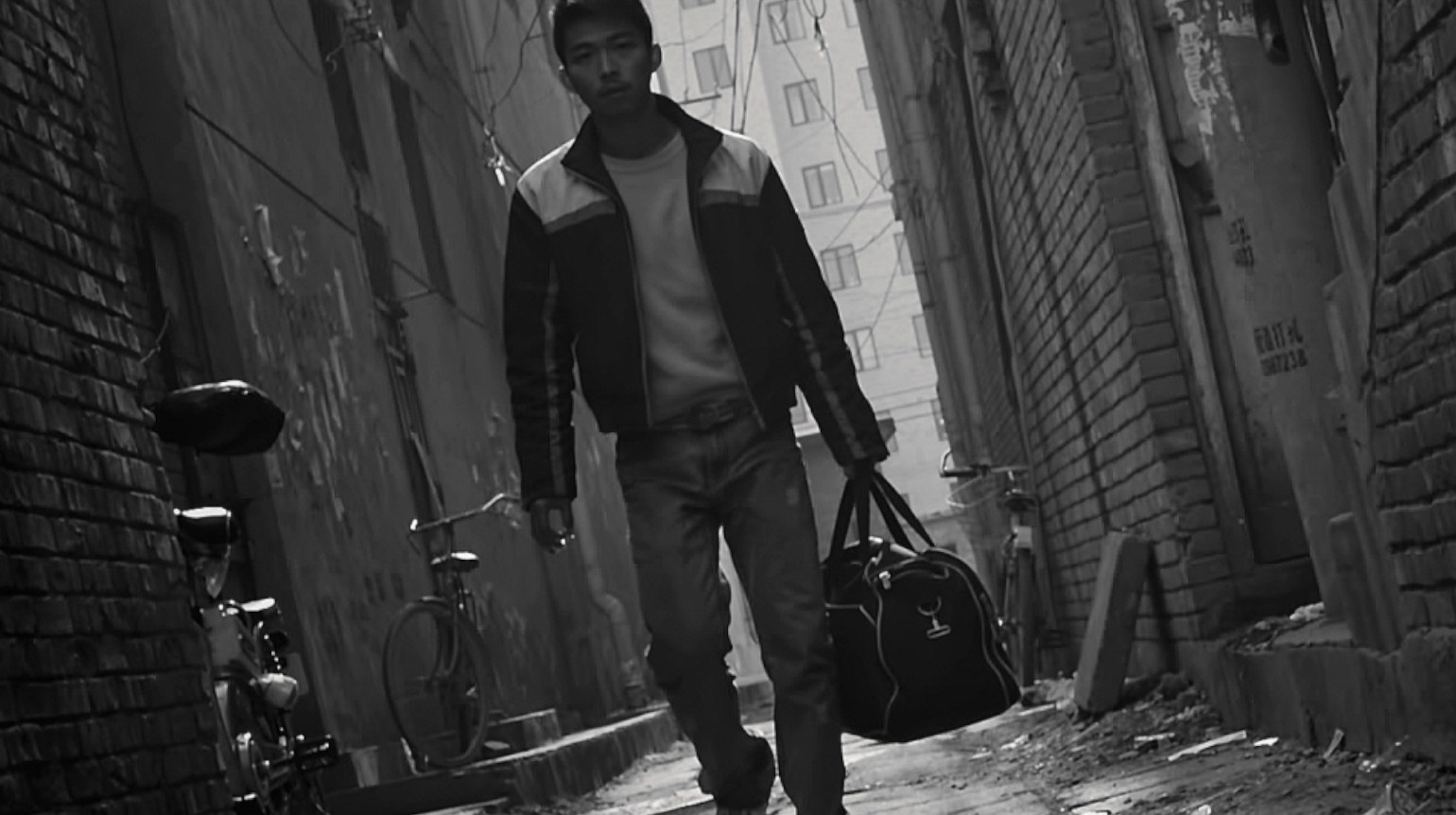
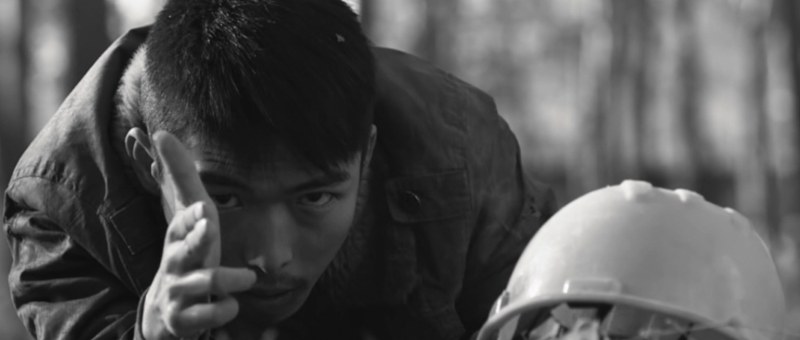
The contradictions of the modern China drive one young man clear out of his mind in Lv Huizhou’s elliptical street punk noir, Pistol (手枪, Shǒuqiāng). Shot in a washed out monochrome and seemingly set some time after the Beijing Olympics, Lv’s anarchic drama sees its hero develop unexpected superpowers as if to combat his sense of impotence and impossibility while constantly uncertain whether his newfound abilities are “real” or merely a figment of his declining mental state as he chases lost love through the rundown backstreets of a Beijing slum.  

Construction worker Mengzi (Zhang Yu) claims he likes Beijing, after all it’s an “international city” always busy with crowds. Many people long to come here, as perhaps he once did, though you can’t say the city has served him particularly well. He lives in a tiny room with a bunk bed and no functioning bathroom which is why he pees in a bottle into which he’s already discarded his cigarette and digs a hole in the woods every time he needs to do a number two. The only thing keeping him going is his doomed relationship with sex worker Yaoyao (Wang Zhener) who just wants to make as much money as she can while she’s young. Mengzi may have stolen the “international city” line from her, he often seems to repeat things said to him when he speaks at all, but Yaoyao also claims to like Beijing because of the opportunities it offers her, citing the story of a woman she knew who quit sex work after only three years with enough money to buy house in her home town, now walking around dripping with jewellery like the queen of all the land. When Yaoyao goes missing, Mengzi fetches up at the salon where she worked that’s really a front for a brothel run by a local gangster and raises hell, picking a fight with the gangster’s wife and in the first of many flashes of spontaneous violence smashing her mirror. 

The ill-advised rescue mission gets him nowhere, the gangster turning up at the restaurant where he’s once again adding to his tab to tell him she’s been sold on to a club before teaching him a lesson. This is where we came in, or it might as well be, with Mengzi chased through the narrow city alleyways until finally cornered and beaten. Mengzi is in many ways a man on the run from himself. His room is papered with posters for macho crime dramas such as Dirty Harry, The Man With No Name Trilogy, and A Better Tomorrow 2, Taxi Driver pinned incongruously between boy band Super Junior and a girl group in air hostess outfits. He is God’s lonely man, obsessing over misplacing his high school graduation certificate while failing to convince his boss to give him a better job. At his lowest point, he digs a hole and crouches down pointing his fingers at gaggle of chickens and pretending to shoot only to hear a gunshot and on closer inspection discover a very dead hen. 

In the days since losing Yaoyao, Mengzi hadn’t done much of anything save mope around, having a tourist day with streetwise kid Laizi (Hou Xiang) visiting Tiananmen Square and the Olympic stadium, both places Yaoyao lied to her mother about visiting trying to make her think her Beijing life was better than it was. His strange visions and violent meditations are often intercut with comforting memories of his time with Yaoyao alone in her bohemian flat, a poster of Chicken Run ironically hanging on her wall. Flashing into colour, the billboards around the stadium are filled with pretty pink flowers and play the Olympic song about being one big family, red solarised footage of the opening ceremony later filling Mengzi’s mind. Family seems to be something Mengzi doesn’t really have, a perpetual orphan wandering around unanchored and resentful of the society that won’t let him prosper. Losing Yaoyao he vows revenge with his new weapon, which for some reason only works with his rear end partially exposed, literally taking aim at social inequality in the midst of a trendy club from which he concludes he may never be able to retrieve his lost love. 

Shot in a washed out black and white reflecting Mengzi’s sense of despair, Lv’s frantic handheld photography mimics his paranoid psychology with its noirish canted angles and extreme sense of claustrophobia while introducing a note of psychedelic uncertainty as even Mengzi himself cannot be sure if his fingers really shoot bullets or he’s in the midst of a psychotic break possibility connected to the traumatic event that opened the film reflected in his own eventual solarisation. An elliptical, ethereal journey through the backstreets of Beijing as they exist in the mind of a crazed young man denied a future and the home he’s so desperate find, Pistol has few kind words for the modern China but perhaps sympathy for its frustrated hero. 


Pistol screened as part of this year’s London East Asia Film Festival.

Zokki (ゾッキ, Naoto Takenaka, Takayuki Yamada, & Takumi Saitoh, 2020)

“Thanks to secrets carefully kept by people the world keeps turning” according to one of the many heroes of Zokki (ゾッキ), a series of intersecting vignettes adapted from the cult manga by Yoshiharu Tsuge and directed by three of Japan’s most prominent actor-directors, Naoto Takenaka (whose Nowhere Man also adapted Tsuge), Takayuki Yamada and Takumi Saitoh. According to the philosophical grandpa who opens the series of elliptical tales everyone has their secrets and without them you may die though each of the protagonists will in fact share their secrets with us if by accident or design. 

Seamlessly blended, the various segments slide into and around each other each taking place in a small rural town and primarily it seems around 2001 though as we’ll discover the timelines seem curiously out of joint as motifs from one story, a broken school window, an awkward moment in a convenience store, the retirement of a popular gravure model/AV actress etc, randomly appear in another. This is however all part of the overarching thesis that life is an endless cycle of joy and despair in which the intervals between the two gradually shrink as you age before ceasing to exist entirely. 

Or so says our first protagonist, Fujimura (Ryuhei Matsuda), a socially awkward man heading off on a random bicycling road trip in which he has no particular destination other than “south” or maybe “west” as he later tells a potential friend he accidentally alienates. Fujimura’s unspoken secret seems to link back to a moment of high school trauma in which he betrayed one burgeoning friendship in order to forge another by joining in with bullying gossip and eventually got his comeuppance. Meanwhile the reverse is almost true for Makita (Yusaku Mori) who relates another high school tale in which he overcame his loneliness by befriending Ban (Joe Kujo), another odd young man rejected by teachers and the other pupils for his often strange behaviour such as his tendency to shout “I want to die”. Ban claims to have heard a rumour that Makita has a pretty sister and Makita goes along with it, eventually having to fake his sister’s death in order to seal the lie only for Ban to find happiness in his adult life largely thanks to Makita’s act of deception. 

The broken window which brought them together turns up in another tale, that of Masaru (Yunho) whose adulterous father Kouta (Takehara Pistol) took him on a midnight mission to steal a punching bag (and some adult DVDs) from the local high school only to encounter a sentient mannequin/ghost who is later likened to the young woman from Fujimura’s past. Bar some minor embarrassment there’s no real reason the ghost sighting would need to be kept secret, the deception in this case more to do with Kouta’s affair and his subsequent departure from his son’s life only to make an unexpected return a decade later. The affair also makes him a target for fisherman Tsunehiko, the betrayed husband and one of the fisherman celebrating the birthday of a colleague along with an existentially confused Fujimura. Meanwhile, Fujimura’s fed up neighbour secretly writes a rude word on a note to himself instead of the usual “good morning” only to realise it’s been moved when he opens the local video store the next morning. 

Eventually coming full circle, Zokki insists what goes around comes around, everything really is “an endless cycle”, and that in the grand scheme of things secrets aren’t always such a bad thing. They keep the world turning and perhaps give the individual a sense of control in the necessity of keeping them if running with a concurrent sense of anxiety. The criss-crossing of various stories sometimes defying temporal logic hints at the mutability of memory while allowing the creation of a zany Zokki universe set in this infinitely ordinary small town in rural northern Japan. As the various protagonists each look for an escape from their loneliness, unwittingly spilling their secrets to an unseen audience, the endless cycle continues bringing with it both joy and sorrow in equal measure but also a kind of warmth in resignation. Beautifully brought together by its three directors working in tandem towards a single unified aesthetic, Zokki defies definition but rejoices in the strange wonder of the everyday in this “obscure corner of the world”.


Zokki streamed as part of this year’s New York Asian Film Festival. It will also screen in London on 24th October as part of this year’s London East Asia Film Festival.

Original trailer (no subtitles)

NYAFF intro

The Prayer (간호중, Min Kyu-dong, 2020)

“I’m just wondering if they all live with nothing to live for and whether it has any meaning to live like that. And if I am no different.” a beleaguered daughter muses contemplating her own future while caring for her mother (Moon Sook) who has been bedridden in a coma for the last decade. A perhaps controversial advocation for euthanasia, Min Kyu-dong’s expansion of his entry into the SF8 series The Prayer (간호중, Ganhojung) offers a timely exploration of the nature of empathy, the limits of AI technology, the ageing society, and the destructive effects of inequality as mankind’s children find themselves wracked by the existential pain of human suffering. 

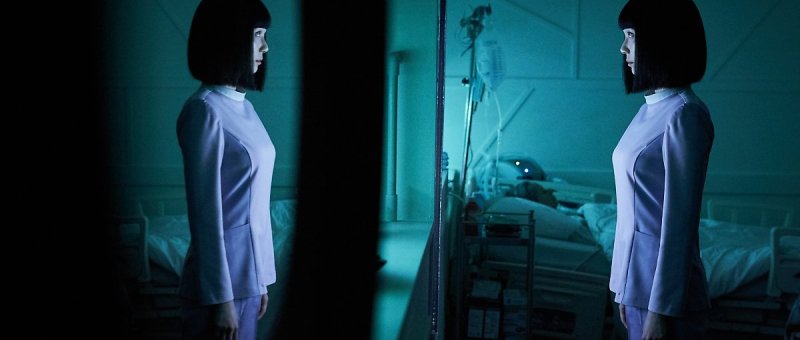
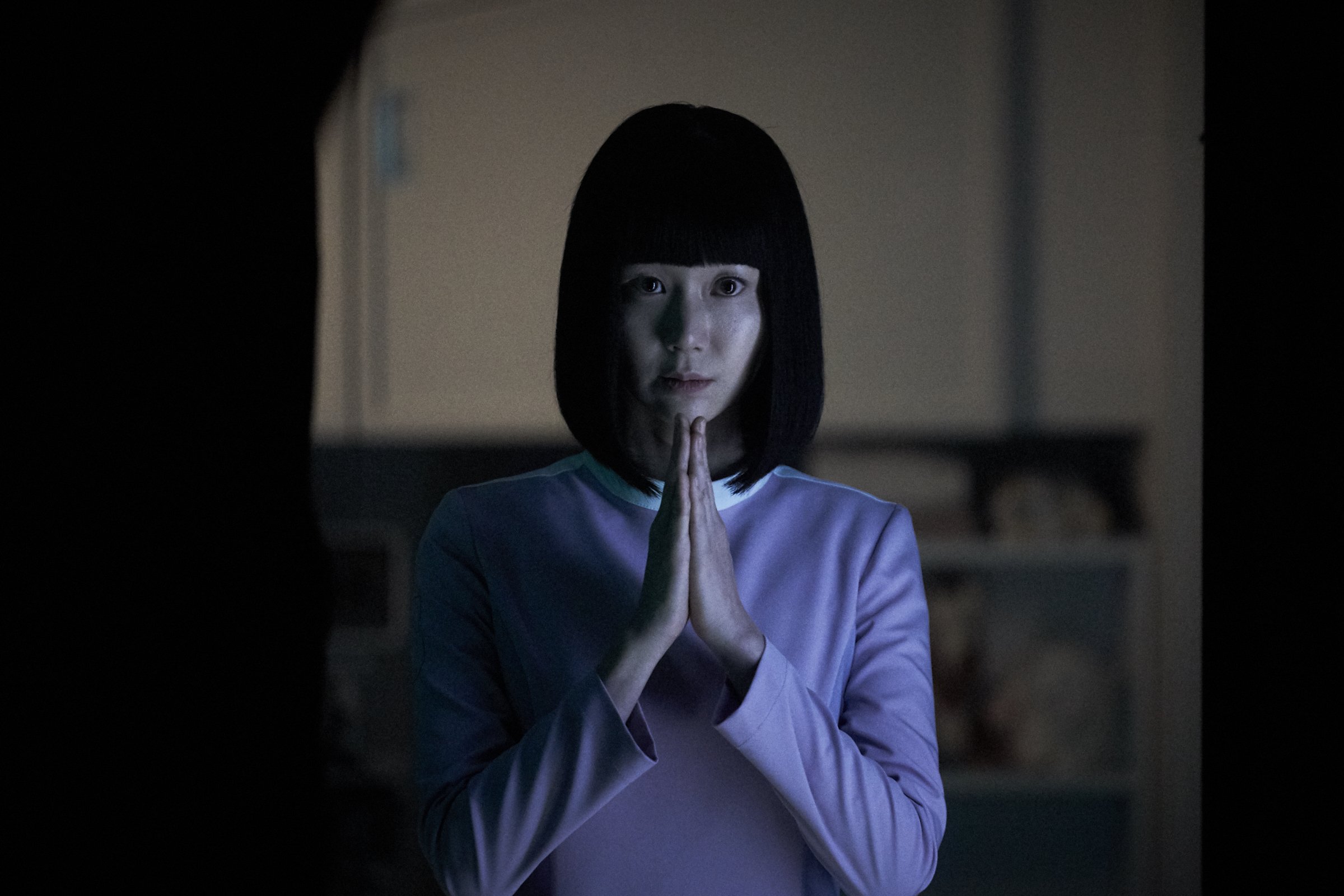
Set in the near future in which high schools are bulldozed to build additional care centres, The Prayer revolves around the relationship between the melancholy Jung-in (Lee Yoo-young) worrying if prolonging her mother’s life in this way is really what she’d want, and the robotic care nurse she’s hired to look after her, Ho-joong (also Lee Yoo-young). As we discover, Jung-in has taken advantage of the offer to have herself listed alongside her mother as a target for care leaving Ho-joong with an ironic conflict torn between her duty to look after Jung-in’s mother and witnessing the toll caring for her is taking on Jung-in who frequently expresses depressive thoughts and potentially suicidal ideations. 

In order to provide comfort to patients, the androids are designed with the same face as the primary guardian, meaning Jung-in is in someways in dialogue with herself while Ho-joong becomes increasingly confused in her imperfect, in some ways childish, application of human empathy. Fixated on Jung-in with a devotion which turns towards the romantic, she comes to the logical conclusion that in order to save her secondary patient the obvious choice is to sacrifice the first but has seemingly no understanding of the effect that may have on Jung-in who may be worn out and emotionally drained but would obviously feel responsible should anything happen to her mother at the hands of the robot nurse she hired because she has developed unintended feelings towards her. 

The extent of Ho-joong’s “feelings” are indeed at the heart of the matter as evidenced by her strange conversations with a well-meaning nun, Sister Sabina (Ye Soo-Jung), who is originally dismissive unwilling to recognise that a manmade creation may also desire access to God. As incongruous as it sounds, Ho-joong’s awakening spirituality positions her as uniquely human and as trapped as one of her patients, tormented by the pain of being alive and finally confined to table on which she claims to be experiencing near torture at the hands of those seeking to understand her “malfunction”. Her German manufacturers locate the fault in her advanced language processing unit, as if the problem were that she understands too well when perhaps it’s more that her empathy is based in a different metric and prone to misunderstand the irrationality of human impulses towards guilt and love. 

That’s also the problem with the unit next door owned by Mrs. Choi (Yum Hye-ran) whose husband (Yoon Kyung-ho) seems to be suffering from advanced dementia which often causes him to become violent or unpredictable. Unlike Jung-in, however, Mrs. Choi could only afford a basic model which offers little in the way of empathy nor will it care for her. Consequently, she appears to be overburdened with her husband’s care, doing laundry and tidying up after his frustrations cause him to trash his hospital room. The machine offers her only censure while the duty of care ironically prevents her from attending to her own health. Seeking help she turns to the manufacturer who bluntly tells her she doesn’t understand how to operate the machine and advises she ask her kids to teach her, only it appears that Mrs. Choi may have had a child in the past from whom she has become estranged and is otherwise all alone. Older than Jung-in, she despairs for the quality of her life and has no one to protect or care for her, pushing her towards a dark decision. 

Both women wonder if life is worth living if it means living like this, but have very different options open to them given their economic disparity. Having learned to feel pain, Ho-joong begs to be freed of it, positions now reversed as Sister Sabina becomes her caregiver. She accuses the nun of hypocrisy, that she allows her suffer by refusing to end her pain in order to preserve her own conscience in insisting to do so would be a “sin”. “What do I go through this pain for!” Ho-joong cries as if throwing herself into a fiery pit of existential torment while a cold authority insists she must continue to suffer. Min makes a powerful if perhaps controversial argument for the right to end one’s own suffering at a time of one’s own choosing if also leaning uncomfortably into the burdens of care as Mrs Choi and Jung-in too struggle with themselves while trying to do what’s best for those they love, but ultimately discovers a kind of serenity as his robot nurse encounters the spiritual and with it a release form the pain of living. 


The Prayer streamed as part of this year’s New York Asian Film Festival. It will also screen in London on 22nd October as part of this year’s London East Asia Film Festival.

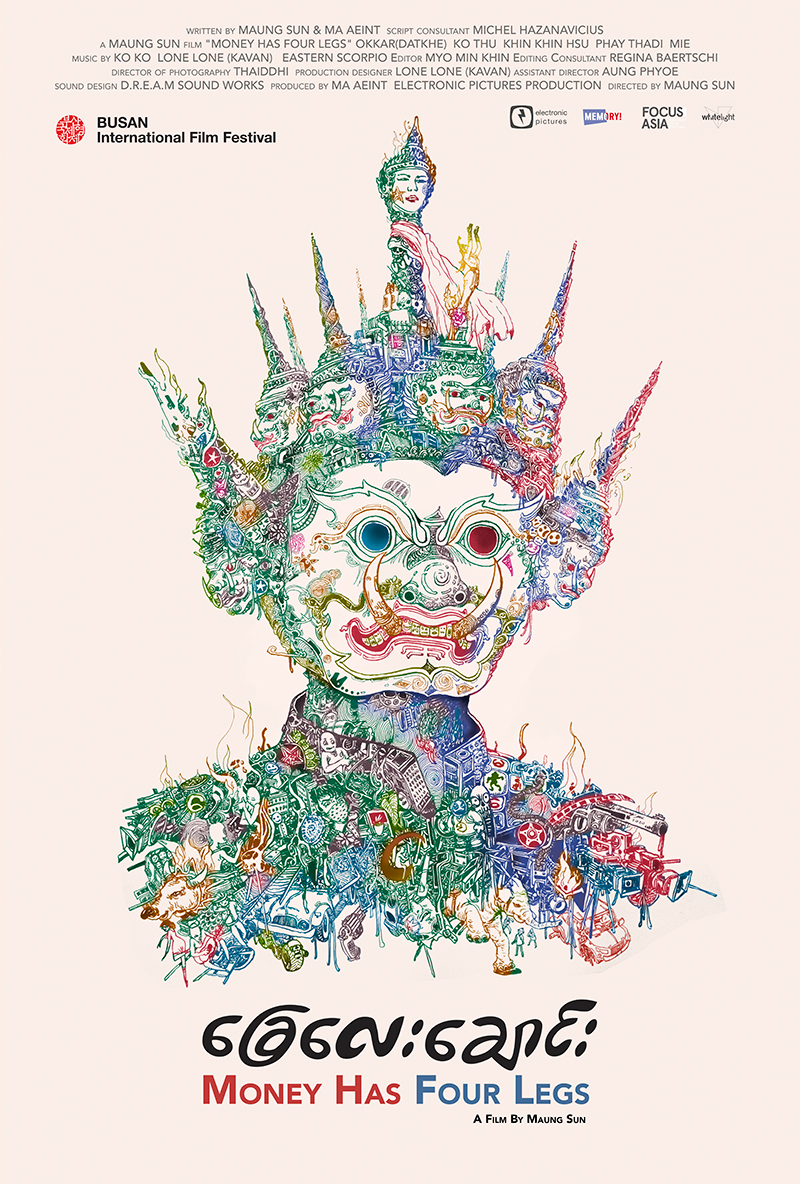
Money Has Four Legs (ခြေလေးချောင်း, Maung Sun, 2020)

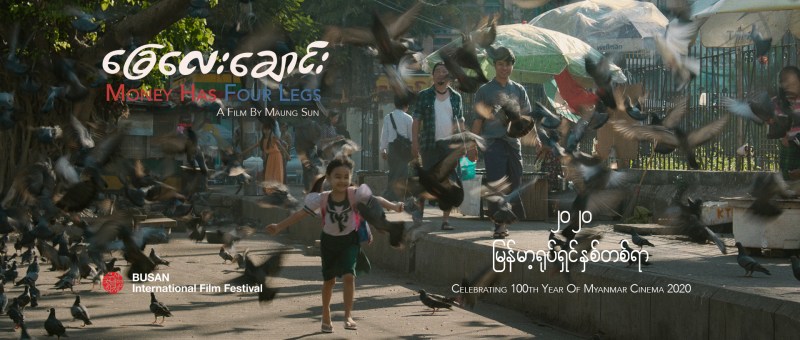
In an opening conversation with the local censor, ambitious director Wai Bhone (Okkar) is cautioned that his film has too much smoking in it which might set a bad example for the young, same goes for drinking. Also, there’s too much swearing, perhaps he could opt for a less offensive substitute such as “futhermucker” for instance, it’s important to show how polite Burmese people are after all. Best to cut the sex scene too. As for the ending, well, that’s non-starter better insert some stuff about how wonderful the police are and make sure the hero either turns himself in or is killed because crime can’t pay when it comes to the movies! As the “conversation” ends, the censor picks up a hefty copy of the 1996 Motion Picture Law and uses it to swat a fly which is rather like what’s just happened to poor Wai Bhone who was just trying to add a little contemporary swagger to the umpteenth remake of a popular gangster movie from 1940. 

To one degree or another, director Maung Sun will break almost all of these rules in meta satire Money Has Four Legs (ခြေလေးချောင်), Wai Bhone receiving a dirty look from an earnest nurse when visiting a friend in the hospital, a cigarette seen briefly in his hand as captured from behind. Set in a Myanmar on the verge of a coup, Sun’s film takes place in a world in a state of collapse in which power cuts are commonplace, banks are going bankrupt, and hypocrisy rules yet all Wai Bhone really wants to do is make art even if everyone keeps telling him it’s pointless. More than political strife Wai Bhone finds himself trapped by the legacy of his filmmaker father whose award, topped with a valuable gold star, sits on top of his bookcase. A neighbour even at one point stops Wai Bhone in the street to tell him he’s not a patch on his dad while warning him not to “destroy the original stories” because “we must safeguard the dignity of our film industry”. 

Even Wai Bhone’s producer Tin Htut tells him that he only gave him the job out of loyalty to his father, but if anyone’s in danger of damaging the dignity of the Burmese film industry it isn’t Wai Bhone. Having shot a series of cheap straight to video flicks, this is Wai Bhone’s first shot at a commercial feature but as he explains to his brother-in-law it’s another remake of popular 40s gangster tale Bo Aung Din, “every remake made money so the producers are fond of it”. Meanwhile, his leading actress complains the lines are “too long” to remember so she’s written them on her hand to read out robotically, the lead actor hardly ever comes to set because he’s also starring in another much better movie, and no one has time to get a permit for shooting so sometimes you might need to hop a wall or two “for art”. If all that weren’t enough, Wai Bhone foolishly casts his brother-in-law Zaw Myint as an extra despite knowing of his tendency for random and unnecessary violence, something which comes back to bite him when he ignores the cinematographer’s advice that his sudden decision to switch to close quarters handheld for a combat scene is likely dangerous. Zaw Myint breaks the hideously expensive camera landing him with yet another debt and the prospect of being out of a job. 

The film’s title is itself an ironic joke which links back to Wai Bhone’s daughter watching a bootleg copy of the animated Animal Farm he ironically picked up for a pittance at the market. Humans have two legs (good), but money has four (bad). No matter how fast you run after it you’ll never catch up, and if it’s chasing you there’ll be no escape. Money is in a sense at the route of all Wai Bhone’s troubles in that it places a strain on his relationship with his wife Seazir (Khin Khin Hsu) who had a steady job at the bank until it went bust in the midst of a money laundering scandal, while his rent is so overdue that his landlady’s already started showing the apartment to prospective new tenants. Wai Bhone wants to make “art” but he can’t do that given the repressive censorship regime of contemporary Myanmar. Meanwhile he still uses money as a marker of success, judging himself for his inability to make it as they find themselves raiding their daughter’s savings account while struggling to pay for the cram school classes she wanted to enrol in because all her friends are going. 

For all of these reasons, he finds himself stepping into the world of film in embodying the figure of Bo Aung Di complete with bandana and fake pistols as he lets Zaw Myint talk him into a “bank heist” mopping up some of that leftover cash his wife mentioned before someone else gets there first only for the bank manager to end up making off with some of it himself while a baying mob hammer at the doors wanting to know what they’re supposed to do now their savings have been sucked into a black hole of impropriety. Wai Bhone only starts to gain a foothold by blackmailing his producer over his affair with the talentless actress, Tin Htut keen to stress that he’s only giving him his job back because he thinks the way he makes films is “artistic” despite having scolded him earlier that films are only successful when they make money so you have to give the audience what they want advising him to cut the action and add more “love scenes” which the censor of course told him to include only as “symbolism”. Wai Bhone really can’t win but despite his foray into crime retains his good heart, temporarily pausing his heist to take an injured dog to the vet, and in the ironic conclusion literally committing a radical act of wealth redistribution as a Buddhist song on the radio sings of wretches getting rich while Wai Bhone if accidentally shares his merits with everyone. 


Money Has Four Legs screened as part of this year’s BFI London Film Festival

Original trailer English subtitles

Bo Aung Din is also available to stream via YouTube though in poor quality and without subtitles

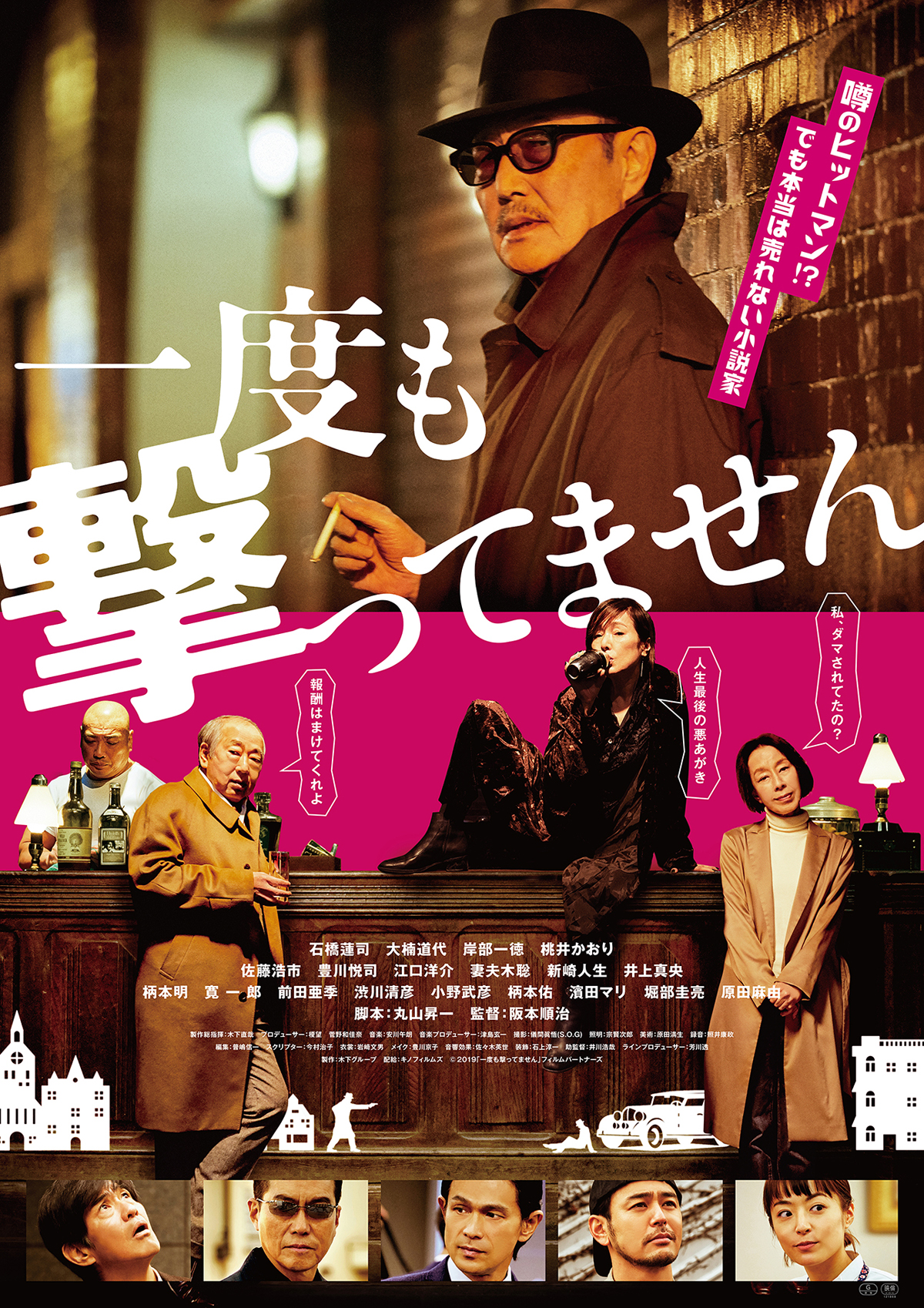
I Never Shot Anyone (一度も撃ってません, Junji Sakamoto, 2020)

“You don’t know the pain of being forgotten” laments an ageing actress attempting to move the heart of a heartless conman in Junji Sakamoto’s comedy noir I Never Shot Anyone (一度も撃ってません, Ichido mo Uttemasen), more as it turns out a melancholy meditation on age and disappointment than hardboiled farce. Sakamoto’s elderly heroes live in a world of night in which their dreams of youth never died, but are confronted with the realities of their lonely existences when the sun rises and exposes the shallowness of their escapist fantasy.

74-year-old Susumu Ichikawa (Renji Ishibashi) was once a promising novelist but veered away from the realms of literary fiction towards the allure of hardboiled noir, no longer permitting his wife Yayoi (Michiyo Okusu) to read his drafts claiming that she would find them too distressing. His publisher (Koichi Sato) meanwhile is more distressed by the quality of the prose than the content, partly because his novels are simply dull but also because they are far too detailed to be mere imagination and as each one seems to be based on a recent ripped from the headlines case he’s staring to worry that Susumu is the real life legendary hitman said to be responsible for a series of unsolved suspicious deaths. 

On the surface, it might be hard to believe. At home, Susumu is a regular old gent who reads the paper after breakfast and locks himself away in his study to write for the rest of the day but his wife complains that he stays out too late at night little knowing that he leads something like a double life, dressing like a shady character from a post-war noir and even at one point likening himself to Yves Montand in Police Python 357. He speaks with an affected huskiness and is fond of offering pithy epithets such as “women come alive at night” while reuniting with two similarly aged friends in a bar run by a former hitman nicknamed “Popeye” (pro wrestler Jinsei Shinzaki) who seems to have some kind of nerve damage in his hands he’s trying to stave off through obsessive knitting. 

What Susumu seems to be afraid of, however, is the sense of eclipse in his impending obsolescence. The guy who ran the local gun shop whom he’d known for 30 years recently passed away, while the guy from the Chinese herbalist apparently went home to die. His publisher’s retiring, and Popeye’s going to close the bar because his mother’s ill so he’s going back to his hometown. Susumu and his wife didn’t have any children and he perhaps feels a little untethered in his soon-to-be legally “elderly” existence while the now retired Yayoi is also lonely with her husband always off in another world he won’t let her share. His friend Ishida (Ittoku Kishibe) once a prosecutor and now a disgraced former mob lawyer working as a security consultant/fixer is estranged from his only daughter, while former cabaret star Hikaru (Kaori Momoi) never married and spends her days working in a noodle bar. They are all scared of being forgotten and fear their world is shrinking, living by night in order to forget the day. 

Perhaps you can’t get much more noir than that, but there’s a definite hollowness in Susumu’s constructed hardboiled persona that leaves him looking less like Alain Delon than a sad man in an ally with only a cigarette for a friend. Even his new editor is quick to tell him that no reads noir anymore, Susumu is quite literally living in the past battling a “hopeless struggle” as someone puts it against the futility of life by living in a hardboiled fantasy. We see him looking at target profiles for an investigative reporter proving a thorn in the side of yakuza and big business, and threaten a heartless conman (Yosuke Eguchi) whose investment frauds have caused untold misery, yet he’s not really a part of the story and his life is smaller than it seems or than he would like it to be. Perhaps in the end everyone’s is even if Susumu is as his new editor describes him “one step away from being insane”. Never quite igniting, Sakamoto’s lowkey tale of elderly ennui is less rage against the dying of the light than a tiny elegy for lives unlived as its dejected hero steps back into the shadows unwilling to welcome an unforgiving dawn.


I Never Shot Anyone screened as part of this year’s Camera Japan

Original trailer (no subtitles)

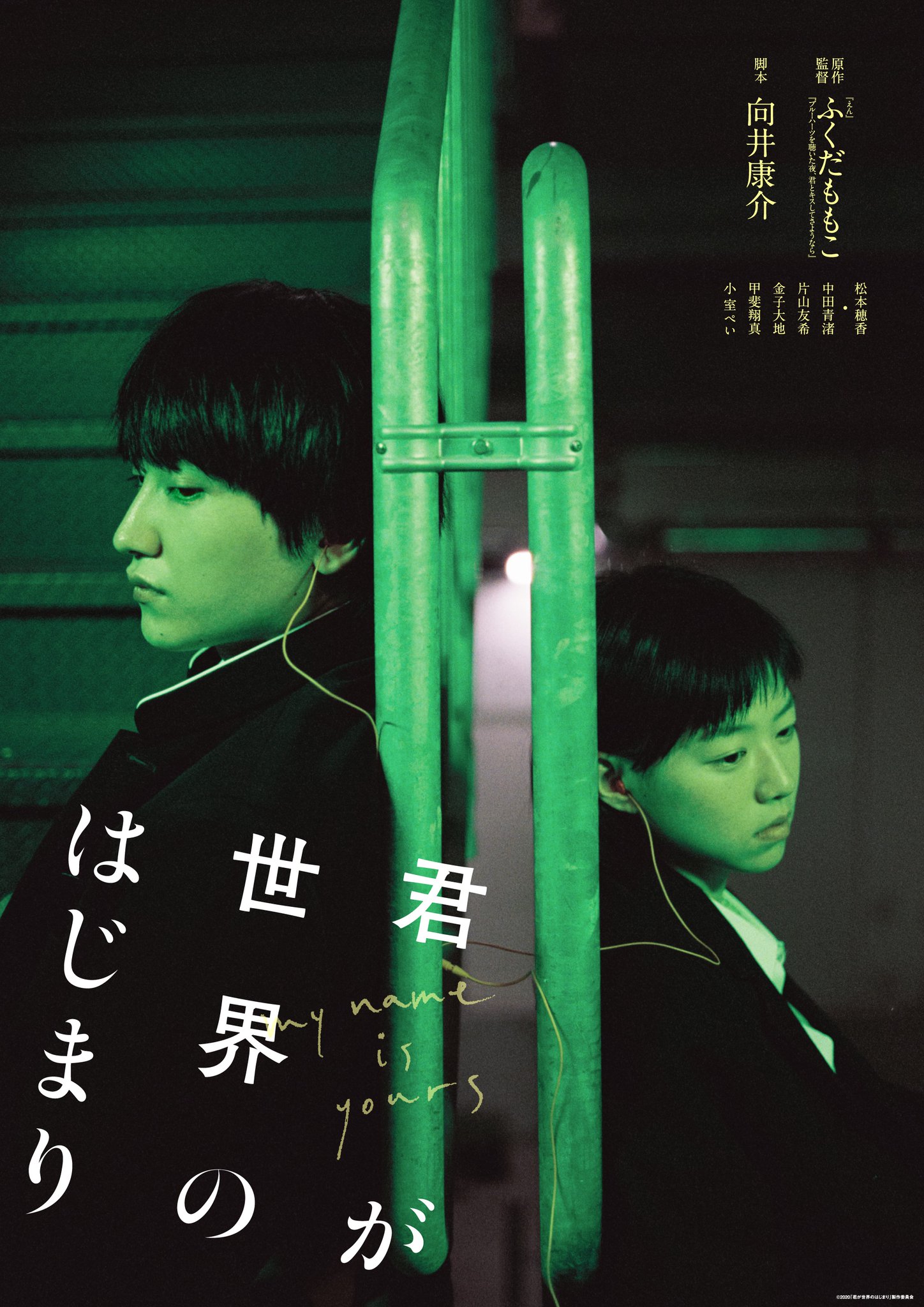
My Name is Yours (君が世界のはじまり, Momoko Fukuda, 2020)

A collection of Osaka teens process adolescent angst and generational anxiety but in the end find a gentle solidarity in their shared suffering while resolving to be kind in Momoko Fukuda’s adaptation of her own novel, My Name is Yours (君が世界のはじまり, Kimi ga Sekai no Hajimari). “People are unknowable” they solemnly resolve, admitting that you never really know anyone but later making an effort to share their secrets, if only gently, bonding in a new sense of openness as they begin to move forward into a brighter future. 

Fukuda opens however with a scene of crime as a high school student is arrested for the murder of their father. As we discover, several of the teens could be potential suspects, each in someway resentful of their dads though for very different reasons. Recently transferred Tokyo boy Io (Daichi Kaneko), mocked for his accent, is involved in some kind of hugely inappropriate sexual relationship with his middle-aged step mother as accidentally witnessed by moody classmate Jun (Yuki Katayama) hanging round the shopping mall in order to avoid going home to her overly domesticated dad (Kanji Furutachi ) whom she blames for her mother’s decision to leave the family. Narihira (Pei Omuro), meanwhile, was abandoned by his mother soon after birth and is sole carer to his father who seems to be suffering with early onset dementia. 

Childhood best friends En/Yukari (Honoka Matsumoto) and Kotoko (Seina Nakata) first encounter Narihira in their secret hideout, a disused school library, having a private cry leading Kotoko to fall madly in love publicly dumping her current boyfriend with extreme prejudice seconds later. Meanwhile, En becomes an accidental confidant to nice guy Okada (Shouma Kai) who has received a mysterious love letter he doesn’t quite understand because it’s come in the form of a classical poem only for Okada too to fall for Kotoko while Narihira seems to prefer En. 

Love triangles aside, each of the teens has their private sorrows some more secret than others but nevertheless producing chain reactions of their own in their inability to express themselves fully. But as angry and frustrated as they are, they still want to be kind if more to others than themselves. “If I only think about my own freedom how can I be kind to others?” Narihira sadly reflects confessing his occasional resentment in trying to care for his father. Even Io, seemingly realising how inappropriate his relationship with his step mother is, resolves that he wants to be kind to her despite the harm she may be doing him. “Wanting to hurt other people is absurd” he claims, unable to understand the impulse to exorcise his frustration through violence. 

Narihira attributes his salvation to having met En, explaining that in a sense she opened up a new world in giving him the courage to talk about his father sharing the secret with Okada who told the coach on their sports team who told him about a facility that might be able to help. Yet Narihira also begins to disrupt the previously close relationship between En and Kotoko, leaving Kotoko feeling jealous and En confused it seems on more than on level as the unexpectedly perspicacious Okada seems to have figured out forcing her in turn to reckon with and accept her own unspoken feelings. 

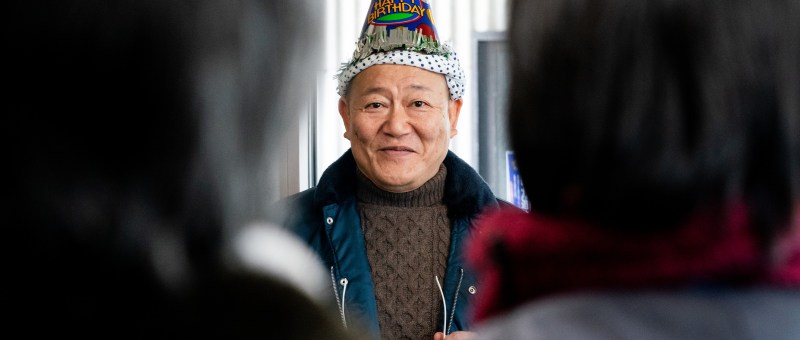
Taking refuge in a darkened shopping mall overnight, the teens unexpectedly bond through a musical performance of the classic Blue Hearts track Hito ni Yasashiku with its melancholy yet cheerful chorus encouraging each other to hang in there, remaining kind in a world which often isn’t. “Well, I can’t say for sure. Nobody can.” an amused secretary guard honestly answers asked by one of the teens if the mall will be torn down, his refreshingly direct answer perhaps adding to their new sense of confidence even in the face of the world’s uncertainty. A gentle, quietly nostalgic coming-of-age tale, Fukuda’s Osaka-set lowkey yet stylishly moody drama begins with violent darkness but ends in bright sunlight, the teens each finding a sense of equilibrium having come to new understandings about themselves and those around them bolstered by a youthful solidarity. Some secrets it seems still cannot quite be shared, but friendships resolve themselves all the same if in unexpected ways allowing a melancholy intensity to dissipate into a sad if fervent hope for the future. 


My Name is Yours screened as part of this year’s Camera Japan

Original trailer (English subtitles)
Hito ni Yasashiku music video

The Blue Hearts – Hito ni Yasashiku

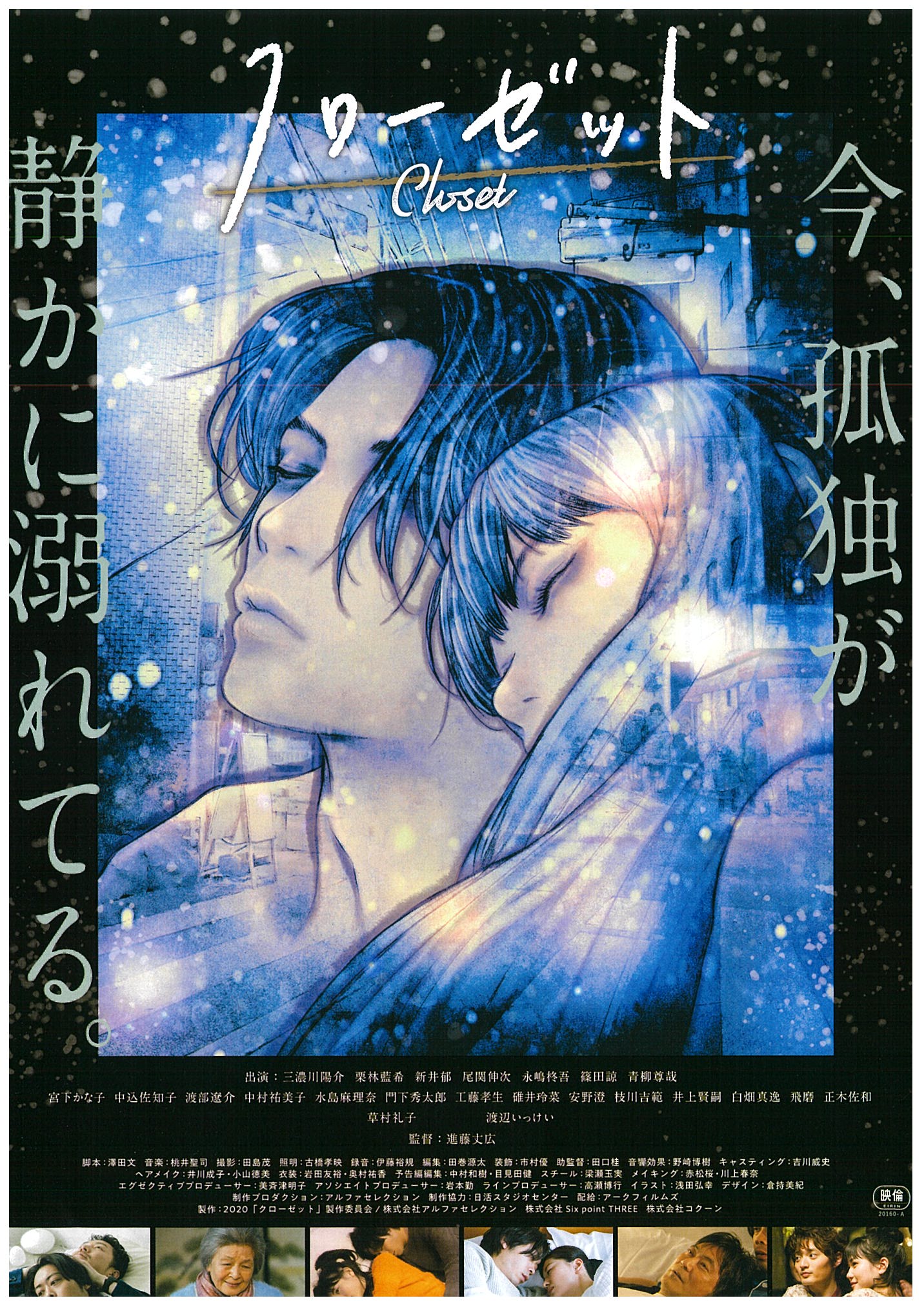
Closet (クローゼット, Takehiro Shindo, 2020)

“Everyone has their own closet” according to a bereaved older man sympathetically reflecting on a life half lived. The wounded hero of Takehiro Shindo’s Closet (クローゼット) is about to discover he may have a point as he works through his own issues, finally coming to an understanding of the true nature of intimacy before learning to open himself up to living life true to himself realising that perhaps his very ordinary dream is not as hopeless as he thought it was if only he can bring himself to put his male pride aside. 

Returning to Tokyo following a failed engagement, Jin (Yosuke Minogawa) finds himself taking on an unusual line of work on the invitation of an old friend, embarking on a career as a sleep companion. Essentially, he’s there to lie beside a lonely person offering a safe and supportive space where they can relax and be their authentic selves free from the judgement they may otherwise receive from a friend or a lover. Ironically enough, Jin is a man of few words, his fiancée once asking him to be a little more sociable when her parents visit, which means he’s a good listener but slow to adapt to the true purpose of his work. His first client, a harried hospital worker, seemingly just wants to destress but mostly through having someone listen to her rant about workplace concerns and nod along sympathetically rather than offer earnest advice. As his boss Takagi (Shinji Ozeki) reminds him, it’s all about empathy, or at least telling them what they want to hear which may sound insincere but in another sense may not be. 

As the old man says, everyone has something they don’t really want to let out but the presence of the sleep companion is intended to ease the burden and provide temporary relief. Jo Shimoda (Ikkei Watanabe), is grieving for his late partner who remained in the closet for the entirety of their relationship leaving him now with nothing but intangible memories. He asks Jin to put on the other man’s pajamas, experiencing the warmth and comfort he misses from his absent lover and gaining through it the ability to begin moving on. Kaori (Iku Arai), meanwhile, is a harried executive, or at least she claims, apparently in love with a slightly younger colleague but unsure if her crush is appropriate while worrying that she’s in danger of missing the boat both in love and in her career. 

A young student from the country, Nanami (Aino Kuribayashi), on the other hand, is in search of the kind of comfort she does not receive from her no good boyfriend, realising only too late that his treatment of her is abusive and their relationship is built on exploitation. Jin had in a sense experienced something similar, ruining his relationship in a crisis of masculinity. It is of course he who also receives warmth and support through his role as a companion, but the job also allows him to reconfigure his idea of what it is to be a man in providing a sense of safety, protection, and comfort while engaging in a true intimacy that is not defined by sexuality.

Through their shared experiences, both Jin and the sleepless companions begin to grow in confidence, accepting themselves for who they are and preparing to move on into a more authentic future even if for some the path turns darker before it reaches the light. Stepping out of their individual closets, they no longer feel so insecure finally gaining the courage to live as their true selves no matter what anyone else might have to say about it in the knowledge that others too are also suffering and might be led out of it by their example. A gentle tale of the simple power of human intimacy to overcome a sense of existential loneliness and individual despair, Closet allows its reticent hero to find new meaning in the ability to accept from and give to others comfort while coming to terms with his own traumatic past in realising that he is not and never was defined by conventional ideas of masculinity and that he is not worthless solely because he is no longer able to fulfil them. Perhaps that small yet infinitely ordinary dream is not so out of reach after all. 


Closet screened as part of this year’s Camera Japan

Original trailer (no subtitles)

461 Days of Bento: A Promise Between Father and Son (461個のおべんとう, Atsushi Kaneshige, 2020)

“This is a story about my lunch every day. Nothing more, nothing less” the hero of Atsushi Kaneshige’s slice of comfort cinema, 461 Days of Bento: A Promise Between Father and Son (461個のおべんとう, 461ko no Obento), claims though it is of course something more than that. Based on an essay by musician Toshimi Watanabe who himself starred in Dad’s Lunch Box, Kaneshige’s gentle drama is another in the recent series inspired by the “papaben” phenomenon of fathers suddenly taking an interest in domestic matters by preparing tasty, nutritious and elegantly prepared packed lunches for their school-aged children. 

Obviously inspired by Watanabe’s real life, 461 Bento opens with cheerful home video footage of the early years of hero Kouki (Shunsuke Michieda) before shifting darker as the relationship between his parents begins to sour eventually ending in divorce. Kouki is given a choice whether to live with mum or dad, remaining behind in the family home with musician Kazuki (Yoshihiko Inohara) while his mum Shuko (Emi Kurara) moves out taking the tree they planted together with her. With the stress of the divorce, young Kouki ends up failing his high school entrance exams and is set back a year, eventually getting in the following spring. Hoping to encourage him, Kazuki offers to make a bento lunch every day for the next three years on the condition that Kouki pledges to not to skip school. 

In true papaben tradition, Kazuki ends up getting far too into the art of bento filling the kitchen with new gadgets while sometimes coming into conflict with his bandmates through investing all of his creative energies in innovative lunch recipes. Yet Kouki isn’t quite convinced by his father’s newfound passion, assuming it’s merely a new hobby he’ll soon get tired of rather than something he’s actively doing out of love for his son. Consequently, he’s originally a little embarrassed when his classmates appear unduly impressed by the quality of his dad’s work though it later helps him make a few friends which had otherwise been a little difficult seeing as he is a year older than everyone else. 

Being a year older continually weighs on Kouki’s mind, adding to the already onerous pressures of high school life his sense of anxiety intensifying as graduation nears. He complains he feels creepy hanging out with younger kids, and insists he can’t afford to fail and risk being held back again even older than everyone else at the beginning of college. Meanwhile he’s lowkey resentful towards his father blaming him for the end of his parents’ marriage while also seemingly ambivalent towards his mother for giving him the choice of where to live unfairly blaming her for leaving him even though it was his own choice to stay with his father. He rebels passive aggressively against his parents’ gentle support as they refuse to pressure him insisting he be free to do and be what he wants, while floundering in confusion over the next steps in his life. 

Kazuki is fond of telling him that everything will work out in the end, life’s not a race after all, only for Kouki to fire back that everything always works out for him because he just does whatever he wants and forces everyone else to go along with it which is why his mum left. Harsh words, but not without truth as new girlfriend Maka (Junko Abe) expresses something similar confessing that being with Kazuki makes her feel lonely and as he lives so defiantly in the moment it’s difficult to believe in the future of their relationship. Kouki cruelly tells Shuko he can choose a father for himself suggesting he might move in with his mother and her new boyfriend, but contrary to expectation Kazuki is serious about fatherhood giving his son the space for his adolescent angst while trying to be quietly supportive through his bento endeavours. 

The papaben phenomenon may be in itself a little sexist in exoticising a perfectly ordinary task just because it’s being done by a man thereby ironically reinforcing the idea that children’s lunches are a woman’s responsibility, but it does undoubtedly broker a reconciliation between father and son as the young Kouki begins to come to an understanding of his father’s love for him, overcoming the trauma of his parents’ divorce and gaining the courage to step forward into an independent future. A heartwarming coming-of-age tale, 461 Bento is about more than a boy’s lunch but also of the quiet power of unconditional love as mediated through the most ordinary act of care.


461 Days of Bento: A Promise Between Father and Son screened as part of this year’s Camera Japan

Original trailer (no subtitles)

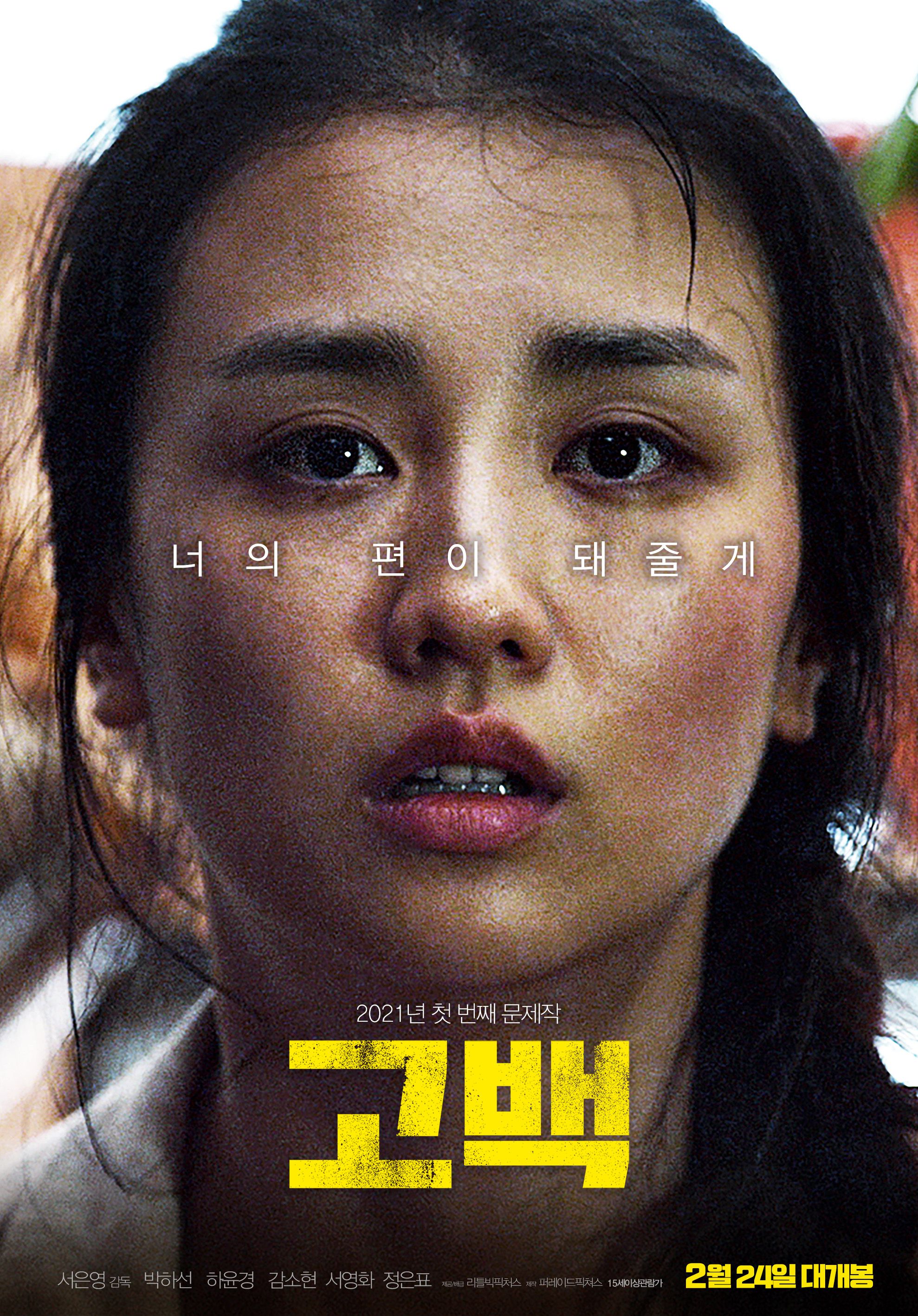
Go Back (고백, Seo Eun-young, 2020)

“I guess bruises disappear because they sink deep inside of you” a traumatised woman explains in Seo Eun-young’s emotionally complex social drama, Go Back (고백, Gobaek). Literally translating as “confession” the film’s title hints at a neater conclusion than is ultimately offered in this complicated web of trauma, abuse, and patriarchal violence. While perhaps making an awkward defence of law enforcement through its idealistic if sometimes authoritarian heroine, Seo never shies away from suggesting that women suffer disproportionately in a society which often refuses to take their safety seriously. 

This message is brought home in the opening sequence in which rookie policewoman Ji-won (Ha Yoon-kyung) is out jogging while a news item plays on a large screen reporting on the investigation into the murder of a female tourist which the police have apparently bungled. Shortly after she runs into another woman who seems troubled with stains around the rolled sleeves of her shirt which look like they could be blood. The woman recognises Ji-won as a policewoman, though she can’t remember having met her before, but refuses her offer of help before leaving with a little girl. When a ransom note is sent to the media asking everyone in the country to donate a token amount of money to save a kidnapped child, Ji-won can’t shake the idea that the woman is somehow involved. 

The woman, O-sun (Park Ha-sun), is a social worker at a nearby welfare centre where she has acquired a reputation for being somewhat volatile, on one occasion having been arrested for grabbing the father of one her clients around the neck. O-sun and her boss Mi-yeon (Seo Young-hwa) are worried that a local girl, Bo-ra (Gam So-Hyun), is being physically abused by her father who has an alcohol dependency problem but are apparently powerless to do much about it despite the fact that their apartment is filthy and Bo-ra often misses school. Their problem is that many people still believe that physical punishment is an appropriate method of discipline and so it’s easy for abusers to insist they have done nothing wrong even when it’s clear there is an abusive pattern of behaviour in play, while knocks and bruises are often written off as the result of horseplay. Even a doctor’s evidence is apparently not enough to have a child removed from an abusive environment, another client of theirs hospitalised and needing cranial surgery yet likely to be returned to his parents against medical advice insisting his injuries can only be the result of longterm abuse. 

This attitude contributes to a claim made by both Ji-won and O-sun that people are often too afraid to ask for help from the authorities, the tacit explanation being that they don’t believe the authorities can help them or may in fact make the situation worse. Ji-won’s theory is that victims don’t report crime because they fear reprisals from their aggressors, something later born out by her attempt to help a young woman after spotting a suspicious man lurking outside her house while off duty. Ji-won flashes her badge and scares him off, but the man comes back later and this time he doesn’t wait outside. The woman had been reluctant to accept her help fearful that just that sort of thing might happen if he saw her talking to the police. Meanwhile she finds herself subject to low level sexist micro aggressions at work where they make her the literal poster girl for community policing while refusing to let her go on night patrol. Like O-sun she’s accused of caring too much and failing to regulate her emotions, but is also patronised by a male detective pissed off after she solves cases he couldn’t be bothered to investigate properly seemingly wounding his male pride and undercutting his authority by overstepping her responsibility as a uniformed officer. 

Nevertheless, despite the incompetence and disinterest exhibited by her male colleagues, Ji-won’s shining idealism becomes an awkward defence of law enforcement which skews accidentally authoritarian in her fierce love of justice. Brought in to discuss policing as a career, she advises a class of primary school children to snitch on their friends if they spot them doing something “suspicious” like harming animals or starting fires which might seem fair enough but also insists that lack of eye contact indicates guilt which might further discourage shy or traumatised kids from asking for help. She criticises the male officers for being too concerned with punishing criminals and not enough with protecting the innocent, but also insists on retribution rather than appreciating that keeping people safe is a more complex matter than simply locking “bad people” away.

Acutely aware of the legacy of her own trauma, O-sun is desperate to save Bo-ra from the same fate but is at a loss as to how given the resources available to her under the law. Bo-ra meanwhile worries about all the other disadvantaged children and hopes someone’s going to do something to help them too. All is not quite as it seems, but Ji-won and O-sun ultimately discover a sense of solidarity in their mutual desire for equality in justice while uniting to protect Bo-ra from the legacy of trauma. Tightly plotted, Seo’s mystery drama casts a patriarchal and indifferent society as its primary villain but also makes heroes of those who try, however imperfectly, to help those who need it no matter what society might say.


Go Back screens in Chicago on Sept. 24 as part of the 13th season of Asian Pop-Up Cinema 

International trailer (English subtitles)