Harbin (하얼빈, Woo Min-ho, 2024)

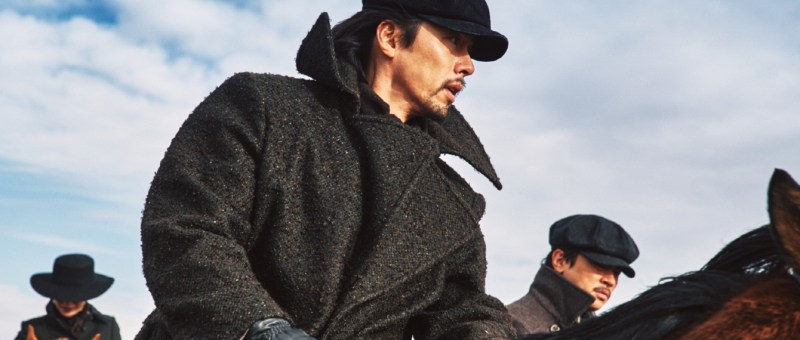
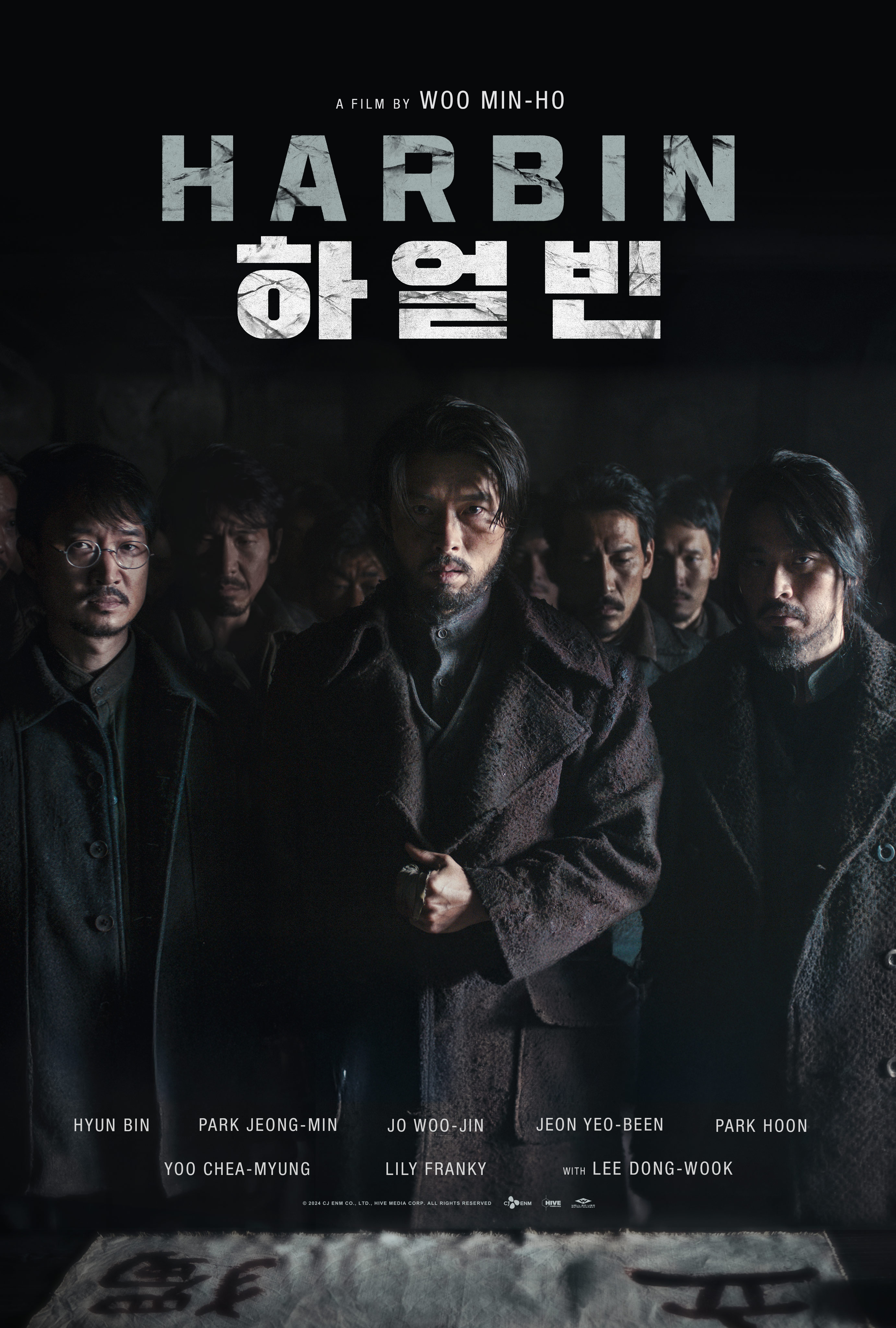
Ahn Jung-geun is one of the most well-known figures of modern Korean history and his story has indeed been dramatised several times before, but what’s unusual about Woo Min-ho’s espionage thriller Harbin (하얼빈) is the way it tries to sublimate Jung-geun the individual in favour of making him an emblem of the common man. As such, the film is more egalitarian than might be assumed and ultimately praises the integrity and resilience of the Korean people who save their country and their culture in a more spiritual than literal sense.

Indeed, Ito Hirobumi (played by Japanese actor Lily Franky), former prime minister of Japan and the first Resident General of Korea after it became a Japanese protectorate, remarks that he has always been sceptical of the annexation because though they have been ruled by “foolish kings and corrupt officials” the Korean people will continue to be a thorn in his side. Toyotomi Hideyoshi’s attempt to invade Korea was defeated by a volunteer army and a charismatic admiral, Yi Sun-sin. Then again, a Japanese soldier remarks that it will be difficult to find such a hero in the Korea of today, a pointed comment that implies Ahn Jung-geun is just such a hero through the film skirts around the fact his assassination of Ito did not in the end prevent Korea’s annexation which was completed in 1910, while the Independence Movement did not succeed in liberating in Korea which regained its independence when the Japanese Empire collapsed at the end of the war and even then was subjected to a period of occupation by US forces before its sovereignty was restored. 

What Jung-geun becomes is a kind of torch bearer for another Korea serving as a moral compass and preventing those around him from becoming just as bad as the Japanese whose cruelty they resist. As the film opens, Jung-geun’s comrades are awaiting his return after going missing following a disastrous encounter with Japanese forces. Despite having won the initial battle while heavily outnumbered, Jung-geun’s decision to release the Japanese commander, Mori (Park Hoon), as a prisoner of war results in a counterstrike in which his forces are all but wiped out. His comrades had been against the decision and now doubt his abilities and judgement along with a new suspicion that should he return he may have been captured and turned by the Japanese to spy on them. But Jung-geun’s decision signals his righteousness and refusal to give in to the cruelties of war. He releases Mori because it is the right thing to do. Executing prisoners of war is immoral by commonly held standards of war, and he pities Mori as a husband and father. He perhaps also hopes that it is a gesture of good will that shows him the Independence fighters are just and reasonable. 

But just and reasonable the Japanese are not, and so Mori betrays his trust. Deluded by the death cult of militarism, Mori is humiliated by Jung-geun’s magnanimity which is after all a show of power and that he has overturned the dynamics by granting Mori his life. Mori asks to die as as loyal soldier of Japan by committing ritual suicide but is denied in this both by Jung-geun who tells him he must live and by Chang-sup (Lee Dong-wook) who wants to execute him. This deep sense of humiliation and shame in remaining alive after defeat spurs Mori into a personal vendetta against Jung-geun to reclaim his honour and that of Japan which leaves him almost indifferent to Ito’s fate though nominally in charge of preventing his assassination at the hands of Jung-geun. Jung-geun is also trying to redeem himself for the loss of his men’s lives and has in a sense declared himself already dead in that he lives only for the souls of dead men and has embarked on what is in effect a suicide mission to kill “the old wolf” as a means of atonement and the eventual liberation of his country. 

But then his comrades are already weary and some are already beginning to ask themselves if it’s really worth it. How many more men will have to die before they win their freedom? Sang-hyun (Lee Dong-wook) laments that if the Japanese write their history, his name will be forgotten and he will have left no mark upon the world. They are grieving what they’ve lost in more personal terms aside from their lost nation. In order to get the dynamite to blow up Ito as a backup plan, the gang have to make contact with a former comrade who has since abandoned the cause to become a bandit (Jung Woo-sung). Having lost his eye and his brother, who was also the husband of another committed revolutionary Ms. Gong (Jeon Yeo-been), he decided it wasn’t worth it anymore and chose a different kind of freedom. “If we all die like dogs, no one will remember us,” Sang-hyun later laments. But Jung-geun, who will be remembered, is less concerned with his legacy insisting that even those who may have betrayed them should be given a second chance for they will eventually see the light. Like Ito, he believes in the Korean people and that they will come together to carry the light into the darkness. 

What he does is light the way, and as the closing scenes imply pass the torch to others who will each keep it alight until the dawn of liberation. Nevertheless, Jung-geun does have an unfortunate habit of getting those around him killed while the horror of the battle scenes, the grimness of decapitated and limbless bodies along with the constant sense of loss and defeat seem to imply that perhaps it isn’t worth fighting in this way lending further justification to Jung-geun’s conviction that taking out the leadership is the only way to turn the tide of this war of attrition. In sacrificing his own life, he becomes a kind of martyr, wearing traditional Korean white clothing as he goes to his death knowing that others will come after him. Rich with period detail and tense in its sense of intrigue, the film ultimately argues for a more compassionate sense of revolution governed by righteousness in opposition to the rather cynical justifications made by Ito for the cruelties of Japanese imperialism.


Harbin is released in the US on on 4K Ultra HD, Blu-ray™ and DVD courtesy of Well Go USA.

International trailer (English subtitles)
Silent City Driver (Чимээгүй хотын жолооч, Sengedorj Janchivdorj, 2024)

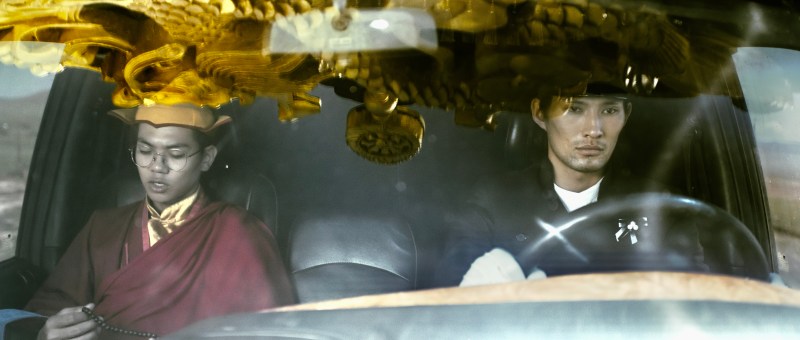
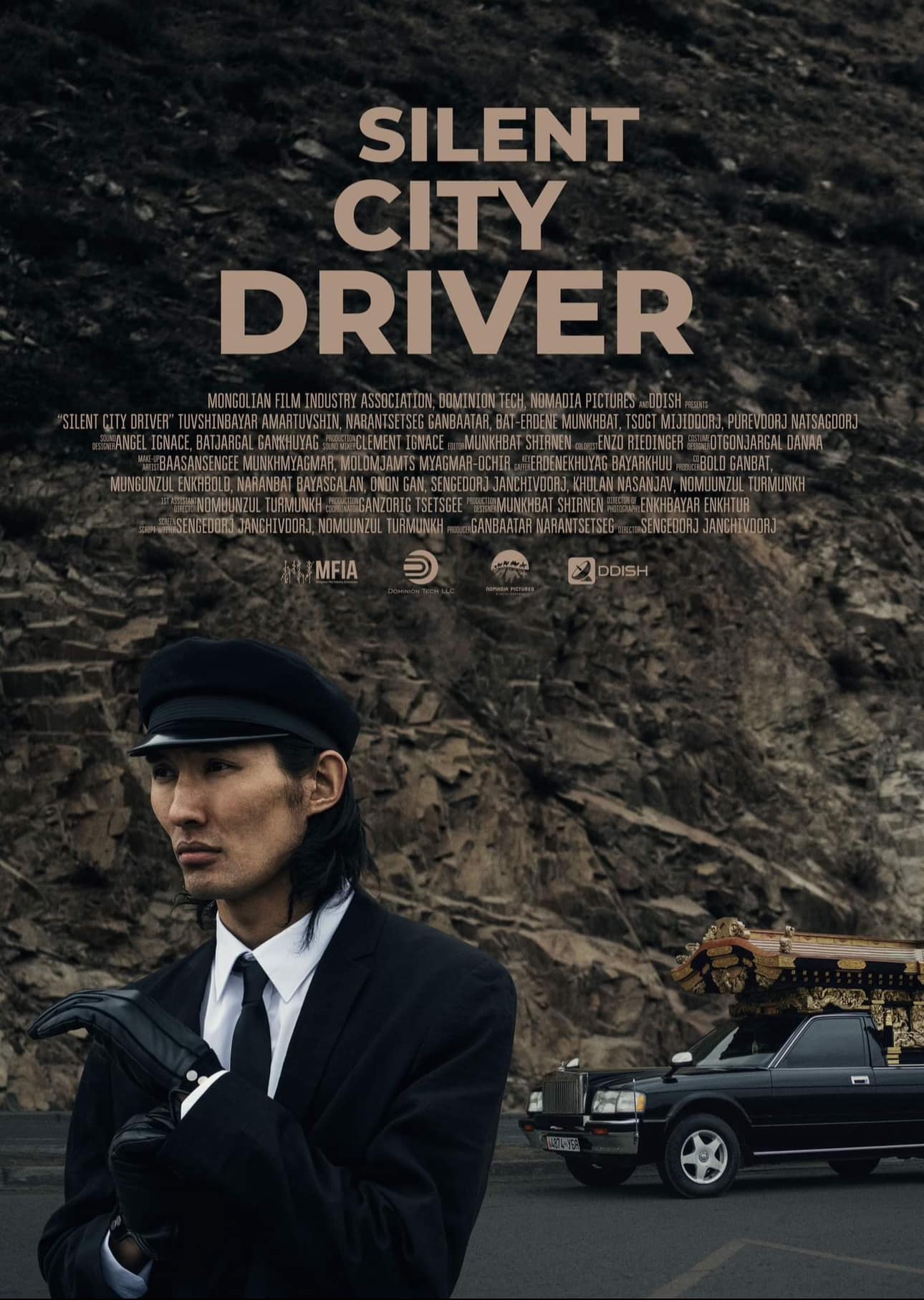
Myagmar (Tuvshinbayar Amartuvshin) asks a teenage monk if he thinks atonement is possible. The monk, Sodoo, tells him that he thinks it is, but that it’s difficult and not many people can achieve it. The irony of Myagmar’s life is that he becomes a kind of ferryman, delivering the deceased to a kind of liberation he will never find while trapped in the eternal hell of Ulaanbaatar. Much less upbeat than his previous film, The Sales Girl, Sengedorj Janchivdorj’s melancholy character study finds its solitary hero consumed alternately by guilt and rage while trapped within a world of constant unfairness and inequality.

As Myagmar tries to explain, he’s not disabled, merely nervous though his stammer turns out to stem from extensive beatings during the 14 years he spent in “Dad’s house”, or prison, that have left him with brain damage and the melancholy stillness of one already dead. As he tells the friendly coffin maker at the funeral home where he is eventually employed as a hearse driver, he applied for countless other jobs but no one would give him one because of his criminal record and outsider status. Having lost his only living relative in his mother who died while he was inside, Myagmar lives alone with a pack of stray dogs that he’s taken in and cares for. He explains to the coffin maker’s daughter Saruul (Narantsetseg Ganbaatar) that some of them probably had families, but were abandoned because they got old or they were sick and it costs too much to care for a sick dog. Mostly though, they’re strays, like him, with no home or place to belong.

Myagmar extends this same kindness to Saruul having become captivated by her on seeing her come to collect her father from work. Coffin maker Sodnom thinks she’s a medical student, but Myagmar soon discovers that she works in the seedy underbelly of Ulaanbataar’s sex industry and is also at the centre of a political scandal involving a leaked tape of a politician said to have been uploaded by the woman herself as a last resort and means of revenge with a personal rather than political motivation. Myagmar follows Saruul around in a way which might seem creepy, but is emblematic of his shyness and lack of confidence in himself. Though Saruul eventually responds to his kindness and begins to return some of his affection, it’s largely because they recognise each other as two people who are trapped in this unending hell, he in his sense of futility and the trauma of his incarceration, and she within sex work and abuse. 

At a particularly low point, Saruul tells Myagmar that she wants to go to “that place”, the hell that haunts him though he no longer dreams. He tells her that it is not somewhere she wants to go, that there is no light there, no day and no night. It is a living death in which even his name was taken from him and replaced by a number, as Suruul’s will also be in a moment of grim irony. But all it seems to do is reinforce the fact that this is not so different from the life Saruul lives now. They already live in hell and there is only one means of escape. The monk, Sodoo, tells Myagmar that the best revenge is forgiveness and seeking vengeance won’t change anything, but he cannot overcome his sense of rage towards an unjust society. Still, Sodoo tells him that he did the right thing even if offers little sense of comfort to the melancholy hearse driver charged with transporting souls from this world to the next.

Sengedorj Janchivdorj lends the contemporary city a melancholy quality, a dark and lonely place peopled by the abandoned and downtrodden. Even Sodoo doesn’t quite know how old he is and marks his years by the day in which he was found. The more Myagmar begins to rebuild his life, the more he has to lose and the less it looks like he will be allowed to find happiness or the atonement he seeks for his crime. A gentle soul consumed by rage, he nevertheless has “capable hands” to which to entrust this justice and is capable of creating great beauty such as the stone lions he begins carving for the funeral home, but otherwise maintains a purgatorial existence unable to make a home for himself in a world of such constant cruelties.


Silent City Driver screens in Chicago 6th April as part of the 19th edition of Asian Pop-Up Cinema.

Trailer (English subtitles)

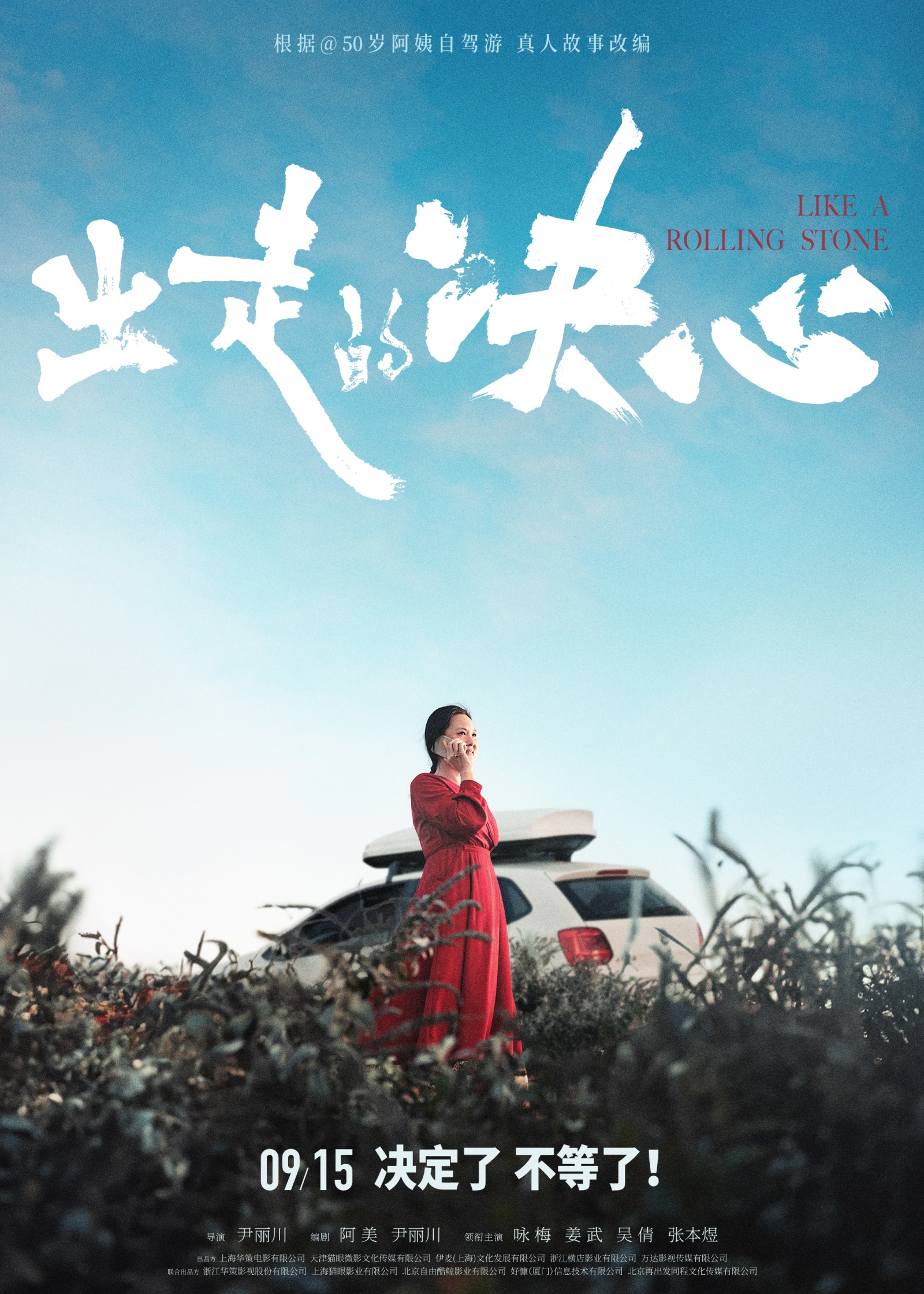
Like A Rolling Stone (出走的决心, Yin Lichuan, 2024)

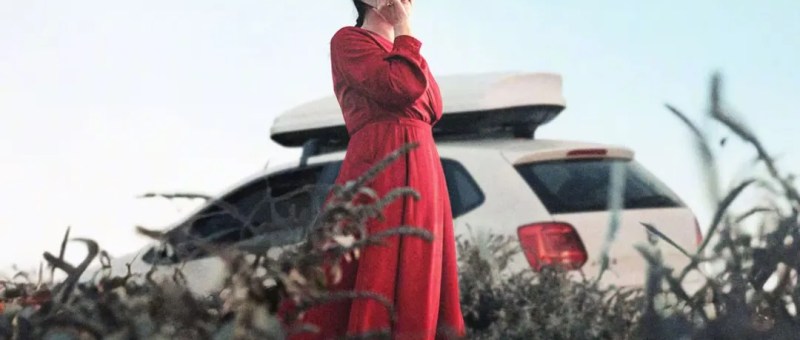
A middle-aged woman’s decision to walk out on her abusive marriage and pursue a life of ultimate freedom on the road went viral in 2022 making her an accidental feminist icon in an overwhelmingly traditionalist and patriarchal culture. Yin Lichuan’s dramatisation of Su Min’s life, Like a Rolling Stone (出走的决心, chūzǒu de juéxīn), makes plain the various ways in which her life has been shaped by patriarchal forces that also continue to shape that of her daughter who is sympathetic to her mother’s plight but also perhaps still feeling herself entitled to her mother’s sacrifice while wary of making such a sacrifice herself.

As she says, Hong (Yong Mei) has been waiting a long time. A flashback to 1982 finds her as a fresh-faced teenager with hopes and dreams who wanted to go to university and travel the world. But her father pulls her out of school and forces her to work in a factory to support the family while devoting all their resources to her brother. She marries Dayong (Jiang Wu) to get away from her father’s oppression, chasing another kind of freedom but soon finding herself disappointed. In the present day we can see that Dayong is cruel and abusive. He continually runs Hong down, calls her stupid and lazy, and becomes violent when challenged. 

Hong has long wanted to leave but is prevented firstly by a sense of shame in going against conventional wisdom. When she’d tried to leave him before, her family refused to help her and in fact encouraged her to return to Dayong and put up with her mistreatment. Dayong had also frustrated her attempts to work so that she would have nowhere to go and no way of supporting herself if she left him while simultaneously taking advantage of her financially. The couple had separate finances since early in their marriage, but while Dayong doesn’t like Hong spending on things that make her happy, he often helps himself to her possessions declaring that everything belongs to the family. 

But Hong bites her tongue and does as she’s told because that’s what she’s been taught she’s supposed to do. She’s sacrificed all of herself for her family and has even been working unpaid for her brother for over three years only to see him become surly when she eventually asks for her backpay. Her daughter, Xiaoxue (Wu Qian) resents her father for the way he’s treated Hong and is supportive of her liberation but at the same time she also over relies on her asking her to cancel a trip to see her old friends to be around during her pregnancy and then again when first loses and then gains a better job but is afraid to ask for time off in case it ruins her chances of being kept on.

Hong asks her own mother why she treats her the way she does and continues to prioritise her brother while telling her must allow herself to be exploited to serve the family but she doesn’t have an answer for her. There’s certainly a greater understanding between Hong and Xiaoxue about the patriarchal structures in which they are both trapped. When she loses her job, Xiaoxue’s husband encourages her to stay home with the children just as Dayong had discouraged Hong from looking for work. Xiaoxue wants a job to avoid her mother’s fate of becoming trapped within the domestic environment with no time for herself. While her husband seems nicer and treats her better than Dayong has treated Hong, he is not necessarily that much better and still operates on a patriarchal mindset. He praises women for being superhuman, but in doing so suggests that the domestic sphere is a woman’s concern alone. It does not seem to occur to him that he could do his fair share or that the division of their labour could be more equal. 

Things may be better for Xiaoxue which was all that Hong wanted, but they are far from perfect and when push comes to shove she too just expects that her mother will sacrifice her own desires to suit Xiaoxue’s needs. Everyone keeps telling her to wait, but Hong waited to escape her father, to meet a “decent” man, for Xiaoxue to grow up, get married, and have children of her own, then for the children to start kindergarten. If she doesn’t leave now, there’ll be another reason why shouldn’t. There is something quite empowering about Hong’s gentle progression towards achieving her freedom beginning with getting her driving license in her 50s despite the misogynistic banter of the instructors. When she gets her car, Dayong immediately gets into the driver’s seat and it takes a little longer for her to assume her space, but as she says no one can stop her now. She won’t be bullied or belittled anymore, nor will she allow herself to be taken for granted or guilted into sacrificing herself for others who rarely sacrifice anything for her. One of a recent series of films addressing ongoing patriarchal oppression, Lin’s film is itself a way of fighting back against the idea that unhappiness is something you just have to accept as a woman as Hong begins living her best life out on the road, finally free and very much in the driving seat of her own life.


Like A Rolling Stone screened as part of the 19th edition of Asian Pop-Up Cinema.

Trailer (English subtitles)

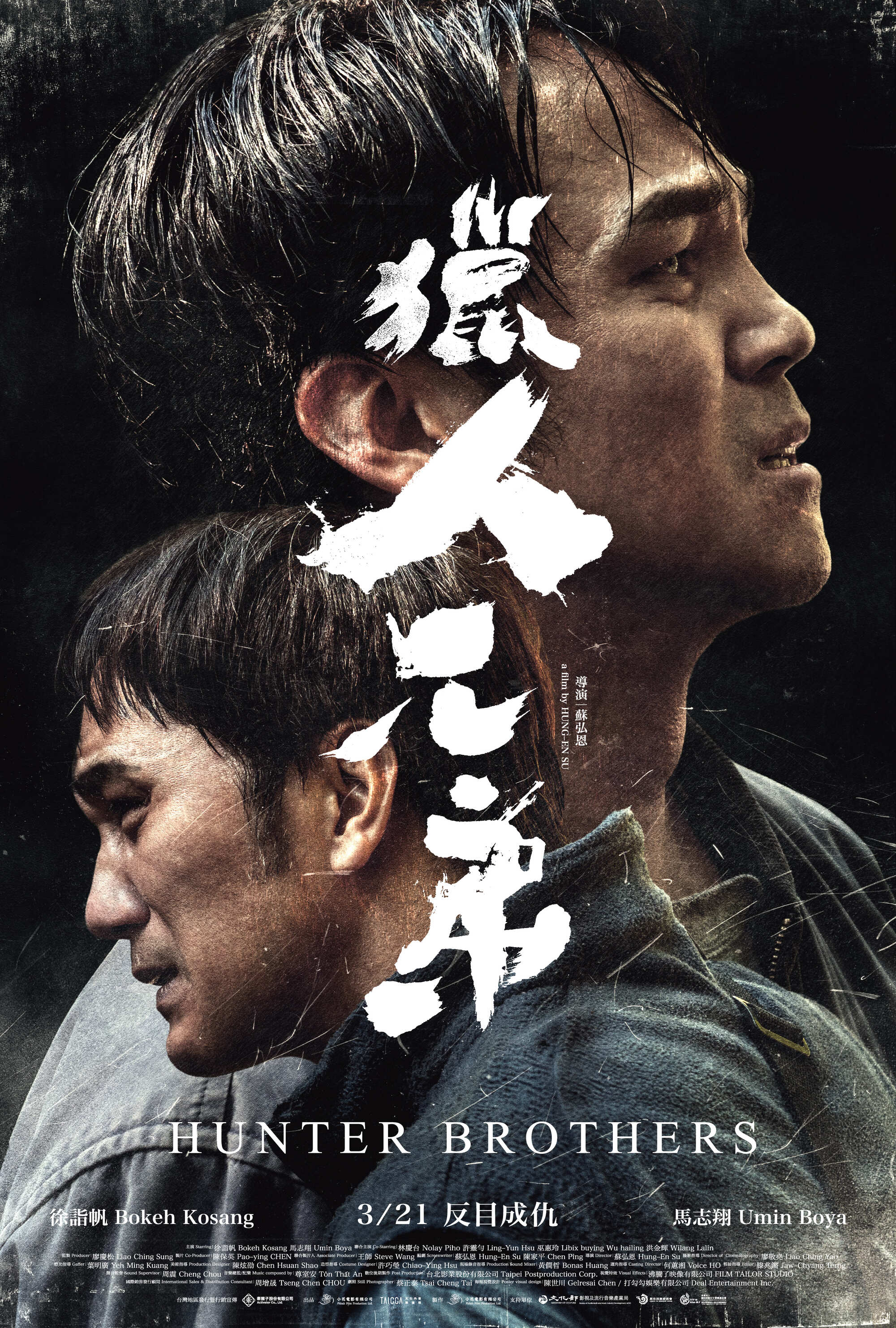
Hunter Brothers (獵人兄弟, Su Hung-en, 2024)

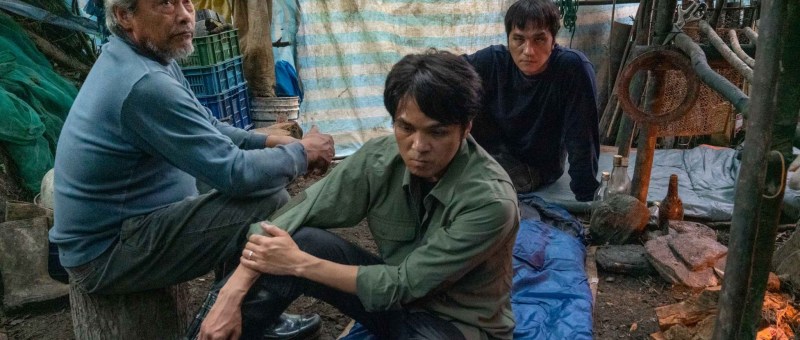
Two brothers find themselves on opposite sides of tradition and modernity as they descend into a state of warfare over the future of the ancestral hunting grounds in Su Hung-en’s familial drama, Hunter Brothers (獵人兄弟). Exploring the complicated position of the indigenous community marginalised by an increasingly capitalistic urbanity the film also critiques contemporary visions of masculinity in the wider society as the brothers each try to find new ways of defining themselves amid changing notions of manly success.

In the opening scenes of the film, Teymu celebrates the fact that his son, Yuci, has become a doctor because now he will never have to do manual labour and will have a more comfortable standard of living. But in private, Teymu seems upset. He feels as if he has failed the ancestors because in the eyes of their community, Yuci is not a proper man. Many people tell him that he is “not cut out to be a hunter,” and he has no desire to be one anyway, but still suffers from a serious inferiority complex and wounded male pride. To find some kind of answer, Teymu forces Yuci against the wishes of his mother to accompany him to the mountains for one last hunting trip to prove himself by killing a wild boar and finally validating Teymu’s own fractured sense of masculinity that his son is indeed a “proper man.”

It’s during this trip that Teymu is killed in mysterious circumstances. Yuci’s brother Siring ends up going to prison for the crime, but unlike him had been more of the son his father wanted. Yuci had been clever and studious, but Siring is more of a traditional mountain man who lives for the hunt and has a very unreconstructed sense of masculinity. But he also loved and understood his brother, knowing this life wasn’t for him and trying to protect him from their father who was in other ways a failure. Teymu drank and was violent, objecting to his wife’s attempts to stop him taking Yuci to the mountain by threatening her and using incredibly offensive language. Yuci’s reaction against this traditional society is also towards his father and everything he represented. But this traditional world is the only one a man like Siring can live in. He has no real qualifications or other skills and cannot survive outside of their community. On his release from prison, Yuci is keen for him to get a job and against his return to hunting, but it soon becomes clear that isn’t a way that Siring can live.

In that respect, they represent opposing polls. Yuci is the modern man of science, a doctor, while Siring is a man of the forests and mountains, Then again, Yuci is a devout Christian and his religion also seemingly a challenge to traditional indigenous practices though also alien to the mainstream society. The boys’ mother is living with dementia and those around them tell Siring that she has most likely been cursed by the ancestors who are angry with them for doing something “dishonest” which might be why she starts insisting Yuci go to the police and that they made a bad decision that should be put right. Yuci, for his part, does not appear to feel guilt for the role he may have played but is anxious that the life he’s built for himself in which is accorded a man by his career success, marriage, and fathering a son, may now crumble if Siring will not fall into line.

Tensions come to a head when Yuci decides to sell their ancestral hunting grounds which are earmarked for a development that would destroy the mountain altogether. Siring obviously objects, this world is the only one he can live in, but can do little about it. He resists his brother’s modernity and becomes estranged from him, but they are both in their way exiles and neither of them can fully live in this society. The natural affection they hold for each other as brothers is not enough to bridge this divide and merely leaves each of them lonely and alone, mired in futility and unable to move forward in any meaningful way. The ebb and flow of their lives is reflected in the way they are alternately called by their indigenous names and Mandarin equivalents, each of them living in two worlds but never really at home in either while fever divided from themselves.


Hunter Brothers screens in Chicago 29th March as part of the 19th edition of Asian Pop-Up Cinema.

Trailer (Traditional Chinese / English subtitles)

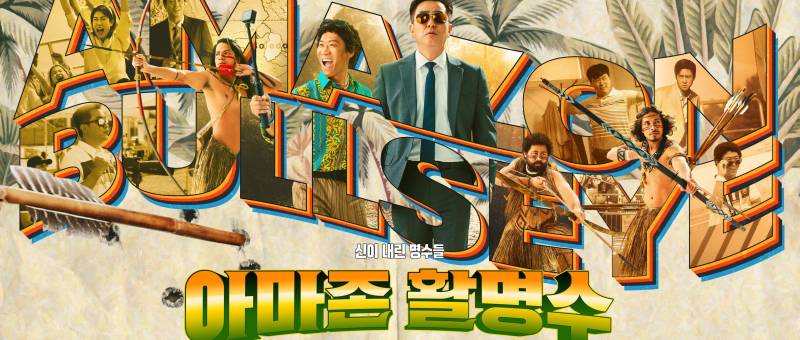
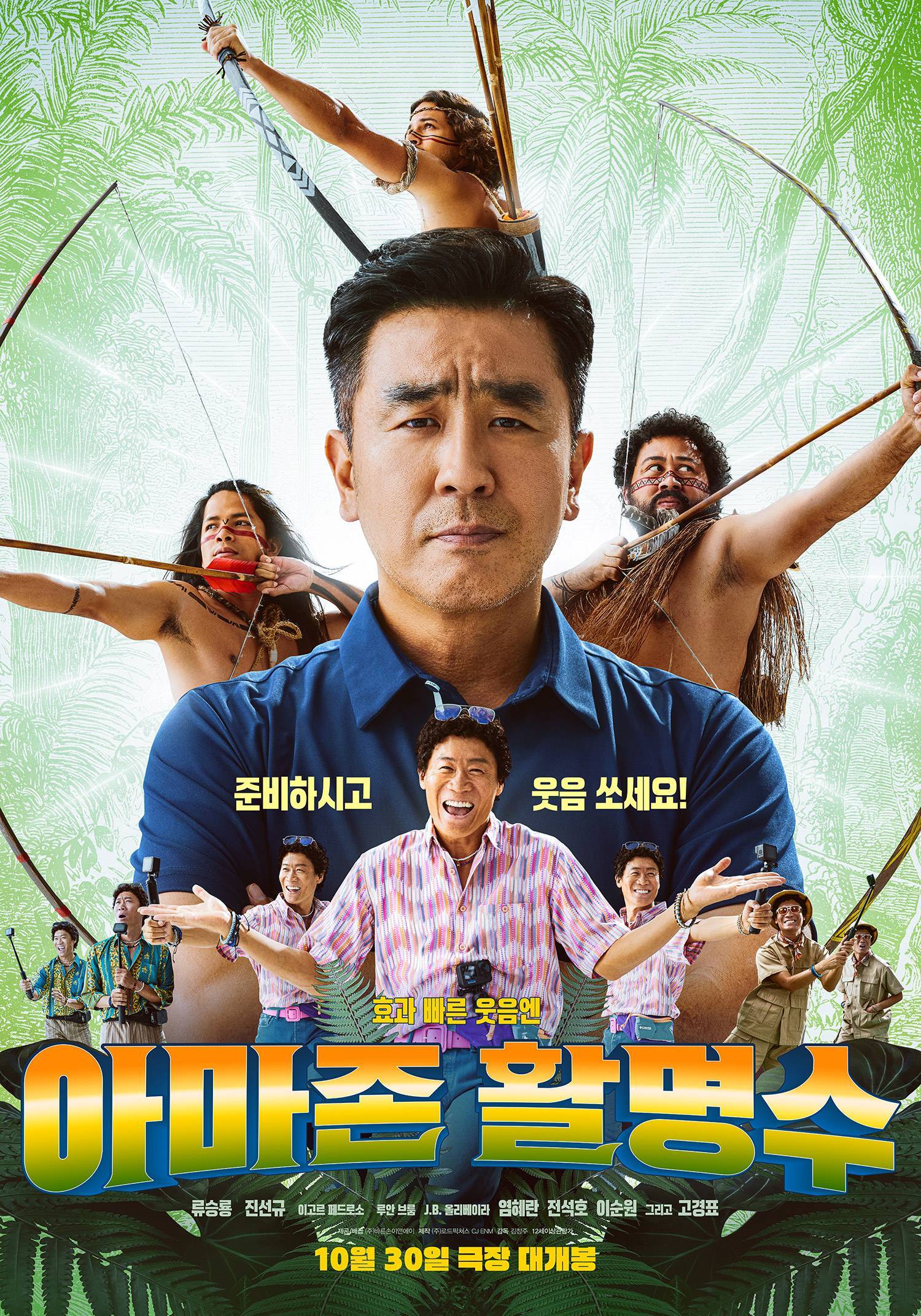
Amazon Bullseye (아마존 활명수, Kim Chang-ju, 2024)

A harried Korean executive finds common ground with a trio of men from an Amazonian indigenous community while training them to win a medal in an international archery competition in Kim Chang-ju’s genial comedy, Amazon Bullseye (아마존 활명수, Amazon Hwalmyeongsu). Though mostly avoiding the obvious pitfalls of its subject matter and taking extreme care to be respectful to the indigenous people of the Amazon, it has to be said that the film otherwise has some rather outdated humour. Nevertheless, it does have some secondary points to make about exploitative businesses practices in Korea and abroad along with the destruction of natural world that goes hand in hand with capitalist expansion.

Jin-bong (Ryu Seung-ryong) once won a gold medal for archery, but is now a middle-aged office worker whose career is on the skids. After chewing him out for failing to make any significant deals, his boss, Park (Jeon Seok-ho), has a new proposition for him. He wants Jin-bong to go to the Amazonian nation of Boledor and close a deal to allow them to open a gold mine or else face compulsory redundancy. He’s supposed to do this by coaching their national archery team to win a medal in the upcoming championships. Unfortunately, the helicopter he’s travelling on is struck by lightning and he’s marooned in the jungle only to be rescued by an indigenous community who then conclude he’s an emissary from the Boledor authorities and has come to destroy the village in which case he must die. 

But Jin-bong finds unexpected connection with Walbu (J.B. Oliveira) who is also a father of three children and is later welcomed after saving his daughter from a wolf attack. As the young men communicate with the animal and try to convince it to return to the forest, it becomes obvious that they have a respect for the land that an urban man like Jin-bong does not. Unbeknownst to him, they have already refused permission to open the goldmine and are fiercely opposed to any encroachment on their land or traditional way of life. After seeing just how bad the national team is, Jin-bong has the idea of asking the men from the indigenous community to compete instead but is only able to persuade them by convincing the president to legally sign the land over so it can’t ever be redeveloped and they’ll never be moved on. 

Of course, that wasn’t quite what his boss had in mind so even though Jin-bong is protective of the Tagauri, it’s clear his company always meant to exploit them and doesn’t care about the environment or the preservation of traditional culture. Jin-bong too is oppressed by this system and only participates in the first place because he fears losing his job not least because it’s so unlikely he’d be able to find another at his age. Jin-bong has three children and a feisty wife (Yeom Hye-ran ) who complains that she’s already had to sell some of their possessions because they can’t afford all the bills on their poky flat. He may then envy the apparent simplicity of life in the forest. On returning home the three men remark on how silly everyone is in Korea suffering all month long for something called “money” they use to buy tasteless “dead meat” rather than going into the forest and getting some like a normal person. But they also point out that they aren’t really all that different seeing as people still love their children and fathers work hard to support and protect them. 

Nevertheless, there are perhaps a few too many jokes about Jin-bong’s “scary” nagging wife and his position as a henpecked husband. It may also go too far in exploring cultural difference as the trio is arrested for doing things like carrying their bows and arrows around and using them to shoot fish in the river that runs through the middle of Seoul. They also start a campfire in Jin-bong’s apartment to make a traditional smoked chicken dish and are confused by Jin-bong’s reaction to this well-meaning attempt to share their culture with him. While they’re in Korea, they start to become a little more Korean with chieftain’s son Eba (Luan Brum) even developing an appreciation for super spicy kimchi. But they also observe the high rise buildings and constant construction as echoes of the fate that may soon befall the village if the Bolderan government and Jin-bong’s company get their way. Through their sporting pursuit, the men discover a way to take back control, tell the world about the Tagauri, and mobilise public opinion against the faceless corporation to ensure that they can protect their land and way of life from the ravages of chaebol culture.


Trailer (Korean subtitles only)

Yukiko a.k.a (雪子 a.k.a., Naoya Kusaba, 2024)

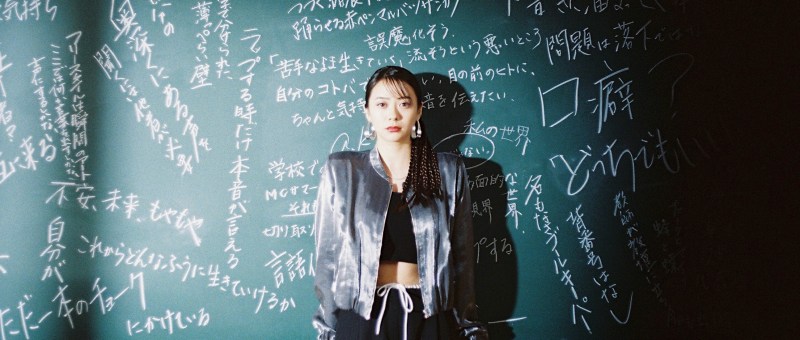
“Leave no one behind,” is the theory underpinning the SDGs that primary school teacher Yukiko (Rio Yamashita) is teaching to her students, but it’s also a practice that she unconsciously puts into practice only largely tends to forget to include herself. Timid and insecure, she makes little mark on the world around her and is afraid to express herself which she fears also interferes with her ability to interact with the children worrying that her reticence to speak up because she’s too worried they’ll say it’s all her fault prevents her from asking them if they’re alright or they need any help or guidance. 

It’s only through the possibly surprising hobby of rap music that she finds an outlet where she can be herself and say everything that’s on her mind, only most of her raps are all about her anxiousness and inability to communicate. She has however found a supportive community in a local park where there are a group of rappers who seem to have her back and encourage her to get more into the hobby by participating in rap battles so she can express herself more. It seems though that part of her anxiety stems from a sense that she’s approaching a crossroads in life and is in many ways dissatisfied. She’s been in a long-term relationship with another teacher, Kodai (Daichi Watanabe), she met when they were both students but as he’s been assigned to another school a long way away, they only meet up at weekends.

All around her, her friends are getting married and it seems Kodai may also be ready to pop what seems to most an inevitable question, but there’s something that seems to be holding her back. Kodai later tells her that he doesn’t like the her that does rap, which suggests in a way that he doesn’t really want the version of her that can express herself or is confident in saying what she does and doesn’t want. He’s much more interested in the timid Yukiko who meekly goes along with what he wants and is too afraid to rock the boat. A fellow teacher, Riho (Hina Higuchi), has an ambition to be married with a child before 30, which is surprising to Yukiko and often criticised for being old fashioned. Yet what the film seems to insist is that neither perspective is wrong, merely different, and largely a matter of what suits each individual. Riho is cool in her own way for living her life the way she chooses even if it conflicts with the prevailing attitude of the contemporary society and it’s this sense of empowerment that Yukiko is really seeking as an older teacher, Ohsako (Fusako Urabe), explains. With her short hair and serious demeanour it might be assumed that the kids wouldn’t like Ohsako, but she’s actually their favourite and perhaps precisely because of her self-assuredness. In contrast to the ultramodern Riho she likes to hand write and draw her teaching materials as a means of transmitting sincerity and integrity to the children while acting as a voice of authority between the teachers. 

Indeed, it’s Ohsako who largely teaches the film’s lessons and Yukiko how to embrace herself so that she can communicate better with the students explaining that her ability to pick up on the same anxieties in them is much more valuable than anything else. Locking eyes with a distressed young girl during a PE lesson, she quickly figures out that she’s experiencing menstrual cramps and is able to take her to the nurse’s office for some positive help and support. Meanwhile, she struggles with two boys in her class one of whom has become a school refuser and hikikomori. She visits Rui at his home every week with handouts but fails to make a breakthrough until she too is brave enough to expose her own fears and doubts. His deskmate Kotaro is now forced to join in with the girls either in front or behind when they’re asked to do pair work because of the painfully empty seat next to him.

But then unbeknownst to Yukiko, times have changed. Rui is not completely isolated but has been communicating with his friends, including Kotaro, through video games which as Kotaro’s father says is just as real to the children as talking in person. He’s also got really into educational apps and might have actually learned more by himself at home, which isn’t great for Yukiko’s self-esteem but at least he’s doing alright even if she might be becoming obsolete. Meanwhile the school still insists on making the kids read out loud to their parents who are then supposed to fill in a comment sheet but Kotaro writes those himself because his mum’s too busy. Nervously challenged by Yukiko, Kotaro’s mother asks what the educational point of the exercise is. She says she has her own way of communicating with her son and doesn’t have time for this meaningless bit of form filling. Yukiko’s insistence that it’s only 10 minutes belies a lack of understanding that Kotaro’s mother, who seems to be a working lone parent, simply doesn’t have another 10 minutes in her day. Still, the point is that Yukiko doesn’t really know the educational point of the exercise but has only been doing it because it’s what you do without giving it any real thought. 

But as Ohsako had said, maybe neither way is wrong, it’s just a matter of personal taste. Through her rap music hobby,  Yukiko begins to accept another side of herself while gaining the courage to be more confident and express herself more freely. She realises that it doesn’t really matter if she wins a rap battle or not because even putting herself out there was a minor victory that convinces her she has the power to do things with her life and live it in a way that best suits her while teaching similar lessons to the children and finally listening to her own advice.


Yukiko a.k.a screens in Chicago 22nd March as part of the 19th edition of Asian Pop-Up Cinema.

Trailer (English subtitles)

Sunset Sunrise (サンセット・サンライズ, Yoshiyuki Kishi, 2024)

In a way, the 2020 coronavirus pandemic presented a kind of turning point in which it became possible to envision a different kind of future brokered by technological advance in which society was no longer ruled by the dominance of the cities. If people could work remotely from anywhere, then they could easily improve their standard of living by moving to more rural areas for cheaper rents and healthier environments. Assuming the infrastructure was in place to allow them to do so, they could also support and reinvigorate communities struggling with depopulation in which the young have all left for the cities leaving the elderly behind to fend for themselves.

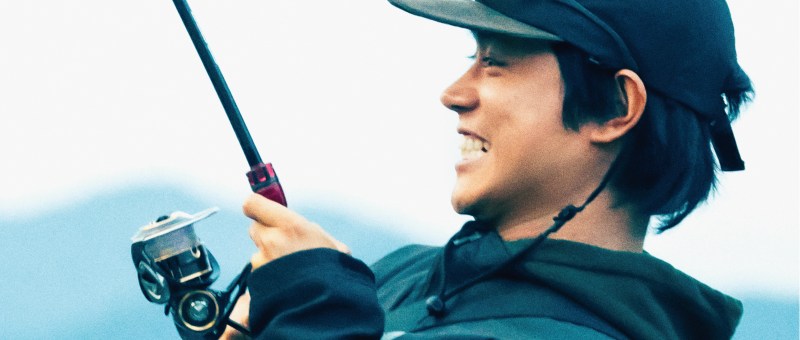
It’s an elegant solution that solves many of the problems of the contemporary society, but change isn’t always as straightforward as it seems as the hero of Yoshiyuki Kishi’s Sunset Sunrise (サンセット・サンライズ) finds out after he jumps at the chance to move into an abandoned house in Tohoku for a fraction of the rent he’d have to pay for a flat in Tokyo if he didn’t still live with his parents. The catch is, however, that houses have souls too and are more than just places to live for those that own or inherit them. Momoka (Mao Inoue), who decides to put her own empty house on the market, has her reasons for not wanting to live there herself nor for selling it completely but renting it out is also emotionally difficult. In the end, she only really does it after being put in charge of the town’s empty house problem at her job working for the council and thinking she should probably start with her own. Not knowing what to charge, it hadn’t really occurred to her someone would be as interested as Shinsaku (Masaki Suda), a fishing enthusiast longing to escape his salaryman life in the city for something a little more traditional in a peaceful rural area. 

Then again, that’s not to say that Shinsaku is a traditionalist and his decision quickly sparks controversy but also attracts the attention of his boss who senses a promising business opportunity. Momoka’s is a slightly special case, but Japan is filled with these so-called “akiya” which might, amid the work from home revolution of the pandemic, now be attractive to young professionals looking for a better environment to start a family. Houses generally start to deteriorate quite quickly when no one lives in them, and it’s true a lot of them need some work doing but it’s an idea that could work out well for everyone. Younger people who can’t find decent living space in the cities would be able to afford larger homes in the country where they would also then be contributing and integrating into the local community to provide support for its elderly residents.

Shinsaku becomes a part of the local community quite quickly and strikes up a friendship with an elderly woman whose children have all moved to Tokyo and rarely visit now that their own children are getting older. They’ve asked her to move to Tokyo with them, but as she points out, it would be the same as them moving back. There’s nothing for her to do there, and she’d have no friends. She’d only feel in the way and that she was getting under her daughter-in-law’s feet. Nevertheless, they fear for her especially as the area is still dealing with the scars of the 2011 earthquake which have left many clinging to a now bygone past. Once Momoka and Shinsaku start working with his boss on the akiya project, they find it hard to convince the inheritors of the houses to agree. Though they won’t live there, they might want to pop back a few times a year just for the memories and somehow can’t bear to part with their childhood or relative’s homes. But Shinsaku points out, it doesn’t necessarily have to be a case of either or and the renovation projects they undertake modernise the houses in a sympathetic way that brings them up to date with modern living yet honours the past even sometimes incorporating some of the previous resident’s furniture and belongings while issuing a caveat that the owners are welcome to visit should they wish to.

Essentially, the idea is a kind of co-existence with the past but also with unresolved trauma such as that presented by the earthquake and the ongoing pandemic. Momoka too is struggling to move on and while a gradual romance seems to arise between herself and Shinsaku, she isn’t sure she can ever let the past go though he makes it clear it’s okay to bring it with her. For his part, despite the initial fears of the early pandemic period and the suspicion of him as an outsider, Shinsaku’s quickly taken in by the community and adapts to a more rural way of life with relative ease though his boss’ big plan is rather undermined by his later insistence that he come back to Tokyo to run the project from the office like a many a contemporary CEO rolling back promises of flexible working environments that make this kind of utopian ideal much harder to materialise. In any case, there’s something quite refreshening in the eventual resolution just to do their own thing, not particularly paying attention to labels or what other people might think, but just doing what makes them happy right now. As an old fisherman’s song says, the sun sets but then it rises again. Scripted by Kankuro Kudo and adapted from a novel by Shuhei Nire, the film has kind of wholesome optimism that is rooted in a sense of continuity but also the potential to start again and make a new life inside the old that is less bound by outdated social norms than brokered by the gentle solidarity between people and a generosity of spirit that allows all to seek happiness in whatever way they choose.


Sunset Sunrise screens in Chicago 22nd March as part of the 19th edition of Asian Pop-Up Cinema.

Trailer (English subtitles)

Devils Stay (사흘, Hyun Moon-seop, 2024)

Unable to accept his daughter’s death, a father refuses to let her soul rest in Hyun Moon-seop’s possession thriller, Devil’s Stay (사흘, Saheul). The film’s Korean title “the Third Day” hints at its inverted religious overtones as a priest explains that she will indeed rise again like the Lord himself three days after her death, but as a destroyer of worlds in the incarnation of powerful demon. Heart surgeon Seung-do (Park Shin-Yang) isn’t sure that’s such a bad thing if only his daughter survives.

Then again, there’s a sense that Seung-do himself may share that So-mi’s (Lee Re) plight was partly down to his hubristic conviction in his skills as a surgeon that he alone could save her. So-mi evidently had some kind of serious medical condition that could only be cured by a heart transplant, but the obvious implication of that is if So-mi is to survive then another child must die. There is a kind of equivalent exchange in play and a wager that Seung-do is making with the universe. He may not think of it that way, but he is in fact making a deal with the Devil in his willingness to commit a human sacrifice to save his own child at the expense of someone else’s that in turn would colour the rest of So-mi’s life even if she had not become possessed by a demon.

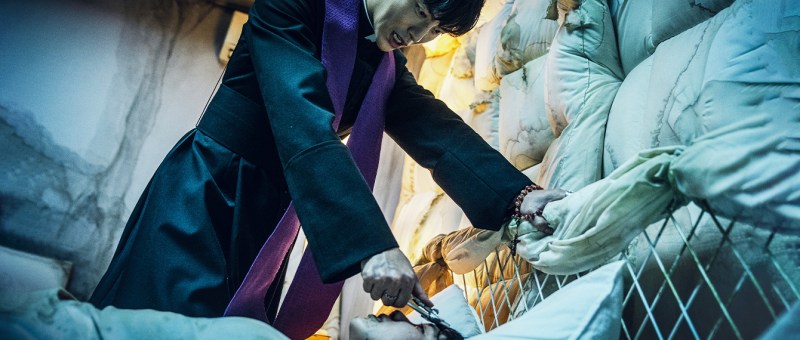
Father Ban (Lee Min-Ki), a young and intense priest very committed to exorcisms and demon hunting, presses Seung-do as to how he came by this heart that he gave to his daughter, already sensing that this is how the demon crept in. Seung-do must in effect wrestle with the decision he made that has both damned and saved his daughter in equal measure along with the reality that whatever has survived is not So-mi, or at least, not So-mi alone. Father Ban tells him that when the demon rises on the third day, it will immediately turn on those closest to its host. He must then place another wager, deciding whether saving So-mi is worth risking the lives of his wife and son in addition to his own rather than letting her go gracefully and attempting to go on with his life while carrying the burden of paternal failure. 

But to all around him, it appears as if Seung-do has lost his mind. He rants and raves, insisting that his daughter isn’t really dead and even at times interfering with the funeral process to take charge of her body. Like him, Father Ban is also considered an outsider by other members of his church who think he’s too invested in demonology and possibly also blame him for the death of another exorcist priest who saved him when he was demonically possessed himself while serving in the army. Perhaps subversively, the film heavily implies that there was more than friendship to Father Ban’s relationship with the other priest and that his desire to vanquish the demon is also one of vengeance. In this, he may be Seung-do’s enemy as he is gradually seduced by the demon and considers appeasing it to save So-mi, encouraged to make another equivalent exchange and in a sense enact his own funeral to take her place.

In this way, the religiosity is undercut by the implication that the “light” that guided So-mi belonged to father rather than to God as he fulfilled his role as a her polestar and his promise that he’d come find her if she made sure to stay where she was. Even so, it amounts to an awkward advocation that father knows best in that So-mi’s salvation lies in her obedience to Seung-do, rejecting her autonomy to place her faith in her earthly father to save her as he promised he would. In many ways, it’s a story of paternal redemption in which Seung-do must reckon with the transgressive choice he made, no longer able to run or hide from it to but forced to accept his weakness and failure along with the morality of what he did. Essentially a character study, Hyun Moon-seop’s conjures a palpable sense of evil and eeriness but also hope as Father Ban’s mentor had reminded him, that demons too can be beaten though the worst of all dwells in the human heart. 


Devils Stay is released in the US on Blu-ray, DVD and Digital March 18 courtesy of Well Go USA.

International trailer (English subtitles)
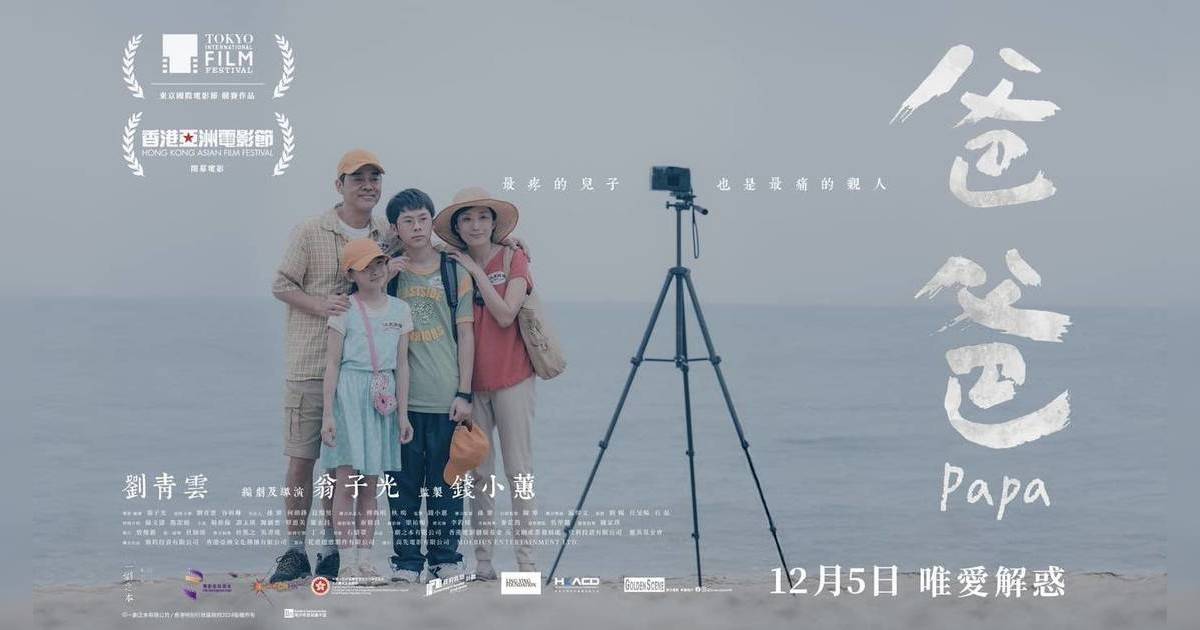
Papa (爸爸, Philip Yung Chi-kwong, 2024)

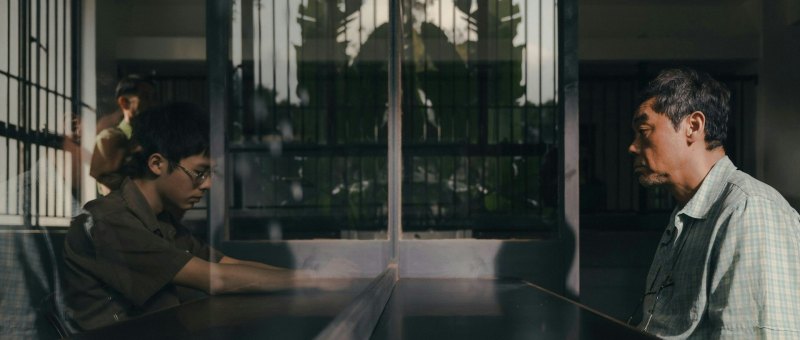
A man struggles with conflicted emotions after learning that his teenage son has killed his mother and sister in a bloody attack in Philip Yung Chi-kwong’s empathic character drama, Papa (爸爸). As much as he’s responsible for the deaths of those dearest to him, Ming (Dylan So) is still Nin’s (Sean Lau Ching-wan) son and he has a real desire to love and care for him while at the same time wondering why and continuing to blame himself as if this tragedy were really provoked by his failures as a father. 

Weaving back and forth through the last 30 years, Yung meditates on a theme of loss while linking Nin’s life with key moments in history. In 1997, the year of Hong Kong’s handover to China and also the beginning of the Asian financial crisis, Nin buys a newfangled digital camera hoping to record the birth of his daughter, Grace. Nin isn’t convinced by this technological advance and wonders if it will just lead to people wasting their time taking endless photos now they don’t have to worry about running out of film, but it’s also the means by which he is eventually able to preserve his family by making use of the temporary pause provided by its timer function so that they can all occupy the same space for a moment but also for eternity.

Otherwise, he worries that the family’s business concerns put too much strain on their relationships. He and his wife Yin (Jo Koo Cho-lam) worked opposing shifts at a 24hr eatery meaning they rarely got to spend time together and the children grew up with each of their parents never fully there. Though Nin had wanted to stop opening overnight so they could have a more conventional family life, Yin, from Guangdong on the Mainland, was against it and wanted to keep going until the children were a bit older. There’s an implication that this 24hr culture is also something of an older Hong Kong that’s gradually being erased in the post-Handover society and that Nin and his family are living in an age of decline.

Though Ming won’t give a reason for what he did, in his court testimony he claims to have heard voices telling him that there were too many people and it was making everyone angry so he needed to kill a few and bring the population down. Nin again blames himself, reflecting that the family live in a typically cramped flat where the children have to share a room and everyone is piled on top of each other even if he and his wife are rarely there at the same time. In flashbacks to happier times when Ming was small, there’s a suggestion that Ming resented his sister and that he always had to share not only his possessions, his mother suggesting that they buy a smaller bike for his birthday so Grace can use it too, but his parents’ attention. In a particularly cruel moment, Ming tells Grace that none of her favourite characters from Doraemon are actually “real” but merely imaginary friends Nobita made up in his head because he is autistic. 

But along with his aloofness, poor social skills and lack of empathy, Nin remembers Ming caring for the stray kitten Grace adopted but then grew tired of though he had not originally been in favour of taking it in. He seems to have been living with undiagnosed schizophrenia, something else Nin blames himself for wondering if there was something he could have done. “If I’d been there it wouldn’t have happened,” he tells the press in the incident’s aftermath, but even if he was ill it’s hard to believe the little boy he taught to ride a bike and took on trips to the beach could have done something so violent and hateful and then show such little remorse. Even so, he’s still his son and the only thing he can still rescue from the wreckage of his life while meditating on all he’s lost. As such, it’s another recent film from Hong Kong about how to live on in a ruined world. Yung’s camera has an elegiac quality aided by a retro synth score and the neon lighting of an older Hong Kong drenched in melancholy, but also weary resignation and a determination to keep going if only in memory of a long absent past that were it not for a photograph “to prove that we were here” would go unremembered.  


Trailer (Traditional Chinese / English subtitles)

Paradise of Solitude (孤独な楽園, Ikki Katashima, 2024)

A blocked writer and a introverted young woman discover unexpected connection through accidental epistolary communication in Ikki Katashima’s poetic drama, Paradise of Solitude (孤独な楽園, Kodokuna Rakuen). Each wondering what exactly “paradise” means, the pair of them eventually find new ways to face the past and move on with their lives all while undergoing a vicarious romance with yearning at its centre that may or may not develop into something more “real” or else achieve its power solely through its lack of resolution. 

Yu Tsushima (Sho Aoyagi) is a writer struggling to meet his deadlines on a new serialised novel. Suffering with an illness, he’s retreated to his hometown and is now unable to leave because he experiences seizures on boats which understandably leaves him preferring not to get on them. One day, he receives an incredibly poetic love letter from an anonymous address only to notice a link to a porn site at the end of the email like a cruel punch line. Meanwhile, Ayame (Akiho Otsubo) is a nervous and introverted young woman working at a factory on the next island over. To begin with, it seems like she has suffered under the authoritarian rule of her aunt Tsukiko (Narimi Arimori), though as we later discover she may have meant well. 

Showing a talent for writing which sees her exploited by the factory boss, Ayame is tasked with writing a love letter on behalf of her friend Elena to a man she’s apparently only seen once yet has fallen hopelessly in love with. There’s something a little strange about this proposition, and not least because it seems like Elena may actually want this letter for herself and has unspoken (in Japanese, at least) feelings for Ayame. Elena is not the only non-Japanese person working at the factory at which it seems there may be some racist attitudes and behaviour among the employees, though there may be other reasons she feels isolated and otherwise drawn to Ayame.

But somehow, the letters find their way to Yu who is then “inspired” to write a new serial basically ripping off the anonymous correspondence but rewriting it in his own way while Ayame, having read his stories in a literary magazine, is not exactly angry yet confused and continues writing in order to complete this literary back and fore in crafting a new story together. Though the letters spin a tale of a lovelorn soul, it’s really the past that Ayame longs to revisit in the resultant trauma of her mother’s unexplained abandonment.

On top of the weird island drama, Katashima builds on the sense of uncanniness with a subplot about a cult-like local church and its own desire to reclaim Ayame thereby preventing her from fully confronting her past. Just as Yu is suffering from a medical condition, Ayame too experiences panic attacks when in contact with the church. Though it’s not always clear what is objectively true and what part of the story Yu is constructing from Ayame’s prose, parallel stories develop in which Ayame’s father hoped to liberate her mother’s soul though she eventually decided to chase paradise somewhere else. 

Because of her experiences, Ayame comes to believe that love within her has died, but perhaps begins to regain something of it thanks to her correspondence with Yu who becomes remorseful in learning that his actions may have been additionally unethical in encouraging Ayame to engage with her past trauma and risk dragging it all up again. He, meanwhile, begins to discover his creativity and overcomes the psychological dimensions of his condition by leaving his island and breaking out of his self-imposed isolation. The correspondence is like the message in a bottle discovered by Ayame’s mother which claimed to be from “paradise”, a hand across the ocean promising a better world over the horizon. Whether or not they find each other eventually in a more direct sense may not really matter, for simply having this invisible presence has enabled each of them to move past their internalised inertia and restart their lives. They may be trapped in a paradise of solitude, but on the other hand not quite alone and now a little more open to life’s possibilities rather than bound by its hurts and disappointments too frightened to leave the safety of their isolation in search of a more perfect paradise.


Paradise of Solitude screened as part of this year’s Cinema at Sea.

Trailer (no subtitles)